Napa Lake Nature Reserve
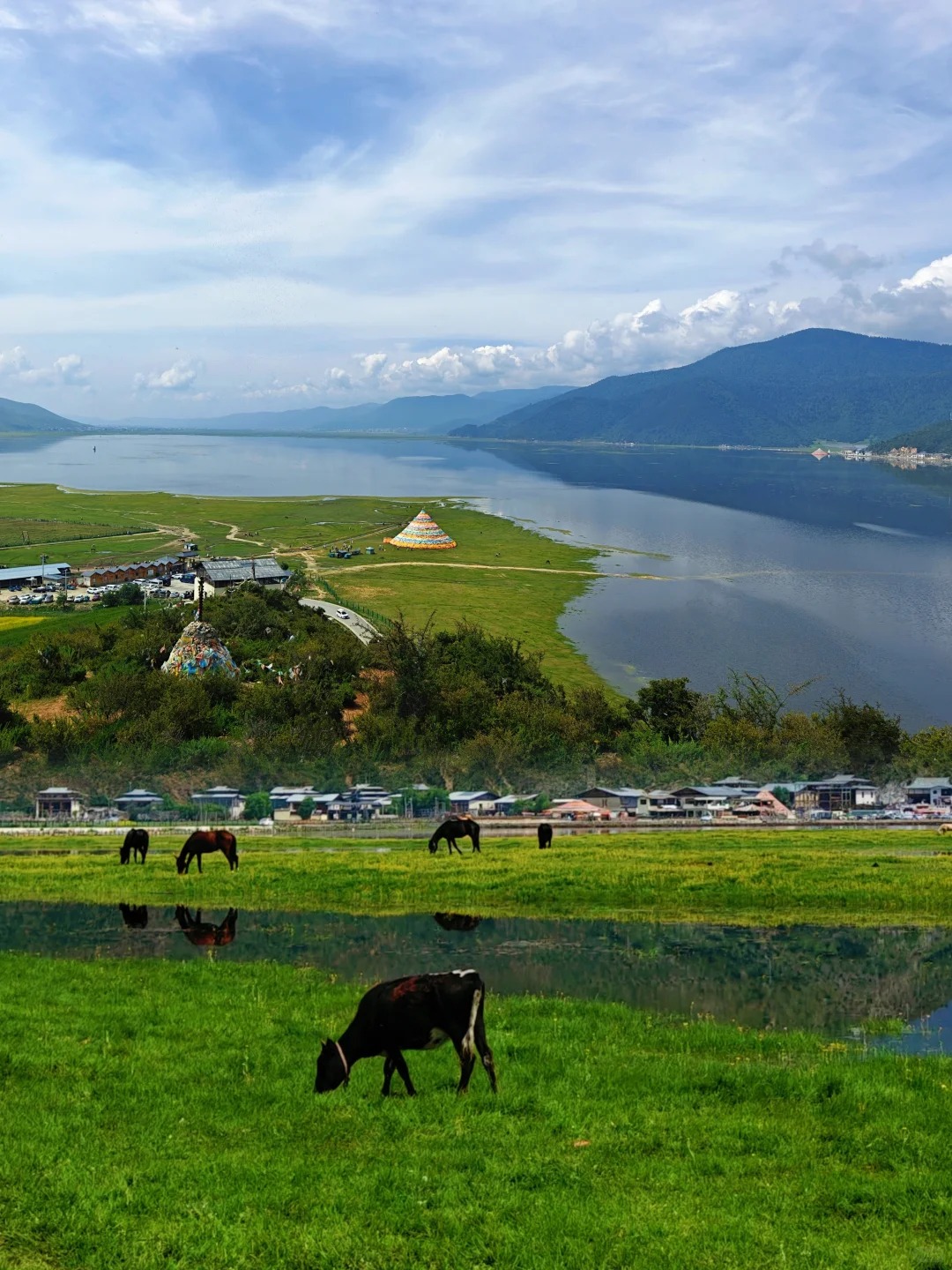
Napa Lake Nature Reserve lies eight kilometers from the old town of Shangri-La. It is not the kind of lake that remains perpetually in the same place. For a few months, it becomes a mirror; in others, it turns into nothing more than grassland, grazing yaks, and prayer flags waving in the wind. At approximately 3,270 meters above sea level, the air feels thin but sharp, carrying the aroma of pine, cold soil, and yak dung smoke from neighboring houses. The natives refer to it as Napahai--the lake that is beside the wood. Tourists arrive to see birds, to have peaceful rides over Yila Grassland, or simply to breathe in the atmosphere as the clouds appear to reach near. It is a little bit coarse on the edges, not well packaged, yet perhaps that is what makes it realistic.
Quick Facts about Napa Lake Nature Reserve
| Location | 8 km northwest of Shangri-La City, Yunnan Province |
| Altitude | ~3,270 meters |
| Type | High-altitude wetland & grassland reserve |
| Ticket | Free entry, optional horse-riding ¥80–120 |
| Best Season | October–April for migratory birds; May–August for green pastures |
| Distance | 30 min by car from Shangri-La town center |
| Nearby | Yila Grassland, Shika Snow Mountain, Pudacuo National Park |
Why Napa Lake Nature Reserve Is Unlike Anywhere Else in Yunnan
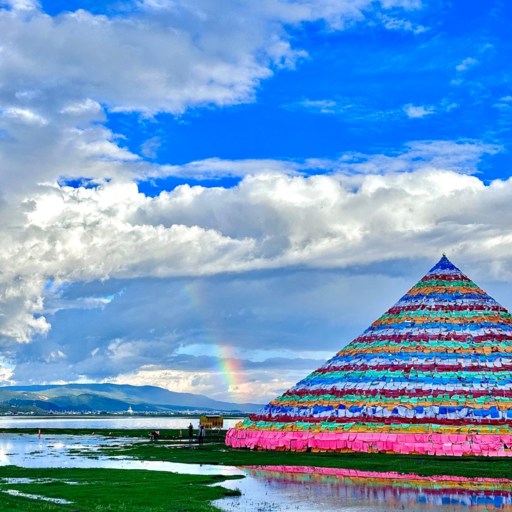
Rainbow after the Rain
A Seasonal Lake That Breathes with the Plateau Climate
There is a reason why Napa Lake Nature Reserve is referred to as a living lake. It doesn’t sit still. By November, the ground becomes a what one of the TripAdvisor users referred to as a frozen mirror with prayerflags around it. By June it is melted away into a green pool of reeds, which are sprinkled over with half-buried yaks in grass. The locals shrug, and say, the lake is lying asleep or awake, according to the season. It is no poetic language, it is geography. The valley is more than 3,200 meters above sea level and is surrounded by snow peaks which supply meltwater into the basin. The water dispersion when the rains fall is like a shallow sea. The dry winds come back the next day and it recedes leaving behind broken soil and wildflower beds.
It is the playing of the climate up here. Mornings are cold, afternoons smell like wet soil and grass under the sun. You tend to squelch in mud with your boots sometimes and kick up dust in the same area the next moment. My interview with a traveler in Shangri-La made me realize that she had driven away with anticipation water, and what she found everywhere was unlimited meadowlands-”it was still beautiful, she laughed. That is what is so beautiful about napa lake grassland: it can change form but never forgets its attitude. The manner in which clouds are low over it with a sky and earth half-showing makes you lose the thought of whether you are looking down or up.
Where Birds, Yaks, and Locals Share One Horizon
Fog covers Napahai Lake at dawn, and the only noise one can hear is hooves and bells. Black-necked cranes fly in Siberia, and their screams cut the fog. On the other side, a few men in wool coats guide yaks toward the open marsh. Dung smoke and barley porridge fill the cold air. It isn’t an acted scene—it’s everyday life. Children run after stray horses, and women bend over their thermos kettles, making butter tea while tourists line up for photos they’ll swear are untouched.
This mix of animals and people keeps the reserve alive. Conservation officers say it’s one of the last high-altitude wetlands in Yunnan where herders and birds still share the land. You can stand there with your camera and watch it unfold—the cranes landing on ice, the herder turning his head just as sunlight hits his prayer beads. It feels quiet, yet never empty. That’s why Napa Lake Nature Reserve feels so distinct: it isn’t only a view, but a rhythm—of land, living creatures, and people breathing the same vast air.
Top Things to Do around Napa Lake Nature Reserve
-
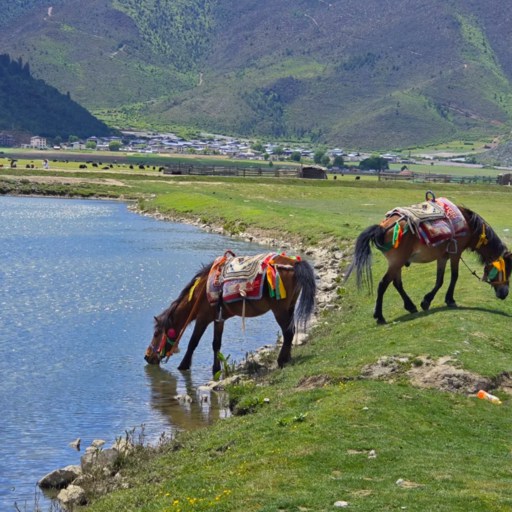

- Yila Grassland
-
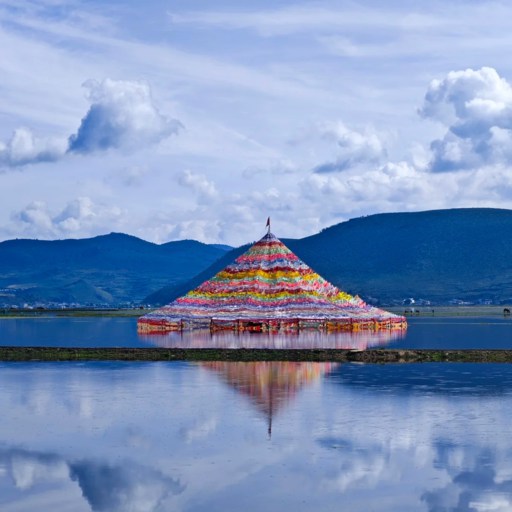
- Napahai Lake
-
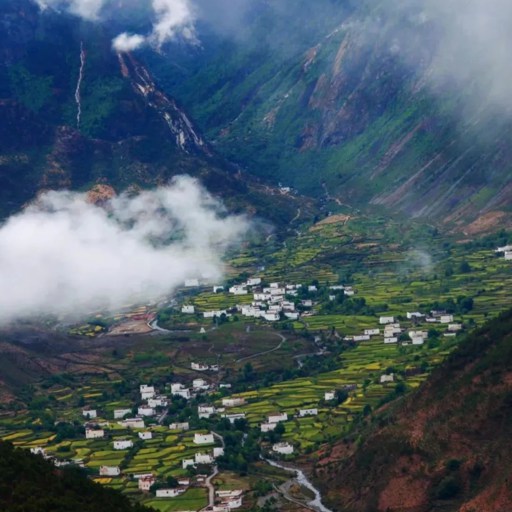
- Tibetan Villages around Napa Lake
Ride Horses through Yila Grassland and Snap Shangri-La’s Wild Beauty
The journey through the Napa Lake Grassland is very silent at the beginning. You get a view of yaks grazing, like black dots in the snow peaks, and you get a sweet smell in the air, as of barley straw and pine wood, smoked together. There are locals waiting at the dirt track with their horses and giving them short rides across Yila Grassland at ¥100-150 based on the distance. I can recall the man, who assisted me on my feet, his English a combination of signs and smiles. He mentioned the ridge and said, that is a good picture, there--sun behind you. He was right. There was a faint smell of barley and pine smoke in the wind, and it seemed to me that the world had no edges.
Away along, midway, there is the little Heidou Café, at the end of a gravel path. According to the TripAdvisor tourists, it is a place to visit when one wants a perfect rest and a yak milk latte. The coffee is around 40, and the wooden terrace where people can see herders crossing the open field costs nothing. There are occasions where clouds become low enough to be touched. Always carry money; card machines are on time when they please. It is a movie scene of Napa Lake Nature Reserve that unfolds before our eyes, starting with horses, flags, and waterlines.
Capture the Mirror of Sky: Photography & Drones at Napa Hai
Stolen hours are the best in case you came to take photos. At approximately 7.30 am the mist is low-lying making the Napahai Lake a silver sheet. It is known by the locals as the breathing hour. Users of TripAdvisor refer to the best reflections they had on the west side of the wooden jetty- they are correct. There there is a silence, the clink of the camera and the low splashing of the water birds. Everything is doubled with the reflection: peaks, clouds, even the horses, the sky fell on the ground.
The other magic time is sunset. At about 5:30pm in fall, the light drifts to the side of the valley, sweeping the yaks and making puddles turn gold. I once witnessed a tourist to drop her tripod due to forgetting to breathe. Considering you fly drones, you should remember that you will have to register them on the local tourism office, and do not exceed 120 m (120 m) in and around bird nests. And it is worth it; it is the scale that the aerial shot takes the scale of the Napa Lake Nature Reserve, of how it is a patchwork of mirrors and marsh. Only watch the wind it slices through the mountains quick, and spins light drones over unpredictably.
Meet the Locals — Tibetan Villages & Yak Herding Stories
The center of this place is outside the tourist loop. The Tibetan villages surrounding Napa Lake Nature Reserve are small, and the houses are made of stone and timber and painted with blue window frames that reflect the afternoon sun. I came one afternoon to a roadside booth where an old woman poured butter tea out of a dented kettle. I do not remember her name, but she explained to me that her family travels with the herds, when the lake is dry. And as water goes, she said, comes grass. We follow it.”
Life here is characterized by that rhythm- of departing and returning. Children assist in herding calves before they go to school, men in repairing prayer wheels in between their chores. Tourists may occasionally lose the fact that this is not simply scenery - it is a source of livelihood. Napa lake grassland horse riding business employs a lot of local families hence haggling excessively is wrong.
I always come with little presents- fruit, packs of instant coffee, things that are convenient. Respect is a long way; you are not in a film set but in the backyard of a person. The slower you move the more you see: the tone of bells dying out in the fog, the aroma of yak butter and wet wood. These are not the things that you can see on postcards but they are the things that make this place stay in your mind even after you have left.
When to Visit Napa Lake Nature Reserve
-

- Summer of Napa Lake
-
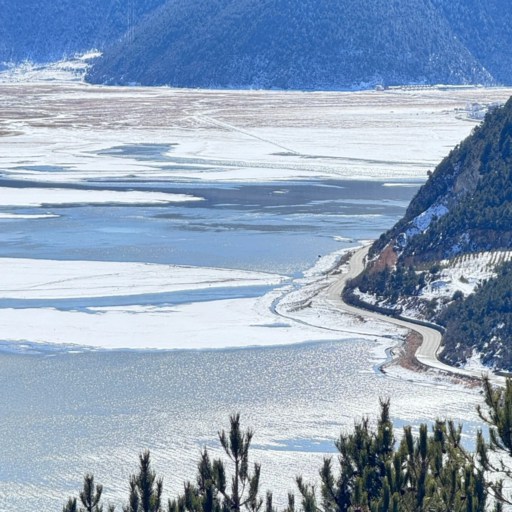
- Winter of Napa Lake
The Napa Lake Nature Reserve is beautiful, but it will be beautiful according to when you arrive. Winter wraps the lake tight and turns the surface glass-hard. Cranes with black necks arrive in pairs or threes, pecking small holes in the frost. TripAdvisor users rate it 4.5/5, most calling it otherworldly or like walking on an ice sky. The best time for photos is early morning, around 7–9 a.m., when sunlight cuts low across the valley, painting everything silver and blue.
By April, snow melts across the meadows, and spring feels restless. Horses wake, the lake opens its eyes, and the roads begin to soften. In summer, the whole area turns wildly green, almost tropical if the wind weren’t so cold. Yaks graze close to the roadside, though mud and rain often make travel harder. Reviewers give summer a lower 3.8/5, mostly because slippery roads stop taxis from entering. In autumn, the grass glows gold, and the sky sharpens. Locals say it’s the most honest time—no crowds, no dust, just color. If you want balance—some water and some dry land—late October is your golden middle ground.
How do I Get to Napa Lake Shangri-La?
There is no need to have a tour bus to get to Napa Sea which is the local name of the lake. Taxi prices in and out of Shangri-La old town are ¥40-60 and it takes around 30 minutes. When you want more freedom, hire an electric scooter at roughly ¥80 per day, the ride is smooth except at the last section, where you have to ride on gravel. Cycling can also be an option- it takes approximately 1.5 hours by road in one direction but you have to take your time and you should not mind thin air.
The origin of the name Napahai is Tibetan which means the lake that is next to the forest. It fits--on the road you will go you will see stands of cypress and tiny stone cities, the roofs of which are covered with prayer flags. The sight is only too good to pass by (and the driver will want to). To the people who ask how to get to Napa Lake Shangri-La without using their personal vehicle, DiDi is good in town but has no signal after the second bridge, so get your way back booked early.
Tips, Pitfalls & What No One Tells You about Napa Lake Nature Reserve
Altitude, Weather & What to Pack
Do not undervalue the altitude. The Napa Lake Nature Reserve is approximately 3,270 meters high and you can even feel your chest pinching, as you take short walks. The majority of travelers are not in a hurry to get started- drink a glass of water every ten minutes, not alcohol on the first day. Yak butter tea is a caffein boosting beverage that is an acquired taste by locals. The real challenge is however the sun. I even used to forget about sunscreen and be a tomato at noon. Here on the top of the mountain, UV rays cut through thin air. Carry an unbreakable jacket, sunscreen with a minimum of 50 of protection, and tissues; the winds up in the mountains dry your skin faster than you anticipate.
Mornings and evenings may fall as much as 18o C to almost 5o C in an hour, so it is better to wear in layers. Fancy hiking boots are unnecessary, except when you are intending to make a circle of the grassland; rubber shoes will suffice to cope with the mud. Where you have a camera, be sure you carry silica gel-its moisture changes very quickly along the lake. I store my equipment in a bag that is airtight, and wipe my lens with my scarf when clouds come. It is an improvisation, and half the pleasure of travelling in the Highlands.
Avoiding Common Tourist Traps
Not all the friendly faces at Napa Hai Nature Reserve are good. Near the gate some “freelance horsemen” will be attempting to gain your business at half price, only to demand tips half-way through your trail. Use the main gate or book through trip.com. The official vendors have laminated credentials and the posted prices are round ¥100-150. There are photo stalls claiming “exclusive yak photo shots” for ¥20-30. The yaks in question more than likely belong to nearby families, who never see that money. Your better bet is to deal with a herdsman direct. Most will allow you to snap a photo for nothing if you also buy a small souvenir.
If you want to understand how to behave respectfully when interacting with locals, read this quick guide on Chinese etiquette and cultural do’s and don’ts.
A bulletin from the Shangri-La Tourism Bureau (a local poster outside the visitor center) in 2024 reminded tourists not to feed birds, or enter restricted wetland spaces. Offenders can be fined ¥200. But it isn’t so much the fine that is important, as the respecting of things. The people rely on the land here, and every careless footstep is a loss. If you want a genuine souvenir, you could better pick up handmade butter lamps or prayer beads in the town instead. They are more lasting than a photo, and the officials will not chase you around demanding payment.
Nearby Attractions to Pair with Napa Lake Nature Reserve
-
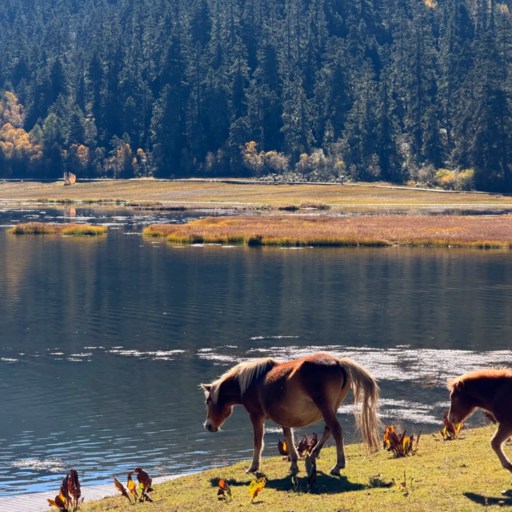
- Shudu Lake of Potatso National Park Yunnan
-
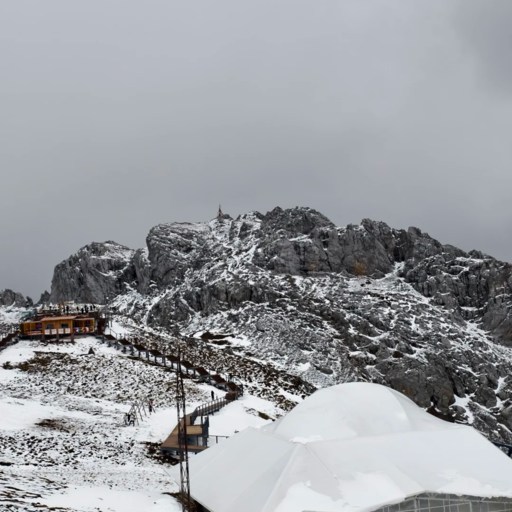
- Shika Snow Mountain
Pudacuo National Park — Another Face of Shangri-La’s Wetlands
Just 45 minutes from Napa Lake Nature Reserve near Shangri-La, Pudacuo National Park offers a different kind of silence. Where Napa Lake is wide, open and windy, Pudacuo is forests, lakes and boardwalks that smell of faint implicit and resin. The air feels heavier, cooler beneath the trees, and light filters through them like a movie still. Blue lakes like Bita and Shudu instead of wide open grasslands, squirrels and shy deer darting in open spaces instead of yaks.
If you’re into pristine alpine scenery and wetland hikes, check out this detailed guide to Potatso National Park in Yunnan.
Entry costs ¥258, including eco-bus transfers through the park. Travelers often refer to it as “Napa Lake’s greener twin” — apt. The raw plateau wind is full in Napa Lake Nature Reserve near Shangri-La, while the hidden wetland heart of the region is visible in Pudacuo. Snacks and an extra jacket need to be taken, as the weather can change as rapidly as examine settings.
Shika Snow Mountain — The White Peaks beyond the Lake
What to do if you still have half a day after Napa Lake Nature Reserve near Shangri-La? Well, you can always go skiing on the Shika Snow Mountain, which is about 20 kilometers west of the town. The cable car ticket costs ¥150 and rises from grassy foothills to a perspective of snow peaks and valley mists. Here, however, at an altitude of 4,500 meters the air is damp again but the view is wonderful, you see a glimpse of Napa Lake, far below, curved exactly like a silver coin, and shining.
There is a short walking path leading from the upper station, which takes an hour or less to cover the return trip, to a small stupa, at which the local folk leave khata scarves for luck. Peaceful and very grounding after a day of wide, wild wetlands. In fact, most travelers do both these things in a loop: sunrise at the lake, lunch back in Shangri-La, two o'clock cable car to Shika. Windburn is the one distinguished mark you can show at the end of the day! You carry back rolls of film and a quiet satisfaction derived from having seen Shangri-La from both the earth and sky.
FAQ about Napa Lake Nature Reserve
Q: What’s the best month to visit Napa Lake Grassland?
The most balanced time to visit Napa Lake Nature Reserve is from October to early December, when the water still glimmers but the roads stay dry. Winter brings the cranes and mirror-like ice, while summer turns everything green but muddy. Locals joke that spring is for photographers, autumn is for dreamers—and both are right.
Q: Can you ride horses at Napahai Lake?
Yes. Locals near Napahai Lake provide a short or long ride around the grassland for about ¥100-150 per person. Horses are better at the big gate, for they are licensed and better cared for. Beware those standing outside the park, for they are prone to over-charging or cut the ride short.
Q: Are drones allowed at Napa Lake Nature Reserve?
Yes, but small. You must register before flying inside the Napa Lake Nature Reserve and keep your altitude under 120 m. near bird breeding grounds. Sometimes the wardens give it a check-up, so take your passport and avoid flying during the months of migratory birds (December-March). Q: Q: How high is the lake and will I get altitude sickness?
Q: Can I combine Napa Lake with Pudacuo and see them in a day?
Yes. Many travelers join Napa Lake Nature Reserve in the morning for the pictures and after lunch go on to Pudacuo. They are not more than an hour apart by driving and make a complete course for a whole day.
Q: Is there any public transport to Napa Lake?
No bus yet. From the old town of Shangri-la, taxis go to Napa Hai Nature Reserve for about ¥40-60 per Jiaylin, while one can hire an e-bike for ¥80 per day. The hotels also have small number of groups from Shangri-la—ask reception at night before.
Q: How do I get to Napa Lake from Shangri-La?
Getting to Napa Lake Nature Reserve is simple. It’s only about 8 km from Shangri-La’s old town, roughly a 25–30 minute taxi ride costing ¥40–60. You can also rent an electric scooter for ¥80 per day if the weather’s good. The road is mostly flat, though the last few hundred meters turn to gravel—go slow and watch for grazing yaks crossing the path.
Q: Is there an entrance fee at Napa Lake Nature Reserve?
As of 2025, entry to Napa Lake Nature Reserve remains free, but you’ll pay for optional activities like horse riding (¥100–150) or guided birdwatching tours (¥50–80). Vendors sometimes ask for “camera tickets” at unofficial spots—ignore them. Official parking is free, and you can confirm current prices on Trip.com.