Balagezong
Balagezong sits about 1.5 to 2 hours outside Shangri-La, and for a long time it felt like one of those places people only mentioned in passing. The road getting there is winding, and most travelers just stick to the easier spots nearby. Curious about other hidden gems and travel tips in Yunnan? Check out this guide for practical advice and local insights Yunnan Travel Tips. Still, Balagezong keeps popping up—usually because of that dramatic canyon view that looks almost unreal in photos.
From what I’ve seen and heard, Balagezong isn’t the kind of place you casually drop by. It takes a bit of effort, costs around ¥170–200 for entry, and can feel tiring if you don’t plan it right. But if you’re curious about something less polished and a bit more raw, it might just surprise you.
Core Takeaway: This is not a place you just “casually drop by.” It requires logistics, a specific budget (combined entry and mandatory internal shuttle is around ¥170–220), and physical stamina. But if you seek the raw and unpolished side of Yunnan, it will surprise you.
Quick Facts about Balagezong
| 📍 Location | Nixi Township, northwest of Shangri La, Diqing Tibetan Autonomous Prefecture, Yunnan Province, China — about 50 km from Shangri La city center. |
| 🏞️ Main Attraction | Balagezong Grand Canyon — deep, dramatic canyon and varied terrain including cultural villages and sacred sites. |
| 🎢 Highlights | Grand Canyon cliffs, glass skywalk, zipline, Bala Village, Shambhala Pagoda, Echo Wall & Tibetan cultural spots. |
| 🎫 Typical Ticket Price | Around ¥170–220 for basic admission plus internal shuttle; extras like Shambhala Pagoda or cableways may be additional (~¥75–120). |
| ⛰️ Altitude Range | Canyon base ~2,000–2,200 m, typical tourist paths ~2,900–3,300 m, and peaks above 4,000–5,500 m at highest zones (vertical drop >3,275 m). |
| 🕐 Best Visit Duration | Half day (3–4 hrs) for highlights; full day recommended to explore most viewpoints. |
| 🗓️ Opening Hours | ~08:30–16:30 most of the year (may vary seasonally). |
| 🌤️ Best Time to Visit | Spring & Autumn for pleasant weather and clear skies; summer rain and winter cold can affect trails. |
| 🚗 Transport Options | Day tours, private cars, taxis, or shuttle buses from Dukezong Ancient Town/Shangri La. Shared local buses run seasonally. |
| 🏨 Accommodations Nearby | Small hotels near the Balagezong entrance or full services in ShangriLa town. |
What You Actually See Inside Balagezong Scenic Area
Starting With The Canyon Views In Balagezong
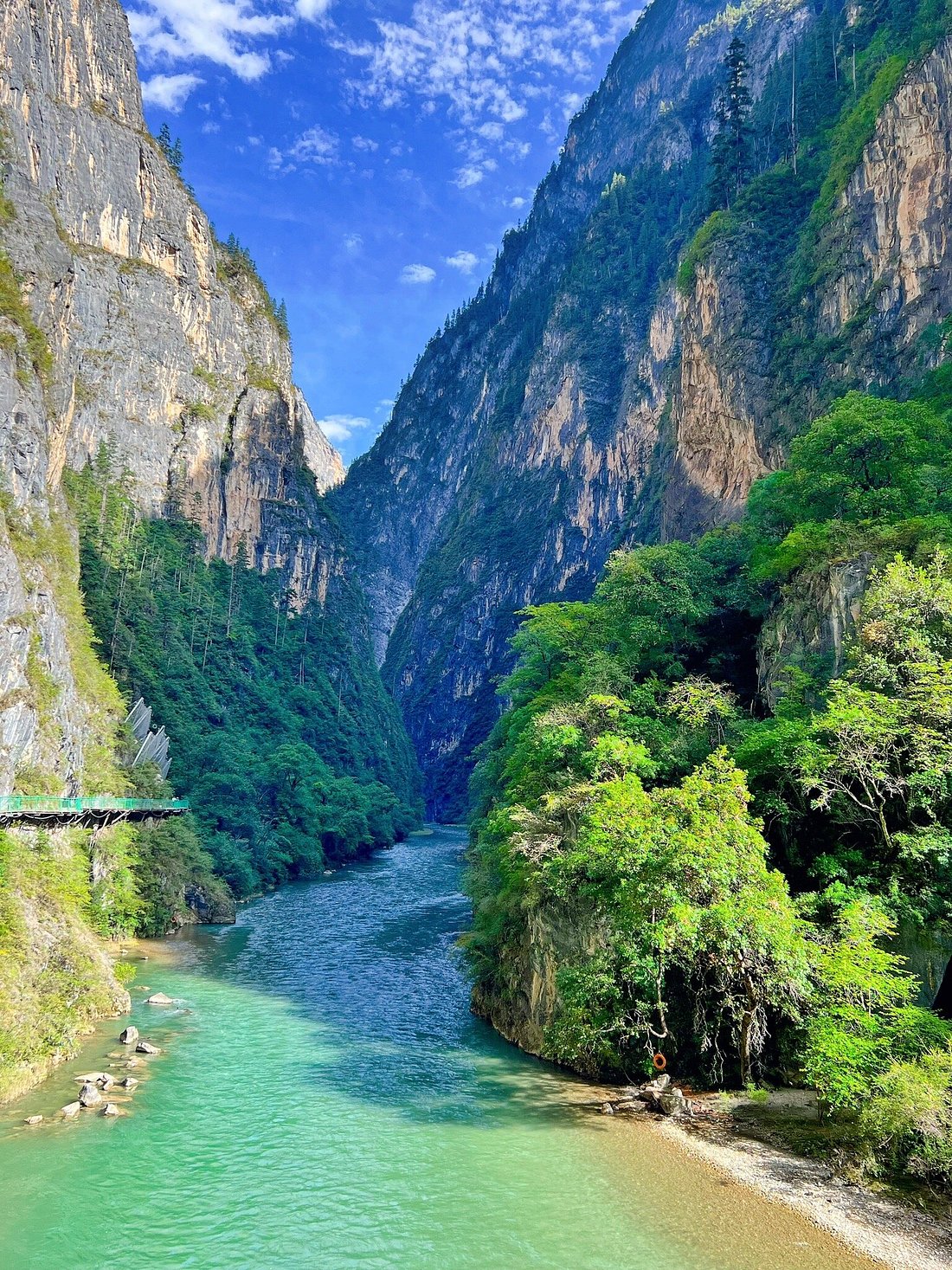
Balagezong Grand Canyon Views
The balagezong grand canyon is the main reason people come here, and it doesn’t take long to see why. The scale feels slightly unreal at first. Photos online tend to flatten everything, but standing there, the depth becomes obvious. Cliffs drop almost vertically in some sections, and the canyon stretches out in layers rather than a single clean view.
Getting around this part of the balagezong scenic area takes more time than expected. It’s not a flat walk. You’ll deal with constant up-and-down steps, and distances can be misleading. I remember thinking one viewpoint was just a short walk away—it was, technically—but it still took another 15–20 minutes to reach. That kind of thing happens a lot here.
If you’re planning longer treks and want extra tips for backpacking in Yunnan, take a look at this detailed guide Yunnan Backpacking Tips.
People move through this area at very different paces. Some stop early, take a few photos, and head back. Others keep walking deeper into the canyon. After a while, though, the scenery starts to feel a bit repetitive. There’s no real need to push every trail to the end unless you genuinely enjoy hiking.
- Location: main canyon area, accessed via internal shuttle buses after the entrance
- Photo tip: stand near the edge with a person in frame; otherwise the canyon looks smaller than it is
- Ideal for: visitors who enjoy wide natural views and don’t mind walking at a steady pace
Walking Out Onto The Glass Skywalk
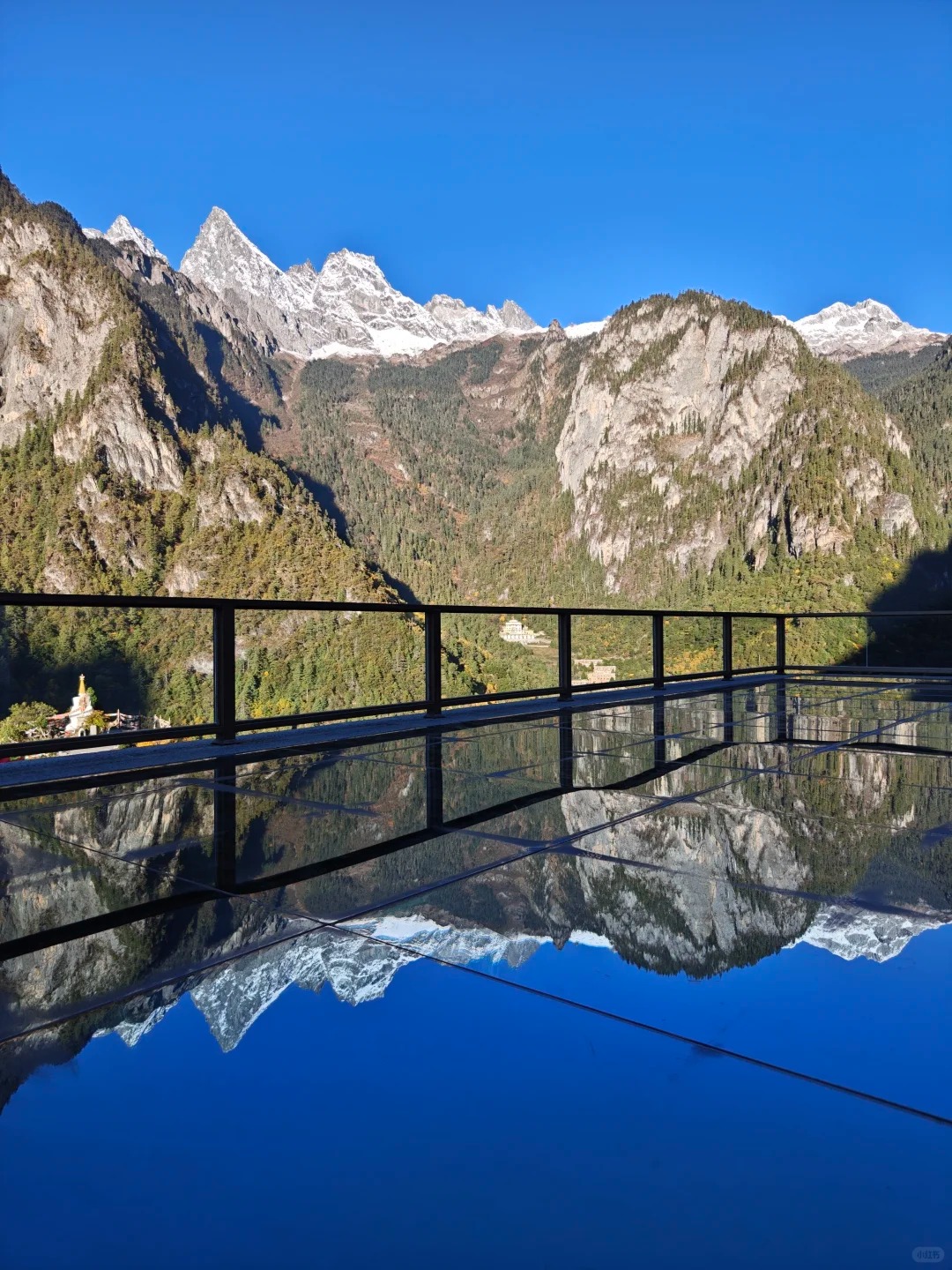
The Glass Skywalk
The balagezong glass skywalk sounds familiar—there are plenty of these across China—but here, the height changes the feeling a bit. It’s built along the cliff, and once you step out, the drop becomes very real.
The surface feels stable, though there’s a slight bounce when several people walk at the same time. Not dangerous, just noticeable. Wind is another factor. It can get quite strong in the afternoon, which makes people slow down without really thinking about it. I’ve seen visitors walk on confidently, then hesitate halfway across.
Timing matters here. Late morning to early afternoon usually means queues, and people tend to stop in the middle for photos, which slows everything down. Earlier or later in the day feels much smoother.
- Location: cliffside platform area inside the canyon section of balagezong scenic area
- Photo tip: take photos slightly off-center to avoid blocking others; edge angles look better than middle shots
- Ideal for: travelers curious about height experiences but not specifically chasing extreme attractions
Trying The Zipline (If You Feel Like It)
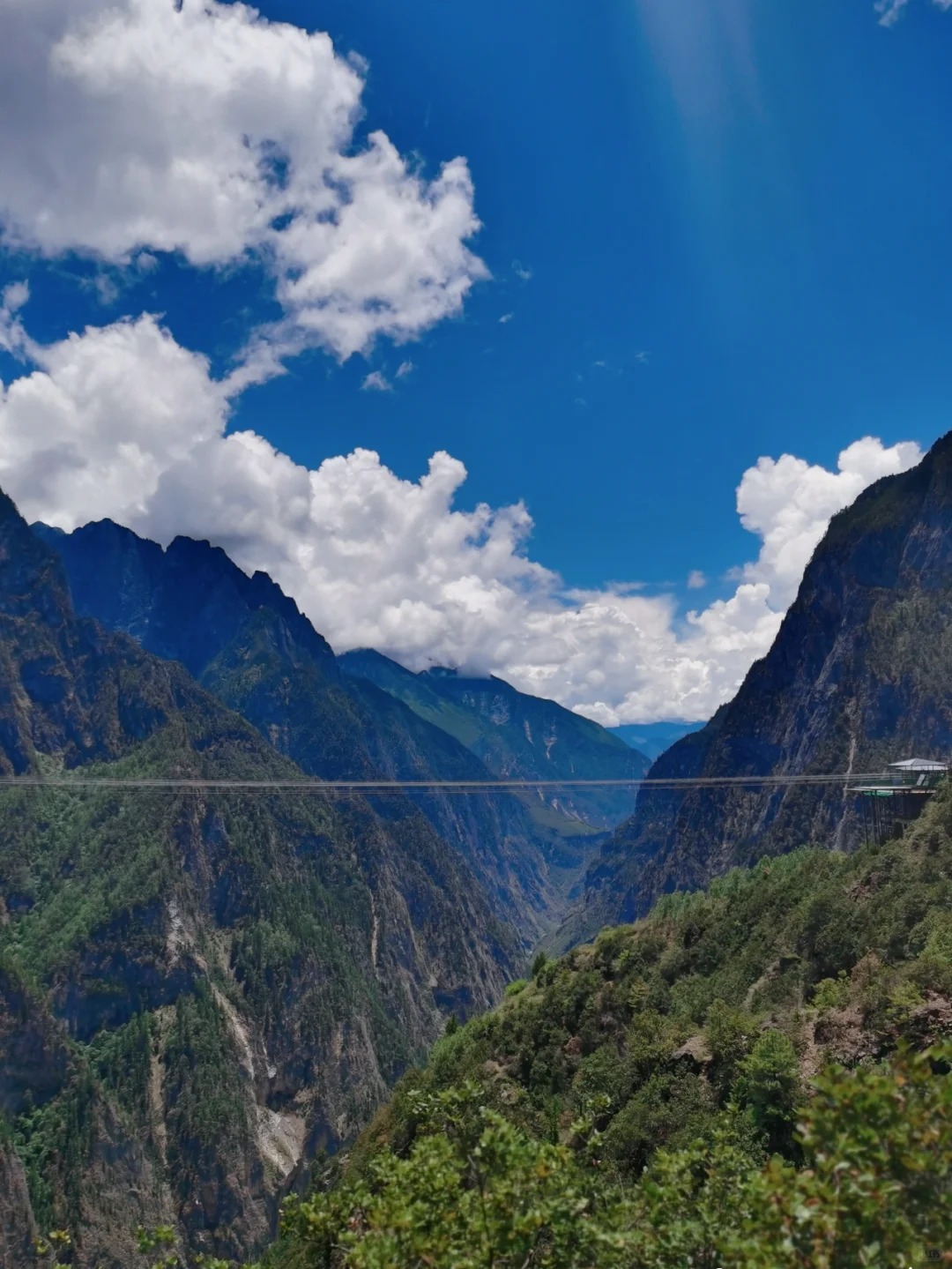
Balagezong Zipline Ride
The balagezong zipline is there, but it’s not the main highlight. Compared with other places, it’s shorter and less intense. The ride itself lasts under a minute, so it’s more of a quick activity than something you plan your day around.
Still, it draws attention because there aren’t many “active” options inside the park. Pricing is usually around ¥80–120, depending on the season or package. The setup is straightforward—staff handle everything, and the process moves quickly.
Queues build up around midday. Some people wait, others take one look and skip it. From what I’ve seen, reactions are mixed. People enjoy it in the moment, but rarely talk about it as a highlight afterward.
- Location: designated activity zone within the balagezong scenic area, usually near shuttle stops
- Photo tip: have someone ready to shoot from the side; you won’t have time to take photos yourself
- Ideal for: visitors who want a quick activity break without spending too much time or energy
Slowing Down Around The Shambhala Stupa
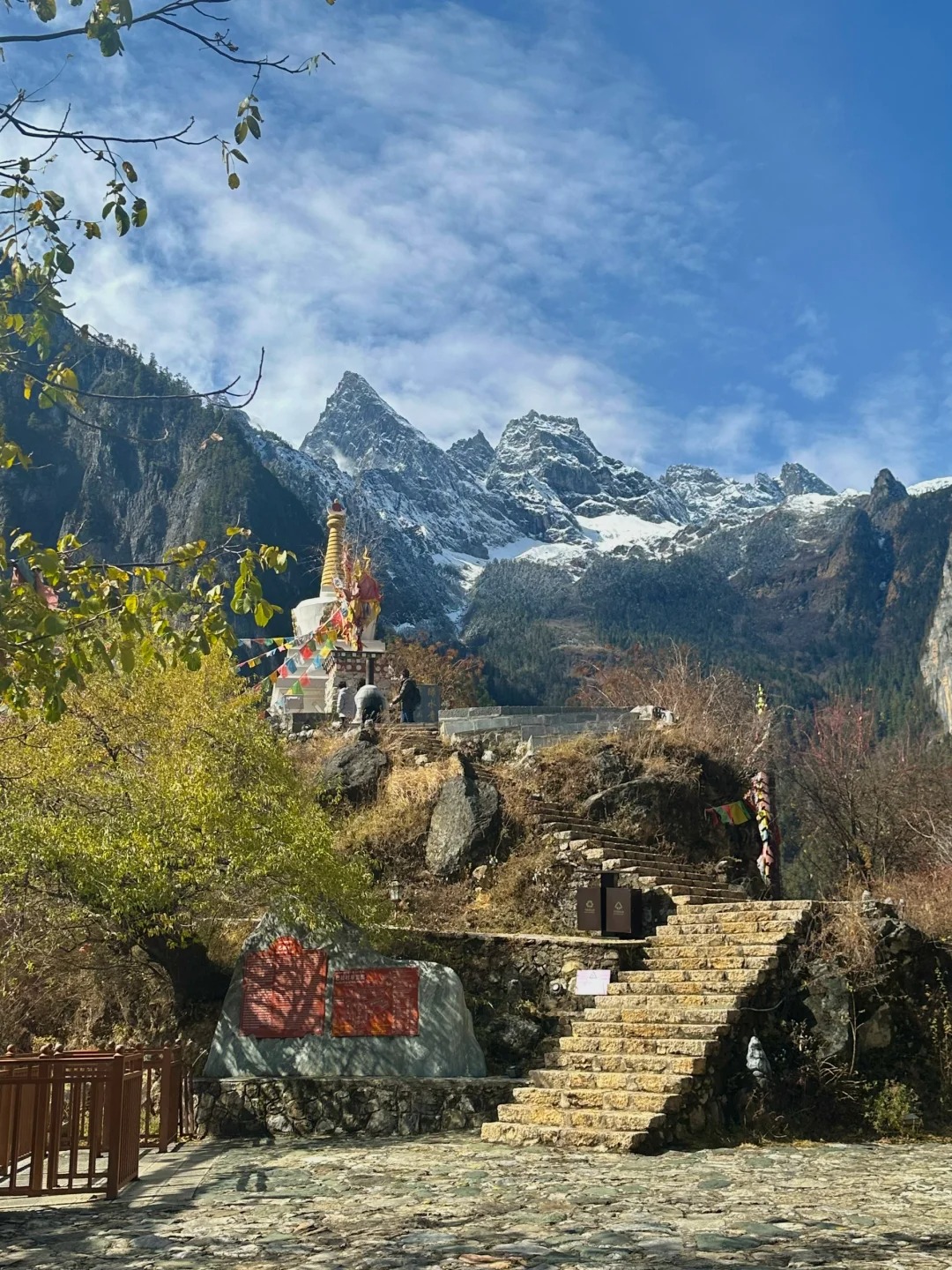
Shambhala Stupa and Tibetan Culture Spots
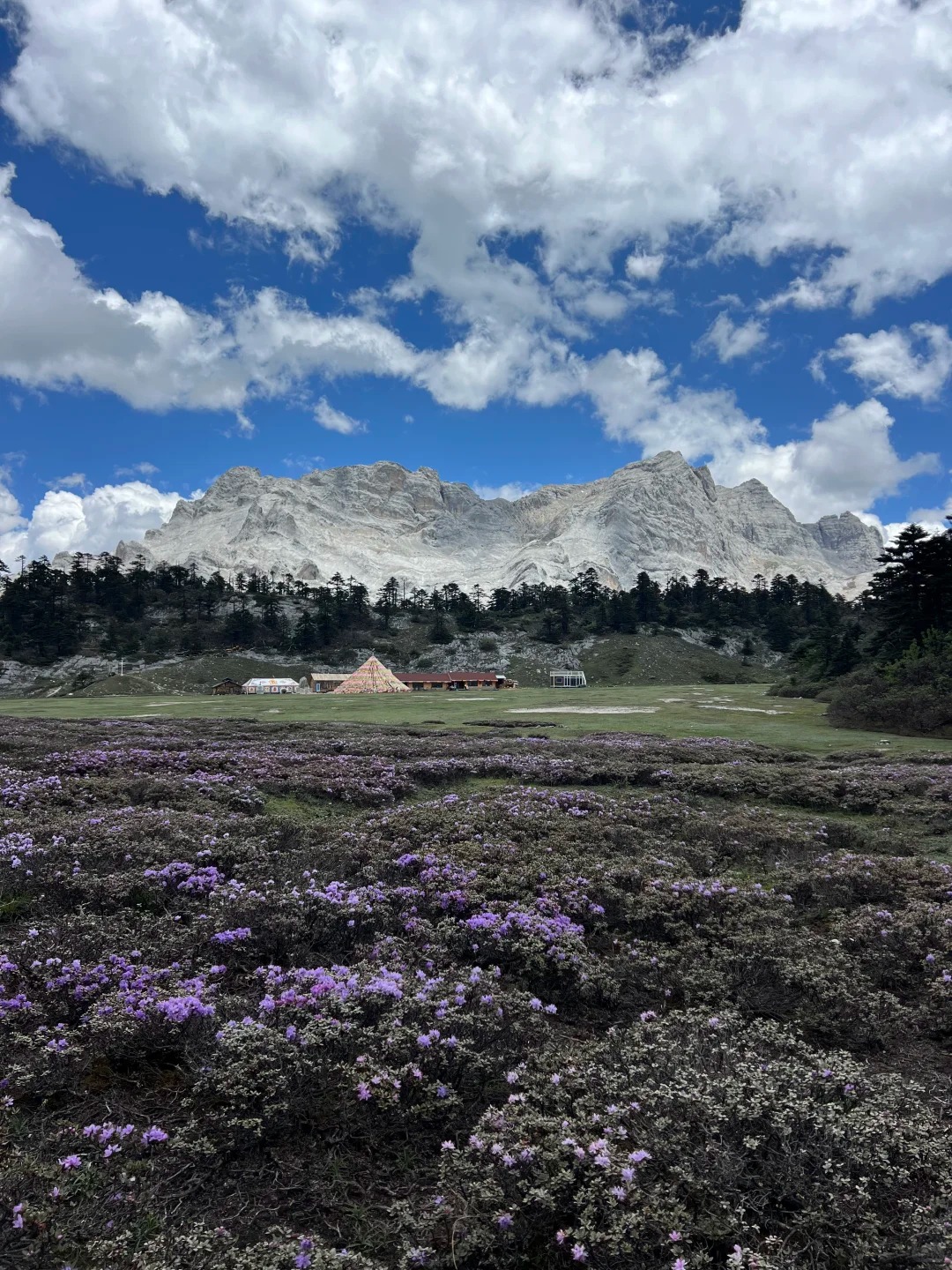
The Shambhala Stupa area feels noticeably different from the canyon sections. The space opens up, the pace slows down, and there are fewer people lingering around. Instead of steep cliffs, you get white structures, prayer flags, and a more open landscape.
It’s not a large area. Most people spend maybe 20 to 30 minutes here. Some skip it entirely if they’re short on time and focus only on the canyon. But stopping here changes the rhythm of the visit. Less walking, less pressure to keep moving.
Culturally, it’s not a deep dive into Tibetan traditions, but it gives you a sense of the setting. Small details stand out more—the movement of flags, the quieter atmosphere, fewer tour groups passing through. Nothing dramatic, but it stays with you a bit.
- Location: higher elevation section of balagezong, accessible by internal shuttle
- Photo tip: wide-angle shots with sky and flags create better composition than close-ups
- Ideal for: travelers who prefer a quieter stop and a short break from the canyon walking
🏔️ The Great Canyon Series: China’s West is home to world-class geological wonders. While you prepare for the Tibetan heights of Shangri-La, don't miss our parallel guide to Tianshan Grand Canyon: Xinjiang’s Hidden Alpine Escape for a different take on rugged peaks near Urumqi.
Planning Your Route Through Balagezong
-
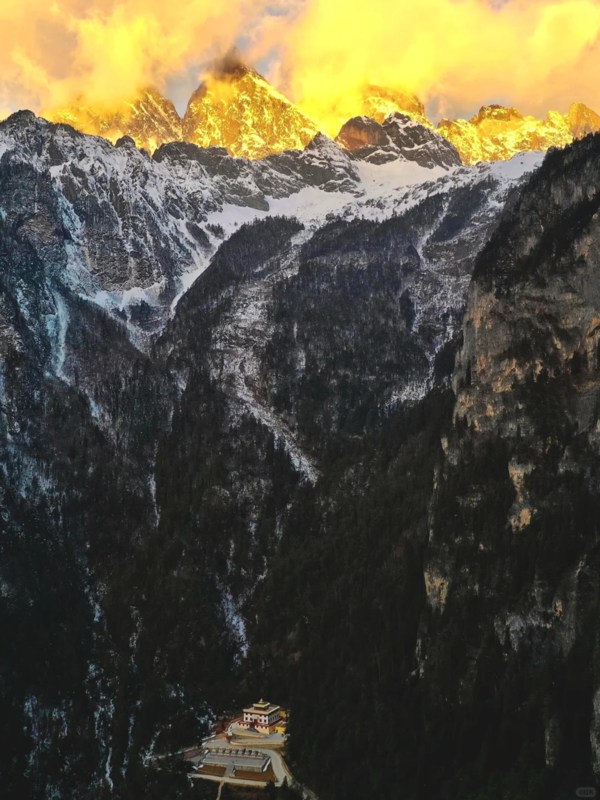

- The Gorge
-
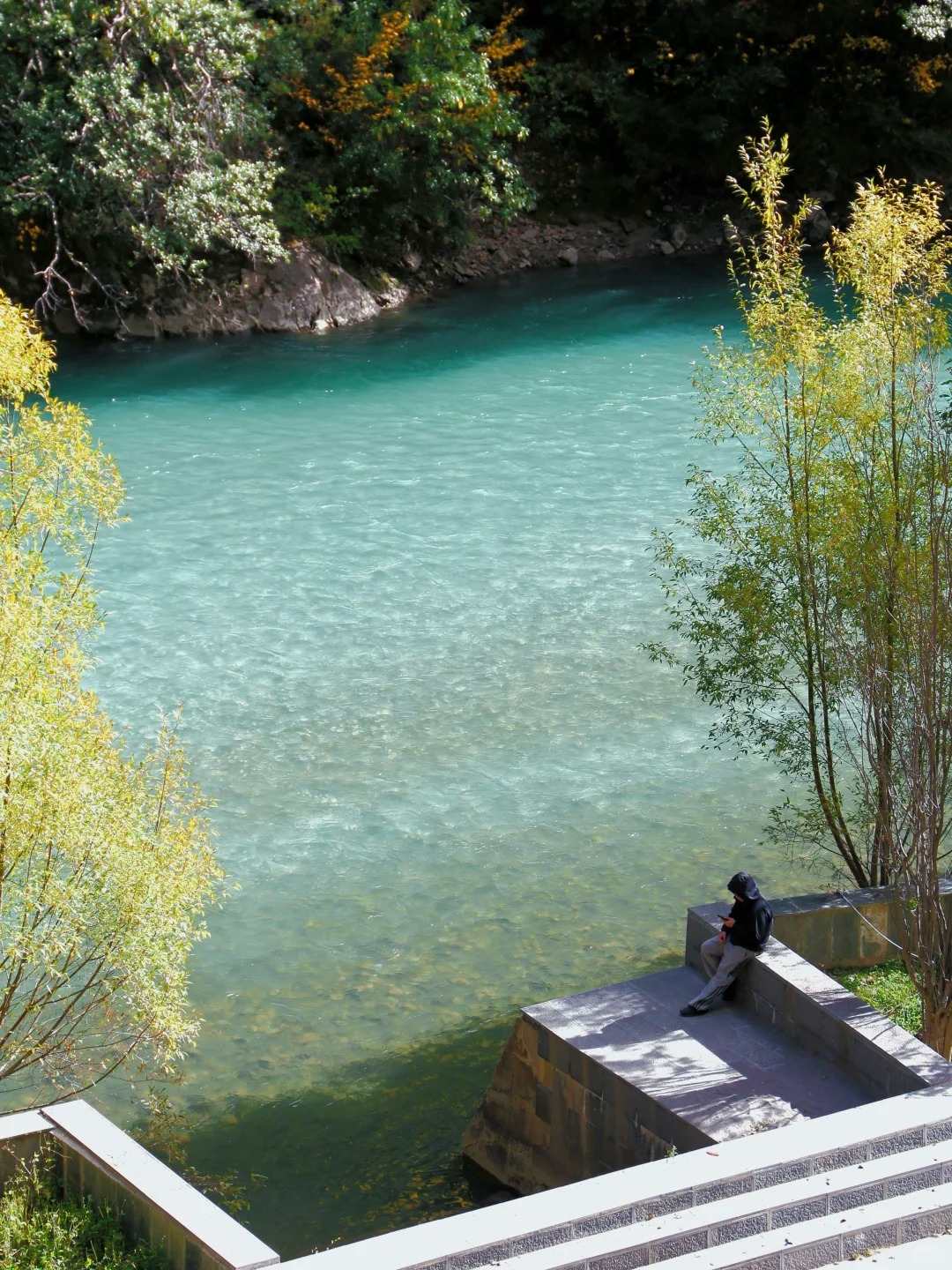

- Water in Balagezong
-
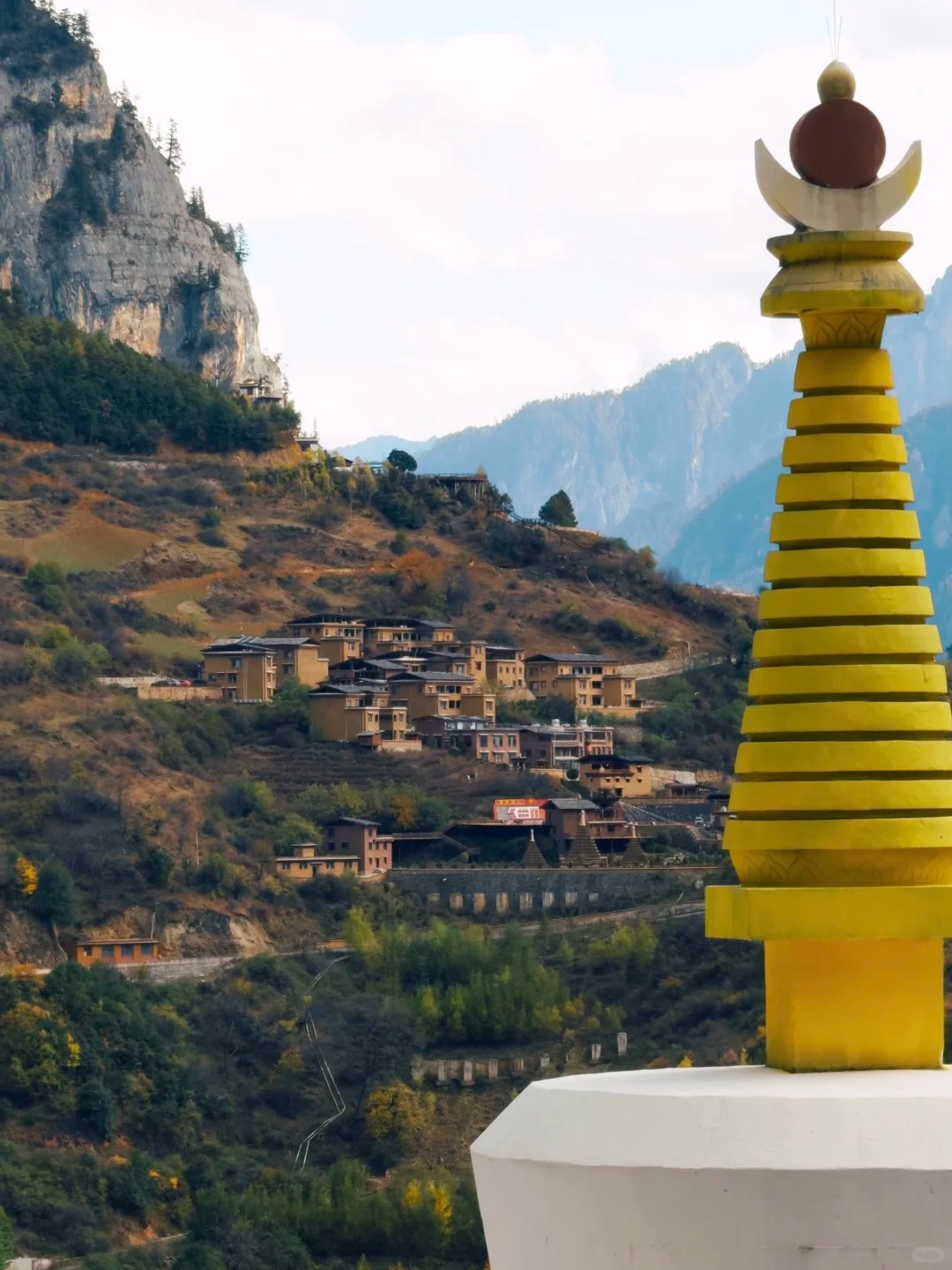
- Scenery of Balagezong
Doing Balagezong In Half A Day
If you only have half a day, the key is to stay focused on the main viewpoints and not overestimate how much you can cover. The balagezong route tends to take longer than expected, especially once you factor in walking and short stops.
A workable path looks like this:
Entrance → Shuttle Bus → Main Canyon Viewpoint → Glass Skywalk → Short Canyon Walk → Return Shuttle → Exit
In reality, this usually takes around 3 to 4 hours. It depends less on distance and more on how often you stop—people tend to pause quite a bit at the canyon viewpoints. The glass skywalk fits well into this plan without adding too much extra time.
What you’re skipping here are the deeper canyon trails and optional activities like the zipline. That’s intentional. Trying to squeeze everything into half a day often leads to rushing, and at this altitude, even short walks can feel more tiring than expected.
Spending A Full Day In Balagezong
A full day gives you more breathing room. You’re not constantly checking the time, and you can follow the balagezong map in a more natural way instead of just jumping between highlights.
A typical flow would be:
Shangri-La Departure → Entrance → Shuttle Bus → Canyon Exploration → Midday Break → Glass Skywalk → Optional Zipline → Shambhala Stupa → Return Shuttle → Back to Shangri-La
Most people arrive mid-morning, spend a few hours around the canyon, then take a short break. Food options inside are limited, so it’s usually a quick meal or snacks. After that, you can continue toward the higher sections like the stupa.
The main difference here is pacing. You don’t need to rush, and you can decide along the way whether to walk more or rely on the shuttle. That said, it’s still not a light day. The combination of altitude and walking distance adds up, especially if you go beyond the main viewpoints.
Taking The Easiest Route With Minimal Walking
If you want to keep things simple, the balagezong scenic area does allow for a more relaxed version of the visit, though it comes with some trade-offs.
A simplified route would be:
Entrance → Shuttle Bus → Main Viewpoints → Glass Skywalk → Shuttle Back → Exit
This setup avoids most of the longer walking sections and focuses on areas that are directly accessible by the internal transport system. You still get the canyon views and a general sense of the landscape, just without going deep into it.
If you want more ideas for easy Yunnan itineraries that minimize walking yet cover major sights, check out this guide Yunnan Travel Itinerary.
This approach works well for older travelers or anyone not comfortable with stairs and longer walks. The trade-off is fairly clear—you’re seeing Balagezong mostly from viewpoints rather than moving through the landscape itself. Still worth it, just a different kind of experience.
Getting To Balagezong From Shangri-La
-
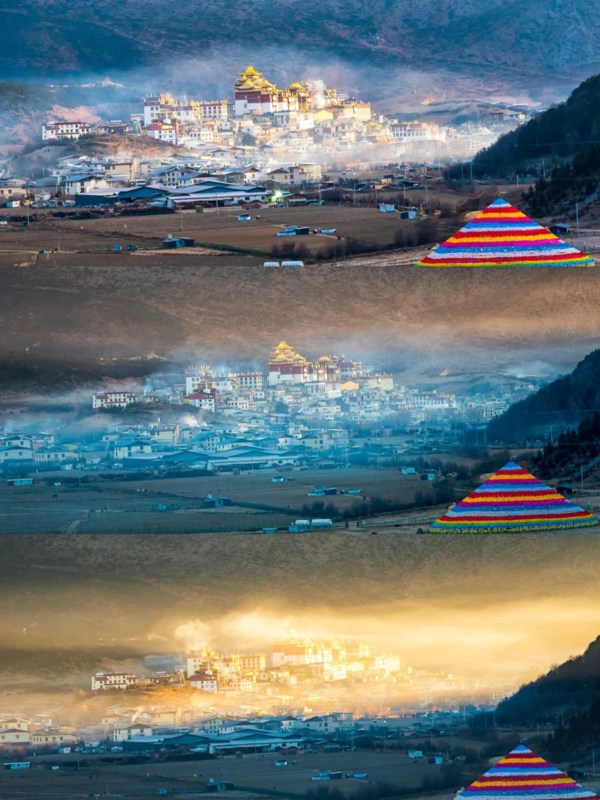
- Shangeri-la
-
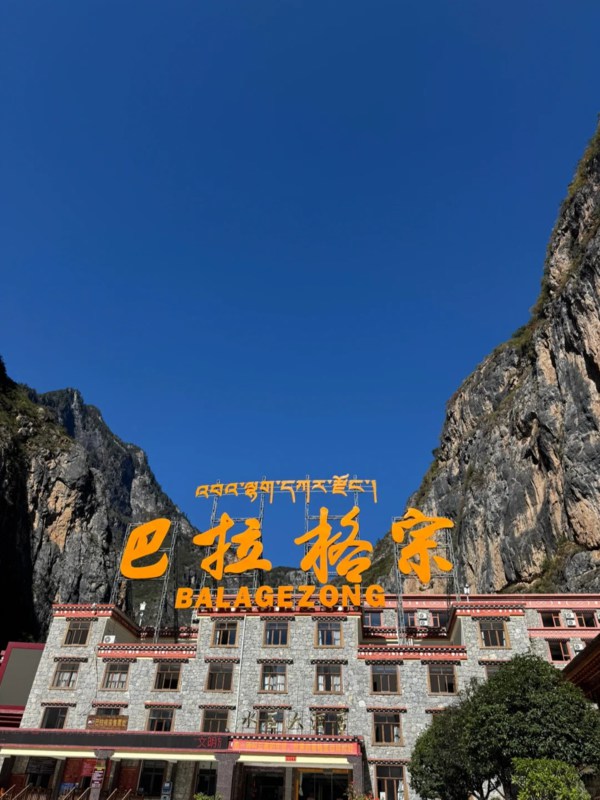
- Doorplate
-
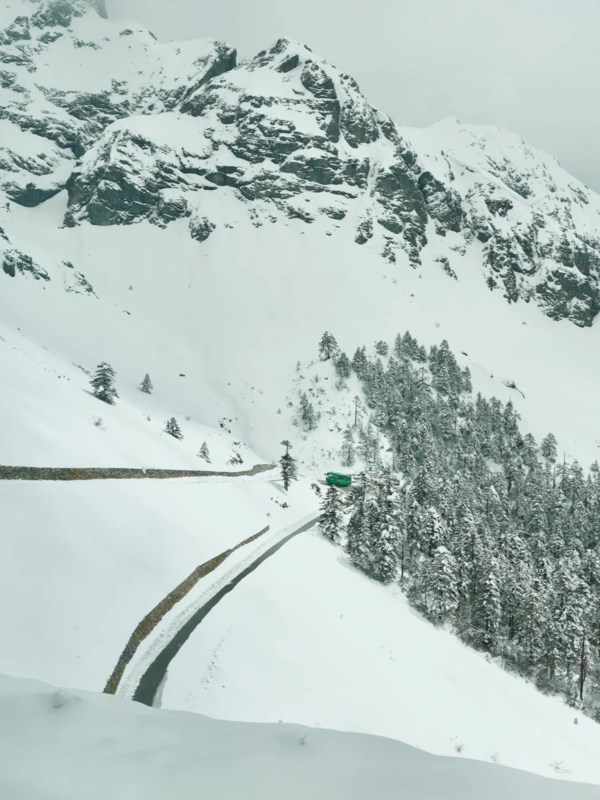
- Snowmountain
Taking A Private Car Or Taxi
Most people going to balagezong from Shangri-La end up choosing a private car or taxi. It’s the most straightforward option, especially if you’re not joining a tour.
The cost usually sits around ¥250–400 one way, depending on the season and how well you negotiate (hotels can sometimes help arrange this). The drive takes about 1.5 to 2 hours, mostly on mountain roads with plenty of curves.
What makes this option appealing is flexibility. You can leave early, stop along the way for photos, or spend extra time at certain spots without worrying about schedules. For example, if you want to catch the canyon in morning light or stay longer at the glass skywalk, this makes it much easier.
The downside is cost, especially for solo travelers. Also, near the main viewpoints, traffic can get a bit congested during weekends or holidays. If you can share the ride with others, it becomes much more reasonable. Overall, this works best if you value control over timing more than saving money.
Joining A Group Tour Instead
If you’d rather not deal with transport logistics, joining a tour is the simpler route. Many operators in Shangri-La offer day trips to Balagezong, usually priced around ¥300–450 per person, including transport, tickets, and a guide.
Most tours run in small vans or minibuses with around 10–15 people. The main advantage is convenience—you don’t have to think about directions, timing, or ticketing. Guides also point out photo spots and share some background, especially around places like the Shambhala Stupa.
The trade-off is flexibility. You follow the group’s pace, whether that means waiting at crowded viewpoints or skipping areas due to time limits. Stops are usually fixed, and there’s less room to adjust based on your own interests.
This option works well for first-time visitors or anyone not comfortable with winding mountain roads. It’s less about exploring freely, more about seeing the main highlights without much planning.
What The Road Is Actually Like
The drive itself is something to be aware of. Roads leading to Balagezong are narrow, winding, and include frequent sharp turns. Some sections are steep, though generally manageable.
If you’re prone to motion sickness, it’s worth preparing. Sitting near the front helps, and having water or light snacks on hand makes the ride easier. Most drivers—whether taxi or tour—are used to the route and tend to drive cautiously.
That said, the journey isn’t just something to get through. Parts of the route open up to views of the Shangri-La landscape—pine forests, scattered Tibetan houses, prayer flags, and small streams. It’s not a continuous scenic drive, but there are enough moments where you’ll probably want to look out the window instead of at your phone.
Where To Stay For Visiting Balagezong
-
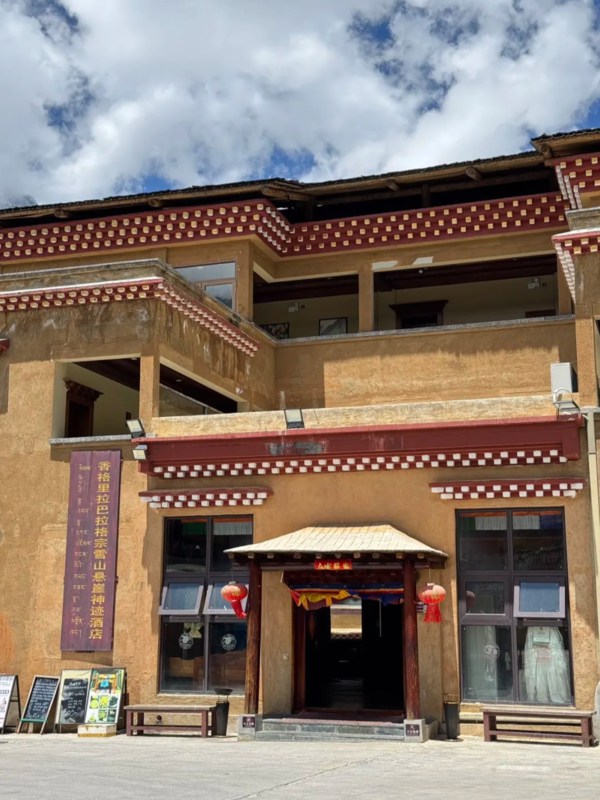
- Balagezong Hotel
-
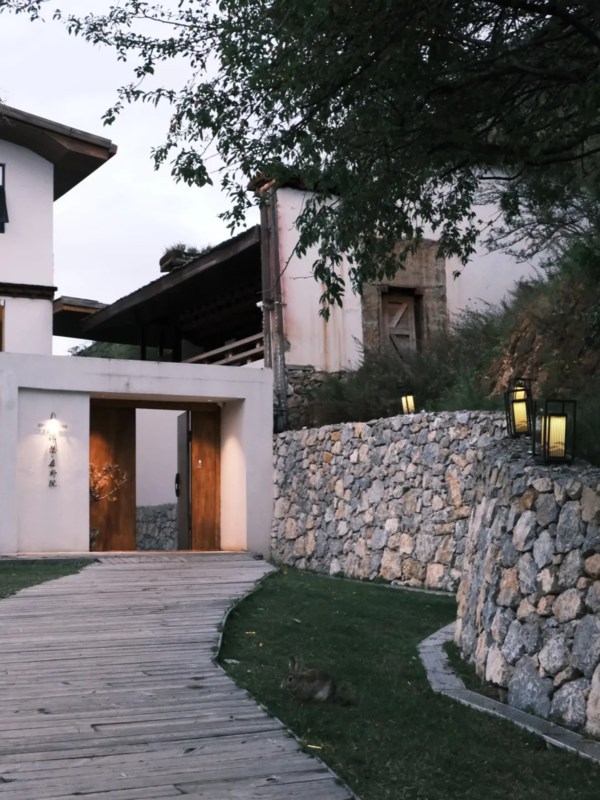
- Shangeri-la Hotel
Staying Near The Entrance At Balagezong Hotel
- Location & Setting:Balagezong Hotel sits within walking distance of the scenic area entrance, surrounded by pine trees and canyon views. Staying here means you can start early without dealing with the 1.5–2 hour drive from Shangri-La, which makes a difference if you want to catch the canyon in softer morning light.
- Pros:The biggest advantage is proximity. You can reach places like the glass skywalk and nearby trails quickly, sometimes before most day visitors arrive. The area feels quiet, especially in the morning, and it’s easier to take photos without crowds.
- Cons:Facilities are limited. There are only a few dining options, minimal shopping, and not much to do after dark. If you stay longer than one night, you’ll probably want to bring snacks or basic supplies. It’s more about being close to nature than comfort, which works for some people but not everyone.
Staying In Shangri-La For More Comfort
- Location & Setting: Staying in Shangri-La means you’re about 1.5–2 hours away from Balagezong, but you get access to a much wider range of hotels, from budget guesthouses to more comfortable stays with full services.
- Pros:Food and convenience are the main reasons to stay here. You’ll find plenty of restaurants, cafes, and shops, and it’s easier to arrange transport or join a tour to Balagezong. It also works better if you’re planning to visit other places around Shangri-La.
- Cons:The trade-off is the early start and the drive. You’ll need to leave in the morning to make the most of your day, and the mountain road can feel long, especially on the way back. It also means less flexibility if you want to stay late in the scenic area.
- Ideal For: Travelers who prefer comfort, more food options, and a smoother overall trip, even if it means spending extra time on the road.
What The Altitude And Weather Feel Like In Balagezong
-
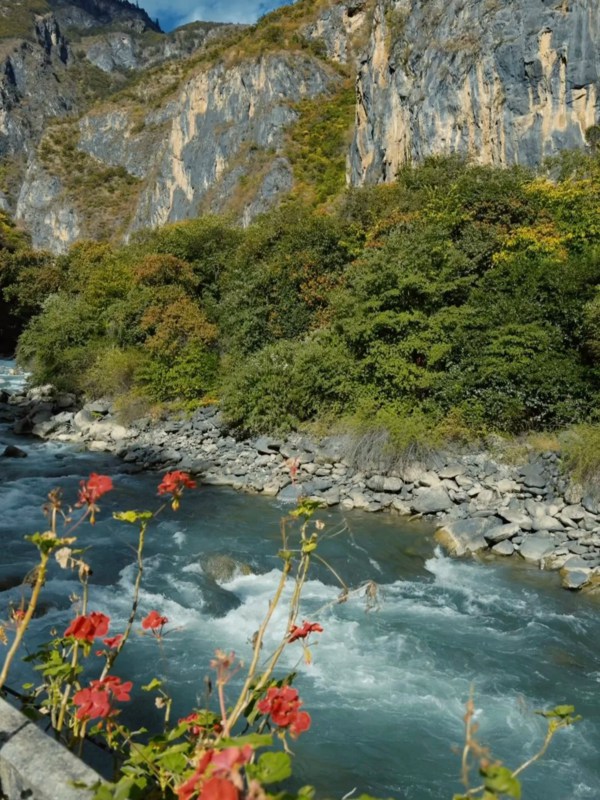
- River in Balagezong
-
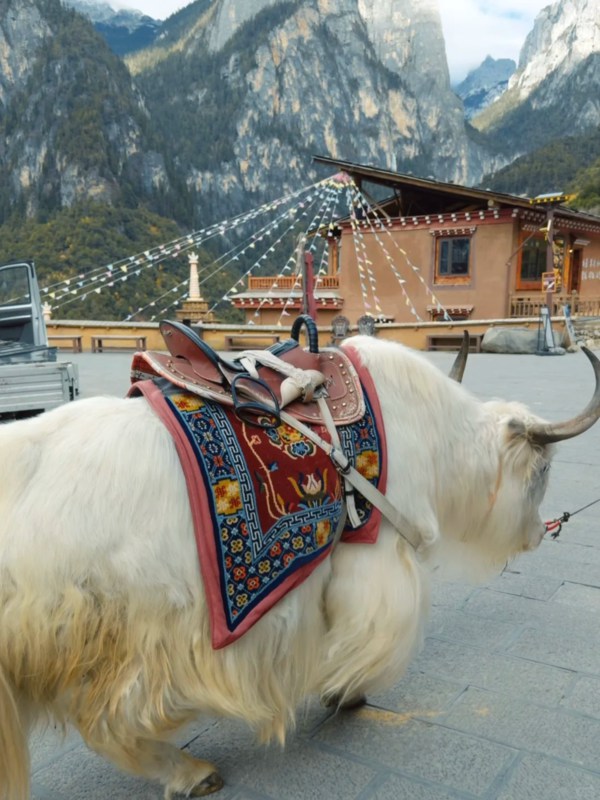
- Yak in Balagezong
-
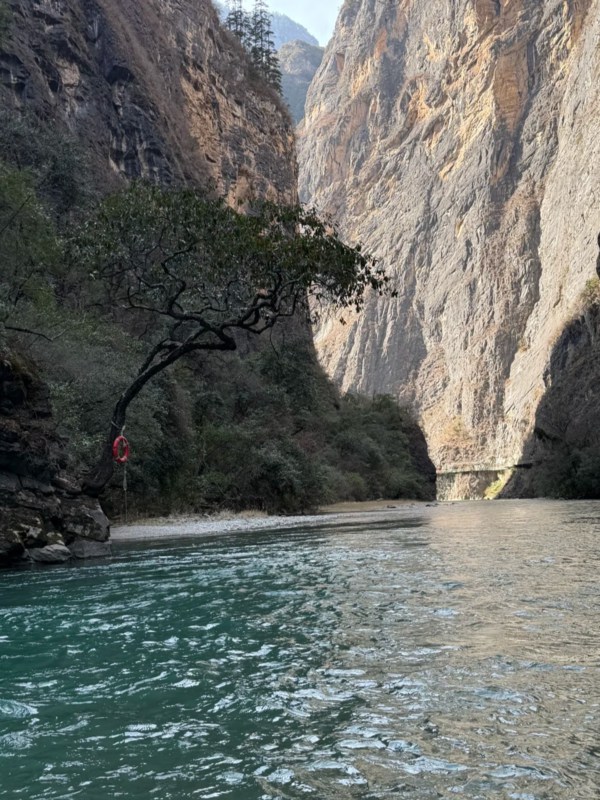
- Drifting in Balagezong
Getting Used To The Altitude In Balagezong
Balagezong sits at around 3,200 meters (10,500 feet), and you’ll likely notice it, especially if you’ve just arrived from lower elevations. It’s not extreme, but it’s enough to slow you down a bit.
Most people feel mild shortness of breath or get tired faster when walking, particularly on the canyon trails. It’s not dramatic, but you do end up taking more breaks than usual. For some—especially older travelers or those sensitive to altitude—headaches or slight dizziness can happen.
What helps is keeping a steady pace and not rushing between viewpoints. Spending a night in Shangri-La beforehand also makes a difference. Once your body adjusts, the air feels noticeably cleaner, and the views start to outweigh the effort.
When Balagezong Feels Most Comfortable To Visit
Spring and autumn are generally the easiest times to visit. From April to June and September to October, temperatures are moderate and skies are usually clearer, which works well for both hiking and photography.
Winter is quieter but comes with trade-offs. Snow can make some paths slippery, and daytime temperatures often drop below 0°C (32°F). It’s still accessible, just less convenient.
Summer brings occasional rain. It doesn’t usually last all day, but trails can get wet, and visibility may change quickly. If you’re planning around weather, spring and autumn tend to be the most predictable.
How The Weather Changes Throughout The Day
Weather in Balagezong shifts more than you might expect. Mornings are often cold, especially before the sun reaches the canyon, while afternoons can warm up by 10–15°C.
Wind is another factor. On exposed sections like the canyon rim or glass skywalk, it can feel much stronger than in lower areas. Even in summer, a light jacket or windbreaker is useful.
Conditions can change quickly as well. Clear skies can turn into clouds or light rain within a few hours, which is typical for Shangri-La weather. Layering your clothing and carrying basic rain protection makes the day much easier to manage.
FAQ About Balagezong
Q: How long should I plan for a visit to Balagezong?
Most visitors spend between half a day to a full day in Balagezong. A short trip of 3–4 hours allows you to see the grand canyon viewpoint, glass skywalk, and a few nearby photo spots, but deeper trails and cultural areas like the Shambhala Stupa require a full day. Walking distances are longer than they appear on the map, and altitude may make the hike more tiring than expected. Planning for a full day ensures a more relaxed experience and lets you enjoy sunrise or sunset shots without rushing.
Q: Is the Balagezong glass skywalk safe for kids and elders?
The glass skywalk is built to safety standards, but it’s high and exposed, which can be intimidating. Kids need close supervision, and elders or anyone with balance issues should take caution. The structure can shake slightly in the wind, and wet conditions make it slippery. Wearing grip shoes and staying near the sides reduces risk. Many visitors take quick photos from the middle or edges, but if anyone feels uneasy, skipping the skywalk is reasonable. Reddit users report that early morning visits often have shorter lines and calmer conditions.
Q: Can I take public transportation from Shangri-La to Balagezong?
Public options are scarce and irregular. Most travelers rely on private cars, taxis, or organized tours, which are more reliable. Shared shuttles exist but often only run during high season and may not align with your preferred schedule. If your plan involves catching sunrise or sunset, private transport is strongly recommended. Taxi or car rental fares generally range from ¥200–350 one way, and the drive takes about 1.5–2 hours depending on road conditions.
Q: Are there places to eat inside Balagezong Scenic Area?
Yes, there are a few small cafes and snack stalls near the main entrance, mainly serving light meals and drinks. Prices typically run around ¥30–50 per item, but options are limited, and menus are basic. For full meals or dietary preferences, it’s better to eat in Shangri-La beforehand or bring packed snacks. TripAdvisor reviewers often mention bringing water and snacks, especially if you plan to hike deep trails or spend the entire day.
Q: What should I wear for hiking in Balagezong?
Layered clothing is recommended. Early mornings are cold, while afternoons can warm up 10–15°C, and strong canyon winds are common. Hiking shoes with good grip are essential, especially on steeper paths or near the glass skywalk. Rain jackets or light windbreakers help in sudden showers. Sunglasses and sunscreen are advised due to high altitude exposure. Reddit users note that sunrise photos require extra layers, as temperatures can be significantly lower than in town.
Q: Can I book a tour that includes Balagezong and Shika Snow Mountain in one day?
Yes, some tours combine both destinations, but it’s very ambitious. The distance, altitude, and time needed at each site make it a long and exhausting day. Many visitors prefer dedicating one day to Balagezong and another to Shika Snow Mountain for a more relaxed pace. Tours usually include transportation and a guide, but you may have less flexibility for photography or hiking. If you only have one day, the Balagezong-focused itinerary provides a fuller experience of the canyon and cultural spots.
Q: Is Balagezong suitable for solo travelers?
Yes, solo travelers can safely explore Balagezong. The scenic area is generally well-marked and secure, but cellphone coverage can be limited in some canyon areas. Solo visitors should carry basic first-aid supplies and water, especially if they plan to hike off the main paths. Reddit users often suggest starting early and pacing oneself due to altitude fatigue. Hiking alone offers flexibility to linger at viewpoints or take photos without waiting for a group.
Q: Are there accommodation options inside Balagezong?
Yes, Balagezong Hotel is located near the scenic area entrance, surrounded by natural landscapes and pine forests. Guests enjoy easy access to major attractions and early sunrise photo opportunities. However, facilities are minimal—limited dining, small shops, and few entertainment options. For travelers who prefer more variety, staying in Shangri-La town provides more dining choices, convenience, and room types, though it requires early transport to reach the canyon.