On the night of May 14, 2026, the Golden Hall of the Great Hall of the People in Beijing became the stage for a historic moment. President Xi Jinping, host to US President Donald Trump, held the kind of formal great hall of the people state banquet that people around the world find endlessly fascinating. Millions tuned in globally. And curious travelers everywhere began to wonder: could we book something similar? Here’s the honest truth: A Chinese state banquet is the highest order of national hospitality — a beautiful blend of socio-political diplomacy and culinary creativity. The Great Hall is open for tours, but the banquet hall itself is never available for diners. But Beijing is hiding a beautiful food map. There are several restaurants in the city creating the great hall food experience for the masses. This is where to find them. 🍽️
What Actually Defines a Great Hall State Banquet
Pure Flavors and Subtle Elegance Outshine Extravagance
State Banquet Cuisine
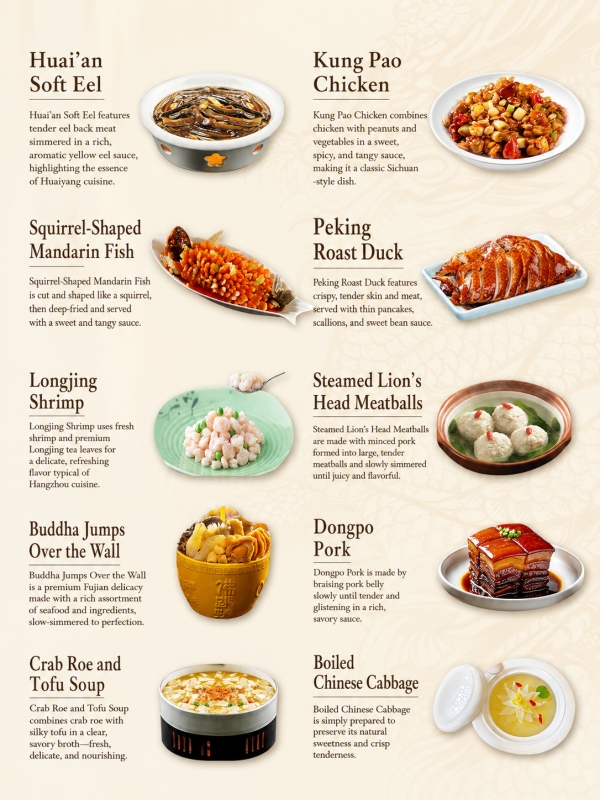
A Chinese state banquet is not about opulence. “The spirit is one of simplicity,” said feasting expert Dazhao Shen in a speech delivered on the occasion of the opening of one banqueting season. “A banquet’s aim is to display a sense of community between guests and hosts, not sumptuous dishes. In Chinese culture, we believe in serving delicacies from the eight schools of cuisine. Huaiyang cuisine of Jiangsu and Yangzhou is the backbone. Since 1984, the formal configuration is ‘four dishes and one soup’—a four-course meal plus soup “Purity, freshness, simplicity and elegance.”
Three dishes in particular define the state banquet table. Buddha Jumps Over the Wall requires three days of slow cooking to build its extraordinary broth. Steam-Pot Cuttlefish Roe Soup achieves sourness without vinegar and heat without chili — a near-impossible balance. Cordyceps Flower Lion's Head Meatball is a Huaiyang masterpiece cherished by Premier Zhou Enlai himself. Each dish is an act of quiet culinary genius. 🏮
Landmark State Banquets Through History
- October 1, 1949 — China's founding banquet at the Beijing Hotel. Premier Zhou Enlai presided over 60 tables. Huaiyang cuisine anchored the menu.
- February 21, 1972 — Zhou Enlai hosted Nixon at the State Banquet Hall, approximately 600 guests. Menu: Shark Fin with Three Shreds, Prawns Two Ways, and 30-year Moutai. Broadcast live by satellite to the United States.
- 2014 APEC Summit / 2017 Belt and Road Forum — Modern menus featured Quanjude's iconic "Peony in Full Bloom" 16-slice roast duck presentation.
- May 14, 2026 — President Xi Jinping hosted President Trump in the Golden Hall. The great hall of the people state banquet once again captured the world's attention.
The Hall Welcomes Tourists but Never Diners
-
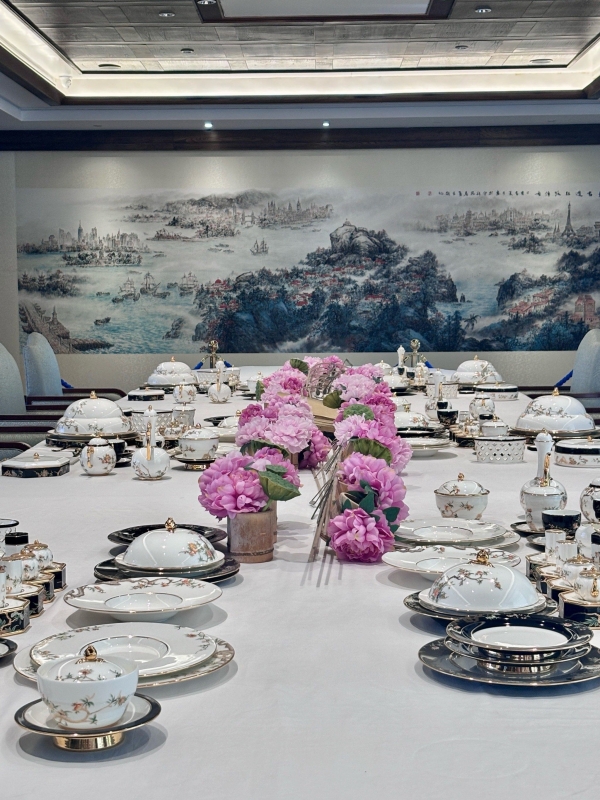

- State Banquet Table Setting
-
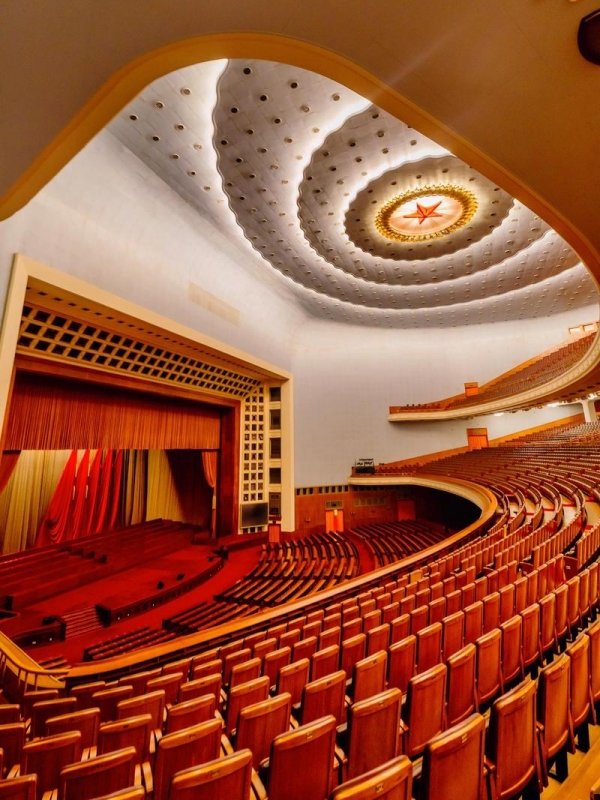
- The Great Hall of the People
The Great Hall of the People, on the western end of Mao’s monument to the masses in Tiananmen Square, appears on the back of every ¥100. Built in 1958-59 by more than 30,000 workers from twenty different provinces in the space of a mere ten months, the structure encompasses the staggering amount of 171,801 square metres - larger than the Forbidden City. Its State Banquet Hall alone measures about 7,000 square metres and can seat 5,000 diplomats at a time.
Don’t get too excited. This isn’t a restaurant. You can walk through the banquet hall on a guided tour during regular visit days. No one is served lunch there. So no, you cannot book a “state banquet experience” inside the Great Hall. Fortunately, everything that follows will bring you in Beijing closer to it.
Visitor Guide — Practical Information
- ⏰ Opening Hours: Approximately 8:30–15:00 (last entry 14:30). Closes during the National People's Congress (usually early March), major party congresses, and diplomatic visits.
- 🎫 Tickets: Adults ¥30 / Students ¥15 / Free for under-18s and over-60s. Daily capacity is limited to 1,000 visitors.
- 📱 Booking: The only official channel is the WeChat mini-program "人民大会堂参观预约" (Chinese interface, passport number required). Foreign visitors should ask their hotel concierge to handle this.
- 🚇 Getting There: Southeast Gate. Metro Line 2, Qianmen Station (Exit C) or Line 1, Tiananmen West Station.
- 🚫 Prohibited Items: Liquids, food, large luggage, power banks, selfie sticks over 1.3 meters. Free drinking water is provided inside.
- 🗺️ Standard Route (~1 hour): Central Hall → Great Auditorium (red star dome) → Reception Rooms → State Banquet Hall → Provincial Halls → Exit.
State Guesthouses: China's Authentic Diplomatic Dining
Want the most direct path to authenticity? Start here. These two venues have physically hosted world leaders. They serve the same dishes, follow the same standards, and preserve the exact traditions of official Chinese diplomatic cuisine.
Diaoyutai Hotel: The Premier Diplomatic Table
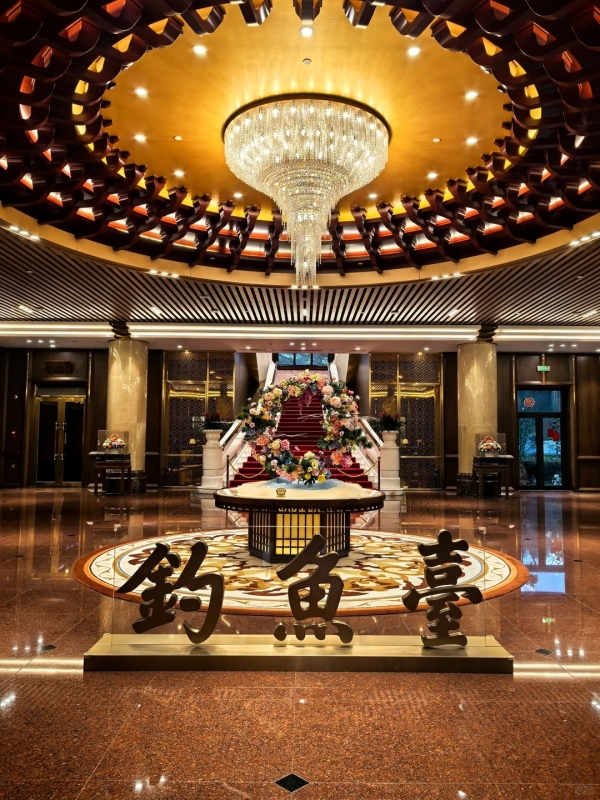
Diaoyutai State Guesthouse
Diaoyutai (钓鱼台) is China's foremost host for high-level diplomatic visits, a compound of 18 villas built on the site of an imperial fishing garden from the Jin Dynasty. Villa 18 is where Nixon stayed during his visit in 1972. Entry to the compound is forbidden, but the satellite Diaoyutai Hotel (opened January 1997) has a separate public entrance. Its restaurant serves "Tai Cuisine" —one of China's two recognized state banquet cooking schools. This will be the easiest commercial access possible to a true state banquet experience.
Signature Dishes 🥢
-
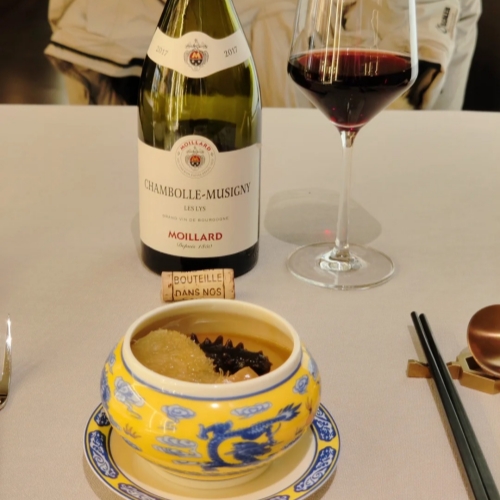

- Buddha Jumps Over the Wall
-
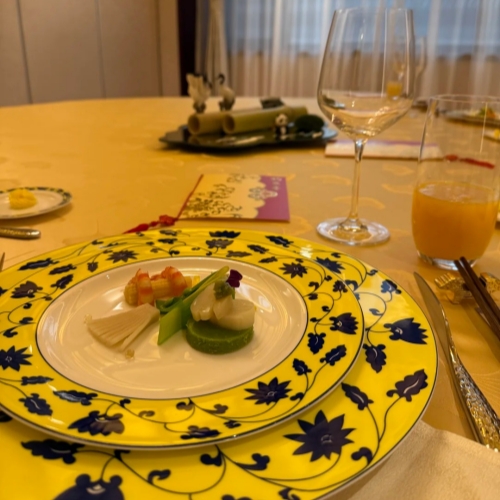
- Diaoyutai State Banquet Appetizer Platter
-
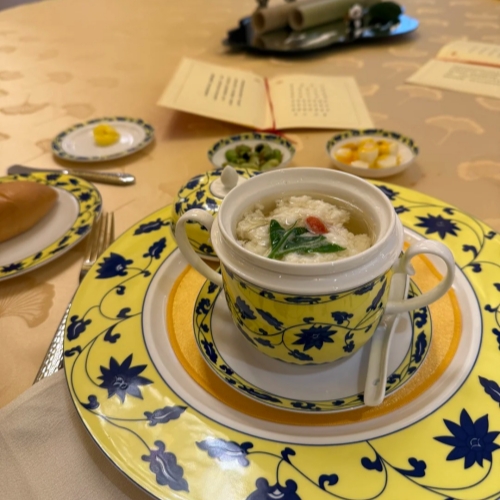
- Clear Soup with Crab Meat
-
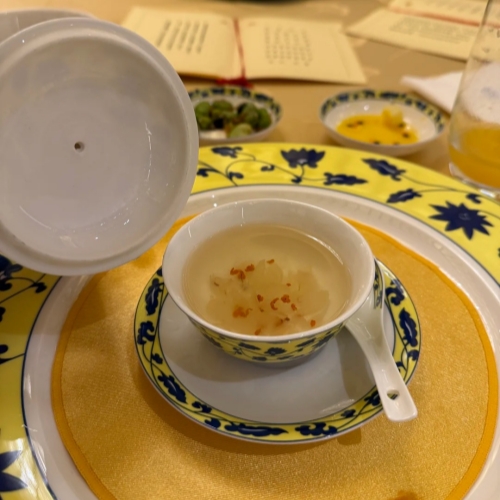
- Osmanthus Tremella Soup
- Buddha Jumps Over the Wall — Eight premium ingredients including abalone, sea cucumber, and shark's fin. The rich broth simmers for three full days. Opening the sealed pot releases an unforgettable aroma.
- Steam-Pot Spicy Cuttlefish Roe Soup — Refined from Shandong culinary roots. Achieves sourness without vinegar and heat without chili. Often called "China's finest soup."
- Bird's Nest Prawn & Coconut Swallow's Nest — One dish reflects urban sophistication; the other evokes island freshness. Together, they showcase the diversity of state banquet cuisine.
The Experience
Everything here moves with deliberate calm. Service is precise and unhurried. The atmosphere carries the weight of diplomatic history. For anyone seeking the most authentic state banquet feeling available to the public, Diaoyutai Hotel delivers it.
📌 Quick Tips
- 🏛️ Address: 2 Fucheng Road, Haidian District, Beijing
- ⏰ Hours: Generally 12:00–23:00 (confirm when booking)
- 💰 Budget: From approximately ¥1,200 per person (set menu); prices range ¥1,200–¥2,680 across channels — verify directly with the restaurant
- 👥 Best For: Business entertaining, milestone celebrations, or anyone seeking the most authentic state banquet dining available to the public
- 📞 Booking: Reserve weeks or months ahead via official phone (010-58592991 / 58592992) or email ([email protected]). Hotel concierge services and reputable travel agencies can also assist.
Beijing's culinary heritage goes far beyond one venue. If you'd like a broader taste of the city's food culture, our guide to the most unforgettable Beijing food experiences covers historic restaurants, hidden gems, and essential dishes across the capital.
Chengfu Yan: Mao's Private Kitchen Legacy
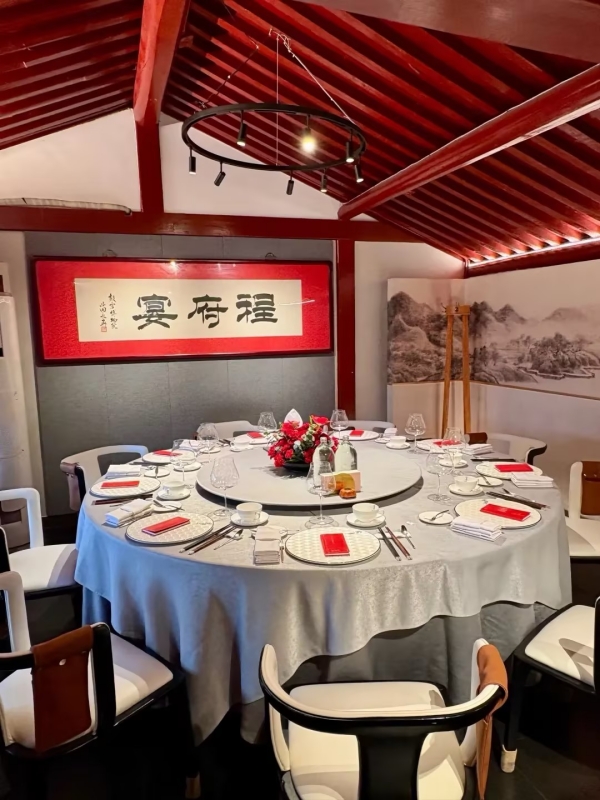
Chengfu Yan
Established by Master Cheng Ruming — Zhongnanhai’s head chef, and Mao’s personal cook — Chengfu Yan is still run by his successors today. Think of it as the “flowing flavors of Zhongnanhai.” The kitchen holds hundreds of recipes for state banquets throughout Chinese history. There’s no sign above the door. Stashed away inside a traditional courtyard next to the Forbidden City’s Xihua Gate, they only take three tables at a time, for each meal session. Every single course, steeped in formality, follows the routine of a state banquet: four fresh fruits, four dried fruits, four condiments dishes, and so on, with every dish telling its own story.
Signature Dishes 🥢
-
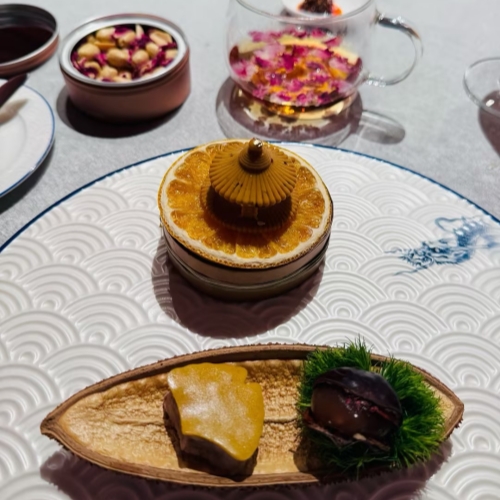
- Temple-Themed Dessert Platter
-
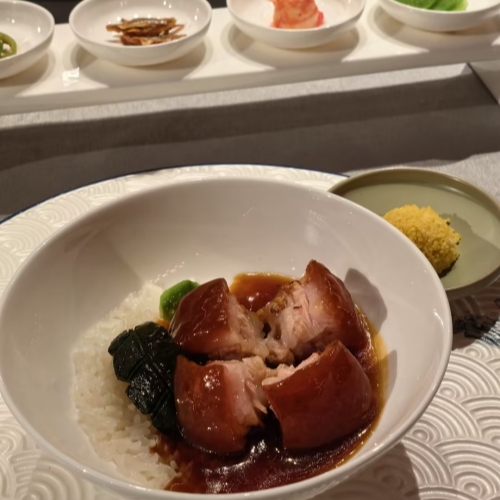
- Braised Pork Knuckle with Rice
-
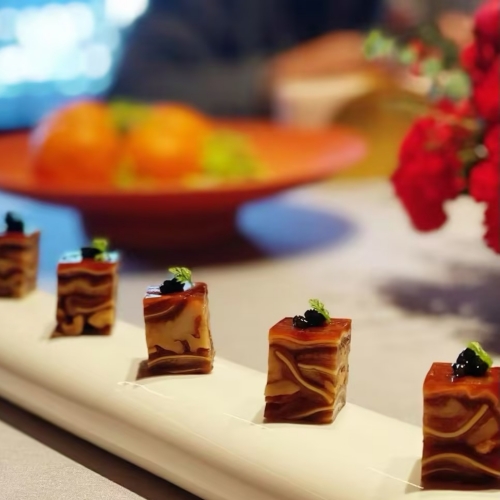
- Marinated Pork Ear Terrine with Caviar Garnish
-
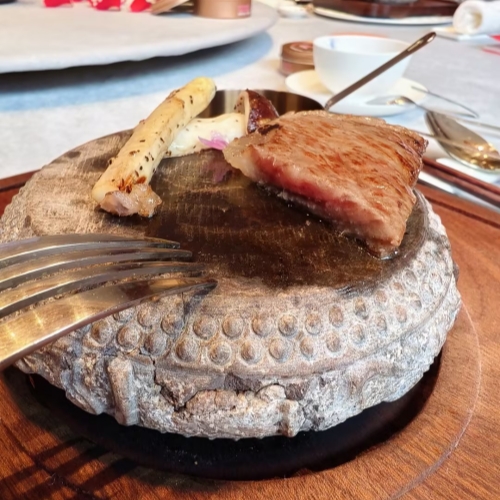
- Stone-Grilled Wagyu Beef with Grilled Vegetables
- Chengfu Marshal Shrimp — Master Cheng's original East-West fusion creation. Large Bohai Sea prawns wrapped with cheese. Crispy outside, tender inside, with a rich dairy aroma. Originally presented under the name "Cheese Prawn Roll."
- Chengfu Braised Pork — Made without soy sauce — an unusual technique. The result is a stunning ruby glaze and a silky, deep flavor. One of Master Cheng's signature originals.
- Chengfu Silver Chrysanthemum Soup (Tofu Flower) — Broth simmered from a five-year-old chicken. The tofu is cut 108 times in a crosshatch pattern. Placed in the hot soup, it blooms like a silver chrysanthemum. The technique alone is extraordinary.
The Experience
There is nowhere quite like Chengfu Yan in Beijing. The setting is intimate and historically loaded. The set-menu format creates a genuine sense of occasion. However, securing a table requires serious advance planning — only three tables are accepted per sitting.
📌 Quick Tips
- 🏛️ Address: 38 Nanchang Street, Xicheng District (near Xihua Gate of the Forbidden City)
- ⏰ Hours: Generally 11:00–14:00, 17:00–22:00
- 💰 Budget: Approximately ¥800–¥1,000+ per person (set menu at various price tiers)
- 👥 Best For: History and culture enthusiasts seeking a private, high-end dining experience
- 📞 Booking: Phone reservation required several days in advance (only three tables per sitting). Contact via official channels or high-end custom travel agencies.
Imperial Roots: Tracing Royal Court Flavors
State banquet cuisine draws deeply from the imperial kitchen. Several Beijing restaurants trace their lineage directly to the Qing Dynasty royal court. Dining at these establishments is, therefore, a genuine encounter with history on a plate.
Fangshan Restaurant: Authentic Qing Dynasty Cuisine
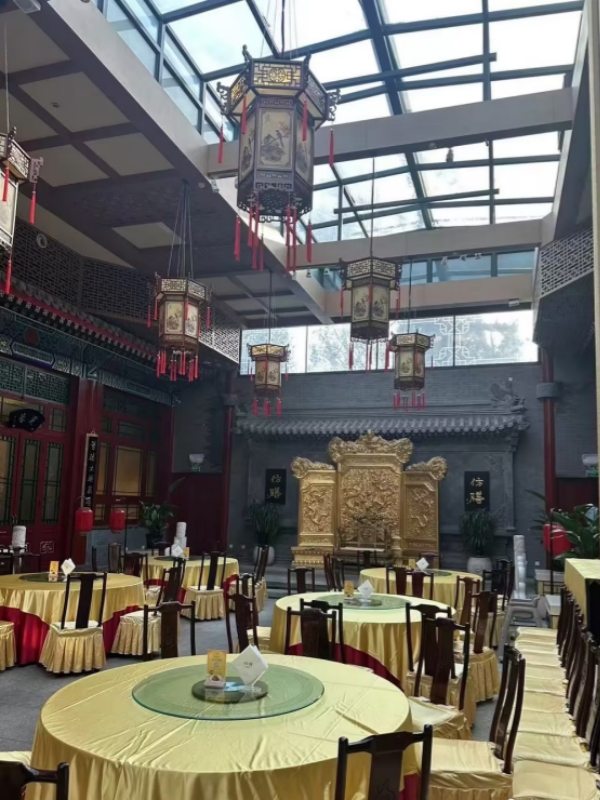
Fangshan Restaurant
Opened in 1925, its founders were former chefs of the Qing dynasty imperial court (+Qing Dynasty Imperial Court Cuisine). Their cooking techniques -'Imperial Court Cuisine Preparation Techniques' - are now classified as National Intangible Cultural Heritage. Fangshan has received many foreign dignitaries over the years. In 1959, it moved to its present home, a cluster of Qianlong pavilions, on Jade Island in Beihai Park, where Empress Dowager Cixi would sit and dine after her lakeside strols. The entrance plaque was penned by writer Lao She in 1960.
Signature Dishes 🥢
-
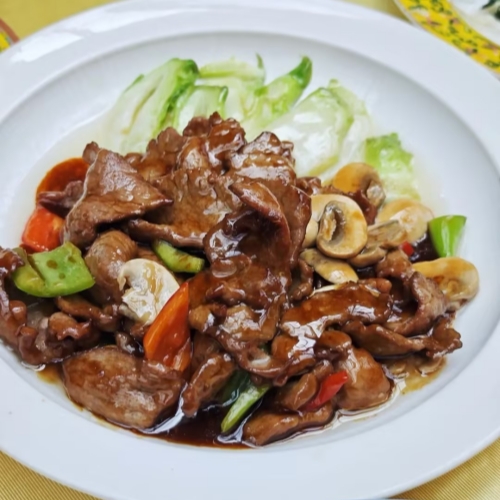
- Stir-Fried Beef Tenderloin with Mushrooms and Vegetables
-
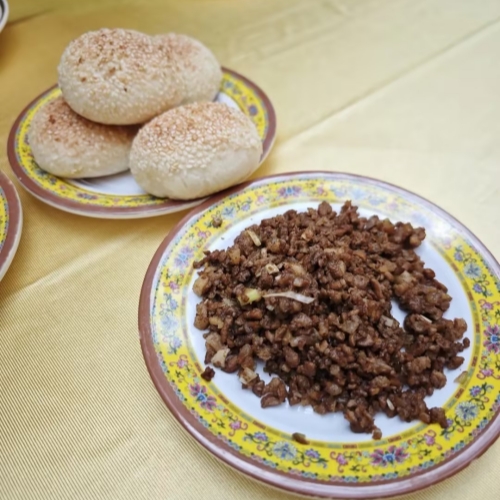
- Sesame Pancakes with Minced Pork Filling
-
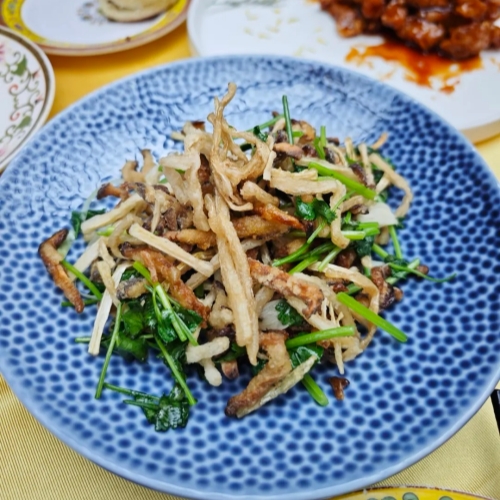
- Stir-Fried Shredded Mushrooms with Cilantro
-
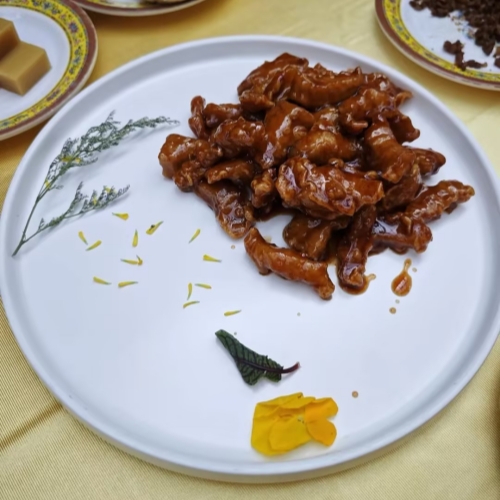
- Sweet and Sour Pork with Plating Garnish
- Four Classic Imperial Snacks — Pea Cake, Bean Roll, Small Steamed Bun, Minced Pork Sesame Flatbread — Delicate in shape and flavor. These court confections are regular features on state banquet dessert menus.
- Za Chao Li Ji (Royal Crisp-Fried Tenderloin) — One of the Qing court's "Four Great Crisp-Fries" and a favorite of Empress Dowager Cixi. Silver-crimson in color, crispy outside, tender inside, with a perfectly balanced sweet-sour-savory finish.
- Yu Dai Xian Bao (Treasure in a Royal Pouch) — Japanese tofu skin wrapped around mushrooms and egg, crafted in the shape of a small pouch. This dish was designated for the 2017 Belt and Road Forum state banquet. It symbolizes abundance.
The Experience
Dining here combines a meal with a garden walk. The interior is adorned with classical imperial décor. Staff wear traditional court costumes. Meanwhile, the Beihai Park lake shimmers just outside the window. Few meals in Beijing feel quite so cinematic.
📌 Quick Tips
- 🏛️ Address: 1 Wenjin Street, Xicheng District (inside Beihai Park)
- ⏰ Hours: Generally 11:00–14:00, 17:00–20:00
- 💰 Budget: Approximately ¥200–¥500 per person
- 👥 Best For: Visitors combining sightseeing with cultural dining; excellent value for imperial cuisine
- 📞 Booking: Call 010-64042573 to reserve, especially for lake-view window seats. Note: a Beihai Park entrance ticket (approximately ¥10) is required.
If you're planning to explore more of Beijing's culinary scene on foot, our Beijing food tour guide covers walking routes through historic neighborhoods — including areas near Beihai Park and the old hutong districts where imperial flavors still thrive.
Hongbinlou: Beijing's Historic Halal Banquet Tradition
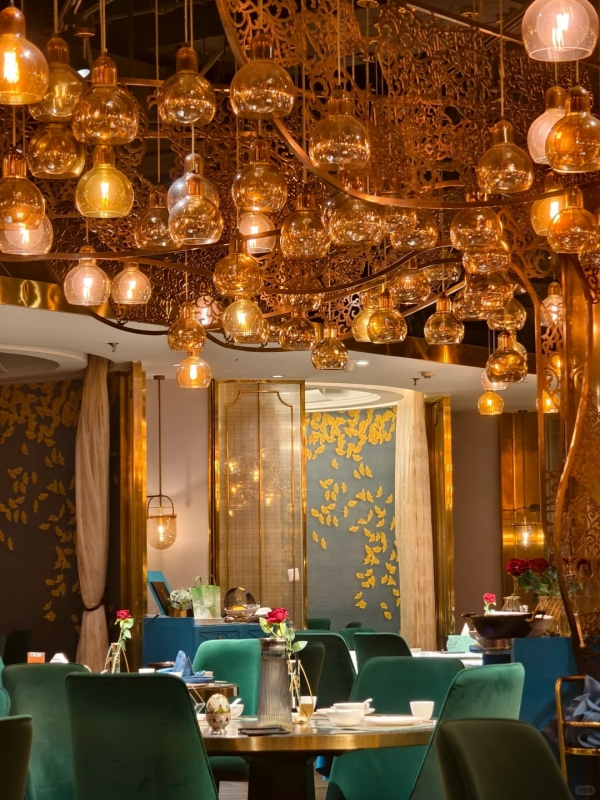
Hongbinlou
Hongbinlou was founded in 1853 and is a "Time-Honored Chinese Brand.” Invited by Premier Zhou Enlai personally, it moved to Beijing in 1955 and has since been appraised as “Beijing’s Premier Halal Restaurant.” Its “Full Lamb Banquet Preparation Techniques” is “National Intangible Cultural Heritage.” The restaurant has received Chinese and foreign leaders on many occasions.
Signature Dishes 🥢
-
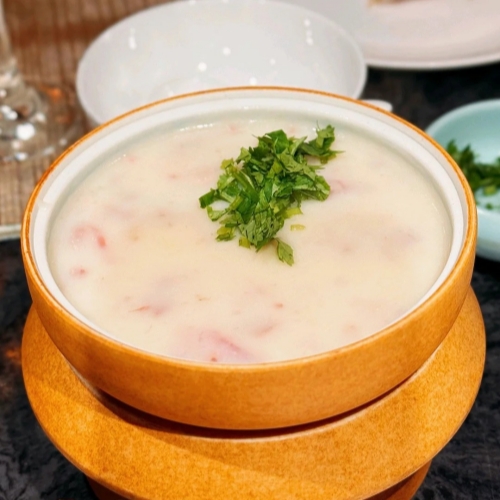
- Creamy Seafood Chowder with Cilantro Garnish
-
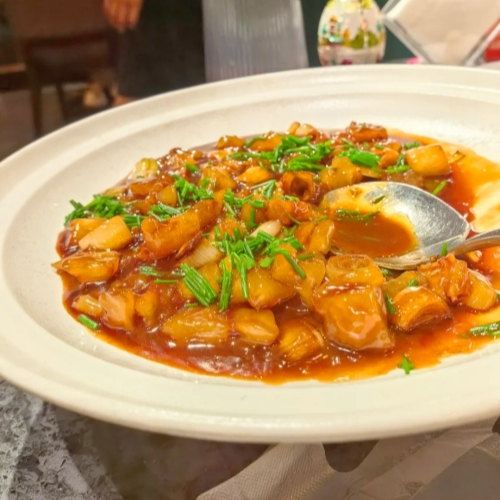
- Braised Sea Cucumber with Scallion
-
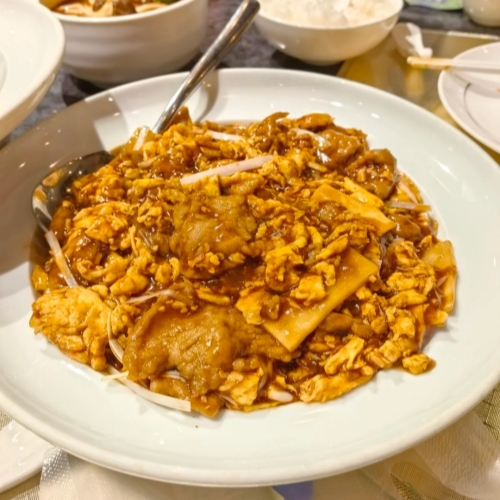
- Vinegar Braised Pork and Egg Stir-Fry
-
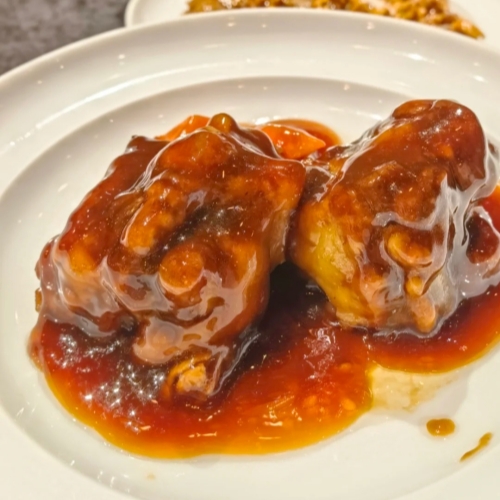
- Braised Pork Knuckle in Brown Sauce
- Clay Pot Lamb Head — Hongbinlou's most celebrated dish. In 1957, Premier Zhou Enlai and Vice Premier Chen Yi dined here and praised it enthusiastically. Prepared from Inner Mongolian white lamb, slow-cooked until the broth turns rich and milky-white.
- Braised Oxtail — A Halal classic elevated to its finest expression here. The meat falls tenderly from the bone. The sauce is deep, concentrated, and immensely satisfying.
- Stir-Fried Lamb Tripe with Coriander — The most tender portion of the lamb's stomach, flash-stir-fried with fresh coriander. Crisp in texture, fragrant and savory in taste.
The Experience
Hongbinlou's dining room feels historic and substantial. The ingredients are honest and the flavors are bold. For anyone interested in China's Halal culinary traditions, this is the definitive destination in Beijing.
📌 Quick Tips
- 🏛️ Address: 2nd Floor, United Building, 20 Chaowai South Street, Chaoyang District (Chaoyangmen Branch)
- ⏰ Hours: Generally 11:00–14:00, 17:00–21:00
- 💰 Budget: Approximately ¥150–¥250 per person
- 👥 Best For: Those interested in Halal cuisine; an accessible price point for historic state banquet-lineage flavors
- 📞 Booking: Phone reservations accepted, or book via platforms such as Dianping.
Iconic Dishes: Tasting China's Diplomatic History
Some dishes transcend individual restaurants. They have appeared at state banquets across decades. They have been served to presidents, kings, and prime ministers. Tasting them is, therefore, a direct encounter with culinary diplomacy. 🇨🇳
Quanjude: The Symbol of Duck Diplomacy
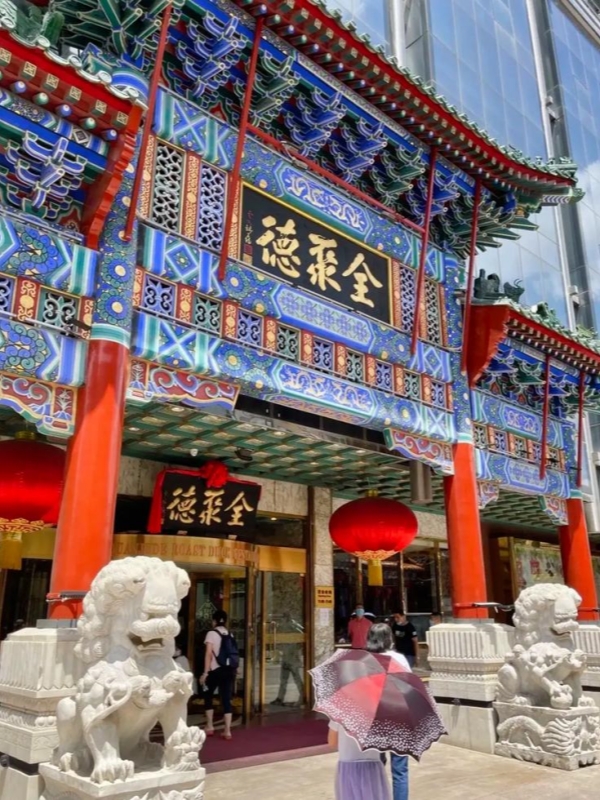
Quanjude
One of China’s oldest restaurants, famous for its technique of roasting ducks in hung ovens, known as “Quanjude”, a National Intangible Cultural Heritage, founded in 1864. The site of the Quanjude’s Hepingmen flagship was selected by Premier Zhou Enlai. Federal secretary of state Henry Kissinger came here during his secret visit to Beijing in 1971. At this table, the invitation for Nixon’s visit to China was essentially resolved, and Kissinger returned many years later in order to eat there again, after Zhou’s death in 1976. Quanjude roast duck has graced the tables of the 1949 founding banquet and Nixon’s 1972 state visit, and the 2014 APEC welcome dinner.
Signature Dishes 🥢
-
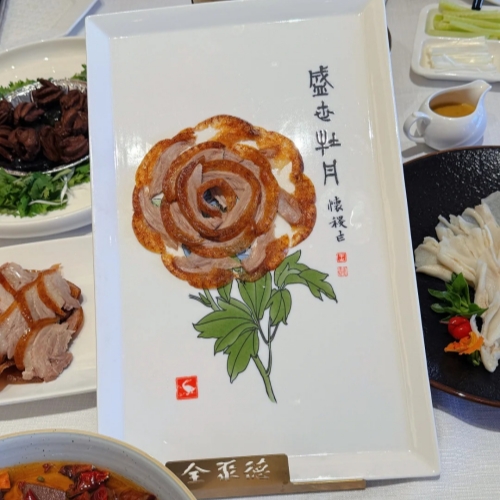
- QJD Prosperous Peony Peking Duck
-
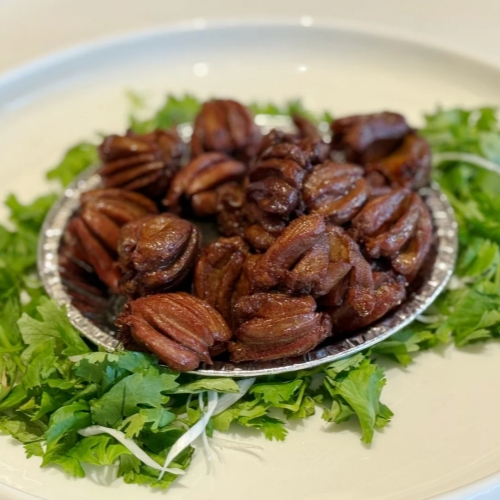
- Sautéed Duck Hearts
-
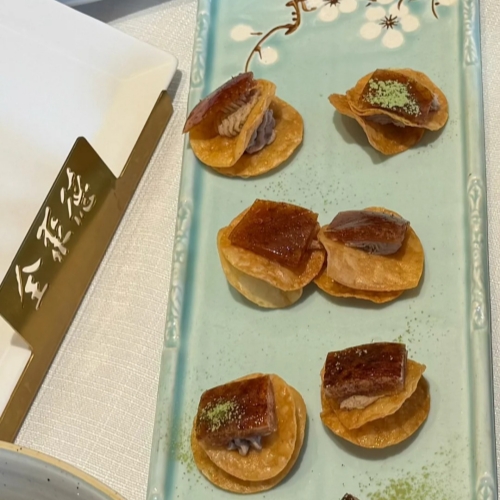
- Quanjude Crispy Duck Skin Tart
-
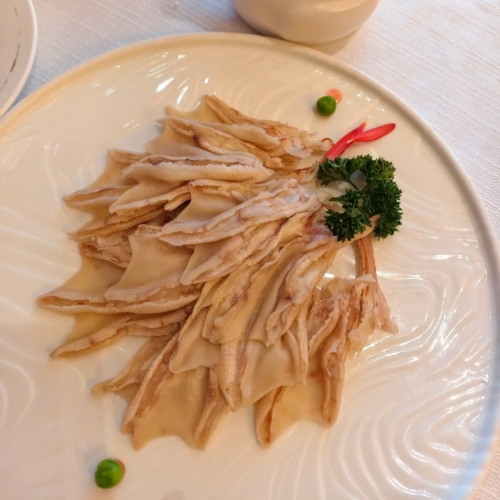
- Mustard Duck Webs
- Hung-Oven Roast Duck ("Peony in Full Bloom" presentation) — This 16-slice presentation was designed for the 2014 APEC state banquet. Skin is lacquered and crisp. Meat is tender. Served with lotus leaf pancakes, sweet bean paste, spring onions, and cucumber.
- Full Duck Banquet — A multi-course meal using every part of the duck. From duck liver appetizers to duck-bone consommé, it demonstrates the philosophy of zero waste in Chinese culinary tradition.
The Experience
The Hepingmen flagship includes a roast duck museum across its upper floors. The dining rooms carry a dignified, historic atmosphere. Some private rooms are named after diplomatic occasions. For history buffs, a meal here is as much a museum visit as a dinner.
⚠️ Honest Note
Recent reviewers (2024–2026) consistently recommend the Hepingmen and Qianmen flagship locations for the most reliable experience. Suburban branches and overseas franchise locations vary significantly in quality. Choose Quanjude for its history; choose Da Dong for the best duck today.
📌 Quick Tips
- 🏛️ Address: Recommended: Hepingmen Branch (14 Qianmen West Street, Xicheng District — founded at Zhou Enlai's suggestion, 7-floor flagship with duck museum) or Qianmen Branch (30 Qianmen Street, Dongcheng District — original location, seats 900)
- ⏰ Hours: Generally 10:30–22:00
- 💰 Budget: Approximately ¥150–¥300 per person; whole duck ¥298–¥398
- 👥 Best For: All visitors, especially first-timers seeking the most historically significant Peking duck experience
- 📞 Booking: Book via the official Quanjude website or by phone at individual branches. Reserve ahead during peak seasons.
Of course, Beijing's dining scene extends well beyond roast duck. For a curated overview of top options across every cuisine and budget, our guide to the best restaurants in Beijing is an essential read before your trip.
Da Dong: Modern Elegance Meets Tradition
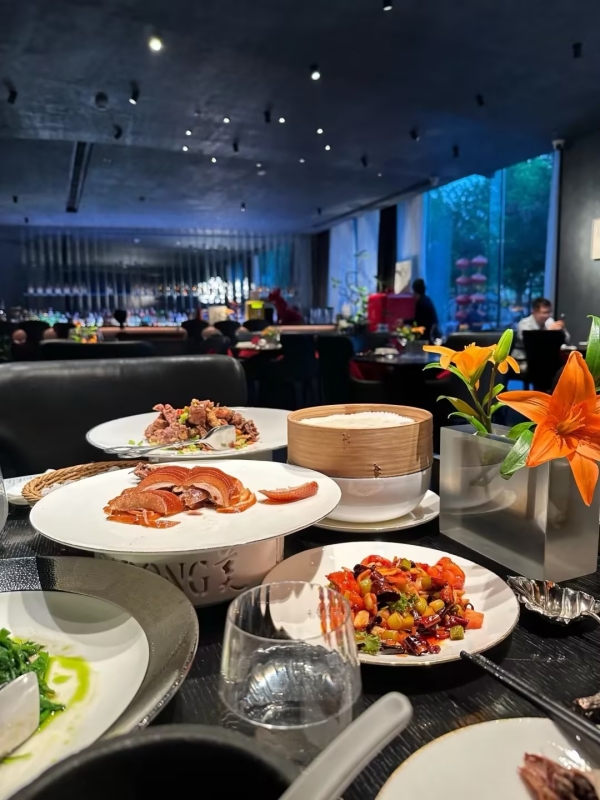
Da Dong
Da Dong was founded in 1985. The chef, Dong Zhenxiang, is world-famous - he has worked on the stove with Joël Robuchon. Da Dong was one of the ten ‘must do’ experiences in Beijing according to Time.com; in Shanghai it has a Michelin star (2025 Michelin Guide). It was the designated venue during the 2008 Beijing Olympics and again for the 2014 APEC Summit. Reportedly French President Macron came here on a private visit.
Signature Dishes 🥢
-
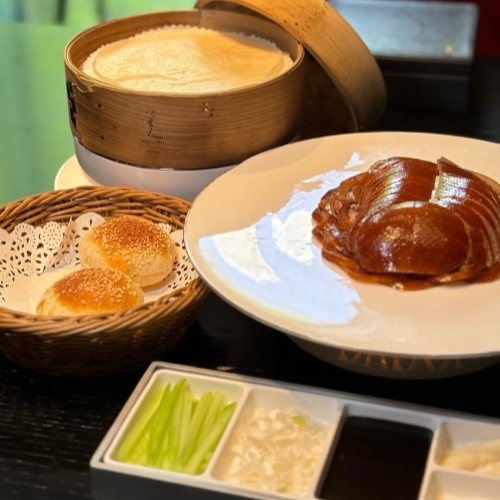
- Peking Duck Set
-
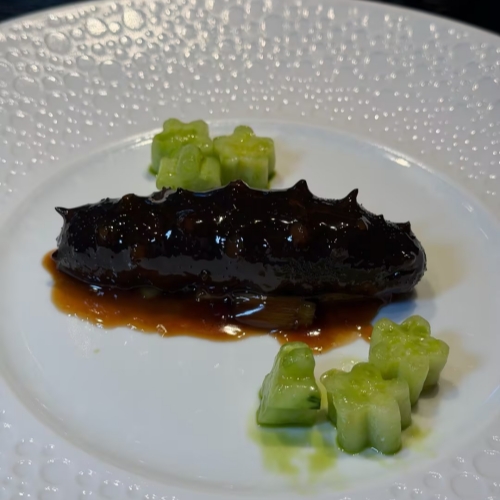
- Braised Sea Cucumber
- "Crispy Not Greasy" Roast Duck — Made from 22-day-old ducklings. The skin is extraordinarily light and crisp. Fat content is low. The recommended way to eat the skin is dipped in white sugar — it melts instantly on the tongue. This is the contemporary benchmark for Peking duck.
- Dong Style Braised Sea Cucumber — One of Da Dong's ten signature dishes. The sea cucumber absorbs the braising liquid fully. The result is silky, deep, and richly flavored.
- Spring Onion-Braised East China Sea Pomfret — A seasonal seafood dish finished with aged Italian balsamic vinegar. It represents Da Dong's signature East-meets-West creative approach.
The Experience
Da Dong's interiors feel like a contemporary art gallery. The tableware is curated. The plating is painterly. Service is polished and attentive. It represents the cutting edge of modern Chinese fine dining — and, for many guests, the most memorable meal of their Beijing visit.
📌 Quick Tips
- 🏛️ Address: Recommended: Nanxincang Branch (22A Dongsi Shitiao, Dongcheng District — inside a Ming Dynasty imperial granary) or Jinbao Branch (5th Floor, 88 Jinbao Street, Dongcheng District)
- ⏰ Hours: Generally 11:00–22:00
- 💰 Budget: Approximately ¥400–¥800+ per person; whole duck ¥298–¥398 (dipping sauces and pancakes sometimes charged separately)
- 👥 Best For: Design-conscious travelers and business diners seeking innovative modern Chinese cuisine
- 📞 Booking: Extremely popular — reserve several days ahead via the official Da Dong WeChat mini-program or app. Some third-party platforms (e.g., Trip.com) also offer booking. Official channels require a Chinese phone number; foreign visitors should book via hotel concierge.
Contemporary Dining: Modern State Banquet Interpretations
Beyond the historic institutions, several Beijing restaurants have built their reputations on state banquet standards from the ground up. They offer a polished, contemporary take on diplomatic-level dining — and they're highly accessible to international visitors.
Chang'an Yi Hao: A Modern Feast
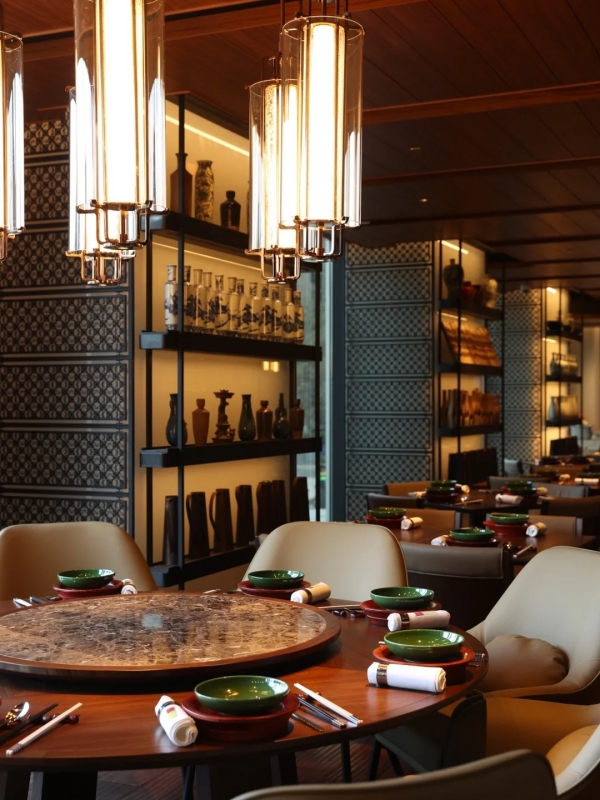
Chang'an Yi Hao
Chang'an Yi Hao is a Northern Chinese restaurant located in the Grand Hyatt Beijing on East Chang’an Avenue, serving refined plates of traditional Northern taste within a slick modern dining room that’s perfect for luxury business dinners and fancy catch-ups. The restaurant’s favourite fruit-wood roast duck and more playful Northern plates constantly thrill international and local guests.
Signature Dishes 🥢
-
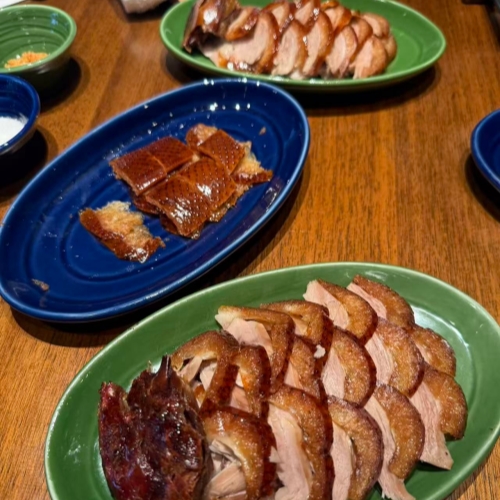
- Peking Duck Slices
-
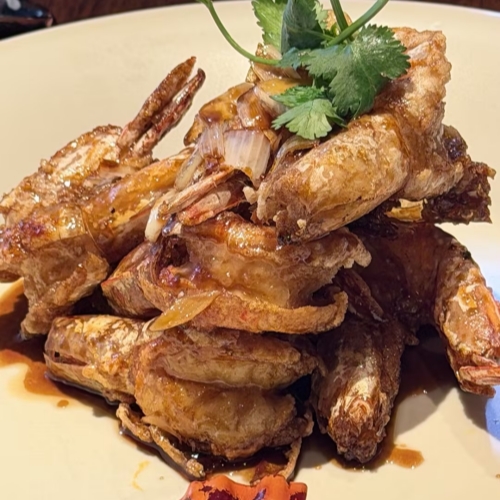
- Deep-Fried Prawns with Sweet Soy Glaze
-
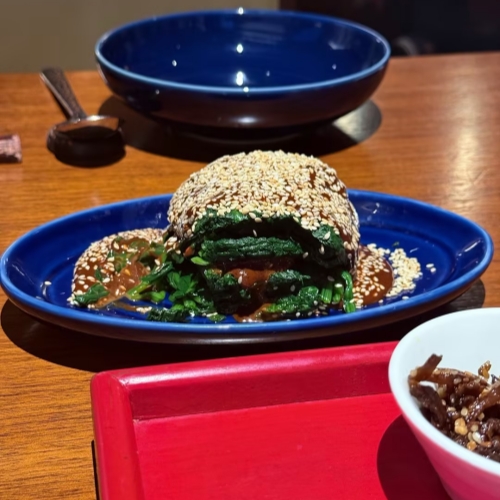
- Spinach Pancake with Sesame Sauce
-
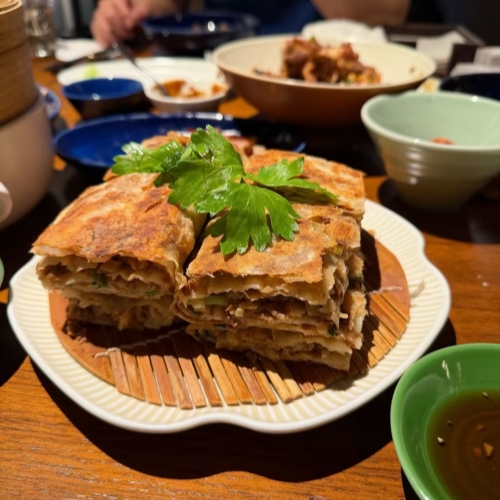
- Chinese Meat Pancake
- Traditional Fruit-Wood Roast Duck — Prepared using the classic hung-oven technique over fragrant wood. The skin is aromatic and golden. The fruit-wood imparts a subtle, natural sweetness.
- Sesame Paste Stuffed Braised Sea Cucumber — A creative twist on the classic sesame-braised preparation. Rich, full-bodied, and layered with umami depth.
- Crispy Roasted Inner Mongolia Lamb Rack — Premium lamb from Inner Mongolia. The crust is shatteringly crisp. The interior remains tender and juicy throughout.
The Experience
The restaurant occupies a prime position along one of Beijing's most historic avenues. The nighttime views of Chang'an Street are genuinely spectacular. Service is polished and professional. The cuisine balances heritage with innovation in a way that feels effortlessly contemporary.
📌 Quick Tips
- 🏛️ Address: 1st Floor, Grand Hyatt Beijing, 1 East Chang'an Avenue, Dongcheng District
- ⏰ Hours: Generally 11:30–14:30, 17:30–22:00
- 💰 Budget: Approximately ¥600–¥1,000 per person
- 👥 Best For: Visitors seeking a luxury hotel dining experience with traditional Chinese flavors and a stunning urban backdrop
- 📞 Booking: Reserve via the hotel's official website, by phone, or through travel platforms such as Ctrip.
Wumingju: Accessible Huaiyang State Banquet Flavors
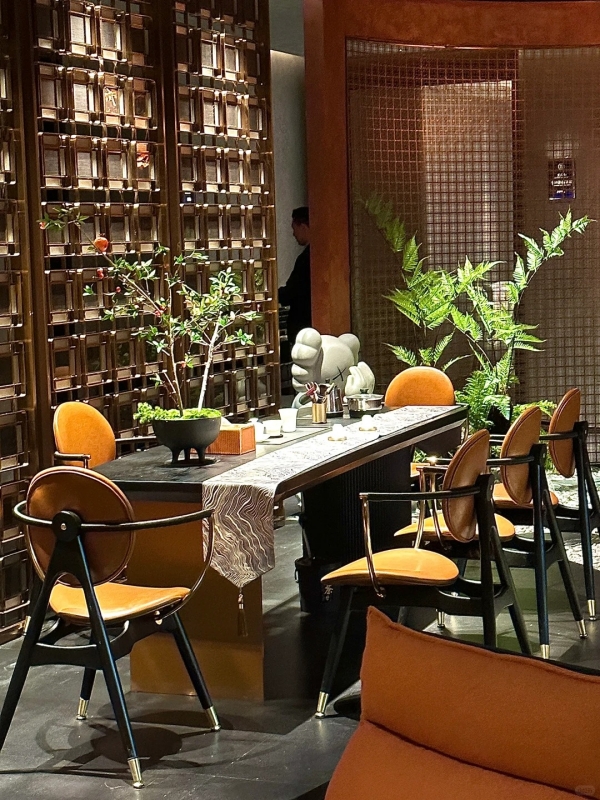
Wumingju
Wumingju serves Huaiyang cuisine—the mother of the state banquet. Its chefs training under the masters who give life to those splendid tables. The kitchen motto is “fresh, clean, and harmoniously balanced.” Ideal for visitors in town who want a taste of Chinese diplomatic cookings at a friendlier price.
Signature Dishes 🥢
-
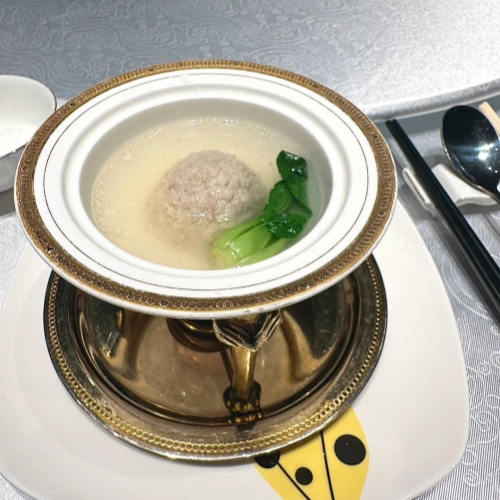
- Lion’s Head Meatball Soup
-
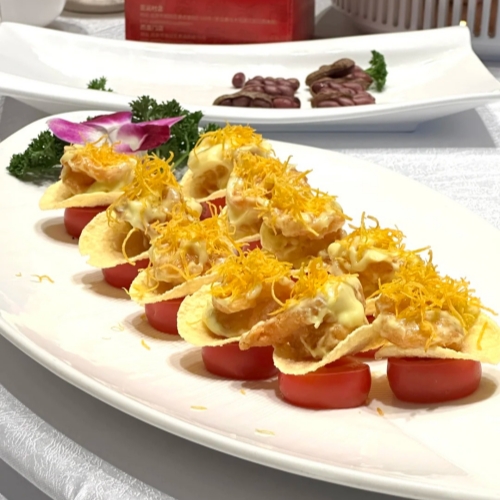
- Crispy Shrimp Appetizer
-
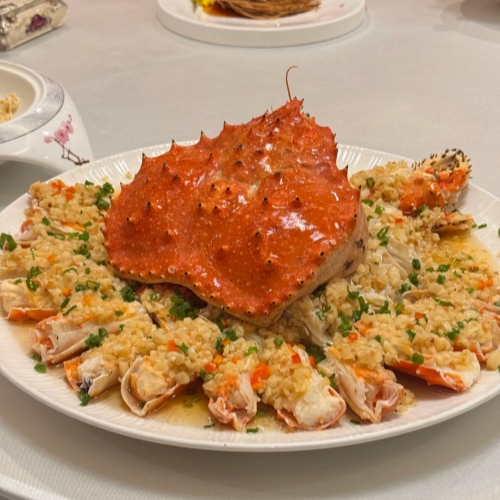
- Garlic King Crab
-
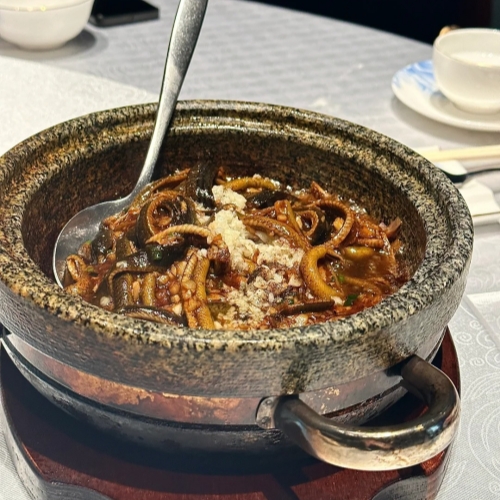
- Stone Pot Braised Eel Strips
- Clear Broth Lion's Head Meatball — A defining Huaiyang classic. The pork meatball is delicate and smooth. The broth is pure and aromatic. This dish appears regularly on state banquet menus.
- Beggar's Chicken (must be pre-ordered) — A time-honored preparation. The whole chicken is wrapped and slow-cooked until fall-apart tender and deeply fragrant.
- Da Zhu Gan Si (Braised Tofu Strips in Broth) — A test of knife skills. The tofu is cut into impossibly thin strips. The broth is light and savory. The result is surprisingly complex.
The Experience
Wumingju is a quieter, more understated option. The setting is calm and elegant. Flavors are restrained and precise. It is an ideal choice for those who prefer subtlety over spectacle — and for anyone wanting to understand why Huaiyang cuisine became the language of Chinese diplomacy.
📌 Quick Tips
- 🏛️ Address: Multiple locations including Yansha Branch (Maizidian Street) and Asian Games Village Branch (Datun Road)
- ⏰ Hours: Generally 11:00–14:00, 17:00–21:30
- 💰 Budget: Approximately ¥200–¥400 per person
- 👥 Best For: Food lovers who appreciate light, refined cuisine and want to experience the foundation of state banquet cooking at a reasonable price
- 📞 Booking: Phone reservations generally available. Note: the signature Beggar's Chicken must be ordered at least one day in advance.
Presidential Journey: Planning Your Dining Itinerary
Curated Itineraries: Options for Every Budget
Beijing rewards careful planning. Here are three frameworks — organized by budget and focus — to help you build your own presidential table. 🗺️
💰 Budget Option — ¥300–¥500 per person
- Morning: Visit the Great Hall of the People (¥30 ticket, approximately 1 hour). Walk through the State Banquet Hall in person.
- Afternoon: Tiananmen Square + National Museum of China (free admission).
- Evening: Quanjude Hepingmen or Qianmen Branch. This is the closest you can get to "what Nixon actually ate" — at an accessible price. The 7th-floor duck museum at Hepingmen is worth exploring afterward.
🏛️ Cultural History Option — ¥500–¥1,000 per person
- Morning: Visit the Great Hall of the People.
- Lunch: Fangshan Restaurant inside Beihai Park. Combine with 2–3 hours of garden strolling.
- Dinner: Da Dong Nanxincang or Jinbao Branch. Experience contemporary state banquet-style duck.
🌟 Deep Culinary Immersion — One week+, flexible budget
- Core reservations: Diaoyutai Hotel (the most authentic commercial route to genuine state banquet cuisine) + Chengfu Yan (a rare private kitchen experience).
- Add: Tan Jia Cai at the Beijing Hotel (late-Qing private banquet cuisine, approximately ¥1,000–¥1,200 per person); Li Jia Cai (Qing imperial cuisine in a hutong — Bill Clinton and Bill Gates are among its noted guests); Bianyifang (covered-oven duck tracing back to 1416 — a fascinating contrast to Quanjude's hung-oven style).
Of course, great food is just one chapter of Beijing's story. For a full picture of the city, explore our guide to the best things to do in Beijing — from temple visits to palace walks, hutong adventures, and night markets.
Booking Tips: Essential Restaurant Reservation Guidelines
- 1️⃣ Plan well in advance. High-end venues (especially Diaoyutai and Chengfu Yan) require reservations weeks or even months ahead.
- 2️⃣ Use official channels first. Always prioritize the restaurant's official website or direct phone number.
- 3️⃣ Leverage your hotel concierge. For guests at international five-star hotels, the concierge can handle WeChat-based or Chinese-language bookings on your behalf.
- 4️⃣ Dress appropriately. For high-end restaurants, smart casual is the standard. Avoid shorts and sandals.
- 5️⃣ Verify prices before visiting. All prices in this guide are 2024–2026 reference figures. Diaoyutai in particular has a wide range (¥1,200–¥2,680) across different booking channels — always confirm directly.
- 6️⃣ Know the closure schedule. The Great Hall closes during NPC/CPPCC sessions (typically early March). The National Museum of China, directly across the square, is an excellent alternative.
FAQs: Great Hall of the People Banquets
Q: Can tourists eat at the Great Hall of the People state banquet?
Tourists cannot eat at the great hall of the people state banquet. The government reserves this formal occasion exclusively for heads of state and official dignitaries. Nevertheless, visitors may tour the State Banquet Hall during regular opening hours. No public dining takes place there. Instead, the restaurants featured in this guide offer the most authentic alternatives available in Beijing.
Q: How do I book a ticket to visit the Great Hall of the People?
Book your ticket through the WeChat mini-program "人民大会堂参观预约." This platform requires a passport number and operates in Chinese only. Slots open at 17:00 daily for visits three days ahead. Foreign visitors should ask their hotel concierge to handle the booking. Once inside, you can explore the great hall of the people state banquet hall firsthand.
Q: What food is served at a Chinese state banquet?
Chefs at the great hall of the people state banquet center menus on Huaiyang cuisine. Since 1984, the official format has used four dishes and one soup. Signature items include Buddha Jumps Over the Wall and Lion's Head Meatballs. Furthermore, chefs deliberately keep every flavor mild, balanced, and universally accessible.
Q: Where can I eat state banquet food in Beijing as a tourist?
Tourists can access state banquet cuisine at several Beijing restaurants. Most notably, Diaoyutai Hotel provides the most authentic great hall of the people state banquet experience available. Additionally, Chengfu Yan preserves hundreds of historical recipes from Mao's personal chef. Quanjude, Fangshan, and Da Dong also serve dishes with direct banquet lineage.
Q: What did Nixon eat at his 1972 China state banquet?
Premier Zhou Enlai hosted the 1972 great hall of the people state banquet for around 600 guests. The menu featured Shark Fin with Three Shreds and Prawns Two Ways. Zhou served 30-year Moutai and broadcast the dinner live by satellite to the United States. Additionally, Nixon's delegation later enjoyed Quanjude roast duck during the same visit.
Q: Is the Diaoyutai State Guesthouse open to the public?
The main Diaoyutai compound restricts access to official state guests only. However, the affiliated Diaoyutai Hotel maintains a separate public entrance. Its restaurant serves authentic Tai Cuisine, a recognized school of great hall of the people state banquet cooking. This makes it Beijing's most authoritative commercial state banquet dining option. Food travelers should therefore treat it as their first stop.
Q: What is the difference between Quanjude and Da Dong for Peking duck?
Quanjude, founded in 1864, uses a traditional hung-oven technique and carries deep diplomatic history. In contrast, Da Dong, opened in 1985, produces leaner and crispier duck using a modern oven. The 2014 APEC summit placed Da Dong within the great hall of the people state banquet tradition. For history, choose Quanjude; for superior flavor today, choose Da Dong.
Q: What is Huaiyang cuisine, and why is it the foundation of Chinese state banquets?
Huaiyang cuisine originates from Jiangsu and Yangzhou in eastern China. Chefs build it around mild flavors, clear broths, and precise knife work. Importantly, Premier Zhou Enlai chose Huaiyang as the great hall of the people state banquet foundation in 1949. Its neutral profile suits both Chinese and international palates equally. The Lion's Head Meatball best represents this refined tradition.
Q: When is the Great Hall of the People closed to tourists?
The great hall of the people state banquet venue closes during several predictable periods each year. These include the NPC in early March, major diplomatic visits, and security events. Closures can occur without advance notice. Therefore, always check current availability before planning your visit. The National Museum of China, directly across Tiananmen Square, makes an excellent alternative.
Q: Are "state banquet experiences" sold on tourist platforms genuine?
Treat commercial "state banquet" menus with caution. The real great hall of the people state banquet remains a closed diplomatic event, not a tourist product. Restaurants apply this term only to their own culinary interpretations. However, some carry genuine historical lineage. This guide features only restaurants with authentic, documented connections to the state banquet cooking tradition.