Festivals That Will Make You Pack Your Bags for China
China runs on two calendars at once — the solar one on the wall and a lunar one that decides when half the country pauses, lights up, or throws water at strangers, creating festivals that will make you pack bags for china. Pick a date and there is almost always a festival within reach: lantern rivers along the Qinhuai, dragon boats slicing Pearl River water, yak races in Lhasa, wrestling on the Mongolian steppe. Eight events, spread across the year, do most of the heavy lifting for travelers who want their trip to feel like something more than sightseeing. This calendar pairs each one with its window, its region, and the practical moves that turn a date on a calendar into a packed bag by the door.
Quick Facts
Spring Festival and Lantern Festival
These two festivals back up against each other on the calendar, forming a 15-day celebration that opens the Chinese year. Spring Festival takes up the first two weeks. Lantern Festival closes it on the 15th day of the first lunar month. Together they account for the most travel demand of any period in the country. The rush starts roughly 10 days before Lunar New Year's Eve, peaks through the reunion dinner on that night, and does not fully ease until the lanterns come down.
Spring Festival (Chinese New Year)
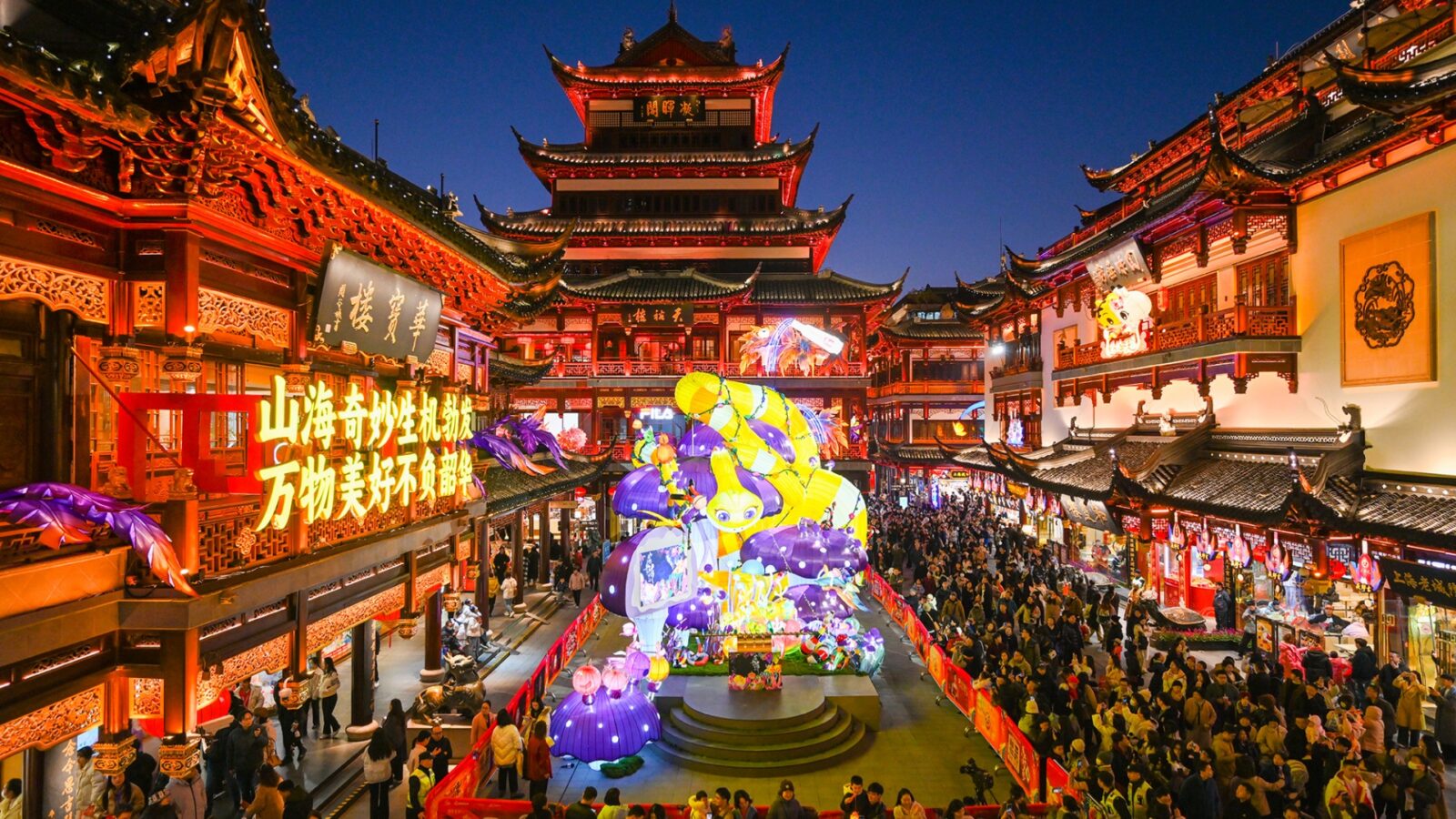
The Spring Festival (Chinese New Year)
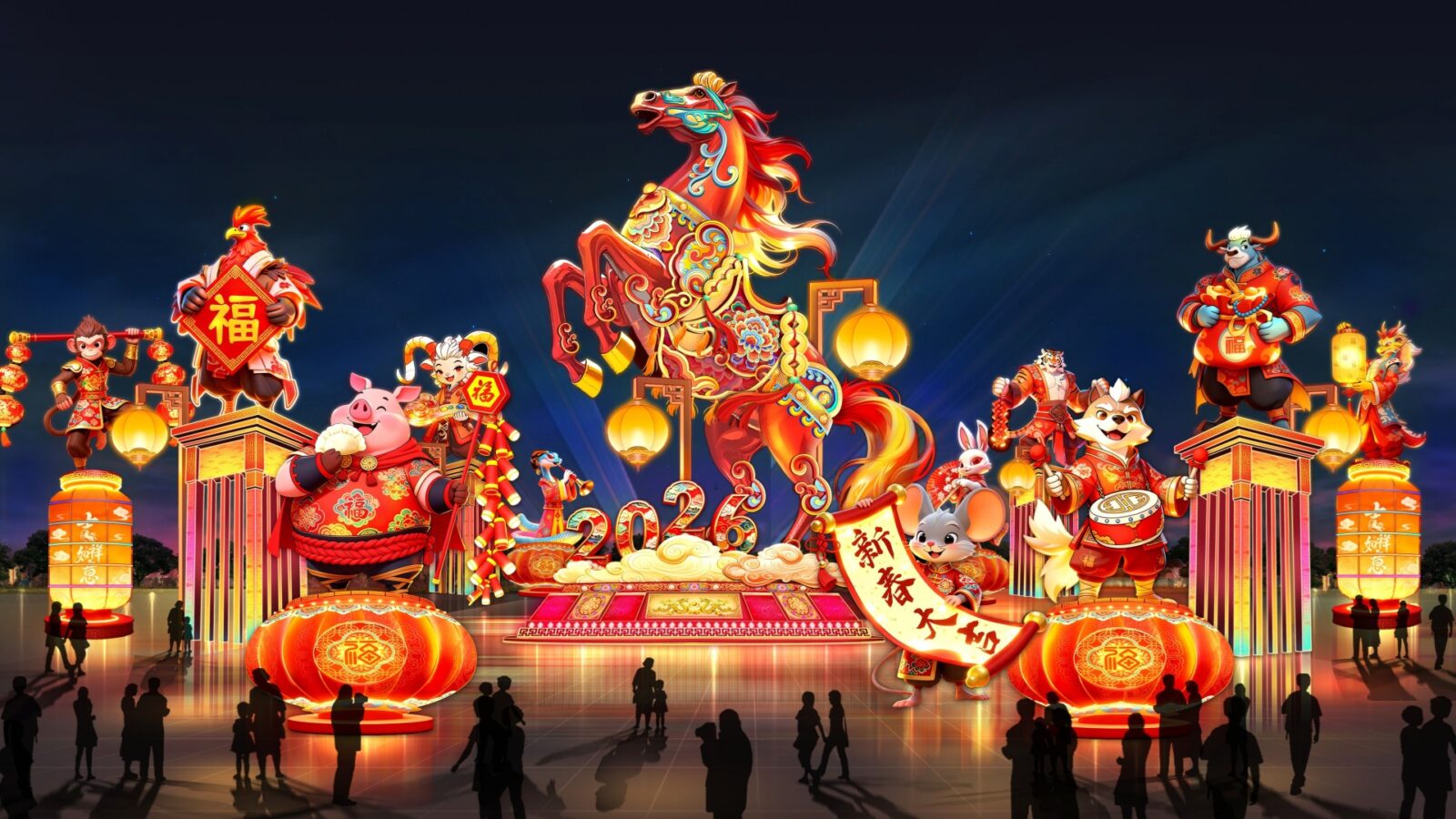
Spring Festival runs from Lunar New Year's Eve through the 15th day of the first lunar month. It is the single most important date on every Chinese travel calendar. Families gather for the reunion dinner (nianye fan), exchange red envelopes (hongbao), and hang couplets on their doors. Fireworks light the sky in cities where they remain permitted — check local rules before you arrive. Many shops and restaurants close on the first three days, so plan around closures. The Chunyun travel rush generates roughly 3–4 billion domestic trips over its 40-day window.
Temple fairs are the main public draw. Five of the best:
- Beijing Ditan Temple Fair: $3–7 (¥20–50) entry, mid-Jan to mid-Feb; traditional opera, folk art, street snacks.
- Chengdu Wuhou Shrine: Tea culture, Sichuan opera excerpts, Spring Festival market stalls.
- Shanghai Yu Garden: Lantern previews begin during Spring Festival; the bazaars run through Lantern Festival.
- Guangzhou Flower Fair: Outdoor market tradition; families buy blooms for the new year.
- Harbin Ice and Snow World: Works as a dual-season visit if you are in the north — spectacular at night.
🏮 Plan Your Spring Festival Trip: Curious which cities offer the most vibrant parades, night markets, and traditional performances? Read our guide to exploring the cultural charm of the best spring festivals in china.
Lantern Festival (Yuanxiao)
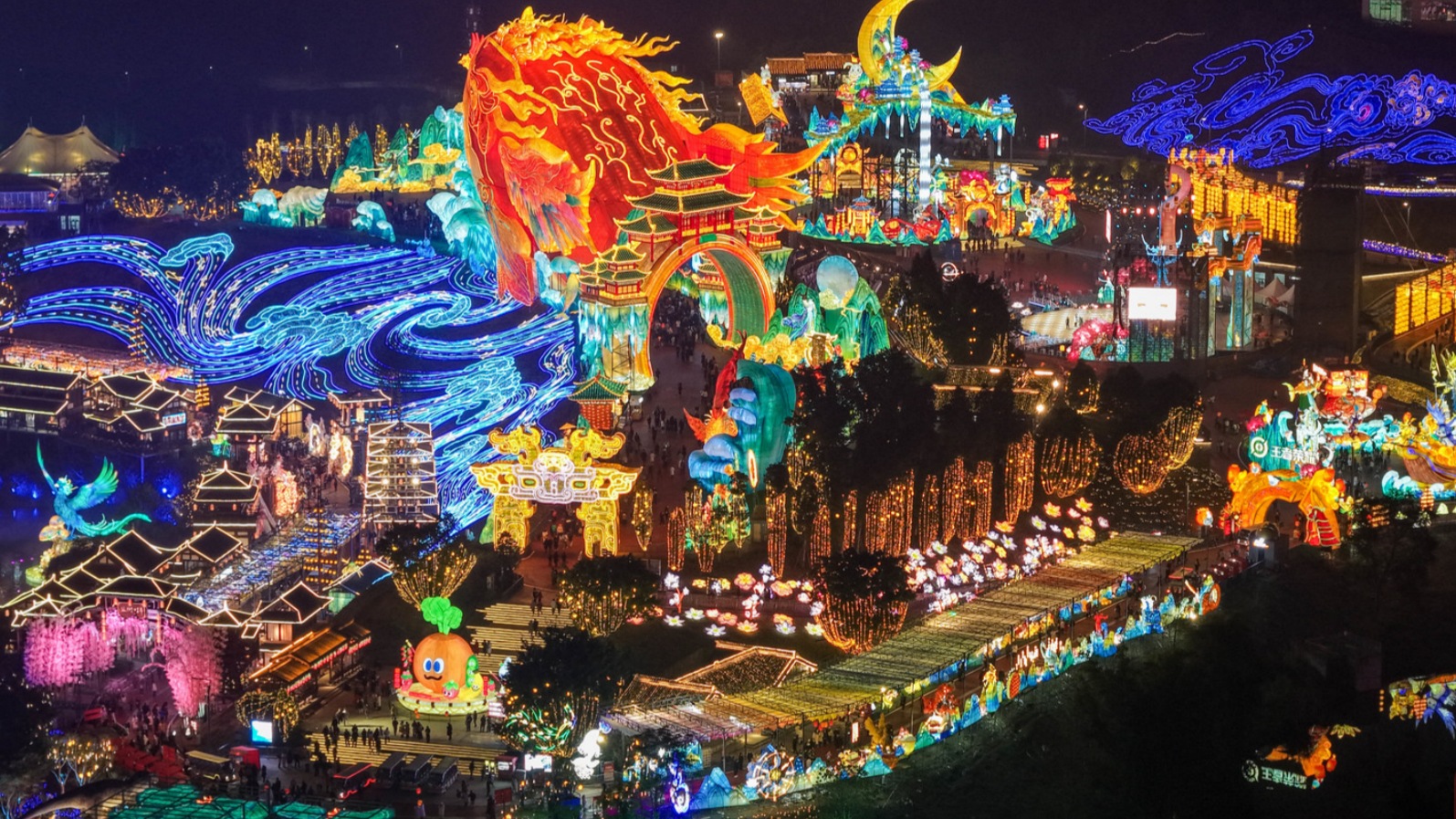
The Lantern Festival (Yuanxiao)
The Lantern Festival falls on the 15th day of the first lunar month, typically in February or March. Families eat tangyuan — sweet glutinous rice balls — and solve lantern riddles. Cities along rivers and canals stage lantern displays that draw crowds well into the night. Five venues stand out:
- Nanjing Confucius Temple: The Qinhuai River fills with floating lanterns; lantern art fills the temple complex, about $7–14 (¥50–100).
- Zigong Lantern Festival: Zigong is China's lantern-art capital; ticketed park shows and street installations run for weeks.
- Quanzhou Xijie: Southern Fujian tradition; lantern processions through the old pedestrian street.
- Kaifeng Qingming Shanghe Yuan: Lanterns combined with Song Dynasty costume reenactments.
- Xi'an Tang Paradise: Large-scale lantern installations in the Tang Dynasty theme park.
✨ Understand Festival Light Symbolism: As glowing red displays illuminate the Qinhuai River during the 15th day of the lunar year, learn about the origins and symbolism behind chinese lanterns meaning.
Water Splashing and Yi Torch Festivals
These two events anchor China's southwest ethnic-festival season from late spring into summer. Water Splashing marks the Dai New Year in Xishuangbanna. The Yi Torch Festival blazes across three provinces a few months later. Both are vivid, participatory, and among the most photogenic cultural events in the country.
Water Splashing Festival
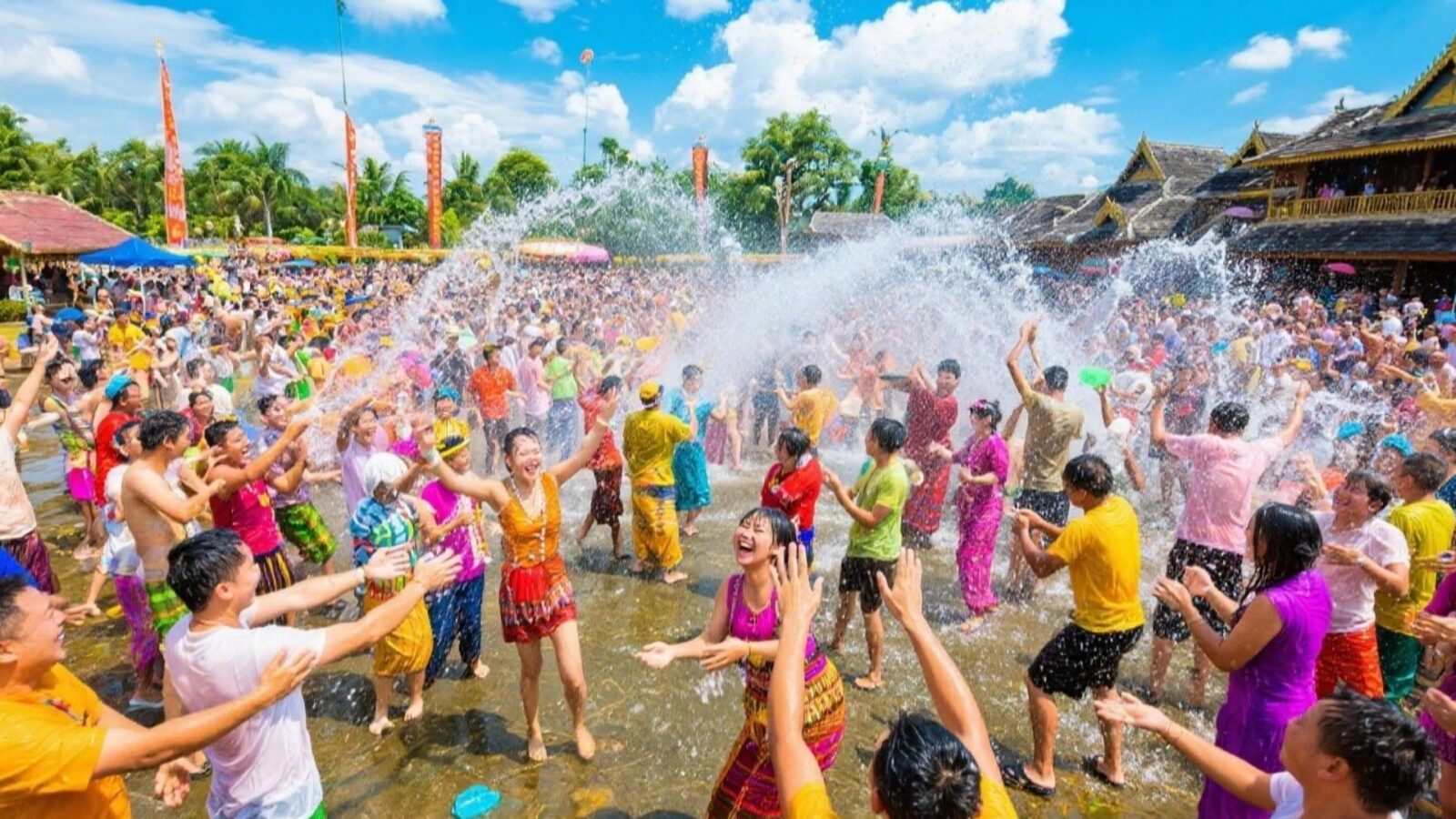
The Water Splashing Festival
Water Splashing Festival runs from April 13–15, sometimes extending to seven days. It marks the Dai New Year in Xishuangbanna, Yunnan. The central venue is Jinghong city, particularly Manting Park (Grand Buddha Temple grounds, about $15–25 (¥100–180)). Secondary sites include Dai Garden and Wild Elephant Valley. The phrase locals use is simple: the wetter you are, the luckier you get. Five rituals define the festival:
- Dragon-boat race: Teams race on the Lancang River (Mekong) through Jinghong.
- Bathing Buddha statue: The ceremonial sprucing of a large Buddha image at the Buddhist temple.
- Beauty pageant: The traditional Dai Jade Buddha contest; held at Manting Park.
- Water fight in the streets: The main event — buckets, water guns, hoses; everyone joins in.
- Peacock dance procession: Colorful processions through city streets, peacock-feather dancing.
Yi Torch Festival
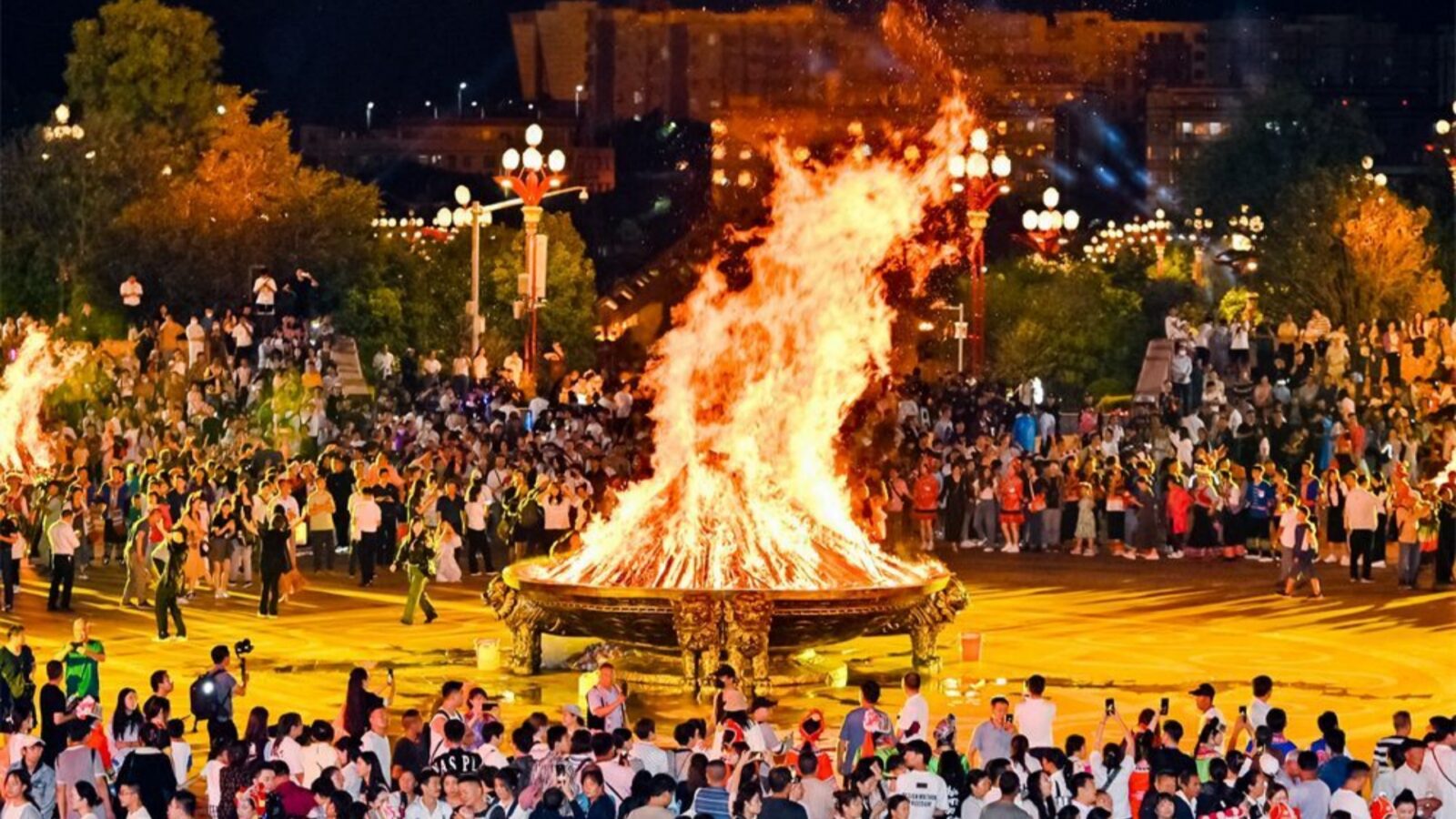
The Yi Torch Festival
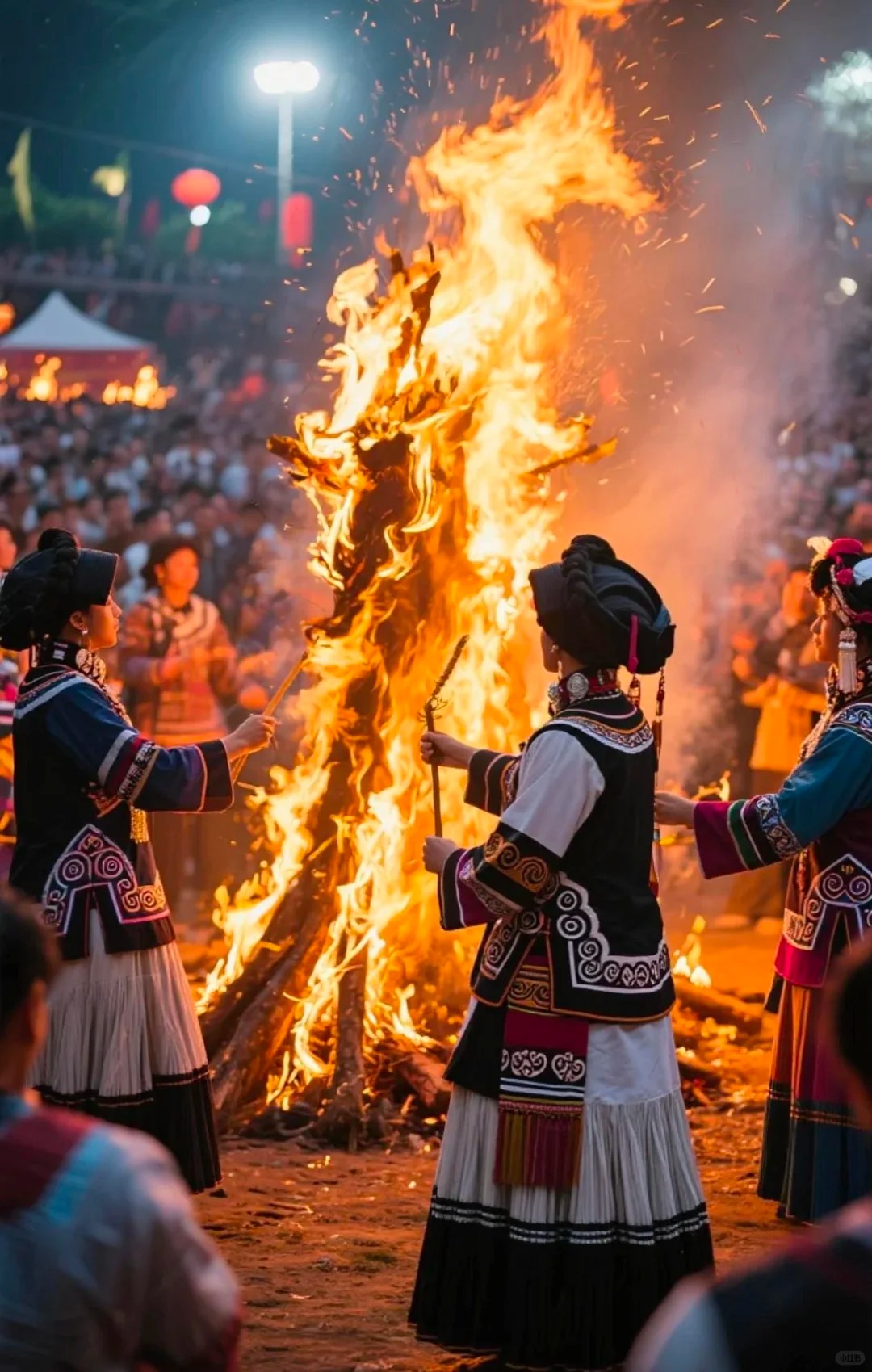
The Yi Torch Festival runs from the 24th to the 27th day of the sixth lunar month, typically late June or July. It spans three provinces: Liangshan Yi Autonomous Prefecture in Sichuan, Chuxiong in Yunnan, and Bijie in Guizhou. Torches are paraded through fields and homes to drive away pests. Five activities define the event:
- Torch processions through fields: Villages light torches and march at dusk; the fire is symbolic purification.
- Wrestling: Yi men compete in traditional wrestling; the champion earns local fame.
- Bullfighting: Common in Liangshan; an important social and ritual occasion for the Yi.
- Horse racing: Open grassland tracks; riders race bareback across short distances.
- All-night bonfire dance: Drumming and dancing around the fire; visitors are welcome to join.
🔥 Experience Southwestern Fire Celebrations: Beyond lunar new year gatherings, the Yi and Bai ethnic groups ignite midsummer nights with bonfire dances and parades described in torch festival in china.
Dragon Boat Festival
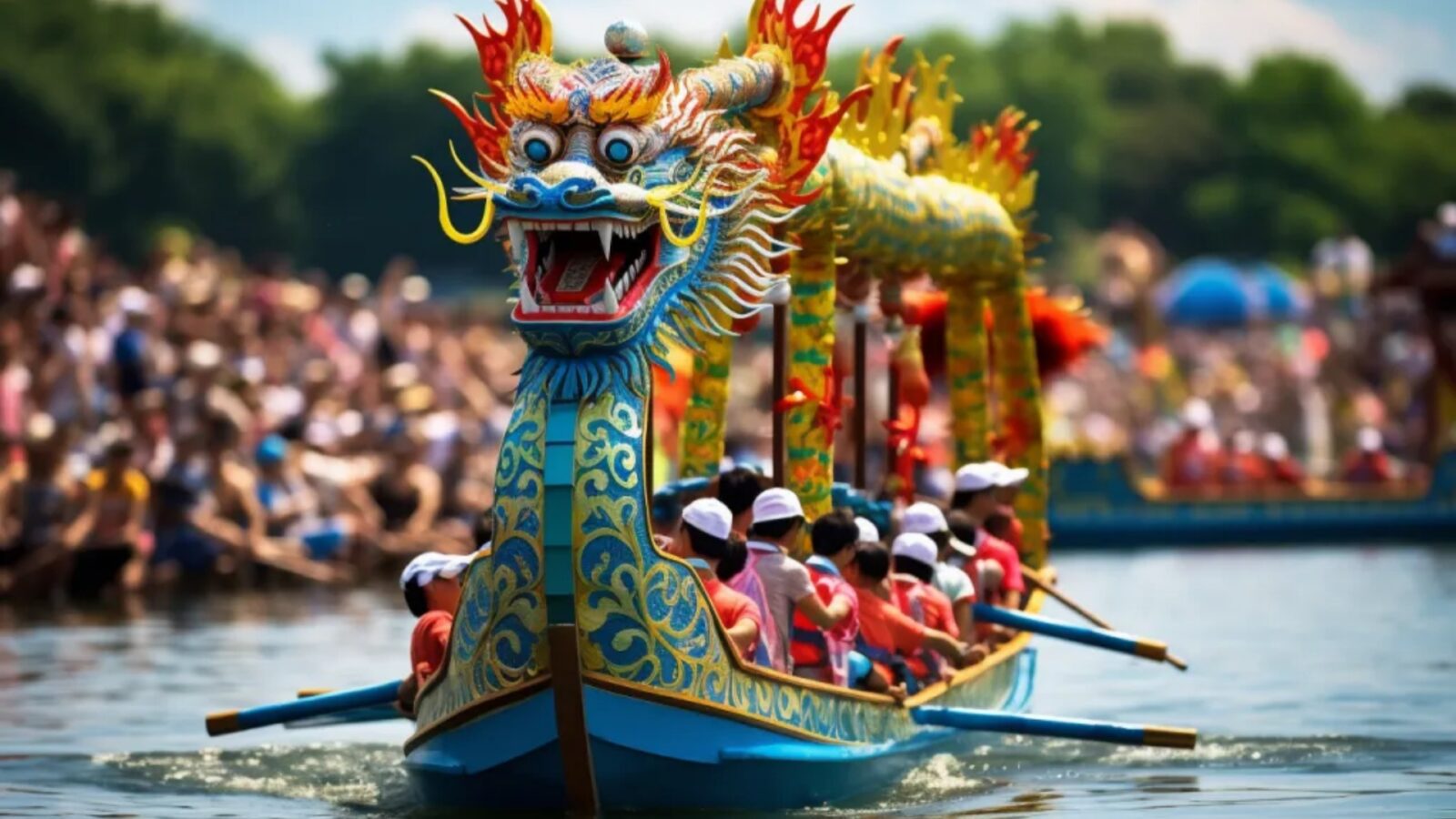
The Dragon Boat Festival
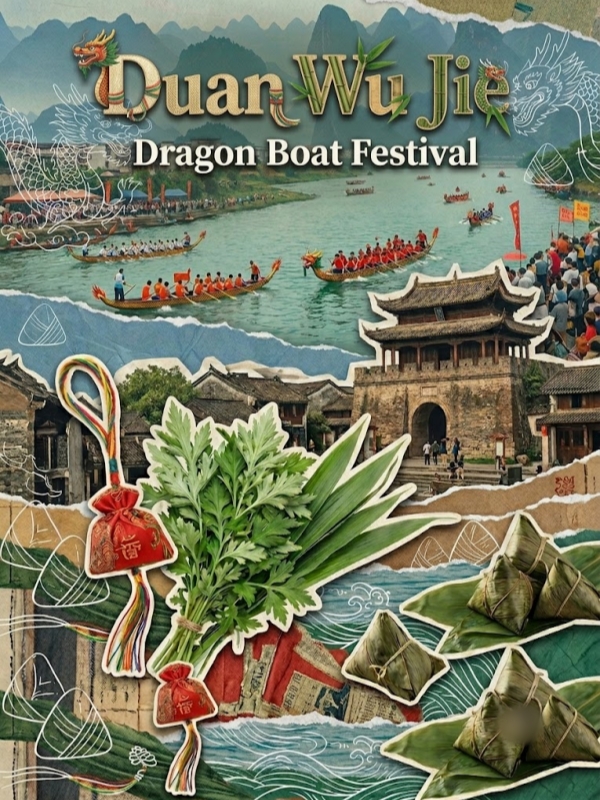
Dragon Boat Festival — Duanwu Jie — falls on the fifth day of the fifth lunar month, usually in May or June. Its most famous origin links to the poet Qu Yuan, who drowned in the Miluo River in 278 BC. People raced out in boats to search for his body, and the custom stuck. Today the races draw tens of thousands of spectators along rivers and harbours in five key cities:
- Hong Kong: Stanley, Sha Tin, and Tai O host the biggest races; grandstand seats about $3–7 (¥20–50).
- Guangzhou Pazhou: Pearl River races; good views from the riverside.
- Hangzhou Xixi: Wetland races in a scenic setting; fewer crowds than Hong Kong.
- Changsha Miluo River: The historical ground zero; smaller scale but authentic.
- Taipei Dajia riverside: Taiwan's premier venue; combined with temple festivities in Tainan.
🚣 Dragon Boat Festival Traditions: When summer arrives and long boats race along the Pearl River, discover the history, herbal customs, and food behind duan wu jie.
Naadam and Shoton Festivals
These two summer events draw visitors to opposite ends of China's cultural and geographic spectrum. Naadam fills the Mongolian grasslands with wrestling, horse racing, and archery. Shoton fills Lhasa's monasteries and parks with a thangka unveiling, Tibetan opera, and yak displays. Both are summer's biggest regional draws outside the national calendar.
Naadam Festival
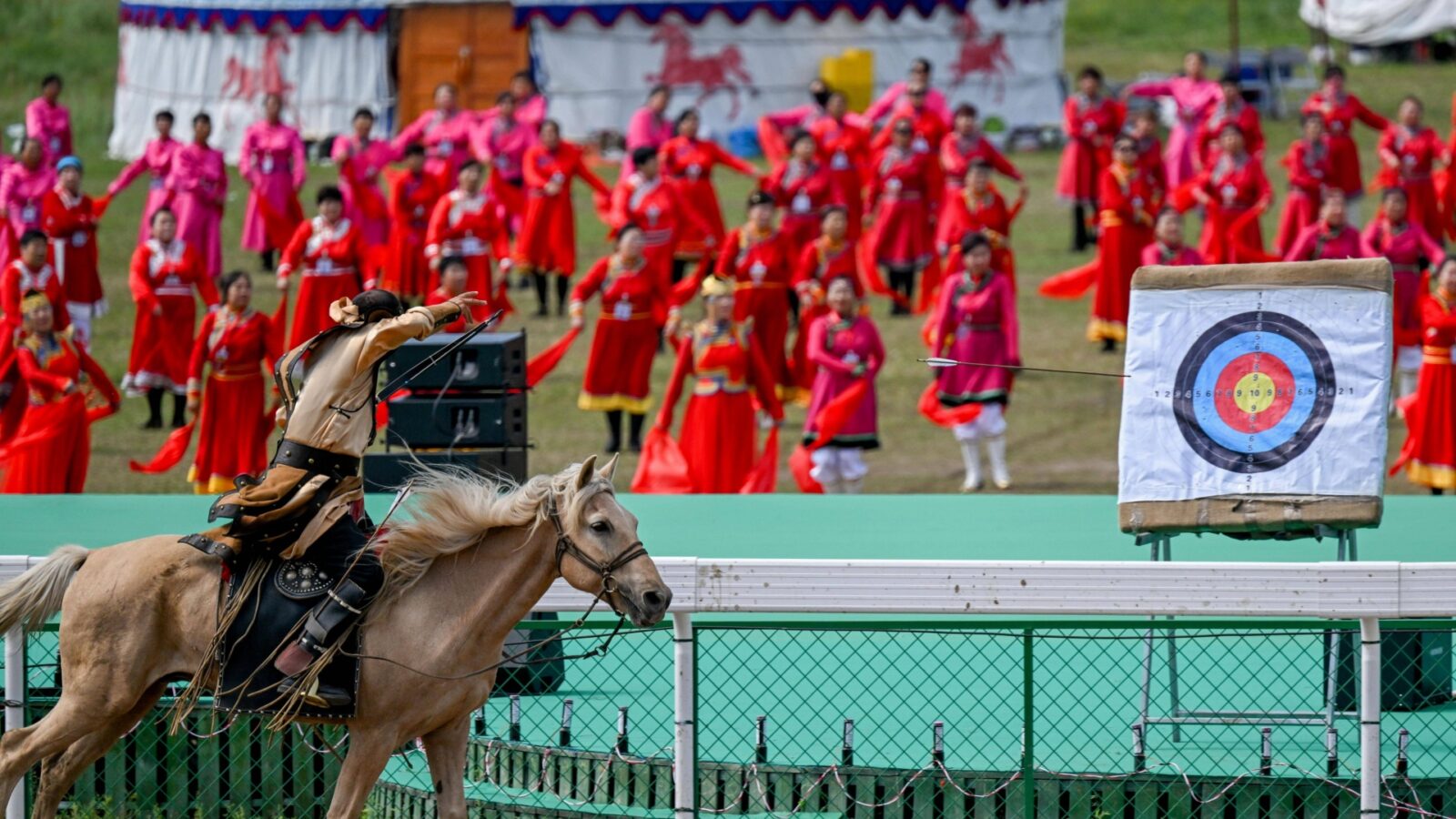
The Naadam Festival
Naadam is Inner Mongolia's signature summer festival, peaking in mid-July around Hohhot. The main grasslands are within driving distance of the city: Huitengxile, Gegentala, and Xilamuren. The three classical games — the eriin gurav naadam — are the core. Five experiences define the event:
- Bökh wrestling: Traditional Mongolian wrestling; athletes wear colorful aprons.
- Horse racing: Sprint races across open grassland; young horses run short courses.
- Archery (Khadaga sural): Traditional compound-bow shooting; a precision sport.
- Opening procession in deel robes: Athletes enter the grounds in traditional dress; a spectacle before the games.
- Evening bonfire with throat-singing: Mongol long-song performances around the fire after dark.
Shoton Festival
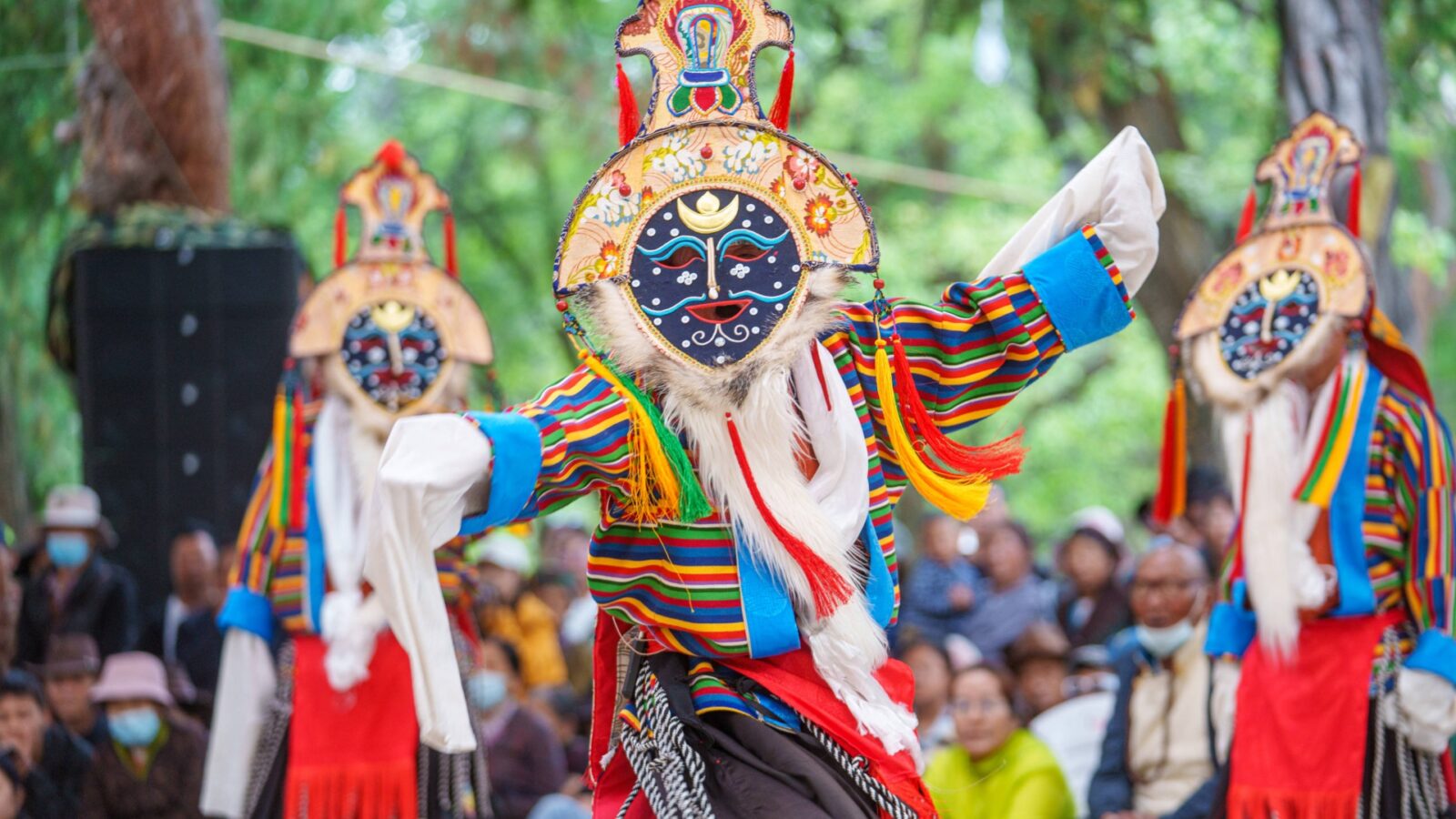
The Shoton Festival
Shoton means "yogurt festival" — it traditionally marked the time when monks could finally leave their monasteries after a summer retreat. Lhasa's festival runs late August into early September. The opening day features a giant thangka (Buddha painting) unveiled at Drepung Monastery. Five anchors structure the week:
- Drepung Monastery thangka unveiling: A roughly 500-square-meter painting unrolled on the hillside; Drepung entry $3–7 (¥20–50).
- Norbulingka Tibetan opera: Professional troupes perform for free in the summer palace gardens; seats $5–10 (¥30–70).
- Lhasa Race Course yak and horsemanship: High-altitude animal displays; the venue is open to visitors.
- Jokhang Temple circuits: Pilgrims walk the Barkhor Circuit; the atmosphere is intense during the festival.
- Monastic opening day: The first morning is the most solemn; arrive early.
Mid-Autumn Festival
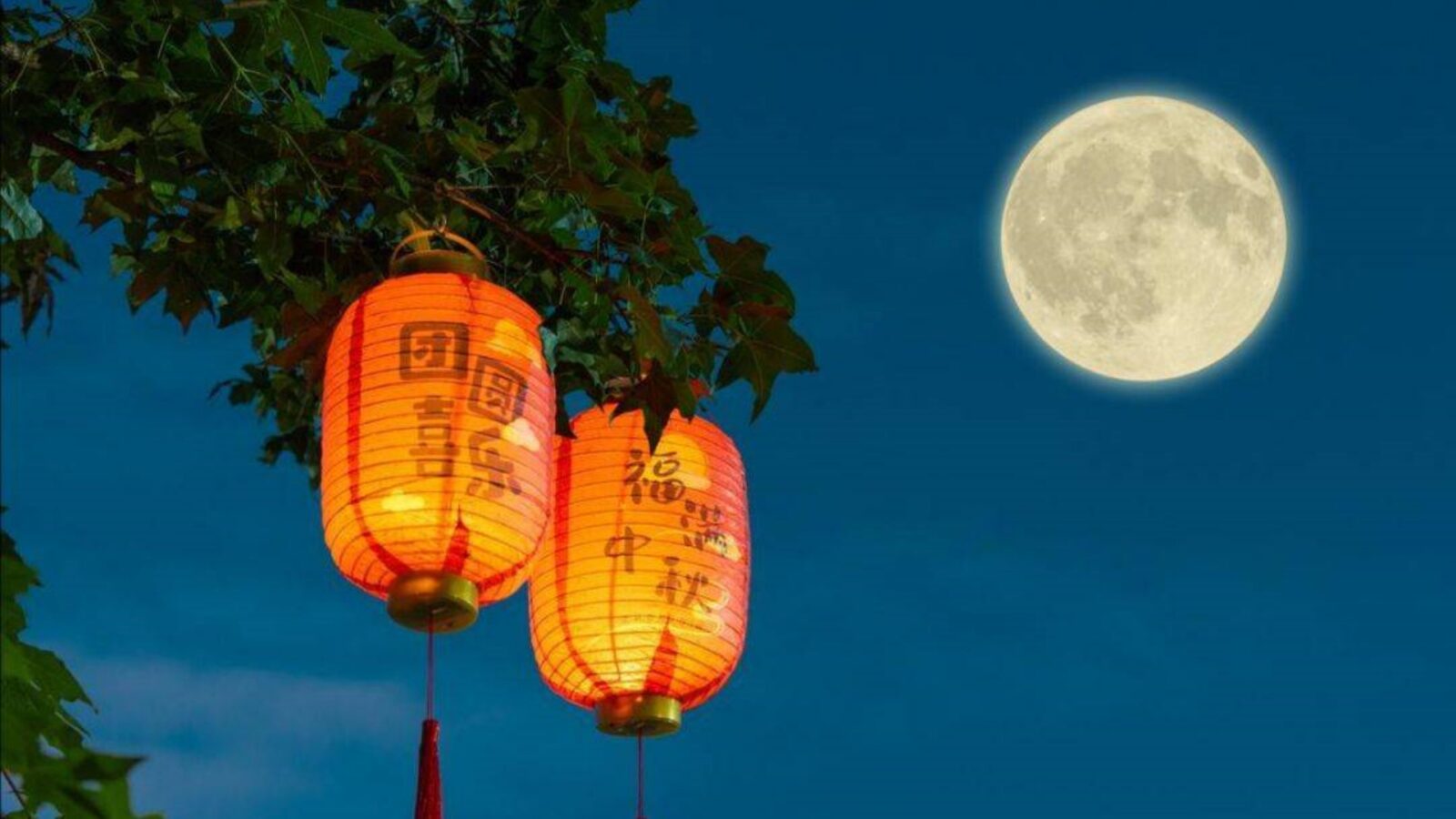
The Mid-Autumn Festival
Mid-Autumn Festival — Zhongqiu Jie — falls on the 15th day of the eighth lunar month, typically mid-September to early October. The themes are harvest, family reunion, and the moon. The signature food is the mooncake. Regional varieties include Cantonese, Suzhou, Yunnan ham, Beijing-style mixed-nut, and snow-skin. A box costs roughly $3–14 (¥20–100) depending on brand. Lanterns — especially round ones and rabbit shapes — fill streets and parks. Five viewing spots rank highest:
- Hangzhou West Lake: Full moon reflects on still water; one of China's classic views.
- Xiamen Gulangyu Island: Moon viewed over the South China Sea from a historic colonial island.
- Nanjing Confucius Temple: Lantern art peaks for a second time in the calendar year.
- Yangshuo Li River: Karst peaks and moonlight on the river; quiet and scenic.
- Hong Kong Victoria Harbour: Moon and city skyline; a large lantern display runs at Tsim Sha Tsui.
Festival Trip Planning
Getting to festival hubs in China requires knowing which routes have fast rail and which require flights. Several hubs — Lhasa, Jinghong, Hohhot — are best reached by air. The Tibet Autonomous Region also operates a permit system; Shoton visitors should arrange entry through a licensed tour operator. The 240-hour visa-free transit policy covers most major festival hubs for eligible passport holders, allowing up to 10 days in designated areas including Beijing, Shanghai, Chengdu, Xi'an, Kunming, and Lhasa.
Transport to Major Festival Hubs
Booking Channels, Prices, and English-Language Tips
Foreign visitors face a practical gap: most Chinese booking platforms require a mainland phone number and Alipay or WeChat Pay. These channels solve that problem. Five practical pointers:
- Trip.com: HSR tickets, city attractions, and most festival-region tours are bookable with an international card.
- Klook: Covers major city attractions and some ethnic-festival packages; good English interface.
- Licensed tours for Tibet and Inner Mongolia: Shoton requires a Tibet entry permit arranged through a licensed operator. Naadam grassland visits often go through tour vans based in Hohhot. Book both through Trip.com's tour partners.
- English signage varies: National festivals in Beijing, Shanghai, Xi'an, and Chengdu have English signage at major venues. Ethnic festivals in Yunnan, Guizhou, Sichuan, Inner Mongolia, and Tibet have far less English outside tour groups.
- Translation app: Download Pleco or Google Translate with offline Chinese downloaded before arrival. Rural minority festivals rarely have English-speaking staff.
Frequently Asked Questions
Q: What is the best time of year to visit China for festivals?
Year-round — each season has a major event. Spring Festival and Lantern Festival run January through March. Water Splashing hits in April. Dragon Boat and Yi Torch land in May–July. Naadam peaks in July. Shoton runs late August into early September. Mid-Autumn caps the year in September–October. To pair two festivals in one trip, consider Spring + Lantern (January–March) or Naadam + Shoton (July–August).
Q: Do I need a visa to attend Chinese festivals?
Many Western and Asian passport holders qualify for visa-free entry or the 240-hour visa-free transit covering major festival hubs — Beijing, Shanghai, Chengdu, Xi'an, Kunming, and Lhasa. Always reconfirm current policy on the official Chinese embassy or consulate site for your nationality before booking.
Q: Can foreigners join the Water Splashing Festival in Xishuangbanna?
Yes — it is one of the most open Chinese festivals to foreign visitors. Jinghong city streets, Manting Park, and Dai Garden are public. Bring a waterproof phone pouch and clothes you do not mind getting soaked. Many local hotels offer dry-clothes storage for guests.
Q: How crowded does China get during Spring Festival travel?
Spring Festival triggers the world's largest annual human migration. Recent years have logged roughly 3–4 billion domestic trips over the 40-day Chunyun window. Book HSR and flights at least two to three months ahead. If you need a settled hotel, arrive at your destination at least one day before the festival opens.
Q: Are these Chinese festivals family-friendly for kids?
Most are. Lantern Festival, Dragon Boat races, Mid-Autumn mooncake-making, and the Yi Torch bonfire all work well for children. Water Splashing is fun for older kids but may overwhelm very young ones. Spring Festival temple fairs typically have fairground rides and street snacks.
Q: Do I need to speak Chinese to join a festival?
Not strictly, but it helps. National festivals in major cities have English signage at most venues. Ethnic festivals in Yunnan, Guizhou, Sichuan, Inner Mongolia, and Tibet have far less English outside licensed tour groups. Download a translation app with offline Chinese capability before arrival.
Q: When should I book flights and hotels for festival trips?
Two to three months ahead for Spring Festival and Naadam. Four to six weeks ahead is usually sufficient for Water Splashing, Dragon Boat, Yi Torch, Shoton, and Mid-Autumn. Tibet permits for Shoton require arrangement through a tour operator at least two weeks in advance.
Q: What should I pack for a Chinese festival trip?
Five essentials: (1) a waterproof phone pouch for Water Splashing; (2) layers — high-altitude evenings at Shoton and grassland nights at Naadam drop sharply after sunset; (3) comfortable walking shoes for temple fairs and processions; (4) a small red envelope with about ¥20 for lucky encounters; (5) a translation app downloaded offline. Avoid white clothing at Spring Festival — it is associated with mourning.