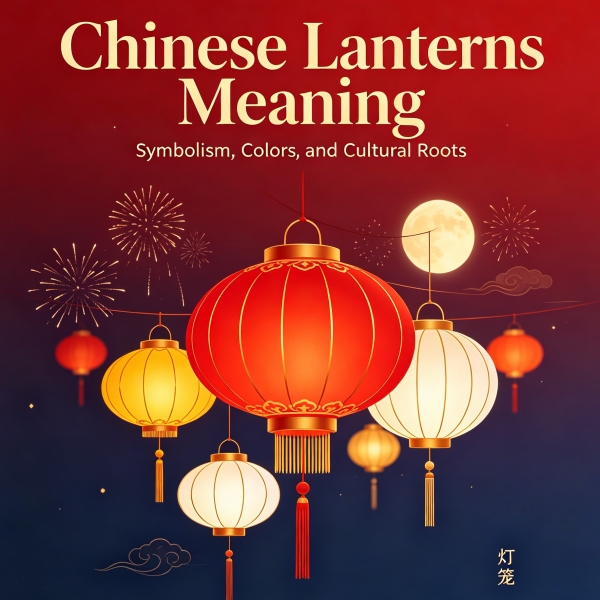
Chinese Lanterns Meaning
Chinese lanterns have lit homes, temples, and festivals for roughly 2,000 years. These glowing paper and silk structures carry meanings that go far beyond decoration. Each color, shape, and occasion transforms what a lantern represents. Understanding the symbolism helps visitors and collectors engage with Chinese culture on a deeper level. The Lantern Festival alone draws millions each year, making this one of China's most recognizable cultural exports.
The meanings attached to Chinese lanterns span Buddhist rituals, imperial ceremonies, family reunions, and romantic traditions. Color shifts the message from celebration to mourning. The type of lantern signals whether it belongs in a palace, a temple, or a grave. This article breaks down every major layer of meaning.
Quick Facts
What Chinese Lanterns Mean
Chinese Lanterns Meaning
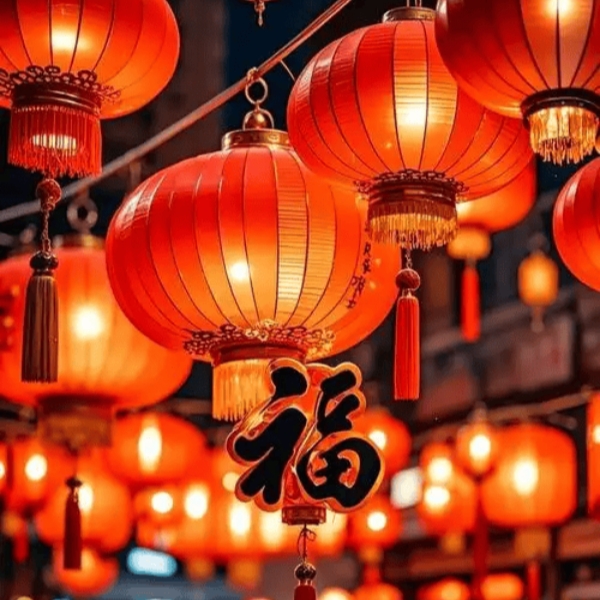
Chinese lanterns carry layered meanings rooted in over two millennia of history. The word itself, Denglong (灯笼), simply means "lantern." The festival name Yuanxiao Jie (元宵节) translates to "prime night festival," pointing to the full moon that marks the occasion. The lantern moved from Buddhist temple decoration to a universal folk symbol. Today it represents four core ideas: family reunion, illumination and wisdom, protection from evil, and renewal.
Origins and Etymology
Lanterns entered Chinese religious practice during the Han Dynasty. Emperor Wen issued a decree after witnessing monks hang lanterns 15 days after the New Year. The practice spread from Buddhist temples into broader folk culture. Paper lanterns appeared during the Eastern Han period, making the form more accessible. The Tang Dynasty saw peak usage, with Emperor Tang Minghuang decorating his palace extensively. By the Song Dynasty, lantern riddles became a formalized tradition. The Ming Dynasty brought water lanterns to the Nanjing Qinhuai River and established Beijing's palace lantern style.
Core Symbolism Across Chinese Culture
Four meanings appear across nearly every context where Chinese lanterns appear. Family reunion tops the list. The lantern glow represents warmth and the presence of loved ones. Illumination comes second, standing for wisdom and clarity in dark times. Third, lanterns ward off evil forces and invite good fortune. Fourth, they mark renewal—the closing of one cycle and the start of another.
- Family Reunion and Wholeness: The round lantern shape echoes the full moon, symbolizing togetherness and completion
- Illumination and Wisdom: Light cuts through darkness, representing knowledge and guidance
- Warding Off Evil: The Nian beast fears fire and brightness; lanterns drive it away
- Renewal and Letting-Go: Lighting a lantern marks the release of the old and the embrace of the new
🏮 Experience China's Grandest Lantern Spectacle: To see traditional lantern crafting elevated into massive, illuminated mountain and water installations, explore our guide to the world-famous Zigong Lantern Festival.
Chinese Lantern Color Meanings
Chinese Lanterns Meaning
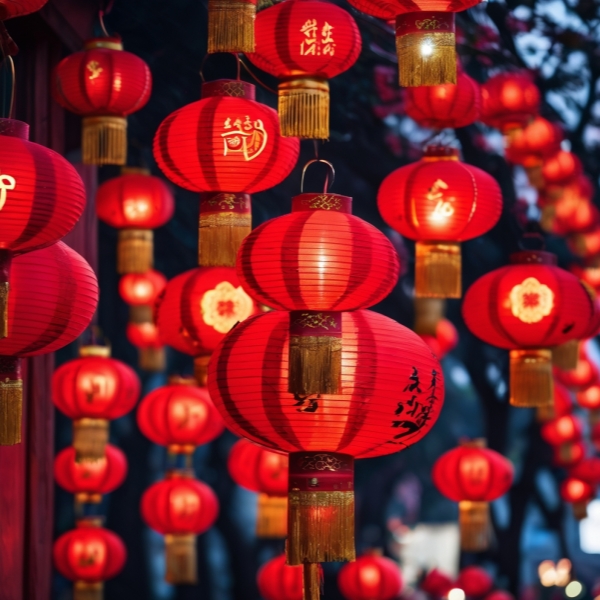
Color shapes the lantern's message in Chinese culture. Searching patterns show strong interest in "chinese lantern color meanings" and specific color questions like "white chinese lanterns meaning." Each hue carries distinct associations. Red dominates celebrations, while white signals mourning. Yellow connects to Buddhist practice and imperial heritage.
Red Lantern Meaning
Red lanterns are the most recognized form of Chinese lantern. This color saturates New Year decorations, wedding venues, and temple entrances. Red carries four main meanings specific to lanterns. First, it represents luck and prosperity in business and family life. Second, it marks celebration and joy during festivals. Third, the glow wards off the mythical Nian beast that fears fire and bright light. Fourth, red symbolizes life-giving vitality and positive energy flowing into a space.
- Luck and Prosperity: Red is the color of fortune in Chinese culture; hanging red lanterns invites good luck
- Celebration and Joy: The bright glow matches festive occasions like New Year and weddings
- Warding Off the Nian Beast: Ancient folklore holds that fire and red light repel the monster that attacks villages
- Life-Giving Vitality: Red represents positive energy flowing into a household or business
White, Yellow, and Other Colors
🐉 Shanghai's Premier Cultural Display: For an unforgettable spectacle of zodiac floats, classical architecture, and mythic light installations in the heart of the city, read our visitor guide to the Yu Garden Lantern Festival.
Chinese Lantern Festival Meaning
Full Moon at Yuan Xiao Jie
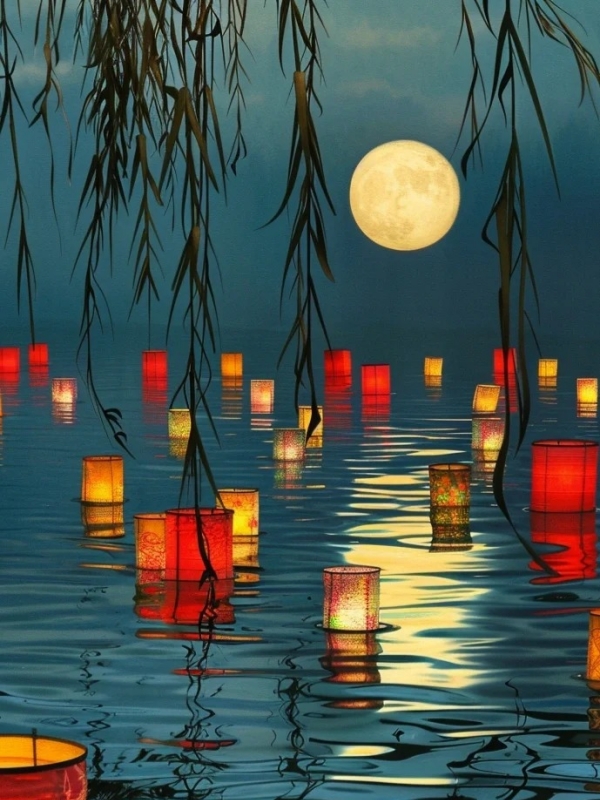
The Lantern Festival, or Yuanxiao Jie (元宵节), is the occasion that defines the lantern's most recognizable meaning. Held on the 15th day of the first lunar month, it closes the Spring Festival period. Families eat tangyuan dumplings that symbolize completeness. The full moon overhead reinforces the theme of wholeness. Beyond the family focus, the festival has romantic and social dimensions. Historically, lanterns on watchtowers and palace walls signaled everything from military alerts to curfew times. This signaling tradition predates the modern festive use and shows how the lantern moved from function to ceremony.
Family Reunion and End of New Year
The Lantern Festival punctuates 15 days of Spring Festival celebrations. Eating tangyuan, also called yuanxiao, seals the reunion theme. These round dumplings represent completeness and the circle of family. For many Chinese families, this is the final evening together before daily life resumes. The lantern glow marks this bittersweet moment. Relatives who traveled home see it as the closing act of their visit. The lantern thus becomes a marker of time and togetherness.
Romantic and Social Traditions
The festival serves as an informal Valentine's Day under lantern light. Historically, women could walk unescorted during the evening—an unusual freedom in traditional society. This created opportunities for romance and social interaction. Four main customs define the social celebration.
- Informal Valentine's Day: The evening allowed rare mixed-gender socializing under lantern light
- lantern Riddle Guessing: This tradition dates to the Song Dynasty; riddles written on lanterns test wit and bring groups together
- Dragon and Lion Dances: Performances through lantern-lit streets drive away evil and entertain crowds
- Firecrackers and Bonfires: Loud noises and open flames ward off misfortune as the new year cycle ends
🌕 Origins of the Festival: The culmination of the Lunar New Year celebration carries rich history, riddle-solving games, and symbolic foods. Uncover the traditions behind this holiday in What is the Meaning of Yuan Xiao Jie?
Types of Chinese Lanterns and Their Meanings
Chinese Lanterns Meaning
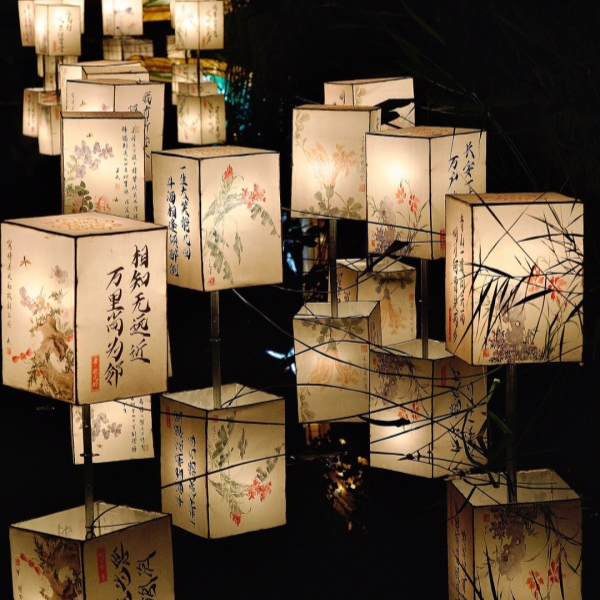
The lantern's form shapes its meaning. Palace lanterns signal imperial prestige. Bamboo lanterns carry mourning associations. Family-name lanterns express lineage pride. Gauze lanterns bring color to folk celebrations. Knowing the type tells you where the lantern belongs and what message it sends.
Palace, Gauze, and Bamboo Lanterns
Regional Lantern Styles
Four major regional schools shape Chinese lantern craftsmanship. Each reflects local materials, history, and aesthetic values. Beijing palace lanterns feature rosewood frames and silk panels in an imperial style. Suzhou lanterns emphasize folk craft with rich color and sculptural detail. Fuzhou lanterns represent the southern coastal tradition. Quanzhou lanterns, from southern Fujian, became a significant export form.
- Beijing Palace Lanterns: Rosewood-and-silk imperial style; formal and ornate
- Suzhou Lanterns: Folk craft tradition; emphasis on color and sculptural detail
- Fuzhou Lanterns: Southern coastal craft; distinct regional character
- Quanzhou Lanterns: Southern Fujian export tradition; widely distributed
Sky Lanterns, Tattoos, and Funerary Use
Chinese Lanterns Meaning
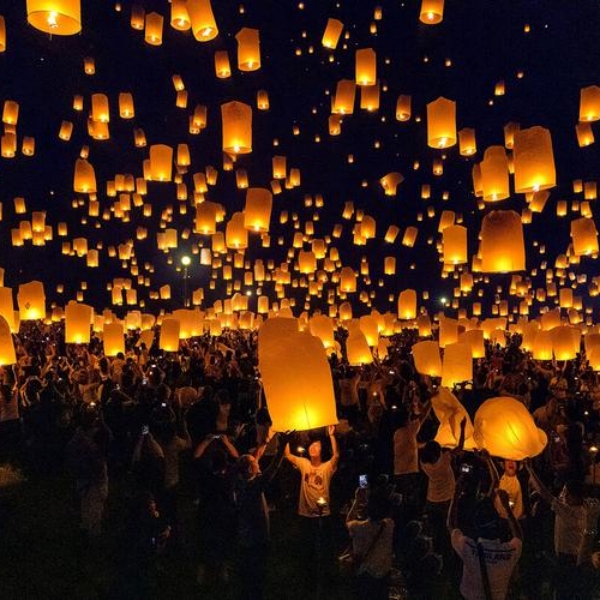
Lanterns extend beyond festive decoration into spiritual and personal domains. Sky lanterns carry wishes to heaven. Grave lanterns guide spirits. Tattoos spread the lantern's symbolism into body art. The lantern plant brings the visual motif into gardens. Understanding these uses shows how far the lantern's meaning travels beyond the front door.
Sky and Floating Lanterns
Kongming lanterns (孔明灯) rise into the night sky carrying wishes and prayers. The flame inside heats the air, lifting the paper structure upward. Release symbolism varies. Some view it as sending good fortune heavenward. Others see it as letting go of misfortune. Floating lanterns placed on water share a similar function—communicating with ancestors through the element that flows between the living and the dead.
Lanterns on Graves
Chinese mortuary culture places lanterns at gravesites for specific purposes. White lanterns mark mourning and signal that the deceased is being honored. The light guides the spirit of the departed. Lanterns appear prominently during Qingming (Tomb-Sweeping Day) and Ghost Month ancestor rites. Family-name lanterns at ancestral graves reinforce lineage continuity.
- White Lanterns Marking Mourning: Pale colors signal respect and grief at funerals
- Spirit Guiding: The light helps the deceased find their way
- Ancestor Honoring: Displays during Qingming and Ghost Month show ongoing family remembrance
- Family-Name Lanterns at Graves: Reinforce clan lineage and continuity at ancestral sites
Tattoos and the Lantern Plant
The lantern has crossed into modern visual culture through tattoos and horticulture. Tattoo wearers choose lantern designs for personal symbolism. The Chinese lantern plant, Physalis alkekengi, produces orange pods that resemble small paper lanterns. Gardeners value it for seasonal color. Red lantern imagery appears in Western design as borrowed "Chinese-ness."
- Tattoo Symbolism: Luck, guidance, hope, and family warmth; often paired with dragons or Chinese characters
- Chinese Lantern Plant (Physalis alkekengi): Orange pods mimic lantern shape; symbolizes abundance and seasonal change
- Western Design Borrowing: Red lantern imagery adopted as decorative "Chinese" ornament outside Asia
Faqs about Chinese Lanterns Meaning
Q: What do Chinese lanterns mean?
Red lanterns mean luck, prosperity, and family reunion. The lantern overall symbolizes illumination, warmth, and the guiding of spirits. The Lantern Festival uses lanterns to mark the end of Lunar New Year and family wholeness.
Q: What does the lantern mean in Chinese New Year?
Lanterns mark the 15th and final day of Spring Festival celebrations. They signal family reunion—the full moon represents wholeness. Red lanterns specifically drive away the mythical Nian beast. Lighting lanterns closes the New Year period before everyday life resumes.
Q: What do red Chinese lanterns mean?
Red means luck, prosperity, joy, and vitality. Red lanterns dominate weddings, New Year, and temple fairs. Pairs of red lanterns at a doorway signal celebration and good fortune for the household.
Q: What do Chinese sky lanterns mean?
Also called Kongming lanterns (孔明灯), these carry wishes, prayers, or the letting-go of misfortune to heaven when released. They symbolize hope, communication with ancestors, and renewal.
Q: What does a Chinese lantern mean on a grave?
Usually a white or pale-colored lantern. It signals mourning and respect for the deceased. It serves as a guide for the spirit. Such lanterns appear during Qingming (Tomb-Sweeping Day) and Ghost Month ancestor rites.
Q: What does letting Chinese lanterns go in the sky mean?
The act of release symbolizes surrendering bad luck or hardship. The rising flame carries wishes upward. This practice ties to Buddhist and Taoist traditions of letting-go and spiritual clearing.
Q: What is the meaning of the Chinese lantern festival?
Yuanxiao Jie (元宵节), held on the 15th day of the 1st lunar month, marks the end of Spring Festival. It celebrates family reunion—the full moon represents wholeness. Historically, it served as an informal Valentine's Day. It also marks the first full moon of the lunar year.
Q: What did the Chinese signal with lanterns mean?
Historically, lanterns on frontier watchtowers and palace walls signaled military alerts, the safe arrival of officials, or curfew times. This signaling tradition predates the modern decorative use and forms one root of the folk Lantern Festival.
Q: What is the meaning of a Chinese lantern tattoo?
Most commonly a red lantern. It symbolizes luck, prosperity, family warmth, and the illumination of one's path. Sometimes paired with a dragon for protection or with Chinese characters for blessings.
Q: What is the lantern meaning in Chinese?
灯笼 (dēnglóng) is the everyday word for "lantern." 元宵 (yuánxiāo) refers to the dumpling eaten on Lantern Festival day. 花灯 (huādēng) means decorative festival lanterns.