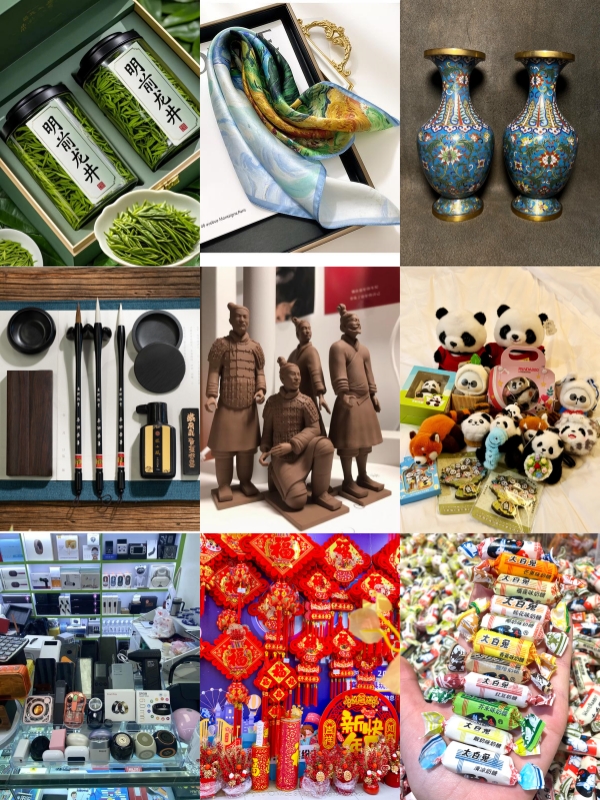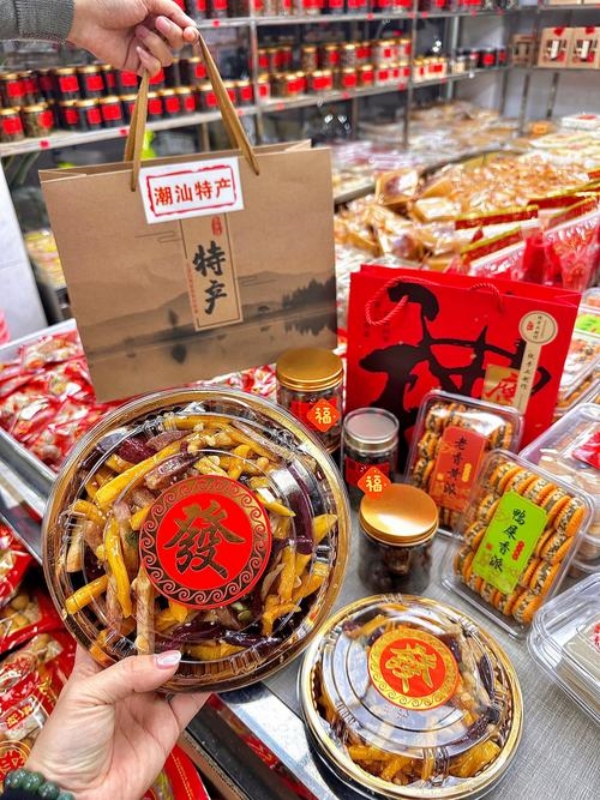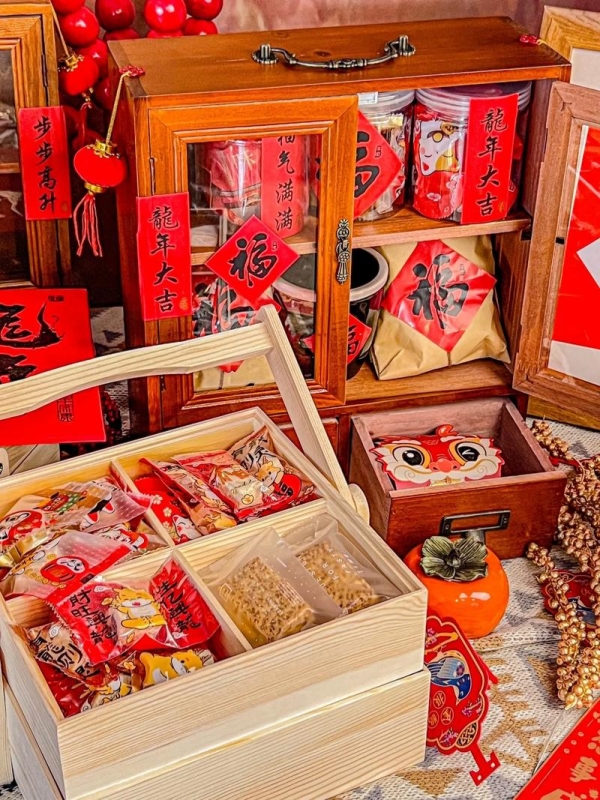
Chinese New Year Gift Ideas
Most Spring Festival gift guides round up products you can ship from the West — a tea tin from a UK retailer, an orange box from a US gourmet store, a silk pajama set for the aunt who has everything. Useful if you live in London or New York. Less useful if you are traveling to Beijing, Shanghai, or Hong Kong for the holiday and want to know what to bring your host family, which tea street to walk down on a Tuesday afternoon, or what a thoughtful gift realistically costs in renminbi. This guide covers the picks Chinese hosts actually appreciate, the markets and department stores worth a stop in each city, what to spend by category, and the customs and etiquette details that catch first-timers off guard.
Quick Facts
🏬 In-Person Shopping Guide: Want to know what to seek out while exploring local department stores and night markets in major cities? Read our breakdown of Things to Buy While in China.
Traditional Gifts Chinese Hosts Actually Appreciate
Six categories consistently land well with Chinese hosts during Spring Festival. The selections below range from practical pantry staples to symbolic gestures — each carries meaning that goes beyond the item itself.
- Premium tea: Tieguanyin, Da Hong Pao, or aged Pu'er in 50–100g red gift tins. Respects the host and works for older family members. Budget around $14–$45 (¥100–¥325).
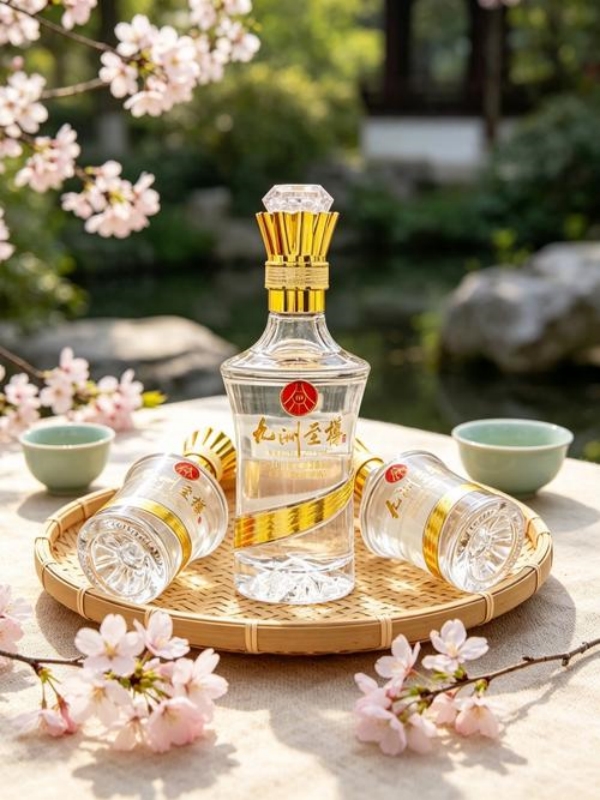
- Baijiu: Wuliangye or Luzhou Laojiao at mid-range. Moutai 53° is the splurge tier. Most appreciated when the host drinks. Budget $45–$90 (¥320–¥650) for mid-tier, $300+ (¥2,200+) for Moutai.
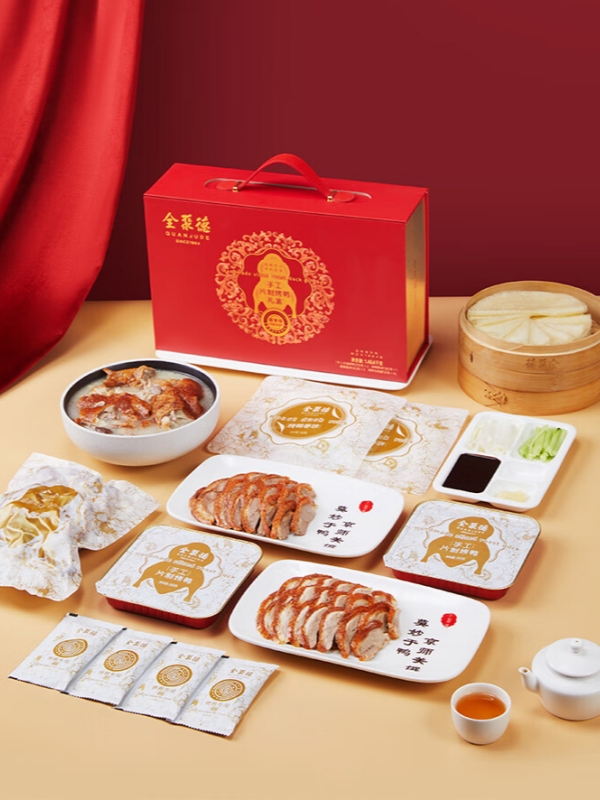
- Packaged regional foods: Vacuum-packed Beijing roast duck (Pang or Quanjude), Shanghainese butterfly pastries, Hong Kong pineapple shortcakes, Sichuan peppercorn sets. Budget $15–$35 (¥108–¥255).
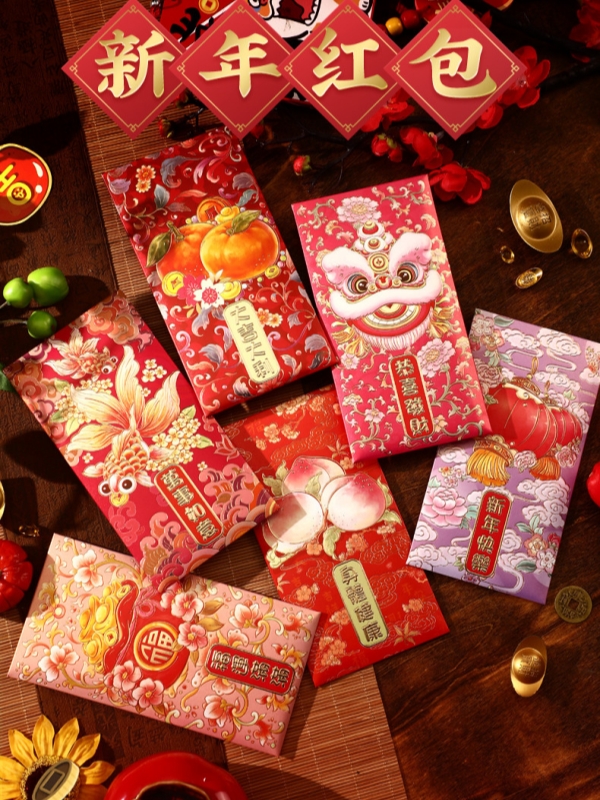
- Red envelopes (hongbao): Married visitors give these to unmarried younger relatives or elders. Use crisp new bills in even amounts ($20, $50, $100, $200). Always avoid amounts containing 4.
- Symbolic plants: Kumquat tree (金橘), peach blossom branch, narcissus (水仙). Represent wealth, romance, and good fortune. Budget $20–$50 (¥145–¥360).
- High-end skincare or silk accessories: Heritage Chinese brands (百雀羚, Sulwhasoo, Ling Skincare) or Hangzhou silk scarves. Budget $25–$180 (¥180–¥1,300).
Tea, Baijiu, and Other Pantry Staples
Tea, Baijiu, and Other Pantry Staples
Fujian Tieguanyin, Wuyi Da Hong Pao, and Yunnan Pu'er form the core of premium tea gifting. These come in sealed red tins that travel well in checked luggage. Hosts appreciate the gesture and the ritual of sharing tea during the holiday visit.
Baijiu follows a clear hierarchy. Moutai 53° sits at the heritage tier and commands steep prices, but Wuliangye and Luzhou Laojiao are perfectly respectable at mid-range. Bottle sizes are standard 500ml. Carry-on restrictions apply to liquids over 100ml, so pack baijiu in checked bags.
Regional Foods Worth the Suitcase Space
Regional Foods Worth the Suitcase Space
Vacuum-packed Peking duck from brands like Pang or Quanjude survives airport transit and arrives in recognizable form. Shanghainese green bean pastries and Hong Kong pineapple shortcakes (Kee Wah, Hang Heung) pack flat and keep for weeks when sealed. Sichuan peppercorn gift sets appeal to hosts who cook — the mala flavor profile translates well as a gesture of thoughtfulness.
Red Envelopes, Plants, and Symbolic Picks
Red Envelopes, Plants, and Symbolic Picks
The red envelope remains the most flexible gift in the Spring Festival repertoire. New, crisp bills only. Even amounts work best. Skip 4 entirely — the homophone with death makes it a number to avoid. Lean toward amounts containing 8, which sounds like prosperity. Standard amounts range from $20 to $200 (¥145–¥1,440) depending on relationship and context.
Symbolic plants (kumquat, peach blossom, narcissus) peak in availability the week before New Year. Markets like Yuen Po Street in Hong Kong flood with these seasonal options. Small additions like 福 stickers and red string bracelets round out a gift without adding cost.
🍵 Must-Have Specialty Goods: From premium loose-leaf teas to high-grade skincare and local specialties, check out the essential Items to Buy in China.
Where to Buy in Beijing, Shanghai, and Hong Kong
Each major city has distinct shopping districts. The clusters below group locations by what they do best — use them to build a practical itinerary.
- Beijing: Wangfujing pedestrian street for one-stop department stores and vacuum-packed duck. Sanlitun Taikoo Li for mid-to-high-end foreign and Chinese designer goods. Maliandao Tea Street for ~30 tea shops within 1km, serving both wholesale and retail at mid-to-high prices. Xidan for mid-range department stores.
- Shanghai: Nanjing Road pedestrian street for No.1 Department Store and Shanghai No.1 Food Store gift tins. Yu Garden and Old City Bazaar for silk, fans, chopsticks, and traditional snacks — bargaining expected. Xintiandi for boutique Chinese-heritage brands and curated gift sets. South Bund Fabric Market for custom-tailored silk and qipao.
- Hong Kong: Mong Kok and Yau Ma Tei street markets for dried seafood, tea, and herbs at budget-friendly prices. Causeway Bay for Sogo, Lane Crawford, and luxury malls. Wing Lok Street in Sheung Wan for premium dried abalone, scallops, and ginseng — peak season trade. Yuen Po Street Bird Garden and Flower Market for symbolic plants.
- Online (cross-border delivery): Tmall Global, JD Worldwide, and Amazon Global Store accept foreign payment cards. Domestic Taobao and JD require a Chinese phone number and Alipay or WeChat Pay — most foreign visitors cannot set these up without a mainland bank account.
Beijing: Wangfujing, Sanlitun, and Maliandao Tea Street
Wangfujing, Sanlitun, and Maliandao Tea Street
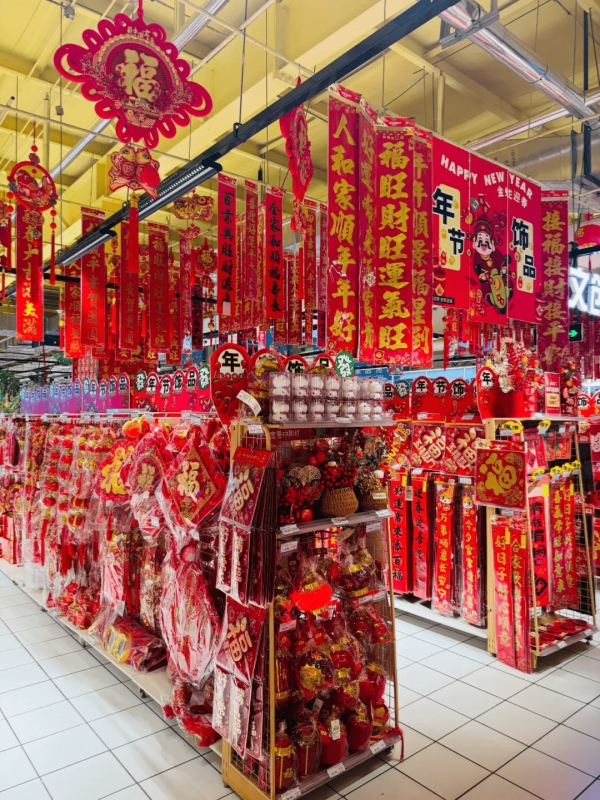
Wangfujing works for efficient, one-stop gift buying. The department stores carry regional food tins and packaged goods alongside electronics and clothing. The adjacent snack street offers local street food as a secondary experience.
Sanlitun Taikoo Li skews design-conscious. The brands here include both international names and Chinese designers with physical stores — useful if you want a silk scarf or ceramic piece that reads as curated rather than generic.
Maliandao Tea Street is the serious tea buyer's destination. Shops line both sides of the street over roughly one kilometer. Retail and wholesale pricing often overlap. Ask for a tasting before committing — vendors expect it.
Shanghai: Nanjing Road, Yu Garden, and Xintiandi
Nanjing Road, Yu Garden, and Xintiandi
Nanjing Road's Shanghai No.1 Food Store sells regional gift tins with minimal negotiation required. The setting is air-conditioned and efficient, suitable when time is short.
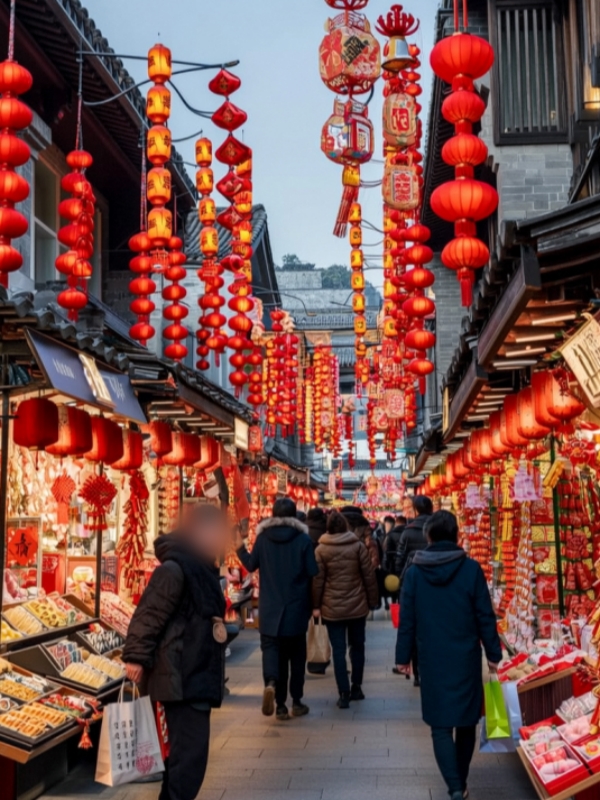
Yu Garden's Old City Bazaar rewards slow walking. Silk fans, chopsticks, teas, and snacks share narrow lanes with goldfish vendors and fortune-tellers. Prices start high and drop with conversation — factor in the dance.
Xintiandi anchors the high-end end of the gift spectrum. Chinese-heritage brands with actual design intent have retail presence here. The South Bund Fabric Market nearby offers custom-tailored qipao for guests who will appreciate the investment.
Hong Kong: Mong Kok, Causeway Bay, and Wing Lok Street
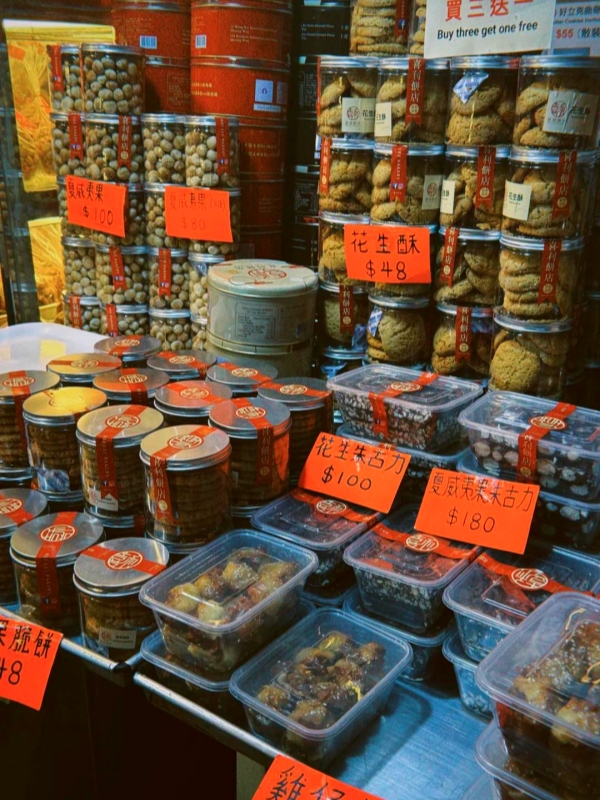
Mong Kok, Causeway Bay, and Wing Lok Street
Mong Kok and Yau Ma Tei cluster the practical purchases. Dried seafood, tea shops, and herb vendors line the streets in no particular order. Prices are visible and negotiation is expected.
Causeway Bay's malls (Sogo, Lane Crawford, Hyson Place) cater to luxury buyers. Skincare sets, silk goods, and branded food tins carry premium pricing but sit in climate-controlled comfort.
Wing Lok Street in Sheung Wan concentrates premium dried goods. Abalone, scallops, and ginseng sell by weight. The CNY season drives prices up, but quality is concentrated and vendors are experienced with gift orders. Yuen Po Street Flower Market completes the picture for kumquat trees and peach blossoms.
🎁 Handcrafted & Traditional Gifts: Looking for physical mementos like silk scarves, ceramic tea sets, or hand-painted fans to bring home? Explore our top recommendations for Souvenirs from China.
Price Ranges by Gift Category
Edible Gifts and Customs Considerations
Bringing food gifts into China requires navigating a personal-use allowance. The rules are straightforward for packaged, shelf-stable items, but tighten considerably for fresh products.
- Customs allowance for entering China: roughly $700 (¥5,000) per person per entry for personal-use items. Above this threshold, a simplified duty declaration applies. Combined-family entries calculate separately — each person carries their own allowance.
- Generally allowed: commercially sealed cookies, candies, packaged tea, dried mushrooms, sealed sauces, instant noodles, sealed coffee, sealed spices, vacuum-packed pastries.
- Restricted or requires declaration: fresh fruit, fresh meat, raw dairy, live plants or seeds, large quantities of alcohol (anything over the 1.5 L personal alcohol limit).
- Taking Chinese food home: vacuum-sealed baked goods and tea travel well in hand luggage. Meat-based products face stricter inspection at the destination country's border — check your home country's import rules before packing.
- Rule of thumb: stay within the $700 personal-use band, keep packaging sealed and labeled in the original container, declare if uncertain. Commercial quantities will draw customs attention regardless of packaging.
Packaging, Etiquette, and What to Avoid
Presentation carries weight in Chinese gift culture. A few minutes of attention to wrapping and delivery signals respect in ways the gift itself cannot.
- Colors and wrap: red and gold are auspicious and appropriate. Avoid white, black, and blue-dominant wrapping — these read as funeral colors and are wrong for a celebration.
- Two-hand presentation: hand over the gift with both hands. Receive with both hands. This gesture shows respect and is expected, not optional.
- Red envelope rules: new, crisp bills only. Even amounts work. Skip 4 entirely. Preferred amounts are $20, $50, $100, $200, $600, $800, $1,000. Amounts containing 8 are considered especially lucky.
- Taboos to skip: clocks (送钟 sounds like attending a funeral), sharp objects (imply cutting ties), white flowers (funerary), pears given as parting gifts (送梨 sounds like separation), umbrellas in some dialects, green hats for male recipients (infidelity symbolism), shoes to certain recipients.
- Numbers: 4 is bad. 8 is good. This applies to amounts in red envelopes, counts of items in a gift set, and even prices if the vendor is open to it.
Frequently Asked Questions
Q: When should I buy Chinese New Year gifts?
The safe window opens 1–2 weeks before Chinese New Year's Eve. Flower markets and tea streets stay active late into that week. Major department stores remain open daily through the holiday week. Online orders require a 7–10 day buffer for guaranteed delivery — cut off too close to the holiday and logistics break down.
Q: What is the best gift to bring to Chinese hosts for Spring Festival?
Premium tea (Da Hong Pao or Tieguanyin) works universally. Baijiu suits hosts who drink. Packaged regional food from a reputable brand — Pang roast duck, Kee Wah pastries — travels well and translates across regions. When in doubt, a red envelope with crisp new bills in an even, lucky-numbered amount is always appropriate and appreciated.
Q: Are there customs limits on gifts entering China?
The duty-free threshold sits at roughly $700 (¥5,000) per person per entry for personal-use items. Alcohol has a separate 1.5 L personal allowance. Fresh meat, raw dairy, and live plants are restricted regardless of value — declare anything uncertain rather than hoping it passes unnoticed.
Q: What are good Chinese New Year gifts under $25?
Tea sachets in decorative tins, vacuum-packed pastries, small porcelain accessories, silk handkerchiefs, red envelopes, keychains with auspicious symbols, and candy boxes. Most street markets and convenience stores stock these options. The price point works well for colleagues, casual acquaintances, or children outside the immediate family.
Q: What gifts should I avoid for Chinese New Year?
Clocks, sharp objects, white flowers, pears given as parting gifts, umbrellas in some dialects, and green hats for men. Red envelope amounts must avoid the number 4 entirely. These taboos have folk etymology roots in Chinese — the sound or association of the item matters more than the item itself.
Q: Can I bring food gifts into China?
Yes for commercially sealed, shelf-stable items: cookies, packaged tea, sealed sauces, vacuum-packed pastries. No or restricted for fresh fruit, fresh meat, raw dairy, and live plants without declaration. Keep everything in original sealed packaging. Check your home country's outbound rules if planning to bring Chinese food home.
Q: What should I bring if meeting my partner's Chinese family for the first time?
Premium tea (Da Hong Pao or Tieguanyin) is the safest default — culturally appropriate, easy to present, and appreciated regardless of the host's drinking habits. Baijiu works if the elders drink. A wrapped fruit box (apples or oranges) for the household is a thoughtful secondary gesture. Children receive red envelopes with crisp bills. If you want to go further, a small imported chocolate set works for younger members of the family.
Q: Where can I buy authentic Chinese gifts in Beijing or Shanghai?
Beijing: Maliandao Tea Street for tea, Wangfujing for department-store gift tins, Sanlitun Taikoo Li for designer picks. Shanghai: Yu Garden for traditional silk and snacks, Nanjing Road for packaged regional foods, South Bund Fabric Market for custom-tailored silk. Each district serves a different tier — combine them based on your budget and timeline.