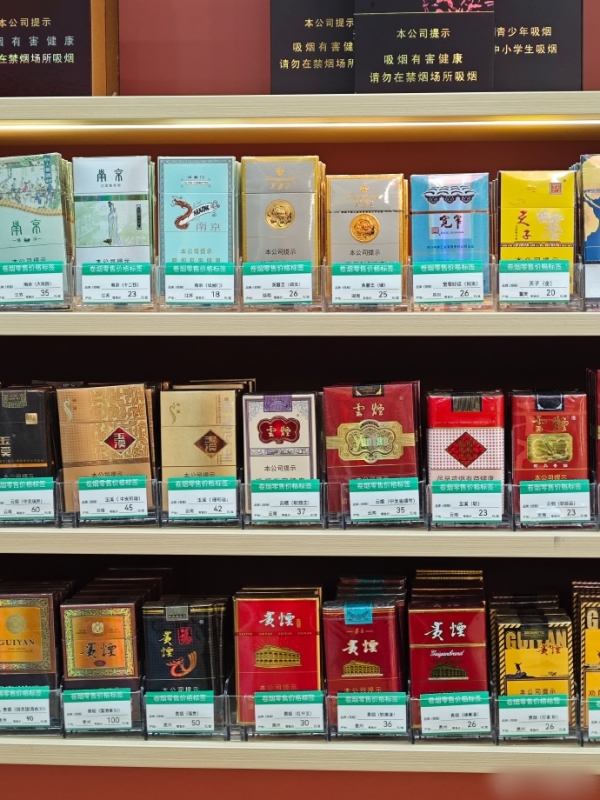
Chinese Cigarettes
China's state-monopoly tobacco industry produces thousands of cigarette varieties that rarely reach Western markets. Chinese cigarettes are deeply embedded in gift-giving culture and feature distinctive flavorings—licorice, tea, herbal infusions—that differ from American blends. The market spans budget working-class smokes to ornate gift boxes costing $15 or more per pack. This guide covers the most recognized brands, current pack formats and prices, legitimate buying channels in China and abroad, and exactly what US customs allows you to bring back.
Whether you are a traveler picking up a carton at Beijing Capital Airport, a gift-buyer seeking Chunghwa for a business associate, or a collector curious about what lies beyond the Marlboro pack at your local smoke shop, the information below answers the key questions directly.
Quick Facts
Most Popular Chinese Cigarette Brands
Premium and Gift-Grade Brands
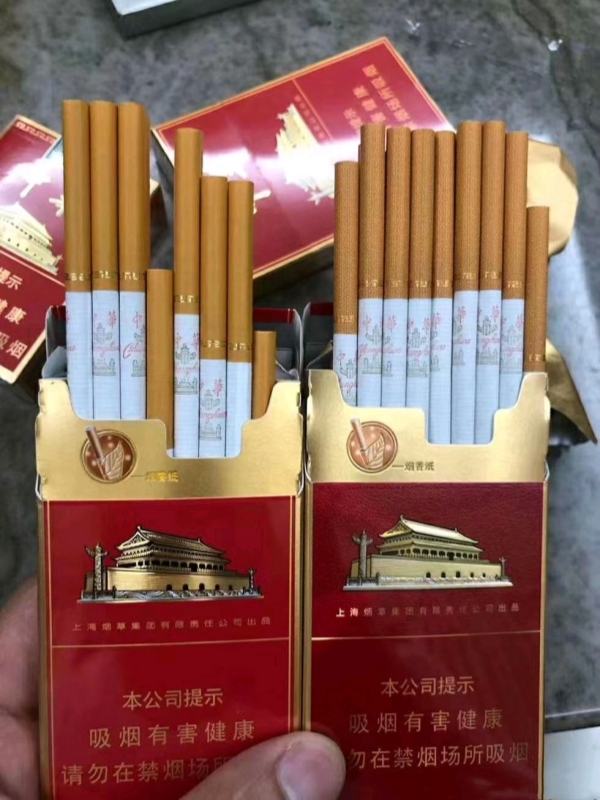
Chunghwa Chinese Cigarettes
These brands dominate the gifting market and represent the highest recognition internationally.
- Chunghwa (Zhonghua, 中华): The de-facto national brand; flagship of China Tobacco; priced at ¥65–100 per pack ($9–14); the red-and-gold pack is synonymous with premium Chinese tobacco worldwide.
- Huanghelou (黄鹤楼): Produced in Wuhan; luxury gifting tier; multiple premium sub-lines including the Hard Blade and Soft Blade series; typically ¥80–120 per pack ($11–17).
- Nanjing Premium (南京): Jiangsu Province brand; known for the "Fine" series in both standard and slim formats; elegant packaging appeals to urban gifting markets; ¥60–90 per pack ($8–13).
- Furongwang (芙蓉王): Hunan Province staple; mid-premium positioning; strong flavor profile; widely used for business gifts; ¥50–80 per pack ($7–11).
- Yunyan (云烟): Yunnan Province premium line; uses high-altitude grown tobacco; distinct mild character; ¥55–85 per pack ($8–12).
Everyday and Regional Favorites
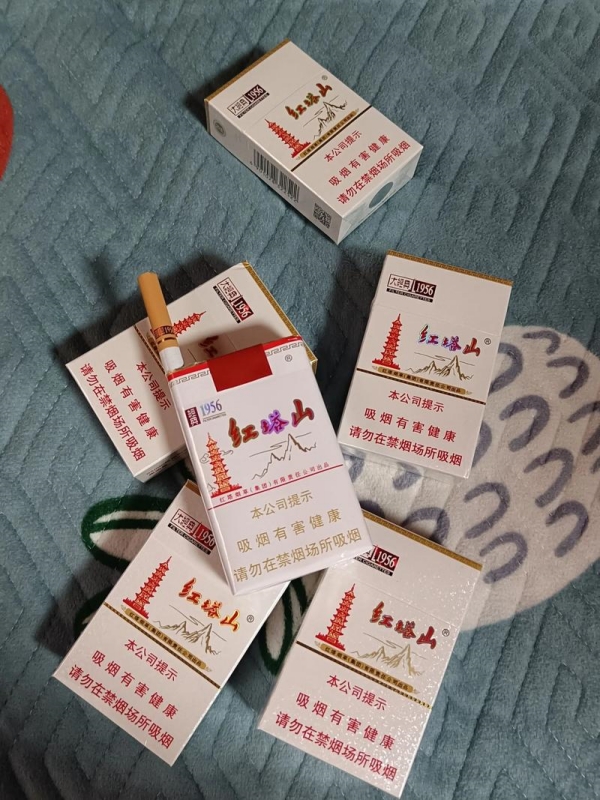
Hongtashan Chinese Cigarettes
These brands serve the daily-smoking population and represent excellent value for the price-conscious buyer.
- Hongtashan (红塔山): Yuxi, Yunnan; the classic working-class smoke; consistently among China's top-selling brands by volume; ¥15–25 per pack ($2–3.50).
- Liqun (利群): Zhejiang Province; mild-to-medium profile; popular in eastern coastal cities; ¥18–28 per pack ($2.50–4).
- Baisha (白沙): Hunan Province; second-generation "Freedom" series; balanced flavor; ¥15–25 per pack ($2–3.50).
- Su Yan (苏烟): Jiangsu Province; lighter, slightly floral character; positioned above basic everyday tier; ¥30–50 per pack ($4–7).
- Huangguo (黄果树): Guizhou Province; budget-friendly with a loyal regional following; ¥12–20 per pack ($1.70–2.80).
Specialty: Tea, Herbal, and Slim Cigarettes
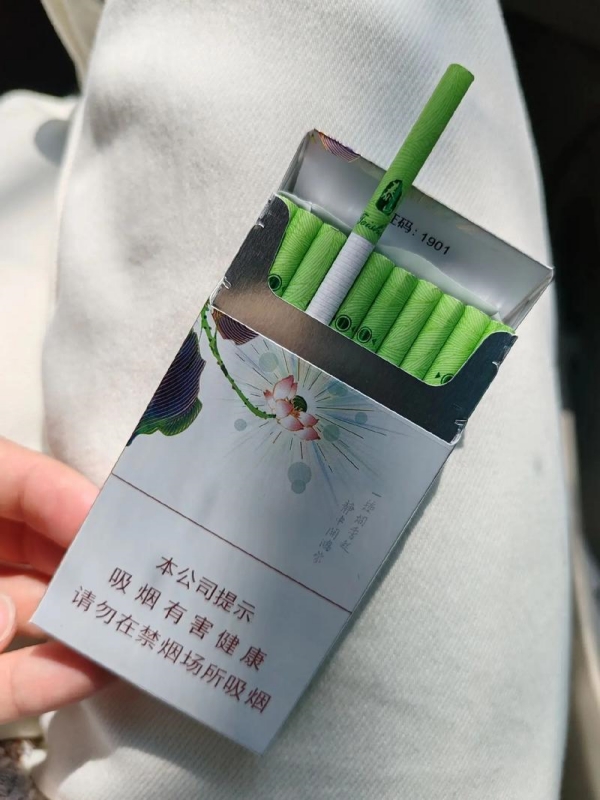
Tea-flavored Chinese Cigarettes
The specialty segment serves niche preferences including lower-tar alternatives, flavored varieties, and fashion-oriented slim formats.
- Zhongnanhai (中南海): Low-tar and herbal-infused blends; marketed as a "mild" alternative; often contains tea or other plant extracts; ¥20–35 per pack ($2.80–5).
- Tea-flavored cigarettes: Multiple brands across Yunnan and Hunan provinces market blends with added tea extracts; positioned as smoother and less harsh; ¥25–45 per pack ($3.50–6.30).
- Slim-format cigarettes: Nanjing Fine and Yuxi Fine; 100 mm length; marketed primarily to female consumers; sleeker packaging; ¥30–55 per pack ($4–7.70).
- Long-format cigarettes: 94 mm and 100 mm sticks in mid-to-premium tiers; popular for the slightly cooler smoke temperature and perceived elegance; premium brands charge ¥60–120 per pack ($8–17).
- Gift tins and wooden boxes: Premium and Imperial Collection lines; multi-pack presentation boxes in metal tins or lacquered wood; sold as luxury gift sets at ¥200–500+ ($28–70); common for holidays and business occasions.
🍺 Know the Legal Drinking Age in China: In addition to tobacco restrictions, travelers planning to visit bars or purchase local spirits like Baijiu should review our guide on the China Drinking Age.
Chinese Cigarette Prices and Pack Formats
Single pack prices in China span $3–15 (¥20–100) depending on brand tier. Tier-1 cities (Beijing, Shanghai, Guangzhou, Shenzhen) sit at the top of this range. Smaller cities trend toward the lower end. A full carton (条, 10 packs) typically costs 5–10% less per pack than buying singles. Premium gift-grade packs cross $15 (¥100+) at retail. Counterfeit packs are a known issue; any premium brand priced below roughly $1.50 (¥10) per pack is almost certainly fake.
Where to Buy Chinese Cigarettes
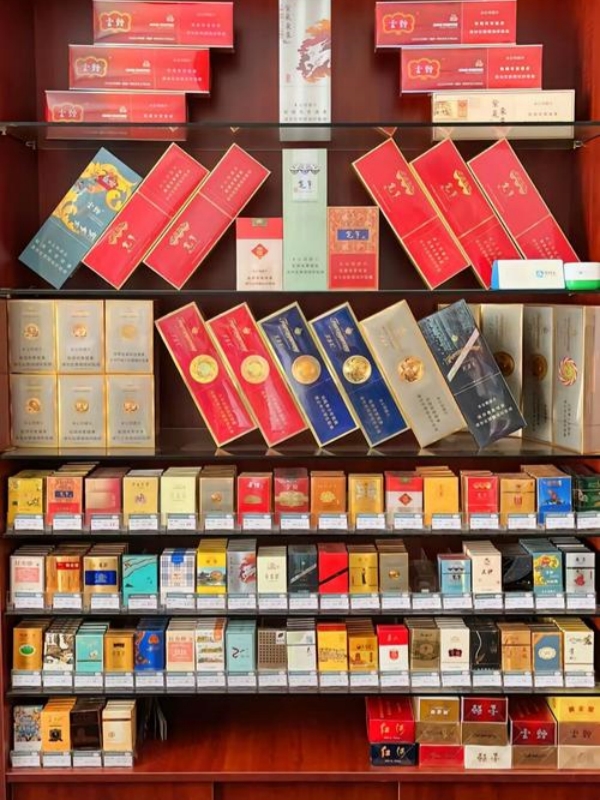
Chinese Cigarette
Buying channels differ significantly between purchasing in China versus purchasing abroad or online. The most reliable source is always the state tobacco monopoly store network within China.
In China: State tobacco 专卖 (monopoly) stores are the only legally guaranteed-authentic retail channel. Convenience chains including 7-Eleven, FamilyMart, and Lawson carry genuine product in major cities. Large supermarkets and hypermarkets such as Walmart and RT-Mart stock a wide selection. Airport duty-free shops guarantee authenticity but charge the highest prices. International hotel lobby kiosks in major cities also stock popular brands for travelers.
Overseas (US context): Major Chinatown districts offer the most accessible retail options. New York City's Canal Street corridor is the most frequently cited source. Los Angeles's San Gabriel Valley and Monterey Park serve the greater LA area. San Francisco's Grant Avenue and Boston's Beach Street offer dedicated tobacco-and-snack shops. Chain retailers rarely stock Chinese cigarette brands.
Online: Taobao via shopping-agent services such as PandaBuy and CSSBuy works for buyers with a mainland shipping address. Specialty exporters on AliExpress and eBay ship to most US states. Legality varies by state; some states ban online tobacco shipment entirely. Specialty Chinese cigarette web stores exist but require verification of their shipping policies for your specific state.
Bringing Chinese Cigarettes to the US: Customs Rules
The US CBP allows 200 cigarettes (one standard carton) per adult traveler, duty-free, when returning from abroad. Quantities above 200 sticks must be declared and are subject to duty and federal excise tax. Practical details for travelers:
- Personal import limit: 200 cigarettes (1 carton) per adult traveler entering the US; this allowance applies whether the cigarettes are in carry-on or checked luggage.
- Declare above 200 sticks: Any quantity exceeding the duty-free allowance must be declared to CBP; duty and excise tax apply to the overage amount.
- FDA vs personal use: The FDA regulates cigarette sales domestically under the Family Smoking Prevention and Tobacco Control Act; however, personal-use imports for adults fall under a different framework than commercial sale authorization requirements.
- State-level variation: Some states impose additional taxes or restrictions on tobacco imports beyond federal rules; check your state's specific requirements if importing more than the federal personal allowance.
- Pack labeling: Chinese cigarette packs carry the standard Chinese-language health warning required by the State Tobacco Monopoly Administration; this labeling is acceptable for personal import but prevents commercial resale in the US without proper re-labeling.
🚗 Check Local Driving Laws: If you are planning a trip to China and considering renting a vehicle or driving locally, learn about license requirements and minimum ages in our guide to the Driving Age in China.
Chinese vs American Cigarettes: Key Differences
Several key distinctions separate Chinese and American cigarettes in terms of chemistry, construction, and market structure.
- Tar and nicotine levels: Chinese king-size packs typically report higher tar (10–15 mg) and nicotine (1.0–1.3 mg) than US equivalents; a typical US full-flavor brand such as Marlboro Red lists around 10 mg tar and 0.8 mg nicotine.
- Tobacco blend and flavorings: Chinese cigarettes use a higher proportion of flue-cured Virginia tobacco; added flavorings such as licorice, cocoa, fruit extracts, and herbal infusions are common and are restricted or banned in US market blends under FDA rules.
- Filter and construction: Chinese filters tend to be shorter and more air-permeable than US norms; some premium Chinese lines incorporate activated charcoal or dual-filter designs.
- Packaging: Gift tins, lacquered wooden boxes, and individually foil-wrapped sticks are standard for premium and mid-premium Chinese packs; US packs are almost universally flip-top cardboard with no individual stick wrapping.
- Price structure: Single-pack prices in China are broadly similar to or slightly below US state-taxed prices; however, Chinese cigarettes sold overseas command a premium due to grey-market import margins and limited distribution.
- Brand variety: The China market offers thousands of regional SKUs across state-owned provincial groups; the US market concentrates around approximately 10 dominant national brands with far less regional variation.
Frequently Asked Questions
Q: Where can I buy Chinese cigarettes in the US?
Chinese cigarettes are available in Chinatowns in major US cities including NYC's Canal Street corridor, Los Angeles's San Gabriel Valley, San Francisco's Grant Avenue, and Boston's Beach Street at independent tobacco-and-snack shops. Specialty online exporters ship to most US states. Airport duty-free shops on return from Asia also carry genuine product. The 200-cigarette personal import allowance limits the practical upper limit for casual buyers to one carton.
Q: How much do Chinese cigarettes cost in China?
Single packs range from $3–15 (¥20–100) depending on brand tier. Premium gift packs such as Chunghwa and Huanghelou sit at the top of this range at $9–17 (¥65–120). Everyday brands including Hongtashan, Liqun, and Baisha cost $2–4 (¥15–28) per pack. A full carton (10 packs) is typically 5–10% cheaper per pack than buying singles. Prices below roughly $1.50 (¥10) per pack for premium brands signal counterfeit product.
Q: Can I bring Chinese cigarettes back into the US?
Yes. US CBP permits up to 200 cigarettes (one standard carton) per adult traveler, duty-free. Quantities above 200 sticks must be declared and are subject to applicable duties and federal excise taxes. State-level rules vary; some states impose additional restrictions. The Chinese-language health warning on the pack is acceptable for personal import but prevents commercial resale without proper US-compliant re-labeling.
Q: Are Chinese cigarettes stronger than American ones?
Generally yes on reported tar and nicotine content. Many Chinese king-size packs test in the 10–15 mg tar range compared to approximately 10 mg for typical US full-flavor brands. Chinese blends also commonly include flavoring additives such as licorice, cocoa, and herbal extracts that are restricted or banned in US tobacco products under FDA regulations.
Q: How do you say "cigarette" in Chinese?
The standard word for cigarette is 烟 (yān). The more formal term is 香烟 (xiāngyān), meaning "fragrant tobacco." The verb "to smoke" is 抽烟 (chōuyān). A single pack is 包 (bāo). A carton of 10 packs is 条 (tiáo).
Q: What is the most popular Chinese cigarette brand?
Chunghwa (中华, Zhōnghuá) is the most internationally recognized brand, positioned as both a domestic premium and a duty-free gifting staple. Huanghelou, Nanjing, and Furongwang are the other top-tier gifting names. Hongtashan holds the distinction of being the most widely consumed everyday brand by sales volume.
Q: Are Chinese cigarettes safe to smoke?
All combustible cigarettes carry serious health risks. Chinese king-size packs typically report higher tar and nicotine than US equivalents. Added flavorings in Chinese blends are not subject to the same US FDA restrictions. Health warnings on Chinese packs are required by the State Tobacco Monopoly Administration but are in Chinese and may be less prominent than US Surgeon General warnings. No cigarette brand is safe.
Q: Do Chinese people still smoke a lot?
Adult smoking prevalence in China has declined gradually over the past decade but remains high by international standards. Adult male smoking prevalence is well above the OECD average. Indoor public smoking restrictions exist in major cities but are unevenly enforced in practice.