Wolong Nature Reserve, China
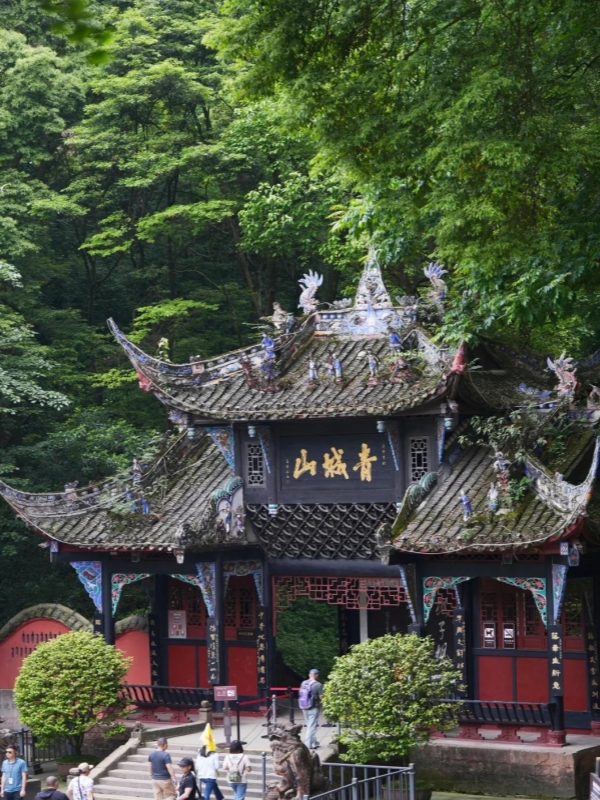
Key Landmarks & Mountain SitesWolong Nature Reserve sits roughly 120 kilometers northwest of Chengdu in Sichuan Province, sprawling across the Qionglai Mountains at altitudes ranging from 1,250 to 6,250 meters. Established in 1963, it protects one of the most critical giant panda (like Stuff to Do in Chengdu) habitats on Earth—a patchwork of mist-wrapped bamboo forest, alpine meadow, and rocky peaks that is also a UNESCO World Heritage Site. The reserve is home to over 150 wild pandas and around 30 more at its research centers, making it the single most important site for the species' survival outside captivity. Unlike the Chengdu Panda Base, which draws massive crowds to compact urban enclosures, Wolong offers pandas in a setting where mountains loom behind every viewing deck and forest air fills your lungs. For foreign visitors wanting a panda encounter that feels genuinely rooted in landscape, this is the place.
The journey from Chengdu takes two to three hours by road, winding through mountain passes rebuilt after the 2008 earthquake. Visitors arrive at Gengda Panda Park, the reserve's current main visitor center, or the older Hetaoping Research Center a few kilometers further in. Both sites offer outdoor enclosures where pandas munch bamboo in view of jagged peaks—a visual contrast that the Chengdu city base simply cannot match. Whether you day-trip from Chengdu or overnight in the village of Gengda, Wolong delivers pandas with atmosphere.
Quick Facts
The Hetaoping Panda Research Center
Wolong Nature Reserve, China
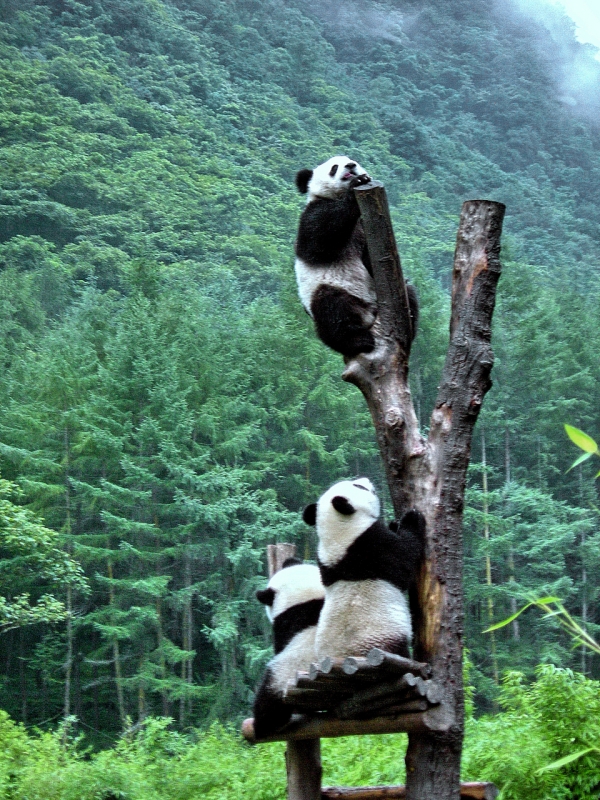
Hetaoping sits at approximately 1,920 meters above sea level inside the Wolong reserve, where the China Conservation and Research Center for the Giant Panda was jointly established with WWF in June 1980. By late 2007, the center had contributed 128 of the world's 239 captive panda births, a record that reflects its role as the species' most productive breeding facility for decades. The site also gave rise to the panda cake known locally as "wo tu," a nutrient-dense bamboo-and-grain supplement that keepers still use to supplement the animals' diet. Visitor access at Hetaoping has shifted since the 2008 earthquake—most public day-trips now run through the newer Gengda Panda Park, which sits roughly six kilometers toward the reserve entrance and handles the majority of guest programs. Hetaoping itself functions primarily as a research facility, though guided tours occasionally grant access to its outdoor enclosures and the panda kindergarten.
Enclosures and Viewing Areas
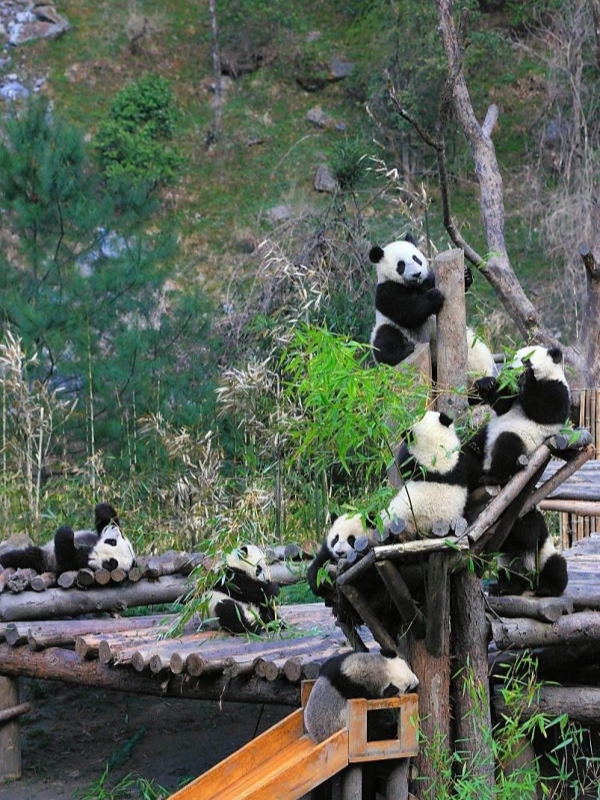
The outdoor enclosures at Hetaoping consist of landscaped bamboo yards designed to simulate the pandas' natural forest habitat. Keepers restock bamboo piles several times each day, and pandas typically respond with sustained feeding activity—watching a 100-kilogram adult work methodically through a fresh pile with apparent satisfaction remains one of the most quietly compelling wildlife encounters in China. The panda kindergarten, where younger cubs play on low monkey bars and simple platforms, draws the largest gathering of visitors during morning hours between 09:00 and 11:00. English-language signs are posted throughout both the Hetaoping and Gengda sites, making self-guided visits manageable for visitors without Mandarin fluency.
Gengda: the New Education and Breeding Center
Gengda Panda Park emerged as Wolong's main public visitor facility after the 2008 earthquake reconstruction, built roughly six kilometers from Hetaoping along the reserve's main road. The center houses breeding enclosures, a small museum documenting panda biology and Wolong's conservation history, and an education hall with models and interactive displays. Since it opened, Gengda has become the standard stop on organized day-tours from Chengdu and the default booking target for independent travelers purchasing tickets through Trip.com or Klook. The flat layout and established visitor infrastructure make it more accessible than the older Hetaoping site for families with young children or visitors with limited mobility.
🗺️ Explore Panda Sanctuary Maps: Planning to visit multiple bases across Sichuan? View habitat locations, reserve boundaries, and transit connections in our Map of Panda.
Wildlife and Landscape of the Reserve
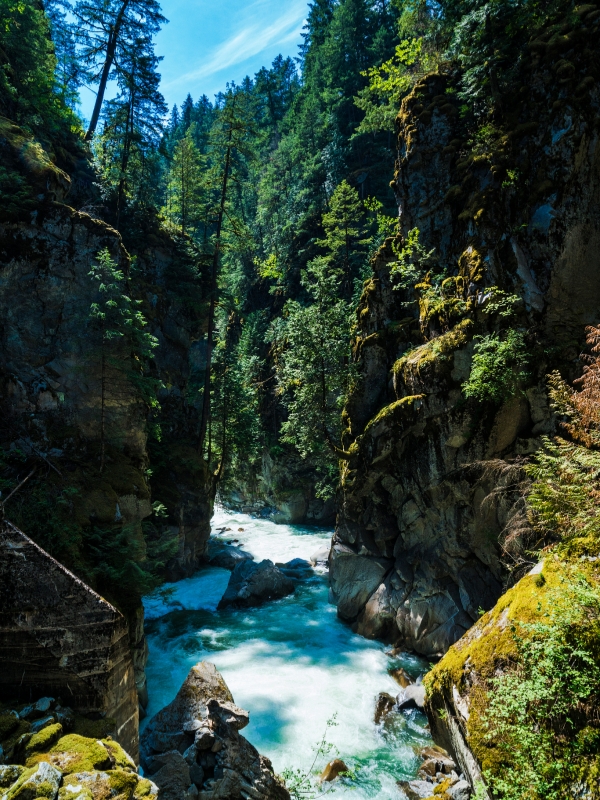
The Wolong reserve spans roughly 2,000 square kilometers across the Qionglai Mountains, a range that rises from valley floors at 1,250 meters to the 6,250-meter summit of Siguniang (Four Girls) Mountain on the reserve's western boundary. This dramatic elevation range generates a series of distinct altitudinal zones, from subtropical broadleaved forest in the lower valleys through coniferous forest above 2,600 meters to alpine meadow and bare rock near the peaks. Within these zones live 96 mammal species and over 4,000 plant species, giving Wolong one of the most biodiverse mountain ecosystems in temperate Asia. Tibetan and Qiang villages scattered through the reserve—Gengda and Shawan among them—add cultural texture to a landscape already defined by its wildlife.
Iconic Wildlife of the Reserve
Wolong Nature Reserve, China
- Giant panda: The reserve's flagship species, with over 150 individuals in the wild and around 30 in captivity at the research centers.
- Golden snub-nosed monkey: Groups of up to 300 travel through the coniferous forests; the species' pale faces and long tails are visible on treks above 2,000 meters.
- Red panda: Smaller than its better-known namesake, the red panda inhabits the same bamboo-rich zone as giant pandas and is occasionally visible in Hetaoping's outdoor enclosures.
- Takin: A stocky Himalayan goat-antelope often spotted along forested ridgelines; its golden coat blends with autumn larch needles.
- Snow leopard: Rare and elusive, these high-altitude predators range above 3,000 meters and are seldom observed by visitors.
Key Landmarks & Mountain Sites
Wolong Nature Reserve, China
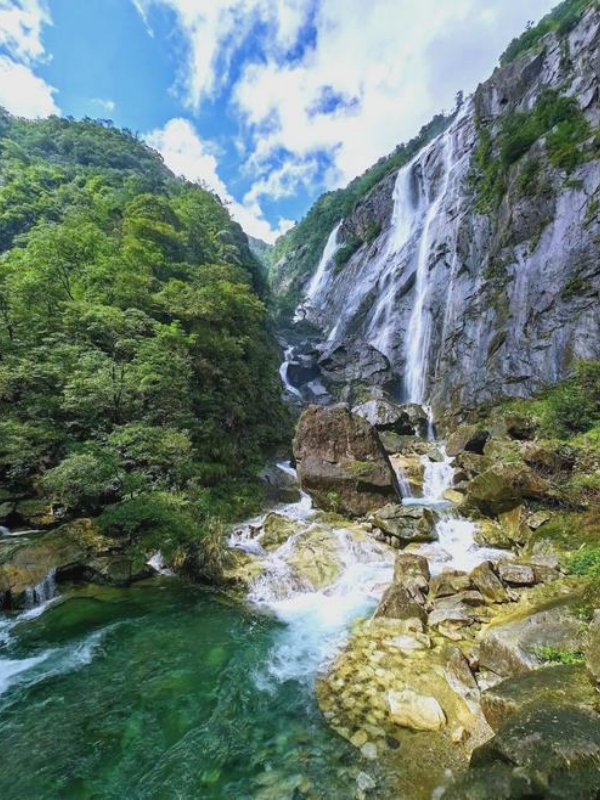
- Chushuigou valley and May 1 Station: The original 1978 wild-panda observation site sits at 2,520 meters altitude along the Chushuigou valley. The station's bamboo observation platforms were where researchers first documented the reserve's wild population density.
- Siguniang Mountain: At 6,250 meters, this four-peaked summit forms the western boundary of the reserve and is a serious mountaineering objective. For general visitors, its snow-capped profile provides the dramatic backdrop visible from Gengda's panda enclosures on clear mornings.
Flora and Altitudinal Zones
The reserve's plant communities change visibly as you climb from the valley floors upward. Subtropical broadleaved forest—dominated by maple, oak, and poplar—covers the lowest elevations, gradually giving way to a mixed coniferous belt of pine, spruce, and fir above roughly 2,000 meters. Above 2,600 meters, subalpine coniferous forest transitions into alpine shrubland and meadow. The dove tree (Davidia involucrata), with its distinctive white bracts resembling a dove in flight, ranks as the reserve's flagship rare plant and blooms in May and June. Overall, approximately 1,989 higher plant species have been documented across the reserve, including 24 that carry national protected status.
Other Animals You May See
Beyond pandas, the reserve's mammal list includes clouded leopard, white-lipped deer, and Asiatic black bear, though sighting probabilities vary. Red pandas are the most reliably observed after the captive pandas themselves, often visible foraging in the bamboo during early morning rounds. Golden snub-nosed monkeys are seen with moderate regularity on the forested trails above Gengda village, particularly in winter when snow drives them to lower elevations. Takin are relatively common along ridgelines and are often spotted from the reserve shuttle bus on the Gengda-to-Hetaoping route. Bird enthusiasts will note the reserve's list of 283 avian species, including laughingthrushes, pheasants, and various raptor species circling the valley thermals.
Getting to Wolong from Chengdu
The 120-kilometer drive northwest from Chengdu follows National Highway G317, a road rebuilt to higher seismic standards after the 2008 earthquake. Most visitors cover the distance in around two hours by private vehicle, though public buses take roughly three hours due to stops and road conditions. The route climbs through two mountain passes, and winter snow between November and February can cause delays or temporary closures. Three realistic options exist for foreign travelers, each with distinct trade-offs around cost, flexibility, and comfort. The road also passes near Dujiangyan, where the Dujiangyan Panda Base makes a natural stop for visitors combining the two sites.
- Public bus: Chadianzi Bus Station in Chengdu's Jinniu District runs one to two departures daily, all in the morning. Tickets cost about $7–11 (¥50–78), and the journey takes roughly three hours. Return buses leave Wolong in early afternoon—confirm the same-day return schedule before boarding, as options are limited.
- Private car or charter: Hiring a sedan with driver for a round trip from Chengdu costs roughly $100–160 (¥700–1,100). This is the most practical option for visitors carrying luggage, families, or anyone who wants the flexibility to stop for photographs along the mountain highway. Hotel concierges and Chengdu-based operators can arrange drivers; booking through Trip.com also lists vetted transport services.
- Organized day tour: Package tours from Chengdu typically cost $80–140 (¥560–980) per person and include transport, Gengda Panda Park admission, and lunch. Most itineraries allocate three to four hours at Gengda before returning mid-evening. This option removes all logistical friction for visitors unfamiliar with Chinese transport booking systems.
By Public Bus
The Chadianzi Bus Station sits in Chengdu's western Jinniu District and handles long-distance departures into Sichuan's mountain districts. Morning buses to Wolong are the only practical same-day option, and they often fill quickly during national holidays. Passengers should arrive at the station by 07:00 to secure a seat. The fare of roughly $7–11 (¥50–78) is the cheapest available, but the trade-off is a rigid schedule with no flexibility for unscheduled stops or route deviations.
By Private Car or Charter
Private vehicles dominate the Wolong route among informed foreign visitors. The two-hour door-to-door journey allows for photo stops at scenic overlooks along G317, and travelers retain full control over departure and return times. A round-trip sedan hire from Chengdu typically runs $100–160 (¥700–1,100), which can be shared among three or four passengers to bring per-person cost closer to the bus fare while delivering considerably more flexibility. Drivers familiar with the mountain road will adjust speed for weather conditions and know which fuel stops have restrooms.
By Tour from Chengdu
Day-tour packages represent the simplest path for visitors who prefer not to manage transport logistics in a foreign-language environment. These tours depart from centrally located Chengdu hotels, provide a guide who speaks basic English, and include pre-booked Gengda Panda Park entry so visitors skip the on-site ticket queue. Lunch is typically arranged at a restaurant in Gengda village, giving a taste of local Qiang and Tibetan cuisine. On the downside, group tours follow a fixed itinerary with limited time at each viewing area and no option to linger when the pandas are particularly active.
🚌 Book a Day Excursion: Looking for hassle-free transport, private drivers, or guided day trips to Wolong and nearby mountain sights? Explore top-rated itineraries in Chengdu Day Tours.
Tickets, Hours, and How to Book
Gengda Panda Park functions as the primary public-facing site at Wolong since the original Hetaoping center shifted toward research-only operations. Visitors should budget for the Gengda general admission first, then add the Wolong scenic-area entry if planning to explore the broader reserve beyond the panda enclosures. A shuttle bus operates inside the reserve, connecting Gengda village to the panda facilities and trailheads. Booking in advance through English-language platforms eliminates the need for a Chinese mobile number, which is required for WeChat-based verification on domestic channels. On-site ticket windows accept cash and card but can have queues during peak season.
- Trip.com / Klook: Both platforms offer English-language booking for Gengda Panda Park with immediate confirmation. Prices are displayed in USD or your preferred currency, and no Chinese phone number is needed.
- On-site ticket window: Cash and card accepted. Queues are shortest before 09:00 or after 14:00, but during Chinese national holidays expect significant waits.
- Hotel concierge: Higher-end Chengdu hotels often have relationships with tour operators who can pre-purchase tickets and arrange transport as a package. A small service fee may apply.
- Domestic Chinese platforms: WeChat, Meituan, and Ctrip's Chinese-language site require a mainland phone number for SMS verification and Alipay or WeChat Pay for payment. These are not practical for most foreign visitors.
Admission Fees
Opening Hours and Booking Channels
The reserve operates from 08:30 to 17:00 with last entry at 16:00 during the March-to-November peak season. Winter hours shift to 09:00–16:30 (last entry at 15:30) from December through February, and the site may close entirely on days of heavy snowfall when road access becomes unsafe. We recommend booking your ticket online before arrival, particularly if visiting during Chinese public holidays when on-site windows can have wait times exceeding one hour. Trip.com, Klook, and Ctrip's international site all provide English-language booking with instant confirmation, making them the practical choice for foreign travelers.
When to Visit for the Best Panda Viewing
Panda activity at Wolong varies significantly by season, and aligning your visit with the animals' most active periods makes a tangible difference to the experience. The best windows are late March through May and September through early November, when mild temperatures between 10 and 18 degrees Celsius keep pandas comfortable outdoors after the winter months. Morning feeding times between 08:30 and 11:00 consistently draw pandas out of shaded areas toward the bamboo piles keepers refresh several times daily. Afternoon activity drops noticeably as temperatures rise or pandas settle for rest periods, so arriving at opening time is well worth the early alarm.
- Spring (March–May): Mild and dry, pandas emerge from their winter reduced-activity phase. Outdoor enclosures are fully operational. Mountain slopes bloom with wildflowers. Peak visitor season coincides with the May Day national holiday—expect larger crowds from April 30 through May 3.
- Summer (June–August): The monsoon season brings heavy rainfall, dense fog that obscures mountain views, and leeches on forest trails below 2,000 meters. Pandas retreat to indoor enclosures more frequently. Not recommended unless your schedule is inflexible.
- Autumn (September–November): Cool temperatures and reduced rainfall make this the second-best window for outdoor panda viewing. October offers the most stable weather, though it is also a peak travel month for Chinese domestic tourists.
- Winter (December–February): Cold temperatures (–5 to 5 degrees Celsius) at Wolong's elevation reduce panda visibility in outdoor areas. Mountain roads may close due to snow, and some facilities operate on reduced hours. Not recommended for visitors focused on panda sightings.
Practical Tips for Foreign Visitors
A few practical preparations significantly improve the Wolong experience, particularly for visitors arriving from Chengdu on a tight schedule. The reserve's infrastructure has improved steadily since the 2008 earthquake reconstruction, but certain gaps remain for travelers accustomed to European or North American park facilities. Passport presentation is required at the research center entrance for registration purposes, even for visitors who have pre-booked tickets online. Mobile phone signal covers Gengda village reliably but drops out on many interior trails, so offline maps and translation packs are worth downloading before departure from Chengdu. Small-denomination RMB cash is useful for on-site vendors at Gengda village, as some food stalls and souvenir stands do not accept foreign-issued cards.
- Bring your passport: Required for entry registration at both Gengda and Hetaoping, even with a pre-booked e-ticket. Carry it on your person, not in checked luggage.
- Carry RMB cash: Gengda village has vendors and small restaurants that operate on cash only. ATM availability inside the reserve is limited.
- Download a translation app: Pleco or Google Translate with an offline Mandarin pack handles most signage and basic conversation. Gengda and Hetaoping have English signs, but support staff largely speak Mandarin only.
- Check road conditions in winter: Mountain passes on the G317 route can close without notice between November and February. Ask your hotel or driver for a status check before departure.
- Consider overnighting: A day trip involves 12–14 hours door-to-door with four hours of driving. Staying one night in Gengda village allows a relaxed morning panda visit before the afternoon heat draws pandas indoors, and dawn enclosures tend to be quieter.
- Altitude awareness: Visitor areas sit between 1,900 and 2,520 meters. Pace yourself, stay hydrated, and bring layers even in summer—mountain mornings can be cold and damp.
Frequently Asked Questions
Q: Is Wolong closer to Chengdu than the Chengdu Panda Base?
No. The Chengdu Panda Base sits roughly 10 kilometers from the city center, about 30 minutes away by taxi. Wolong is 120 kilometers out and requires two to three hours of driving. For proximity, the Chengdu base wins; for a mountain setting and fewer crowds, Wolong is the clear choice.
Q: Can you see pandas in the wild at Wolong?
Genuine wild sightings are uncommon. The bamboo is dense, the terrain is steep, and Wolong's 150+ wild pandas live in a vast area that research teams traverse for months without visual confirmation. Visitors see captive pandas at Gengda and Hetaoping. The Chushuigou valley and May 1 Station at 2,520 meters is the historic wild-panda observation area but offers no guaranteed sightings.
Q: How long does a Wolong day trip from Chengdu take?
A full day involves roughly 12–14 hours door-to-door. The drive each way takes three to four hours, and most visitors spend three to four hours at Gengda Panda Park. A typical departure from Chengdu is around 06:30, with return by 19:30. An overnight stay in Gengda village allows a more relaxed pace.
Q: Do staff at Wolong speak English?
English-language signs are present at both Gengda and Hetaoping. A few English-speaking guides are available for hire on-site for a small fee, and some organized tours include bilingual guides. Most support staff and vendors speak Mandarin only, so a translation app remains useful.
Q: Is the Wolong reserve suitable for children?
Yes. Gengda Panda Park has relatively flat paths suitable for strollers, and outdoor enclosures keep children engaged. Be aware of the altitude (1,900+ meters)—pace children gently and bring layers even in summer, as mountain temperatures drop quickly in shade.
Q: What happened to Wolong after the 2008 earthquake?
The original Wolong Panda Center suffered serious damage during the magnitude 8.0 Sichuan earthquake in May 2008 and closed for approximately one year during reconstruction. Hong Kong SAR provided aid funding of roughly US$110 million total, of which about half was directed to Wolong's rebuilding. The newer Gengda Panda Park now serves the main public-visitor function.
Q: Is Wolong part of a UNESCO World Heritage Site?
Yes. Wolong was inscribed in 2006 as part of the "Sichuan Giant Panda Sanctuaries" World Heritage Site, covering 924,500 hectares across seven reserves and nine scenic parks in the Qionglai and Jiajin Mountains.
Q: Can you still hold a panda at Wolong?
No. The photo-with-panda programs once offered at Chinese panda bases (historically priced around $53 for a standard photo or $133 for a pasture interaction) were suspended across all facilities in 2018 on animal-welfare grounds. Visitors can observe and photograph pandas in their enclosures but cannot hold them.