Stuff to Do in Chengdu
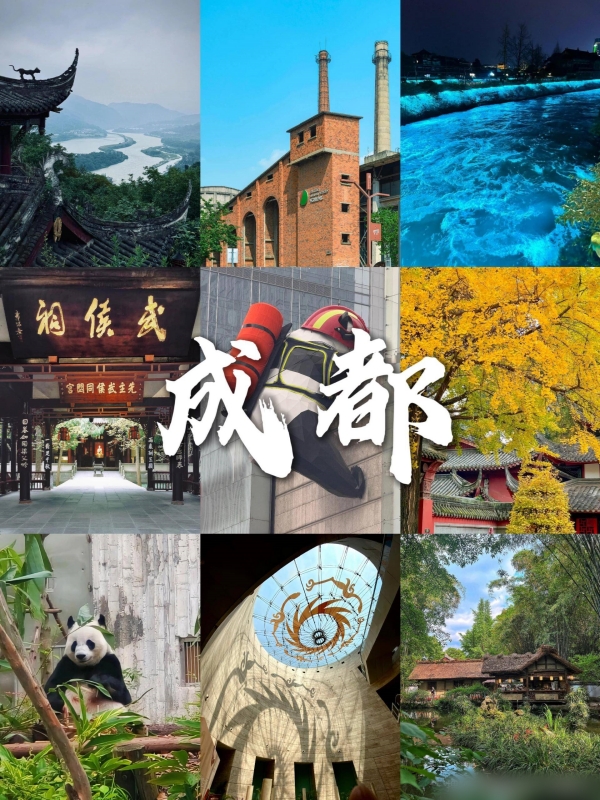
Chengdu sits in the heart of Sichuan province, a city where giant pandas lounge in mountain reserves and street vendors ladle broths so numbing-spicy they demand a cold beer. The Chengdu Plain has been continuously settled for 2,300 years, yet the city itself moves at a relaxed pace — tea houses fill before sunrise, mahjong tiles click through the afternoon, and the metro runs clean and English-signed until well past midnight. From the bronze masks at Sanxingdui to the neon-lit chuan chuan skewer stalls of Yulin, Chengdu rewards visitors who go beyond the obvious panda photo op. This guide covers the must-see landmarks, the transport layers that actually work for foreigners, and the quieter corners most itineraries skip.
Quick Facts
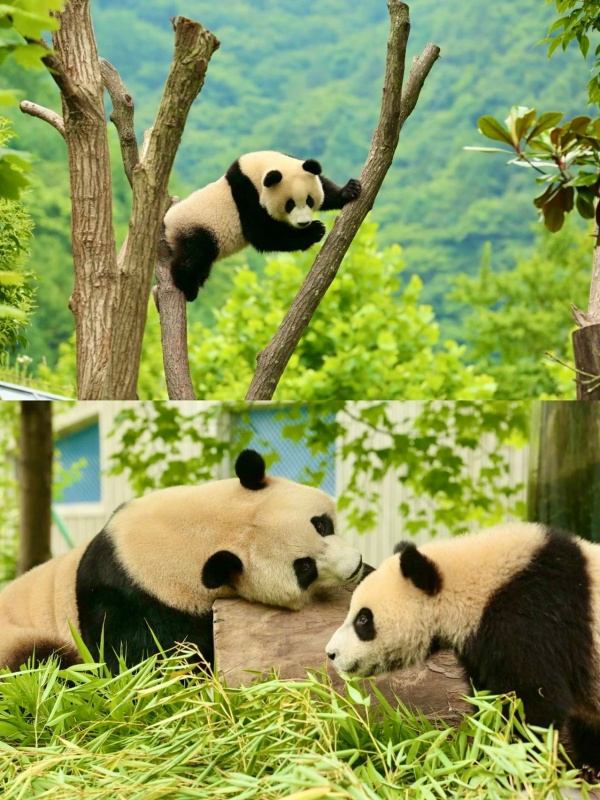
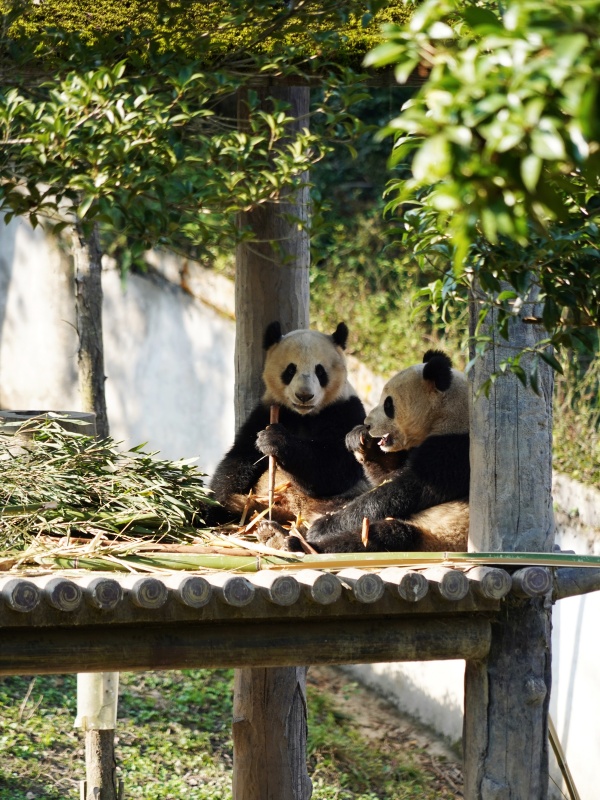
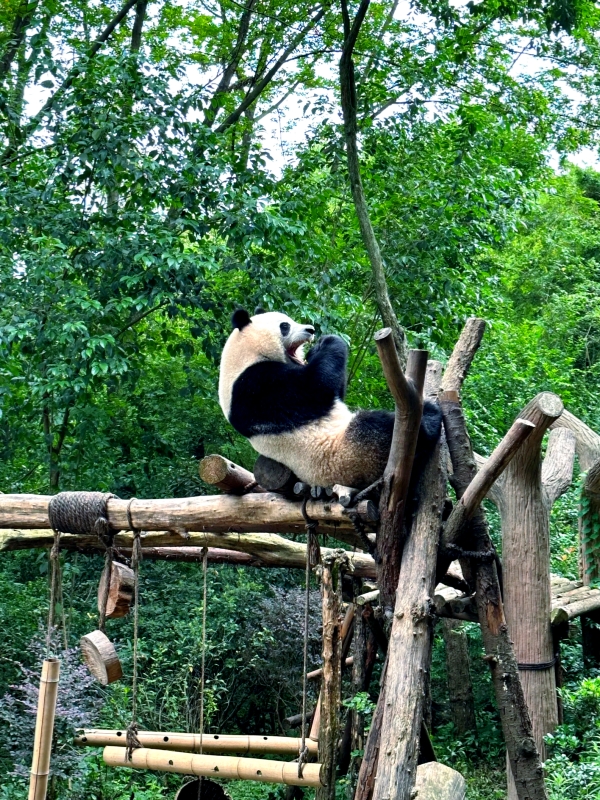
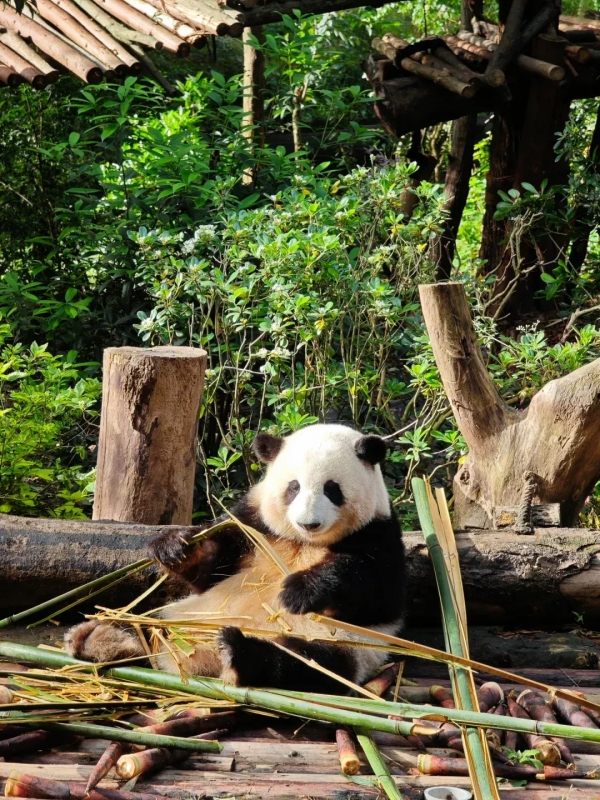
Pandas and Where to See Them
-

- Map of Panda in China
-
- Map of Panda in China
-
- Giant Pandas of Chengdu
-
- Giant Pandas of Chengdu
Three panda bases sit within roughly two hours of Chengdu, each serving a different type of visitor. The closest option is the research base in the city's north, while the Dujiangyan center draws travelers who want distance from the crowds. Bifengxia and Wolong push further into the mountains for those who can spare the time. Arriving between 07:30 and 09:30 catches the animals at their most active; by mid-afternoon they retreat to sleep. All three sites admit foreign visitors with a passport, and tickets are bookable on Trip.com or Klook in advance.
- Dujiangyan Panda Base: Entry ~$7 (¥55); full-day keeper program ~$200–280 (¥1,400–2,000) with English translation support, bamboo preparation, enclosure cleaning, and a panda photo session.
- Chengdu Research Base: Entry ~$7 (¥55); ~30 minutes from central Chengdu via Metro Line 3 plus a short bus ride. Red Panda and Moon Nursery enclosures are standout stops.
- Bifengxia Panda Center: Entry ~$14 (¥100); ~2.5 hours from Chengdu. More tourist-friendly than Wolong, which caters to serious wildlife travelers.
Dujiangyan Panda Base
The Dujiangyan Panda Base opened in 2006 as a post-disaster relocation site for pandas from the damaged Wolong reserve. Its rural setting in the foothills of Sichuan means cooler air and thinner crowds compared with the city research base, and the enclosure design gives visitors unobstructed views of the animals foraging on hillside bamboo. The headline experience here is the keeper program, which runs half-day and full-day sessions. Participants suit up in protective gear, help prepare bamboo bundles, assist with enclosure cleaning, and receive a framed photograph with a panda. English translation support is available, though the program books up weeks ahead on peak travel dates.
Reaching Dujiangyan takes about 90 minutes by high-speed rail from Chengdu East Station followed by a short bus transfer. Alternatively, several tour operators in Chengdu sell day trips that bundle transport, entry, and the keeper program as a single package. Either way, aim to arrive by 09:00 — pandas begin winding down by mid-morning, and the afternoon light inside the enclosures turns flat.
Chengdu Research Base
The Chengdu Research Base of Giant Panda Breeding opened in 1987 on a forested hillside northeast of the city center. Metro Line 3 terminates at Chengdu Research Base of Panda Breeding Station, and a shuttle bus runs the final 10 minutes to the entrance. For first-time visitors who want the classic panda experience without a full-day commitment, this is the practical choice.
Pandas appear in both indoor climate-controlled dens and open-air enclosures starting at 08:00. The Red Panda Walk and the Moon Nursery attract consistent queues in the mid-morning hours. A full circuit of the base takes two to three hours if you stop at every exhibit. The on-site café serves basic noodle soups and bottled drinks; bring water in summer when Chengdu's humidity spikes.
Bifengxia and Wolong
Bifengxia Panda Center occupies a former landscape garden in Ya'an, about 160 kilometers southwest of Chengdu. The site reopened in 2019 with expanded enclosures built into the surrounding canyon walls. Visitors reach it by private car or organized tour — public transport is limited. Bifengxia works well as a two-day add-on to a Dujiangyan visit, combining the irrigation system by day and the panda center by late afternoon.
Wolong, further north, is the older of the two reserves and holds a wilder character. The Wolong Nature Reserve focuses on conservation and research rather than tourism, and access to certain enclosures requires prior authorization. For most travelers, Bifengxia delivers the better visitor experience within a comparable timeframe.
Central Chengdu by Neighborhood
The city's core spreads across several distinct districts, each with its own character. Walking between them is manageable in under 30 minutes per hop, though DiDi or the metro fills the gap between the further-flung sites. A logical sequence for a first visit: Kuanzhai Alleys in the morning, People's Park for lunch, Taikoo Li in the early afternoon, Wuhou Shrine and Jinli by late afternoon, and Jinsha before or after if the timing works.
- Kuanzhai Alleys: Free entry; three parallel Qing-era lanes of restored courtyard buildings now housing teahouses and boutique shops. Best in the morning before the crowds thicken.
- People's Park: Free entry; 100-year-old Heming Teahouse offers jasmine tea for a few dollars. Ear-cleaning, mahjong, and a small lotus pond round out the scene.
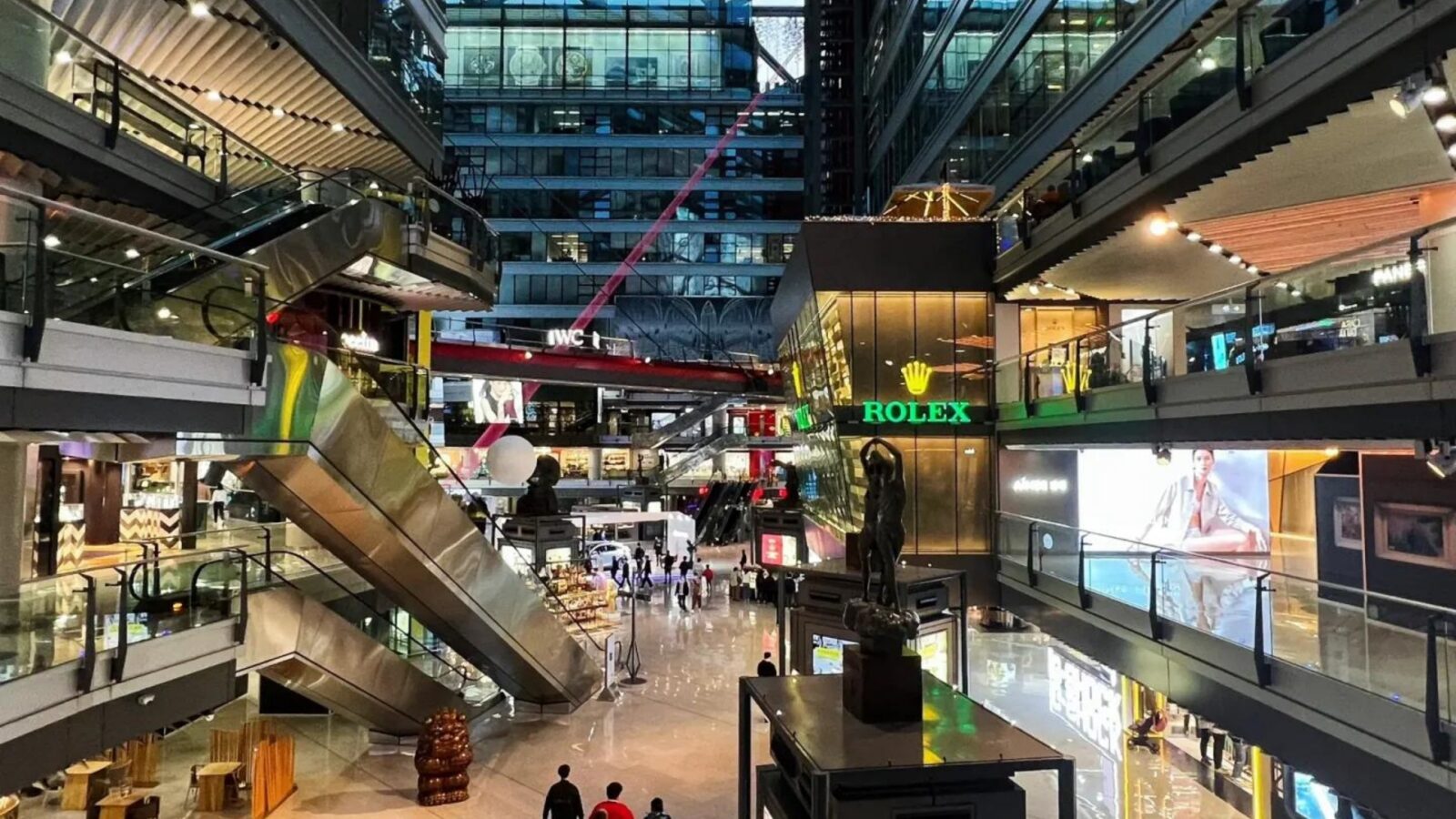
- Taikoo Li and Chunxi Road: Free entry; open-air luxury mall built around Daci Temple's surviving brick facade. Chunxi Road runs parallel as the city's main modern shopping spine.
- Wuhou Shrine and Jinli: Shrine entry ~$8 (¥55); Jinli Old Street is free. Shuyangfu Theater runs Sichuan opera face-changing shows nightly, bookable on Trip.com for ~$28–42 (¥200–300).
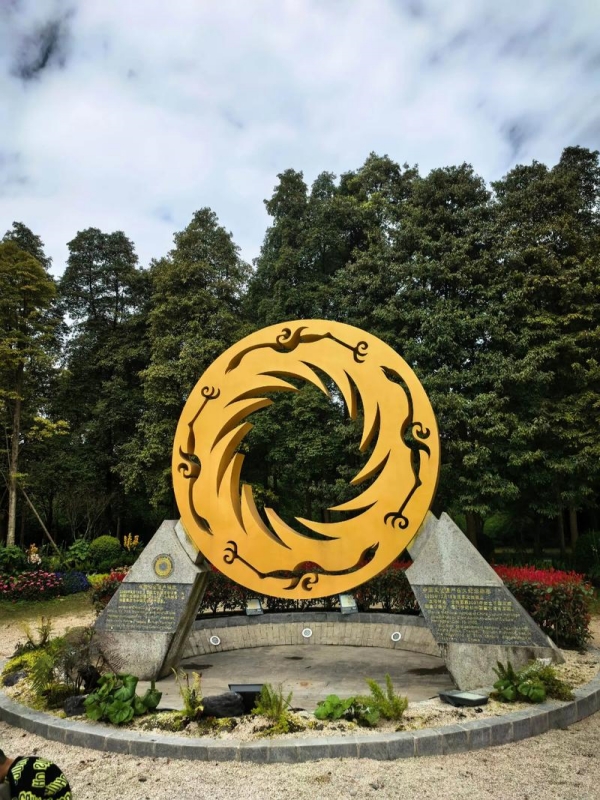
- Jinsha Site Museum: Entry ~$8 (¥55); 3,000-year-old Bronze Age excavation site ~25 minutes northwest of the city center. The sun-bird gold foil is the signature artifact.
Kuanzhai Alleys and the Old Quarter
-
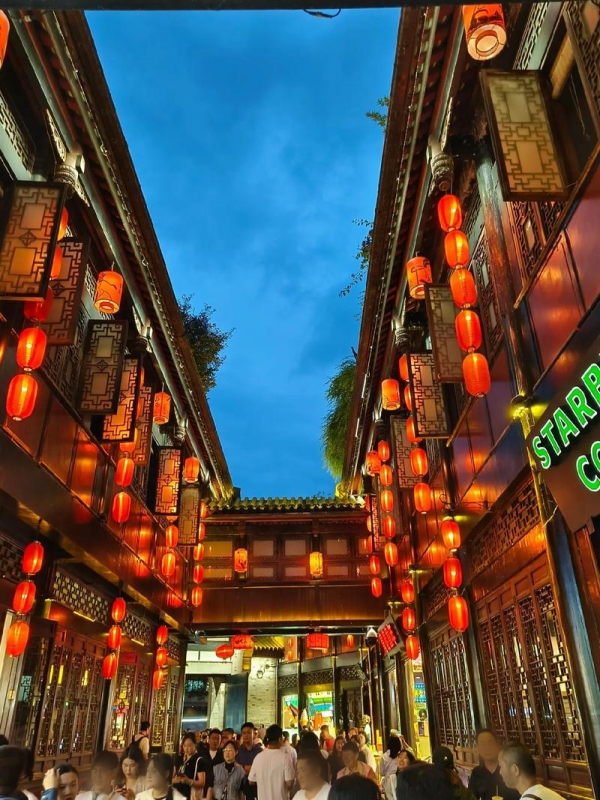
- Kuanzhai Alley in Chengdu
-
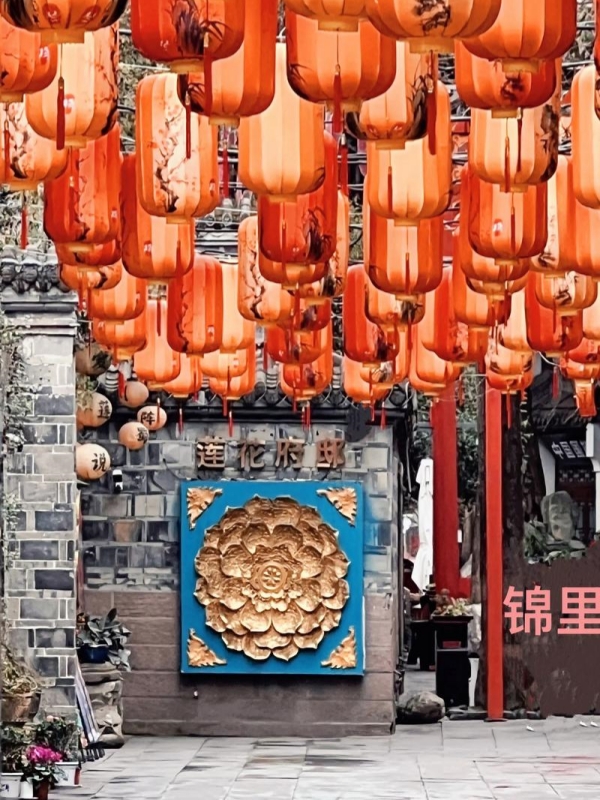
- Kuanzhai Alley in Chengdu
The name translates as "Wide Alley, Narrow Alley, and Well Alley" — three parallel lanes laid out during the Qing dynasty that survived the 2008 earthquake largely intact. Restoration work completed in 2008 turned the decaying courtyards into a heritage commercial zone without erasing the original brick and timber. Morning light filters through the overhead strings of red lanterns, and a handful of stalls open early to sell liangfen (cold rice noodles) and sugar-coated hawthorn skewers.
The broader alley hosts teahouses with outdoor seating facing the canal. Narrow Alley skews younger — independent bookshops, ceramic studios, and coffee counters occupy the converted workshop spaces. Well Alley, the shortest of the three, narrows to a single-file passage at its western end and tends to draw the densest crowds on weekends. Weekday mornings offer the most peaceful circuit.
People's Park and the Teahouse Scene
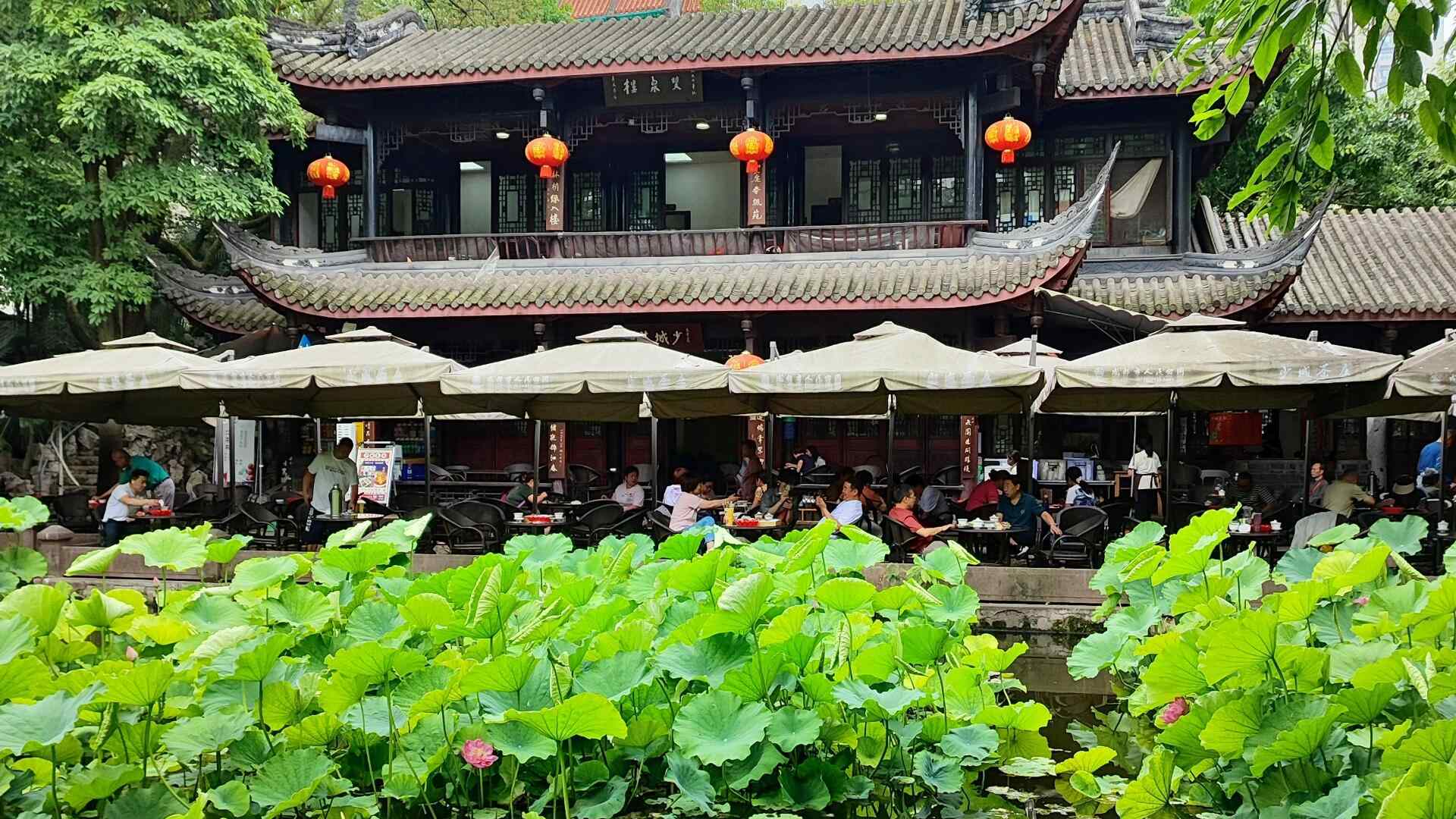
Chengdu People's Park
Chengdu's teahouse culture runs deep, and People's Park contains its most iconic expression. Heming Teahouse opened in 1911 and still occupies its original banyan-shaded courtyard. Patrons pay a few dollars for a pot of jasmine or chrysanthemum tea and occupy a bamboo lounge chair for as long as they wish. The surrounding park contains a lotus pond, a small waterfall, and covered walkways where retired residents practice calligraphy with water-soaked brushes on stone slabs.
Adjacent to the teahouse, freelance ear-cleaners set up portable stools and work through a steady stream of customers. The activity is legal, sanitary, and surprisingly relaxing to watch. A matchmaking corner operates on weekend afternoons where parents display handwritten profiles of their children on improvised notice boards. The park opens at 06:00 and fills progressively through the morning — arriving before 09:00 means finding a seat without competition.
Taikoo Li and Chunxi Road
-
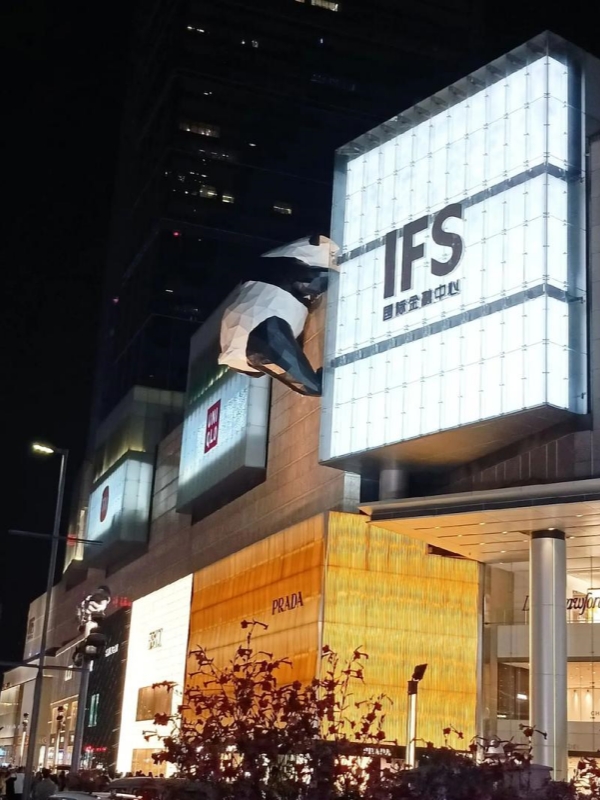
- Taikoo Li (Chengdu) in China
-
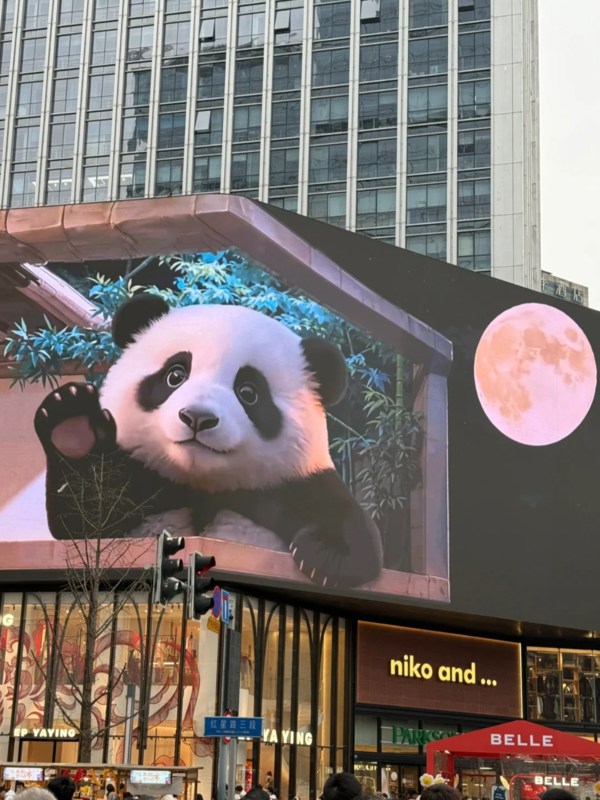
- Chunxi Road
Taikoo Li Chengdu opened in 2014 as a joint retail and heritage project. The developers preserved the exterior walls of Daci Temple, a Tang-dynasty Buddhist complex, and built the shopping complex around and through them. The result is an open-air mall where global luxury brands occupy brick-fronted storefronts and the temple's curved eaves appear above the second-floor terrace railings.
The complex runs from ~10:00 to 22:00 daily. Adjacent Chunxi Road stretches 1.5 kilometers north-south as Chengdu's primary upscale shopping corridor, lined with domestic and international chain stores, department outlets, and food courts. The nearest metro station is Chunxi Road on Line 2 and Line 3. Traffic crossings in this area are busy — use the underground pedestrian tunnels at the major intersections to avoid the surface crossings.
Wuhou Shrine, Jinli, and Sichuan Opera
-
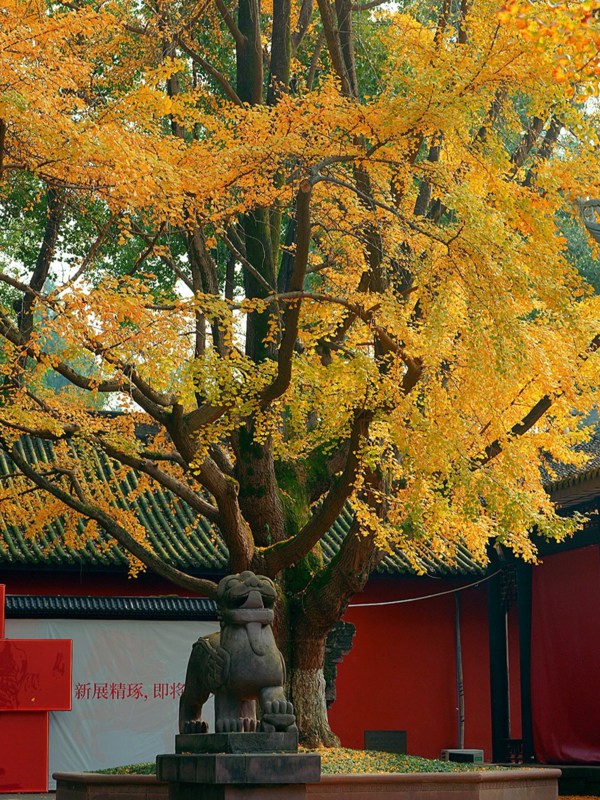
- Autumn of Wuhou Temple
-
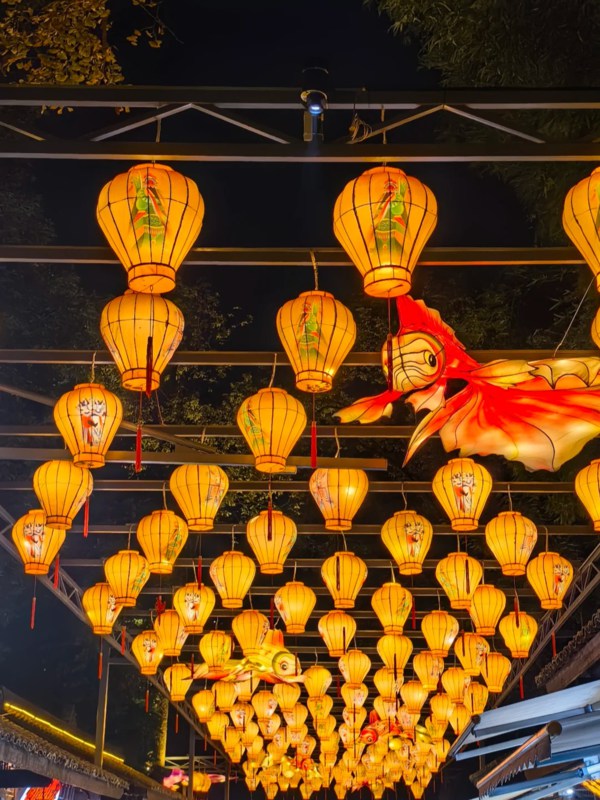
- Jinli Ancient Street
Wuhou Shrine honors Zhuge Liang, the Three Kingdoms-era statesman and military strategist, along with his sovereign Liu Bei. The site occupies what was originally the location of the Shu Han imperial palace. Cypress trees line the entrance avenue, and the interior gardens hold several surviving Song and Ming dynasty stone inscriptions. Admission costs ~$8 (¥55) and the site is typically quieter in the early afternoon after the morning tour groups clear.
Jinli Old Street adjoins the shrine's east gate and operates as a free commercial strip. The buildings date to the Ming and Qing dynasties, though the current structures are largely 2000s reconstructions. Lanterns, sugar-blowing art demonstrations, and chuan chuan skewer stalls fill the pedestrianized lane every evening. Shuyangfu Theater, a short walk north on Tonghua Street, stages 45-minute Sichuan opera performances nightly that include the rapid face-changing technique for which the art form is internationally known. Tickets range from about $28 to $42 (¥200–300) depending on seat tier and are best booked through Trip.com rather than purchased at the door on weekends.
Jinsha Site Museum
-
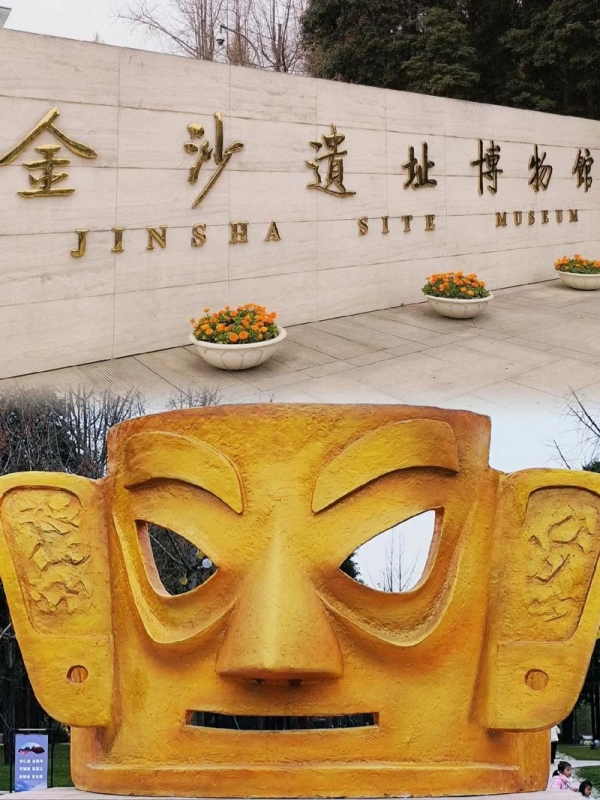
- Jinsha Site Museum
-
- Jinsha Site Museum
Archaeologists uncovered the Jinsha site in 2001 during construction work northwest of the city center. The excavation revealed a ceremonial center active roughly 3,000 years ago during the late Shang and early Zhou dynasties — contemporaneous with the Sanxingdui culture but geographically distinct. The museum opened in 2007 on the actual excavation site, with the excavation pit preserved under a protective shed.
The sun-bird gold foil is the most reproduced artifact, depicting a mythical bird inlaid within a sun disk. The jade cong and bronze human figures fill the two main exhibition halls. A film screened in Mandarin and English runs every 30 minutes in the on-site theater and contextualizes the site's discovery. The site takes roughly 90 minutes to tour properly. Access by metro requires a Line 2 ride to Chengdu University of Technology Station followed by a DiDi or taxi for the final 2 kilometers.
Day Trips from Chengdu
Chengdu functions as a regional transport hub, with high-speed rail lines radiating outward to Leshan, Mount Emei, Dujiangyan, and Qingcheng Mountain within 30 to 90 minutes. These four UNESCO-affiliated sites form the backbone of a day-trip itinerary and are reachable by train without an overnight stay. Sanxingdui Museum requires a dedicated drive but rewards the extra travel time with artifacts that reshape what visitors understand about ancient Sichuan.
Leshan Buddha and Mount Emei
Leshan Giant Buddha
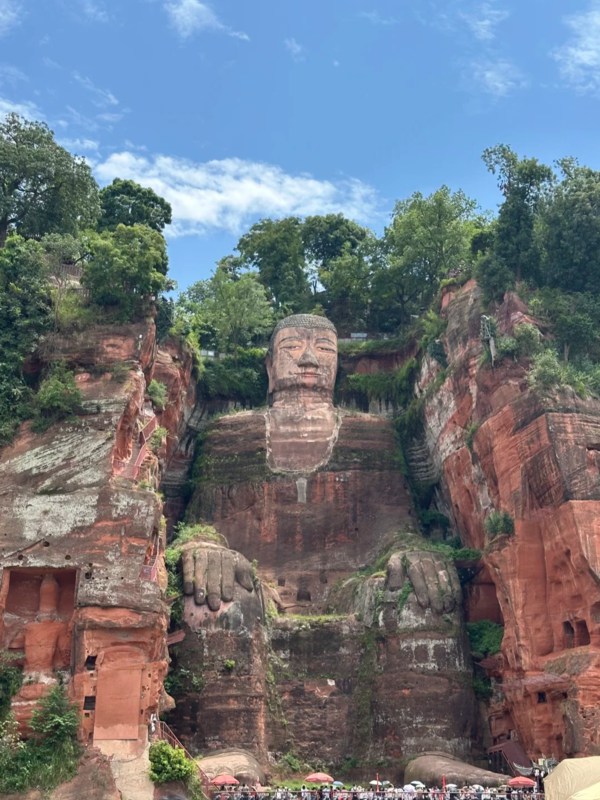
The Leshan Giant Buddha Carving began in 713 CE under monk Haitong and took roughly 90 years to complete. The seated figure measures 71 meters from crown to toe, with drainage channels carved into the body that have kept the stone largely intact across centuries. UNESCO inscribed the site in 1996. Visitors descend the cliff-side pathway in a one-way loop that brings them face-to-face with the Buddha's feet before routing them back to the top. The walk takes about two hours including the queue.
Mount Emei rises to 3,099 meters and holds a place among China's four sacred Buddhist mountains. The Golden Summit at the peak houses a 48-meter copper statue of Samantabhadra and several functioning temples. Cable cars reduce the final ascent to minutes, though the temple approach from the cable car station still requires a 30-minute walk. Sunrise at the summit requires an overnight stay at one of the mountaintop temples — rates vary widely and reservations are essential during national holidays.
Dujiangyan and Qingcheng Mountain
Qingcheng Mountain
The Dujiangyan Irrigation System has operated continuously since 256 BCE, diverting the Min River across the Chengdu Plain through a network of channels, levees, and floodgates designed by engineer Li Bing. UNESCO added the site to its list in 2000. The fish-mouth levee, Flying Dragon Weir, and Baoping Temple form the three core stops on a visitor circuit. The water moves fast through the channels — stay behind the barriers.
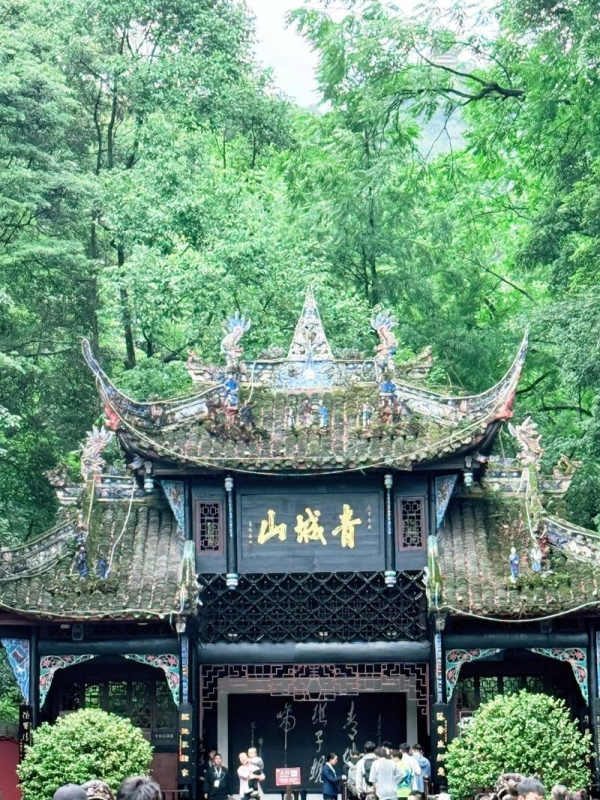
Qingcheng Mountain, about 15 kilometers northeast of Dujiangyan, functions as the spiritual home of Taoism in China. The front mountain carries most of the foot traffic, with stone steps winding through forests of cypress and bamboo. The back mountain is quieter and appeals to hikers who want distance from the tour groups. A half-day visit covers the essential temples and the summit viewpoint without rushing. Spring and autumn bring the clearest air; summer trails turn humid and steep.
Sanxingdui Museum
Sanxingdui Museum
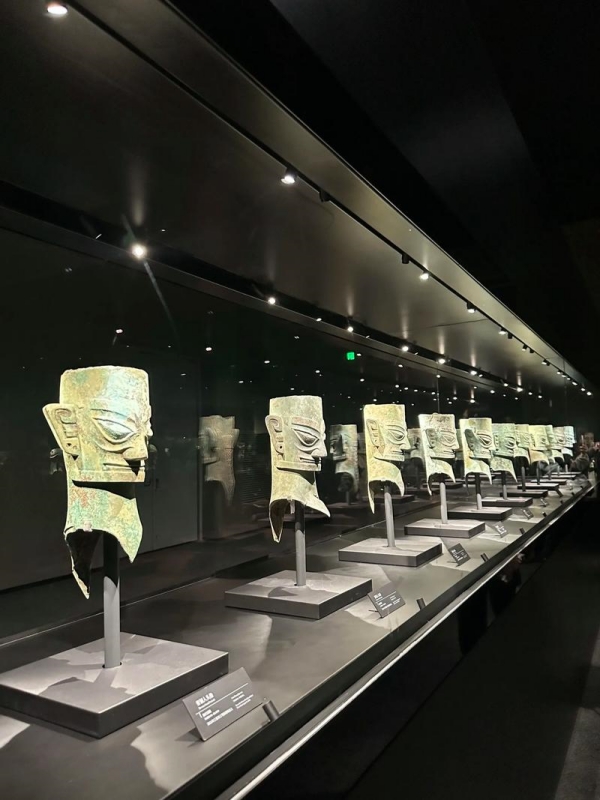
The Sanxingdui Museum sits about 40 kilometers north of Chengdu in Guanghan, a city most travelers pass through without stopping. The excavation site produced two pits in 1986 filled with bronze masks, standing figures, gold scepters, and jade objects that pushed back the known timeline of Chinese civilization by centuries. The largest standing bronze figure measures 2.62 meters — taller than any previously known Chinese bronze from that era.
A new wing, Jinghu Hall, opened in 2023 to display artifacts recovered from a newer set of pits discovered in 2019–2020. The 2023 finds include an additional 17,000-plus items, many in exceptional condition. Advance booking is required; the museum caps daily visitor numbers. A guided tour adds roughly two hours to the visit but makes the collection considerably more legible. The site is best combined with a Dujiangyan itinerary on a two-day regional circuit.
Offbeat Sights and Seasonal Picks
Beyond the headline attractions, Chengdu reveals a second layer that rewards travelers with extra time or a preference for quieter settings. Former industrial zones, working ancient towns, and seasonal flower events structure a different kind of itinerary — one that moves at the pace of the city rather than the tour bus. The options below fall into two categories: offbeat urban and historical sites, and seasonal natural highlights tied to specific bloom windows.
- East Suburb Memory: Free entry; former electronics factory turned arts district ~10 minutes from the city center. Galleries, indie coffee shops, and live-music venues occupy the original workshop buildings.
- Huanglongxi Ancient Town: Free entry; ~1 hour south of Chengdu. Ming-era canal town and active film set for wuxia productions; quieter than most tourist ancient towns.
- Luodai Ancient Town: Free entry; ~30 minutes east of Chengdu. Hakka heritage architecture and working local teahouses; the Hakka population predates the surrounding development by centuries.
- Seasonal Highlights: Late March to mid-April — cherry and apple blossom at Longmen Mountain and Baima Temple; May to June — Pengzhou Manhua Sea lavender (~$3 / ¥20 entry); mid-November to early December — ginkgo on University Road and at Wuhou Shrine.
East Suburb Memory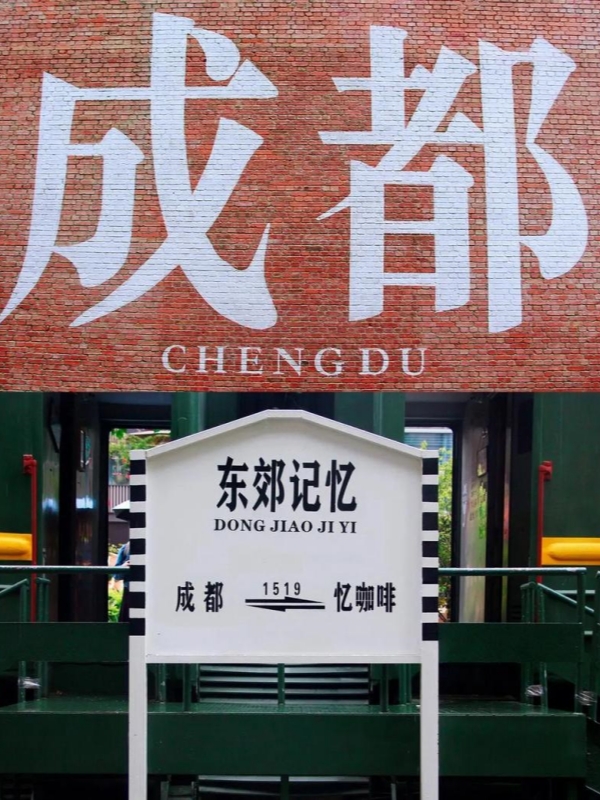
The district occupies the former Chengdu Changhong Electronics Factory complex, decommissioned in the early 2000s and repurposed as a creative zone by 2018. The original factory buildings — red brick, high ceilings, industrial skylights — house galleries, music studios, and specialty coffee roasters without full renovation. The streets between the buildings remain unpaved in sections, and the overall pace is notably slower than Kuanzhai or Taikoo Li.
Weekend evenings bring acoustic sets at the small outdoor stage near the central square. The surrounding East Suburb district contains several older residential blocks that predate the factory itself, offering a sense of how the area looked before the industrial period. Access by DiDi takes roughly 15 minutes from central Chengdu; the metro does not yet reach this district directly.
Ancient Towns Nearby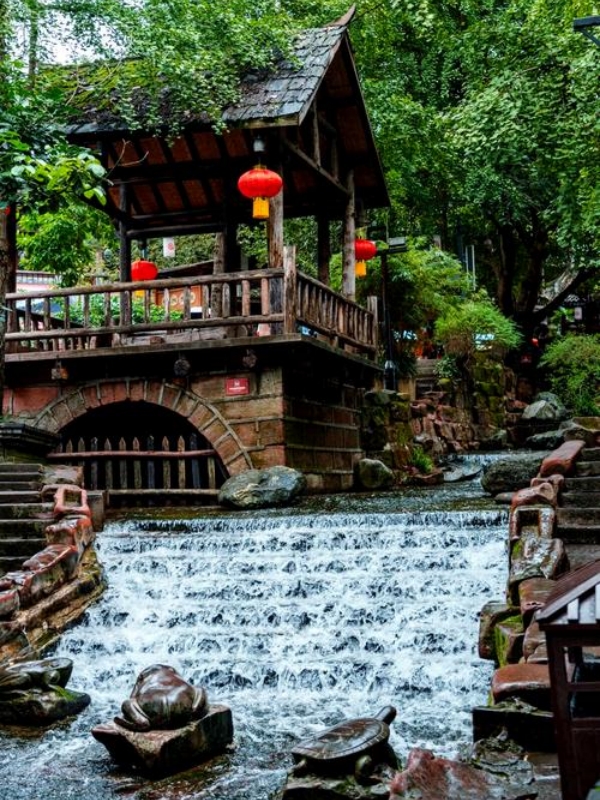
Huanglongxi sits along a canal that runs through the center of the town, with stone bridges and Ming-era shop fronts lining both banks. The town has served as a filming location for several wuxia television productions — the canal-side tea houses and the covered bridge appear regularly in period dramas. Unlike some ancient towns that exist primarily as tourist showcases, Huanglongxi maintains an active resident population that continues to use the market lanes for daily commerce.
Luodai Ancient Town, about 30 minutes east by highway, preserves a Hakka enclave that dates to the Qing dynasty migration from Guangdong province. The Hakka architectural style — circular defensive compounds, distinctive pitched roofs, interior courtyards — distinguishes it visually from the Sichuan towns along the tourist circuit. Both towns are free to enter and charge for parking only. A half-day visit fits comfortably in an itinerary alongside the panda bases or the Dujiangyan irrigation system.
Seasonal Highlights
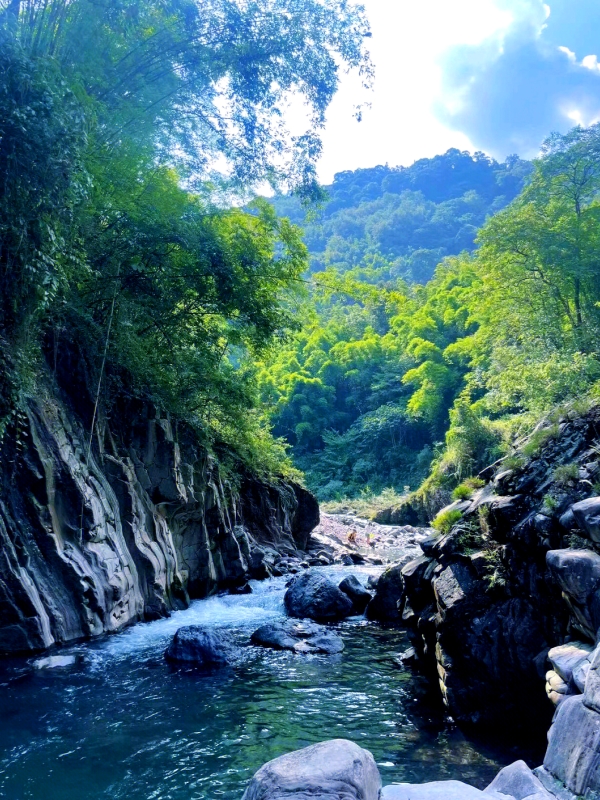
Longmen Mountain
Late March through mid-April draws flower watchers to Longmen Mountain in Pengzhou, where wild cherry, apple, and pear bloom across the ridgelines in successive waves. Baima Temple, in the same region, adds a historical layer with its Song dynasty pagodas set against the floral backdrop. The bloom window is narrow — roughly two weeks per species — and the roads into the mountain area congestion badly on weekends during peak bloom.
Pengzhou Manhua Sea opens its lavender fields from late May through June, covering what were formerly farmland with purple rows that photograph best in early morning light. Entry costs roughly $3 (¥20). Mid-November to early December turns University Road and the grounds of Wuhou Shrine golden as the ginkgo trees reach peak color, coinciding with cooler temperatures that make walking between sites more comfortable than in the summer months.
Sichuan Food Beyond Hotpot
Sichuan cuisine runs on the concept of mala — a compound sensation of numbing peppercorn and chili heat that overwhelms the palate just enough to demand another bite. Chengdu concentrates this flavor profile across every price tier, from back-alley skewer carts to multi-course banquet restaurants. Hotpot dominates the visitor conversation, but the city's snack culture and teahouse tradition offer a fuller picture of how locals eat day to day.
- Hotpot the Local Way: Split-pot (one spicy, one clear broth) is standard; ~$15–30 (¥100–200) per person. Shuyangfu area and Yihuan Lu host clustered hotpot restaurants.
- Must-Try Dishes: Mapo tofu, kung pao chicken, twice-cooked pork, chuan chuan skewers, and dan dan noodles form the shortlist.
- Snack Streets: Jianshe Road and Yulin Chuan Chuan Xiang for late-night chuan chuan; Kuanzhai Alleys and Jinli for tourist-friendly daytime stalls.
Hotpot the Local Way
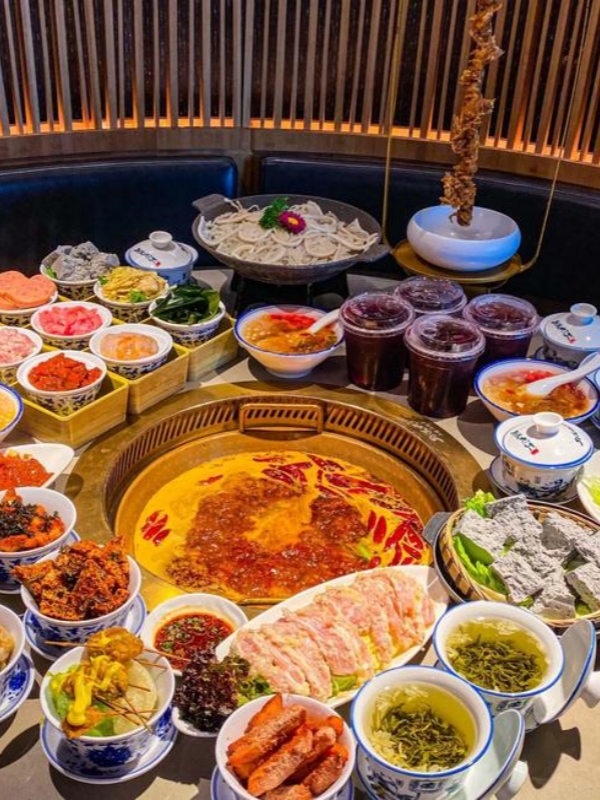
Chengdu Hotpot
Approaching hotpot as a first-timer requires a simple framework: split the pot, build your sauce, and select thin-sliced proteins that cook in under two minutes. The spicy side uses dried chilies and Sichuan peppercorns; the clear side (often mushroom or ginger broth) lets the ingredients speak for themselves. Common dips include sesame oil with minced garlic and cilantro, or a vinegar-forward sauce that cuts the fat. Ordering follows no strict sequence — add ingredients as the broth returns to a boil, remove them when they float, and eat immediately.
Yuanji Xiaodian on Yihuan Lu occupies a narrow storefront that seats fewer than 20 diners at a time. The restaurant draws locals rather than tour groups, and the portions arrive fast and fresh. Shuyangfu, south of the river, concentrates several mid-range hotpot chains within walking distance of the Shuyangfu Theater — convenient for a pre-show dinner. Solo travelers can order a half-portion or a single-person hotpot bowl at most restaurants without paying for a group spread.
Must-Try Dishes
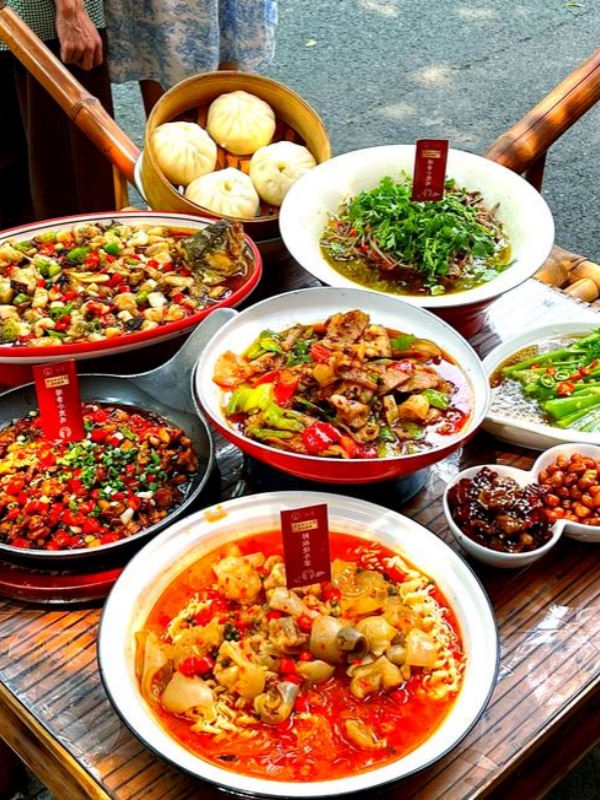
Chengdu Must-Try Dishes
Five dishes anchor any Sichuan food introduction. Mapo tofu pairs silky bean curd with a sauce of fermented black beans, chili oil, and Sichuan pepper — the dish that defined the mala flavor profile for international audiences. Kung pao chicken balances sweet, savory, and spicy across diced poultry, dried chilies, and toasted peanuts. Twice-cooked pork takes pork belly that has been boiled and then pan-fried with leeks and bean paste, concentrating both texture and flavor. Chuan chuan refers to skewered ingredients dunked into a shared cold broth — similar to hotpot but ordered from a refrigerated display case and priced by the stick. Dan dan noodles pair hand-pulled noodles with a sauce of chili oil, preserved vegetables, and minced pork.
Each dish appears on menus across Chengdu at every price tier. Mid-range restaurants in the Shuyangfu and Kuanzhai areas tend to execute them most consistently. Pairing a meal with a bottle of local Snow Beer or a glass of jasmine tea tempers the heat enough to finish a full bowl.
Snack Streets and Tea Houses
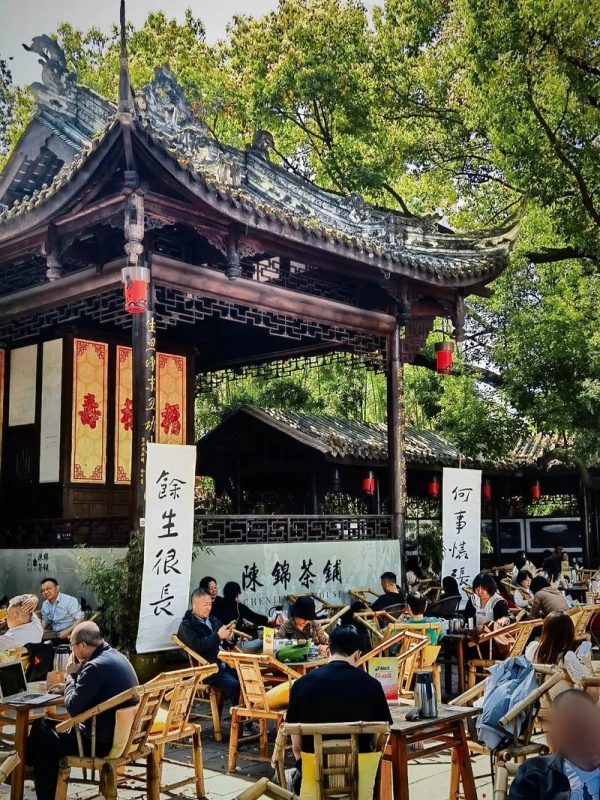
Chengdu Tea Houses
Jianshe Road, between the second and third ring roads, transforms after 21:00 into a pedestrianized chuan chuan corridor. Vendors set up portable grills and display skewered lotus root, tofu skin, and beef offal on ice. Yulin Chuan Chuan Xiang, a covered lane off Yihuan Road, operates similarly with a heavier concentration of offal and tripe vendors — first-timers should look for the options clearly labeled with English translations or order by pointing.
For a less adventurous introduction, Kuanzhai Alleys hosts sugar-blowing artists, jianbing (savory crepe) carts, and stalls selling tanghulu (candied hawthorn skewers). Jinli Old Street runs the same range with larger crowds and higher prices. Tea houses throughout the city charge between $3 and $7 (¥20–50) per pot of jasmine or chrysanthemum, with the same pot refilled unlimited times. Heming Teahouse in People's Park remains the best-known option, though smaller neighborhood teahouses in the Kuanzhai and Shuyangfu areas offer quieter settings without the tourist atmosphere.
Getting Around Chengdu
Chengdu's urban transport infrastructure operates efficiently for foreign visitors who know which apps to use. The metro covers the central tourist zones with English signage throughout, and DiDi functions as a reliable backup for routes the metro does not reach. Both airports connect to the city center by dedicated metro lines. Day trips to the surrounding UNESCO sites depart from Chengdu East Railway Station, accessible via metro or DiDi from anywhere in the city.
- Metro and Buses: Single ride costs $0.45–1 (¥2–7). Lines 1–5 cover central Chengdu; Line 3 reaches the panda research base; Line 18 links to Tianfu International Airport (TFU); Line 10 connects Shuangliu Airport (CTU). English signage and an English-language trip planner app are standard.
- DiDi and Taxis: DiDi via the Alipay app charges $3–10 (¥20–70) for typical city rides, with international card payment accepted. Taxis start at ~$1.50 (¥9) on the meter; use the DiDi app rather than hailing to avoid overcharging after dark.
- Airport and HSR: TFU (Tianfu) — Line 18, ~50 minutes, ~$4 (¥25). CTU (Shuangliu) — Line 10, ~25 minutes, ~$3 (¥18). High-speed rail from Chengdu East to Leshan ~$15–20 (¥110–140, ~1 hour); to Dujiangyan or Qingcheng ~$10 (¥70, ~30 minutes).
Metro and Buses
The Chengdu Metro opened its first line in 2010 and now operates 13 lines across the city and suburbs. English station names appear on all signage, and an official English-language trip planner app works offline for route planning. The most useful lines for visitors are Line 2 (People's Park, Chunxi Road, and Taikoo Li), Line 3 (Chengdu Research Base of Giant Panda Breeding), Line 4 (Wuhou Shrine via a short walk from Sichuan University Station), and Line 18 (Tianfu International Airport).
Bus routes supplement the metro in areas not yet served by rail, though the bus system carries no English signage and requires either a Mandarin-speaking helper or a navigation app with real-time bus tracking. For panda bases and most day-trip sites, the metro-to-HSR combination covers the practical needs without requiring a bus.
DiDi and Taxis
DiDi operates throughout Chengdu and is the most reliable option for rides when the metro does not serve the destination directly. The app integrates with Alipay, which accepts international credit and debit cards linked through the Alipay international version. Setting the pickup and drop-off points in the app eliminates the language barrier that complicates verbal taxi requests. Drivers receive the route and passenger name digitally, and payment processes automatically on the linked card.
Street-hailed taxis run metered fares starting at roughly $1.50 (¥9). However, unofficial surcharges and route manipulation remain common problems for passengers who do not speak Mandarin. Using the DiDi app to book a taxi — which uses the same vehicle pool but adds a digital record — reduces this risk significantly. After 22:00, DiDi remains the safer choice for night travel between districts.
Airport and HSR
Chengdu Tianfu International Airport (TFU) opened in 2021 as the city's primary hub, handling most domestic and international flights. Line 18 of the metro connects TFU directly to Chengdu South Railway Station and continues to the city center in about 50 minutes for roughly $4 (¥25). The older Shuangliu Airport (CTU) remains operational for some regional routes and is accessible via Line 10 in about 25 minutes for roughly $3 (¥18). Most international arrivals now land at TFU, which also hosts the panda and hotpot themed lounges in Terminal 1.
Chengdu East Railway Station serves as the departure point for high-speed rail to Leshan, Mount Emei, Dujiangyan, and Qingcheng. Trains to Leshan run roughly hourly between 07:00 and 20:00; the journey takes about one hour. Dujiangyan and Qingcheng share a rail corridor and depart every 20–30 minutes during peak hours. Seat reservations for day trips are advisable on weekends and national holidays; standard second-class tickets suffice for most tourist routes, with first-class worth considering for the one-hour Leshan run.
Frequently Asked Questions
Q: How many days do you need in Chengdu?
Three to four days covers central Chengdu, a panda base, and one day trip. Five to six days adds a second day trip such as Leshan or Mount Emei. A week or more unlocks Sanxingdui, Qingcheng Mountain, and time to slow down at teahouses and food stalls without a packed schedule.
Q: When is the best time to visit Chengdu?
March through May and September through November offer mild temperatures, lower humidity, and comfortable conditions for walking between outdoor sites. Summer brings heat above 35°C with high humidity. Winter is cool and grey, with cheaper hotel rates and thinner crowds at the panda bases.
Q: Do I need a visa for Chengdu?
It depends on your passport. Many nationalities qualify for a 240-hour visa-free transit through Chengdu's airport and railway stations, allowing multi-city exploration within that window. Otherwise, a standard China tourist visa is required. Entry requirements change — verify current rules with the Chinese consulate or embassy before booking flights.
Q: Is English spoken in Chengdu?
English is limited outside hotels, major attractions, and the metro. Staff at panda bases, large museums, and airport terminals generally manage basic English. Download an offline translation app and carry a written card with your hotel name and the address of your next destination written in Chinese characters.
Q: Can foreigners visit panda bases?
Yes. All three panda bases admit foreign visitors with a passport. Tickets for the Chengdu Research Base and Bifengxia are bookable on Trip.com and Klook. The Dujiangyan keeper program has an English translation track; it books up weeks ahead during peak travel windows.
Q: What is Chengdu known for?
Giant pandas, Sichuan cuisine (hotpot, mapo tofu, chuan chuan), the teahouse and mahjong culture that defines daily social life, Sichuan opera face-changing, and the Chengdu Plain's uninterrupted 2,300-year urban history.
Q: Are there kid-friendly things to do in Chengdu?
The panda bases are the obvious draw — juveniles and cubs are most active in the morning. The Sichuan Science and Technology Museum near People's Park has interactive exhibits. Happy Valley amusement park suits younger children, and most restaurants accommodate families with mild-broth split-pot options.
Q: Is Chengdu safe at night?
Chengdu is generally safe after dark. The main risk for foreign visitors is unofficial taxi overcharging after 22:00 — use the DiDi app or the metro instead of hailing a street taxi to avoid this issue.