Qixi Festival Flowers
The Qixi Festival arrives on the seventh night of the seventh lunar month, pairing the Niulang–Zhinü legend with older customs associated with Zhinü, seasonal offerings, and skill-seeking. Its modern identity also includes romance, making Qixi Festival flowers a natural meeting point between a gift and a cultural story. Yet no single bloom holds exclusive status. This guide explains the meanings travelers are most likely to encounter, then turns the floral theme into a city evening through historic districts, gardens, markets, and verified cultural programs—without returning to a product-list format.
Quick Facts
Festival Snapshot
Qixi follows the lunar calendar, carrying both cultural and romantic meanings across China. The festival holds a national intangible-cultural-heritage designation from 2006, which establishes its cultural standing without guaranteeing a specific tourism event. There is no single national site dedicated to Qixi; instead, the festival appears across museums, cultural centers, historic districts, and public spaces depending on the city and year.
Planning Baseline
A two-to-four-hour evening covers a cultural anchor, a flower stop, and a casual meal without requiring a full-day commitment. Budget roughly $1–4 (¥7–28) for short urban transport and $7–18 (¥50–130) for casual dining per person. Individual venues set their own hours and admission charges; confirm current schedules before visiting.
Choosing Qixi Flowers
Qixi Festival Flowers
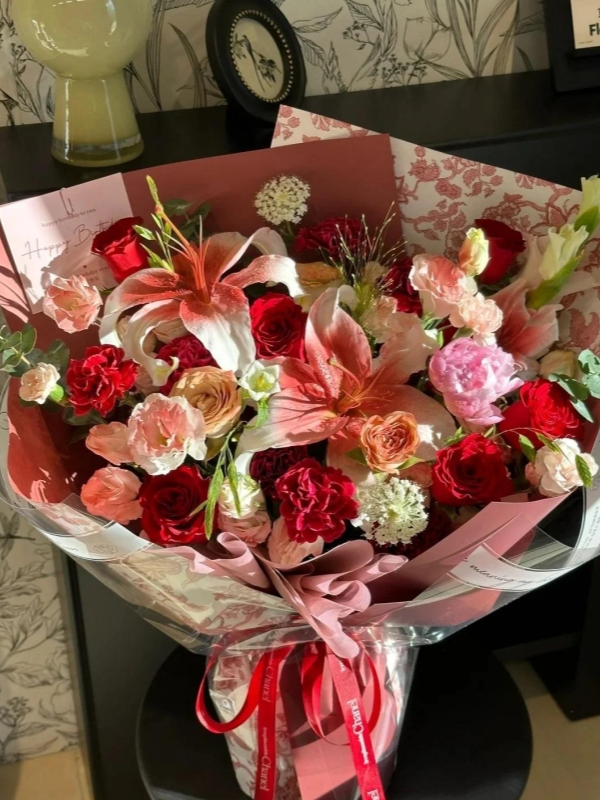
Qixi Festival flowers should be selected through the intersection of recipient, relationship, season, and presentation rather than a single universal flower code. Roses are common in modern romantic gifting but are not uniquely tied to Qixi. Lotus, orchid, and chrysanthemum can add seasonal or cultural associations when locally appropriate, but none carries an exclusive Qixi meaning.
Recipient and Relationship
Seasonal and Symbolic Fit
Color and Presentation
Color choices depend on the recipient and context rather than a fixed Qixi rule.
- Red: Emphasizes romance without automatically announcing marriage or proposal.
- Pink: Can express affection or appreciation, suitable for newer relationships or family.
- White and mixed palettes: Work when recipient preference and local context suit them.
- Fragrance and pollen: Check for enclosed spaces, allergies, or recipient sensitivities.
- Presentation: Ask about vase or wrapping needs; add a short card explaining the Qixi story only when the recipient would value it.
Qixi Flower Symbolism
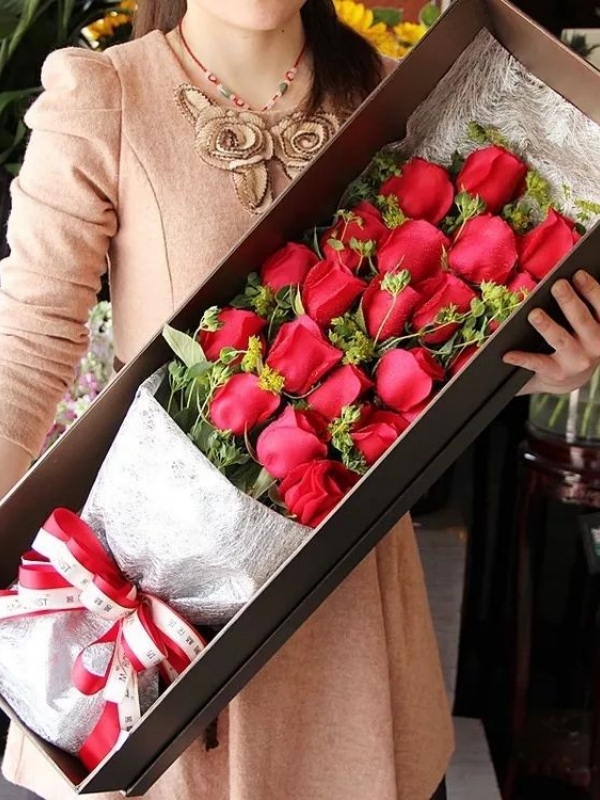
Roses
Qixi Festival flowers gain meaning from three layers: the Niulang–Zhinü story, older Qiqiao customs, and contemporary romantic gifting. The 2006 national intangible-cultural-heritage designation establishes the festival's cultural standing, but it does not assign a single official flower. Popular red roses express romance, lotus evokes purity and seasonal harmony, orchids suggest refinement, and chrysanthemums carry autumn or longevity associations. None is mandatory or uniquely official to Qixi.
What Qixi Represents
Qixi falls on the seventh day of the seventh lunar month, combining the Niulang–Zhinü reunion with older Qiqiao customs. Modern Qixi carries a strong romantic association, yet older traditions include honoring Zhinü, seasonal offerings, needlework or skill-seeking, and family observance. Romance is an important present-day layer rather than the festival's only meaning.
Why No Single Official Flower
No single blossom holds exclusive official status as the Qixi flower. Modern flower gifting draws from broader romantic and Chinese cultural conventions, while Qixi itself is defined by its date, legend, and customs. The absence of an official flower leaves selection open to personal choice, recipient preference, and seasonal availability.
Roses and Lotus
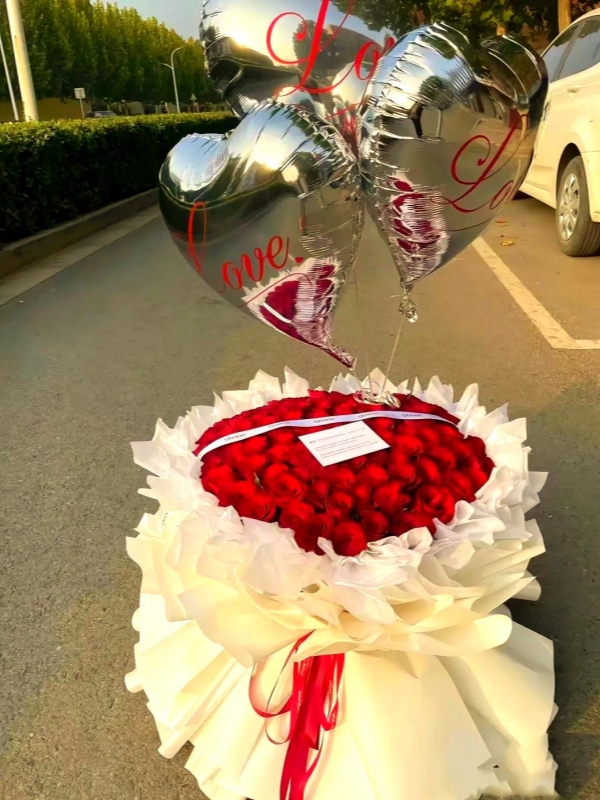
Roses suit the modern romantic side of Qixi, especially in red or red-toned arrangements. Lotus provides a separate seasonal and cultural reference—purity and harmony—when its availability aligns with location and time of year. A rose does not become more traditional simply because it is red, and lotus depends on whether it is in season locally.
Orchids and Chrysanthemums
Orchids can convey refinement in appropriate contexts, while chrysanthemums introduce autumn and longevity associations. Both require careful context, and neither serves as a default romantic Qixi choice.
- Orchids: Refinement; suitable for formal or appreciative contexts rather than romantic declarations.
- Chrysanthemums: Autumn and longevity; better as a seasonal cultural reference than a romantic gift.
🌺 Floral Meanings & Culture: Learn about iconic traditional blooms, seasonal varieties, and floral symbolism in our China Rose Hibiscus Flower Guide China Travel.
Flowers and the Qixi Legend
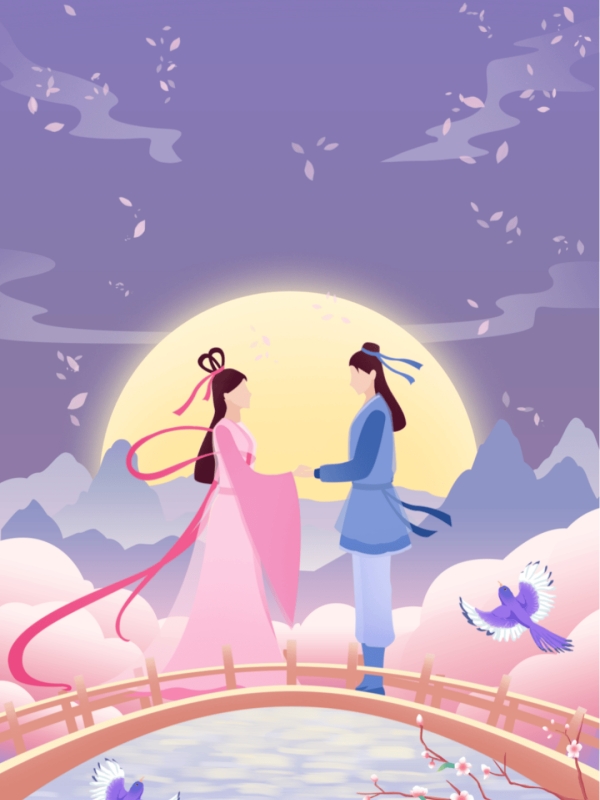
Niulang and Zhinü
The Niulang–Zhinü story forms the narrative center of Qixi, explaining the annual reunion across the celestial river. The magpie bridge links the legend to contemporary floral romance, though no single flower carries an official designation tied to the story. Qixi was included in the first national intangible-cultural-heritage list in 2006, establishing its cultural authority without prescribing a floral emblem. Established traditional elements include honoring Zhinü, seasonal offerings, and skill-seeking customs, while flowers represent a modern and flexible cultural layer.
Niulang and Zhinü
Niulang represents the Cowherd and Zhinü the Weaver Girl, separated by the celestial river and allowed a reunion on the seventh night of the seventh lunar month. The legend explains the astronomical basis for the festival date and forms the emotional core that connects Qixi to romance and star-gazing customs.
The Magpie Bridge
Magpies form the bridge across which the lovers meet each year, a detail that links the legend to modern romantic imagery. The visual of the bridge over the Milky Way connects sky-viewing traditions with gift-giving customs, including flowers.
Flowers in Tradition
Commonly described Qixi traditions center on honoring Zhinü, seasonal offerings, needlework or skill-seeking, and family observance. Flowers function as a modern cultural layer unless a specific local source confirms an older floral custom.
- Traditional elements: Seasonal fruit, thread or needlework tools, family observance, sky viewing.
- Modern additions: Flower bouquets, romantic gifts, couple-focused dining and outings.
- Local variation: Where locally documented, specific floral customs may appear; otherwise, flowers reflect contemporary practice.
🌸 Spring Blossom Destinations: Planning a seasonal floral trip around China? Explore the top scenic spots with our guide to China March 2026 Flower Blossom Destinations.
A Qixi Flower Journey in China
Qixi Festival flowers work best as a route-building theme rather than a shopping result. The goal is to connect the Niulang–Zhinü story, seasonal local color, and a city's cultural spaces into a single evening. No single destination is officially required; travelers build their own plan from available venues.
- Anchor event: Verify one current cultural program, exhibition, or scheduled activity through the venue's official calendar for the relevant year.
- Flower stop: Choose a flower market, seasonal stall, district with multiple florists, or a hotel-arranged order—confirm payment method and delivery window.
- Meal or tea: Reserve a casual restaurant or teahouse nearby; casual dining runs about $7–18 (¥50–130) per person.
- Evening walk: Finish with a public garden, riverside path, or historic district street—check local access and nighttime rules before departing.
From E-Commerce to Place
The shift from browsing online bouquets to experiencing Qixi flowers in a city involves moving from product listings to cultural spaces. Qixi has no single required destination, but cities often host cultural programs, flower markets, or historic district events during the festival period. Travelers who understand the legend can recognize how the floral theme connects to seasonal offerings, romantic gifting, and older Qiqiao customs simultaneously.
City Evening Formats
Weather and Local Programming
Qixi usually falls in August and can shift into early September, which means weather and bloom timing vary by region. Check the local forecast before planning an outdoor evening. Distinguish an ordinary evening walk from a formally scheduled Qixi exhibition or activity—only the latter appears on cultural calendars, while the former requires no advance booking.
🏡 Classical Garden Blossoms: Discover the most scenic spots to view traditional garden flowers with our showcase of Spring Flowers in Suzhou Gardens.
Planning a Qixi Evening
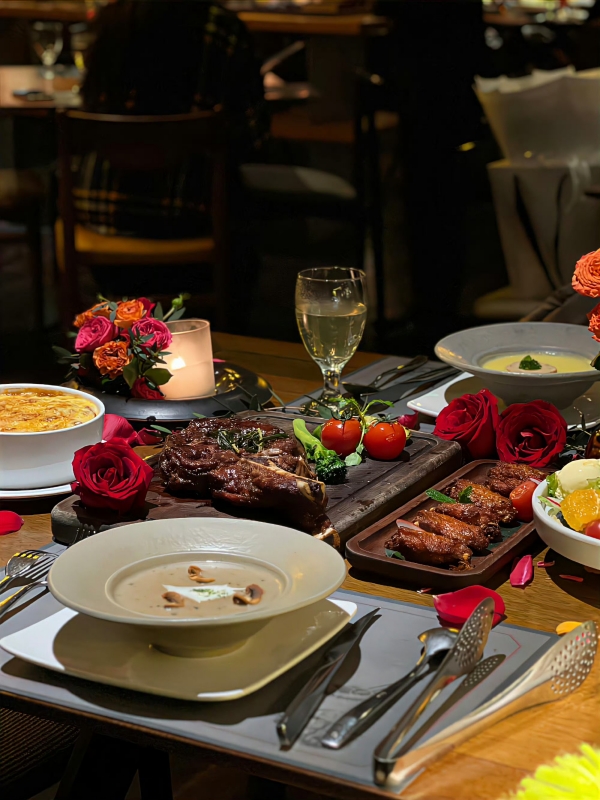
Qixi Dinner
Build a compact route from one verified cultural anchor, one nearby flower-related stop, a casual meal, and an evening walk. A two-to-four-hour outing works without a special Qixi event. No national Qixi ticket exists; optional venues set their own charges.
A Four-Step Evening
Follow this framework to structure a Qixi evening:
- Verify the cultural anchor: Check the museum, cultural center, or venue calendar for the current year before visiting.
- Choose a flower stop: Select a flower district, market, or hotel-arranged florist; confirm payment and delivery.
- Reserve a casual meal: Budget roughly $7–18 (¥50–130) per person; book ahead during peak festival dates.
- Finish with a short public walk: A garden, riverside path, or historic district street works for an open-air close; check nighttime access.
Choosing a Base
Select a walkable cluster containing the cultural program, a flower stop, and a dining option. If the program is elsewhere, use local transit rather than building the evening around a nonexistent single Qixi site.
Booking Local Experiences
Check the official museum, cultural-center, city-culture, or venue calendar for the relevant year before visiting. Confirm language support, booking rules, accessibility, and hours directly—do not assume all Qixi programs are walk-in events.
Transport and Timing
Buying and Caring for Flowers
The foreign-visitor process for Qixi flowers involves confirming payment methods, providing a clear delivery address, checking the florist's delivery window and inclusions, and reviewing care instructions. Ask about fragrance, pollen, recipient preference, and vase or wrapping needs before finalizing an order.
Payment and Ordering
Confirm payment acceptance and ordering steps before placing an order:
- Payment methods: Ask whether overseas cards, cash, or local wallets are accepted.
- Language barrier: Use a hotel concierge when communication is difficult; provide the hotel address in Chinese if available.
- Order details: Confirm recipient name, delivery address, date, and delivery window before authorizing.
- Final total: Obtain the complete price before confirming the order.
Preserving the Bouquet
Follow the florist's care instructions for the specific arrangement. Confirm whether the order includes water, a vessel, wrapping, or other equipment. Do not assume a universal stem-cutting, water-change, or storage schedule applies to every design.
Gifting Etiquette
Emphasize recipient preference over a supposed universal code. A flower should not announce a marriage proposal or relationship status without the giver's intent. Avoid fixed claims about stem count, color, and public presentation—context and personal knowledge guide the choice.
Accessible and Low-Pollen Options
Check accessibility and sensitivities before selecting a floral gift:
- Fragrance and pollen: Ask the florist about scent intensity and pollen levels.
- Mobility access: Confirm whether the venue or delivery address is accessible.
- Sensitivity consideration: Request sealed, potted, dried, or non-floral alternatives when the supplier confirms suitability.
- No allergy guarantee: No flower is entirely allergy-free; supplier confirmation is required for any low-pollen claim.
Alternatives to Cut Flowers
💐 Gifting Customs & Etiquette: Avoid common cultural missteps when offering floral gifts in corporate or formal settings with our overview of Hong Kong Taboos on Giving Flowers to Businessmen.
Frequently Asked Questions
Q: When is Qixi Festival?
It falls on the seventh day of the seventh lunar month, usually in August and sometimes in early September; the Gregorian date changes each year.
Q: Is Qixi the Chinese Valentine's Day?
Modern Qixi is widely associated with romance, but the festival also retains older Qiqiao and Zhinü-related cultural meanings beyond the romantic label.
Q: Is there an official Qixi flower?
No single official Qixi flower exists; roses are popular in modern gifting, while other flowers depend on season and context.
Q: What are popular Qixi Festival flowers?
Roses are the clearest modern romantic choice; lotus, orchids, and chrysanthemums may add seasonal or cultural associations, but none is uniquely Qixi.
Q: Do people exchange flowers on Qixi?
Flowers are a common contemporary gift, but they are optional; Qixi can also be observed through food, crafts, outings, or family activities.
Q: Is Qixi a public holiday in China?
It is not a nationwide statutory public holiday, so ordinary services generally continue, although special cultural programs may have separate schedules.
Q: Where can travelers experience Qixi culture?
There is no single Qixi site; current options can include museums, cultural centers, historic districts, public gardens, flower districts, or scheduled city programs—verify availability through official sources.
Q: Can overseas visitors pay for flowers?
Payment acceptance varies; confirm overseas cards, cash, or local wallets with the florist, and consider asking the hotel concierge to place the order.
Q: What should travelers know before gifting flowers?
Ask about the recipient's preferences, fragrance, pollen, and desired message; do not treat red flowers, exact counts, or fixed meanings as universal rules.