Natural Wonders of China:Mountains, Rivers, Pandas, Elephants
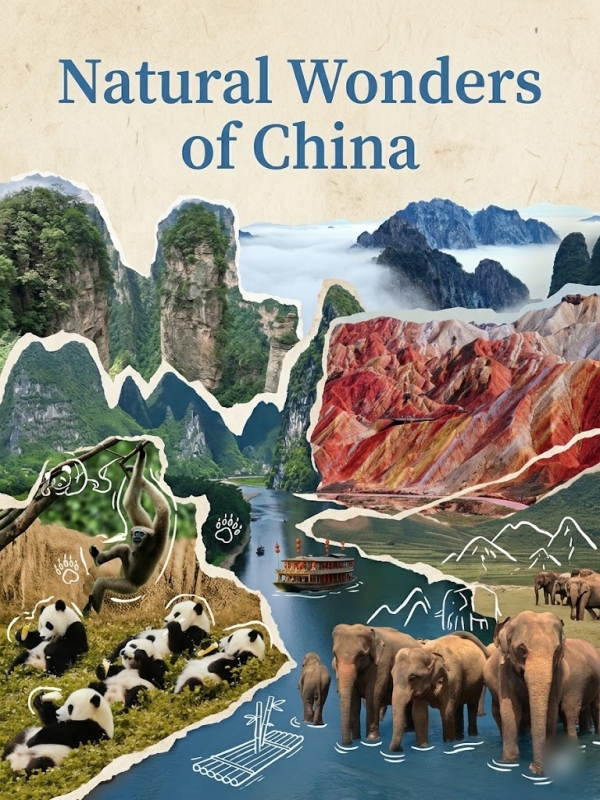
What do you get when a single country holds deserts, glaciers, rainbow mountains, emerald karst lakes, and 8,000-metre peaks within its borders? That’s the dilemma for the traveller in search of the Natural Wonders of China. Known in Spanish-speaking traveller circles as chinas naturales, these range from UNESCO-inscribed valleys to lesser-known, hidden high-altitude lakes that barely appear on a foreign travel map. ‘Natural Wonders of China’ acts as a veteran’s notebook and field guide: mapping out fifteen wonders in five natural categories and advising when to go, how to get there, and how to enter China legally with minimum paperwork. Every landscape described demands a traveller who prepares, and that preparation begins now.
Pillar Peaks & Mountain Wonders
China's mountains don't merely rise — they erupt from the earth in forms that defy expectation. These three sites share one defining quality: you arrive sceptical of the photos, and leave convinced the photos didn't do them justice.
1. Zhangjiajie National Forest Park
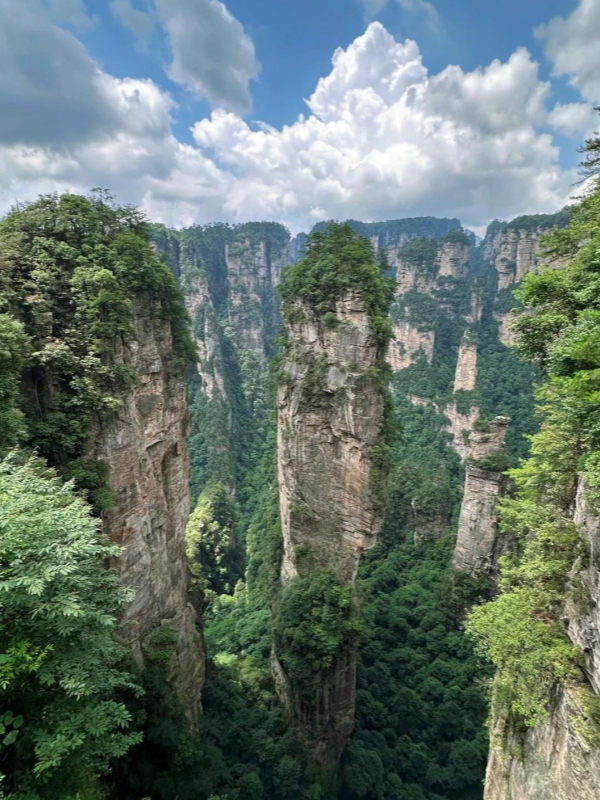
Yuanjiajie
The most visually distinctive site on the Natural Wonders of China tour, Zhangjiajie has hundreds of columns of quartz-sandstone leaping 800m from the mist-filled valleys over an area of 264km² of protected forests. James Cameron’s team of designers used the Southern Sky Column as the model for Avatar’s floating Hallelujah Mountains, and when you are standing on the Yuanjiajie lookout at dawn, the resemblance is immediately evident.
- Best time: April–June (azalea bloom + mist) · October (cloud sea at peak frequency)
- Cable cars: Yangjiajie Cable Car (¥98) + Tianmen Cableway (¥258) — book ahead during Golden Week
- Glass Bridge: 430 m long; broke 12 Guinness World Records in 2016; advance booking mandatory
- UNESCO status: Wulingyuan Scenic Area inscribed 1992
- Entry ticket: Approximately ¥248 for a 4-day park pass
💡 Insider tip: Arrive at the Yuanjiajie viewpoint before 7 a.m. Tour buses reach the summit by 8:30. Those 90 minutes of quiet — just you, the pillars, and the rising mist — are worth the early alarm.
-
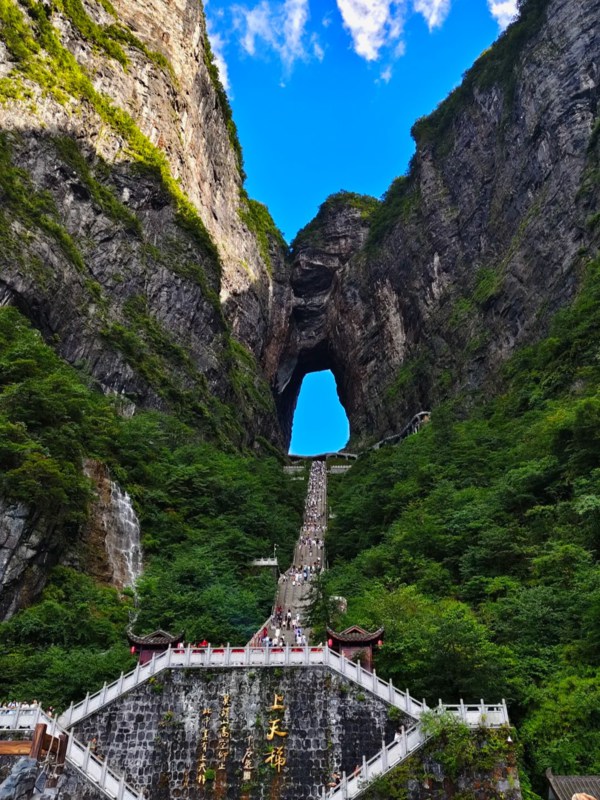

- Tianmen Mountain
-
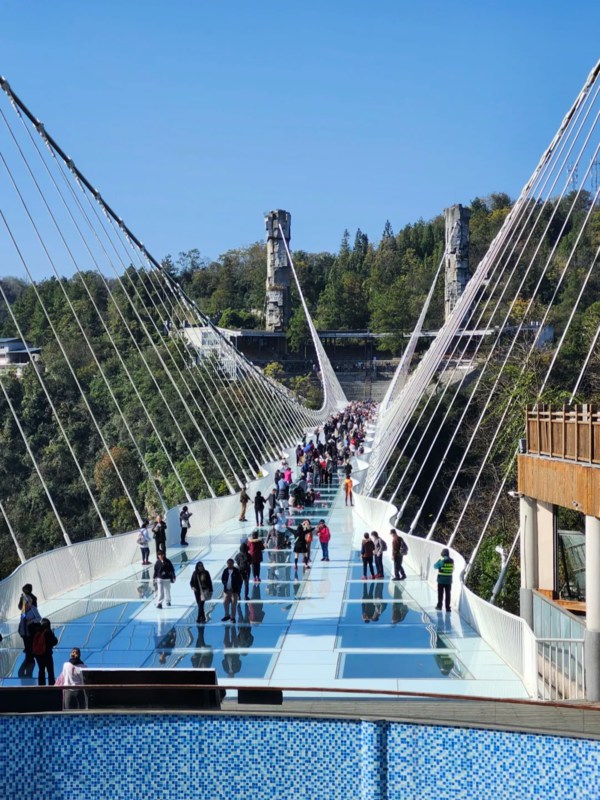
- Zhangjiajie Glass Bridge
-
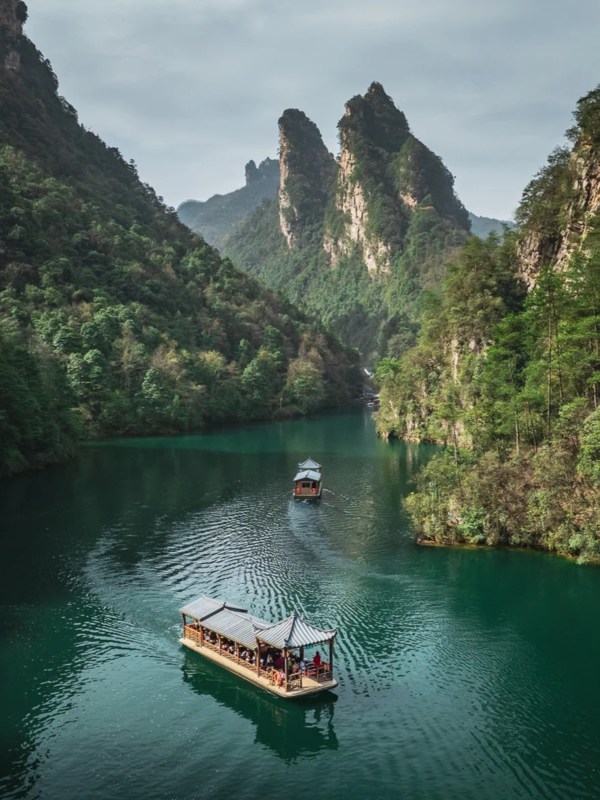
- Baofeng Lake
🗺️ Ready to plan the route? Find the complete day-by-day breakdown of crowd-free viewpoints, cable car order, and glass bridge booking — plus weather patterns and airport arrival details — at Zhangjiajie 2–4 Day Itinerary + Best Time to Visit Guide and Zhangjiajie Airport Guide for Foreign Travellers.
2. Huangshan (Yellow Mountains)
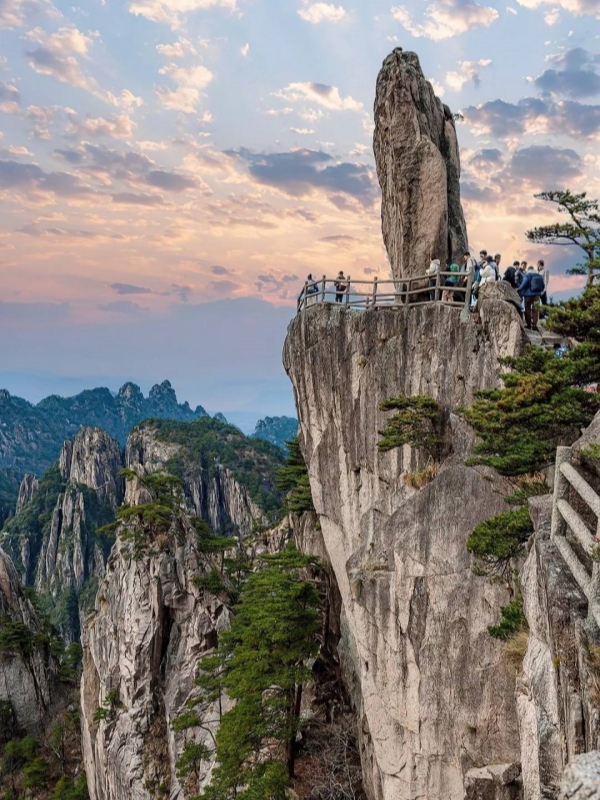
Huangshan (Yellow Mountains)
Huangshan gained Unesco dual heritage status in 1990 and packs a visual punch. On clear days, the granite peaks and twisted Huangshan pines recreate the Chinese ink-wash paintings that have inspired generations of artists. On misty days (about 200+ a year) a sea of clouds fills the valleys and the peaks become isolated islands. The natural hot springs at the base, at a comfy 42°C, are the perfect reward after the summit slog.
- Peak altitude: Lotus Flower Peak at 1,864 m
- Best photography spot: Shixin Peak at sunrise (30–60 min after dawn)
- Cable cars: Yungu / Yuping (¥120–140 one-way) — 2+ hour queues during Golden Week
- Best seasons: Winter (rare snow scenery, zero crowds) · Plum rain season, June (heaviest cloud sea)
♨️ Hot springs note: The Huangshan Hot Spring resort sits at the mountain base, separate from the summit area. Budget an extra half-day after descent — your legs will genuinely thank you.
-
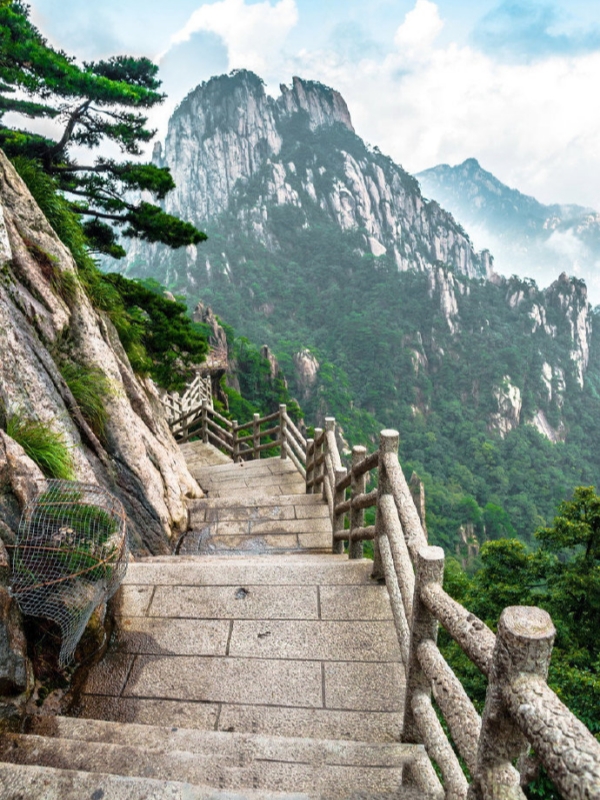
- Huangshan (Yellow Mountains)
-
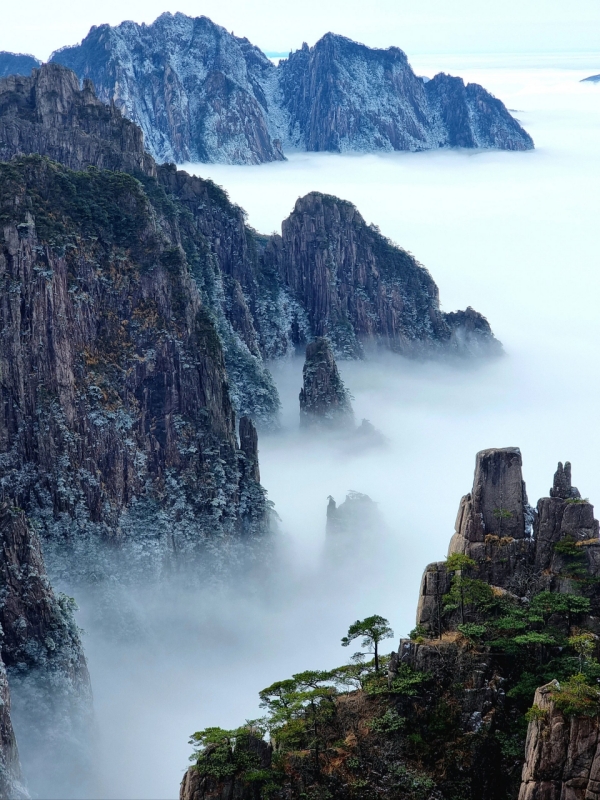
- Huangshan (Yellow Mountains)
-
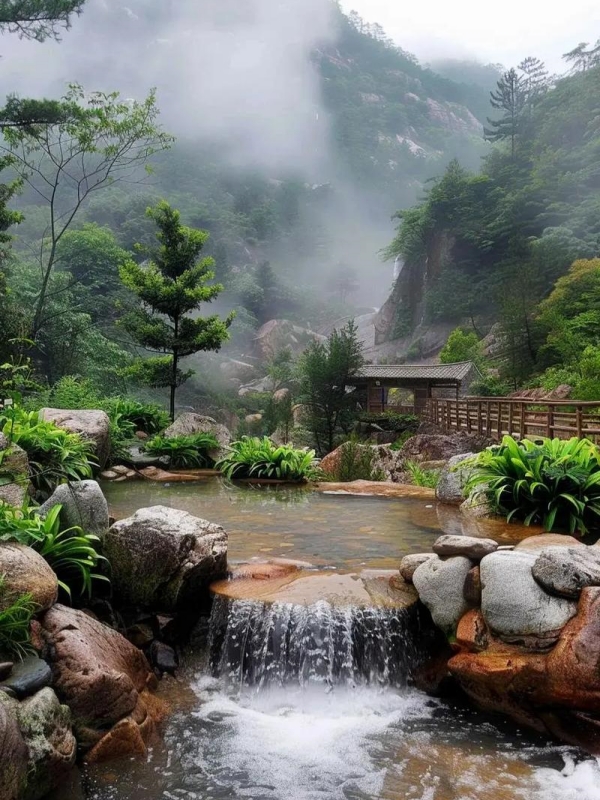
- Huangshan Hot Spring
🌏 For the full scope of UNESCO natural inscriptions like Huangshan across China, explore China UNESCO World Heritage Sites — Complete Travel Guide covering all 14 natural inscriptions and how to visit each one.
3. Wulong Karst, Chongqing
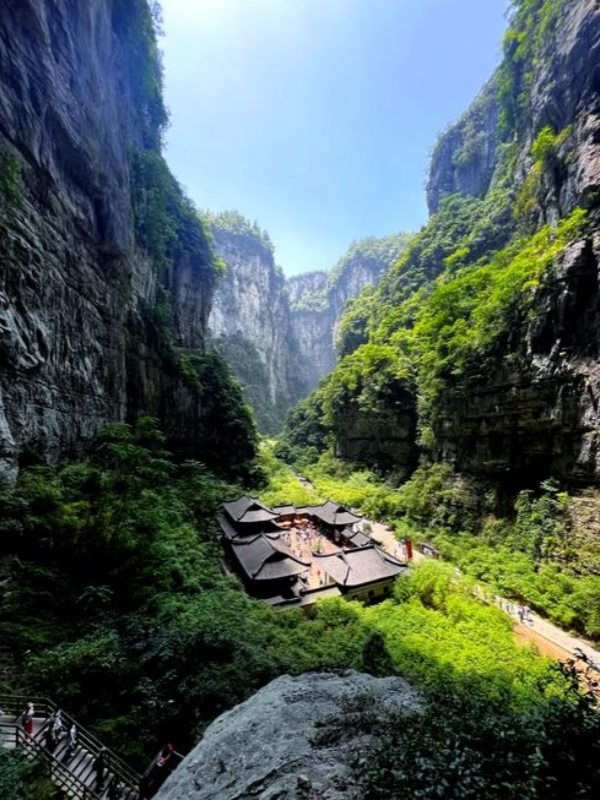
Wulong Karst in Chongqing
Wulong is absent from most foreign itineraries. This renders it one of the more rewarding Natural Wonders of China to discover. Three colossal natural said bridges - the world’s largest natural stone complex - span a verdant gorge where ferns cling to steep ridges and the air is forever cool. On the list, along with other South China Karst sites. Unlike the more popular national parks, here slower-paced exploration on foot is rewarded.
- Three Natural Bridges: Tianlong, Qinglong, Heilong — each spanning 150–300 m
- Best trail: The Canyon Sightseeing Trail descends 1,200 steps to the gorge floor
- Getting there: 2.5 hours by high-speed rail and shuttle from central Chongqing
- Best season: April–June (lush green) · October (autumn foliage peak)
🥾 Trail tip: Wear trail shoes with grip. The stone steps inside the canyon are perpetually damp from underground springs. The descent is moderate; the ascent earns its reputation quickly.
-
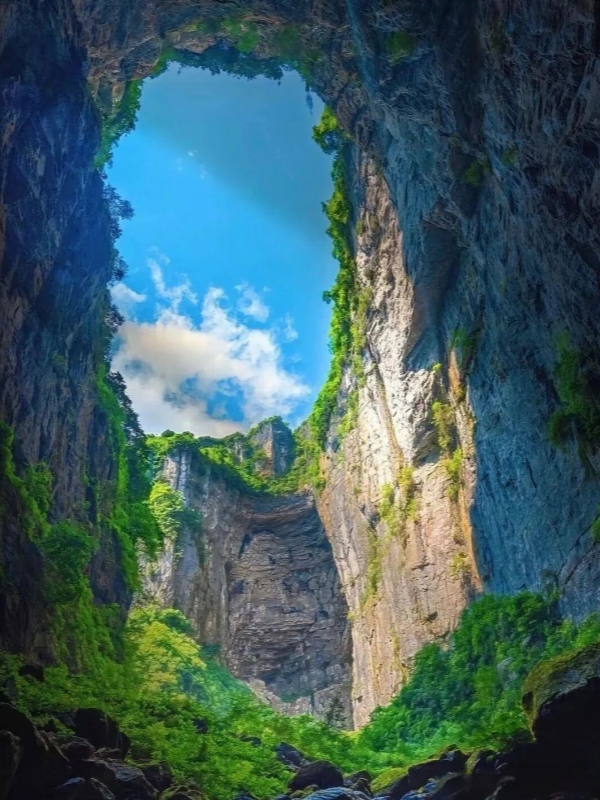
- Wulong Karst Chongqing
-
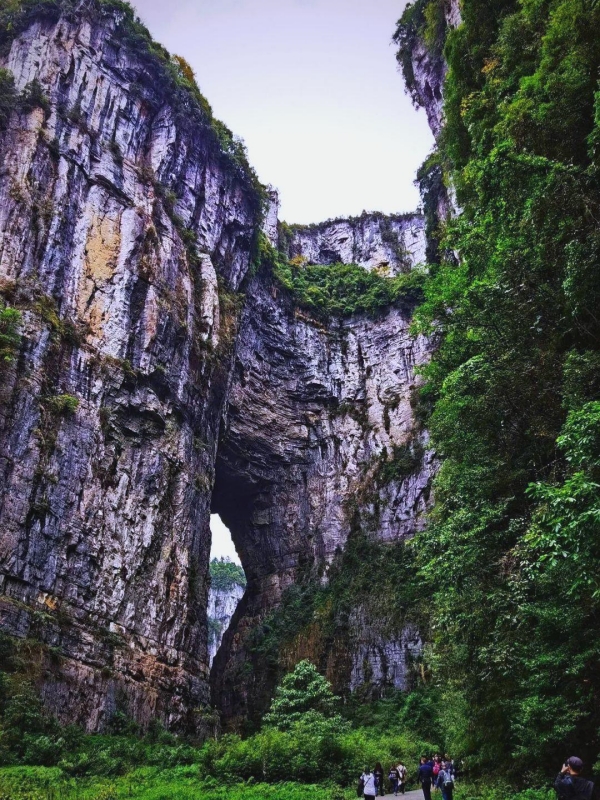
- Wulong Karst
-
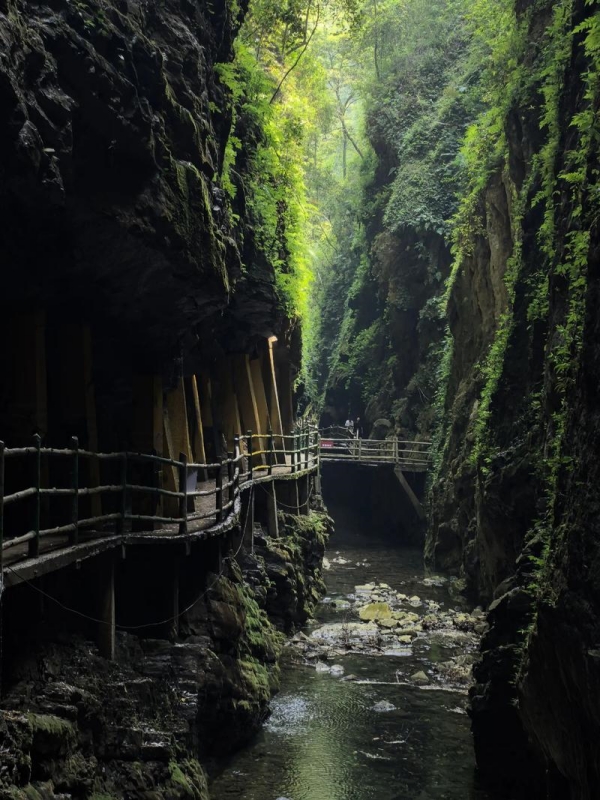
- Chongqing Wulong Karst
🗺️ Chongqing's karst landscape extends well beyond one park — full trail maps, hidden canyon viewpoints, and day-trip logistics are at Wulong Chongqing Travel Guide — Karst Bridges, Hidden Trails & Practical Details.
Alpine & Karst Lake Wonders
China's lake landscapes are defined by colour chemistry. Calcium carbonate, glacial flour, algae, and altitude combine to produce waters that shift from turquoise to cobalt to jade depending on light and season. These three lakes rank among the most photographed — and most genuinely surprising — Natural Wonders of China.
4. Jiuzhaigou Valley
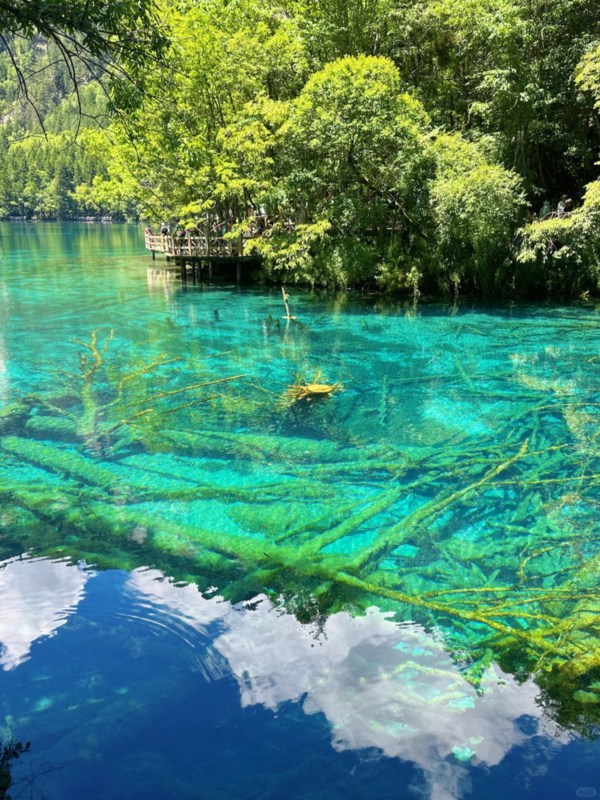
Five Color Lake
An array of 108 multicoloured lakes from Jiuzhaigou sit 2000-4,764 m above sea level in Northern sichuan. The water isn’t just one colour, it’s a gradient of cyan, cobalt and jade that changes colour as you walk along the boardwalk. Scientists say it’s due to calcium carbonate deposits and algae, but no theory is convincing when you’re standing overlook Five-Flower Lake watching colours rearranging with the clouds that drift overhead.
- UNESCO inscription: 1992 Natural Heritage
- Visitor limit: 5,000 per day (post-2017 earthquake restriction) — book weeks ahead in October
- Signature lakes: Five-Flower Lake, Swan Lake, Arrow Bamboo Lake
- Best season: Late September–October (autumn foliage + coloured water combination)
📅 Booking alert: Jiuzhaigou tickets sell out 2–3 weeks ahead during October. Book the official website early and confirm your permit — the 5,000-person daily cap is strictly enforced at the gate.
-
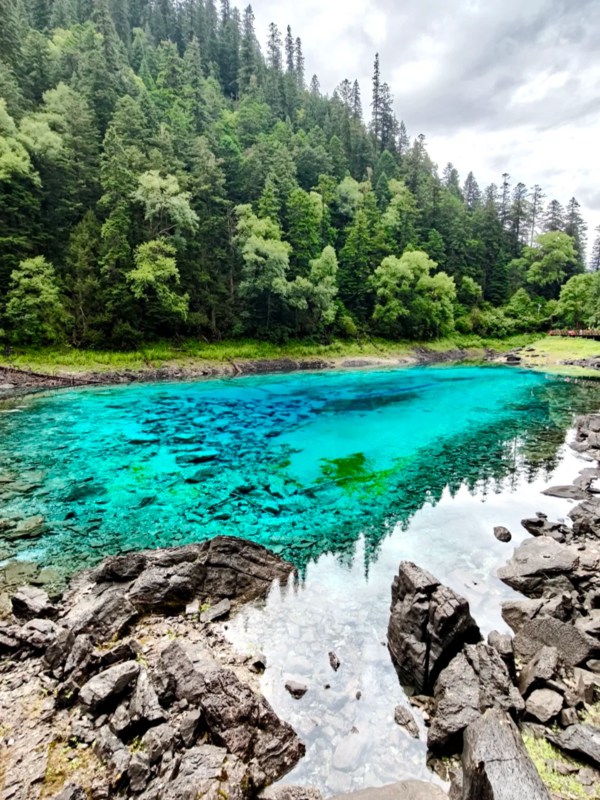
- Spring of Five Color Lake
-
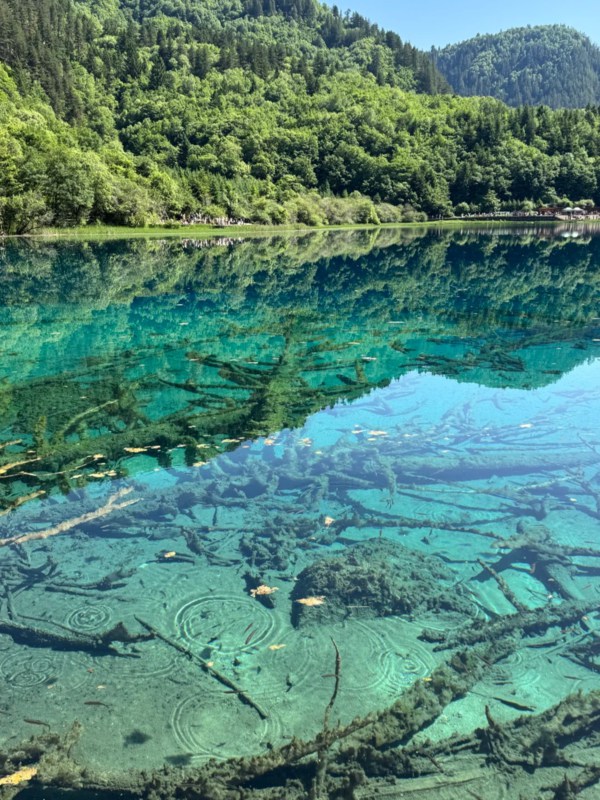
- Summer of Five Color Lake
-
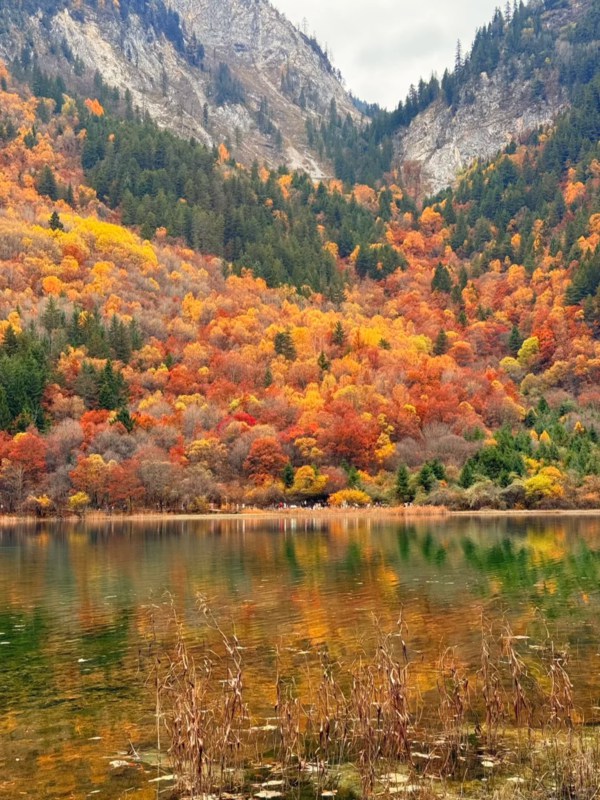
- Autumn of Five Color Lake
-
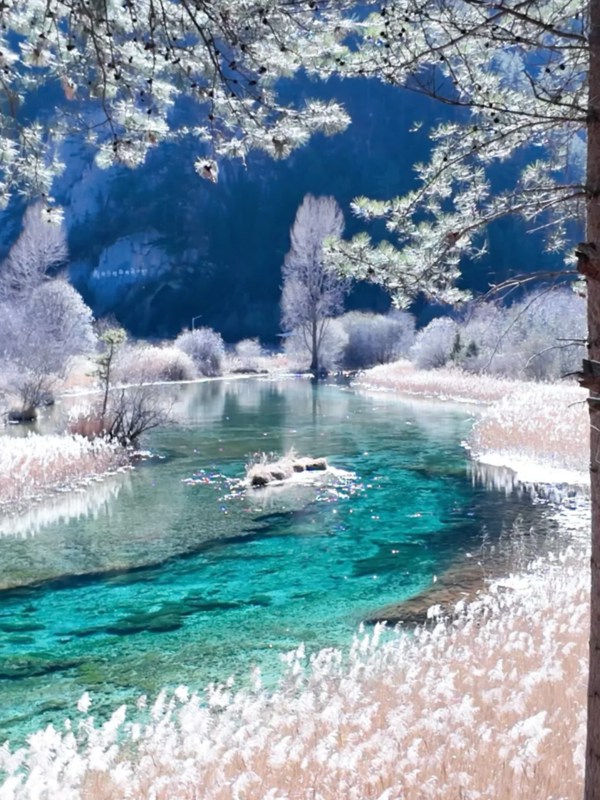
- Winter of Five Color Lake
💎 Jiuzhaigou's Five-Color Pool is one of the valley's most photographed highlights — the dedicated Five Color Lake of Jiuzhaigou guide covers the science behind the colors, best viewing times, and how to beat the crowds at this iconic spot.
5. Tianchi (Heavenly Lake), Xinjiang
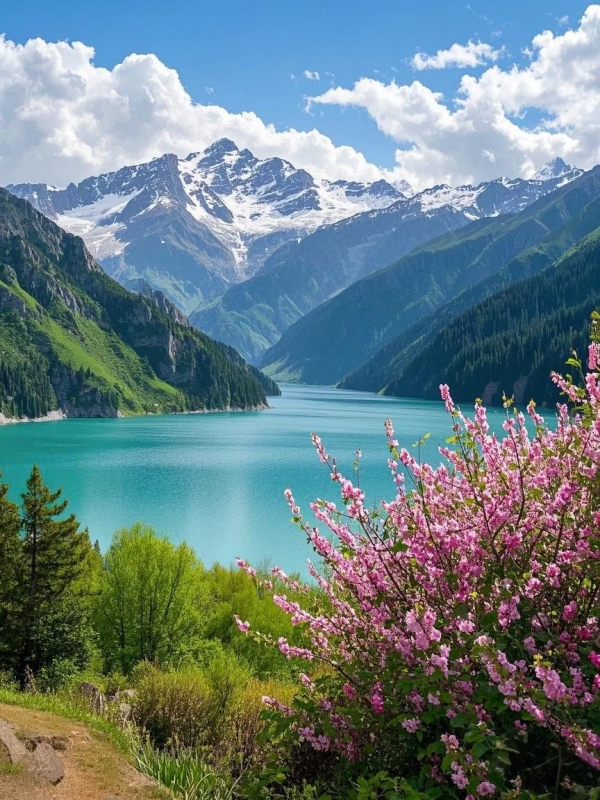
Bloom of Tianchi Lake
Tianchi lies nestled in the Tianshan Mountains, Xinjiang, like a mirror someone forgot to turn the right way up; on calm mornings the snow peaks will be silhouetted in water so lappingly still the horizon becomes indistinct. As China’s newest UNESCO inscription (2013), the Tianshan mountain system is protected. Kazakh yurt camps line the lake’s northern shore, and if you overnight you will have the lake to yourself before the day-tripper flood from Ürümqi descends on you.
- Elevation: 1,910 m; accessed from Ürümqi in approximately 2 hours by bus or private car
- Best months: June–September (snow-free, wildflower meadows in full bloom)
- Optional cable car: Ridgeline cable car (approx. ¥120 extra) adds panoramic Tianshan view
- Yurt stays: Book through local Kazakh families for overnight access before day-tourists arrive
🌅 Pro move: Stay overnight in a lakeside yurt. At 6 a.m. the lake surface is glassy, the buses are still in Ürümqi, and you have Heavenly Lake entirely to yourself.
-
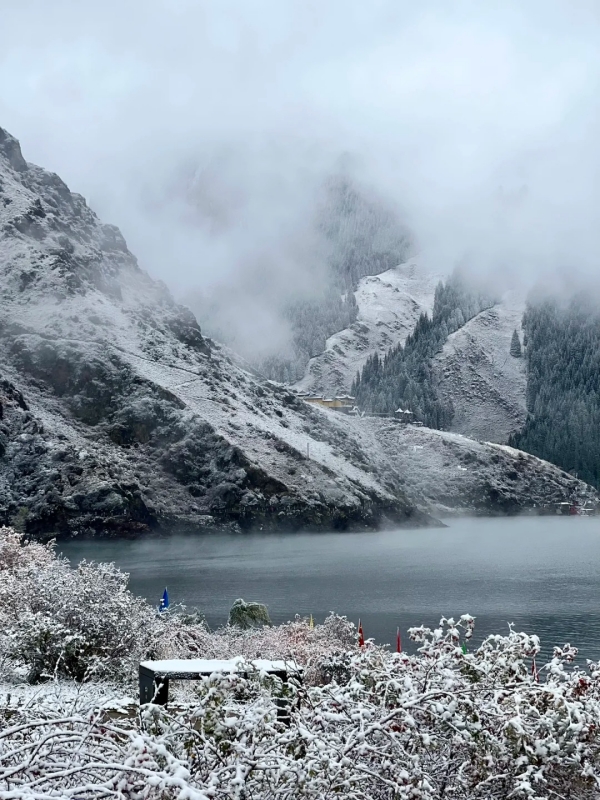
- Winter of Tianchi Lake
-
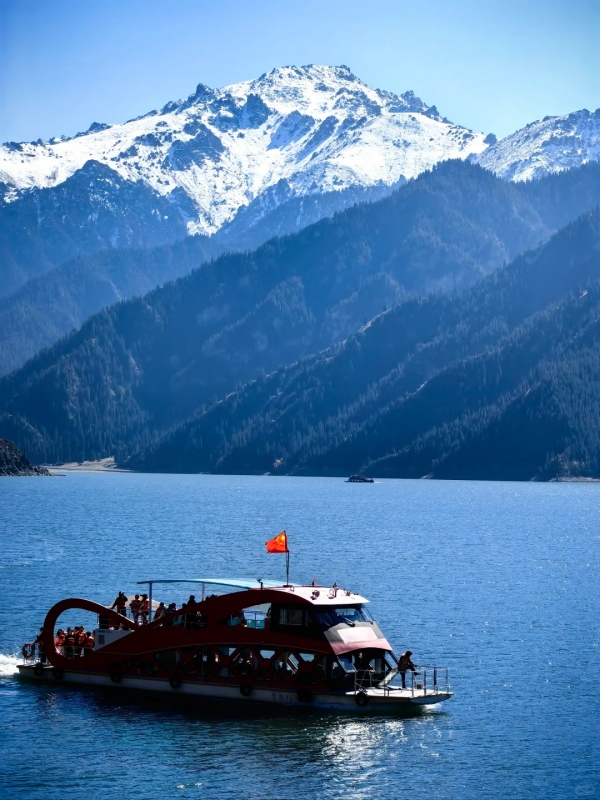
- Boat Cruise
-
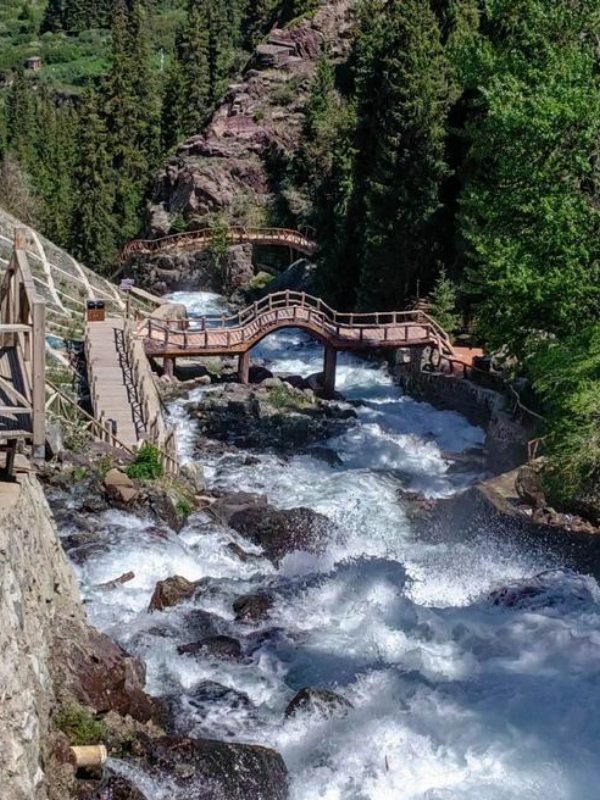
- Flying Dragon Pool
🗺️ Plan your complete Tianchi visit — transport options, yurt stay booking, and all park logistics — in the dedicated Tianchi Heavenly Lake visit guide, then connect it to Ürümqi and wider Xinjiang exploration.
6. Guilin & the Li River
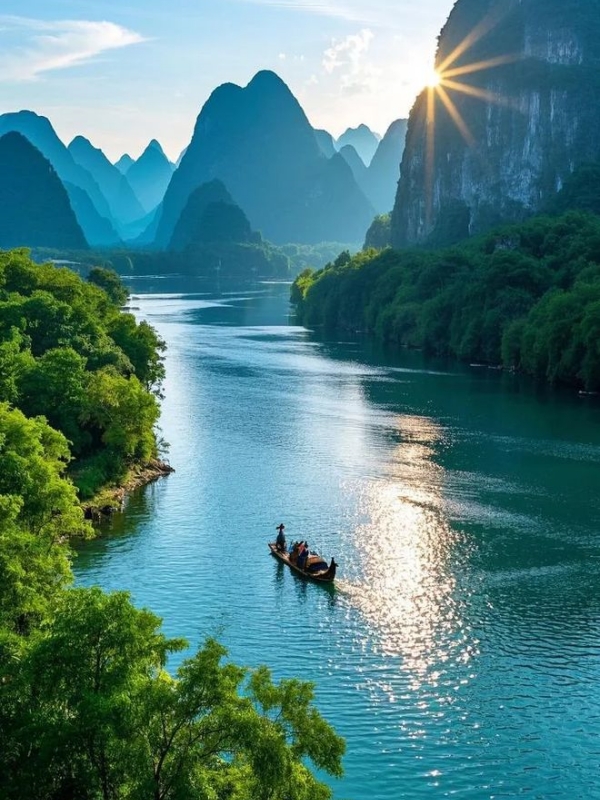
Guilin and the Li River
The Li River cruise to Yangshuo from Guilin covers 83 km of karst peaks. This is the stretch near the village of Xingping that’s printed on the back of China’s 20-yuan banknote. More than 12,000 limestone lumps stand sentinel in this valley and the river meanders through them so slowly that you can watch the changing angles of the peaks like a never-repeating slow motion painting. The karst peaks hug the river but also dance along beside her.
- Cruise options: Official boat ¥210–350 (includes lunch) · Bamboo raft on the Yangshuo section
- Best seasons: April–May (misty ink-wash effect) · September–October (clear, long views)
- Yangshuo extension: Rent an e-bike for the countryside loop — a completely different river perspective
📸 Photo tip: The Xingping fishing village dock is where the 20-yuan note scene was captured. Arrive by bamboo raft for the closest angle to the original viewpoint.
-
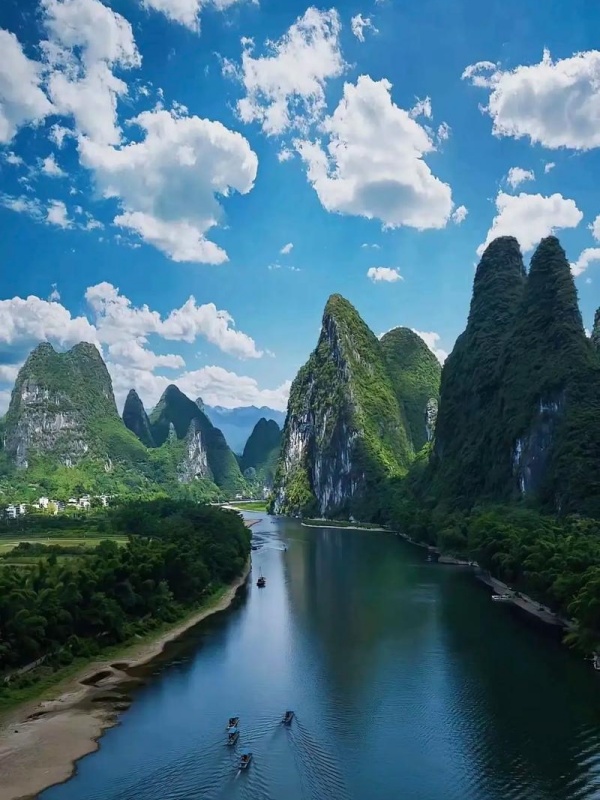
- Xianggong Hill
-
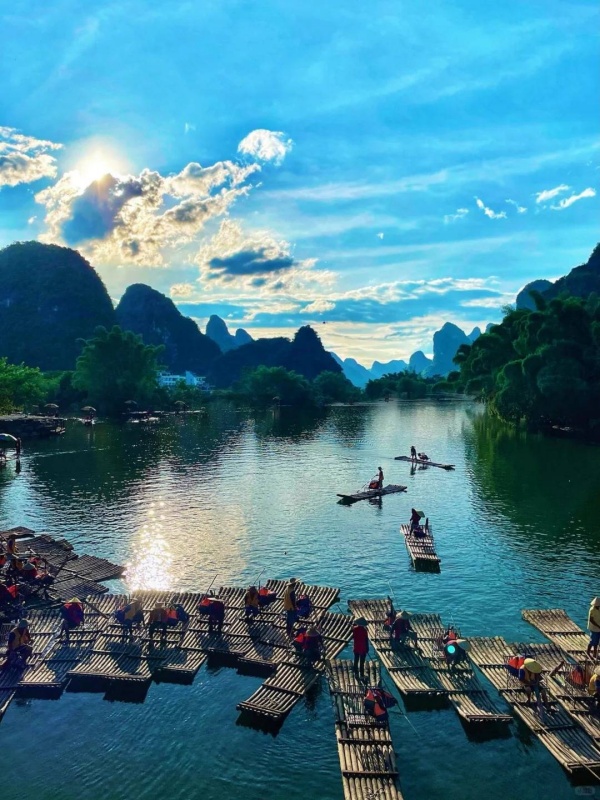
- Guilin & the Li River
-
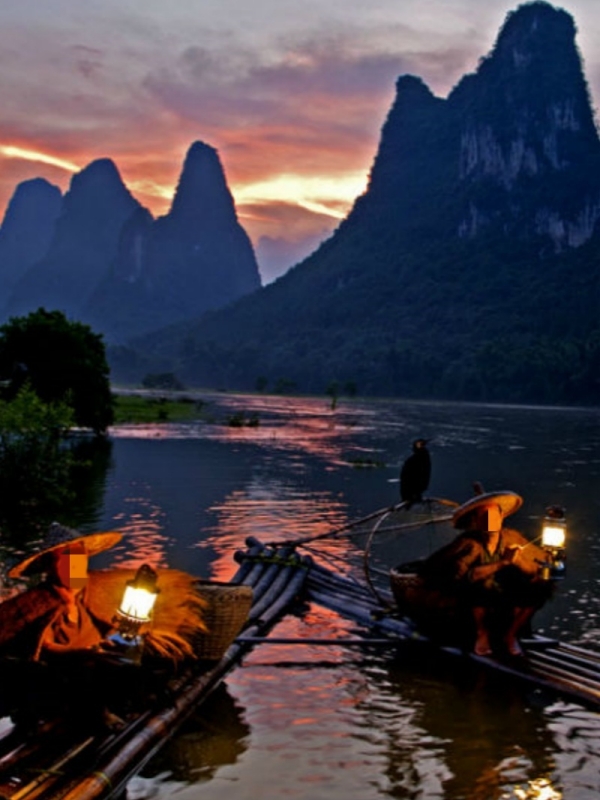
- Fisherman on a bamboo raft
🚣 The full Li River experience includes far more than the main cruise — hidden raft routes, local viewpoints, and Yangshuo village dining at Li River & Yangshuo Complete Guide — Bamboo Rafting, Viewpoints & Local Tips.
Coloured Landform Wonders
China's coloured landscapes are geological paintings formed over 24 million years. The Danxia process — red sandstone compressed, uplifted, and eroded — produces palettes that appear artificially saturated even in raw photographs. These three sites showcase the full drama of this process.
7. Zhangye Danxia Landform, Gansu
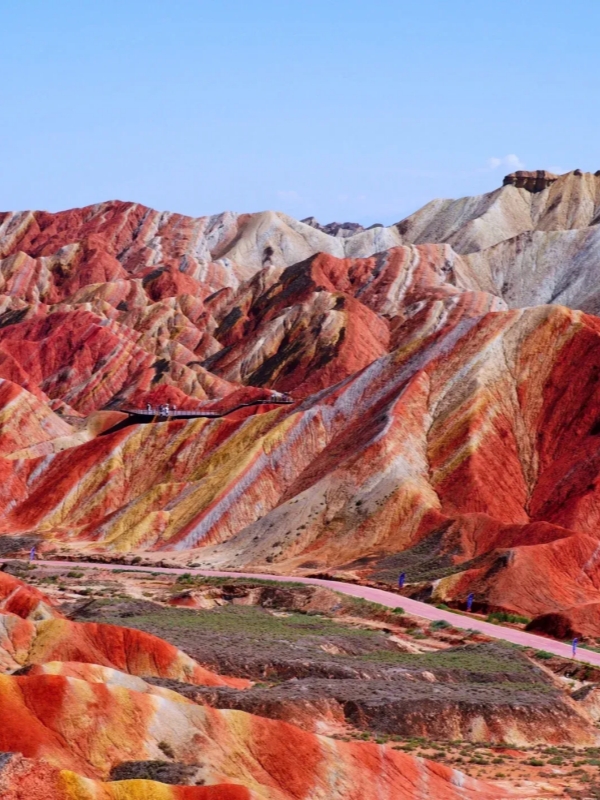
Zhangye Danxia Landform
Zhangye Danxia covers more than 510 km² of Gansu province, crammed with 24 different colour layers patterned through the sandstone. The reds deepen, the yellows cool, and like some magnificent beast under a painter’s brush the whole hillside breathes as the shadows sweep towards it at late afternoon. CNN called it one of the most beautiful places in China in 2009, and the view from golden hour from Viewpoint 4 is definitive.
- Best viewing window: 4:00–6:00 p.m. daily — colours reach maximum saturation under low-angle sunlight
- Season: July–September (clearest skies) · June (longer golden hour window)
- Getting there: Zhangye City by high-speed rail from Lanzhou (1.5h) or Xining (1h); shuttle buses to the park
- Viewpoints: 7 official platforms; Viewpoint 4 (Qicai Danxia) is the most photographed
🌄 Timing is everything: Arrive at Viewpoint 4 by 4:30 p.m. Morning visits are fine for crowd management, but the colours are noticeably muted. The hillside transforms completely in the last two hours of daylight.
-
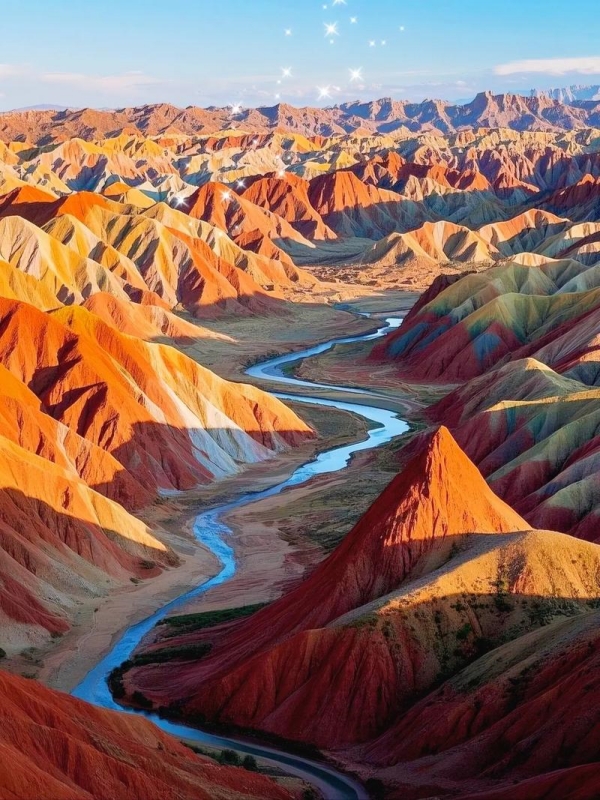
- Zhangye Danxia Landform in Gansu
-
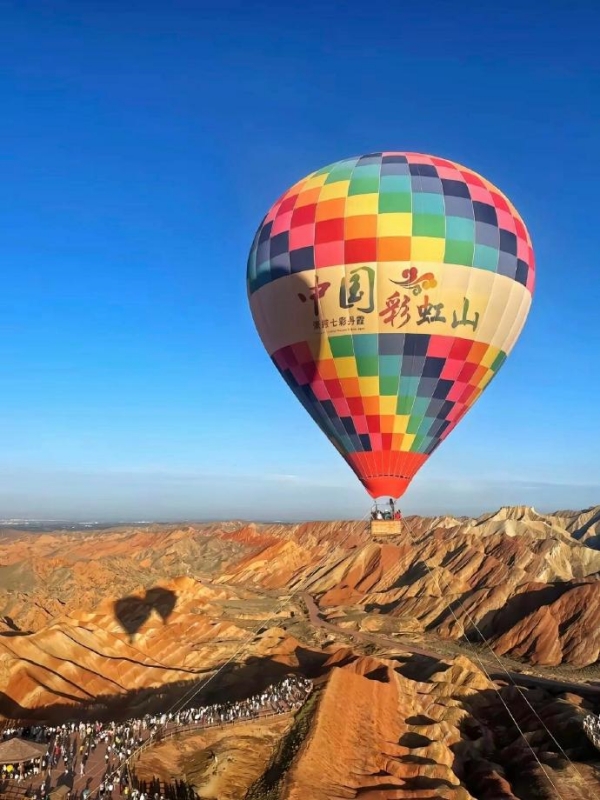
- Gansu Zhangye Danxia Landform
-
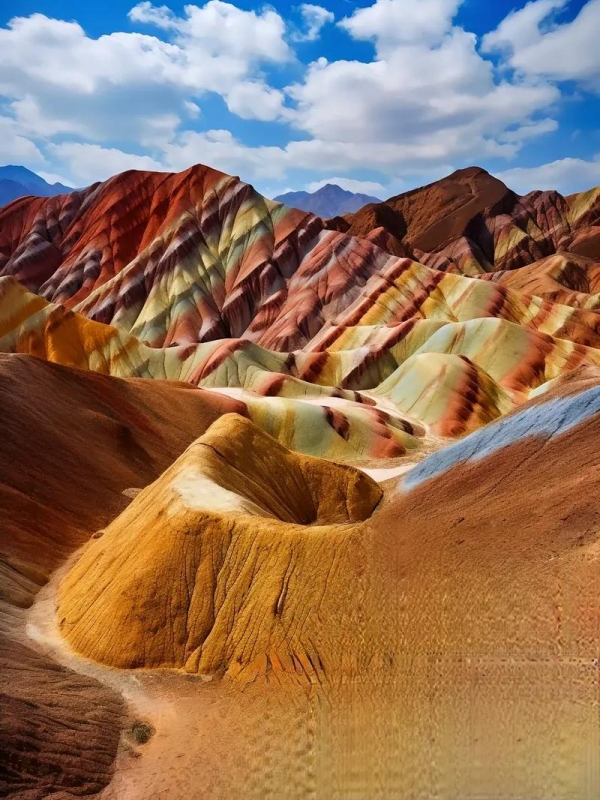
- Zhangye Danxia Landform
🏛️ Zhangye Danxia is part of China's broader national park network — for ticketing rules, cable car comparisons, and local access tips across China's top parks, explore National Parks in China — Ticket Rules, Access & Insider Hacks.
🏔️ Explore China's Unique Mineral Landscapes: While Zhangye is famous for its bright multicolored sandstones, Danxia topography appears in several distinct regions across China. Discover how these sandstone formations differ in our guide to Danxia Landform Description.
8. Kanas Lake, Xinjiang
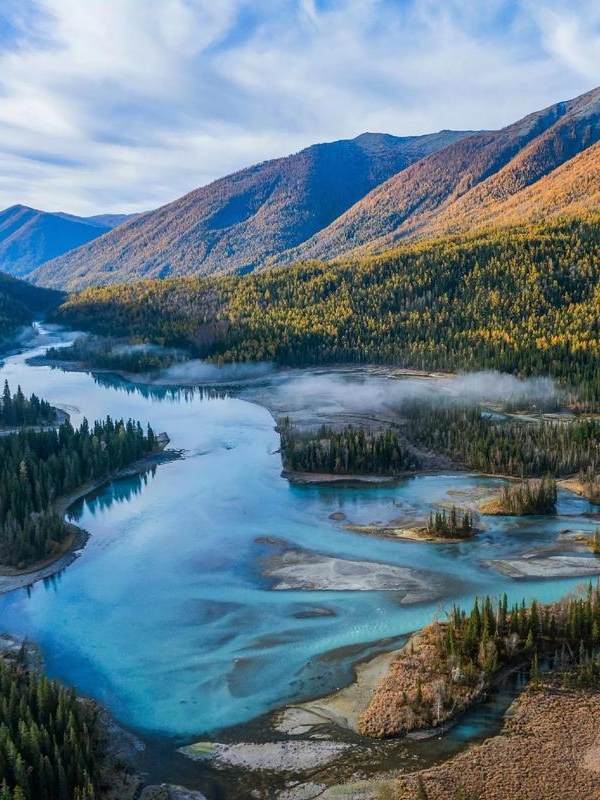
Kanas Lake in Xinjiang
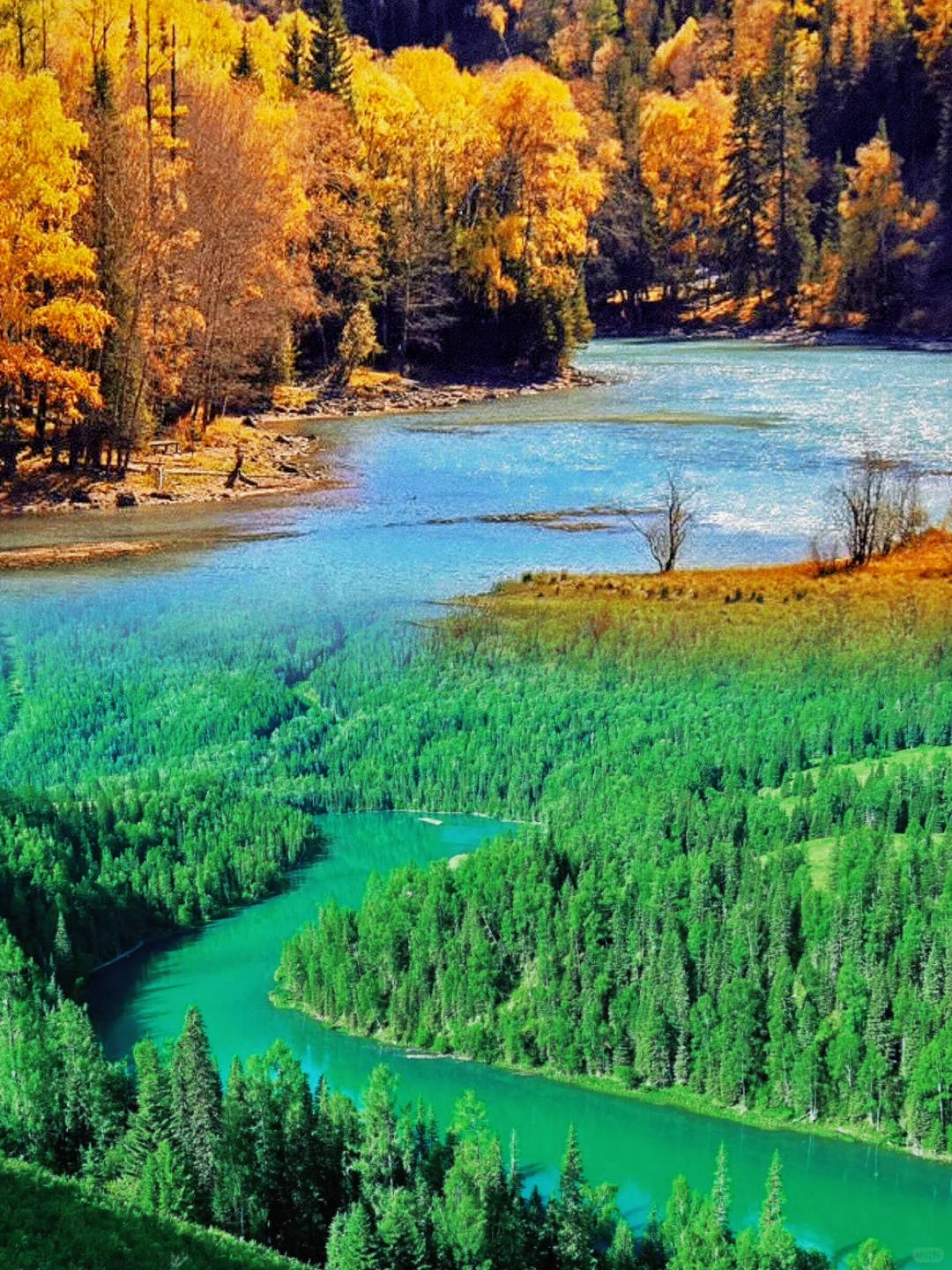
Kanas Lake plunges 1,374 m and is one of China’s richest highland lakes. The water varies from blue, to green, to milky white, depending on the weather and season. By late September, the surrounding birch forest is gold — so rich and pure that digital enhancement is suspected in photos. Our boat on Dawn Creek moves slowly, the forest on either side shredded, wilfully sunny. The photos do no justice.
- Best season: Late September–early October (gold birch + clear lake reflections)
- Access: Fly to Kanas Airport (seasonal) or Altay, then 2h shuttle into the scenic area
- Accommodation: Log cabin guesthouses inside the area — book 3+ months ahead for October
- Dawn Creek boat: Early morning departures deliver the best light and fewest tourists by far
🍂 Foliage timing: The birch colour peak is unpredictable but typically falls between September 25 and October 8. Follow Kanas Scenic Area's official channels for real-time foliage condition updates each year.
-
- Kanas Lake
-

- Xinjiang Kanas
-

- Kanas Lake
🌍 Kanas Lake is one of Xinjiang's crown jewels — the comprehensive Xinjiang attractions guide covers Kanas alongside Sayram Lake, Tianshan Canyon, and Kashgar to help you build a full northwest circuit.
9. Tiger Leaping Gorge, Yunnan
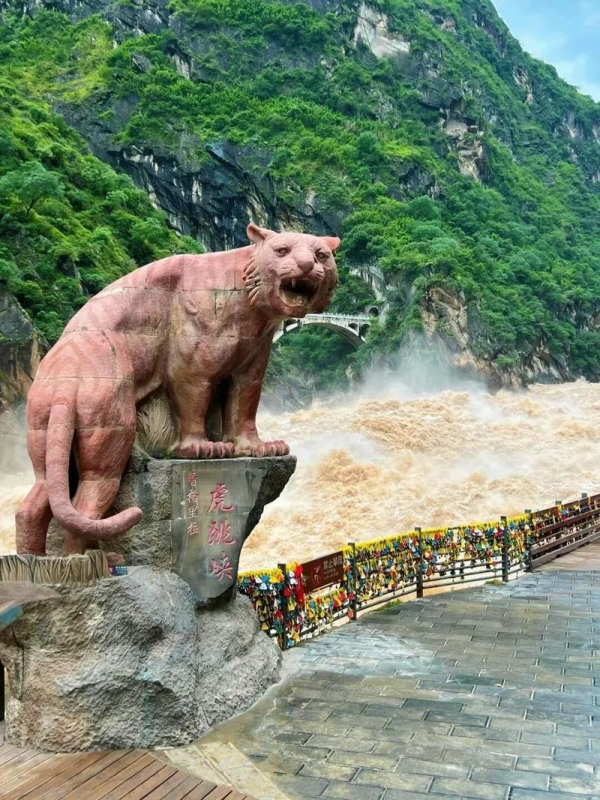
Tiger Leaping Gorge in Yunnan
Tiger Leaping Gorge tumbles 3,790 m from the snow-capped peaks of Jade Dragon Mountain to the churning Jinsha River below – one of the deepest gorges in the world. The two-day High Trail (two days; 22 km) crosses moderate mountain terrain requiring no special gear. Arrive at the Halfway Guesthouse in time for sunset and experience the gorge beneath, Haba Snow Mountain across the valley and the sound of the river echoing up 2,000 m from below your feet.
- Trail difficulty: Moderate — good fitness required, hiking boots are essential
- Duration: 2 days; overnight at Halfway Guesthouse or Tea Horse Guesthouse
- Best season: April–June · September–November (avoid July–August monsoon)
- Entry: ¥65 gorge entrance + guesthouse accommodation (¥80–200/night)
🧗 Safety note: The 28 Bends section gains 600 m in a very short distance. Take it slowly, stay hydrated, and start before 8 a.m. to avoid midday heat. Most trail injuries in the gorge happen on this section.
-
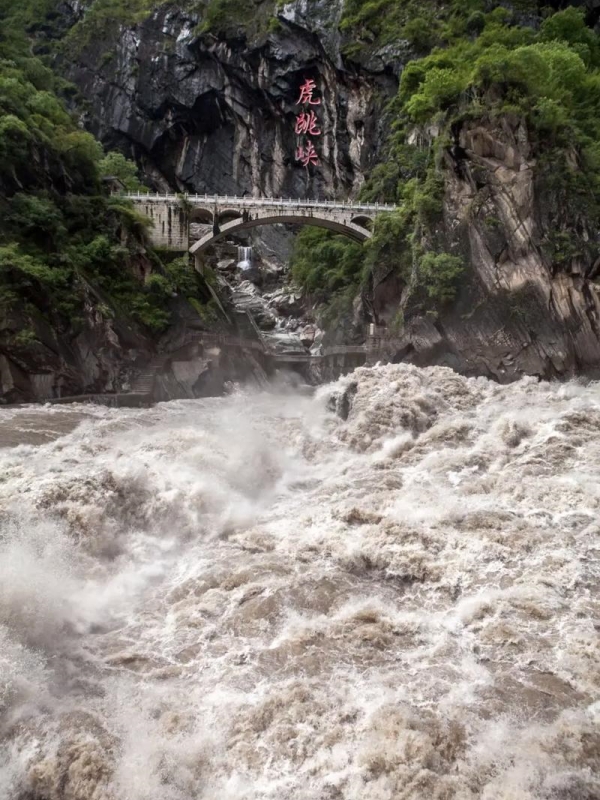
- Tiger Leaping Gorge
-
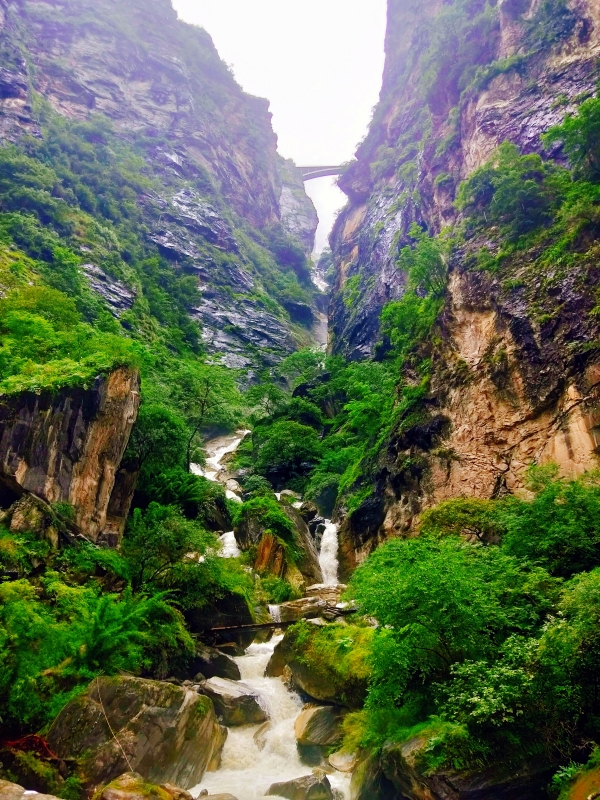
- Tiger Leaping Gorge
-
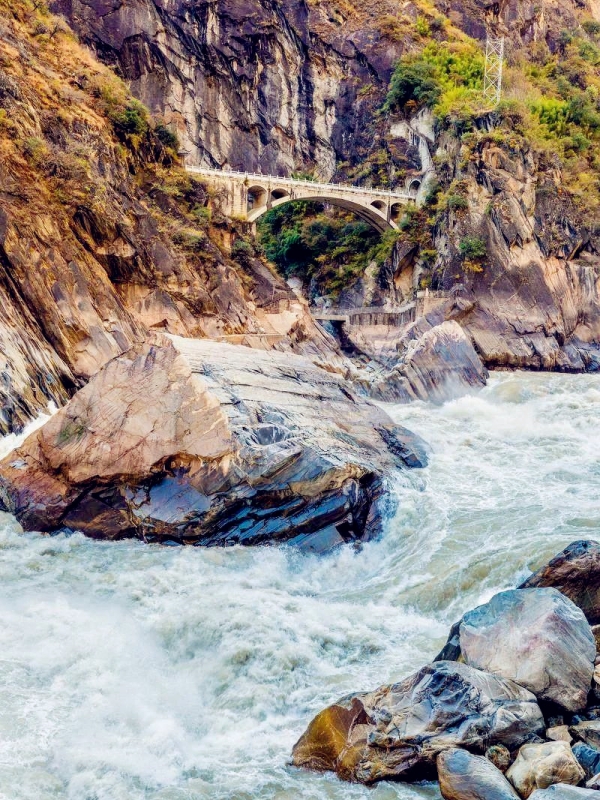
- Yunnan Tiger Leaping Gorge
🥾 Before you hike, read the complete trail breakdown — section maps, gear list, guesthouse recommendations, and seasonal conditions — at Tiger Leaping Gorge Complete Hiking Guide — Trail, Gear & Guesthouses and pair with the full regional guide at Best Yunnan Natural Attractions — Parks, Gorges & Highlands Guide.
Wildlife & Reserve Wonders
China's wildlife wonders are anchored by one species that has become a global conservation symbol. Beyond the giant panda, Yunnan's reserves protect ecosystems of extraordinary diversity — and access to both is more straightforward than most foreign travellers expect.
10. Giant Pandas of Chengdu

Giant Pandas of Chengdu
Approximately 1,864 wild giant pandas survive today — and 2021 marked a turning point when the IUCN downgraded their status from Endangered to Vulnerable. The Chengdu Research Base of Giant Panda Breeding, just 10 km from city centre, houses the world's largest captive breeding programme. The pandas ignore the crowd completely. They focus entirely on their bamboo, pulling stems with an almost mechanical efficiency that is both mundane and deeply moving.
- Best visiting time: 7:30–10:00 a.m. (feeding time, most active panda behaviour)
- Ticket: ¥55; book online to skip queues — cashless payment only at the gate
- Transport: Chengdu Metro Line 9 goes direct to the base
- Photo tip: Move to bamboo forest enclosures after 9:30 a.m. when the photography crowd thins significantly
📷 Photography rule: No flash inside the enclosures. Use burst mode in natural light — pandas reposition without warning and surprisingly fast.
-

- Giant Pandas of Chengdu
-

- Giant Pandas of Chengdu
🐼 From cub season dates to advance ticket booking and crowd-timing strategy, everything you need before arriving is at Chengdu Panda Research Base — Insider Guide, Best Times & Practical Tips] and [How to Book Chengdu Panda Base Tickets in Advance.
11. Yunnan's Wild Southwest
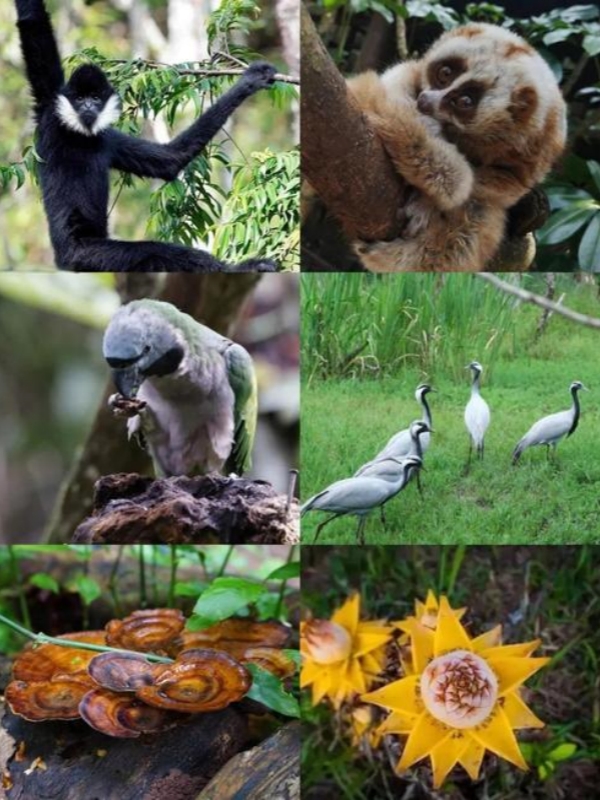
Wild Southwest in Yunnan
Yunnan province packs more biodiversity per square kilometre than any other Chinese province. It borders Myanmar, Laos, and Vietnam — and its southern lowlands shelter wild Asian elephants, gibbons, and rare bird species in Xishuangbanna's tropical rainforest. Further north, Yulong Snow Mountain rises above ancient Lijiang. Yunnan functions as several countries compressed into a single itinerary.
- Xishuangbanna: Wild elephant migration routes near Jinghong; best viewed February–April
- Lijiang & Yulong Snow Mountain: Cable car to 4,506 m elevation; glacial views year-round
- Nujiang Grand Canyon: Deeper than the Grand Canyon (USA); almost completely unknown to foreign tourists
- Best base: Kunming (high-speed rail connected) → fly or train south to Jinghong for rainforest access
🐘 Wildlife timing: Yunnan's Asian elephant population migrates northward between February and April. The Xishuangbanna Wildlife Conservation Centre streams live elephant tracking cameras — check before
planning your dates.
-
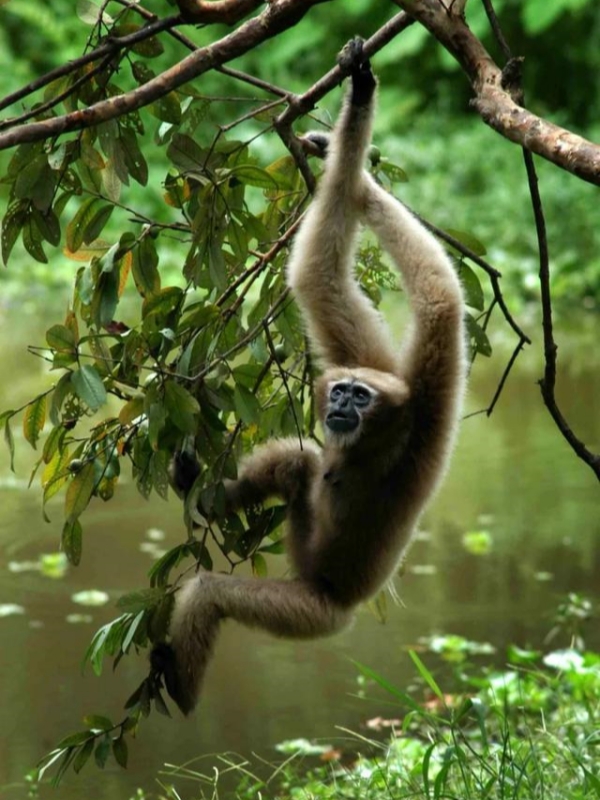
- Yunnan’s Wild Southwest
-
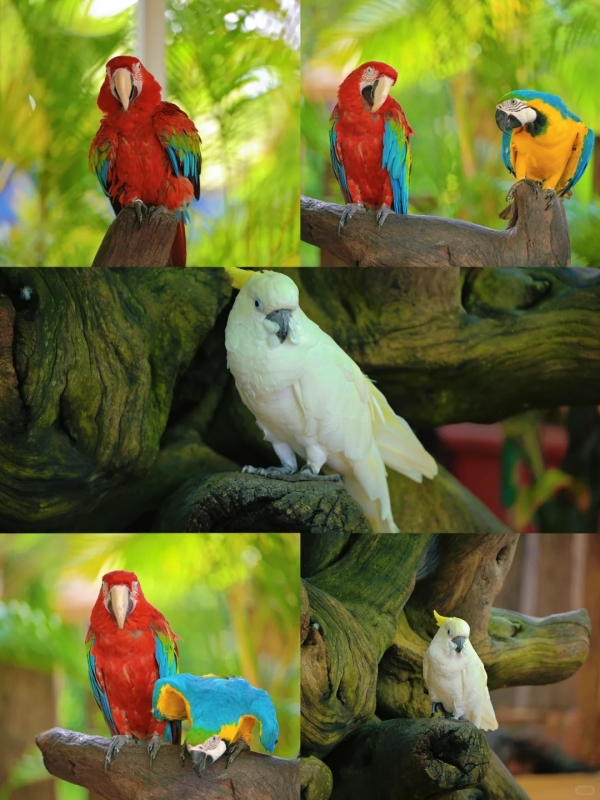
- Yunnan’s Wild Southwest
-
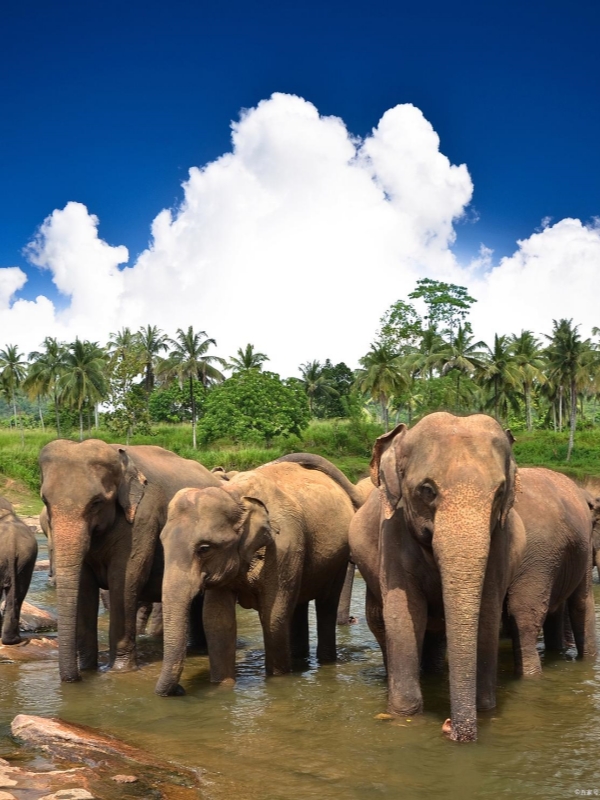
- Yunnan’s Wild Southwest
🌿 Yunnan's natural wonders span subtropical jungle to Himalayan glaciers — full regional breakdown with practical travel advice at Best Yunnan Attractions — Natural Wonders, Parks & Regional Guide paired with the Yunnan 10-Day Natural Wonders Itinerary — Full Route Planning.
🌐 For travelers who want to experience Yunnan's vertical diversity firsthand, the 12 Iconic Yunnan Mountains: 2026 Hiking Trails & Travel Logistics Handbook maps clear ascent routes from tropical foothills to glacial summits.
12. Yangtze River & Three Gorges
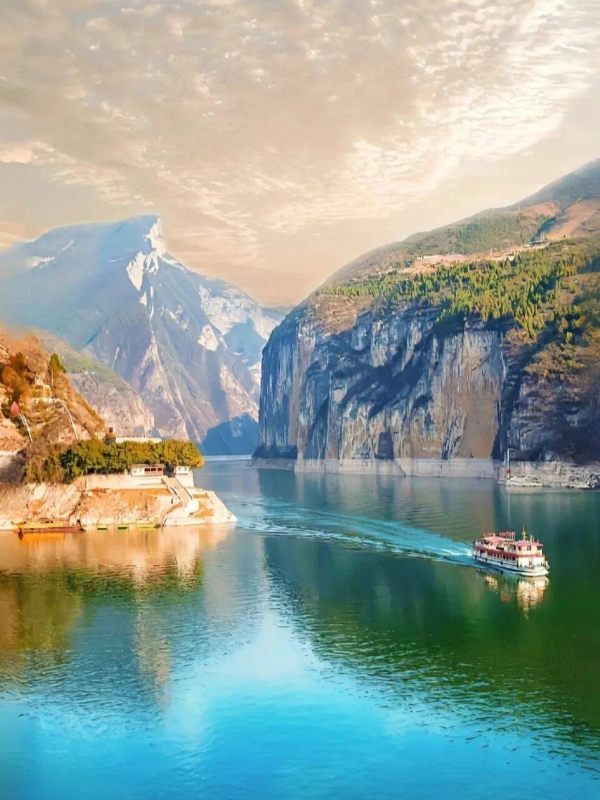
Yangtze River & Three Gorges
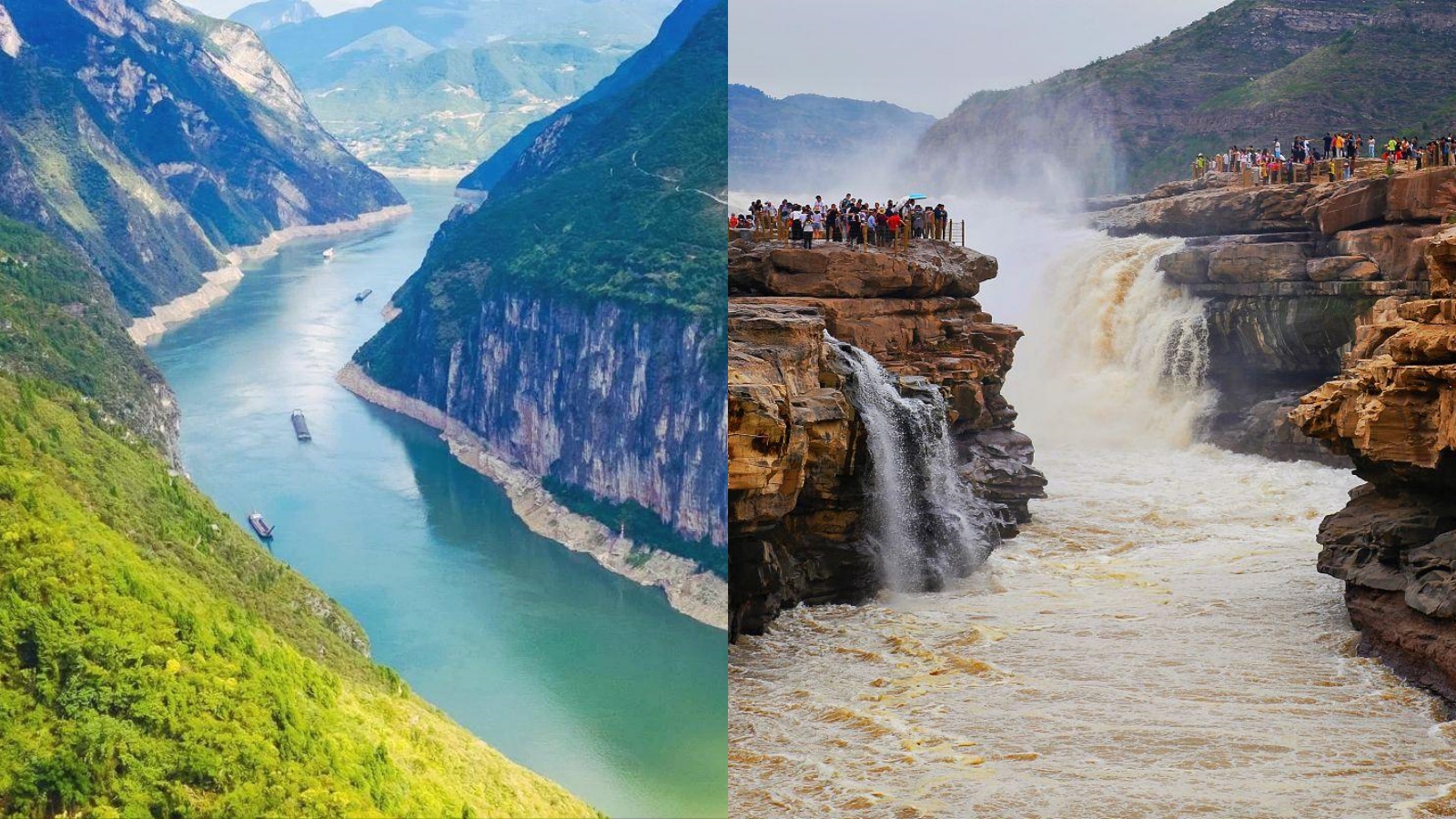
The Yangtze runs 6,300 km — the world's third longest river. And its Three Gorges section covers 193 km of sheer cliff walls and tributary canyons. The Three Gorges Dam raised the water level by 175 m after completion, submerging ancient towns and changing the landscape permanently. The gorges remain magnificent — but the water now sits where rooftops once were. New towns watch from hillsides where old ones drowned. That history makes the cruise more, not less, compelling.
- Classic route: Chongqing to Yichang, 4 nights downstream (or reverse direction)
- Cruise tiers: Three-star to five-star luxury; price range ¥1,500–¥8,000+ per person
- Must-add: Shennong Stream (Little Three Gorges) — narrower, wilder tributary canyon walls
- Best season: April–May · September–October (mild temperatures, low humidity)
🚢 Booking tip: Four-star vessels offer the best value-for-experience ratio. Five-star ships add luxury cabins, but the gorge views from the deck are identical. Book 6–8 weeks ahead for peak season departures.
-
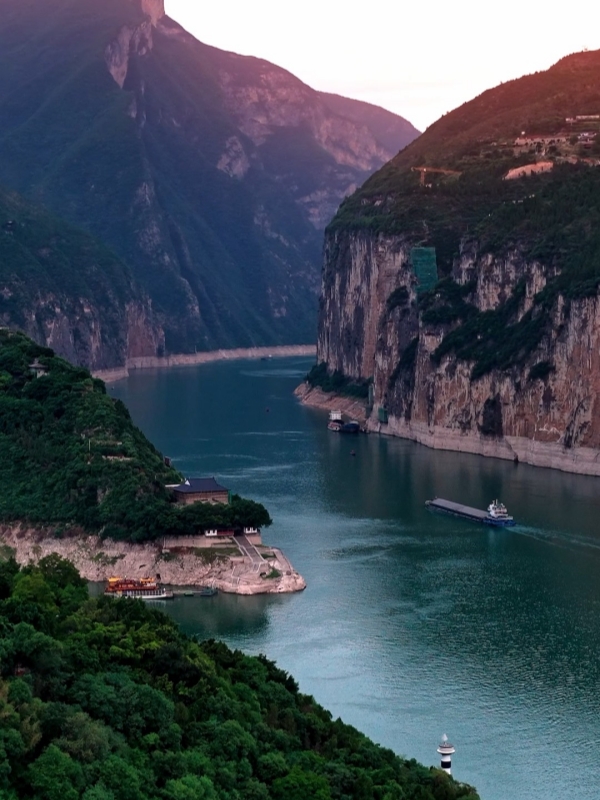
- Yangtze River & Three Gorges
-
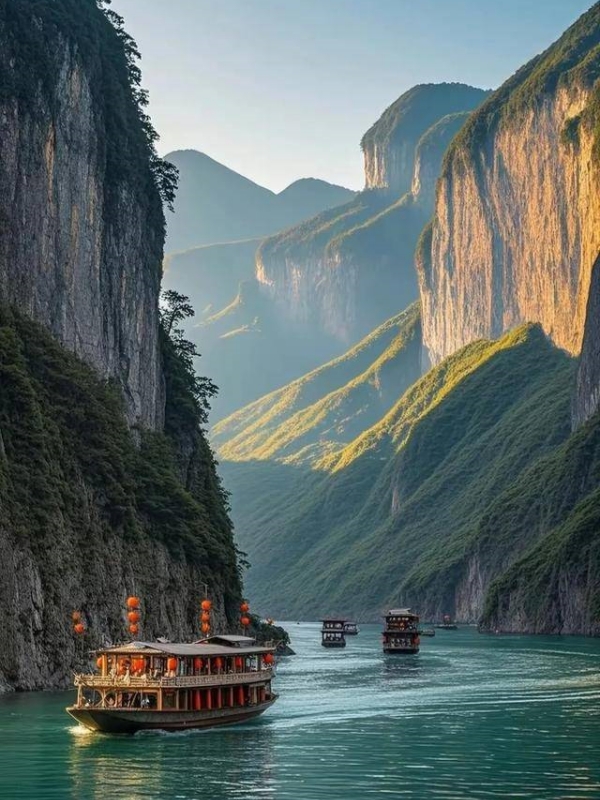
- Yangtze River & Three Gorges
-
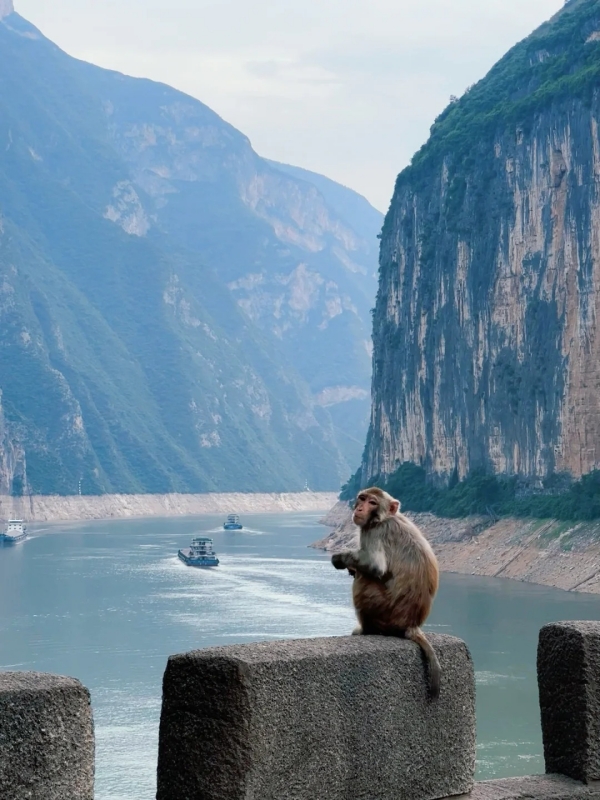
- Yangtze River & Three Gorges
🚢 Before booking a cruise, read what brochures don't mention — hidden costs, best deck positions, Shennong Stream booking, and post-dam honest assessments at Yangtze River Complete Guide — Cruise, History & What They Don't Tell You.
Desert, Terraces & Volcano Wonders
China's most ancient landscapes come in unexpected forms — a desert that sings, and a terraced mountain that blurs the line between natural wonder and human artistry. These final three sites round out the full spectrum of Natural Wonders of China.
13. Dunhuang Crescent Moon Lake & Singing Dunes
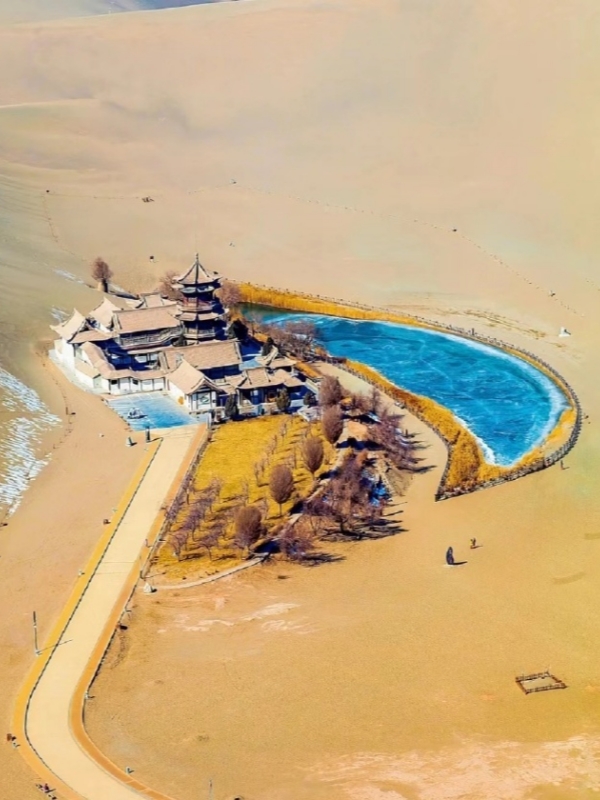
Dunhuang Crescent Moon Lake
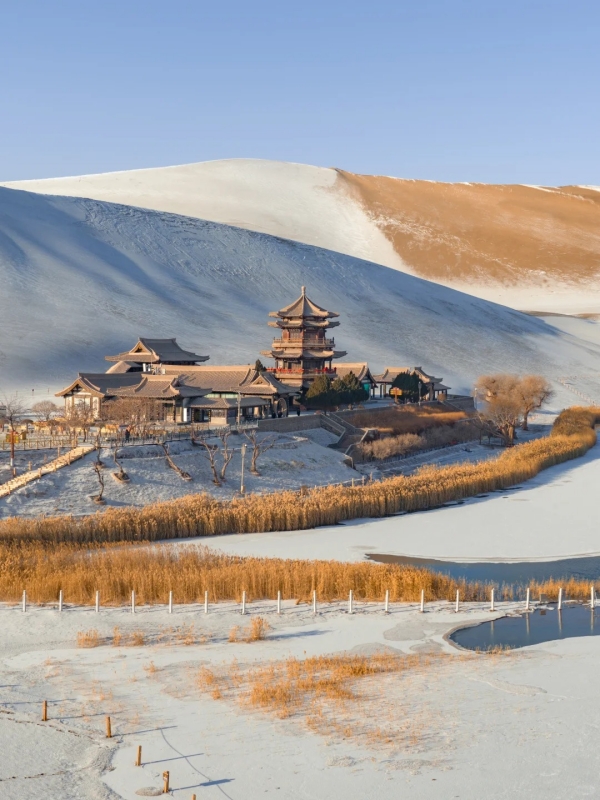
Mingsha Shan's 40-metre sand dunes surround a crescent-shaped oasis lake that has persisted for over 2,000 years despite the surrounding desert. The singing dunes produce a low, resonant hum when wind moves across the ridgelines — audible from several hundred metres away in the right conditions. At night, far from any city light, the Milky Way spreads across the sky. Dunhuang delivers a landscape sensation unavailable anywhere else in China.
- Best season: May · September (avoids summer heat above 40°C)
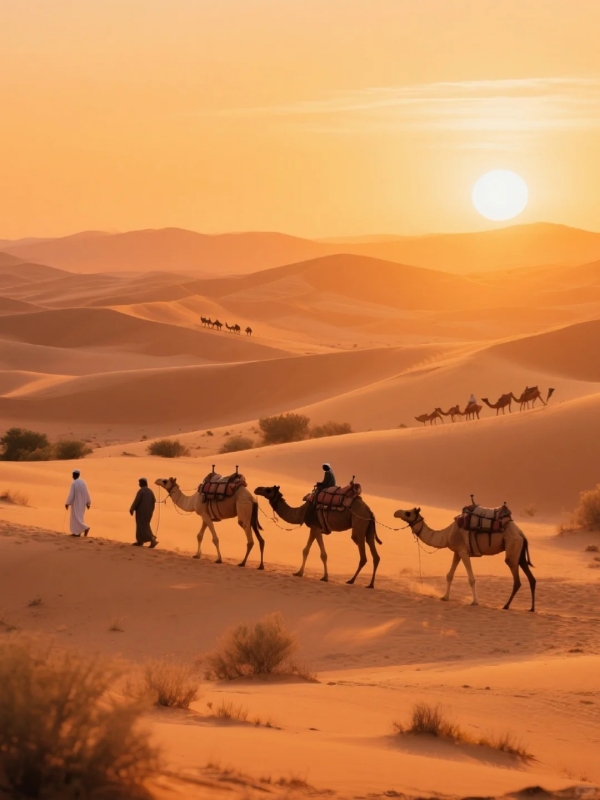
- Activities: Camel trekking at sunset (¥60–120) · sandboarding · night stargazing
- Crescent Lake: 5-minute walk from the dune base; entry included in park ticket
- Getting there: Fly to Dunhuang Airport from Lanzhou, Xi'an, or Ürümqi
🌙 Night sky tip: Dunhuang's dark sky quality rivals dedicated astronomy sites. Bring a tripod and wide-angle lens — or simply lie on the dune crest and look up. No gear required for that particular wonder.
-
- Dunhuang Singing Dunes
-
- Camel Trekking at Sunset
🌐 Dunhuang sits at the heart of China's northwest where natural wonders and Silk Road heritage overlap — for city pairing itineraries and multi-stop route planning from Beijing, explore China Nature Tours — Planning Multi-Stop Routes from Beijing and Best Cities in China for Natural Wonder Access.
14. Longji Rice Terraces, Guilin
Guilin Longji Rice Terraces
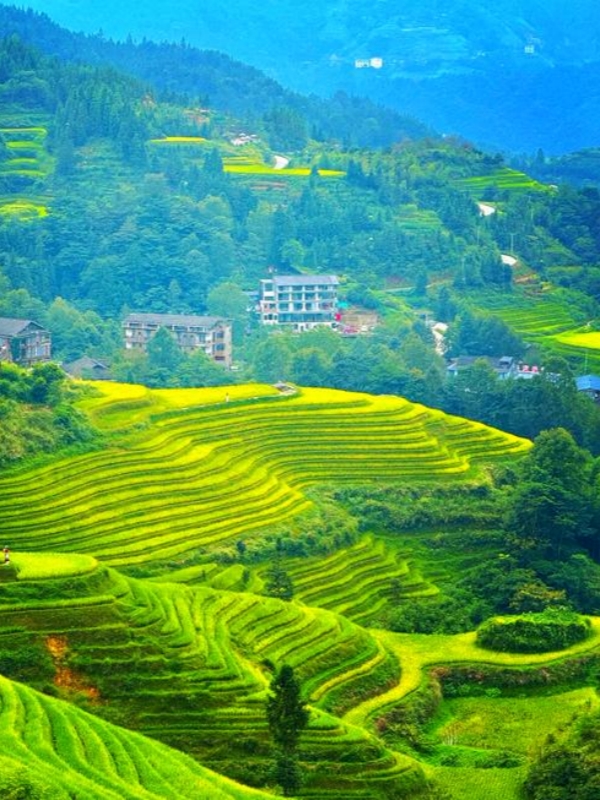
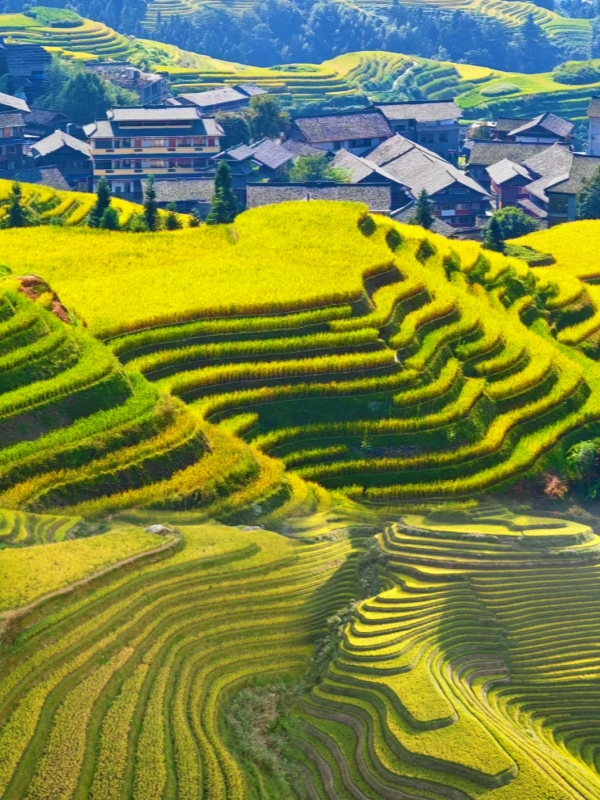
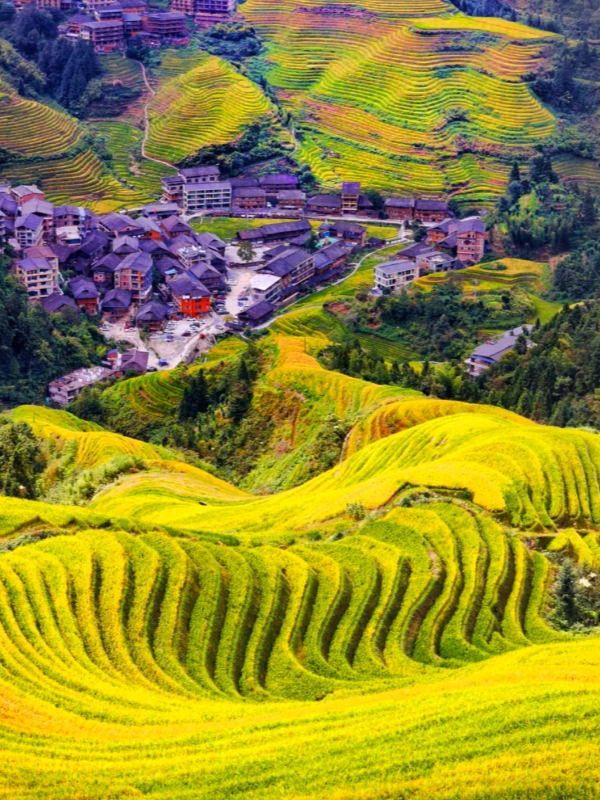
The Longji Terraces aren't wilderness — they're 700 years of human engineering folded into a mountain form that makes it impossible to tell where agricultural art ends and landscape begins. The Dragon's Backbone rises to 885 m, catching fog at dawn in spring and turning gold at harvest in October. Zhuang and Yao minority villages cling to the hillsides, and staying overnight in a stilted wooden guesthouse gives you the sunrise long before any day-tripper arrives from Guilin.
- Best seasons: June (lush green, water-filled terraces) · October (golden harvest peak)
- Best viewpoints: Seven Stars Accompanying the Moon (Ping'an) · Nine Dragons and Five Tigers (Dazhai)
- Getting there: 2.5h bus from Guilin; stay overnight in Ping'an or Dazhai village
- Sunrise protocol: Walk to the viewpoint 40 minutes before official sunrise; fog fills the valleys at dawn
🌾 Harvest window: The terrace colour peak in October lasts 3–4 weeks and is year-dependent. Follow Guilin tourism official social media accounts for real-time harvest condition updates in your travel year.
-
- Guilin Longji Rice Terraces
-
- Longji Rice Terraces in Guilin
🌊 Combine Longji with the Li River cruise for a classic Guilin–Yangshuo–Longji loop — full route logistics and combined booking tips at Li River & Yangshuo Complete Guide — Rafting, Viewpoints & Hidden Eats.
15. Changbai Mountains, Jilin — Volcanic Crater Lake, Basalt Canyons & Hot Springs
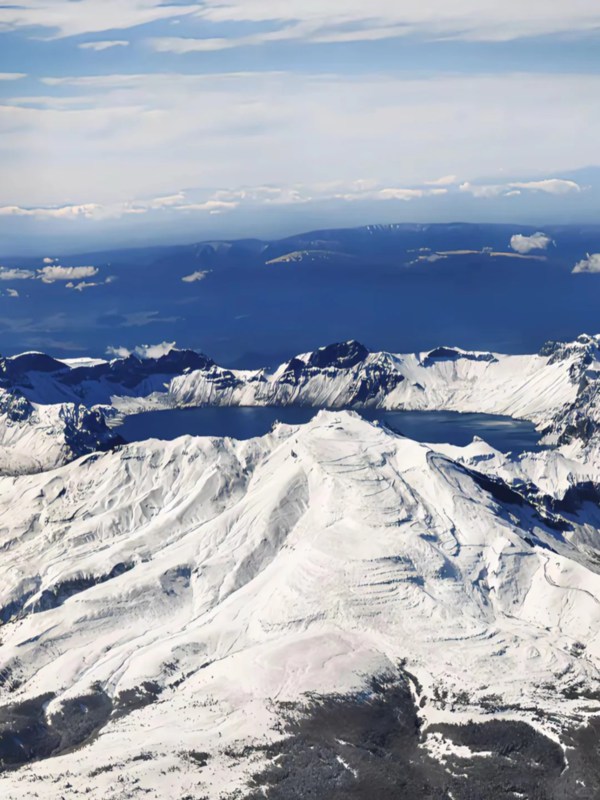
Changbaishan Nature Reserve
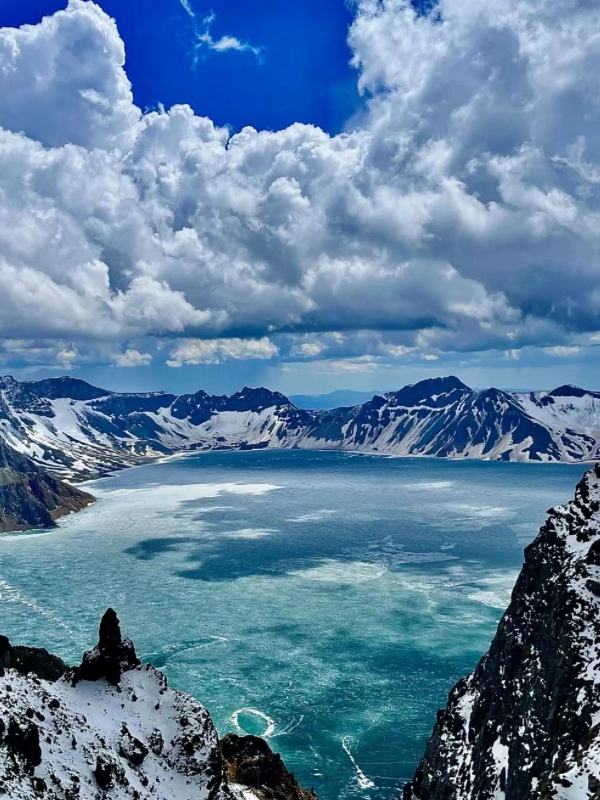
Changbai means "Eternally White" — and the snow-capped peaks of this dormant volcanic massif in Northeast China's Jilin Province live up to the name year-round. At its summit sits Tianchi (Heaven Lake), China's deepest volcanic crater lake, hovering at 2,194 metres and straddling the border with North Korea. The sapphire water is rimmed by 16 jagged peaks, shifts to blue ice in winter, and is glimpsed clearly by only around 30% of visitors — the mountain's microclimate cloaks it in fog without warning.
- Tianchi (Heaven Lake): China's deepest volcanic crater lake at 2,194 m; sapphire blue in summer, frozen blue ice in winter
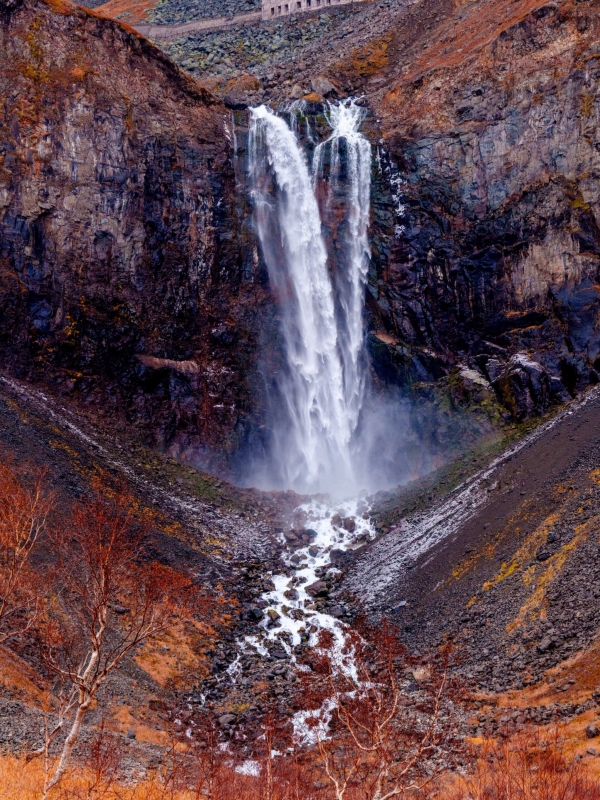
- Changbai Waterfall: 68-metre cascade on the North Slope; partially freezes in winter for dramatic ice formations
- Jinjiang Grand Canyon: 14 km volcanic gorge, 80 m deep with dark basalt walls; best in October for gold-and-red autumn foliage
🌋 Crater cloud strategy: Tianchi's weather changes within minutes. Arrive at the crater rim early (before 9 a.m.) and stay patient — morning windows of clarity are more frequent than afternoon ones. Some travellers return to the same slope on a second day just for a clear-sky view.
-
- Heaven Lake (Tianchi)
-
- Changbai Waterfall
-
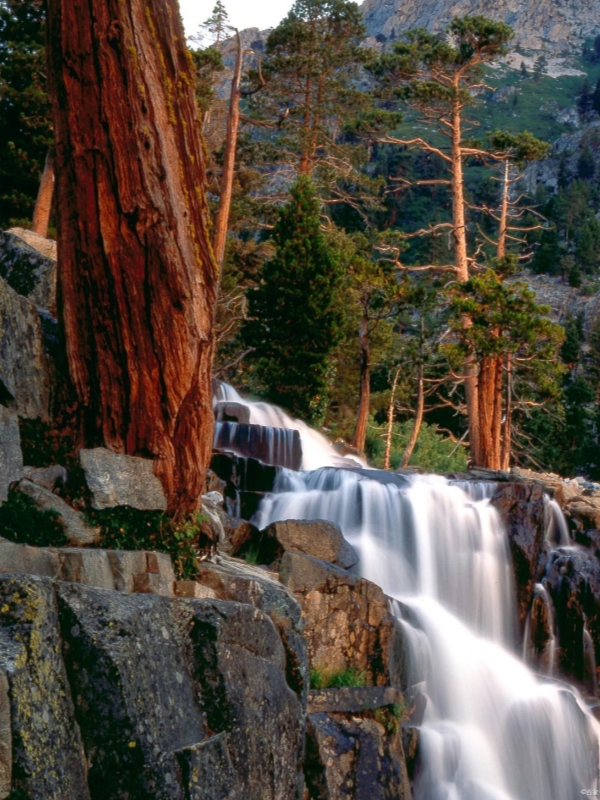
- Jinjiang Grand Canyon
🏔️ For slope-by-slope comparisons, Tianchi viewing strategy, hot spring locations, and transport from Changchun or Yanji, the complete resource is at Changbai Mountains — Tianchi, Canyons, Waterfalls & Complete Visitor Guide and Changbaishan Nature Reserve — Ecology, Access & Practical Tips.
Planning Visit to China's Natural Wonders
Knowing which wonder to visit is only half the equation. Next, you need to know when to go, how to get there, and how to enter the country — so this section answers all three directly.
Best Time to Visit
China's natural wonders span vastly different climate zones, so seasonal timing varies dramatically by region. The table below gives an at-a-glance breakdown, followed by key insider timing tips.
- Spring gem:Zhangjiajie April azalea season — fewer crowds than October, peak mist conditions.
- Autumn sweet spot:September 25–30 — same foliage color as Golden Week, half the visitor numbers.
- Winter find:Panda cubs most active in winter; Yuanyang and Huangshan both reward off-season visitors.
💡 Key Tip: Never visit a major park on October 1–7 (National Holiday). Book the final week of September instead — same autumn color, dramatically fewer people everywhere. The difference in experience is significant.
Getting There
China's 45,000+ km high-speed rail network connects most natural wonders of China efficiently. At major parks, cable cars are near-essential — Huangshan's queues routinely exceed 2 hours in peak season. For remote sites, private car hire remains the most flexible option.
- Train tickets:Buy on Trip.com (English interface) — the official 12306.cn blocks most foreign cards.
- Cable cars:Always pre-book online; walk-in queues at Zhangjiajie and Huangshan are genuinely brutal.
- Private car:Best option for Kanas, Tiger Leaping Gorge, Yuanyang, and remote Yunnan or Inner Mongolia circuits.
💡 Key Tip: For private car hire, ask your guesthouse to recommend a local driver. It costs less than agency rates — and you get local knowledge built into every kilometre of the journey.
FAQ: Top Questions About Natural Wonders of China
Q: What are the most famous natural wonders of China?
China's most recognized natural wonders include Zhangjiajie National Forest Park, Guilin's Li River, Jiuzhaigou Valley, the Giant Pandas of Chengdu, the Yangtze River and Three Gorges, Huangshan, Zhangye Danxia, and Changbai Mountains. These destinations represent the full spectrum of natural wonders of China — from karst peaks and alpine lakes to wildlife sanctuaries and volcanic landscapes.
Q: What are the 7 natural wonders of China officially?
No single official "7 wonders" list exists for China. However, China holds 14 UNESCO-certified natural heritage sites — more than any other Asian country. The most widely cited list draws from the 2011 New Seven Wonders of Nature campaign, placing Wulingyuan, Jiuzhaigou, and Huangshan among the natural wonders of China most frequently recognized internationally. Different authorities publish different rankings.
Q: What is the 3-hour rule in China for tourists?
The "3-hour rule" is a widespread misreading of China's 144-hour (6-day) visa-free transit policy. Under the actual policy, travelers from 54+ countries can visit natural wonders of China without a visa for up to 144 hours, provided they enter and exit via different countries. There is no 3-hour restriction — the correct authorized window is six full days.
Q: Can an American visit China's natural wonders without a visa?
Yes. American citizens qualify for China's 144-hour visa-free transit, allowing exploration of natural wonders of China in designated cities including Beijing, Shanghai, Chengdu, and Guangzhou without a visa. For longer or more flexible travel, a standard Chinese tourist visa (L visa) remains the safest and most practical choice.
Q: What is the best time of year to visit natural wonders in China?
Autumn (September–October) is generally the top season for natural wonders of China — Jiuzhaigou's lakes, Kanas Lake's birch forests, and Zhangjiajie's cloud seas all peak together in this window. Spring (April–May) works best for Guilin and Huangshan. Avoid National Holiday week (October 1–7) — every major site reaches uncomfortable capacity during this period.
Q: How many UNESCO World Heritage natural sites does China have?
As of 2024, China holds 14 UNESCO natural heritage sites — the most in Asia. These include Wulingyuan (Zhangjiajie), Jiuzhaigou Valley, Huangshan, and the Three Parallel Rivers of Yunnan. Combined with cultural and mixed designations, China's total UNESCO portfolio reaches 57 properties, making the natural wonders of China among the most formally protected landscapes on earth.
Q: Is Zhangjiajie really where Avatar was filmed?
Zhangjiajie inspired Avatar's Hallelujah Mountains — but it was not the filming location. James Cameron's team visited Zhangjiajie, particularly the Yuanjiajie plateau, and based the floating mountain design directly on the quartzite sandstone pillars. The park officially renamed one pillar "Avatar Hallelujah Mountain" in 2010. Among natural wonders of China, few have gained greater international recognition through a single cultural moment.
Q: What natural wonder in China is best for families with kids?
The Chengdu Giant Panda Base ranks first for families — accessible, entirely engaging, and the pandas provide all the entertainment independently. The Li River cruise from Guilin is also excellent, requiring no hiking whatsoever. Zhangjiajie cable cars make natural wonders of China accessible without strenuous trails, and most major parks offer paved paths and shuttle buses suitable for young children.
Q: Are China's natural wonders safe to visit for solo travelers?
China's major parks are very safe for solo travelers, including women traveling alone. Most natural wonders of China are well-staffed, clearly marked, and reachable by public transport. In remote areas like Kanas Lake or Hulunbuir, a local guide is strongly recommended. Altitude sickness above 3,500 m is the primary practical risk — acclimatize gradually and carry appropriate medication before ascending.
Q: What are some unique or less-crowded natural wonders in China?
For fewer crowds among China's natural wonders, consider Kanas Lake in Xinjiang (late September), Hulunbuir Grasslands in Inner Mongolia (July–August), Tiger Leaping Gorge on a spring weekday, Yuanyang Rice Terraces in January, or Dunhuang Crescent Lake in May. Visiting major parks mid-week and outside Golden Week reduces visitor numbers by 60–70% — same landscapes, dramatically quieter experience throughout.