National Library of China
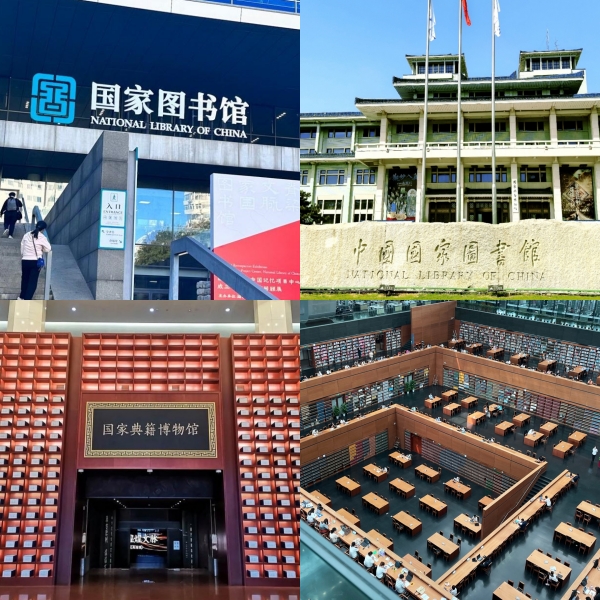
The National Library of China Beijing is the world’s biggest Chinese-language library. Its holdings exceed 46m physical items as of end-2025. It’s a living cultural archive: research library, rare-books museum, modern study commons in one. Entrance is free. No advance booking is necessary. Foreign visitors can enter with valid passport. The North Campus by the German architect Jürgen Engel opens onto a 16-metre high column-free atrium. Sunlight fills the reading halls there daily. The priceless Siku Quanshu — one of four complete imperial sets surviving worldwide — sits sealed in glass below. Add the national library of china beijing to your Beijing itinerary. It offers an encounter with Chinese civilisation that no conventional museum fully replicates.
Quick Overview of the National Library
| Detail | Information |
|---|---|
| 🏷️ Chinese Name | 中国国家图书馆 / 国家典籍博物馆 (National Rare Books Museum) |
| 🌍 World Standing | Largest Chinese-language collection on earth; among the world's top national libraries by total holdings |
| 📚 Collection Size | Over 46 million physical items; 2,900 TB digital resources (end-2025) |
| 📍 Address | 33 Zhongguancun South Street, Haidian District, Beijing (adjacent to Purple Bamboo Park) |
| 🚇 Metro | Lines 4 / 9 / 16 → "National Library" Station (国家图书馆站), Exit A |
| ☀️ North Campus Hours | Tue–Sun: 09:00–21:00 (summer) / 09:00–20:00 (winter) |
| 🏛️ South Campus & Rare Books Museum | Tue–Sun: 09:00–17:00 |
| 🗓️ Closed | Every Monday (except national public holidays) |
| 🎫 Entry Fee | Free |
| 💳 Reader's Card | Free to issue — required for open-shelf access and Wi-Fi |
| 🛂 ID Required | Original passport (foreign nationals) |
| 🌐 Official Website | nlc.cn |
Exploring the Three Iconic Zones
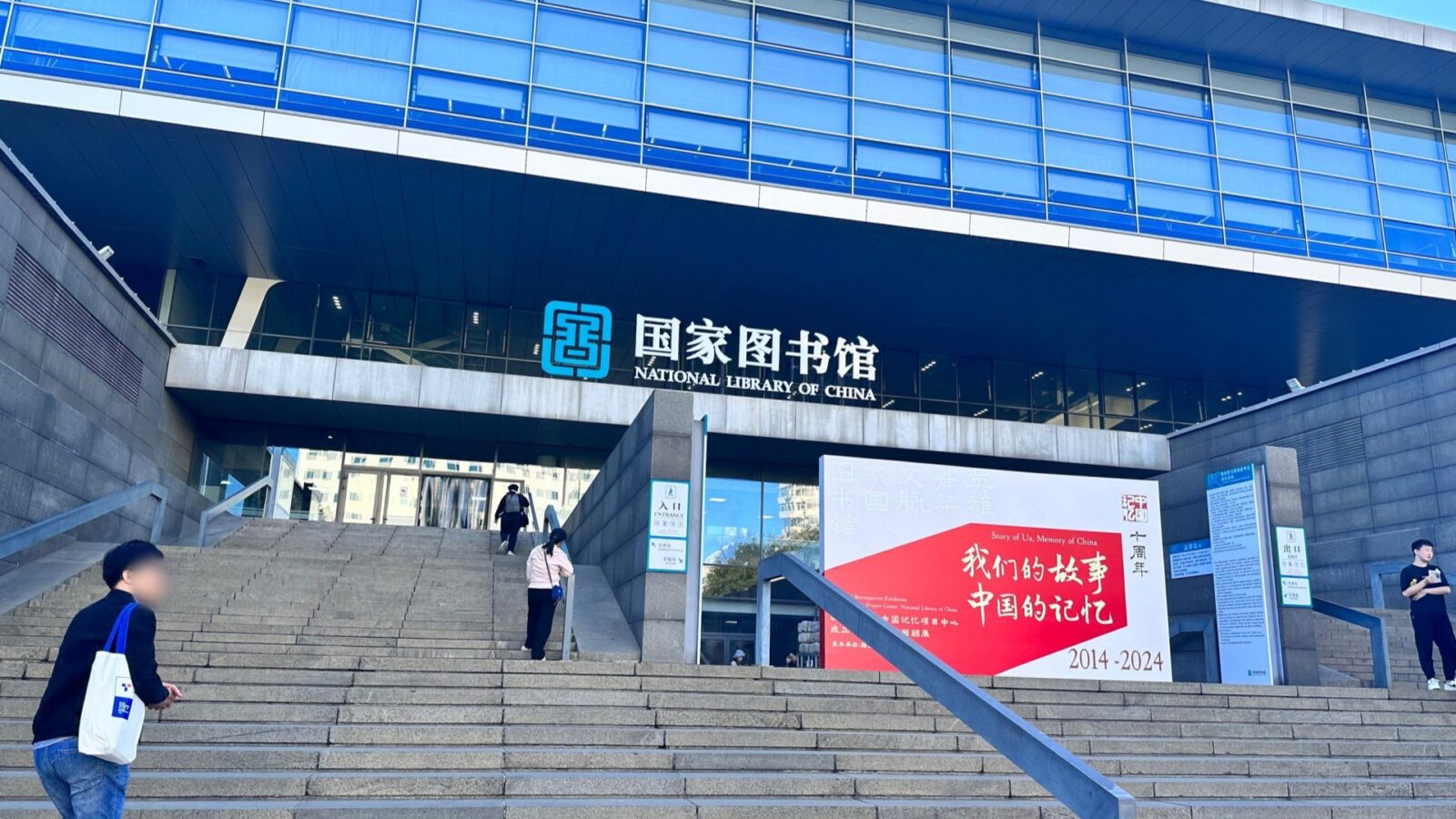
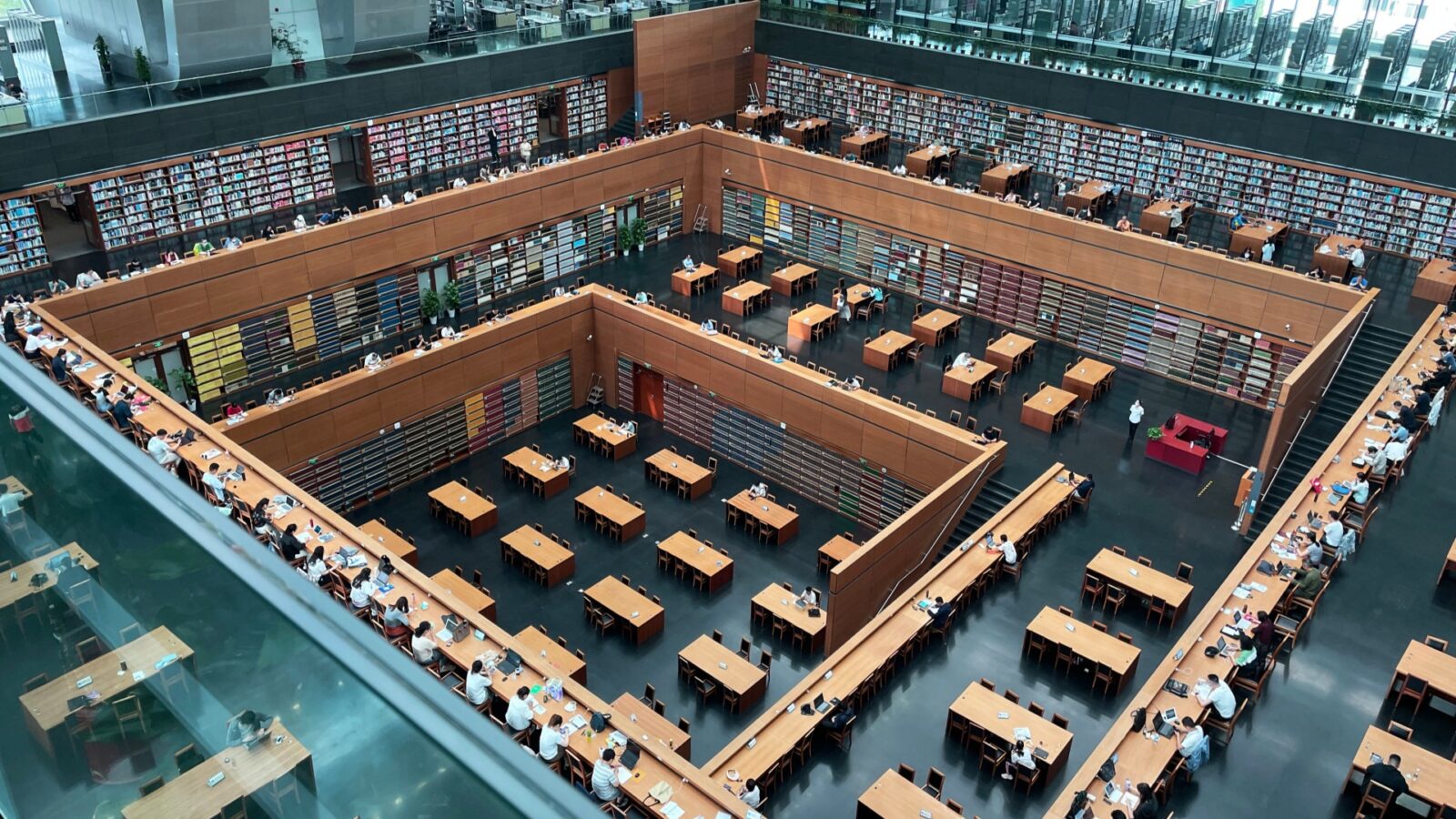
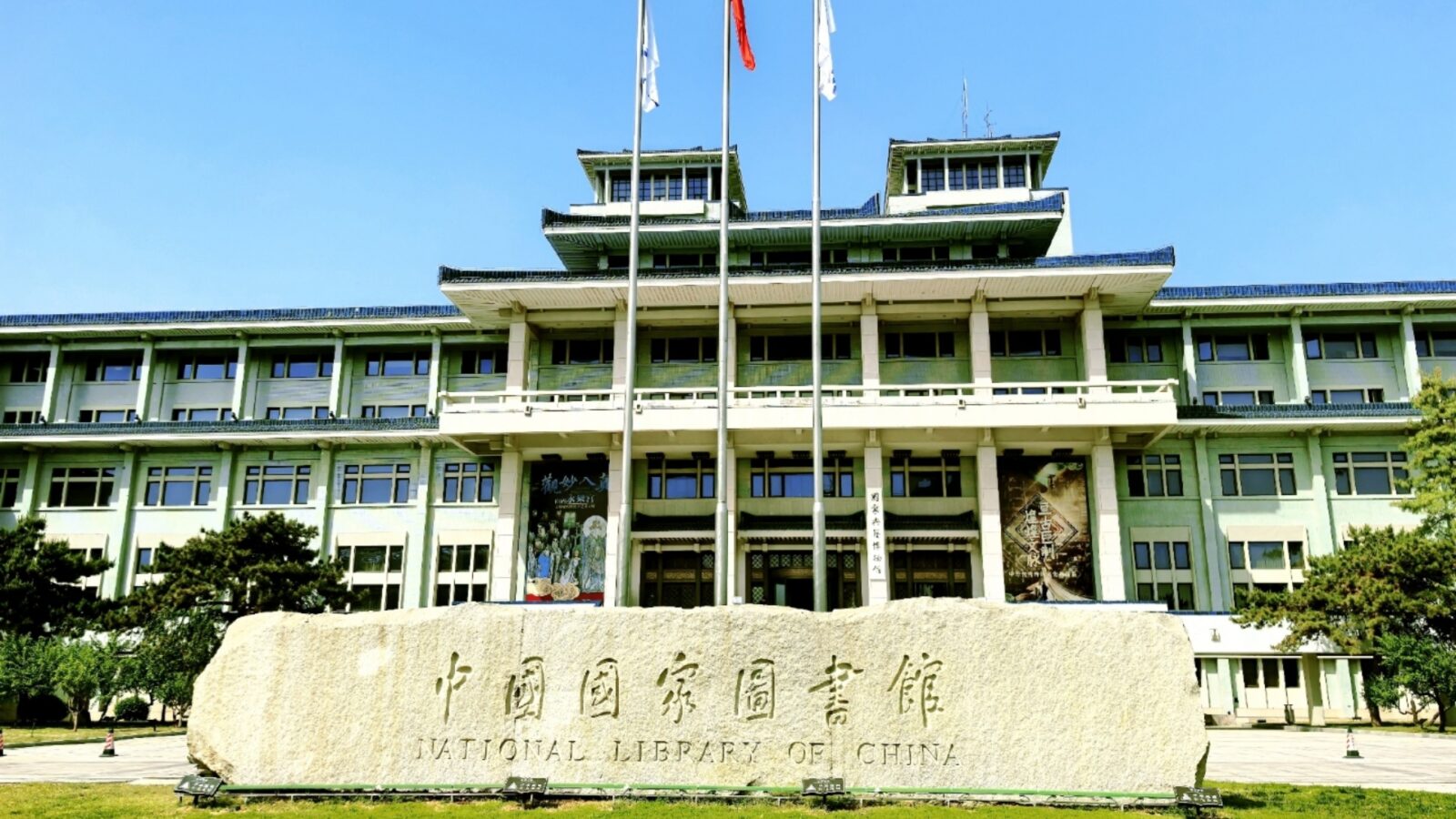
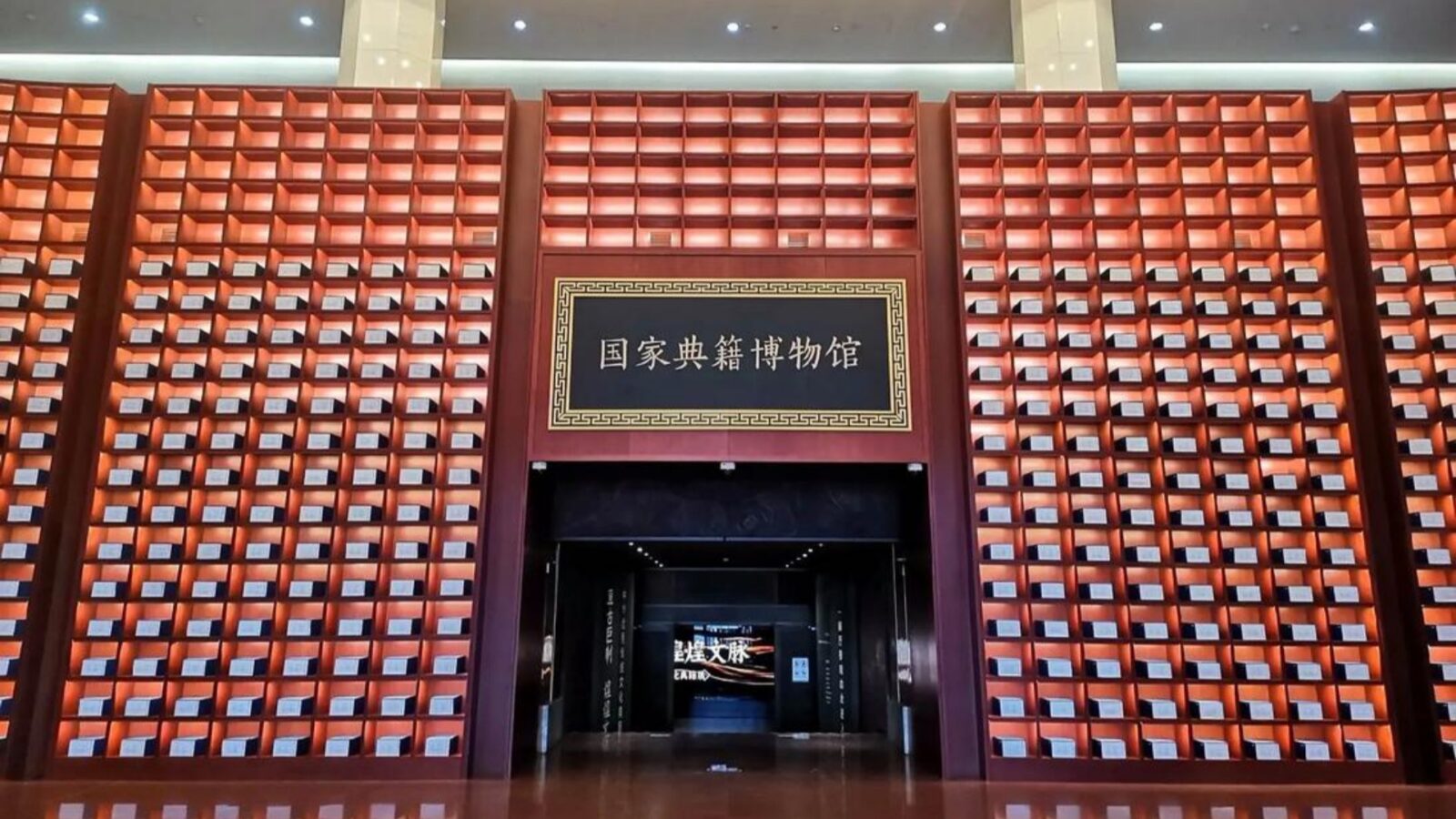
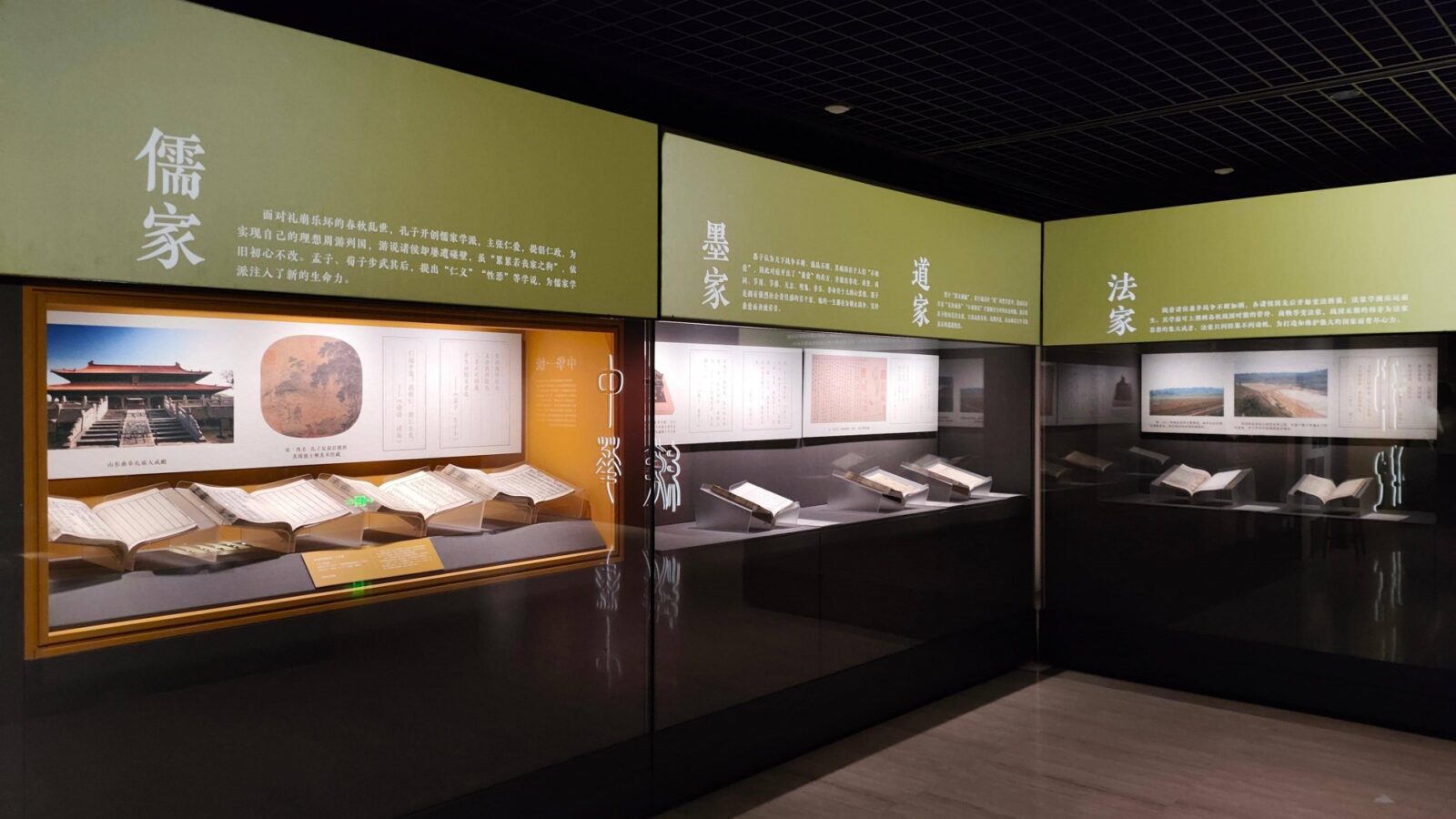
The national library of china beijing organises its visitor experience across three distinct zones. Each zone serves a specific purpose. Therefore, knowing which one suits your visit will save significant time on arrival.
North Campus (New Building)
Open-shelf reading rooms, digital experience zone, children's library, NL Study Zone. The main space for independent reading and self-study.
Tue–Sun 09:00–21:00 / 20:00
South Campus (Old Building)
Foreign-language books and journals, newspapers, doctoral dissertations. Closed-stack service: request items at the counter and staff retrieve them.
Tue–Sun 09:00–17:00
National Rare Books Museum
Free permanent and rotating exhibitions on the Four Great Collections. Scheduled free guided tours daily. No Reader's Card needed to enter.
Tue–Sun 09:00–17:00
North Campus: Glass, Light, and Modern Reading
The North Campus is the library’s public face; most users spend the bulk of their time here. Floor 1 and 2 are Chinese-language open-shelf reading rooms. Books are on the shelf — no staff request needed. Floor 4 is the Digital Shared Space and Audio-Visual Service Space. And on 2 is the “Immersive Reading Space” and “NL Study Zone,” blending display technology with more traditional reading contexts.
The architectural centrepiece is the third-floor atrium. Step onto the walkway and look down: the glass-encased Siku Quanshu is visible below. Look up: the floating cantilevered roof frames the sky above, suspended without visible support. This is the most photographed interior view in the building. Photography is permitted without flash in all public areas.
South Campus: Global Archives and Academic Silence
The South Campus has works that aren’t found on open shelves, such as foreign-language originals and journals, newspaper back files, and collections of doctoral dissertations. Access is different: let us know what you need at the reference desk and staff will fetch it for you. This is the research zone if you’re seeking specific foreign journals and Chinese dissertations.
The building itself is also worth a brief exterior look. Its classical proportions and blue-glazed roof tiles offer a striking visual contrast to the modernist North Campus directly across the street.
Museum of Classics: Echoes of Ancient Wisdom
Strongly recommended to foreign visitors is the Ancient Books Hall (officially the National Rare Books Museum; no Reader’s Card is needed), located in a separate building within the South Campus complex with free permanent exhibitions of the most important surviving manuscripts from China. Current major exhibitions, “The Return and Reconstruction of the Yongle Dadian” and “Oracle Bone Script Memory,” have bilingual Chinese–English labelling for general audiences.
Free guided tours run at scheduled times each day. Ask at the entrance desk for the current schedule. The experience here resembles a world-class cultural museum far more than a conventional reading room. Similarly, if you plan to explore Beijing's other landmark free cultural institutions, our guide on visiting the Beijing Museum of Natural History makes an excellent companion stop to add to your itinerary.
The National Children’s Reading Library
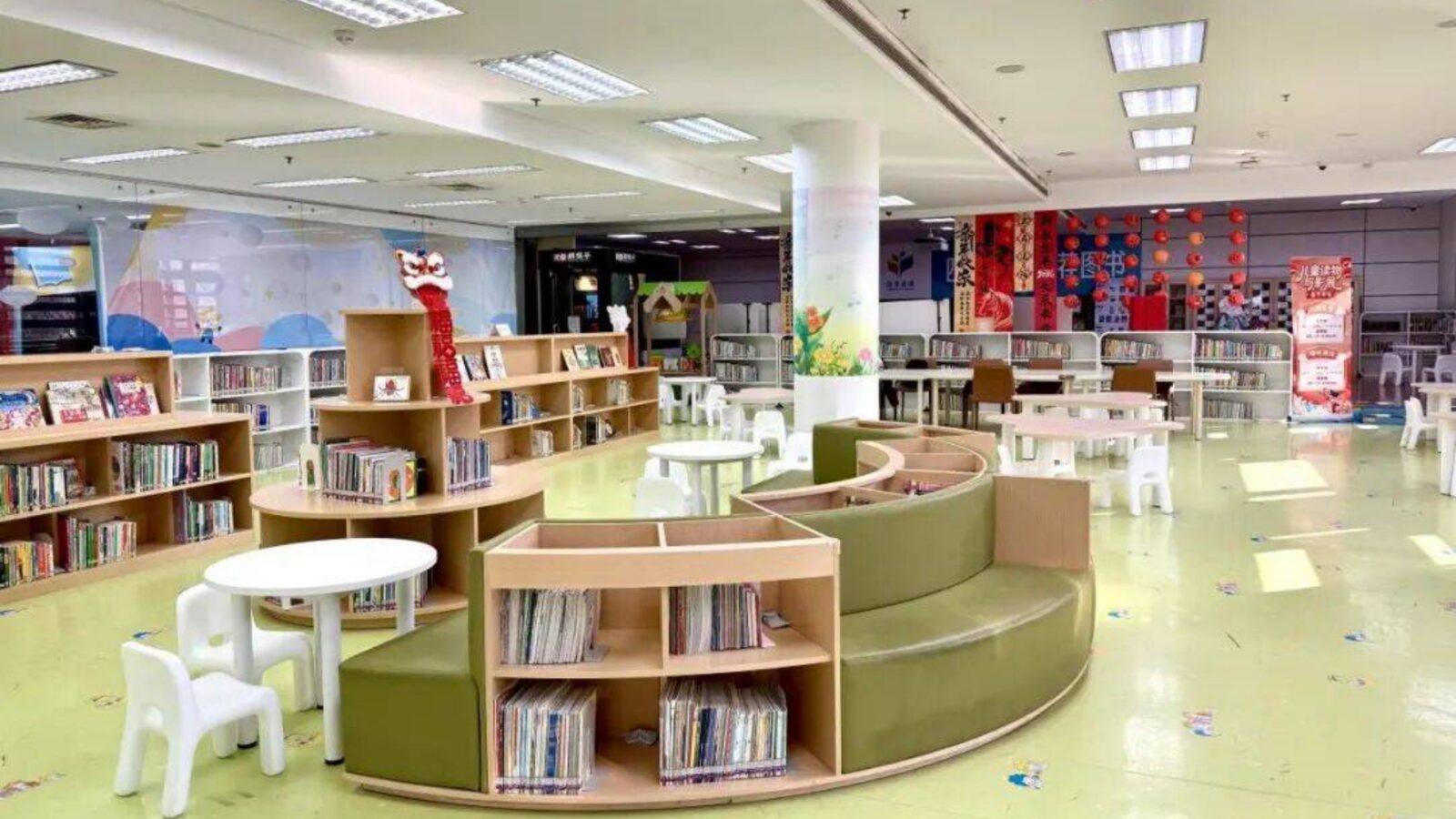
National Library of China Children's Library
Families visiting the national library of china beijing are catered for – with one catch: kids under 13 are not allowed in the adult reading rooms. Instead, a Children's Library dedicated to more tender readers is on the North Campus.
The Children's Library holds age-appropriate Chinese and foreign-language picture books and reading materials. Its layout and environment are designed for younger visitors. English-language children's books are available in the foreign-language section. Additionally, scheduled children's events and story-time sessions may run during your visit. Check the NLC's official event calendar at nlc.cn before you go.
The Master Collections and Millennium Archives
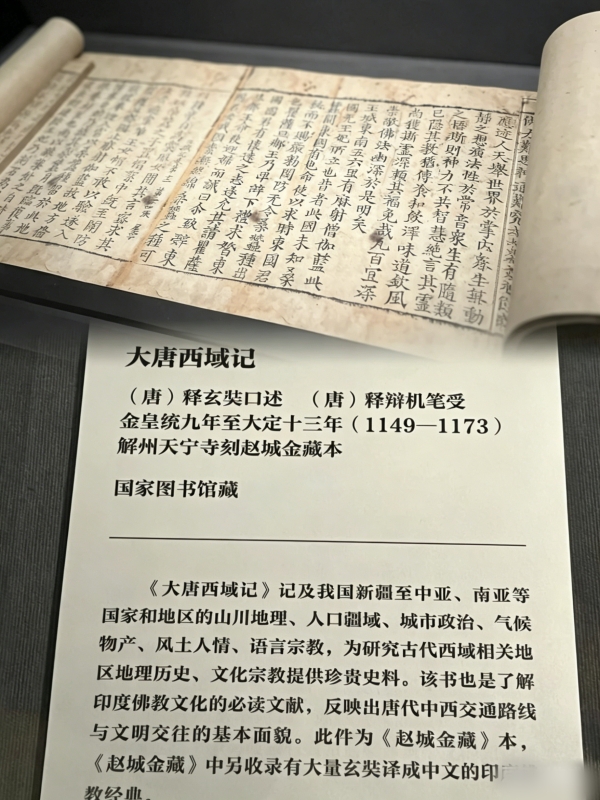
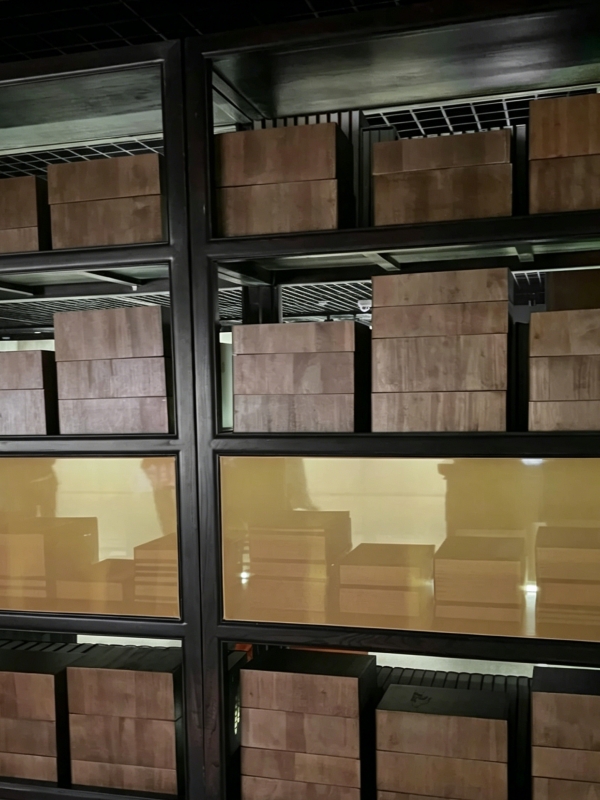
Global Scale: The Largest Chinese Archive on Earth
As of end-2025, the national library of china beijing will hold more than 46 million physical items and 2,900 terabytes of digital resources. The collection grows by around one million new items a year. It is the world’s largest repository of Chinese-language materials. For ordinary visitors as much as scholars, the collections span religious texts, historical records, literary works, scientific treatises, maps, rubbings, and photographs. The library is thus not simply an academic institution. It is the central collecting body for one of the world’s oldest continuous literary traditions.
National Treasures: The Four Great Imperial Collections
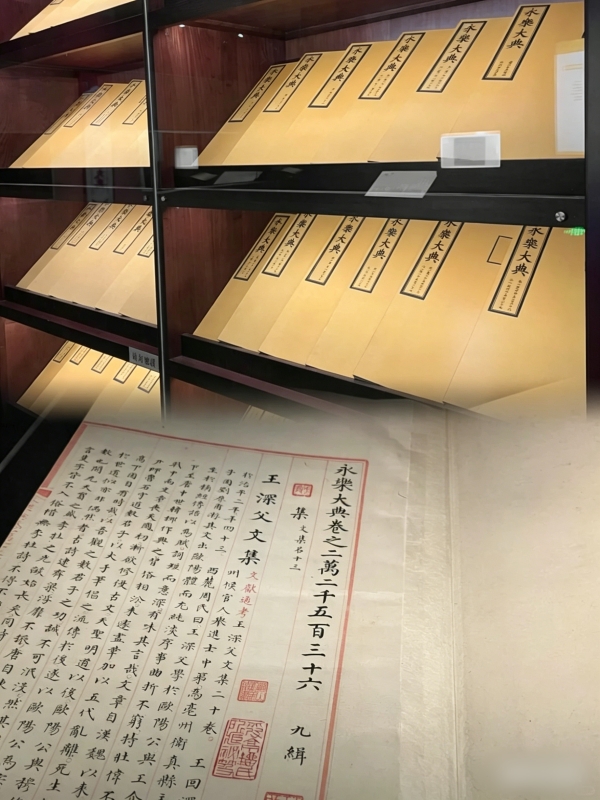
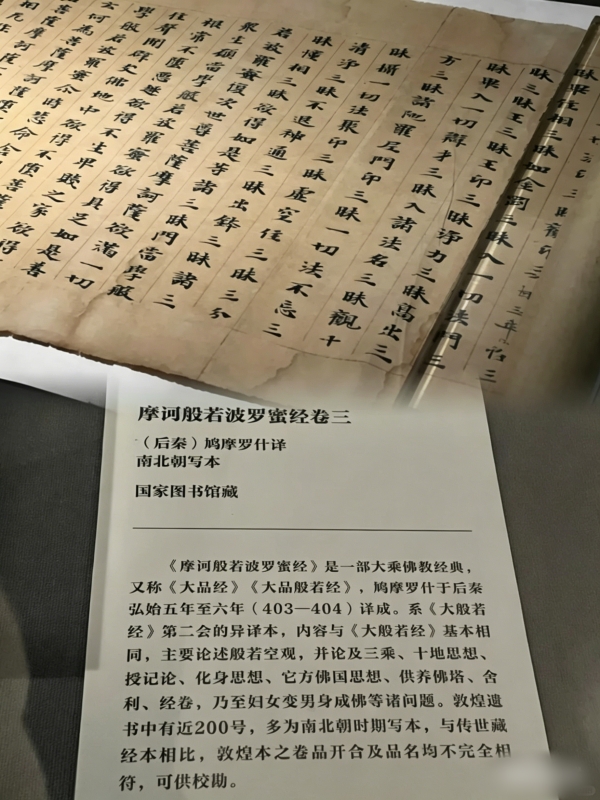
Four holdings define the library's global significance. Known collectively as the "Four Great Collections" (四大专藏), each one is permanently displayed at the National Rare Books Museum.
| Collection | What It Is | Why It Matters |
|---|---|---|
| Dunhuang Manuscripts (敦煌遗书) | Buddhist scriptures, secular texts, and artworks recovered from the sealed Cave Libraries of Mogao, near Dunhuang. Over 1,000 years old. | The single largest body of evidence for life along the Silk Road. Covers history, literature, astronomy, and medicine. |
| Zhao Cheng Jin Canon (赵城金藏) | A complete Buddhist Tripitaka carved in the Song dynasty for Jin dynasty use. One of the rarest printed artefacts in existence. | Described as "the lone edition between heaven and earth." Nearly destroyed multiple times; its survival is extraordinary. |
| Yongle Dadian (永乐大典) | A vast Ming dynasty encyclopaedia compiled under the Yongle Emperor (1403–1408). Originally 22,877 volumes; approximately 400 survive globally. | The largest pre-modern encyclopaedic project in human history. The NLC holds some of the most significant surviving volumes. |
| Wenjin Pavilion Siku Quanshu (文津阁《四库全书》) | One of only four complete surviving sets of the Qing dynasty imperial complete library. Originally housed at the Chengde Mountain Resort. | The most complete and best-documented surviving set. Displayed in a glass enclosure at the base of the North Campus atrium, visible from every floor above. |
Digital Access: Remote Archives and Foreign Journals
- Digital Resources Centre: The NLC's Chinese Rare Books Resources Database has digitised over 106,000 ancient texts. These are accessible at nlc.cn from anywhere in the world. The NLC App provides additional remote access to digital collections.
- Foreign-Language Materials: The South Campus holds a rich collection of original foreign-language books and journals. This serves international researchers needing academic resources unavailable elsewhere in Beijing.
- Ancient Books and Special Collections: Consulting rare editions, oracle bone inscriptions, or bronze inscription rubbings requires a prior application. Walk-in access to these materials is not available. Check nlc.cn for the specific application process.
Step-by-Step Logistics for 2026
-
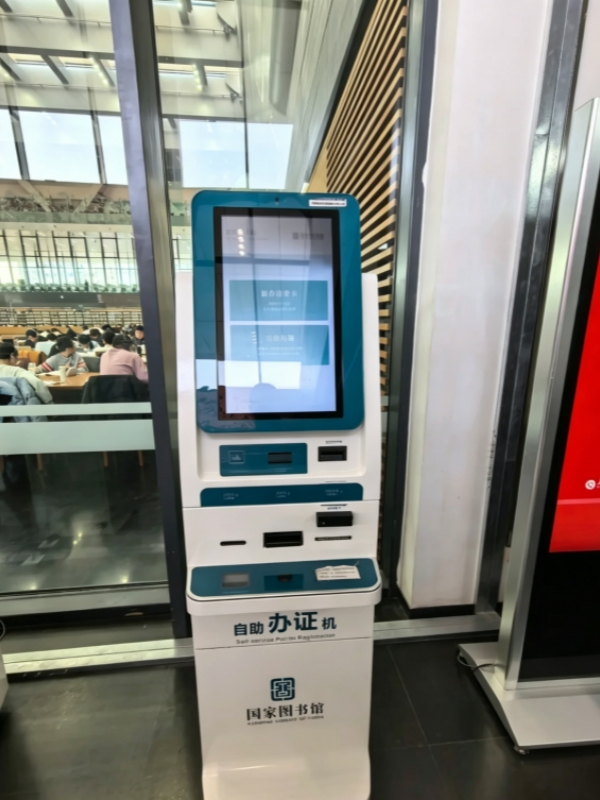

- Self-Service Card Machine at NLC
-
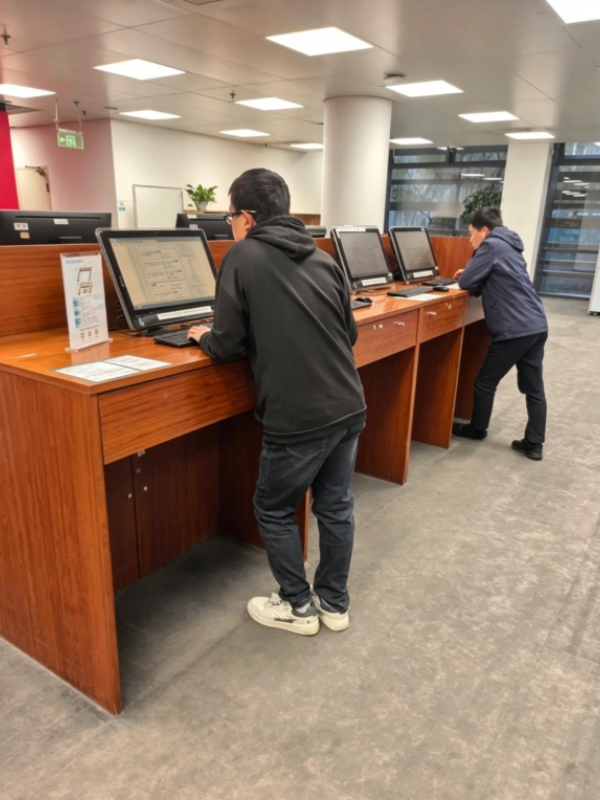
- NLC Self-Service Book Search
-
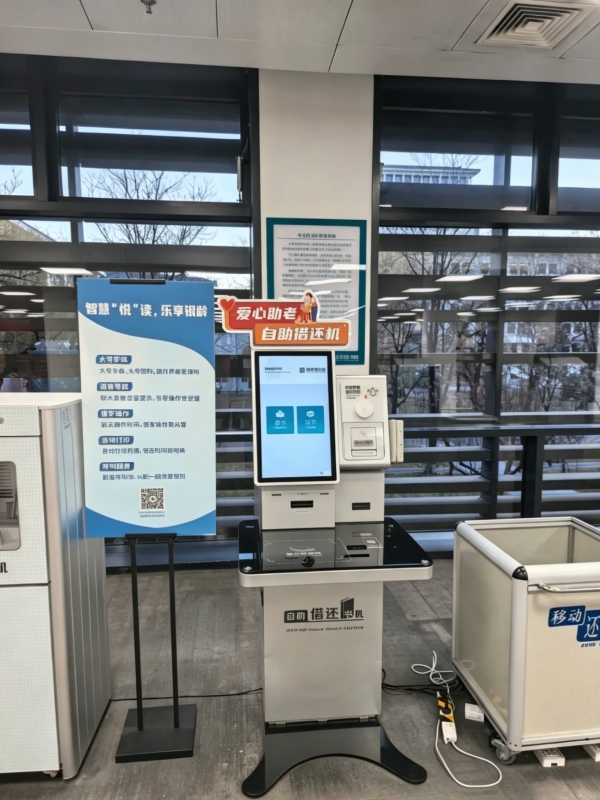
- NLC Self-Service Book Kiosk
How to Confirm Seasonal Hours and Plan Ahead
Opening hours vary from campus area to campus area, and by season. These change again around national holidays. The reading rooms in North Campus are open till 21:00 in summer, and till 20:00 in winter. South Campus and the Rare Books Museum close at 17:00 throughout the year. All areas are closed every Monday — except national public holidays. Always check that you know the correct hours at nlc.cn before setting off.
No advance reservation is needed for general visits. However, for special-collection research — oracle bones, fragile manuscripts — a prior application through nlc.cn is required.
How to Access Fast Metro Routes via Exit A
The library is located at 33 Zhongguancun South Street, Haidian District, Beijing — adjacent to Purple Bamboo Park (紫竹院公园). Haidian District is Beijing's academic and technology corridor. Peking University, Tsinghua University, and the Zhongguancun tech cluster are all nearby.
Take Lines 4, 9, or 16 to "National Library" Station (国家图书馆站). Use Exit A. The North Campus entrance is directly ahead — under 5 minutes on foot.
Line 4 connects directly from Tiananmen and Beijing South Railway Station. English signage on Line 4 is clear throughout. Additionally, multiple bus routes serve the "National Library" stop for those already in the Haidian area.
Note: Exit A delivers you to the North Campus. The South Campus and National Rare Books Museum are a 3-minute walk from the same exit — cross the street and follow the signs.
How to Register for a Free Passport Reader’s Card
Foreign nationals enter with their original passport. Register at the entrance desk — entry to all public areas and exhibitions is free. Next, proceed to the 2nd floor North Campus to issue a Reader's Card if needed for open-shelf access or Wi-Fi.
How to Get Your Reader's Card — Foreign Nationals
- Bring your original passport — no copies accepted.
- Go to the 2nd floor of the North Campus.
- Use the self-service kiosk (hours match the reading rooms) or join the information desk queue — open Tue–Sun, 09:00–16:30.
- Complete the Reader's Card application form (国家图书馆读者卡申请表) on-site.
- Card issued immediately. No charge.
Note for foreign visitors: A Reader's Card allows in-library reading only. Lending to foreign nationals is not available. Wi-Fi login: your card number. Default password: last 6 digits of your date of birth.
How to Pack According to the Reading Room Rules
✓ Permitted
- Laptop or tablet
- Plain water in a sealed bottle
- Notebooks and stationery
- Phone (silent mode)
- Camera (no flash in reading areas)
✗ Not Permitted in Reading Rooms
- Personal books or magazines
- Food of any kind
- Coloured or sugary drinks
- Large backpacks (check free at floor-1 cloakroom)
How to Use Study Spaces, Power Outlets, and Wi-Fi
North Campus is Beijing's best free place to study. Open-shelf reading rooms on floors 1 and 2 and the Digital Shared Space on floor 4 are the core study spots. The “Immersive Reading Space” and the “NL Study Zone” on floor 2 are also worth exploring. Seats are plentiful. Most window side and perimeter desks have power sockets - get there early or bring an extension lead.
Wi-Fi: Free throughout the library. Login with your Reader's Card number. Default password is the last 6 digits of your date of birth. Drinking water: Hot and cold water dispensers are available on every floor. Dining: The NLC Restaurant (国图餐厅) is in the main complex. Food delivery can be ordered to the exterior and consumed outside.
Photography etiquette: Public reading areas — permitted, no flash. Special collections and some exhibition zones — photography prohibited. Follow on-site signage at each zone entrance.
Smooth Visit and Etiquette Tips
- Keep it quiet. Set your phone to silent before entering. Speak in a low voice. This rule applies across all reading areas without exception.
- Bag storage. Large backpacks cannot enter reading rooms. Free self-service lockers are available at the floor-1 cloakroom in the North Campus. Use them before heading upstairs.
- Photography rules. No flash in public reading areas. Photography is prohibited in special collections zones — follow the posted signs at each zone entrance.
- Deep research services. For academic visits, check nlc.cn in advance for Document Delivery and Interlibrary Loan services. These require advance notice and cannot be arranged on the day.
- Use the NLC app. The National Digital Library of China (nlc.cn) and its app allow remote access to part of the digital collection. Browse the online catalogue before arriving — particularly if you plan to consult special-collection items.
FAQs: Common Questions and Quick Library Guide
Q: Is the National Library of China free to enter?
Yes. The national library of china beijing charges no entry fee. Public reading areas and Rare Books Museum exhibitions are free for all, including foreign nationals. The Reader's Card — required for open-shelf access and Wi-Fi — is also free to issue. No tickets are sold, and no advance booking is required for general visits.
Q: Can foreigners visit the National Library of China?
Foreign nationals are fully welcome at the national library of china beijing. Present your original passport at the entrance to register. A free Reader's Card is available at the 2nd-floor North Campus kiosk or information desk. However, foreign visitors may read in-library only — borrowing materials to take away is not permitted.
Q: What are the opening hours of the National Library of China Beijing?
The national library of china beijing operates Tuesday to Sunday. North Campus reading halls open 09:00–21:00 in summer and 09:00–20:00 in winter. The South Campus and Rare Books Museum open 09:00–17:00 year-round. All sections close on Mondays, except national public holidays. Always verify current hours at nlc.cn before visiting.
Q: How do I get to the National Library of China by metro?
Reaching the national library of china beijing by metro is straightforward. Take Lines 4, 9, or 16 to "National Library" Station (国家图书馆站). Use Exit A. The North Campus entrance is directly ahead — under five minutes on foot. Additionally, Line 4 connects directly from Tiananmen and Beijing South Railway Station.
Q: What is the biggest library in China?
The national library of china beijing holds that distinction. As of end-2025, its physical holdings exceed 46 million items — making it both the largest library in China and the world's largest repository of Chinese-language materials. It consequently ranks among the top national libraries globally by total collection size.
Q: Can I study or work at the National Library of China Beijing?
The national library of china beijing functions as Beijing's premier free study venue. North Campus reading rooms (floors 1–2) and the Digital Shared Space (floor 4) are the main study areas. Free Wi-Fi is available with a Reader's Card. However, food and large bags are not permitted inside reading rooms.
Q: Does the National Library of China have an online catalogue?
The national library of china beijing maintains a comprehensive digital catalogue at nlc.cn. Its Chinese Rare Books Resources Database has digitised over 106,000 ancient texts, accessible worldwide. The NLC App also provides remote access to digital collections. Therefore, research can begin well before your in-person visit to the library.
Q: What ancient books and rare manuscripts can I see?
The national library of china beijing permanently displays the Four Great Collections at the Rare Books Museum. These include the Dunhuang Manuscripts, the Zhao Cheng Jin Canon, surviving volumes of the Yongle Dadian, and the complete Wenjin Pavilion Siku Quanshu. All feature bilingual labelling and rotating themed exhibitions alongside them.
Q: Is the National Library of China suitable to visit with children?
Families are welcome at the national library of china beijing, though children under 13 cannot enter adult reading rooms. Instead, the North Campus houses a dedicated Children's Library with age-appropriate Chinese and foreign-language books. Children aged 13 and over may enter adult reading rooms with their own Reader's Card.
Q: Do I need to make a reservation to visit?
No advance reservation is required for general visits to the national library of china beijing. Public reading halls and Rare Books Museum exhibitions are open on a walk-in basis during opening hours. However, researchers consulting rare special-collection materials — such as oracle bone inscriptions — must submit a prior application through nlc.cn.