Liwan District Map in Guangzhou
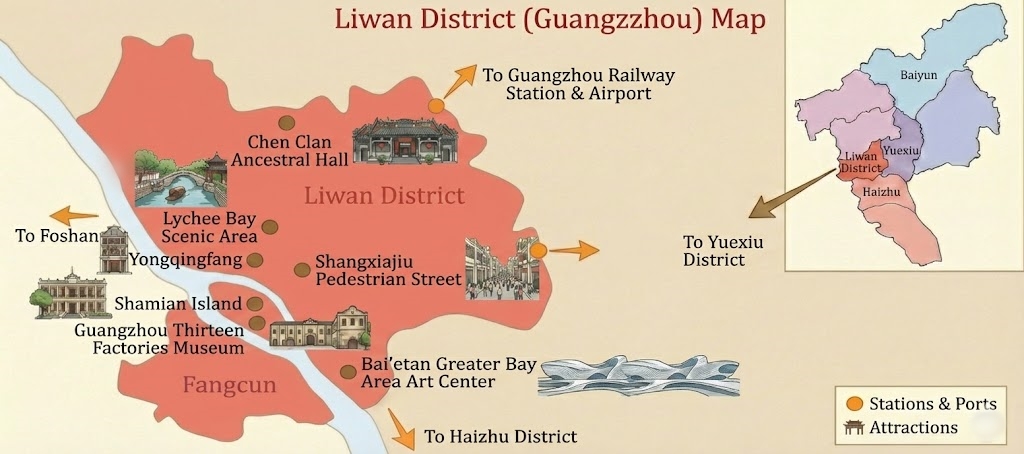
Liwan District (荔湾区) is in western Guangzhou, not Hong Kong as many think. Consisting of59.1 square kilometres home to 1.1 million, the district derives its name from Lychee Bay (荔枝湾). The terminus of the Maritime Silk Road, Xiguan culture (西关) began in these neighbourhoods where Cantonese Opera originated centuries ago. The Bai’etan Art Center opened in May 2026 and as of 2025, three new metro lines call here making Liwan the most well-connected cultural district in Guangzhou. We spent three wonderful days on these streets, where century-old teahouses serve har gow at dawn and colonial buildings stand stately along tree-shaded boulevards.
Liwan District at a Glance – Essential Facts You Need to Know
| Feature | Details |
|---|---|
| 📍 Location | Western Guangzhou, Guangdong Province, China |
| 📏 Area | 59.1 km² (22.8 sq mi) |
| 👥 Population | ~1.1 million residents |
| 🇨🇳 Chinese Name | 荔湾区 (Lìwān Qū) |
| 📮 Postal Code | 510000 |
| 🗺️ Adjacent Districts | Yuexiu (east), Baiyun (north), Haizhu (south), Foshan (west) |
| 🥟 Key Feature 1 | Home to China's oldest dim sum restaurants (Tao Tao Ju, est. 1880) |
| 🏛️ Key Feature 2 | Shamian Island's 40+ preserved colonial buildings |
| 🎨 Key Feature 3 | Bai'etan Art Center – Guangdong's largest cultural complex (2024) |
| 🚇 Metro Lines | 8 lines: 1, 5, 6, 8, 10, 11, 22, Guangfo Line |
Must-See Attractions in Liwan District You Cannot Miss [2026 Edition]
NO. 1 Chen Clan Ancestral Hall (陈家祠) – Where Lingnan Craftsmanship Reaches Perfection
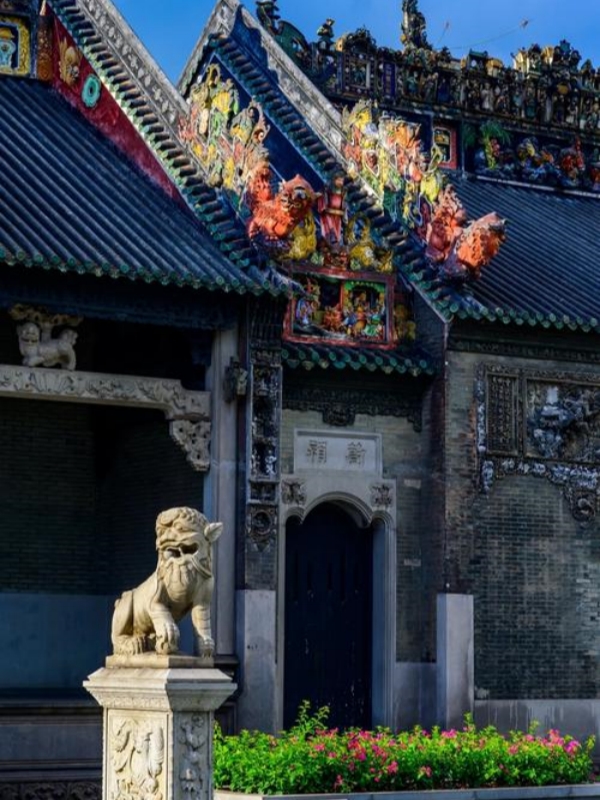
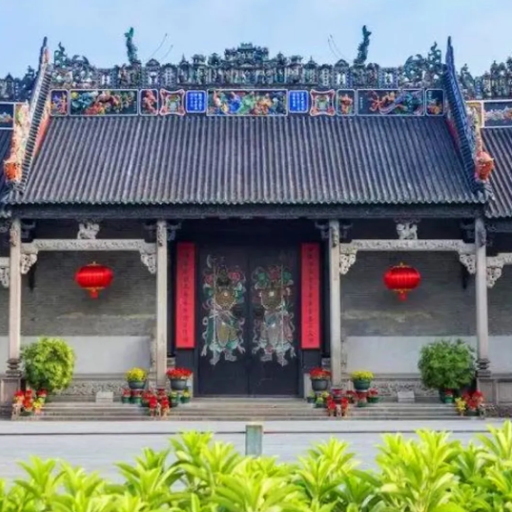
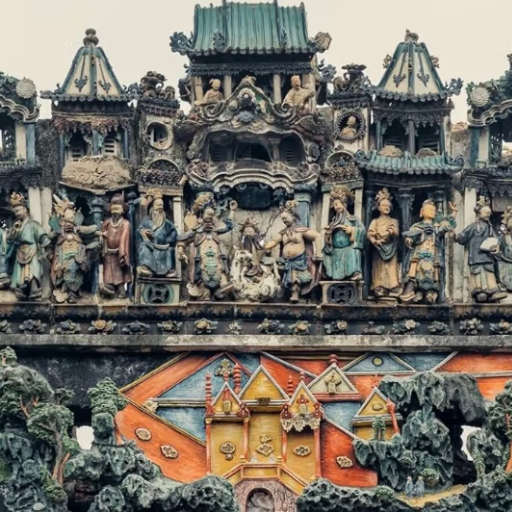
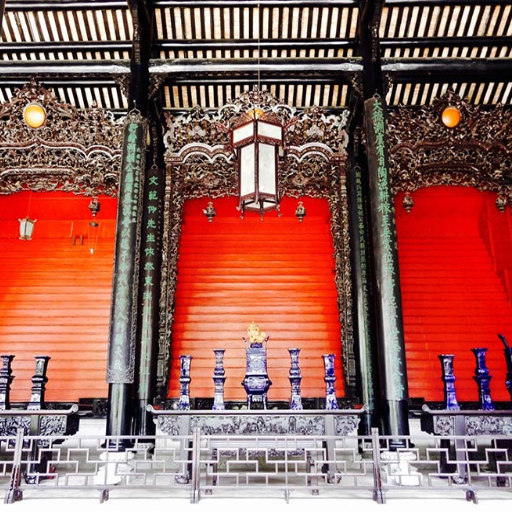
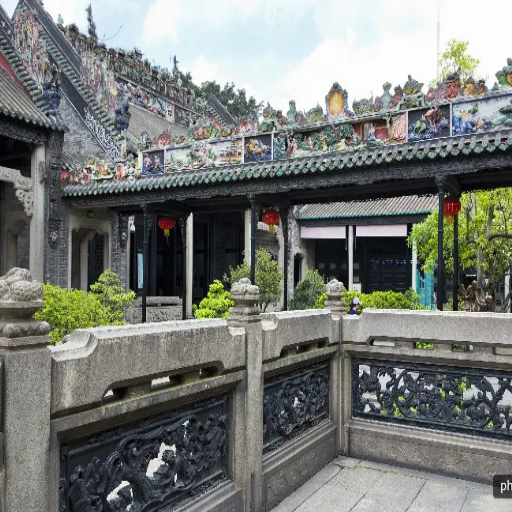
The Chen Clan Ancestral Hallstopped us in our tracks. Every inch of this masterpiece, built in 1894, is covered in intricate carvings. It showcases the “Seven Wonders” of Lingnan art in all their glory, with dragons wrapping around the supporting pillars. You’ll find carved scenes with ancient merchants and festivals shown throughout. There is no other place in southern China that can boast such craftsmanship. UNESCO certainly agrees with them recognizing it for its unique cultural value.
Personal insight: Morning light (9:00-11:00) creates dramatic shadows across carvings. Additionally, weekday visits mean fewer tour groups blocking views.
🏛 Type: Historical architecture, Folk art museum | ⏰ Hours: 9:00-17:30 daily | 🎫 Ticket: ¥10 (~$1.40 USD) | 🚇 Metro: Line 1/8, Chenjiaci Station 陈家祠站, Exit D | ⏱️ Time: 1.5-2 hours
⚠️ Photography Notice: Flash photography damages ancient pigments severely. Therefore, use natural light settings exclusively. Additionally, tripods require special permission beforehand.
NO. 2 Yongqingfang (永庆坊) – Where Qing Dynasty Streets Meet Modern Creativity
-
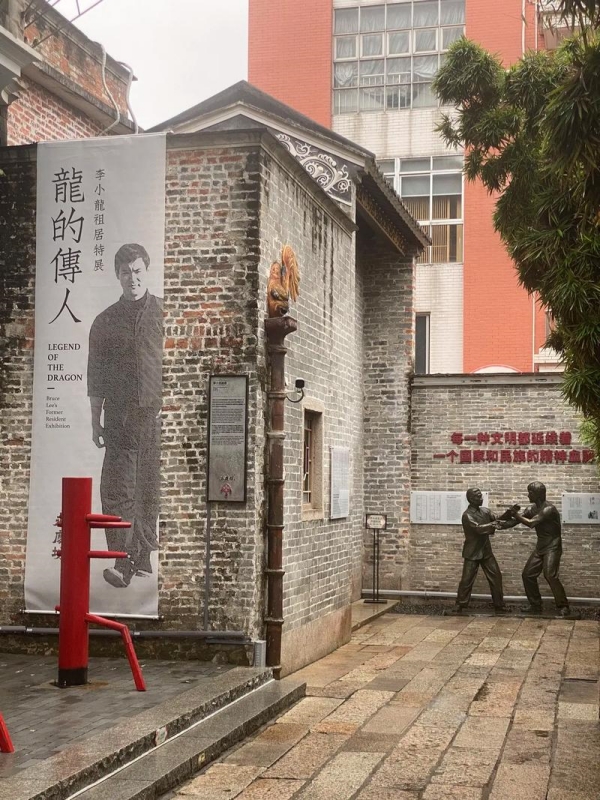

- Bruce Lee Ancestral Home
-
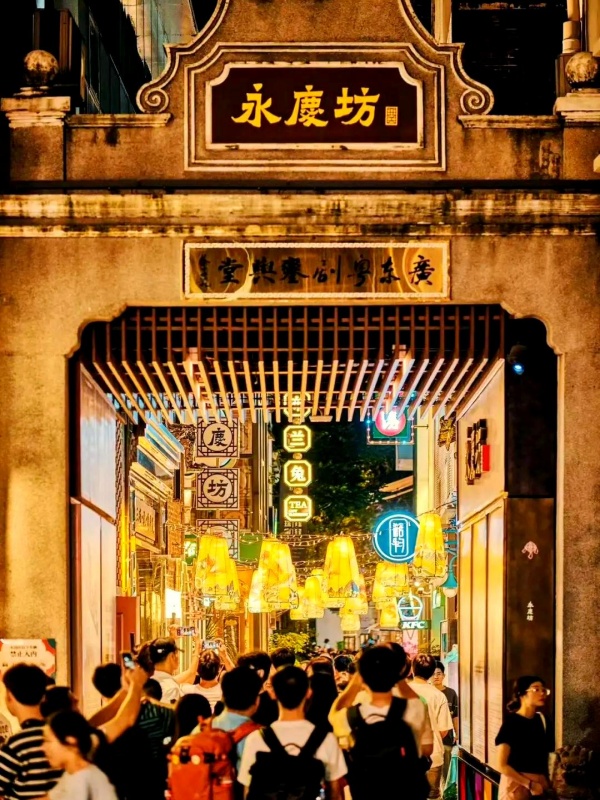
- Yongqingfang
-
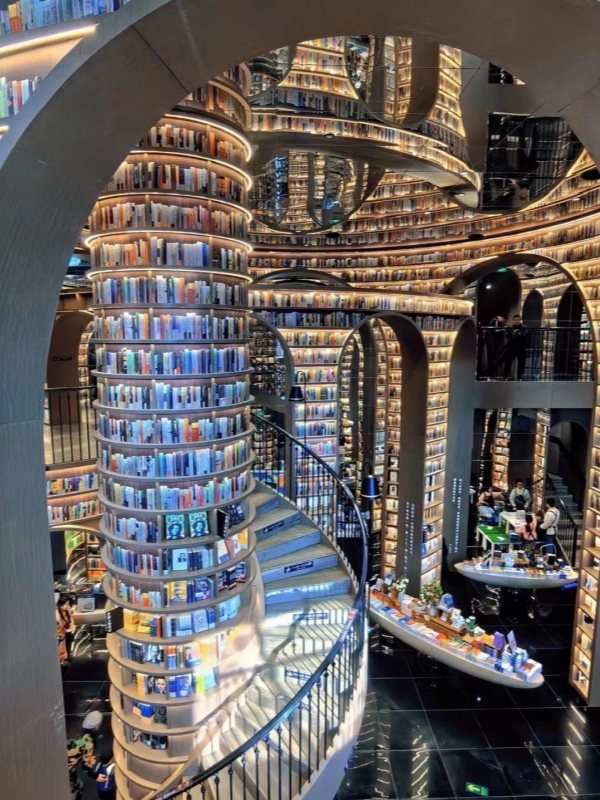
- Zhongshuge Bookstore
Narrow lanes wind through century-old shophouses beautifully here. Traditional Lingnan architecture meets contemporary creativity perfectly. Moreover, Bruce Lee's ancestral home anchors this neighborhood prominently. We went during that magical time before sundown when everything is tinted gold in the glow of the golden hour. The light turns facades to photographic gold and the lanterns in the evening turn all the streets into a painting. Local artists perform by bursting into snippets of Cantonese Opera when they are inspired to. You experience the city authentically.
What we loved: The neighborhood balances preservation with innovation successfully. Moreover, both tourists and locals frequent these streets naturally. You'll see grandmothers sipping tea beside young designers.
🏛 Type: Historic neighborhood, Cultural district | ⏰ Hours: Open 24/7; shops 10:00-22:00 | 🎫 Ticket: FREE entry | 🚇 Metro: Line 1, Huangsha Station 黄沙站, Exit B (8-minute walk) | ⏱️ Time: 2-3 hours
💡 Our Timing Tip: Visit after 16:00 for optimal ambiance. Afternoon light creates perfect photography conditions beautifully. Moreover, evening crowds bring vibrant energy naturally. The bookstore café serves excellent pastries!
NO. 3 Shamian Island (沙面岛) – A Slice of 19th Century Europe
-
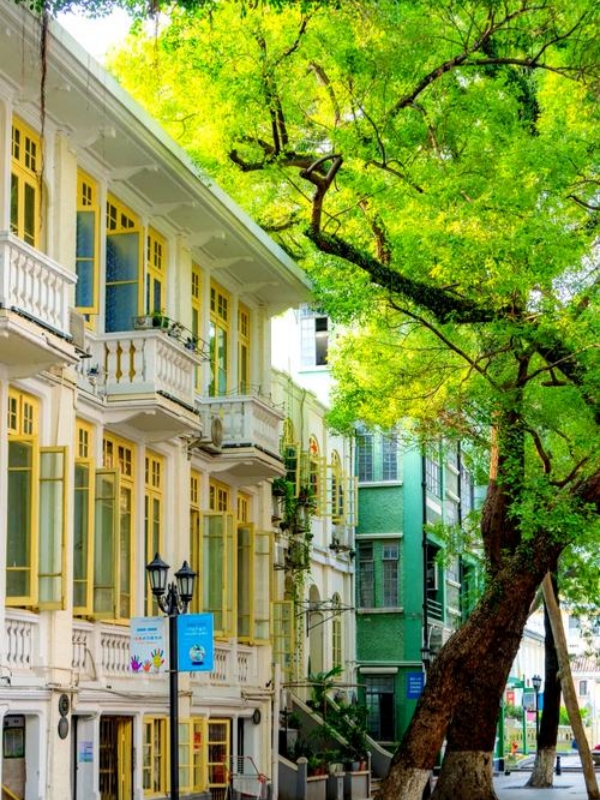
- Shamian Island
-
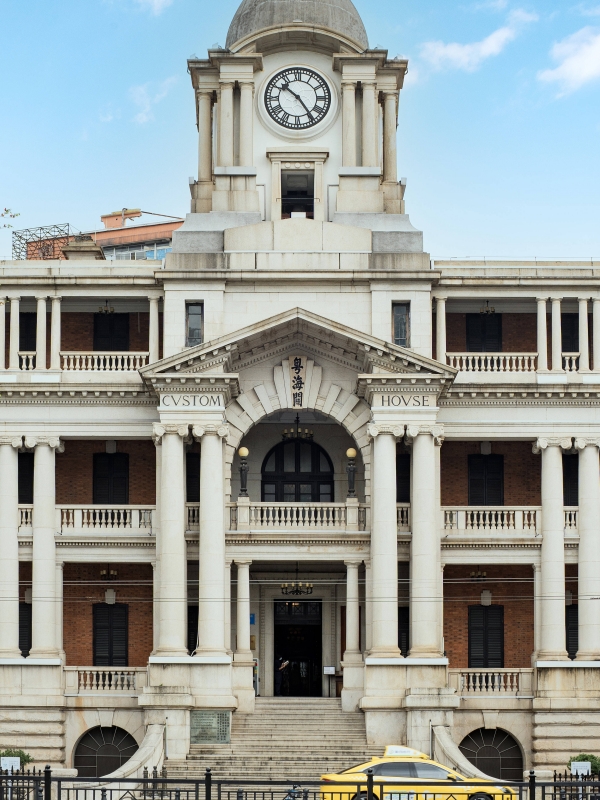
- Shamian Island
-
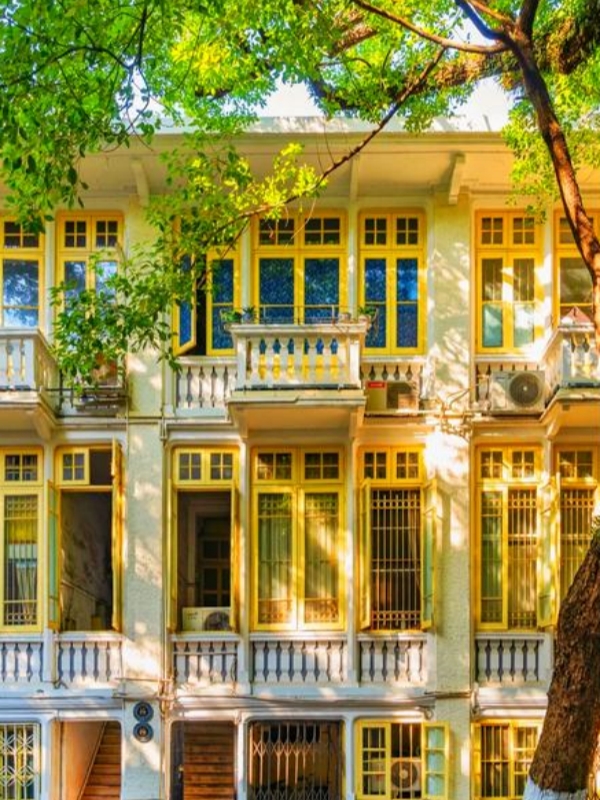
- Shamian Island
This 0.3-square-kilometer island, Shamian Island transported us back 150 years. Avenues with trees, still mere pedestrian streets. More than 40 Western buildings in pristine condition. We idled under banyan trees one afternoon. Victorian architecture and subtropic vegetation are an interesting mix. (Small wonder that wedding photographers come here; the newlyweds are posing under old colonial archways all the time...)
Hidden gem: The small park at the island's western tip. It offers Pearl River views without crowds. Moreover, locals practice tai chi there every morning.
🏛 Type: Historic island, Colonial architecture | ⏰ Hours: Open 24/7 | 🎫 Ticket: FREE | 🚇 Metro: Line 1/6, Huangsha Station 黄沙站, Exit E | ⏱️ Time: 1-2 hours
⚠️ Weekend Crowds: Saturday and Sunday bring heavy foot traffic unavoidably. Therefore, weekday mornings (8:00-10:00) offer tranquil exploration opportunities. Photographers love sunrise here!
NO. 4 Shangxiajiu Pedestrian Street (上下九步行街) – China's First Arcade Shopping Street
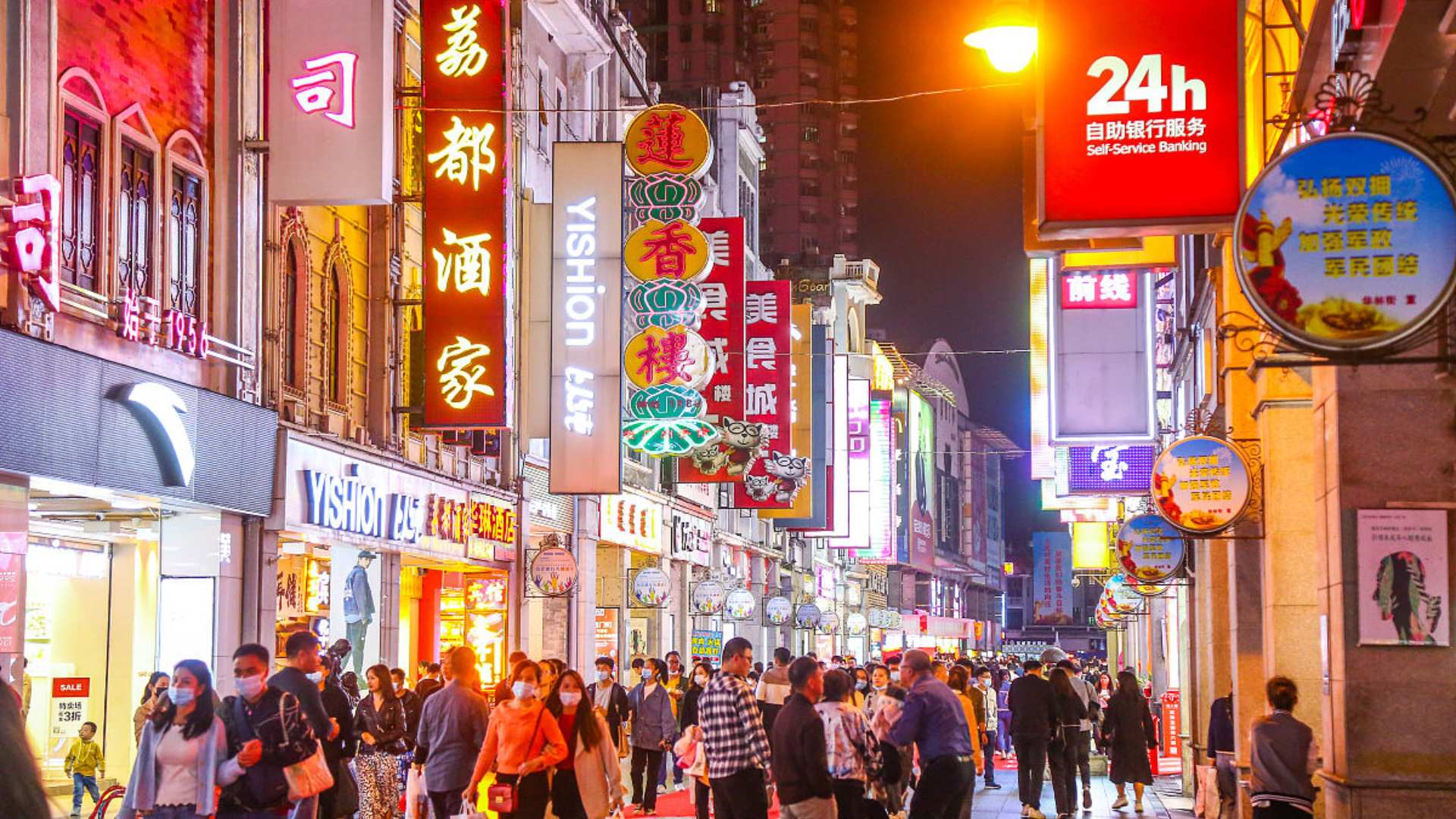
Shangxiajiu Pedestrian Street
This 1,237-meter corridor, Shangxiajiu Pedestrian Street dates back centuries originally. Moreover, it somehow became China’s first pedestrian street! The largest cluster of qilou (arcade) buildings in the country are here. We discovered food heaven block by block… There’s the legendary dim sum of Tao Tao Ju (est. 1880). Lian Xiang Lou (est. 1889) invented the lotus seed paste mooncake. And Guangzhou Restaurant (est. 1935) draws generations of families.
Shopping highlights: Traditional medicine shops, silk fabric stores, jade merchants, tea houses. Moreover, modern boutiques occupy renovated shophouses creatively. The mix creates fascinating shopping diversity.
🏛 Type: Historic shopping street, Food district | ⏰ Hours: 24/7; shops 9:00-22:00 | 🎫 Ticket: FREE | 🚇 Metro: Line 1, Changshou Lu Station 长寿路站 / Line 6, Cultural Park Station 文化公园站 | ⏱️ Time: 2-3 hours
💡 Shopping Strategy: Early morning (7:00-9:00) brings dim sum crowds naturally. Alternatively, late afternoon (15:00-17:00) offers relaxed exploration opportunities. Our feet thanked us for comfortable shoes!
NO. 5 Lychee Bay Scenic Area (荔枝湾涌) – 1,000-Year-Old Waterway Revived
-
- Lychee Bay Scenic Area
-
- Lychee Bay Scenic Area
-
- Cantonese Opera Show
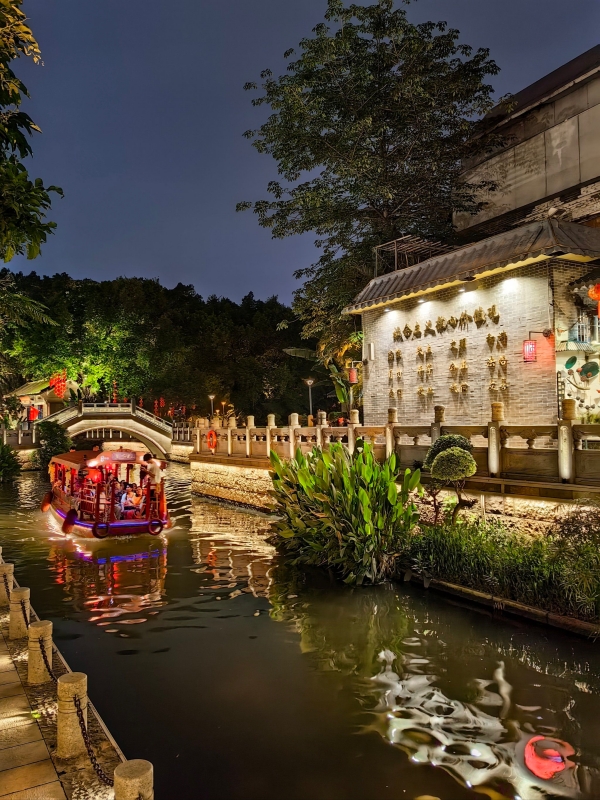
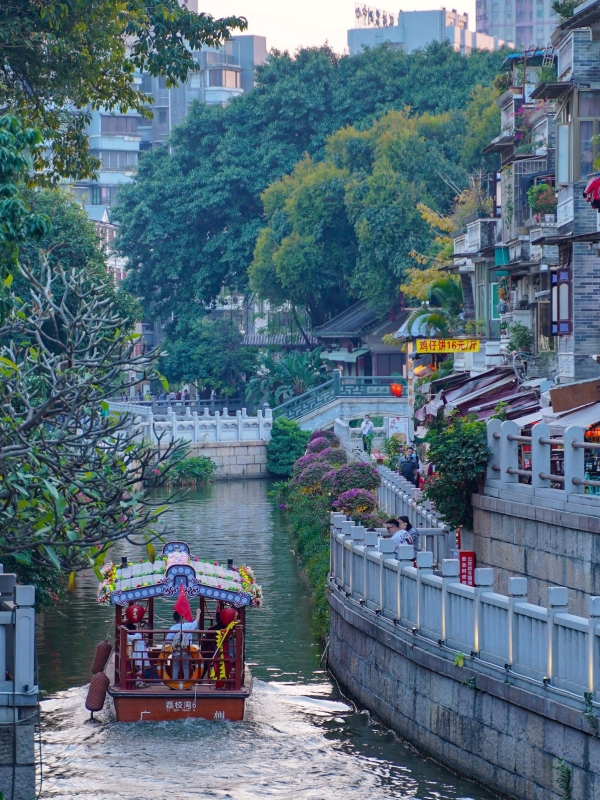
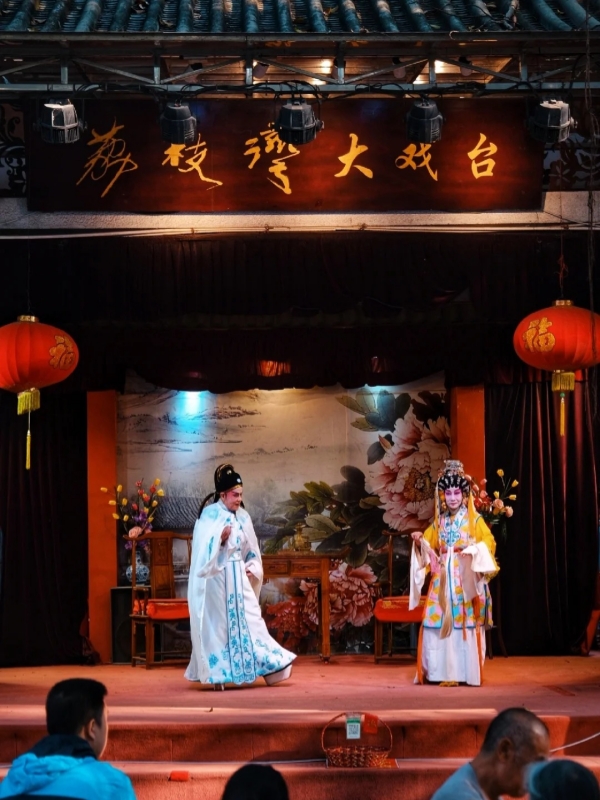
The old waterway runs prettily along the Liwan District, and I especially loved that it had been gorgeously restored to its former glory. Boat trips through the lovely canals was one of the highlights of our visit. We hopped on a boat for a sunset cruise, and all of a sudden I felt as if I had been transported back a couple of centuries. Floating past buildings on wooden boats, pausing to buy snacks from the stalls on the banks made for the most authentic neighbourhood experience there was!
Local secret: Small waterside teahouses serve excellent chrysanthemum tea. Moreover, they're frequented exclusively by neighborhood residents. You'll experience genuine local life there.
🏛 Type: Historic waterway, Scenic area | ⏰ Hours: Open 24/7; boat rides 9:00-21:00 | 🎫 Ticket: FREE entry; boats ¥20-40(~$3-5) | 🚇 Metro: Line 1, Changshou Lu Station 长寿路站 | ⏱️ Time: 1-2 hours
NO. 6 Guangzhou Thirteen Factories Museum (十三行博物馆) – Maritime Silk Road History Unveiled
-
- Guangzhou Thirteen Factories Museum
-
- Guangzhou Thirteen Factories Museum
-
- Guangzhou Thirteen Factories Museum
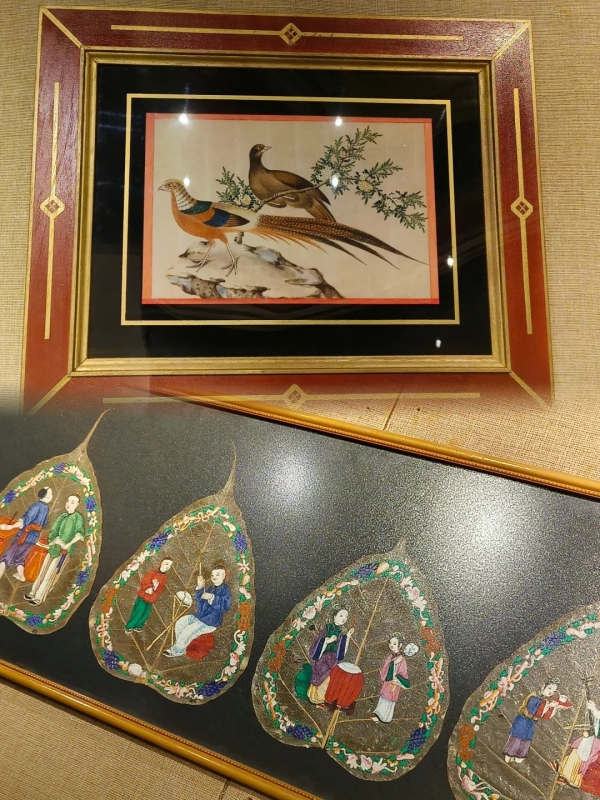
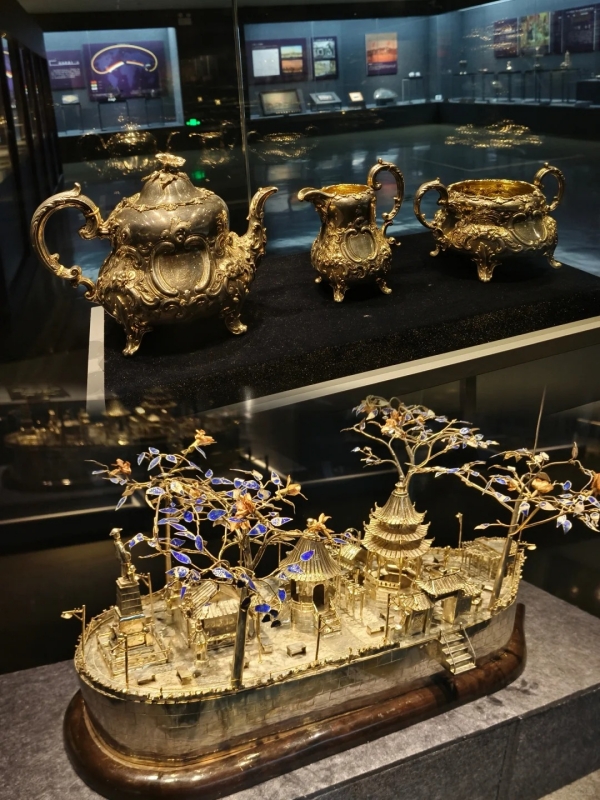
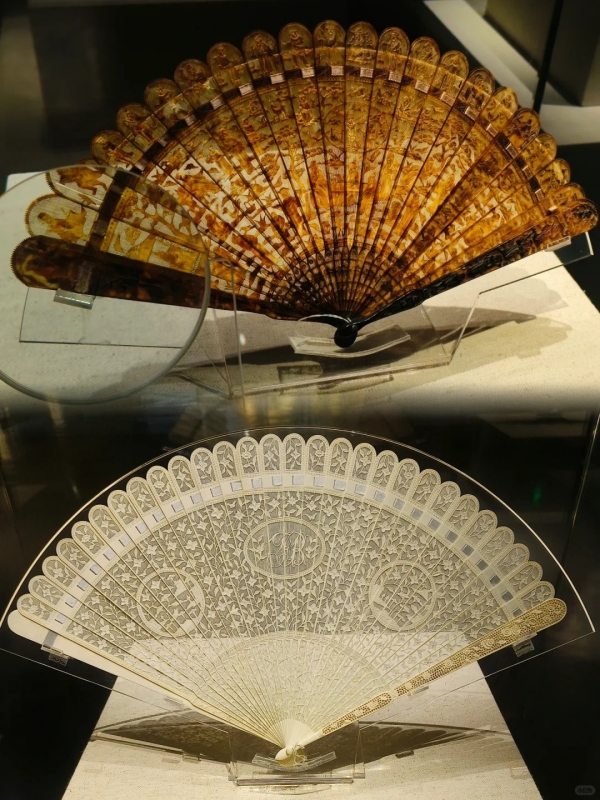
This museum gives a fantastic overview of Qing Dynasty commerce. The Thirteen Factories monopolized all Western trade and operated unbroken from 1757-1842. We spent an hour and a half exploring the 3 floors in depth. The museum also tells the story of the only entry to China for Western trade, and how tea, silk, and porcelain were sent all over the world.
Fascinating fact: This small area generated 40% of Qing Dynasty's customs revenue. Moreover, it connected China with Europe exclusively for decades.
🏛 Type: History museum | ⏰ Hours: 9:00-17:00 (closed Mondays) | 🎫 Ticket: FREE | 🚇 Metro: Line 1, Huangsha Station 黄沙站 | ⏱️ Time: 1-1.5 hours
NO. 7 Bai'etan Greater Bay Area Art Center (白鹅潭大湾区艺术中心) – Guangdong's Cultural Crown Jewel
-
- Bai’etan Greater Bay Area Art Center
-
- Bai’etan Greater Bay Area Art Center
-
- Bai’etan Greater Bay Area Art Center
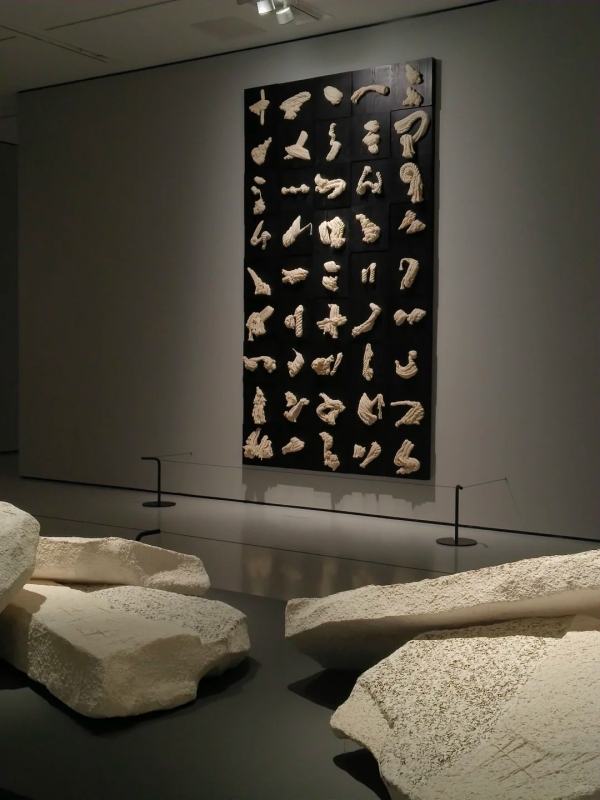
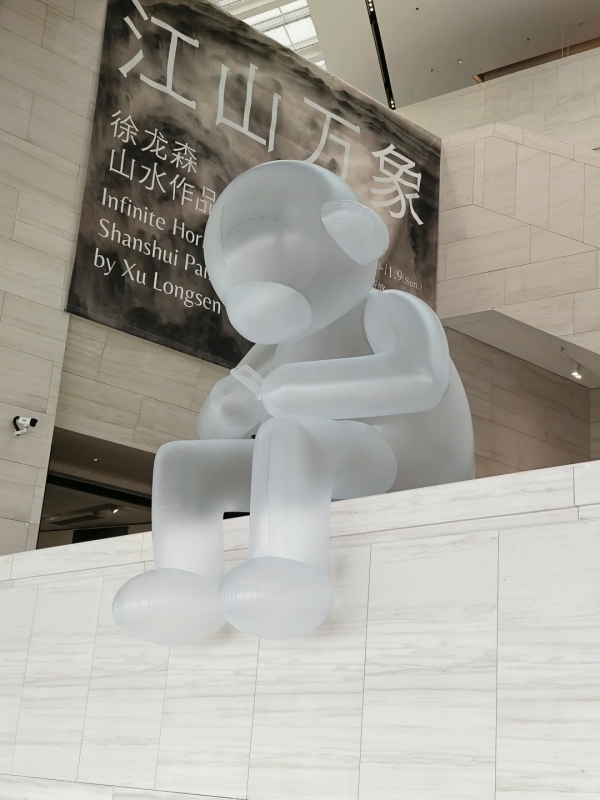
🌟 2026's Game-Changer: This architectural marvel opened January 1, 2026. We visited on a Thursday morning. The complex felt like discovering a hidden treasure. Most English guides haven't covered this yet!
Rising beside the Pearl River like a ship, the 145,000-square-meter building was designed by the architect He Jingtang. Three provincial museums occupy its spaces: the Guangdong Museum of Art has 21 exhibition halls, the Intangible Cultural Heritage Museum features a beautiful 22-meter dragon boat, while the Literature Museum houses Cantonese literature.
🏛 Type: Modern cultural complex | ⏰ Hours: 9:00-17:00 (closed Mondays) | 🎫 Ticket: FREE (online reservation required) | 🚇 Metro: Line 1, Fangcun Station 芳村站, Exit B1 | ⏱️ Time: 2-3 hours
💡 Our Visit Strategy: Arrive Tuesday-Friday mornings before 11:00. Weekend crowds fill the galleries rapidly. Additionally, download the museum app beforehand. The café on Level 3 serves excellent coffee.
⚠️ Reservation Tip: Book 2-3 days ahead during holidays. Slots fill completely within hours then. We learned this the hard way!
Where to Eat in Liwan – From Legendary Teahouses to Hidden Street Gems
Option 1: Century-Old Dim Sum Houses – Living Culinary Heritage
-
- Tao Tao Ju
-
- Tao Tao Ju
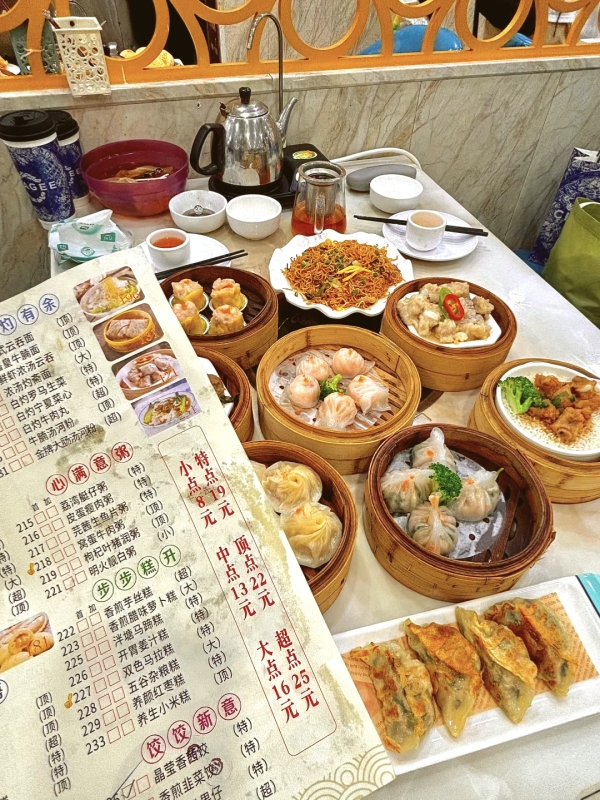
🌟 Yum Cha Culture: "Yum cha" (饮茶) means "drink tea" literally. However, dim sum accompanies tea throughout traditional sessions. This ritual defines Cantonese social life fundamentally.
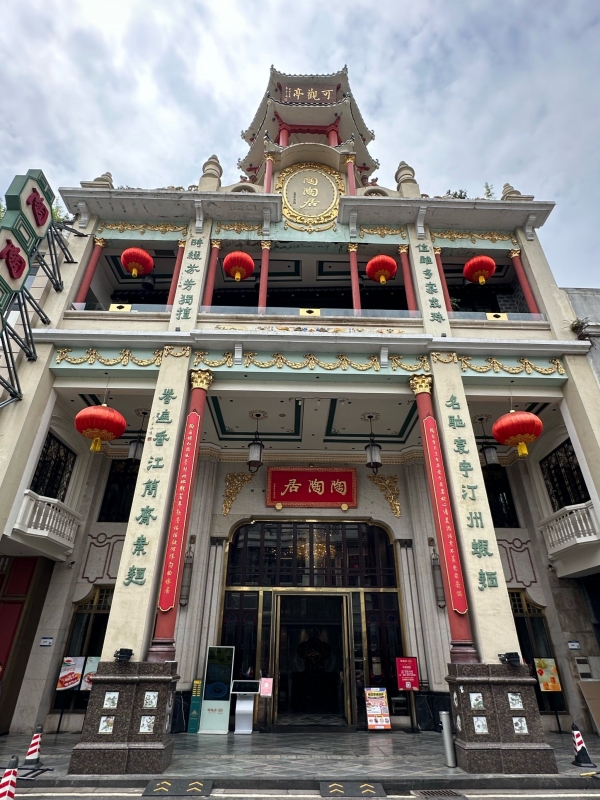
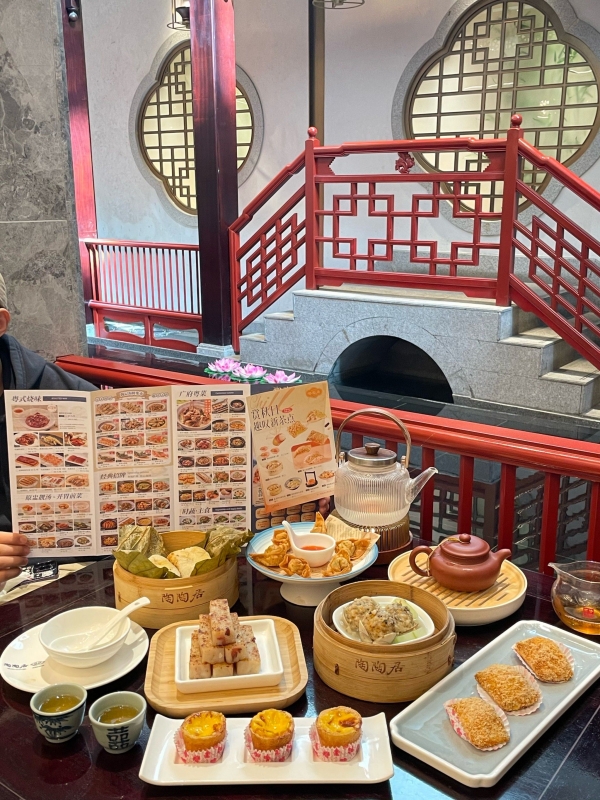
Tao Tao Ju (陶陶居, est. 1880) earned Michelin recognition deservedly. We arrived at 6:45 AM on Tuesday. The teahouse already buzzed with elderly locals. Signature har gow costs ¥36 per basket. Meanwhile, siu mai with caviar runs ¥30. Their famous red rice rolls cost ¥36 per serving.
📍 Location: 20 Di Shi Fu Road 第十甫路20号 | ⏰ Hours: 7:00-14:30 daily | 💰 Price: ¥60-100(~$10-20) per person | 🚇 Metro: Line 1, Changshou Lu 长寿路站
⚠️ Weekend Warning: Arrive before 7:00 AM on weekends absolutely. Otherwise, queues extend beyond 60 minutes easily. Tuesday-Thursday mornings offer the best experience!
Option 2: Michelin-Starred and Upscale Dining
-
- Jade River & Hongtu Hall
-
- Jade River & Hongtu Hall
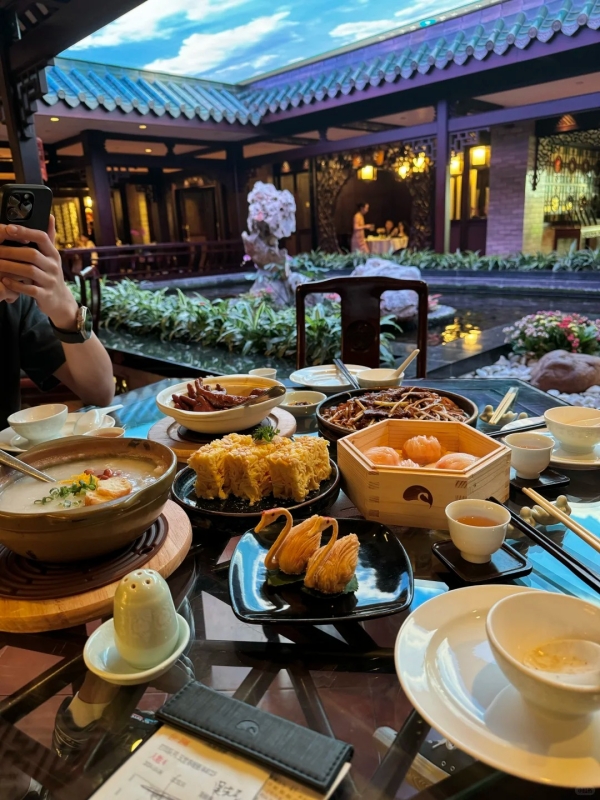
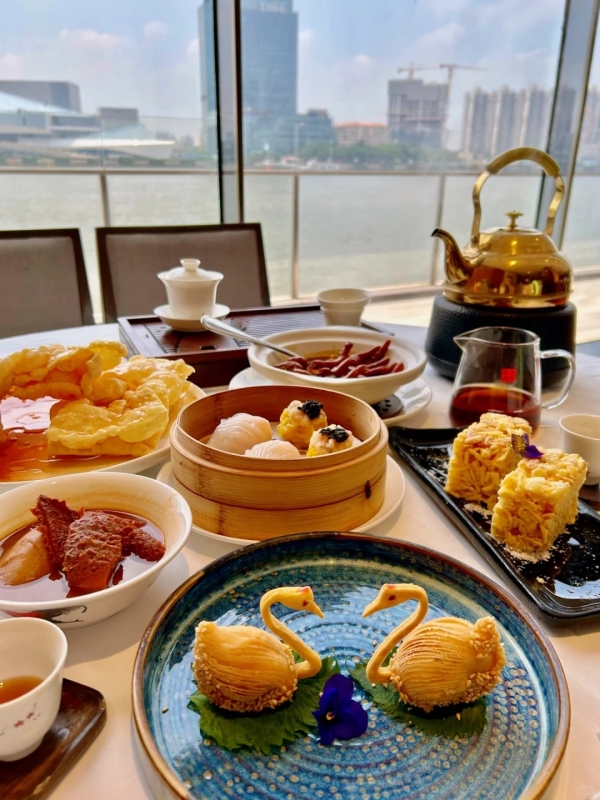
Jade River & Hongtu Hall at White Swan Hotel deservedly won a Michelin star. They occupy a rather stunning slice of waterfront on Shamian Island. Yum cha starts at 8:00 AM every day. We made a reservation for a window table three days in advance. The har gow is a divine reinvention of the Cantonese classic. Their selection of tea includes some rare varieties. The service staff will happily tell you the history behind each of the dishes served, so dining becomes educational too.
Reservation strategy: Book 2-3 days ahead minimum for lunch. Weekend slots fill rapidly especially then. Additionally, request window tables for spectacular river views. Dress code requires smart casual minimum.
🍽️ Type: Michelin dining | ⏰ Hours: 8:00-22:00 daily | 💰 Price: ¥200-500(~$30-70) per person | 🚇 Metro: Line 1/6, Huangsha Station 黄沙站, Exit E
💡 Insider Tip: The breakfast dim sum menu (8:00-11:00) offers better value than dinner. Moreover, you'll experience authentic yum cha culture alongside locals!
Option 3: Street Food and Local Specialties
-
- Freshly-made Egg Waffles
-
- Roast Goose Portions
-
- Horseshoe Cake
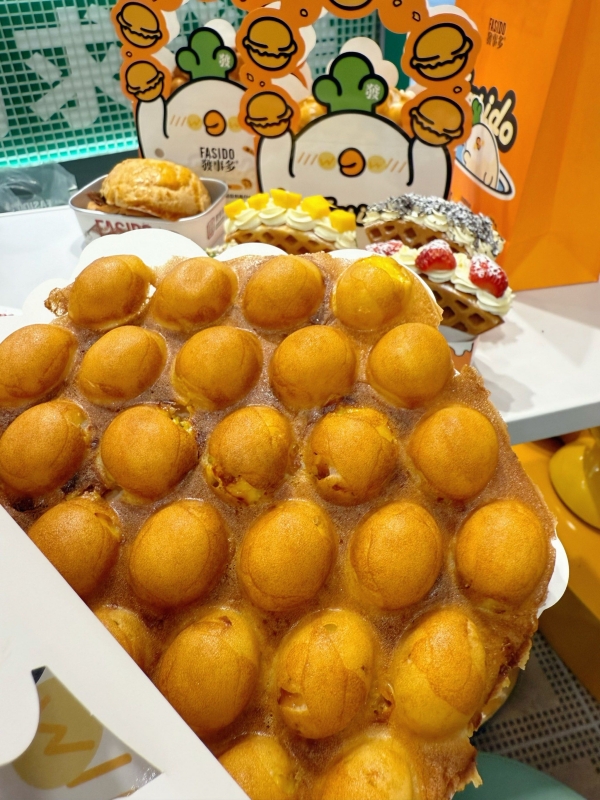
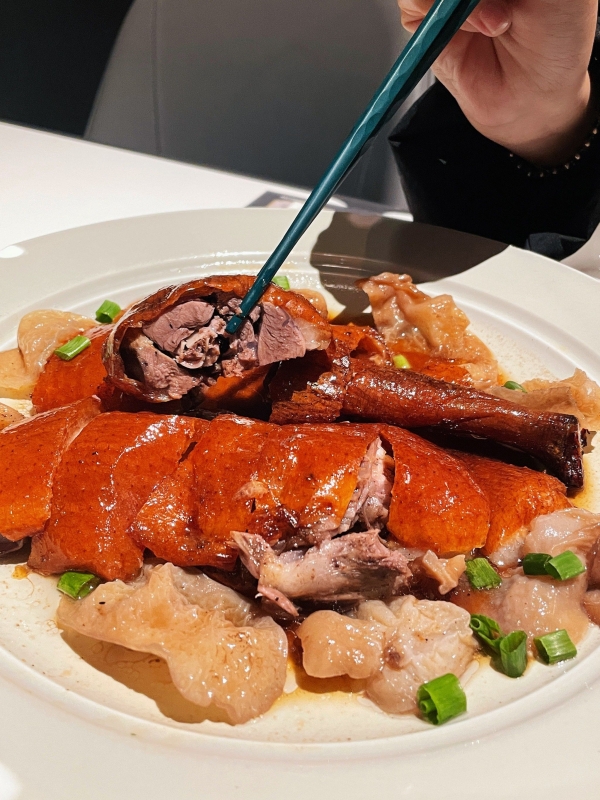
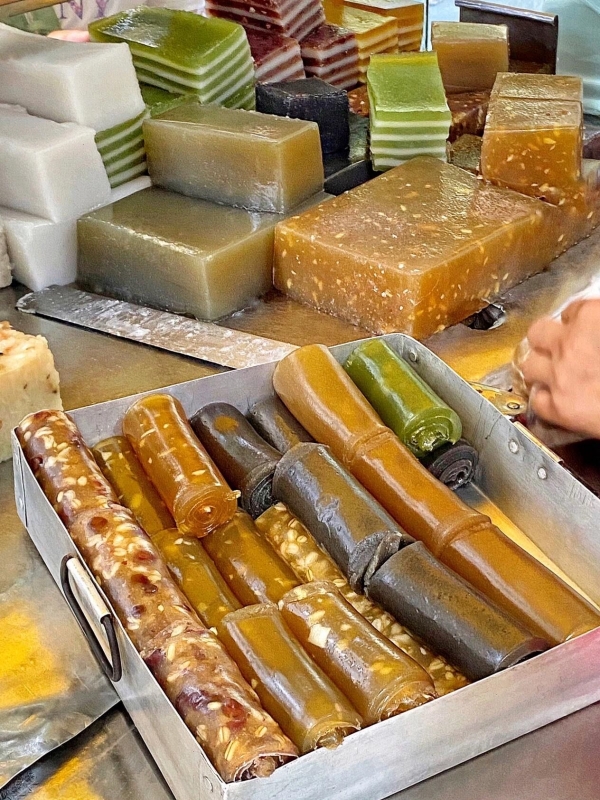
Shangxiajiu Street offers a quintessential Cantonese snacking experience. Crispy gut-sucking (roast duck), in which the vendors keep continuously running all the way until the afternoon. Sea sesame cake, which must be queued up in a long line to get. And those qilou, or arcades of the street that protect the diners from bad weather in fine style. Each vendor has a dish on sale, only one. Recipes have been passed from father to son all the way unchanged. And yet the quality can still be quite good at a low price.
Must-try street foods:
- Freshly-made egg waffles ($2-5)
- Roast goose portions ($10-15)
- Stewed eggs ($5-10)
- Rice noodle rolls ($5-10)
🍜 Location: Shangxiajiu Pedestrian Street | ⏰ Hours: 9:00-22:00 | 💰 Price: ¥5-80(~$1-15) per item | 🚇 Metro: Line 1, Changshou Lu 长寿路站
💡 App Recommendation: Download Dianping (大众点评) for local favorites. Moreover, it shows real-time queue lengths accurately!
The 8 Metro Lines Serving Liwan (2026 Updated Network)
🚇 Major Connectivity Upgrade: Three new lines opened in 2026. Line 10 began June service efficiently. Meanwhile, Line 11 operates as a comprehensive loop. Additionally, Line 22 reaches impressive 160 km/h speeds.
| Line | Key Liwan Stations | Opened | Connects To |
|---|---|---|---|
| Line 1 | Huangsha 黄沙, Changshou Lu 长寿路, Fangcun 芳村 | 1997 | Shamian, Shangxiajiu, Bai'etan |
| Line 5 | Jiaokou 滘口, Xicun 西村, Zhongshanba 中山八 | 2009 | East-west cross-city |
| Line 6 | Cultural Park 文化公园 | 2013 | Yongqingfang area |
| Line 8 | Hualinsi 华林寺, Cultural Park 文化公园 | 2020 | Chen Clan Hall |
| Guangfo Line | Xilang 西朗, Shachong 沙涌 | 2010 | Direct to Foshan |
| Line 10 | Xilang 西朗 (interchange) | June 2025 | Haizhu, Tianhe |
| Line 11 | Fangcun 芳村, Shachong 沙涌 | 2025 | Loop line, major hubs |
| Line 22 | Fangcun 芳村, Xilang 西朗 | Dec 2025 | High-speed, Airport (future) |
Station-to-Attraction Direct Connections
Your essential navigation map:
- Bai'etan Art Center: Line 1, Fangcun Station 芳村站, Exit B1
- Chen Clan Hall: Line 1/8, Chenjiaci Station 陈家祠站, Exit D
- Shamian Island: Line 1/6, Huangsha Station 黄沙站, Exit E
- Yongqingfang: Line 1, Huangsha Station 黄沙站, Exit B (8-min walk)
- Shangxiajiu: Line 1, Changshou Lu 长寿路站 / Line 6, Cultural Park 文化公园站
💡 Money-Saving Tip: Buy a transportation card (羊城通) at any station. It offers 10% discount on all metro rides. Moreover, it works on buses too!
When to Visit and Where to Stay in Liwan District
Best Time to Visit – Autumn Reigns Supreme for Weather
| Season | Rating | Weather | Advantages | Disadvantages |
|---|---|---|---|---|
| Spring (Mar-May) | ⭐⭐⭐ | 18-28°C, humid | Blooming flowers, comfortable temperatures | Rainy season begins, occasional heavy showers |
| Summer (Jun-Aug) | ⭐⭐ | 28-35°C, hot | Lower hotel prices, vibrant night markets | Oppressive heat, typhoon risk, high humidity |
| Autumn (Sep-Nov) | ⭐⭐⭐⭐⭐ | 20-28°C, pleasant | Ideal weather, clear skies, perfect for walking | Peak tourism season, 30% higher hotel prices |
| Winter (Dec-Feb) | ⭐⭐⭐⭐ | 10-18°C, mild | Fewer crowds, lower prices, pleasant for exploration | Chinese New Year crowds (late Jan/Feb) |
We visited in October. The weather felt absolutely perfect throughout our stay. Temperatures hover around 20-28°C comfortably during autumn months. Additionally, skies remain clear and pleasant consistently. However, this represents peak tourism season definitely. Consequently, hotel prices increase by 30% typically during September-November.
Winter (December-January) offers pleasant alternatives for budget travelers. Temperatures range 10-18°C on average comfortably. Moreover, fewer crowds enhance exploration experiences significantly. We recommend this season for those seeking value.
⚠️ Avoid Summer: June-August brings oppressive heat levels unfortunately. Temperatures reach 35°C regularly throughout afternoons. Additionally, humidity creates uncomfortable conditions constantly. Furthermore, typhoon risks increase during these months unpredictably.
💡 Festival Opportunity: Chinese New Year celebrations (late January-February) showcase exceptional cultural displays. Liwan's traditional festivities particularly shine then beautifully. However, book accommodations months ahead accordingly!
Where to Stay by Budget – Hotels for Every Traveler
| Tier | Price Range | Best Hotels | Key Features |
|---|---|---|---|
| Luxury | ¥1,000+ ($150+) | White Swan Hotel, Voco Guangzhou Shifu | Michelin restaurants, river views, colonial charm |
| Mid-range | ¥400-800 ($60-120) | The Yun Collection, Guangdong Victory Hotel | Boutique design, pools, walking distance to attractions |
| Budget | ¥130-400 ($19-57) | 7 Days Inn, Home Inn branches | Clean, basic, metro access, reliable chains |
We stayed at White Swan Hotel for two nights. The colonial property oozes historic charm beautifully. Moreover, two Michelin-starred restaurants operate onsite conveniently. River views from rooms prove spectacular at sunset. Breakfast buffet included 50+ options impressively. Additionally, the pool area felt like tropical paradise.
Mid-range travelers love The Yun Collection near Yongqingfang. Boutique design blends traditional and modern beautifully. Walking distance to major attractions proves invaluable. Moreover, staff provide excellent local recommendations generously. Guangdong Victory Hotel offers pool facilities refreshing tired travelers effectively.
Budget-conscious visitors choose 7 Days Inn or Home Inn branches. Clean, basic, reliable chains operate throughout Liwan. Located near Huangsha Station or Changshou Lu Station conveniently. Moreover, English-speaking staff assist occasionally with directions.
💡 Location Recommendation: Stay near Huangsha Station optimally for convenience. This location offers walking distance to Shamian Island easily. Additionally, Yongqingfang and Shangxiajiu sit nearby naturally.
⚠️ Booking Tip: Book directly through Chinese apps (Ctrip, Meituan). Prices run 20-30% lower than international platforms consistently!
Frequently Asked Questions About Travelling to Liwan District
Q: Is Liwan District in Hong Kong or Guangzhou?
Liwan District (荔湾区) operates in Guangzhou exclusively. It forms part of Guangdong Province's capital city. Hong Kong maintains 18 separate districts administratively. However, none carries the Liwan District name officially. The confusion stems from similar Cantonese place names. Both cities anchor the Greater Bay Area. Therefore, geographic proximity amplifies misunderstandings frequently.
Q: What is Liwan District known for?
Liwan District represents Cantonese culture's birthplace fundamentally. China's oldest dim sum restaurants operate here continuously. Tao Tao Ju dates to 1880 remarkably. Shamian Island preserves colonial architecture beautifully throughout streets. Moreover, the Xiguan traditional neighborhood maintains authentic character. Additionally, Cantonese Opera originated within these boundaries. The Bai'etan Art Center opened in 2024. Furthermore, Liwan District preserves 14 historical blocks carefully.
Q: How do I get to Liwan District from Guangzhou airport?
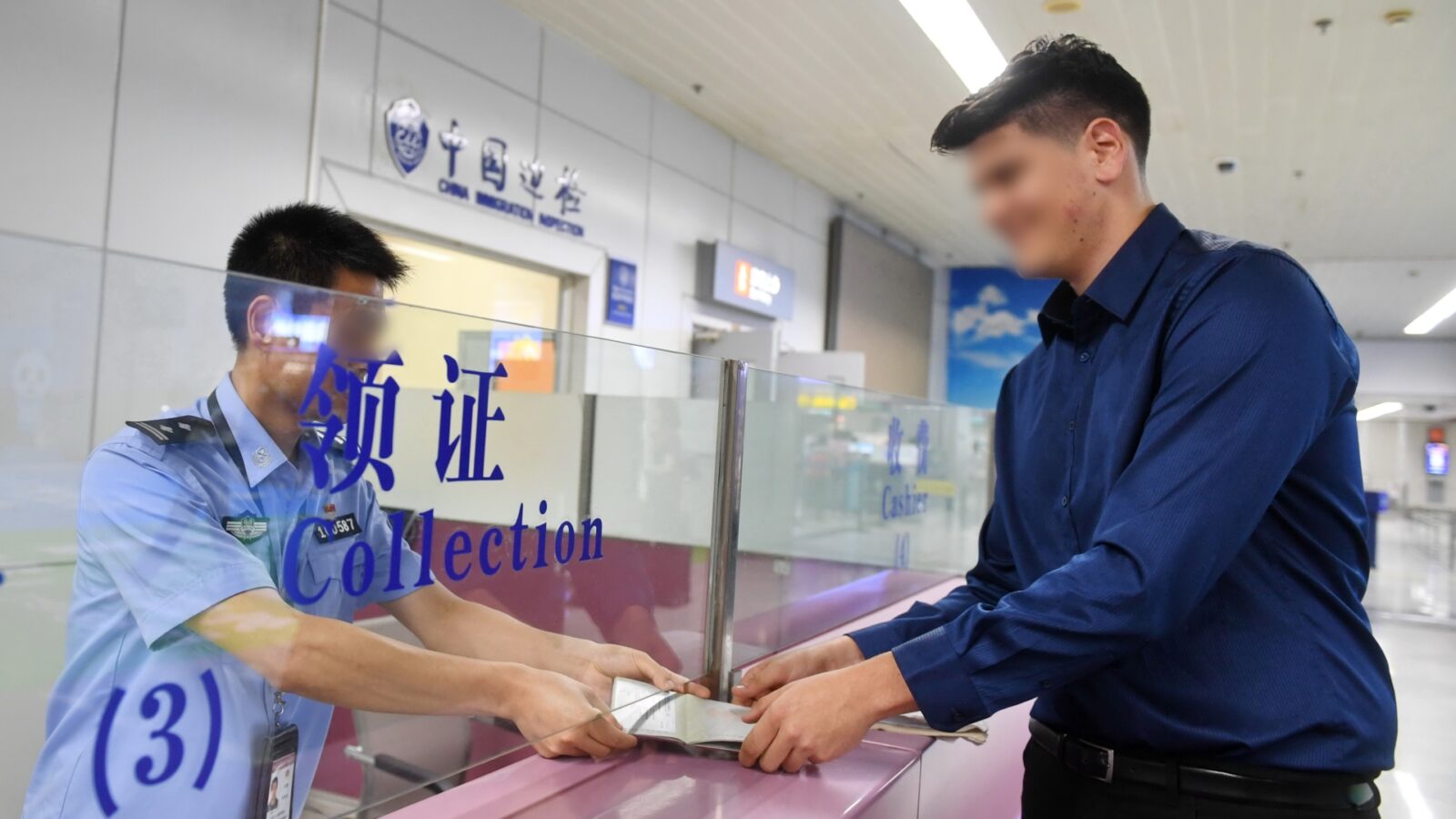
Take Metro Line 3 from Baiyun Airport initially. Transfer at Tiyuxilu Station to Line 1. The journey requires approximately 60 minutes total. Fares cost around ¥8 per person. Alternatively, taxis charge ¥100-130 for direct service. From Guangzhou Railway Station, Line 2 connects easily. Transfer at Gongyuanqian to Line 1 subsequently. Liwan District now enjoys eight metro lines. Therefore, it ranks among Guangzhou's best-connected districts.
Q: What are the best restaurants in Liwan District?
Liwan District's dining heritage remains unmatched throughout Guangzhou. Tao Tao Ju (陶陶居, est. 1880) earned Michelin recognition deservedly. Lian Xiang Lou (莲香楼, est. 1889) invented lotus mooncakes. Guangzhou Restaurant (广州酒家, est. 1935) claims citywide fame. Pan Xi Restaurant represents China's largest garden-style establishment. The 2023 Michelin Guide featured 16 Liwan District restaurants. Additionally, Jade River and Hongtu Hall serve excellent Cantonese cuisine.
Q: What metro lines serve Liwan District?
As of 2025, eight metro lines serve Liwan District comprehensively. Lines 1, 5, 6, 8 operate established routes. Additionally, Line 10, 11, 22 opened in 2025. The Guangfo Line connects to Foshan directly. Key interchange stations include Xilang with four lines. Fangcun Station serves three lines simultaneously. Huangsha connects two lines effectively. The high-speed Line 22 reaches 160 km/h. Eventually, it will connect Liwan District to Baiyun Airport.
Q: What is the Bai'etan Art Center in Liwan?
The Bai'etan Greater Bay Area Art Center opened May 1, 2024. This landmark represents Liwan District's newest cultural attraction. The 145,000-square-meter complex resembles a ship architecturally. He Jingtang designed this impressive structure masterfully. Three museums occupy the space collectively. Admission remains free with advance reservations. Take Metro Line 1 to Fangcun Station. Operating hours run 9:00-17:00, closed Mondays. Liwan District now boasts Guangdong's largest cultural complex.
Q: Is Liwan District safe for tourists?
Yes, Liwan District maintains excellent safety standards consistently. Guangzhou ranks among China's safest major cities. Violent crime remains exceptionally rare throughout this district. Public transportation operates safely after dark regularly. Solo travelers navigate freely without concerns. Women travel alone comfortably throughout neighborhoods. Take standard urban precautions against pickpockets naturally. Avoid unofficial "guides" at Chen Clan Ancestral Hall. Overall, Liwan District welcomes tourists with exceptional security standards.
Q: What is Xiguan culture?
Xiguan (西关) refers to the traditional Cantonese neighborhood. It occupied western Liwan District historically as wealthy residential quarters. Xiguan culture encompasses distinctive architectural elements beautifully. Triple-hinged wooden doors (趟栊门) characterize traditional mansions. Additionally, Cantonese opera originated within these boundaries. Traditional dim sum customs developed here extensively. Today, Yongqingfang represents best-preserved Xiguan heritage. Revitalized architecture blends with modern creative spaces. Liwan District preserves this unique cultural identity carefully.
Q: What is the difference between Liwan District and Yuexiu District?
Both districts occupy central Guangzhou positions adjacently. They remain walkable from each other easily. Yuexiu functions as the political and commercial center. Meanwhile, Liwan District represents the cultural and culinary heart. It specializes in Cantonese food heritage extensively. Colonial architecture defines Shamian Island uniquely. Traditional Xiguan neighborhood culture thrives continuously. For one-day visits, Liwan District offers superior food and architecture. Yuexiu provides better museums and history. Liwan District delivers authentic cultural experiences beautifully.
Q: How many days do I need in Liwan District?
One full day covers major highlights comprehensively. This includes dim sum breakfast at century-old restaurants. Additionally, visit Chen Clan Ancestral Hall thoroughly. Explore Bai'etan Art Center's three museums completely. Two days allow more relaxed exploration pacing. This permits Lychee Bay boat rides leisurely. Additionally, visit Thirteen Factories Museum thoroughly. Many travelers base themselves in Liwan District for convenience. They use excellent metro connections for exploring greater Guangzhou. Liwan District serves as perfect cultural hub.