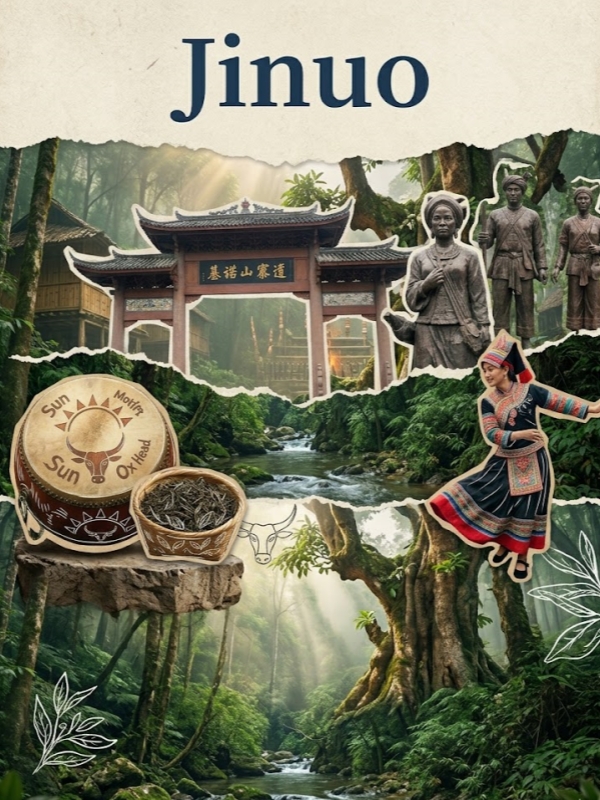
Jinuo:”Uncle 's descendants“ lineage , Rainforest sanctuary , Sun Drum totem , and ancient Pu-erh tea guardians
This ‘drum’ does not just carry the origin tale of the Jinuo. It leads me to that alien place, those rainforest lands. 21 degrees and north, behind clouds and mountains, lives descendants. How have these doomed, ‘sudden’ survivors become the guardians of Pu-erh? Surely, they took those ancient Tea Horse Roads. Tea Horse, Ji Nuo, ‘uncle descended of’; poor fellows without uncles of familial, spiritual authority. They pray first at the ant mounds - bones aren’t the only hidden thing there, and the life blood, black earth. If the ants will have your offering, mound will be Uncle. If the mound will not be your uncle, you can offer to the banyan tree. Officially in 1979, the Jinu became China’s 56th ethnic minority. To die for, there’s culture heritage.
Essential Facts About Tribal Life
| Category | Details |
|---|---|
| 📅 Official Recognition | 1979 (China's 56th ethnic minority) |
| 👥 Population | Approximately 23,000 (2020 census) |
| 📍 Main Location | Jinghong City, Xishuangbanna, Yunnan Province |
| 🗣️ Language | Jinuo language (Sino-Tibetan, Tibeto-Burman) |
| 🎉 Major Festival | Temaoke Festival — Lunar New Year (January/February) |
| 🏞️ Key Attractions | Jinuo Mountain Village, Rainforest Hiking Trails |
| 💰 Ticket Price | Village: ¥100 | Hiking package: ¥200-300 (2026) |
| 🌤️ Best Time to Visit | October to April (dry season), especially during Temaoke Festival |
Sacred Origins and Ancestral Legends
-
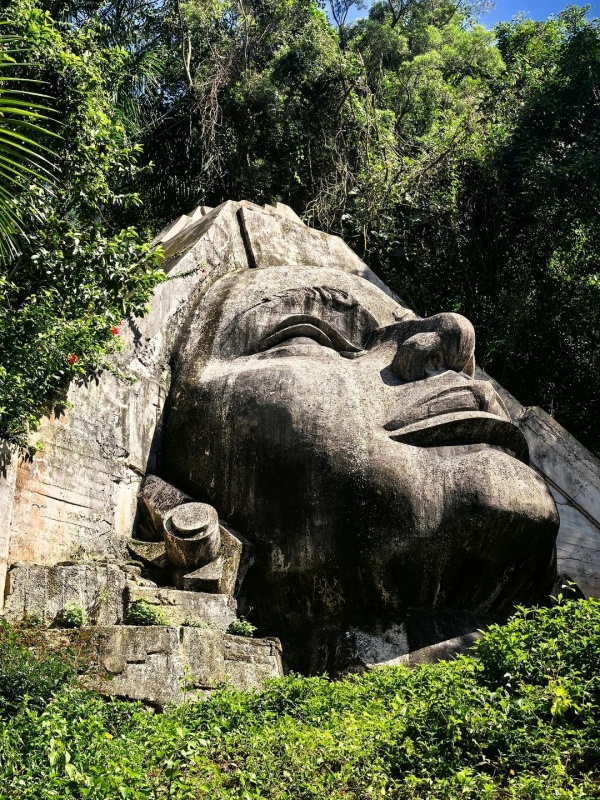

- The Statue of Amo Yaobei
-
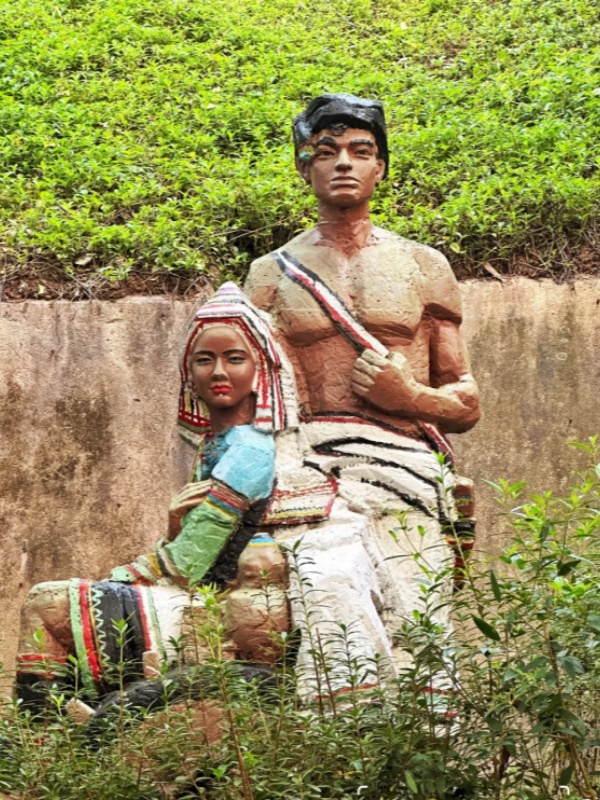
- The Statue of Mahei and Maniu
-
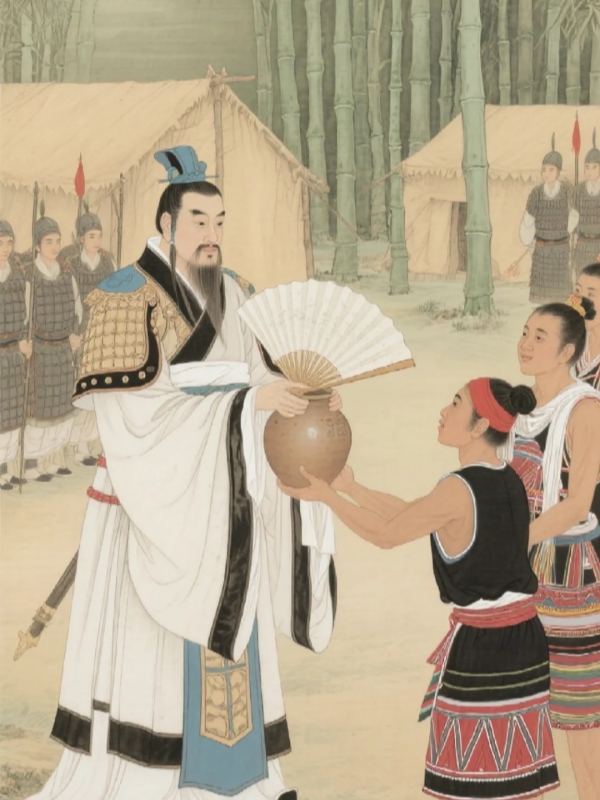
- Zhuge Liang Interacting with the Jinuo Ancestors
Goddess Amoyao Bei and Zhuge Liang
The Jinuo's creation myth features Amoyao Bei, a giantess of sinuous, cosmic origin from an ocean in whose depths lay her birthplace. She suspended the sky with nine ropes and anchored the ground with nine pillars. She opened subterranean water reservoirs to deter her dragon progeny from battling one another. From a gaping hole in a sacred drum belched two surviving siblings, recommends one myth, a life-preserving feature of their bloodline. With divine gourd seeds, they multiplied tribally, fertilizing graves of pregnant ancestral women.
While legends speak of their blood line, oral history leads their rainforest to Zhuge Liang’s marched men who came south in return for worthy fortunes. Upon the death of the commander and in a country they knew but could not inhabit, off to the deep sleeping mountains went several, drawn by tea fragrance and scenic splendour. They called themselves Jinuo then in honour of an uncle.
Oral History and Folk Traditions
Jinuo language is Tibeto-Burman. It existed for centuries without a shred of written language of any kind. There is a theory that ancient Qiang people moved south and lost their writing system and iron working in the process. To survive, they moved into the miasma-filled mountains, where slash-and-burn agriculture kept them going in this dark oasis of the Tropic of Cancer.
Without writing or print, the Jinuo preserved their heartfelt cultural knowledge solely through storytelling, with elders handing down centuries old records of family trees via singing, chanting, and notched wood. Like ancient tea trees, this lively tradition took root tenaciously and has survived to this day. Finally in 1979 this cloud-veiled people gained official recognition putting a close on the last scrap of ethnic definition in China.
Uncle’s Authority and Social Structure
Jinuo society followed patriarchal clan structures historically. Village elders, called "Zhuo Ba," governed affairs absolutely. Their decisions carried tremendous weight in ceremonies. Moreover, uncles held supreme family status universally. This reflects origin mythology directly and powerfully. All major family decisions required uncle's approval. Even today, this social hierarchy influences dynamics. Indeed, it represents matriarchy-to-patriarchy transition fossil.
- Traditional Economy: Slash-and-burn agriculture sustained livelihoods historically. They rotated rice and corn fields regularly.
- Modern Transformation: Tea cultivation now dominates economically. Jinuo Mountain ranks among Pu-erh's famous mountains.
- Tourism Revenue: Cultural experiences provide substantial family income. Authentic encounters attract international visitors increasingly.
Spiritual Faith and Sun Worship
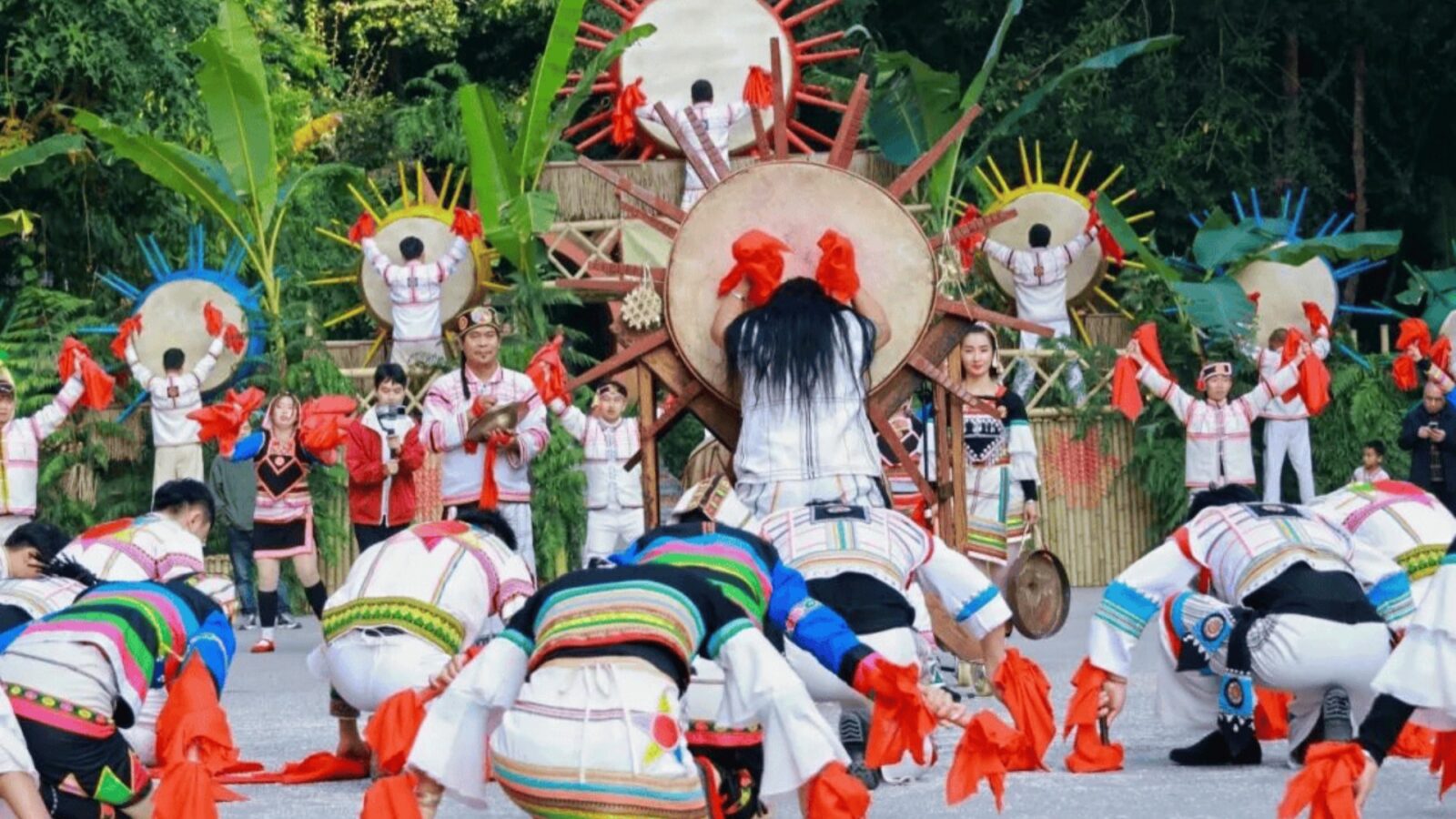
Sacred Beats of Great Drums
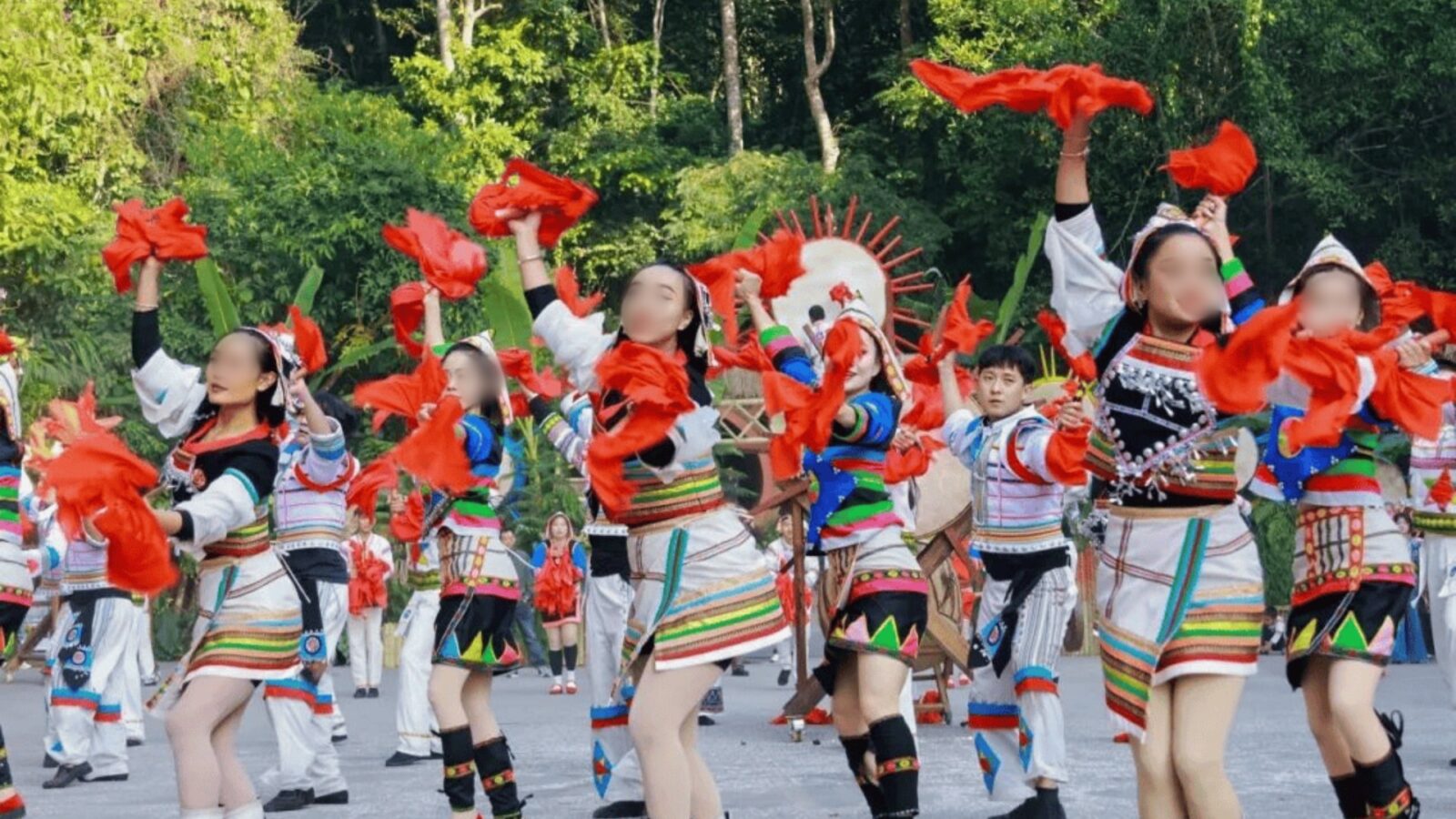
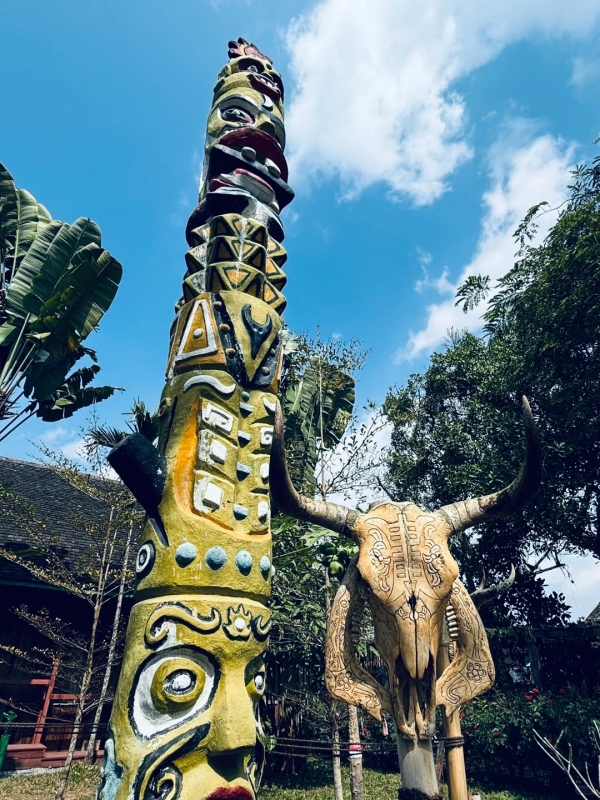
Sun worship is another vital element of essential Jinuo spirituality. The solar cult pervades their life; the sun is a beneficent deity universally ascribed to. Every village has a central plaza for solar worship. It is there that all important annual festivals are located. The sun drum in particular is most venerated. By tradition it saved from calamity their ancestor brothers. Consequently, drums form part of all major rituals. Beyond ancestor worship and sun offerings, one must not use them lightly or for frivolous reasons.
The Great Drum Dance is the premier Jinuo cultural festival ritual. Tall men pine over giant cowhide drums in rhythmically hedonistic fashion. Circling in traditional garb of fiery fusion and equestrian elegance are female Jinuos. For us the dance and drums will be performed twice daily. It is said they will thrill to hundreds of onlookers.
The most modern of Jinuo dances, it binds them all together with yesterday.
Fire Rituals of Temaoke Festival
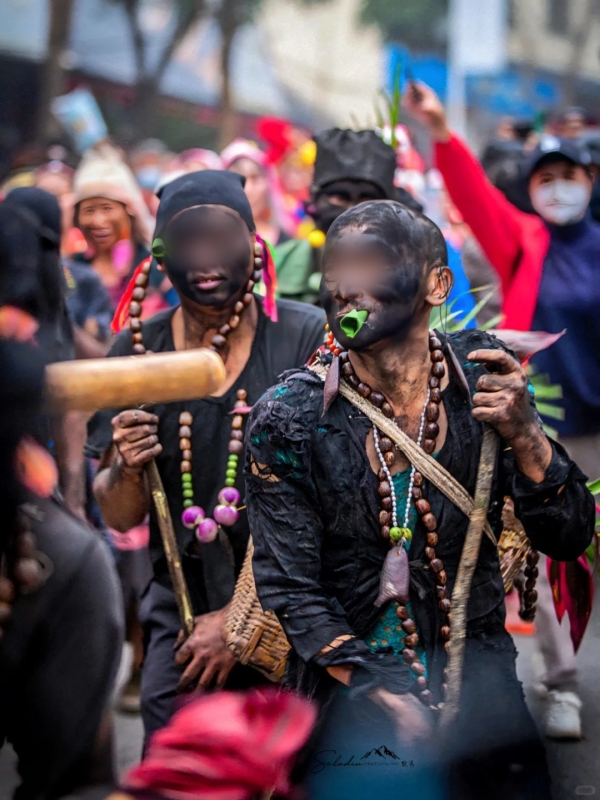
In the depths of a Xishuangbanna rainforest, dawn mists and sunbeams join forces to launch the Temaoke Festival under the drumbeats of the “Gezhulie” dance, wherein participants blacken their faces and throw on ragged clothes as emblems of the hardships of the past year. With the dancers swaying and toppling to the rhythm’s urging, tribe members spring to a fellow dancer’s side to keep him on his feet in a crude performance that literally dispatches the old year’s misfortunes in a leap to invite in new prosperity.
Mythical blacksmiths of olden times seem to live in the steps of the performers, crying noisily at every footfall for good weather, striving in earnest to barter for a boon of the gods with the twin forge and fire.
- Timing: Late January or early February annually. Coincides with Chinese Lunar New Year celebrations.
- Duration: Three days of continuous festivities unfold. Villages transform into vibrant celebration centers completely.
- Key Activities:
- Traditional songs and drum dances performed
- Communal feasting featuring local specialties abundantly
- Bonfire gatherings lasting until dawn breaks
- Ritual offerings to sun and ancestors
- Visitor Experience: Outsiders receive warm welcomes traditionally and graciously. However, respect cultural protocols carefully and sensitively. Photography requires permission from community elders.
Symbolic Patterns of Ethnic Dress
Jinuo traditional dress carries deep symbolic meaning. Women wear colorful embroidered garments prominently and proudly. Patterns represent sun worship and natural elements. Red and black dominate color schemes traditionally. Sun motifs and ox head designs appear frequently. Men don simple tunics and turbans customarily. These outfits appear during festivals mainly and ceremonially.
Traditional garments preserve cultural identity visibly and tangibly. Younger generations learn ancestral customs through clothing. Moreover, patterns teach origin myth symbolism effectively. Elders handcraft garments using traditional techniques skillfully. This practice maintains textile heritage actively and proudly.
Jinuo Mountain Rainforest Realms
-
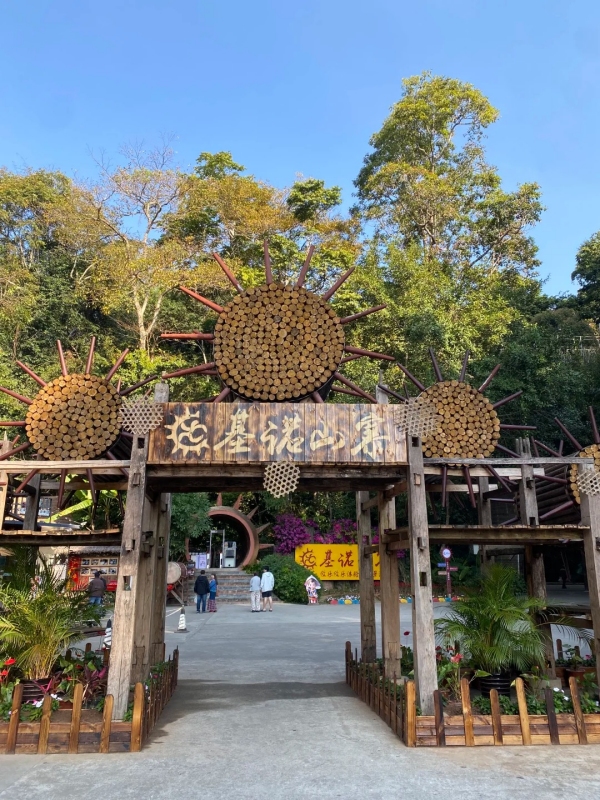
- Jinuo Mountain Village
-
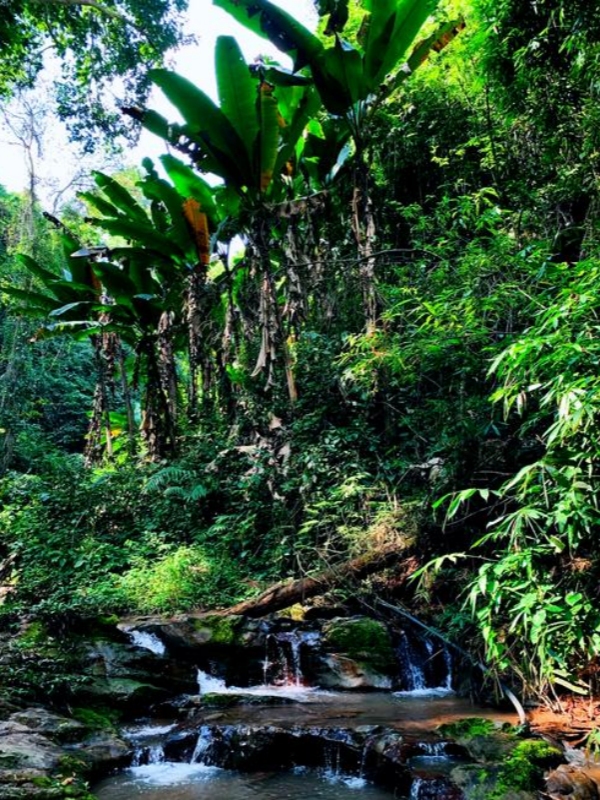
- Jinuo Mountain Rainforest
-
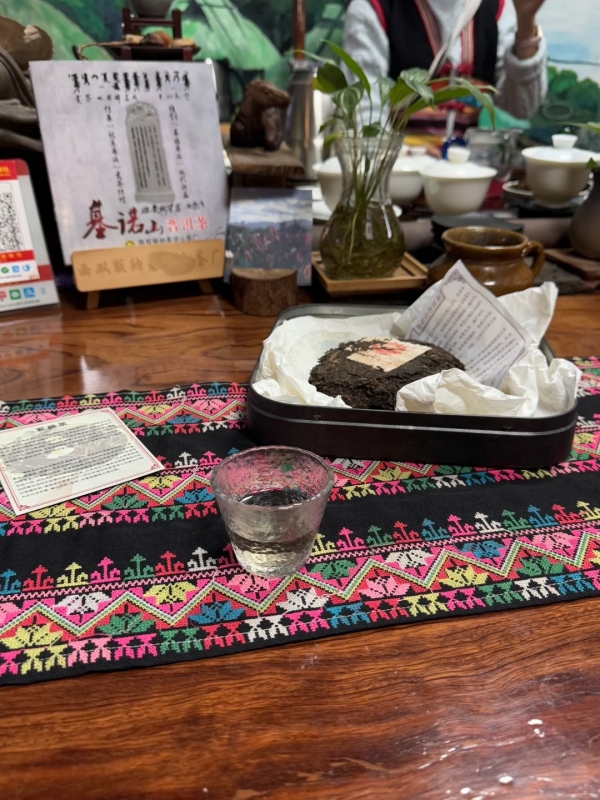
- Jinuo Mountain Pu-erh Tea
Welcome Songs in Bamboo Houses
Culture village. Traditional Jinuo buildings. Bamboo houses built up on stilts, firm and good looking. Sun worship plazas. Guides do much to make the culture get through. Admissions ¥100 per person, at the moment. Sometimes the Great Drum Dance is entertained as part of the tour.
On arrival at the villages, welcome is a Jinuo maidens’ custom: a welcome song addressed to visitors in high sweet voices. In due ceremony bamboo-tube wine is presented to guests. This capitals from beginning to finish. Village tour proper. Local guide speak fluent mandarin, and english.
- Architecture Highlights: Traditional bamboo stilt houses demonstrate engineering ingenuity. Multi-level structures serve different functions efficiently.
- Cultural Demonstrations: Craftspeople showcase traditional weaving techniques skillfully. Moreover, tea processing demonstrations occur regularly.
- Performance Schedule: Great Drum Dance occurs twice daily. Morning shows start at 10:00 AM. Afternoon performances begin at 3:00 PM.
Wild Adventures on Forest Trails
Rainforest hike. Experience the ultimate adventure! A 4-5 km trail leading into undisturbed forest. Cross a stream (ankle to thigh deep, depend on passage) that runs through. And the bamboo rafting! Now sky meet earth to tease you from above! Canopy walks, ziplines, and inescapably, the heat and humidity. Expect muddy trails that suck and ooze. Price of the package RMB 200 - 300.
Your professional guides watch carefully over journeys made. Flickers of their knowledge on rainforest ecology, wild life will titillate endlessly, and you will see rainforests differently. An insight into Jinuo rustic platters await so don’t hurry! Old local gourmet fare such as “bamboo rice, shredded yam fowl and fried bamboo fungus, skewer-roasted tiger and wild boar.” You will drink welcome songs sang in traditional stye.
Timeless Ancient Pu-erh Tea Heritage
Jinuo Mountain belongs to Pu-erh's ancient tea mountains. Tea cultivation spans centuries here historically and continuously. Consequently, authentic tea experiences abound richly and authentically. Visitors explore ancient tea plantations directly and intimately. Moreover, farmers demonstrate traditional processing methods carefully.
- Plantation Tours: Ancient tea trees exceed 300 years old. Touching rough bark creates tactile historical connections. Farmers explain cultivation techniques passed generationally and lovingly.
- Processing Workshops:
- Sun-drying methods preserve tea quality naturally
- Hand-rolling techniques shape leaves properly and carefully
- Fermentation processes create distinctive flavors uniquely
- Tasting Sessions: Sample various Pu-erh tea grades carefully. Learn proper brewing techniques from masters. Purchase directly from farmers at fair prices.
Tea culture connects visitors to Jinuo heritage. Ancient tea trees represent living history tangibly. Moreover, traditional processing maintains cultural authenticity completely. Purchasing directly supports local families economically. The experience combines education and cultural exchange.
Practical Guide for Mountain Explorers
Optimal Seasons for Rainforest Visits
Different seasons offer contrasting experiences distinctly and uniquely. Therefore, choose based on personal preferences carefully.
- Dry Season (October-April): Pleasant weather (15-25°C) prevails consistently. Minimal rainfall makes hiking comfortable. Fewer mosquitoes present.
- Festival Period (Late January-Early February): Enhanced cultural experiences available abundantly. Requires advance accommodation booking.
- Rainy Season (May-September): Lush forest appearance peaks dramatically. Cloud seas envelope mountains mystically. Requires rain gear and extra caution.
Transportation Routes from Jinghong City
Jinuo Mountain sits 30 kilometers northeast of Jinghong. The journey takes 40-50 minutes by car. Winding mountain roads ascend gradually through landscapes. Scenery transforms from urban to rainforest progressively.
- Private Car: ¥150-200 one-way (¥300-400 roundtrip)
- Shared Van: ¥30-50 per person one-way
- Tour Package: ¥200-400 total (includes transportation, tickets, meals)
Booking Platforms: Klook, GetYourGuide, Trip.com offer comprehensive packages.
Ticket Prices and Operating Hours
Entry fees support cultural preservation efforts sustainably. Operating hours accommodate most visitor schedules conveniently.
- Village Tour Only: ¥100 per person
- Rainforest Hiking Package: ¥200-300 per person
- Operating Hours: 8:00 AM - 6:00 PM daily
Survival Gear for Tropical Trekking
Proper equipment transforms challenges into enjoyable experiences. Mosquito prevention ranks as first priority absolutely.
- Quick-dry clothing and long sleeves/pants
- Sturdy waterproof footwear (broken-in, not new)
- Mosquito repellent (DEET-based, high concentration)
- Waterproof bag for electronics
- Spare socks and shoes
- Small cash amount (some vendors cash-only)
Cultural Etiquette and Local Taboos
Cultural sensitivity ensures meaningful exchanges respectfully. Disrespecting uncles constitutes serious taboo absolutely. Additionally, never step on door thresholds.
- Request permission before photographing individuals
- Don't touch sacred items without permission
- Observe ceremonies quietly; follow local customs
- Dress modestly when visiting homes
Frequent Questions About Jinuo Tribal Life
Q: Is it true that China has 56 different ethnic groups?
Yes, China officially recognizes 56 ethnic groups. The Han majority comprises 92% of population. Fifty-five ethnic minorities constitute the remainder. The Jinuo became the final group recognized. This completed China's ethnic classification in 1979. Each minority enjoys legal cultural protection. The Jinuo thus represent China's ethnic diversity milestone.
Q: Where do the Jinuo live?
The Jinuo primarily inhabit Jinuo Mountain in Xishuangbanna. This mountainous region sits 30 kilometers from Jinghong. Population concentrates in Bapo and Baka villages. The subtropical environment shaped Jinuo lifestyle over centuries. Consequently, they developed unique agricultural practices. Their homeland remains central to Jinuo identity today.
Q: What language do the Jinuo speak?
The Jinuo speak Jinuo language from Tibeto-Burman family. Traditionally, this language lacked written script entirely. Therefore, oral transmission preserved Jinuo cultural knowledge. Elders memorized extensive information through songs. Today, most Jinuo also speak Mandarin fluently. However, elders continue teaching native Jinuo language. Language preservation remains challenging amid modernization pressures.
Q: Why do Chinese ethnic minorities wear traditional dresses?
Ethnic minorities like the Jinuo wear traditional clothing ceremonially. Festivals and tourist welcomes prompt traditional attire. This practice preserves Jinuo cultural identity visibly. Daily wear typically consists of modern clothing. However, traditional garments symbolize Jinuo ethnic pride. Children learn ancestral customs through Jinuo clothing symbolism. Traditional dress reinforces sun worship connections deeply.
Q: What can I experience in Jinuo Mountain?
Jinuo Mountain offers diverse cultural and adventure experiences. The cultural village features traditional Jinuo bamboo houses. Great Drum Dance performances occur twice daily. Rainforest hiking provides ultimate adventure through pristine Jinuo forest. This package includes stream trekking and feasts. Tea culture experiences showcase ancient Jinuo plantations. Visitors taste authentic Pu-erh tea.
Q: Is Jinuo Mountain rainforest hiking suitable for families?
Yes, the rainforest hiking trail accommodates families well. It suits participants aged 6 to 50. The 4-5 kilometer route requires approximately 4-5 hours. Activities include stream crossings and cultural performances. Professional guides ensure safety throughout Jinuo Mountain journey. Families should prepare quick-dry clothing appropriately. Children particularly enjoy Jinuo welcome songs immensely.
Q: What is the best time to visit Jinuo Mountain?
The optimal period spans October through April. Weather remains pleasant (15-25°C) with minimal rainfall. Consequently, hiking trails stay accessible and comfortable. For enhanced cultural immersion, plan Jinuo visits during Temaoke Festival. However, this popular period demands advance bookings. Rainy season offers adventurous Jinuo Mountain experiences.
Q: How can I visit Jinuo Mountain?
Jinuo Mountain sits 30 kilometers northeast of Jinghong. The journey takes 40-50 minutes by car. Private car hire costs ¥150-200 one-way. Shared vans offer budget alternatives at ¥30-50. Tour platforms like Klook provide comprehensive Jinuo packages. These include transportation, tickets, and Jinuo meals. The village operates daily 8:00 AM to 6:00 PM.