Huangpu District Guangzhou
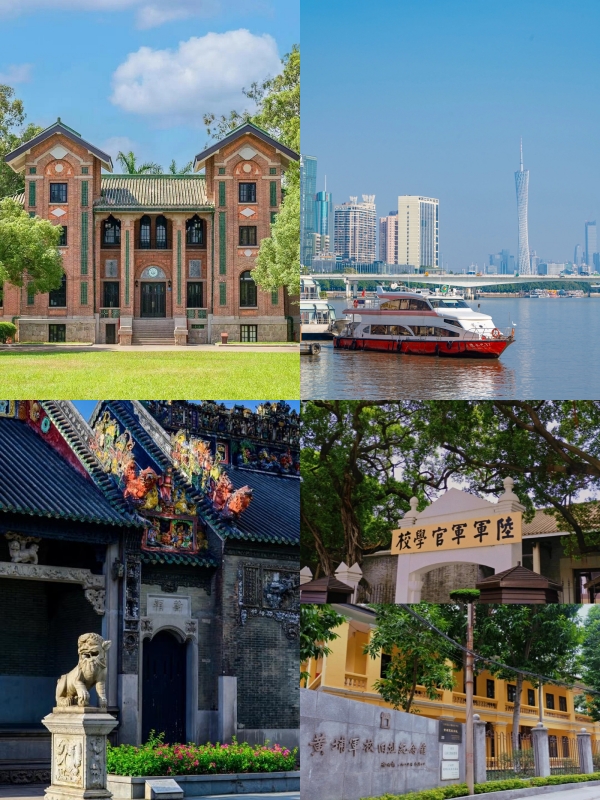
East Guangzhou centre and overall square are about 484.17 square km. It is a quite spacious district worthy of huge interest with the revolutionary history. Old temples for seagod exist for only minutes distance between biotechnical parks of Asia, Whampoa military academy serve as patio for modern Chinese history, and the angrily situated Science City push the technology further. Major events of National Games has made attraction easier. Getting ready for a better journey in 2026! New Tram Line connects most of the districts and Knowledge Tower is done. Let’s check your guides for Huangpu travel! Actually, a visit to the district will provides the most important knowledge, you learn the fast fact of the district. Then the great attractions. Finally, the useful formations.
🗺️ Wondering how Huangpu fits into the bigger picture? Check out our [11 Guangzhou Districts Guide] to compare all 2026 heritage cores and eco zones in one glance!
Quick Facts About Huangpu District Guangzhou
| Feature | Details |
|---|---|
| Location | Eastern Guangzhou, Guangdong Province, China |
| Area | 484.17 km² (186.9 sq mi) |
| Population | ~1.2 million residents |
| Postal Code | 510700 |
| Area Code | +86 20 |
| Adjacent Districts | Tianhe (west), Baiyun (northwest), Panyu (south), Conghua (north) |
| Key Feature 1 | Home to Whampoa Military Academy—"China's West Point" |
| Key Feature 2 | Guangzhou's tech hub: Science City, Knowledge City, Biotech Island |
| Key Feature 3 | Ancient Maritime Silk Road heritage at Nanhai God Temple |
Top Attractions in Huangpu District Guangzhou You Cannot Miss [2026 Edition]
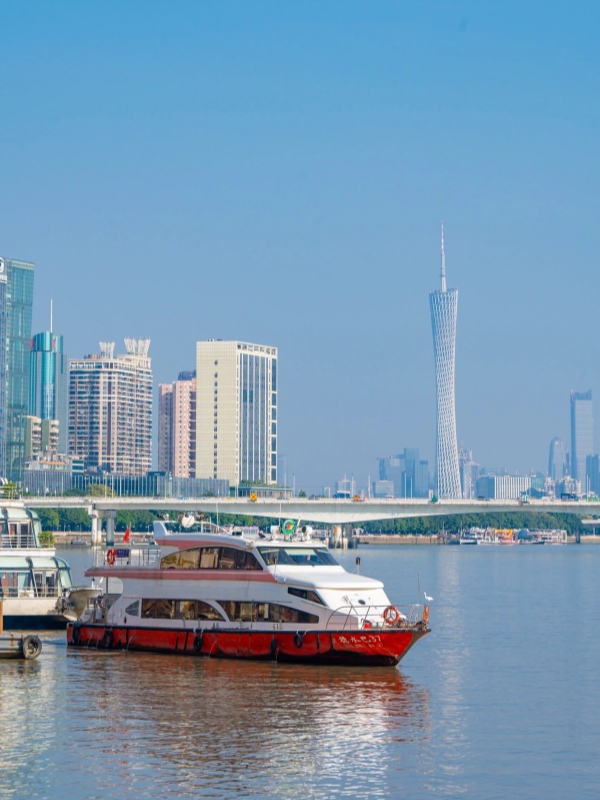
🌟 Warm reminder: The photos match the reality, Huangpu District will not let you return disappointed.
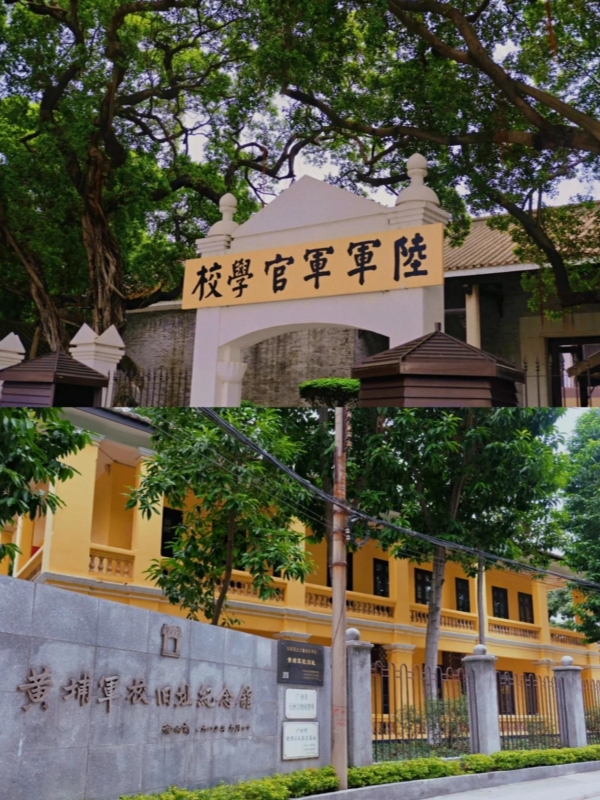
NO. 1 Historic Whampoa Military Academy - Where Modern China's Leaders Trained
Founded in 1924 by Sun Yat-sen, this institute trained all revolutionary leaders throughout modern China. It’s most famous commandant was Chiang Kai-shek, though Zhou Enlai was in charge of political education here. The rebuilt campus is located on Changzhou Island, and you can visit preserved dormitories and classrooms, as well as the “Huangpu Military Academy History Exhibition,” which includes 200 photographs and more than 100 artifacts. Walking the parade grounds and imagining future generals marching there is powerful.
📍 Address: 170 Junxiao Road, Changzhou Island, Huangpu District
🕐 Hours: 9:00 AM–5:00 PM (closed Mondays)
💰 Cost: FREE (advance phone reservation required)
🚇 Metro: Line 5 to Yuzhu Station → ferry from Xinzhou Pier (¥2)
⏱️ Time Needed: 2–4 hours
⚠️ Reservation Strategy:
Book reservations at +86-20-82201082 one day ahead. Walk-ins face refusal. Additionally, visit weekday mornings for contemplation. You'll avoid crowds completely.
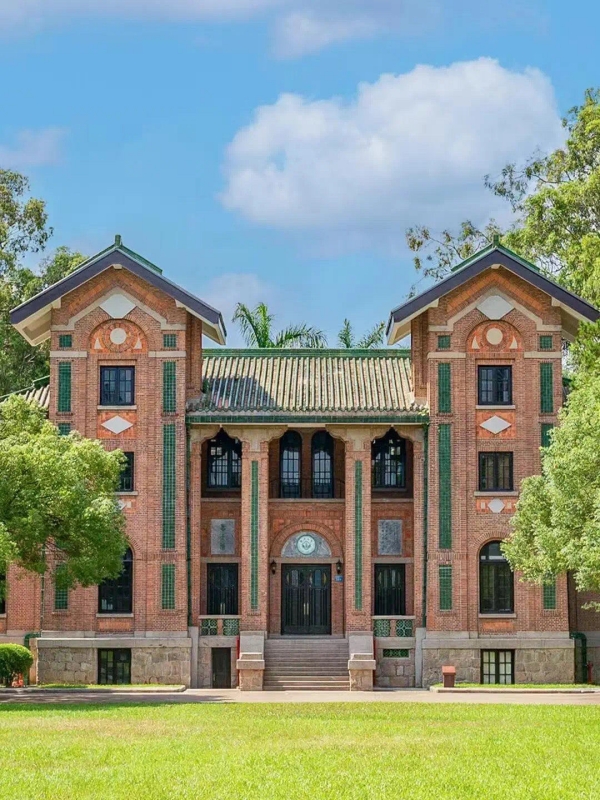
NO. 2 Sun Yat-sen University Campus - Academic Beauty Along the Pearl River
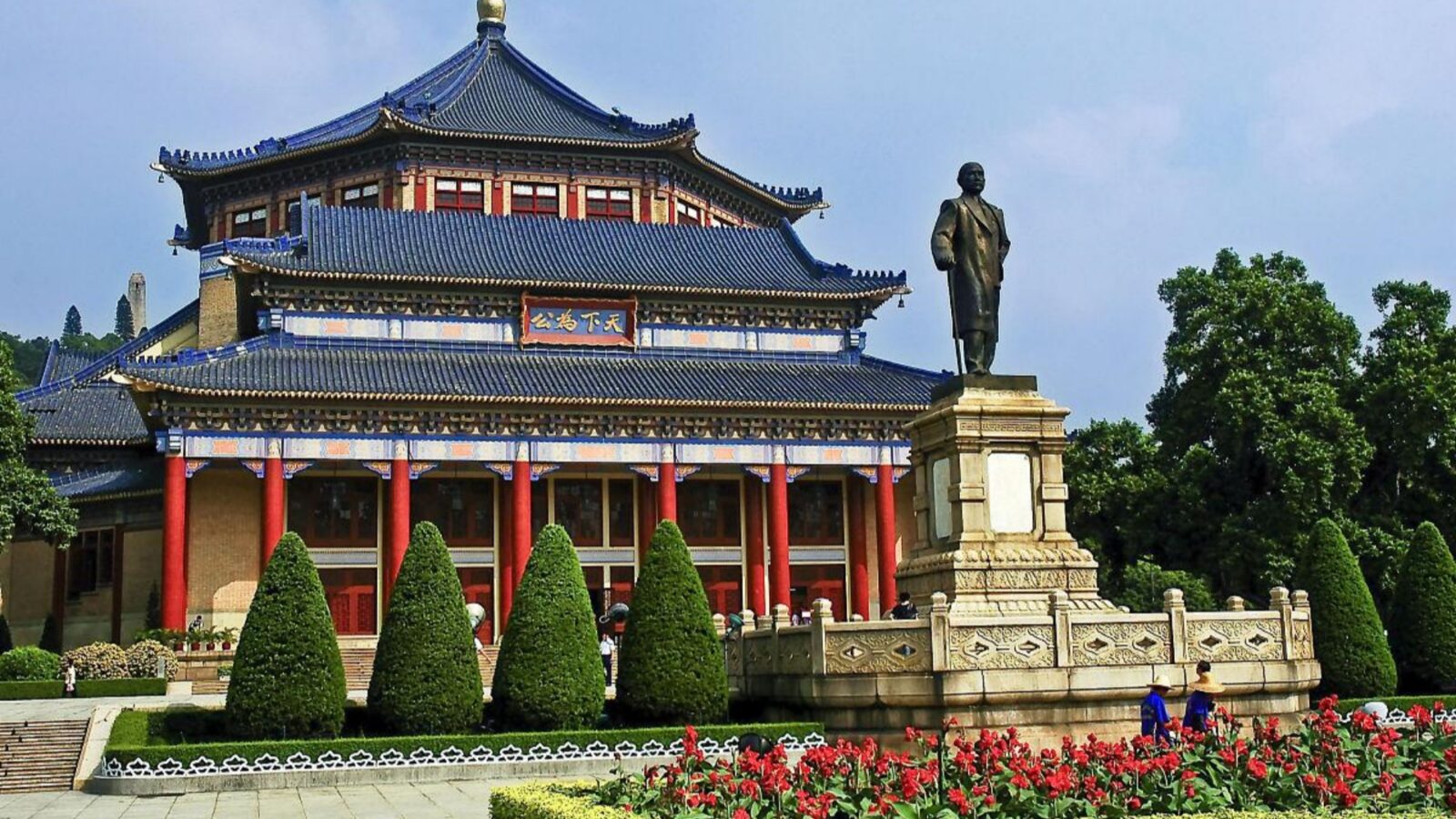
This campus technically sits in neighbouring Haizhu, but it conveniently flows into Huangpu exploration so we can cover it here. Established by Sun Yat-sen in 1924, the place is one of the most beautiful campuses in China, with century-old banyan providing shade from the Hong Kong Sun over red brick buildings (Lingnan architectural style) built in the 1920s and 1930s. It is open to the public and you can wander through its courtyards before arriving at the gate facing the Pearl River where students sit under these old trees that watched over Guangzhou for so long, while across the water you see Huangpu’s high-tech towers. It seems to be Guangzhou’s essence, honouring the past while seeking the future.
⚠️ Campus Entry Tips:
Enter via Metro Line 8 station. Walk through campus to North Gate. Then enjoy river views before continuing. The university cafeteria opens to public (¥15-25 lunches) offering authentic student dining experiences.
NO. 3 Huangpu Ancient Port and Village - China's Sole Foreign Trade Gateway (1757-1842)
This also is a village of historic importance. Between 1757 and 1842 it licensed foreign trade. The Canton System existed only here. Ships from Europe anchored at this port. American and Asian ships still arrived here regularly. Huangpu became the heart of the Maritime Silk Road. Now restored, the village welcomes the explorer again. “Wok-ear houses” are seen on both sides of narrow streets. Mount Yuntai, Yuehai First Customs Hall, preserves history. Götheborg Ship Monument commemorates the Swedish trading vessels. The food street tops them all. Three generations of vendors work from morning till night. They serve ginger milk pudding. Recipes of their boat porridge are unaltered.
📍 Location: Shiji Village, Haizhu District (historic Huangpu area)
🕐 Hours: Open daily; museums 9:00 AM–5:00 PM (closed Mondays)
💰 Cost: FREE
🚇 Metro: Line 8 to Wanshengwei Station → Bus 229 or Tourist Line 3
💡 Food Street Insider Secret:
Ancient Port Milk Grandma's ginger milk pudding (¥8-15) represents three-generation mastery. Visit between 2-4 PM for shortest queues—weekend mornings see hour-long waits at popular stalls.
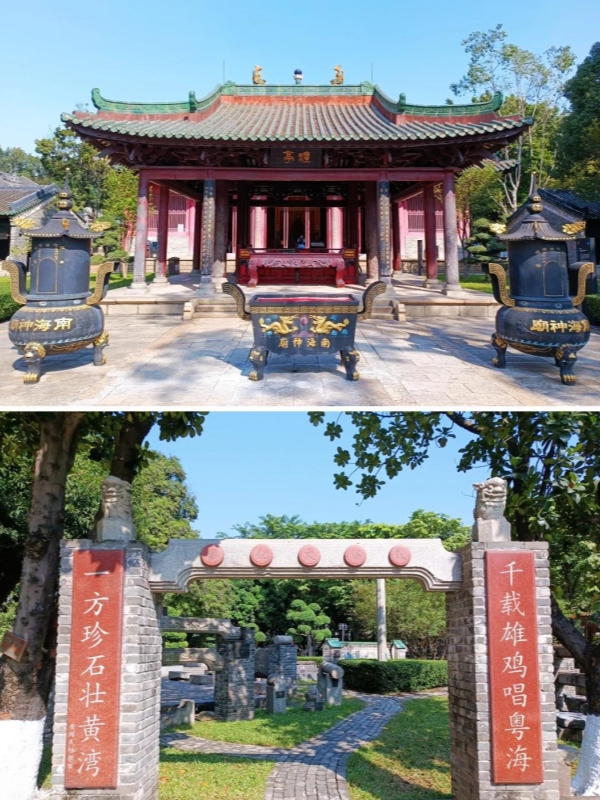
NO. 4 Nanhai God Temple - 1,430-Year Maritime Silk Road Spiritual Anchor
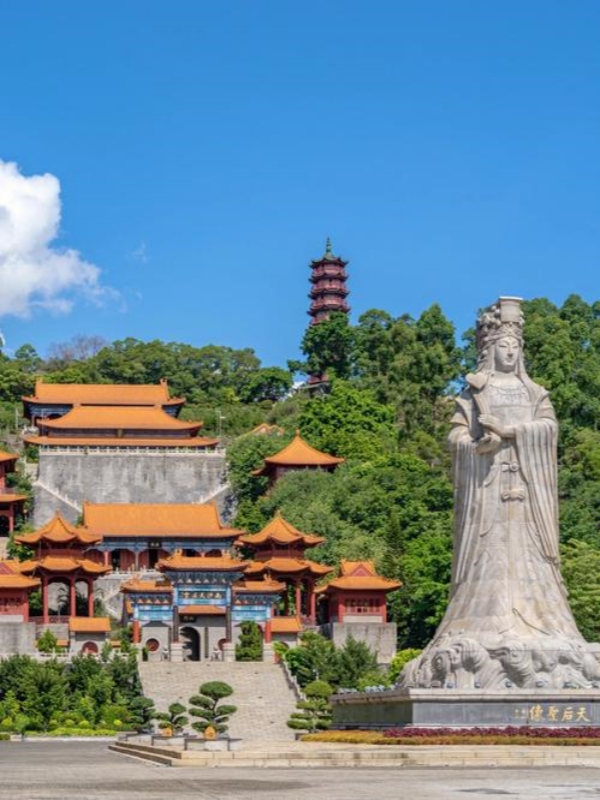
This temple is built in 594 AD and Sui Dynasty period, is 1,430 years old! It is the only complete ancient sea temple in China, where the emperors carried out official maritime ceremonies and, thus, spiritually anchored the Maritime Silk Road. Today, this 30,000 square meter complex houses the "Southern Forest of Steles" which contains over 45 inscriptions by various emperors and, most precious of all, the Tang Dynasty stele. Most importantly, every year these grounds host the Boluodan Festival held from February 11th – 13th on the lunisolar calendar, where hundreds of thousands people pay homage to a 1,400 year old tradition!
📍 Address: Huangpu East Road, Miaotou Village, Huangpu District
🕐 Hours: 9:00 AM–5:00 PM daily
💰 Cost: ¥10 (~$1.40 USD)
🚇 Metro: Line 13 to Nanhai God Temple Station, Exit C2 (300m walk)
⚠️ Visitor Advisory:
The temple offers limited food options. Therefore, bring snacks with you. Additionally, explore the park behind temples. It provides peaceful reflection spots there.
NO. 5 Pearl River Waterfront - Guangzhou's 23-Kilometer Scenic Corridor
The Pearl River is the soul of Guangzhou. The 23 kilometer Scenery Corridor of Huangpu offers a different perspective. These views are far more intriguing than those available from Tower Canton. Here on the water facing Huangpu are working waterfronts. You can take a ferry which even now crosses the site of ancient crossings. Here you can see local life. The water bus also shuttles passengers to most key points of interest. Each ride only costs ¥2–5. You ride local transport as well as see views. In the evening you’ll likely see fishermen casting their nets in front of stunning backdrops of light. These same scenes play out in front of night habitats and no development will change them. The Pazhou section is rewarding to photographers, just near hale and hearty Huangpu Ancient Port. Reflections at golden hour are divine.
💡 Best Photography Times:
Take the water bus at sunset. Board at Whampoa Military Academy Pier. Then ride to Yuzhu Pier. Golden hour (6:30-7:30 PM summer, 5:30-6:30 PM winter) creates magical river reflections combining history and modernity.
More Hidden Gems Worth Full-Day Exploration
Changzhou Island rewards dedicated visitors generously. The 700-year-old Shengjing Village preserves authenticity beautifully. Traditional Lingnan water-town architecture remains intact throughout. Furthermore, vendors serve legendary roast goose daily. Visitors cycle quiet lanes discovering hidden treasures. Ancestral temples await around unexpected corners. Ancient ship docks line the historic waterways.
Meanwhile, the 1911 Revolution Memorial Hall documents history. It covers the Xinhai Revolution comprehensively inside. Admission remains free on most days generally. However, it closes on Mondays regularly each week. The exhibits span 18,228 square meters total.
Additionally, Zhongshan Park offers hilltop panoramas daily. Views extend over the Pearl River magnificently. The South China Botanical Garden features Asian excellence. It houses Asia's largest conservatory impressively. Moreover, it contains 13,000+ plant species carefully. The garden spans 1,155 hectares in total. Admission costs ¥20–50 for all visitors.
Finally, Eastern Expedition Martyrs' Cemetery stands prominently. It commemorates 516 revolutionary martyrs powerfully here.
Cultural Heritage Sites and Museums Preserving Revolutionary History
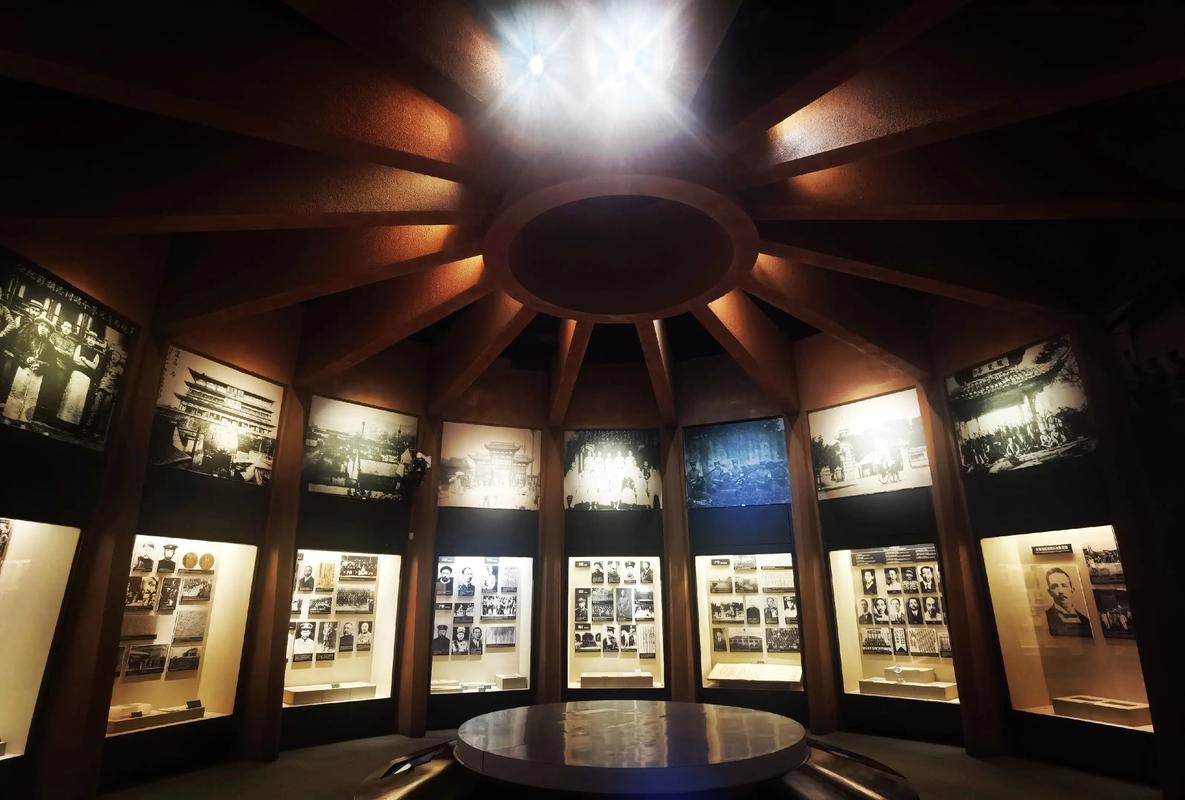
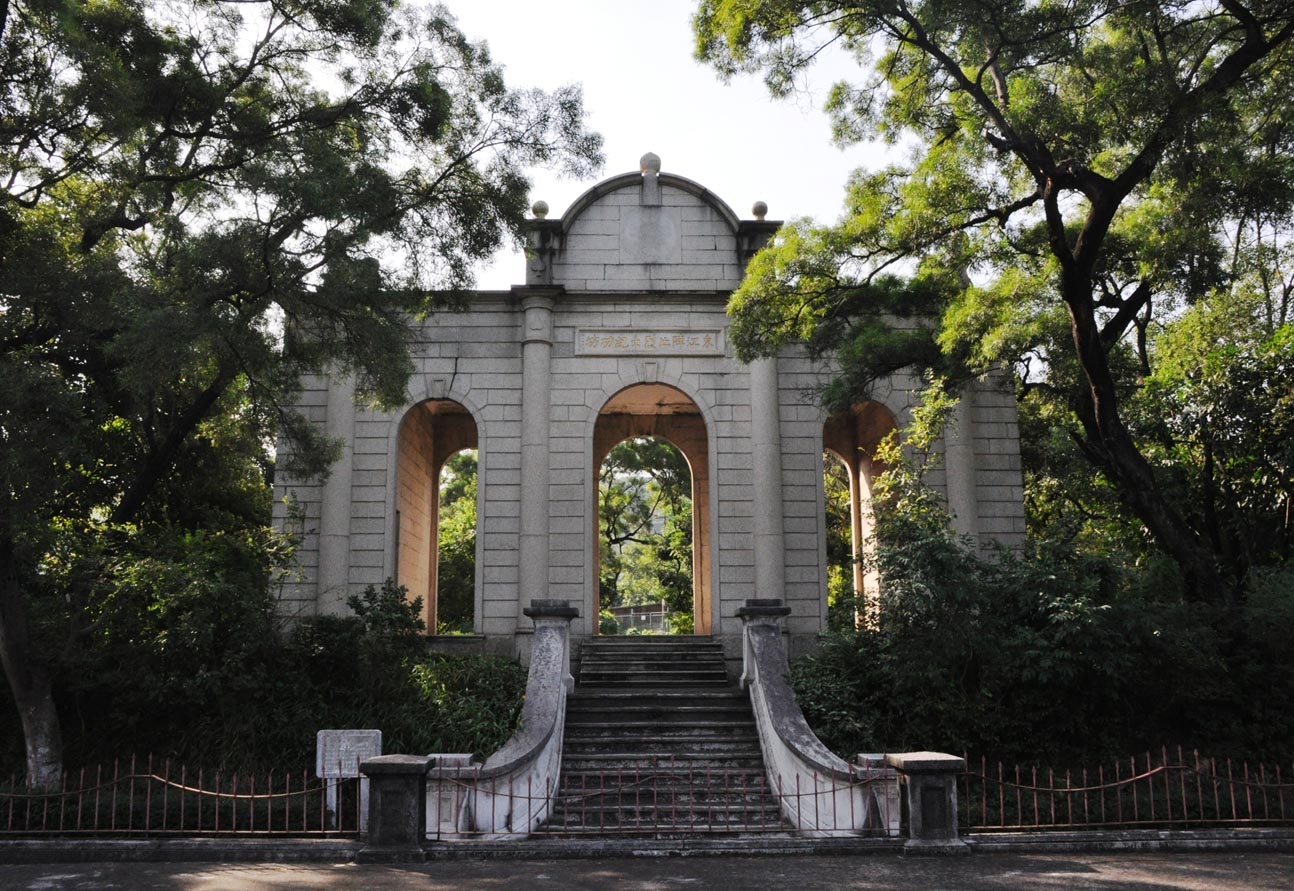
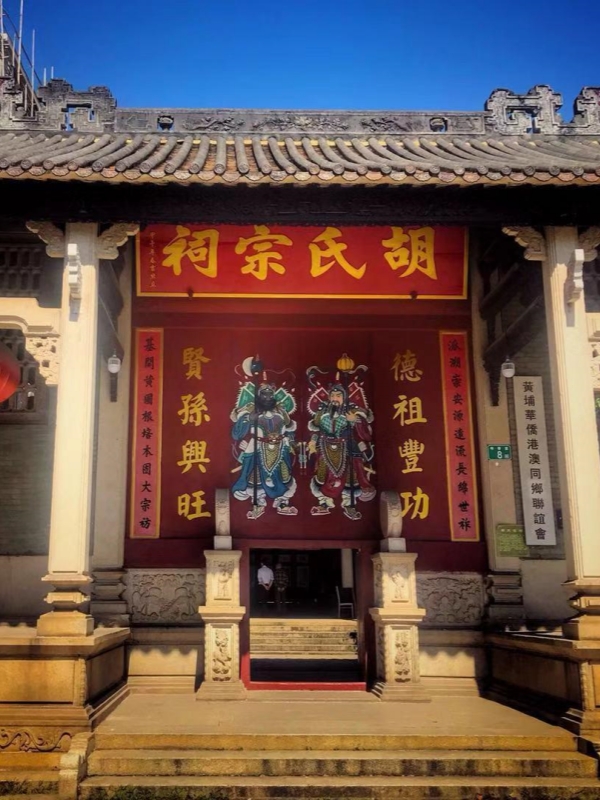
🌟 Warm reminder: The photos match the reality, Huangpu District will not let you return disappointed.
Memorial Halls and Historical Sites - Changzhou Island's Revolutionary Circuit
The Huangpu Revolutionary Heritage is located on Changzhou Island. Three interesting stops make a winning loop. First is the Xinhai Revolution Memorial Hall commemorating 1911. That revolution suddenly ended forever imperial China. Users bronze statues guard solemnly the entrance this day. Exhibits span completely 18,228 square meters inside. Next is the Eastern Expedition Martyrs’ Cemetery; a place honouring soldiers who died in the Eastern expedition campaigns of 1925; 516 in all. Mountain-slope monuments and tombs make for atmospheric beauty. Both places require reservations but, as always in China, free admission generously. So, we enjoy quiet uncrowded contemplation, impossible on mainland attractions.
| Site | Significance | Hours | Cost |
|---|---|---|---|
| Whampoa Military Academy | Revolutionary military training origin | 9AM–5PM, Mon closed | Free |
| Xinhai Revolution Memorial | 1911 revolution commemoration | 9AM–6:30PM, Mon closed | Free |
| Eastern Expedition Cemetery | 1925 martyrs memorial | Daytime | Free |
| Northern Expedition Monument | 353 Whampoa graduate names inscribed | Always accessible | Free |
Ancestral Halls - Your Window Into Authentic Lingnan Architecture
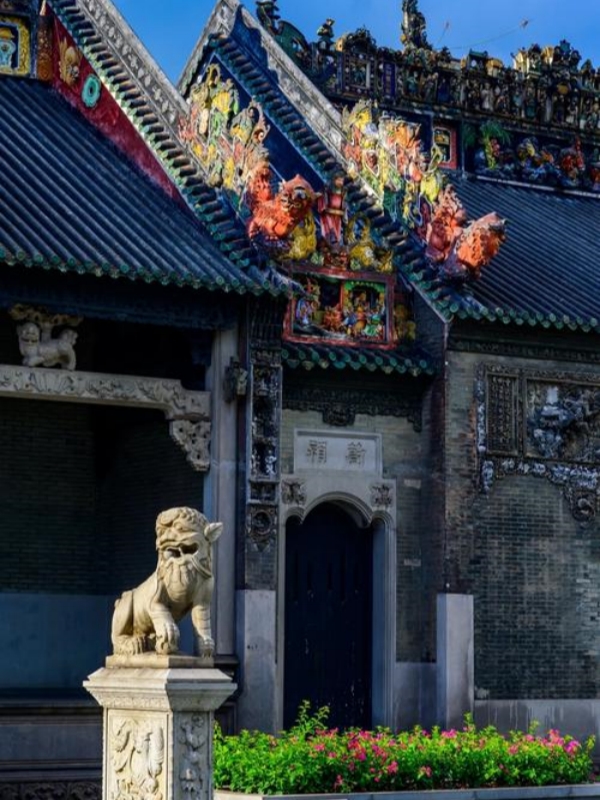
Lingnan architecture distinguishes itself through unique features. Pale colors dominate the building facades traditionally. Elaborate "three carvings, two moldings" decoration shines. Additionally, climate-adapted open structures prove practical here. Huangpu Village's ancestral halls exemplify this tradition. The Hu Family Ancestral Hall honors prominence. It commemorates Hu Xuanze's remarkable achievements historically. He served as first Chinese consul abroad. Moreover, he simultaneously represented three nations remarkably. Traditional three-room-deep designs dominate the structure. Today, artist studios occupy these spaces creatively. Intangible cultural heritage exhibitions fill rooms beautifully.
Meanwhile, the legendary Chen Clan Ancestral Hall stands. It sits in Liwan District nearby conveniently. Admission costs just ¥10 for visitors only. This hall represents Lingnan craftsmanship's pinnacle beautifully. It spans 15,000 square meters impressively overall. Wood, stone, and brick carvings cover surfaces. Nevertheless, Huangpu's village halls offer intimacy uniquely. Visitors encounter living tradition here authentically still. Tourist crowds remain minimal in these spaces.
💡 Cultural Etiquette Reminder:
Dress modestly when visiting ancestral halls. Cover shoulders and knees appropriately. Photography may be restricted in certain areas—look for posted signs before taking pictures.
Where to Eat in Huangpu District - From Street Food to Traditional Cantonese
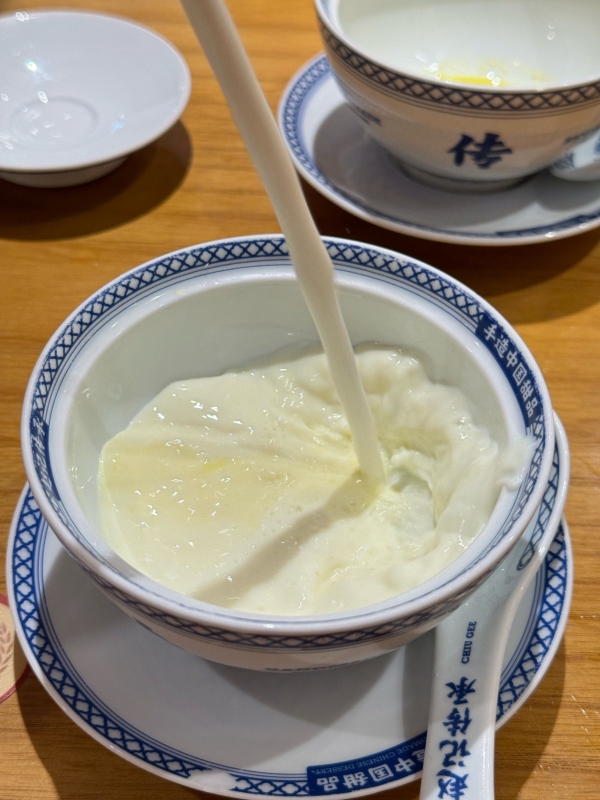
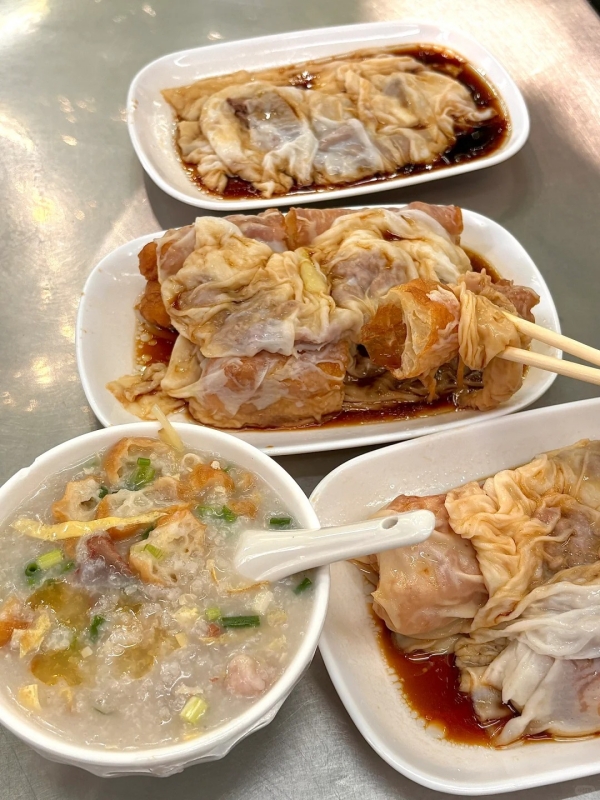
🌟 Warm reminder: The photos match the reality, Huangpu District will not let you return disappointed.
Authentic Cantonese Cuisine Restaurants - Traditional Excellence Since 1935
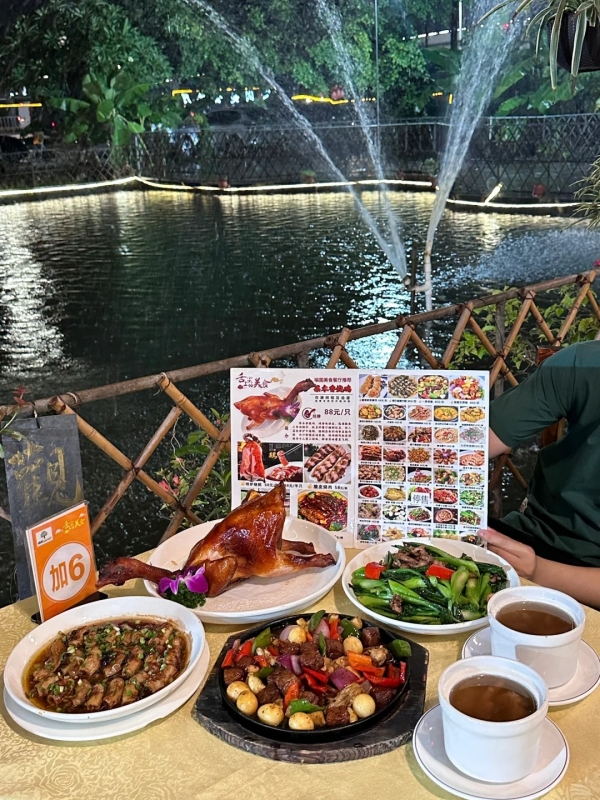
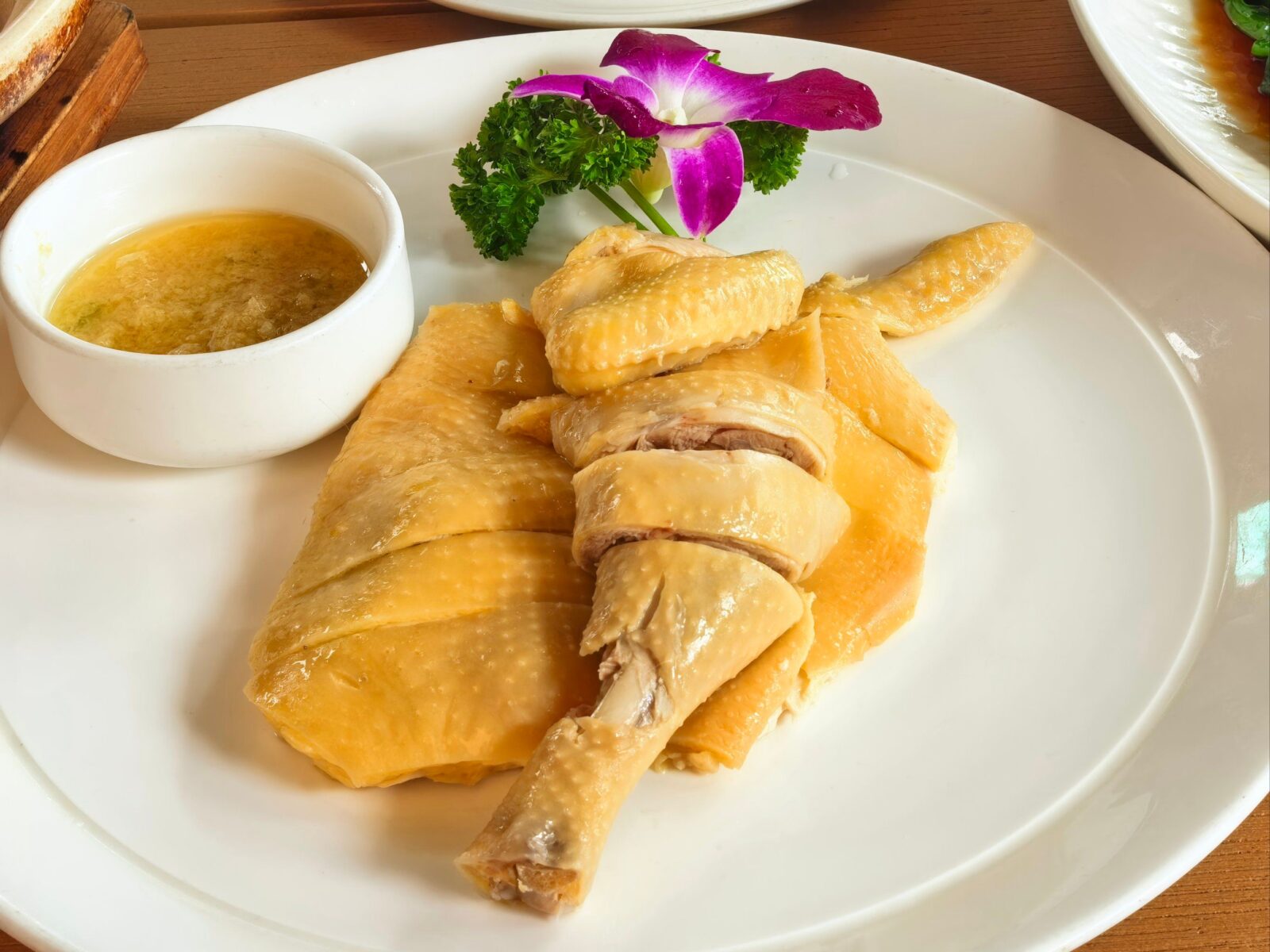
Guangzhou Restaurant (Huangpu Branch) is a traditional classic. Found at 39 Haiyuan Road . Established in 1935 , it is best for its morning dim sum. The Wenchang Chicken is quite perfect there. Expect to pay ¥130–150 per person. That’s around $18–21 USD these days.
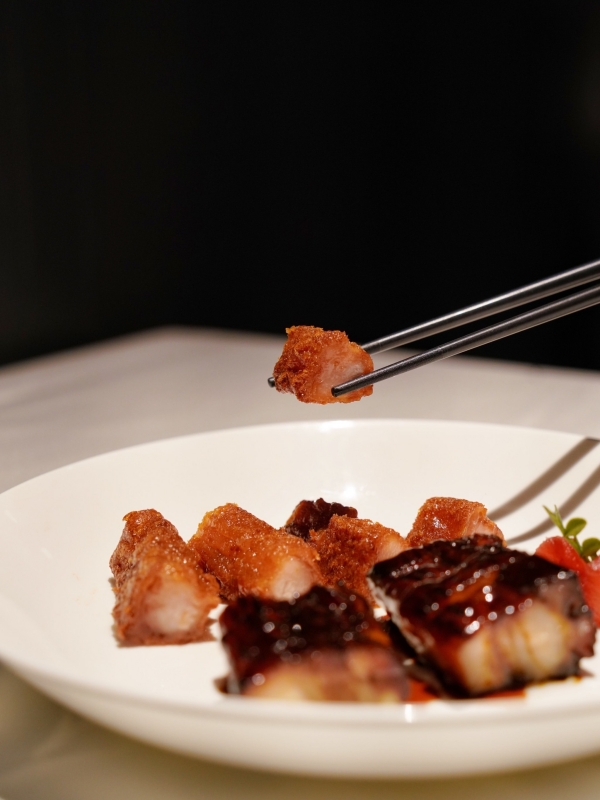
Yu Garden packs a Michelin recognition. Fujianese-influenced Cantonese food is served gloriously every day. There is ample space for dining. Finally, Bing Sheng PinWei impresses with its creativity. Found on Huangpu Avenue and easy to access. Enjoy the featured Black Char Siu. The homemade tofu melts in the mouth there. You’ll be paying around ¥150–180 per person in general.
Early morning "yum cha" sessions offer value. They run from 7:00–10:00 AM daily. Many restaurants provide discounts then generously. Savings reach up to 50% off regularly. Therefore, arrive before 8:00 AM early. You'll find freshest dim sum selections available.
⚠️ Tea Etiquette Tip:
Tap two fingers when receiving tea. This silent "thank you" gesture shows awareness. It demonstrates cultural understanding to servers authentically.
Street Food Paradise - Huangpu Ancient Port Food Market's Three-Generation Vendors
The food street threads through Ancient Port. It delivers Guangzhou's most authentic snacking experience. Ancient Port Milk Grandma's operates three generations. Their ginger milk pudding costs ¥8–15 only. Fresh buffalo milk receives ginger juice carefully. It curdles into silky pudding perfectly consistently.
Meanwhile, Mao Ji's boat porridge costs ¥15–30 reasonably. Fish, squid, peanuts pile atop rice. Jellyfish adds final touches to congee. Qing Dynasty recipes guide their preparation faithfully. Additionally, Ji Ji's rice noodle rolls amaze. Impossibly thin skins dissolve on contact magically.
Arrive weekday mornings before 10:00 AM early. This timing avoids punishing queues completely successfully. Otherwise, weekend afternoons bring hour-long waits frustratingly.
| Street Food | Price (CNY) | Price (USD) |
|---|---|---|
| Ginger Milk Pudding | ¥8–15 | $1–2 |
| Boat Porridge | ¥15–30 | $2–4 |
| Rice Noodle Rolls | ¥10–20 | $1.50–3 |
| Roast Goose Portion | ¥40–80 | $6–11 |
| Stewed Egg | ¥10–15 | $1.50–2 |
International and Western Dining Options - Hotel Restaurants Dominate This Category
International dining concentrates in hotel restaurants. Visitors should adjust expectations accordingly realistically. DoubleTree by Hilton Guangzhou Science City operates reliably. Hilton Guangzhou Science City also serves well. Both offer Western breakfast buffets daily consistently. International menus accommodate guests and visitors generously.
Meanwhile, JiuHao HuaYuan Western Restaurant serves European dishes. However, service can lag occasionally there unfortunately. More extensive options require traveling elsewhere farther. Tianhe District offers superior international variety significantly. The Grand Hyatt's Market Cafe features excellence. Eight live cooking stations operate simultaneously there. Additionally, Mandarin Oriental's TAPAS 77 serves authenticity. Spanish cuisine reaches proper standards there consistently.
Local specialty Huangpu Egg bridges traditions uniquely. This precisely layered omelet combines cultures beautifully. It merges Eastern and Western breakfast traditions.
Accommodation and Transportation - Everything You Need to Know
Where to Stay in Huangpu District - Science City Offers Best Value
Huangpu accommodations cluster around Science City. They offer excellent value compared elsewhere. Central Guangzhou charges significantly higher rates.
| Hotel | Rating | Price/Night | Key Features |
|---|---|---|---|
| Hilton Guangzhou Science City | 5-star | $75–120 ($10.76–17.22) | Pool, gym, near Lines 6/7/21 |
| DoubleTree by Hilton | 5-star | $56–100 ($8.04–14.35) | Lake views, Executive Lounge |
| Narada Guangzhou Huangpu | 5-star | $85–130 ($12.20–18.65) | Spa, excellent breakfast |
| Wyndham Garden | 4-star | $63–90 ($9.04–12.91) | Newest property, 9.7/10 rating |
| 7Days Inn Huangpu | 2-star | $25–40 ($3.59–5.74) | 100 rooms, budget-friendly |
💡 Booking Strategy:
Book 2-3 weeks ahead during October-November peak season. Prices spike 30% during autumn maple viewing period. However, June-August offers 40% discounts despite uncomfortable heat and humidity.
Getting to and Around Huangpu District - Complete Transport Guide
From Baiyun Airport: Metro Lines 3→5 operate efficiently. They reach Yuzhu Station quickly overall. Journey takes 65–80 minutes total usually. Cost remains just ¥7–10 per person. Meanwhile, taxis cost ¥140–180 instead considerably. They complete journeys in 40–50 minutes only.
From Guangzhou South Station: Line 7 connects directly. It serves Huangpu stations in 50–70 minutes. Fares run ¥6–8 per ride affordably.
Six metro lines serve this district. Lines 5, 6, 7, 13, 14, and 21 all operate. Line 5 runs to Yuzhu station. It serves Whampoa Academy ferry connections. Meanwhile, Line 13 serves Nanhai Temple directly. Trams cost ¥2 per ride only. Taxis start at ¥12 for 3km. DiDi rideshare accepts international cards conveniently. It offers English interfaces for tourists.
⚠️ Metro Operating Hours:
Most lines run 6:00 AM - 11:00 PM. Plan alternative transport for late-night returns. DiDi app provides reliable service 24/7 with English interface and international card payment options.
Practical Information for Visiting Huangpu District Successfully
Best Time to Visit Huangpu - Autumn Reigns Supreme for Weather
| Season | Rating | Weather | Advantages | Disadvantages |
|---|---|---|---|---|
| Spring (Mar–May) | ⭐⭐⭐ | 18–28°C, humid | Blooming gardens, comfortable | Rainy season begins |
| Summer (Jun–Aug) | ⭐⭐ | 28–35°C, hot | Lower hotel prices | Typhoon risk, oppressive heat |
| Autumn (Sep–Nov) | ⭐⭐⭐⭐⭐ | 20–28°C, pleasant | Ideal weather, clear skies | Peak tourism, higher prices |
| Winter (Dec–Feb) | ⭐⭐⭐⭐ | 9–18°C, mild | Plum blossoms, fewer crowds | Boluodan Festival (Feb) crowded |
💡 Festival Planning:
The Boluodan Festival (February 11-13, lunar calendar) draws hundreds of thousands to Nanhai God Temple. Book accommodation months ahead if visiting during this period—hotels sell out completely.
Huangpu District Postal Code and Emergency Contact Information
| Information | Details |
|---|---|
| Postal Code | 510700 |
| Area Code | +86 20 |
| Emergency | 110 (Police), 120 (Ambulance), 119 (Fire) |
| Tourist Hotline | +86-20-12345 |
| Whampoa Academy Reservations | +86-20-82201082 |
| Currency | Chinese Yuan (CNY/RMB) |
| Payment Methods | WeChat Pay, Alipay preferred; cash accepted |
Safety Tips and Cultural Travel Etiquette
Huangpu District maintains excellent safety standards. Violent crime remains exceptionally rare here. Solo travelers navigate freely throughout areas. Petty theft occurs occasionally at markets. Therefore, secure valuables in front pockets. Download translation apps before arriving. English signage remains limited outside metros. Visit temples with modest dress codes. Cover shoulders and knees appropriately there. Photography is permitted at most sites. However, designated museum areas prohibit cameras. Set up WeChat Pay or Alipay beforehand. Link your international cards in advance. Many vendors cannot process cash efficiently.
⚠️ Digital Payment Setup:
Download Alipay or WeChat Pay before arrival. Link international credit cards (Visa/Mastercard accepted since 2023). Many small vendors, taxis, and street food stalls operate cashless—having digital payment prevents frustration.
Huangpu District Guangzhou vs Shanghai's Huangpu - Clearing the Common Confusion
-
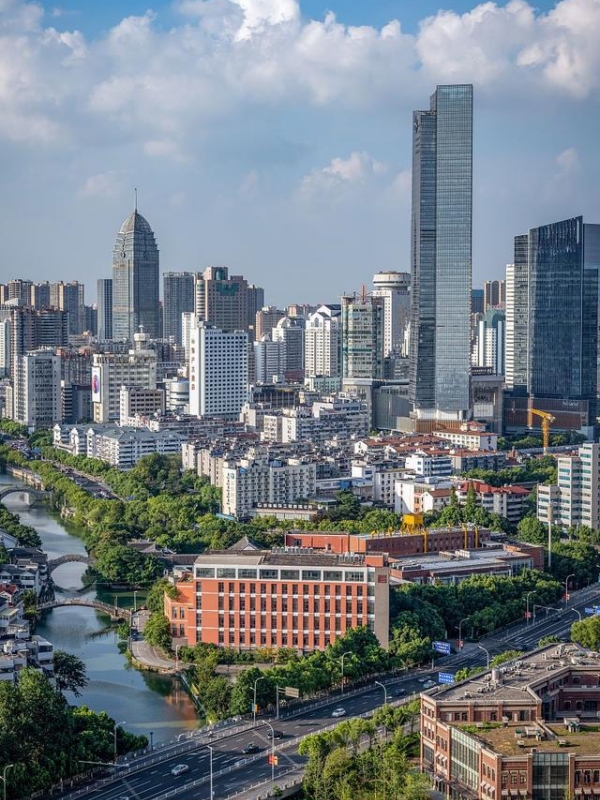

- Huangpu District in Guangzhou
-
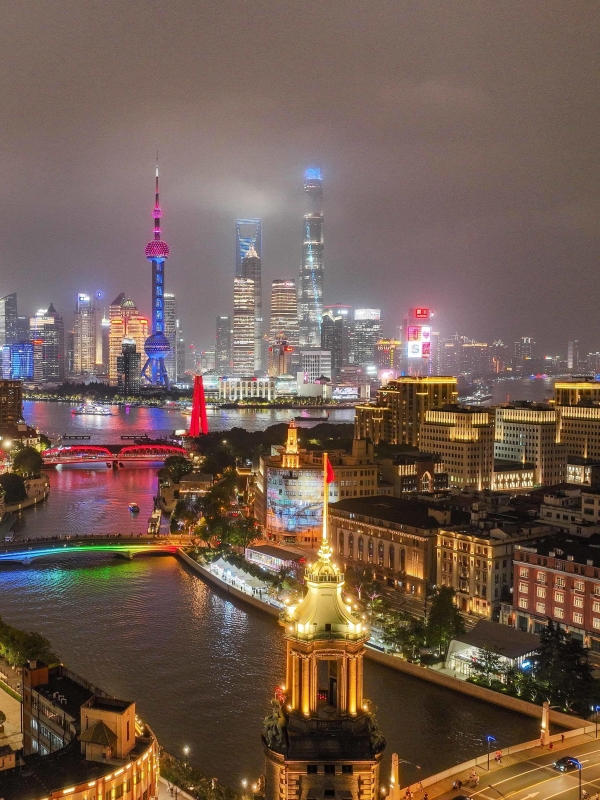
- Huangpu District in Shanghai
Why the Confusion Exists Between Two Different Cities
Two great Chinese cities share similar district names. Consequently, travelers experience persistent confusion regularly. Both use "Huangpu" in romanization systems. However, they derive from different Chinese characters. Guangzhou uses 黄埔 (pǔ meaning embankment). Meanwhile, Shanghai uses 黄浦 (pǔ meaning riverbank). The romanization system creates this obscurity unfortunately. Additionally, both districts hold historical importance significantly. Guangzhou's Huangpu shaped revolutionary military history. In contrast, Shanghai's Huangpu witnessed Communist Party founding. Therefore, always verify which city you're targeting. Check your flights and hotels carefully always. Furthermore, the confusion intensifies for another reason. Guangzhou's historic "Whampoa" anchorage originated this name. Nevertheless, it actually lies in neighboring Haizhu today.
Key Differences You Should Know When Booking Travel
| Characteristic | Guangzhou Huangpu (黄埔区) | Shanghai Huangpu (黄浦区) |
|---|---|---|
| Area | 484.17 km² (massive) | 20.52 km² (compact) |
| Population | ~1.2 million | ~850,000 |
| Postal Code | 510700 | 200001 |
| Primary Focus | Technology, manufacturing, historical sites | Finance, commerce, tourism |
| Top Attractions | Whampoa Military Academy, Nanhai God Temple | The Bund, Nanjing Road, Yu Garden |
| Tourism Style | Revolutionary history, ancient villages, tech tours | Shopping, colonial architecture, nightlife |
The fundamental difference lies in character. Guangzhou Huangpu sprawls across industrial parks. It also covers island villages extensively. Consequently, visitors require full-day exploration planning. Meanwhile, Shanghai's Huangpu offers walkable density. Budget travelers favor Guangzhou's free attractions. Conversely, luxury seekers might prefer Shanghai's offerings.
💡 Booking Protection Tip:
Always include full address in Chinese characters when booking hotels or tours: "广州市黄埔区" (Guangzhou City, Huangpu District). Screenshot confirmations showing district AND city to avoid costly mix-ups with Shanghai properties.
Frequently Asked Questions - Your Huangpu Travel Queries Answered
Q: What is Huangpu District known for?
Huangpu District Guangzhou earned fame through military education. The legendary Whampoa Military Academy operates here. It trained revolutionary leaders from 1924 onwards. Today, Huangpu District Guangzhou functions differently. It serves as Guangzhou's technology hub. Science City, Knowledge City operate within boundaries. Biotech Island thrives here as well. Meanwhile, it preserves Maritime Silk Road heritage. Nanhai God Temple stands as testimony.
Q: Is Huangpu in Guangzhou or Shanghai?
Both cities contain districts named Huangpu. This causes widespread confusion among travelers. Huangpu District Guangzhou covers 484 km² total. It features revolutionary military history prominently. Tech parks dominate modern development there. Meanwhile, Shanghai's Huangpu District spans 20 km². It features The Bund and Nanjing Road. Always verify which Huangpu District Guangzhou location. Check your reservations specify the correct city.
Q: What are the best things to do in Huangpu District Guangzhou?
The essential Huangpu District Guangzhou experiences prove memorable. Explore the historic Whampoa Military Academy first. It sits on Changzhou Island beautifully. Then visit the 1,430-year-old Nanhai Temple. Sample legendary ginger milk pudding at Ancient Port. Discover traditional Lingnan architecture in villages. Ancestral halls preserve centuries of history. Excellent metro connections serve all attractions. Huangpu District Guangzhou offers unmatched cultural depth.
Q: Is Huangpu District Guangzhou safe for tourists?
Huangpu District Guangzhou maintains excellent safety standards. It compares favorably to Singapore or Tokyo. Violent crime is exceptionally rare here. Public transportation operates safely after dark. Solo travelers navigate freely throughout the district. This includes women traveling alone safely. Standard precautions against pickpockets apply naturally. Crowded markets require extra vigilance always. Overall, security concerns rank minimal. Huangpu District Guangzhou welcomes visitors warmly.
Q: How many days do I need to explore Huangpu District?
Comprehensive Huangpu District Guangzhou exploration requires time. Plan 3–4 days for thorough visits. Dedicate one day to Changzhou Island. Visit Whampoa Military Academy and memorial halls. Spend another day exploring Nanhai Temple. The eastern attractions deserve full attention. Allocate one day for Huangpu Ancient Port. Food exploration takes considerable time there. Add extra time for Science City tours. Huangpu District Guangzhou's innovation landscape fascinates visitors.
Q: Where should I stay when visiting Huangpu District Guangzhou?
Science City offers the best accommodations. Huangpu District Guangzhou hotels cluster there conveniently. Hilton Guangzhou Science City costs $75–120 nightly. DoubleTree by Hilton runs $56–100 per night. Both provide excellent international-standard comfort consistently. Metro connections reach attractions easily from there. Budget travelers find alternatives available too. 7Days Inn Huangpu costs just $25–40. It proves adequate for exploring Huangpu District.
Q: How do I get to Huangpu District from Baiyun Airport?
Reaching Huangpu District Guangzhou from Baiyun Airport offers options. The metro takes 65–80 minutes total. Take Lines 3→5 to Yuzhu station. Cost runs just ¥7–10 per person. Meanwhile, taxis complete journeys in 40–50 minutes. They cost ¥140–180 for the trip. Airport shuttle buses serve Science City areas. The metro offers the most economical access. Huangpu District Guangzhou remains easily accessible despite distances.
Q: What is the postal code for Huangpu District Guangzhou?
The postal code for Huangpu District Guangzhou is 510700. The area code remains +86 20 consistently. Use these for telephone calls and mail. When mailing packages or booking services, include details. Write "Huangpu District, Guangzhou, Guangdong Province, China 510700" clearly. This distinguishes locations from Shanghai's Huangpu District. Huangpu District Guangzhou requires proper addressing always. Confusion with Shanghai's counterpart remains common.
Q: Are there good restaurants and hotels in Huangpu District?
Huangpu District Guangzhou offers excellent dining options. Choices range from Michelin-recognized Yu Garden establishments. Legendary street food operates at Ancient Port. Traditional Cantonese cuisine flourishes throughout the district. Guangzhou Restaurant (Huangpu Branch) serves excellently. Accommodation in Huangpu District Guangzhou spans categories. Luxury international chains like Hilton operate here. DoubleTree provides premium services as well. Budget options concentrate around Science City conveniently.
Q: What local food specialties should I try in Huangpu?
Huangpu District Guangzhou's signature dishes include variety. Huangpu Egg features perfectly layered omelet. Shengjing Roast Goose represents Changzhou Island specialty. Legendary ginger milk pudding operates at Ancient Port. Traditional boat porridge follows Qing Dynasty recipes. Morning dim sum at established restaurants proves authentic. Huangpu District Guangzhou Cantonese culinary experiences satisfy completely. Each dish carries historical significance locally.