How Do Tourists Pay in China
Neon QR codes flash at every shop corner, scooters hum past, and street food stalls line the alleys. For first-time visitors, figuring out how do tourists pay in China can be surprisingly stressful. Cash feels unusual, and foreign cards don’t always work as expected, especially when everyone around you is scanning their phones.
Even in ordinary situations—a breakfast stall or a metro gate—small hiccups can happen. A misplaced card swipe or slow QR scan can draw curious glances, making you realize that mobile payment dominates daily life here. Knowing the realities before you go saves time, avoids awkward moments, and keeps travel smooth.
How Do Tourists Pay in China When Cash Is Rare but Still Necessary
-

- Cash in China
-

- Box Office
-
- Use Cash in the Shop
Cash in China Today: Where It Still Works and When It Feels Awkward
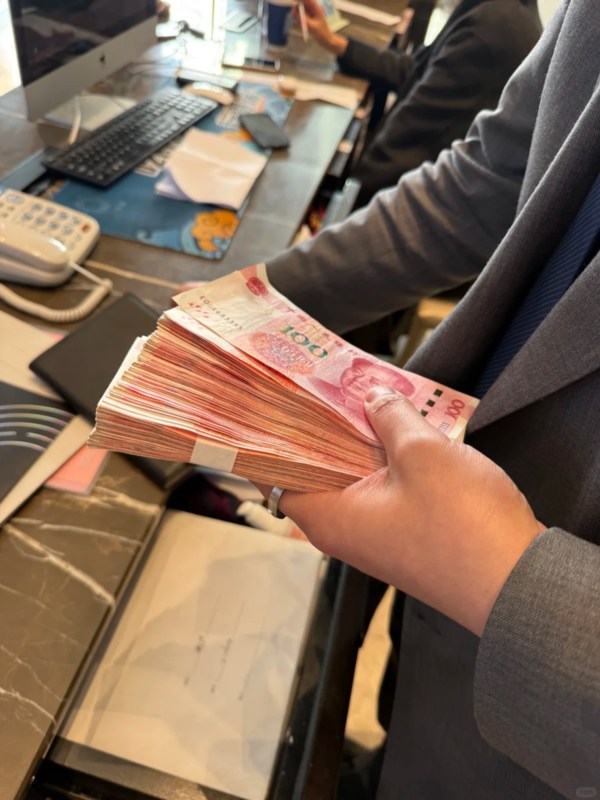
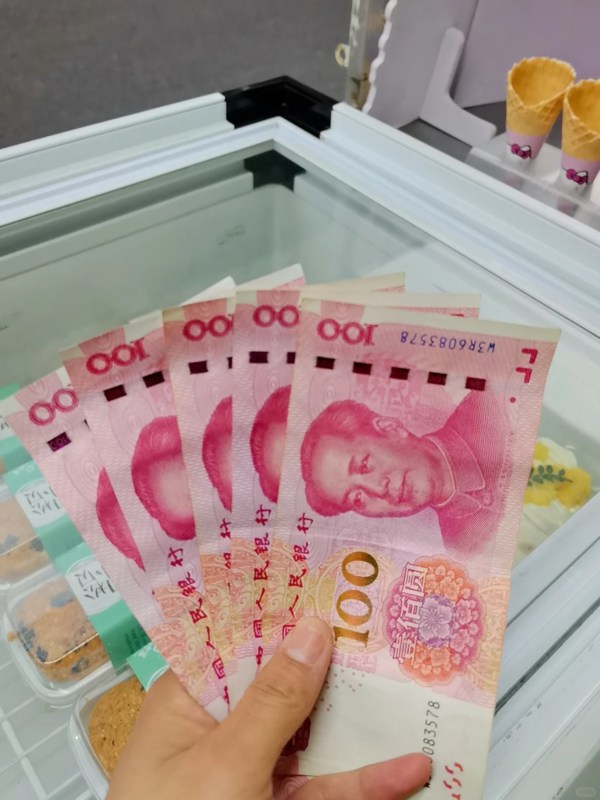
Cash hasn’t disappeared in China, but its use is now limited to specific, predictable scenarios. Tourists often ask how do tourists pay in China when visiting scenic ticket counters, temple donation boxes, or small family-run shops. Older vendors still prefer physical bills, and these moments feel familiar and straightforward. Yet even here, handing over cash can pause the flow—the vendor might freeze for a second before nodding and accepting it.
Awkward moments appear mostly where speed matters: street food stalls, night markets, and neighborhood breakfast shops. Cash is technically accepted, but vendors may lack change or prefer quick QR code payments to keep the line moving. This isn’t rejection, just a rhythm of local daily life. Travelers quickly notice that in these settings, mobile payment usually wins. Carrying cash remains useful as a backup, but blending it with electronic options is the practical way to navigate city streets and small stalls. Choosing between cash or card in China depends on context and timing, and understanding this helps avoid frustrating pauses.
How much RMB tourists realistically need as backup
On the majority of travels, it is possible to carry between 300 and 800 RMB in cash. Less than that will expose you to cash-only situations such as donations to the temple or country transportation. Beyond that, a larger amount of it will be unused particularly in big cities where mobile payment becomes the norm.
Cash is only useful as a hedge, not as an instrument. There are still some cases that still require the use of money that is hard. Cash is the quiet insurance and not a primary strategy when it comes to planning how do tourists pay in China. This balance brings about facilitation of payment in China as a tourist without any tensions and surprises.
How Do Tourists Pay in China Using Mobile Apps (Alipay vs WeChat Pay)
-
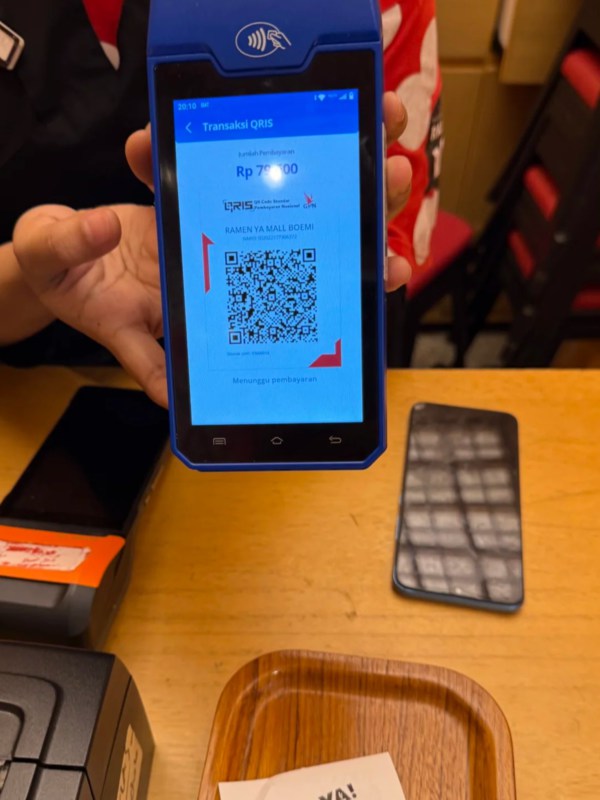
- Use Alipay
-
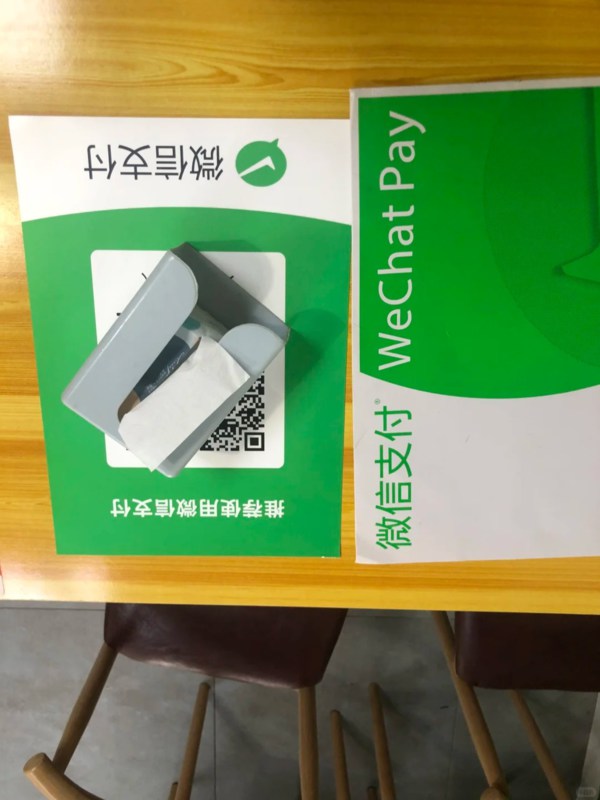
- Use Wechat Pay
Alipay for tourists: what usually works on the first try
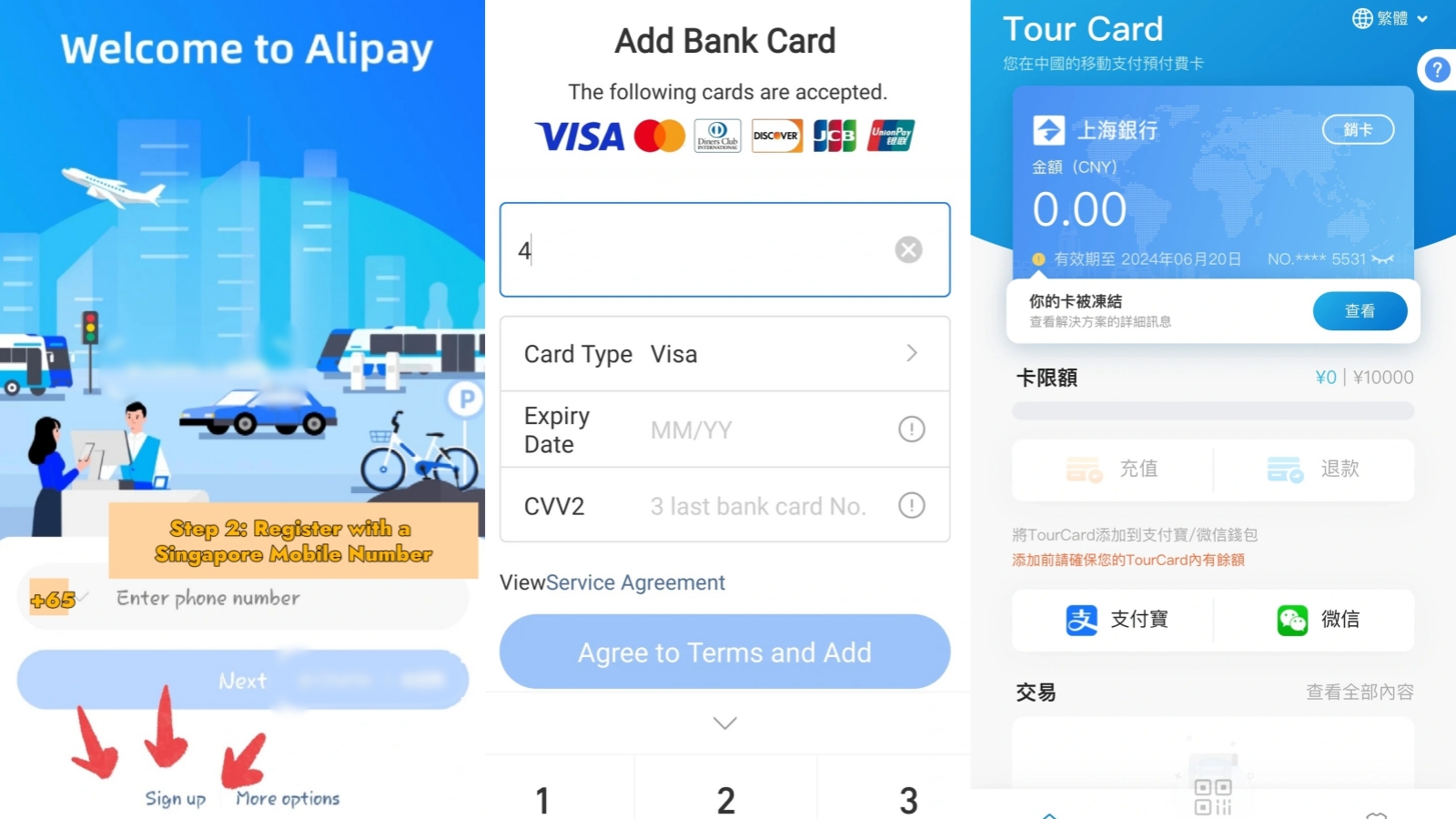
Alipay seems to be the most convenient gateway to the Chinese mobile payment system to most first-time users. The application has a consistent English user interface, well-defined onboarding, and a comparably decent experience connecting cards. International Visa and Mastercard can be bound by foreign users, and more cards issued in the US, EU, Australia, and Singapore have been reported to be successful.
Alipay works well in everyday use in case of regular consumer payments. It is almost universally supported by supermarkets, shopping malls, ride-hailing apps and attraction ticket platforms. Single payments tend to pass off seamlessly and the experience is similar to that of Apple Pay or Google Pay in other countries.
Limits do exist but they are not often disruptive. The daily caps can be observed by most tourists only with various consecutive payments or bigger purchases. Alipay is in practice best applied to organized expenditures: hotels, chain shops, transport, and platforms. Being a china payment application aimed at foreigners, it is supposed to minimize the uncertainty instead of mimicking the local practices to the latter.
WeChat Pay for tourists: where it suddenly works better
WeChat Pay demonstrates its strength in those locations where relations and routine are dominant. Local cafes, small restaurants, taxis, and nearby shops tend to go bankrupt on WeChat Pay since it is integrated into everyday communication. Vendors receive and pay messages in the same application and contacting them.
There are also situations that beg more than a code scan which can be surprising to the tourists. Other traders request clients to make them a contact to accomplish a transfer. Some use direct peer-to-peer payments which are favored by others in case of QR code failures. They are social as opposed to transactional, and that is why WeChat Pay is more appropriate in these situations.
The real-life examples of success of WeChat Pay after unsuccessful Alipay also exist. The taxi driver can just show a WeChat code. Even a breakfast stand might not have Alipay activated in it. WeChat Pay seems less formal but more adaptable even in such locations, even to visitors.
Alipay or WeChat Pay for tourists — which one locals recommend first
Domestically, WeChat Pay is a monopolist in the day-to-day activities, with Alipay a market leader in formal payment. This contrast determines pragmatic guidance. It is not who wins more but a boner of puttier arrangement.
Installation of Alipay would be recommended by most locals as the easier to use and more forgiving to foreign cards. After that is successful, the integrated WeChat Pay becomes the solution to the inconsistencies where social payments are more important than system stability.
The practical suggestion is rather straightforward: install them both, but focus more on Alipay when preparing. WeChat Pay will be necessary on the ground. To travelers who query alipay or wechat pay on behalf of the tourists, the solution to this is to apply them both to learn how do tourists pay in China without friction or guesswork.
How Do Tourists Pay in China with Cards (Visa, Mastercard, UnionPay Reality)
-
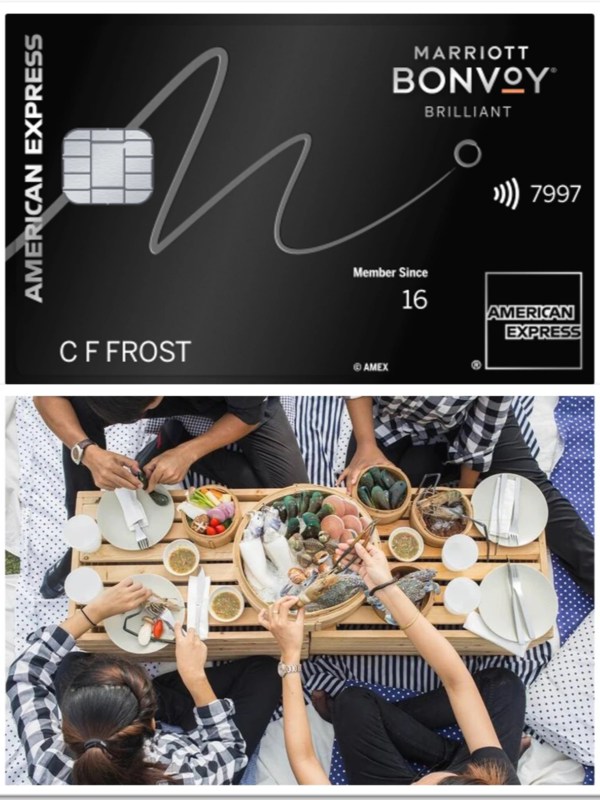
- Use Amex in Restaurant
-
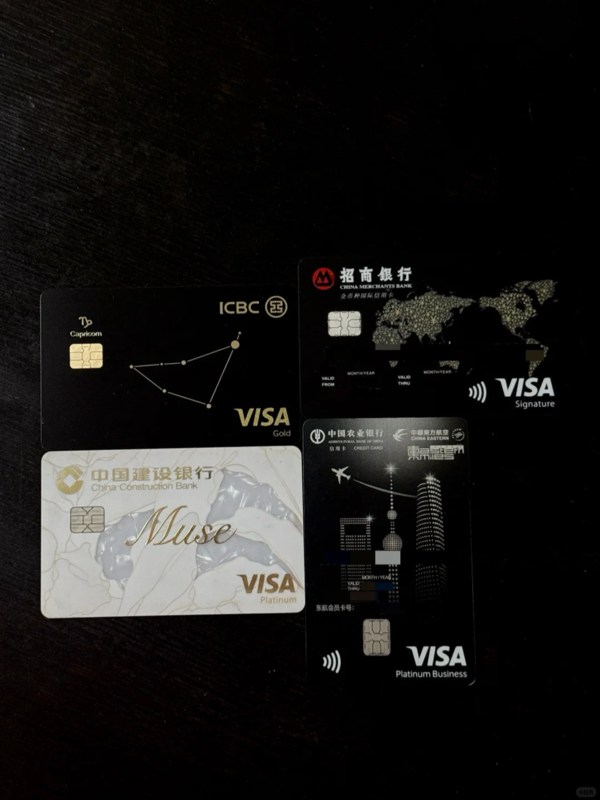
- Visa Card
-
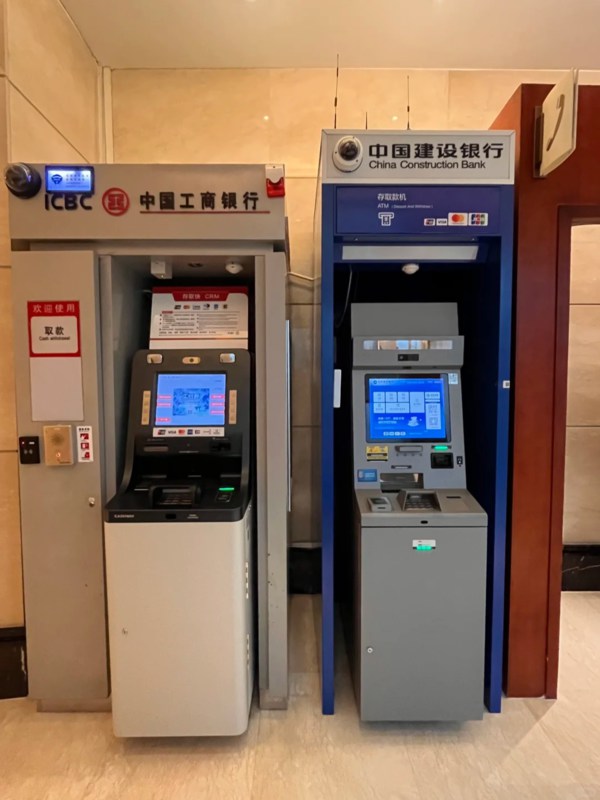
- Chinese ATM
Where foreign cards actually work without negotiation
In China, when individuals want to know how do tourists pay using cards, then there are areas where one is able to give a direct answer. The safest areas on the usage of foreign cards are the high-end hotels, international chains, and airports. Five star hotels have been accepting Visa and Mastercard regularly in rooms, deposits and dining. The card payments also go through with international brands, such as luxurious malls, international fashion brands and international coffee chains.
The use of cards at the airports is near frictionless. International travelers are targeted by the airline counters, duty-free shops, and official transport desks. These settings establish an obvious comfort zone in which the process of card payments becomes normal and anticipated.
To tourists, this border is important. Within it, it is possible to use credit cards in China, an experience that is predictable. Beyond it, the experience is changing rapidly.
Why cards fail even when signs say “Visa accepted”
The perplexing aspect starts in middle-range restaurants, local stores, and malls in the city center. Payments may fail even when there is Visa or Mastercard logo displayed. One such reason is technical: the POS machine might not be equipped with foreign card permissions.
Human factors matter too. Other employees do not work with international cards every day and are afraid to take risks when something is not working. Other people just want quicker mobile payments. The outcome is a scene we have seen before, the card is swiped, swiped, swiped, and the queue is getting longer.
It does not mean that the cards are rejected, but it is the opposition to the slow or unknown flows of payments. The failure is not always as stressful as the ugly wait at the counter when it comes to tourists.
ATM withdrawals, fees, and a common tourist mistake
ATMs remain a reliable backup, especially machines operated by Bank of China, ICBC, and China Construction Bank. These have higher success rates for foreign cards and clearer English menus.
However, withdrawals come with hidden costs. Fees may apply on both sides, and exchange rates are rarely favorable. A frequent mistake is withdrawing small amounts repeatedly. Each transaction triggers fees again.
A smarter approach is withdrawing once or twice in moderate amounts. For travelers balancing card or cash in China, fewer withdrawals usually mean lower overall costs and less hassle—and a smoother payment experience overall.
How Do Tourists Pay in China in Big Cities vs Smaller Cities
-
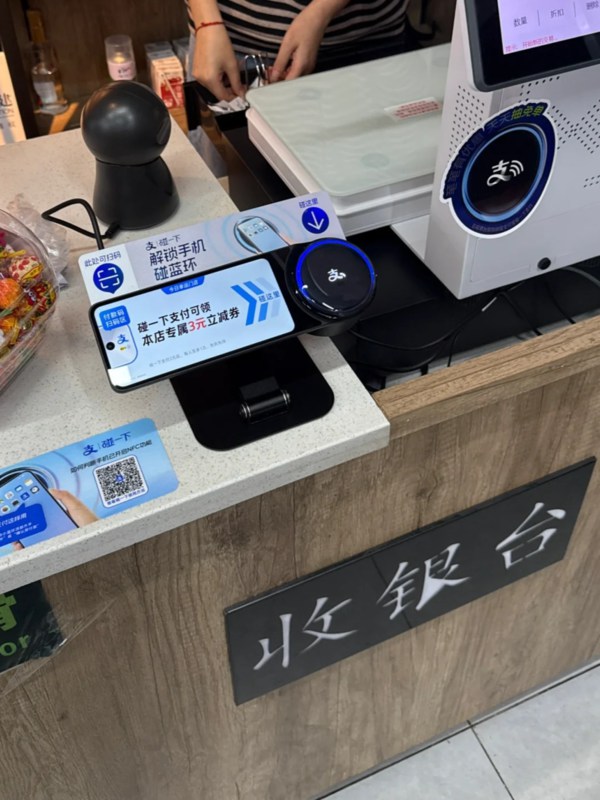
- Alipay
-
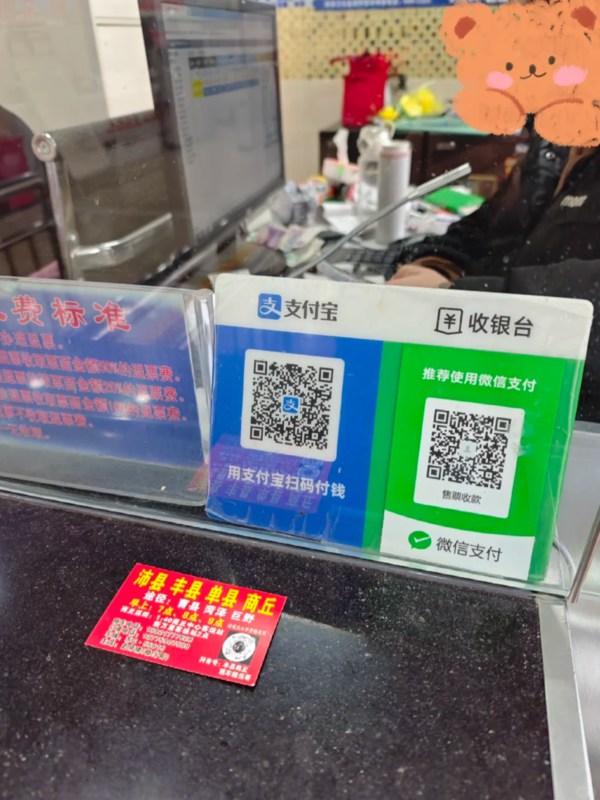
- Pay in County Town
Beijing, Shanghai, Guangzhou: almost fully mobile
The way tourists pay in China is a common response to the question in the biggest cities of China. The default assumption is the scanning of a QR code. Phones are anticipated at cafes, metro gates, taxis, convenience stores and even on the street performers.
With an Alipay or WeChat Pay, a tourist can actually spend a day out without handling money to get to places, eat, buy tickets, and so on. In such cities, cash is strangely out of place. Part of the staffs will still take it, but the stalling is evident.
Mobile payment does not only prevail here it dictates how people live their daily lives. It is not the method that is right but the paying fast.
Smaller cities and towns: where payment gaps appear
In other cities, which are not first-tier, the payment habits are the same but more inflexible. QR codes are ubiquitous, but the willingness to have accounts with foreign associations becomes lower. Other smaller stores are reluctant when a payment is delayed.
In the towns of a county or in residential areas, employees might wait a couple of seconds, turn and look over your shoulder at the queue. Frequently a local intervenes and pays, on condition that you will pay him later, or pay him cash.
This assistance is real but it marks a difference that tourists ought to be prepared to. Learning to make a payment in China as a foreigner implies that when dealing with places that are more local one should expect to be less patient.
Tourist attractions vs daily-life places
Payments too, vary depending on the context. Most tourist attractions, museums and ticketed landmarks tend to accommodate more than one payment system. Employees welcome foreigners and take slower payments with ease.
Places in everyday-life are different. Speed is more valued in the morning breakfast stalls, wet markets, and neighborhood stores, as opposed to inclusiveness. They are not aggressive--they are simply geared towards locals.
To the travelers, mental switching is the key. What will work in a museum entrance will not work in a vegetable stand five minutes later. Smoothing expectations keep things going in the payments, even in case methods are varying block-by-block.
How Do Tourists Pay in China for Transport, Food, and Tickets
-
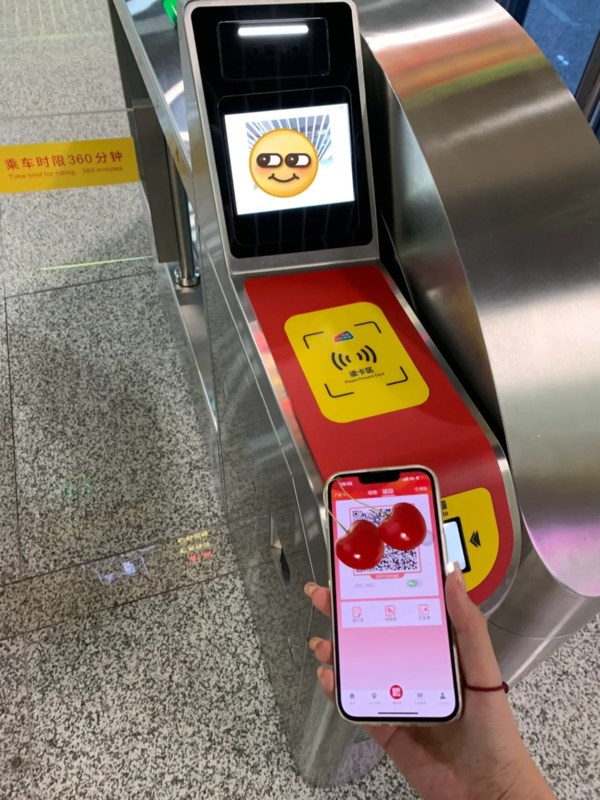
- QR Code in Subway
-
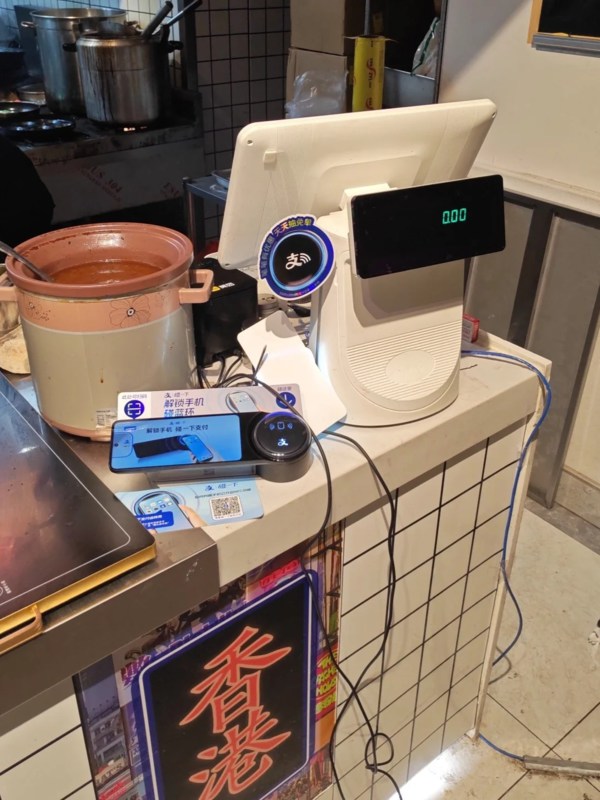
- QR Code in Restaurant
-
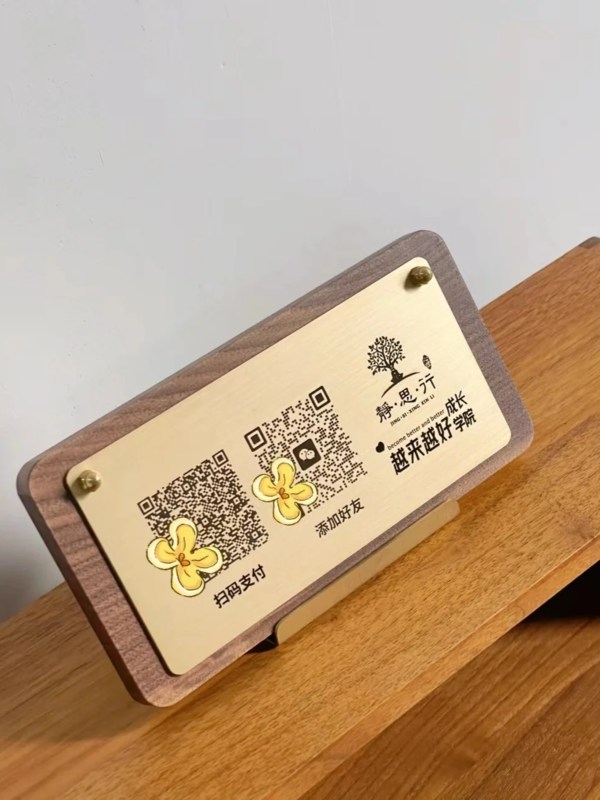
- QR Code in Hotel
Subways and buses: QR-only moments tourists don’t expect
The gates of subways and buses in most cities accept QR codes only. The first time tourists attempt to insert money or swipe foreign card, they usually panic. It is embarrassing to abruptly stop at a busy turnstile, particularly when it is at the busiest time.
An easy solution is to borrow the assistance of a local or refill a prepaid card that is connected to your app. These events draw attention to the real aspect of mobile payment, that the availability of the appropriate application is not a luxury but a necessity. These small disasters do not destroy the day because of the knowledge of what app to pay in China.
Restaurants and street food: speed matters more than method
Peak hours are revealing. A low scan can cause the queue at breakfast stalls or noodle shops that are busy. The sellers can hardly afford to reject a payment, yet slow mobile payments or dropping cash are the two things that make you notice. Small restaurants are more rhythmic than methodical; speed reigns.
It is an important thing to make sure you have your QR code ready. Alipay or WeChat Pay is also acceptable but the smooth scan of service makes it feel effortless. Users get to know fast that it is not the app itself that counts but the preparation.
Hotels, museums, and attractions
Hotels, museums, and tourist attractions generally accept a wide range of payment options: starting with cash and credit cards, Alipay and WeChat Pay. Still, differences appear. It may be cash or a card to the local bank where deposits/special tickets or bundled packages are required.
The worst assumption to consider is that all points of payments act in the same manner. To tourists who have to answer the question of how do tourists pay in China these environments are safe but at times somewhat unexpected. It is easy to plan for future and understand what approach every single location favors to avoid hitches in check-in and ticketing.
How Do Tourists Pay in China Without a Chinese SIM or Bank Account
-
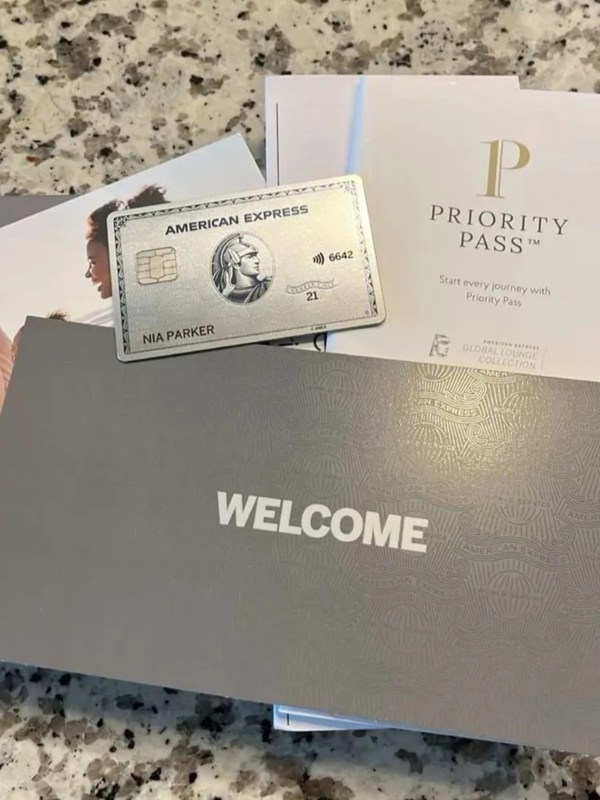
- Use Amex in Hotel
-
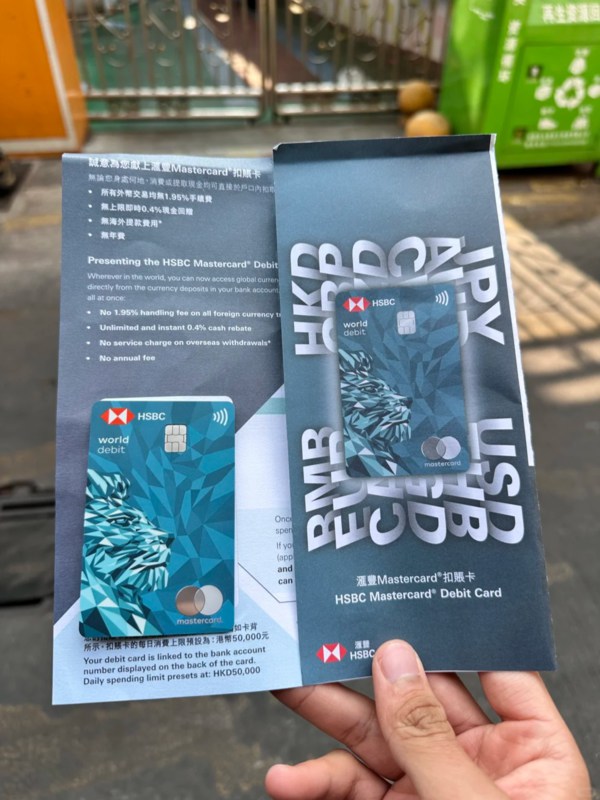
- Mastercard
Paying with foreign cards linked to apps
One can be able to pay in China without having a bank account locally. Connecting a Visa, Mastercard or even AmEx to Alipay or WeChat Pay can be used in numerous city locations. The success will rely on card origin, daily restrictions, and verification of apps. US, EU and Australian cards tend to sail through whereas others do not. Even small payments of less than a few hundred RMB can be made, which has ensured a good back up system to tourists who face inconveniences with their cash.
Although the Chinese SIM is not necessary, mobile applications can work on Wi-Fi, so the connection between these cards is surprisingly convenient. The fact of the matter is that the foreign cards are not limited to an emergency situation anymore, they are an option that can be used in everyday situations.
Offline payment myths tourists believe
A common misconception is that you cannot pay without a network connection. Many expect a complete standstill if the phone loses signal, but the reality is different. Offline payments often work briefly if the QR code is cached or if the vendor’s app can process delayed scans. Cash also remains a safety net, even in highly digital environments. Misunderstanding this creates unnecessary stress for travelers.
FAQ about How Do Tourists Pay in China
Q: Is Alipay or WeChat Pay better for foreigners?
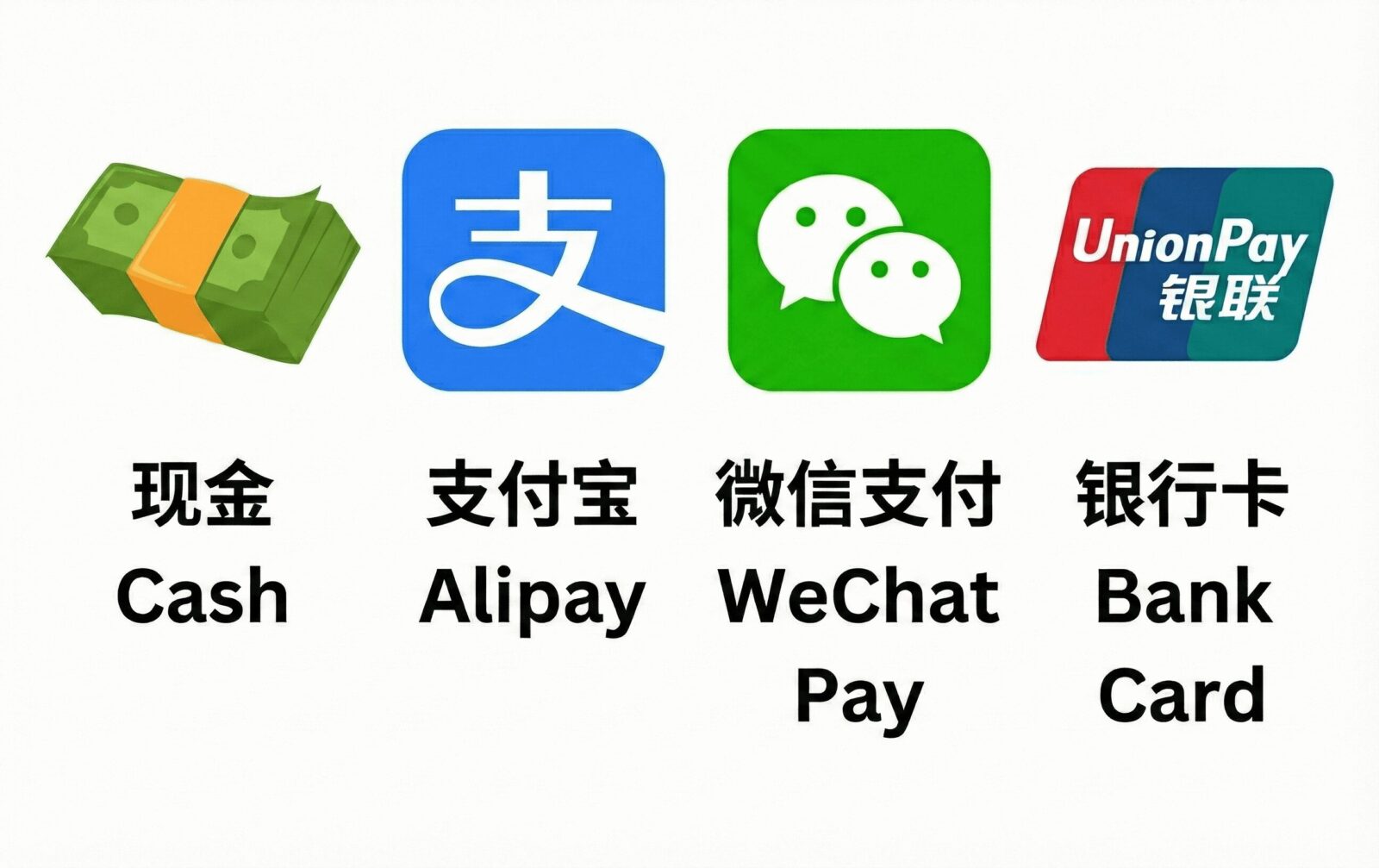
Both apps work for tourists, but their strengths differ. Alipay is easier to set up with foreign cards and works well in malls, hotels, and online purchases. WeChat Pay excels in small shops, taxis, and peer-to-peer transfers. A practical approach is to install both, prioritizing Alipay for structured spending and WeChat Pay for local interactions. This combination covers most situations without surprises.
Q: Is it better to have cash or card in China?
Cash is no longer the default, but it remains useful in temples, scenic spots, and small shops without mobile support. Cards, especially Visa, Mastercard, and AmEx, work reliably in high-end hotels and airports. For everyday travel, a mix is safest: mobile apps as primary, cash or card as a backup to cover unexpected gaps. This helps smooth transitions across urban and smaller locations.
Q: Should I exchange cash before going to China?
Exchanging some RMB beforehand helps for initial transport, snacks, or tips. Too much cash is unnecessary in cities dominated by mobile payments. A moderate amount, roughly 300–800 RMB, is usually enough. Additional money can be withdrawn from ATMs linked to foreign cards. This balances convenience, security, and cost.
Q: What app do tourists actually use to pay in China?
Alipay and WeChat Pay dominate. Alipay is generally preferred for official transactions, ticketing, and hotel check-ins, while WeChat Pay is widely used in smaller stores, taxis, and social scenarios. Using both apps provides flexibility. Tourists often ask how to pay in China as a foreigner, and experience shows that having these two covers nearly all payments without frustration.
Q: Can tourists pay in China without a Chinese bank account?
Yes. Linking international cards to Alipay or WeChat Pay works in many urban spots. Visa, Mastercard, and some AmEx cards function reliably. Offline solutions like cached QR codes or assistance from locals can fill gaps. A foreign account is no longer a strict barrier for daily spending in major cities.
Q: Why does payment fail even after setup?
Failures usually stem from technical or procedural issues: POS machines without foreign card permissions, staff unfamiliar with scanning procedures, or temporary network issues. Sometimes limits on daily spending cause declines. Staying patient, carrying a backup card or cash, and double-checking the QR code helps reduce these failures.
Q: How do tourists pay in China for taxis and ride-hailing apps?
Most taxis now accept WeChat Pay or Alipay, with QR codes displayed in the car. Ride-hailing apps like Didi also work with foreign-linked cards. Cash is accepted, but drivers may prefer mobile payments for speed. Having a preloaded app makes travel smoother, especially during rush hours or in cities where cash is uncommon.
Q: Is Apple Pay or Google Pay usable in China?
Usage is very limited. Few merchants support foreign NFC payments, and public transport rarely accepts them. For most tourists, relying on Alipay or WeChat Pay remains far more reliable. Apple Pay can sometimes link to a local UnionPay card, but this requires extra setup and may not work everywhere.