What is Alipay+
Alipay+ began to appear in China where foreign tourists started returning in the same period. Around the same time, more foreign tourists returned to China, and Alipay+ began to appear throughout China. The logo will be displayed in convenience stores, shopping malls, airport cafes, and sometimes even next to old QR code stickers that have seen extensive use over the years. Many travellers think that Alipay+ is another function of Alipay, but it is not. The chaos typically begins when we try to pay for an inexpensive item — say coffee, subway tickets, perhaps a quick bite at the convenience store at midnight — around the last couple of stops in the city where we've just been. The confusion typically kicks in when we attempt to pay for a simple item – a cup of coffee, subway tickets, maybe some late night convenience store, quick bite.
What Is Alipay+ Actually Used for in China
-
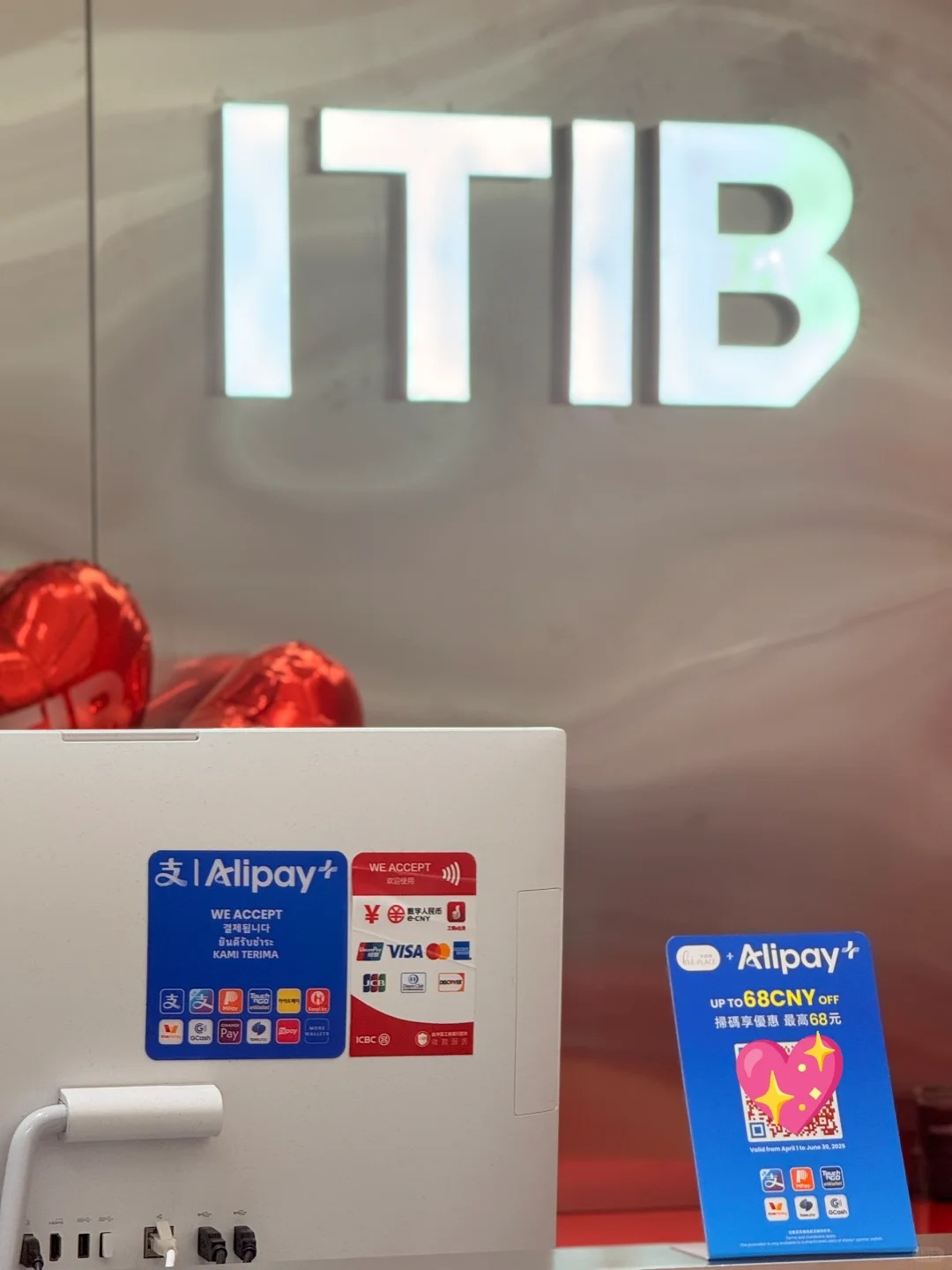

- Alipay+
-

- Alipay+ Logo
-
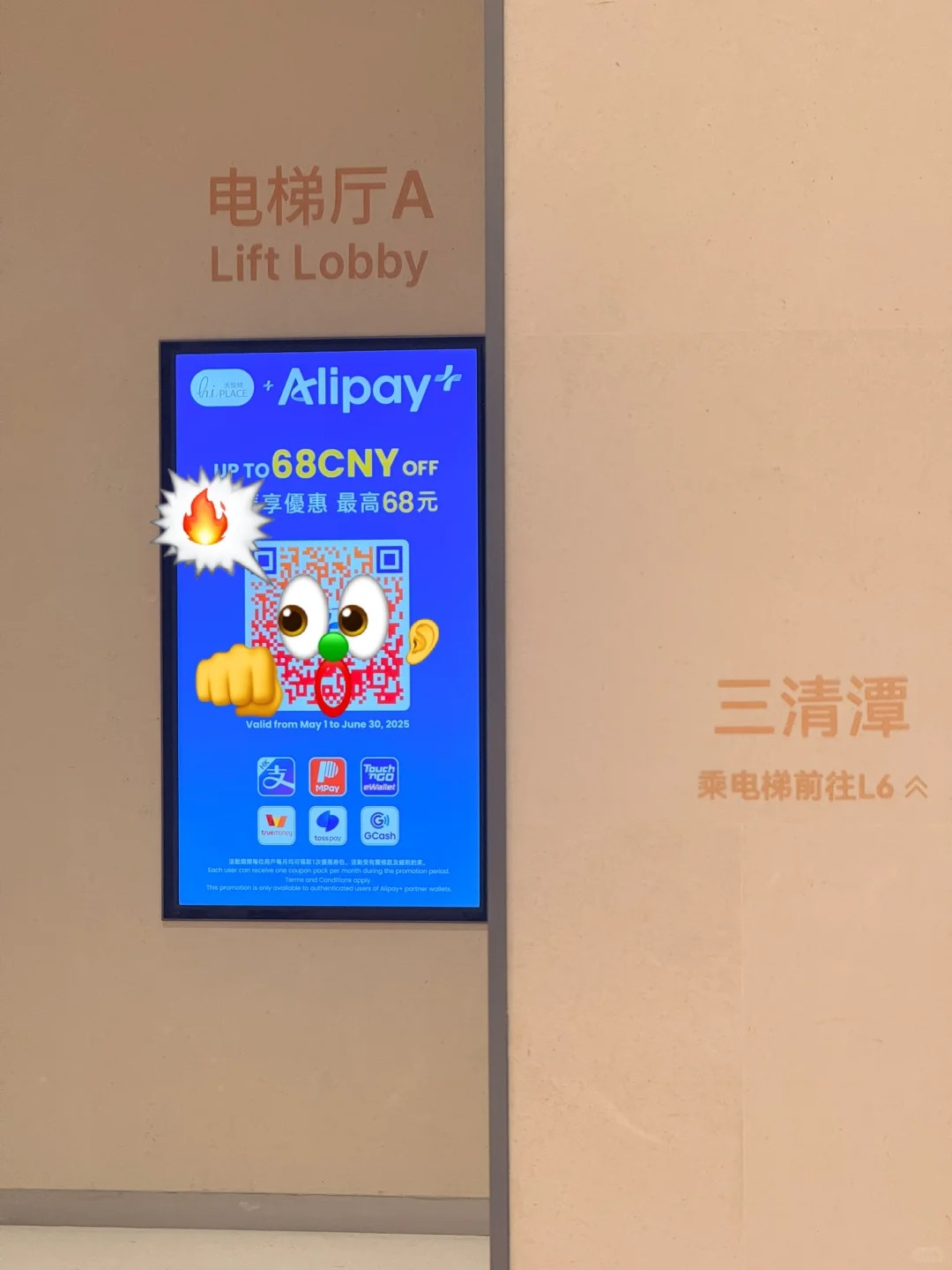
- Alipay+ Logo in China
Alipay+ Is Not Another Payment App
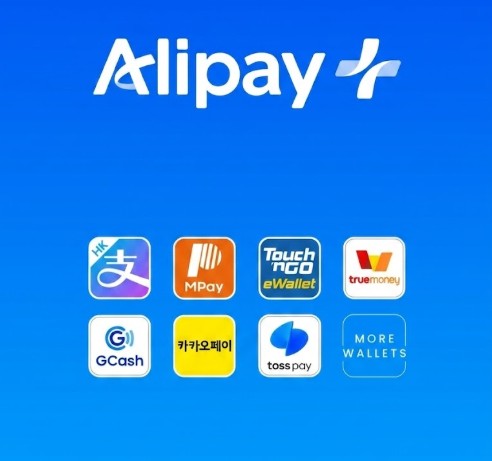
The name alipay+ is one common misunderstanding which is the reason why this is one of the major reasons behind alipay+. It sounds like another app that you install before you travel. However, in reality, Alipay+ is more of a payment bridge than an active wallet.
Most travellers don't touch it directly. Instead, they continue to use their current e-wallet in their homes. That wallet is merely linked to Chinese merchants by the system. In a convenience store in Shanghai or a café in Chengdu, the process is typically straightforward: scan, approve and pay with an existing medium.
In real situations, you might see:
- A Filipino traveler paying with GCash
- A Malaysian user opening Touch ’n Go
- A Korean visitor using Kakao Pay
Everything happens inside their own apps. Alipay+ stays in the background, almost invisible, even though it enables the transaction. This is why many people only realize its role after they notice the same logo appearing in different cities.
Why Chinese Stores Started Showing the Alipay+ Logo Everywhere
The reason Alipay+ in China has become so visible is not random branding. It reflects a shift in how stores handle foreign payments.
- More Southeast Asian tourists are returning
Cities like Bangkok, Kuala Lumpur, and Manila now contribute a steady flow of visitors who rely on local wallets instead of international cards. - Merchants want fewer payment failures
Instead of handling multiple systems, shops prefer one QR code that supports many wallets through the Alipay+ payment network. - Tourist cities adopt it faster
Places like Shanghai, Guangzhou, Shenzhen, and Chengdu roll it out earlier because they deal with higher foreign traffic daily. - Chain stores lead the change
Large convenience stores and malls update their systems faster than small street vendors, so travelers notice Alipay+ more in modern retail spaces than in older neighborhoods.
Some travelers even mention that they see the Alipay+ logo more often in chain stores than in traditional food streets, which feels slightly counterintuitive at first but actually matches how payment systems are being upgraded across urban China.
Alipay vs Alipay+ Feels Confusing
Alipay Is a Wallet While Alipay+ Connects Many Wallets
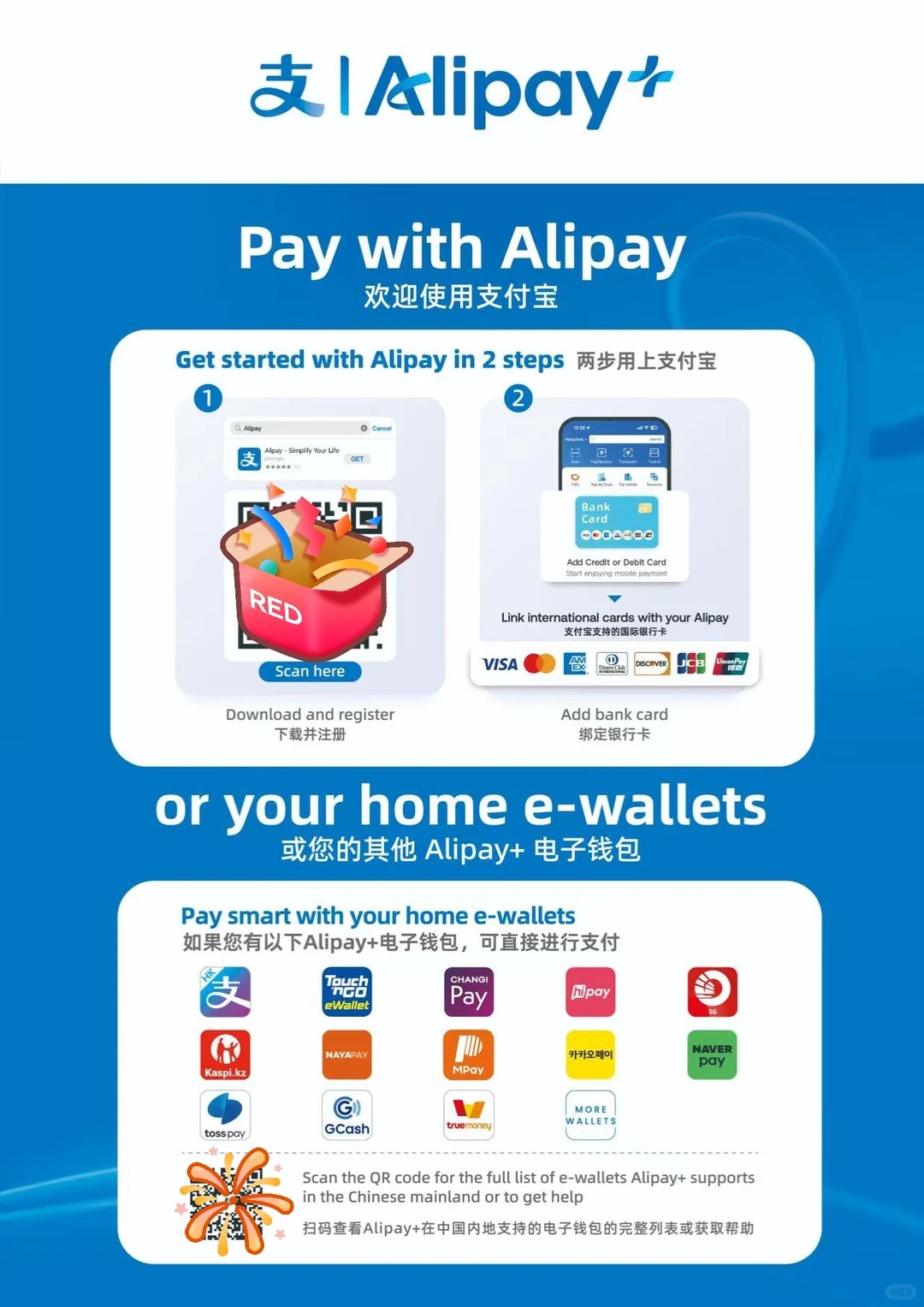
Alipay & Alipay+
The confusion around “alipay vs alipay+” usually comes from the word “Alipay” being used in both names. In reality, they do completely different things, even if they often appear side by side at checkout counters in China.
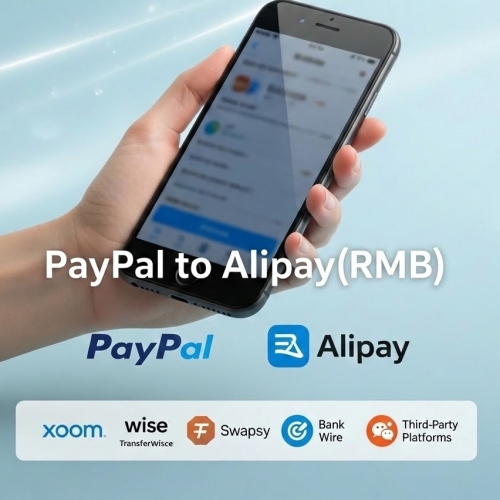
Alipay is a single digital wallet. It works like a normal payment app where you store money or link your bank card. Alipay+ is not a wallet at all. It doesn’t hold money. Instead, it connects different regional wallets so they can be used inside China without extra setup. If you’re trying to understand how foreign money can actually be moved into Alipay before traveling, here’s a practical breakdown.
A simple way to see the difference:
| Comparison Dimension | Alipay | Alipay+ |
|---|---|---|
| Product Form | One digital wallet app | A cross-border payment network |
| Primary Users | Mainly used by mainland China users | Connects multiple Asian e-wallets |
| Account Requirements | Requires Alipay account + identity verification | No separate account needed for most users |
| Fund Management | Stores balance or links bank cards | Does not hold money itself |
| How It Works | Works directly inside China | Works through partner wallets |
| Acceptance Scope | Accepted almost everywhere in China | Accepted only where merchant supports integration |
| Feature Coverage | Covers payments, transport, bills, services | Focused mainly on merchant payments |
| Main Scenarios | Used for daily life in China | Used mainly by foreign travelers / regional wallets |
| Scanning Method | QR code scanned inside Alipay app | QR code scanned inside local wallet app |
| Core Positioning | Strong domestic ecosystem | Cross-border “bridge” between countries |
In practice, this means a tourist doesn’t always need to “get Alipay+.” They might already have what they need through their own country’s payment app, and Alipay+ simply makes it work inside Chinese stores.
What Tourists Usually Get Wrong About Alipay+
A lot of confusion around what is alipay+ comes from assumptions travelers make before arriving in China.
- Many think they must download Alipay+
In reality, there is no separate consumer app for most travelers. The system works behind existing wallets. - Some expect it to support all foreign bank cards
Alipay+ is not a card network. If a wallet isn’t integrated, the payment simply won’t go through. - Others assume it is the same as Alipay
This is probably the most common mistake. Alipay is a standalone wallet, while Alipay+ is just the connection layer.
There was a case mentioned in a TripAdvisor-style travel forum where a British traveler in Beijing downloaded Alipay+ after seeing the logo at a café, only to realize there was no separate tourist app to log into. That small misunderstanding happens more often than expected, especially in busy cities where payment screens move fast and staff don’t always explain the difference.
Which One Is Easier for Most Foreign Travelers
The answer depends heavily on where the traveler is from, and this is where the alipay+ in china experience becomes more practical than theoretical.
For most Western travelers from the US or Europe, regular Alipay tends to be easier. It supports international cards directly, and setup is relatively straightforward once identity verification is done.
For Southeast Asian visitors, Alipay+ is often more natural. Many already use wallets like GCash or Touch ’n Go at home, so they can pay in China without switching systems.
Hong Kong travelers are in a slightly different position. AlipayHK feels closer to the mainland system, so the transition is smoother and less noticeable in daily use.
The difference isn’t about which one is “better,” but which one fits your existing payment habits. And in crowded checkout moments, that small difference can decide whether payment feels seamless or slightly frustrating.
Which Wallets Work With Alipay+ in China
Not every foreign wallet works in China, and this is where many travelers get surprised. The experience depends less on “having Alipay+” and more on whether your local wallet is actually integrated into the system. In real travel situations, this difference shows up quickly at checkout counters, especially in smaller shops.
GCash Usually Works Smoothly in Bigger Chinese Cities

GCASH and Alipay+
GCash is one of the more reliable examples when talking about wallets that work with Alipay+ in China. For many Filipino travelers, it feels almost effortless in major cities.
In places like Shanghai, Guangzhou, or Shenzhen, GCash payments tend to go through smoothly in chain stores and supermarkets. The process is simple: scan the QR code, confirm in the app, and the payment is done within seconds. In those moments, nothing feels particularly “foreign” about the transaction.
However, the situation changes in smaller shops. Some local stores still use older QR setups or systems that don’t fully support alipay+ supported wallets. Travelers sometimes mention on review platforms like TripAdvisor that payments fail more often in family-run snack stalls than in modern convenience stores. It’s not a rule, but it happens often enough to notice.
Kakao Pay Is Becoming More Common in Tourist Areas
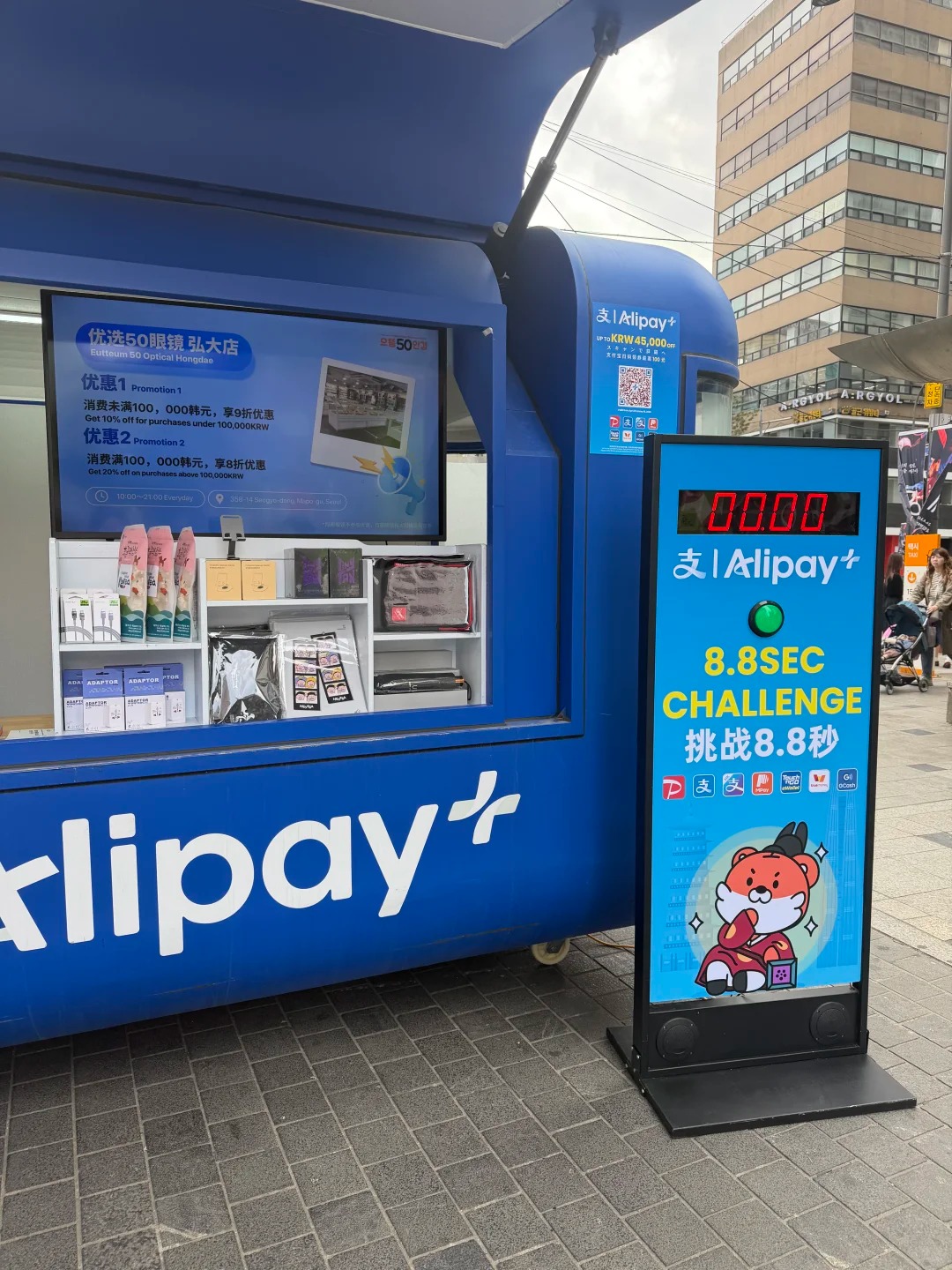
Alipay+ Korea
Kakao Pay is widely used by Korean travelers, especially those visiting cities like Shanghai, Qingdao, or even smaller coastal destinations. One of the main advantages is that there is no need to download a separate Chinese app before traveling.
For visitors coming from Seoul’s Myeongdong shopping streets or Incheon airport routes, the experience feels familiar once they arrive in China. They continue using Kakao Pay almost the same way they would at home, which reduces friction during short trips.
In tourist-heavy districts, Kakao Pay acceptance is becoming more visible, especially in malls and branded stores. Still, coverage outside those zones can vary depending on the merchant system.
Touch ’n Go eWallet Often Works Better Than Travelers Expect
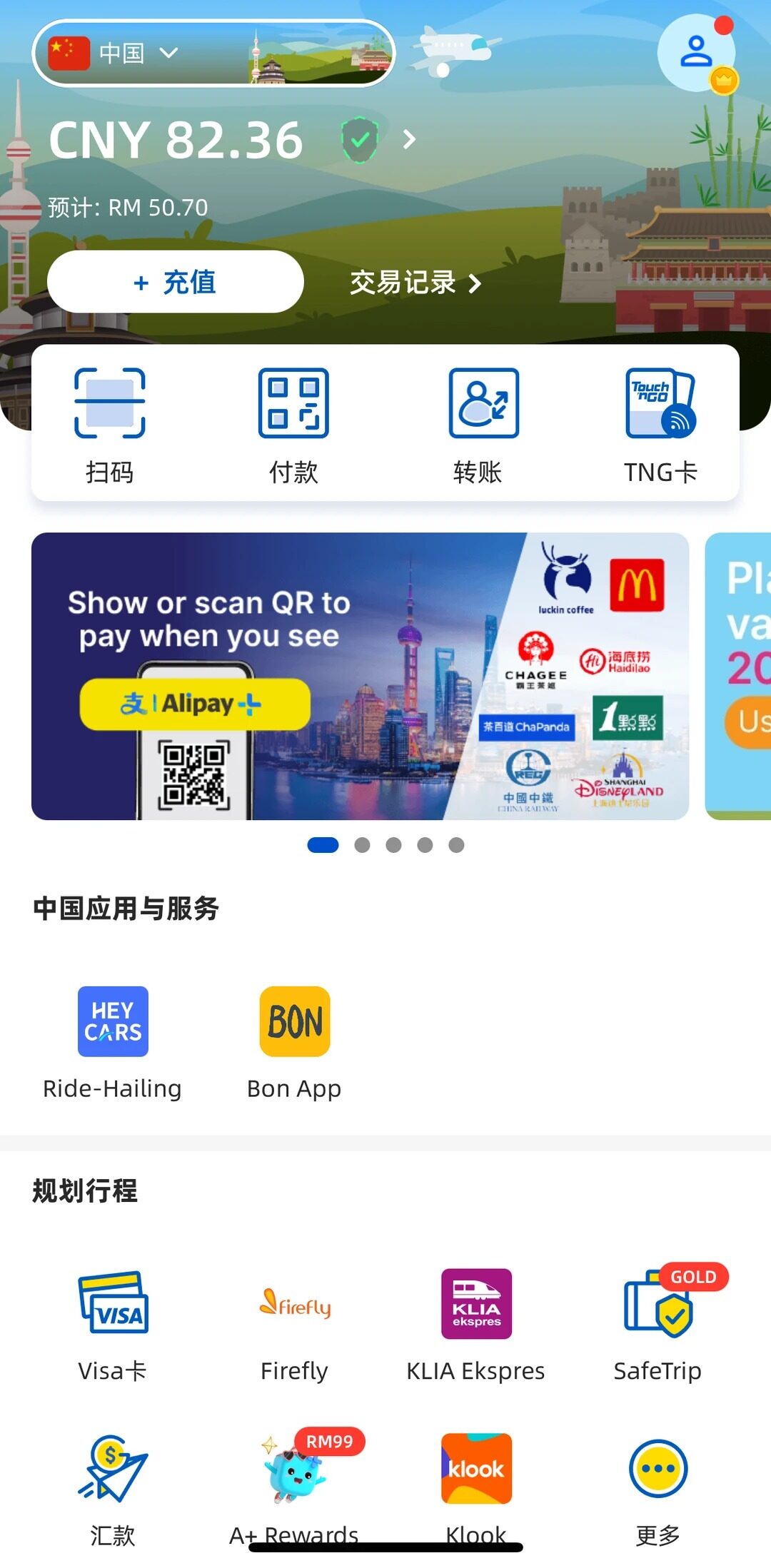
Touch ’n Go eWallet
Touch ’n Go eWallet from Malaysia is another wallet that often surprises travelers in a positive way. Many users report that it works more consistently in China than they initially expected.
In large shopping malls and airport retail areas, payments usually go through without issues. The experience feels stable, especially in cities like Shenzhen and Guangzhou where international tourism is more active.
Some traveler discussions online describe it as “more usable than expected,” particularly in chain stores where QR systems are standardized. That said, results still vary in small street vendors or older markets, where compatibility is not always guaranteed.
AlipayHK Feels Closest to Using Native Alipay
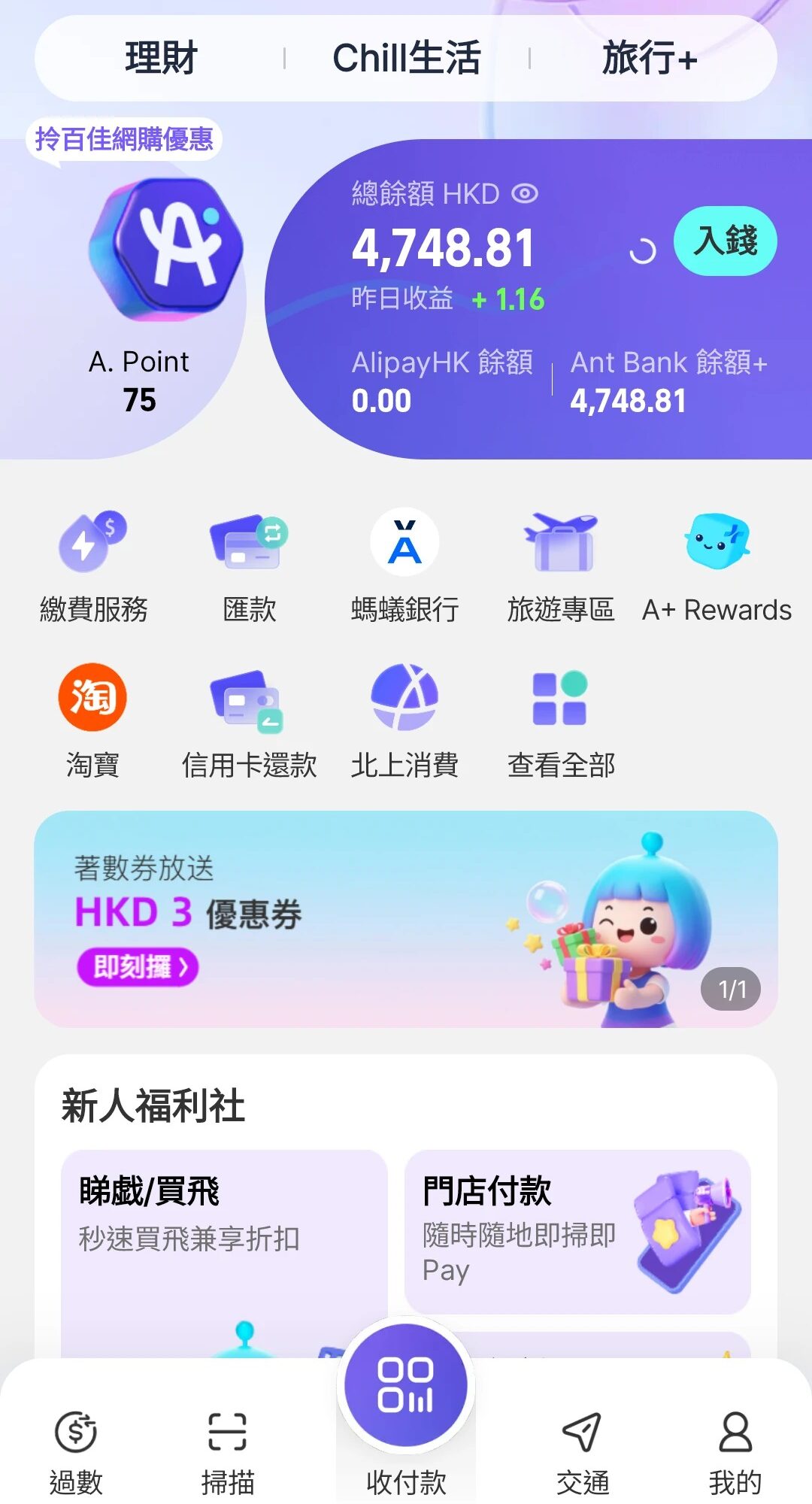
AlipayHK
Among all alipay+ for tourists options, AlipayHK is probably the most seamless. Hong Kong users often feel like they are already inside the same ecosystem when traveling to mainland China.
The interface looks very similar to Alipay itself, and the payment flow feels almost identical. In practice, this reduces confusion at checkout counters and makes transactions feel more “native” compared to other wallets.
In cities with high Hong Kong visitor traffic, such as Shenzhen or Guangzhou, acceptance is especially strong. Many travelers barely notice a difference between AlipayHK and local Alipay usage, which explains why it tends to rank high in can foreigners use alipay+ discussions.
Overall, while coverage still depends on the store, AlipayHK offers one of the most consistent experiences among all supported wallets.
What Happens When Travelers Try Using Alipay+ for the First Time
Paying at Convenience Stores Is Usually the Easiest Test
The first real test of using Alipay+ in China usually happens inside convenience stores like Lawson, FamilyMart, or 7-Eleven. These places are standardized, fast, and used to handling foreign visitors, so the success rate is relatively high.
The routine feels almost mechanical. You pick a drink or snack, walk to the counter, and the cashier already has the QR code ready. There is often a short pause while they wait for you to open your wallet app. Then comes the familiar beep after scanning, followed by a second confirmation sound on your phone. Everything moves quickly, sometimes faster than you expect if it’s your first time in China.
The environment itself adds pressure. Bright lighting, quick customer turnover, and the steady rhythm of scanning and payment make the process feel slightly rushed. Still, in places like Lawson or 7-Eleven, using alipay+ in china often feels smooth enough that most travelers stop worrying after the first successful payment.
Street Food Stalls and Small Shops Can Still Be Unpredictable
Outside of chain stores, the experience becomes less consistent. Street food stalls in cities like Chengdu or Xi’an, especially in busy night markets, don’t always follow the same payment standards.
Some vendors only support local Alipay accounts, while others rely on older QR systems that don’t fully connect with alipay+ tourist experience setups. In a few cases, the problem isn’t the system at all, but the vendor’s familiarity with it. A stall owner might look at the payment screen for a few seconds before saying it doesn’t work, even when technically it should.
Network stability can also be an issue in crowded areas. Payment apps sometimes lag when too many people are connected at once, especially during peak hours in food streets. For foreign travelers, this is often the moment when they start questioning can tourists use alipay+ reliably outside modern retail spaces.
The Biggest Frustration Usually Comes From Verification Steps
The most frustrating moments for foreign travelers using Alipay+ rarely happen at the checkout counter itself. They usually appear earlier, during setup or unexpected verification checks.
Mobile network delays, SMS verification issues, or temporary bank authentication steps can interrupt the payment flow. Some users also face sudden risk control prompts, especially when making their first few transactions in China.
In these moments, foreign travelers using alipay+ often realize that the system is designed for speed once set up, but not always predictable during initial use. It’s not uncommon to see someone step aside in a crowded night market, trying to reload their app while others continue paying within seconds.
Do Most Travelers Even Need Alipay+ in China
Most Western Travelers Still Prefer Regular Alipay

Alipay+ in Airport
For many visitors from the US or Europe, the question of do i need alipay+ in china usually ends up with a simpler answer than expected. In most cases, regular Alipay is still the more practical option.
The main reason is card support. Alipay allows direct linking with Visa and Mastercard, which removes the need to rely on a specific regional wallet. Once verified, it works across most major cities, from Beijing subway stations to Shanghai coffee shops. The coverage feels more consistent because it is tied to the domestic payment ecosystem rather than external wallet compatibility.
In daily travel, this means fewer surprises at checkout. There is no need to check whether a merchant supports a specific foreign app. For short-term visitors, this simplicity often outweighs the potential flexibility that Alipay+ offers.
Alipay+ Makes More Sense for Asian Travelers
Alipay+ becomes more relevant when travelers already use supported regional wallets. This includes visitors from Hong Kong, the Philippines, South Korea, and Malaysia, where digital wallets are already part of everyday life.
In these cases, there is usually no need for extra setup. Users simply continue using the app they already know at home, which makes the transition into China smoother. That’s why should tourists use alipay+ often depends more on geography than preference.
For example:
- Hong Kong travelers often use AlipayHK
- Filipino users rely on GCash
- Korean travelers use Kakao Pay
- Malaysian users prefer Touch ’n Go eWallet
The experience feels familiar, and there is no learning curve at the counter, which is especially helpful during short trips.
The Best Setup Depends on Where You’re From
There isn’t a single “best” option when it comes to best payment apps in china. It really depends on where the traveler is from and what they already use at home.
| Traveler Type | Better Option |
|---|---|
| US / Europe | Alipay |
| Hong Kong | AlipayHK |
| Malaysia | Touch ’n Go |
| Philippines | GCash |
| South Korea | Kakao Pay |
This is a simple breakdown of what really occurs in the real world when you're traveling. Some travellers opt for Alipay for complete protection while others choose Alipay+ since they can be linked to their existing wallets. In both instances, the objective is the identical: to purchase rapidly with out pondering a good deal on the counter.
FAQ About What is Alipay+
Q: Is Alipay+ the same as Alipay?
No, they are not the same. Alipay is a digital wallet where users store money, link bank cards, and pay directly in China. Alipay+ is not a wallet at all. It is a payment network that connects different regional wallets to Chinese merchants. So when you pay in China, you are usually using your own local app, not Alipay+ itself. Many travelers confuse the two because they often appear side by side at checkout counters. If you’re still unsure how foreigners actually make payments step by step in real stores across China, this practical guide breaks it down clearly.
Q: Do I need to download Alipay+ before traveling to China?
In most cases, no download is needed. Alipay+ is not a standalone app for travelers. If your home country wallet is supported, you simply use that app directly. For example, GCash or Kakao Pay users can pay without installing anything new. If your wallet is not supported, then downloading Alipay or WeChat Pay may be more useful for your trip.
Q: Can tourists use Alipay+ without a Chinese bank account?
Yes, in supported regions you do not need a Chinese bank account. Alipay+ works through linked regional wallets, so the payment is processed through your local app. However, availability depends on your country and wallet type. Some users still need to rely on it or cash if their wallet is not part of the Alipay+ system.
Q: Which countries support Alipay+ wallets?
Alipay+ supports several major Asian wallets, but coverage is not global. Common supported regions include Malaysia (Touch ’n Go), Philippines (GCash), South Korea (Kakao Pay), and Hong Kong (AlipayHK). Support is expanding, but travelers from Europe or the US often rely more on regular Alipay instead of Alipay+.
Q: Can I use Alipay+ in taxis and public transport in China?
In major cities, yes, but it depends on the system used. Some taxis and metro stations accept QR payments that support Alipay+ wallets. However, not all transport systems are fully integrated. In smaller cities or older taxi fleets, cash or standard Alipay may still be required, so it is not fully consistent yet.
Q: Why does Alipay+ work in one store but not another?
This usually depends on merchant integration. Large chain stores and malls tend to support it because they use updated QR systems. Smaller shops or street vendors may still use older Alipay-only setups or unstable network connections. That’s why payment success can vary even within the same city.
Q: Is Alipay+ better than WeChat Pay for tourists?
It depends on your situation. Alipay+ is useful if your local wallet is supported, especially for Southeast Asian travelers. WeChat Pay and Alipay are still more widely accepted across China overall, especially for transport and small vendors. Many tourists actually end up using Alipay as their main tool, with Alipay+ as a secondary option.
Q: What should I do if my Alipay+ payment fails?
Make sure you have the internet working and then try again. A lot of failures are due to poor connectivity. If it does not work, it could be because the merchant doesn't accept your wallet or it's temporarily down. If so, then it's likely that the quickest way to go is to use Alipay, WeChat Pay or even cash in China.