Guiyang White House
A white neoclassical mansion rises 12 stories above an artificial pond in central Guiyang, Guizhou, China, drawing photographers since the early 2020s. Locals call it "China's White House." Built for a local real-estate billionaire, the structure reportedly sat largely unused for years, and as a result, what visitors can actually do inside depends on which published source you trust.
The mansion sits inside Huaguoyuan Wetland Park in Nanming District, and most published reports describe routine visitor access as restricted. This guide covers what the building actually is, how to reach it from Guiyang's airport and rail stations, and how to combine it with the wetland park for a short, low-cost stop.
Quick Facts
What the Guiyang White House Actually Is
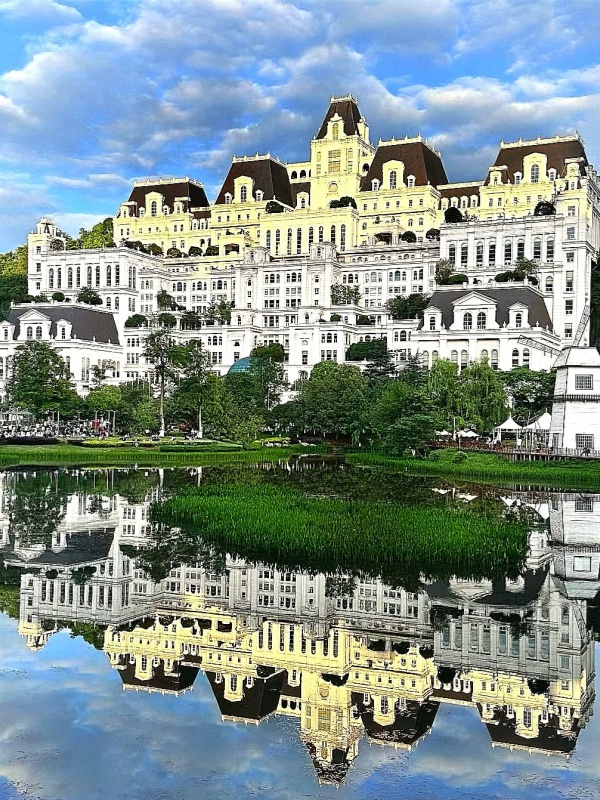
Outside of Guiyang White House
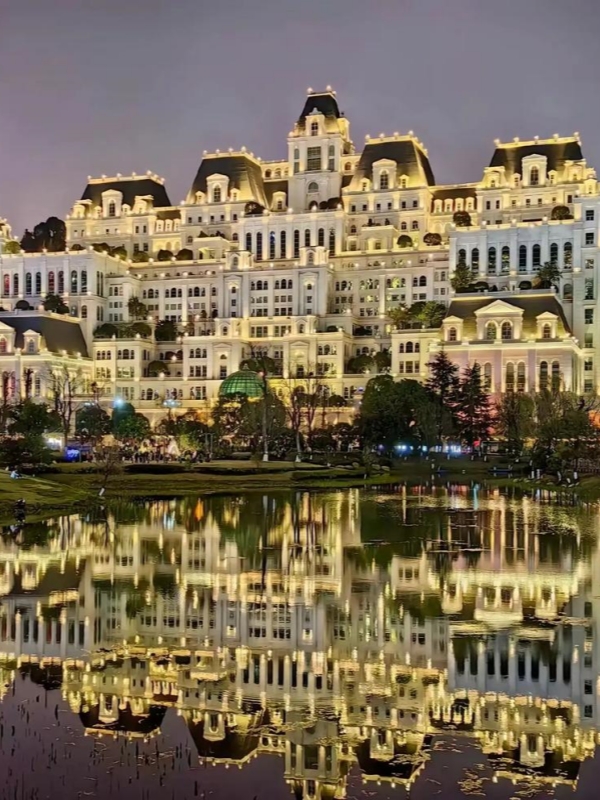
Set inside Huaguoyuan Wetland Park in Nanming District, the Guiyang White House is a large white mansion in central Guiyang. It stands roughly 12 stories tall with neoclassical columns and a central portico that recalls the executive mansion in Washington DC. An artificial pond in front produces the mirror reflection seen in nearly every photograph.
The building has been described variously as a planned hotel with around 64 suites and as a private mansion whose ground floor operates as a small gallery. Some reports also call it the largest private mansion in China — a claim that does not come from an official designation. In practice, the labels matter less than the view.
Hotel, Mansion, or Art Center?
Three labels float around the building. "Guiyang White House" is the popular nickname. "Guiyang Art Center" is the official name applied to the ground-floor gallery. A third label — a planned Accor-associated hotel with around 64 suites — appears in 2023 reporting but has not been confirmed in later coverage. For visitors the practical difference is small: routine entry into the main building is not permitted, so what you actually see is the exterior.
The Owner Behind the Mystery
The building is reported to belong to Xiao Chunhong, chairman of Guizhou Honglichen Group. Published reports indicate Xiao never lived in the mansion, which helps explain why a 12-story building inside a public park sat largely unused for years. Meanwhile, the same ownership narrative also fuels the "China's largest villa" label circulating on Chinese social media, though no official designation backs it.
Visiting and Photographing the Building
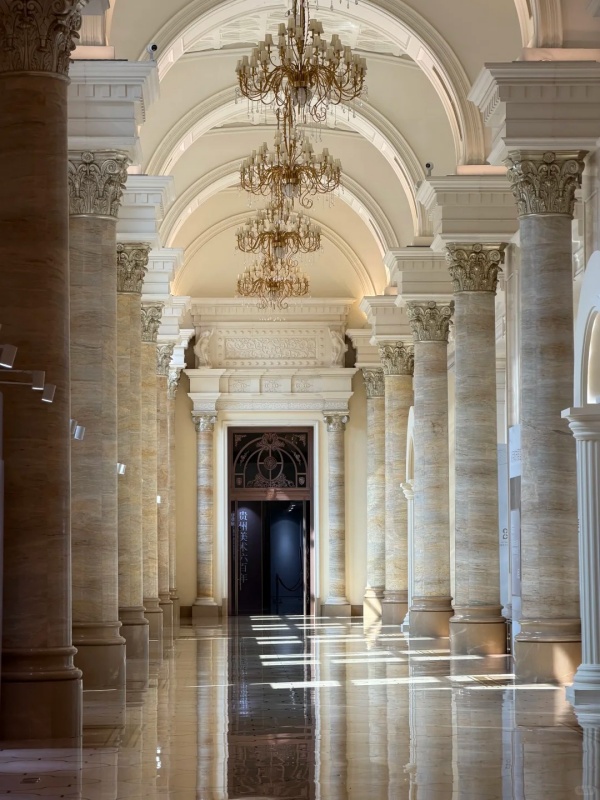
Inner of Guiyang White House
The Guiyang White House is a look-but-don't-enter landmark. Visitors cannot enter the main building; published reports indicate dozens of staff patrol the perimeter and unauthorized persons are turned away.
The exterior still rewards a slow stop. The building sits across an artificial pond, and that pond is where the signature shot lives — the white facade mirrored in still water.
Can You Enter?
No, not routinely. Reports indicate unauthorized persons are not allowed inside the main building, and staff regularly patrol the perimeter. The ground-floor art space occasionally opens for small exhibitions, but it is not a regular visitor venue. Plan to view from outside.
Best Vantage Points and Times
Three setups work well:
- Across the pond: the canonical reflection shot, with the portico mirrored in calm water.
- Eastern walkway: a side-profile angle that shows the full depth of the structure, rarely captured in tourist photos.
- Late afternoon into the first hour after sunset: daytime brings out the columns and balustrades, while dusk and just-after-dark give you the lit facade against a dark sky.
Phone cameras and small mirrorless setups both work. Tripod use inside the park follows park rules — confirm on site. Pair the stop with the wetland park loop for an easy half-day.
Getting to the White House
The mansion sits within Huaguoyuan Wetland Park in Nanming District. The nearest metro stop is Huaguoyuan Station, roughly 5–10 minutes on foot from the building. Guiyang's metro lines have been reconfigured in recent years, so verify the current line on site before boarding.
Public buses serve the Huaguoyuan area, but tap-to-pay typically requires Alipay or WeChat Pay — a real barrier for many foreign visitors. Ride-hailing via DiDi is available, however, foreign credit cards are generally not accepted on the app; set up Alipay or WeChat Pay before arriving.
Huaguoyuan Wetland Park
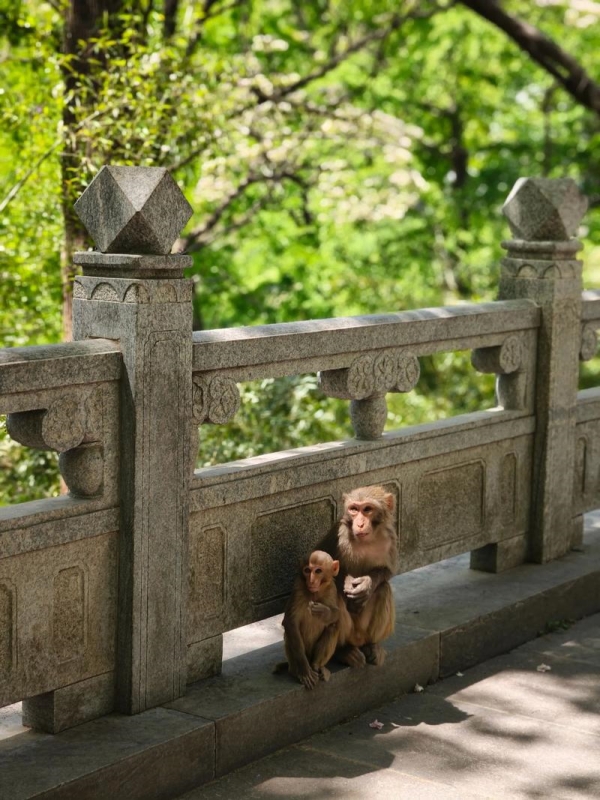
Huaguoyuan Wetland Park
The Guiyang White House sits inside Huaguoyuan Wetland Park, a large urban wetland in Nanming District. Entry is free, and the park functions as a public recreational space rather than a ticketed attraction. Walking paths loop around the pond and the wetland reed beds, giving visitors multiple angles on the mansion without leaving the grounds.
Locals use the park for jogging, tai chi, and evening strolls. Tourist density is heavier on the mansion side and lighter on the wetland side, so the reed-bed paths often feel quiet even when the facade is busy.
Combining the mansion view with the wetland loop is the natural way to spend a half-day here — roughly 30 minutes at the facade, then a slow walk around the water.
Nearby Attractions in Guiyang
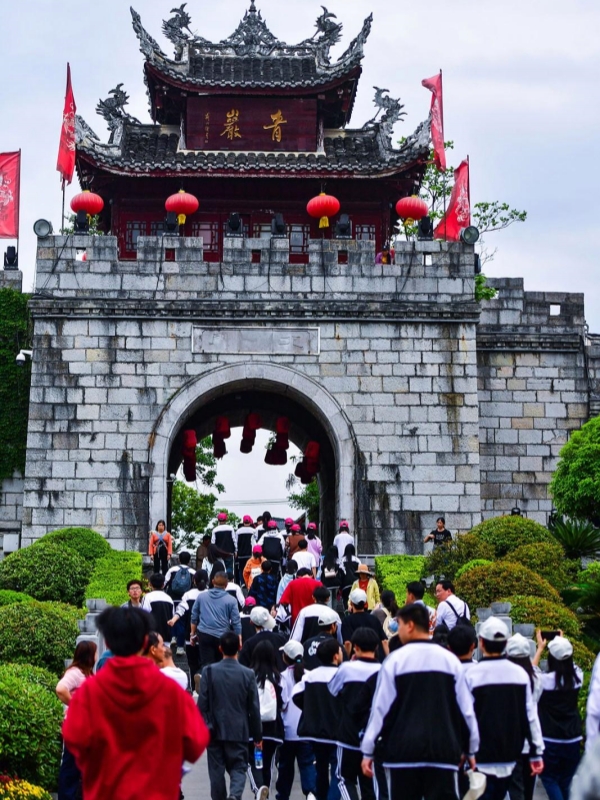
The Qingyan Ancient Town
A handful of places pair well with the White House for a half-day or full-day itinerary:
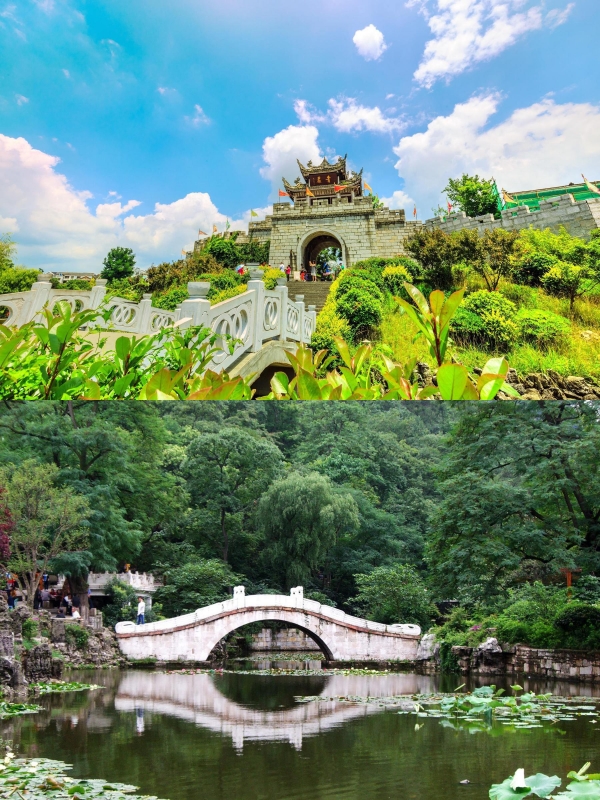
- Jiaxiu Tower: a Ming-era stone pavilion on the Nanming River in central Guiyang; exterior viewing is free; the city's most photographed historic landmark and a natural pairing with the White House.
- Qianling Park: a large urban park west of the city center with wild macaques, a lake, and walking paths; free entry; an easy add-on for travelers who want green space without leaving town.
- Qingyan Ancient Town: a well-preserved Ming/Qing-era walled town about 30 km south of Guiyang; taxi about $17–22 (¥120–150); entry ticket about $7–10 (¥50–70); best combined as a full-day side trip.
- Guiyang Forest Wildlife World: a combined zoo and wildlife park suited to families; ticket about $11–17 (¥80–120) booked on Trip.com or Klook.
- Huaguoyuan shopping district: the commercial area immediately around the wetland park, with coffee shops, restaurants, and souvenir stalls; useful for a meal after the mansion stop.
🌿 National Summer Escapes: If you want to see how Guizhou's refreshing climate compares to other top-rated, breeze-cooled highlands and misty mountain retreats across the country, explore our ultimate list of Cool Summer Destinations China.
Frequently Asked Questions
Q: Is the Guiyang White House open to visitors?
No. Routine entry into the main building is not permitted, and staff patrol the perimeter. The ground-floor art space occasionally hosts small exhibitions, but it is not a regular visitor venue. Plan to view from outside — the facade, the portico, and the reflection across the pond are the actual attraction.
Q: Why is the building called the White House?
The nickname comes from the white neoclassical facade, the row of columns, and the central portico — features that recall the executive mansion in Washington DC. Add the artificial reflecting pond in front and the resemblance is, in silhouette, unmistakable. The building's official name is the Guiyang Art Center.
Q: Who owns the Guiyang White House?
The building is reported to belong to Xiao Chunhong, a local real-estate billionaire and chairman of Guizhou Honglichen Group. Published reports indicate Xiao never lived in the mansion. Meanwhile, the same ownership narrative also fuels the "China's largest villa" label seen on Chinese social media.
Q: Can I stay at the Guiyang White House?
Published reports conflict. Some 2023 coverage described a planned Accor-associated hotel with around 64 suites, while others describe an unoccupied private mansion. Treat the hotel label with caution and verify current status on Trip.com before reserving any room in this building.
Q: How much time should I spend at the Guiyang White House?
Plan 30–60 minutes for exterior viewing and photography. Combine the mansion stop with the Huaguoyuan Wetland Park loop for a longer half-day, then add a meal in the surrounding shopping district. Most visitors do not need more than an hour at the facade itself.
Q: Are there English signs at the site?
English signage is limited. The wetland park has some basic wayfinding, but menus and signs in the surrounding shopping area are mostly Chinese. As a result, a translation app on your phone is recommended, especially if you plan to eat or shop in the Huaguoyuan district afterward.
Q: When is the best time of day to photograph the building?
Late afternoon into the first hour after sunset gives the cleanest shots. Daytime brings out the columns, balustrades, and roofline detail; dusk and the post-sunset window give you the illuminated facade mirrored in the calm pond. Mornings are workable, but the light is flatter.