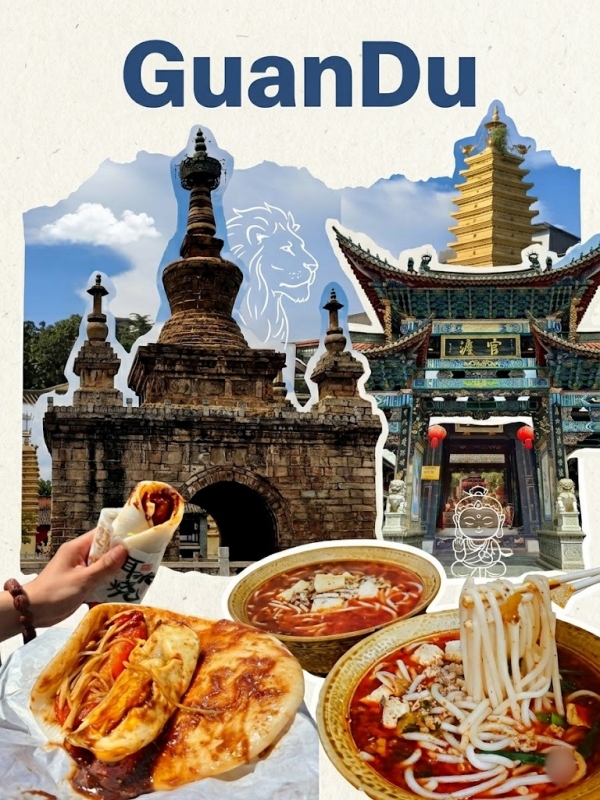
Guandu Ancient Town: Iconic Vajra Pagoda & Local Guandu Baba
Legend has it that long before it was known as Guandu Ancient Town, this place was a quiet fishing village called Wodong, nestled on the northeastern shore of Dianchi Lake. During the Tang Dynasty, the Nanzhao Kingdom chose it as a military outpost — drawn by the same strategic waterway that would define its future. Then, in the Song Dynasty, a local official named Gao Shengshi moored his boat here so often that he simply renamed the village: Guandu, meaning Official Ferry. By the Yuan Dynasty, what had once been a humble docking point had grown into a full county seat, drawing merchants, monks, and scholars from across southern Yunnan.
That’s the layered origin is exactly what makes Guandu Ancient Town so interesting today. Within just 1.5 km² you get architecture that comes from five continuous dynasties — Tang, Song, Yuan, Ming, and Qing - inviting the historical nickname Little Yunnan. This is not a recreated set. People continue to live here, pray here, and cook here, just as they have for over a millennium. And most visitors scratch the surface. In this guide, I’ll walk you through every layer of Guandu Ancient Town - history and landmarks, heritage crafts, best photography locations, free cultural performances, food, and the insider secret tips that most travel blogs miss.
Essential Visitor Information at a Glance
| Item | Details |
| 📍 Address | Gudu Long Street & Yunxiu Road, Guandu District, Kunming, Yunnan |
| 🎫 Admission | Free. No booking required. |
| ⏰ Opening Hours | Town: 24 hours. Temples: 8:00 – 17:30. Light show: until 22:30 |
| 🚇 Metro | Line 1, Xingyao Road Station or Erji Road Station; then 10-min taxi or 1.5 km walk |
| 🚌 Bus | Routes 169, 31, K4 — alight at Guandu Ancient Town or Guangfu Road stop |
| 🚕 Taxi | Approx. 30–40 RMB from city centre. Avoid rush hours. |
| 🏧 Parking | Navigate to Zhuangyuanfang entrance. Riverside lot: ~10 RMB. Avoid the underground car park. |
| 📞 Enquiry Line | 0871-67262799 |
| ⏱ Recommended Stay | 3–4 hours (half-day for the full experience, including night) |
| 🏆 Scenic Rating | National AAAA Tourism Scenic Area (awarded 2011) |
| 💡 Best Time to Arrive | 16:30 – 17:00 (catch the temples and then stay for the light show at 20:00) |
Four Historic Landmarks I Highly Recommend
Now you have some idea of the history, let us start on the walking tour. Each of the four is a different dynasty, and a completely different atmosphere. You might like to do them in order, from a grand one to a slightly less grand and then out to the quiet corners.
Vajra Pagoda: China's Oldest Stone Masterpiece
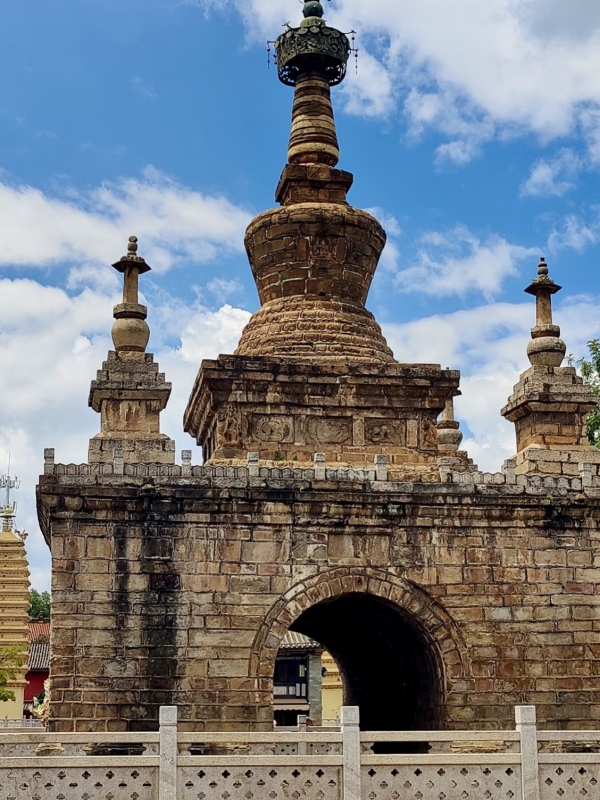
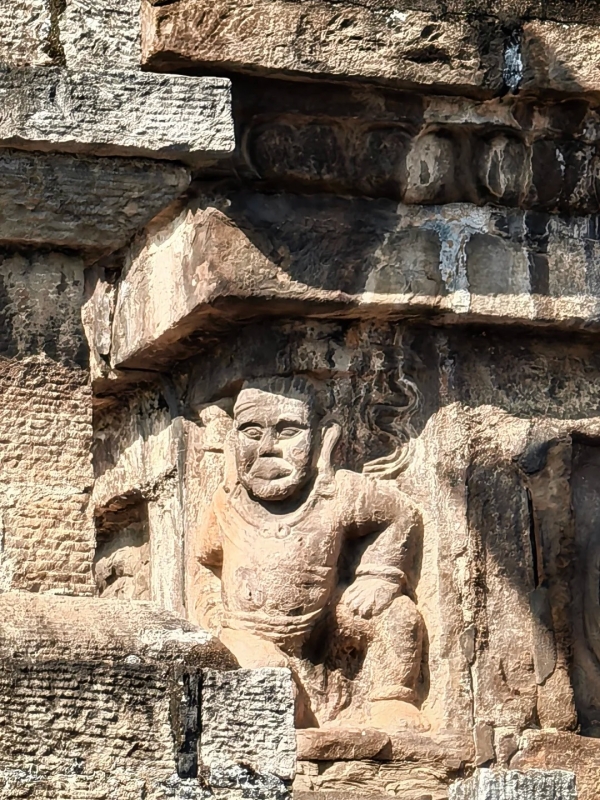
Tip: Swipe to explore the intricate architectural details preserved through the centuries.
🗻 A national treasure built in the Ming Dynasty
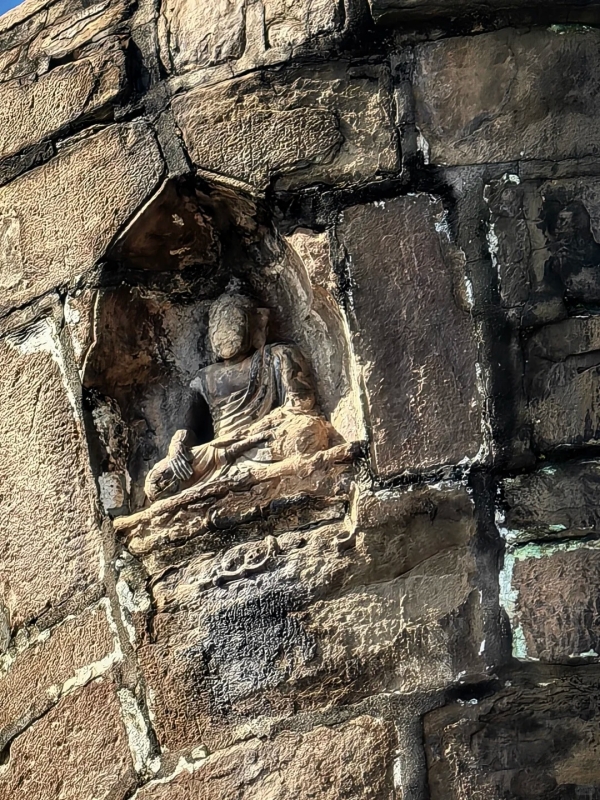
Standing 16.05 metres tall and completed between 1403 and 1424, this is China's oldest surviving stone vajra-style pagoda — and its national heritage status dates back to 1965. By 2001, the entire structure had slowly sunk into Dianchi Lake's soft alluvial ground. Engineers responded by lifting all 1,350 tonnes of it 2.6 metres back to its original height — a restoration feat as remarkable as the pagoda itself. Today, four arched tunnels run through the base, where locals perform the ritual of chuanxin qifu — walking through for blessings.
I went for a walk round the bottom and kept stopping to count the carved Buddhas: there are 58 in all, and no two have identical faces. The best time to see them is from 17.30 to 19.00 when every line of carving in the relief bursts out in silhouette. From 20.00 onwards the lighting changes to warm amber and it floods down onto the stone base of the pagoda; if you are going to be there shoot after dark take a tripod.
- 58 carved Buddha figures: each face is distinct; best viewed at 17:30–19:00 when slanted light reveals every detail
- 13-tier roofline: each tier symbolises one of the 13 heavens in Buddhist cosmology
- Nightly amber lighting: activates from 20:00 — ideal for silhouette photography
- Wide-angle tip: step back 10 metres or use a wide-angle lens for a full-frame shot
💬 Among the competing travel guides I reviewed for this section, GetYourGuide's Guandu listing describes the Vajra Pagoda as a national key cultural relics protection unit — though they do not mention the 2001 engineering lift, which remains one of the most underreported facts about this site.
🗺️ The Vajra Pagoda has witnessed five dynasties, recording Guandu's religious history through stone art, while similar architectural treasures are scattered throughout the country—this Panoramic Guide to China’s Ancient Towns will help you explore more hidden historical gems.
Miaozhan Temple: Shaolin Monks and Coffee
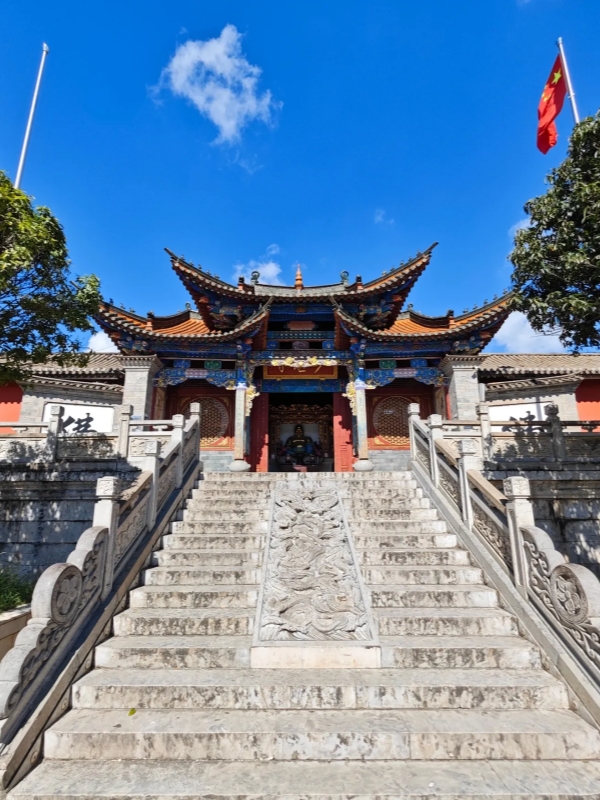
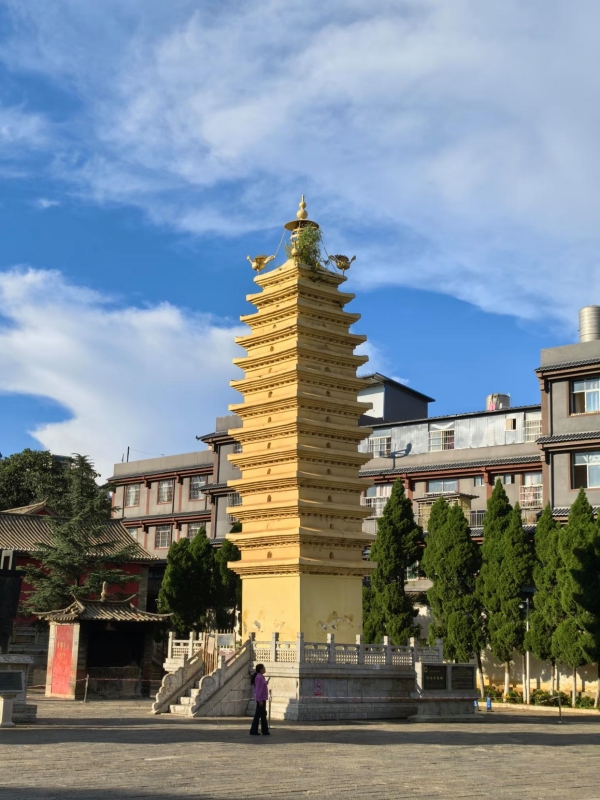
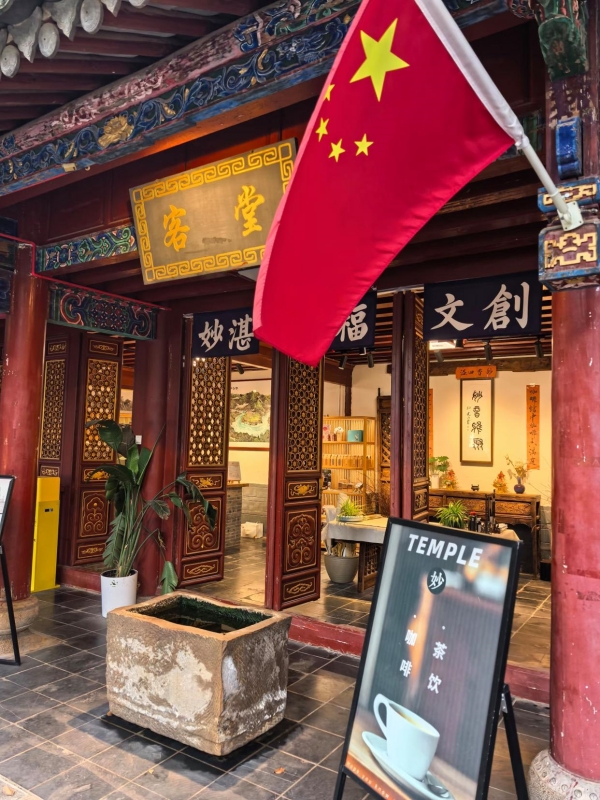
Tip: Swipe to explore the intricate architectural details preserved through the centuries.
I certainly didn’t expect Shaolin monks in Kunming. However, since 2009, the legendary Henan monks have run the nearby Miaozhan Temple under a 20-year agreement. Built between 1264 and 1294, this Yuan Dynasty compound combines ancient Buddhism and modern caffeinated hospitality. You can enjoy your latte whilst practitioners weave through the courtyard.
⛩️ Yuan Dynasty origins, Shaolin management since 2009
Miaozhan Temple was first established between 1264 and 1294, making it one of the oldest active religious compounds in Kunming. The two 13-tier brick pagodas flanking the entrance gate are Yuan Dynasty originals — the east tower is the authentic construction, while the west was rebuilt after earthquake damage. Entry is free, and the temple is open daily during standard hours. Between 15:00 and 16:30, afternoon light falls at exactly the right angle to illuminate both towers simultaneously, producing the most photographed view in the compound.
- Twin pagodas: Yuan Dynasty originals flanking the gate; east tower is the authentic construction
- Temple café: Zen-style coffee and vegetarian snacks, 25–40 RMB — one of the more unusual café settings in all of Yunnan
- Order at the small counter inside the western courtyard
- Seating is available in the shaded colonnade — quiet enough for conversation
- Photography timing: 15:00–16:30 for best light on the twin pagodas
💬 A Fellow Traveller's Note
A German traveller once told me: I sat in the temple courtyard for an hour. A monk joined me. We shared no common language, but the silence said enough. That kind of moment is consistently available here — especially on weekday mornings before the tour groups arrive.
Fading and Soil God Temples: Quiet Song Corners
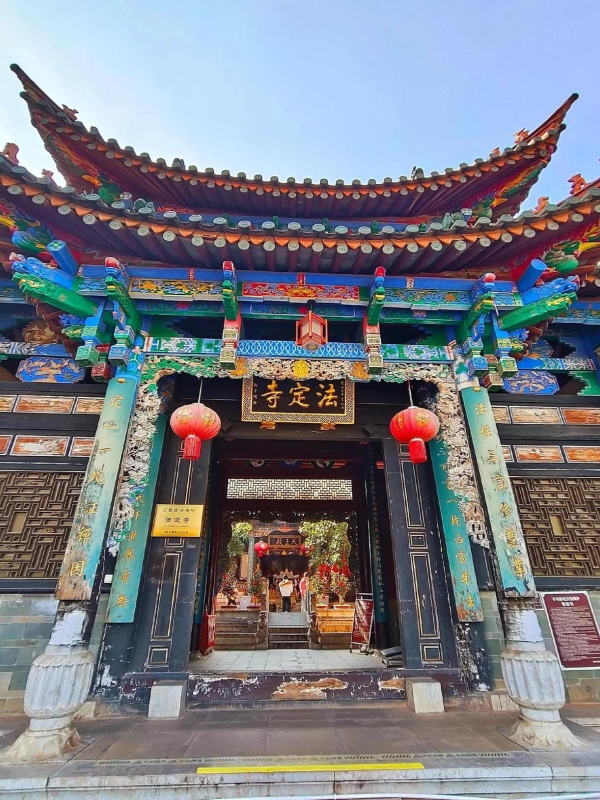
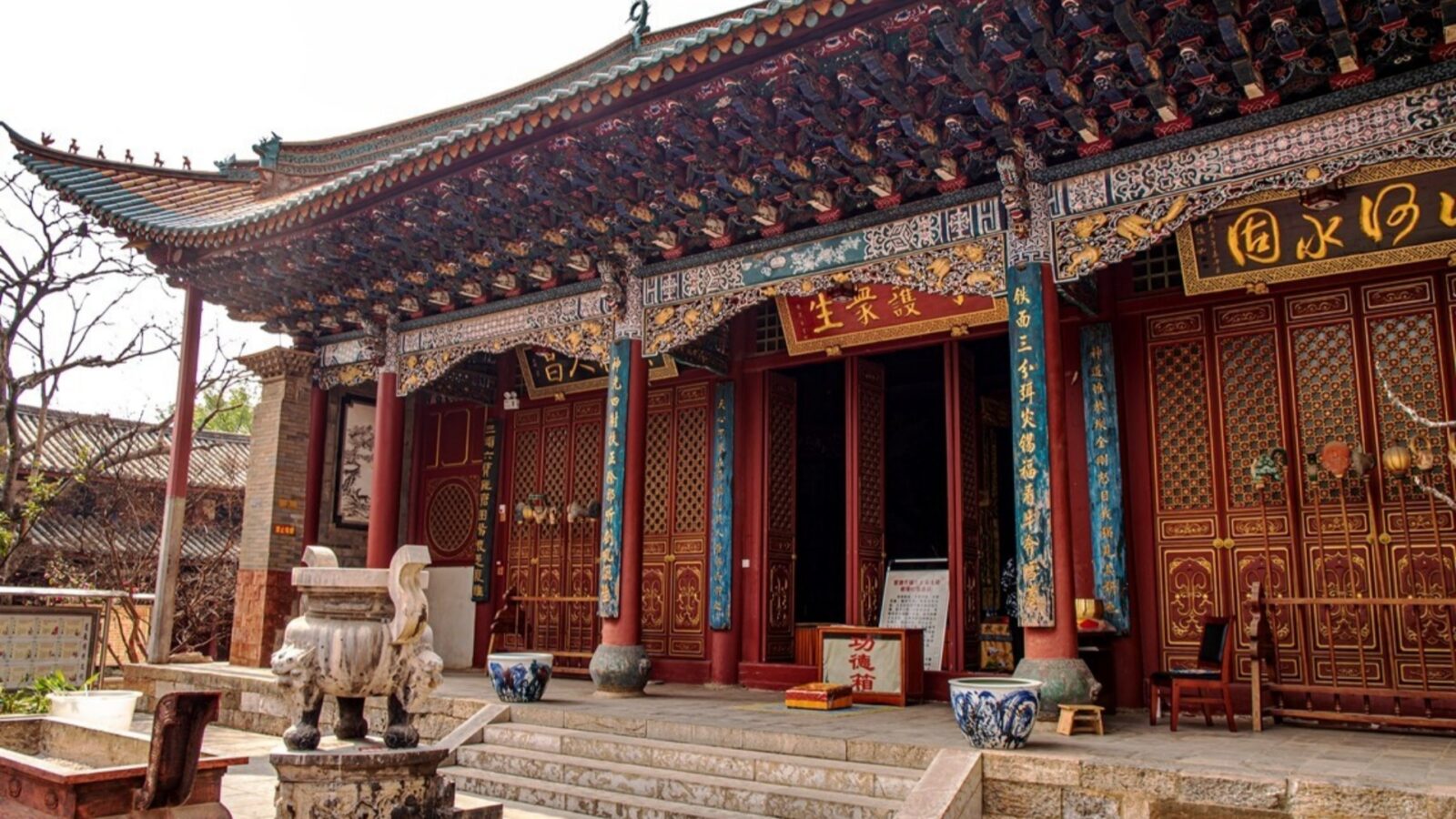
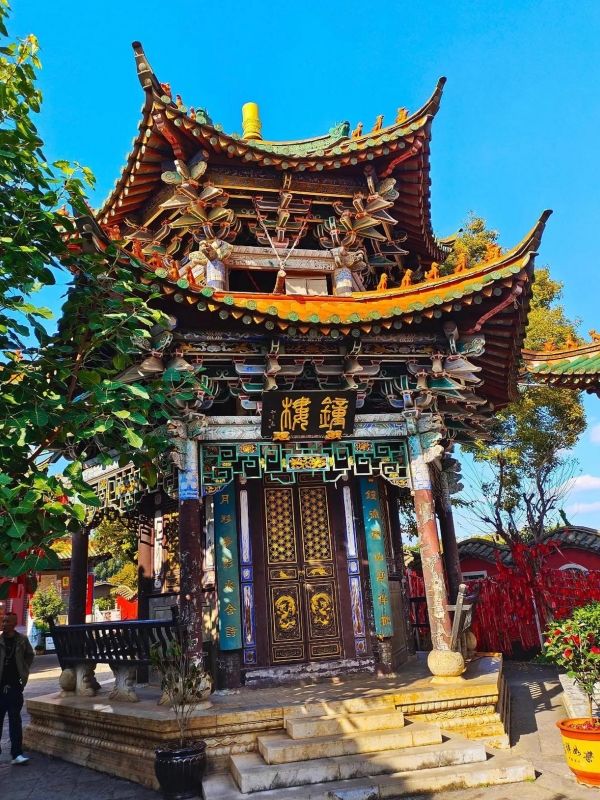
Tip: Swipe to explore the intricate architectural details preserved through the centuries.
🌿 Song Dynasty silence, 937–1253 CE — Guandu's most overlooked corner
Fading Temple is Guandu's oldest surviving place of worship and draws almost no tourists. Inside, 800-year-old ginkgo and banyan trees shade a series of small connected courtyards. The only sounds are birdsong, distant chanting, and sometimes an elderly local strumming a four-string sixian instrument. Next door, the Soil God Temple was built during the Qing Kangxi period (1662–1722). It features the most intricate bracket system in the ancient town: a nine-tier dougong structure you will not find described in any standard guidebook.
Most visitors hurry straight past both temples on their way to the pagoda — their loss. Half an hour spent here (especially on a weekday morning) gives you a taste of what Guandu must have been like before anyone thought it worth preserving for tourists, so at odds is it with the incense crowds at Miaozhan.
- Fading Temple: Song Dynasty foundation; oldest active worship site in the ancient town
- 800-year-old ginkgo and banyan trees in the inner courtyard
- No admission fee; photography permitted throughout
- Soil God Temple: Qing Kangxi period; notable for a nine-tier dougong bracket system
- Photography prohibited inside the main hall — focus on the exterior bracket structures instead
💬 A Local Perspective
GoKunming's long-running guide to Guandu notes that the town's appeal lies less in its age than in its authenticity — local residents genuinely use these spaces daily. Fading Temple is one of the clearest examples of that observation.
Living Heritage Encounters Hidden in the Ancient Town
Guandu Ancient Town is not frozen in time. In contrast, it has layered modern cultural programming directly onto its historic bones. Therefore, the following experiences make it compelling for younger visitors and repeat travellers alike. These are the sections that competing travel guides consistently overlook.
Intangible Heritage Crafts: Make Something That Lasts
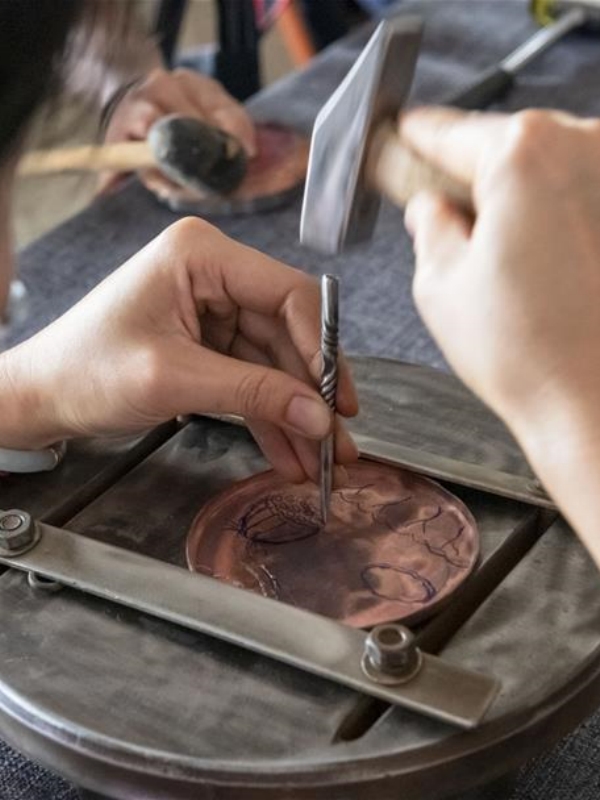
Tip: Swipe to explore the details preserved through the centuries.
🎨 Three workshops, three price points — all producing something you will actually keep
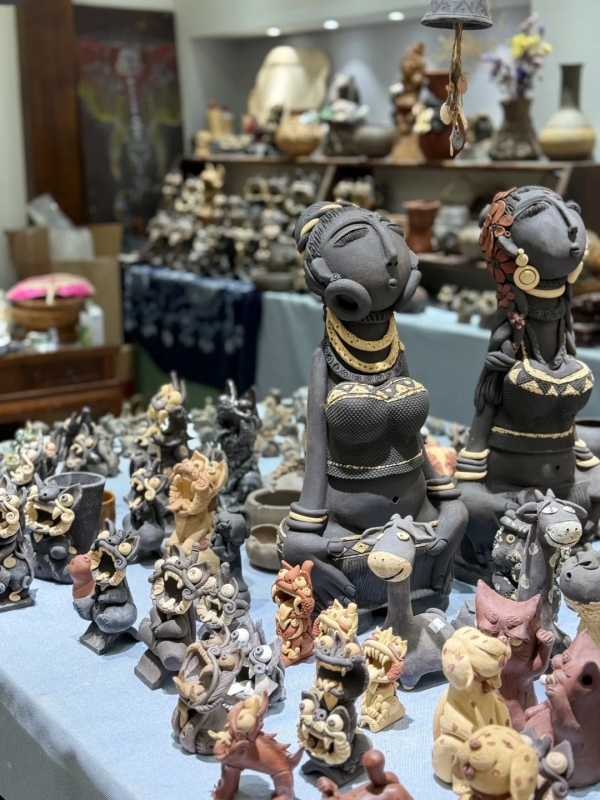
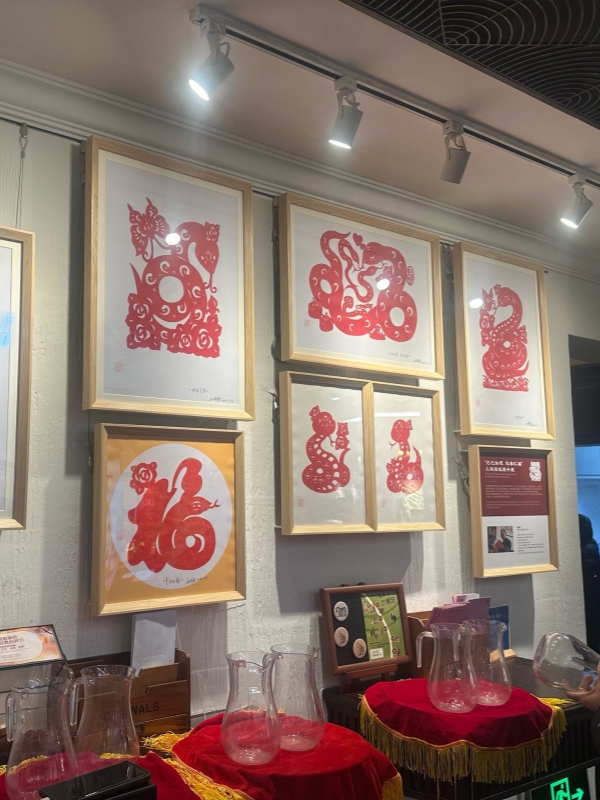
Guandu's intangible heritage workshops are not tourist window-dressing. Each one is staffed by a practitioner with a genuine craft lineage, and each produces a finished object you can carry home. The silver inlay studio (Wutong Zoyin) is the most technically impressive; the clay figurine workshop is the most immediately enjoyable; the paper cutting studio sits neatly between the two. If you only have time for one, book the silver inlay — but do it in advance.
I spent longer than expected at the Wutong Zoyin studio. The process of pressing silver wire into a copper base sounds simple until you try it. The instructor corrected my grip three times before the first segment sat cleanly. The finished pendant took just under 90 minutes and cost 80 RMB — genuinely the best-value souvenir I found anywhere in Guandu.
- Wutong Zoyin Silver Inlay: make your own pendant or bracelet from 80 RMB; approximately 90 minutes; advance booking via the official WeChat mini-programme is strongly recommended
- Walk-in slots do exist on weekday mornings — arrive before 10:00 to improve your chances
- Clay Figurine and Soft Clay Workshop (Miansu): shape a small figurine in roughly 10 minutes; 30–50 RMB; finished pieces can be taken away immediately — one of the best options for families
- Paper Cutting Studio (Jianzhi): 30 minutes to complete one piece; 20–40 RMB; suitable for all ages and requires no prior skill
💬 A Visitor's Note
A French designer I met at the silver inlay studio told me she had planned to spend one hour at Guandu. She ended up staying the full day — almost entirely because each workshop led her to the next courtyard, the next craftsperson, the next story she had not been looking for.
Photography Hotspots: Where Every Frame Tells a Story
Tip: Swipe to explore the details preserved through the centuries.
📸 Three locations, three completely different aesthetics — heritage studio, cyberpunk stage, and Qing courtyard
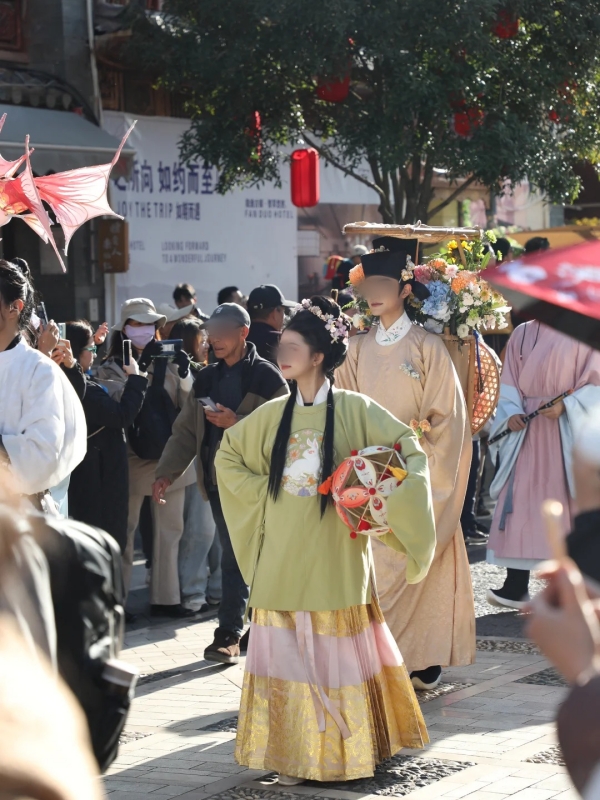
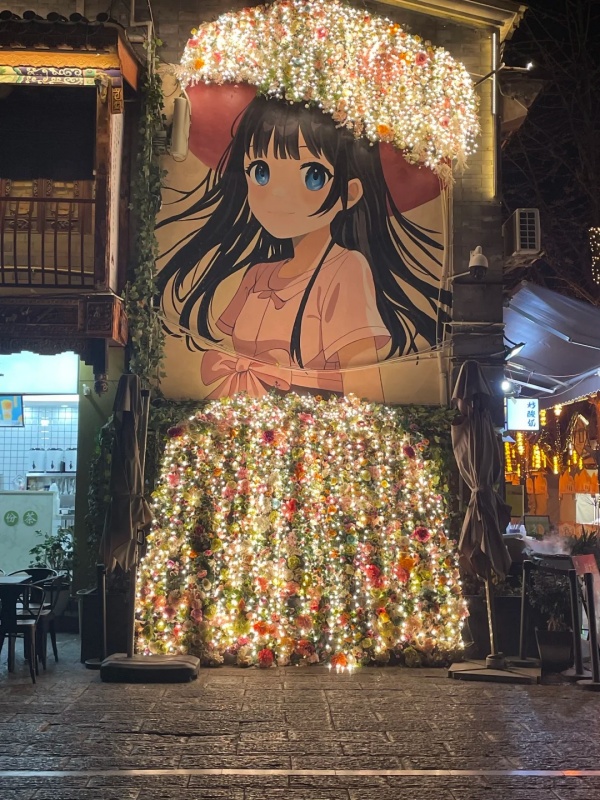
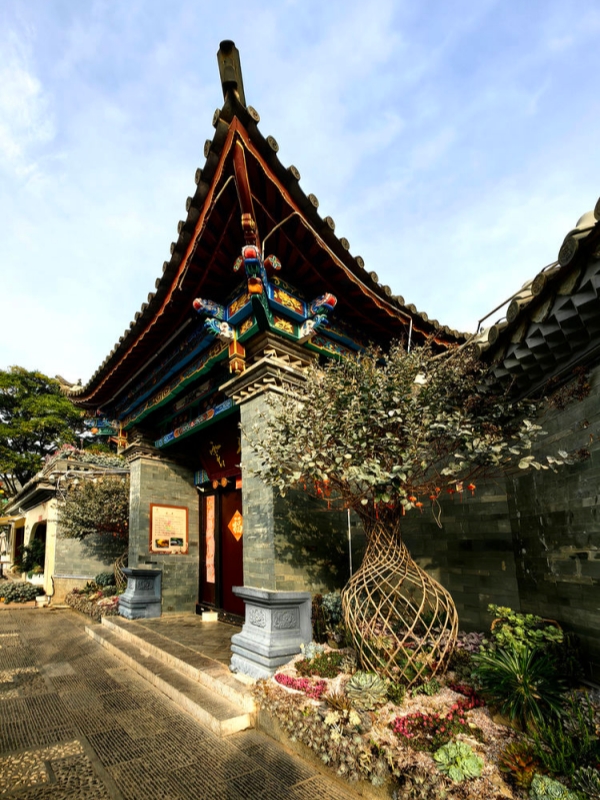
Guandu rewards photographers across the full range of styles. Yunnan Theater offers a polished, studio-level portrait environment with ethnic minority costumes. The Ancient Stage delivers a neon-and-rooftile contrast that photographs unlike anything else in Yunnan. The Yike Yin Residence gives you 600-year-old carved wooden windows and a courtyard built for natural symmetry. None of these require a professional camera — a phone handled well will produce strong results at all three.
The Ancient Stage fluorescent wall is the location that consistently surprises first-time visitors. Most people hear "light show" and expect something passive. What they find is a participatory UV environment — you activate the wall with your phone flash, and the result is immediate and genuinely striking. Wearing white or fluorescent clothing multiplies the effect significantly.
- Yunnan Theater (Yunnan Shuo Juchang): contemporary heritage-style building with 20+ ethnic minority costumes for hire; costume rental from 50 RMB; professional photography packages 200–800 RMB including edited files
- Arrive before 10:00 on weekends — Dai and Yi styles are taken by mid-morning
- Ancient Stage (Guxitai) Fluorescent Wall: activates after 20:00; point your phone flash directly at the UV graffiti murals for a cyberpunk-meets-Qing-rooftile effect; hanfu and light-coloured outfits both photograph well here
- Yike Yin Residence: Qing Dynasty courtyard house with original 600-year-old carved wooden lattice windows; white walls and grey roof tiles reward a light-coloured long dress; best shot from the courtyard centre for symmetry
- Morning light between 9:00 and 11:00 fills the courtyard evenly — the most consistent window for portraits
💬 A Photographer's Note
A travel photographer I met near the Ancient Stage told me she had planned a 20-minute stop and stayed for over two hours. The transition from natural sunset light to the UV wall activation, she said, is one of the most layered lighting shifts she had encountered anywhere in Yunnan.
Cultural Performances: Free Shows Worth Planning Around
Tip: Swipe to explore the intricate dian opera details preserved through the centuries.
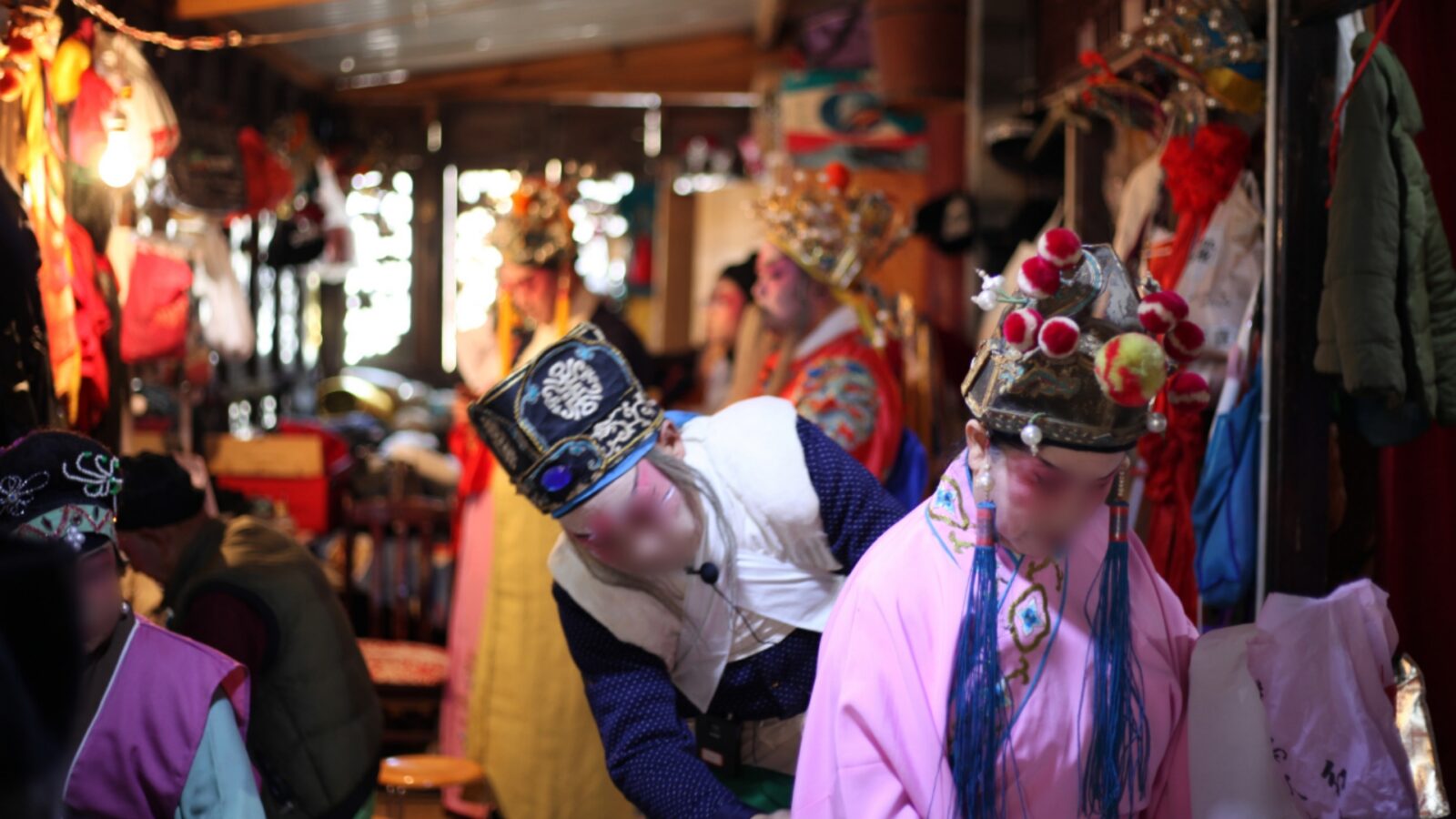
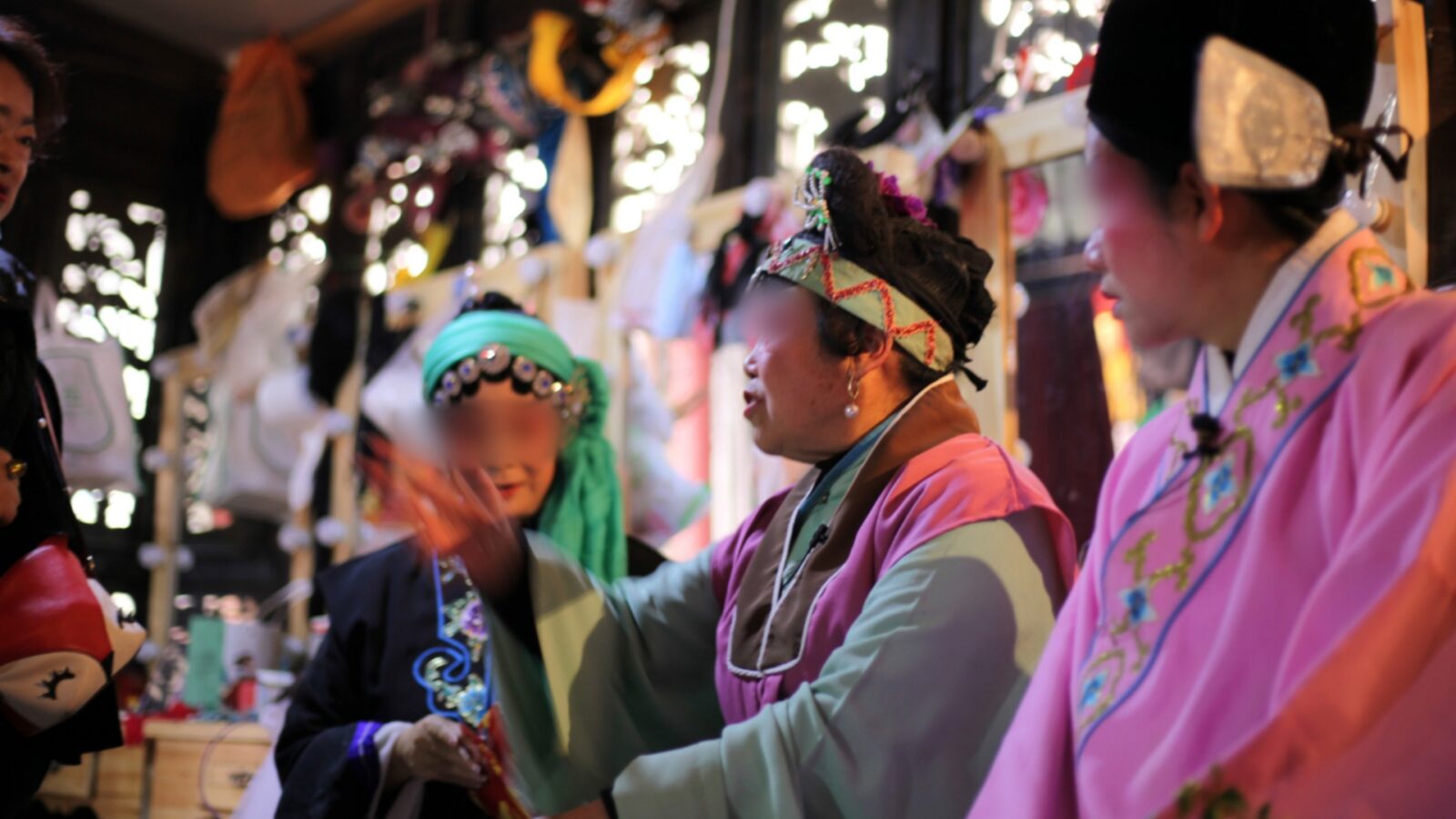
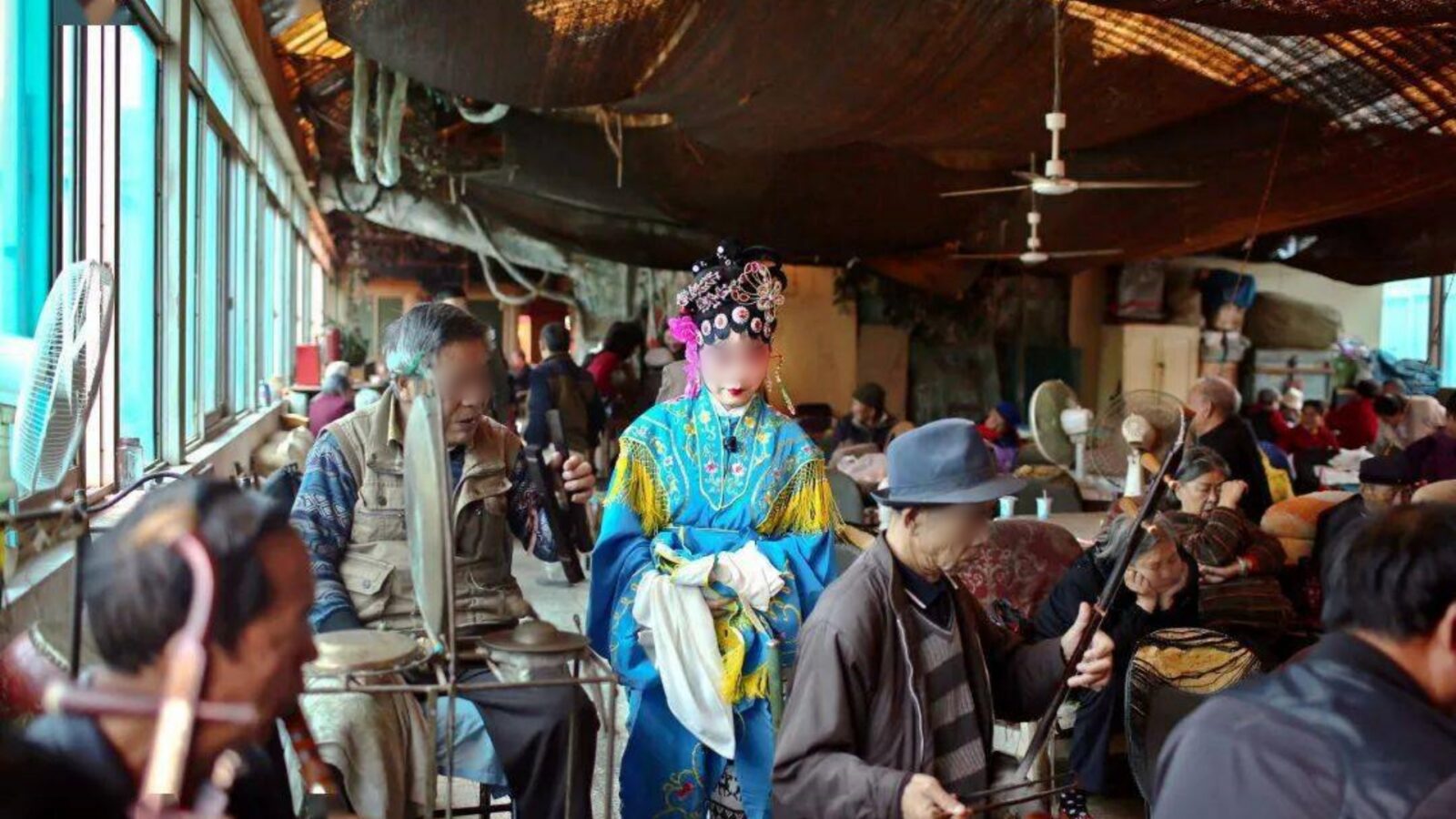
🎭 Live Dian Opera every Saturday — free, unhurried, and genuinely unmissable
Every Saturday at 14:00, the plaza in front of Miaozhan Temple hosts a free Dian Opera (Dianju) performance. Programmes rotate weekly and have included excerpts from classic repertoire such as the Legend of the White Snake. Performances typically run 45 to 60 minutes. Seating is informal — locals bring folding stools, visitors stand or find a step. The setting, a Yuan Dynasty monastery courtyard, makes even a casual viewing feel significant.
I arrived ten minutes early and found a small crowd already forming — mostly older residents, a few families, and one tour group whose guide was clearly not expecting a live performance. The opera began without announcement. By the second act, even the tour group had gone quiet.
- Schedule: every Saturday at 14:00; Miaozhan Temple plaza (inside the Yuan Dynasty compound)
- Admission: free; no booking required; arrive 10 minutes early for a clear sightline
- Repertoire: rotates weekly; classic Dian Opera titles including Legend of the White Snake, Three Kingdoms selections, and local Yunnan folk pieces
- Evening performances: folk performers also appear on the Ancient Stage on weekend evenings from 20:00 onward — no fixed programme, but worth waiting for
💬 A Local Perspective
A Kunming-based arts writer told me that Guandu's Saturday opera is one of the few remaining places in the city where Dian Opera is performed for a genuinely local audience rather than a tourist programme. The difference in atmosphere, she said, is immediately apparent.
💡 Tip: Pair the 14:00 Saturday performance with a visit to Miaozhan Temple's café beforehand — order at the western courtyard counter, take a seat in the shaded colonnade, and walk directly to the plaza at 13:50. It is one of the better-sequenced hours available anywhere in the ancient town.
🗺️ Planning a broader Kunming itinerary around your visit? See how Guandu fits into a full day or multi-day trip in our guide to things to do in Kunming.
Authentic Food Guide to Local Treasures
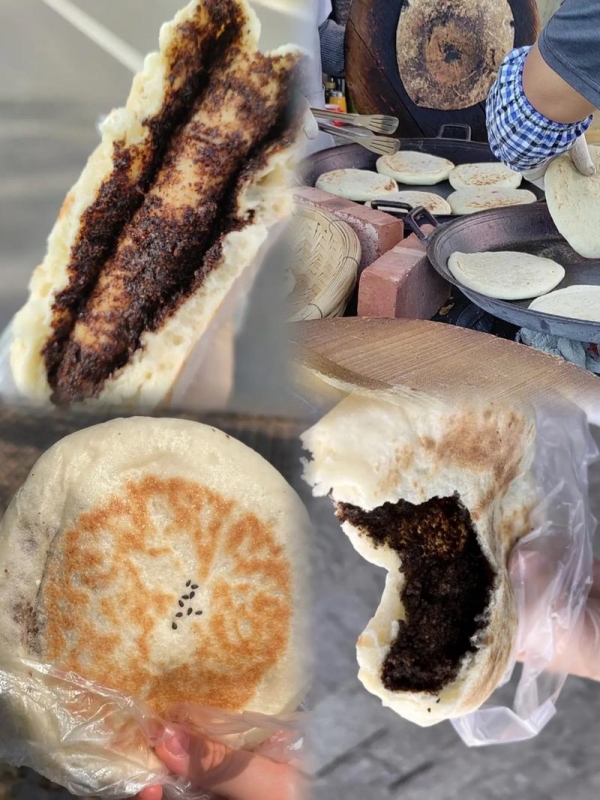
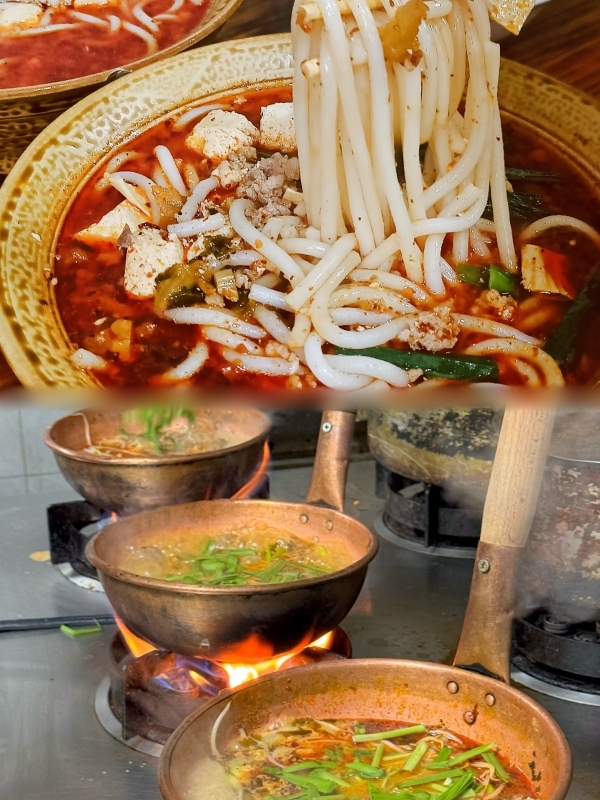
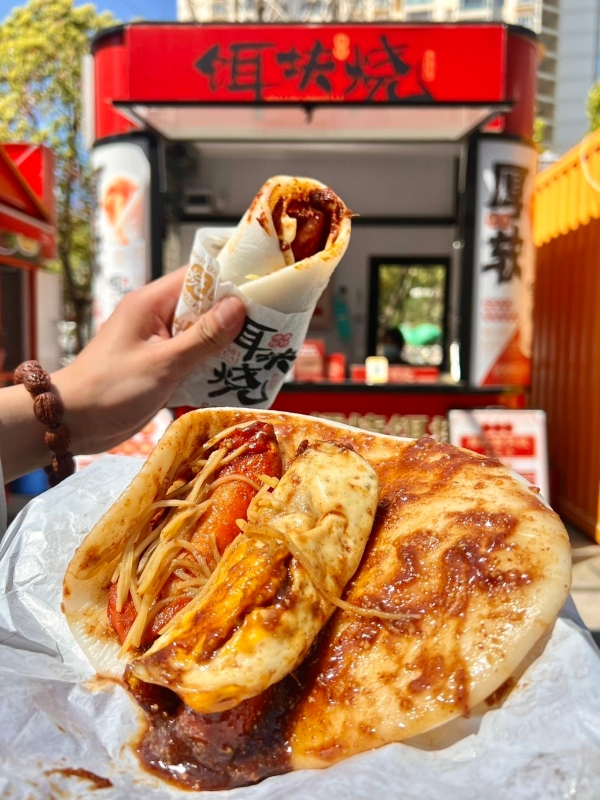
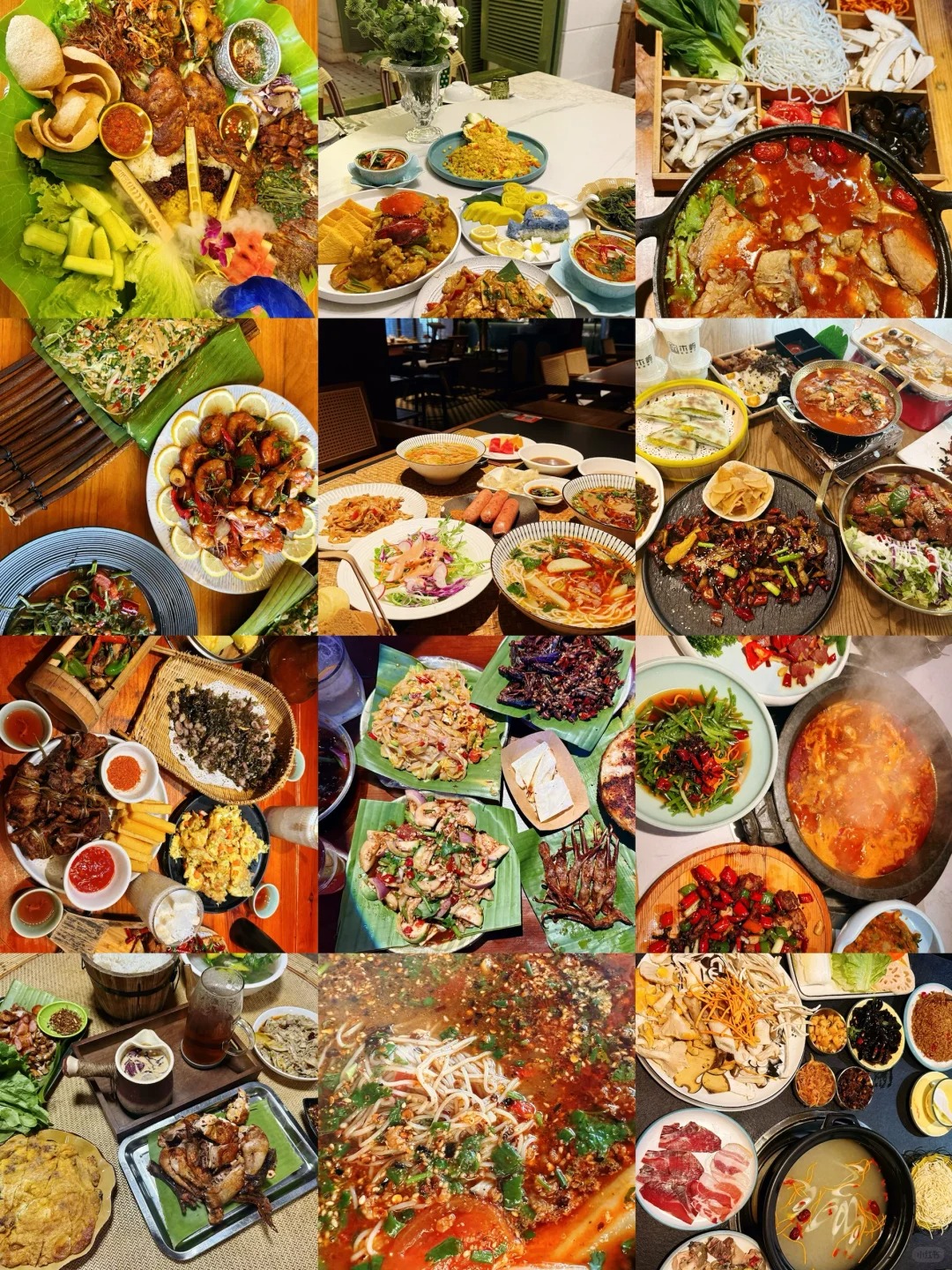
After covering the cultural experiences, we need to address the food. Therefore, this section is non-negotiable. Guandu Ancient Town has a food identity as strong as its architectural one. The three local specialities — collectively known as the Three Treasures — are not just marketing. They are genuinely exceptional street food, refined over centuries.
Three Food Treasures: What I Ate
🍜 Three dishes. One street. Zero regrets.
The Three Treasures are Guandu Baba, Erkuai, and Xiaoguo Rice Noodles. Each one rewards a slightly different appetite and moment in your visit. I suggest spacing them out across your time in the town rather than eating all three in succession — start with baba as a snack on arrival, eat noodles for a proper midday meal, and finish with erkuai in the late afternoon.
- Guandu Baba (rice flour griddle cakes)
- Fillings: sesame, rose petal, red bean, walnut, or savoury pork
- The outer crust crackles when freshly pressed; the interior stays soft and slightly sweet
- Best at: Yanjing Baba (Glasses Baba) — longest queue, consistently the best; 3–5 RMB per piece
- Erkuai (charcoal-grilled rice cakes)
- Thick, chewy, brushed with chilli paste, sesame, and spring onions over an open flame
- The smokiness from the charcoal grill is distinctive — it lingers pleasantly
- Xiaoguo Rice Noodles (small copper pot noodles)
- Broth is slow-cooked in individual copper pots; topped with pickled vegetables and minced pork
- Best at: Fangxiang Xiaochi — 10 RMB per bowl; best value in the old town
💬 A Food Writer's Note
A travel food writer who visited Guandu on assignment for a Yunnan dining feature told me she had expected Guandu Baba to be a tourist novelty — and was surprised to find it genuinely good. The rose petal version in particular, she said, tasted nothing like any baba sold near Dali or Lijiang.
💡 Tip: Arrive before 11:30 at Zhuangyuan Street to avoid a 60-minute queue at the most popular stalls. The hidden order: ask for rice noodles and pea jelly (wandoufen) as a combo — approximately 15 RMB for both dishes on one tray. The contrast between the savoury broth and the cool, spicy pea jelly is one of the best flavour pairings in the town.
🌊 Guandu sits just a short distance from the shores of Dianchi Lake — combine both in an afternoon with our guide to Dianchi Lake.
Top Restaurants: My Secret Local Ordering Tips
🍽️ Eight restaurants worth your time — from 5 RMB street snacks to a 120 RMB mushroom hot pot
Guandu's food scene stretches well beyond the Three Treasures. The east-side food street hosts most of the town's dedicated restaurants, while Zhuangyuan Street concentrates the snack stalls. Below is the shortlist of venues I return to consistently, along with their must-order dishes and realistic price expectations.
| Restaurant | Must-Order | Price per Person |
| Yanjing Baba | Sesame & peanut baba (fresh from griddle) | 5–10 RMB |
| Suju Baba | Bean and purple rice baba — locals' top pick | 5 RMB each |
| Liuhuan Xiaochi | Cold rice noodles, braised erkuai slices | 15 RMB |
| Yunnan Dao Over-bridge Noodles | Over-bridge rice noodles, Nuodeng ham | 30–50 RMB |
| Aishang Jun (Wild Mushroom Hot Pot) | Seasonal mushroom hot pot | 80–120 RMB |
| Fangxiang Xiaochi | Xiaoguo rice noodles (copper pot) | 10 RMB |
| Miaozhan Temple Cafe | Zen-style coffee and vegetarian snacks | 25–40 RMB |
One venue that does not fit neatly into any category is the Miaozhan Temple Café. It sits inside the monastery courtyard — technically a religious space — yet operates as a fully functional café. The vegetarian snacks pair well with a slow afternoon spent reading, and the surroundings are unlike any coffee shop I know of in Yunnan.
💬 A Regular Visitor's Note
A Kunming-based food blogger who covers Yunnan street food told me that Guandu's eating scene has improved noticeably since 2022 — fewer tourist-trap menus, more stalls run by long-standing local families who simply cook what they have always cooked.
💡 Hidden Order: Ask for rice noodles and pea jelly (wandoufen) as a combo. For approximately 15 RMB, you get both dishes on one tray. The contrast between the savoury broth and the cool, spicy pea jelly is one of the best flavour pairings in the entire town. Additionally, arrive before 11:30 at Zhuangyuan Street to avoid a 60-minute queue at the most popular stalls.
🧳 Want to see how Guandu fits into a broader Yunnan trip? Our Yunnan travel itinerary covers multi-day routes that include Kunming and beyond.
Practical Strategies for Transport and Timing
Everything above is meaningless if you cannot navigate Guandu Ancient Town effectively. Therefore, this section covers the practical layer: transport, entrance strategy, timing, and the avoidable mistakes that I learned the hard way.
City Transport: Easy Transit from Kunming
🚇 Metro Line 1 is the most reliable option — total journey under 40 minutes from the city centre
Take Metro Line 1 to Xingyao Road Station or Erji Road Station, then either take a taxi for approximately 10 minutes (15 RMB) or walk the 1.5 km following street signs toward Guandu. This is the option I use every time — predictable cost, no traffic delays, and the walk from the station is pleasant through a residential neighbourhood.
- Metro (recommended): Line 1 to Xingyao Road or Erji Road Station; then taxi (~10 min, 15 RMB) or walk 1.5 km following street signs
- Bus: Routes 169, 31, or K4 — alight at the Guandu Ancient Town or Guangfu Road stop; journey time from central Kunming: 40–60 minutes depending on traffic
- Taxi: 30–40 RMB from city centre — direct and comfortable; avoid during rush hours (07:30–09:00 and 17:30–19:00)
- Cycling: ride south along Qingnian Lu, then east along Guangfu Lu; follow the brown bilingual road signs; route is mostly flat
- Driving: navigate to Zhuangyuanfang entrance; riverside car park charges approximately 10 RMB; the underground scenic area car park is significantly more expensive
Smart Timing: Ideal Arrival and Entrances
⏰ The optimal strategy: arrive at 16:30
Arriving around 16:30 lets you explore the temples during the golden hour and then transition directly into the night programme. This single timing decision maximises what you experience within one visit. Late afternoon crowds at food stalls are manageable, and the Vajra Pagoda glows warmly at sunset before transforming again under amber lighting from 20:00 onward.
That said, different times of day reward different priorities. Here is how I think about each window:
- Morning (9:00–12:00): fewest visitors; temples fully open; ideal for architecture photography
- Afternoon (14:00–17:00): slanted light hits Miaozhan's twin pagodas perfectly at 15:00–16:30
- Evening (17:00–22:30): best overall atmosphere; food stalls at peak activity; light show at 20:00
Entrance selection:
- Use the Southeast Gate or Zhuangyuanfang (Archway) entrance — closest to the Vajra Pagoda and main temple cluster
- Avoid the South Gate: it opens onto a dense commercial strip full of mass-produced souvenirs. However, the streets further inside improve quickly.
Frequently Asked Questions by Global Travelers
Q: What is the history of Guandu Ancient Town?
Guandu Ancient Town has over 1,200 years of recorded history. It began as a Tang Dynasty military garrison and fishing village on Dianchi Lake. By the Song Dynasty, it became an official ferry town. The Yuan Dynasty elevated it to county status. Therefore, guandu ancient town now holds architecture from five consecutive dynasties within its 1.5 km² boundary.
Q: Is Guandu Ancient Town free to enter?
Yes, guandu ancient town is completely free to enter and requires no advance booking. The entire town is open 24 hours a day. However, individual temples and heritage experience workshops charge small fees. For instance, Wutong Zoyin silver inlay starts at 80 RMB and clay sculpting costs 30–50 RMB. The light show and stamp rally map are also free.
Q: What are the opening hours of Guandu Ancient Town?
The town itself is open around the clock at no cost. Temples generally operate from 8:00 to 17:30 and close at night. The Ancient Stage light show runs from 20:00 until 22:30. Therefore, guandu ancient town effectively offers two distinct experiences: a daytime heritage visit and a nighttime cultural entertainment zone.
Q: How do I get to Guandu Ancient Town from downtown Kunming?
Take Metro Line 1 to Xingyao Road Station, then taxi for approximately 10 minutes (15 RMB). Alternatively, bus routes 31, 169, or K4 go directly to guandu ancient town. A taxi from the city centre costs 30–40 RMB. Total journey time is approximately 25–40 minutes from most central locations in Kunming.
Q: What food should I try at Guandu Ancient Town?
The Three Treasures are essential: Guandu Baba (rice flour griddle cakes at 3–5 RMB each), Erkuai (charcoal-grilled rice cakes with chilli paste), and Xiaoguo Rice Noodles (10 RMB copper-pot noodles). Additionally, try the hidden combo of noodles and pea jelly for 15 RMB. Guandu ancient town's food street on the east side offers the widest selection.
Q: What is Miaozhan Temple in Guandu Ancient Town?
Miaozhan Temple is a Yuan Dynasty Buddhist compound, originally built between 1264 and 1294. Since 2009, it has been managed by the Shaolin Temple from Henan Province. It is now known as Guandu Shaolin Temple. Inside guandu ancient town, it stands out for its twin pagodas, temple coffee, and occasional kung fu demonstrations. Entry is free.
Q: Does Kunming have an old town?
Yes. Guandu Ancient Town (guandu ancient town, officially 官渡古镇) is Kunming's historic district, located 8 km southeast of the city centre. Unlike Lijiang and Dali, it remains un-commercialised and locally lived-in. Therefore, it offers a more authentic experience than most old towns in Yunnan. Entry is free and no tour groups dominate the lanes.
Q: What is the best time to visit Guandu Ancient Town?
The ideal arrival time is 16:30. This lets you see the temples in golden-hour light, explore the food street during evening activity, and then stay for the 20:00 light show at the Ancient Stage. Weekday mornings are the least crowded time for photography. However, guandu ancient town is worth visiting at any time of day.
Q: Is there a night market at Guandu Ancient Town?
Yes. Guandu ancient town has an active evening economy. Food stalls and craft beer bars line the east street from late afternoon onward. The Ancient Stage fluorescent wall activates from 20:00 and folk performers appear on weekends. The light show runs until 22:30. Therefore, a night visit is not just possible but strongly recommended.
Q: Should I visit Guandu Ancient Town if I am only in Kunming for one day?
Absolutely. Guandu ancient town takes 3–4 hours and is completely free. It pairs naturally with the Yunnan Provincial Museum (10 minutes away on foot) and the Dounan Flower Market for a full-day Kunming itinerary. Therefore, even on a single day in Kunming, guandu ancient town should be your first priority outside the city centre.