Donghuamen Market
Donghuamen market used to sit just off Wangfujing, right in the busiest part of Beijing, where crowds already felt overwhelming before you even smelled the food. It was known for skewers—some normal, some… not so normal—and a kind of energy that felt half street food, half performance. These days, people still search for donghuamen market, but the stalls are gone. The street looks cleaner, quieter, and honestly a bit more ordinary. If you’re planning a trip, it helps to know what it was, and what you’re actually going to find now. If you’re still curious about how Beijing’s night food culture has changed over the years, you can check how today’s night markets compare in different areas.
Quick Facts about Donghuamen Market
| 📍 Location | Donghuamen Street, just off Wangfujing, Beijing |
| 🕒 Opening Hours | Around 5 PM to late night (before 2016 closure) |
| ❌ Current Status | Permanently closed since 2016 |
| 🍢 Famous For | Scorpion skewers, starfish, lamb kebabs, tanghulu |
| 💰 Price Level | Higher than average street food (tourist pricing) |
| 🚇 Nearest Subway | Wangfujing Station (Line 1), 5–8 min walk |
| ⭐ Traveler Feedback | Fun but crowded, many call it a “tourist trap” |
| 📸 Best For | First-time visitors curious about “weird food” |
| 🧭 Nearby Area | Wangfujing shopping street, snack street |
| 🔄 Alternatives Today | Wangfujing Snack Street, Guijie, Nanluoguxiang |
Donghuamen Market Is Closed Now
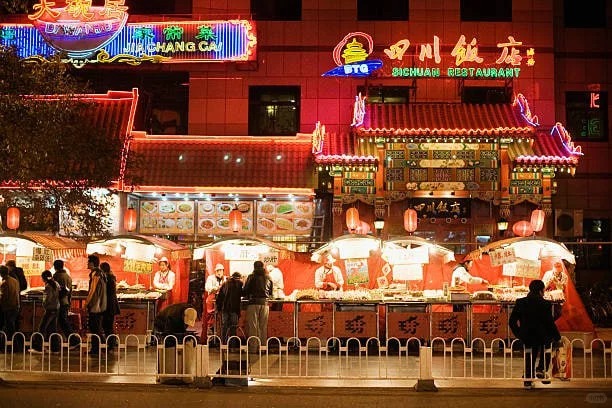
Donghuamen Market in 2008
Is Donghuamen Market Still Open
Short answer first: donghuamen market is no longer open, and it hasn’t been since around 2016. This is still one of the most searched questions—“is donghuamen night market still open”—and the confusion makes sense.
A lot of older blog posts and YouTube videos are still online, and they don’t always mention the closure clearly. On top of that, some map listings haven’t been fully updated. I’ve seen people walk toward the old street expecting food stalls, then stop and double-check their phone because nothing looks right.
What you’ll find today is a normal commercial street, part of the larger Wangfujing area. No night stalls, no rows of skewers, no crowds gathering around “weird food.” It’s not partially open—it’s completely gone.
So if this is on your Beijing list, it’s worth adjusting expectations early. You won’t be able to visit donghuamen market, but knowing what it used to be helps you understand where to go instead.
Why Donghuamen Market Was Shut Down
The shutdown of donghuamen night market wasn’t sudden. It came from a mix of policy decisions and long-standing issues.
- Food Safety: open-air cooking made hygiene difficult to control, especially with high turnover stalls
- Regulation: hundreds of small vendors meant inconsistent standards and frequent inspection challenges
- Urban Planning: Wangfujing was being upgraded into a cleaner, more controlled shopping district
- Tourist-Oriented Setup: most visitors were tourists, while locals rarely ate there
- Wider Trend: many traditional Beijing street market setups have been reduced or reorganized in recent years
Put together, the direction was clear—less informal street food, more regulated commercial spaces.
What Happened To The Area After It Closed
The location itself didn’t disappear, but the atmosphere changed quite a bit. What used to feel crowded and slightly chaotic now feels organized, even a bit predictable.
Most of the temporary food stalls were removed, and the street blended into the surrounding Wangfujing commercial zone. You’ll see branded shops, snack stores with fixed menus, and more polished storefronts. It’s cleaner, easier to walk through, and probably more in line with what the city wanted.
That said, the area is still busy. People come for shopping, nearby malls, and other food streets. It just doesn’t have that same mix of smoke, noise, and curiosity that defined donghuamen market Beijing.
If you walk through today without knowing the history, it feels like any other central shopping street. But if you’ve seen photos of the old market, the difference stands out immediately.
What Donghuamen Market Was Like At Night
Crowds Noise And That Street Food Energy
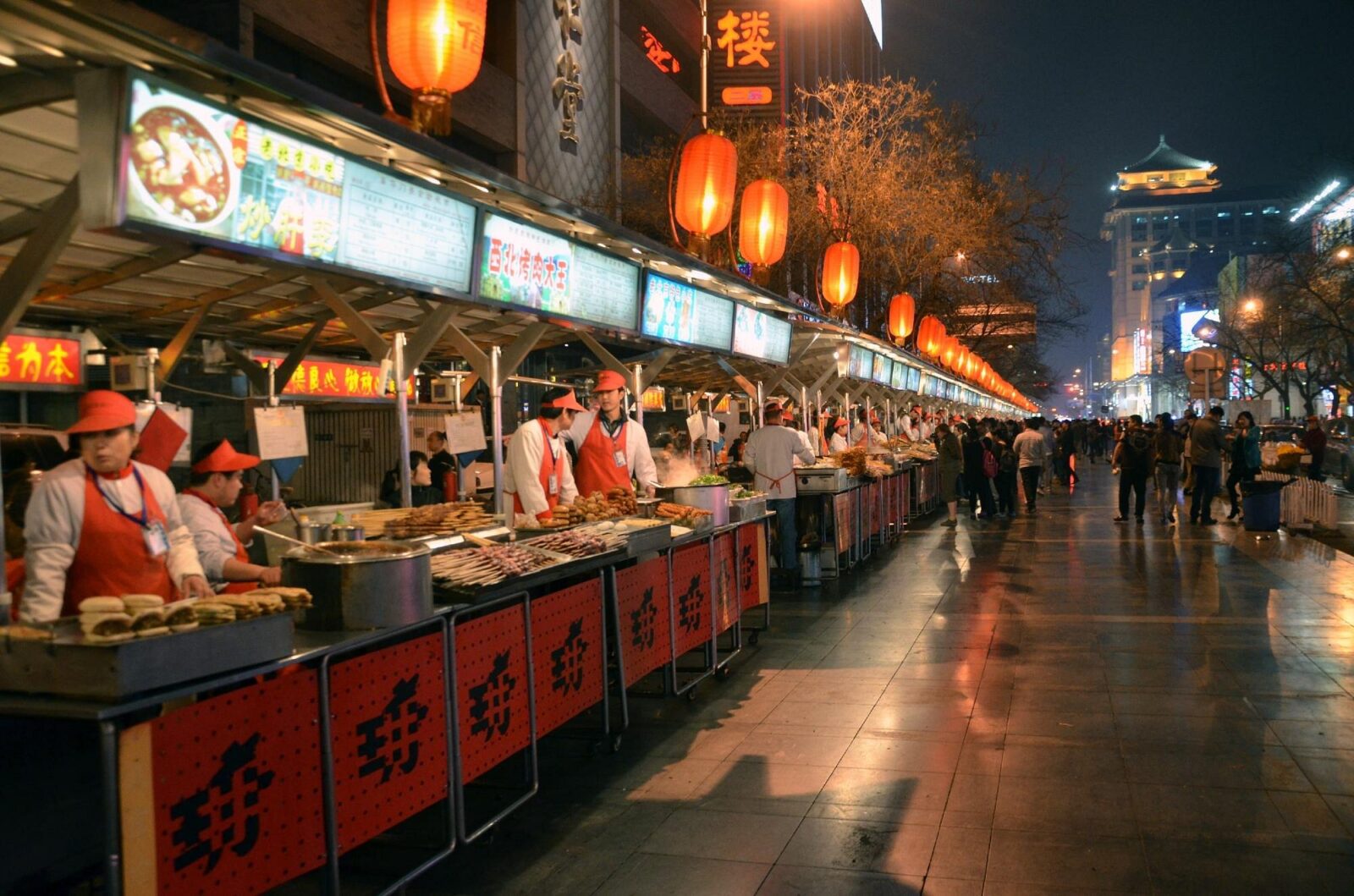
Crowds Noise
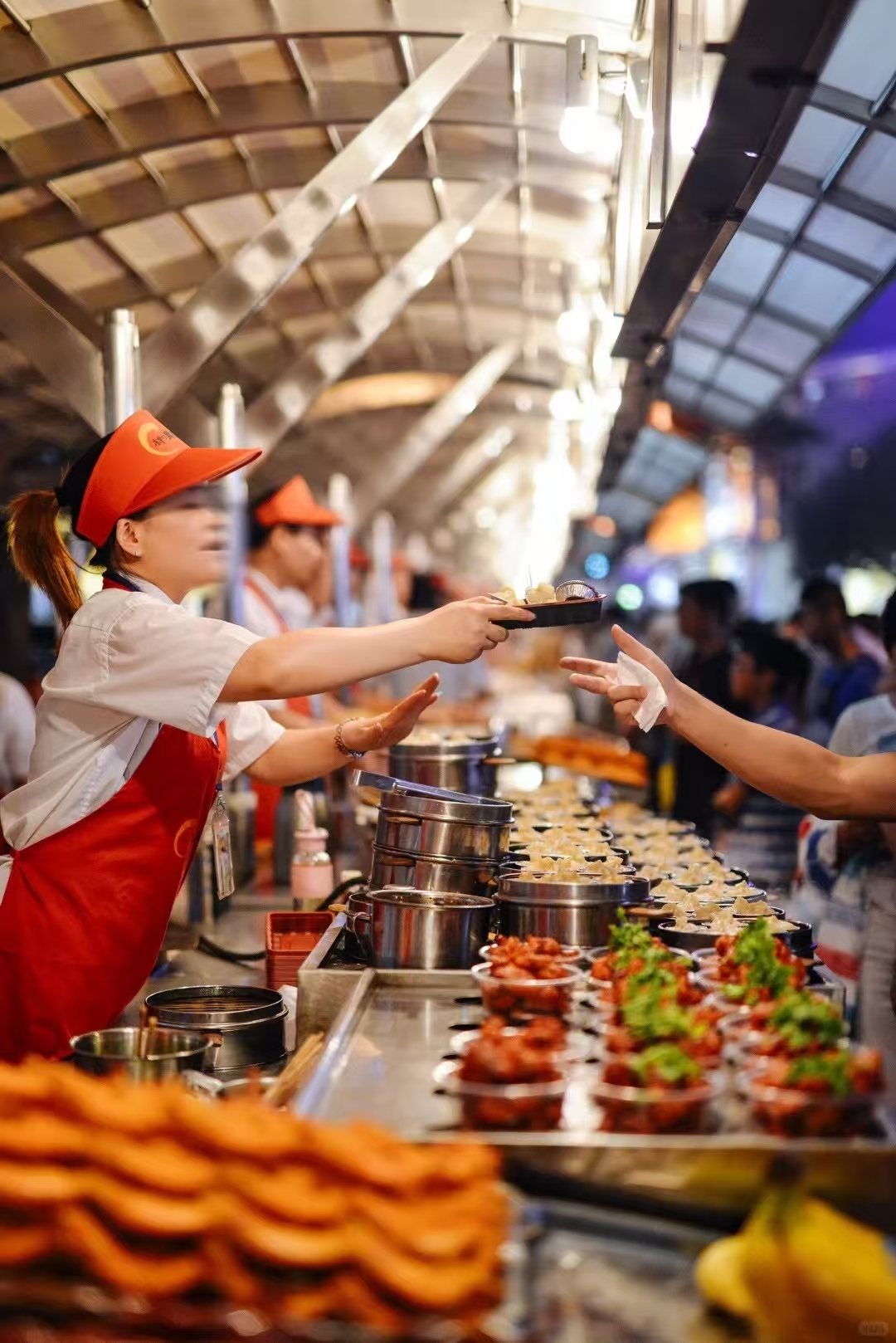
At night, the street filled up quickly, usually starting around early evening. By 7 or 8 PM, it felt packed—people moving slowly, stopping every few steps, sometimes just standing and watching. You didn’t really “walk through” the market, you kind of flowed with it.
The smell hit first. Grilled lamb, oil, smoke, and something slightly unfamiliar mixed together in the air. It wasn’t subtle. Vendors stood behind narrow stalls, turning skewers over open flames, brushing on spices, calling out short phrases—sometimes in English, sometimes just pointing at what they were selling.
Lighting made a difference too. Bright stall lights focused on the food, while the rest of the street stayed slightly dim. It created this contrast where everything edible looked more dramatic than it probably was. Compared to other night markets in China, this one felt more staged. Not fake, but definitely aware of its audience.
Why First Time Visitors Found It Exciting And Strange
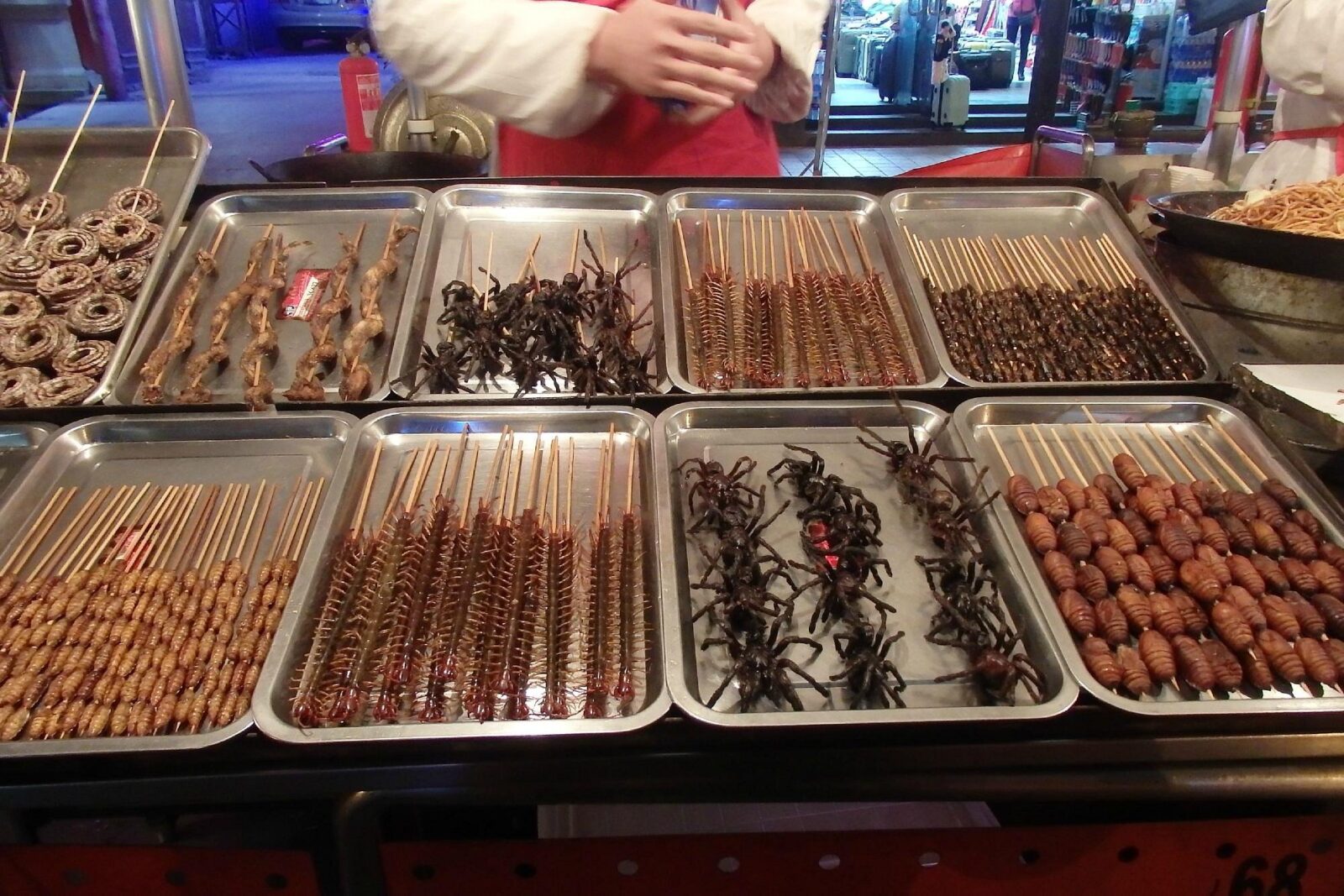
Strange Food of Donghua Market
For many visitors, the donghuamen night market experience was a mix of curiosity and hesitation. You’d see people laughing, taking photos, then pausing in front of a stall, unsure if they should actually try anything.
The “strange food” factor played a big role. Scorpions, insects, starfish—some people treated it like a checklist, others just watched from a distance. I remember a small group standing in front of a skewer stall, passing one stick around without anyone committing to the first bite. That kind of moment happened a lot.
It also became a photo spot more than a food stop. Phones out, quick videos, reactions captured in real time. The market almost encouraged that behavior. Even if you didn’t eat much, you still left feeling like you had seen something unusual—and that was really the point.
Donghuamen Market Food Guide
Scorpion Skewers At Donghuamen Market
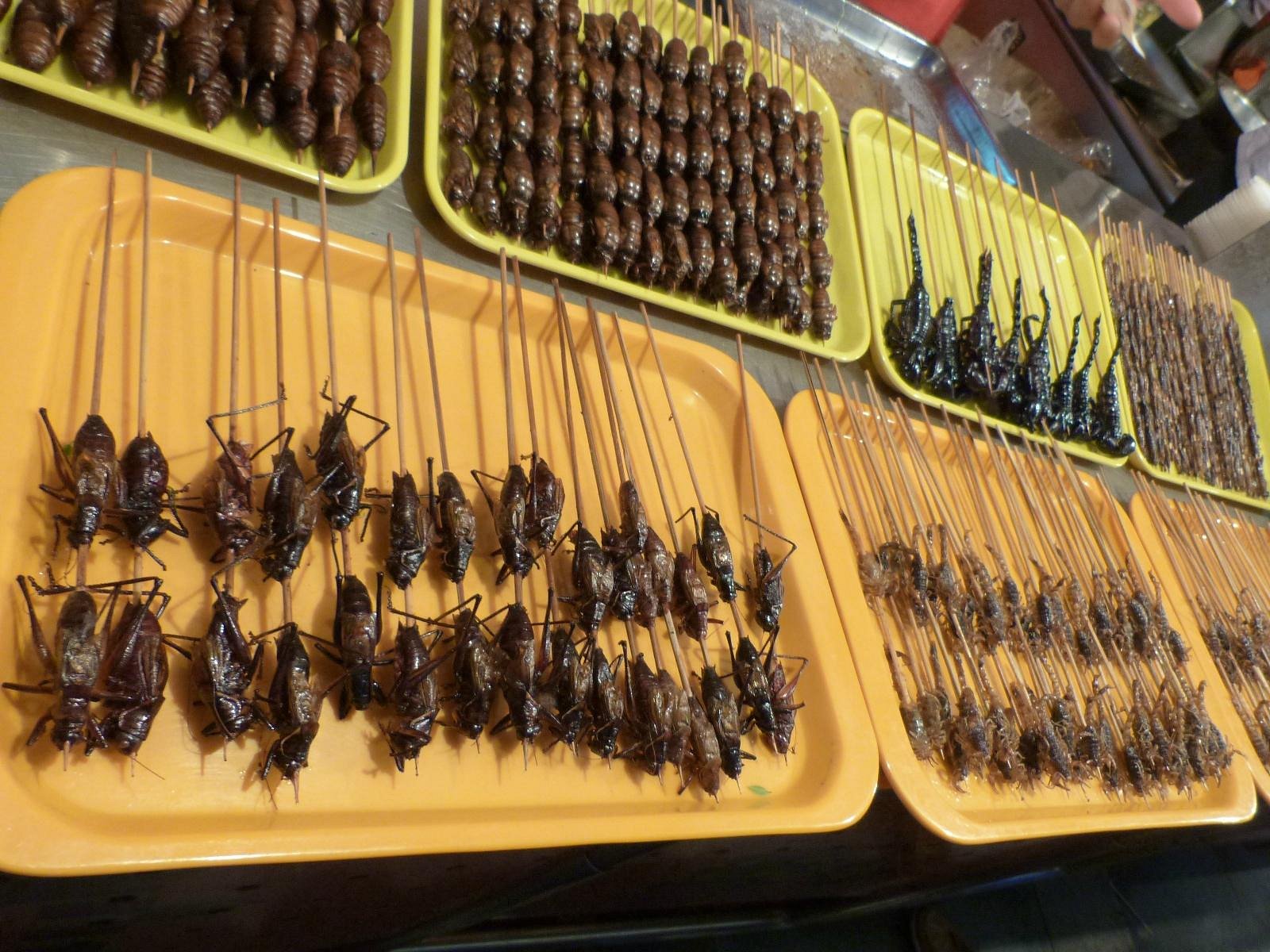
Scorpion Skewers At Donghuamen Market
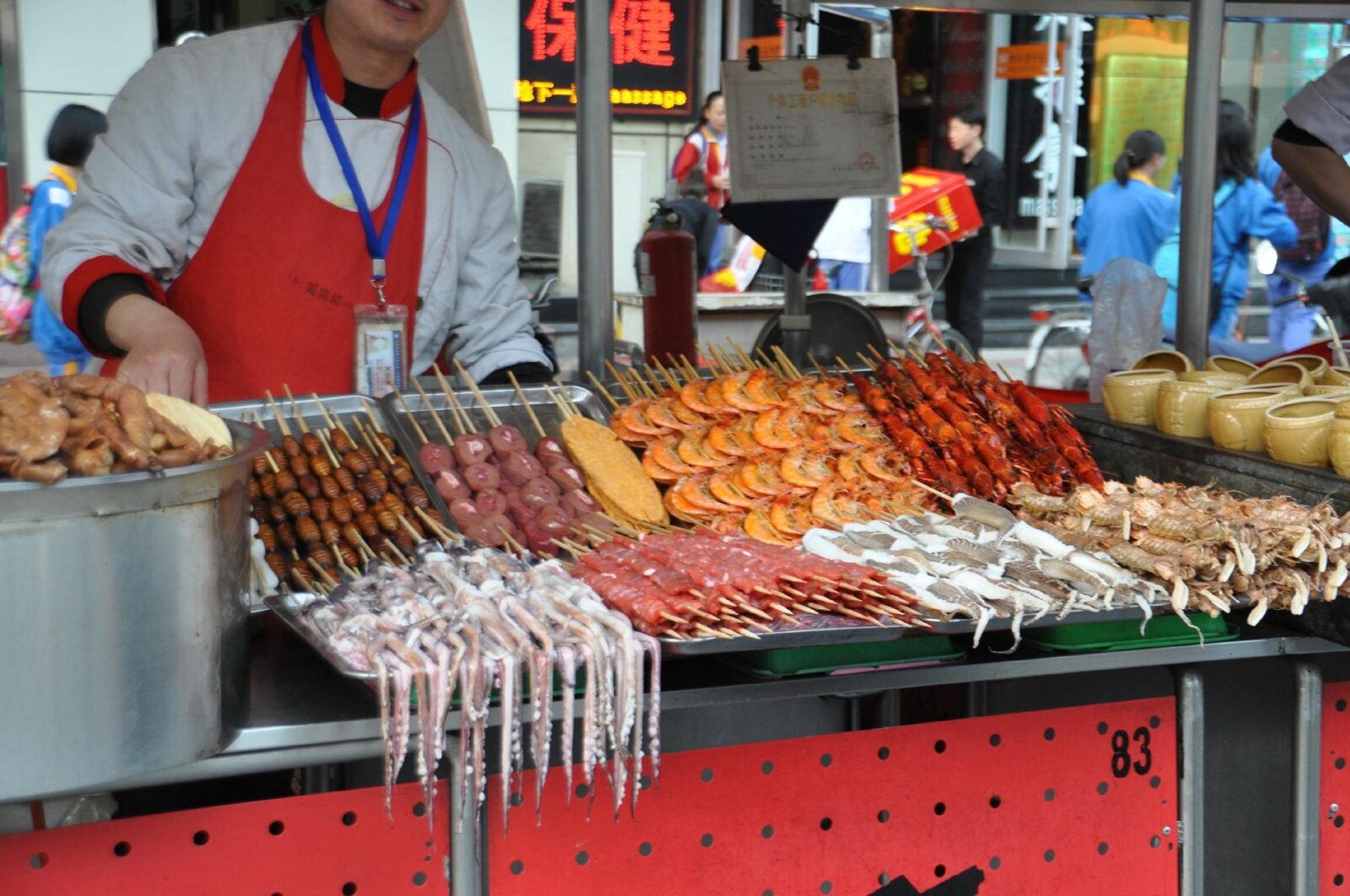
Scorpion skewers were probably the most recognizable part of donghuamen market food, even for people who never went. They looked dramatic—lined up on sticks, sometimes still moving slightly before cooking.
- Feature: whole scorpions on skewers, often displayed alive before frying
- Taste: crispy on the outside, slightly nutty, not very “meaty”
- Who It’s For: mostly curious travelers, not typical local eaters
- Price Range: I remember around ¥20–40 per skewer, depending on size and location
In reality, this wasn’t something locals casually ate. It worked more like a visual hook. Many TripAdvisor reviews mention people buying one just for the photo, then taking a small bite—or not finishing it at all. It was less about flavor, more about saying you tried it.
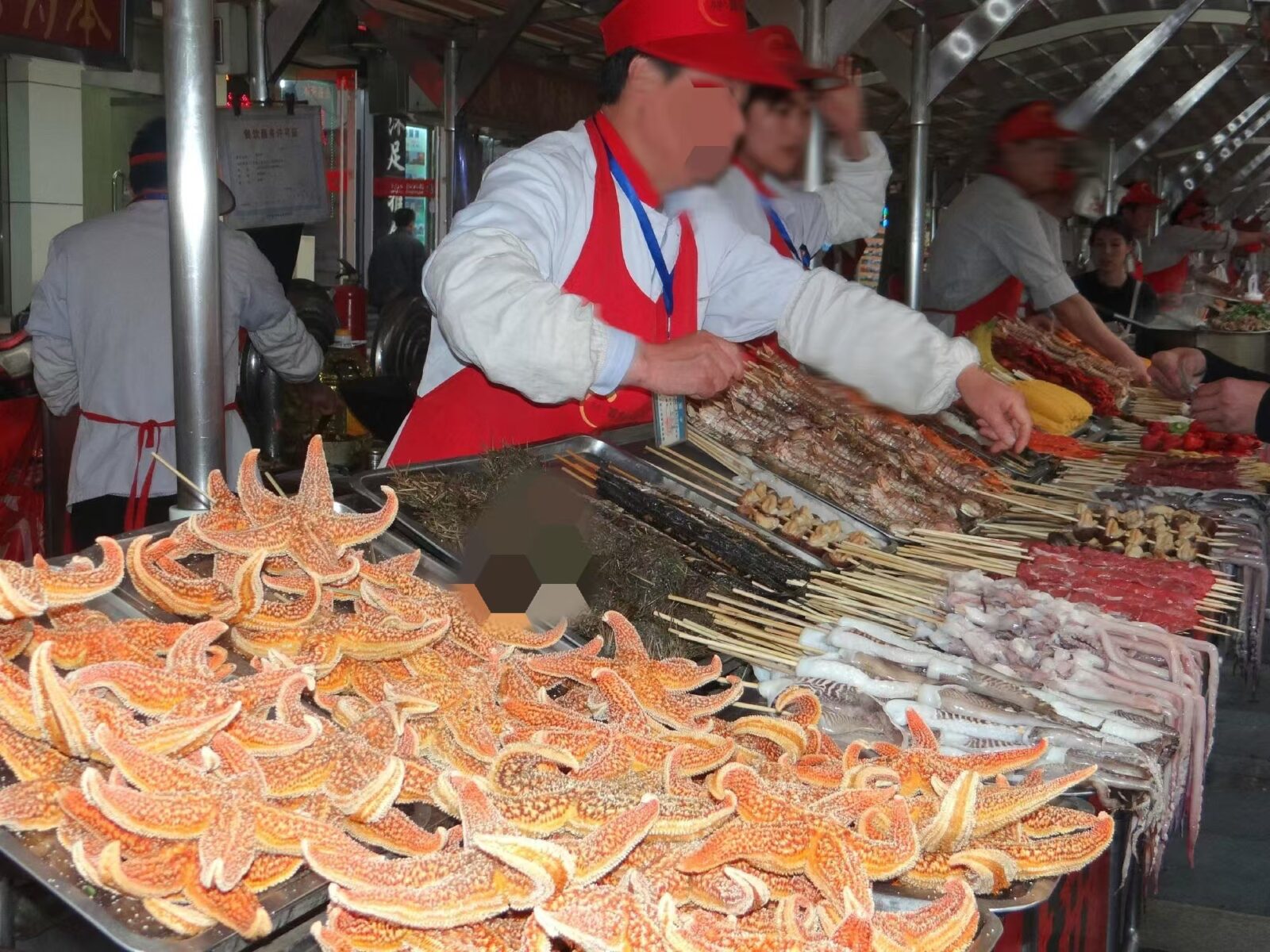
Starfish And Other Exotic Street Food
Starfish And Other Exotic Street Food
Next to the scorpions, you’d usually find starfish, centipedes, and other unusual items. These stalls were often the busiest, but not always for eating.
- Feature: starfish, insects, and other “rare” items, often displayed prominently
- Taste: varies a lot; some parts edible, others more decorative than practical
- Who It’s For: people looking for unusual experiences rather than a proper meal
- Price Range: roughly ¥25–60, sometimes higher for larger items
There was always some debate about how edible these really were. Some vendors would explain how to eat them, others just handed them over. Hygiene came up often in reviews, and not always in a positive way. Compared to typical beijing street food, these felt more like a show than everyday snacks.
Lamb Skewers The Real Crowd Favorite
Lamb Skewers The Real Crowd Favorite
If you ignored the exotic stalls and followed the smell, you usually ended up at the lamb skewers. This was the part of donghuamen market food that people actually enjoyed eating.
- Feature: grilled lamb skewers, often Xinjiang-style with cumin and chili
- Taste: smoky, slightly spicy, juicy if done right
- Who It’s For: almost everyone, including locals and repeat visitors
- Price Range: about ¥10–20 per stick, sometimes cheaper in bulk
These stands stayed busy for a reason. The flavor was familiar, and the cooking process felt more reliable. Compared to the “weird food,” this was where people came back for seconds. If you only had time to try one thing, this was usually the safer bet.
Tanghulu The Safe And Popular Sweet Snack
Tanghulu The Safe And Popular Sweet Snack
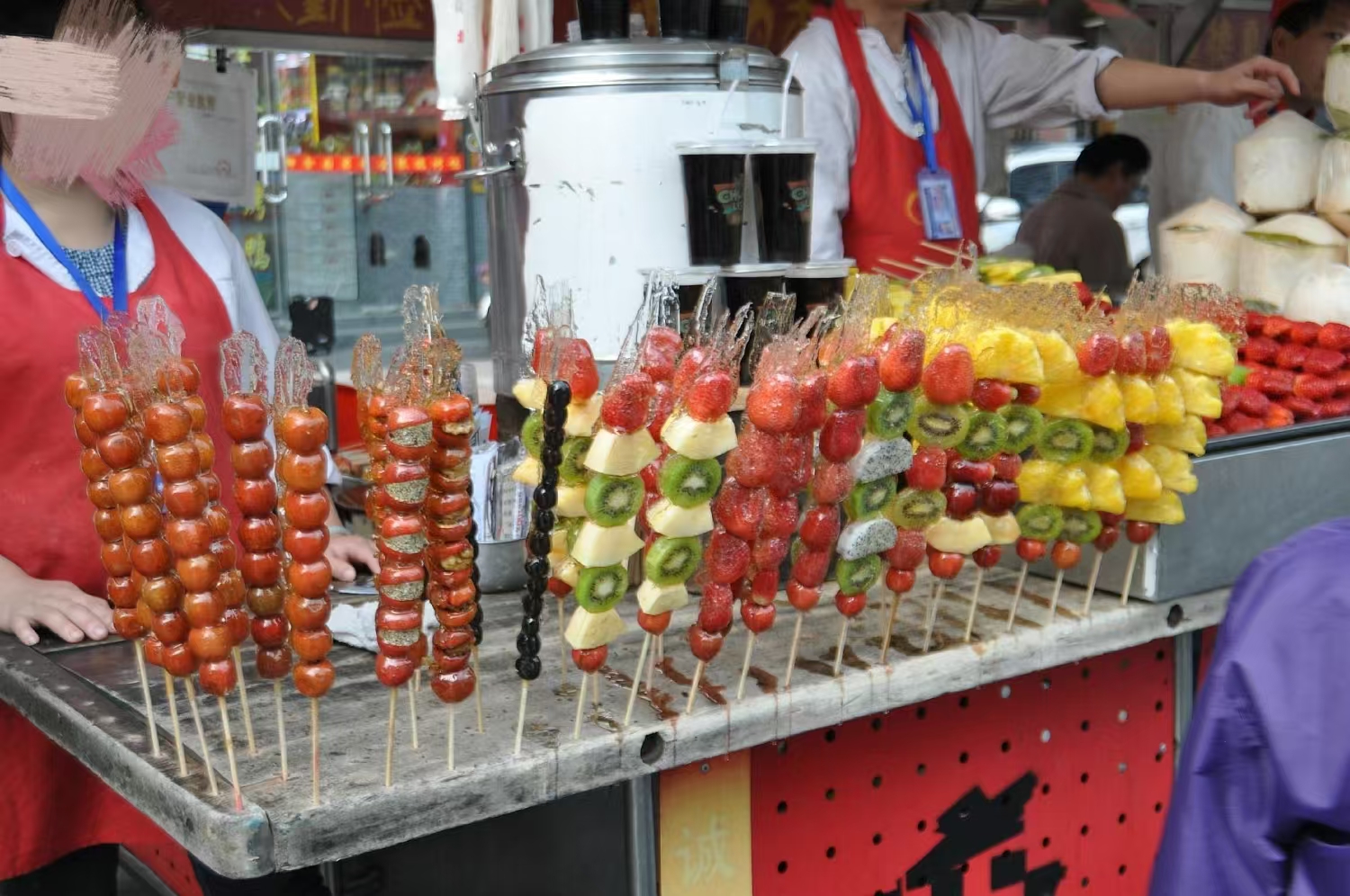
Tanghulu sat on the opposite end of the spectrum—simple, sweet, and easy to recognize. You’d see bright red sticks of candied fruit catching the light.
- Feature: skewered hawthorn berries coated in hardened sugar syrup
- Taste: sweet and slightly sour, with a crunchy outer layer
- Who It’s For: almost everyone, especially first-time visitors unsure about savory options
- Price Range: usually around ¥10–15 per stick
Compared to everything else at donghuamen market, this felt familiar and low-risk. A lot of travelers who skipped the exotic food still ended up buying tanghulu. It worked as a reset after trying something unusual—or just as a safe starting point.
Other Street Food You Might Notice
Beyond the famous items, there were plenty of more typical beijing street food options—dumplings, jianbing (savory crepes), and even stinky tofu. These didn’t get as much attention, partly because they looked less “exciting” compared to scorpions or starfish.
But in terms of actual eating, these were closer to what people in China have day to day. You’d see fewer cameras here and more people actually finishing their food. In a way, these stalls felt more grounded, but they were easy to overlook when everything else around them was louder and more unusual.
Where To Go Instead Of Donghuamen Market
Wangfujing Snack Street Near The Old Donghuamen Market
Wangfujing Snack Street
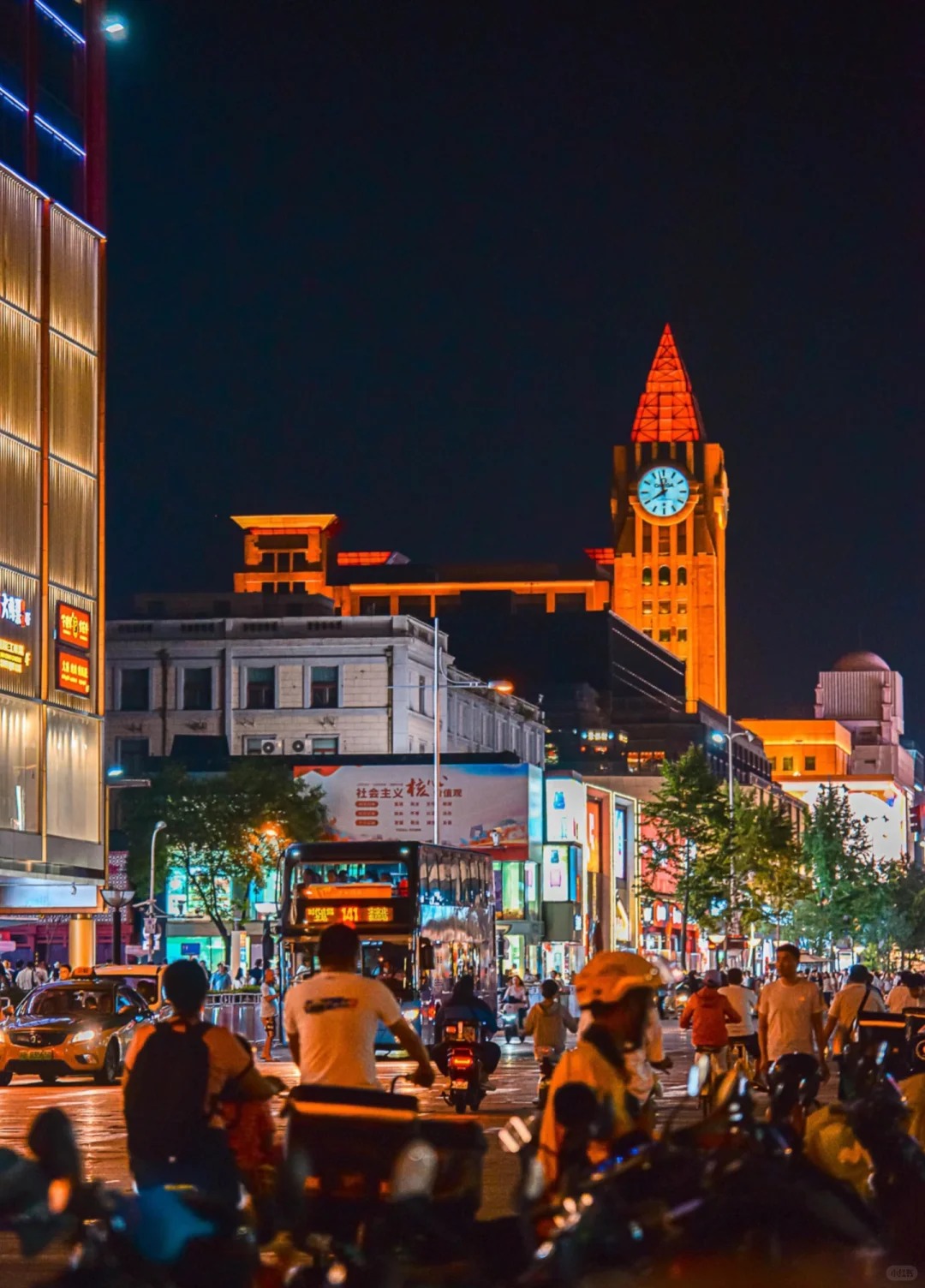
This is the closest area to the old donghuamen market site, just a few minutes’ walk away. It’s easy to reach since it sits right in the Wangfujing commercial zone.
- Location: Central Beijing, beside Wangfujing pedestrian street, near the former Donghuamen entrance
- Food focus: candied hawthorn, grilled skewers, fried snacks, packaged “Beijing-style” street food
- Who it suits: first-time visitors, short stays, people staying nearby hotels
- Pros:
- Very convenient location
- Clean and organized environment
- Easy for quick food stops
- Cons:
- More commercial than authentic
- Higher prices than local streets (often around ¥20–60 per snack)
- Less “street chaos” feeling compared to old wangfujing night market style setups
It feels safer and easier, but also more controlled. If someone is expecting the old Donghuamen energy, this will feel more like a simplified version.
Guijie Night Market For A More Local Food Scene
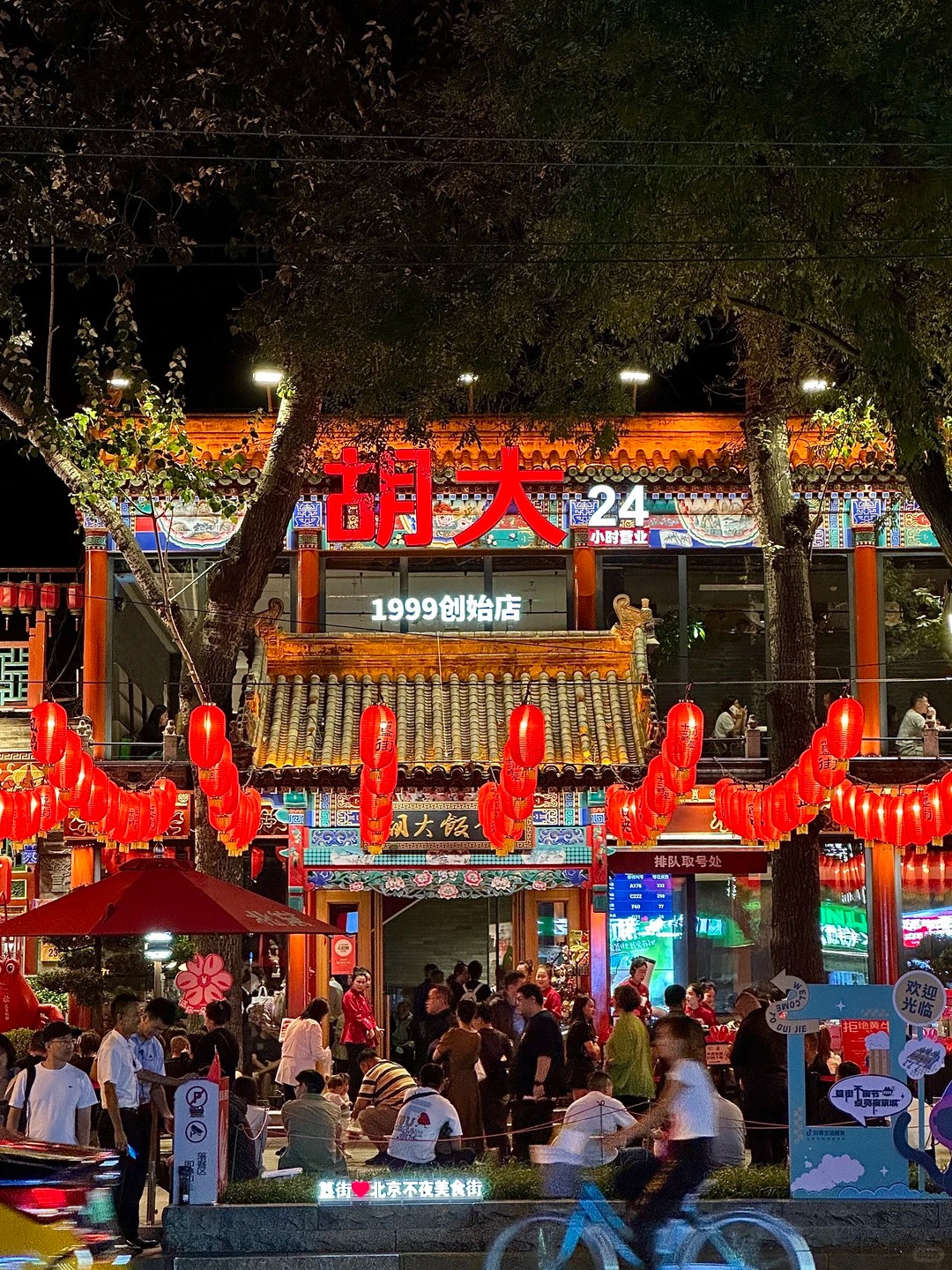
Guijie Night Market
Guijie (Ghost Street) is where many locals actually go for late-night eating. It’s a long street filled with restaurants rather than scattered stalls.
- Location: Dongcheng District, Beijing, east of central city area
- Food focus: spicy crayfish, grilled skewers, hotpot, stir-fried dishes
- Who it suits: food-focused travelers, groups, people staying out late
- Pros:
- Strong local atmosphere
- Wide variety of proper sit-down food
- Reliable quality compared to street stalls
- Cons:
- Can get very crowded at night
- Less “walking snack” style experience
- Prices vary widely (roughly ¥80–200 per person depending on restaurant)
Compared to the old donghuamen night market, Guijie feels more like eating in real Beijing nightlife rather than a tourist food show. The smell of chili oil and garlic hits you before you even sit down.
Nanluoguxiang For Snacks And Cafes
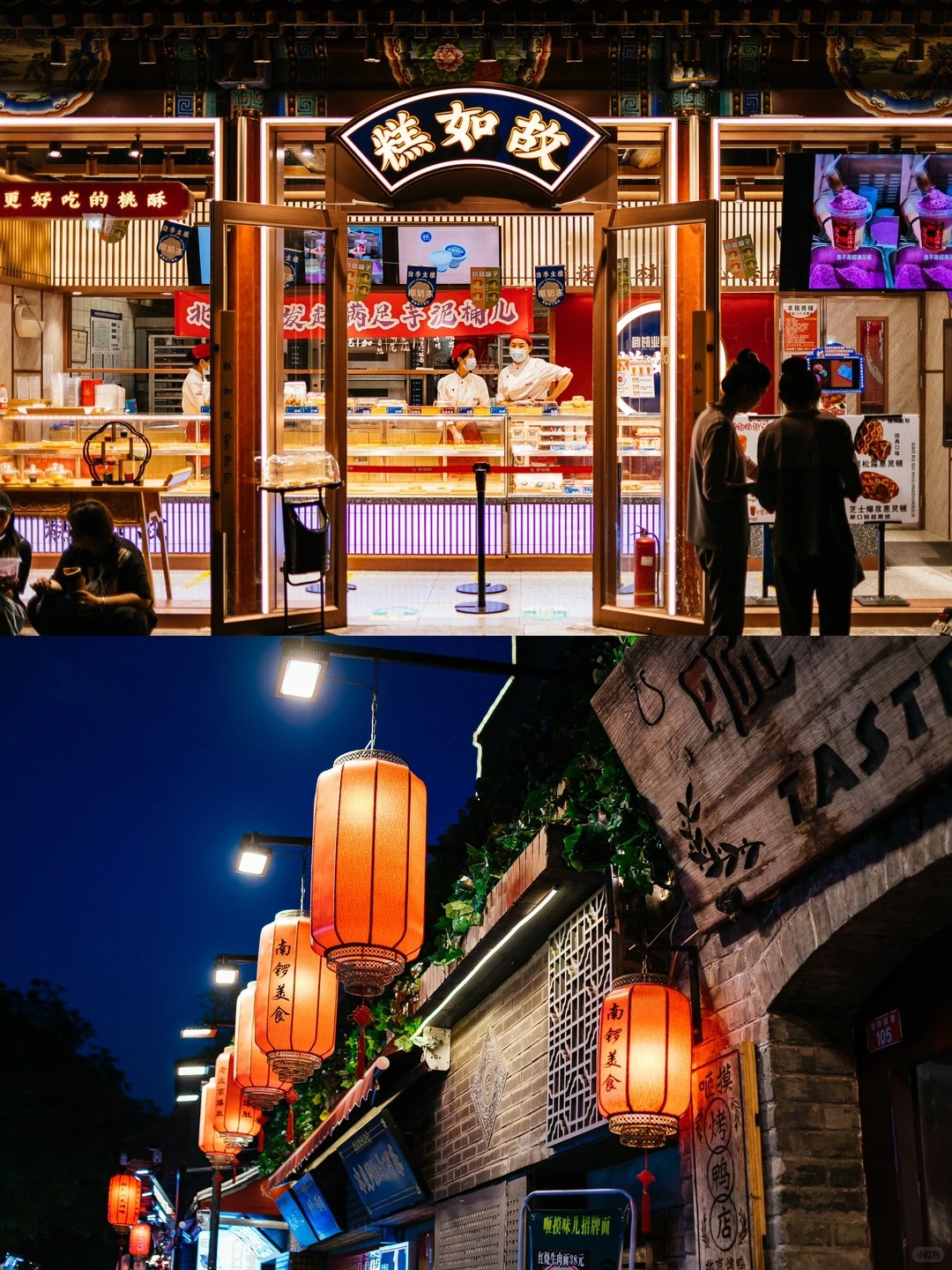
Nanluoguxiang
Nanluoguxiang is a hutong-style street that mixes snacks, small shops, and cafes. It’s less about heavy eating and more about slow walking and browsing.
- Location: Old Beijing hutong area, Dongcheng District
- Food focus: ice cream, skewers, pastries, small fusion snacks
- Who it suits: couples, casual walkers, café-style travelers
- Pros:
- Relaxed atmosphere, good for walking
- Mix of traditional and modern snacks
- Works well both daytime and evening
- Cons:
- Can feel tourist-heavy
- Food options are lighter, not a full meal destination
- Prices slightly inflated in peak season
Compared to guijie night market, this is much quieter and more aesthetic. It’s not trying to replace Donghuamen directly, but it gives a softer, more modern Beijing street experience.
FAQ about Donghuamen Market
Q: Is Donghuamen Market still open in Beijing?
No, donghuamen market is no longer open. It was permanently closed around 2016, and all night food stalls were removed. The area has since been integrated into the wider Wangfujing commercial district with regular shops and restaurants. Many outdated blogs and map listings still appear in search results, which is why travelers often get confused and walk there expecting a night market, only to find a normal shopping street instead.
Q: Where was Donghuamen Night Market located?
It was located just off Wangfujing Street in central Beijing, along Donghuamen Street. The position was extremely central, right next to one of the city’s busiest shopping areas. Because of this, it was always easy to access but also heavily crowded in the evenings. Even now, people still search for donghuamen night market when planning walking routes around Wangfujing, even though the stalls no longer exist.
Q: What was Donghuamen Market famous for?
The market was best known for its unusual street food items like scorpions, starfish, and other exotic snacks that attracted tourists. At the same time, more common foods like lamb skewers and tanghulu were actually more frequently eaten. The contrast between “shock value” food and everyday snacks made donghuamen market food widely discussed in travel forums and review platforms like TripAdvisor.
Q: Why did Donghuamen Market close?
The closure was mainly driven by urban planning and food safety concerns. Open-air cooking made hygiene control difficult, and vendor standards were inconsistent. Beijing authorities also aimed to modernize the Wangfujing area into a more organized commercial zone. In addition, locals rarely depended on the market, which made the removal of this beijing street market easier compared to traditional neighborhood food streets.
Q: Is Wangfujing Night Market still open today?
The original Wangfujing night market, including the Donghuamen section, is no longer operating in its traditional form. Some small snack areas or temporary stalls may appear at times, but they are regulated and limited. The experience today is more controlled and commercial, very different from the open-air street food atmosphere that once defined the old donghuamen night market area.
Q: What is the best alternative to Donghuamen Market?
The closest alternative for food variety is Guijie Night Market, which is popular for crayfish, skewers, and late-night dining. Wangfujing Snack Street is more convenient but feels more commercial and tourist-oriented. Nanluoguxiang offers a lighter experience with snacks and cafes in a hutong setting. None of them fully replicate the original donghuamen market atmosphere, but each offers a different side of Beijing night food culture.
Q: Was Donghuamen Market safe for tourists?
It was generally safe in terms of personal security, but food hygiene standards were inconsistent. Some travelers reported stomach discomfort after trying unfamiliar or exotic foods. Reviews on platforms like TripAdvisor often described it as fun but slightly risky for sensitive stomachs. Most visitors treated it as a novelty experience rather than a regular dining destination.
Q: What time did Donghuamen Night Market open?
When it was operating, stalls usually began setting up around 5 PM. The market became fully active after sunset and stayed busy until around 10–11 PM. Peak hours were typically between 7 PM and 9 PM when tourist groups arrived. Timing mattered because early evening was quieter, while later hours were crowded and more energetic.
Q: Can you still eat scorpion skewers in Beijing?
Yes, but not commonly. Scorpion skewers still exist in some tourist areas or during special events, but they are far less visible than before. They are no longer a regular part of donghuamen market food culture. Most people who try them today do so out of curiosity rather than as a normal street food choice, and availability can vary depending on location and season.
Q: How does Donghuamen Market compare to other Beijing night markets today?
Compared to places like Guijie or modern snack streets, Donghuamen was more tourist-focused and visually dramatic. It emphasized unusual food and photo opportunities rather than everyday eating habits. Modern night food areas in Beijing are generally more regulated, cleaner, and more focused on sit-down dining or standardized snacks. The old donghuamen night market stood out mainly for its chaotic, experimental street atmosphere that you don’t really see anymore.