Chinese Hot Springs
China sits on a web of active geological fault lines and volcanic zones, making it one of the world's most richly endowed hot spring countries. From sulfur-rich pools on the slopes of Changbai Mountain to the steaming volcanic springs of Tengchong in Yunnan, these thermal waters draw both domestic and international visitors seeking relaxation and therapeutic relief. The tradition of bathing in hot springs stretches back centuries, with sites like Nanjing Tangshan in use since the Six Dynasties period. For foreign travelers, Chinese hot springs offer a distinct experience from their Japanese counterparts — often more relaxed in etiquette, more varied in setting, and significantly more affordable at the day-pass level. This guide covers the science behind the steam, the destinations worth knowing, and the practical details needed to soak confidently.
The country spans multiple climate zones and geological provinces, which means the character of a hot spring in frozen Jilin differs sharply from one in subtropical Guangdong. Knowing the difference between a volcanic sulfur spring and a sedimentary sodium-chloride brine helps travelers choose a site that matches their skin type and health goals. Most importantly, foreign visitors can book day passes and resort stays at major destinations through international platforms, though Chinese-only channels require a mainland phone number and are not accessible from abroad.
Quick Facts
Types of Chinese Hot Springs
Chinese hot spring classification draws on both Western mineral chemistry and traditional Chinese medicine categories. The mineral content of the water determines its therapeutic character, while the temperature governs how the body reacts. Understanding these distinctions helps visitors select a pool suited to their skin type and health objectives.
Mineral and Chemical Types
Chinese Hot Springs
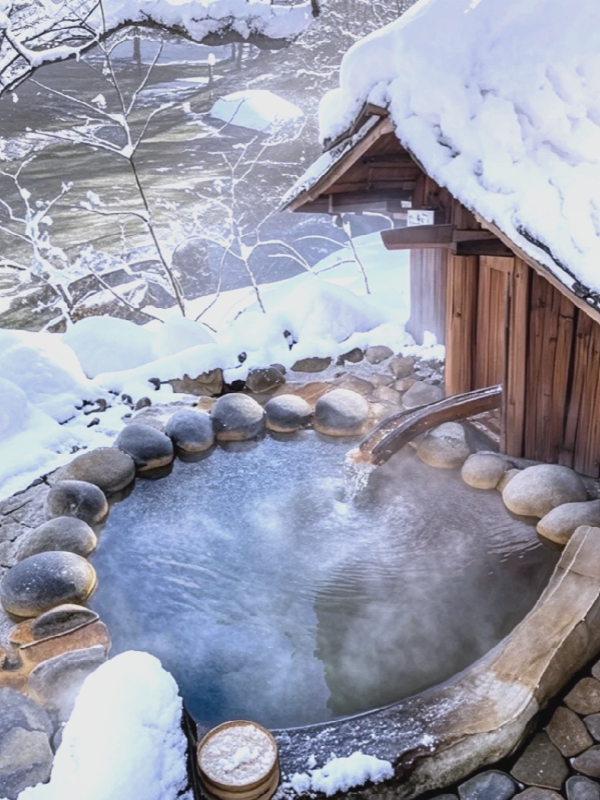
Six mineral profiles dominate Chinese hot springs. Sulfur springs carry a distinctive eggy smell and are known for softening skin and easing joint pain. Carbonic springs feel like a natural carbonated bath and are gentler on skin. Sodium chloride springs, sometimes called brine pools, have a smooth feel and are common in northern China.
- Sulfur (sulfurous): Easily recognized by the smell. Softens skin; eases arthritis and muscle tension.
- Carbonic (CO₂-rich): Small bubbles cling to skin. Lower temperature tolerance; suitable for sensitive skin.
- Sodium chloride: Salty water, smooth texture. Common in North China Plain sedimentary basins. German-style bathing tradition.
- Iron (ferrous): Rust-colored water. Leaves orange marks on light fabric. Used for anemia and circulation.
- Radon: Trace radioactive element in small therapeutic doses. Found in Guangdong Conghua district springs.
- Silicic: Silky water feel. Often volcanic in origin. Associated with skin smoothing and respiratory relief.
Temperature and Traditional Categories
Chinese Hot Springs
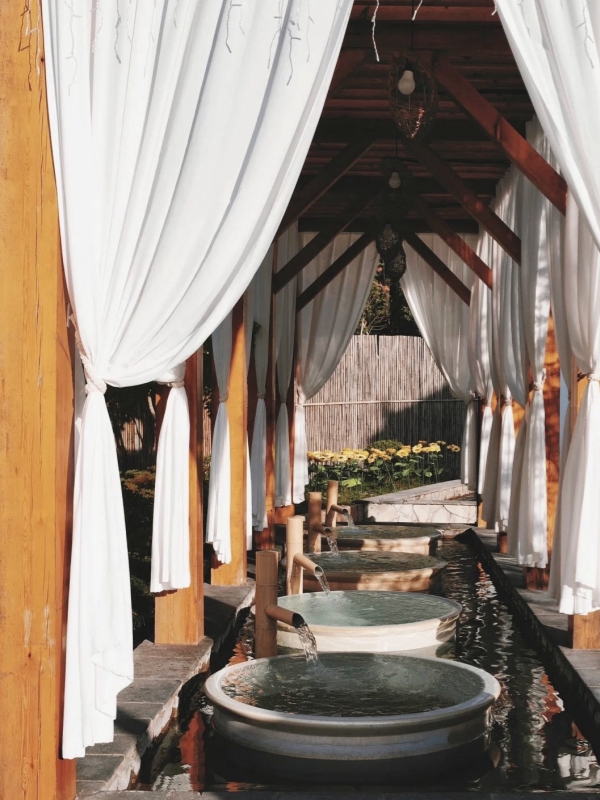
Chinese bathhouses classify water temperature into four tiers. Cold water sits below 25°C and is rarely used therapeutically. Warm pools run 25–37°C and suit extended soaks. Hot pools at 38–43°C are the standard therapeutic range. Scalding water above 43°C demands short dips of only a few minutes.
Traditional Chinese Medicine groups hot spring waters by flavor — sweet, sour, salty, bitter, and acrid — and links each to different internal organ systems. This classification influences which pools therapists recommend for specific conditions, though the framework differs from Western mineral analysis.
Geological Setting
The source geology shapes the mineral profile. Volcanic hot springs occur at Tengchong in Yunnan and at Changbai Mountain in Jilin, where magma chambers heat groundwater through rock fractures. Tectonic fault zones running through Yunnan and Tibet produce high-temperature springs along fracture lines. Sedimentary basin brines underlie the North China Plain and Sichuan Basin, yielding sodium-chloride and mineral-rich pools through deep well extraction.
🧼 Urban Bathing Etiquette: Learn what to expect at local spa complexes, scrubbing customs, and modern wellness etiquette in Chinese Bathhouse Foreigner.
Where to Find the Best Hot Springs in China
China's hot spring destinations cluster in five geographic regions, each defined by distinct geology, climate, and visitor profile. The northeast offers volcanic drama near Changbai Mountain. The Yangtze Delta mixes historic sites with resort comfort near major cities. Southern China provides year-round access in Guangdong. The southwest and Tibet deliver high-altitude wilderness soaking.
Northern China and Beijing Area
Hot Springs in Northern China and Beijing Area
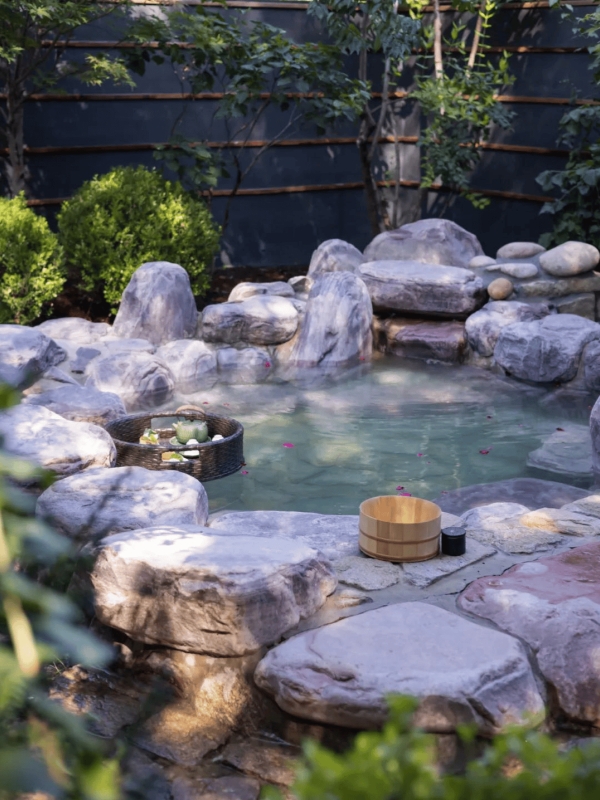
The Xiaotangshan geothermal area lies in Beijing's Changping district, roughly 35 kilometers from the city center. The sodium-chloride springs here have been developed into resort complexes ranging from simple public baths to five-star spa hotels. Xiongan New Area in Hebei Province is emerging as a geothermal cluster, though most development targets domestic tourism rather than international visitors.
Northeast: Changbai Mountain
Hot Springs in Changbai Mountain
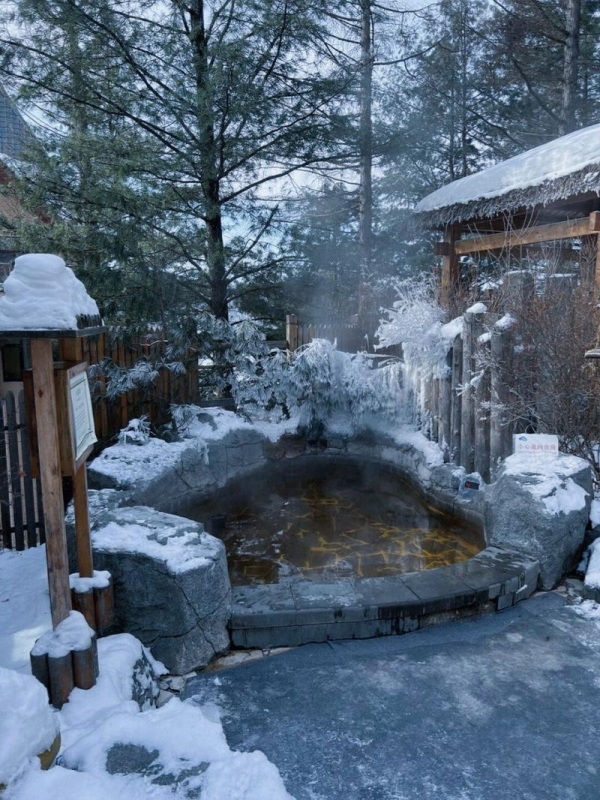
The Julakaweng Hot Spring area sits on the Chinese side of the Changbai Mountain volcanic complex, close to the China–North Korea border. Known locally as Lava Forest Hot Spring, the site features sulfur-rich volcanic pools at elevations above 2,000 meters. The scenic setting near Tianchi (Heavenly Lake), a crater lake filling the volcanic caldera, makes this a combined nature-and-soaking destination. Access requires travel to Antu County in Jilin Province, typically via Changchun or Yanbian.
Yangtze Delta: Shanghai, Hangzhou, and Nanjing
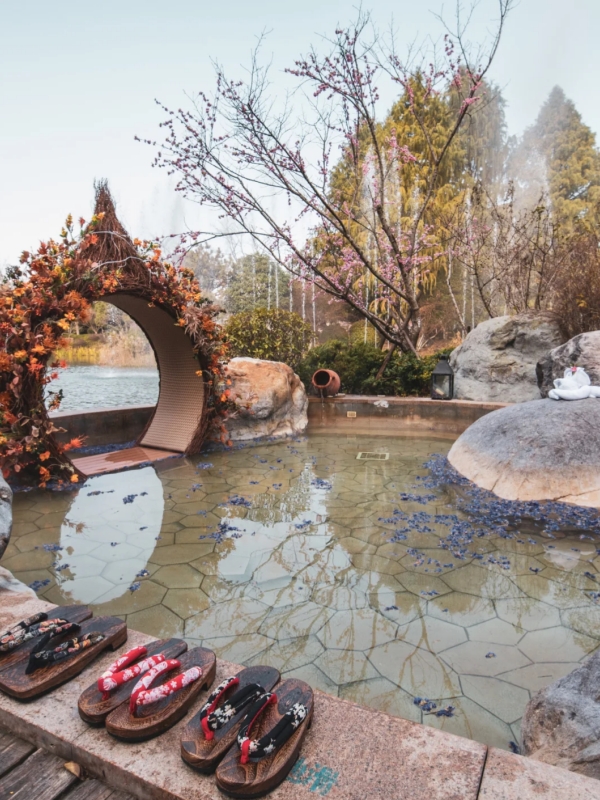
Hot Springs in Hangzhou
Nanjing Tangshan in Jiangsu Province holds the distinction of being the oldest documented hot spring site in the lower Yangtze Valley, with records dating to the Six Dynasties period (3rd–6th century). The hot mineral pools here sit within a suburban volcanic geology that distinguishes Tangshan from the flat sedimentary terrain surrounding it.
Anji County in Zhejiang Province places hot spring resort hotels within a bamboo forest landscape, making it a popular weekend destination from Hangzhou and Shanghai. Ninghai, also in Zhejiang, occupies a forested valley with naturally occurring mineral pools. Lushan in Jiangxi Province combines mountain scenery with thermal springs near a UNESCO-designated heritage site.
Southern China: Guangzhou Area
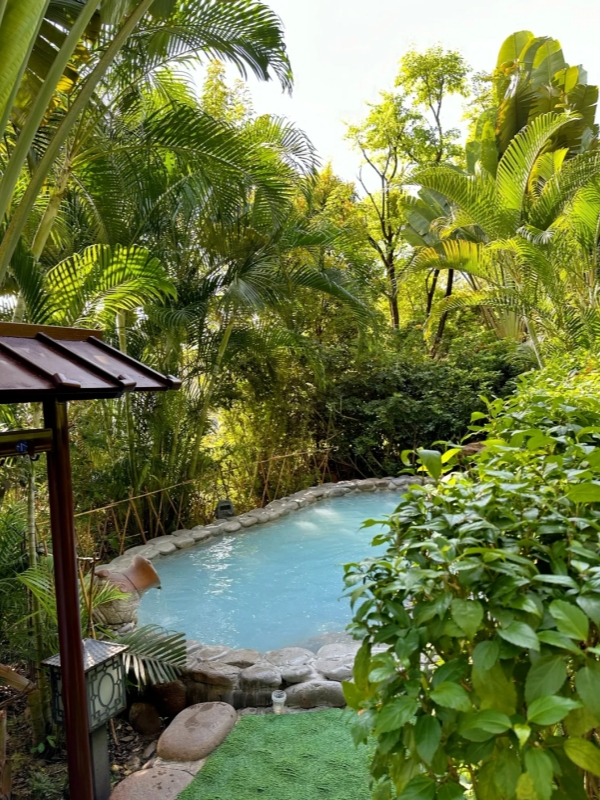
Hot Springs in Guangzhou
Conghua District, approximately 90 kilometers northeast of Guangzhou, draws visitors specifically for its radon and silicic-rich waters. The mineral composition targets skin and respiratory conditions, and several resort properties cater to medical tourism. Qingyuan in northern Guangdong offers hot springs set in a river valley landscape. Zhuhai provides coastal access with thermal springs in the Zhuhai/Macau Pearl River Delta region.
Southwest and Tibet
Tengchong Rehai in Yunnan's western border region is the most internationally recognized Chinese hot spring destination outside Taiwan. The Rehai scenic area (meaning "Hot Sea") features volcanic sulfur and carbonic pools in a dramatic geothermal landscape. Emei Mountain in Sichuan Province combines UNESCO mountain scenery with thermal springs at the base of the sacred Buddhist peak. Yangbajain in Tibet sits at 4,300 meters elevation and offers high-altitude geothermal pools, though acclimatization to the thin air is essential before soaking.
Beitou in Taiwan, while not mainland China, rounds out the regional picture — it is a volcanic sulfur hot spring district in Taipei with developed resort infrastructure. Taiwan operates as a separate destination requiring its own entry arrangements.
❄️ Cold Weather Escapes: Discover ice festivals, snowy mountain retreats, and seasonal travel highlights across China in Winter Activities in China.
Hot Spring Tickets and Prices
Day passes at major hot spring destinations range from about $7 at Beijing-area public baths to $28 at premium Nanjing Tangshan sites. Resort hotel packages with hot spring access start around $85 per night at mid-range Anji properties. Five-star resorts with private onsen rooms run $170–280 per night. International cards work through Trip.com, Klook, and TripAdvisor booking partners.
Booking through Trip.com, Klook, or TripAdvisor booking partners accepts international cards. Chinese-only platforms (WeChat mini-programs, Meituan, Dianping) require a mainland phone number and are not accessible to most foreign travelers.
What to Expect at a Chinese Hot Spring
Chinese hot spring culture blends relaxation with social bathing traditions. The etiquette is generally more relaxed than Japanese onsen, though certain norms still apply. Understanding these expectations prevents awkward moments and ensures a smooth visit.
- Clothing: Most urban bathhouses and resort pools require swimwear. Some traditional men's halls at older facilities follow nude bathing practice. Ask at the front desk if unsure.
- Gender separation: Large resorts typically separate men's and women's halls. Many outdoor scenic pools are mixed gender. Japanese onsen-style full gender separation is the norm at older urban bathhouses.
- Tattoos and skin conditions: Visible tattoos may draw attention but are not refused entry at mainstream resorts. Some bathhouses reserve the right to deny entry to guests with obvious skin conditions; disclose if asked.
- Soaking time: Limit sessions to 15–20 minutes, with cool-down breaks between. Pools above 43°C require very short exposure. Extended soaking in extreme heat risks dizziness and dehydration.
- What to bring: Swimsuit, towel, change of clothes, plastic bag for wet items, hair tie for long hair, and flip-flops. Large resorts supply towels and lockers; smaller venues may not.
- Family access: Most pools allow children. Larger resorts segregate pool depths and may have shallow children's areas. Age and height restrictions vary by property — confirm on site.
- Timing: Peak hours run 18:00–22:00 on weekdays and all day on weekends. The quietest windows are before 11:00 and after 21:00.
🏨 Boutique & Luxury Stays: Explore scenic hot spring resorts and high-end stays in the capital in our guide to Coolest Hotels in Beijing.
Best Hot Springs Tips for Foreign Visitors
Several practical filters help foreign visitors narrow the field. These criteria reflect the booking realities and service standards that international travelers encounter in China.
- Bookable on international platforms: Every major destination listed above has at least one property bookable through Trip.com, Klook, or TripAdvisor booking partners. Domestic-only channels like WeChat mini-programs and Meituan require a mainland phone number and are not accessible from abroad.
- English-speaking front desks: Top-tier resort hotels at Changbai Mountain Julakaweng, Nanjing Tangshan, Conghua, Tengchong, and Anji maintain English-speaking staff at reception. Smaller public bathhouses in provincial cities may not.
- Day-pass vs resort-stay: Nanjing Tangshan, Conghua, and the Tengchong Rehai scenic area all offer day passes suitable for a single visit. Changbai Mountain Julakaweng, Anji resort hotels, and Lushan primarily operate on a resort-stay or bundled ticket basis.
- Payment and cards: Four- and five-star resort hotels accept international credit cards reliably. Smaller bath houses and public facilities often require cash or Alipay/WeChat Pay.
- No tipping: Tipping is not customary at Chinese hot spring facilities, even at high-end resorts.
- Hygiene standard: Showering thoroughly before entering any pool is required everywhere, just as at Japanese onsen. Most large resorts provide towels and lockers; smaller sites may require guests to bring their own.
Frequently Asked Questions
Q: Are Chinese hot springs safe for foreign travelers?
Yes. Mainstream resorts and registered public baths maintain monitored water quality standards. Standard precautions apply: avoid soaking after consuming alcohol, limit time in pools above 43°C, and stay hydrated. People with cardiovascular conditions, high blood pressure, or pregnancy should consult a doctor before visiting thermal springs.
Q: Do I need to speak Chinese to visit a hot spring?
No at major resort destinations. Top-tier properties at Changbai Mountain, Nanjing, Conghua, Anji, and Tengchong have English-speaking front desks. Public bathhouses in smaller cities may not. A translation app helps at rural sites and in smaller towns. Learning a few phrases related to "hot spring," "ticket," and "shower" covers most practical needs.
Q: Are Chinese hot springs mixed gender?
Many are mixed gender, particularly outdoor scenic pools at resort properties. Some bathhouses separate by gender and provide swimwear. Older urban bathhouses tend toward the Japanese onsen model of strict gender separation. Check at the entrance or ask at the front desk before entering.
Q: What should I wear at a Chinese hot spring?
Most urban bathhouses and resort pools require swimwear. Some traditional men's halls follow nude bathing practice. Towels are provided at large resorts; bring your own at smaller facilities. Avoid white or light-colored swimwear in iron-rich spring water, which can leave rust-colored stains.
Q: What is the best season to visit a Chinese hot spring?
October through April suits northern and northeastern sites, including Changbai Mountain, Nanjing Tangshan, Anji, and Beijing-area springs. Yunnan (Tengchong) and Guangdong (Conghua) operate year-round. Summer is the low season at most northern Chinese hot springs, which can mean shorter waits and lower prices.
Q: Can I book a Chinese hot spring online from abroad?
Yes through Trip.com, Klook, and TripAdvisor booking partners, which accept international cards and operate in English. Chinese-only platforms like WeChat mini-programs, Meituan, and Dianping require a mainland phone number and are not accessible to most foreign visitors.
Q: What is the difference between a hot spring and an onsen?
Technically, none — onsen is simply the Japanese word for hot spring. In practice, Japanese onsen culture enforces stricter rituals: mandatory shower sequences, nudity, and gender separation are standard. Chinese hot spring culture is generally more relaxed about clothing and often allows mixed-gender outdoor pools. The bathing experience differs more in social convention than in water source.
Q: Are there natural hot springs in China, or just resort pools?
Both exist. Natural surface springs include Changbai Mountain Julakaweng, Tengchong Rehai, and Yangbajain in Tibet. Many resort pools are pumped from the same geothermal sources but heavily landscaped and subdivided into pools of varying temperatures. Check each property's listing to confirm whether the water source is natural surface flow or pumped from underground.