Beijing Tiongkok Travel Guide
At the core of this Beijing Tiongkok Travel Guide, Beijing holds China's imperial heart — the Forbidden City's crimson gates, the snaking ramparts of the Great Wall reachable in a day trip, and temple complexes that date back a thousand years. Yet the city has grown into something more complex: a 21-million-person megacity where glass towers rise beside hutong alleyways, and where a centuries-old Hui Muslim quarter serves some of the best halal food in northern China. For Indonesian visitors, Beijing rewards the prepared traveller. A Chinese visa is required in advance, the local currency is RMB, and autumn's clear skies make late September through mid-October the ideal window to explore the city's open-air sights.
This guide covers the attractions that matter most — the Wall, the palace, the imperial parklands — alongside the practical layer that trips up first-time visitors: airport transfers, subway navigation, halal dining, and what a week in Beijing actually costs. Four to six days is the sweet spot for a classic Beijing circuit.
Quick Facts
The Great Wall of China
-
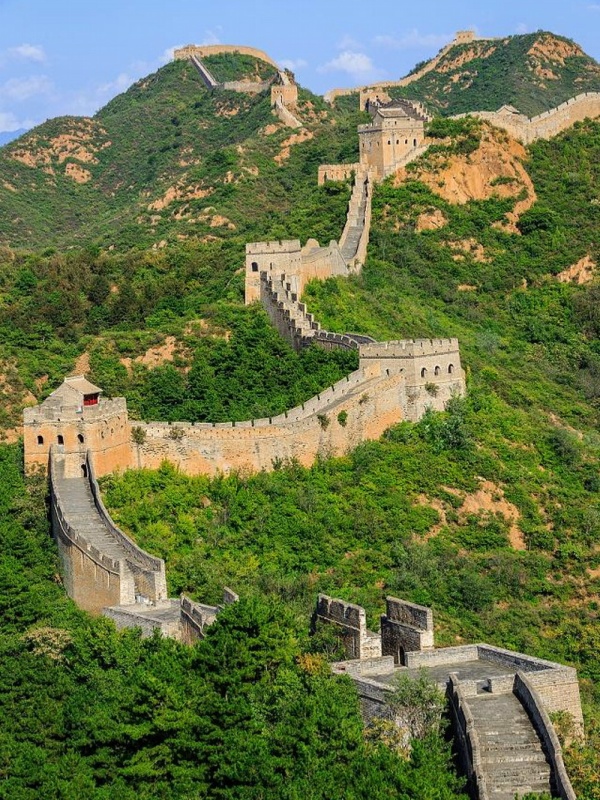

- Beijing to Badaling Great Wall
-
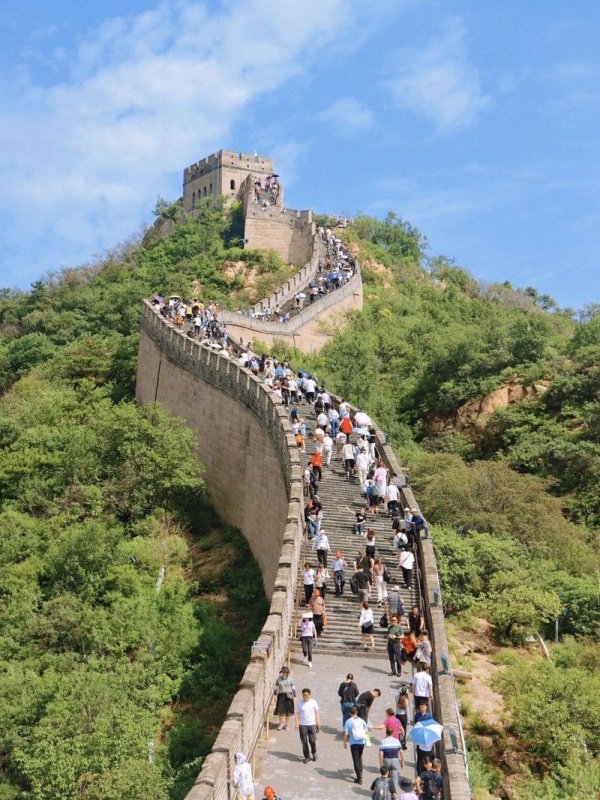
- Beijing to Badaling Great Wall
-
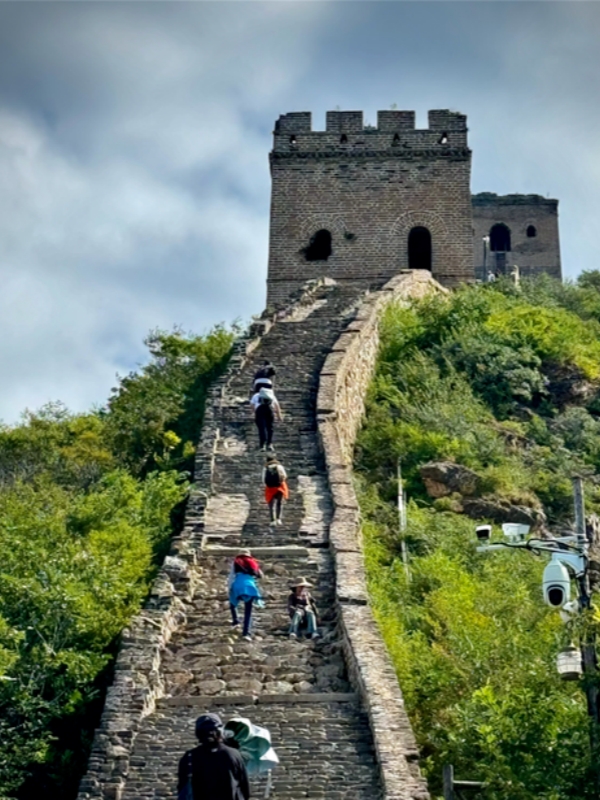
- Steep Stairs of Simatai Great Wall
-
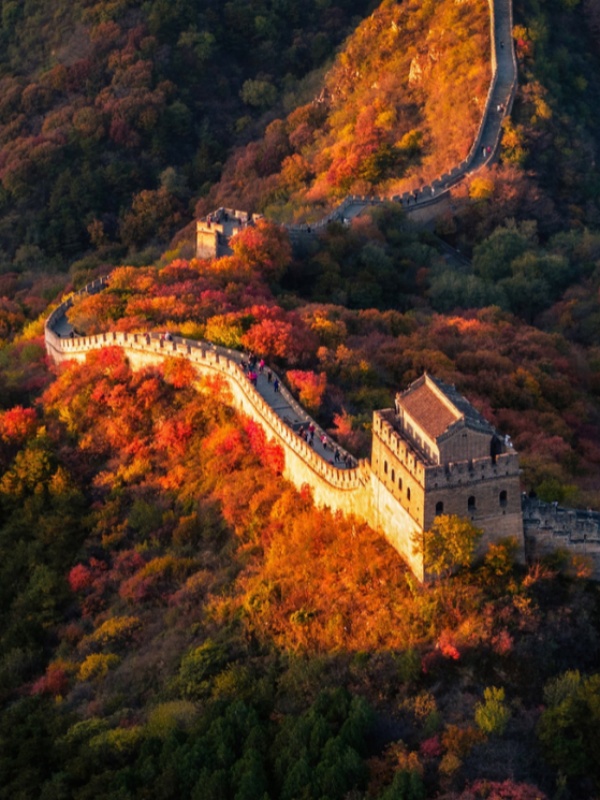
- Beijing to Badaling Great Wall
Beijing's most recognisable sight lies beyond the city's northern suburbs. Several restored sections are within a day's reach, each with a distinct character that makes "the Great Wall" feel like different places entirely. Mutianyu is our default recommendation for first-time overseas visitors — the gradient is manageable, the watchtower density is high, and the cable car-to-toboggan combo trims a half-day visit into something manageable. Badaling draws the crowds because it is closest; Jinshanling rewards hikers who want a photogenic stretch of unrestored wall; Jiankou is for experienced hikers only.
The four sections most relevant to visitors:
- Badaling: ~70 km from city; most crowded, full restoration, easy access by tour bus.
- Mutianyu: ~90 km; easier gradient, cable car and toboggan available, recommended default for first-timers.
- Jinshanling: ~140 km; more rugged, wild-wall sections still standing, popular with photographers and hikers.
- Jiankou: unrestored, steep, for experienced hikers only; no tourist infrastructure.
🏯 Plan Your Badaling Day Trip Logistics: To make the most of your Great Wall excursion without hassle, review train bookings, entrance tickets, and travel options in our detailed guide on Beijing to Badaling Great Wall.
Choosing a Section: Mutianyu, Badaling, Jinshanling
Drive time from central Beijing is the most practical differentiator. Badaling takes roughly 1.5 hours each way on a good day, but traffic can double that on a Sunday or holiday. Mutianyu adds another 30–40 minutes on the same road, which is why many visitors write it off — yet the cable car cuts out the steepest uphill stretches that make Badaling feel longer on foot. Jinshanling sits another 50 km north on quieter roads, and the extra travel time pays off in a wilder atmosphere and fewer selfie sticks. Crowd patterns follow the same logic: Badaling is packed every day of the year, Mutianyu thins out after 10 am, and Jinshanling often feels nearly empty on weekday mornings. The trade-off is infrastructure — Mutianyu has a visitor centre, cafes, and English-speaking staff; Jinshanling's facilities are basic.
For most first-time visitors from overseas, Mutianyu hits the sweet spot between accessibility and atmosphere. If you have a second day and feel fit, Jinshanling makes a rewarding contrast on a separate trip.
Tickets, Cable Cars and Practical Access
Mutianyu entrance fee is about $7 (¥45). The round-trip cable car paired with the toboggan ride down costs roughly $14 (¥100) per person — a worthwhile upgrade for most visitors. Badaling entrance matches Mutianyu at about $7 (¥45), with a cable car and a separate slide available as add-ons priced separately. Jinshanling entrance is lower at about $5 (¥35), reflecting its more basic facilities. All three sections list tickets on Trip.com and Klook, which are accessible to foreign passport holders without a mainland ID. Allow a full half-day plus 2–3 hours of driving each way from central Beijing. If you are joining a group tour, the coach typically departs between 7–8 am and returns by mid-afternoon, which helps you beat the worst of the crowd at Mutianyu or Jinshanling.
The Forbidden City, Tiananmen Square and Imperial Beijing
-
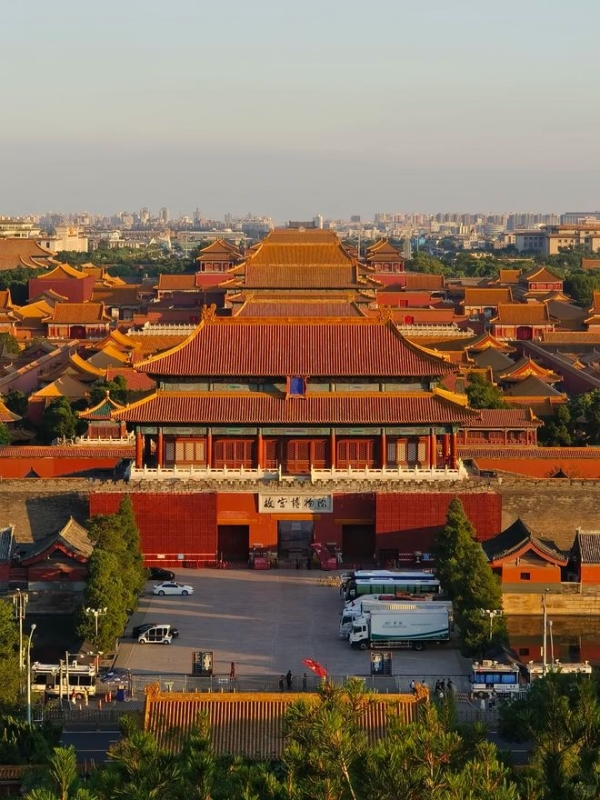
- Forbidden City
-
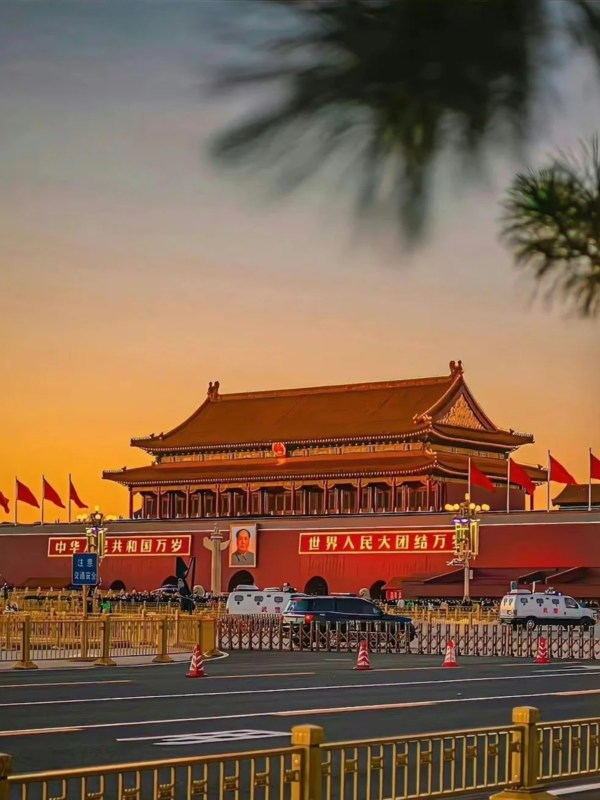
- Tiananmen
-
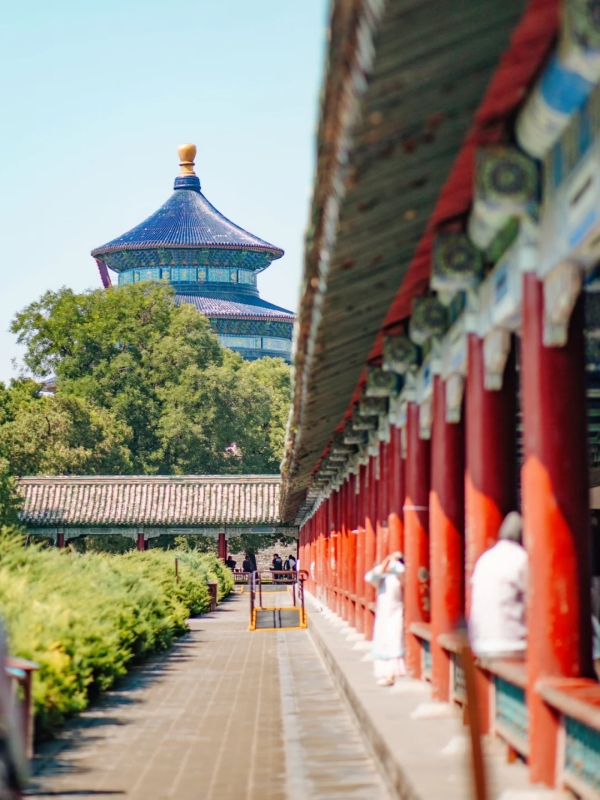
- Temple of Heaven Long Corridor
-
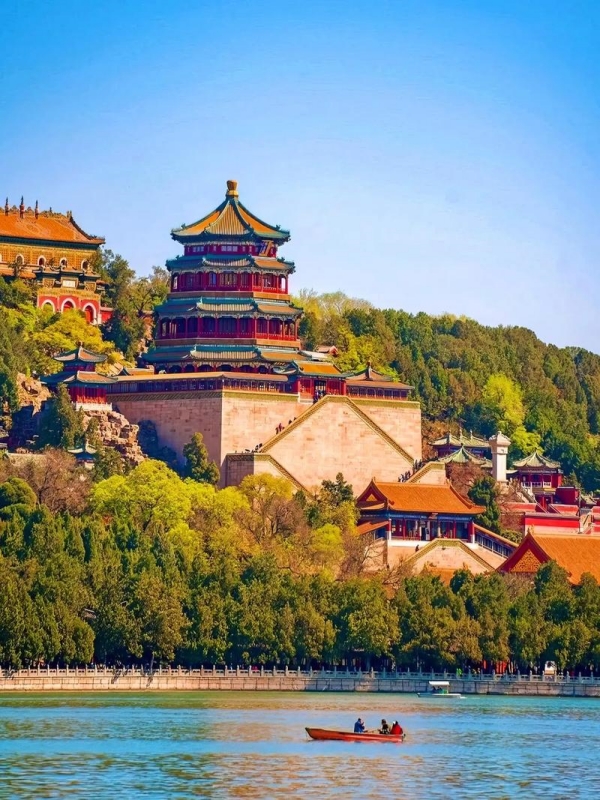
- Summer Palace
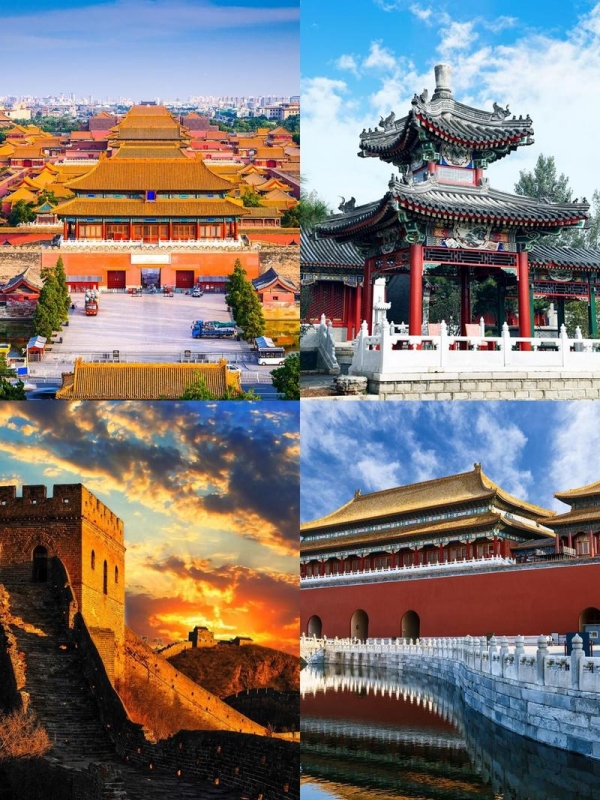
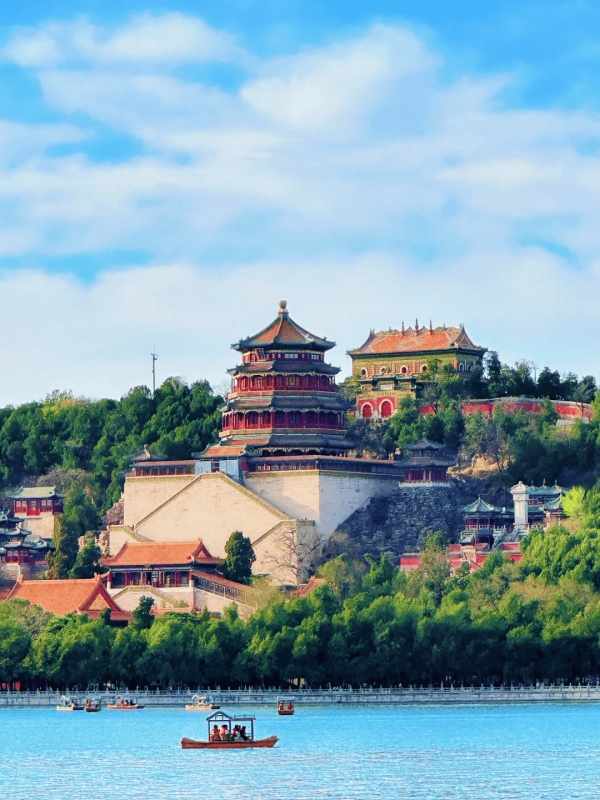
Four imperial-era sites cluster within or near central Beijing, making this one of the most walkable heritage circuits in the country. The Forbidden City anchors the route — enter through the Meridian Gate, exit through the Gate of Divine Prowess on the north side. Tiananmen Square lies directly south, bordered by the Great Hall of the People, the National Museum, and Mao's Mausoleum. The Temple of Heaven sits southeast in Dongcheng, its round Hall of Prayer for Good Harvests one of Beijing's most photographed rooftops. The Summer Palace stretches across the northwest in Haidian, more of a lakeside park retreat than a working palace, with Kunming Lake and the Long Corridor as its centrepieces.
- The Forbidden City: Ming–Qing palace complex; enter south, exit north; 3–4 hours recommended.
- Tiananmen Square: Central open square south of the palace; flag ceremony at sunrise is the signature moment.
- Temple of Heaven: Dongcheng; round blue-roof hall; popular at sunrise with tai chi groups.
- Summer Palace: Haidian; lake-and-hillside retreat; full day or combine with Peking University.
📍 Plan Your Sightseeing Route: Whether you have four days or a full week in the capital, check out our recommended attractions and itinerary ideas in our breakdown of Things to Do in Beijing.
The Forbidden City
Entry costs about $11 (¥60) during peak season (April–October) and about $7 (¥45) off-peak. Two supplementary galleries — the Treasure Gallery and the Clock Gallery — each add roughly $2 (¥15). The palace is closed to all visitors on Mondays, which catches out travellers who have miscounted their days. We recommend pre-booking through Trip.com or Klook before you arrive; the official ticketing portal requires a mainland ID number, which most foreign visitors do not have. Three to four hours inside the palace gives you enough time to walk the central axis, dip into a side hall, and rest without rushing.
Tiananmen Square
No ticket is needed to enter the square, but a passport is required for the security check at the south entry points. The flag-raising ceremony at sunrise draws a crowd every morning — position yourself on the west side of the square for an unobstructed view of the flag being raised as the sun clears the horizon. The square is flanked by the Great Hall of the People on the west, the National Museum on the east, and Mao Zedong's Mausoleum at the southern end, which opens to visitors on certain mornings. Combine the square with the Forbidden City on the same day — the walk from the south gate of the palace to the north edge of the square takes under five minutes.
Temple of Heaven
The combined ticket costs about $7 (¥50) in peak season and about $5 (¥35) off-peak. The park opens at 06:00, which makes it one of the earliest sites in the city to visit — arrive at dawn to see local residents practising tai chi, ballroom dancing, and calligraphy in the outer park before the tourist coaches arrive after 09:00. The Hall of Prayer for Good Harvests, with its triple-gabled blue roof, is the icon most visitors come for; the Circular Mound Altar at the south end completes the visual story. The park is large enough that the crowds visible near the main hall thin out considerably once you move into the eastern and western gardens.
Summer Palace
The combined ticket is about $7 (¥50) in peak season and about $5 (¥35) off-peak. The site is significantly larger than the Forbidden City — allow a full day if you want to walk the Long Corridor, circle Kunming Lake, and climb the hill behind the main buildings. The boat ride across Kunming Lake (operates in season, weather permitting) is a pleasant shortcut between the north and south shores. Many visitors pair the Summer Palace with a stop at Peking University nearby, which is open to the public on certain days and makes for an easy half-day combination. The palace was the personal retreat of Empress Dowager Cixi, and the contrast between her private theatre, lakeside living quarters, and the sprawling imperial garden tells a different story from the formal state rooms of the Forbidden City.
Niujie Mosque and Halal-Friendly Beijing
-
- Niujie Muslim Quarter
-
- Jubaoyuan
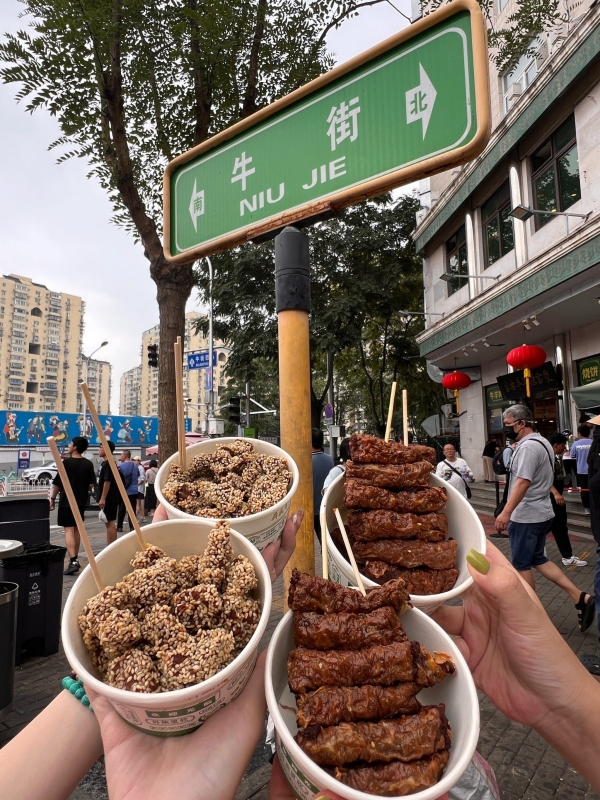
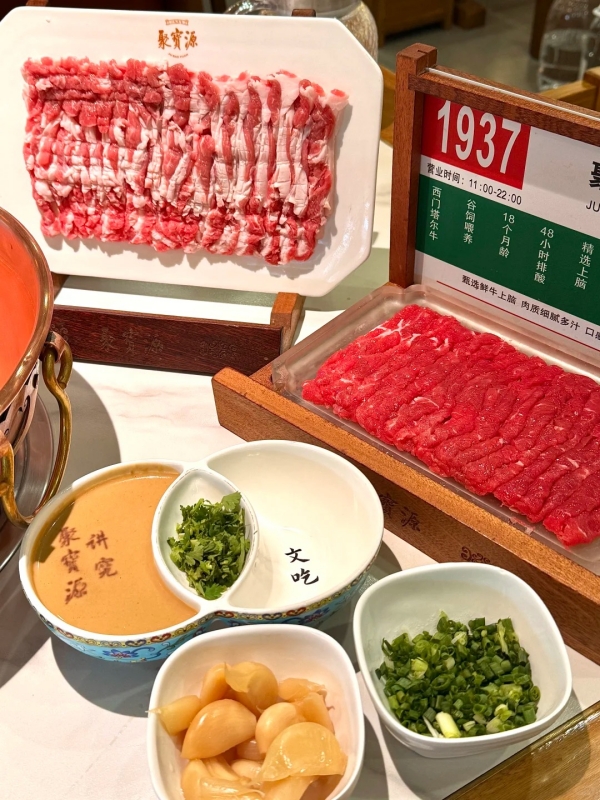
Beijing's oldest mosque stands in Xicheng District, about 5 km southwest of Tiananmen Square. Niujie Mosque (牛街清真寺) was founded in 996 CE during the Liao dynasty, making it one of the oldest continuously operating mosques in China. The surrounding Niujie neighbourhood — Ox Street — is Beijing's historic Hui Muslim quarter: halal butchers, restaurants, and Hui bakeries line the street, and the area has functioned as a Muslim-friendly cluster for generations. Beyond Niujie, Beijing has several other active mosques including Dongsi Mosque near the Confucius Temple and Jingshajie Mosque in Haidian. For halal food across the city, chains such as Yuqinglou and Maoxiang have outlets near main tourist zones. Apps including Alipay and Amap let you filter restaurants by the "清真" (halal) tag.
- Niujie Mosque: 996 CE Liao dynasty foundation; free entry; active prayer hall; library of old manuscripts.
- Niujie Neighbourhood: Halal lamb skewers, Hui flatbreads, hand-pulled noodles; Beijing's most reliable halal cluster.
- Other Mosques: Dongsi Mosque (near Confucius Temple, Dongcheng); Jingshajie Mosque (Haidian).
- Chain Options: Yuqinglou (Wangfujing area); Maoxiang (Sanlitun); both near major tourist zones.
- App Filtering: Alipay, Amap, and Dianping support "清真" tag filtering for halal-tagged restaurants city-wide.
🕌 Guide to Halal Dining Across China: Beyond Beijing's Niujie district, Muslim travelers can easily find certified Qingzhen restaurants and hand-pulled noodle shops nationwide using our guide to Halal Food in China.
Visiting Niujie Mosque in Xicheng
The mosque sits on Niujie Street in Xicheng District; the nearest subway station is Niujie on Line 10, which is about five stops from Tiananmen East or Cixitiao. Non-Muslim visitors are welcome outside of the five daily prayer times; modest dress is requested, and shoes must be removed before entering the prayer hall. Entry is free, with a donation box near the exit. After visiting, walk the street outside — the halal lamb skewers and Hui flatbreads sold from window counters are a practical lunch, and the hand-pulled beef noodle shops nearby have been feeding the neighbourhood for decades.
Halal Food, Prayer Spaces and Muslim-Friendly Hotels
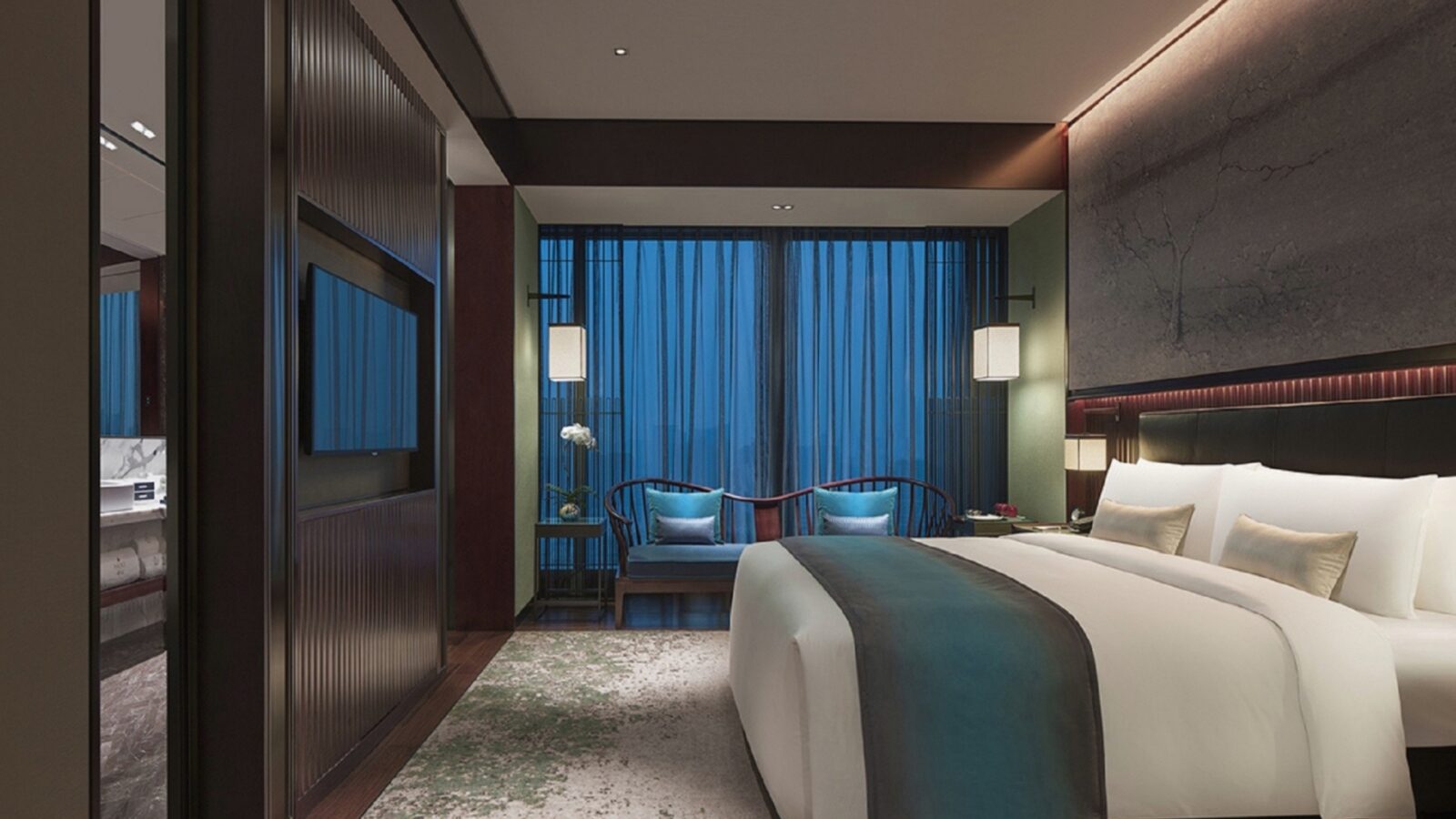
Niujie Street is the primary halal cluster for visitors. The lamb skewers sold here are halal-certified by the Hui community; shaobing (Hui flatbread) and hand-pulled beef noodles are the other staples worth seeking out. If Niujie is too far from your hotel, chain restaurants such as Yuqinglou near Wangfujing and Maoxiang in Sanlitun offer consistent halal options in areas more convenient to central Beijing hotels. Prayer spaces are available at both Beijing Capital and Daxing airport terminals, and several major shopping malls in Chaoyang and CBD districts have designated prayer rooms. International hotel chains in the Chaoyang and CBD areas — where most foreign business travellers stay — are the most reliable choices for guests who want proximity to a hotel breakfast that accommodates halal dietary requirements.
Weather in Beijing and the Best Time to Visit
Beijing has a continental monsoon climate with four distinct seasons. Autumn (late September to mid-October) is the consensus best window — dry, sunny, and comfortable at 10–25°C. April to mid-May runs a close second. Winter (November to February) brings clear skies and light crowds, but temperatures sit between -5°C and 5°C, and winter air quality can dip. Summer is hot and humid (25–35°C) with peak rainfall in July and August. Spring warms from around 5°C to 25°C but March brings yellow-dust storms from Mongolia that can affect visibility and air quality. Two periods should be avoided if possible: the Spring Festival week (January or February, dates vary yearly) and the October 1–7 national holiday.
Getting to Beijing and Moving Around
Most Indonesian visitors arrive by air, either at Beijing Capital International Airport (PEK) or, increasingly, at Beijing Daxing International Airport (PKX). Direct flights connect Jakarta to PEK; PKX primarily serves domestic Chinese connections. Within the city, the Beijing Subway is the most efficient way to reach the main sights — flat fare between about ¥3–9, English signage throughout, roughly 25 lines. Taxis and ride-hailing (DiDi with international card support) fill the gaps; walking covers the central cluster of hutongs, the Forbidden City approach, and Nanluoguxiang easily. High-speed rail from Shanghai and Xi'an takes about 4.5 hours, which is useful for combined itineraries that pair Beijing with other cities.
Arriving: Flights, High-Speed Rail and the Airport Link
Direct flights from Jakarta to Beijing Capital (PEK) take roughly six to seven hours; typical one-way fares in economy range from $300–500 depending on the season and how far in advance you book. Beijing Daxing (PKX) is growing as a hub but is primarily served by domestic Chinese carriers and a limited number of international routes — check whether your airline lands at PKX or PEK before you book your airport transfer. From PEK, the Airport Express train runs to Dongzhimen and Beijing Station in roughly 30 minutes and costs about ¥25. From PKX, the Daxing Airport Express reaches Caoqiao station in about 40 minutes, where you connect to Line 10 or Line 19. If you are combining Beijing with Shanghai or Xi'an, high-speed rail is a comfortable alternative to a domestic flight — Beijing South Station connects to both cities in about 4.5 hours.
Getting Around: Subway, Taxi, DiDi and Walking
The Beijing Subway is the fastest way to move between the main sights. The flat fare of roughly ¥3–9 covers all lines regardless of distance, and English signage is present at every station. The subway can get very crowded during rush hour (07:30–09:00 and 17:30–19:30), so plan your visits to the Forbidden City or Temple of Heaven for mid-morning or mid-afternoon to avoid the worst of the commuter crush.
DiDi works with an English-language interface and accepts international credit cards — useful when you need to specify a destination that is difficult to describe in Mandarin. Taxis have a flag-fall of roughly ¥13 plus ¥2.6 per kilometre; drivers speak mostly Mandarin, so a translation app or a written address in Chinese characters is the practical tool.
Bicycle sharing via Meituan or HelloRide, unlocked through Alipay or WeChat, is a pleasant option for the flat hutong loops around the Forbidden City and Nanluoguxiang on clear days.
Practical Info for Indonesian Visitors
Indonesian passport holders need a Chinese visa for tourism. Apply at the Chinese Embassy in Jakarta or an authorised visa centre; standard processing takes 4–7 working days. Visa-free transit policies exist but do not currently cover Indonesian nationals on a standard tourist itinerary — always check the latest rule before booking flights. Pay in RMB (¥/CNY) throughout your trip; major hotels, airport exchange counters, and Bank of China branches in the CBD accept international cards.
Carry some small-denomination RMB for hutong stalls and Niujie street food, which operate in cash. A local SIM from China Mobile or China Unicom is available at both airports; alternatively, an eSIM can be activated before departure. A VPN is required to access Google, WhatsApp, and Instagram. Mandarin is the official language; English is functional at hotels, subway stations, and major tourist sights but limited in hutongs and neighbourhood restaurants — download a translation app with an offline Chinese language pack. Beijing runs on UTC+8, approximately one hour ahead of Jakarta during WIB.
Frequently Asked Questions
Q: Do Indonesian passport holders need a visa for Beijing?
Yes — Indonesian nationals require a Chinese visa for tourism purposes. Apply at the Chinese Embassy in Jakarta or an authorised visa application centre; standard processing takes 4–7 working days. Visa-free transit options exist for some nationalities but are not the standard path for Indonesian visitors. Always verify the current policy before booking flights.
Q: How much does a week in Beijing typically cost?
A mid-range daily budget of about $80–120 (¥550–850) covers a 3–4 star hotel, subway rides, three meals including Niujie halal options, and entry to one major attraction per day. Budget backpackers can manage on roughly $40–60 (¥280–420) per day with hostel accommodation and street food. International flights from Jakarta are the largest single expense and vary widely with the season.
Q: Is Beijing safe for tourists and families?
Beijing is generally safe for tourists; violent crime against visitors is uncommon. The main petty risks are pickpocketing at subway hubs and around Tiananmen Square during busy periods. Tap water is not safe to drink — use bottled or filtered water. Air quality can dip in winter; downloading an AQI app is advisable for travellers with respiratory sensitivities.
Q: What is the best month to visit Beijing, China?
Late September to mid-October offers the clearest skies and most comfortable temperatures. April to mid-May is a strong second choice with milder crowds. Avoid the Spring Festival period (late January or February, dates shift yearly) and the October 1–7 national holiday week for significantly lighter visitor numbers.
Q: Where is the Niujie Mosque and how do I get there?
Niujie Mosque is in the Niujie area of Xicheng District, roughly 5 km southwest of Tiananmen Square. The nearest subway station is Niujie on Line 10. Entry is free outside of prayer times; modest dress is requested and shoes must be removed before entering the prayer hall.
Q: Are there halal restaurants and prayer spaces in Beijing?
Yes — Niujie Street is the main halal cluster, offering lamb skewers, Hui flatbreads, and noodle shops. Chain halal options exist in Wangfujing and Sanlitun. Apps including Alipay, Amap, and Dianping filter for "清真"-tagged restaurants city-wide. Designated prayer rooms are available at both Beijing Capital and Daxing airport terminals and in several major shopping malls.
Q: How do I get from Beijing Capital Airport to the city centre?
The Airport Express train is the fastest option: it connects PEK Terminals 2 and 3 to Dongzhimen and Beijing Station in roughly 30 minutes for about ¥25. Taxis cost approximately ¥100–150 depending on your exact destination and traffic conditions. DiDi ride-hailing works with international credit cards and offers an English-language interface, which simplifies communication compared to a standard taxi.