The Gobi Desert
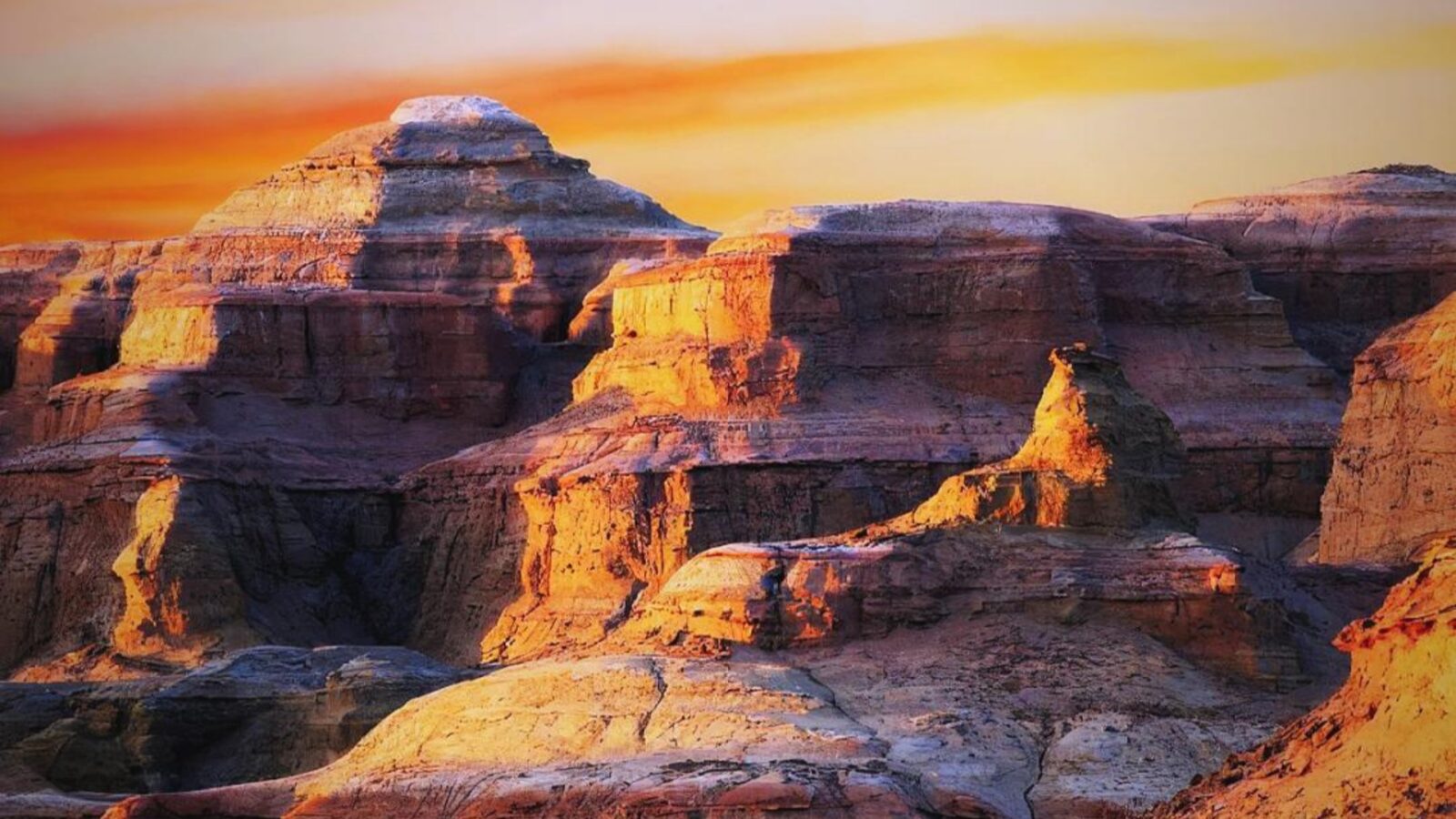
The desert that stretches across northern China and southern Mongolia is the Gobi Desert — one of the largest deserts in Asia and a defining landscape of the continental interior. Spanning roughly 1,295,000 km², the Gobi is not a single sea of sand but a vast mosaic of bare rock, gravel plains, scattered dunes and steppe, straddling two countries and shaping their climate, wildlife and history. This guide sets out exactly where the Gobi sits, what makes it distinct from better-known sand deserts, and which named sub-regions, reserves and tourist destinations fall under its umbrella.
Quick Facts
Where the Gobi Desert Is Located
The Gobi Desert
The Gobi Desert lies in central-eastern Asia, occupying the southern third of Mongolia and a broad sweep of northern China. On the Chinese side, the desert covers the Inner Mongolian Plateau, parts of northern Gansu, and the eastern fringe of Xinjiang. Meanwhile the western and northern reaches sit inside Mongolia. To the south, the Gobi's edge meets the Great Wall corridors near Yulin and the Helan Mountains; to the north, it fades into the Mongolian steppe south of Ulaanbaatar.
Three cities help anchor the desert on any map. Ulaanbaatar, the capital of Mongolia, sits north of the desert. Hohhot, capital of Inner Mongolia, lies near the eastern Gobi fringe. Lanzhou, capital of Gansu, marks the desert's south-eastern margin. The Gobi's western boundary adjoins the Alashan Plateau, while the eastern edge grades into the grasslands of the eastern Inner Mongolian Plateau.
🐪 Explore the Tarim Basin: Interested in how neighboring arid landscapes shaped ancient trade routes? Discover travel tips and logistics in Taklamakan Desert.
Terrain, Climate and Size
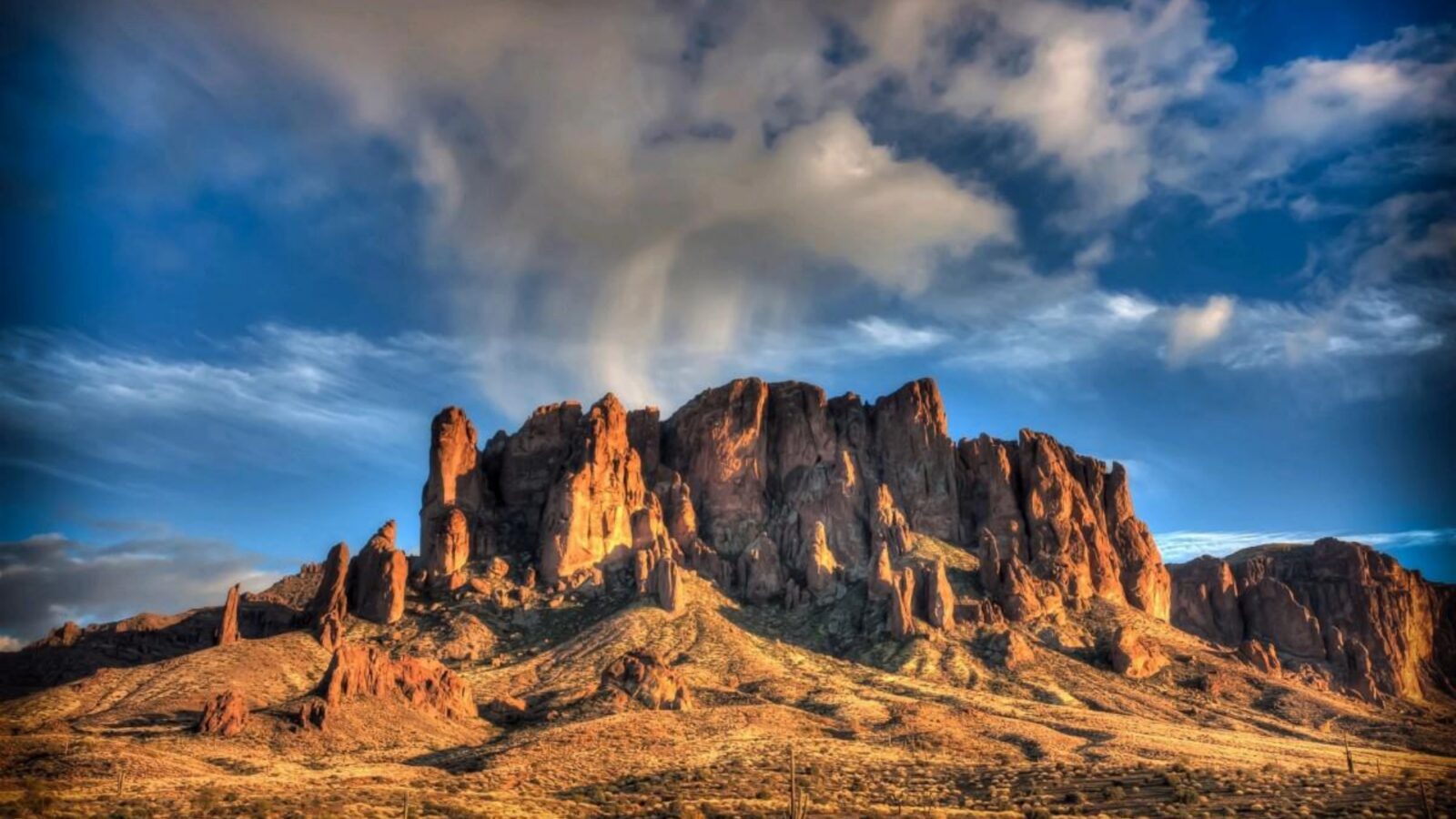
Most travellers imagine deserts as seas of sand, but the Gobi breaks that expectation. Its dominant terrain is bare rock and gravel plains, with scattered dunes and patches of desert steppe filling only certain zones. The sand seas that do exist — most notably Badain Jaran — are concentrated in specific sub-regions rather than spread across the whole area. The total Gobi region covers roughly 1,295,000 km², stretching about 1,500 km east to west and 800 km north to south. Its highest named peak, Dund Sayhni Nuru in Mongolia, reaches 2,825 m, while the lowest basin floors sit around 696 m.
Major Sub-Regions and Protected Landscapes
The Gobi Desert
The Gobi is not a uniform expanse — it divides into several named sub-regions, each with distinct character. The Eastern Gobi Desert Steppe ecoregion alone covers roughly 282,369 km² across Inner Mongolia and Mongolia. The Alashan Plateau dominates the western Gobi, while the Trans-Altai Gobi occupies southern Mongolia's rocky interior. The Dzungarian Basin, on the far western edge, functions as a semi-desert transition zone.
Badain Jaran Desert in Inner Mongolia, China, is the Gobi's most famous sand-sea exception. It holds some of the world's tallest stationary dunes, reaching up to ~500 m, set against spring-fed lakes between the dune ridges. Geologically, Badain Jaran sits within the broader Gobi system; administratively it is a Chinese national desert park. Many first-time visitors are surprised to learn it falls under the Gobi umbrella at all.
- Eastern Gobi Desert Steppe: ~282,369 km² across Inner Mongolia and Mongolia; gravel plains and steppe dominate
- Alashan Plateau: Western Gobi; rocky and sandy terrain in China's Inner Mongolia
- Badain Jaran Desert: China's Inner Mongolia; tall stationary dunes up to ~500 m with spring-fed lakes
- Trans-Altai Gobi: Southern Mongolia; rocky canyons and gravel basins
- Dzungarian Basin: Far western edge; semi-desert transition zone
- Great Wall Corridor: Southern Gobi fringe; Great Wall sections at Yulin and Helan Mountains
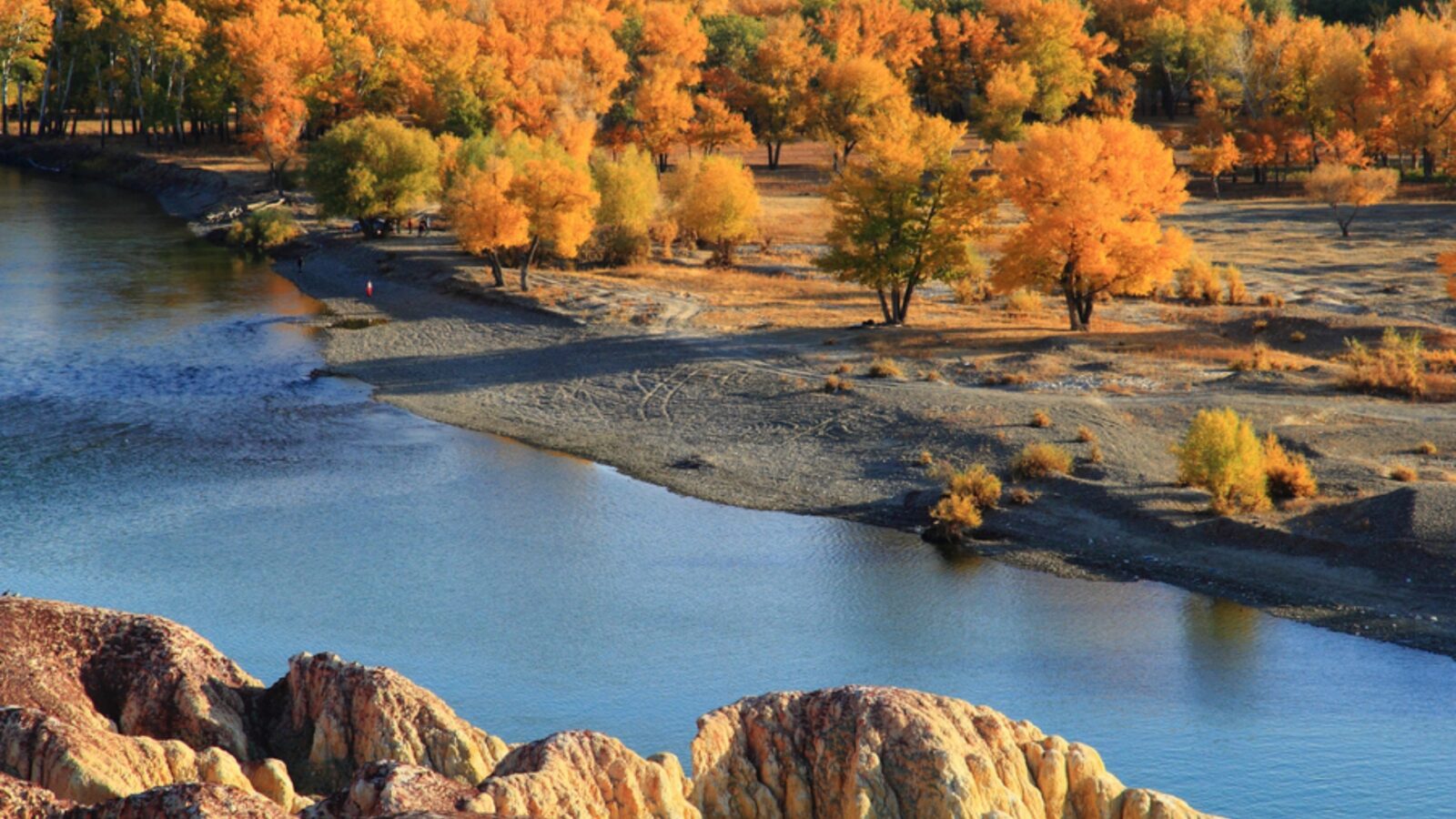
Protected areas thread through these sub-regions. Gobi Gurvan Saixan National Park in Mongolia spans roughly 27,000 km² and is one of the largest contiguous snow leopard habitats on Earth. In China, the Ulansuhai Nur Nature Reserve protects the second-largest lake in Inner Mongolia, a critical stopover for Baer's pochard. Ikh Nartiin Chuluu Nature Reserve (Mongolia) preserves rocky outcrops and canyon terrain, while Zagiin Us (Mongolia) and Damoaqi Important Bird Area (China) round out the conservation network along the Mongolia–China border.
Wildlife and Conservation
The Gobi Desert
The Gobi's extreme climate supports a surprising variety of species, many of them globally threatened. The snow leopard — the region's most iconic resident — inhabits the mountain ridges of Gobi Gurvan Saixan National Park. The critically endangered Baer's pochard relies on the wetlands of Ulansuhai Nur in China, while raptors such as Pallas's fish-eagle and Saker falcon patrol the open skies above the steppe. Herds of goitered gazelle and argali wild sheep still move across the gravel plains, and the Asiatic wild ass persists in pockets of Mongolia's eastern Gobi.
- Snow leopard: Gobi Gurvan Saixan National Park, Mongolia; endangered
- Baer's pochard: Ulansuhai Nur Nature Reserve, China; critically endangered
- Pallas's fish-eagle and Saker falcon: Raptors of the Gobi steppe and cliff habitats
- Great bustard and relict gull: Wetland and open-steppe bird species
- Goitered gazelle and argali: Signature large mammals of the gravel and rocky plains
- Asiatic wild ass: Persists in eastern Gobi protected areas in Mongolia
- Vegetation: Stipa and Festuca grasses on the steppe; onion grass, sage, fringed sagewort, caragana and Gobi apricot in the desert zone
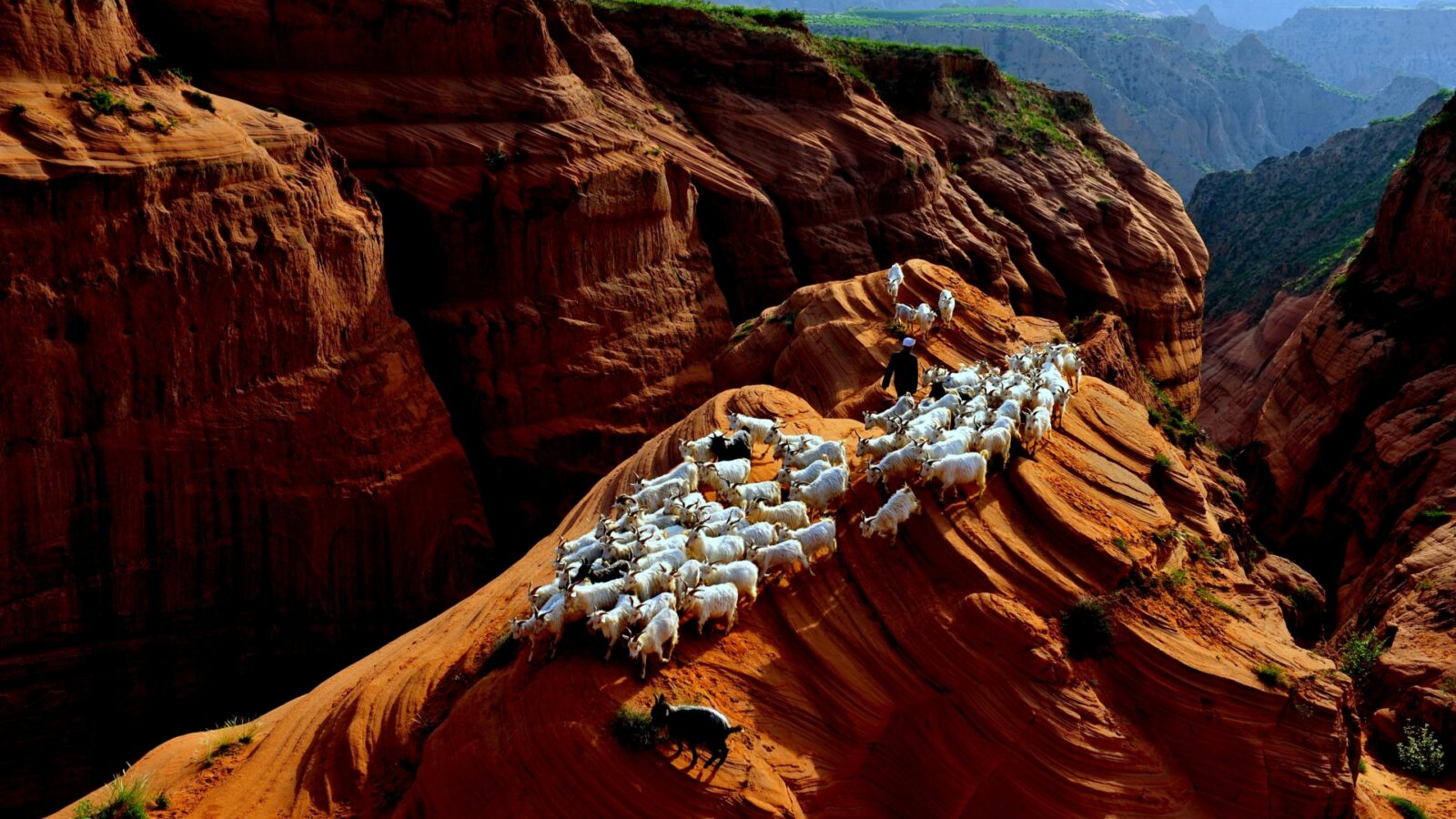
Vegetation across the desert steppe is sparse but functional — Stipa and Festuca grasses carpet the steppe belt, while hardier species such as onion grass, sage and Gobi apricot survive in the arid interior. Conservation challenges are serious. Overgrazing by nomadic livestock and advancing desertification put pressure on the Damoaqi Important Bird Area, which is reportedly about 85% degraded grassland. Illegal wildlife trade across the Mongolia–China border threatens several flagship species. Overall human population density across the Gobi is very low, roughly 0.02 inhabitant per hectare, and nomadic pastoralism remains the dominant way of life for those who live here.
Visiting the Gobi and Nearby Tourist Deserts
For foreign travellers, the Mongolian side of the Gobi is the most accessible entry point. The Gobi Desert is typically reached by flying from Ulaanbaatar to Dalanzadgad, which puts visitors within striking distance of Gobi Gurvan Saixan and the classic dune and canyon landscapes of the southern Gobi. On the Chinese side, the Badain Jaran Desert is the main tourist destination, accessible from Alxa League by 4WD — usually a 6–8-hour drive from the regional capital. The western Gobi traveller can also look toward Alxa and the Alashan Plateau for quieter, less-visited terrain.
The Great Wall corridor along the southern Gobi fringe — particularly around Yulin and Yinchuan — offers a different angle, combining desert scenery with historic fortifications. One practical note for international visitors: English-language services are limited on both sides of the border. On the Mongolian side, several established tour operators run multi-day Gobi expeditions. In China, the Badain Jaran and Alxa areas are best arranged through international booking platforms such as Trip.com, Klook, or TripAdvisor partners, rather than Chinese-only apps like Meituan or Dianping. Typical guided Gobi tour packages run about $90–160 (¥640–1,140) per person per day on the Mongolian side, and $70–130 (¥500–920) per person per day for multi-day Badain Jaran tours in China.
Frequently Asked Questions
Q: What desert is located in northern China and southern Mongolia?
The Gobi Desert. It occupies southern Mongolia and a wide belt of northern China — including the Inner Mongolian Plateau, northern Gansu and the eastern fringe of Xinjiang. With roughly 1,295,000 km², it ranks among the largest deserts in Asia.
Q: Is the Gobi Desert in China or Mongolia?
Both. The Gobi straddles the two countries, with the larger share by area in Mongolia but significant eastern and southern stretches inside China, including the Badain Jaran region.
Q: How large is the Gobi Desert?
Approximately 1,295,000 km². It runs roughly 1,500 km west to east and about 800 km north to south, placing it among Asia's largest desert regions.
Q: Is the Gobi Desert hot or cold?
It is a cold desert (Köppen BWk). Average annual temperature is about 3.7 °C, with summer peaks around 31.5 °C and winter lows near −23.2 °C. Annual precipitation averages roughly 187.5 mm.
Q: What countries does the Gobi Desert cover?
Primarily Mongolia and China. Small extensions of the broader Gobi–steppe belt reach toward Kazakhstan in the far west and the Russian Siberian border in the north-east, but the core desert is split between those two countries.
Q: Is Badain Jaran Desert part of the Gobi?
Yes. Badain Jaran lies in the Alxa (Alashan) area of Inner Mongolia, China. Administratively it is a Chinese national desert park, but geologically it belongs to the Gobi system — known for some of the world's tallest stationary dunes (up to ~500 m) and its spring-fed lakes between dune ridges.
Q: What animals live in the Gobi Desert?
Flagship species include the snow leopard, Baer's pochard, Pallas's fish-eagle, Saker falcon, great bustard, goitered gazelle, argali and Asiatic wild ass. Vegetation such as Stipa, Festuca, sage, onion grass and Gobi apricot forms the base of this ecosystem.
Q: Can tourists visit the Gobi Desert?
Yes. The Mongolian Gobi side is the most accessible for foreign travellers, reached by domestic flight from Ulaanbaatar to Dalanzadgad. On the Chinese side, the Badain Jaran Desert (Alxa, Inner Mongolia) is the main visitor destination, reachable via Alxa League. English-language services are limited; most foreign visitors book through Trip.com, Klook, or TripAdvisor partners.