Wangjianglou Park
Wangjianglou Park sits quietly along the river near Sichuan University, surrounded by thick bamboo groves. Walking in, you immediately notice the mix of locals doing morning tai chi, students rushing past, and the faint smell of tea from nearby riverside tea houses. The old bamboo tower rises above the paths, a familiar landmark that feels surprisingly calm despite the occasional tourist group. Curious to explore more of Chengdu’s hidden parks and serene riverside spots? Check out this guide to Chengdu’s CY Park for another peaceful retreat. Tickets cost around ¥80-100, and you can usually grab them on Ctrip without much hassle. It’s the kind of place where wandering slowly makes sense—skip it, and you’d probably miss Chengdu’s quieter side.
Wangjianglou Park Quick Facts
| 🏮 Chinese Name | 望江楼公园 (Wangjianglou Park) |
| 📍 Address | East bank of Jinjiang River, near Sichuan University, Chengdu city center |
| 🚇 Nearest Metro | Line 4 – Sichuan University Station, about 5–10 min walk from main entrance |
| 🕒 Opening Hours | 7:00 AM – 6:30 PM, may vary slightly in winter or on holidays |
| 🎟 Entrance Fee | Around ¥80-100; tickets available on Ctrip or at the gate |
| 🚋 Bus Options | Bus lines 25, 35, 43 stop nearby; walking from local hotels is convenient |
| 🌆 Best Time to Visit | Early morning or late afternoon for soft sunlight and quieter paths |
| ⏱️ Average Visit Duration | Roughly 1.5–2 hours to explore bamboo paths, tower, memorials, and tea houses |
| 📸 Popular For | Bamboo forest photography, riverside views, traditional architecture |
| 📌 Nearby Spots | Sichuan University, Jinjiang River promenade, local tea houses and cafes |
History & Cultural Significance of Wangjianglou Park
-

- Origins of the Bamboo Tower
-
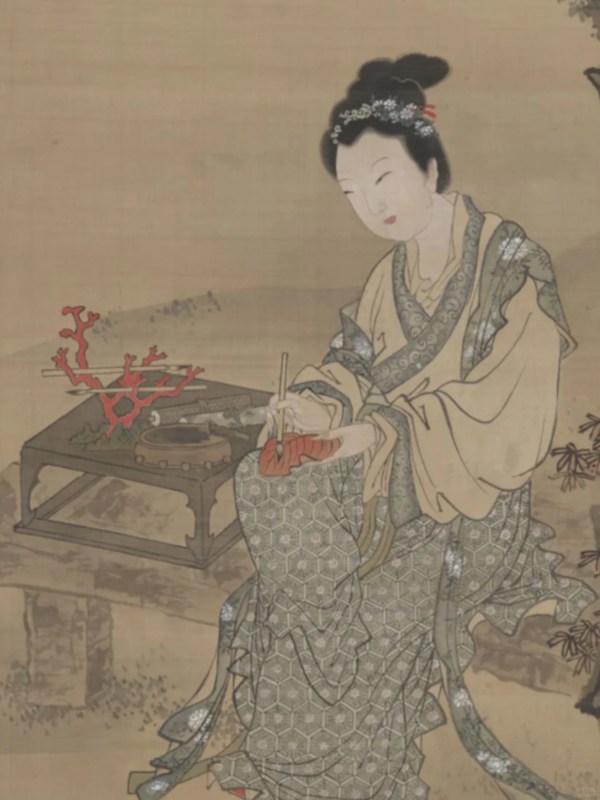
- The Poetess Xuetao
-
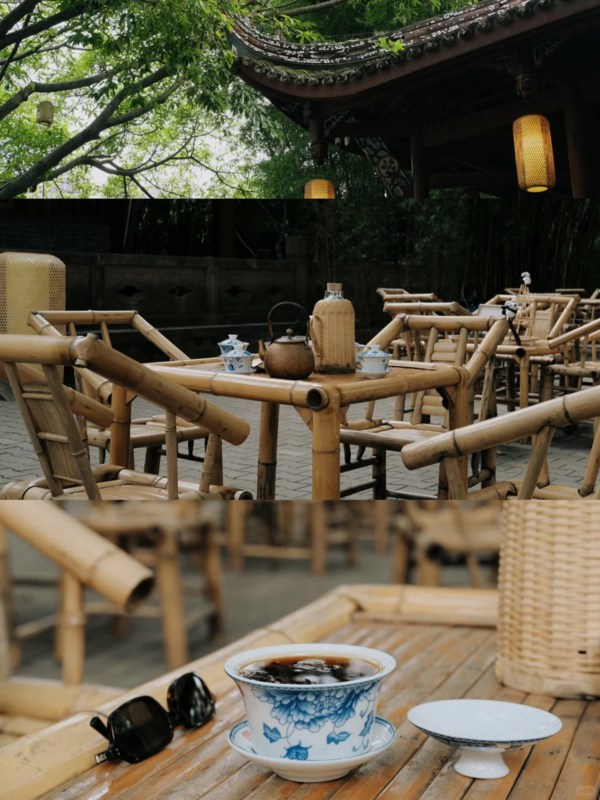
- Tea Culture in Wangjianglou
Origins of the Bamboo Tower
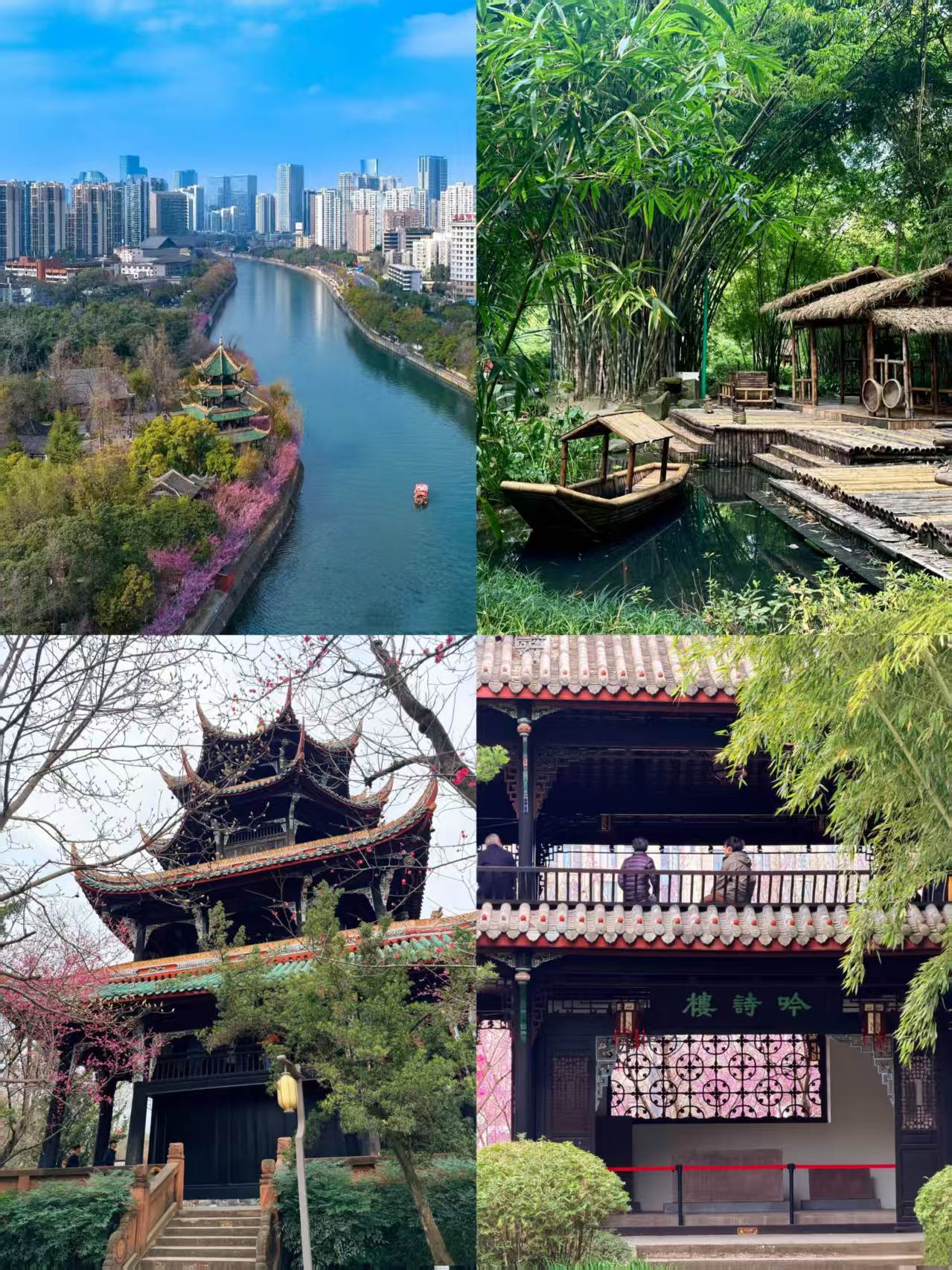
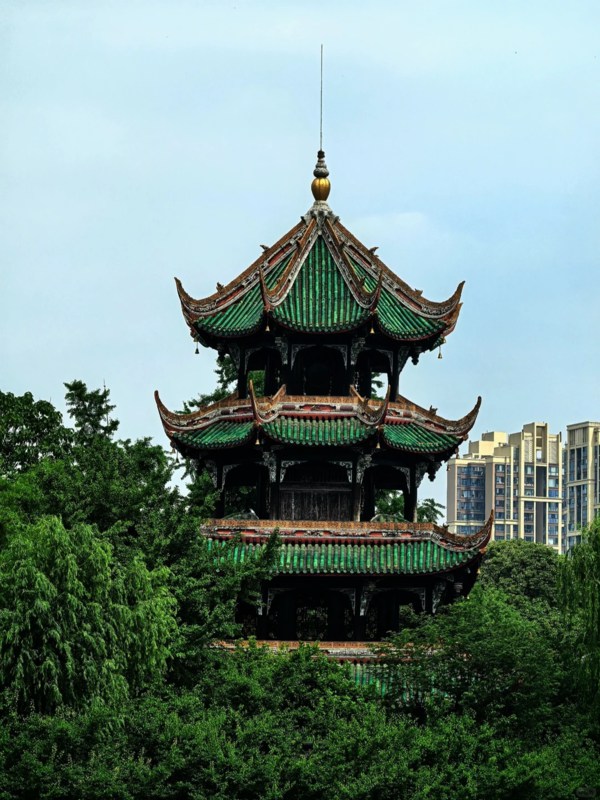
Wangjianglou Park’s bamboo tower was originally built during the Tang Dynasty, though the current structure has been rebuilt several times over the centuries. The tower stands about three stories high, with sloping eaves and traditional wooden beams that blend seamlessly with the surrounding bamboo groves. Walking up the narrow staircase, you get a sense of how carefully it was constructed to withstand both weather and time.
From the top, the view stretches over dense bamboo paths and the shimmering Jinjiang River, creating a surprisingly serene panorama in the middle of bustling Chengdu. Locals often say that the bamboo itself is part of the tower’s charm—its tall stalks sway in the wind, adding movement and sound that almost feels like the park is breathing. The tower wasn’t just ornamental; it historically served as a scenic lookout and a cultural hub for poets and scholars who visited the riverside to write and reflect. Visiting now, you can almost hear faint echoes of old footsteps and scrolls rustling in the breeze. Wangjianglou park’s bamboo tower remains a visual and cultural anchor for anyone exploring the area.
Famous Poets and Legends
One of the most famous figures tied to Wangjianglou Park is the poetess Xue Tao. She lived during the Tang Dynasty and was known for her refined poetry and her role in cultural salons along the river. Legend has it that she used bamboo slips to write her verses, and the bamboo groves around the park inspired many of her works. Walking through the park, you’ll notice small plaques quoting her poems, giving a sense of the literary history that still lingers. Visitors often pause to read, imagining what life along the riverside was like for Xue Tao and her contemporaries, making the park feel more like a living story than just a historic site.
Local Cultural Traditions
Wangjianglou Park is closely tied to bamboo and tea culture. Locals maintain traditional bamboo weaving crafts, and small riverside tea houses let visitors experience brewing tea in a slow, methodical way. During festivals, the park sometimes hosts bamboo-related exhibitions or tea-tasting events, giving a hands-on glimpse into centuries-old traditions.
Walking along the paths, you might see people tying bamboo charms or sampling local bamboo leaf tea. These activities make the park feel alive, connecting modern visitors with Chengdu’s cultural roots while offering small interactive experiences. Even a brief visit provides a taste of local customs beyond the visual scenery.
Highlights & Must-See Spots in Wangjianglou Park
Wangjiang Tower & Viewing Platforms
Iconic Landmark: Wangjiang Tower stands as the highlight of Wangjianglou Park. From its elevated position, visitors enjoy expansive views of the park and the Jinjiang River. The tower’s presence defines the skyline and gives a sense of place to the park.
Climb Experience: The wooden staircase ascends gradually, allowing glimpses of the bamboo canopy spreading in all directions. Walking up, the scenery unfolds step by step, making the climb feel immersive rather than rushed.
Best Lighting: Late afternoon brings golden sunlight that casts long shadows over the walking paths, ideal for photography. Some visitors prefer early morning when mist hovers over the river. This time offers a serene, reflective atmosphere and fewer people, enhancing the experience of calm among bamboo and historical architecture.
Platform Tips: The viewing platforms are relatively small, so planning your visit outside peak hours helps avoid crowds. From these platforms, you can also glimpse nearby sights like Sichuan University and riverside walkways, blending urban and natural landscapes.
Visitor Impressions: TripAdvisor reviewers consistently praise the climb. They highlight the combination of bamboo canopy, river views, and the gradual reveal of the scenery as making the effort worthwhile. The vantage points provide a cinematic feel of Chengdu, mixing tranquility with subtle urban charm.
Bamboo Forest Trails & Photography Spots
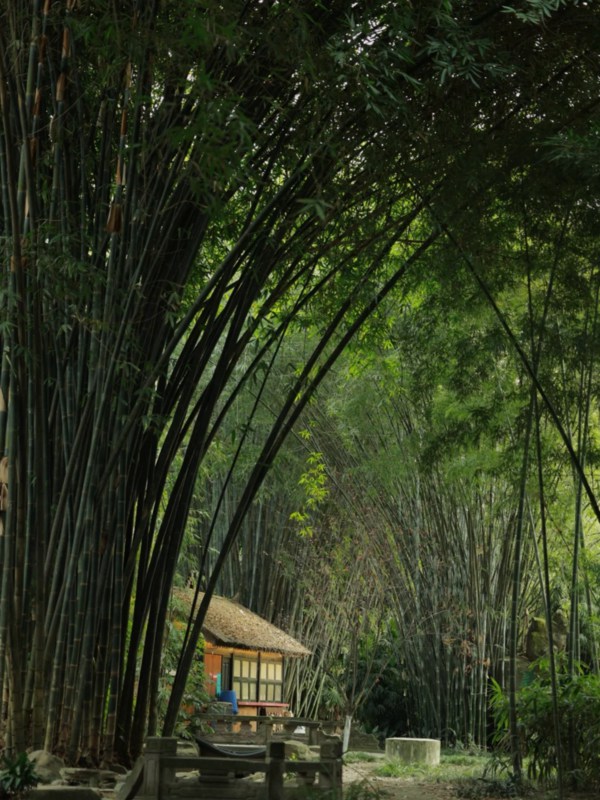
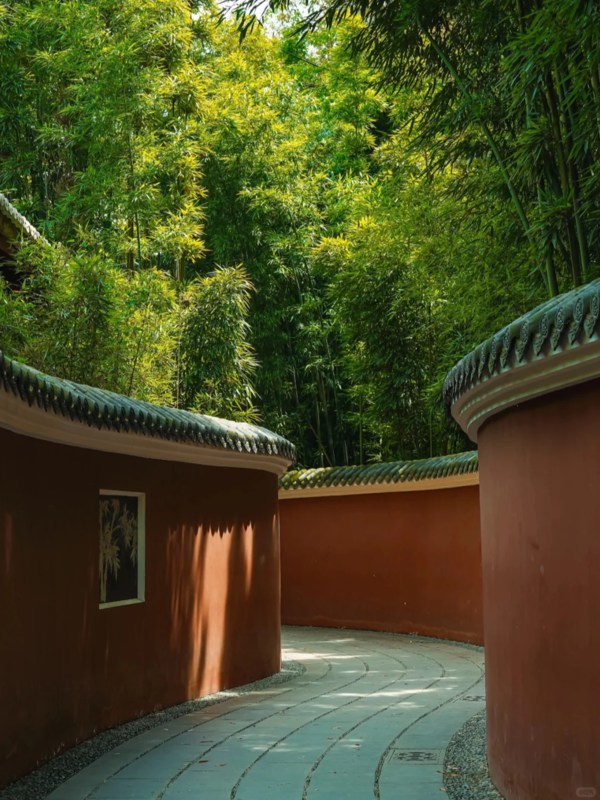
Trail Overview: Wangjianglou Park features thick yet well-kept bamboo trails. They meander through small hills and run along the river, offering a variety of perspectives as you walk. Seasonal changes enhance the scenery: bright green leaves in spring and summer, golden tones in autumn contrasting with the deep brown trunks.
Sensory Experience: Walking along these paths, you can hear bamboo stalks creaking in the wind and leaves rustling underfoot. There’s no soundtrack added—just the natural sounds, which make the experience feel immersive and authentic.
Photography Opportunities: Many visitors, especially photographers, head to small wooden bridges or riverside corners. Reflections on the water framed by bamboo make for striking photos. Some carry tripods, but handheld shots also capture impressive depth and height.
Local Life Integration: Locals often use these trails for morning walks, adding life and movement to the scene. Benches along the paths allow brief rests while savoring sunlight filtering through the foliage, highlighting the shapes and textures of the bamboo.
Visitor Suitability: The trails are accessible and relaxing, making it easy for all kinds of visitors to enjoy the natural beauty. Amateur photographers and casual walkers alike can experience tranquility without much effort, capturing both scenery and the subtle rhythm of daily park life.
Xue Tao Memorial & Cultural Corners
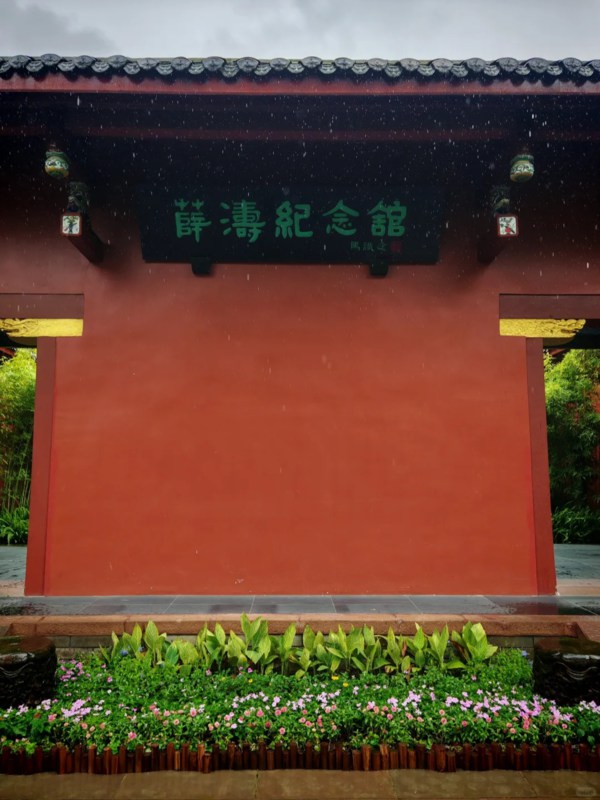
Xue Tao Memorial Overview: On one side of the park lies the Xue Tao Memorial, offering a serene contrast to the bustling tower and bamboo trails. It honors Xue Tao, a Tang Dynasty poetess, through small exhibits, stone plates, and bamboo-decorated corners, creating a peaceful retreat for reflection.
Poetry and Calligraphy Displays: Visitors can read her verses displayed on calligraphy panels and ink-stone replicas. Bamboo leaves are thoughtfully integrated, almost like natural bookmarks along the paths. Tourists often pause to photograph inscriptions illuminated by sunlight filtering through nearby bamboo.
Traditional Craft Demonstrations: Other corners of the park feature local artisans practicing bamboo weaving and paper-making. These cultural corners feel cozy and intimate, encouraging visitors to slow their pace and appreciate the craftsmanship.
Cultural Immersion: Wandering through these areas allows visitors to explore Chengdu’s literary and craft history. The combination of poetry, calligraphy, and traditional crafts provides context that enriches the overall park experience.
Riverside Paths & Tea Houses
Gentle Riverside Walks: Along the edge of Wangjianglou Park, riverside paths offer a flat, easy walk suitable for visitors of all ages. The trail follows the Jinjiang River, giving continuous views of bamboo clusters and calm waters.
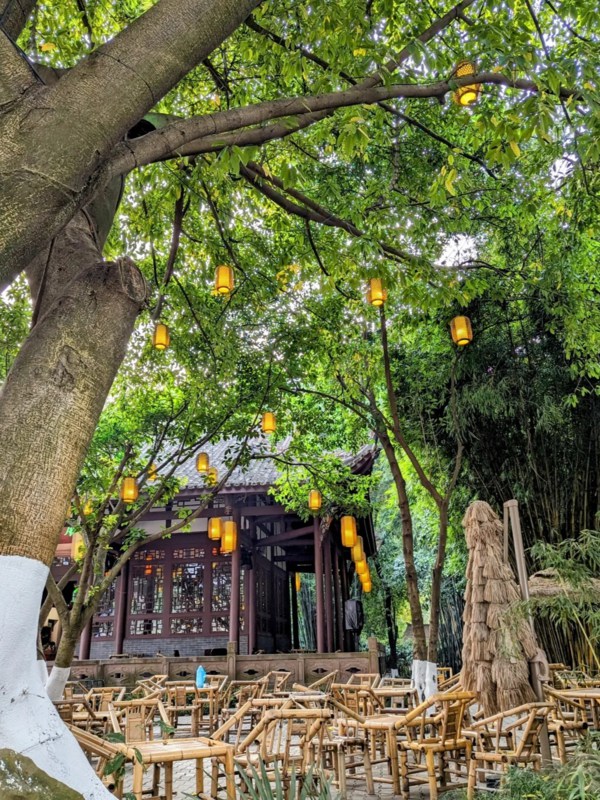
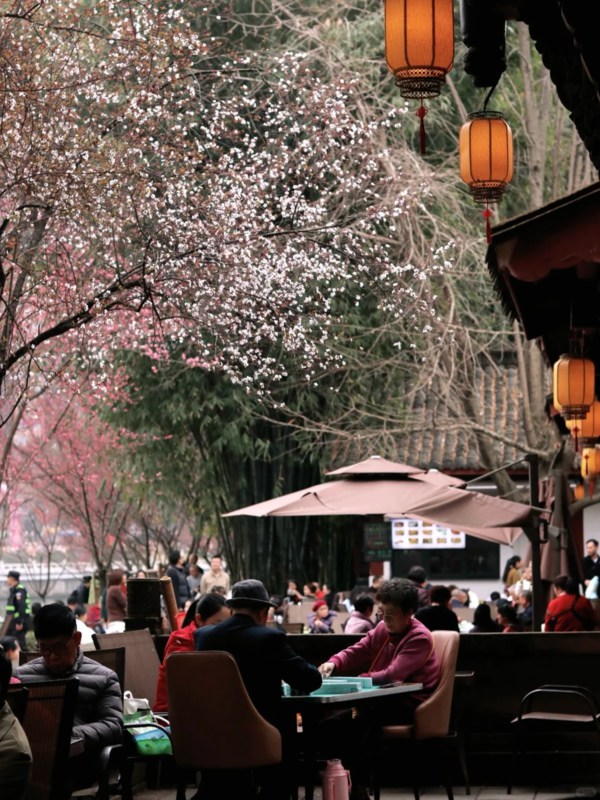
Tea Houses by the River: Small tea houses punctuate the riverbank, serving bamboo leaf tea or jasmine blends in delicate porcelain cups. The soft clink of cups against wooden tables adds to the park’s ambient charm.
Local Activities: Mornings bring locals practicing tai chi, while afternoons see couples strolling slowly, sipping tea, and watching sunlight shimmer on the water. The rhythms of daily life create an immersive, lived-in feel along the riverside.
Resting and Senses: Wooden benches under tall bamboo provide spots for pauses. The faint aroma of tea mingling with damp earth after rain enriches the sensory experience. Photography opportunities abound with reflections of bamboo and bridges captured in soft, diffused light.
- Hands-On Cultural Experiences: Some tea houses offer brewing sessions or small tasting events, allowing visitors to participate actively. This blends natural beauty with local culture, making the riverside area one of the most relaxed and immersive spots in Wangjianglou Park.
Experiences, Activities & Local Tips
-
- Best Time to Visit Wangjianglou
-
- Local Life Scenes
-
- Tea Tasting
Best Time to Visit & Seasonal Highlights
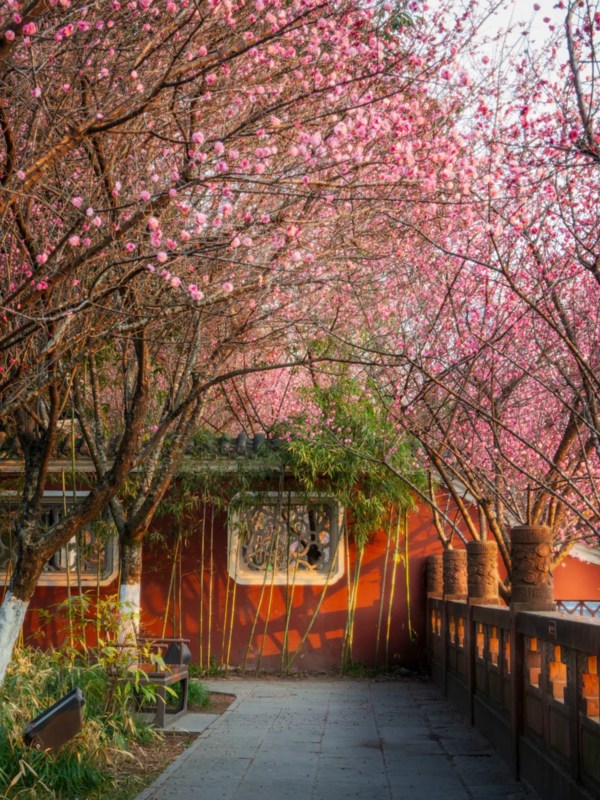
The ideal seasons to visit Wangjianglou Park are spring and fall. During these seasons, bamboo leaves are at their most vibrant. In spring, bright green leaves are softly illuminated by morning sunlight. This creates a gentle, ethereal quality along the paved park walkways. In autumn, the park fills with gold and amber hues. Sunlight passing through bamboo casts interesting shadows on the walkways. Want to plan your visit around the best weather and seasonal highlights in Chengdu? Learn more here.
Visiting close to sunrise or just before sunset helps avoid crowds. These times create a more peaceful experience in Wangjianglou Park. Photographers enjoy sunrise and sunset for soft light and bamboo reflections. The river mirrors the bamboo, creating stunning photographic opportunities. Winter mornings can be very cold but peaceful in the park. Mist often rises from the Jinjiang River, adding atmospheric depth. Visiting at these times enhances both sightseeing and photography experiences. You will gain more than just a simple stroll through the park.
Morning Tai Chi & Local Life Scenes
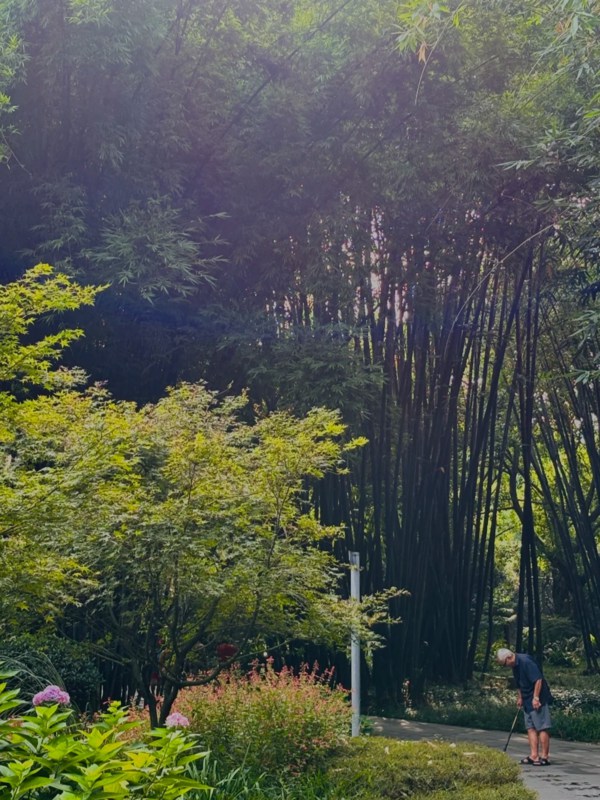
Wangjianglou Park has a lot of gentle activity in the mornings. The local residents are practicing tai chi with very slow, measured movements. Their steady pace is often combined with the sound of bamboo swaying in the barries as a light wind blows. Birds song is blended with the leaves rattling in the gentle wind and footsteps from those walking on the pathways providing all of these elements create a very soft, calming soundtrack.
Many visitors will stop to either watch or join in to a few sets of the tai chi movements, which adds an additional layer of cultural interaction to their time spent at Wangjianglou Park. The students and office workers who are on their way to their respective campuses or jobs, provide an insight into what Chengdu residents do in their daily life.
The benches that line each pedestrian path provide a place to stop, sip some tea and enjoy the rhythm of the park in the morning. Wangjianglou Park, at the start of the day, gives you both an idea of how local people live their daily life and creates a somewhat meditative experience, unlike the crowded tourist spots later in the day.
Tea Tasting & Cultural Interaction
Wangjianglou Park’s riverside tea houses offer more than just a seat—they provide a taste of local culture. Visitors can try traditional bamboo leaf tea, jasmine, or oolong served in small porcelain cups. Some tea houses even let guests participate in brewing, stirring, and tasting under the guidance of a tea master. One visitor on TripAdvisor mentioned spending half an hour learning to pour without spilling, laughing along with the host while understanding the rhythm and etiquette behind each gesture.
The aroma of brewed leaves mingles with the subtle scent of damp bamboo, creating a sensory experience unique to this park. Sitting at a riverside table, watching locals pass by or students tossing leaves into the water, makes the tea experience feel authentic rather than staged. Wangjianglou park blends natural beauty with cultural engagement, letting visitors leave with both memories and small, tangible skills in local tea traditions.
Planning Your Visit: Tips & Nearby Attractions
-
- Jinli Ancient Street
-

- Chunxi Road
How Long to Spend & Suggested Itinerary
Most visitors spend about 1.5–2 hours exploring Wangjianglou Park if focusing on the bamboo tower, trails, and memorials. For a half-day visit, start early with a walk along the bamboo trails, climb the Wangjiang Tower around mid-morning for clear light and fewer crowds, then pause at a tea house by the river before leaving. If planning a full day, combine the park visit with a slow riverside walk and lunch at a nearby café, then return in the late afternoon for photography when sunlight filters through the bamboo.
Weekdays are generally quieter, and mornings provide the most immersive local life experience. Planning around these timing tips ensures a relaxed experience, letting you enjoy both the natural beauty and cultural features without rushing through the park.
Nearby Attractions & Food Streets
Proximity to Chengdu Highlights: Wangjianglou Park is just a short walk or metro ride from key spots such as Sichuan University and the riverside promenade. This makes it easy to combine natural scenery with urban exploration.
Local Tea Houses: Scattered around the park and nearby streets, small tea houses offer a quiet break, serving traditional teas in cozy, bamboo-decorated interiors. They also provide a glimpse of daily local life.
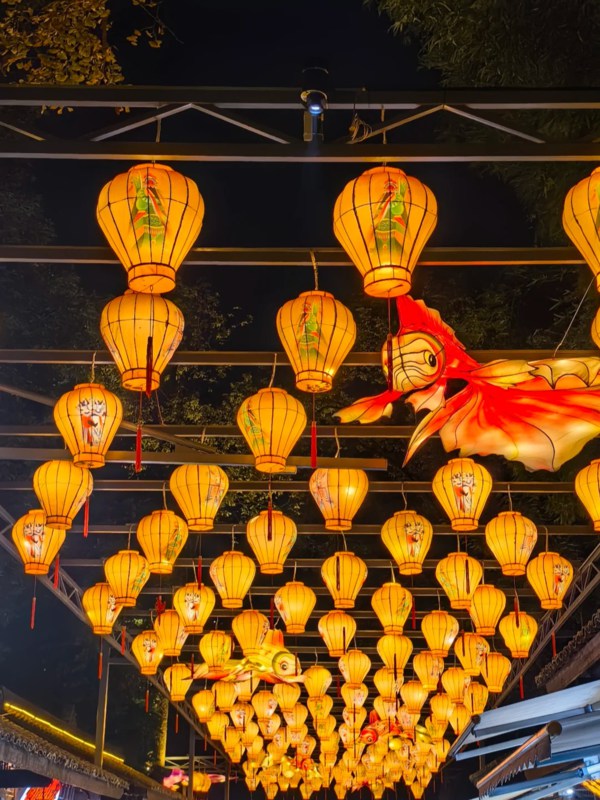
Food Streets Nearby: Jinli Street and Chunxi Road are within reach for food enthusiasts. Visitors can sample spicy Sichuan noodles, dumplings, and street-style hotpot. Evening strolls along these streets reveal lively atmospheres perfect for photos and casual dining.
Cultural Stops: Baoguang Temple and Anshun Bridge are nearby, offering historical context and additional photography opportunities. These spots complement the park visit, letting travelers mix nature, history, and architecture in one itinerary.
Suggested Route: Many tourists start at Wangjianglou Park, wander through bamboo trails, pause at memorial corners, and finish with a meal at a nearby food street. Local cafés and small shops along the way provide convenient breaks, making this route comfortable and engaging for travelers of all ages.
FAQ About Wangjianglou Park
Q: Where is the Bamboo Tower in Chengdu?
The Bamboo Tower stands at the heart of Wangjianglou Park, on the east bank of the Jinjiang River, near Sichuan University. It’s easily recognizable from outside due to its traditional wooden structure and surrounding bamboo groves. Walking from the main entrance, it takes about 5–10 minutes along winding paths. The area is surrounded by riverside trails and small tea houses, making it simple to combine with a stroll or photography session. Locals often point it out as a must-see landmark in the park.
Q: What is the entrance fee and opening hours?
Entry to Wangjianglou Park costs around ¥80–100, with tickets available at the gate or on Ctrip. The park opens from 7:00 AM to 6:30 PM, though hours may vary slightly in winter or during public holidays. Visitors should note that the Bamboo Tower may have limited access during maintenance periods. Buying tickets in advance online can save time and ensure you visit during less crowded periods, especially on weekends.
Q: How do I get there by public transport?
To reach Wangjianglou Park, take Chengdu Metro Line 4 to Sichuan University Station, then walk 5–10 minutes along the riverside paths. Several buses also stop nearby, including lines 25, 35, and 43. If coming from central Chengdu, walking from nearby hotels or campuses is feasible. Avoid peak commute hours if possible, as foot traffic near the university can be heavy. Most navigation apps provide reliable directions with estimated walking times.
Q: Is Wangjianglou Park suitable for photography?
Absolutely. The park’s bamboo forests, wooden bridges, and riverside reflections make for excellent photo opportunities. Early morning and late afternoon offer soft light that highlights bamboo patterns and tower architecture. Popular spots include the Bamboo Tower platforms, riverside paths, and small wooden bridges. Many TripAdvisor reviewers praise the natural light and depth created by tall bamboo stalks. Even handheld shots can capture the serene atmosphere, though a tripod enhances long-exposure shots along the river.
Q: When is the best time to visit the bamboo forest?
Spring and autumn are the most visually striking. Spring brings fresh, bright green leaves, while autumn casts golden hues through the bamboo. Mornings are quieter, with mist sometimes rising off the Jinjiang River, adding a dreamlike effect. Avoid weekends if possible, as locals often come for tai chi or walks. Photographers appreciate the changing light and subtle shadows, which make the bamboo forest feel immersive and cinematic.
Q: Can I see pandas near Wangjianglou Park?
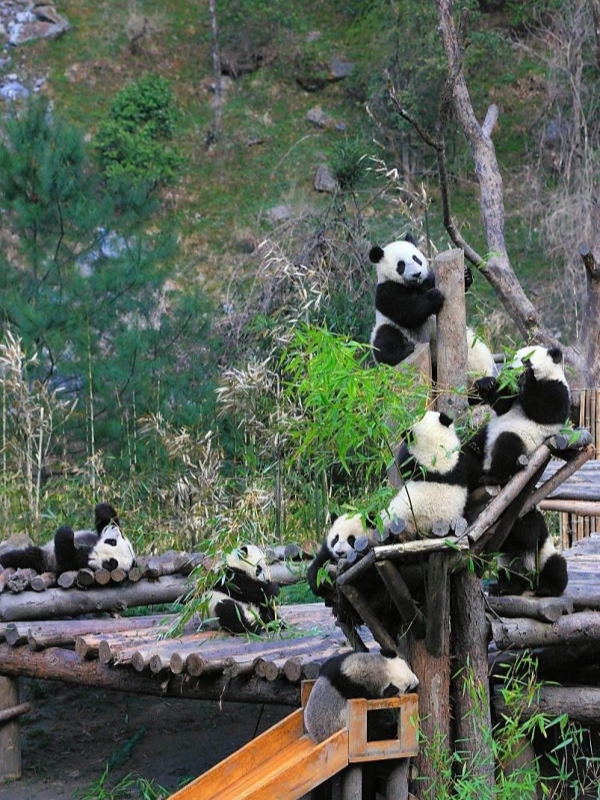
While there are no pandas inside the park, the famous Chengdu Research Base of Giant Panda Breeding is accessible via a 30–40 minute drive or a combination of metro and taxi. Visitors can plan a morning at Wangjianglou Park followed by an afternoon at the panda base. Booking tickets in advance is recommended, especially during holidays, and some tours combine both locations for convenience.
Q: Are there local food and tea experiences inside?
Yes, several riverside tea houses offer traditional bamboo leaf tea and light snacks. Visitors can sample tea, observe brewing demonstrations, or even try pouring themselves under guidance. Small cafés nearby serve local specialties like dumplings and Sichuan noodles. TripAdvisor reviews often highlight these tea houses as intimate and authentic, providing a taste of local culture while resting from park walks.
Q: How long should I spend in the park?
Most visitors spend about 1.5–2 hours covering key attractions: Bamboo Tower, trails, memorial corners, and tea houses. For a more relaxed experience with photography or tea tasting, allow 3–4 hours. Half-day itineraries work well if combining with nearby sites like Sichuan University or Jinli Street. Weekdays and early mornings help maximize your time without feeling rushed.