Chengdu Food Street
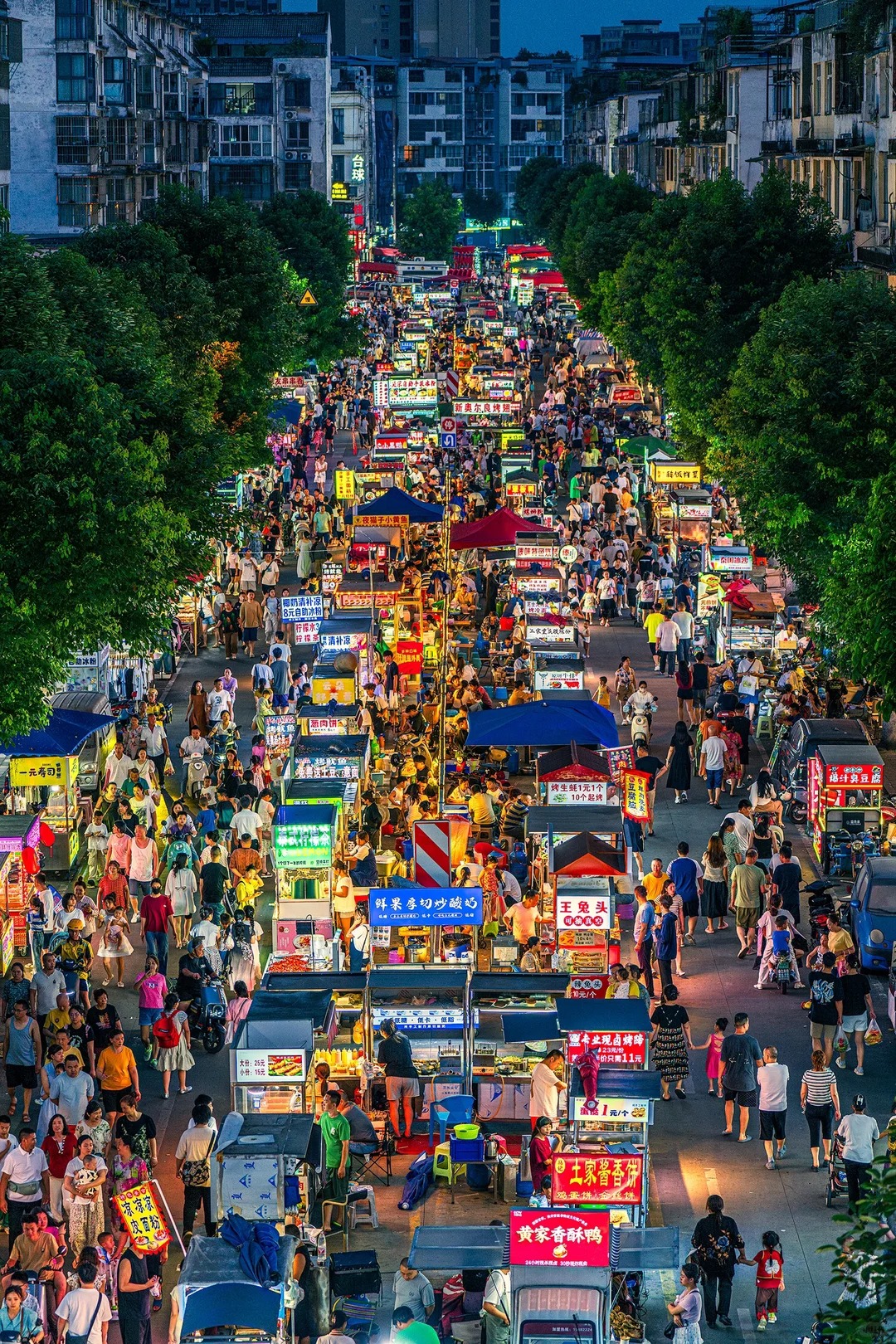
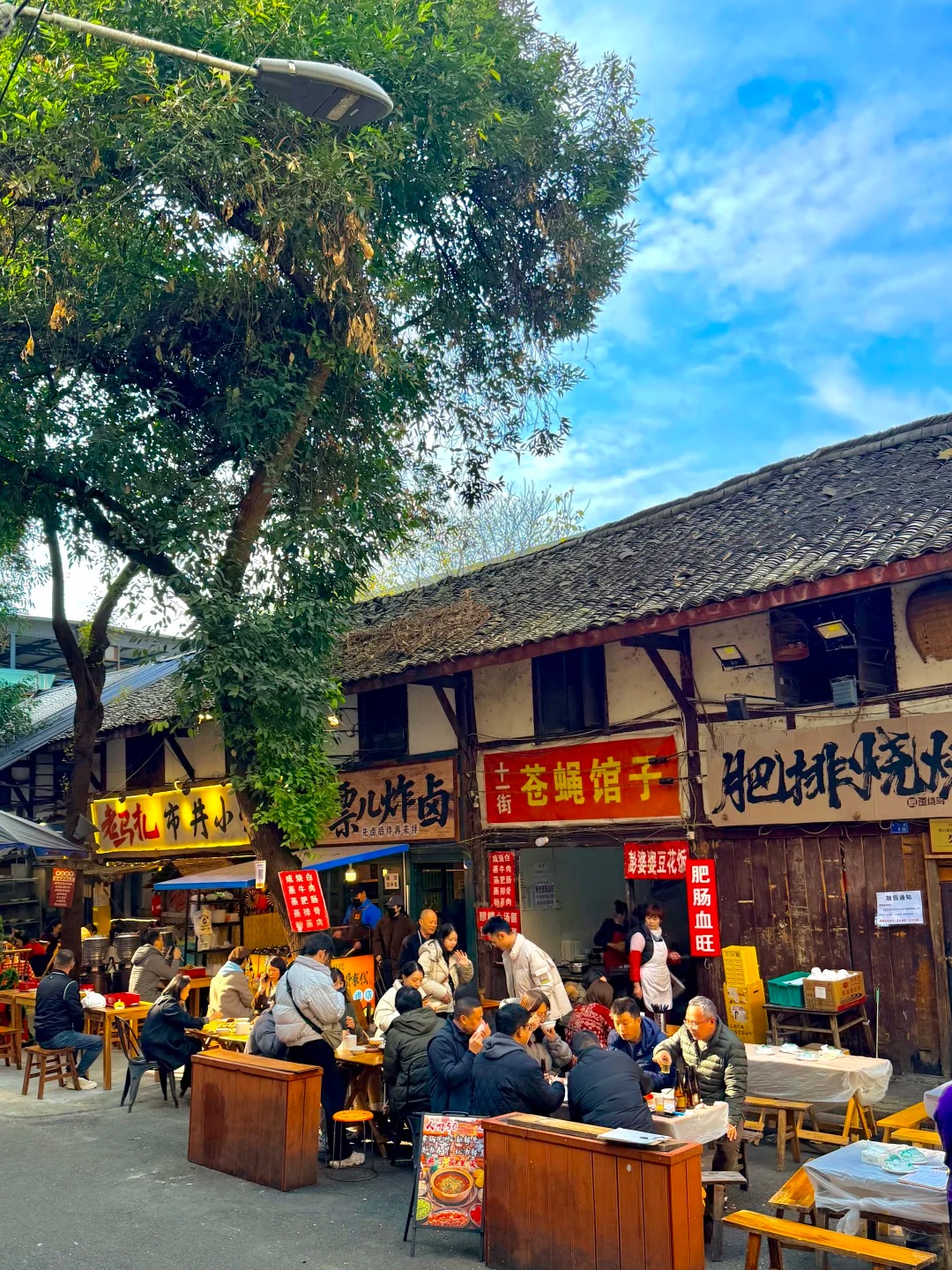
Chengdu food street isn’t just one place, and it doesn’t really work like a typical “food street” either. Around spots like Jinli, Jianshe Road, or even smaller night markets, the setup feels loose—stalls spill into sidewalks, people eat standing, and menus are often just photos or handwritten boards. It can look a bit messy at first, especially if you’re expecting something organized.
What makes it worth it is how easy it is to keep eating without planning. You grab something, walk a few steps, then switch to something completely different. A Chengdu food street works best when you don’t overthink it—just follow the crowd and try what smells good.
Quick Facts about Chengdu Food Streets
| Item | Details |
|---|---|
| Main Food Areas | Jinli Street, Kuanzhai Alley, Jianshe Road, Yulin Night Market, Dongzikou |
| Best Time to Visit | 6:30 PM – 10:30 PM (night atmosphere peaks) |
| Average Cost | $5 – $15 per person for street food tasting |
| Spice Level | Medium to extremely spicy (ask for "less spicy" if needed) |
| Nearest Metro | Chunxi Road, Wenshu Monastery, Huaxiba |
| Must-Try Food | Dandan noodles, Zhong dumplings, skewers, rabbit head |
| Best Photo Spots | Jinli lantern street, Yulin night stalls, Kuanzhai alley courtyards |
| Tourist vs Local | Jinli (touristy), Yulin & Jianshe Road (local vibe) |
| Tripadvisor Insights | Jinli: popular but crowded; Jianshe Road: better authenticity |
| Visit Duration | 2 – 4 hours depending on food stops |
🌙 Nighttime Vibes: While these streets are perfect for a daytime feast, you can experience the city’s electric after-dark energy by exploring the 8 Best Night Markets in Chengdu: From Iconic Jianshe Road to Hidden Gems, Ranked by Food & Vibe (2026).
Streets Most People End Up Visiting
Jinli Street
Jinli Street
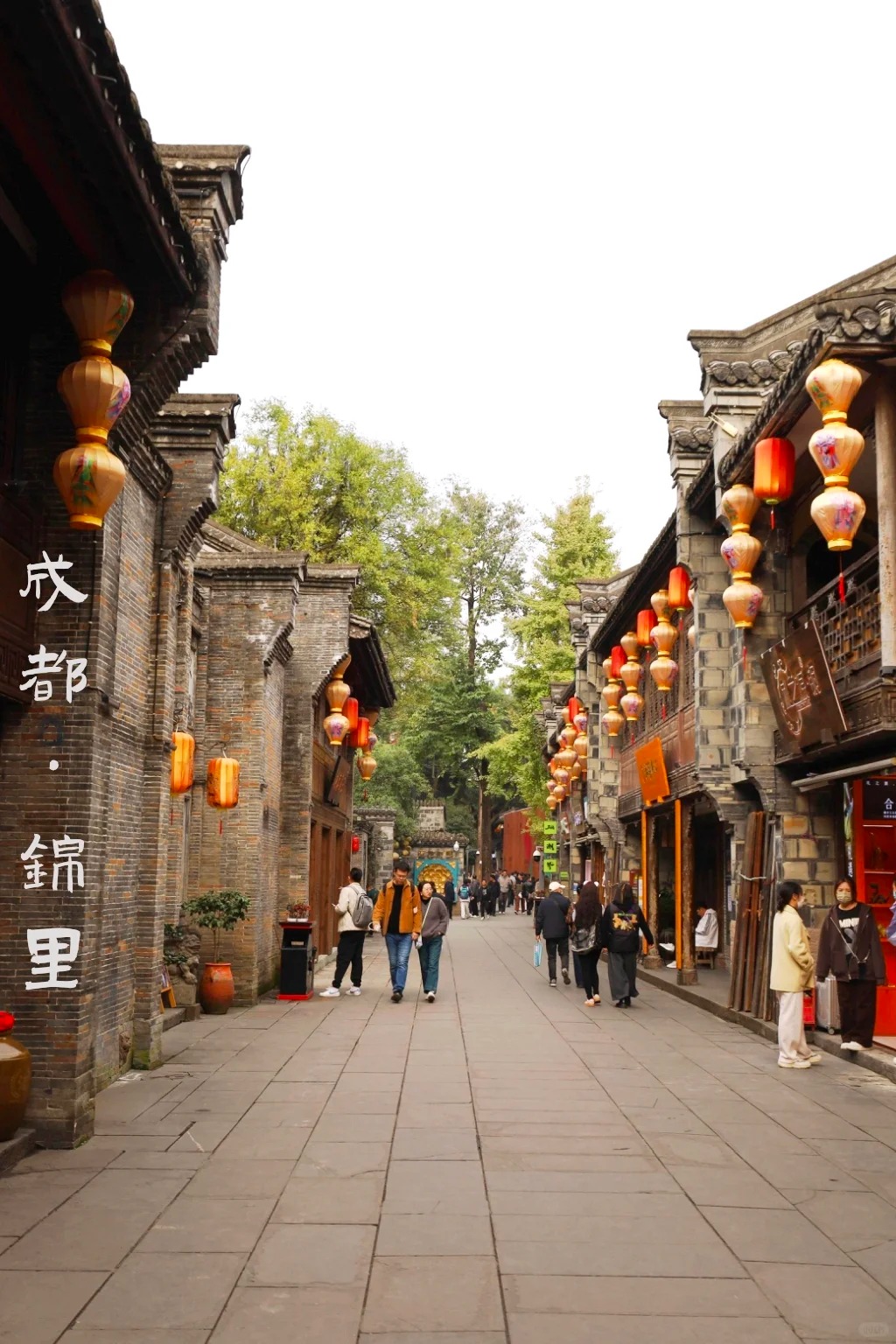
Jinli is usually the first Chengdu food street people visit. It sits right next to Wuhou Shrine, and most drivers will recognize the name immediately. Getting here is easy, which partly explains why it gets crowded so quickly after sunset. The street itself feels organized—almost too organized. Red lanterns hang in rows, shout in rehearsed tones, and everything looks ready for photos.
- Location: Central Chengdu, next to Wuhou Shrine, easy metro + taxi access
- Best For: First-time visitors who want a quick overview without planning
- Taste: Mild to medium spice, slightly adjusted for tourists
- Signature Food: Sugar-coated hawthorn sticks, skewers, Zhong dumplings
The food isn’t bad, but it leans predictable. If you’re trying Chengdu street food for the first time, this place works as a warm-up. Just don’t expect it to represent the strongest flavors in the city.
Jianshe Road
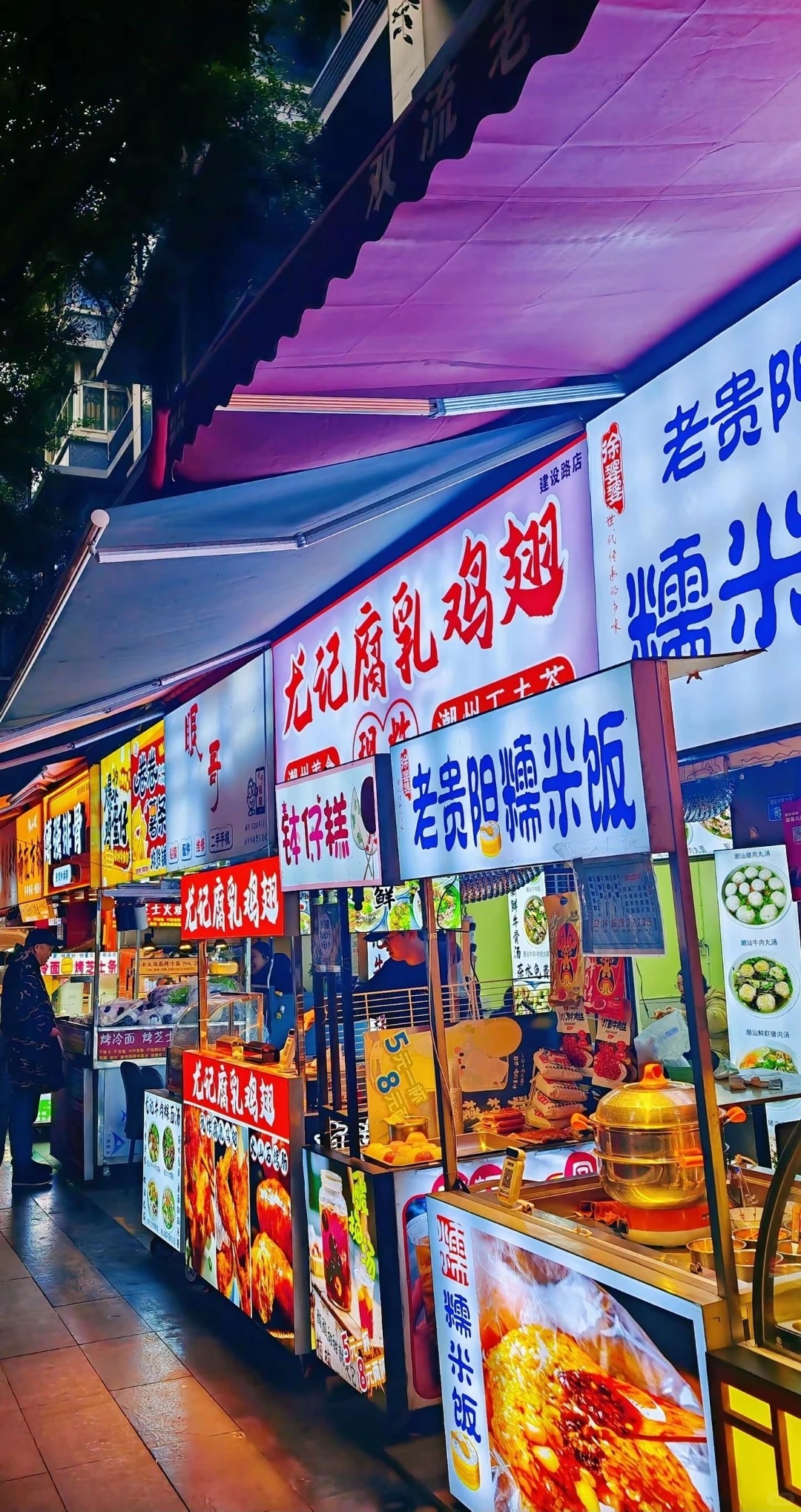
Jianshe Road
Jianshe Road feels like the opposite of Jinli. It’s not designed for tourists, and that shows immediately. The street gets packed, lines form quickly, and people don’t hesitate—they know exactly what they want. This is where a Chengdu food street starts to feel real.
- Location: East Chengdu, near local commercial areas, not central
- Best For: People who care about flavor and don’t mind crowds
- Taste: Strong, oily, spicy—closer to what locals eat daily
- Signature Food: Cold noodles, grilled skewers, fried potatoes with chili
Menus can be confusing here. Some stalls only have Chinese signs, sometimes just a few characters like “冒菜” or “锅巴土豆.” I once pointed at someone else’s order and got something completely different—but it still worked out. That kind of randomness is part of the experience here.
Yulin Night Market
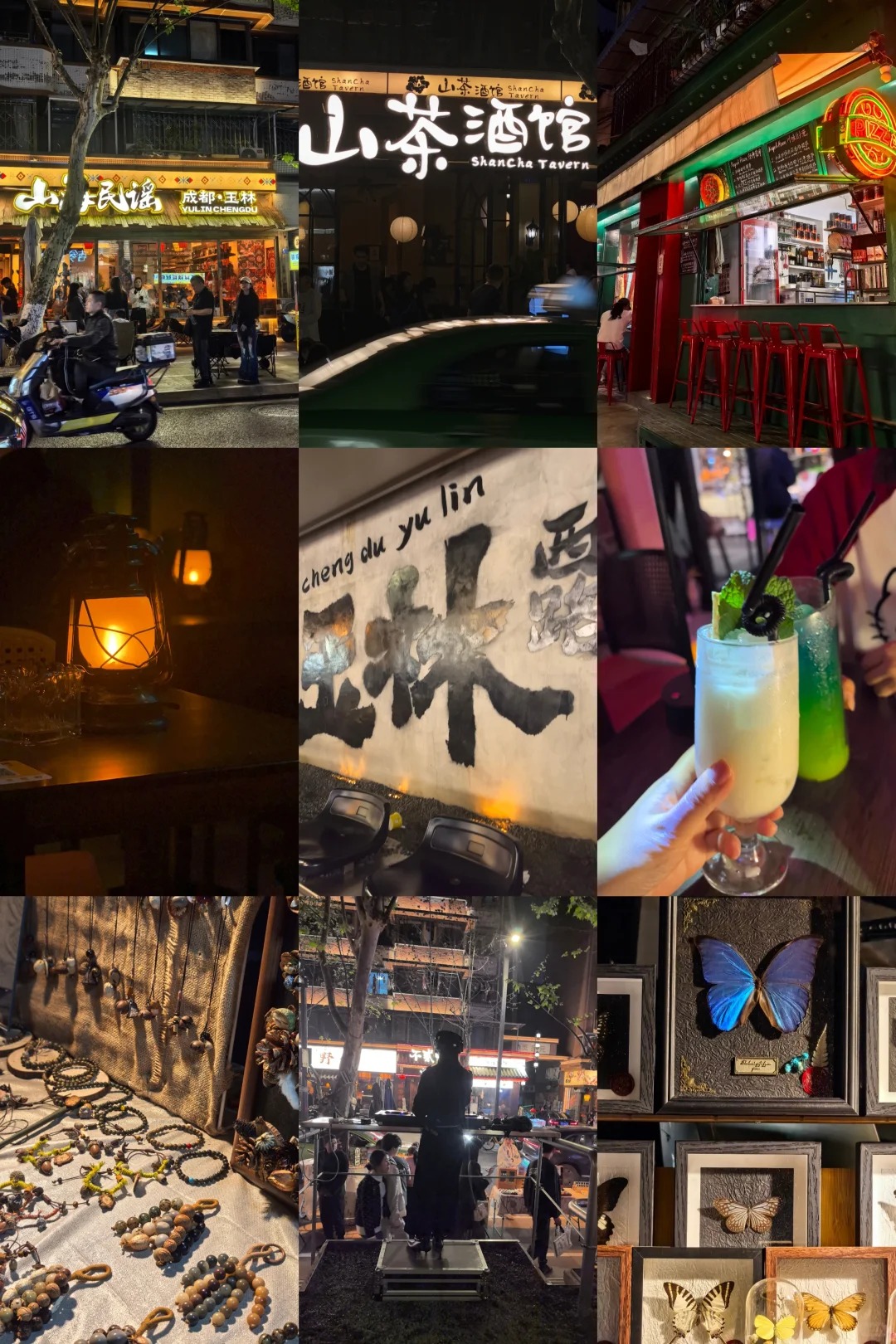
Yulin Night Market
Yulin doesn’t feel like a single street. It’s more like a loose area where food stalls, bars, and late-night cafés blend together. Compared to other Chengdu food street spots, the pace here is slower. People sit longer, talk more, and treat food as part of the night rather than the main event.
- Location: South Chengdu, residential + nightlife mix
- Best For: Evening hangouts, casual eating with drinks
- Taste: Balanced, still spicy but less intense than Jianshe Road
- Signature Food: BBQ skewers, grilled seafood, small hotpot-style dishes
You don’t rush here. You might grab a few skewers, then walk into a small bar, then come back out for something sweet. It’s less structured, but also less stressful.
Kuanzhai Alley
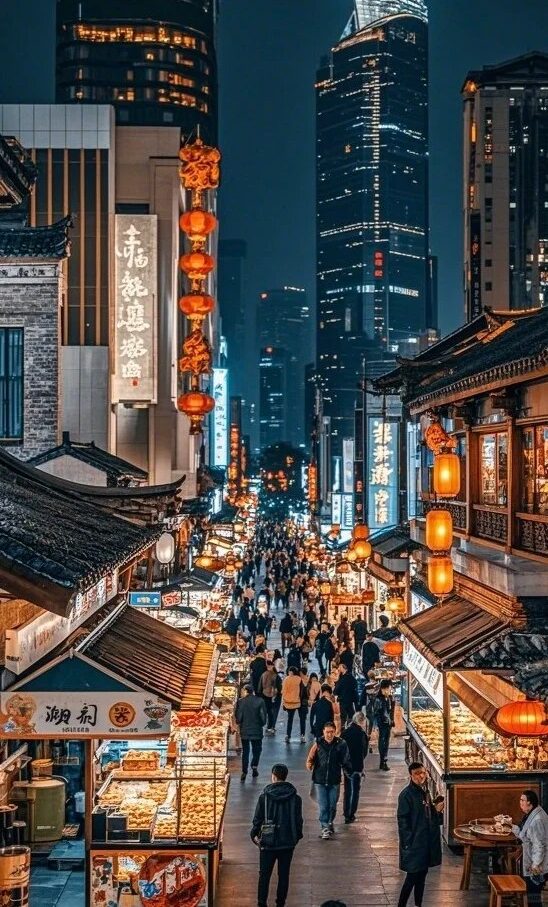
Kuanzhai Alley
Kuanzhai Alley is often listed together with Jinli, but the experience is slightly different. It feels more spacious, more polished, and less focused on food. Calling it a Chengdu food street isn’t wrong, but food isn’t the main reason people come.
- Location: Central Chengdu, easy metro access
- Best For: Walking, photos, short relaxed visits
- Taste: Mild, not particularly bold or memorable
- Signature Food: Tea snacks, desserts, small local-style dishes
It’s a good place to slow down for a bit, especially if you’ve already had a heavy meal elsewhere. But if you’re hungry, you’ll probably want to eat somewhere else first.
Dongzikou Food Street
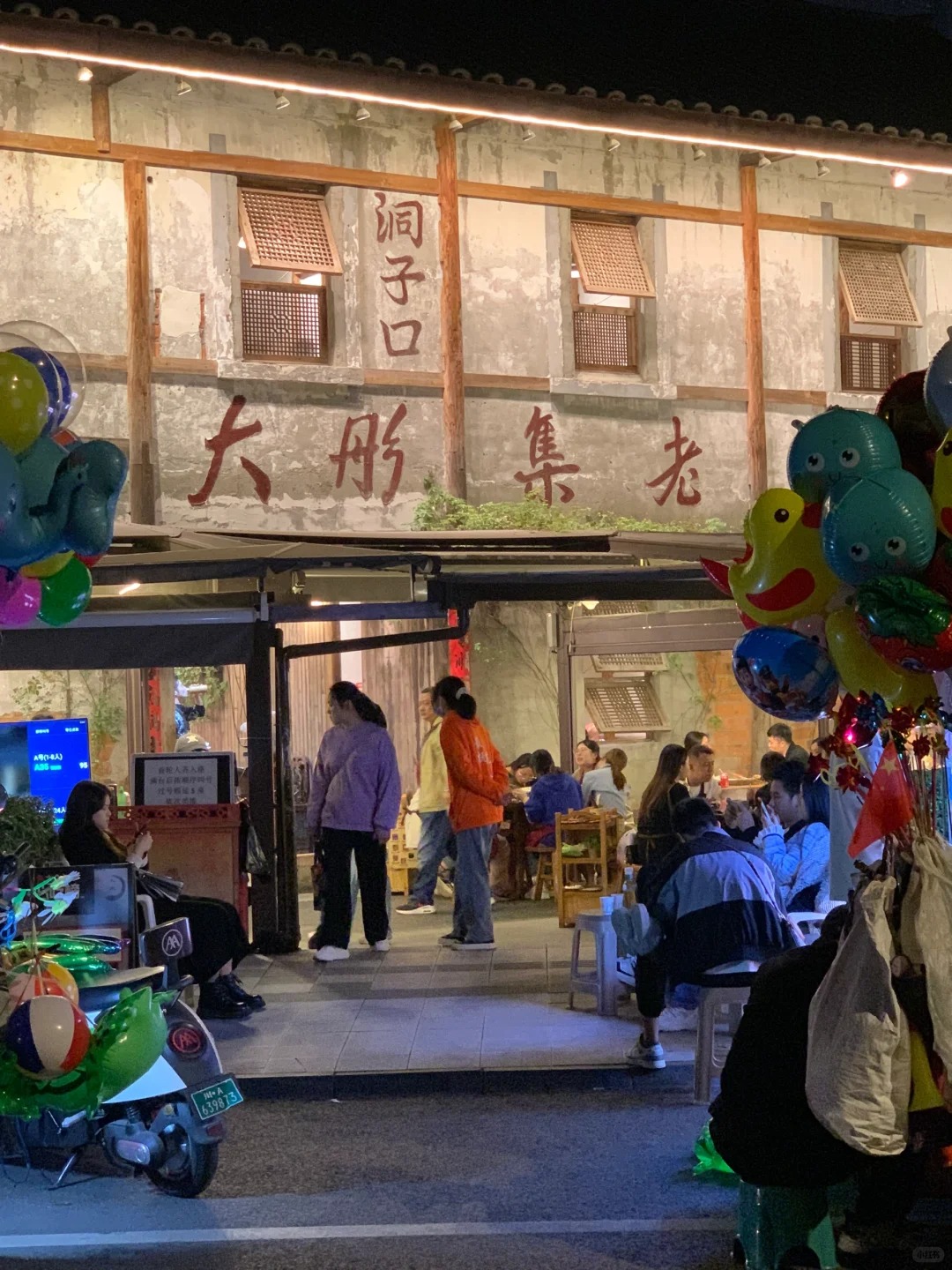
Dongzikou Food Street
Dongzikou takes more effort to reach, and that alone filters out most casual visitors. It doesn’t try to look good, and it doesn’t need to. Among all the Chengdu food street options, this one feels the most local.
- Location: North Chengdu, requires extra travel time
- Best For: Food-focused visitors willing to go a bit out of the way
- Taste: Strong, traditional, less adjusted for outsiders
- Signature Food: Spicy rabbit dishes, noodle soups, classic Sichuan snacks
There’s less variety in presentation, but more depth in flavor. Stalls often focus on one thing and do it repeatedly. If you’re only in Chengdu for a short time, it might feel far. But if food is the main goal, this is where things start to make more sense.
What to Eat on a Chengdu Food Street
Dandan Noodles
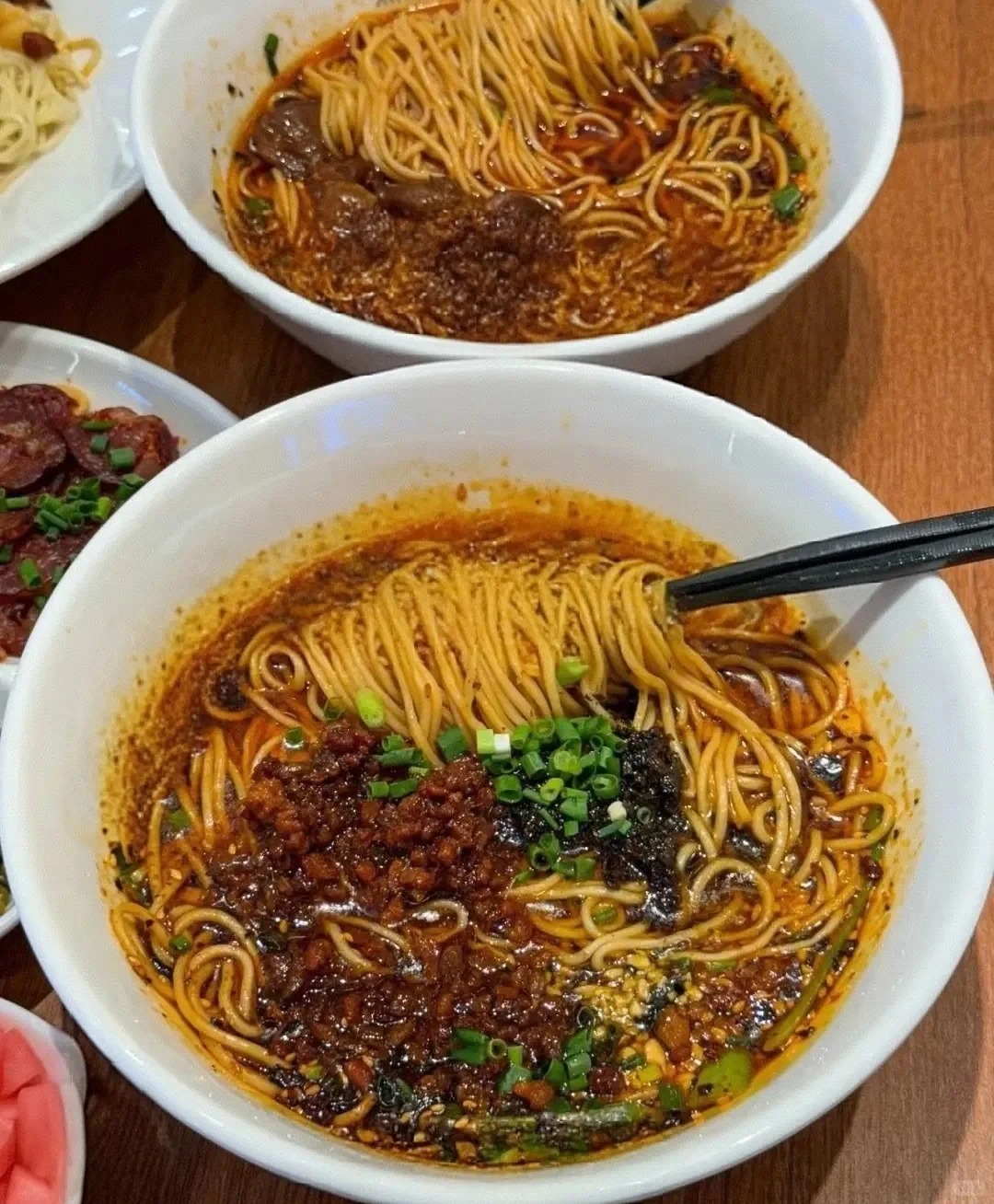
Dan Dan Noodles
Dandan noodles show up everywhere on a Chengdu food street, and there’s a reason locals keep ordering them even when there are dozens of other options. It’s simple, quick, and surprisingly filling for something that looks small.
- Taste: Numbing pepper (麻), salty base, with a slight sweetness at the end
- Typical Spot: Small noodle shops or street-side counters rather than big restaurants
- Specialty: Thin noodles coated evenly with sauce, minced pork on top
- Best For: First-timers who want something safe but still authentic
The noodles are softer than what some people expect, not chewy like Italian pasta. That actually helps the sauce stick better. Street versions tend to be stronger in flavor, sometimes a bit oily. Shops feel cleaner, but sometimes less intense. If you’re testing your spice tolerance, this is usually a good place to start.
Zhong Dumplings
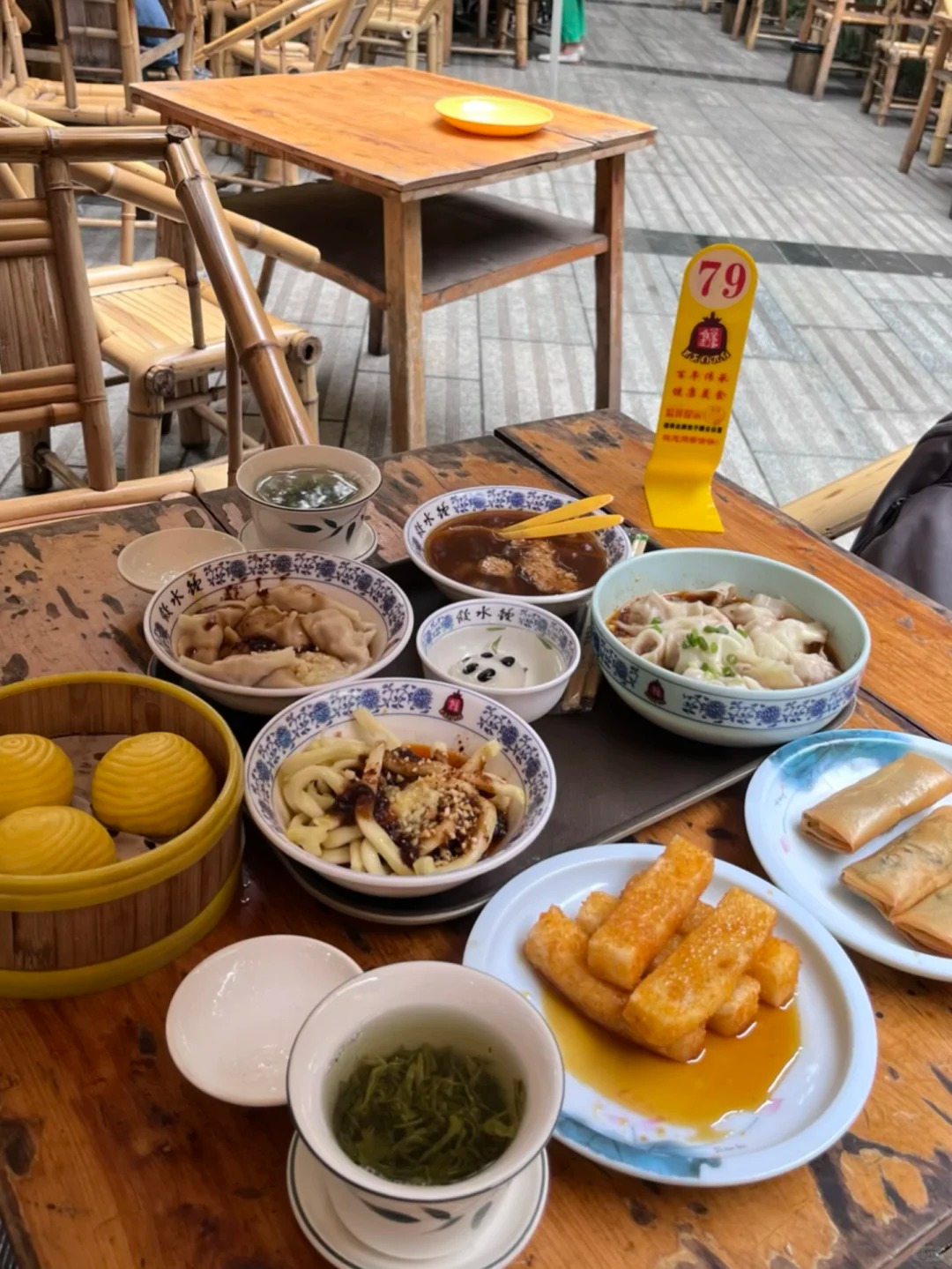
Zhong Dumplings
Zhong dumplings don’t look very different at first glance, which is probably why a lot of people walk past them. But once you try them, they’re hard to forget.
- Taste: Sweet and spicy mix, less numbing than other Sichuan dishes
- Typical Spot: Often found in small specialty stalls or older local shops
- Specialty: Dumplings served in red chili oil sauce, thinner skin than northern dumplings
- Best For: People who don’t want extreme spice but still want local flavor
Unlike boiled dumplings you might be used to, these are more about the sauce than the filling. The meat inside is simple, but the chili oil carries most of the flavor. It’s one of those Chengdu street food items that looks basic but works really well.
Chengdu Skewers
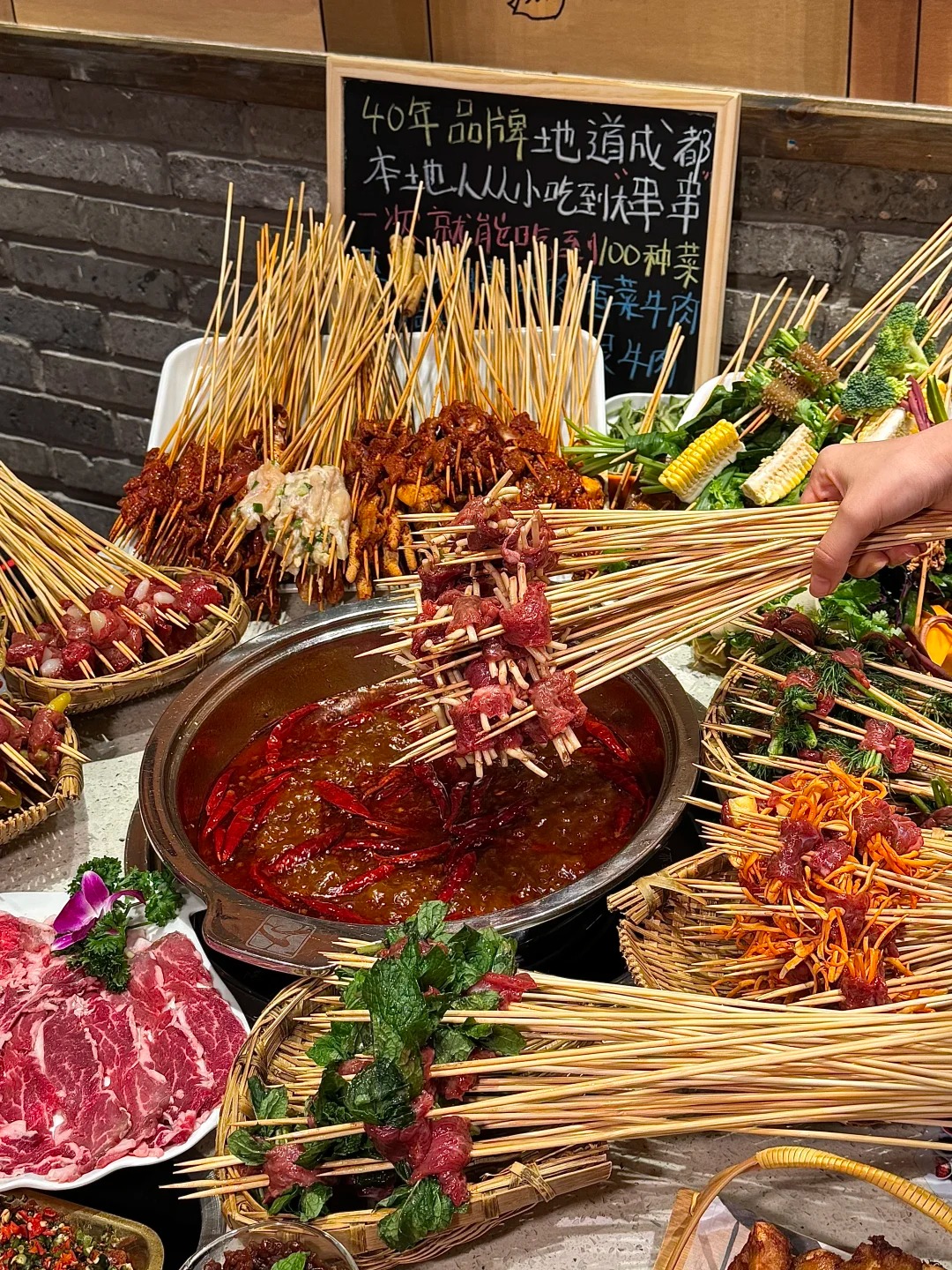
Chengdu Skewers
Skewers are probably the most addictive thing you’ll run into on a Chengdu food street. They come in different forms—串串 (chuan chuan), cold skewers, or grilled versions—but the idea is always the same: pick what you want, eat as much as you can.
- Taste: Strong chili oil, numbing pepper, sometimes smoky if grilled
- Typical Spot: Open stalls with trays of skewers or large pots for dipping
- Specialty: Pay by the stick system, prices usually ¥0.5–2 per skewer
- Best For: Groups or anyone who wants variety without ordering full dishes
Ordering is straightforward but easy to overdo. You grab skewers from a fridge or tray, then either boil or grill them. The problem is you don’t realize how much you’ve taken until the bill shows up as a pile of sticks. It’s one of the best street food in Chengdu experiences, but pacing yourself matters.
Rabbit Head
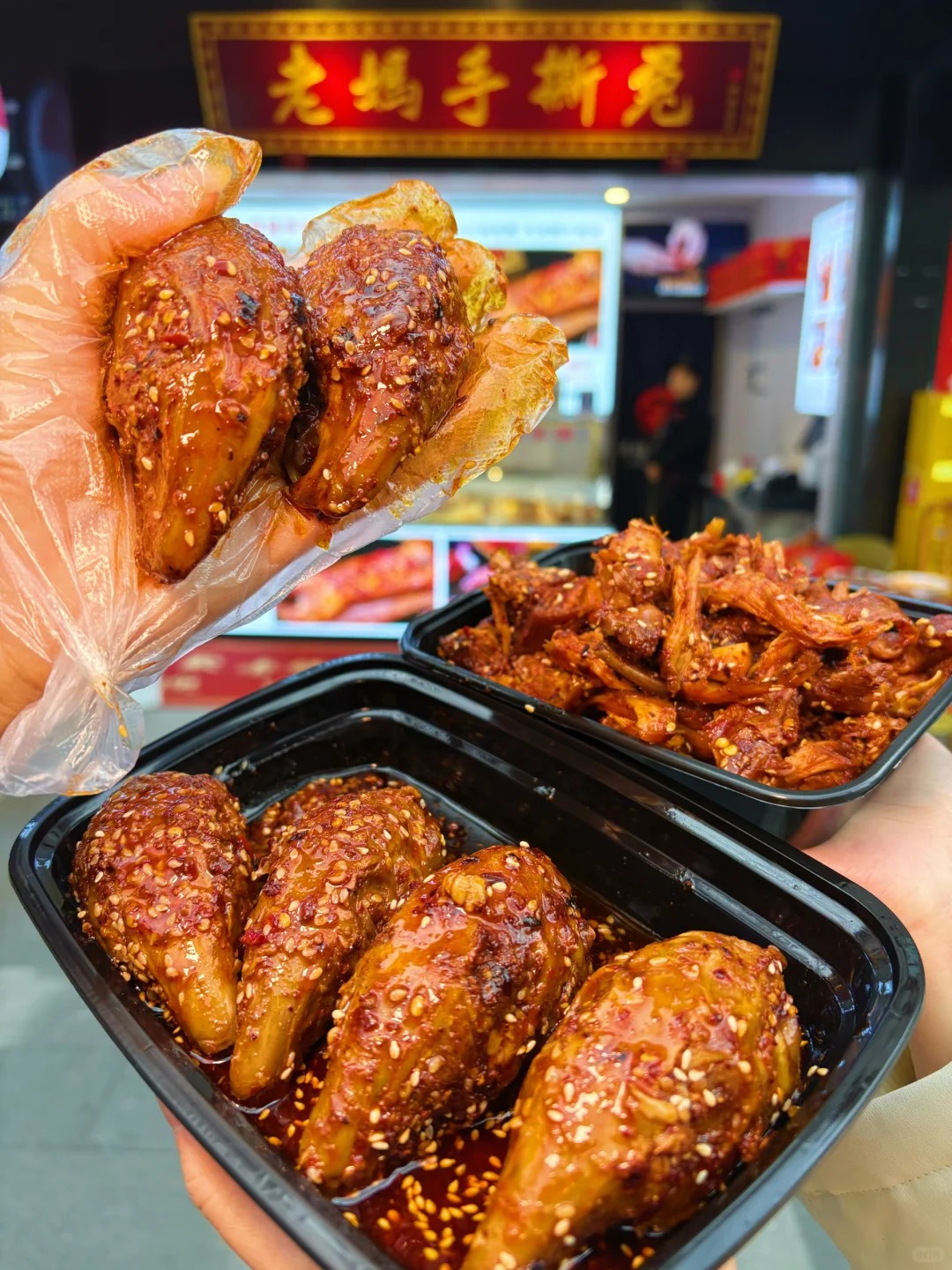
Rabbit Head
Rabbit head is probably the most talked-about item when people mention Chengdu street food, mostly because of how it looks. It’s not something you accidentally order—you notice it immediately.
- Taste: Heavy spice mix, rich and slightly oily, strong Sichuan seasoning
- Typical Spot: Dedicated stalls focusing only on rabbit dishes
- Specialty: Whole rabbit head, split for easier eating, heavily marinated
- Best For: Curious eaters or people comfortable trying unusual cuts
Eating it takes a bit of effort. You use your hands, break it apart, and pick out the meat. There isn’t a huge amount of meat, but the flavor is intense. For some people, the hesitation is visual rather than taste. If you get past that, it’s actually one of the more memorable things you’ll try.
A Simple Route You Can Copy for One Night
Start at Jianshe Road for Real Local Food
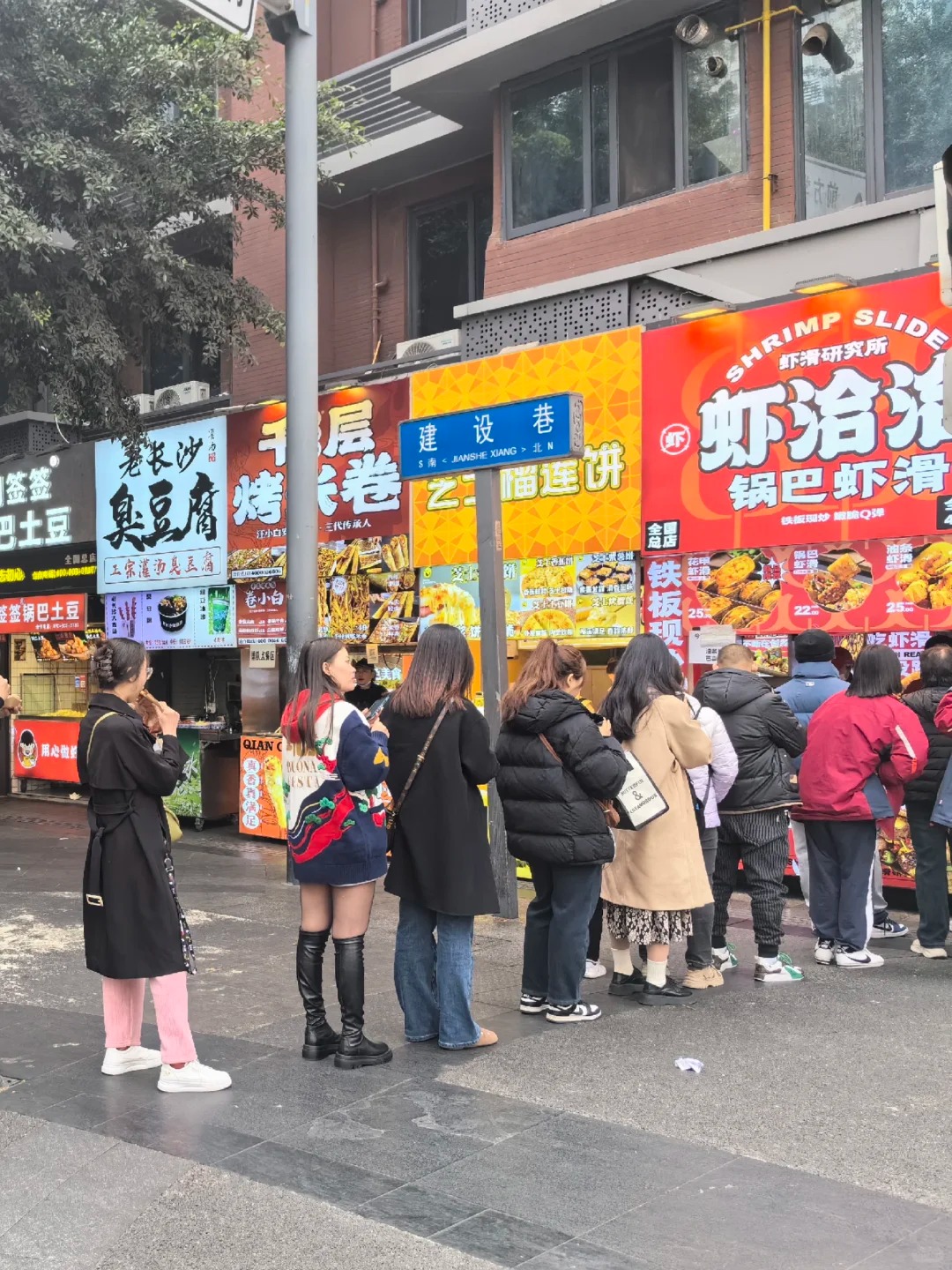
Food in Jianshe Road
If you’re trying to build a practical Chengdu food street route, starting at Jianshe Road makes more sense than jumping straight into the tourist areas. It’s cheaper, the flavors are stronger, and you won’t feel like you’re paying extra just for the location. Most people here are locals—students, office workers, delivery riders grabbing a quick bite—so the food turns over fast and stays fresh.
You don’t need a full plan. Walk in, see what has a line, and start there. Cold noodles with chili oil are a good first stop—light enough but still flavorful. Grilled skewers come next, especially the potato slices or beef if you see them moving quickly. Some stalls also sell fried rice cakes or spicy tofu, which work well if you want something heavier. Portions are small, so you can try a few things without feeling stuck.
It gets crowded after 7 PM, but that’s part of the experience. People don’t linger too long, so lines move faster than they look. This is the kind of place where you stop thinking too much and just eat what looks good.
Move to Jinli Street for Atmosphere and Photos
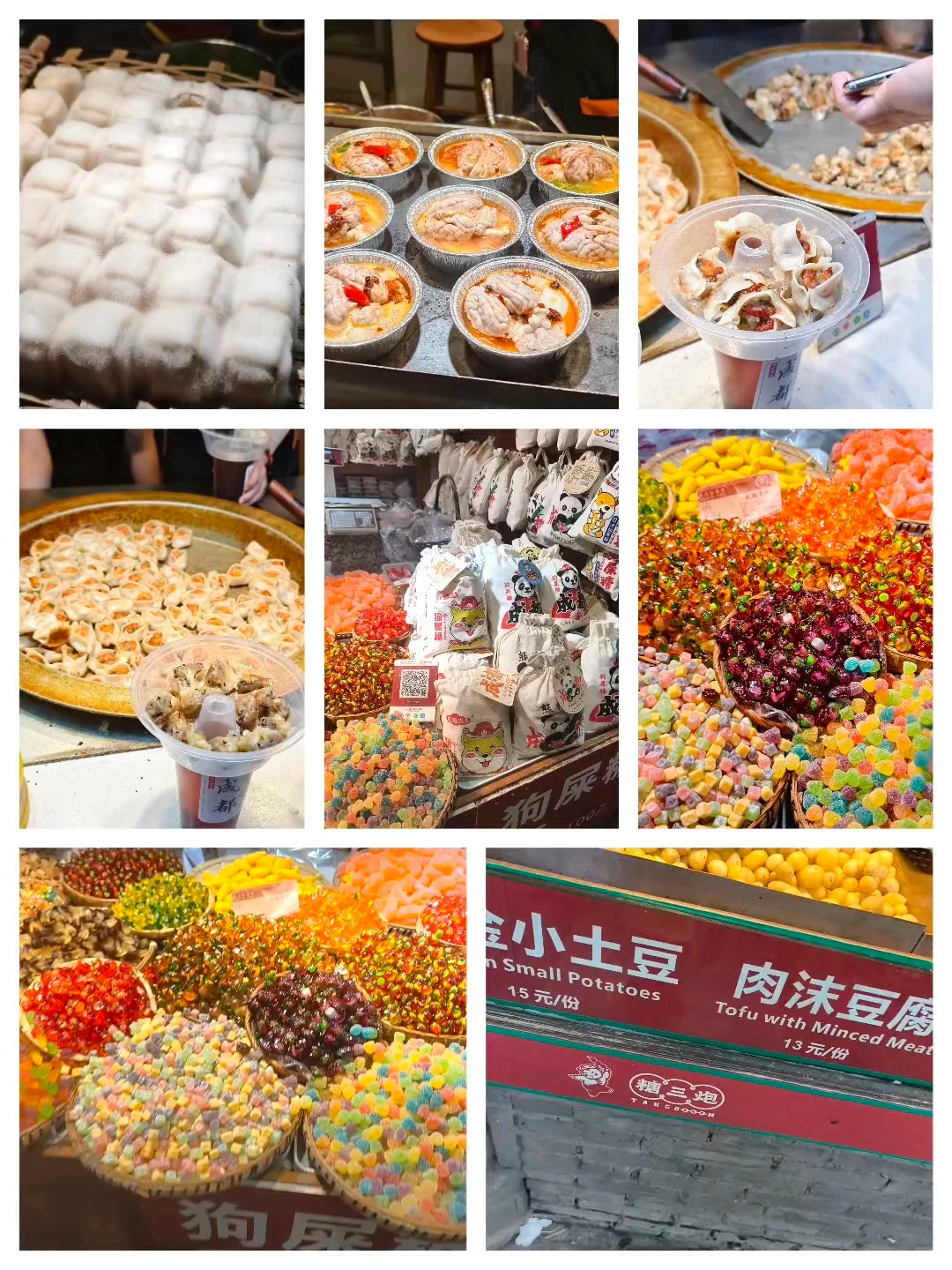
Food in Jinli
After Jianshe Road, heading to Jinli changes the pace completely. The energy is still busy, but more controlled. Lanterns light up the entire street, and the architecture feels staged in a way that actually works well at night. This part of the Chengdu night food street experience is less about eating and more about slowing down a bit.
You’ll probably notice the difference right away—cleaner walkways, more space, and a lot more cameras. Food is still everywhere, but it’s not the main focus anymore. If you’re already full, this is where you just snack lightly, maybe grab something small like a sweet skewer or a drink.
It’s also where most people take photos. The lighting is soft, the buildings reflect the red glow, and everything looks more “classic Chengdu.” Even if you don’t stay long, it’s worth walking through once just to see the contrast.
End in Yulin If You Still Have Energy
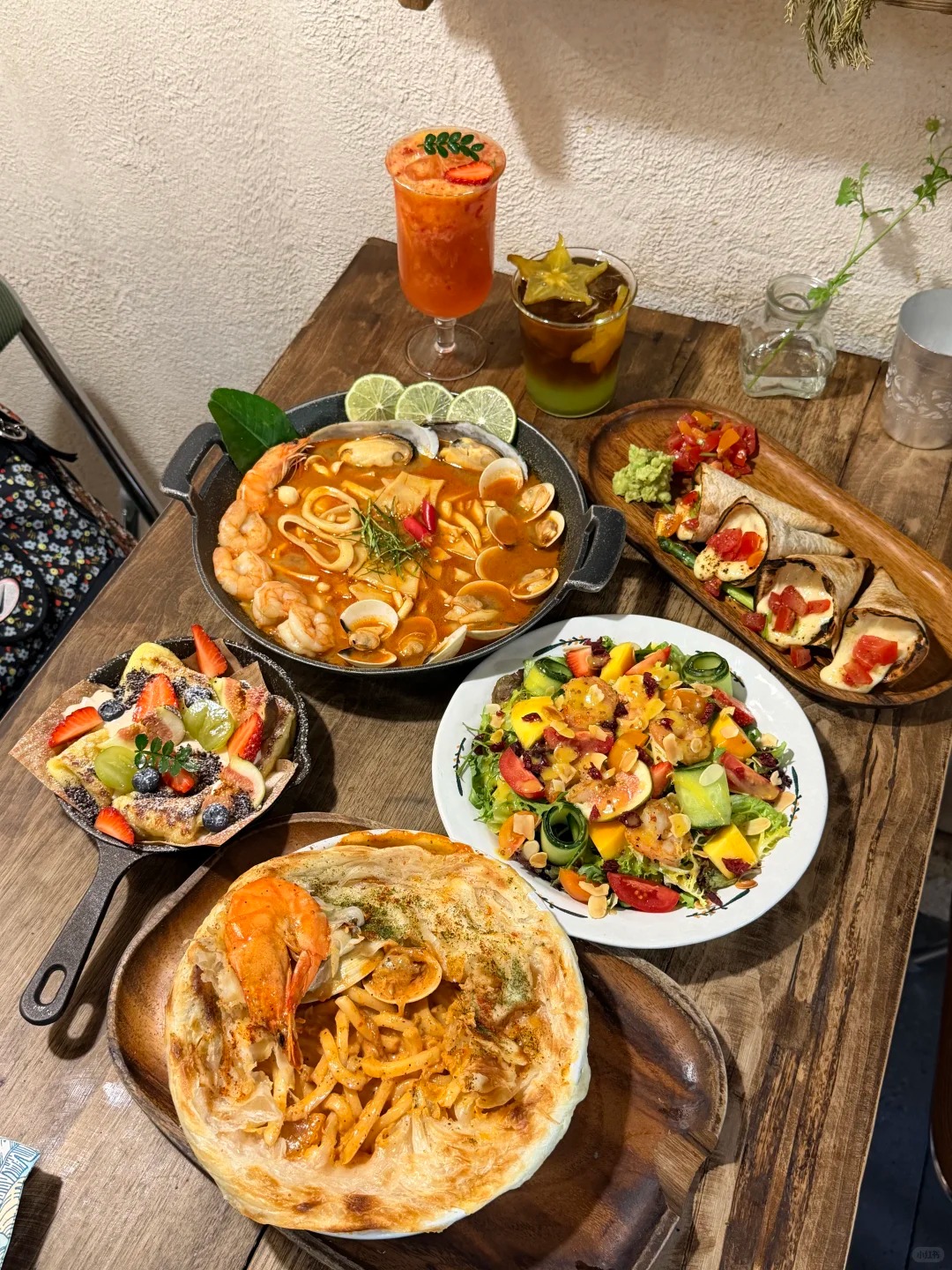
Food in Yulin
If you’re not ready to call it a night, Yulin is a good final stop. It doesn’t feel like a structured street, which is exactly why it works at this point. After the more intense food focus earlier, this part of the Chengdu food street route shifts toward atmosphere.
The area mixes small food stalls with bars and late-night cafés. You might grab a few more skewers, but it’s just as common to sit down with a drink and watch people pass by. The crowd is younger, conversations are louder, and things move slower.
There’s no clear “end point” here, and that’s kind of the idea. You stop when you feel like it. Compared to the earlier stops, Yulin feels less like a checklist and more like somewhere you just stay until you’re done.
Things That Are Overrated on Chengdu Food Streets
-
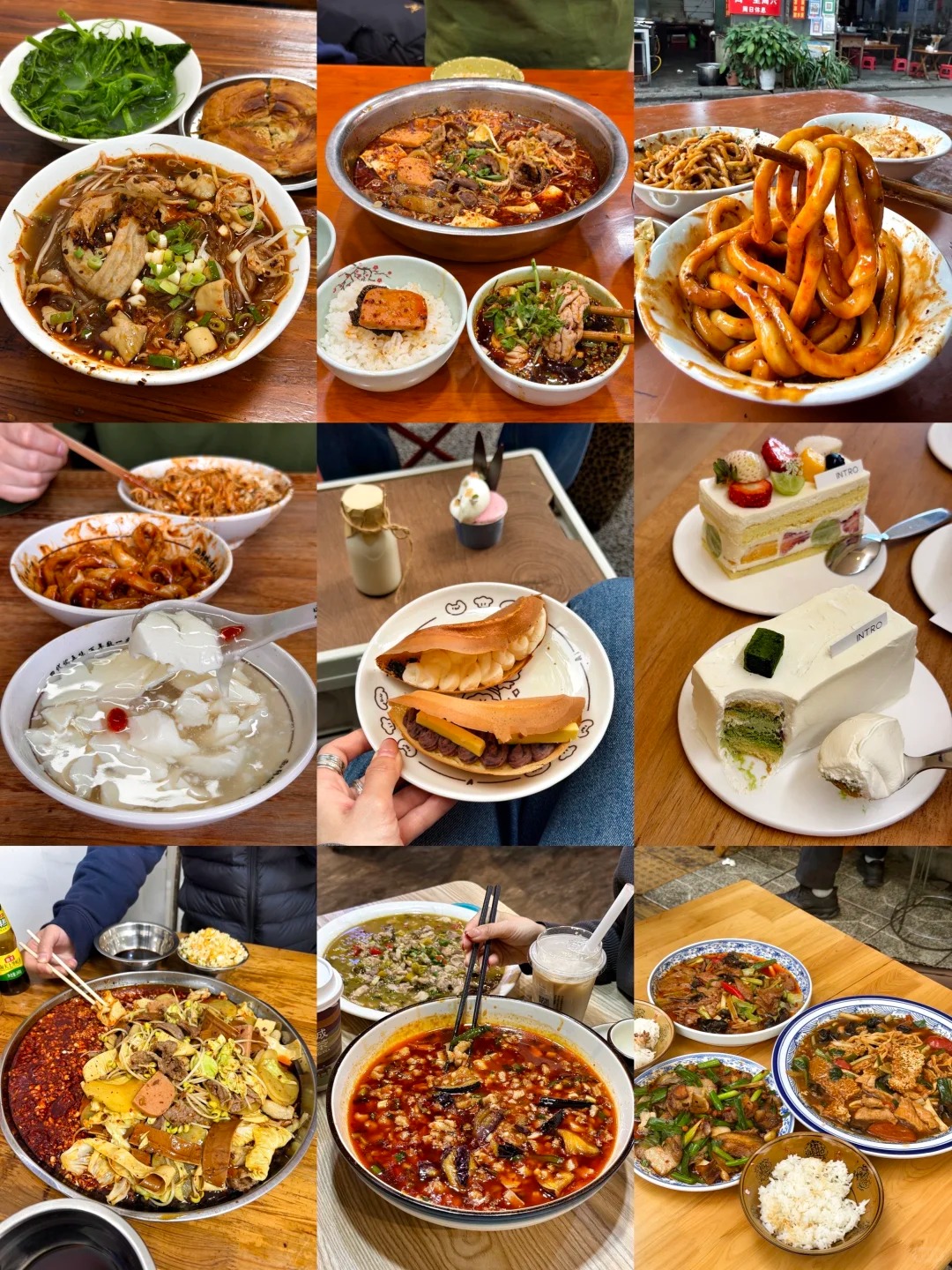

- Food in Chengdu
-
- Restaurant in Chengdu
Not everything on a Chengdu food street lives up to the hype. Some of the busiest stalls are there mainly because of location, not quality. In places like Jinli, prices often go up just because it’s inside a tourist zone. A simple snack that costs ¥8–10 in local areas can easily double here without any real difference in taste.
Queues also don’t always mean better food. I’ve waited in lines that moved slowly, only to realize the dish was fairly average once I tried it. A lot of “internet-famous” snacks focus more on appearance—colorful coatings, oversized portions, or unusual shapes—than actual flavor balance. It’s easy to get distracted by that.
One Tripadvisor-style comment I remember summed it up simply: “Looks better than it tastes in most tourist areas, go one street away and it improves a lot.” That matches my experience more often than not. If something looks overly staged, it usually is.
Practical Tips That Actually Help When You’re There
A few simple Chengdu street food tips can make the whole experience smoother, especially if it’s your first time navigating these streets. Ordering food is usually straightforward, but not everything has English menus. Most stalls rely on pictures or pointing, and that’s normal. If needed, just show what someone else is eating—it works more often than you’d expect.
Payment is another thing to be ready for. Almost everywhere prefers WeChat Pay or Alipay, and some smaller stalls don’t even keep change for cash. It’s still possible to use cash, but it slows things down.
Spice level matters more than people expect. Asking for “less spicy” (少辣) is common, and vendors usually understand even basic phrases. Without it, food can turn much hotter than expected, especially on a busy night market street.
Hygiene is generally fine, but it’s not uniform. Busy stalls with high turnover are usually safer than empty ones. And if you want to avoid crowds, try going before 6:30 PM or after 9:30 PM, when the main rush of the chengdu food street scene starts to thin out.
FAQ about Chengdu Food Street
Q: Is Chengdu food street safe for tourists?
Yes, most Chengdu food street areas are safe even at night. Streets like Jinli, Jianshe Road, and Yulin stay busy until late, with a steady flow of locals and visitors, so there’s no real sense of isolation. The main concern is crowd density rather than safety issues. Pickpocketing is uncommon but can happen in packed lanes, so keeping a bag in front is enough. Personally, even walking back after 10 PM felt normal—just noisy, crowded, and full of food smells rather than anything uncomfortable or unsafe.
Q: Which Chengdu food street is best for first-time visitors?
For a first visit, Jinli is usually the easiest entry point because it’s central, well-marked, and visually straightforward. But if the goal is food quality, Jianshe Road gives a more realistic Chengdu food street experience with stronger local flavor. Many travelers end up doing both: Jinli for atmosphere and photos, then Jianshe Road for eating. If only one can be chosen, it depends on priority—comfort or authenticity.
Q: What time should I go to Chengdu food streets?
Most Chengdu food street areas start slowly around 5:30–6 PM, but the real energy builds after 7 PM. Between 7 and 9:30 PM is the busiest and most active window, when most stalls are fully running and crowds are at peak. Before 6:30 PM, some vendors are still setting up, while after 10 PM, places like Jinli begin to quiet down. Yulin may stay active later, especially around bars and late-night snacks.
Q: Is Chengdu street food too spicy for foreigners?
It can be, but not always. A lot of Chengdu street food uses chili oil and Sichuan pepper, which creates both heat and numbness. However, most stalls are used to tourists and can reduce spice if you ask for “less spicy” (少辣). Some dishes like noodles or dumplings are easier to handle, while skewers and cold dishes tend to be stronger. The key is not avoiding spice completely, but adjusting it early when ordering.
Q: How much should I budget for a night on a Chengdu food street?
A typical night on a Chengdu food street is quite affordable. Most people spend around ¥50–120 per person, depending on how much they try. Small items like skewers are cheap, usually ¥1–3 each, while noodle bowls or dumplings sit around ¥15–30. Tourist-heavy areas like Jinli can feel slightly more expensive, but local streets like Jianshe Road or Yulin usually give better value for the same amount of food.
Q: Do Chengdu food streets accept cash or only mobile payment?
Most Chengdu food street vendors prefer mobile payments like WeChat Pay or Alipay. Cash still works in some places, but not all vendors carry change, especially in busy night markets. In practice, mobile payment is almost expected. Some international travelers manage by linking cards to WeChat Pay, which works in many stalls. Without it, ordering is still possible, but slightly slower and sometimes inconvenient during peak hours.
Q: Is Jinli Street worth visiting or too touristy?
Jinli is worth visiting, but mainly for atmosphere rather than food depth. It’s one of the most famous Chengdu food street areas, so it’s always crowded and slightly commercialized. The food is decent but not the most authentic compared to local streets. What makes it interesting is the lantern-lit environment and easy walking layout. Most people treat it as a first stop or photo spot rather than a serious eating destination.
Q: What is the difference between Chengdu food street and food market?
A Chengdu food street is usually a defined walking street lined with stalls or small shops, like Jinli or Jianshe Road. A food market is less structured and often spread across neighborhood blocks or open spaces. Food streets are easier for visitors because they are organized and well-known. Markets feel more local and sometimes cheaper, but they require more navigation and basic understanding of where to go.
Q: Can I find vegetarian or halal food on Chengdu food streets?
Yes, but options are not very abundant. On a Chengdu food street, vegetarian choices usually include noodles without meat, fried potatoes, tofu dishes, or simple snacks. Halal food exists in specific parts of Chengdu, but it’s not evenly distributed across all streets. You often need to look for clear signage or ask vendors directly. It’s doable, but requires a bit more attention compared to regular street food options.