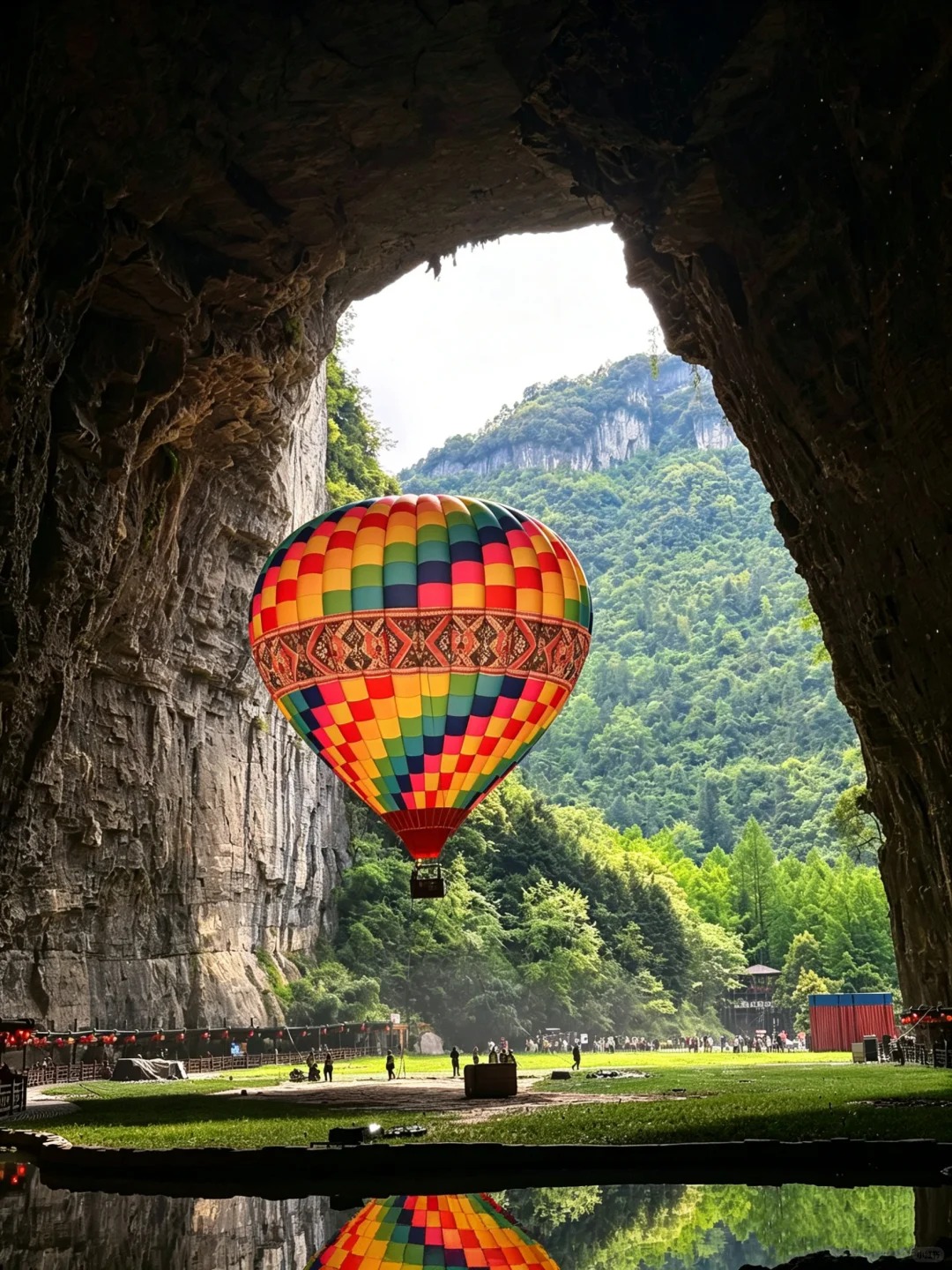
Tenglong Cave
Tenglong Cave sits near Lichuan in western Hubei, and most people come here because they heard it is one of the largest caves in Asia. That part is true, but the size is not really what stays with you. The cave feels cold, damp, and unusually quiet in some sections, then suddenly very loud once the underground river and tour groups appear. A lot of photos online make it look like a normal scenic cave with colorful lights. It really doesn’t feel that way in person. If you’re interested in more local travel routes, you can also check traditional Chinese villages worth visiting. It really doesn’t feel that way in person. Based on recent trips and visitor reviews, here’s what to expect before going to Tenglong Cave.
Quick Facts about Tenglong Cave
| Item | Details |
|---|---|
| 📍 Location | Lichuan, Enshi, Hubei, China |
| 🌏 Famous For | One of the largest cave systems in Asia |
| 📏 Cave Length | Around 59.8 km explored |
| 🏔️ Cave Type | Giant karst cave |
| 🌡️ Temperature | Cool throughout the year |
| 🚄 Nearest Station | Lichuan Railway Station |
| 🎭 Main Attractions | Laser show, underground river, Tujia performance |
| ⏰ Suggested Visit Time | 3–5 hours |
| ☀️ Best Season | Summer and early autumn |
| 👟 Walking Difficulty | Moderate |
| 🎫 Ticket Situation | May include performances depending on season |
| 🚗 From Chongqing | About 3–4 hours |
| 📸 Best For | Photography, nature, summer travel |
| 💡 Real Visitor Tip | The cave feels much larger than photos suggest |
What to See Inside Tenglong Cave
The Giant Cave Entrance
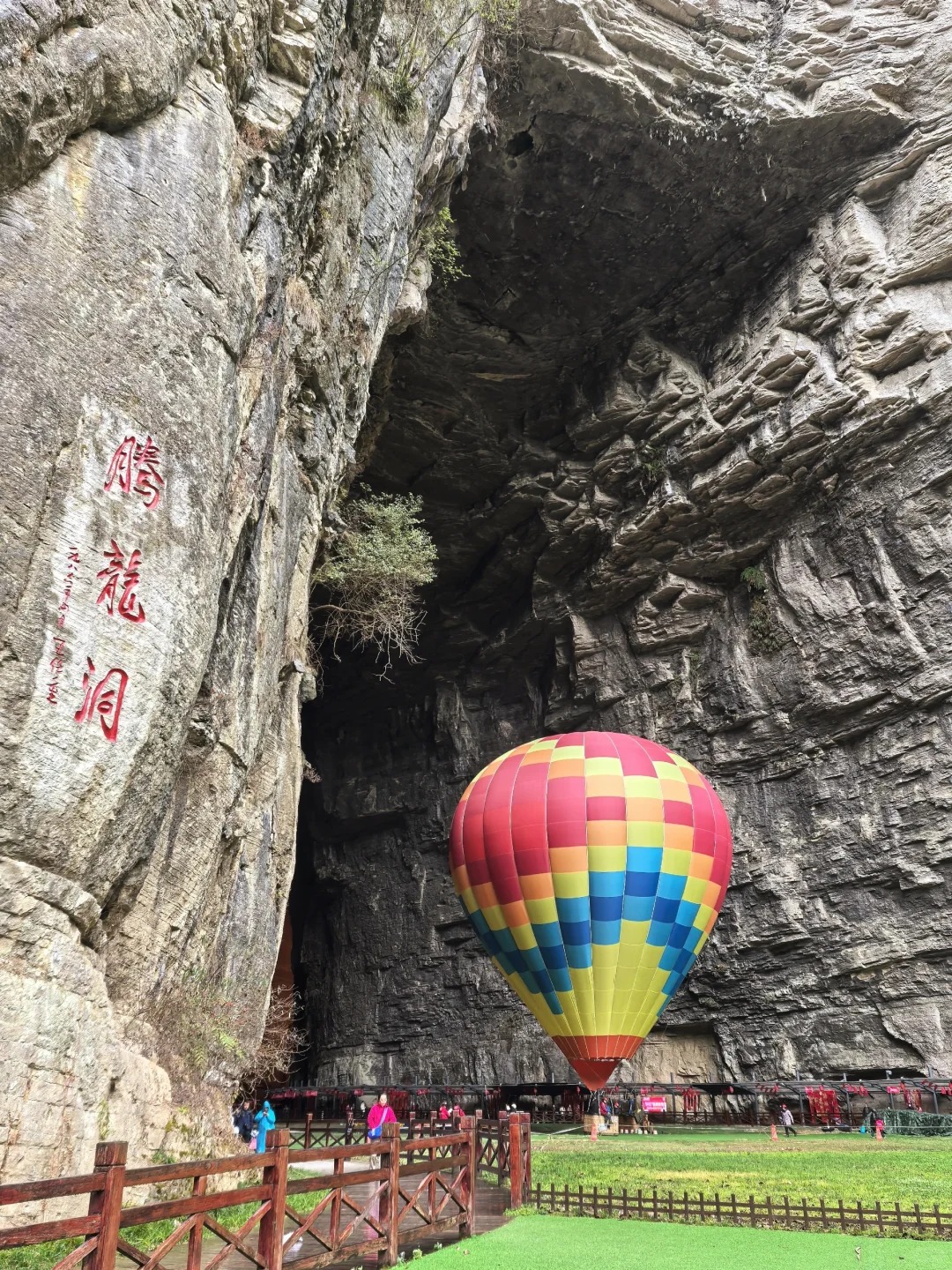
The Giant Cave Entrance
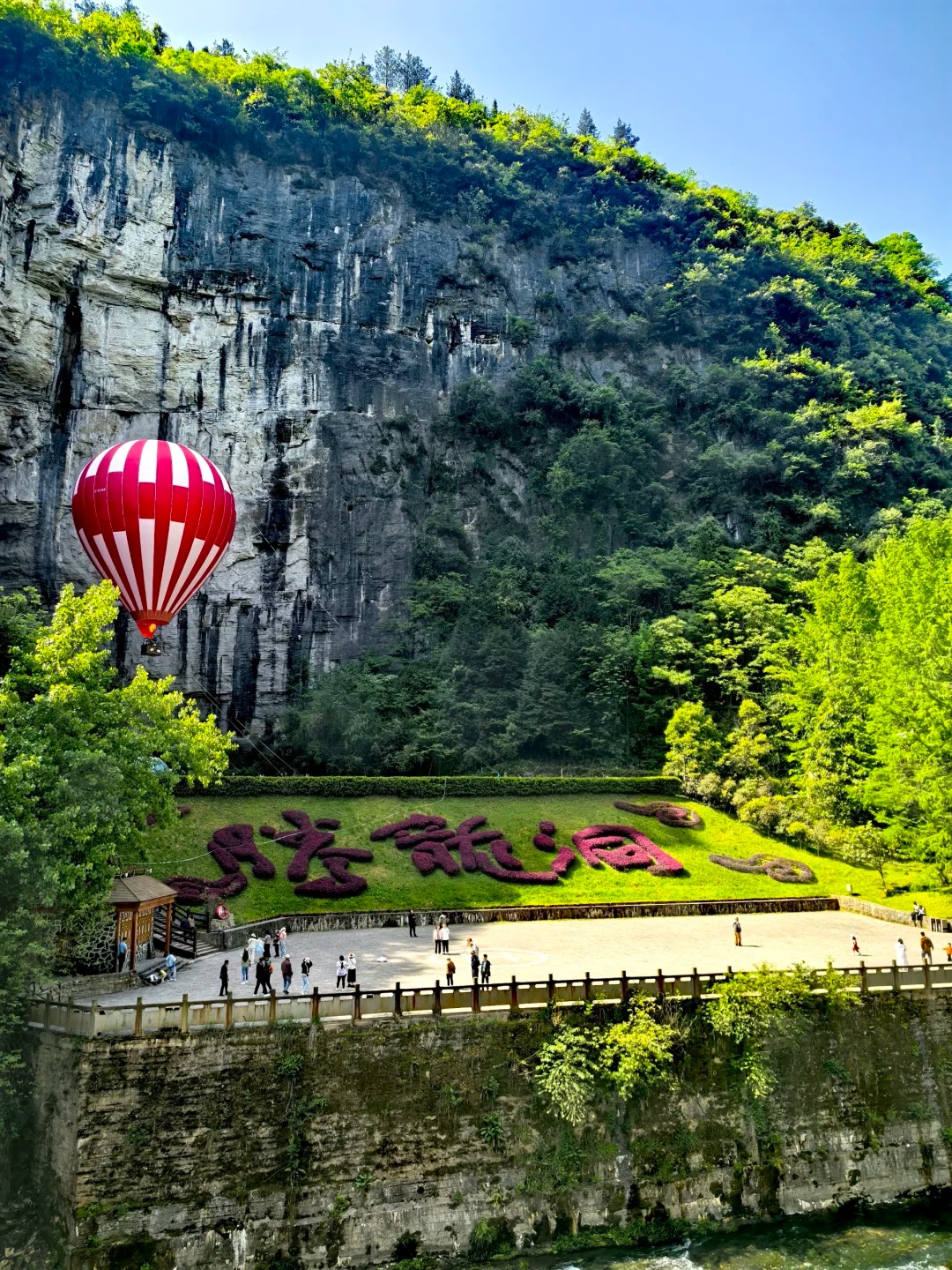
The entrance to Tenglong Cave is probably the part most people remember first. Official measurements usually describe it as more than 70 meters high and around 60 meters wide, but those numbers still feel abstract until someone walks into the frame beside it. People near the entrance immediately look tiny. Several domestic tourists around me stopped halfway up the stairs just to take photos again from farther back.
The atmosphere changes quickly here too. In summer, warm air from outside suddenly turns cooler near the cave mouth, and the echo becomes much stronger than most people expect. Conversations bounce around the rock walls, especially once tour groups gather near the entrance platform. A lot of visitors say the Tenglong Cave entrance feels more like a canyon or an underground stadium than a normal cave opening.
Photos online often exaggerate colors but still fail to show the real scale. Morning light usually works better for photography because the upper rock walls remain clearer before stronger afternoon shadows arrive. The most common photo angle sits slightly below the main entrance path, where people can appear small against the stone background. That perspective honestly explains the size better than any official statistic.
The Underground River
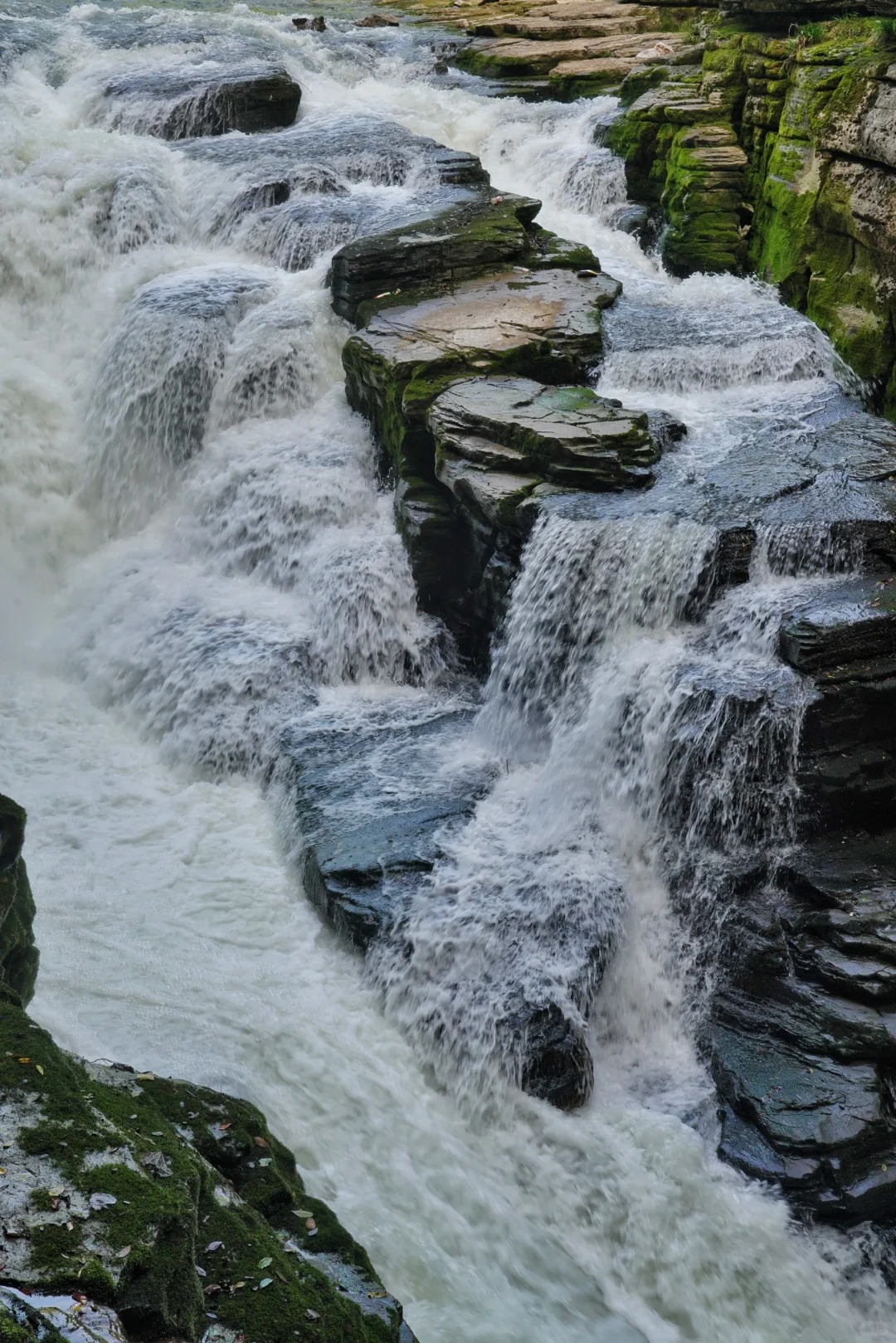
The Underground River
The underground river changes the mood inside Tenglong Cave almost immediately. You usually hear the water before seeing it. The sound moves through the cave walls and mixes with echoes from footsteps and distant conversations, which makes this section feel quieter and louder at the same time.
Local guides often mention that the underground river system extends for more than 16 kilometers beneath the Tenglong Cave scenic area. Whether visitors remember the number or not, most people notice the temperature difference first. The air becomes colder and noticeably wetter near the river sections. During July and August, some travelers even describe it as stepping into another climate zone underground.
The lighting here stays relatively restrained compared with many Chinese cave attractions. That helps the river area feel darker and more natural instead of overly theatrical. Mist sometimes hangs above the water depending on humidity and crowd levels, especially during cooler mornings.
The walking paths near the river can become slippery in certain areas. Older travelers and children usually manage fine, though people tend to slow down naturally once the ground becomes damp. This section of Tenglong Cave China visitors often mention most is not necessarily the most colorful part, but it probably feels the most atmospheric.
The Laser Show
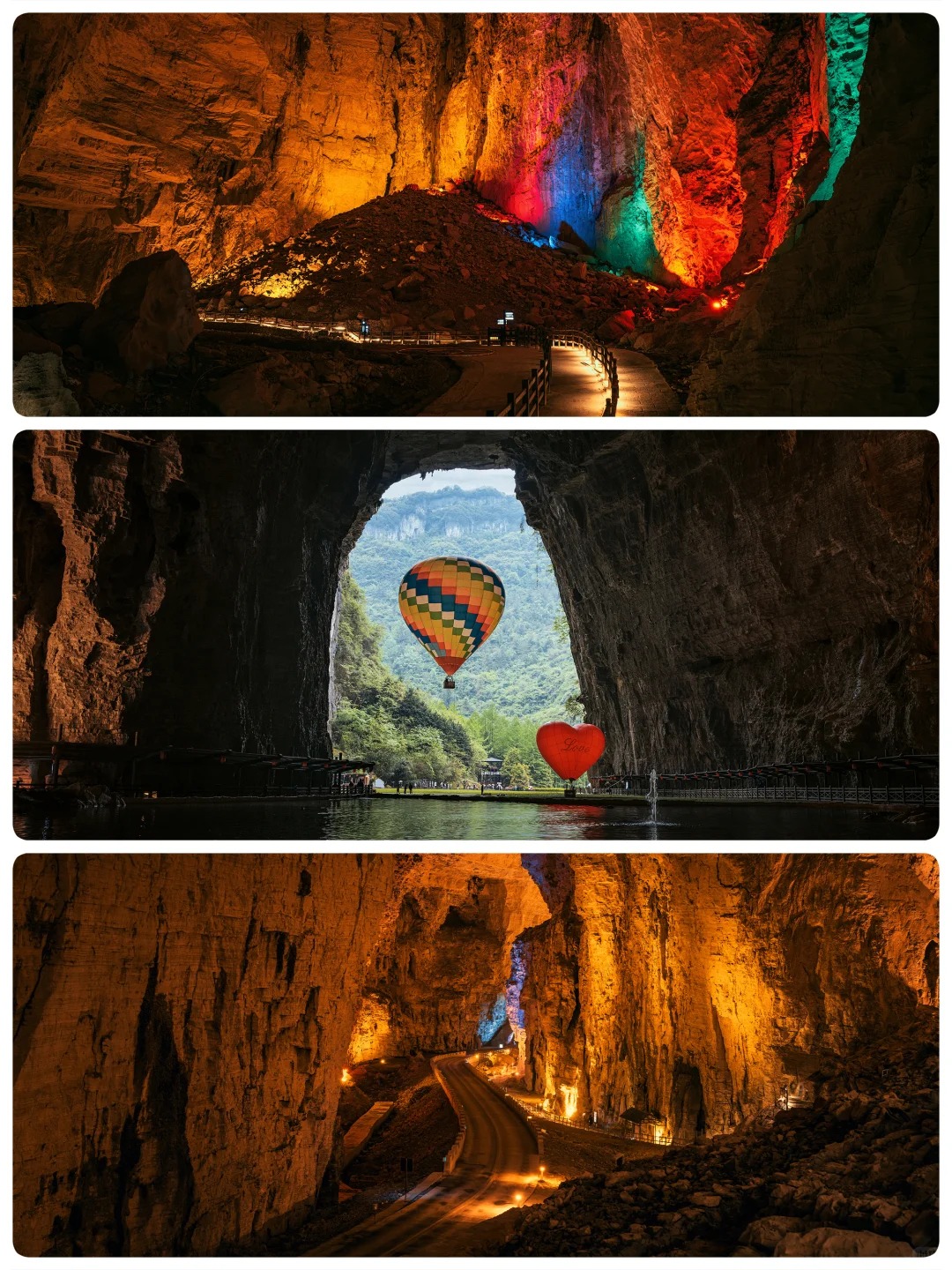
The Laser Show
The laser show inside Tenglong Cave works mainly because the cave itself is so large. In a normal theater, the effects would probably feel average. Inside this cave, though, the beams spread across huge rock walls and disappear into darkness above the audience, which changes the entire scale of the performance.
Most shows last roughly 20 minutes, although schedules sometimes vary by season. Summer crowds can get fairly heavy, especially during weekends and holidays, so arriving earlier usually makes the experience more comfortable. The middle seating area tends to provide the best overall view because the wide-angle effect becomes less obvious near the front rows.
Phone videos rarely capture the actual atmosphere properly. Several foreign travelers on TripAdvisor mentioned this too. The camera usually flattens the space, while the real experience depends heavily on the size of the cave ceiling and the darkness surrounding the audience. The Tenglong Cave laser show feels less impressive on a screen than it does in person, which is honestly the opposite of many tourist performances.
Some visitors skip the show to save time, but if it is already included in the Tenglong Cave ticket, staying usually makes sense. The cave setting itself becomes part of the performance rather than just the background.
The Tujia Ethnic Performance
The Tujia Ethnic Performance
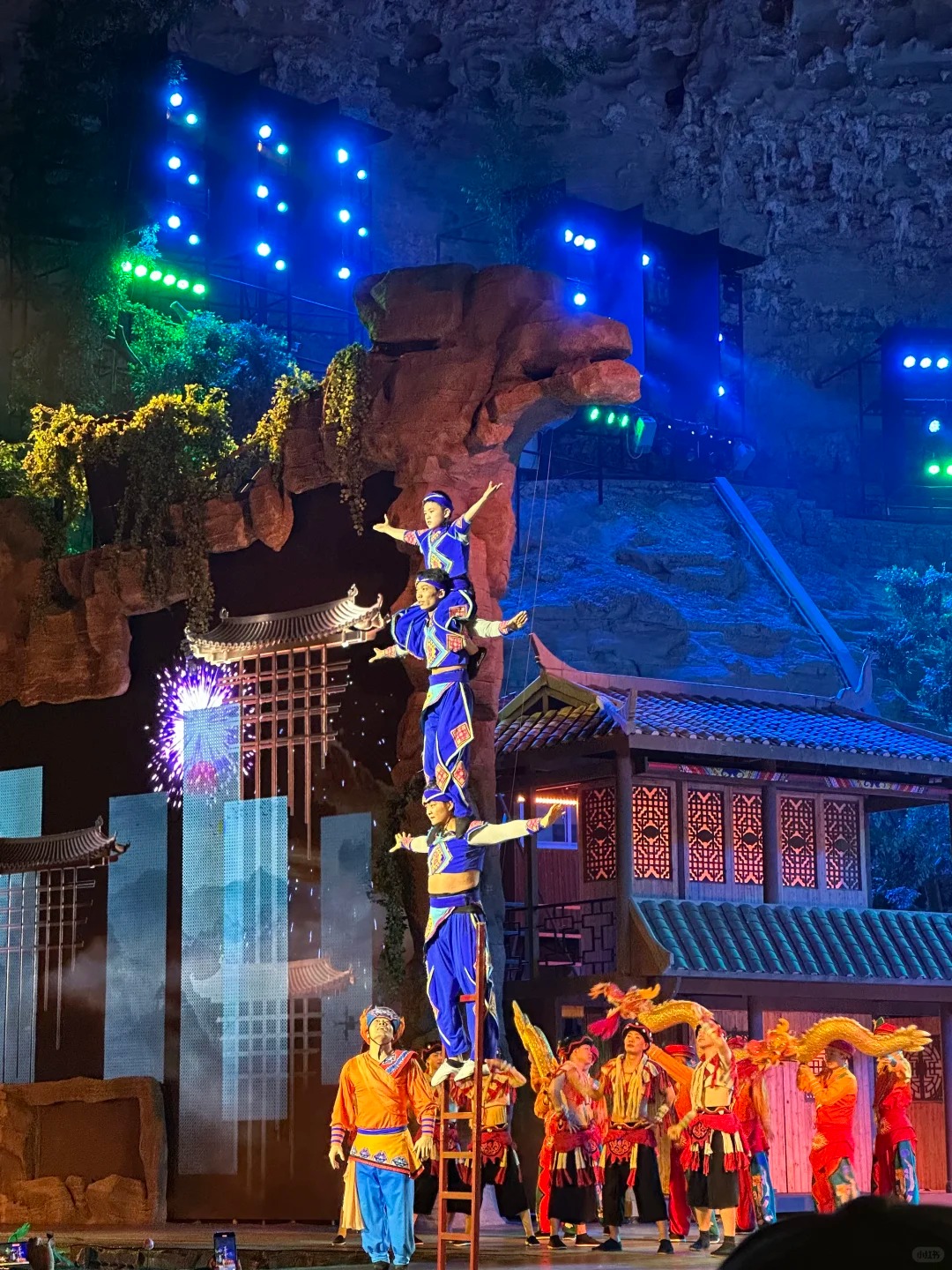
The Tujia ethnic performance focuses on local culture from the Enshi region rather than large-scale special effects. Compared with some tourist shows in Zhangjiajie or bigger Chinese cities, this performance feels smaller and less polished, though that actually helps it feel more local.
Traditional music, group dancing, and regional costumes make up most of the show. Domestic tour groups often react more actively because many songs and performance styles connect closely with local culture. Foreign visitors usually spend more time watching details instead, especially the clothing and instruments.
The atmosphere depends heavily on crowd size. During busy travel periods, the audience energy makes the performance feel much livelier. On quieter weekdays, it can feel slower but also less rushed. A few people near me originally planned to leave early, then stayed longer once the performance started.
This part of the Tenglong Cave performance probably works best for travelers already interested in Enshi Tujia culture or regional traditions. Visitors focused purely on scenery may not find it essential, though it still adds context to the area rather than feeling completely disconnected from the cave experience itself.
The Walkways and Cave Interior
The Walkways and Cave Interior
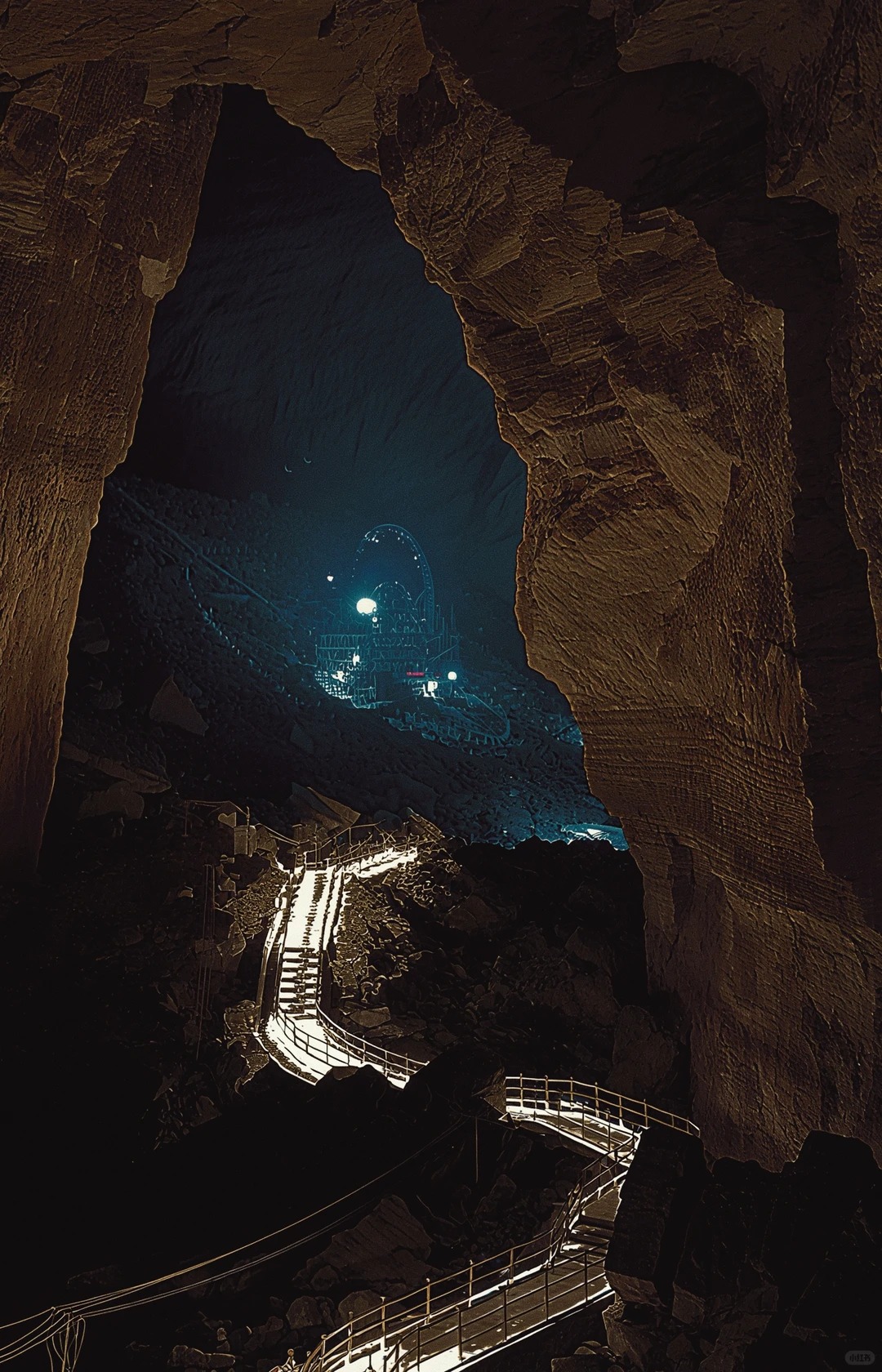
The walkways inside Tenglong Cave are longer than many visitors expect beforehand. Distances inside the cave feel strange because the space is so large that movement becomes difficult to judge properly. What looks close ahead often takes much longer to reach once walking starts.
The cave interior focuses more on open space than detailed rock formations. In many areas, the ceiling disappears completely into darkness, which creates a strong sense of scale. People inside Tenglong Cave often look unusually small because there are very few visual reference points around them.
Lighting throughout the cave stays softer than in many other Chinese cave attractions. Instead of covering every rock wall with bright colors, some sections remain relatively dim. That choice helps the cave feel deeper and more natural, especially in quieter areas between tour groups.
Certain walkways stay damp throughout the day because of humidity and underground water. Shoes with decent grip help more than many travelers expect, particularly near the river sections. The best photo spots usually appear where the path curves beside open cave space, allowing people to stand against the massive background for scale.
Several Xiaohongshu travel posts recommend avoiding close-up shots entirely when visiting Tenglong Cave. After walking through the cave myself, that advice honestly makes sense. The place looks much more impressive once people appear in the frame.
🏙️ Urban Contrast: If you want to transition from China's largest natural underground wonder to a vibrant, multi-level city cliffside complex shaped like a mythical fortress, explore our guide to Hongya Cave — Chongqing’s Cliff-side Wonderland of Lights, Food, and Chaos.
Ticket Information and Opening Hours
-
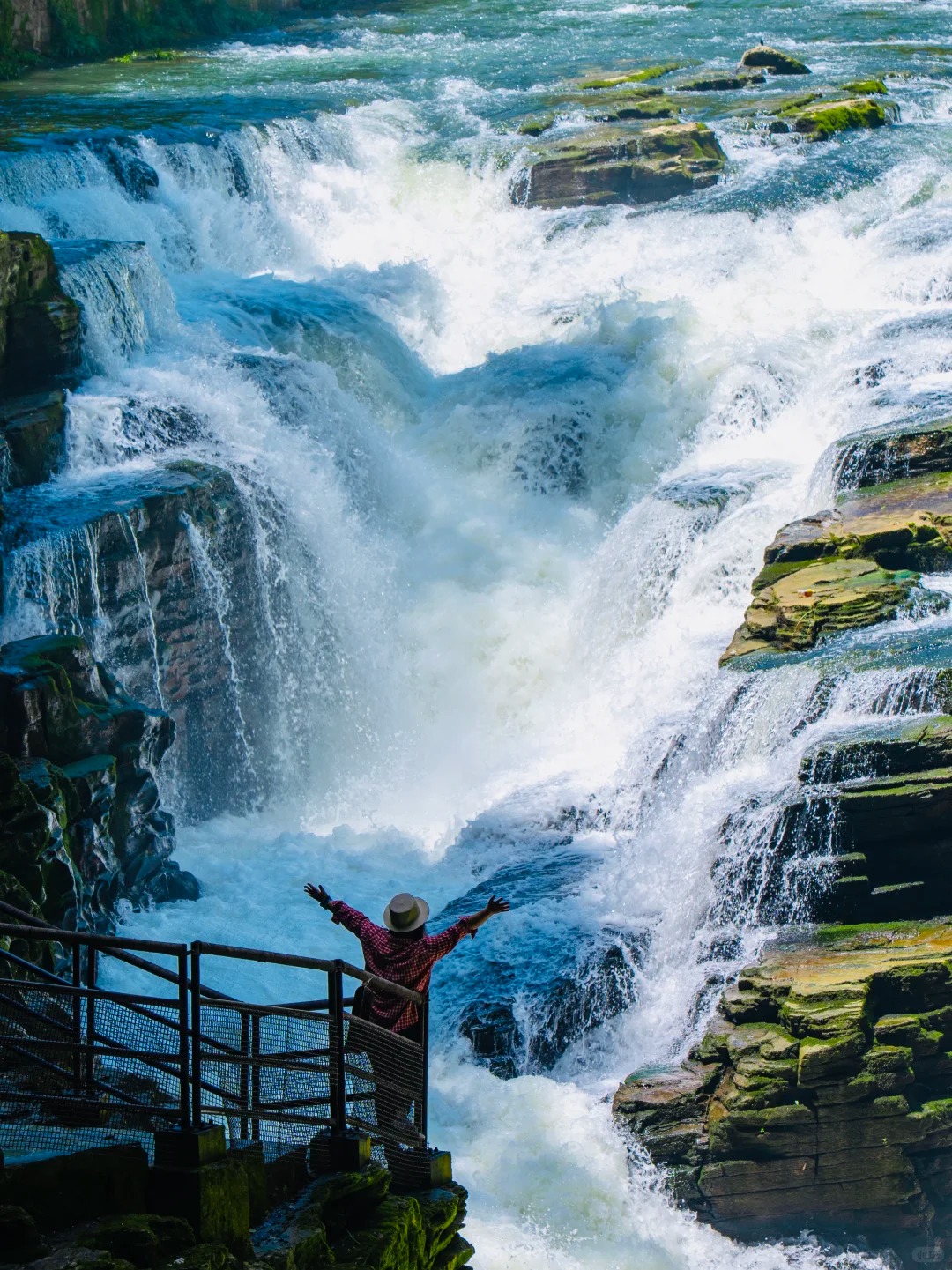

- Waterfall of Tenglong Cave
-
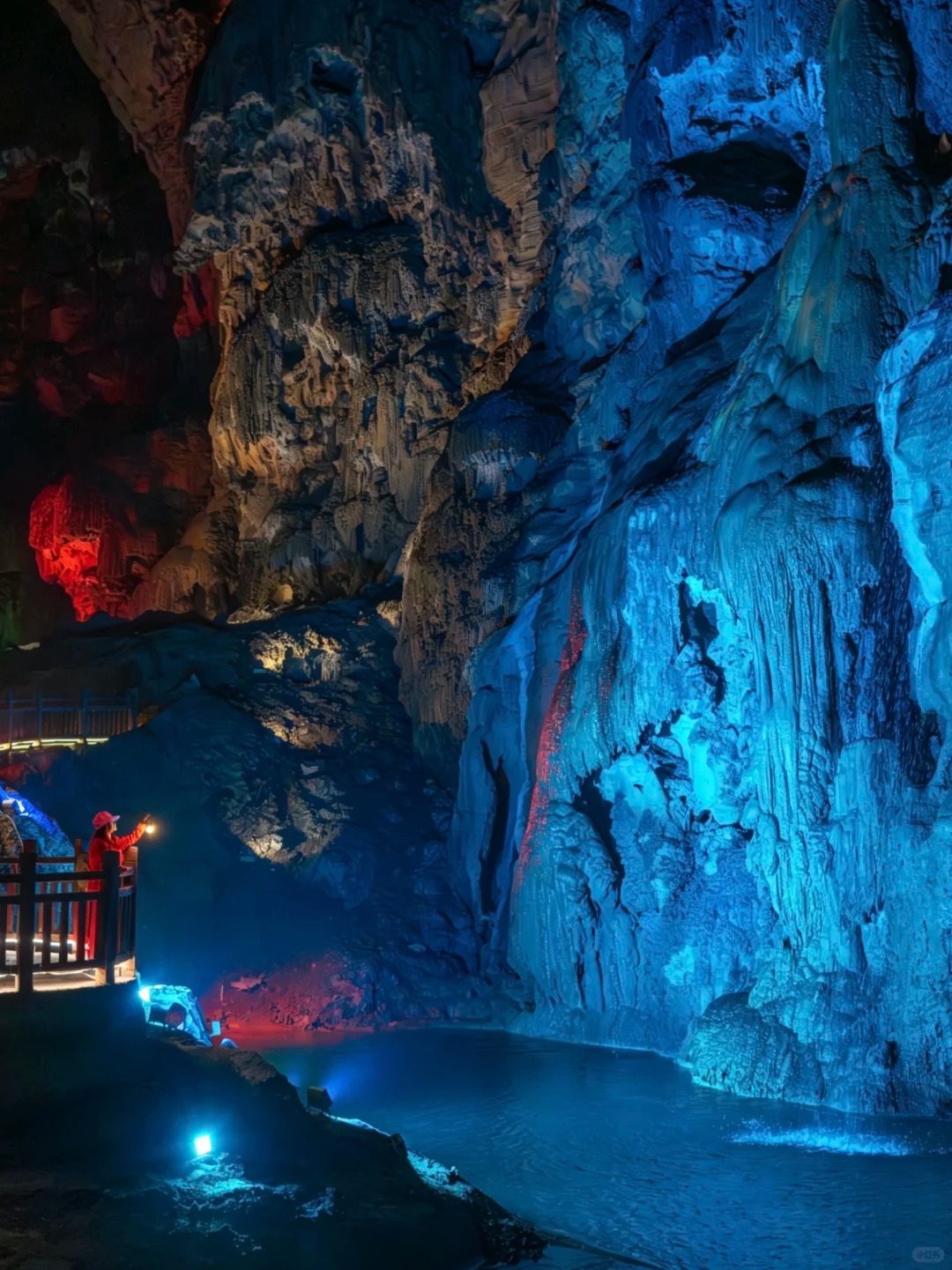
- Inside of Tenglong Cave
-

- Outside of Tenglong Cave
What the Tenglong Cave Ticket Usually Includes
The Tenglong Cave ticket system is fairly straightforward, but the details matter once you arrive on-site. A standard tenglong cave ticket usually covers entrance access, internal shuttle or electric cart sections, and basic sightseeing routes inside the cave. Prices are not completely fixed year-round, and during peak holiday seasons they can rise slightly depending on package combinations.
- Basic Entry: Standard admission typically includes access to the main cave route. This is the base experience most visitors choose.
- Laser Show Inclusion: In many cases, the laser show is already included in the ticket, but some seasonal packages separate it. This is something visitors often misunderstand at the gate.
- Performance Fees: The Tujia ethnic performance is sometimes bundled, but not always. During off-peak months, it may require a separate ticket depending on scheduling.
- Transport Inside Cave: Electric carts are available for certain sections, especially for longer walking distances. This helps reduce fatigue but can slightly affect timing if you skip or wait for rides.
- Price Range: Tickets usually fluctuate around ¥120–¥200, though exact pricing can vary by season and platform. Ctrip listings sometimes show bundled deals with small discounts, but not always significantly cheaper.
- Booking Advice: Online booking is not mandatory, but during summer weekends and Chinese holidays, walk-in queues can get noticeably longer. Booking through platforms like Ctrip is usually safer if travel time is tight.
Best Time of Day to Visit
Timing inside Tenglong Cave affects both crowd levels and lighting conditions more than most visitors expect. Early morning tends to be calmer, with fewer tour groups moving through the main entrance area. Afternoon slots, especially between 1–3 pm, usually bring the highest visitor flow.
- Morning Visits: Quieter overall, better for photos near the entrance where natural light still reaches deeper into the cave mouth. Air also feels slightly fresher before crowds build up.
- Afternoon Visits: This is when most tour buses arrive. The cave feels busier, and walking speed inside slower sections can be affected.
- Show Timing Impact: If your visit overlaps with the laser show schedule, movement inside the cave becomes more structured around group timing rather than free exploration.
- Photography Conditions: Light contrast near wide cave openings works better earlier in the day. Later hours create deeper shadows, which can reduce detail visibility in wide-angle shots.
- Seasonal Tip: In summer, late morning to early afternoon is usually the most comfortable balance between crowd size and temperature. The cave itself stays cool, but waiting areas outside can feel hot and humid.
How Long You Really Need
Time inside Tenglong Cave depends heavily on how you move through the site rather than the distance itself. The layout feels longer than it looks on maps, mainly because of the scale and frequent stopping points for photos.
- Quick Visit (2–2.5 hours): This works if you only follow the main route and skip longer breaks. Suitable for travelers on tight schedules or connecting transport.
- Standard Visit (3–4 hours): This is the most common pace. It includes stops at the underground river, laser show, and main viewing platforms without rushing.
- Slow Exploration (4–5+ hours): Visitors who enjoy photography or want to watch performances in full usually stay longer. The cave naturally slows down walking speed anyway.
- High-Speed Rail Planning: Many travelers underestimate transfer time between Lichuan station and the cave. Rushing a same-day return trip is possible but leaves little buffer.
- Common Mistake: A frequent issue among foreign visitors is underestimating walking time inside the cave. Even if distances look short, the environment encourages slower movement and repeated stops. Most people end up staying longer than planned without realizing it.
Overall, how long to spend at Tenglong Cave is less about strict timing and more about how much you pause to experience the scale and atmosphere.
How to Get to Tenglong Cave
-
- Enshi High-speed Railway Station
-
- Chongqing High-speed Railway Station
From Enshi to Tenglong Cave
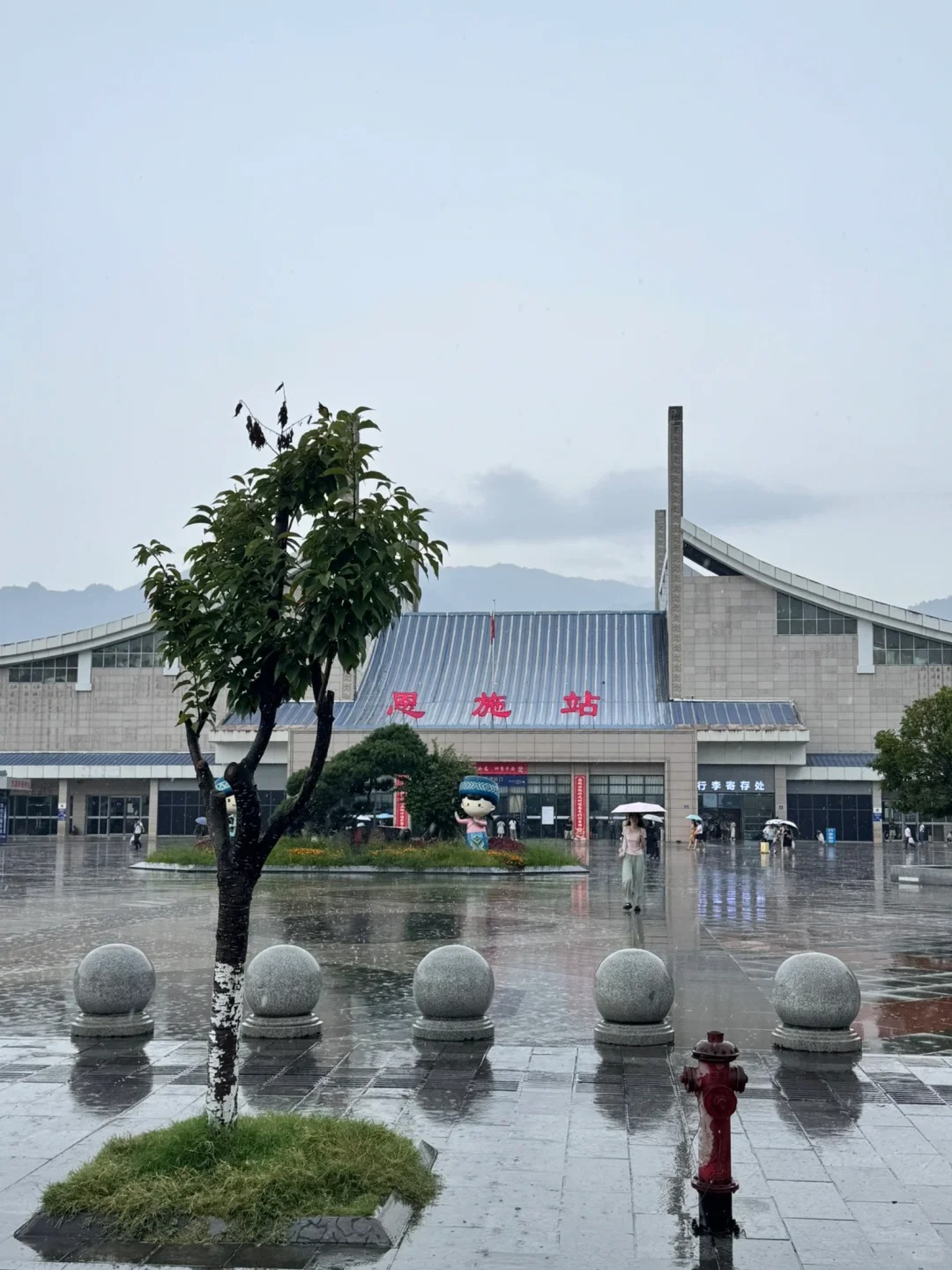
Most travelers planning a tenglong cave enshi trip start from Enshi city, and the route is actually more direct than it looks on maps. The main option is taking a high-speed train from Enshi to Lichuan, which usually takes around 30–40 minutes depending on the schedule. From Lichuan station, the cave is about 30–40 minutes by taxi, and most drivers already know the destination as “Tenglong Dong.”
The whole journey works well for a day trip if timing is planned properly. Early morning trains from Enshi make it possible to reach the cave before peak crowd hours, explore for a few hours, and return the same day. However, transfer time between station and cave is often underestimated by first-time visitors. That is usually where delays happen.
For foreign travelers, the main difficulty is not the transport itself but coordination between train apps, taxi pickup points, and English signage. Some platforms show slightly different station names, which can be confusing when booking. Still, the route is generally straightforward, and self-guided travel is realistic without a tour group.
Overall, if someone is figuring out how to visit tenglong cave, starting from Enshi is one of the easiest and most flexible options.
From Chongqing to Tenglong Cave
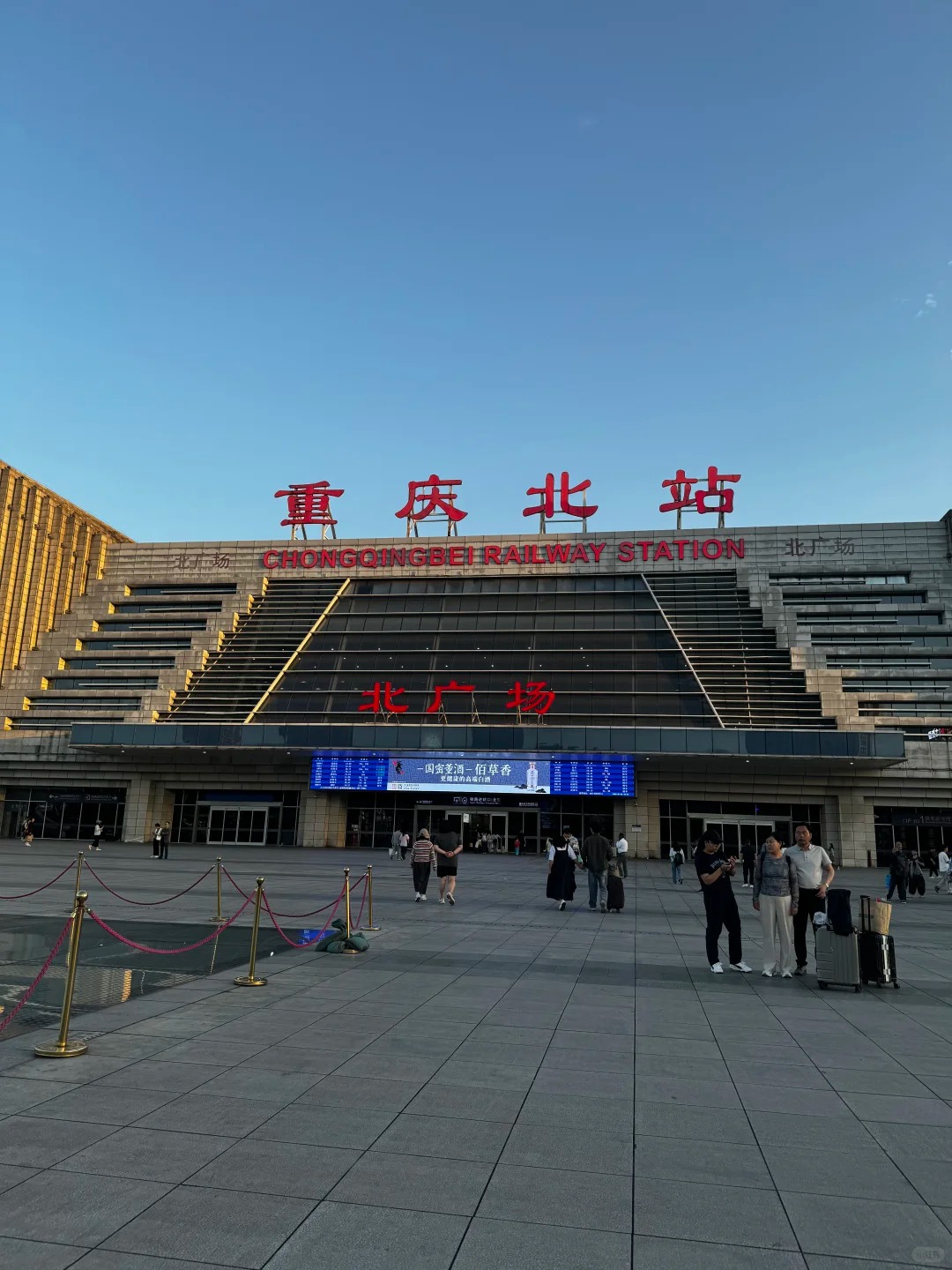
Many visitors taking a tenglong cave from chongqing route combine it with a broader mountain travel itinerary. Chongqing is only a few hours away by high-speed rail, and the connection to Lichuan makes the cave accessible even for weekend trips. The train ride usually takes around 3–4 hours depending on the exact route.
A big reason Chongqing travelers like this route is climate. In summer, Tenglong Cave and surrounding Lichuan areas stay noticeably cooler than the city. This makes it a popular short escape during hot months when Chongqing temperatures can feel heavy and humid.
Self-driving is also possible, but mountain roads can slow down travel time, especially during holidays. Most visitors still prefer rail plus taxi because it reduces driving stress and parking issues near the scenic area.
Compared with the more famous Wulong karst area, Tenglong Cave feels less commercial and less crowded. Wulong is more about outdoor landscapes, while Tenglong focuses on underground scale and enclosed space experience. Both work in a Chongqing itinerary, but they feel completely different in atmosphere.
For weekend planning, most travelers leave Chongqing on Saturday morning, visit the cave in the afternoon or next day, and return Sunday evening. This keeps the trip manageable without rushing too much between transport and sightseeing.
Transportation Mistakes Many Visitors Make
One common issue with tenglong cave travel tips is underestimating how transfer timing works after arriving at Lichuan station. Taxis are available, but during peak hours there can be waiting time, especially when multiple trains arrive together. Some visitors assume it will be immediate and end up losing 20–30 minutes just waiting outside.
Another mistake is misunderstanding internal walking distances. The cave entrance area, shuttle stops, and performance halls are not always close to each other, so people often walk more than expected before actually entering the main sightseeing section.
Holiday crowds also change the experience significantly. During Chinese public holidays, queues for entry and transport inside the cave can stretch longer than expected. Rainy days add another layer of delay because outdoor waiting areas become slower to move through.
Train timing is another frequent problem. Some visitors book return tickets too early, assuming the visit will take only 1–2 hours. In reality, the combination of walking, shows, and photo stops usually requires more time.
Overall, most problems are not about the destination itself but about timing assumptions. Once the schedule is planned with buffer time, the journey to Tenglong Cave becomes much smoother.
Things Most Travelers Don’t Expect at Tenglong Cave
The Cave Is Colder and Wetter Than It Looks Online
The first thing most people notice is the temperature shift. Outside can feel hot and humid, but once you step deeper into Tenglong Cave, the air drops quickly. The tenglong cave temperature stays low all year, and the change feels sharper than expected, especially in summer.
A thin jacket actually makes sense here, even in July. Some visitors only realize this after walking a few hundred meters in, when they start rubbing their arms or slowing down near rest points. Humidity also increases closer to the underground river, and the air sometimes feels heavy rather than dry.
The ground is another detail people often underestimate. Certain sections stay damp throughout the day, not dangerously wet, but enough to make walking slightly slower. It’s a mix of cold air, moisture, and uneven lighting that makes the environment feel more “real” than typical indoor attractions.
The Walking Distance Feels Longer Than Expected
The walking inside Tenglong Cave is not extreme, but it does feel longer than most visitors expect from looking at maps or brochures. The paths are well-built, yet the sheer scale of the cave changes how distance feels. What looks like a short section often turns into several minutes of slow walking and stopping for photos.
There are stairs in multiple areas, and they add up gradually. Nothing is very steep, but after an hour or more, people usually start pacing themselves. Families with children and older visitors tend to take more breaks, especially in sections where lighting is dimmer or the floor is slightly wet.
For many travelers planning a visiting tenglong cave trip, the main misunderstanding is thinking it’s a quick indoor sightseeing stop. In reality, it feels closer to a slow walk through a massive underground system, where the environment naturally slows your movement without you noticing.
Photos Rarely Show the Real Scale
One of the most consistent comments from travelers is that tenglong cave photos don’t reflect what the cave actually feels like. Phone cameras struggle with scale, especially in large open chambers where the ceiling disappears into darkness.
The main problem is perspective. Without people or objects for comparison, the cave looks smaller and flatter in photos than it is in reality. But when you stand there, tour groups ahead look tiny, and distances between formations feel much larger than expected.
Because of this, the best shots usually include people in the frame. It sounds simple, but it works better than wide-angle empty shots. Certain walkway bends and open viewing platforms give the clearest sense of scale, and those spots are where most visitors naturally stop anyway.
Nearby Places Worth Visiting After Tenglong Cave
Enshi Grand Canyon
Enshi Grand Canyon
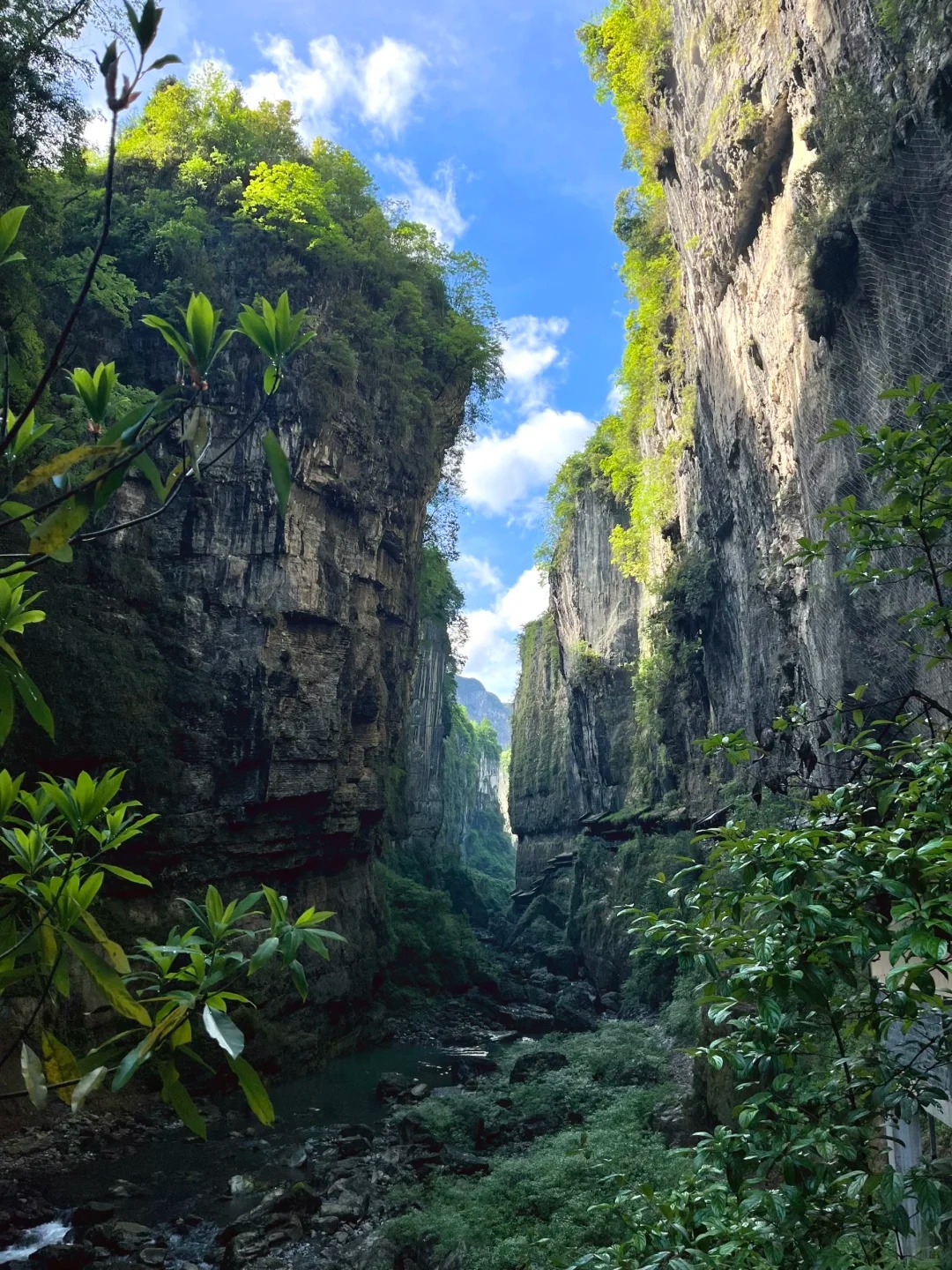
Many travelers combine enshi grand canyon with Tenglong Cave because the experience is completely different. One is underground and enclosed, while the other is open cliffs, valleys, and long suspension walkways. The contrast is actually the main reason people plan both in one trip.
- Location: Around 2–3 hours from Tenglong Cave by road, depending on traffic and route conditions.
- Feature: Known for steep canyon walls, glass walkways, and long hiking paths with wide mountain views. It feels more physically demanding than Tenglong Cave.
- Suitable for: Travelers who enjoy outdoor walking, light hiking, and panoramic landscapes. Not ideal if the cave already felt tiring.
A common travel plan is to visit Tenglong Cave first, then spend the next day at the canyon. Both together give a fuller sense of Enshi’s geography, but the canyon usually requires more energy. If Tenglong Cave feels like an underground world, Enshi Grand Canyon feels like the opposite—completely open and exposed.
Lichuan City
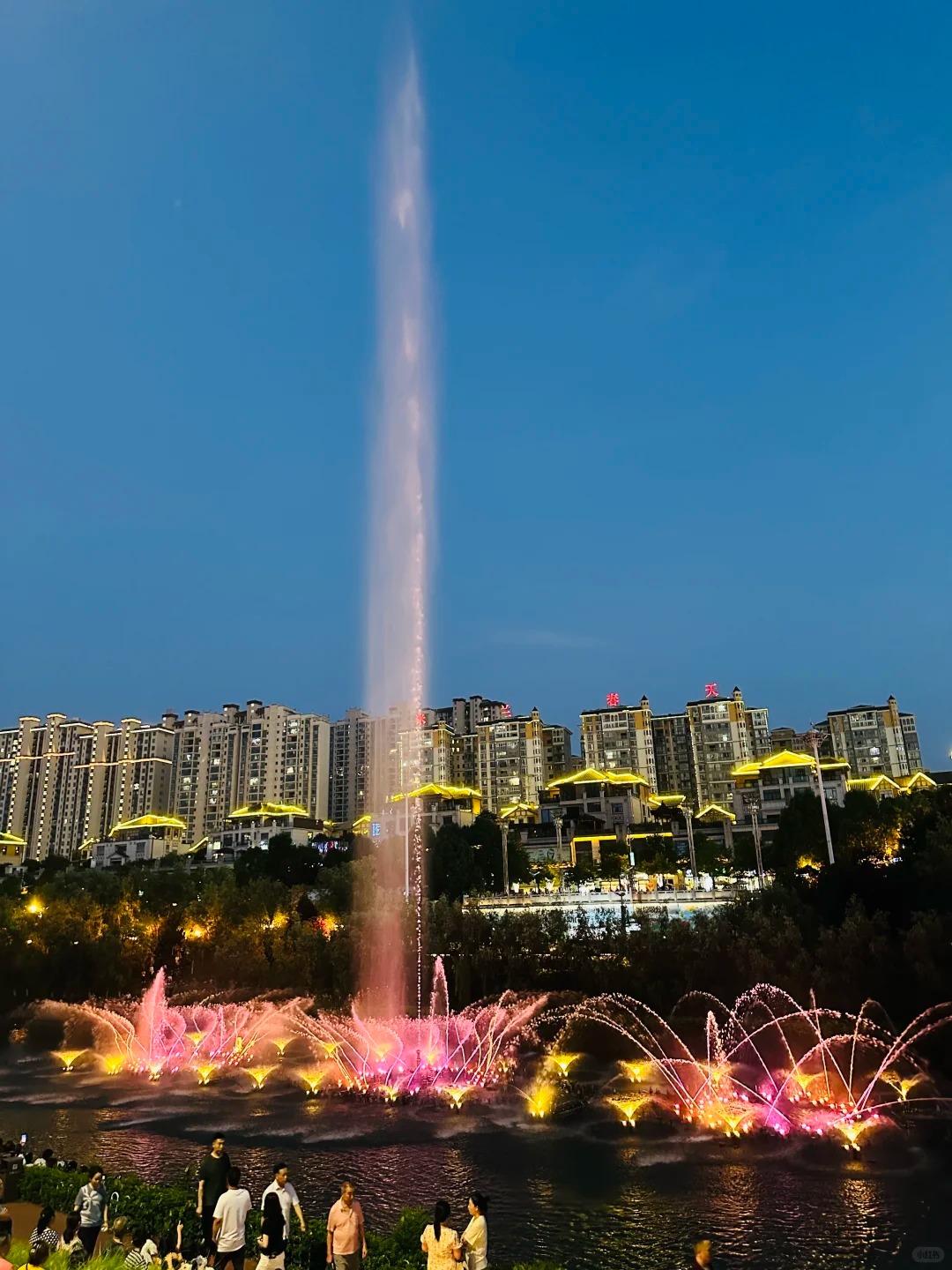
Lichuan City
Lichuan is the nearest urban stop to Tenglong Cave, and most visitors pass through it without realizing it can actually be part of the trip. For lichuan travel, the city works more as a rest base than a major attraction, but it still adds practical value.
- Location: About 30–40 minutes from Tenglong Cave by car, and directly connected to Lichuan Railway Station.
- Feature: The city is known for its mild summer climate compared to nearby regions. Even in hot months, evenings feel noticeably cooler and more comfortable for walking.
- Suitable for: Travelers who want to slow down after visiting the cave or catch an early train the next day.
Food in Lichuan is simple and local, mostly hot dishes, noodles, and regional snacks rather than tourist-focused restaurants. Many visitors choose to stay overnight here because hotel prices are reasonable and transportation is convenient. At night, the temperature drops quickly, and light jackets are common even in summer. It feels more like a small mountain city stop than a typical tourist hub.
Dragon Boat Water Town
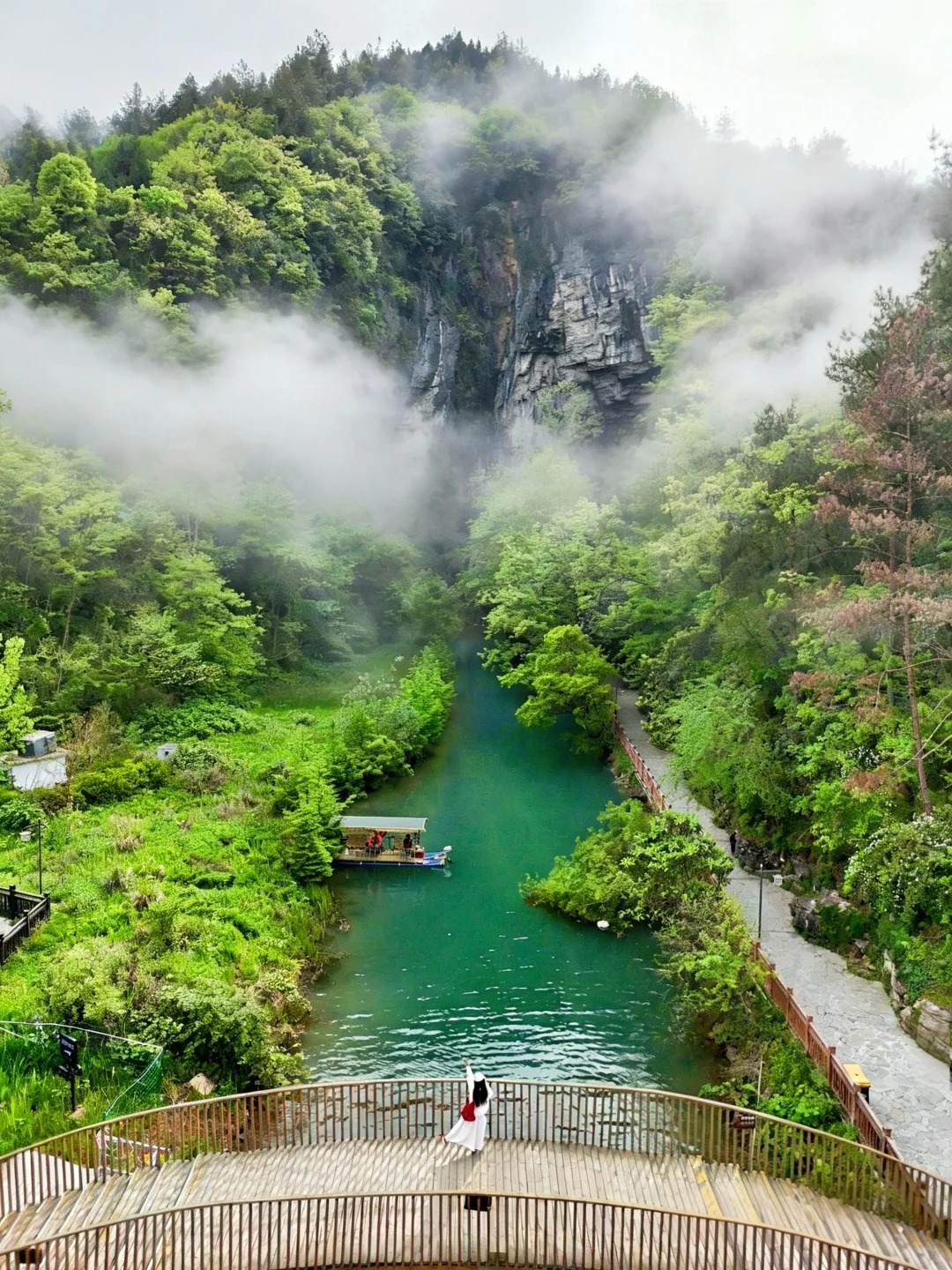
Dragon Boat Water Town
Dragon Boat Water Town is a smaller scenic area sometimes included in regional itineraries around enshi attractions, but it is not as widely visited as the cave or canyon.
- Location: Usually visited as a side stop when traveling between Enshi and Lichuan or nearby scenic routes.
- Feature: Built around water channels and traditional-style buildings, it has a more relaxed and decorative atmosphere compared to natural landscapes like Tenglong Cave.
- Suitable for: Visitors who prefer light walking, photography, and slower sightseeing rather than large-scale natural scenery.
Most people do not prioritize it over Tenglong Cave or Enshi Grand Canyon, but it can work as a short stop if time allows. The overall experience is less dramatic and more about scenery and photos rather than geological scale or hiking.
FAQ About Tenglong Cave
Q: Where is Tenglong Cave located?
Tenglong Cave is located in Lichuan, which belongs to Enshi Prefecture in Hubei Province, China. It sits in a mountainous area between Chongqing and central Hubei, making it relatively easy to reach from both directions by high-speed rail. Most travelers arrive via Lichuan Railway Station, then take a taxi for about 30–40 minutes to the scenic area. The location is remote but well connected, especially for domestic rail travel.
Q: How long does a visit to Tenglong Cave take?
Most visitors spend around 3 to 4 hours inside Tenglong Cave. This includes walking through the main cave routes, stopping at viewpoints, and watching performances or the laser show if included. A faster visit can be done in about 2 hours, but it feels rushed. Some travelers stay longer if they take photos or wait for scheduled shows, especially during peak season when movement inside the cave slows down.
Q: Is Tenglong Cave suitable for children or elderly visitors?
Yes, but with some conditions. The main pathways are well-built and safe, and there are resting points along the way. However, the cave is large, and walking distances can feel long. Elderly visitors should take breaks, and children may need supervision in slightly wet or darker areas. Electric carts are available in some sections, which helps reduce walking distance and makes the experience easier overall.
Q: What should I wear when visiting Tenglong Cave?
Even in summer, it is better to bring a light jacket because the tenglong cave temperature stays cool and humid inside. Comfortable walking shoes are important since some paths can be damp or slightly slippery. Avoid sandals or smooth soles. In winter, the temperature difference between outside and inside is smaller, but layered clothing still works best because conditions vary in different cave sections.
Q: Is the laser show inside Tenglong Cave worth watching?
For most visitors, yes. The laser show is not about complex storytelling but about scale and environment. The cave ceiling and wide rock walls turn simple light effects into something much larger. The experience depends heavily on sitting position, with middle viewing areas offering the best perspective. While some travelers find it short, many agree it adds atmosphere to the visit rather than being a standalone attraction.
Q: Can I visit Tenglong Cave without a tour?
Yes, independent travel is very common. You can take a high-speed train to Lichuan and then a taxi to the cave. Signage at the site is mostly clear, and ticket purchasing can be done online or on arrival. In practice, many visitors just use WeChat Pay for tickets and taxis, so there is rarely any real barrier. The main challenge is coordination between transport timing and crowd levels. Overall, how to visit Tenglong Cave independently is straightforward even for first-time travelers in China.
Q: What is the best time to visit Tenglong Cave?
The best time of day is usually morning or early afternoon. Morning visits are quieter and better for photography, while early afternoon may include more tour groups. Summer is the most popular season because the cave stays cool, making it a good escape from heat. However, holiday periods can be crowded, so weekday visits generally provide a more comfortable experience.
Q: How difficult is walking inside Tenglong Cave?
Walking inside Tenglong Cave is moderate. The paths are paved, but the total distance is longer than many people expect. There are stairs in several sections, and some areas feel damp or slightly slippery. Most visitors do not need special fitness levels, but comfortable shoes and slow pacing help a lot. People usually stop frequently for photos, which naturally increases the total walking time.
Q: Are photos inside Tenglong Cave accurate compared to real life?
Not really. Most tenglong cave photos online do not fully capture the scale of the space. The cave is too large for phones to show properly, especially in wide chambers where the ceiling disappears into darkness. In reality, people and tour groups look much smaller than in photos. Including people in shots actually helps show the scale more accurately than empty landscape photos.