Ski Areas in China
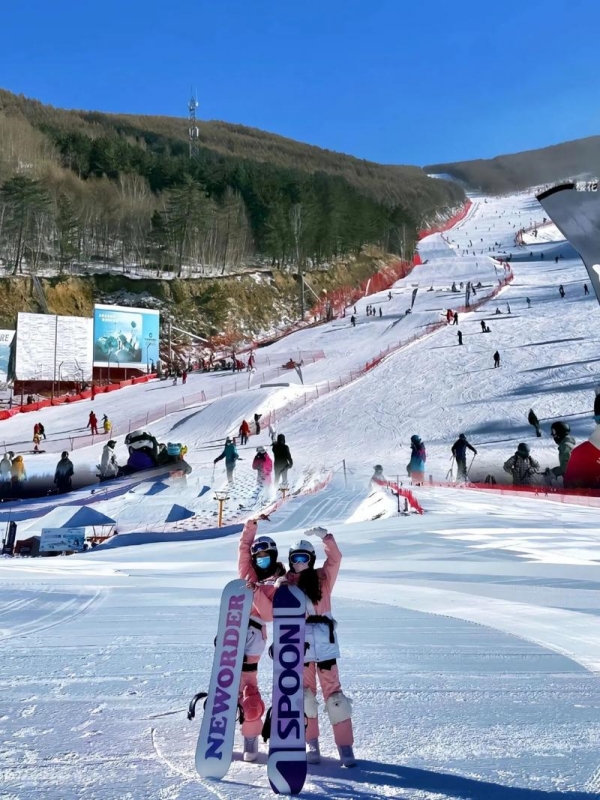
China runs 719 ski areas—more than any other country on earth—and the numbers keep growing. Most are modest hills serving day-trippers from nearby cities, but a growing cluster of true destination resorts now draws visitors from overseas. The highest-profile names are the Beijing 2022 Olympic venues in Yanqing and Hebei's Chongli district, Jilin's volcanic-peak Changbaishan and world-cup-tested Beidahu, and Xinjiang's Silkroad resort, where the Tian Shan range delivers one of the longest vertical drops in Asia. Beyond the northern Alps, 60 indoor arenas—led by Shanghai's L+SNOW and Harbin's BONSKI—let skiers carve turns year-round in subtropical cities. This guide maps every major ski region, explains how to reach them, and breaks down what a day pass costs in U.S. dollars.
Quick Facts
China's Ski Industry at a Glance
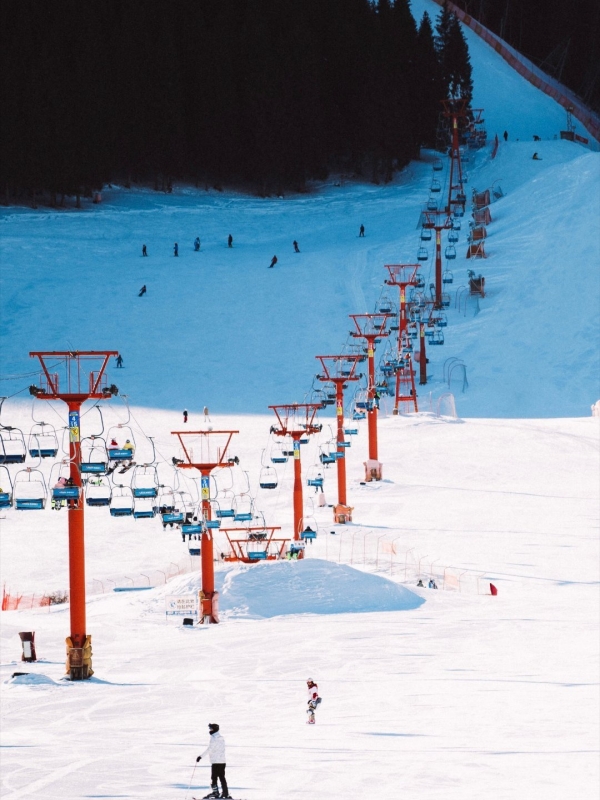
China's ski industry has expanded rapidly since the 2022 Beijing Winter Olympics, and the country now operates more ski areas than any other nation on earth. The 2023–24 China Ski Industry White Book records 719 ski areas nationwide, up from 697 in 2022 but still below the pre-COVID peak of 770. By comparison, Japan has 447 areas, the United States 505, Canada 292, France 296, and Austria 440. Despite the large total count, only 33 Chinese resorts offer more than 300 meters of vertical drop, and 543 still rely entirely on magic carpets or have no lifts at all.
Just 29 "destination resorts"—roughly 4 percent of the total—generated 28.6 percent of all skier visits in the 2023–24 season, a figure that climbed 52.9 percent year-on-year. Indoor ski areas, which grew from 50 to 60 venues, drew 4.85 million visits and now account for more than 21 percent of total skier visits. China holds six of the world's ten largest indoor resorts, with Shanghai L+SNOW and Harbin BONSKI leading at 65,000 square meters each.
Seasonal momentum is building ahead of the Harbin Asian Winter Games in February 2025, with Spring Festival 2024 drawing 10.1 million visits to the city—up 81.7 percent year-on-year in a phenomenon the Chinese media dubbed "Erbin fever." Olympic legacy venues from Beijing 2022, including the Yanqing National Alpine Ski Center, Thaiwoo, and Genting Snow Park in Chongli, continue to operate commercially and remain accessible to international visitors.
❄️ Explore More Winter Experiences: From alpine skiing and indoor slopes to hot springs and ice festivals, discover the best seasonal activities across the country in our guide to Winter Activities in China.
The Best Ski Areas in China by Region
China's ski terrain splits roughly into four geographic clusters: the established northeast around Harbin and Jilin, the Olympic-fed Hebei-Beijing corridor, the remote but spectacular Xinjiang powder belt, and the growing indoor scene in southern cities. Each region offers a distinctly different skiing experience in terms of terrain, snowfall type, and access complexity.
Northeast China: Yabuli, Changbaishan and Beidahu
Ski Areas in China
Yabuli in Heilongjiang province is one of the oldest ski areas in Asia, dating to the 1950s–60s era. The resort features a vertical drop of roughly 542 meters and hosts the well-known Club Med Yabuli property, making it a natural choice for visitors seeking English-language services and a managed resort atmosphere. Night skiing is available, extending the usable day during the short northern winter.
Changbaishan in Jilin sits on a volcanic peak near the North Korea border and is marketed as home to China's longest single piste. The resort's intermediate runs descend a dramatic volcanic landscape with a vertical drop exceeding 470 meters. Snow quality here benefits from lake-effect moisture and Siberian cold air masses, producing reliable coverage from December through February.
Beidahu, also in Jilin province, is the largest ski area in the region by skiable terrain and has hosted multiple FIS World Cup events, giving it genuine international competition credentials. Around 35 named trails serve a mix of abilities, and the resort's size makes it less crowded than smaller Jilin hills on weekends. Access for all three northeastern destinations is through Harbin for Yabuli, or through Changchun or Jilin City for Changbaishan and Beidahu, followed by a shuttle of 1.5–2.5 hours.
🌌 Visit China’s Northernmost Arctic Village: For an unforgettable sub-zero winter adventure near the Russian border, explore winter travel tips and northern lights viewing at Beijicun Mohe Village.
Beijing 2022 Olympic Venues and the Hebei Cluster
Ski Areas in China
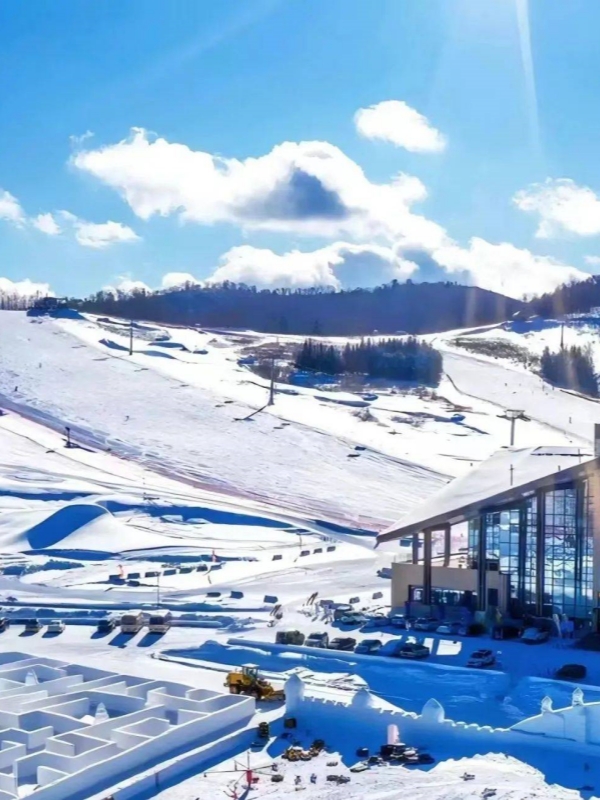
The Hebei-Zhangjiakou zone attracted global attention during the 2022 Winter Games and now operates several of China's most accessible commercial resorts. Four venues stand out:
- Yanqing National Alpine Ski Center: The "Snow Dragon" downhill course at Yanqing hosted the Olympic alpine events; public access is limited but the venue can be viewed.
- Thaiwoo: Located in Chongli, this resort staged the 2022 snowboard and freestyle events and now runs the largest night-skiing operation in Hebei, popular with weekending Beijing residents.
- Genting Snow Park: The freestyle and halfpipe venue from the Games, Genting offers strong intermediate terrain and sits in the same Chongli cluster as Thaiwoo.
- Wanlong: A quieter, family-oriented resort in Chongli with gentler slopes and smaller crowds—ideal for learners and those seeking a relaxed day on snow.
Reaching the Chongli resorts from Beijing is straightforward: the Beijing–Zhangjiakou high-speed rail covers the roughly 50-minute journey from Beijing North or Qinghe station for about $15 (¥105). Driving from central Beijing takes around 3 hours. The Hebei cluster sits at a lower altitude than the northeastern resorts, resulting in slightly milder temperatures that some visitors find more comfortable.
Xinjiang: Silkroad, Tianchi and the Altay Powder Belt
Ski Areas in China
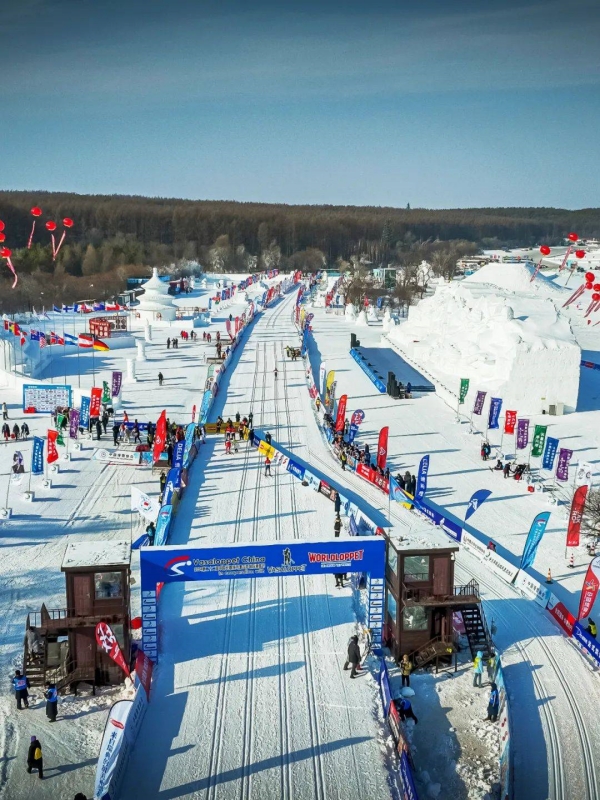
Xinjiang produces the deepest, driest snow in China, a result of the region's continental climate and proximity to the Tian Shan range. The standout name is Silkroad Ski Resort, which the operator bills as holding China's largest vertical drop at roughly 1,000 meters. The dry powder here compares to conditions in the North American Rockies, making it the most compelling destination for advanced skiers willing to make the journey to Urumqi.
Tianchi, or Heavenly Lake, pairs a half-day of skiing with striking volcanic-lake scenery, though the terrain is less extensive than Silkroad. The Altay region—accessible via connecting flights from Urumqi—has emerged as a powder-focused destination with names like Koktokay, Wujiahe, and Jiangjunshan. The area has earned informal comparisons to Japan's Hokkaido among skiers who have experienced both regions.
The powder window in Xinjiang typically runs from late December through February. Visitors should note that travel logistics here are more involved than the Hebei or northeast clusters, with Urumqi serving as the main hub and shuttle time to Silkroad taking roughly 1 hour by road.
Indoor Ski Areas and the Southern China Scene
Ski Areas in China
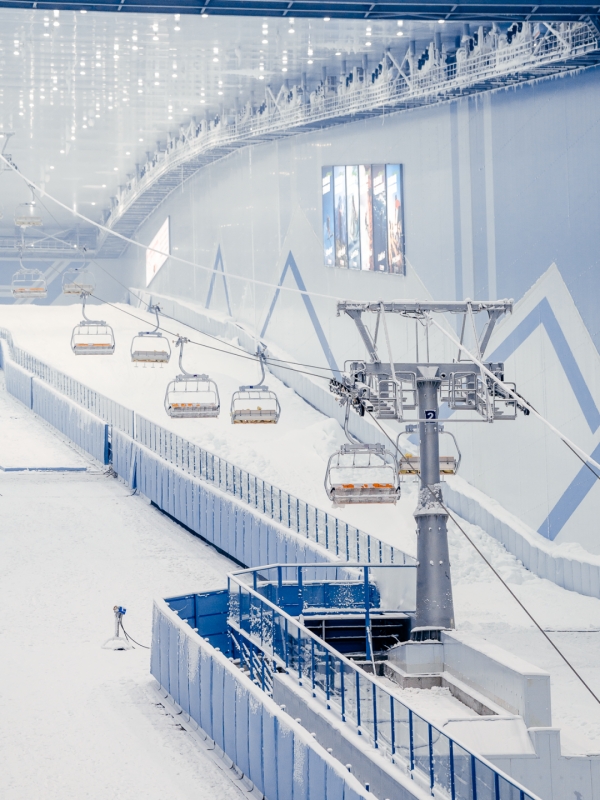
China's indoor ski sector has expanded to 60 venues drawing 4.85 million visits, accounting for over a fifth of the country's total skier visits. The six largest indoor resorts in the world all operate in China, reflecting the country's engineering scale in climate-controlled snow infrastructure.
- Shanghai L+SNOW: 65,000 m² of skiable terrain in the heart of Shanghai, making it one of the world's largest indoor facilities.
- Harbin BONSKI: Also 65,000 m², the northern sister to L+SNOW, situated in China's coldest major city and offering a notably icy interior environment.
- Chengdu Wanda Snow Park: A major indoor venue serving southwest China's large population base.
- Guangzhou Sunac Snow Park: Indoor snow in the Pearl River Delta, one of China's most internationally connected metro areas.
- Shenzhen QFXi: A growing Shenzhen indoor option marketed as "Bigger and Bigger," serving the southern Guangdong corridor.
Day-pass pricing at indoor venues aligns with mid-tier outdoor resorts, typically in the $45–65 range. These venues are most useful for visitors based in Guangzhou, Shenzhen, Chengdu, or Shanghai who cannot spare the travel time to northern destination resorts, or for beginners wanting to practice before tackling outdoor terrain.
❄️ Discover Harbin's Iconic Winter Highlight: After hitting the slopes in northeast China, explore lit-up ice castles, giant slides, and festival tips in our visitor guide for Harbin Ice and Snow World.
🎡 Discover More Climate-Controlled Indoor Attractions: Beyond year-round indoor ski slopes, China's major cities offer massive multi-level indoor recreation parks for younger kids. Read our complete guide to Kids Indoor Playgrounds in China.
Getting to China's Ski Areas
Most destination resorts sit two to four hours from a major airport or high-speed rail hub, making Beijing, Harbin, and Urumqi the primary gateway cities. Foreign travelers can book domestic train tickets and resort transfers through Trip.com in English, which is the only widely accessible platform for international visitors. Key regional routes break down as follows:
- Beijing / Hebei / Chongli: Fly into Beijing Capital (PEK) or Daxing (PKX), then take the Beijing–Zhangjiakou HSR about 50 minutes (~$15 / ¥105) from Beijing North or Qinghe station, or drive roughly 3 hours to Chongli.
- Harbin / Yabuli: Fly from Beijing to Harbin Taiping (roughly 2 hours, $130–180 / ¥900–1,300), then a 2.5-hour drive or pre-booked shuttle to Yabuli.
- Jilin / Beidahu and Changbaishan: Fly into Changchun Longjia or Jilin City airport, followed by a 1.5–2 hour resort shuttle.
- Xinjiang / Silkroad: Fly into Urumqi Diwopu, then roughly 1 hour by road to Silkroad resort. Altay requires a connecting domestic flight from Urumqi (~$70–100 / ¥500–720).
Shuttle services run by individual resorts operate on fixed seasonal schedules at $15–25 per seat, while private car transfers cost $80–150 (¥580–1,100) depending on distance and vehicle type. Visitors arriving through Beijing, Shanghai, Guangzhou, and several other gateway cities can take advantage of China's 144-hour visa-free transit policy, which removes the need for a tourist visa for short-stay ski trips.
Lift Tickets, Passes and Booking for Foreign Visitors
Most foreign visitors cannot use Meituan, Dianping, or WeChat mini-programs, as those channels require a mainland phone number and Alipay or WeChat Pay. Instead, book through Trip.com, Klook, or TripAdvisor partner listings, which carry domestic lift tickets, equipment packages, and resort transfers in English. Multi-day and advance booking on Trip.com typically offers a 15–25 percent discount compared to walk-up window pricing.
English-speaking ski schools are most reliable at Club Med Yabuli, Thaiwoo, and Genting Snow Park. Smaller northeastern and Xinjiang resorts may have limited English-language instruction—confirm availability before arrival. Standard resort hours run from 09:00 to 16:00, with weekend night skiing at Yabuli and the Chongli venues extending the day into the evening.
When to Go: Season, Weather and Crowd Timing
Northern China's outdoor ski season runs from late November through early March, with conditions most reliable from mid-December onward. The peak crowd window coincides with Christmas, New Year, and the Chinese Spring Festival holiday, which typically falls in late January or February—expect larger numbers on the slopes and higher accommodation rates during these periods.
For skiers chasing powder, January delivers the best conditions in the northeast around Yabuli and Changbaishan, where cold temperatures and lake-effect snowfall combine for consistent coverage. Xinjiang's dry continental snow favors February, when the deep freeze produces lighter, drier powder. Crowd-avoidance strategies include booking the first two weeks of December, when the season is young but slopes are quiet, or the week immediately following Spring Festival, when domestic visitors have returned home and international airfares remain lower.
Weather conditions vary sharply by region. Heilongjiang can experience wind chills below −25 °C, requiring full thermal gear and face protection. Xinjiang stays cold but stable, without the biting wind that affects Heilongjiang. The Beijing-Hebei cluster sits at lower altitude and experiences the mildest slopes of the destination resorts, which some visitors find more comfortable than the deep-freeze conditions farther north. Indoor venues operate year-round and are unaffected by seasonal weather entirely.
International flights to Beijing, Shanghai, and Harbin tend to be cheapest in late November and again in early March, aligning with the season's opening and closing edges. Always reconfirm a resort's opening dates and snow conditions directly on the operator's official website before booking travel, as some venues open later in a warm year or extend operations in a cold one.
Frequently Asked Questions
Q: Are there ski areas in China?
Yes. China operates more ski areas than any other country in the world, with 719 listed in the 2023–24 China Ski Industry White Book. The portfolio ranges from small suburban hills serving day-trippers to world-class destination resorts with Olympic credentials.
Q: How many ski areas are there in China?
As of the 2023–24 White Book, 719 ski areas exist in China—up from 697 in 2022 but below the pre-COVID peak of 770. Only 33 of these offer more than 300 meters of vertical drop, and 176 have aerial chairlifts.
Q: Which ski area in China is best for beginners?
Suburban resorts near Beijing and Changchun, plus indoor venues such as Shanghai L+SNOW and Harbin BONSKI, offer the gentlest terrain for first-timers. Among destination resorts, Wanlong in Chongli is known for forgiving intermediate slopes and a quieter atmosphere.
Q: What ski area in China has the largest vertical drop?
Silkroad Ski Resort in the Tian Shan range near Urumqi is widely reported to hold China's largest vertical drop at roughly 1,000 meters, with dry continental snow that the operator compares to North American Rocky Mountain conditions.
Q: Where were the Beijing 2022 Olympic skiing events held?
Alpine events ran at Yanqing National Alpine Ski Center in Beijing municipality. Snowboard, freestyle, and ski-cross events took place at Thaiwoo and Genting Snow Park in the Chongli/Zhangjiakou zone of Hebei province—all four venues continue operating as commercial resorts and are reachable on the Beijing–Zhangjiakou high-speed rail.
Q: What skis are actually made in China?
Several major brands produce lower- and mid-tier ski lines in Chinese factories, including K2, Line, Rossignol, Salomon, Atomic, and Völkl. Higher-end models for these brands are typically manufactured in Europe, North America, or Japan.
Q: Can foreign visitors buy lift tickets without a Chinese phone number?
Yes. Trip.com, Klook, and TripAdvisor partner listings sell domestic lift tickets and resort packages in English without requiring a Chinese phone number or WeChat Pay. Meituan, Dianping, and WeChat mini-programs are not practical for most international travelers.
Q: How many days do I need for a ski trip to China?
Five to seven days covers one destination resort comfortably, including travel days. Ten to fourteen days allow pairing two distinct regions—for example, the Beijing 2022 venues plus Yabuli, or Chongli with Silkroad in Xinjiang.