Shanghai Weather in March 2026
March sits at the hinge of Shanghai's seasons. Winter's sharp edge has softened, but the humid heat of summer is still weeks away, leaving cool, changeable days that warm noticeably as the month goes on. Daytime highs in Shanghai in March hover around 12°C (54°F), with overnight lows near 5°C (41°F). Rain falls on roughly half the days, sunshine runs about five hours between clouds, and east-coast fog can briefly slow flights at Pudong. This guide breaks down what to actually expect, how conditions shift from early to late March, and what to pack and do while you're here.
Quick Facts
The following figures are long-term climate averages, not a specific forecast for March 2026.
Shanghai Weather in March: Temperature, Rain and Sun
Shanghai Weather in March 2026
Average Temperatures
The headline figure is 12°C (54°F) for the daytime average. At night the mercury drops to around 5°C (41°F). Those are averages, however, and March can swing in either direction. Cold snaps occasionally drag daytime highs down to 5–7°C, while warm spells push them to 18–20°C. Frost is possible inland during the coldest mornings, especially in the first week or ten days. The city's recorded March extremes span roughly -2°C to 32°C across the full historical record, so layers are the safest bet.
March sits between the cold of January and February and the steady warming that arrives in April. Humidity climbs gradually through the month, though mugginess remains rare. The sea surface temperature holds at about 9°C (48°F), far too cold for swimming at the city's coastal stretches.
Rainfall and Rainy Days
Rain falls on roughly 14 days in March, adding up to about 84 mm of moisture for the month. An alternative dataset from the same sources shows 7 mm across 4 days, indicating notable variability between published climate records. Both figures reflect light, drizzly showers rather than tropical downpours — overcast skies are more common than heavy rainfall. Plum rain (Meiyu) season does not begin until June, so visitors are spared that particular discomfort. Light snow is possible but unusual.
Sunshine, UV and Daylight
Expect about five hours of bright sunshine per day, roughly 38% of available daylight. Published datasets vary here too, with one source reporting up to 8 hours per day (64% of daylight) — the discrepancy reflects different measurement methodologies. The UV index peaks at 7 on clear afternoons, rated High. Sun protection is advisable on sunny days, especially around midday.
Daylight hours run from approximately 06:22 at sunrise on 1 March to 05:45 by the 31st. Sunset shifts from 17:52 to 18:12 over the same period, adding about twenty minutes of evening light by month's end.
Things to Do in Shanghai in March
Shanghai Weather in March 2026
March splits cleanly between indoor culture and outdoor exploration — rainy days call for museums and towers, while dry spells make the Bund, Yu Garden and the city's parks genuinely pleasant.
Indoor and Museum Picks for Rainy Days
When the rain arrives, Shanghai's cultural institutions offer shelter and depth.
- Shanghai Museum: Free entry; People's Square; allow 2–3 hours for the bronze, ceramics and calligraphy galleries.
- Shanghai Tower 118F observation deck: About $28 (¥198); Lujiazui financial district; check the weather forecast for the clearest days — visibility above the clouds can be striking.
- Long Museum West Bund: About $14 (¥100); large-scale modern and contemporary Chinese art in a riverside setting.
- Power Station of Art: Free entry; housed in a converted coal-fired power station; China's first state-run contemporary art museum.
Outdoor Highlights in Dry Weather
When rain clears and the air is dry, head outside for the city's most atmospheric sights.
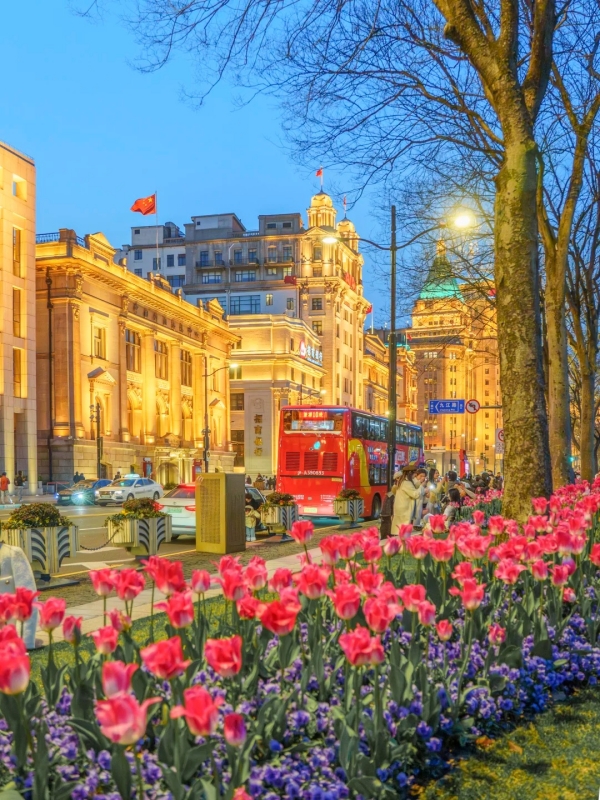
- The Bund: Free; Zhongshan East 1st Road; the colonnaded waterfront promenade is most dramatic in mist or at dusk when the Lujiazui skyline lights up.
- Yu Garden and Bazaar: About $7 (¥40–70) for garden entry; the adjoining bazaar is free to browse; Yuyuan Garden metro station, short walk from the Bund.
- Tianzifang and French Concession: Free to wander; narrow lanes packed with cafes, boutiques and early 20th-century shikumen architecture.
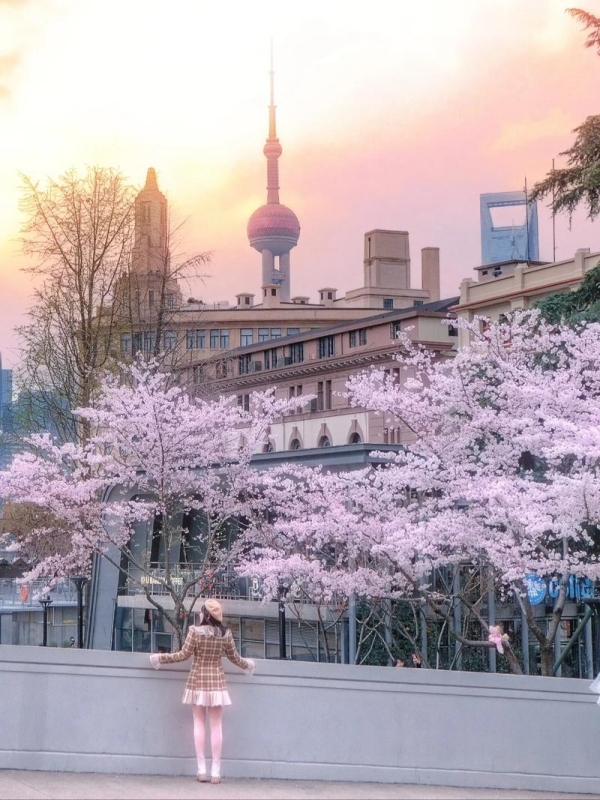
- Century Park or Gucun Park: Century Park charges about $3 (¥20); metro Line 2 to Century Park. Gucun Park charges about $3 (¥20); metro Line 7 to Gucun Park — home to Shanghai's largest cherry blossom grove. First blooms appear late March; peak bloom runs early-to-mid April.
🌸 Check Nationwide Spring Weather: If your itinerary takes you beyond Shanghai to Beijing, Xi'an, or southern China this month, explore expected temperatures and weather patterns in our guide to Temp in China in March.
Early vs Late March: How the Weather Shifts
March warms fastest in the final ten days, with the most noticeable shift coming after mid-month.
Early March (1–10)
The opening stretch resembles late February most closely. Daytime highs sit near 10°C (50°F), with lows around 3°C (37°F). Occasional morning frost can appear inland. Rainfall is lighter than later in the month. Most hotels keep their heating systems running through this period.
Mid and Late March (11–31)
Warming becomes steady after mid-month. Highs reach 14–16°C (57–61°F) by the 31st, while overnight lows climb to 7–8°C (45–46°F). Rainy days increase in number but the rain itself stays light. Tree pollen and dust episodes grow more frequent, and air quality can dip briefly into the Unhealthy for Sensitive Groups range. The first cherry blossom buds typically open in warmer, sheltered spots around 20–25 March.
🌆 Plan an Autumn Visit: If you are considering visiting during Shanghai's other comfortable shoulder season, check out average rainfall and temperature breakdowns in our guide to Shanghai Weather September.
What to Pack and Wear in Shanghai in March

Shanghai Weather in March 2026
Layering is the key strategy for March in Shanghai — the temperature swings between morning chill and mild afternoon warmth.
- Medium-weight jacket or wool coat: Handles most daytime temperatures; choose a water-resistant shell if possible.
- Long-sleeve shirts and 1–2 sweaters: Wear over the base layer; sweaters add warmth for evenings and overcast days.
- Trousers: No shorts — the cool air and rain make them impractical. Jeans or lined trousers work well.
- Compact umbrella or packable rain jacket: Essential given rain on roughly half the days; packable versions save luggage space.
- Waterproof shoes or quick-dry trainers: Wet pavements are common; avoid leather soles that slip on wet stone.
- Light scarf: Useful for cool mornings and draughty metro stations; doubles as a sun guard on clear afternoons.
- Optional thin down jacket: Worth bringing for cold snaps when temperatures drop to 5–7°C, particularly in the first half of the month.
- N95 or KF94 mask: Spring dust and pollution episodes can briefly push air quality into the unhealthy range; a fitted mask provides protection.
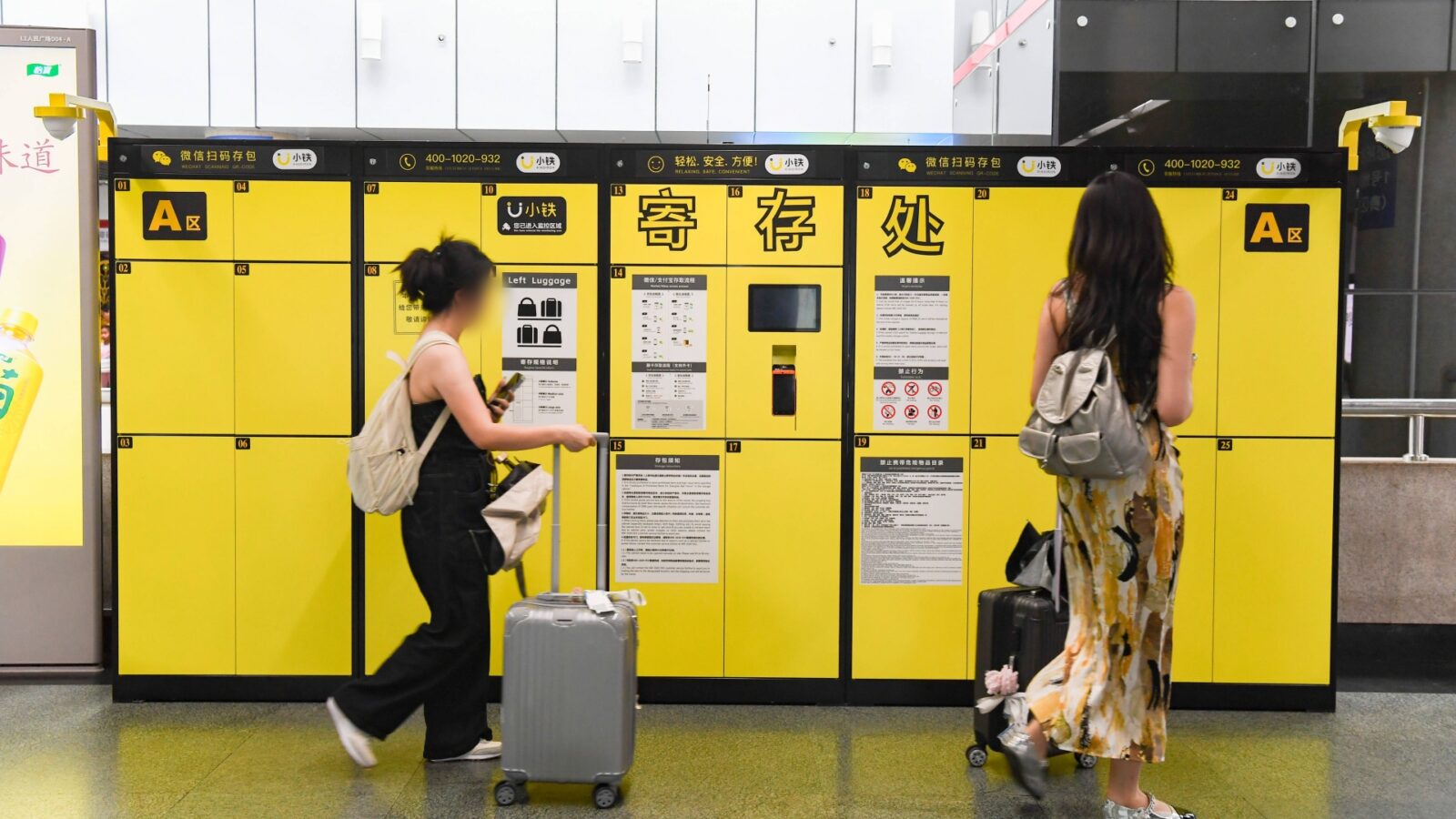
Power: China uses Type A, C and I plugs at 220V. A universal travel adapter covers all three. Currency: Card acceptance is widespread in hotels and larger restaurants, but small vendors, local restaurants and taxis often take cash only. Bring a small amount of RMB. Connectivity: A VPN-enabled eSIM costs about $8–15 (¥60–100) for a 7-day plan on providers such as Airalo or Holafly. Hotel Wi-Fi usually routes around the Great Firewall without a VPN.
🌤️ Compare Fall Travel Conditions: To see how early spring weather compares to autumn’s most popular travel month, check out our seasonal breakdown of Shanghai China Weather in October.
Is March a Good Time to Visit Shanghai?
Yes, with caveats. March is a shoulder season: cooler than April or May, far quieter and cheaper than the October peak, and warming steadily toward spring.
Hotel rates in March are typically 30–40% lower than the October peak. Flights from most international hubs cost less than in summer or around the October holidays. The trade-offs are rain on roughly half the days, cool evenings, occasional morning fog that can delay flights at Pudong, and rising tree pollen toward month's end.
Frequently Asked Questions
Q: How warm is Shanghai in March?
The average daytime high sits around 12°C (54°F), with overnight lows near 5°C (41°F). Warm spells can push temperatures to the high teens, while cold snaps can drop daytime readings to 5–7°C. A medium-weight jacket handles most days.
Q: Does it rain a lot in Shanghai in March?
Rain falls on roughly 14 days in the month, totalling about 84 mm. Because the total rainfall is modest relative to the number of wet days, individual showers are usually short and light rather than heavy. Pack a compact umbrella.
Q: Is March a good time to visit Shanghai?
Yes for travellers prioritising value and quiet streets. Hotel and flight prices run significantly below the October peak, and the city is less crowded. The trade-offs are cool temperatures, regular light rain, and occasional fog at Pudong airport. Peak autumn (October) and shoulder spring (April) offer warmer, drier conditions at higher prices.
Q: What should I wear in Shanghai in March?
Layers are essential: a medium jacket or wool coat, long-sleeve shirts, one or two sweaters, and trousers. Add a compact umbrella, waterproof shoes, and a light scarf for cool mornings. A thin down jacket helps during cold snaps in early March.
Q: Can I see cherry blossoms in Shanghai in March?
Only the very end of the month, and only in the warmest, most sheltered spots. Gucun Park's main bloom runs early-to-mid April. Late March brings first blooms at Luxun Park, along the Tongji University cherry avenue, and in the sheltered corners of Gucun Park. For peak blossom, plan a visit in the first two weeks of April.
Q: How humid is Shanghai in March?
Moderate. Humidity rises through the month but stays well short of the heavy summer levels. Mornings often feel raw rather than muggy. Standard climate tables do not record heat-stress levels for March.
Q: When does spring start in Shanghai?
Meteorological spring covers March through May. The felt start in the city usually arrives late March to early April, when daytime highs consistently reach the mid-teens and trees begin to leaf out. Plum and magnolia often bloom in early-to-mid March, before cherry blossom season gets underway.