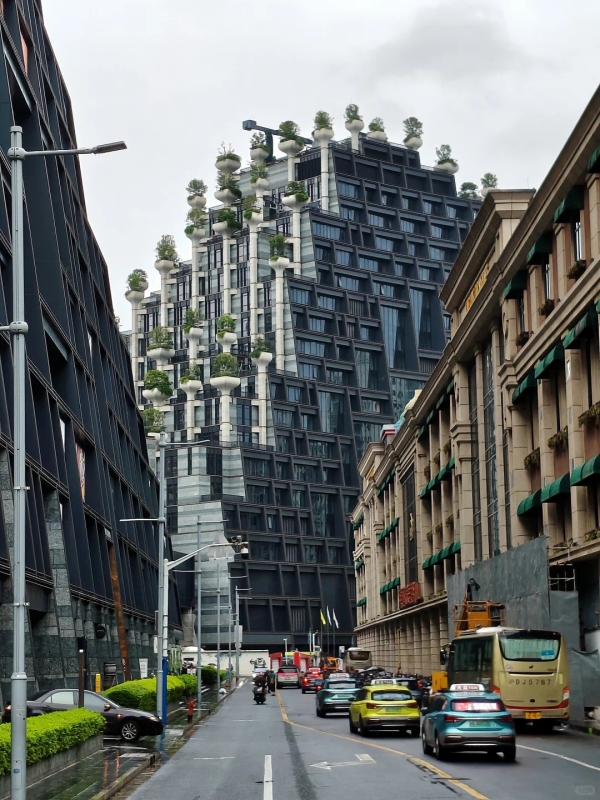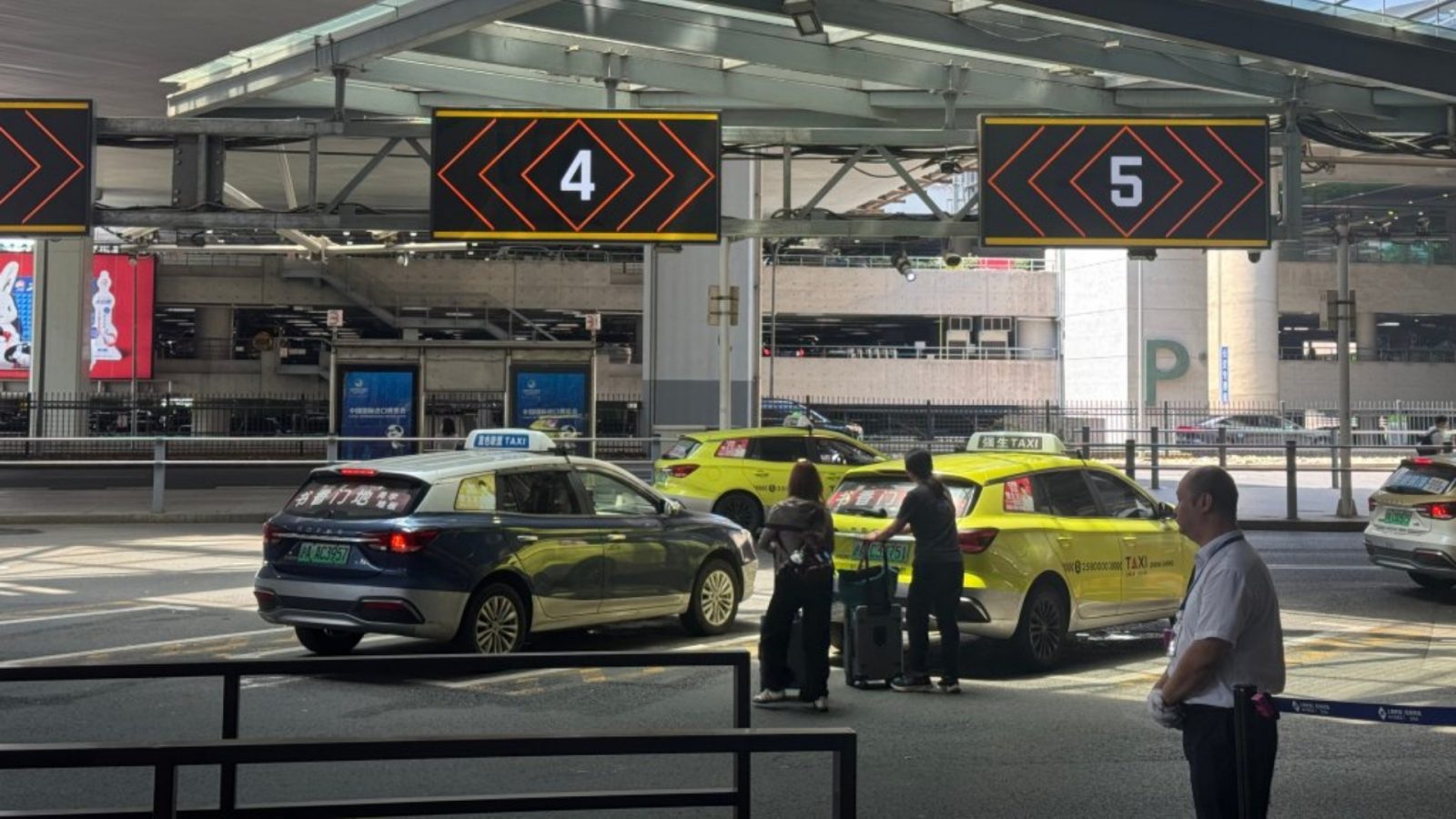
Taxi in Shanghai
Shanghai taxi meter charges start at CNY 14 for an ordinary citywide taxi or CNY 16 for specified models, covering the first three kilometers in daytime at the base tariff. Beyond that, distance, slow traffic, time of night, and certain holidays can change your bill. That matters when a short-looking journey takes longer than expected, or an airport ride crosses the long-distance threshold. This guide explains the published tariff used for a 2026 trip, works through daytime examples, and shows you how to check the receipt. It covers metered citywide taxis; district taxis, specialist vehicles, and app-priced rides need their own tariff checks.
Quick Facts
CNY 14 or 16: Choose Your Tariff
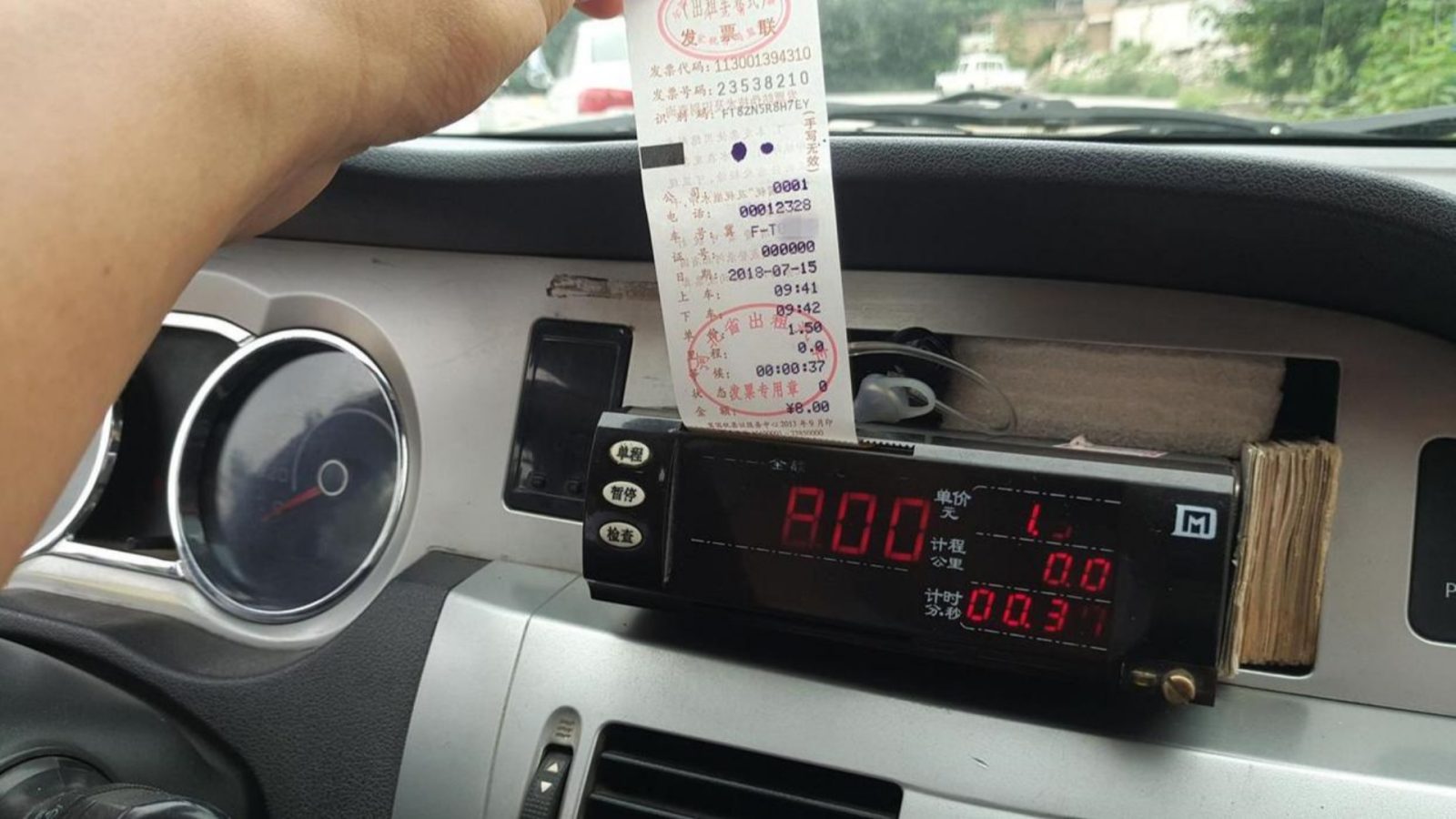
Taxi Meter In Shanghai
Before calculating Shanghai taxi meter charges, identify the service you are buying. A roof sign and a visible tariff help you recognize a cruising taxi, but the car's posted rates remain essential. A different starting amount is a reason to check the category, rather than immediately assume overcharging.
The first three kilometers
The starting fare buys the initial distance allowance for one vehicle. A two-kilometer journey therefore does not cost two-thirds of the starting fare. Equally, you should not add another three kilometers of distance charges to a fare that already includes them.
That allowance covers distance, not every possible charge. Slow-speed waiting, a qualifying holiday supplement, or the applicable nighttime tariff can still affect a short journey. “Under three kilometers” does not always mean a final CNY 14 bill.
- Ordinary citywide taxi: use CNY 14 as the daytime starting input.
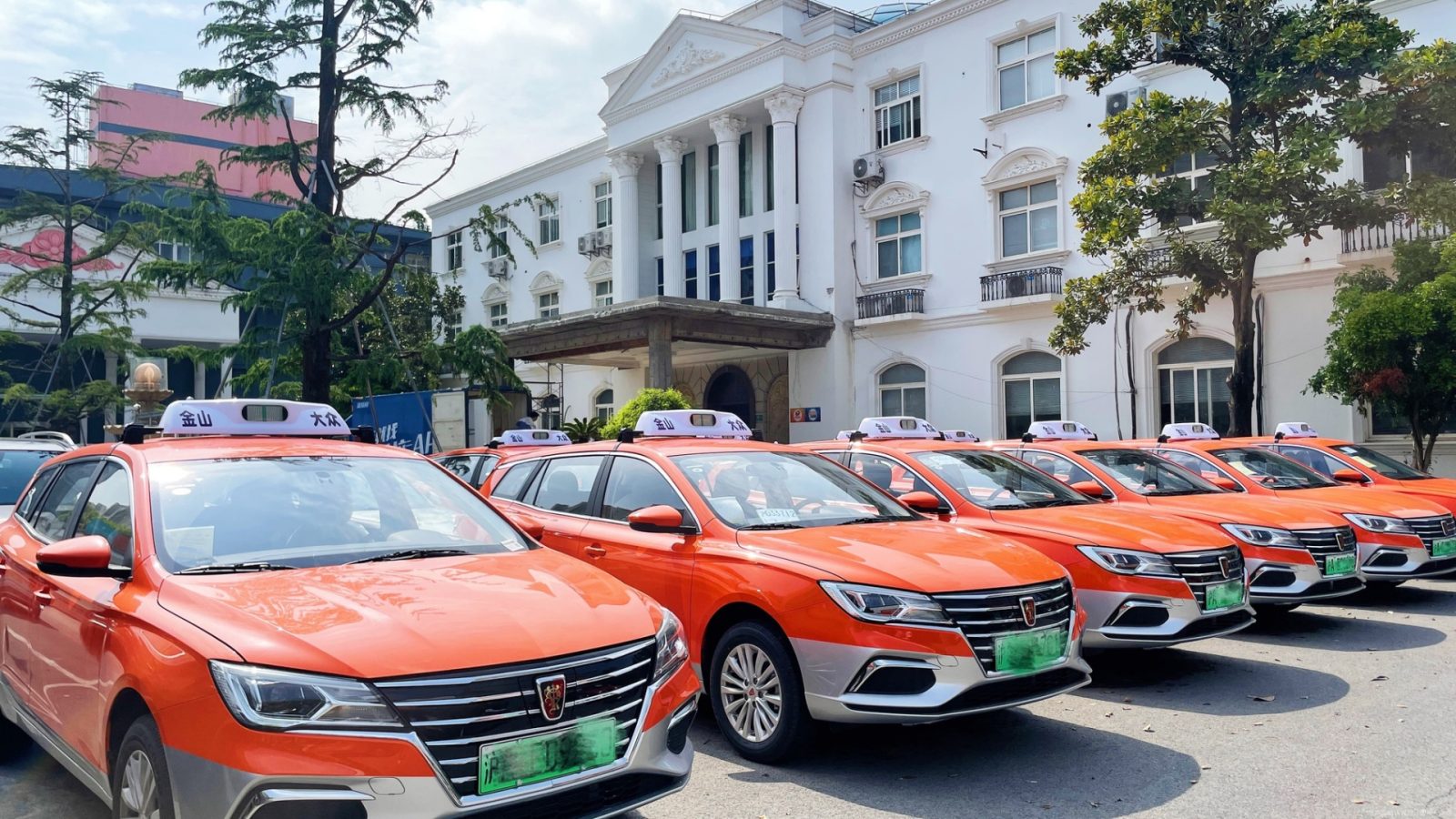
- Specified higher-base models: the published table lists Touran and Roewe Ei5 vehicles at CNY 16.
- Regional or specialist service: check its own tariff before applying this guide's calculations.
The CNY 2 difference
Both listed citywide starting tariffs include three kilometers. Their published daytime additional-distance rate is also the same: CNY 2.70 per kilometer. Under otherwise identical daytime conditions, the higher starting tariff adds CNY 2 before adjustments.
That difference does not buy an extra distance allowance or guarantee a faster journey. If you have large suitcases, look at the actual available luggage space before boarding. A model name or higher base price alone does not establish that everything will fit.
Taxi or app-priced ride
An app is a booking channel, not a single fare system. It may offer a metered taxi alongside other ride categories. Shanghai's ride-hailing rules allow market pricing, so a private ride-hailing quote does not have to match the cruising-taxi calculation.
Read the selected category and its price details before confirming. When comparing two offers, use the same pickup, destination, and passenger requirements. A cheaper number is useful only if it refers to the journey and service you actually need.
🚖 Shanghai Ride-Hailing Alternatives: Curious about using Uber-style apps, connecting foreign credit cards, and navigating Didi in English? Read our full breakdown on Uber In Shanghai.
CNY 19–69: Daytime Taxi Examples
Taxi in Shanghai
The following Shanghai taxi meter charges are illustrative calculations, not recorded journeys or guaranteed quotes. They assume daytime travel, no low-speed waiting, no holiday supplement, no fare adjustment, and no separate tolls. Distances are exact assumptions; the road route you take may be longer.
Split the distance first
For a trip between three and 15 kilometers, subtract the three included kilometers before multiplying by CNY 2.70. For a longer trip, divide the additional distance into two parts. Only the kilometers after the fifteenth receive the long-distance increase.
For example, a 20-kilometer ride in an ordinary taxi is CNY 14 + (12 × CNY 2.70) + (5 × CNY 4.05). The arithmetic subtotal is CNY 66.65. Charging the higher rate across all 20 kilometers would misapply the distance bands.
Compare five daytime distances
These examples show why the starting fare alone is a poor airport budget. A longer journey accumulates a substantial distance component before traffic or nighttime pricing enters the picture. Use the actual road distance to your hotel, not the airport's straight-line distance from central Shanghai.
Add waiting to the same ride
Now take the ordinary 10-kilometer example and add eight qualifying daytime waiting minutes. At the unadjusted daytime rate, those minutes add 2 × 1.5 × CNY 2.70, or CNY 8.10. The illustrative subtotal becomes CNY 41 instead of CNY 32.90.
This is why two rides covering the same distance can produce different bills. Use qualifying waiting time, not the entire journey duration. A 30-minute trip does not automatically contain 30 billable waiting minutes; much of it may be ordinary moving travel.
Keep rounding until the end
When estimating Shanghai taxi meter charges, distinguish tariff precision from final settlement, as the transport commission explains. Its published explanation uses CNY 0.10 tariff precision, while the final meter amount appears in whole yuan. A remaining fraction of CNY 0.50 or less is discarded; CNY 0.51 or more goes up one yuan.
Keep decimal subtotals while estimating instead of rounding every kilometer or fee yourself. The comparison figures above are budgeting aids, not a reconstruction of every meter increment. A small difference requires checking the actual distance and timing before drawing conclusions.
🚕 Comparing Shanghai Transit Modes: Deciding whether to flag down local metered taxis, book app rides, or take the metro across the city? Check out our comparison guide to Taxi Vs Didi Vs Metro.
Night, Waiting, and Holiday Taxi Charges
Several separate conditions affect Shanghai taxi meter charges. Some change a rate, while others add a fixed amount. Keeping them separate makes the bill much easier to understand, especially when a late arrival also falls within a major holiday.
Thirty percent after 11 p.m.
The night period runs from 23:00, inclusive, to 05:00, exclusive. The published rule raises the starting fare and additional-distance rate by 30%. It does not begin at sunset, and an evening departure before 11 p.m. is not automatically a nighttime ride.
For orientation, CNY 2.70 multiplied by 1.30 is CNY 3.51 before tariff rounding. The unrounded starting calculations are CNY 18.20 and CNY 20.80. These explain the uplift; the meter's tariff and settlement rules determine the displayed fare.
Nighttime beyond 15 kilometers
Long-distance and nighttime conditions can apply together. The official wording says both increases apply when both conditions are met. The portion beyond 15 kilometers therefore does not escape the night rule, and the first 15 kilometers do not all acquire the long-distance premium.
A journey crossing 11 p.m. or 5 a.m. needs particular care. The published passenger guidance does not provide a complete worked example for every boundary case. Keep the receipt and ask the operator about the recorded rate periods rather than guessing the entire bill from departure time.
Four minutes of slow travel
The low-speed rule covers travel below 12 kilometers per hour. The published tariff also addresses waiting requested by the passenger. Each four qualifying minutes represents 1.5 kilometers at the applicable additional-distance tariff; it is not simply CNY 2.70 for four minutes.
At the unadjusted daytime base rate, that equals CNY 4.05 per four minutes. Nighttime or other applicable tariff conditions complicate the final calculation. Do not treat this daytime illustration as a universal waiting price for every long nighttime trip.
CNY 5 or 10 per trip
The published supplements are CNY 10 per trip during the Spring Festival holiday and CNY 5 during the Labor Day and National Day holidays. They are per order, not per passenger, and they are not restricted to long-distance journeys.
The official holiday period follows the State Council's holiday arrangements. For this supplement, the determining time is when the passenger boards and the meter starts. It operates through the meter and appears on the invoice; it is not an extra amount to add again after paying that bill.
Optional weekday fare adjustments
Eligible operators may choose a 5% increase from 7–10 a.m. and 4–7 p.m., or a 5% decrease from 10 a.m.–4 p.m. The published schedule excludes weekends and public holidays. An operator may also keep the relevant rate unchanged.
Check the car's tariff notice and roof display. A rush-hour trip does not mean every taxi must add 5%, while a midday trip does not guarantee a discount. The option belongs to the operator's published tariff, not an improvised negotiation with the driver.
- Plus 5%: a CNY 41 eligible baseline becomes CNY 43.05 before settlement.
- Minus 5%: the same baseline becomes CNY 38.95 before settlement.
- Traffic still matters: waiting can outweigh the percentage difference when choosing a departure time.
🚆 Master Transit Directory for China: Planning high-speed train connections, regional subway travel, and urban airport links across major Chinese hubs? Explore our complete overview on Transportation In China.
Compare the Whole Taxi Bill
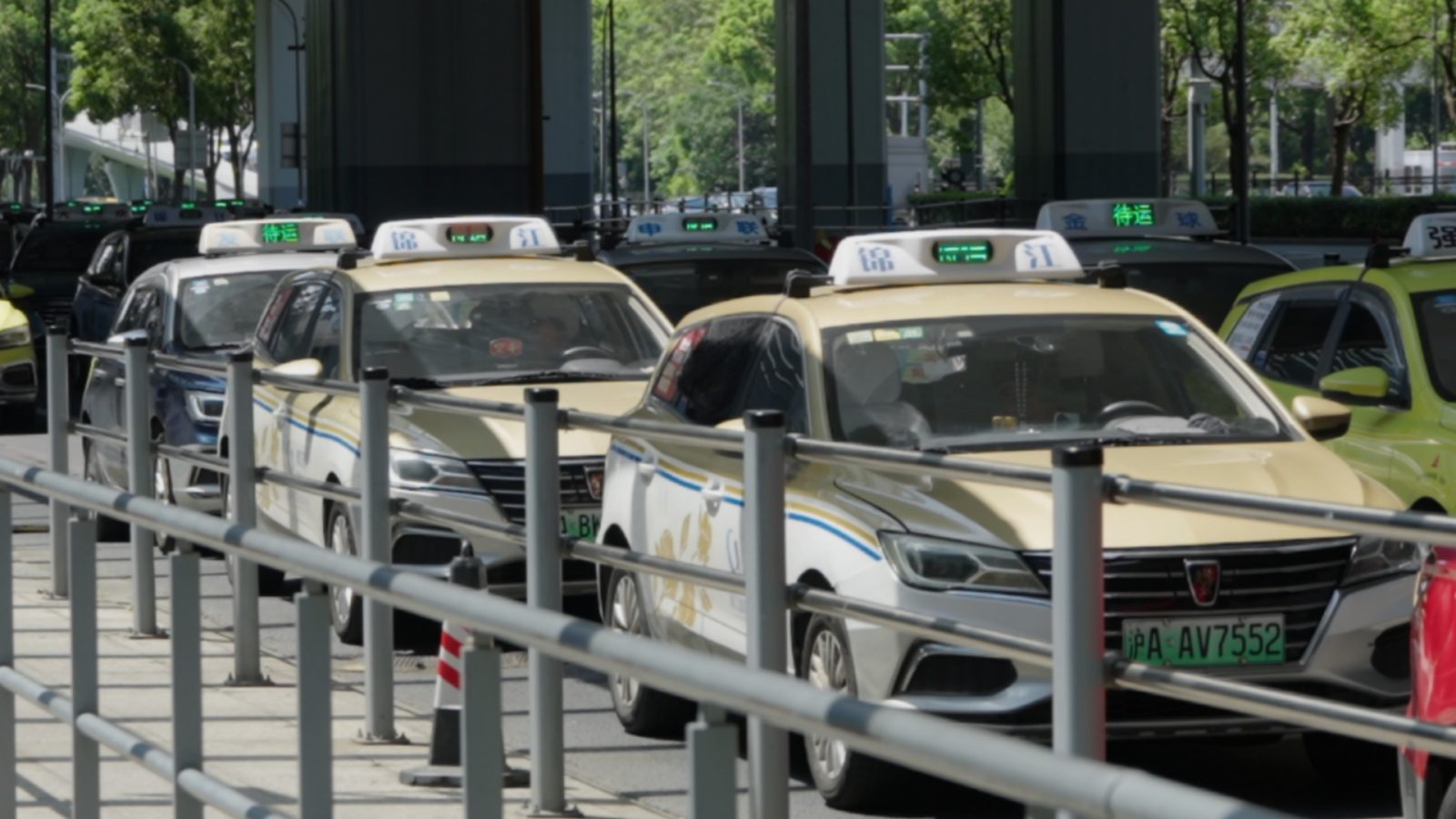
Taxi in Shanghai
Shanghai taxi meter charges pay for a specific vehicle journey. To decide whether the convenience is worthwhile, compare the complete trip cost and the practical work involved. A low starting fare says little about a long route with stops or heavy traffic.
Included and additional costs
A toll is linked to the route actually used. Do not assume every river crossing creates a charge, or accept a generic “airport fee” without an explanation. Ask what the extra covers and whether it already appears in the amount you are paying.
One ride or several
A metered fare is for the vehicle journey rather than each passenger separately. If your party fits legally and comfortably with its luggage, sharing one fare changes the cost per person. For example, splitting a CNY 60 bill three ways means CNY 20 each.
Multiple separate taxi rides each start a new minimum fare. However, keeping one vehicle waiting also has a cost. The better choice depends on the stop length, available alternatives, and how much effort another pickup would involve.
- One direct journey: useful when luggage or a door-to-door arrival makes the convenience valuable.
- Several errands: consider waiting charges before asking the driver to remain outside.
- A congested long journey: compare available rail options if their walking and transfer requirements suit your party.
Check the Meter and Your Receipt
Understanding Shanghai taxi meter charges gives you a useful starting point, but the actual journey record is what helps resolve a discrepancy. Keep the process calm and specific: identify the charge, check its conditions, and retain the evidence needed for a review.
Before the car moves
Show the destination's Chinese name and address, including the correct branch or hotel entrance. Agree on the route if there is a meaningful choice. The city's service standard requires the driver to offer a reasonable route and use the charging equipment as prescribed.
Check that the meter is visible and that the displayed tariff matches the service. For a street-hailed journey, watch the starting amount when charging begins. A reserved vehicle has separate timing considerations: official guidance allows billing at the agreed time after the car arrives.
At the end of the ride
- ① Check the stopped meter. Charging should stop after the vehicle reaches the destination and stops.
- ② Clarify extras. Ask about a toll or other additional amount before treating it as part of the fare.
- ③ Obtain the invoice. Request the paper receipt or the route for obtaining an electronic invoice.
- ④ Keep the payment record. Compare the amount paid with the fare and any separately explained costs.
Cash is an available payment option. Overseas bank-card acceptance depends on the vehicle's equipment, so confirm it before relying on your physical card. A successful payment notification is worth keeping, but it may not contain the journey detail shown on the taxi invoice.
If the total looks wrong
First compare distance, start and end times, waiting, the displayed tariff, and any holiday charge. An app estimate may have assumed different traffic or a different service category. A higher total alone does not identify which part is wrong.
If a specific discrepancy remains, keep the plate number, operator, date, route, receipt, and payment amount. The passenger notice identifies the company and industry service contacts. Operators must publish a 24-hour service hotline on the invoice or through the platform.
Request a specific fare review
Ask the operator to explain the disputed item using the journey record. “Please explain this extra CNY 20” is easier to investigate than a general claim that the ride was expensive. A photograph of the displayed tariff can also clarify which pricing conditions applied.
Operator-caused stops and official inspections have different treatment from ordinary traffic: the service standard requires billing to pause in those situations. Keep those circumstances in your account. If a discussion becomes uncomfortable, seek help from staff at your destination rather than prolonging an argument beside the road.
Frequently Asked Questions
Q: What is the minimum daytime taxi fare?
The ordinary citywide starting fare is CNY 14 for three kilometers, while specified models start at CNY 16. Those are base daytime tariffs, not unconditional final bills. Qualifying waiting, a holiday supplement, or an operator's permitted fare adjustment can change the total even when your journey stays within the initial distance allowance.
Q: Are Shanghai taxi meter charges per person?
They apply to the vehicle journey, not separately to each passenger. Your group can divide the final bill among itself, provided everyone and the luggage fit within the vehicle's permitted capacity. Do not multiply the starting fare by the number of travelers, and remember that separate vehicles produce separate metered bills.
Q: Can I pay a Shanghai taxi in cash?
Yes. The city's visitor guidance lists RMB cash as an accepted taxi payment method. Carry usable cash if your preferred electronic method is uncertain. Some vehicles accept overseas bank cards, but this is not universal. Confirm card acceptance before the ride, then keep both your taxi invoice and any electronic payment confirmation.
Q: Should a ride-hailing quote match the meter?
Not necessarily. A platform may offer metered taxis and separately priced ride-hailing categories. Shanghai's ride-hailing services use market pricing, so their published prices can differ from cruising-taxi tariffs. Check the selected category, route, and fare details before comparing. An app quote for a different product does not establish the correct metered fare.
Q: Is there one fixed taxi price from the airport?
The published citywide taxi tariff calculates charges using the applicable starting fare, distance, and other qualifying conditions. It does not give one universal airport-to-hotel amount. Your destination and traffic matter. Treat a separately advertised transfer package as its own service, and confirm its inclusions rather than assuming it describes a normal metered taxi.
Q: What if my ride crosses 11 p.m.?
The night tariff applies during the published 11 p.m.–5 a.m. period, but the passenger guidance does not explain every meter boundary calculation. Avoid predicting an exact total from departure time alone. Keep the start and finish times and invoice, then ask the operator to explain the rate periods if the amount seems inconsistent.