How Long Does a Flight to China Take
Reaching China from abroad involves some of the longest nonstop routes on the planet. Flight times range from roughly 8 hours departing Europe to over 15 hours from the US East Coast. Whether you are flying into Beijing, Shanghai, Guangzhou, or Hong Kong, the duration depends heavily on your departure city, the season, and whether you book a direct or connecting itinerary. This guide breaks down realistic travel times from the cities most searched by international visitors, along with practical advice to make the journey smoother.
Quick Facts
Flight Times from North America to China
The longest nonstop routes to mainland China originate from the US and Canada. West Coast departures to Beijing or Shanghai take roughly 12–13.5 hours, while East Coast departures stretch to 14–16 hours depending on the destination airport. Vancouver (YVR) offers the shortest North American mainland-Chinese gateway at around 11.5 hours to Beijing, making it a practical option for travelers in the Pacific Northwest or those routing through Canada.
🛫 Singapore to Guangzhou Route: Check airline options, flight schedules, and transit tips for the Singapore to Guangzhou Singapore Airlines journey.
Flight Times from Europe to China
Europe offers the shortest long-haul access to mainland China. Most routes follow a trans-Siberian or Central Asian corridor, passing over northern Russia to reach Beijing or Shanghai. Helsinki to Beijing at roughly 8 hours stands out as one of the most efficient city pairs globally. However, nonstop frequencies between European cities and Chinese airports have fluctuated in recent years, and some routes now require a connection through Helsinki, Doha, Dubai, or a Chinese hub city.
🏙️ Shanghai Pudong Gateway (PVG): Learn about international terminals, layover amenities, and Maglev connections at Shanghai Pudong International Airport.
Flight Times from Europe to China
Europe offers the shortest long-haul access to mainland China. Most routes follow a trans-Siberian or Central Asian corridor, passing over northern Russia to reach Beijing or Shanghai. Helsinki to Beijing at roughly 8 hours stands out as one of the most efficient city pairs globally. However, nonstop frequencies between European cities and Chinese airports have fluctuated in recent years, and some routes now require a connection through Helsinki, Doha, Dubai, or a Chinese hub city.
🚄 Hong Kong to Zhangjiajie High-Speed Rail: Discover step-by-step train transfer details for Hong Kong West Kowloon to Zhangjiajie.
Flight Times from Oceania, Asia & the Middle East
Visitors from neighboring Asian cities enjoy the shortest routes to China. Hong Kong to Guangzhou takes as little as 1.5 hours, while Seoul or Tokyo to Shanghai clears in roughly 2.5–3 hours. For travelers in the Middle East, Dubai and Doha to Beijing or Shanghai run about 8–9 hours. Oceania departures, particularly from Sydney and Melbourne, are closer to the North American experience at 10.5–13 hours nonstop.
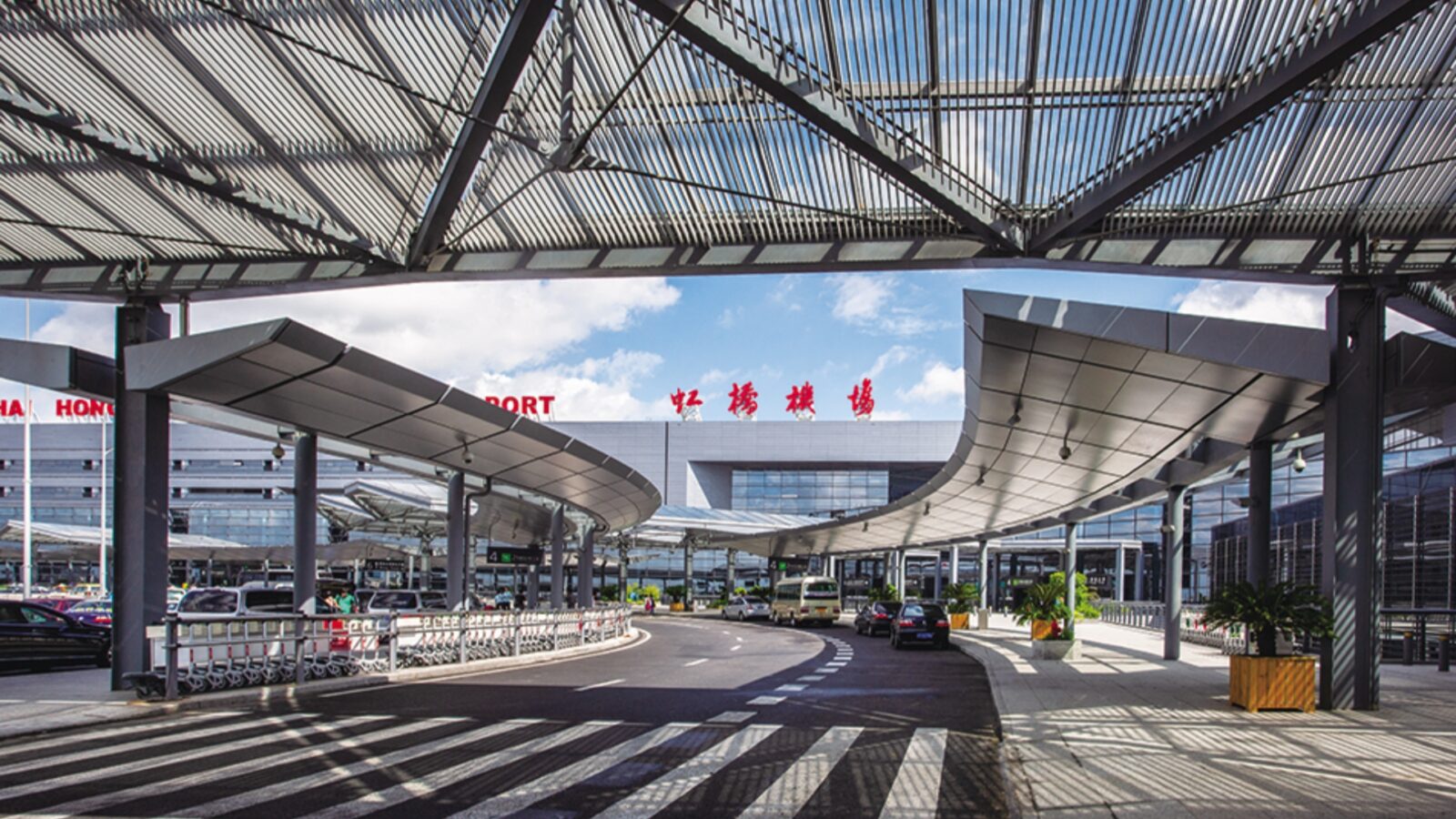
✈️ Shanghai Hongqiao Details (SHA): Explore domestic connection options and airport codes via Shanghai Hongqiao International Airport Code.
Direct vs Connecting Flights to China
How Long Does a Flight to China Take
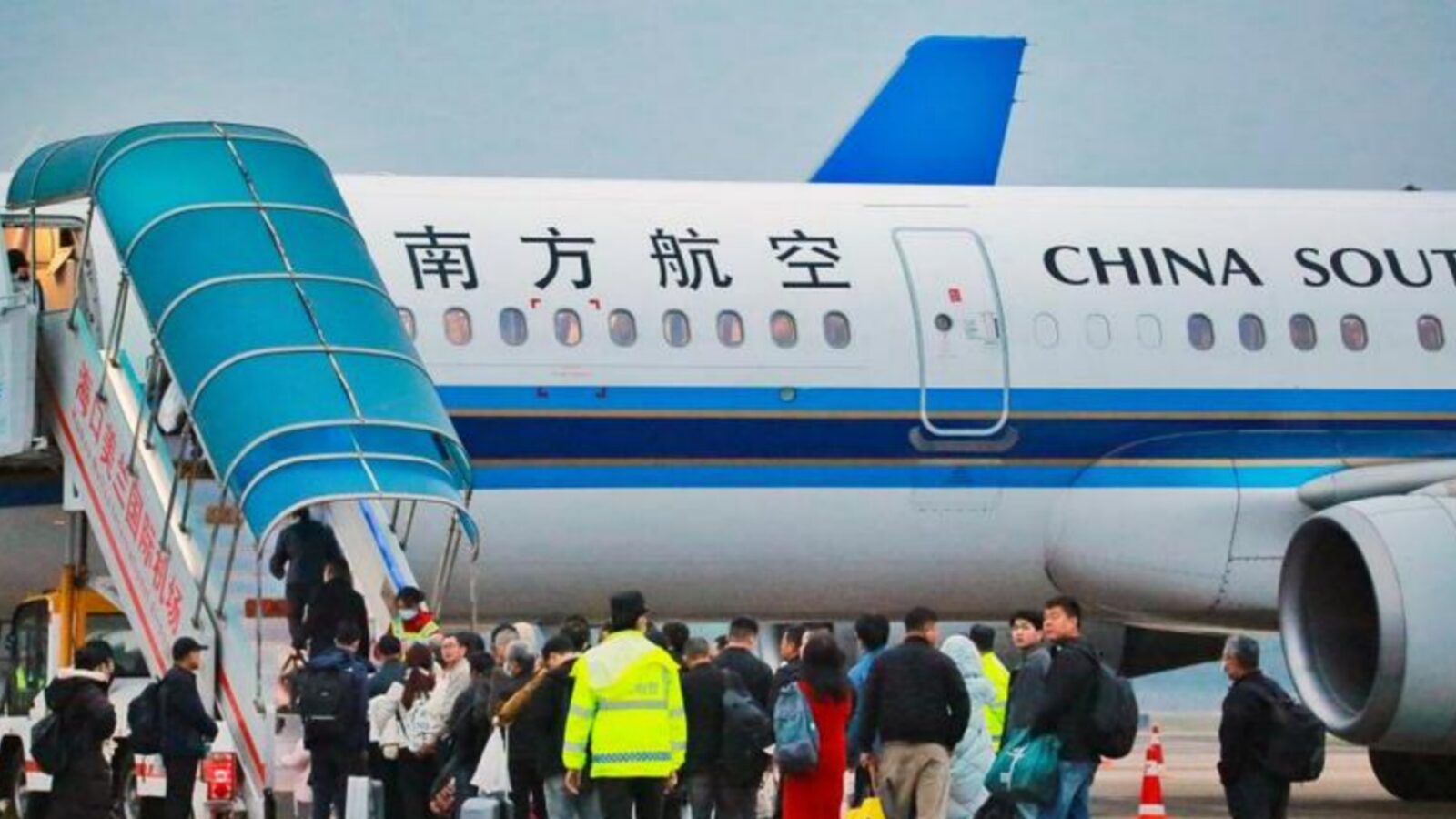
The terms "direct" and "nonstop" are often used interchangeably, but they mean different things. A nonstop flight makes no intermediate stops. A direct flight may include a technical stop (for refueling, crew change, or passenger deplaning) but does not require you to change aircraft. In practice, most airlines market their China routes as nonstop when that is what they operate.
Many North American and European routes to mainland China currently operate nonstop only on selected days of the week. For example, a city pair like Madrid to Shanghai may have no nonstop option on certain dates, forcing a connection through Helsinki, Doha, Dubai, or a Chinese hub such as Hong Kong or Taipei. Adding a connection typically adds 3–8 hours to the total journey, depending on the layover duration and the hub's location.
Some experienced travelers route through Hong Kong (HKG) or Seoul (ICN) as a mainland-China gateway. These airports handle large volumes of onward domestic connections, and ticket combinations on a single booking can sometimes be cheaper than a direct international leg to Beijing or Shanghai. However, this approach requires checking transit visa requirements for Hong Kong or South Korea.
Factors That Affect Flight Duration
How Long Does a Flight to China Take
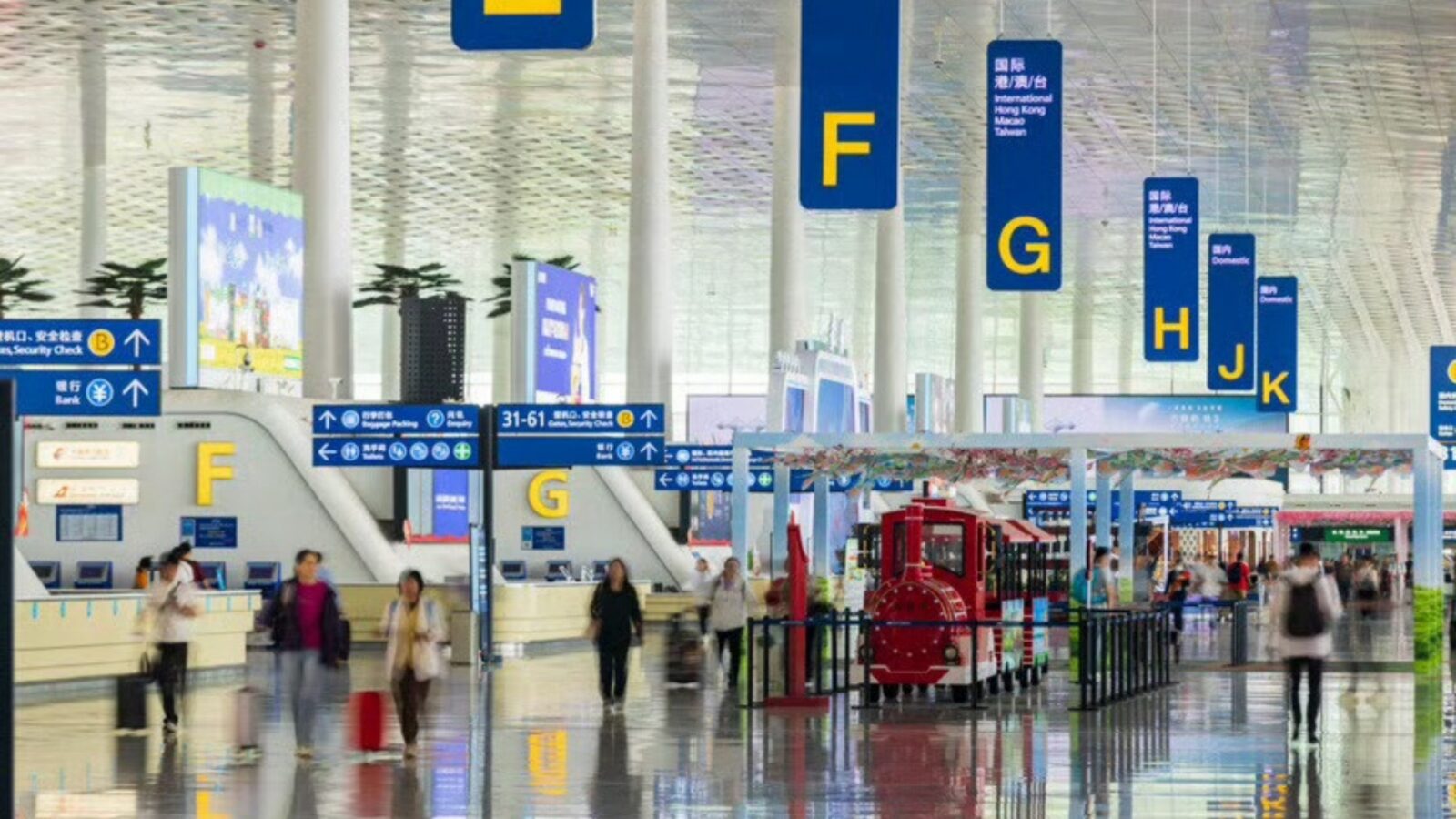
Flight times listed in schedules represent typical conditions, but several variables can add or shave hours from your actual journey.
- Jet stream: High-altitude tailwinds can cut 1–3 hours off eastbound flights (approaching China from the Americas), while headwinds on westbound routes extend the clock time. The jet stream shifts seasonally, peaking in strength during winter months.
- Routing: Trans-Pacific routes from North America cover roughly 10,500–12,000 km. Trans-Siberian routes from Europe are shorter at 6,200–9,200 km. The specific airway used depends on airspace availability, political overflight agreements, and air traffic control constraints.
- Layover length: Connection time at transit hubs typically ranges from 1.5 to 4 hours. Some airlines schedule longer layovers deliberately to buffer against minor delays on the inbound leg.
- Seasonal weather: Typhoon season (June–September) affects flights to and from eastern China destinations including Shanghai, Hangzhou, and coastal airports. Rerouting around storm systems can add 1–2 hours. Winter snow events occasionally delay flights at Beijing and airports in northern China.
- Aircraft type and cruise speed: Newer twin-engine long-haul aircraft such as the Boeing 787 or Airbus A350 generally cruise faster than older four-engine models. Choosing a flight operated by a modern fleet can shave 30–60 minutes on long sectors.
Tips for a Comfortable Long-Haul Flight to China
Traveling 10–16 hours in a pressurized cabin demands some preparation. These tips address the realities of long-haul travel specifically on routes to China.
- Book nonstop when available: Eliminating a connection saves 3–8 hours of total travel time, plus the risk of a missed connection or lost baggage. If a direct flight costs only marginally more, it is usually worth it.
- Choose overnight westbound departures: Flying from the Americas to China, an evening departure aligned with your normal bedtime gives you the best chance of sleeping through a significant portion of the flight. If you depart early in the morning (US East Coast), you will arrive in China in the evening local time.
- Pre-order a special meal: Most carriers operating to and from China offer vegetarian, halal, kosher, and medical meal options. Request at the time of booking or at least 24 hours before departure — availability is not guaranteed on short notice.
- Stay hydrated and improve circulation: Cabin humidity on 12+ hour sectors typically falls below 20%, accelerating dehydration. Bring a refillable water bottle and drink consistently throughout the flight. Compression socks reduce the risk of swelling and circulation issues on long sectors.
- Move regularly: Walk the aisle every 2–3 hours and perform simple stretches in your seat. Economy-class seating on long flights restricts movement, and prolonged immobility increases discomfort and health risks.
- Allow a rest day for western China or high-altitude destinations: If you are continuing from Beijing or Shanghai to Tibet, Xi'an, or other high-elevation destinations, build at least one night of rest into your itinerary before the next flight. The cumulative fatigue from a long international leg plus a domestic connection is significant.
Frequently Asked Questions
Q: What is the shortest flight to China from the United States?
West Coast departures offer the shortest times. San Francisco to Beijing takes roughly 12 hours, and Los Angeles to Beijing about 12.5 hours. Vancouver to Beijing at 11.5 hours is the shortest North American gateway for those able to cross into Canada. East Coast departures from New York or Washington run 14–15 hours to Beijing.
Q: What is the longest direct flight to mainland China?
Toronto to Shanghai Pudong at approximately 16 hours and New York JFK to Shanghai at roughly 15 hours represent the longest typical nonstop mainland-China routes from North America. These routes push the endurance limits of current twin-engine long-haul aircraft.
Q: Are there nonstop flights from London to Beijing or Shanghai?
Yes. London Heathrow to Beijing is roughly 10 hours, and to Shanghai about 11.5 hours. Several carriers operate these routes, but nonstop frequency varies seasonally. Checking current schedules on Trip.com or directly with the airline is advisable before booking.
Q: Do flights from Europe to China fly over Russia or the Arctic?
Most trans-Eurasian nonstop flights from Europe to China use a polar or trans-Siberian routing that passes over northern Russia and may skirt the Arctic. The Helsinki to Beijing corridor is the most direct, reflecting this efficient northern route.
Q: How long is a flight from Sydney to China?
Sydney to Shanghai Pudong takes roughly 10.5 hours nonstop. Sydney to Beijing runs about 11.5 hours. Some Sydney routes to secondary Chinese cities route via Hong Kong, Singapore, or a domestic connection on arrival in China.
Q: Is there a time difference between China and most departure cities?
China operates on a single time zone (UTC+8). The US East Coast is 12–13 hours behind China, the West Coast 15–16 hours behind. London is 7–8 hours behind (8 hours during China Standard Time, 7 hours when the UK is on British Summer Time). Sydney is 2–3 hours ahead of China, depending on the season.
Q: How long does a flight from Dubai to China take?
Dubai to Beijing takes about 8 hours, Dubai to Shanghai roughly 8.5 hours, and Dubai to Guangzhou approximately 8 hours. These are among the more time-efficient routes from the Middle East to southern and eastern China.
Q: What's the fastest route from Europe to Shanghai?
Helsinki to Shanghai, at approximately 9 hours nonstop when operated, is one of the shortest European departures. Frankfurt and Amsterdam to Shanghai at roughly 10.5 hours are also among the shorter options and are served more frequently.