Hong Kong West Kowloon to Zhangjiajie
Reaching Zhangjiajie from Hong Kong means connecting through Changsha by high-speed rail or catching a direct flight, the main options for travellers planning hong kong west kowloon to zhangjiajie. The HSR route via Changsha South Station is the most reliable option for foreign travelers who want to avoid domestic flight booking friction. Most visitors pair Zhangjiajie with a broader mainland itinerary that already involves the Changsha transfer. The journey takes roughly four to five hours door to door, slightly longer than flying but with fewer booking complications for those using international platforms.
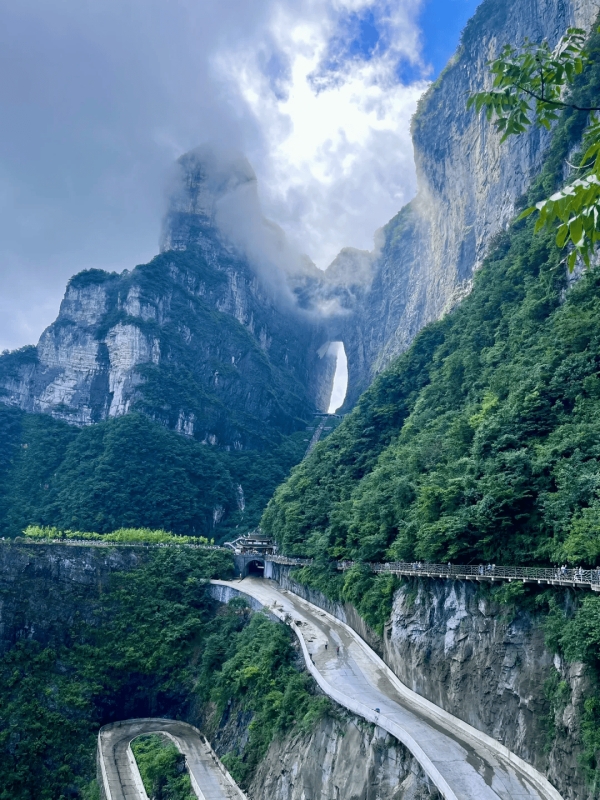
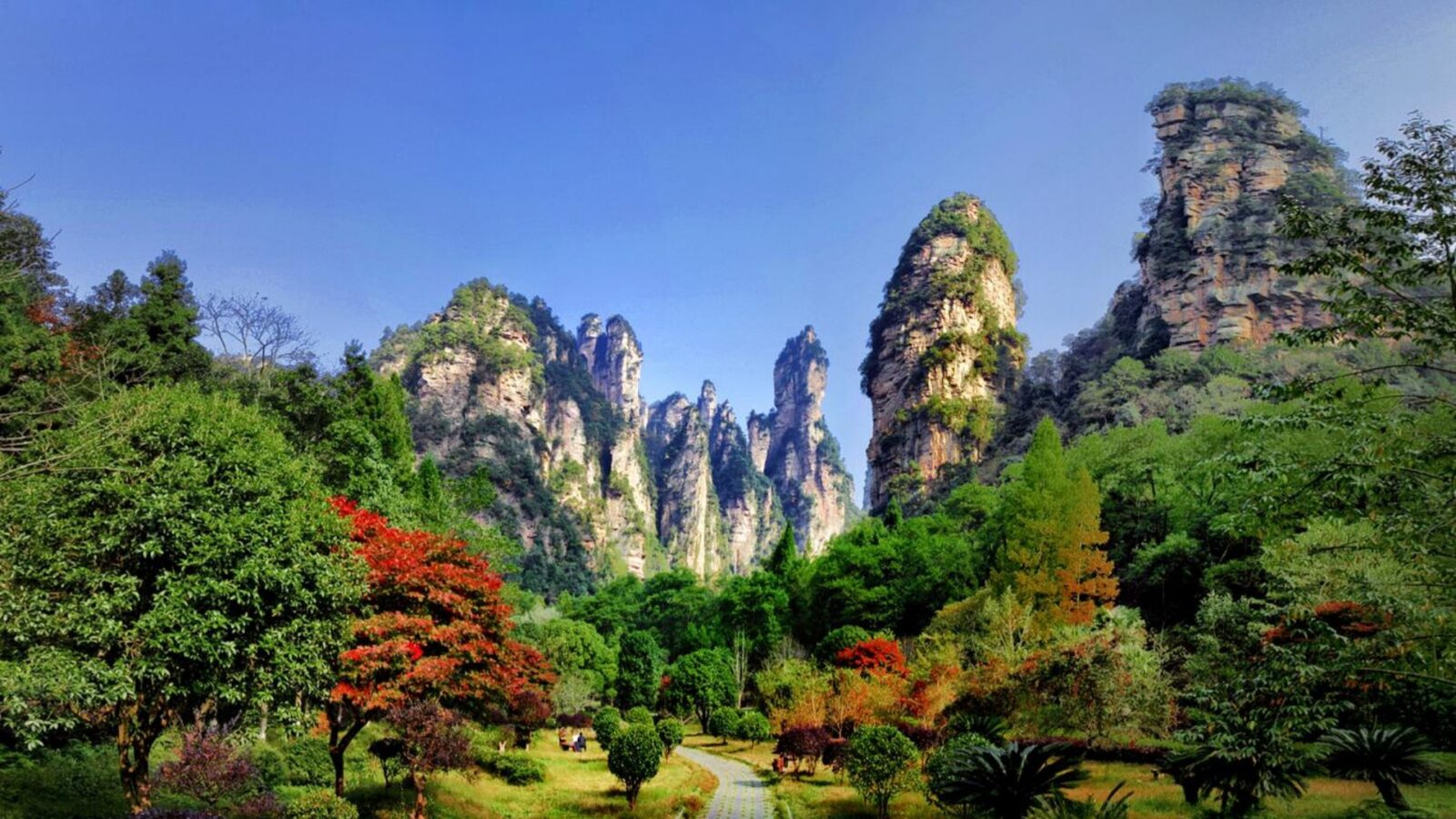
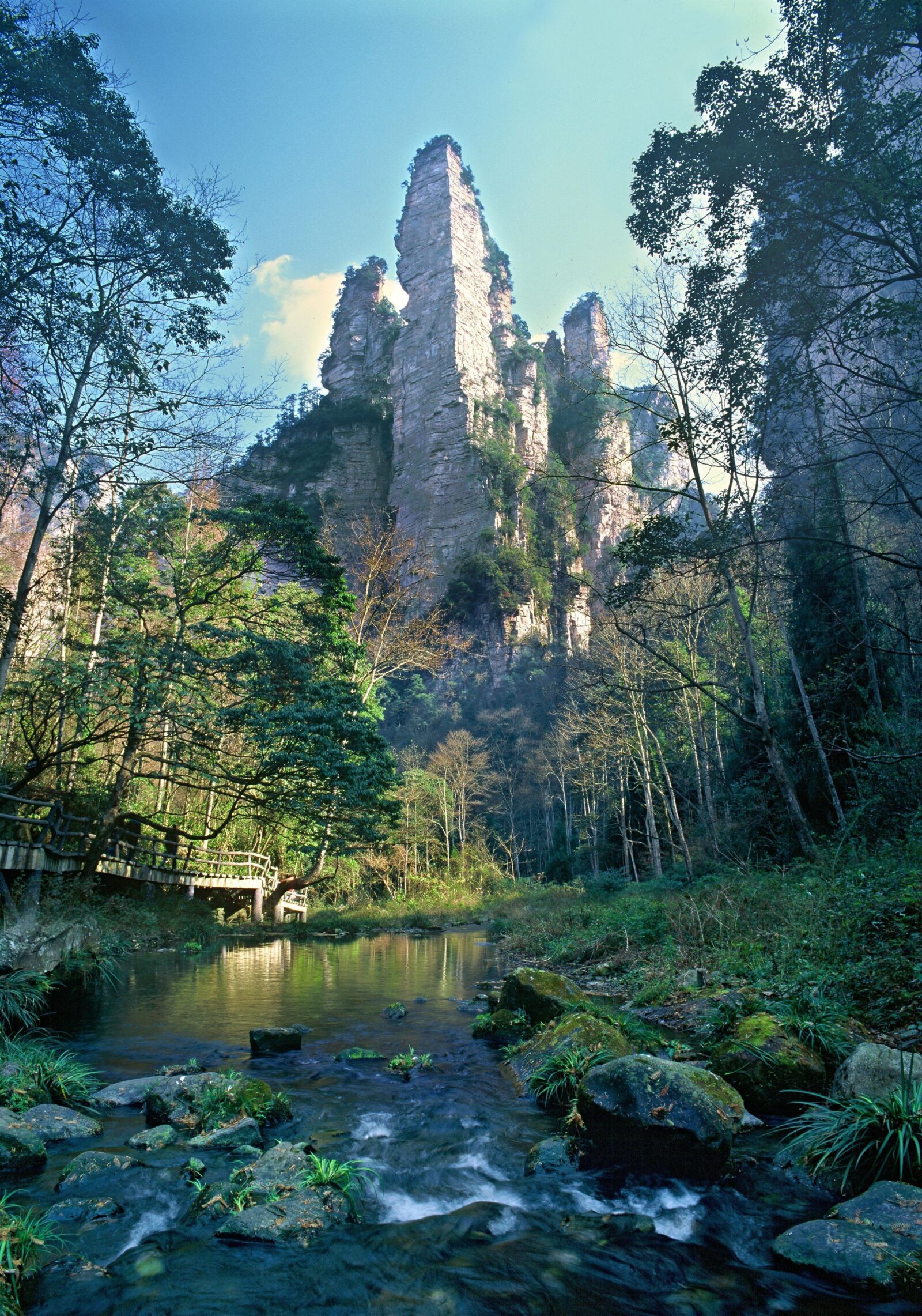
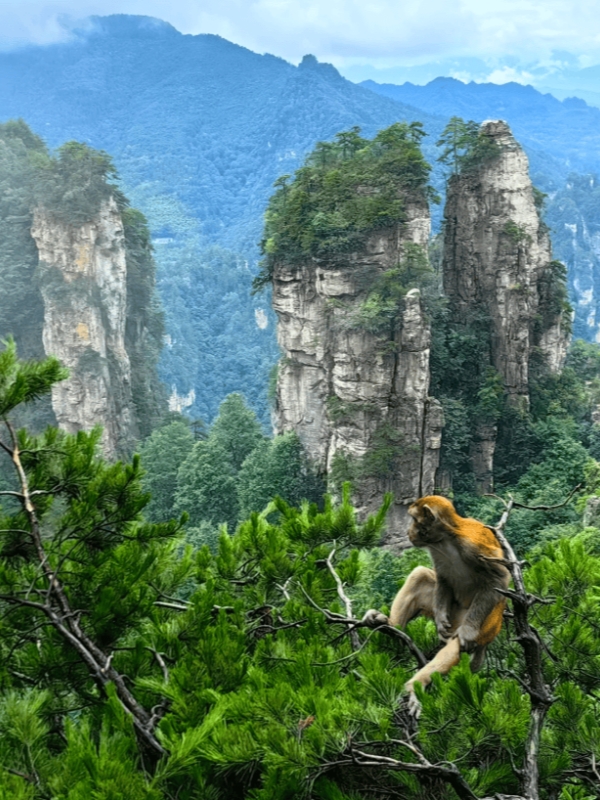
Zhangjiajie sits in Hunan Province's northwestern corner, famous for its towering sandstone pillar formations that inspired the landscapes of the movie Avatar. The park itself demands at least two full days, and the surrounding Wulingyuan scenic area covers nearly 400 square kilometers. Getting there efficiently from Hong Kong sets the tone for the entire trip.
Quick Facts
Two Routes from West Kowloon to Zhangjiajie
Hong Kong West Kowloon to Zhangjiajie
Foreign travelers have two realistic options for reaching Zhangjiajie from Hong Kong. The first and most straightforward is taking high-speed rail from West Kowloon Station to Changsha South, then catching a connecting HSR service to Zhangjiajie West. The second is booking a direct flight from Hong Kong International Airport to Zhangjiajie Hehua Airport. A third option — a long-haul train or bus from Shenzhen — exists but is impractical given the time involved and the lack of direct through-services.
Between the two viable routes, HSR wins on predictability and ease of booking for travelers based outside mainland China. Flights win on total time but require navigating domestic airline booking systems that often reject foreign passport numbers or international credit cards. Most first-time visitors to Zhangjiajie from Hong Kong should start with the HSR via Changsha route, then assess whether a return flight makes sense depending on schedule and budget.
HSR via Changsha: The Recommended Route
The HSR route from West Kowloon to Zhangjiajie runs entirely on China's high-speed network and involves two separate train legs connected at Changsha South Station. The transfer is straightforward because both legs operate from the same station building; arriving passengers exit the arrival concourse and proceed to the departure hall for the next service. Timed correctly, the connection adds only 30 to 60 minutes of waiting time between trains.
Leg 1 — West Kowloon to Changsha South
HSR via Changsha
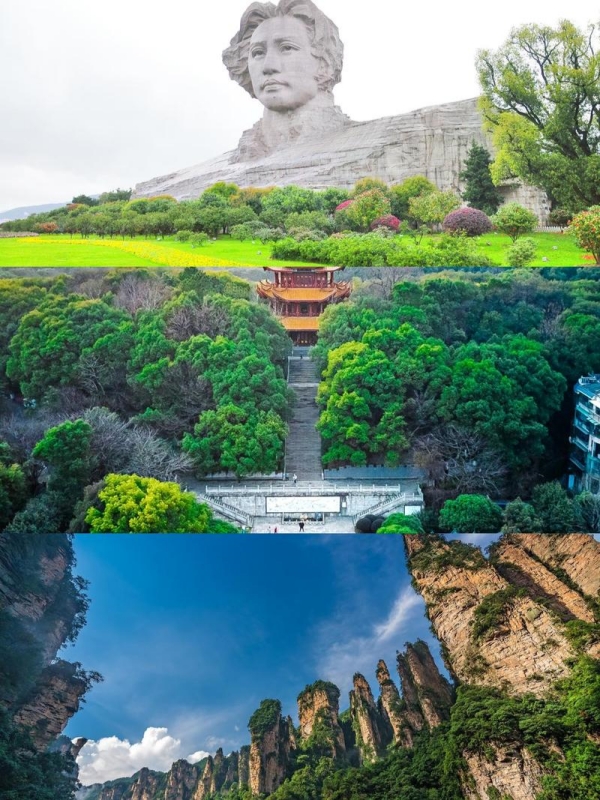
West Kowloon Station connects directly to Shenzhen North via the Futian Checkpoint, then onward to Changsha South on the Beijing–Guangzhou high-speed corridor. The West Kowloon to Changsha South segment covers roughly 900 kilometers and takes approximately three hours. Several trains run this route daily, with morning and early-afternoon departures giving the best chance of a same-day connection to Zhangjiajie.
Trains depart from the West Kowloon Station MTR exit area, which shares the complex with the HSR departure concourse. Foreign travelers with a valid mainland visa and a pre-purchased ticket pass through the border control gates inside the station building before boarding. The cross-border clearance process typically takes 15 to 30 minutes during off-peak hours.
⛰️ Compare Coastal and Mountain Peaks: If you want to experience incredible mountain vistas before you even leave Hong Kong, you can explore the rugged peaks, giant Buddhas, and hiking trails right near the airport. Check out our outdoor guide to the top Things to Do in Lantau.
Leg 2 — Changsha South to Zhangjiajie West
HSR via Changsha
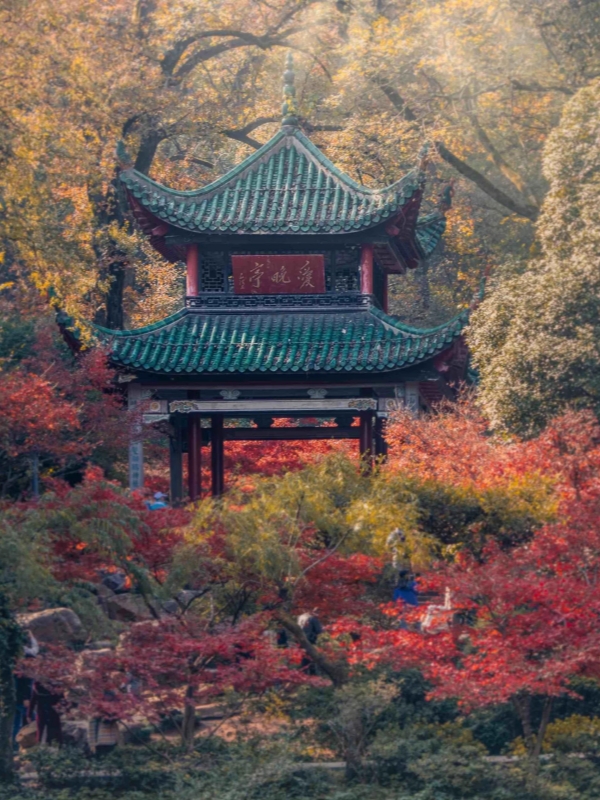
The Changsha South to Zhangjiajie West leg runs on the Zhangjiajie–Changsha railway, a shorter branch line that takes roughly one hour. Services are less frequent than on the main Beijing–Guangzhou corridor, so checking departure slots in advance matters more on this leg. Some itineraries route passengers through Changsha West or Changsha stations instead of Changsha South depending on the specific train pairings available — verify the exact station before boarding the first leg.
Zhangjiajie West Station sits about 15 kilometers from the Wulingyuan scenic area and roughly 20 kilometers from central Zhangjiajie city. The arrival hall has taxi stands, a bus terminal, and car-hailing drop-off points clearly signposted in Chinese and English.
🌶️ Explore Your Transit Stop: Since the high-speed rail route requires a transfer at Changsha South Station, spending a day in the Hunan provincial capital is a fantastic way to enjoy spicy street food and modern art hubs. Discover how to maximize your layover with our guide to the best Things to Do in Changsha.
Border Crossing and Total Journey Time
The border crossing at West Kowloon Station is the critical step that distinguishes the Hong Kong–mainland HSR from domestic Chinese train travel. Passengers clear Hong Kong immigration before boarding, then clear mainland immigration upon arrival at Shenzhen North or the first mainland station. All border checks happen before the Changsha segment begins, so the transfer at Changsha South involves no additional clearance steps.
When both legs connect smoothly, the total West Kowloon to Zhangjiajie West journey lands in the 3.5- to 4-hour range. Adding transfer buffer time and potential waiting at Changsha South brings the realistic door-to-door figure closer to 5 hours. This is longer than flying but avoids the domestic booking complications that many foreign travelers encounter when trying to reserve flights on Chinese airline websites.
A 2-Day Zhangjiajie Plan Once You Arrive
Two full days is the minimum realistic timeframe for Zhangjiajie's core attractions. The Wulingyuan scenic area is large, and the park's main highlights — Yuanjiajie, Tianzi Mountain, and the Grand Canyon glass bridge — are spread across different shuttle bus corridors that require route planning to see efficiently. Arriving by early afternoon on Day 1 allows time to complete one major area before the park closes, then tackle the second major area on Day 2 morning.
Day 1: Yuanjiajie and the Avatar Pillars
Yuanjiajie
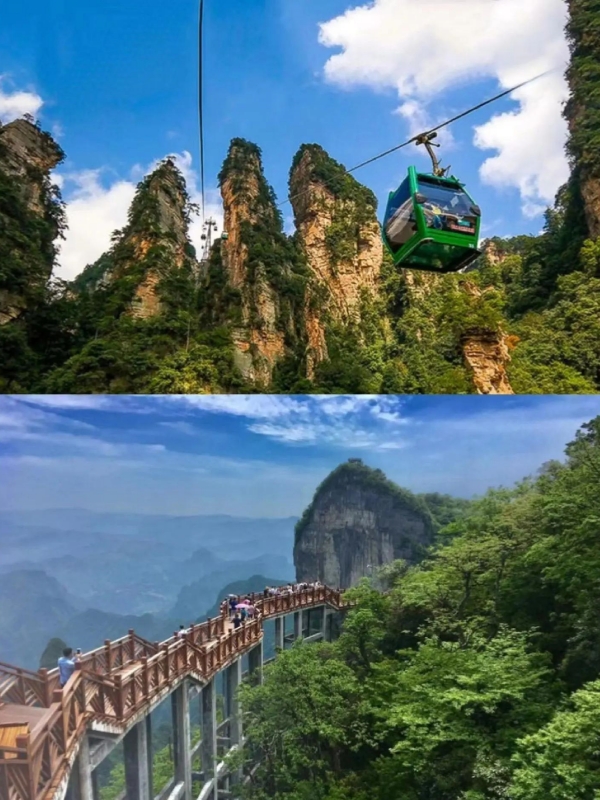
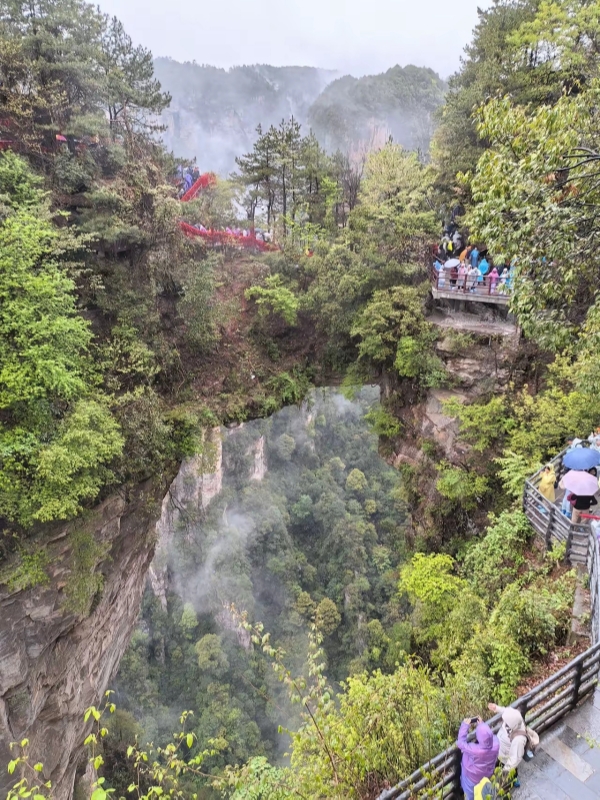
The Yuanjiajie area holds the park's most photographed formations — the towering quartz-sandstone pillars that inspired the floating Hallelujah Mountains in Avatar. The most efficient approach enters via the Wulingyuan Entrance Station, takes the Bailong Elevator (the world's tallest outdoor elevator, standing 326 meters tall) to the upper plateau, then follows the loop trail through the Hallelujah Mountains viewing platform. This section handles large visitor volumes efficiently, and the elevator queues move steadily even during busy periods.
After Yuanjiajie, the afternoon can extend to the Yangjiajie area, which is quieter and suited to visitors who want to walk the ridge trail above the canopy. Alternatively, travelers tired after the cross-border journey can head back to the hotel and rest before an early start on Day 2. The Bailong Elevator operates from early morning and is worth prioritizing before 9 a.m. to minimize queue times.
🎬 See the Film's Inspiration: Once you arrive at the national park, you will stand face-to-face with the towering quartz-sandstone pillars that look like they are floating in the mist. Learn more about the specific peaks and viewing platforms behind these legendary formations in our guide to the Real Avatar Mountains.
Day 2: Tianzi Mountain and the Grand Canyon Glass Bridge
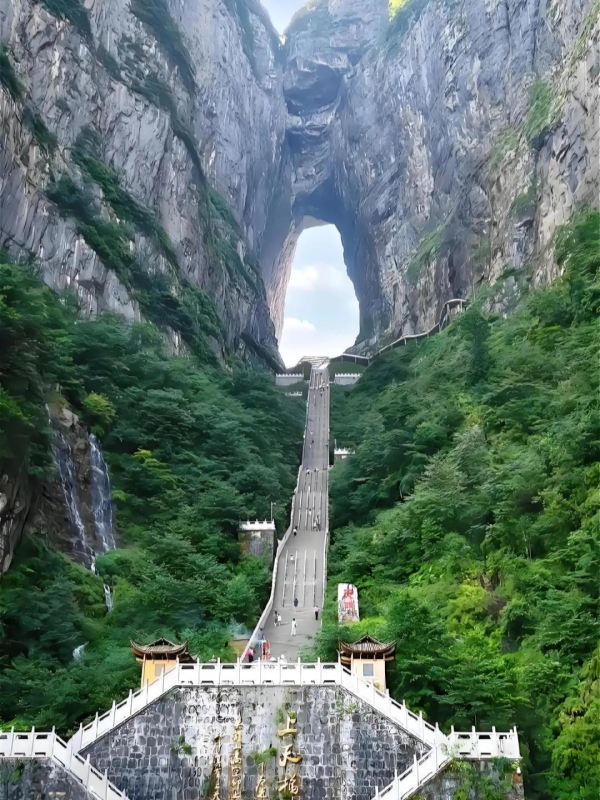
Tianzi Mountain
Tianzi Mountain is the second major plateau area, known for its cloud formations, mist, and panoramic views across the Wulingyuan basin. The mountain is reached via the Tianzishan Entrance, which requires a separate entry ticket from the main Wulingyuan pass in some ticket configurations. The standard circuit covers the Helong Plaza, Imperial Brush Peak, and the Gabriel's Knoll viewing platform, with a shuttle bus linking the major overlooks.
The Zhangjiajie Grand Canyon glass bridge can be added on the afternoon of Day 2 for visitors who have energy and time. The bridge spans a 430-meter canyon and is walkable in 20 to 30 minutes, with the canyon trail below adding another one to two hours if desired. The glass bridge is located between Zhangjiajie city and the Wulingyuan area, so it fits most naturally as a bridge between the park and the return journey. Tickets for the bridge should be booked separately and in advance during peak season.
🗺️ Navigate the Scenic Area: Because the Wulingyuan scenic region covers nearly 400 square kilometers with multiple park gates, cable cars, and elevator stations, keeping track of your route is essential. Map out your exploration ahead of time using our detailed Zhangjiajie City Map.
Tickets, Booking Channels, and What It Costs
Ticket prices for the Hong Kong–Zhangjiajie HSR corridor vary by train class and availability. The two-leg structure means two separate ticket purchases in most cases. Foreign travelers should plan to buy both segments in advance, particularly during Chinese public holidays when seats on the Changsha–Zhangjiajie leg sell out quickly.
Where Foreign Travelers Book HSR
Trip.com and Klook are the most accessible international platforms for foreign travelers purchasing Chinese HSR tickets. Both sites display schedules, seat availability, and pricing in English and accept international credit cards. Tickets appear in a QR-code format that works at the automatic gate readers throughout China's HSR network. The HSR tickets are delivered to the traveler's email or app account shortly after purchase.
Direct booking at the West Kowloon Station counter is also possible, though counter hours are limited and queues during peak travel periods can be long. For the Changsha South to Zhangjiajie West leg, buying online before departure from Hong Kong is strongly recommended since ticket counters at Changsha South can be confusing for non-Chinese speakers.
Sample One-Way Cost Breakdown
⛅ Check the Weather and Crowds: Before booking your train tickets, it is crucial to pick the right season to avoid the heavy summer rains and holiday peak seasons that can block the mountain views. Plan your travel dates perfectly with our guide to the Best Time to Visit Zhangjiajie: Weather, Crowds, and What to Avoid.
Flying Hong Kong to Zhangjiajie
A direct flight from Hong Kong International Airport (HKG) to Zhangjiajie Hehua Airport (DYG) covers the distance in about two hours. Hong Kong Express, various mainland carriers, and seasonal charter services operate this route, with frequencies varying from daily to several times per week depending on the season. The main practical advantage of flying is the four-hour time saving over the HSR route.
The booking challenge is significant for foreign travelers. Most mainland airline websites and all domestic-only booking platforms such as Meituan or 12306 require a Chinese phone number for verification and WeChat Pay or Alipay for payment. International platforms like Trip.com and Skyscanner aggregate some of these flights, but availability and seat selection can be inconsistent. Travelers comfortable navigating these systems — or those with a mainland contact who can assist — will find flights workable. Otherwise, the HSR route is the more predictable choice.
Zhangjiajie Hehua Airport lies roughly 35 kilometers from the Wulingyuan scenic area entrance, about a 40-minute drive under normal traffic conditions. Airport taxis and pre-booked private transfers are the most reliable options for this final leg. A few shuttle bus services also operate between the airport and the park area, though schedules are geared toward domestic travelers and less predictable for those on tight itineraries.
Getting from Zhangjiajie West to the Parks
Zhangjiajie West Station sits on the city's western side, roughly 20 kilometers from the Wulingyuan scenic area where Zhangjiajie National Forest Park and the Avatar-inspired pillar formations are concentrated. The most common options for this transfer are registered taxis, private car services booked in advance, and the park's official shuttle bus network.
Registered taxis at the station use meter pricing and are the default choice for independent travelers. Fares to the Wulingyuan area typically land in a predictable range that the driver can confirm before departure. Private car services, often arranged through hotel concierge or booked on Klook, cost more but offer fixed pricing and driver contact details before arrival.
For travelers staying inside the Wulingyuan scenic area — which includes most resort hotels and guesthouses near the park — the taxi or pre-booked car is the practical option. Public bus routes exist but require navigating Chinese signage without English confirmations and are best suited to travelers who are comfortable with some offline translation help.
Frequently Asked Questions
Q: Do I need a Chinese visa for the Hong Kong West Kowloon to Zhangjiajie route?
Yes. The West Kowloon to Zhangjiajie HSR route crosses the Hong Kong–mainland border at Shenzhen North, which requires a valid mainland China travel document. Holders of foreign passports need an appropriate mainland visa. Some nationalities may qualify for transit exemptions or the 144-hour visa-free transit policy at mainland ports — check with the nearest Chinese consulate before departure.
Q: Is there a direct train from Hong Kong West Kowloon to Zhangjiajie?
No. There is no single through-train from West Kowloon Station to Zhangjiajie West. The route requires a transfer at Changsha South, where passengers change from the Beijing–Guangzhou mainline HSR to the Zhangjiajie branch. This is standard practice for cross-border travel on China's domestic rail network.
Q: How long is the Hong Kong West Kowloon to Zhangjiajie HSR journey?
The train journey alone runs approximately 3.5 to 4 hours across both legs. Adding transfer time at Changsha South and border clearance at West Kowloon Station brings the realistic total to 5 to 5.5 hours from the West Kowloon departure hall to arrival at Zhangjiajie West Station.
Q: Is it cheaper to fly or take the train from Hong Kong to Zhangjiajie?
Flights tend to cost more for foreign travelers who book on international platforms. However, pricing on Chinese domestic booking sites can be competitive, and last-minute flight deals sometimes undercut HSR fares. The HSR route costs roughly two leg fares combined — confirm current pricing on Trip.com or Klook before deciding, as seasonal variations affect both modes.
Q: Where can foreign travelers book Hong Kong West Kowloon to Zhangjiajie HSR tickets?
Trip.com and Klook are the most accessible international platforms for purchasing Chinese HSR tickets with a foreign passport and international credit card. Both deliver QR-code tickets that work at HSR gate readers. Counter purchase at West Kowloon Station is also possible, but online booking is recommended to secure seats on the less-frequent Changsha South to Zhangjiajie West leg.
Q: How many days do I need in Zhangjiajie?
A minimum of two full days covers the park's core areas — Yuanjiajie and the Avatar pillars on Day 1, Tianzi Mountain and the Grand Canyon glass bridge on Day 2. Travelers with three days can add the quieter十里画廊 (Ten-Mile Gallery) and Yellow Dragon Cave for a more complete experience without feeling rushed.
Q: What is the best time of year to visit Zhangjiajie?
Spring (March through May) and autumn (September through November) offer the most reliable weather. Summer brings monsoonal rain and high humidity that can reduce visibility among the pillars. The October Golden Week holiday draws the year's largest crowds and should be avoided if possible. Winter visits are quieter but some trails close due to icy conditions.
Q: Can I use a single park ticket for both Yuanjiajie and Tianzi Mountain?
The Wulingyuan scenic area uses a unified entry ticket that covers most major zones including Yuanjiajie and Tianzi Mountain. However, the Tianzishan Entrance that accesses Tianzi Mountain sometimes requires a separate supplemental fee depending on the ticket configuration purchased. Confirm the exact coverage at the ticket counter or through the park's official WeChat account before entering to avoid unexpected additional charges.