Earthquake Shanghai
Shanghai is not the first place people think about when searching “earthquake China today”. Most travelers come here expecting skyscrapers, luxury hotels, and smooth subway rides — not earthquake discussions. Still, small tremors do occasionally reach the city, especially after larger quakes in nearby regions or places like Taiwan and Japan. That can feel unsettling when you’re staying on a high hotel floor in Pudong and notice the building moving slightly at night. The good news is that Shanghai earthquake risk is lower than many visitors assume, and most modern buildings here are designed with that in mind.
Shanghai Earthquake History and Past Tremors
Why Shanghai Rarely Experiences Major Earthquakes
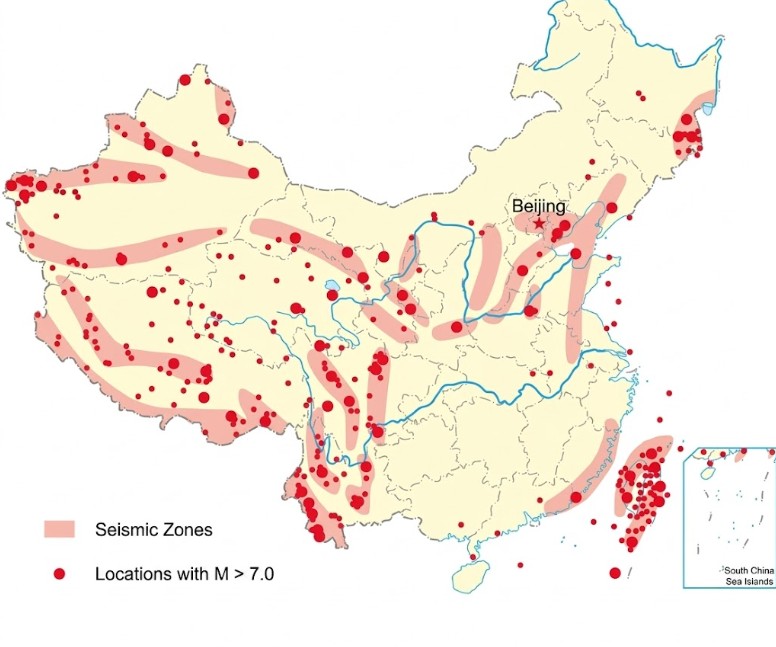
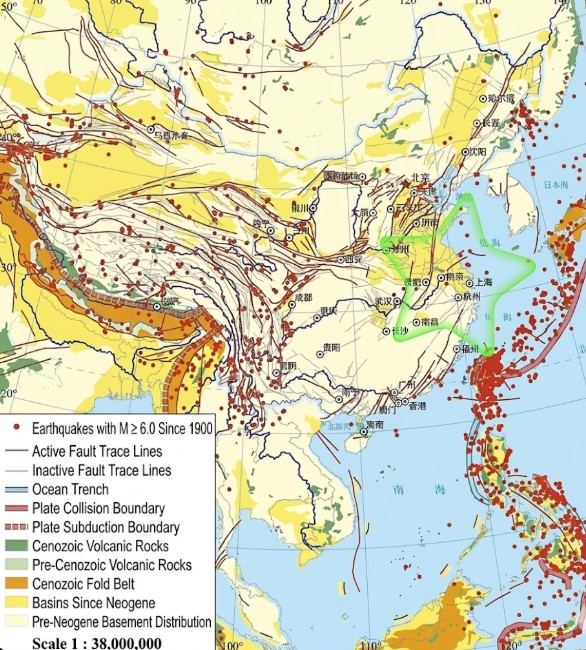
Seismic Zones of China
Shanghai sits far from China’s most active seismic belts. Cities in Sichuan and Yunnan deal with earthquakes much more often because they lie closer to major tectonic fault zones. Shanghai, by comparison, stays on relatively stable eastern ground near the Yangtze River Delta. That is one reason the city developed so aggressively upward during the last two decades.
Still, low risk does not mean zero risk. A lot of people searching “does Shanghai get earthquakes” expect a simple yes-or-no answer, but the reality feels more complicated than that.
- Main Risk Areas: Western China sees the strongest earthquake activity, especially around Sichuan, Tibet, and Yunnan.
- Shanghai’s Position: Shanghai stays outside those major fault systems, so destructive direct earthquakes remain uncommon.
- Secondary Effects: Distant earthquakes can still travel across eastern China and create light shaking inside tall buildings.
Part of the confusion comes from Shanghai’s skyscrapers. High-rise towers in Pudong sometimes amplify movement slightly, especially during long-distance tremors. Someone staying on the 45th floor of a hotel near Lujiazui may notice movement earlier than people walking outside on Nanjing Road.
That is why Shanghai earthquake history feels unusual. The city rarely suffers major earthquake damage itself, but people occasionally feel shaking caused by events hundreds or even thousands of kilometers away.
Earthquakes That Were Actually Felt in Shanghai

Earthquake Evacuation
Several earthquakes outside Shanghai have still caused noticeable reactions inside the city, especially in office towers and luxury hotels. Most of these situations lasted only a few minutes, though social media usually made them sound much worse.
One of the biggest examples came during the 2011 Japan earthquake. Some office workers in Pudong reported gentle swaying inside high-rise buildings. Videos spread quickly online. A few towers temporarily evacuated workers, while restaurants on lower floors continued serving dinner almost normally.
- 2011 Japan Earthquake: High-rise occupants in Shanghai reported mild swaying sensations.
- Taiwan Earthquakes: Larger Taiwan quakes occasionally produce light tremors in eastern China, including Shanghai.
- Nearby Regional Quakes: Small earthquakes in Jiangsu or Zhejiang sometimes trigger brief discussions online under “earthquake China today.”
- Office Reactions: In many cases, people checked phones first before leaving buildings.
The local reaction often feels calmer than foreign visitors expect. During one tremor discussion near Jing’an, I remember seeing people continue drinking coffee outside a FamilyMart while tourists nearby kept refreshing earthquake apps. That contrast appears again and again in Shanghai.
Another detail worth mentioning: many people mistake wind sway for earthquake movement. Tall towers such as Shanghai Tower or the Shanghai World Financial Center naturally move slightly during strong weather. The first time can feel strange, especially late at night when everything else stays quiet except the elevator cables and the soft building creaks.
Why “Shanghai Earthquake 1556” Appears in Google Searches
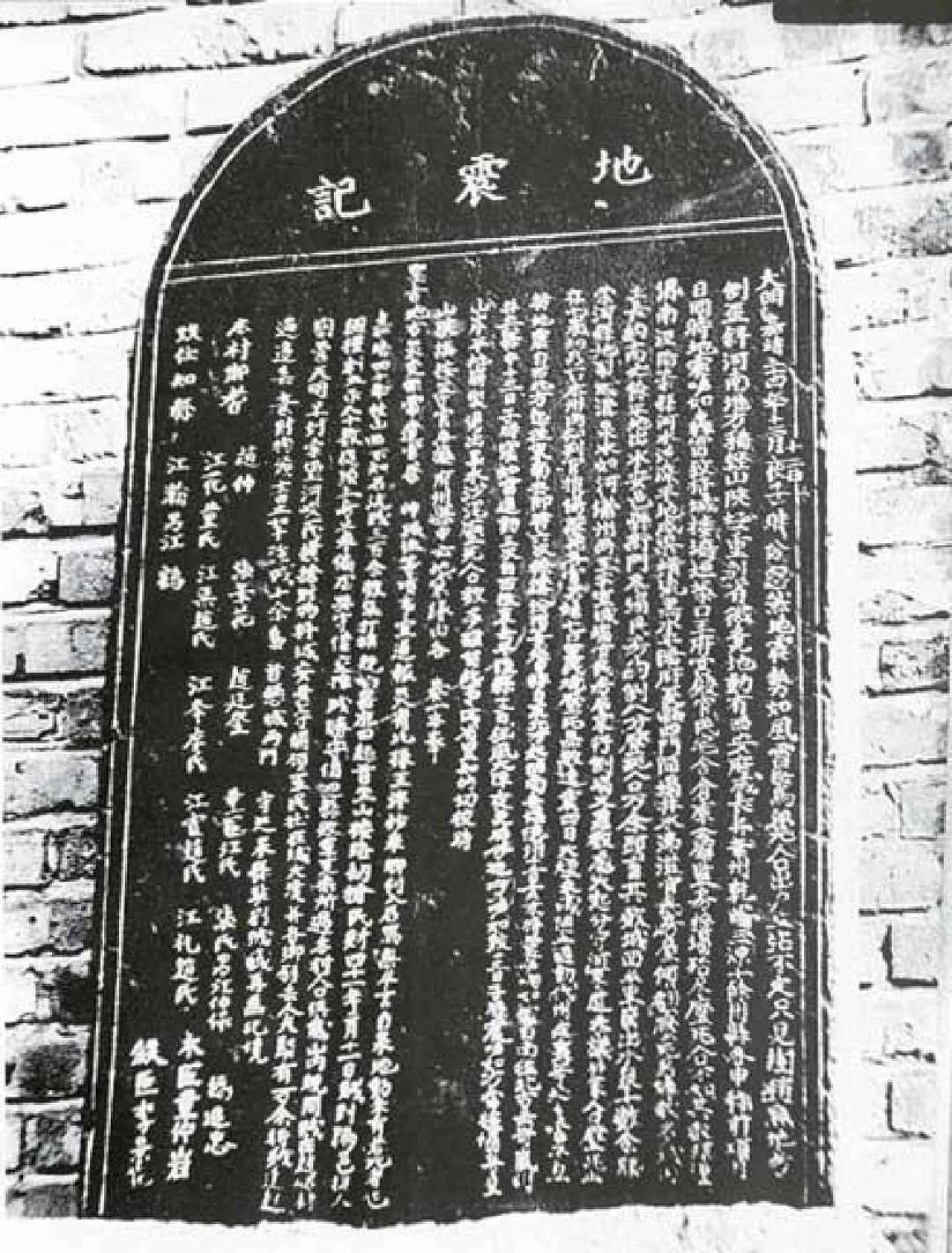
Things related to1556 Earthquake
The phrase “Shanghai earthquake 1556” confuses a lot of people. The famous 1556 earthquake actually happened in Shaanxi Province, not Shanghai. It is commonly called the Shaanxi or Huaxian earthquake and remains one of the deadliest earthquakes in china earthquake history. If you are curious about Shanghai’s background and how its history shapes modern travel, you can explore more here.
- Location: The 1556 disaster occurred near Huaxian in central China.
- Historical Scale: Estimates suggest hundreds of thousands of deaths, though exact numbers vary by source.
- Why It Appears Online: Google sometimes connects broad China earthquake searches with Shanghai-related keywords because users search multiple terms together.
There is no evidence that Shanghai experienced a direct disaster from that event. The connection mostly comes from search engine behavior rather than historical geography.
Even today, searches like “7.1 earthquake in China today” or “earthquake Shanghai” spike whenever large earthquakes happen elsewhere in Asia. A lot of travelers simply want reassurance before arriving in the city, especially if they already booked a high-floor hotel room in Pudong.
Are Shanghai Hotels and Skyscrapers Earthquake Resistant
Why Shanghai Skyscrapers Are Built to Move Slightly
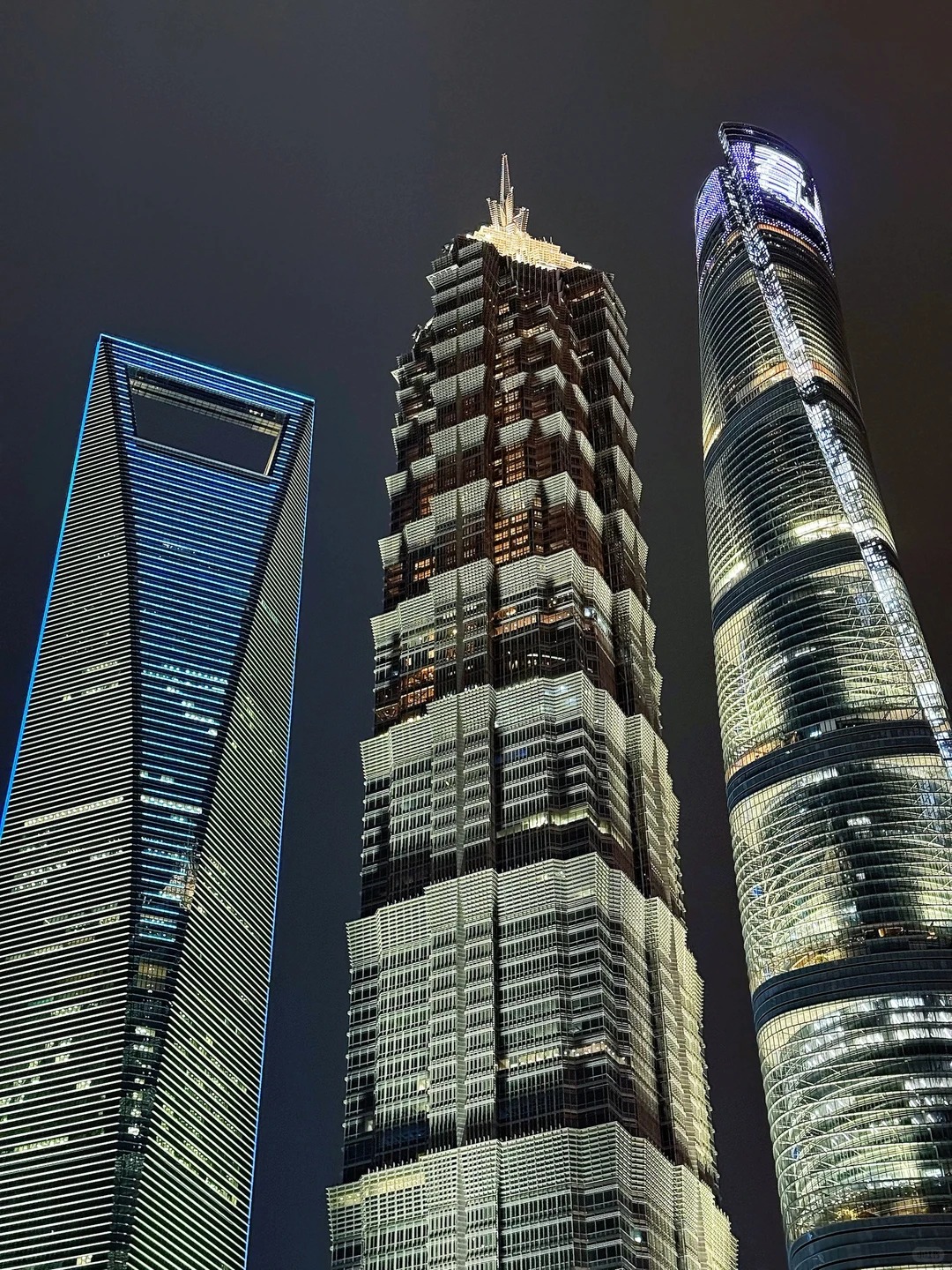
Shanghai Skyscrapers
A lot of visitors feel uneasy the first time they notice movement inside a Shanghai skyscraper. The important thing is that slight movement usually means the building is functioning as designed, not failing.
- Flexible Engineering: Modern towers use steel structures and damping systems that allow controlled movement during strong wind or distant tremors.
- Wind Influence: In Pudong, wind pressure between skyscrapers often causes more noticeable sway than actual earthquakes.
- Soft Ground: Shanghai’s river-delta soil can slightly amplify motion sensations, especially in taller buildings.
- Height Factor: Rooms above the 30th or 40th floor naturally feel movement more clearly than lower floors.
- Human Perception: Many travelers simply are not used to sleeping high above ground. A tiny movement at night can suddenly feel dramatic.
Inside some high-rise hotels, you might notice curtains moving slightly or water in a glass vibrating a little near the window. That does not automatically mean an earthquake Shanghai event is happening. Often it is just the combination of wind and structural flexibility working together.
People frequently search “are Shanghai skyscrapers earthquake proof” after feeling this for the first time. Most modern towers in the city follow strict seismic engineering standards, especially newer buildings around Lujiazui.
How Modern Shanghai Hotels Handle Earthquake Safety
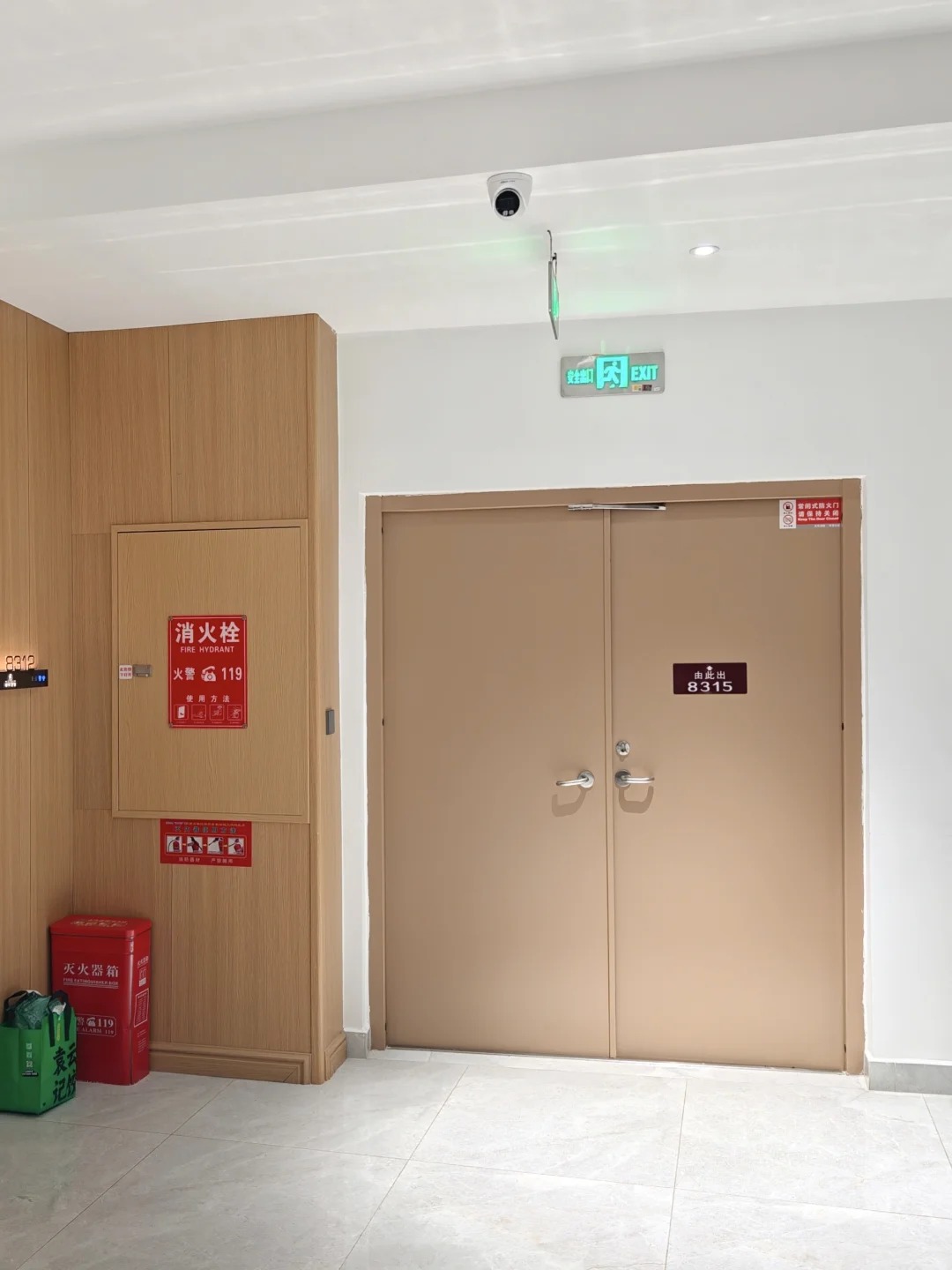
Hotel Emergency Exit
Most international hotels in Shanghai already operate with earthquake safety systems in place, even though strong earthquakes remain uncommon here.
- Construction Standards: Newer luxury hotels generally follow updated seismic building regulations.
- Emergency Systems: Hotels usually have bilingual emergency broadcasts and evacuation signage.
- Elevator Protection: Elevators may stop automatically during abnormal movement or emergency situations.
- Staff Training: Hotel staff often receive basic evacuation and emergency-response training.
- Safety Planning: Emergency exit maps are typically posted behind guest room doors.
Foreign travelers often worry about glass curtain walls after seeing dramatic online videos. In reality, modern hotel glass systems are much stronger and more flexible than many people expect. Small sounds or light movement inside the room rarely indicate serious danger.
Last time I stayed near Century Avenue, probably around the mid-30 floors, I noticed a faint sway while sitting beside the window after midnight. The hotel lobby downstairs felt completely normal.
Older Buildings in Shanghai Feel Very Different During Tremors
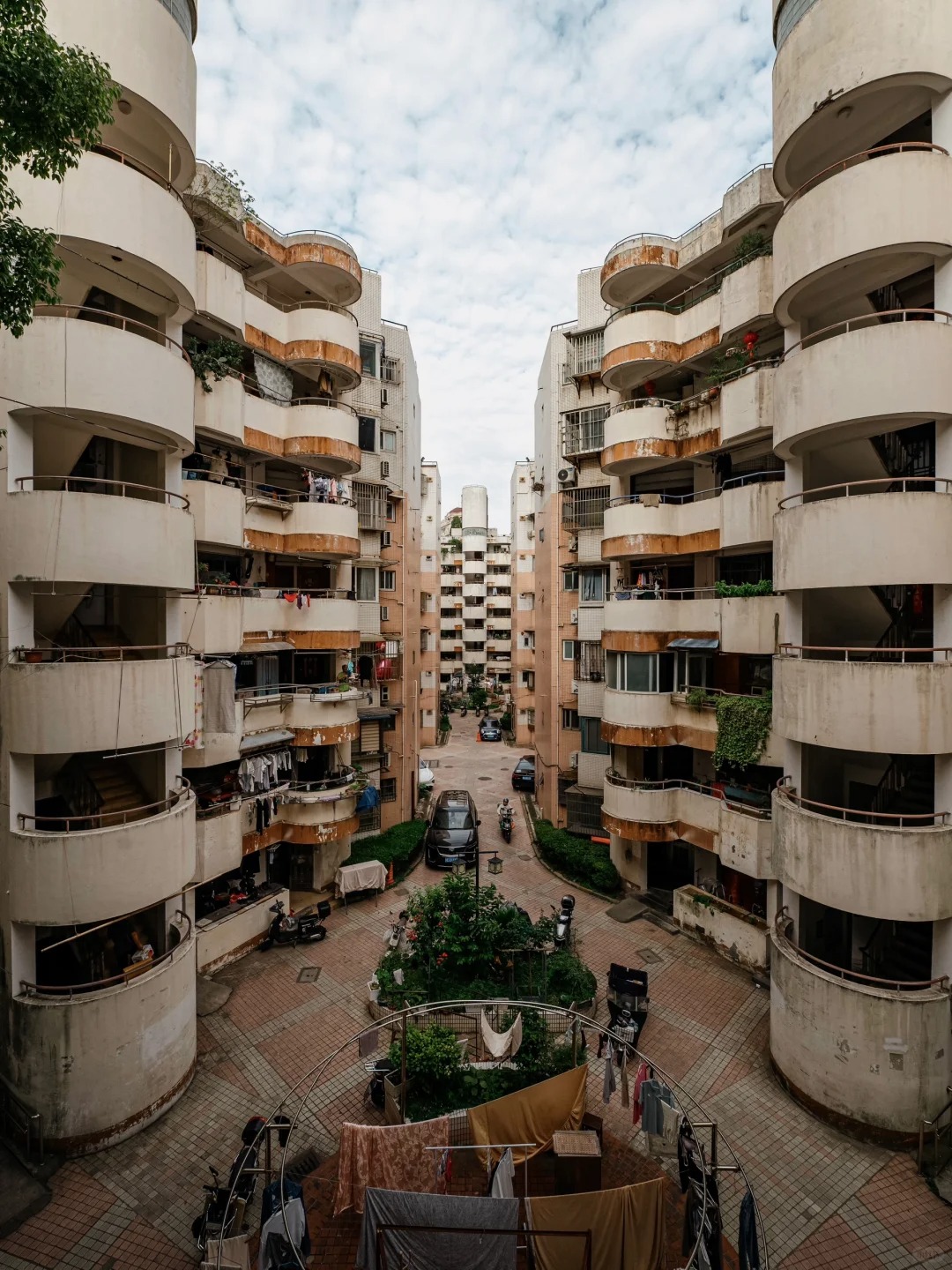
Old-style Residential Buildings in Shanghai
The atmosphere changes noticeably once you move from Pudong skyscrapers into older neighborhoods. Traditional lane houses and historic buildings often feel psychologically less secure during shaking, even when the actual risk stays low.
- Older Construction: Some older residential buildings were not designed under modern seismic standards.
- Historic Areas: Bund buildings focus heavily on preservation and appearance rather than modern structural redesign.
- Noise Sensitivity: Wooden windows, pipes, and staircases can produce more noticeable sounds during vibration.
- Street Environment: Narrow lanes and older interiors can make minor tremors feel more intense emotionally.
In older parts of Shanghai, people sometimes react more to the sound than the movement itself. Windows shake lightly, pipes rattle, and the whole space feels heavier compared with modern glass towers nearby.
That does not mean these areas are unsafe. Millions of locals still live there comfortably. But for travelers already nervous after reading “earthquake china today” headlines, old neighborhoods often feel more unsettling than newer hotel districts.
What Travelers Usually Say After Feeling a Tremor in Shanghai
The reactions online tend to follow the same pattern every time. Someone notices slight movement inside a tower, opens social media, and within minutes dozens of people start asking whether Shanghai just had an earthquake.
- First Reaction: Many travelers initially think they feel dizzy or jet-lagged.
- Phone Checking: People immediately search “earthquake today” or refresh earthquake apps.
- Hotel Atmosphere: Staff usually remain calm, which often surprises foreign guests.
- Short Duration: Most shaking sensations disappear within minutes.
A comment I once saw on Tripadvisor described it pretty well: “Everyone in the elevator looked nervous except the hotel employees.” That feels very Shanghai somehow. Even during small tremor discussions, local residents often continue eating dinner or scrolling phones while visitors keep staring out the window trying to judge whether the building is moving.
High-rise sway also feels more noticeable late at night. The city gets quieter, traffic noise drops, and small movements become easier to detect. Sometimes the sensation comes from weather conditions rather than any real earthquake in Shanghai today.
Most cases end with people laughing about it the next morning over coffee downstairs.
What To Do If You Feel an Earthquake in Shanghai
What To Do Inside a Shanghai Hotel Room
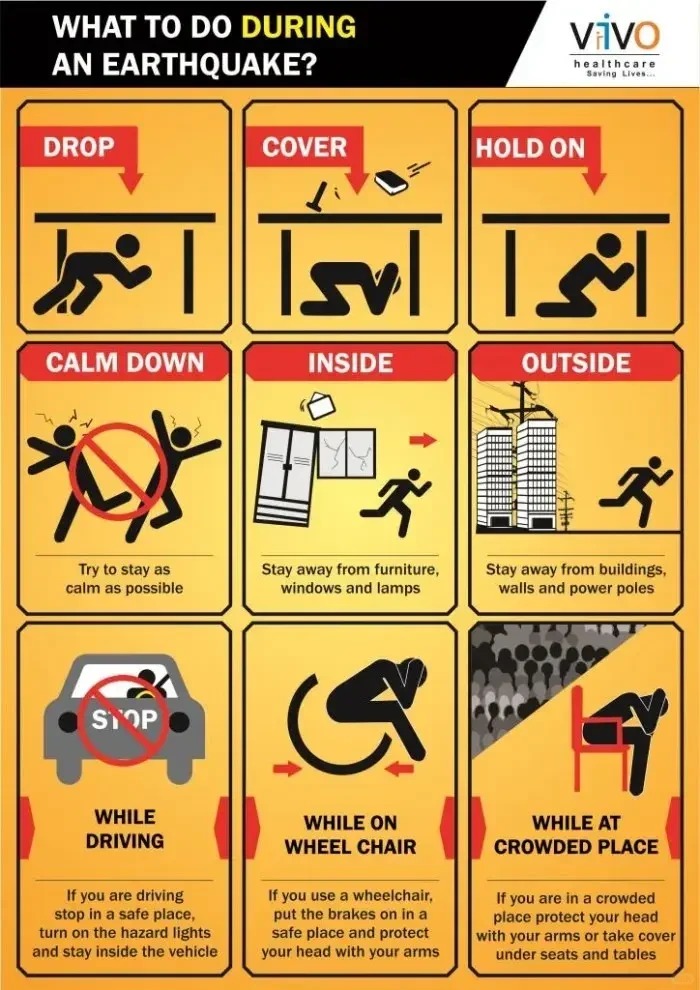
Earthquake Escape Guide
When people search “earthquake preparedness Shanghai,” most of the anxiety comes from not knowing what to do in a hotel room. In Shanghai, high-rise hotels are common, so the basic rule is simple: don’t rush. If you want to see more real travel situations and guides related to staying and moving around the city, you can explore practical Shanghai travel insights here.
- Stay away from elevators: Never try to use lifts during shaking. They may stop automatically or trap passengers between floors.
- Avoid glass surfaces: Move away from large windows or curtain walls, especially in corner rooms facing the skyline.
- Take cover safely: Get near a solid desk or bed frame. In most modern hotels, furniture is more stable than it looks.
- Wait for instructions: Hotel staff will usually make announcements in both Chinese and English if anything unusual is detected.
- Don’t run down dozens of floors: This is the most common mistake. Staircases can be more dangerous during panic than the actual movement.
Many travelers instinctively grab their passport and phone first. That is normal. Some even pack their small backpack before deciding what is happening. If it happens at night, lights may flicker or briefly go out, but most modern Shanghai hotels have backup systems that restore power quickly. The key is to stay in one place until movement stops completely.
What Happens During an Earthquake on the Shanghai Metro
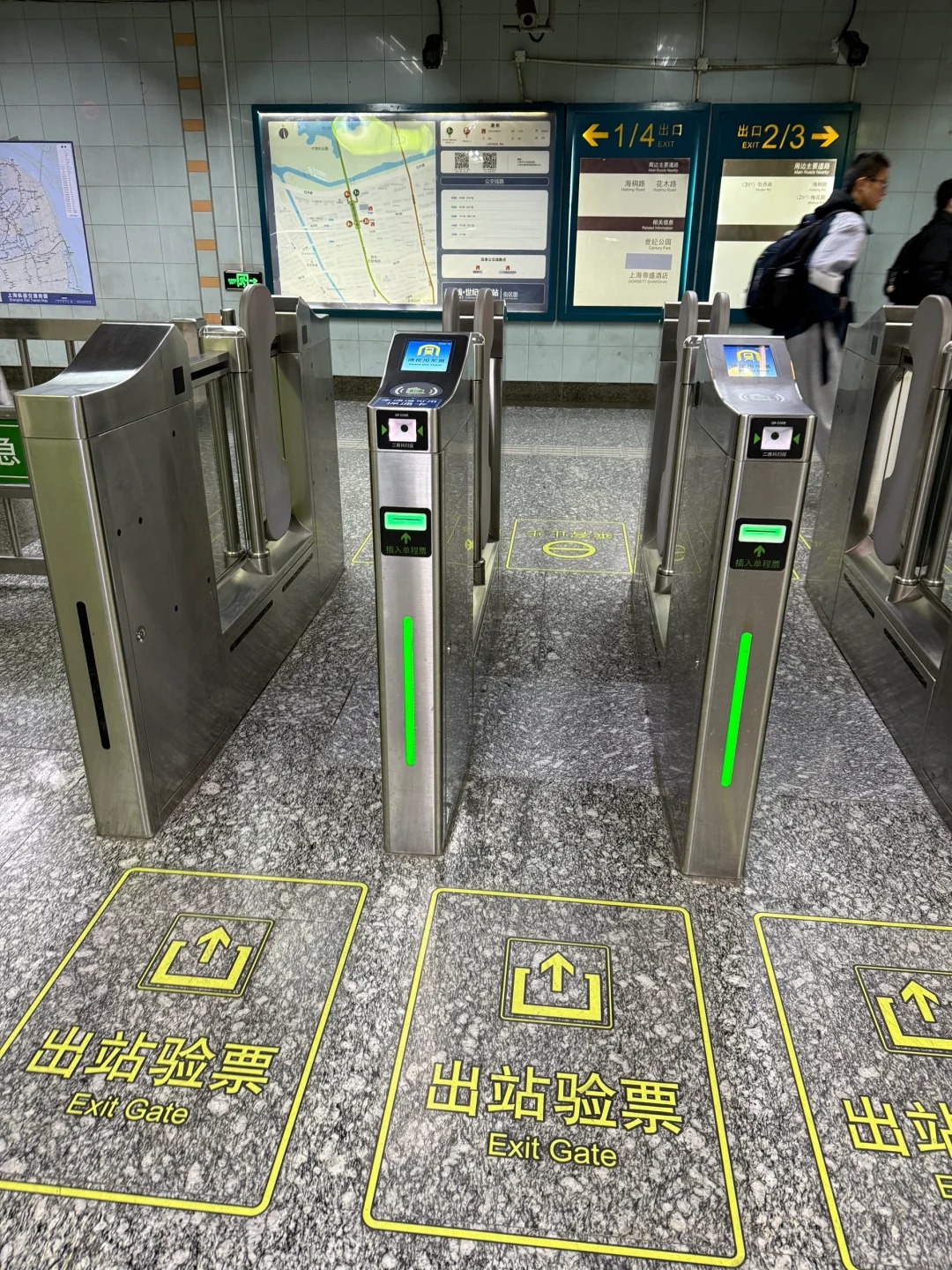
Shanghai Metro Exit
The Shanghai Metro is one of the busiest in the world, and most visitors assume chaos would break out immediately. In reality, the system is designed to slow down and control situations rather than panic.
- Automatic response: Trains usually reduce speed or stop at the nearest station when abnormal vibration is detected.
- Official announcements: Station staff and onboard systems provide instructions in Chinese, sometimes with basic English translations.
- Controlled passenger behavior: Most passengers stay seated or hold railings instead of rushing out.
- System stability: The metro network is relatively modern, so brief interruptions are more common than structural issues.
In real situations, passengers often react calmly. I’ve seen people quietly checking Weibo or WeChat moments instead of standing up. A few tourists, on the other hand, immediately search “earthquake China today” while still inside the carriage, trying to understand what is happening before any announcement is even made.
Escalators and platform edges can feel more chaotic than the train itself, especially if movement happens during rush hour. But overall, Shanghai Metro systems are designed to slow things down rather than create sudden evacuation scenarios.
What To Do If You Are Inside a Skyscraper Observation Deck
Observation decks like Shanghai Tower or Shanghai World Financial Center give a clear view of the city, but they also make even small movement feel stronger. The height changes perception more than reality.
- Stay inside the viewing area: Don’t rush toward exits or staircases. Staff usually manage flow in controlled steps.
- Follow staff instructions: Observation decks typically have trained personnel for emergency procedures.
- Expect natural sway: Tall buildings are engineered to move slightly, especially at upper levels.
- Avoid sudden crowd movement: Panic often creates more risk than the structure itself.
First-time visitors often describe the sensation as “the building is leaning,” but that is usually just structural flexibility. The design allows controlled movement to reduce stress on the frame. What feels like instability is often just normal building response to wind or distant seismic waves.
Most situations calm down quickly. Staff continue guiding visitors, lights stay on, and elevators resume normal operation once checks are complete.
Emergency Apps and Earthquake Alerts in China
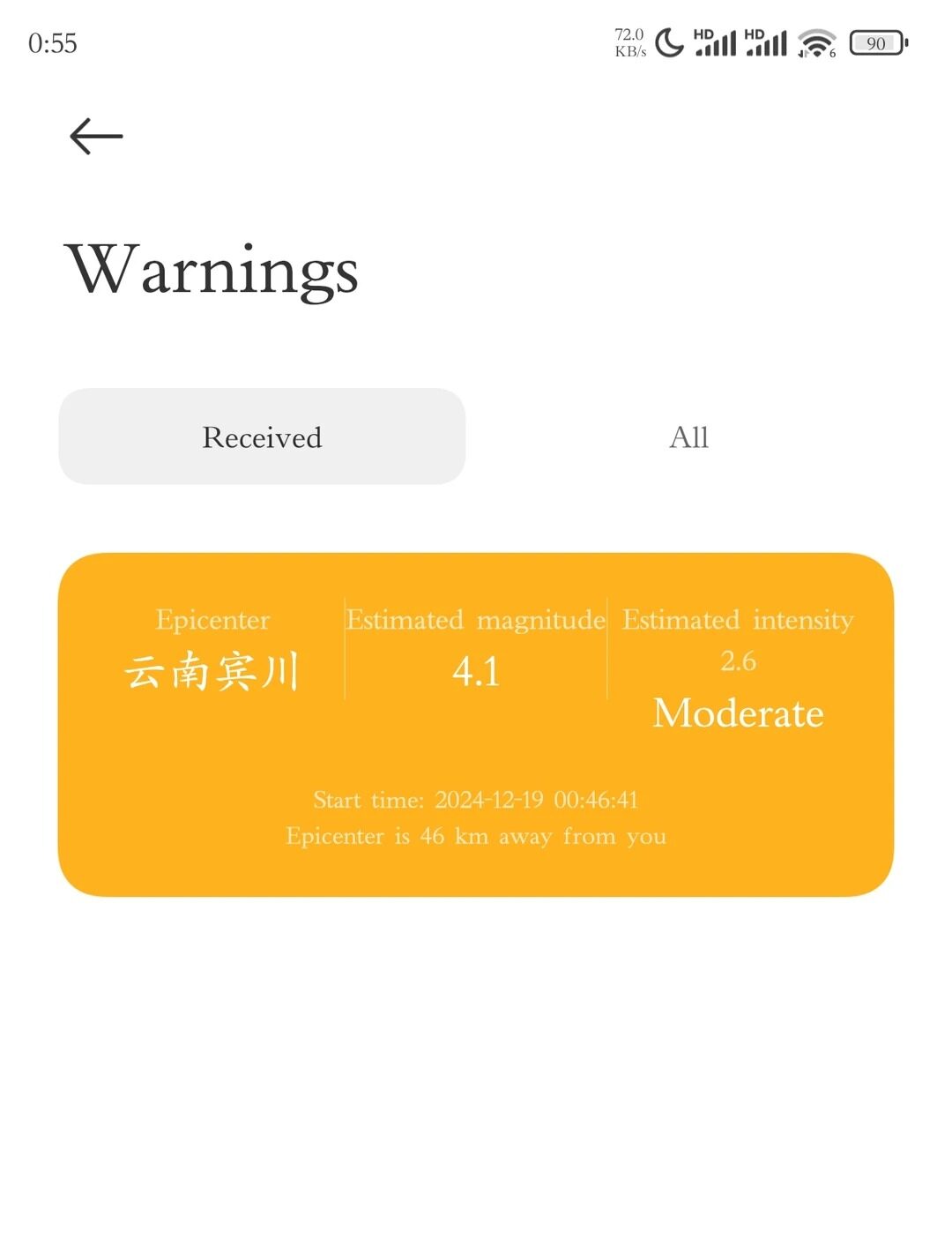
Earthquake Early Warning
China has a developing earthquake alert system, and in cities like Shanghai, notifications usually come through mobile networks rather than dramatic public alarms. For travelers, this part can feel slightly confusing at first.
- China Earthquake Early Warning System: Alerts are sometimes pushed through mobile networks seconds before stronger waves arrive, though timing depends on distance.
- Android system alerts: Some Android phones in China can receive built-in earthquake warnings if settings are enabled.
- WeChat ecosystem: Local users often get updates through WeChat mini-programs or official accounts rather than standalone apps.
- Information delay for foreigners: Visitors sometimes receive updates later because they rely on roaming networks or foreign SIM cards.
- VPN confusion: Using VPNs or international data services can sometimes delay or block real-time alerts.
In practice, locals often know about small tremors slightly earlier than tourists simply because they are plugged into domestic platforms. That is why you sometimes see residents reacting calmly while visitors are still searching “earthquake Shanghai” online.
For short stays, it is usually enough to keep phone alerts enabled and avoid relying only on social media updates. Most earthquake-related notifications in Shanghai are brief, factual, and not followed by large-scale disruption.
Why Earthquake Panic in Shanghai Is Often Bigger Than the Actual Risk
In Shanghai, earthquake concern often spreads faster online than any real impact on the ground. A short clip of a swaying high-rise or a delayed message about “earthquake Shanghai” can quickly circulate, even when the actual event is minor or happening far away. Many of these videos also lack context, which makes normal building movement look more serious than it is.
What stands out in real situations is the gap between perception and daily life. Visitors in hotels or tall buildings may feel slight movement and react quickly, while locals often continue working, drinking coffee, or commuting without interruption. Shanghai remains one of China’s more structurally stable major cities, and most minor tremors do not affect routine life at all. The panic usually comes from interpretation, not from real risk on the ground.
How Individuals and Institutions Prepare for Earthquake Safety in Shanghai
What Travelers Should Do Before and During a Stay in Shanghai Hotels
For most visitors, earthquake preparedness in Shanghai starts with small but practical habits rather than complex planning. Before check-in, it helps to know whether the hotel is in a high-rise district like Pudong or Jing’an, where most modern skyscraper hotels are concentrated. Once inside the room, the first step is simply to observe the space instead of ignoring it—identify where solid furniture is, and keep distance from large glass windows.
Many travelers also keep essentials like a phone, passport copy, and power bank in one place so they can be grabbed quickly if needed. The key idea is not panic preparation, but reducing confusion in case of a short “earthquake Shanghai” event.
How Shanghai Hotels and Buildings Are Designed for Earthquake Response
Most modern hotels and high-rise buildings in Shanghai are built under strict national seismic codes, even if major earthquakes are rare in the region. Structural cores in skyscrapers are reinforced to handle both wind and distant seismic activity, which is why slight movement does not equal danger. Hotels also integrate emergency lighting systems, backup power, and bilingual alert mechanisms for international guests. Staff members are usually trained to guide visitors calmly rather than escalate panic. From a traveler’s perspective, this means the response system is already in place long before anything happens, even if it is not visible during normal stays.
How Public Spaces and Workplaces in Shanghai Prepare for Emergencies
Outside hotels, offices, schools, and large public buildings in Shanghai also follow structured safety planning. Most commercial buildings have clearly marked evacuation routes and designated assembly areas, although many people only notice them during drills or emergencies. Some international schools and corporate offices conduct occasional safety exercises, while larger complexes rely on internal communication systems to confirm situations before evacuation.
In places like shopping malls or transport hubs, safety instructions are often displayed in corridors and elevators, even if they are easy to overlook in daily life. This system-based approach means preparedness exists at multiple levels, even when daily life feels completely normal.
FAQ About Earthquake Shanghai
Q: Does Shanghai actually experience earthquakes or is it just online panic?
Shanghai does experience occasional light tremors, but most of them are indirect effects from distant earthquakes in regions like Taiwan or Japan. The city itself is not located on a major active fault line, so strong local earthquakes are rare. What often happens online is that small, harmless shaking gets amplified through social media videos and search trends like “earthquake Shanghai.” In reality, most residents barely react unless the tremor is noticeable in high-rise buildings. Panic online is usually much higher than the actual physical impact inside the city.
Q: Is Shanghai considered safe from major earthquakes compared to other Chinese cities?
Compared with cities in western China such as Chengdu or Kunming, Shanghai is generally considered a lower seismic-risk area. It is located on relatively stable ground in the Yangtze River Delta, away from major fault zones. This does not mean zero risk, but the probability of a destructive earthquake is significantly lower. Most concerns come from perception rather than real geological threat. For travelers, Shanghai is widely regarded as one of the safer large cities in China in terms of earthquake exposure.
Q: Why do tall buildings in Shanghai feel like they are moving during tremors?
The sensation of movement in Shanghai skyscrapers is usually caused by a combination of wind and structural flexibility rather than direct earthquake damage. Modern high-rises are designed to sway slightly to absorb energy and reduce structural stress. On upper floors, this movement becomes more noticeable, especially at night when the environment is quiet. Soft soil in the city can also amplify perception. What feels dramatic to first-time visitors is often a normal and safe engineering response.
Q: Are luxury hotels in Shanghai built to withstand earthquakes?
Most international and modern hotels in Shanghai are constructed according to updated seismic building codes. These structures are designed to handle moderate shaking through reinforced frames and flexible engineering systems. Emergency procedures are also in place, including evacuation routes, alarm systems, and staff training. While older buildings may not have the same level of reinforcement, newer hotels in districts like Pudong and Jing’an are generally considered safe for normal travel conditions, even during minor tremors.
Q: What should I do immediately if I feel shaking in a Shanghai hotel?
The most important thing is to stay calm and avoid rushing. Do not use elevators during shaking, and move away from windows or glass walls. In most cases, staying near a stable piece of furniture is safer than trying to exit quickly. Hotel staff will usually provide instructions if needed. Many travelers instinctively grab passports and phones first, which is normal, but the key is to avoid panic-driven evacuation, especially from high floors where stairwells can become crowded.
Q: Can earthquakes from Japan or Taiwan really be felt in Shanghai?
Yes, but only in a mild form. When strong earthquakes occur in nearby regions like Japan or Taiwan, seismic waves can travel across the sea and be weakly felt in eastern China, including Shanghai. These effects are usually limited to slight swaying in tall buildings and do not cause structural damage. Many residents may not even notice them unless they are on higher floors or in very quiet environments. These events are the main reason “earthquake China today” searches sometimes trend in Shanghai.
Q: Is it safe to stay in high-rise hotels in Shanghai during a trip?
Yes, staying in high-rise hotels in Shanghai is generally safe for travelers. Modern skyscrapers are engineered to handle wind and moderate seismic activity, and hotel structures follow strict construction standards. The feeling of movement some guests experience is usually due to building sway rather than actual danger. Most issues discussed online are perception-based rather than real structural risks. For most visitors, choosing a reputable international hotel provides a comfortable and secure stay experience in the city.
Q: Why do people online exaggerate earthquake situations in Shanghai?
A major reason is how quickly short videos and posts spread without context. A normal building sway caused by wind can easily be mistaken for seismic activity, especially when clips are reposted without location details. Search behavior also plays a role, as people immediately look up terms like “earthquake Shanghai” after feeling even minor movement. This creates a feedback loop where attention grows faster than facts, making small, harmless events appear more serious than they actually are.