Dagongmen Beijing
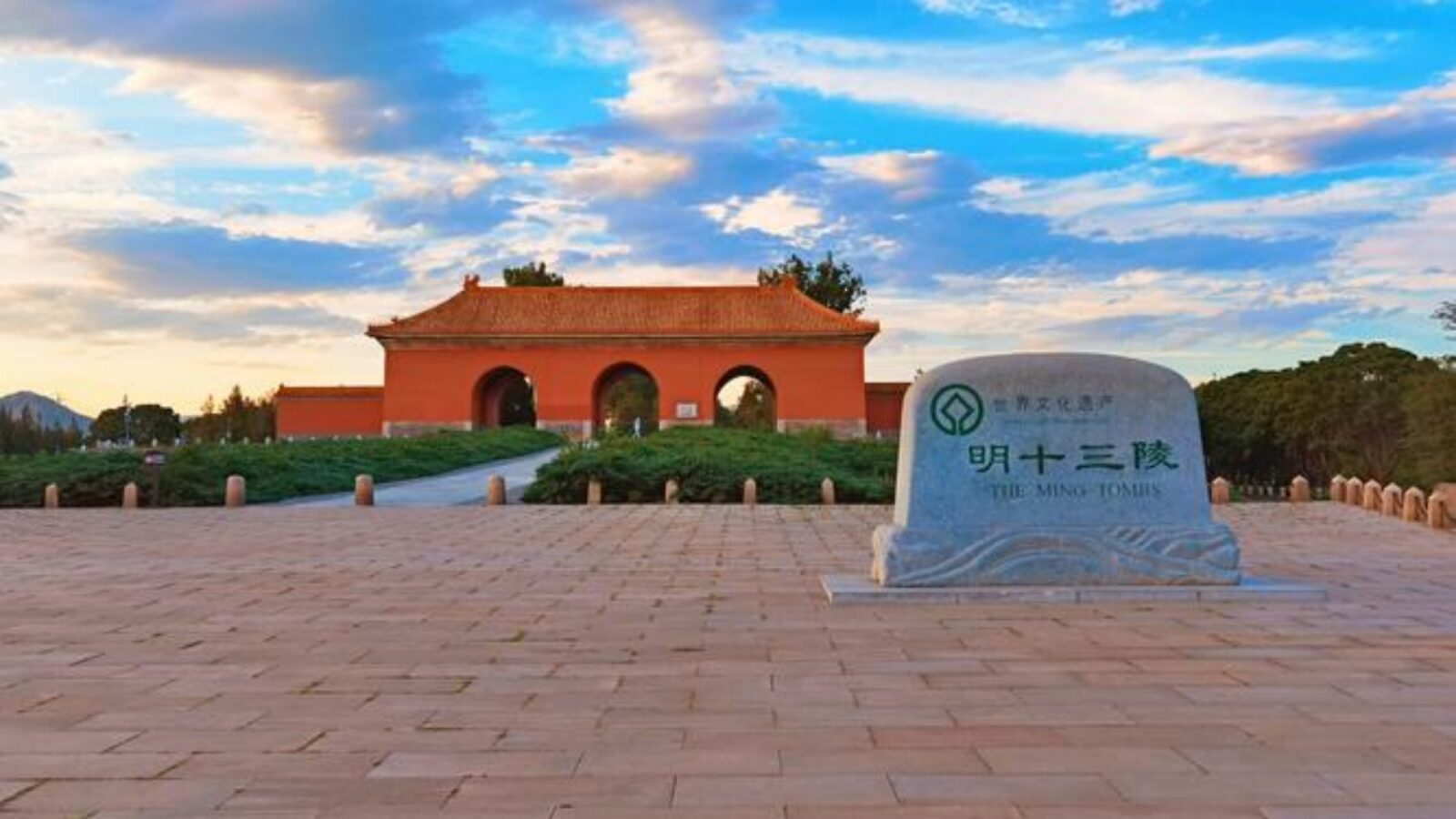
Most visitors step off Bus 872 and find themselves standing at the base of a red-walled gate crowned with yellow-glazed tiles — this is Dagongmen, the Great Palace Gate, and it marks the de facto front door of the Ming Tombs. The gate sits in Changping District, roughly 50 kilometers northwest of Tiananmen Square, at the southern edge of a natural basin ringed by mountains. Whether you came for the Sacred Way, the tombs of Yongle and his successors, or simply the mountain scenery, Dagongmen is where your visit begins. This guide covers what the gate is, what to see inside, the best season to arrive, and how to reach it from central Beijing by public transit, taxi, or private transfer.
Quick Facts
What Is Dagongmen?
Ming Tombs
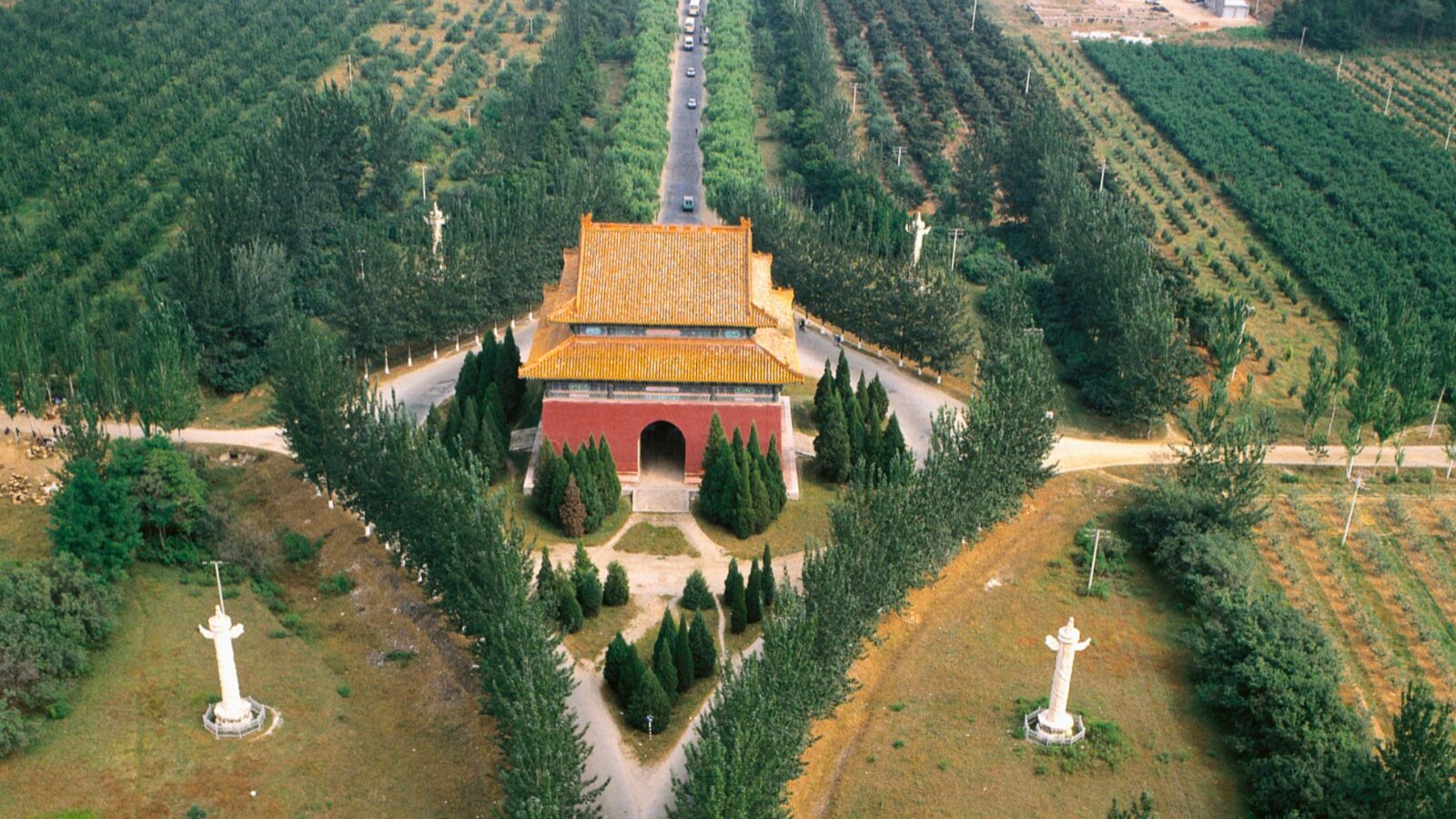
Dagongmen (大宫门), literally "Great Palace Gate," is the main ceremonial and practical entrance to the Ming Tombs (Shisan Ling, 十三陵) in Changping District. It stands at the southern end of the necropolis, positioned on the central north-south axis that runs through the entire burial complex. The gate predates the individual imperial tombs by several years — it was built around 1409 during the reign of Emperor Yongle, who selected the site and ordered the necropolis constructed as the resting place for 13 Ming dynasty emperors over the next 230 years.
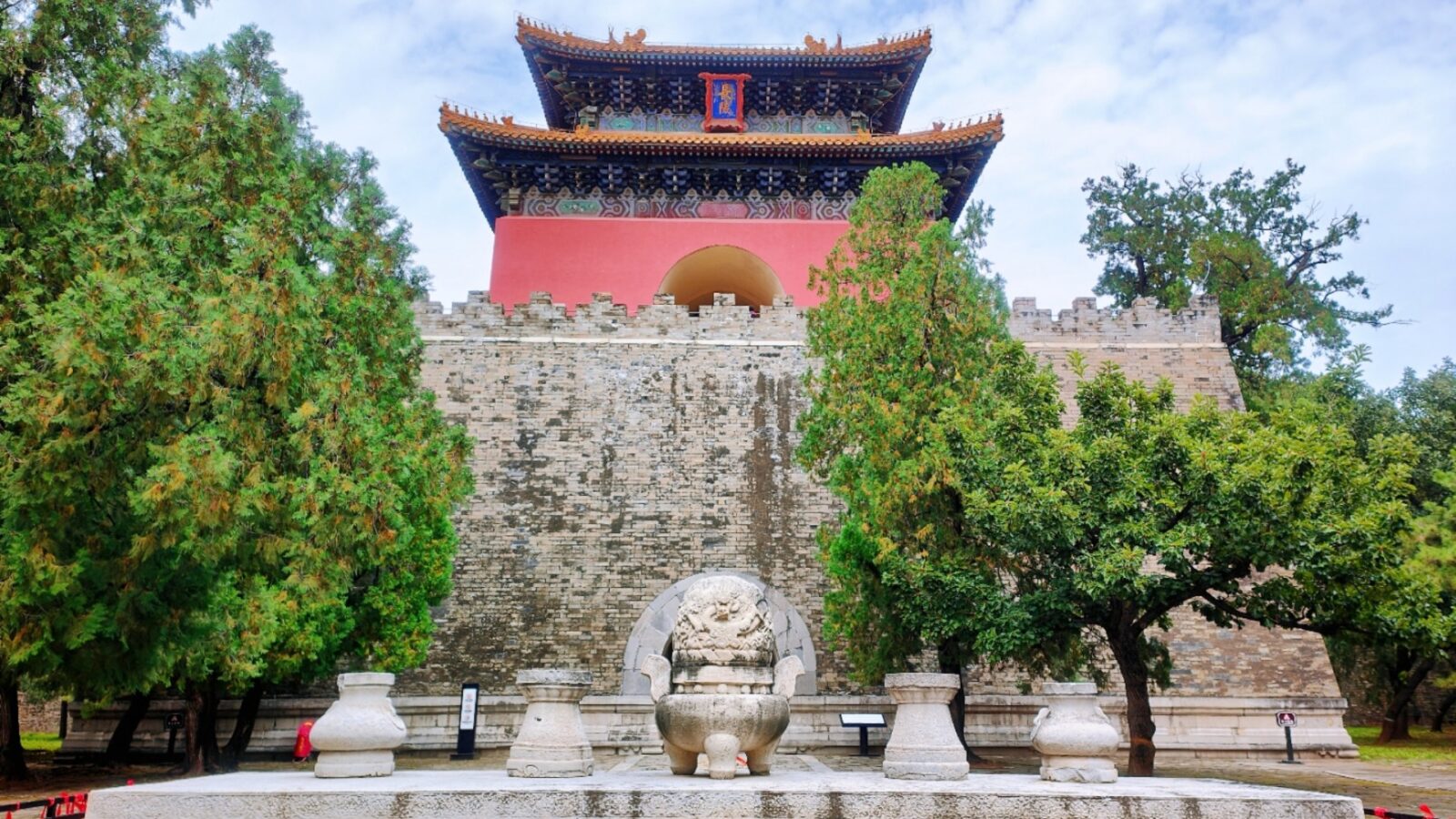
For modern visitors, Dagongmen functions as the chokepoint between the public-access Sacred Way and the tomb structures themselves. Bus 872 terminates here because this is where the northern route into the site begins. Once through the gate, visitors enter the Sacred Way (Shendao) and can proceed on foot or by shuttle to Changling (the tomb of Emperor Yongle), Dingling (the only excavated tomb with an underground palace), and Zhaoling (the tomb of the 12th emperor).
Dagongmen's Role in the Ming Tombs Complex
Dagongmen sits on the same central axis as the Sacred Way and Changling, the largest and oldest tomb in the complex. Historically, the gate served as the symbolic threshold through which imperial processions entered the necropolis for annual rites. In practical terms, it funnels all visitors through a single controlled entrance, with ticket checkpoints positioned just beyond the gate itself. Three of the 13 tombs — Changling, Dingling, and Zhaoling — are reachable via the Sacred Way and the internal scenic shuttle that departs from the gate area. The gate forecourt is also the de facto hub for the site's administrative offices, visitor services, and the electric-cart and shuttle stops connecting to the individual tombs.
Architecture of the Dagongmen Gate
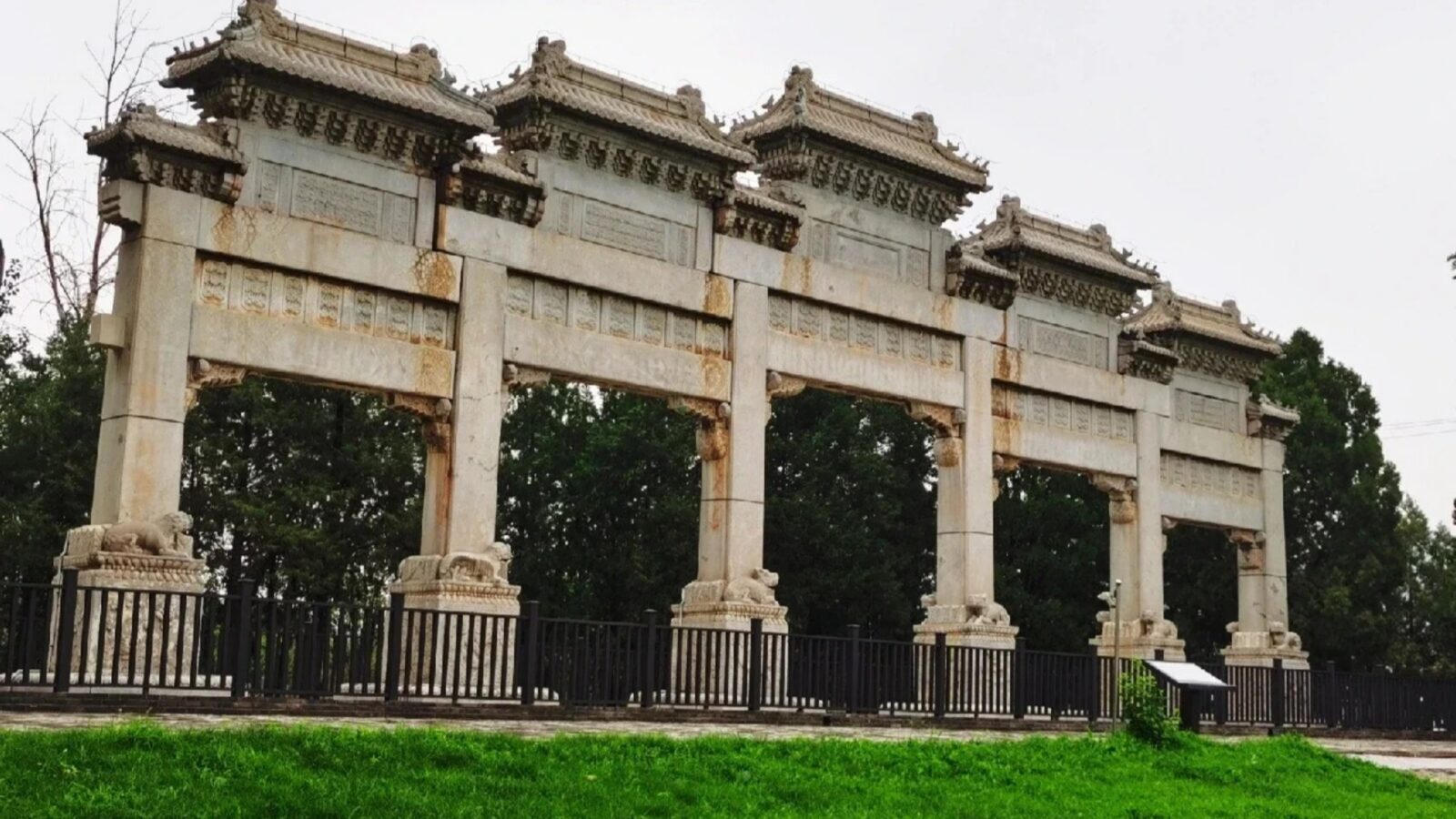
Dagongmen Beijing
The gate follows the standard Ming imperial palace-gate design that was later replicated, on a grander scale, at Changling and the other tomb structures. A short prose lead introduces the architectural character, then the list below breaks down the visible building parts.
- Gate bays: Three-bay structure with a central arched passage and two side passages — the center was reserved for imperial ceremonial use and remains closed to general entry.
- Roof: Yellow-green glazed tile roof, the color reserved for imperial architecture throughout the Ming and Qing periods.
- Walls: Red-painted walls built on a white-stone platform, matching the palace-gate vernacular seen across Beijing's imperial sites.
- Side chambers: Guard rooms and administrative offices flank the main gate structure on either side, typically housing ticket counters and visitor services.
- Forecourt: A stone-paved plaza in front of the gate where Bus 872 drops off passengers and where the main approach to the Sacred Way begins.
For more, see our guide to Beijing to Badaling Great Wall.
Gate Structure and Layout
The three-bay form is characteristic of Ming imperial gates at the tomb level. The central passage was reserved for the emperor's sedan chair during ceremonial visits and is sealed off today. General visitors pass through one of the two side bays. The gate sits on a low white-stone platform roughly one meter above the forecourt, giving it a modest raised presence without the monumental scale of the main hall structures deeper in the complex. The layout is deliberately calibrated — it establishes imperial hierarchy at the entrance, then builds in scale as visitors move northward through Changling's sequence of courts and halls.
Stone Sculptures and Ceremonial Elements
The stone guardian tradition formally begins at Dagongmen. Once through the gate, the Sacred Way extends roughly 7 kilometers northward, lined with 32 pairs of stone animals, civil officials, and military generals. These sculptures were placed during the Yongle reign and expanded over subsequent reigns. Dagongmen itself marks the southern starting point of this sculpted axis; the full grouping of statues begins a short walk past the gate and continues past the individual tomb entrances. Visitors entering through Dagongmen are walking the same ceremonial approach that Ming emperors and their retinues used for tomb-viewing rites.
Visiting Dagongmen and the Sacred Way
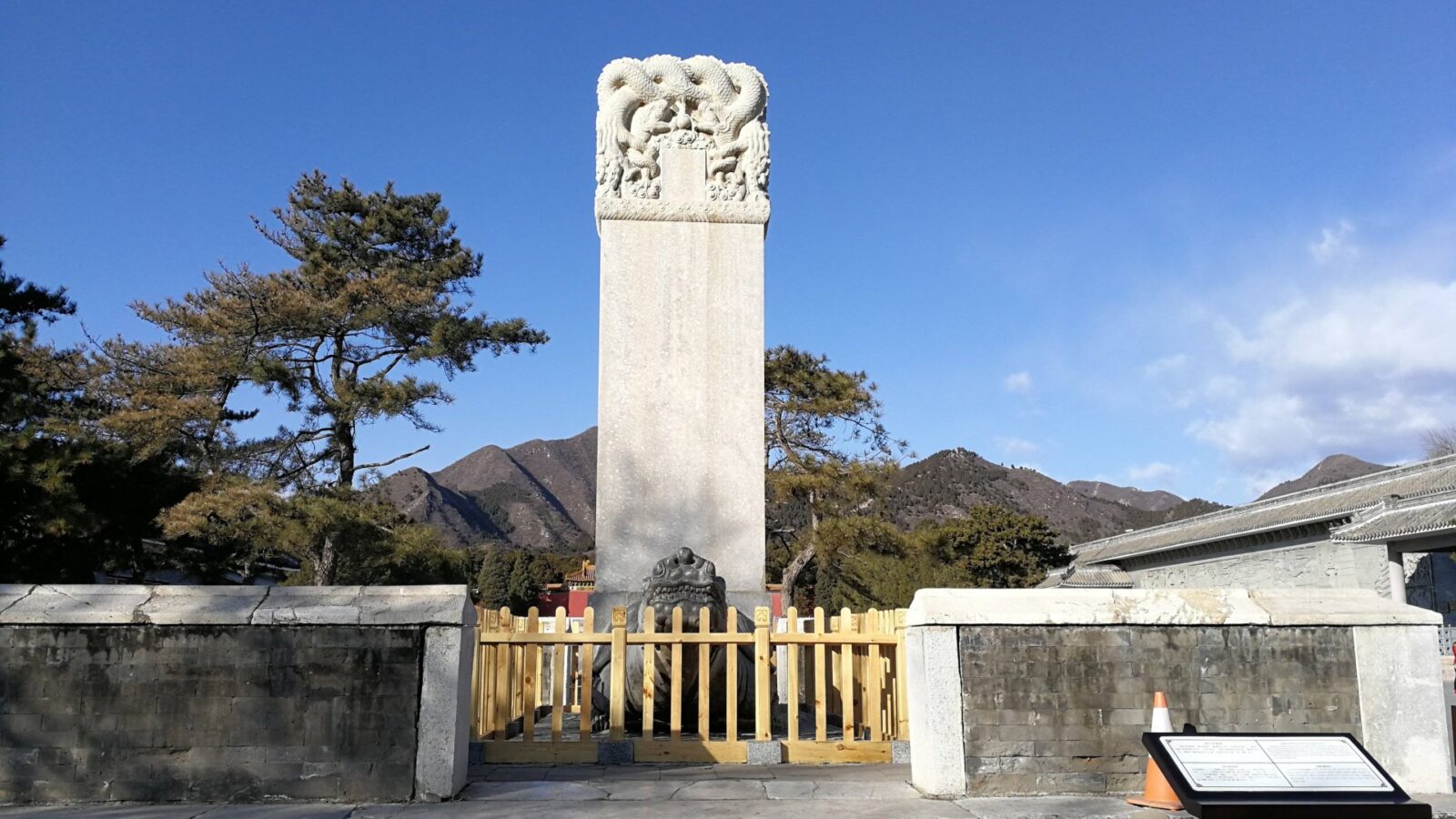
Ming Tombs
Walking through Dagongmen and along the Sacred Way takes most visitors 1.5–2.5 hours at a comfortable pace. The entrance flow is straightforward: arrive by bus or car at the forecourt, purchase or show your Sacred Way ticket at the checkpoint just beyond the gate, then proceed north along the statue-lined avenue. The first ~1.5 kilometers of the Sacred Way are the most visually dense, with the full set of stone guardian pairs clustered in this stretch. Electric carts and a scenic-area shuttle run between the gate area and the individual tombs for visitors who prefer not to walk the full distance.
- Arrive early: Day-trip buses from central Beijing begin arriving by mid-morning; visiting at opening (8:00 in peak season) means walking the Sacred Way in soft morning light with minimal crowds.
- Bring water: The paved path is gentle but unshaded in sections — a bottle per person is practical from April through October.
- Check the season: April and May bring cherry and apricot blossoms on the Tianshou Mountain slopes; September and October offer golden ginkgo foliage along the Sacred Way.
- Confirm your ticket type: The Sacred Way ticket ($4 / ¥30 peak) covers the avenue only; the combo ticket ($14 / ¥98) adds Changling and Dingling, which most first-time visitors prefer.
- Plan for weekends: October ginkgo weekends and Chinese public holidays draw heavy shuttle queues — a weekday morning visit avoids the pressure.
See also our Tourist Spots in Beijing guide.
Opening Hours and Best Season
The gate and Sacred Way operate 8:00–17:30 in peak season (April 1–October 31) and 8:30–17:00 in off season (November 1–March 31). Ticket sales typically close 30–60 minutes before the stated closing time. The best months to visit are April through May, when cherry and apricot blossoms soften the mountain backdrop, and September through October, when ginkgo trees along the Sacred Way turn gold. November ginkgo season draws heavy weekend shuttle queues — arrive at opening on Saturdays and Sundays if that is your target window.
Tickets and What They Cover
Getting to Dagongmen from Beijing
Three routes connect central Beijing to Dagongmen. Bus 872 from Deshengmen is the most direct and commonly used option — the route terminates at the "Dagongmen" stop, which is the gate itself. The subway-plus-bus combination via the Changping Line offers a backup when expressway traffic is heavy. Private transfers and taxis work well for visitors without access to Chinese payment apps or who are combining the Ming Tombs with a Great Wall visit.
- Buy a transit card before boarding: A Beijing Yikatong card (loaded at any subway station) speeds up bus boarding and works on the Changping Line subway extension.
- Use the Changping Line extension: The Line 13 extension now reaches Deshengmen, making it a one-seat subway ride from central Beijing before switching to Bus 872.
- Avoid Friday afternoon departure: Weekend traffic on the expressway toward Changping peaks Friday afternoon through Saturday morning — Bus 872 runs 15–30 minutes longer on those days.
- Confirm the return schedule at the gate: Ask the bus driver or the ticket office for the last Bus 872 back to Deshengmen — it departs earlier than the site's closing time.
For more, see our guide to Beijing Chinese New Year Events 2026.
Public Transit
The primary route is Bus 872 from Deshengmen, a major bus hub in central Beijing that is also accessible via the Changping Line subway extension. The bus takes roughly 60–90 minutes via the expressway and runs approximately every 20 minutes. Fare is about $1 (¥6–8). Get off at the "Dagongmen" stop — the bus pulls directly into the gate forecourt. An alternative is to take the Changping Line to Shisanling Scenic Area Station and transfer to Bus 78, which serves the Sacred Way entrance and Dingling. This option adds transfer time but avoids expressway congestion on heavy-traffic days.
Taxi, Ride-Hailing, and Private Transfer
A taxi or DiDi ride from central Beijing costs roughly $14 (¥100) one-way and takes about 60 minutes outside peak traffic. For foreign visitors without a mainland-registered phone number or WeChat Pay, pre-booking a private car through Trip.com or Klook provides a door-to-door option with no app-based payment required. Day tours that combine the Great Wall (Badaling or Juyongguan, both in Changping District) with Dagongmen are widely offered and can be cost-effective if you are already planning to visit a wall section — Juyongguan is roughly 20 kilometers from Dagongmen, and Badaling roughly 40 kilometers.
Why Dagongmen Sits Where It Does
Emperor Yongle selected the Dagongmen site around 1409 after surveying the natural landscape of the Tianshou Mountain basin. The location follows the classical feng shui criteria for imperial burial grounds: mountains rising on three sides, with an open plain spreading southward. This configuration was believed to channel beneficial energy (qi) into the tomb complex while shielding it from cold northern winds. The mountain directly behind the site, formerly called Huangtu, was renamed Tianshou ("Heavenly Longevity") after the tomb complex was established.
Yongle's geomancers identified this basin as uniquely suited to the imperial necropolis — the topography provided both symbolic protection and a clearly delineated ceremonial axis. Dagongmen marks the southern boundary of this layout, positioned where the mountain ring begins to close around the burial site. The Sacred Way extends northward from the gate into the basin proper, following the central axis that connects to Changling and the subsequent tombs. This deliberate siting — not an afterthought but a primary design decision — is why the gate occupies its specific location rather than a more accessible point closer to the modern road network.
Frequently Asked Questions
Q: Is Dagongmen the same as the Forbidden City?
No — Dagongmen (大宫门) is the main ceremonial entrance gate to the Ming Tombs (Shisan Ling) in Changping District, roughly 50 kilometers northwest of central Beijing. It is not a gate inside the Palace Museum, which is commonly called the Forbidden City (故宫). The two terms share a literal meaning ("Great Palace Gate") but refer to entirely different sites. The well-known landmark called Dagongmen in Beijing travel context is the Ming Tombs entrance.
Q: Do you need a ticket to enter Dagongmen?
Walking up to and through the Dagongmen gate itself is free. The Sacred Way (Shendao), which begins just past the gate and is the reason most visitors come, requires a separate ticket — $4 (¥30) in peak season and $3 (¥20) off season. The combo ticket covering Sacred Way plus Changling and Dingling is $14 (¥98) and represents the best value for visitors planning to see the three main sites.
Q: How long does a visit to Dagongmen take?
Allow 1.5–2.5 hours for the Dagongmen gate and the Sacred Way statue avenue alone. Adding Changling pushes a full visit to 3–5 hours; adding Dingling's underground palace extends the time by another 1–1.5 hours. The pace depends on how long you spend at the individual tomb structures — Dingling's exhibits tend to hold visitors longer than Changling's above-ground halls.
Q: Can you walk from Dagongmen to Changling?
Yes — the path from Dagongmen through the Sacred Way to Changling is about 1–2 kilometers on stone pavement. The route is gently sloping and generally wheelchair-friendly, though some sections have steps. Electric carts (about $1 / ¥10 per hour) and a scenic-area shuttle (about $1 / ¥10 per ride, or $4 / ¥30 for a day pass) operate between the gate area, Changling, Dingling, and Zhaoling for visitors who prefer not to walk.
Q: Which bus goes to Dagongmen?
Bus 872 from Deshengmen in central Beijing is the direct route — it terminates at the "Dagongmen" stop, which is the gate entrance itself. Buses run approximately every 20 minutes via the expressway. Fare is about $1 (¥6–8). Confirm the return schedule with the driver when you arrive, as the last evening bus back to the city departs earlier than the site's official closing time.
Q: Is Dagongmen open every day?
The gate and Sacred Way are open daily including weekends. Peak-season hours are 8:00–17:30 (April 1–October 31), with off-season hours 8:30–17:00 (November 1–March 31). Ticket sales typically close 30–60 minutes before the site closes. Chinese public holidays — especially the first week of October and the Spring Festival period — bring heavy crowds; arriving at opening on those days is strongly advisable.
Q: Is Dagongmen close to the Great Wall?
Dagongmen and the Great Wall are in the same district (Changping) but are not adjacent. Juyongguan is roughly 20 kilometers by road from Dagongmen; Badaling is roughly 40 kilometers away. Both wall sections are commonly paired with a Ming Tombs visit in day-trip itineraries, but there is no direct "Dagongmen to Great Wall" site — the two attractions are simply in the same district and frequently combined by tour operators.
Q: Are English-speaking guides available at Dagongmen?
Walk-up English guides are not reliably available at the gate itself. The practical options are: pre-book a private English-speaking guide through Trip.com or Klook, which is standard for Ming-Tombs-only or Badaling-plus-Ming-Tombs day tours that include central Beijing pickup; or rely on the bilingual signage at the gate and along the Sacred Way. Interpretive material inside individual tombs (Changling, Dingling) is largely Chinese-only. So a guided tour adds significant context for visitors without Mandarin.