Chengdu Nightlife
Chengdu nightlife runs deeper than most people expect. The city has over 2,000 bars, more than Beijing and Shanghai combined, plus nightclubs that stay packed until 4am. You'll find everything from basement EDM clubs in Lan Kwai Fong to quiet riverside bars along Jinjiang, traditional Sichuan opera shows with face-changing acts, and night markets where locals eat spicy skewers past midnight. The scene mixes old Chengdu teahouse culture with modern party energy, and it doesn't cost nearly as much as other Chinese cities.
Chengdu Nightlife Thrives With Over 2000 Bars Across the City
-


- Bars of Lan Kwai Fong
-
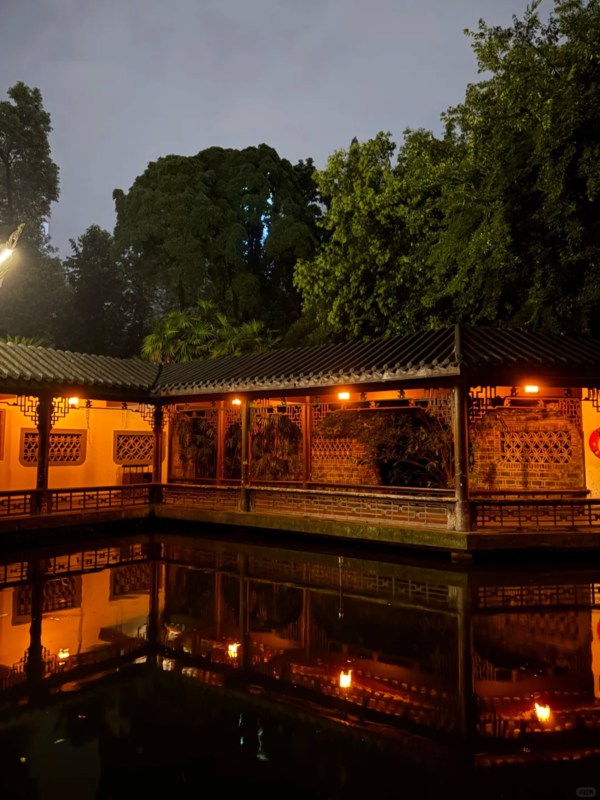
- Night Scene of People’s Park
-
- Bars in Chengdu
More Bars Than Beijing and Shanghai Combined
The stat goes swelled till you begin counting. According to the incomplete city records, there are circa 2,078 bars in Chengdu without regard to whether they are operated legally or otherwise, which puts it above Beijing and Shanghai in pure numbers. No one has ever counted the exact number of them, but stroll down Jiuyanqiao on a Friday and you will understand why this amount seems just right.
What impresses you is the concentration. Shanghai is a city with spreading nightlife. Here, it clusters. Lan Kwai Fong in itself crams perhaps 30 bars and club into several blocks. This can be traced to the Chengdu culture- people here consider socializing a daily event as opposed to a weekend. During the day teahouses are crowded, in the night the bars. The China nightlife in chengdu had merely taken the habit and ran away with it.
Chinese cities have clubs that are more flashy or have build-to-top rooftops. Instead, Chengdu constructed additional units of all types, ¥20 and ¥2000-bottle-service establishments. The gloss does not count as much as the variety.
Teahouse Mornings to Techno Nights
On Wednesdays, people play mahjong at 10am in the People Park, and then go to Space Club to dance to techno at midnight. Such a transition is Chengdu-specific. The city is slow in the day time--tea, noodles, protracted discussions at benches. Then sunset flips the switch.
I have seen this more on Jinxiu Road. Approximately, at 8pm the street vendors close down their fruit carts. At 9pm, bar personnel begin to lay out neon lights. An hour afterwards the same silent road becomes a tunnel of music and voices. It's not gradual. It just happens.
The image of being relaxed is a fact, so is the intensity of a party. The locals do not regard these like opposites. They regard night life as their other recreational activity such as sitting in a teahouse just that it is noisier. That is likely the reason why chengdu remains lively up until 3am during working days unlike other cities. The bars are not in a hurry or pressing. They become a continuation of the day.
Chengdu Club Scene Where EDM Meets Sichuan Spice

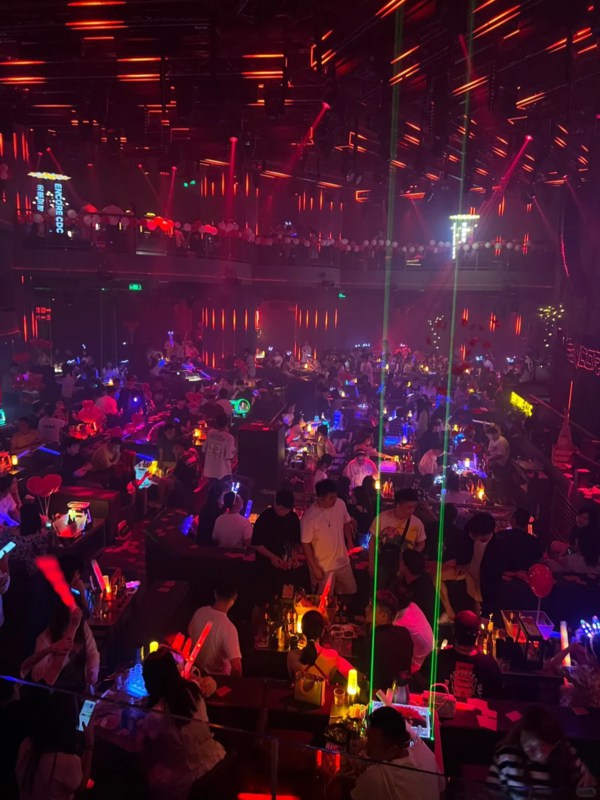
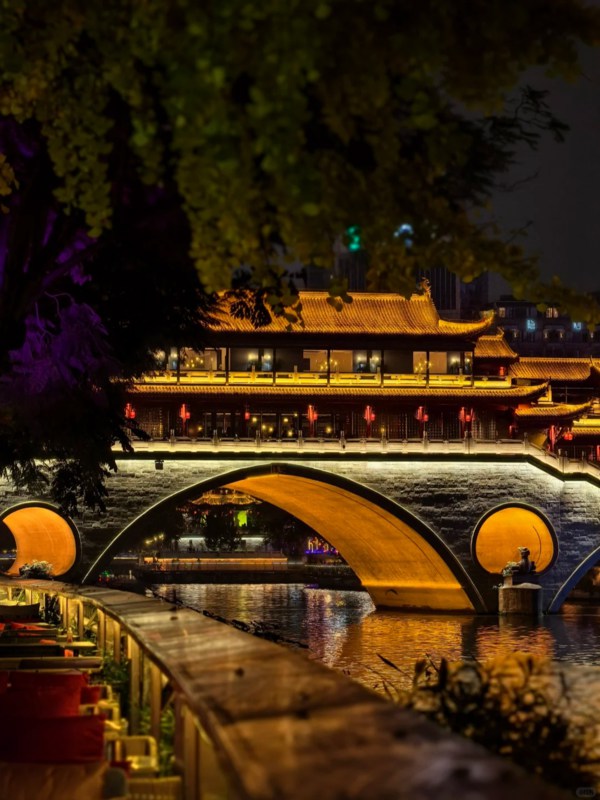
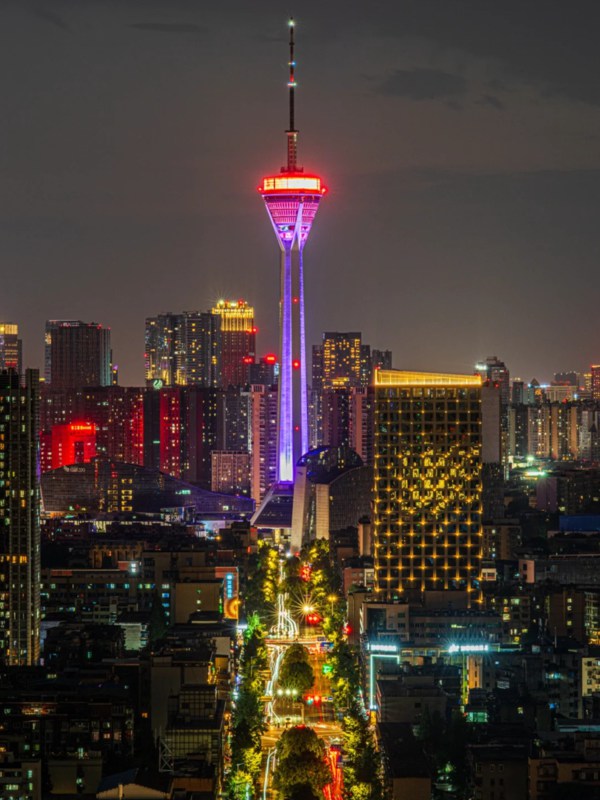
Lan Kwai Fong's Glittering Three-Story Playgrounds
The most common question that many people will ask upon landing Chengdu is Lan Kwai Fong which is the well known bar street. The district is in the close of Shuijin Street in Jinjiang District and it is basically wall-to-wall clubs squeezed in a couple of blocks. Imagine that the party quarter in Hong Kong has been relocated to Sichuan, only at a lower price.
Jellyfish Club attracts the largest audiences particularly during weekends. The venue features three levels of EDM, mostly house and techno, and LED walls that change appropriately after every ten-second. I visited on a Saturday at around 11.30pm and I could hardly pass beyond the entrance. The audience is biased towards the young, most likely 60% Chinese university students and 40% expats. At some time at about 1am, employees emerged with confetti guns and simply spray the entire floor. There was no warning, but all around glittered through. This is one of the things that TripAdvisor reviews state and yes, this does occur.
Space Club is located several doors away. Serious atmosphere, improved sound system. The third major option is Club Center (which locals refer to as CCs) which is so crowded during Fridays that people have to spill onto the street. The entry is generally free until 11pm, then 50-100. Beers cost around ¥25-40, cocktails ¥50-80. When you are reserving a table, you can rely on spending ¥600 and above with a five-person bottle service.
Jiuyanqiao's Grittier Underground Bass Dens
Venture across the river of Lan Kwai Fong and you strike Jiuyanqiao which is preferred by locals. The mood is changed instantly. Unglossy, superior music, cheaper liquor. The Jiuyanqiao nightlife is a riverbank area, and that is where the club life of Chengdu actually began prior to the construction of Lan Kwai Fong.
This was formerly dominated by Muse Club, which I have heard has mixed reports on its continued existence, the Chengdu club life is volatile, clubs appear and disappear. Seven Club is still in operation, and it is an establishment where they play John Denver, Country Roads at 2am because somebody wants to hear it. A 24 Carlsberg beers will cost you 240 which is less than most bars. The audience is less white-collar, less tourists, more locals who are interested in the DJ lineup.
In Jiuyanqiao, the music is more important. The DJs in this area perform longer sets, are more risky. Lan Kwai Fong is a replica of a party. This is a nightclub in a proper way. Prices are also lowered- entry is not much more than 30 yen, and with five people at the table at night, it may cost 60 yen each, depending how much you have to drink.
Emerging Districts at 339 and Beyond
Population in the 339 Shopping Mall around Chengdu TV Tower is now attracting younger populations. FLAT Club was founded on the second floor some years ago and is strongly oriented towards electronic music, i.e. proper techno and house, not only EDM bangers. The space is industrial as compared to the glossy Lan Kwai Fong setups. Darker lighting, bare concrete, serious speakers.
The club LAAMO Club is located on the fourth floor of the same complex. Like crowd, a little more experimental sound. I have heard local residents referring to this area as the future of chengdu night life but it is yet to reach the peak on a weekday. Weekends are hectic though, particularly in the case of music festivals where foreign Djs pass through.
The e-music culture is expanding rapidly in Chengdu. At least five years ago, pop remixes and hip-hop were the predominant types of music in clubs. You now have places that are contracting Berlin trained DJs and running all night parties that do not hit the peak till 2am. In the 339 district, that change has already taken place, with less bottle service and table theatrics, more music.
Riverside Bars and Rooftop Cocktails Define Chengdu Nightlife
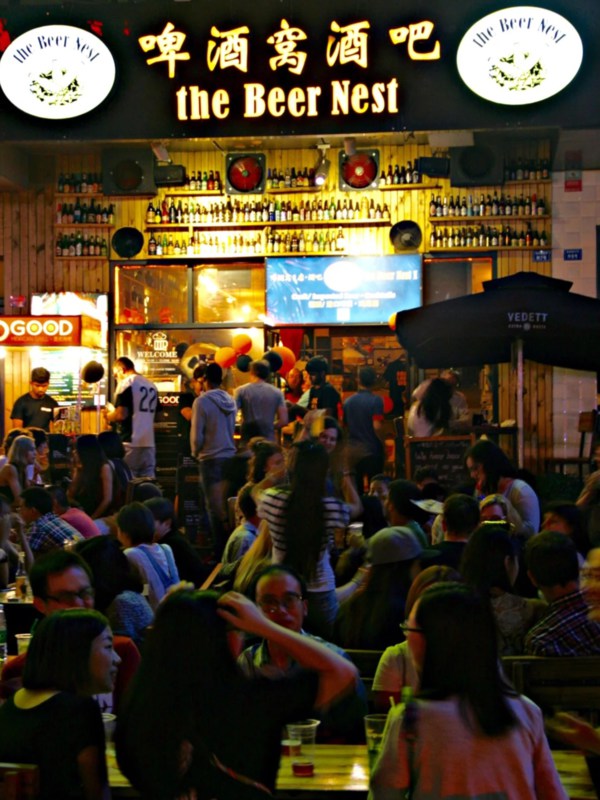
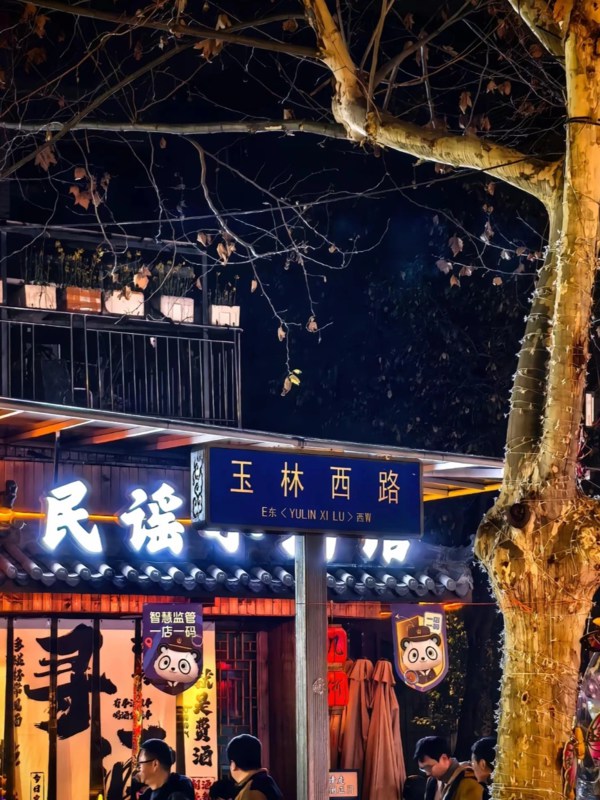
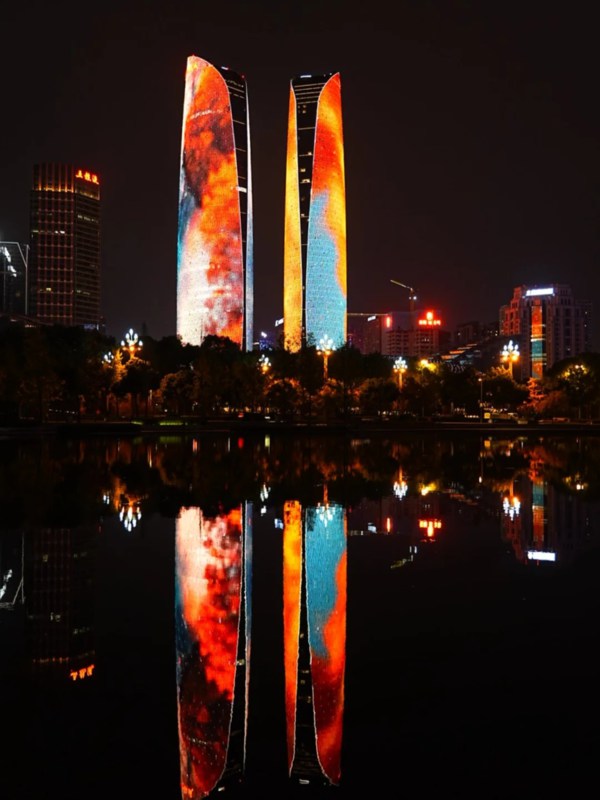
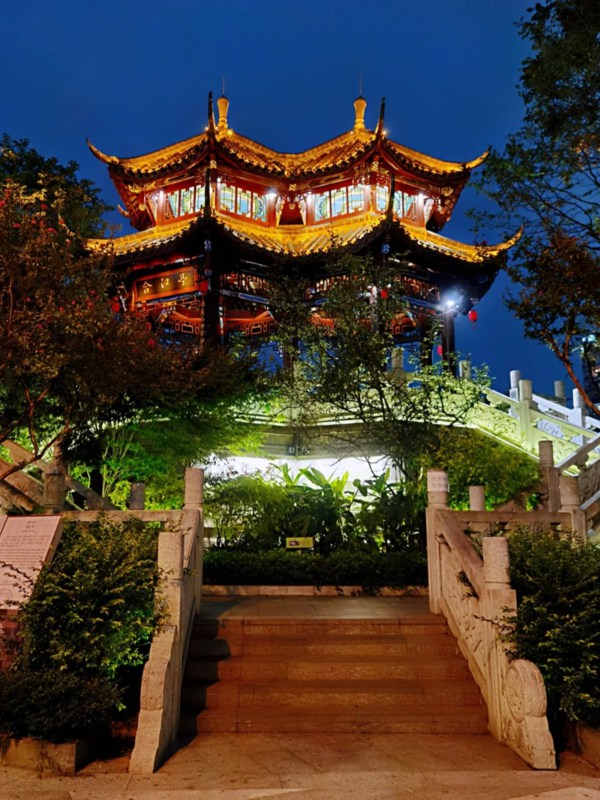
Lan Kwai Fong and Jiuyanqiao's Two-Mile Bar Crawl
The two main bar areas are approximately two kilometers apart, can be linked by a walk along the river in case you feel like. Lan Kwai Fong is skewed towards the international. You will learn more English, read more cocktail menus translated, spend a little more on everything. Jiuyanqiao is less generic- Chinese craft beer bars, live music venues, lower prices.
Beer Nest located on Jinxiu Road offers more than 60 varieties of beers, predominantly imported European beers with a few local brews of Chengdu mixed in. The location is the leading one in the TripAdvisor list of the Chengdu nightlife bars and even the staff actually keeps the beer cold, which does not sound extraordinary but is not guaranteed everywhere. Underground Bar close to Jiuyanqiao was opened in 2009 and continues to attract regular crowds. British owned, large selection of whiskey, quiz night on a Wednesday. Beers cost ¥20-40, cocktails around ¥50-70.
Revolucion Cocktail is located in the Lan Kwai Fong and tends towards a Latin theme rum-laden drink, music salsa some nights, averages ¥60 per cocktail. It is one of the more expensive ones but the bartenders are familiar with their profession.
Hidden Yulin District Speakeasies Where Expats Disappear
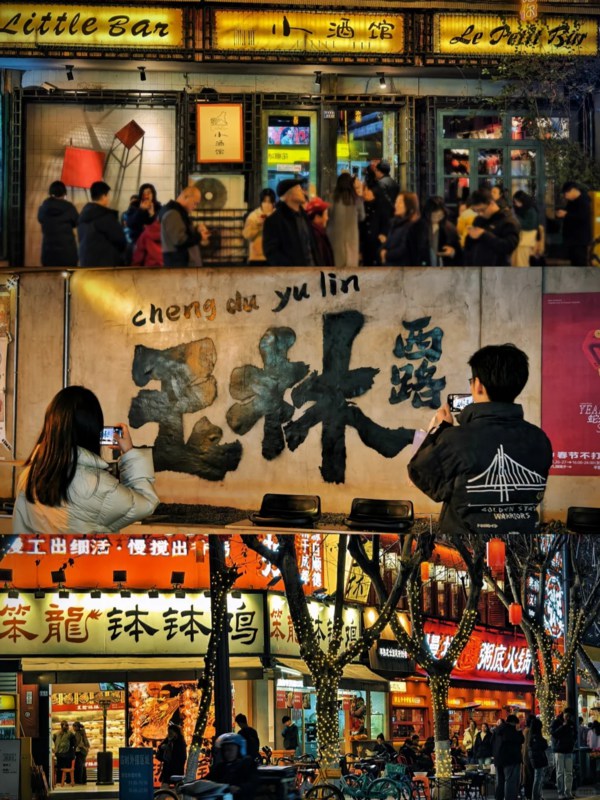
Yulin is located on the southwest of the major nightlife areas and the majority of tourists have no idea about it. The bars in this case do not do a lot of advertising. They are found when you walk along the Yulin West Road and happen to see some door that has no sign, with some faint music that spurts out.
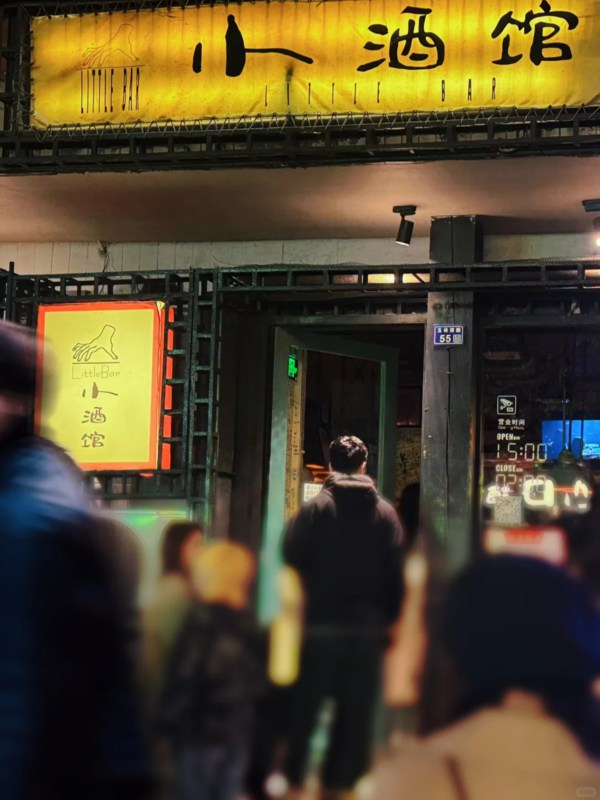
Little Bar books autonomous bands and metal groups passing by Sichuan. Ticket prices vary by 30-100 based on the player. It is in a venue of roughly 100 people crowded together, and the sound system is punching much higher than you would anticipate in a dive bar. Programmes tend to begin at around 9pm, although they tend to run late, I have seen shows continue up to 2am on the weekends. Indie music lovers of the Chinese population and some expats are mainly present.
It requires navigating to get there. The bar is not clearly present on Google Maps. In Yulin, locals refer to Baidu Maps or simply have to ask people when they are already there. Choose the small alley at the intersection of the Hexi Changshou Lu. We have a convenience store at the corner, turn there, then 50 meters on, and see the Little Bar sign.
Drinking games are no exception here and one of the most common ones is the 15-20 game, in which you have to guess the number of combined fingers. Locals take it seriously. They will tell you, should you ask, but they will lose the first ten rounds. The game is very rapid and being the loser implies taking a drink.
Rooftop Terraces With Twin Tower Light Shows
The rooftop bar scene in Chengdu is more recent and less extensive than in other cities such as Shanghai but some of these bars have their views worth the charge. The light show displays the Twin Towers and is viewed in the bars along Jinjiang River adjacent to the Financial City region and runs every evening at around 8-9pm depending on the time of year. The towers change the colors, blues, purples, sometimes reds at holidays.
I have visited three rooftop bars that promised to have a river view. One of them literally confronted a construction site. Another one was blocked by a taller structure that was next to it. This is by simply looking on the map where the place is, and then zooming in on street view, and seeing what is actually there.
The legal riverside bars are clustered around Hejiang Pavilion. Prices are raised to 40-60 of beers, and 80-120 of cocktails. You are paying the seating and light show background. The most appropriate time is about the dusk as the towers begin rotating but still the sky has some color, about 7:30-8pm in summer, earlier in winter.
Opera and Teahouse Mahjong Shape Chengdu Nightlife
-
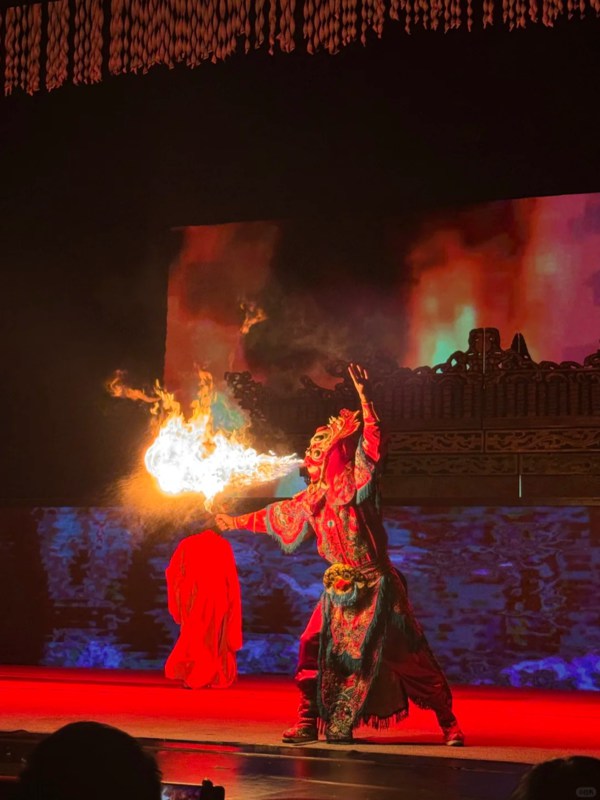
- Jinjiang Theatre
-
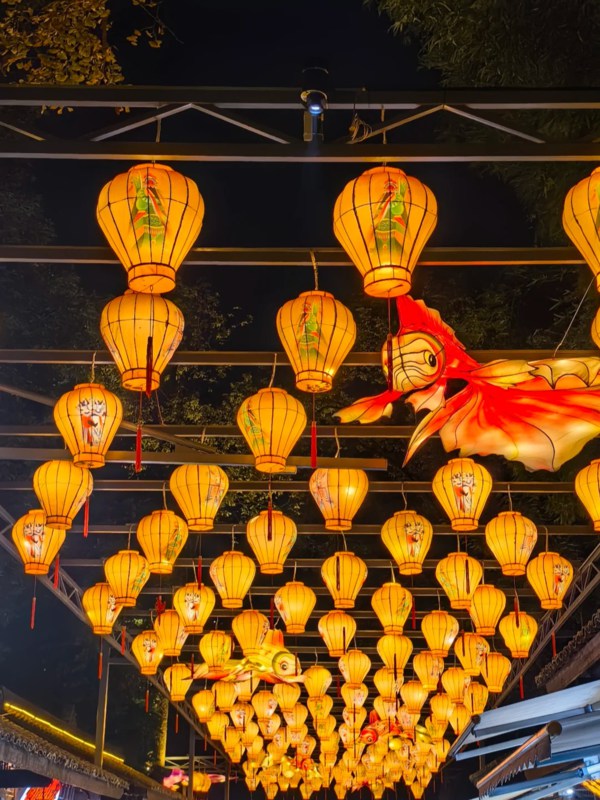
- Jinli Ancient Street
-
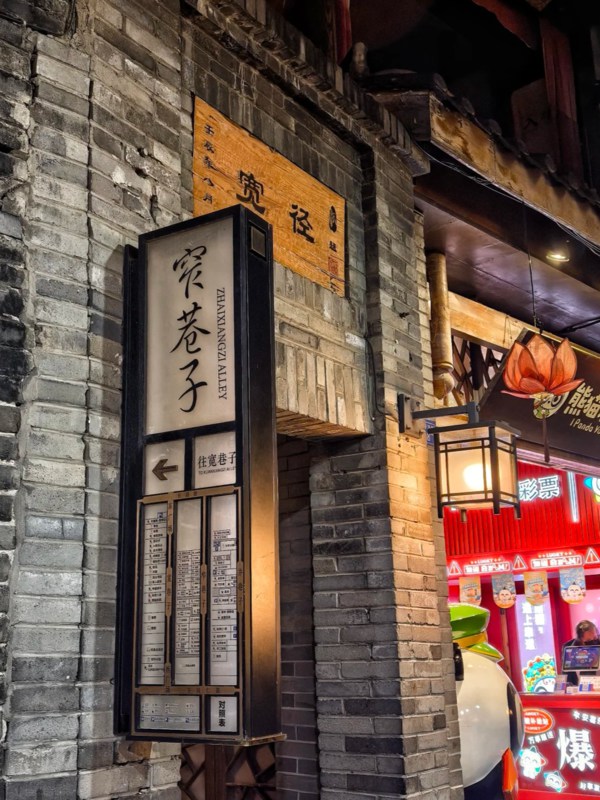
- Kuanzhai Alley
Sichuan Opera's Fire-Spitting Magic at Jinjiang Theatre
Cultural Park at Qintai Road is home to Jinjiang Theatre where nightly performances of Sichuan opera actually do not disappoint the hype. The face-changing performances when actors change their masks in milliseconds remind the camera tricks until you can watch it on the stage. They also fire-spit, do acrobatics and long-sleeve dancing. It is not a fake form of art, but tourist entertainment.
Shows cost about 200-280 (including the standard seats), and a bit less in case you book in Ctrip several days in advance. VIP front-row tickets will reach ¥380; however, 3-5 rows are better positioned, and you do not have to strain your neck. The shows begin at 8pm and usually take about 90 minutes. The English, Japanese and Korean subtitles appear on the side screens, therefore there is no chance that you will lose track.
I have been watching this show in other cities. The version by Chengdu is more upbeat, less refined in a good manner. The artists are more interacting with the audience, even with taking on some people on the stage to demonstrations. The last time I attended, a older American couple was selected to take part in a mask changing demonstration. The mask turned over and the woman jumped back. Everyone laughed. The spontaneity does not occur in more formal Beijing opera houses.
People's Park Teahouses With Ear Cleaners and Gossip
The teahouses within the people park remain open until 9 or 10pm, which is extended in case of a good weather. After dinner, locals come together here and play mahjong using string lights and drinking gaiwan tea which sells between ¥15-30 a pot depending on the blend. The mood changes entirely out of the daytime. Less tourist mayhem, more mature crowd.
Ear cleaning services are strolling around tables. Old men with metal tools and feathers, who offer to clean your ears, 30-50. It is strange yet half the teahouse is having it done. It takes approximately ten minutes. They rub, rub, rub, and present you a small spoonful of the wax, and then they are through with a tune-up needle. Locals do it as getting a haircut- regular service as you talk.
The mahjong games are serious. Cash is exchanged, but I have no idea what quantity. There is a sound of tiles falling all the time, screaming old women with Sichuanese dialect. To fit in, you should also take Jasmine tea (茉莉花茶, moli hua cha), sit up but not in a rush, not speaking too loudly. The culture of teahouse in chengdu is based on silent being rather than acting.
Jinli and Kuanzhai Night Markets Smelling of Spicy Skewers
Jinli Ancient Street and Kuanzhai Alley are lighted up around 6pm, and they remain full till 11pm. First you get the smell, chili oil, grilled meat, stinky tofu fermenting in barrels. Both markets promote the same type of tourist oriented snacks but Jinli is somehow more natural, less groomed.
If you are on the adventurous side, then you can taste the spicy rabbit head (兔头, tu tou) which costs between ¥8 and 15 per head, depending on the size and level of spice. There are also the balls of sticky rice wrapped in leaves (叶儿粑, ye er ba), sweet potato noodles and intestines (肥葵 fen, fei chang fen), and fried sesame balls. The prices are approximately twice to what locals would pay at local markets. A skewer will ¥3 in a side street will cost ¥6-8 here.
It is easy to identify the markup by checking whether the Chinese tour groups eat there or not. When it is all foreigners you are over paying. The suppliers close to the back lanes are cheaper than the prime street. The most opportune moment is that time between 7-8pm before the weekend rush or 10pm when the crowd has died and there are certain times when vendors reduce their prices to sell their goods. These markets comprise the Chengdu nightlife, but are rather about the atmosphere rather than deals.
FAQ about Chengdu Nightlife
Q: Does Chengdu have good nightlife?
Yes, definitely. Chengdu nightlife ranks among China's best for three reasons. First, the sheer volume—over 2,000 bars and clubs concentrated in walkable districts. Second, the variety spans from ¥20 dive bars to high-end clubs, traditional opera to EDM basements. Third, it's cheaper than Beijing or Shanghai while staying open later. A full night out costs maybe half of what you'd spend in other major cities. The scene doesn't feel forced either. Locals actually go out on weeknights, which keeps energy consistent throughout the week.
Q: What is the famous bar street in Chengdu?
Lan Kwai Fong and Jiuyanqiao are the two main bar streets in Chengdu. Lan Kwai Fong near Shuijin Street caters more to tourists and expats—cleaner, pricier, lots of cocktail bars and clubs. Beers run ¥30-50, entry fees around ¥50-100 after 11pm. Jiuyanqiao across the river pulls more locals. Grittier vibe, better music selection, cheaper drinks—think ¥20-30 beers and ¥30 club entry. The crowd skews younger and more Chinese. Both stay packed until 3am on weekends, but Jiuyanqiao feels less touristy.
Q: Is Chengdu nightlife expensive compared to other Chinese cities?
Not really. Chengdu nightlife costs roughly 40-50% less than Shanghai or Beijing. A beer that runs ¥50-60 in Shanghai goes for ¥25-40 here. Club entry rarely tops ¥100 (Shanghai clubs charge ¥150-300). Cocktails average ¥50-80 versus ¥100+ in first-tier cities. Even bottle service is cheaper—¥600 for a group in Chengdu, easily ¥1,500+ in Beijing. Shenzhen might edge slightly cheaper on local bars, but Chengdu beats it on club prices. You can have a solid night—dinner, drinks, club entry—for under ¥300 per person.
Q: What time does Chengdu nightlife start and end?
Bars open around 6-7pm, but they don't fill until 9-10pm. Clubs stay dead until 11pm, sometimes midnight. Peak energy hits between 12:30-2am. Most clubs close around 3-4am, though a few push until 5am on weekends. The metro shuts at 11pm, so plan for Didi after that. Locals pace themselves differently than tourists—they'll start at 8pm with dinner and drinks, ease into clubs by midnight, stay until close. Tourists tend to rush in at 10pm and burn out by 1am. Chengdu nightlife rewards the slower build.
Q: Are Chengdu clubs and bars foreigner-friendly?
Mostly yes. The main nightlife districts see enough expats that staff expect non-Chinese speakers. Lan Kwai Fong bars usually have English menus, and bartenders at places like Underground Bar or Beer Nest speak decent English. Clubs care less about conversation—music's too loud anyway. Jellyfish Club and Space Club actively promote to foreigners, sometimes offering free entry or drinks. The language barrier hits harder in Yulin or smaller neighborhood bars where staff might not know any English. Google Translate works fine for ordering though. Cultural tip—don't expect table service unless you book a table. Most Chengdu clubs let you wander freely.
Q: What should I wear to Chengdu clubs?
Pretty casual overall. Sneakers, jeans, T-shirts work at most chengdu clubs. I've seen people in gym clothes at Jiuyanqiao spots without issue. The fancier Lan Kwai Fong venues like Club Center prefer slightly dressed-up looks—button shirts for guys, dresses or nice tops for women—but they're not strict. Flip-flops or sandals might get you turned away at premium clubs, but regular clubs don't care. Summer gets brutally humid, so lighter fabrics help. Winter means layers since you'll sweat inside but freeze walking between venues. No place enforces a real dress code. Just don't show up looking homeless.
Q: Is it safe for solo travelers and women at night in Chengdu?
Generally safe. Chengdu's violent crime rate is low, and the main nightlife areas have decent police presence. Women traveling solo should stick to Lan Kwai Fong or Jiuyanqiao where crowds and lighting stay consistent. Drink spiking happens occasionally—watch your glass, don't accept drinks from strangers. Unlicensed taxis pose more risk than violent crime. Use Didi exclusively after midnight. Solo male travelers face fewer issues overall. Main concern is petty scams—overcharging, fake "free drink" schemes that end with huge bills. Trust your gut. If a bar or stranger feels off, leave. Most problems are avoidable with basic awareness.
Q: Can I use credit cards in Chengdu nightlife venues?
Rarely. Most bars and clubs run on WeChat Pay or Alipay. Credit cards work at maybe 10% of venues, usually the higher-end spots in Lan Kwai Fong. I'd guess Beer Nest and some hotel bars take cards, but don't count on it. The better solution is linking your foreign card to WeChat or Alipay before arriving—takes about five minutes with passport verification. Some expat-friendly bars accept cash as backup, though change can be an issue if you're paying with ¥100 notes. ATMs are common near nightlife districts. Withdraw cash beforehand if you're unsure about mobile payments.