Beijing Travel Guide
Beijing, China's northern capital, blends imperial grandeur with 21st-century ambition. The city sits in the warm-temperate zone, ringed by the Jundu Mountains. For centuries it served as the heart of Chinese imperial power, and today it draws visitors for its preserved palaces, temple complexes, and a food scene rooted in northern wheat-and-lamb traditions. The Olympic Green and its Bird's Nest stadium anchor the modern district to the north. Whether you come to walk the central axis, eat Peking duck, or take a day trip to the Great Wall, Beijing rewards a prepared traveller. This guide spells out everything a first-time foreign visitor needs, acknowledging the common "Bejing" spelling while using the correct pinyin throughout the body text. Below is a practical look at the city's top sights, food, transport, and seasonal conditions, followed by a printable FAQ.
Quick Facts
Top Attractions in Beijing
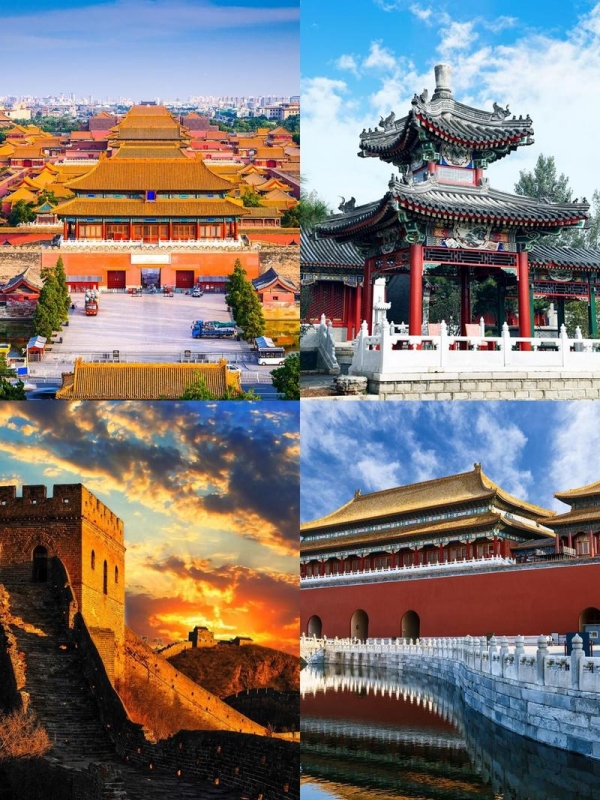
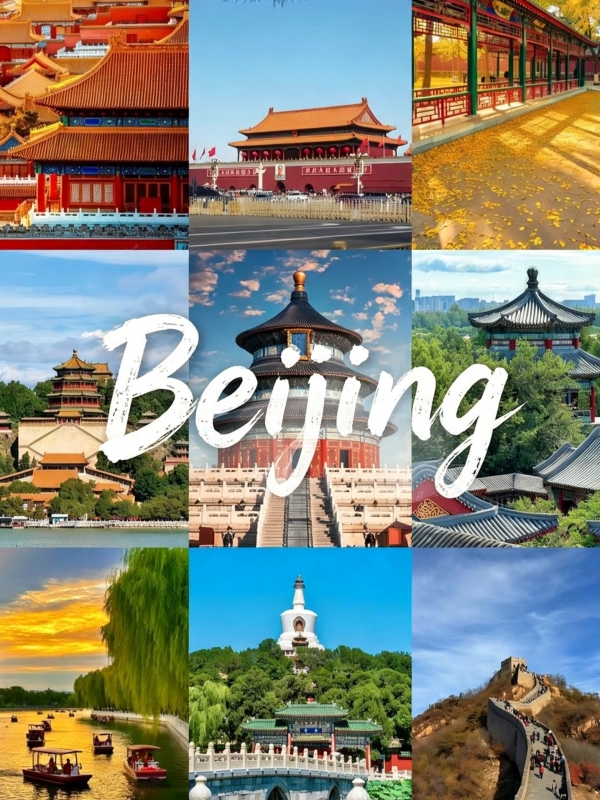
Beijing is a city of layered history. The central axis runs north from Tiananmen Square through the Forbidden City, drawing the eye toward Jingshan Park's hilltop panorama. To the west, the Summer Palace spreads across lakes and gardens. Hutong lanes thread between and around the old palace quarter, offering a different scale of city life. North of the centre, the 2008 Olympic Green holds the Bird's Nest stadium and Water Cube. For first-time visitors, these five sights form the core itinerary.
- The Palace Museum (Forbidden City): 980 surviving buildings on the central axis, UNESCO 1987.
- Tiananmen Square: The symbolic centre of modern China, at the south end of the central axis.
- Temple of Heaven Park: UNESCO site with the Hall of Prayer for Good Harvests.
- Summer Palace: Qing imperial garden with Kunming Lake and Longevity Hill.
- Beihai and Jingshan Parks: Two lakeside and hilltop parks north of the palace, offering classic rooftop views.
📍 Discover Beijing’s Top Sights & Attractions: From the imperial courts of the Forbidden City to the ancient alleys of the hutongs, explore must-see landmarks and detailed itineraries in our guide to Things to Do in Beijing.
Forbidden City and Tiananmen Square
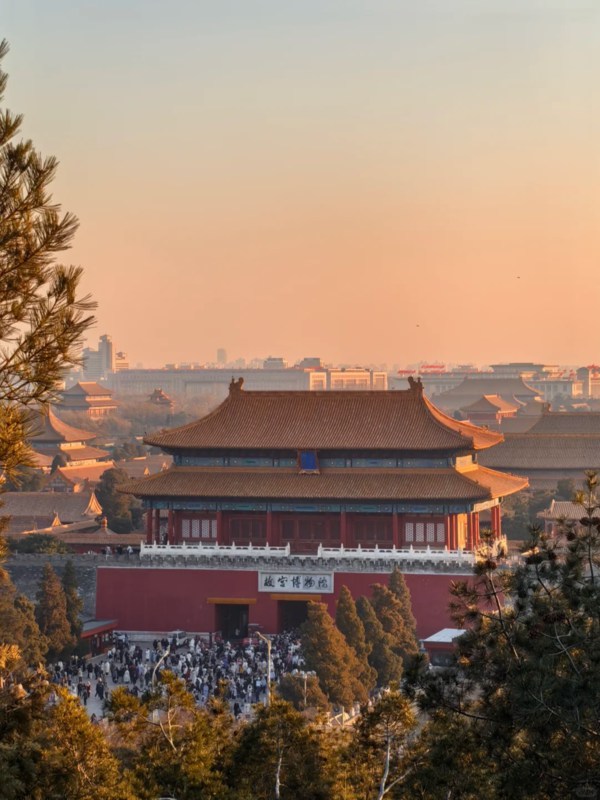
Forbidden City
The Palace Museum sits at the heart of Beijing's central axis. Construction began in 1406; the Ming imperial court moved in by 1420. The complex covers 72 hectares and holds 980 surviving buildings across 180 acres of courtyards, halls, and throne rooms. UNESCO listed it in 1987. Tickets cost about $8 (¥60) in peak season (April–October) and roughly $5 (¥40) off-peak; book through Trip.com or Klook. The palace closes on Mondays. Most visitors allow three to four hours and enter through the Meridian Gate (Wumen), exiting via the Gate of Divine Prowess (Shenwumen).
South of the palace, Tiananmen Square is the world's largest public urban space. The obelisk, the Mausoleum of Mao Zedong, and the National Centre for the Performing Arts line its edges. It marks the southern terminus of the central axis and the starting point for many visitors arriving from the south.
Temple of Heaven Park
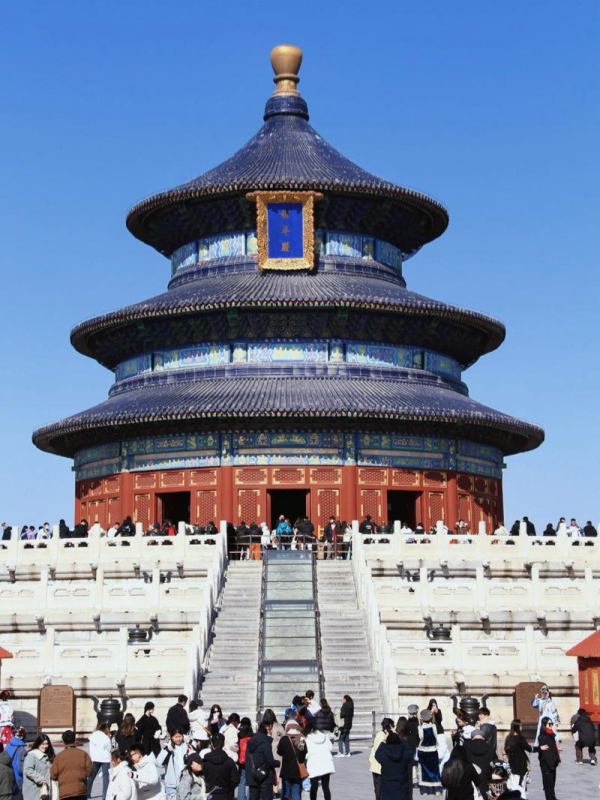
Temple of Heaven
The Temple of Heaven (天坛) is a UNESCO site inscribed in 1998. The grounds span 2.73 million square metres in southern Beijing. The Hall of Prayer for Good Harvests (圜丘坛) is the most photographed structure: a triple-gabled circular building that rises above a three-tiered marble terrace. Ming and Qing emperors performed annual rites here to pray for good harvests. The combo ticket costs about $5 (¥34). The park opens at 06:00 and closes at 22:00; hall interiors open at 08:00 and close at 17:00. Early mornings draw locals doing tai chi, qigong, and group dancing — an established part of the park's daily rhythm.
Summer Palace
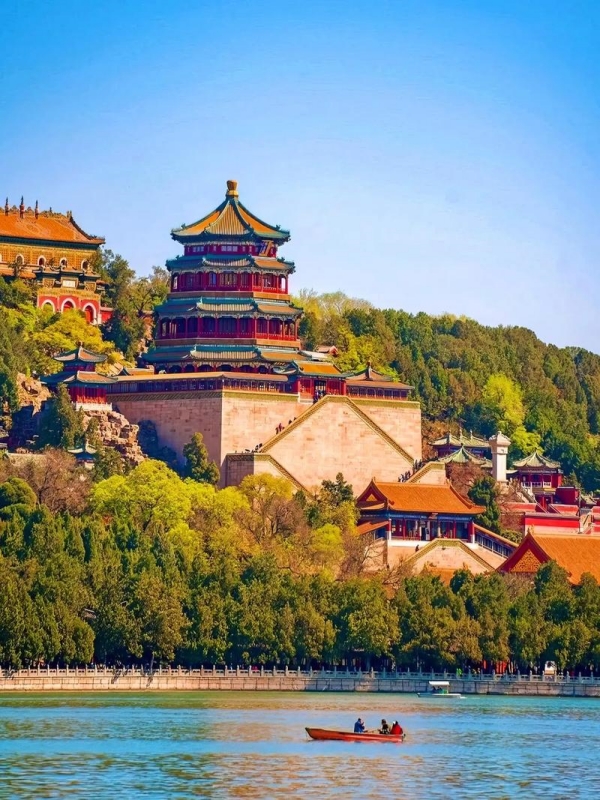
Summer Palace
The Summer Palace (颐和园) is a UNESCO site covering a large lakeside garden in northwestern Beijing. Kunming Lake makes up roughly three-quarters of the area; Longevity Hill rises behind it. The Seventeen-Arch Bridge connects the southern shore to Nanhu Island. Tickets cost about $7 (¥50); a through-ticket covering the garden and additional halls is roughly $10 (¥70). The north shore arcade (苏州街) functions as a shopping street modelled on the waterfront markets of Suzhou. Visitors commonly spend a half-day to a full day here. Metro Line 4 stops at Beigongmen and Xinjian Gongmen, both within walking distance of the entrance.
Beihai Park and Jingshan Park
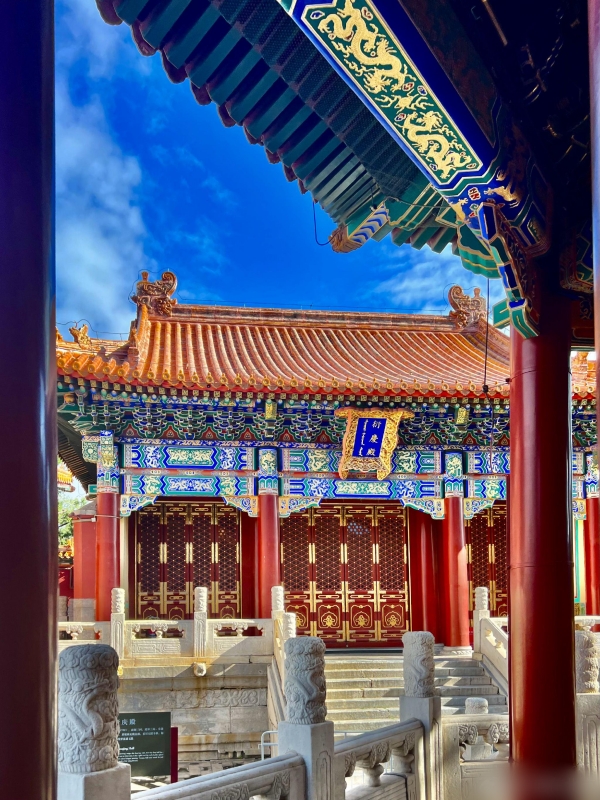
Jingshan Park Yanqing Hall
Two parks sit directly north of the Forbidden City. Beihai Park (北海公园) centres on a lake with Jade Island at its centre. The White Dagoba, a Tibetan-style Buddhist pagoda, sits on the island — it mirrors the Temple of Heaven's round Hall of Prayer in symbolic geometry. Jingshan Park (景山公园) occupies Coal Hill, a 45-metre mound created from earth excavated to form Beihai Lake. From the hilltop, visitors look directly south over the palace's yellow-tiled rooftops in a single unbroken sightline. The panorama is one of Beijing's most reproduced images. Entry to both parks costs roughly $2–3 (¥10–20).
Hutongs of Beijing
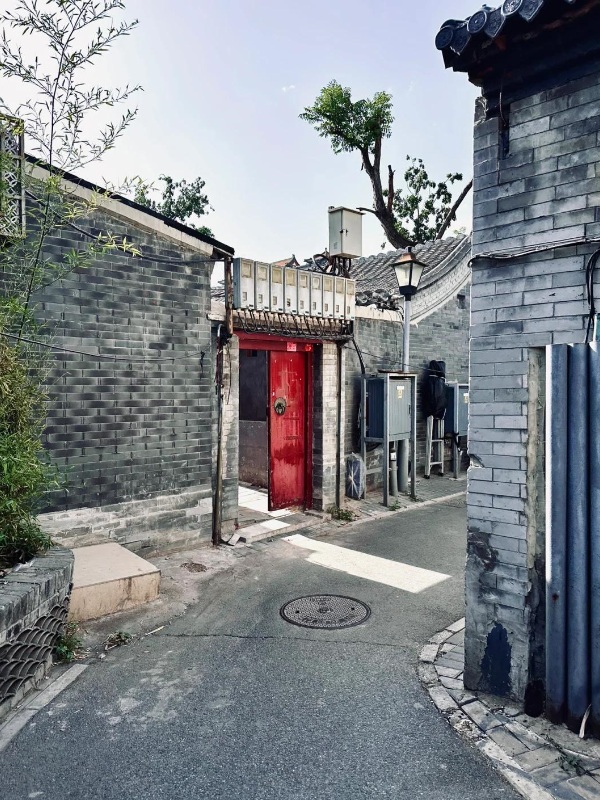
Dongsi Hutongs
Hutong (胡同) alleyways predate the modern grid. They wind through the districts surrounding the Forbidden City and the Drum and Bell Tower zone to the north. Several have gained a following among visitors for their mix of courtyard homes, small shops, and dining options. Here are the most commonly cited:
- Nanluoguxiang: The most visited hutong, lined with bars, cafes, and souvenir shops.
- Yandai Xiejie: A sloping lane with boutiques, tea houses, and photograph studios.
- Mao'er Hutong: A narrower alley with courtyard cafes tucked behind wooden doors.
- Fangzhuanchang Hutong: Runs past the Temple of Confucius; less trafficked by tourists.
- Guozijian: The alley that runs alongside the ancient Imperial Academy site.
Guided rickshaw tours and bicycle rentals are widely available. Most hutongs close to vehicle traffic after 10:00, making evening walks or cycles the most pleasant approach. Design shops tucked behind Yandai Xiejie and around Wudaoying attract visitors looking beyond the tourist strip.
The Great Wall from Beijing
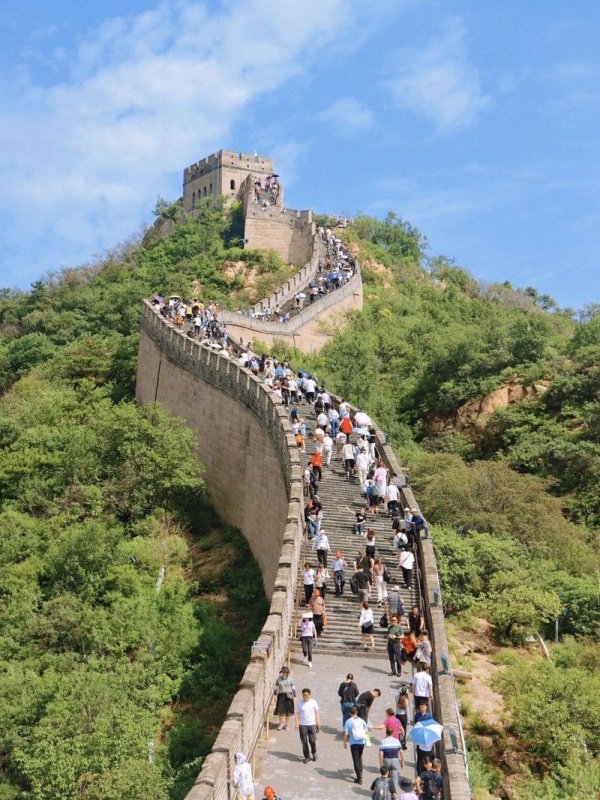
Beijing to Badaling Great Wall
The Great Wall runs approximately 21,196 km in total length (UNESCO, 2024). It was built across multiple dynasties from the 7th century BC; the sections reachable from Beijing were mostly rebuilt during the Ming Dynasty (1368–1644). A day trip to the wall is one of the most common additions to a Beijing itinerary. Three sections handle the majority of visitor traffic: Badaling, Mutianyu, and Jinshanling.
- Badaling: Closest section (~70 km), most crowded, fully restored.
- Mutianyu: Recommended middle option (~85 km), restored, less crowded, has cable car and toboggan.
- Jinshanling: Farthest section (~125 km), wild and uneven, best for hikers and repeat visitors.
Choosing a Section
Getting There from Beijing
What to Expect on the Wall
Mutianyu is the section most visitors reach by cable car. The gondola rises over forested slopes; the toboggan drops down a fixed track on the way back. Watch towers stand every 100 metres or so on restored sections — a spacing that Ming engineers used to maintain visual contact between posts. The wall surface on restored sections is smooth and broad enough for groups to walk side by side. Jinshanling has uneven stone, steep stairways, and shorter guard-post intervals; proper footwear and a reasonable level of fitness are necessary.
Plan for two to three hours on the wall itself. In summer, carry water and a hat — there is little shade on most sections. In winter, icy conditions are common and the toboggan at Mutianyu may close. Check the weather forecast before a winter visit; heavy snow can affect road access as well.
Beijing Food: What and Where to Eat
Beijing's food reflects its northern location and its imperial history. The city's cuisine leans on wheat — noodles, dumplings, steamed buns — and on lamb and beef rather than pork. At the top end, Peking duck traces a lineage to the Qing imperial kitchen. At street level, vendors sell jianbing, dumplings, and sugar-fried chestnuts from carts and small shops. The average meal costs around $2–5 (¥15–35) for a street snack, $10–20 (¥70–140) at a mid-range restaurant, and $42–70 (¥300–500) for a Peking duck dinner for two at a standard venue.
- Peking duck: Whole duck roasted over jujube wood, carved tableside.
- Hot pot: Copper pot of boiling broth; thin-sliced lamb, beef, tofu, and vegetables cooked at the table.
- Street snacks: Jianbing (mung-wheat crepe), jiaozi (dumplings), lǘdǎgǔnr (glutinous rice roll), sugar-fried chestnuts.
- Hutong restaurants: Courtyard dining around Nanluoguxiang, Yandai Xiejie, and Beiluoguxiang.
🦆 Taste Famous Northern Dishes & Hutong Snacks: Beyond classic Peking duck dinners, discover hidden mom-and-pop eateries and guided night-market walks in our complete breakdown of a Beijing Food Tour.
Peking Duck
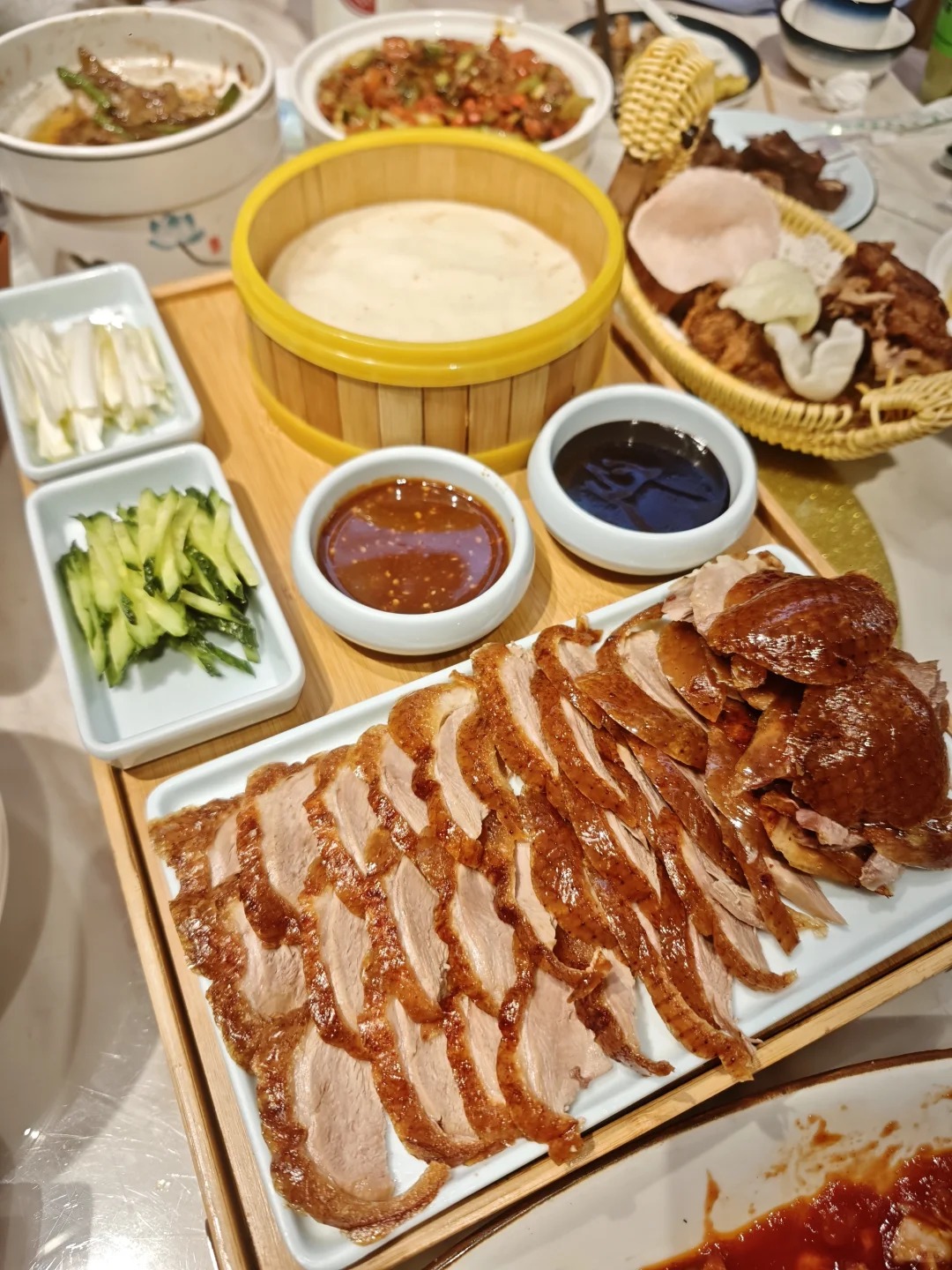
Peking Duck
The dish visitors ask about most is Peking duck (北京烤鸭). The preparation roasts a whole duck over jujube wood; the skin is lacquered until it glistens. At the table, the chef carves the bird into 100 or more thin slices. Diners wrap each piece in a thin pancake with scallion, cucumber, and sweet bean sauce. Quanjude (founded 1864), Da Dong, and Duck de Chine in the Nali Patio complex are the venues most commonly cited. Dinner for two typically costs $42–70 (¥300–500). Always book ahead — walk-ins at peak dinner hours routinely wait 30–90 minutes.
Hot Pot in Beijing
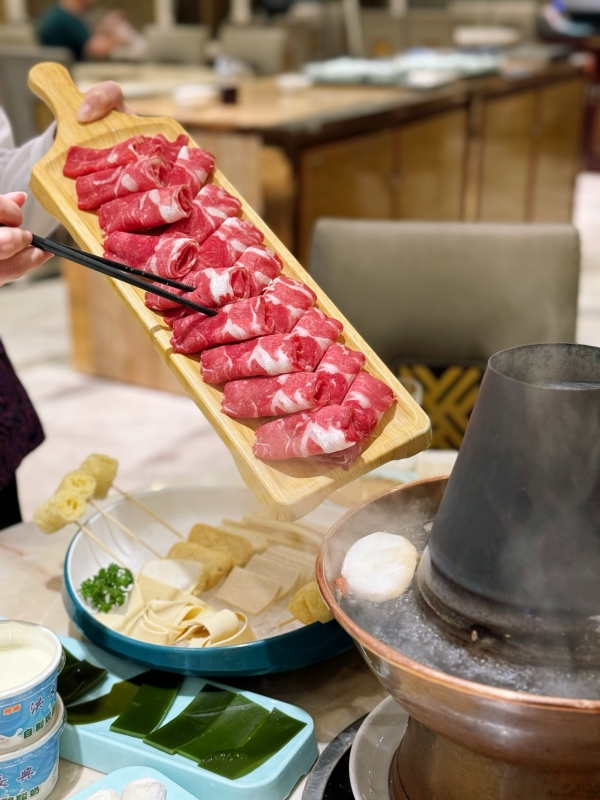
Copper Pot Lamb Hotpot
Hot pot places a copper pot of boiling broth at the centre of the table. Diners cook thin-sliced lamb, beef, tofu, mushrooms, and leafy greens directly in the broth. Beijing's traditional style is Mongolian copper-pot hot pot (涮羊肉), lighter and more lamb-forward than the fiery Sichuan version. Hai Di Lao is the reliable chain option. For a more local experience, seek out traditional spots around Niujie (Ox Street) in Xicheng. Per-person costs run about $14–28 (¥100–200).
Street Food and Snacks
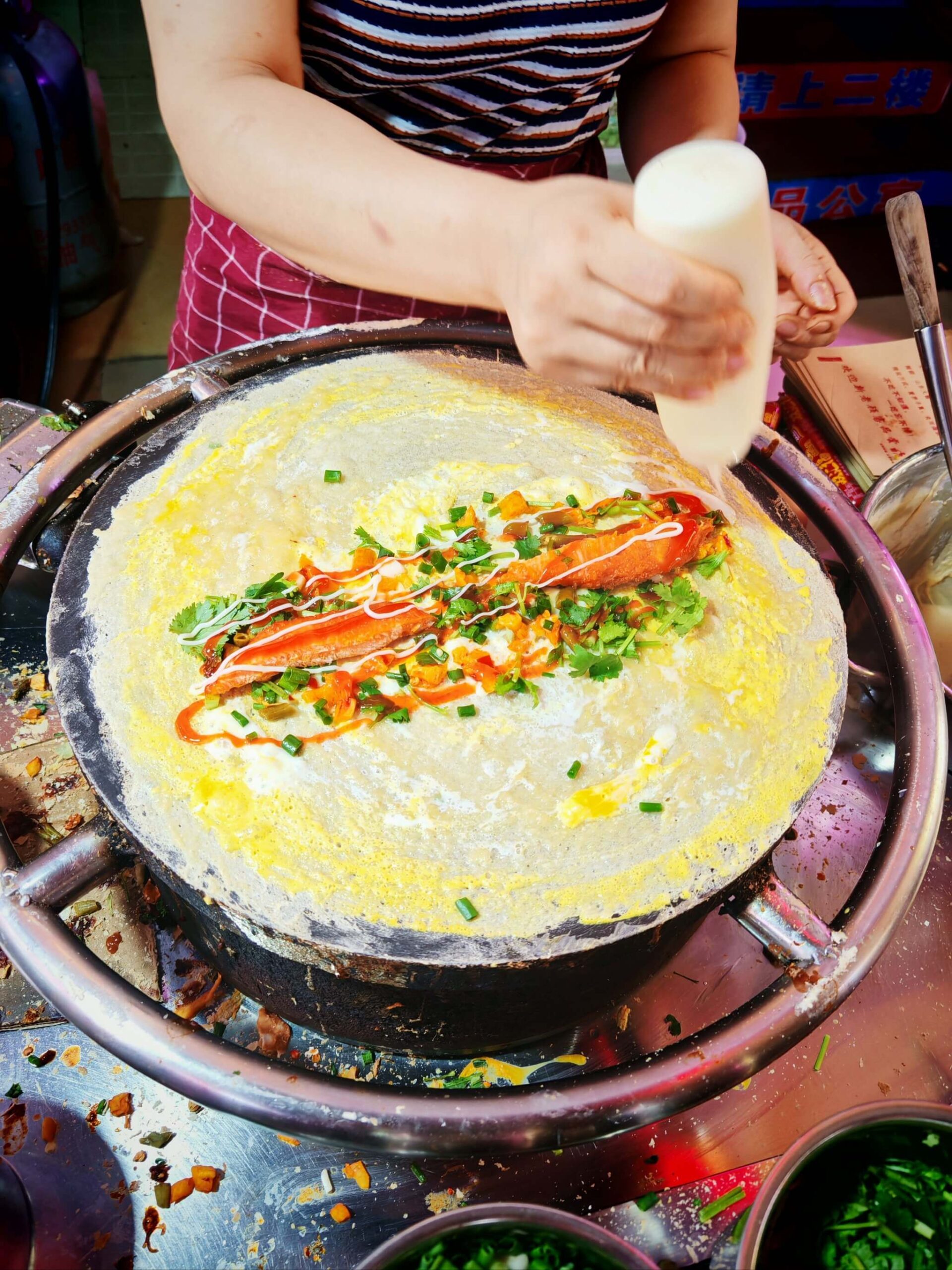
Jianbing and Street Pancakes
Beijing's street food is cheap, fast, and rooted in northern Chinese wheat traditions. Here are the most commonly found items:
- Jianbing: Savoury mung-bean and wheat crepe folded around egg, crispy dough, and hoisin; about $1.50 (¥10).
- Jiaozi: Boiled or pan-fried dumplings; a portion costs roughly $4–8 (¥30–60).
- Lǘdǎgǔnr: Glutinous rice roll coated in soybean flour; sold at hutong stalls and food markets.
- Chǎoyáng dòngzhī miànbāo: Old-school cream-filled steamed bun; found at traditional bakeries in the Chaoyang district.
- Sugar-fried chestnuts: A winter staple sold from carts; shell cracking required.
Wangfujing snack street is the most tourist-dense option, with a wide range in a single block. Niujie is the city's halal food quarter; the market there sells lamb skewers, flatbread, and roasted nuts. Small hutong stalls near Houhai draw a mixed crowd of locals and visitors in the evenings.
Hutong Restaurants
The hutong dining scene centres on converted courtyard spaces in the alleys around Nanluoguxiang, Yandai Xiejie, and Beiluoguxiang. Venues range from tiny six-table noodle bars to mid-size restaurants with modern Chinese menus and short wine lists. Dinner for one typically costs $14–35 (¥100–250). Reservations are recommended on weekends. Some of the narrower hutongs close to vehicle traffic after 10:00 — on foot or by bicycle is the easier approach in the evening.
Getting Around Beijing
Beijing's metro is the fastest way to move between major sights. The system has roughly 25 lines and 500 stations (2024), covering nearly every tourist destination. For shorter hops and hutong lanes, the bus network reaches areas the metro misses. Ride-hailing via DiDi handles the gaps, though taxis with a meter remain a standard option. Payment is increasingly card and app-based — Alipay and WeChat Pay now accept foreign Visa and Mastercard through their linked wallet functions.
Subway and Bus
Taxi and Ride-Hailing
Standard taxis charge a flag-fall of about $2.50 (¥13) for the first 3 kilometres, then roughly $0.30 (¥2) per additional kilometre. Always insist on the meter. Unmarked vehicles should be avoided. DiDi is China's standard ride-hailing app; the English-language interface accepts foreign credit cards. Hailing is harder during peak hours — DiDi is more reliable. Most visitors find the app the simplest way to get a car at short notice.
Reaching Downtown from the Airports
Best Time to Visit Beijing
Beijing has four distinct seasons. The two shoulder windows — April–May and September–October — offer the most comfortable conditions for sightseeing. Summer brings daytime temperatures of 30–35 °C with high humidity. Winter drops to -5 to 5 °C, dry and cold, with occasional smog episodes. The table below breaks down the year month by month.
- April–May: Spring warmth, low rainfall, moderate crowds — the strongest shoulder season.
- September–October: Autumn clarity, cool evenings, peak foliage around the Summer Palace.
- June–August: Hot, humid, and crowded; plan indoor activities during midday heat.
- December–February: Cold but quiet; check air quality and dress in layers.
Monthly Weather and Crowds
Festivals and Public Holidays
Chinese New Year falls in late January or early February. Beijing empties as migrant workers return to their home provinces; many shops and some tourist sites close or shorten their hours. National Day (October 1–7) is the biggest domestic travel week of the year. The Forbidden City and Great Wall sections reach their highest crowd counts of the year. Mid-Autumn Festival and Dragon Boat Festival create three-day windows with moderate impact. The months between June and August are generally quieter, aside from domestic school holiday travel.
Air Quality and What to Expect
Beijing's PM2.5 levels have fallen significantly over the past decade due to pollution controls. Heavy-pollution episodes still occur, mainly from December through February when winter temperature inversions trap pollutants near the ground. Check the Beijing Air Quality Index on the morning of any outdoor day trip. On days when the index is high, shift outdoor plans to museums, indoor markets, or a hutong walk. Carry a mask if you have respiratory sensitivity — N95-rated masks filter most particulate matter.
Frequently Asked Questions
Q: What time is it in Beijing right now?
Beijing uses China Standard Time (CST), UTC+8. There is no daylight-saving time adjustment. When it is noon in London (UTC+0), it is 20:00 in Beijing. When it is noon in New York (EST, UTC-5), it is 01:00 the following day in Beijing. The city is roughly 13 hours ahead of US Eastern Time, 16 hours ahead of US Pacific Time, 7 hours behind Western Europe, and 1 hour behind Hong Kong and Singapore.
Q: Where is Beijing located?
Beijing sits in northern China at approximately 39.9° N, 116.4° E, in the warm-temperate zone. Hebei Province surrounds it on three sides; the Jundu Mountains rise to the north and west. The Bohai Sea coast at Tianjin lies roughly 110 km to the southeast. The city covers about 16,410 km²; the metro area holds roughly 21.5 million residents. Approximate flight times: about 13 hours from London, 12–14 hours from New York, and 3–4 hours from most major Asian hubs.
Q: How many people live in Beijing?
The Beijing municipal region had roughly 21.5 million residents as of 2024 municipal reporting. The urban core — Dongcheng, Xicheng, Chaoyang, Haidian, Fengtai, and Shijingshan districts — holds the majority of the population. Beijing ranks among the most populous metropolitan areas in the world.
Q: What is Beijing beef?
"Beijing beef" is a sweet-and-spicy deep-fried beef dish found in American Chinese restaurant chains. It is not a dish served in Beijing, China. Visitors looking for authentic Beijing-style beef should try zhá jiàng miàn (炸酱面): hand-pulled or knife-cut noodles served with a soybean-paste meat sauce. It is a northern Chinese staple and a staple of Beijing's casual food scene.
Q: Beijing to Tokyo — flights, trains, and travel options?
No direct land route connects the two cities. The only practical option is a flight. Direct services from Beijing Capital (PEK) or Beijing Daxing (PKX) to Tokyo Narita (NRT) or Haneda (HND) take roughly 3.5–4 hours. Economy round-trip fares typically range from $450–700 (¥3,200–5,000) when booked in advance. China Eastern, ANA, JAL, Air China, and Hainan Airlines operate the route. Both China and Japan require visas for most passport holders.
Q: Shanghai to Beijing — flights, train, or bus?
Three practical options exist. High-speed G-class trains run from Shanghai Hongqiao to Beijing South in 4.5–6 hours; a second-class seat costs roughly $75 (¥535), first-class about $120 (¥865). Flights take about 2 hours; economy round-trip fares typically run $200–400 (¥1,400–2,900). Conventional sleeper trains take 10–14 hours — the cheapest option but the slowest. Most visitors choose the high-speed train for its city-centre-to-city-centre convenience.
Q: Beijing weather — when is the best time to visit?
Two strong windows: April–May and September–October. Daytime highs range from the high teens to the high 20s °C, rainfall is low, and skies are generally clear. Avoid Chinese New Year (late January–early February) unless the festival atmosphere itself appeals. Avoid National Day week (October 1–7) if crowds are a concern. Winter (December–February) is cold but quiet; summer (June–August) is hot, humid, and crowded.
Q: Beijing duck — where should I try the famous dish?
Peking duck (北京烤鸭) is Beijing's signature dish. Recommended venues span three tiers: legacy restaurants — Quanjude (founded 1864) and Bianyifang; contemporary — Da Dong, popular with foreign visitors and English-friendly; and premium — Duck de Chine in the Nali Patio complex. Dinner for two at standard venues typically costs $42–70 (¥300–500); premium venues run higher. The standard service carves the duck tableside into about 100 pieces, wrapped in thin pancakes with scallion, cucumber, and sweet bean sauce. Always book ahead — walk-ins at peak dinner hours often wait 30–90 minutes.
Q: Beijing Olympics — can visitors tour the 2008 venues?
Yes. The Beijing Olympic Green (奥林匹克公园) in Chaoyang district is open to the public year-round. The Bird's Nest (国家体育场) and Water Cube (国家游泳中心) allow interior access; combined tour tickets typically cost about $10–15 (¥70–100). The complex sits about 9 km north of the Forbidden City and is reachable via Metro Line 8 to Olympic Green station. At night, both structures are illuminated — popular from outside the ticketed zones.
Q: Beijing palace — which imperial palace should I visit first?
For most first-time visitors, the Forbidden City (Palace Museum, 紫禁城) is the obvious answer. It served as the main imperial palace of the Ming and Qing dynasties, was built between 1406 and 1420, and is a UNESCO World Heritage Site. It is the largest surviving palace complex in the world. The peak-season ticket costs about $8 (¥60). For a second visit, the Summer Palace (颐和园) in the northwest of the city is the standard choice: a Qing imperial garden rather than a working palace, with lake, hill, and long covered walkways. A ticket costs about $7 (¥50).