SKP Chengdu
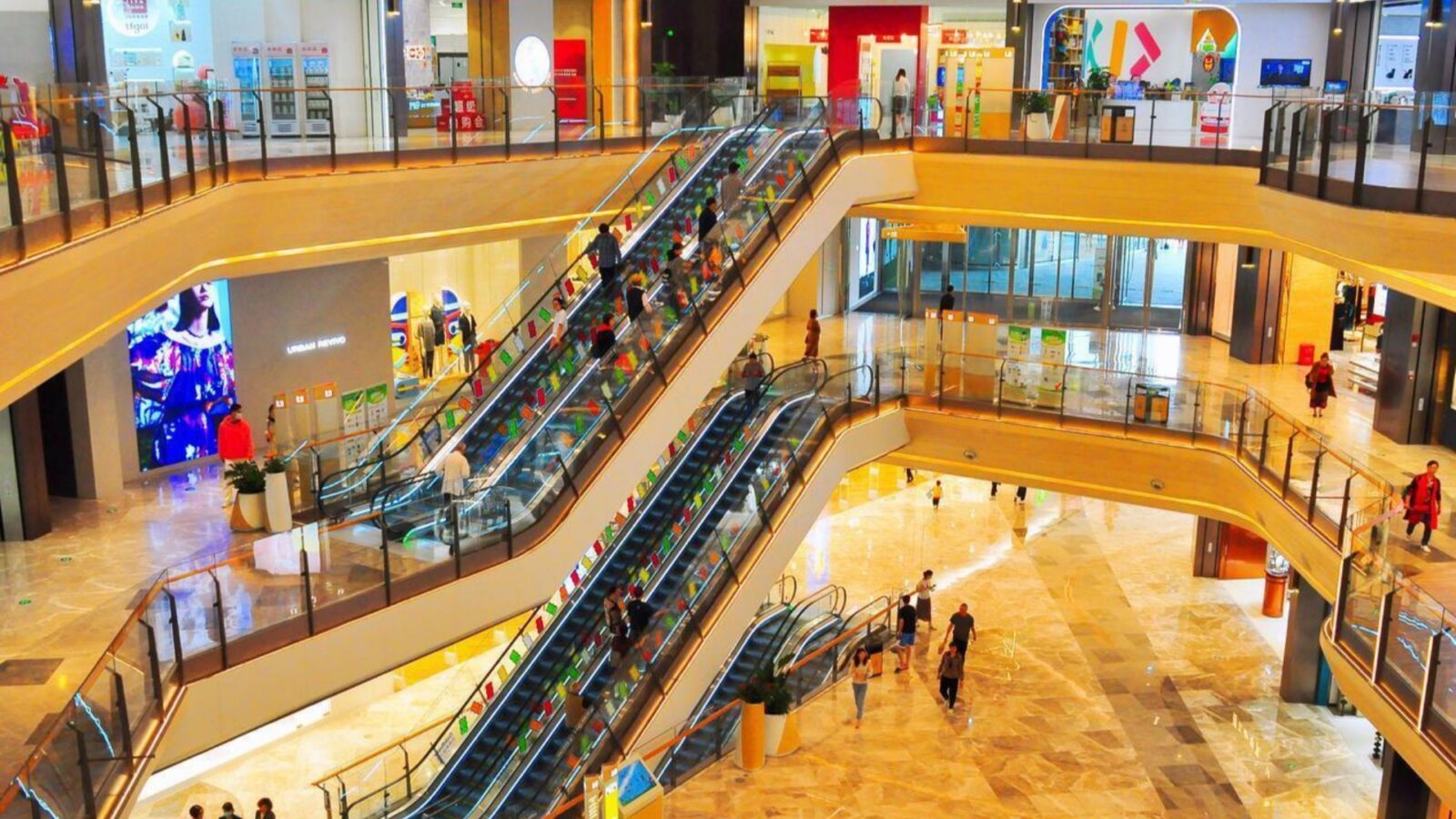
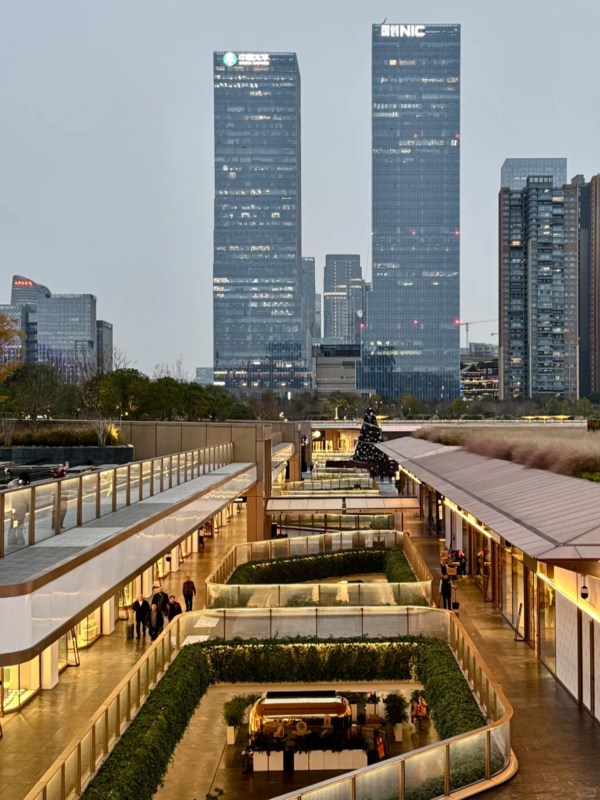
SKP Chengdu sits on Tianfu Avenue looking like a regular park. Trees, walking paths, people exercising—nothing suggests there's a massive shopping mall underneath. The retail part goes down five floors below ground, which sounds odd until you realize Chengdu summers hit 35°C and being underground keeps things cool.
The rooftop is free to visit. Locals bring picnic blankets and kids run around the fountains. Meanwhile, shoppers browse Hermès and Chanel twelve meters below. It's a strange setup, but it works. Most malls announce themselves with giant signs. This one hides. If you enjoy Chengdu's modern green spaces, you might also want to explore Cypark Chengdu, another innovative urban park that blends nature with city life.
Quick Facts about SKP Chengdu
| Item | Details |
| 🏬 Official Name | SKP Chengdu |
| 📍 Location | No. 2001 Tianfu Avenue North, Wuhou District |
| 📐 Total Area | 324,000 square meters |
| 🏗️ Floors | B5–B3: Parking & logisticsB2: Luxury fashion, designer accessories, cosmeticsB1: Jewelry, watches, premium beauty & cafésL1–L3: Flagship luxury boutiques & high-end lifestyle brandsL4: Fine dining, specialty restaurants & loungesRooftop: Urban botanical garden & leisure space |
| 🛍️ Brand Count | 1,300+ luxury and lifestyle brands, including Hermès, Chanel, Louis Vuitton, Dior, Gucci, Prada, Cartier, Van Cleef & Arpels, Rolex, Omega, Balenciaga, Bottega Veneta |
| 🚇 Nearest Metro | Line 18 (Jincheng Plaza East, 400m underground access) / Line 1 (Jincheng Plaza, 800m) |
| 🕒 Opening Hours | 10:00 AM – 10:00 PM daily |
| 📅 Opened | December 2022 |
| 🌿 Green Coverage | 75% rooftop botanical garden |
| ⭐ Notable Highlight | SKP Chengdu blends high-end retail with one of the largest urban rooftop gardens in China |
Sunken Luxury Meets Botanical Rooftop Gardens
-

- Five Floors Descending
-
- Green Rooftop
-
- Light of Chengdu SKP
Five Floors Descending 12 Meters Below Tianfu Avenue
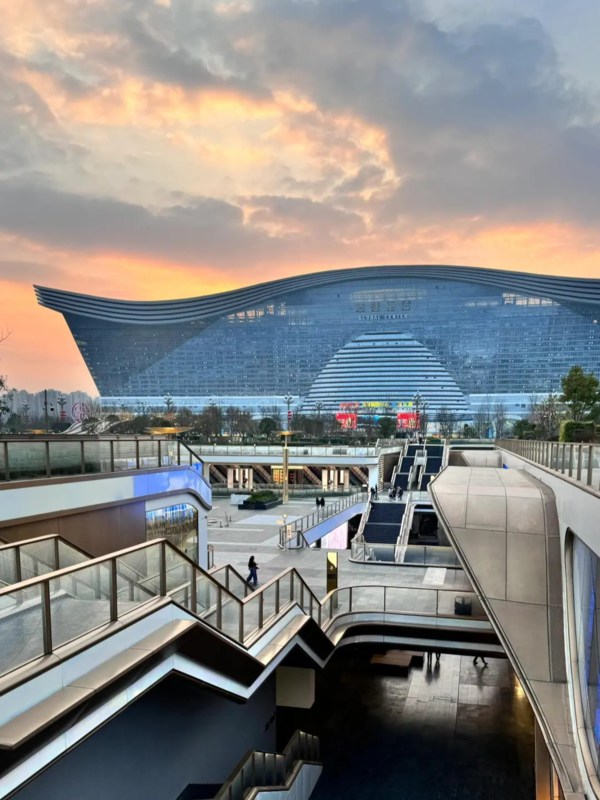
The entrance, which is a cube made out of glass, does not give you the impression that you are about to fall. You follow the escalator and get down through the moving metallic panels that reflect the light. On a sunny day, natural light penetrates up to B2, possibly B3, and the planners of the building constructed skylights and atriums to ensure that the building did not seem like a cellar. The lowest tier is twelve meters across the ground - about four stories beneath the street.
On both sides of Tianfu Avenue, the New Century Global Center is like it is attempting to cover the sun. It is the largest building with its own floor space in the world. SKP Chengdu took the reverse route: small, underground, virtually concealed by the road. The sunken design is not purely aesthetic. During summertime, Chengdu exceeds 35°C often and having the shopping underground ensures more air conditioning is not used and the inside temperature is always 22°C. Smart move.
A 75% Green Rooftop That Doubles as Chengdu's Newest Public Park
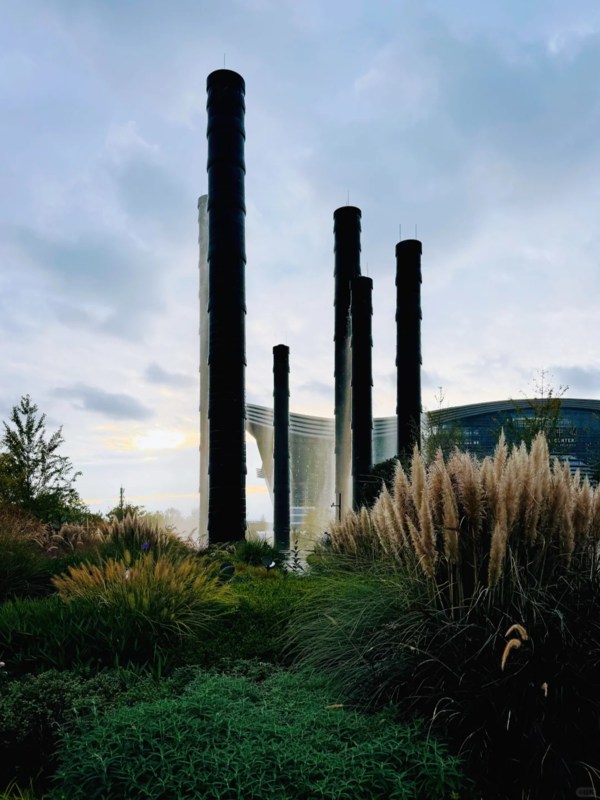
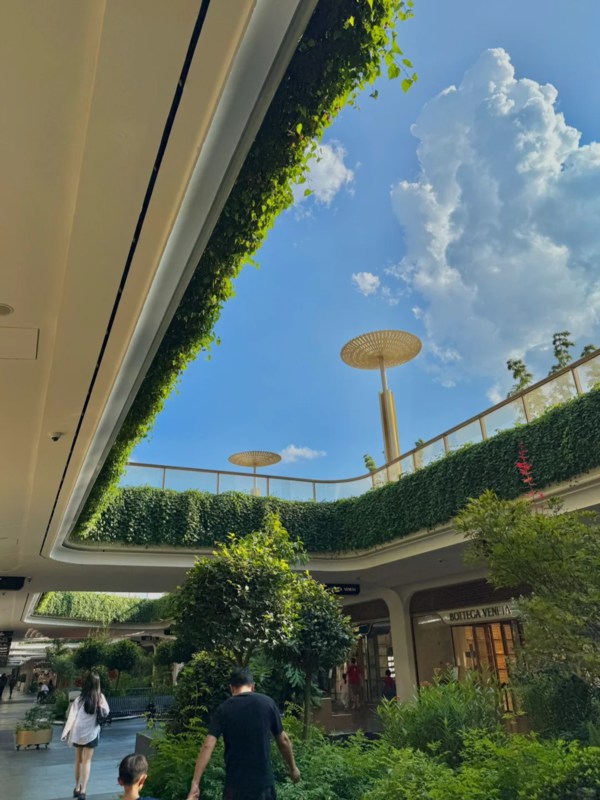
Field Operations designed the rooftop garden. Same team behind New York's High Line, which explains why it feels more like a real park than mall landscaping. The 33 zones aren't just patches of grass with a bench—there are bamboo groves, water features, walking loops, and actual biodiversity. I've seen locals bring lunch boxes and spread out near the ponds. Kids run around. Dogs on leashes. It's genuinely free and open to anyone.
Best time to visit the rooftop is around 5 or 6 PM when the light goes golden and the temperature drops. You can walk a full loop without backtracking, and when your feet hurt from browsing five floors of SKP Chengdu underground mall, the elevator takes you straight up to grass and fresh air. The transition is jarring in a good way.
Highlights You Can't Miss at SKP Chengdu
-
- The Tower of Life
-
- The Glass Cube
-
- Sponge City Design
The Tower of Life: Six Water Beacons Rising from the Park
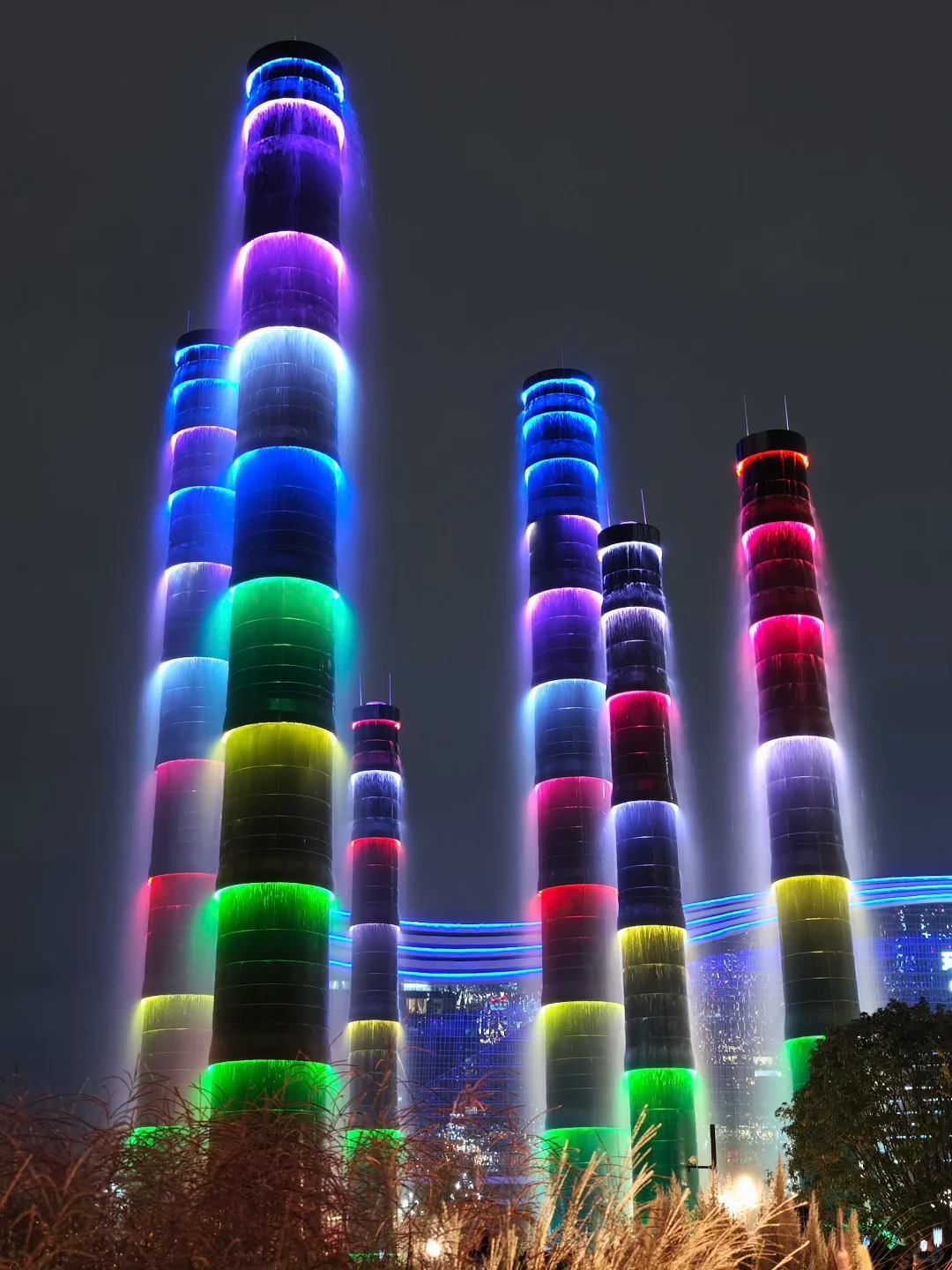
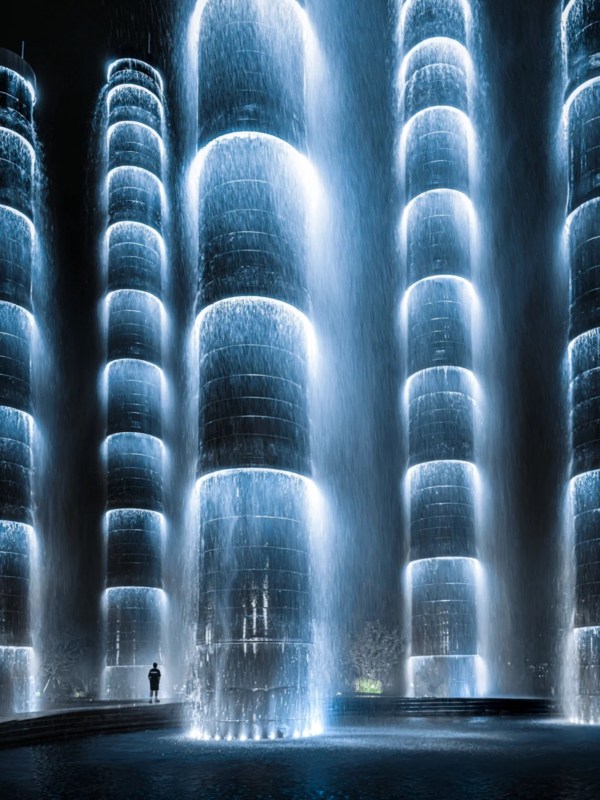
The SKP-S part of the complex has six towers that are designed in the form of long lanterns. They are not sculptural only because all of them also serve as water beacons with inbuilt air purification and microclimate systems. The towers spray a fine mist that cools the area that surrounds by a few degrees in summer. When you pass by them, you can see the difference.
The show is performed every evening between 7 PM and 10 PM and it follows the hourly schedule. I attended one of the performances at 8 PM, and the screens and the water are synchronized with music, changing colors and patterns. It is not the Bellagio level theatrics but it is quite good as a shopping mall. The most appropriate place is the open platform in the SKP-S area where viewers would sit on benches and view without straining their necks.
The last time I was there a couple in full wedding dress were standing at the towers, as a photographer worked around them with a gimbal. The towers are now part of Instagram - a search of SKP Chengdu on Xiaohongshu half of the photos are filled with these things glowing at night.
The Glass Cube Entrance with Indoor Bamboo Forest
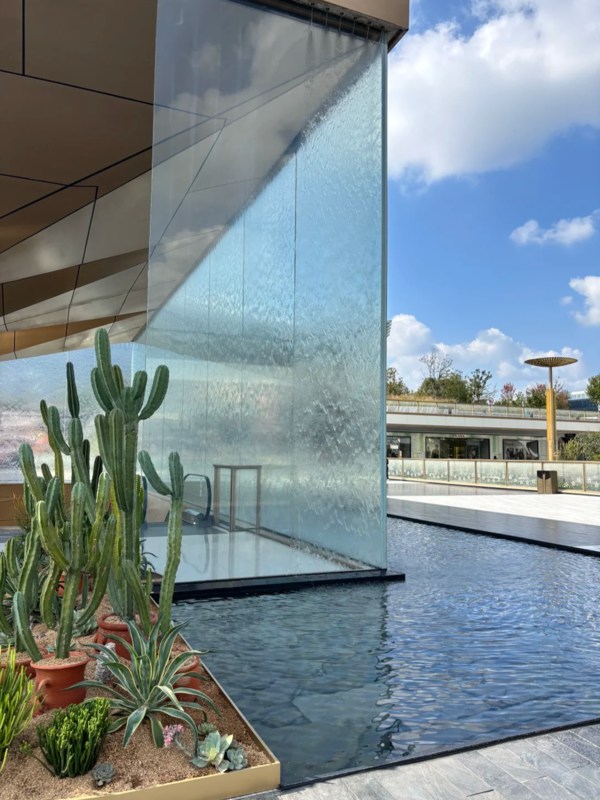
SKP Chengdu has the most iconic landmark which is the glass cube. On the street level it appears like it was the transparent box which has fallen on the park, yet enter it and you are in the middle of the living bamboo. Real bamboo, not fake plants. The installation joins the surface world to the levels of the shopping by the use of escalators bordered by kinetic metal baffles that move slowly resembling the sound of rustling leaves in the wind.
Morning light works best for photos—between 10 and 11 AM when the sun hits the glass at the right angle and the bamboo glows green. There's a small cafe tucked in one corner where coffee runs about ¥40-60 per cup. Overpriced, but you're paying for the view. Sitting there with an oat latte while watching shoppers descend into the mall feels oddly meditative.
When you are meeting someone in SKP Chengdu, all you need to say is glass cube and they will get the idea. It has become the default icon. Much more convenient than telling where to enter or which exit of the metro.
Sponge City Design: Where Sustainability Meets Shopping
SKP Chengdu relies on the principles of a Chinese urban planning concept called sponge city which is aimed at fighting flooding and minimizing runoffs. The rooftop garden is not only ornamental, it is able to absorb the rain water through permeable surfaces and direct it to the storage tanks underneath. That water is filtered and re-used to irrigate and the tower mist systems. Thousands of liters can be held back in the complex before being drained into the drainage system when it pours.
The natural insulation is also provided by the vegetation. During July when the surface temperatures reached 33-35°C, the mall maintains constant 22°C with minimal air conditioning. This is not a marketing thing because you can feel the drop in temperature as soon as you get down to the street level. Mall buildings in Chengdu are air-conditioned to counteract glass walls and ineffective insulation. This architectural wonder responded the other way around: entrap the building and leave the heating to the ground.
What is the significance of this to the visitor? It is due to the fact that SKP Chengdu is the direction the Chinese architecture is moving towards, to be green, efficient and to be integrated with the public space. Not only are you shopping but you are also strolling through the case study of sustainable urban design. Even when luxury retail is not on your list of tastes, that is worth seeing.
SKP Chengdu Shopping Guide: Brands, Floors & What to Buy
-
- Luxury Store
-
- SKP SELECT
-
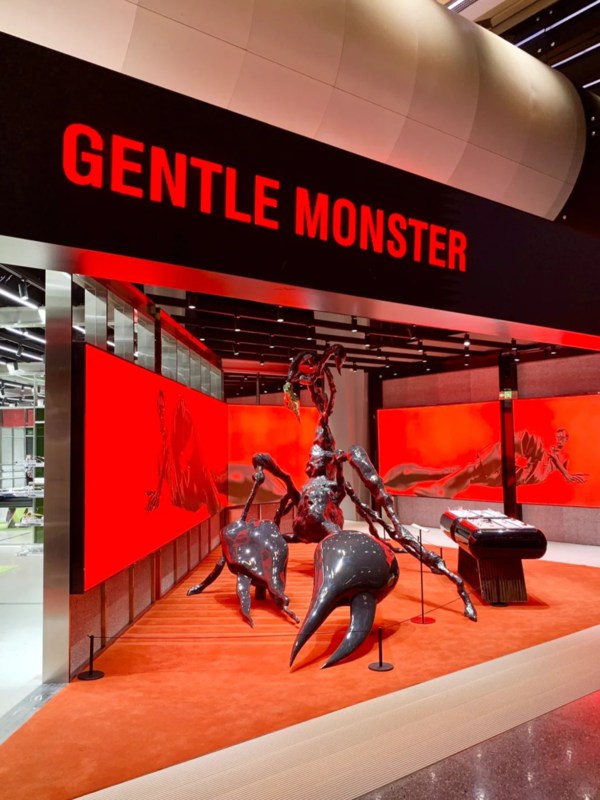
- Gentle Monster
Floor-by-Floor Breakdown: Where to Find What
The SKP Chengdu shops list runs deep—literally. Start at B5 if you want streetwear and sneakers. Nike and Adidas stock limited editions here that sell out fast. Supreme drops happen occasionally. The vibe skews younger, louder, more hype-driven. Prices run ¥500-2,000 for most items.
Move up to B4 and B3 for mid-range fashion. Zara, COS, Massimo Dutti—the usual suspects. Nothing groundbreaking, but the selections are curated better than typical mall outlets. COS carries minimalist pieces that work if you're building a capsule wardrobe. Budget ¥300-1,500 per piece.
B2 is where entry lux brands cluster. Coach bags sit next to Michael Kors watches and Tory Burch flats. This floor feels like an airport duty-free zone minus the travel chaos. Prices hover around ¥2,000-8,000 depending on what you're buying.
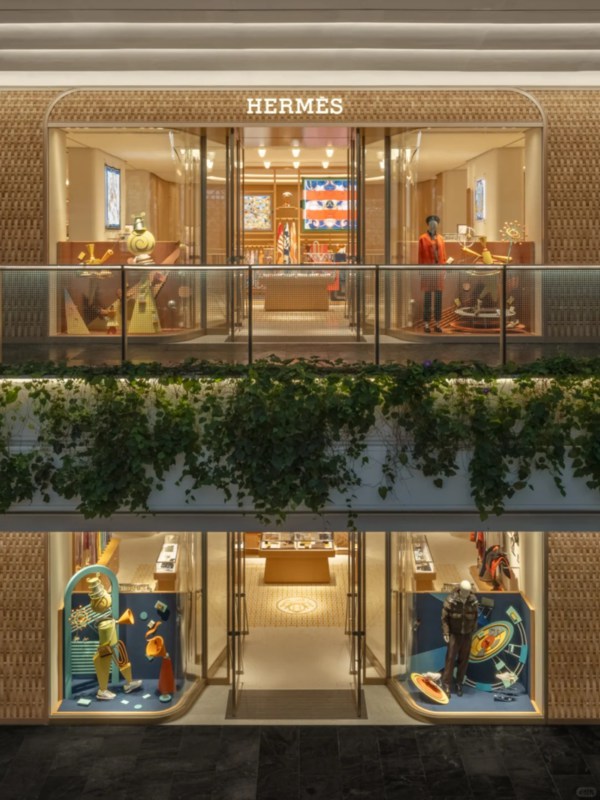
B1 holds the heavy hitters. Hermès, Chanel, Louis Vuitton, Dior—if it's luxury, it's here. The Hermès store incorporates bamboo motifs into the interior design, a nod to Chengdu's local culture that you won't find in their Beijing or Shanghai locations. Even if you're not dropping ¥50,000 on a bag, the window displays change seasonally and function as miniature art installations. Worth seeing.
Ground level (G) is all dining and SKP SELECT, their upscale grocery concept. Think imported cheeses, Japanese fruit, and wine that costs more than your flight to Chengdu.
One tip: start at B5 and work your way up. Going top-down messes with your head—after browsing ¥100,000 handbags on B1, everything else feels cheap. Psychology matters when you're shopping five floors underground.
Must-Visit Stores & Local Exclusive Items
SKP SELECT in the ground store carries the souvenirs unique to Chengdu, that do not appear to be the junk in the airport. Premium Sichuan tea, panda-themed products created by local artists, spice kits of hot pot at the boutique. Costs: 80-500, which is a fair amount to pay.
Hermès SKP Chengdu stockists have a silk scarlet with a print of a bamboo forest that is only available in this store. The architecture alludes to the glass cube entrance. It sells approximately ¥3,500, which is not a cheap one, but the collectors are following the regional exclusives. Gentle Monster also partnered with SKP Chengdu-logo sunglasses. Small production, available in a few cases, though it gets replenished.
Luxury brands in this area compete with Beijing and Shanghai prices. No inland charge, which was a surprise to me. The price of a Chanel bag is the same as it is in Nanjing Road.
Passport and purchase of 500 is required in Tax refund. The counter is located at B1 in the vicinity of the customer service. It requires approximately ten minutes to process. Don't overlook claiming it--11 per cent. comes back in a flash.
B1 window shopping is free and the seasonal showcases are competitive with museum exhibitions. In the past they created a winter forest using projection mapping last December. Photos were being taken even by sales associates. Avoid the weekends between 2-5 PM when people are at their highest level. Mornings of the weekdays or after 8 PM imply vacant aisles and real service. The difference is massive.
Dining at SKP Chengdu: From Michelin-Level to Quick Bites
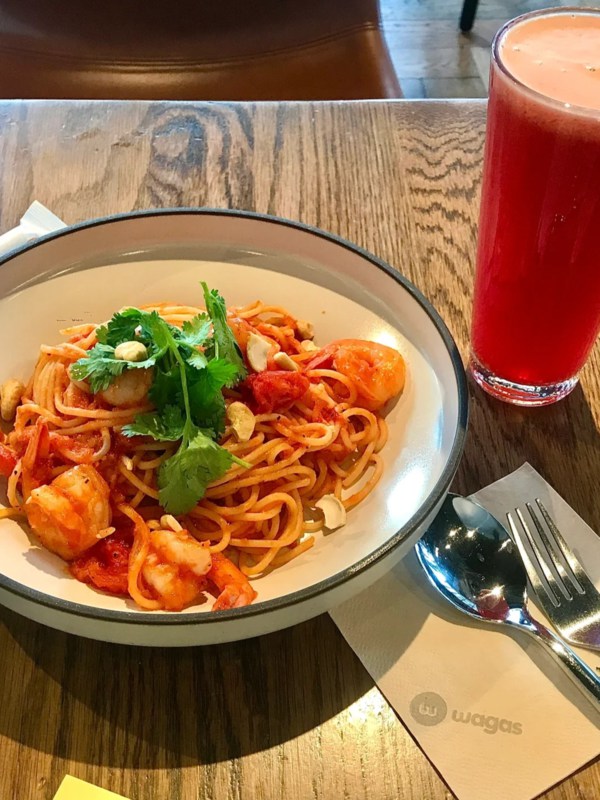
High-End Dining: Restaurants Worth the Splurge
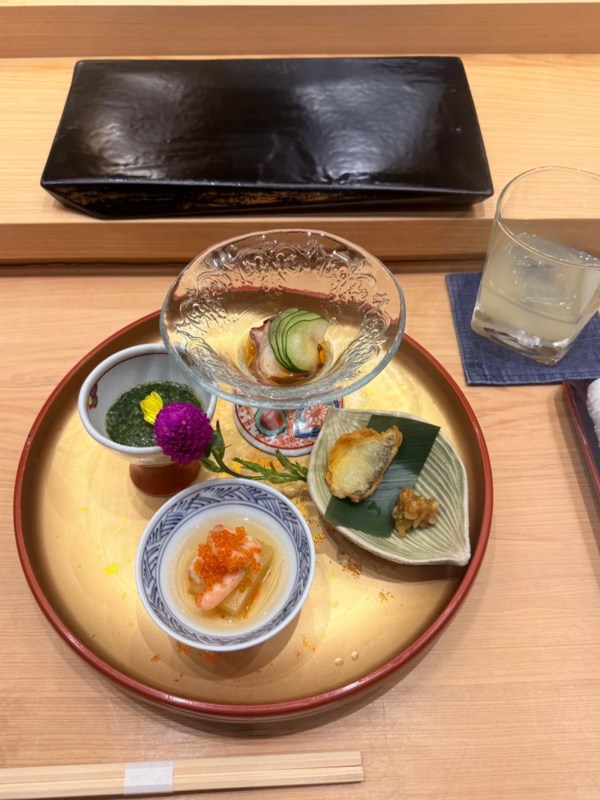
Sushi Ichi on B1 charges between 800-1200 per cap on their omakase. The cook has been trained in Tokyo, and supplies fish that is flown in every day. Reservation necessary-- walk-ins practically never pay, particularly weekends.
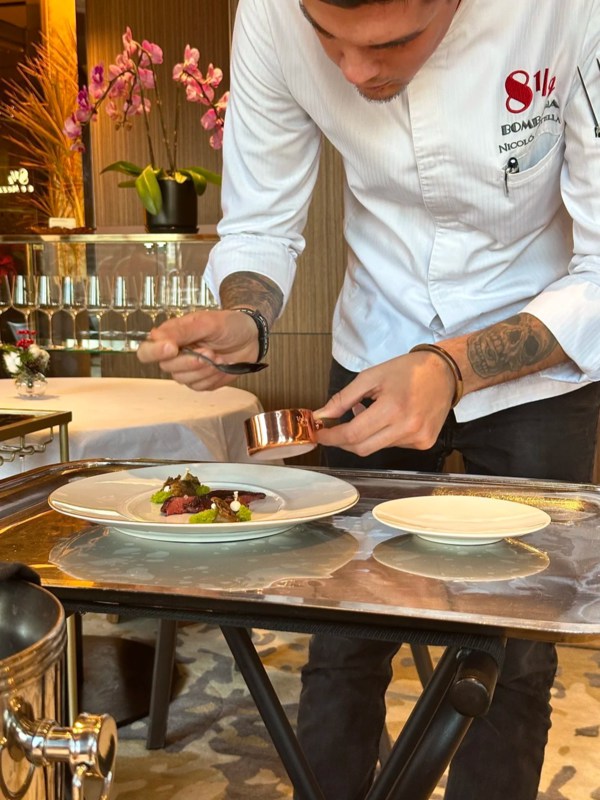
Opera Bombana will introduce Italian cuisine of Michelin three-star chef Umberto bombana to SKP Chengdu food industry. Instead of the typical Piedmont truffle, they have used Sichuan black truffle, which makes their truffle pasta more earthy and almost pungent in the end. Very well with the cream sauce. Budget 600-900/person without wine. TripAdvisor presents 4.5/5 stars based on 238 reviews, the majority of which are a commendation of the service and quality of ingredients.
Chengdu Impression specializes in high-end Sichuan cuisine, which targets people who burn at chili oil. They cool down the hotness without eradicating the flavor, a factor that is being enjoyed by foreign visitors. Expect ¥300-500 per person. The mapo tofu is a mapo tofu that is not only spicy.
You should book at least three days in advance of any of these, or even more so in case you are visiting during holidays or weekends. The SKP Chengdu restaurants are filled up.
Casual Dining & Cafes: Budget-Friendly Options
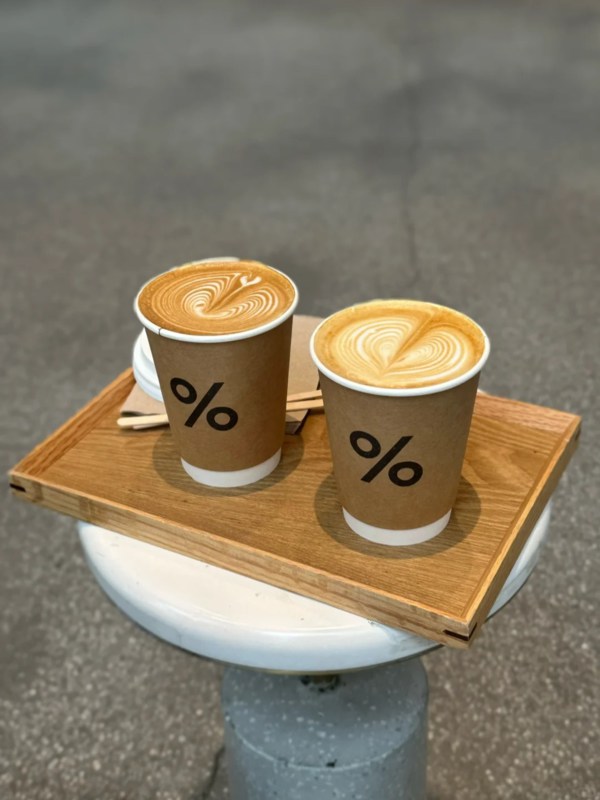
Arabica has a rooftop garden that is an outdoor restaurant. Coffee runs ¥30-40 per cup. The scenery whacks against the caffeine, you are in a park over a luxury mall and looking at the city. Surreal in a good way.
Wagas serves western salads and sandwiches at 80-100 each per person. No genuine, but trustworthy in case you are tired of Sichuan cuisine. Their avocado toast is satisfactory.
Heytea and Nayuki are the high quality brands of tea drinks in China and cost ¥20-30 to get fruit teas or cheese foam tops. Fast moving lines appear to be long.
The B5 food court conceals Korean bibimbap eateries and Japanese curry franchises in which ¥50-80 soothes your stomach. Go down here instead of G floor at lunch, when it is big. Korean serving just outside the escalators eastward sells good dolsot bibimbap at ¥65.
The majority of locations accept Alipay and WeChat Pay. International credit cards are accepted at restaurants but not all of the smaller vendors. Always prefer carrying some cash around, say ¥200-300.
The Bamboo Garden Cafe: Instagram-Worthy Spot
Inside the glass cube entrance sits a cafe surrounded by bamboo. Morning light between 10-11 AM makes the green glow. Drinks cost ¥40-60—overpriced, but you're paying for the setting. Half the customers are there for photos anyway.
Beyond Shopping: What Else to Do Around SKP Chengdu
-
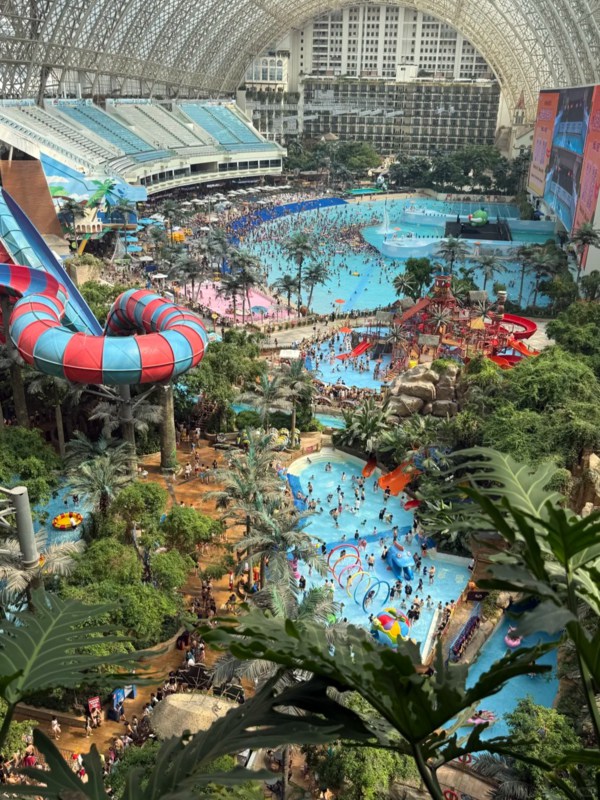
- New Century Global Center
-
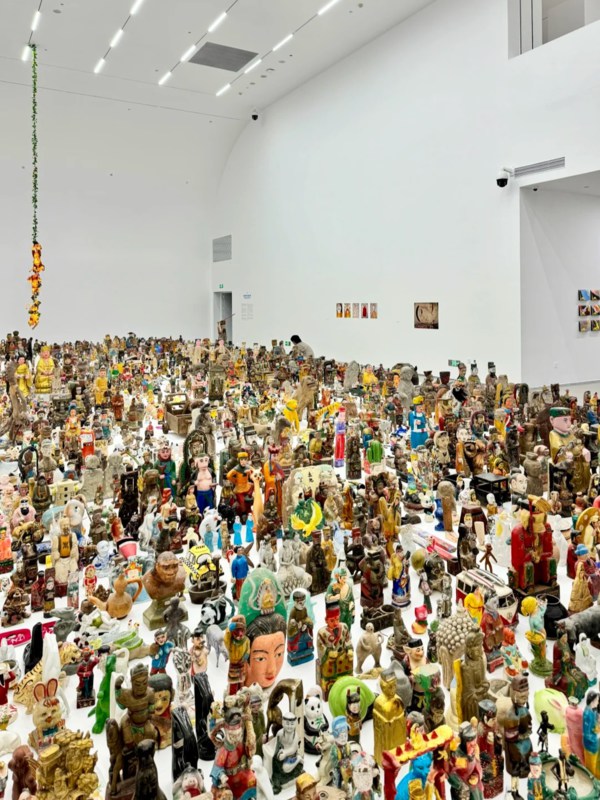
- Luxelakes A4 Art Museum
-
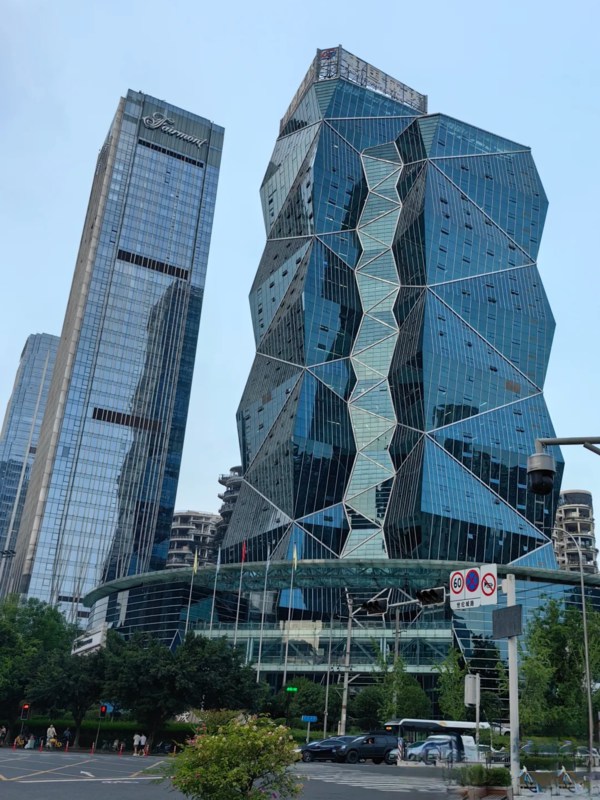
- Tianfu Software Park
Nearby Attractions (Within 2km)
New Century Global Center is located right opposite Tianfu Avenue and is a 5-minute walk away. It is the largest free-standing building in the world in terms of floor area, and is so huge it even has its own indoor beach with its own wave pool and artificial sun. The scale feels ridiculous. Should SKP Chengdu be viewed as a symbol of subtle luxury, Global Center is the very antithesis of it, noisy, family-friendly, and anarchy in that fun sense that Chinese mega-mansions have.
Luxelakes A4 Art Museum is approximately 1.5km south-south. Modern art galleries change after every several months and access is free. Even without visiting the galleries, the trip is worth making as far as the architecture, the floating pavilions above the artificial lake, are concerned.
Tianfu software park extends northeast of SKP Chengdu. It is not a tourist attraction spot but the paved walk paths and the contemporary office buildings give an impression of a nice evening out. Locals jog here after work.
One possible course of action: visit SKP in the morning (when it opens at 10 AM), have lunch in one of the restaurants, cross to Global Center (kids adore indoor beach), and revisit SKP around 7 PM (Tower of Life light show). The two complexes are a total opposite they are SKP, which seems like a museum filled with silence, and Global Center which seems like a sensory bomb, with families all around.
Combining SKP with a Chengdu Itinerary
Slot SKP Chengdu into day two or three of your trip, after you've covered traditional spots like Jinli or Kuanzhai Alley. It represents the modern side of Chengdu—glass, steel, international brands—which balances out the teahouse and panda experience. About 30 minutes by metro from the city center.
FAQ About SKP Chengdu
Q: What does SKP stand for, and is it a Chinese brand?
SKP stands for "Sun Palace," the original name of the Beijing flagship store which opened as 新光天地 (Xīnguāng Tiāndì). It's a Chinese luxury department store chain operated by Beijing Hualian Group, not a Western brand. Only four locations exist worldwide: Beijing, Xi'an, Chengdu, and a Hainan store opening soon. SKP Beijing consistently ranks as China's highest-grossing retail location, outperforming Shanghai's Plaza 66 and other luxury malls. The Chengdu location follows the same model—curated luxury brands, high-end retail environment, zero discounting.
Q: How deep is SKP Chengdu underground?
The deepest point sits twelve meters below street level, roughly equivalent to a four-story building inverted. Five underground floors span B1 through B5. The sunken atrium design allows natural light to reach B2, sometimes B3 on clear days. Skylights and glass walls prevent the claustrophobic basement feeling you'd expect. Standing on B5 and looking up through the central void creates a striking visual—you see all five levels stacked above you with shoppers moving between floors. It doesn't feel underground until you remember you walked down to get here.
Q: Is SKP Chengdu worth visiting if I'm not shopping?
Absolutely. The rooftop botanical garden is free and open to everyone. The architecture itself—designed by Field Operations and Sybarite—functions as a case study in sustainable luxury retail. The Tower of Life light shows run nightly at no cost. Window displays on B1 change seasonally and rival art installations. Photography enthusiasts flock here for the glass cube entrance and underground sightlines. It's similar to visiting Galeries Lafayette in Paris—you go for the building as much as the shopping. Xiaohongshu and Instagram are flooded with SKP Chengdu photos, most taken by people who didn't buy anything.
Q: What are the opening hours of SKP Chengdu?
Daily from 10:00 AM to 10:00 PM, including holidays. Chinese New Year might see earlier 9:00 AM openings, but that varies yearly. Individual luxury boutiques on B1 sometimes open at 10:30 AM instead of 10:00, so if you're targeting Hermès or Chanel, arrive after 10:30 to avoid locked doors. Restaurant hours extend slightly later, most closing around 10:30 PM. The rooftop garden technically stays open 24 hours since it's a public park, but lighting shuts off after 10 PM making evening visits pointless unless you enjoy wandering in the dark.
Q: Can I use international credit cards at SKP Chengdu?
Yes. Visa, MasterCard, and American Express work at most stores and restaurants. That said, Alipay or WeChat Pay often give better exchange rates and occasionally trigger merchant discounts that credit cards miss. Smaller vendors—think food court stalls on B5—might only accept local payment apps. An ATM sits near the B1 customer service center if you need cash. The mall doesn't offer currency exchange, so convert RMB before arriving or use the ATM's decent rates.
Q: How long should I spend at SKP Chengdu?
Quick visit: 1.5-2 hours covers the rooftop, glass cube entrance, and a fast walk through a few floors. Shopping plus dining: budget 3-4 hours. Full experience including the evening light show: half a day. I'd recommend three hours as a sweet spot—enough time to explore without feeling rushed, but not so long you're exhausted. If photography is your only goal, one hour works. Thirty minutes on the rooftop, thirty for the bamboo entrance and a couple Instagram shots on B1.
Q: Is there a dress code at SKP Chengdu?
No official policy exists. Smart casual works fine—jeans and a clean T-shirt won't get you stopped. That said, walking into Hermès or Chanel wearing flip-flops and a tank top might earn you cooler service or outright dismissal depending on the sales associate's mood. I've entered every store in sneakers without issues, though I noticed staff attention shifts based on how you're dressed. If you look like you belong, they treat you accordingly. If you look like you wandered in by accident, expect to be ignored.
Q: Are there English-speaking staff at SKP Chengdu?
Luxury brand boutiques employ English-fluent salespeople, especially on B1. The main service desk has English-speaking staff during business hours, though coverage isn't 24/7. Restaurant menus include English translations, but server English skills vary wildly—some are conversational, others know ten words. All signage throughout the mall appears in Chinese and English, so navigation isn't an issue. Download a translation app like Google Translate or DeepL as backup. You'll probably need it once or twice.