Shanghai vs Hong Kong
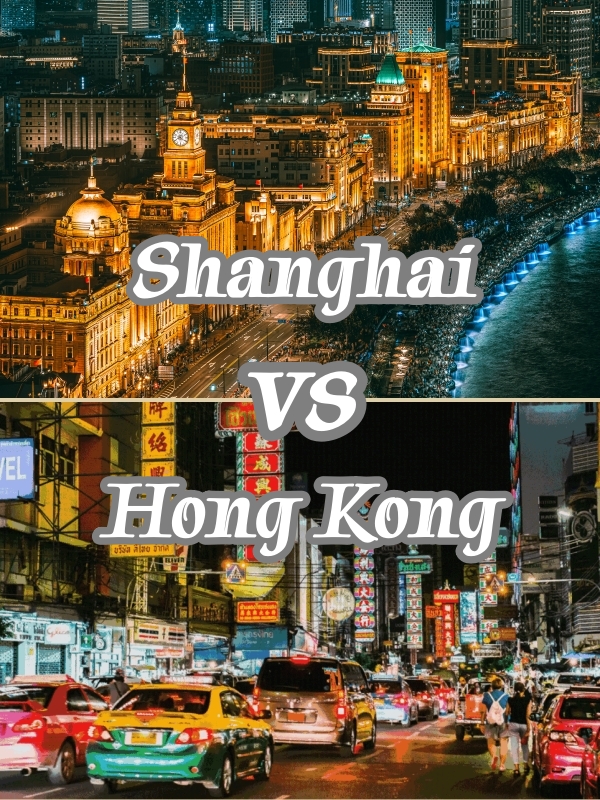
Shanghai and Hong Kong represent two of China's most internationally visible cities, and they could not be more different in character. Shanghai is mainland China's commercial heart — a vast metropolis of 25 million people where the glass towers of Pudong face the colonial-era waterfront of the Bund across the Huangpu River. Hong Kong, a Special Administrative Region operating under "one country, two systems," carries its own distinct identity shaped by 150 years of British rule before returning to China in 1997. Visitors drawn to each city seek different rewards: Shanghai dazzles with architectural scale and Jiangnan culture at a fraction of the cost, while Hong Kong impresses with its bilingual ease and the iconic sweep of Victoria Harbour. This guide breaks down every practical factor — weather, attractions, transport, food, budget, and day trips — so you can decide which city fits your style, timeline, and travel goals.
Quick Facts
Top Attractions Compared
Both cities reward visitors with world-class landmarks, but their characters differ sharply. Shanghai's attractions lean toward grand scale, Art Deco heritage, and sweeping riverfront panoramas. Hong Kong's highlights are concentrated around the harbour and the mountainous island terrain, offering a denser, more walkable tourist core that mixes British colonial architecture with modern glass towers.
Shanghai's Must-See Sights
-
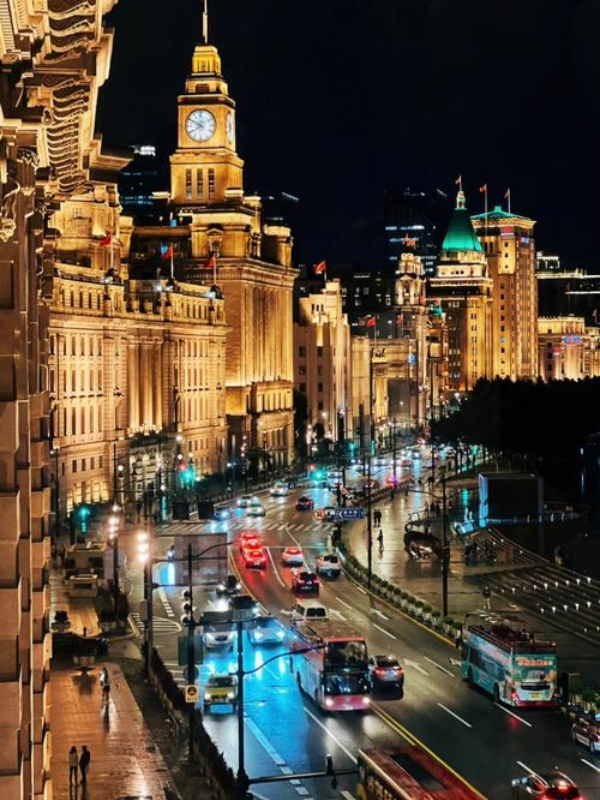

- The Bund
-
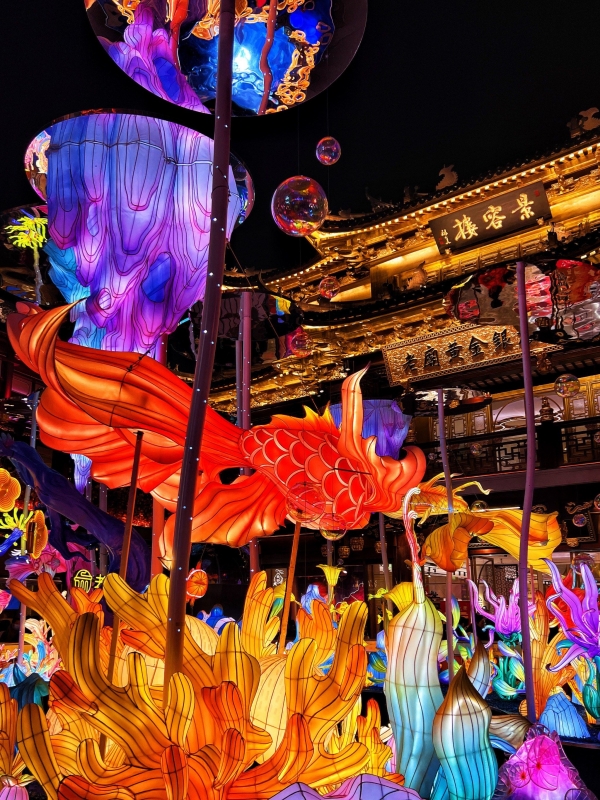
- Mythical Goldfish Lantern at Yu Garden
-
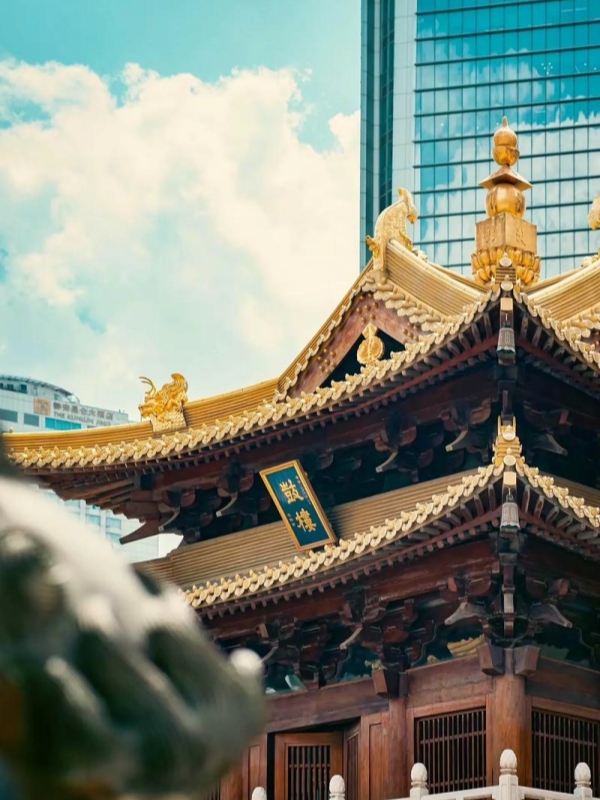
- Jing’an Temple
-
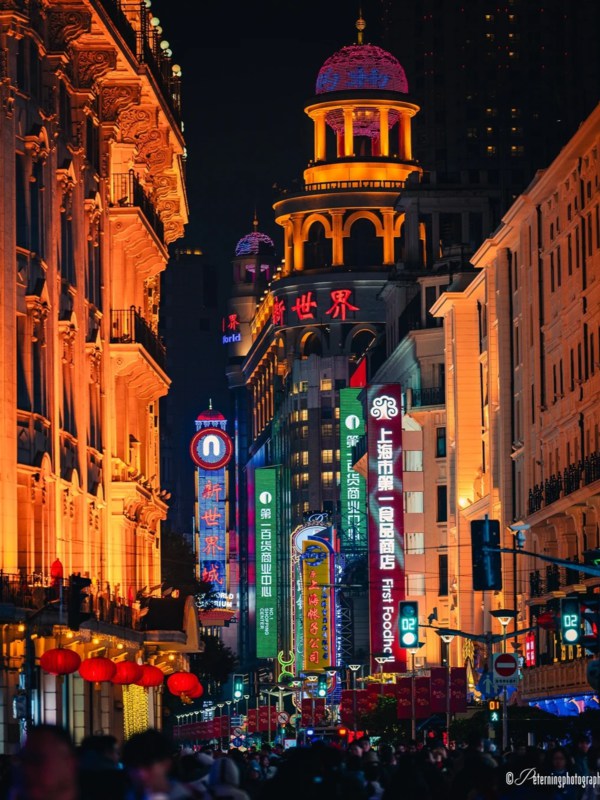
- Nanjing Road
The Bund forms the starting point for nearly every Shanghai itinerary — a 1.5-kilometre waterfront promenade where 52 colonial-era buildings line the west bank of the Huangpu. Across the river, the Pudong skyline delivers Shanghai's most iconic photograph: the Oriental Pearl Tower, Shanghai Tower (the world's second-tallest building at 632 metres), and the Jin Mao Tower grouped together. Other essential stops include the following:
- The Bund: Colonial waterfront with unbeatable evening views across the Huangpu to Pudong.
- Yu Garden and Old City: A 400-year-old classical Chinese garden surrounded by narrow lanes, teahouses, and traditional architecture.
- French Concession: Tree-lined streets, shuttered townhouses, and cafés centred on Wukang Road and Fuxing Road.
- Jing'an Temple: A functioning Buddhist temple wrapped in glass towers in the city centre.
- Shanghai Tower: The Sky Patio observation deck at 552 metres is the highest publicly accessible viewpoint in mainland China.
- Nanjing Road: A pedestrian shopping street stretching 1.3 kilometres from the Bund to People's Square.
🏙️ Explore All-Inclusive Shanghai Travel: If you prefer pre-arranged logistics, guided sightseeing, and hotel transfers when visiting Shanghai, check out curated travel options in our guide to Shanghai Package Tour.
Hong Kong's Must-See Sights
-
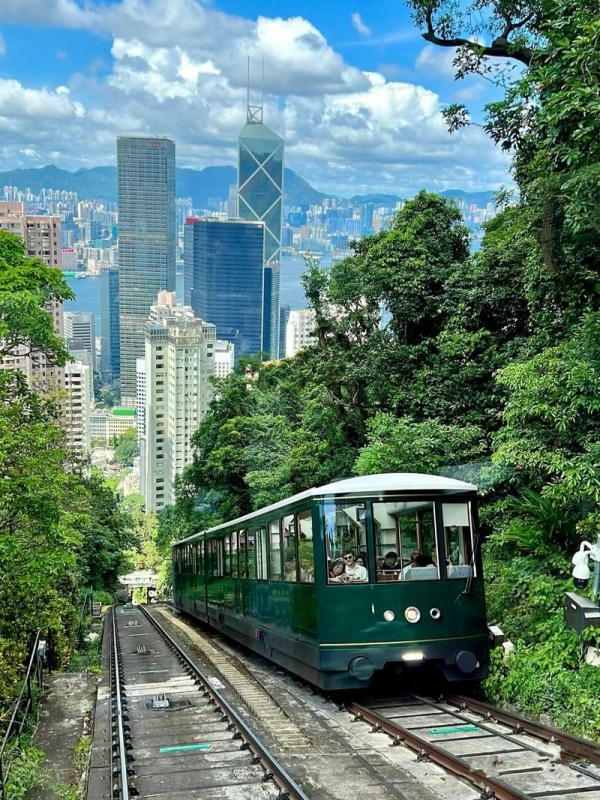
- Victoria Peak
-
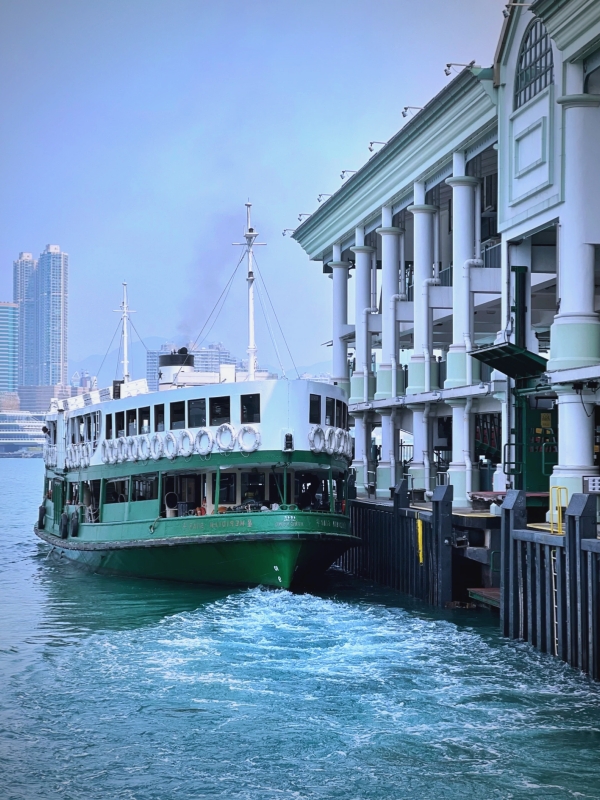
- Star Ferry
-
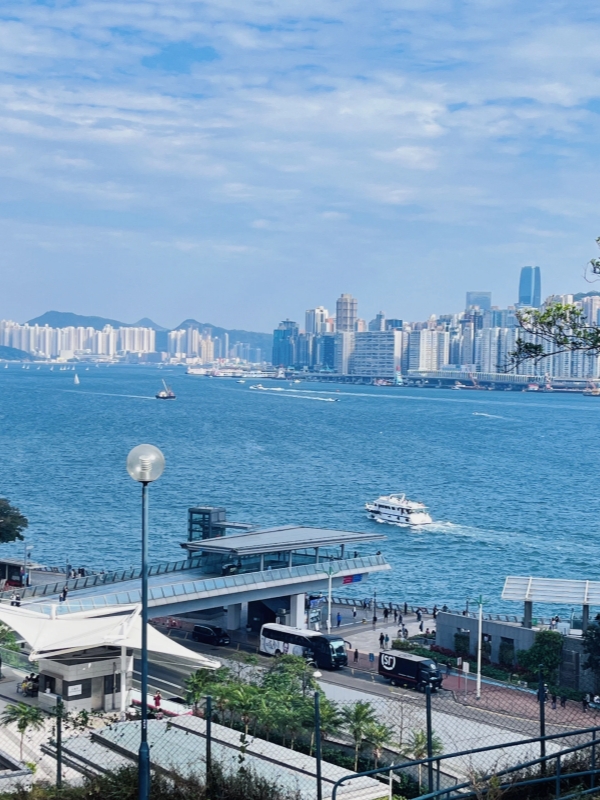
- Tsim Sha Tsui Promenade
-
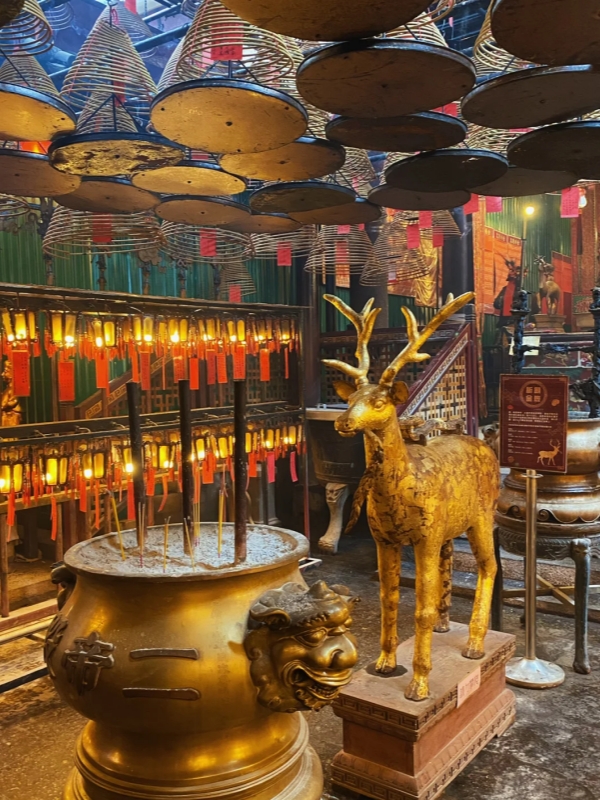
- Man Mo Temple
Victoria Harbour defines the Hong Kong experience more than any other single feature. The Star Ferry crossing between Tsim Sha Tsui and Central is one of the world's great urban commutes — a 10-minute ride across one of the deepest natural harbours on Earth. The Peak district above Central offers a different angle:
- Victoria Peak: The Peak Tram climbs 373 metres in about 8 minutes; Sky Terrace 428 delivers 360-degree views over the harbour and Kowloon.
- Star Ferry: A century-old ferry service crossing Victoria Harbour for roughly HK$2.6–3.7 (~$0.35–0.50), a Hong Kong institution.
- Tsim Sha Tsui Promenade and Avenue of Stars: A waterfront walkway with views back to the Central skyline, plus commemorative plaques for Hong Kong film stars.
- Tian Tan Buddha and Ngong Ping 360: The Giant Buddha on Lantau Island is reached by a spectacular cable car ride; Po Lin Monastery adjoins the site.
- Man Mo Temple: One of Hong Kong's oldest temples, built in 1847, dedicated to the Taoist gods of literature and war.
- Temple Street Night Market: An open-air market in Yau Ma Tei that transforms into a buzzing night bazaar after dark.
📍 Plan Your Hong Kong Itinerary: To help you visualize neighborhood layouts, MTR lines, and ferry piers across Victoria Harbour, explore our collection of Maps for Hong Kong.
Shanghai Disneyland vs Hong Kong Disneyland
Disneyland is a major decision for families and fans, and the two parks differ substantially in scale, ride lineup, and cost. Shanghai Disneyland opened in 2016 and spans approximately 390 hectares, making it the largest Disney resort in Asia. Its castle — at 69 metres, the tallest of any Disney park globally — does not represent a specific film character, a deliberate design choice. The park operates two rides that exist nowhere else in the Disney universe: TRON Lightcycle Power Run, a roller coaster built inside and around a digital arena, and Pirates of the Caribbean: Battle for the Sunken Treasure, which features trackless vehicles moving through an elaborate underwater scene.
Hong Kong Disneyland, by contrast, opened in 2005 and occupies approximately 27 hectares, making it the smallest Disney castle park in the world. Its lineup leans toward Asia-first and Marvel-first experiences, including the Iron Man Experience (the first Marvel-themed ride at any Disney park) and Mystic Manor, a trackless dark ride with a unique rotating mechanism. Ticket pricing reflects the difference in scale and regional pricing:
🏰 Plan Your Visit to Shanghai Disneyland: If theme parks are a highlight of your Shanghai itinerary, navigate park lands, rides, and transit access with our Shanghai Disneyland Resort Map.
Food, Markets and Nightlife
-
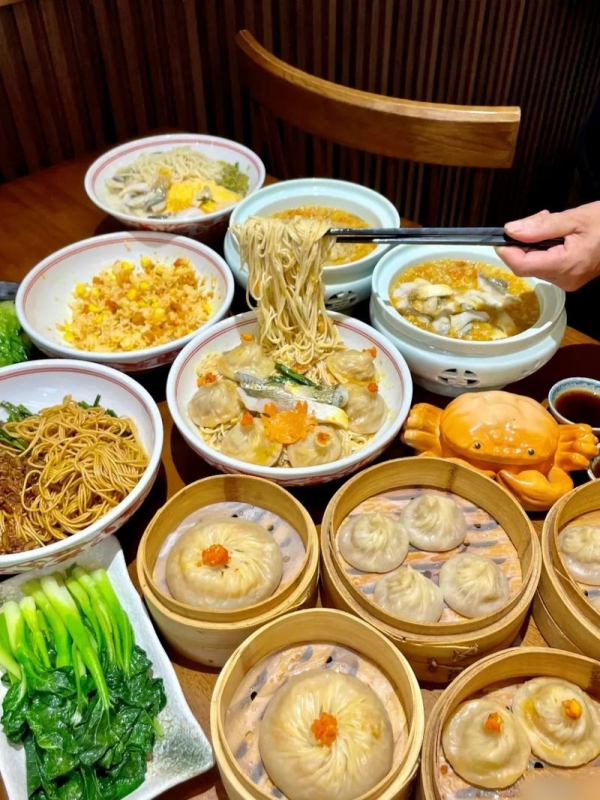
- Local Food in Shanghai
-
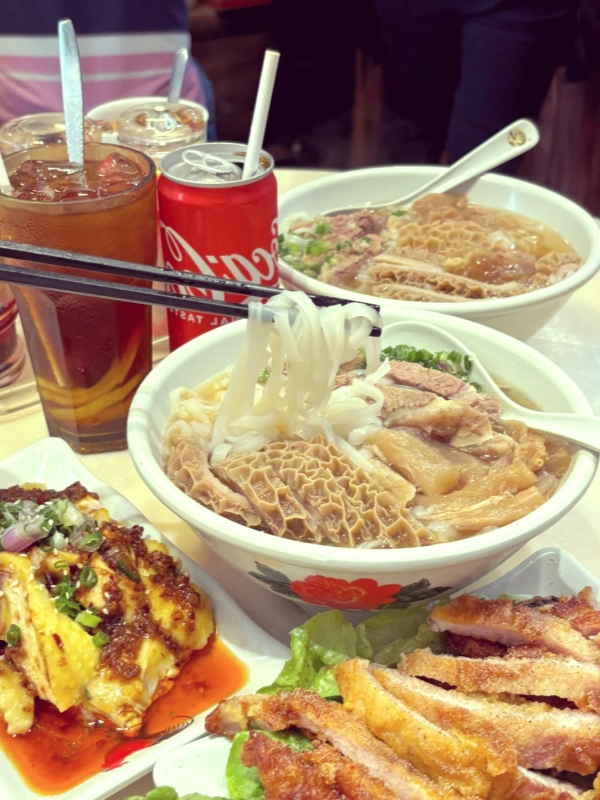
- Local Food in Hong Kong
Culinary identity separates these two cities as clearly as their skylines. Shanghai's Jiangnan cuisine is characterised by lighter seasonings, a noticeable thread of sweetness, and a deep reverence for seasonal ingredients — especially hairy crab in autumn and white shrimps in summer. Hong Kong, meanwhile, sits at the crossroads of Cantonese tradition and international influence, and its food culture moves at a faster, more globally connected pace. A meal in Hong Kong can pivot from a Michelin-starred dim sum hall to a dai pai dong street stall within the same evening.
Local Specialties Worth Trying
Both cities have signature dishes that have travelled with emigrants to Chinatowns worldwide, but tasting them in situ reveals a different class of quality. Here is what to prioritise in each city:
- Xiaolongbao, Shanghai: Soup dumplings with thin, pleated wrappers holding a ladle of hot broth and pork; the city's most recognised export dish.
- Shengjianbao, Shanghai: Pan-fried buns with a crisp, golden bottom and a juicy filling — breakfast food sold from specialist stalls throughout the Old City.
- Scallion oil noodles, Shanghai: A simple dish of thick wheat noodles tossed in fragrant oil with charred scallions; found at both street stalls and neighbourhood restaurants.
- Hairy crab (seasonal), Shanghai: Yangtze Delta hairy crab peaks in autumn (October–November); rich, buttery roe served steamed with ginger and vinegar.
- Wonton noodle soup, Hong Kong: Distinguished from Shanghai dumplings by its square egg-enriched wrapper and shrimp-and-pork filling in a dried scallop broth.
- Dim sum, Hong Kong: Steamed bamboo baskets of har gow, siu mai, char siu bao and more; the Cantonese brunch tradition that requires time and a relaxed schedule to do properly.
- Roast goose, Hong Kong: Char siu and roast duck are common, but a proper Cantonese roast goose — crispy skin, fatty meat — is a landmark Hong Kong meal.
- Egg waffles (gai daan jai), Hong Kong: Street snack made from a crispy, waffle-like batter in a cast-iron mould; sold at food carts throughout Mong Kok and Causeway Bay.
Night Markets and Street Food
The night market culture in these two cities reflects fundamentally different urban rhythms. Hong Kong takes the concept furthest — Temple Street Night Market in Yau Ma Tei operates nightly and runs into the small hours, with fortune-tellers, seafood stalls, and knock-off electronics side by side. Mong Kok's Ladies' Market and Stanley Market follow a similar late-night rhythm, and the city's 24-hour dining culture means a bowl of wonton noodles is always available at 2 a.m. Shanghai's relationship with night markets is more modest.
Yunnan Road Food Street, Wujiang Road, and the late-night clusters near Longhua and Shanghai Stadium offer solid eating into the late evening, but the scene closes earlier — most restaurants outside nightlife districts shut their kitchens by 22:00. The practical difference matters for itinerary planning: in Hong Kong, a late flight means more eating options; in Shanghai, a late flight means heading to Xintiandi or the Bund for the nightlife districts.
Weather, Seasons and Best Time to Visit
Weather will shape your packing list and which outdoor attractions you can comfortably enjoy. Shanghai sits at a similar latitude as the American mid-Atlantic, while Hong Kong hugs the South China coast near Macau — a difference that translates into dramatically different seasons and comfort levels depending on when you travel.
Monthly Weather at a Glance
The best months for Shanghai are late March to early May (peak cherry blossom) and mid-September through early November. For Hong Kong, October through December and March through April offer the mildest, driest conditions.
Clothing by Season
Packing strategy depends heavily on which season you visit. The two cities behave very differently once temperatures drop or rise.
- Shanghai Winter (Dec–Feb): A heavy coat, thermal layers, scarf, and gloves are essential. Buildings on the mainland have minimal insulation and no central heating, so layering inside is just as important as layering outside.
- Shanghai Summer (Jun–Sep): Breathable fabrics, sunscreen, and a compact umbrella are non-negotiable. Carry a light long-sleeve layer — AC in malls and the metro runs cold and constantly, often dropping interior temperatures by 10°C or more.
- Hong Kong Winter (Dec–Feb): A light jacket or fleece is usually sufficient, even in January. This is the most comfortable season for walking the city at any hour.
- Hong Kong Summer (May–Sep): Linen, moisture-wicking clothing, and reapplication sunscreen are the baseline. Air conditioning is aggressive indoors — a thin cardigan or long shirt prevents chills in restaurants, shopping centres, and the MTR.
Seasonal Flower Viewing Spots
Both cities have dedicated flower seasons that draw local crowds and offer a different lens on the destination. Here are the key spots to time your visit around.
- Gucun Park, Shanghai: The largest cherry forest in the city; peak bloom mid-March to early April.
- Tongji University, Shanghai: Campus cherry avenues draw crowds in the same mid-March window.
- Shanghai Botanical Garden: Hosts both cherry blossoms (Mar–Apr) and later tulip displays in April.
- Kadoorie Farm and Botanic Garden, Hong Kong: Cherry blossom season runs February through March, earlier than the mainland due to Hong Kong's warmer winter climate.
- Tai Mo Shan, Hong Kong: A high-elevation peak wherecherry blossoms appear from late February.
- Nanxiang Old Town, Shanghai: Chrysanthemum displays peak in October and November, coinciding with autumn food festivals in the nearby Old Town.
Getting Around: Transport Compared
Getting lost in a new city wastes time and energy. Both Shanghai and Hong Kong have among the most efficient urban transit systems in the world, but they work differently and serve different urban layouts. Shanghai sprawls across a much larger land area with a metro network that prioritises coverage over walkability, while Hong Kong packs its tourist core into a compact, dense island where every major sight is reachable within 30 minutes on foot or by MTR.
Shanghai Transit Basics
Shanghai's metro is the world's longest urban rail network, with 20 lines and more than 500 stations covering the city and into neighbouring districts. Payment options include a physical Shanghai Public Transportation Card (purchased at metro counters), or single-ride paper tickets. Mobile payments via Alipay or WeChat Pay require a mainland-linked account — foreign visitors without these can still buy a physical card or use cash at ticket machines. The Maglev train from Pudong Airport is a practical bonus: it covers the 30-kilometre run to Longyang Road in 7 minutes at a top speed of 431 km/h and costs roughly $8 (¥50) for a single trip. Taxis start at ¥15 (~$2.10) flag-fall, and Didi works reliably throughout the city.
- Metro: 20 lines, 500+ stations; buy a Shanghai Public Transportation Card or single-ride ticket.
- Maglev: Pudong Airport to Longyang Road in 7 minutes at 431 km/h; ~$8 (¥50) one-way.
- Payment: Alipay/WeChat Pay preferred by locals; physical card available for cash users.
- Taxi flag-fall: ¥15 (~$2.10); Didi the easiest app option for non-Mandarin speakers.
- Ride-hailing: Didi functions citywide; in-app English mode available.
Hong Kong Transit Basics
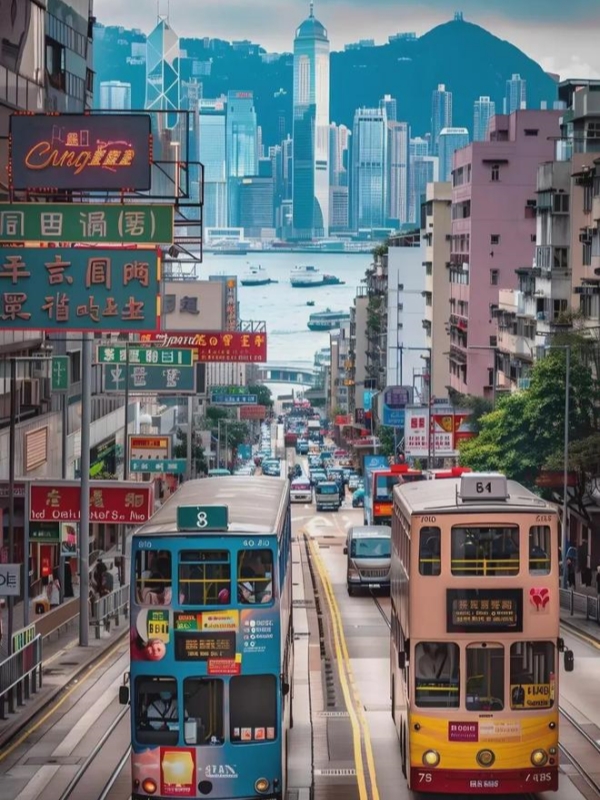
Hong Kong's MTR runs 11 lines with coverage across Hong Kong Island, Kowloon, and the New Territories, and the system extends to the airport and Lantau Island. The Octopus card is the single best tool for visitors — a rechargeable contactless card accepted on the MTR, buses, trams, ferries, and even at convenience stores. The iconic double-decker trams on Hong Kong Island (locals call them "Ding Ding") charge around HK$2.8 (~$0.35) per ride and run east-west across the island. The Star Ferry, serving Victoria Harbour between Tsim Sha Tsui and Central, costs HK$2.6–3.7 (~$0.35–0.50). Taxis in Hong Kong are colour-coded by zone — red for urban Hong Kong Island and Kowloon, green for the New Territories, blue for Lantau.
- MTR: 11 lines, comprehensive island and New Territories coverage; Octopus card works across the entire system.
- Octopus card: Accepted on MTR, buses, trams, ferries, and convenience stores — the transit all-in-one for visitors.
- Trams: Double-decker street trams on Hong Kong Island; ~HK$2.8 (~$0.35) per ride.
- Star Ferry: Victoria Harbour crossing; HK$2.6–3.7 (~$0.35–0.50) per trip.
- Taxi colours: Red = urban, green = New Territories, blue = Lantau Island.
Airport to City Centre
How you reach the city from the airport sets the tone for your first hours in either destination. The options and journey times differ significantly.
Travel Costs Compared
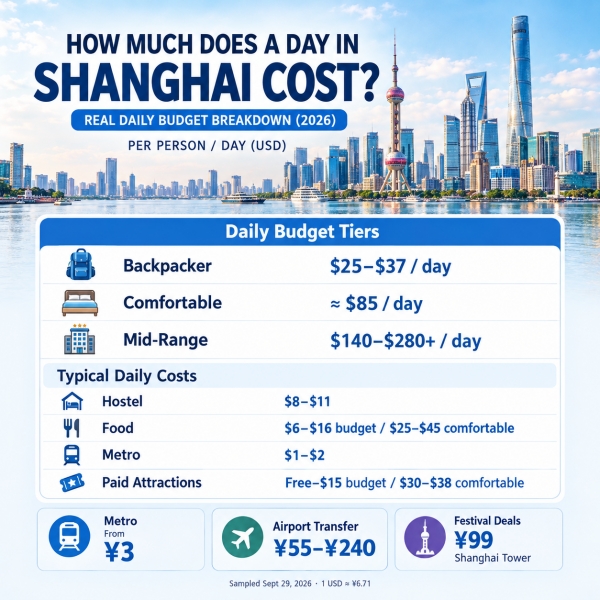
Budget is often the decisive factor in choosing between these two cities, and the gap is significant. User-submitted cost-of-living indices consistently place Shanghai at roughly half the daily cost of Hong Kong across the main spending categories. The difference is most pronounced in food and accommodation, though transport and entertainment add to the gap.
Day Trips and Side Escapes
Both cities work as bases for exploring their surrounding regions. The transport networks are fast, frequent, and comfortable enough that a full day outside the city is entirely realistic without an overnight stay. The character of these escapes differs sharply: Shanghai's surrounds are dominated by classical Chinese gardens, water towns, and high-speed rail efficiency, while Hong Kong's escapes lean toward islands, mountains, and the casino city of Macau.
Easy Escapes from Shanghai
The Yangtze River Delta around Shanghai is one of China's most developed regions for day rail travel. Hangzhou's West Lake, a UNESCO World Heritage site, is the most popular escape — the high-speed train covers the route in about 60 minutes and costs roughly $11 (¥78) for a second-class seat. Suzhou, famed for its classical gardens and silk heritage, is even closer at 25 minutes by HSR for about $9 (¥65). Zhujiajiao Water Town, an ancient canal town with stone bridges and stone-paved streets, is reachable by Shanghai Metro Line 17 in roughly 60 minutes at minimal cost — no HSR needed. Nanjing, China's historic southern capital, is accessible in 90 minutes by high-speed rail for around $18 (¥130) and rewards visitors with the Ming Xiaoling Mausoleum and the City Wall.
- Hangzhou (West Lake): 60 min by HSR, ~$11 (¥78) second class; full-day UNESCO lakeside itinerary.
- Suzhou (classical gardens): 25 min by HSR, ~$9 (¥65); Lingering Garden and Tiger Hill accessible in one day.
- Zhujiajiao Water Town: 60 min by Metro Line 17; no HSR needed, minimal cost.
- Nanjing (history): 90 min by HSR, ~$18 (¥130); City Wall, Ming Xiaoling Mausoleum, Presidential Palace.
Easy Escapes from Hong Kong
Macau is the standout escape from Hong Kong — a Special Administrative Region in its own right, famous for its Portuguese colonial architecture and casino industry. The TurboJET ferry crosses in about 60 minutes at roughly $22–28 (HK$171–220) for economy class. Lantau Island, reachable by MTR in 50 minutes, hosts the Giant Buddha, Po Lin Monastery, and a cable car experience over the South China Sea. Lamma Island offers a car-free retreat with a 25-minute ferry ride to Sok Kwu Wan, where seafood restaurants sit over the water. Sai Kung, on the New Territories coast, is a geopark destination where kayaking, hiking, and seafood-by-the-sea draw weekend crowds; a minibus from central New Territories takes about 40 minutes.
- Macau: 60 min by TurboJET ferry, ~$22–28 (HK$171–220) economy; Portuguese architecture and casinos.
- Lantau Island (Big Buddha): 50 min by MTR; Ngong Ping 360 cable car, Po Lin Monastery.
- Lamma Island: 25 min ferry; no cars, seafood restaurants at Sok Kwu Wan.
- Sai Kung (Geopark): ~40 min by minibus from central New Territories; kayaking and coastal hiking.
Frequently Asked Questions
Q: Which is better for a first-time visitor, Shanghai or Hong Kong?
Hong Kong is generally the easier first-timer option. The bilingual signage, widespread English, and compact walkable harbourfront make the city approachable even without Mandarin. Shanghai rewards travellers who can navigate a Mandarin-heavy environment and delivers bigger-scale sights at a lower cost. Many visitors with a week or more combine both cities via high-speed rail and a short ferry crossing.
Q: Is Shanghai Disneyland bigger than Hong Kong Disneyland?
Yes — the Shanghai park occupies roughly 390 hectares versus Hong Kong's approximately 27 hectares, making it more than 14 times larger. Shanghai's castle is the tallest of any Disney park globally, and it holds the only TRON Lightcycle Power Run coaster in the Disney universe. Hong Kong Disneyland holds the Iron Man Experience and Mystic Manor, which are exclusive to that park.
Q: Is Shanghai cheaper than Hong Kong for travellers?
Yes across nearly every category. A mid-range meal for two costs roughly $28 (¥200) in Shanghai versus about $64 (HK$500) in Hong Kong. A mid-range hotel night runs $90–140 (¥650–1,000) in Shanghai versus $180–260 (HK$1,400–2,000) in Hong Kong. Monthly transport is $28 (¥200) in Shanghai versus $90 (HK$690) in Hong Kong.
Q: Can I get by in English in Shanghai vs Hong Kong?
Hong Kong is far more English-friendly — most signage is bilingual, hotel and transit staff are English-fluent, and menus in tourist areas are available in English. Shanghai's English use is growing, but smaller restaurants, neighbourhood shops, and the metro system remain predominantly Mandarin-only. Foreign credit cards work at international hotel chains but may not be accepted at local restaurants or markets.
Q: How many days do I need for Shanghai or Hong Kong?
Hong Kong's core sights fit comfortably into three full days, covering the Peak, Victoria Harbour, Mong Kok, and either Lantau or a night market. Shanghai's highlights — the Bund, Yu Garden, French Concession, and a Pudong observation deck — need three days; add a Disneyland day for a four-day itinerary. A seven-day trip can comfortably cover both cities and a day trip to Hangzhou, Suzhou, or Macau.
Q: How do I travel between Shanghai and Hong Kong?
Two practical options exist. High-speed rail from Shanghai Hongqiao to Guangzhou South, then a short cross-border link to Hong Kong West Kowloon, takes about 7 hours door-to-door at roughly $120–160 (¥850–1,150) for a second-class ticket. Flying between Shanghai Pudong and Hong Kong International takes about 2.5 hours and typically costs $90–160 (¥650–1,150) in economy. Direct ferry is not a practical option for this route.
Q: Do I need a separate visa for Hong Kong?
Yes in most cases. Most foreign nationals need a separate HK entry permit or must qualify under visa-free access arrangements (roughly 170 nationalities can enter Hong Kong without a visa for 7 to 180 days depending on nationality). A mainland China visa does not grant entry to Hong Kong. Check the HK Immigration Department requirements before booking your trip.
Q: How does Shanghai compare with Beijing and Hong Kong?
The three cities offer distinct experiences. Beijing is China's political and historical centre — the Great Wall, the Forbidden City, and Tiananmen Square define the itinerary — and Mandarin is the primary language with fewer English resources. Shanghai is the financial and modern commercial hub, offering Jiangnan food, Art Deco architecture, and a cosmopolitan vibe at mid-range prices. Hong Kong provides the most international feel, a bilingual environment, Victoria Harbour, and easy access to Macau and Lantau. First-timers with one week commonly combine Beijing with Shanghai, or Shanghai with Hong Kong; visiting all three requires 10 or more days.