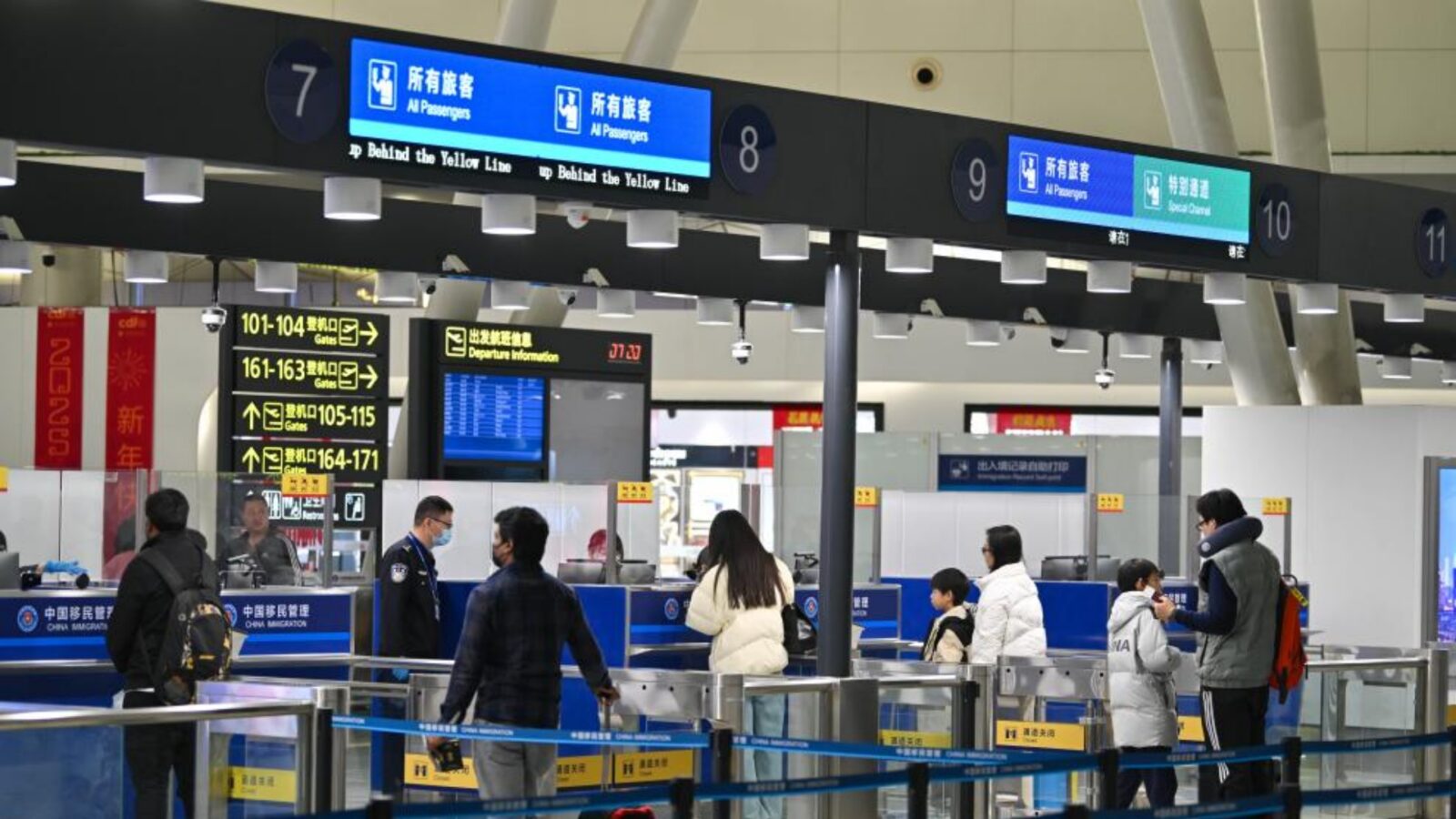
Shenzhen ROMOSS Technology Co., Ltd. has recalled several ROMOSS-branded power bank models: PAC20-272, PAC20-392, and PLT20A-152. A total of 491,745 units are affected. China's Civil Aviation Administration banned non-3C power banks immediately. Many users worry about refunds. There's growing concern over proper disposal. This guide explains what 3C power bank certification really means. It shows how to read labels. It helps avoid confiscation—whether shopping online, packing for trips, or scanning shared power banks.
What Does the 3C Certification Actually Guarantee?
-

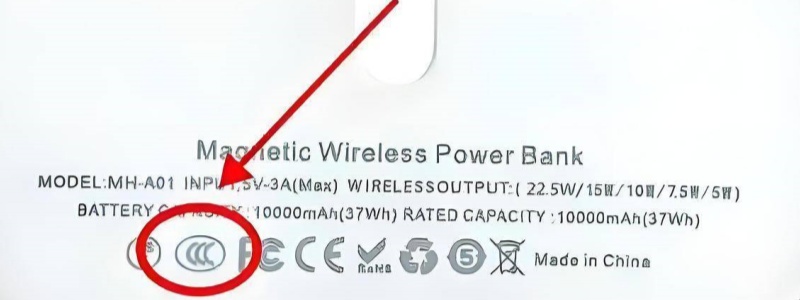
- Pass
-
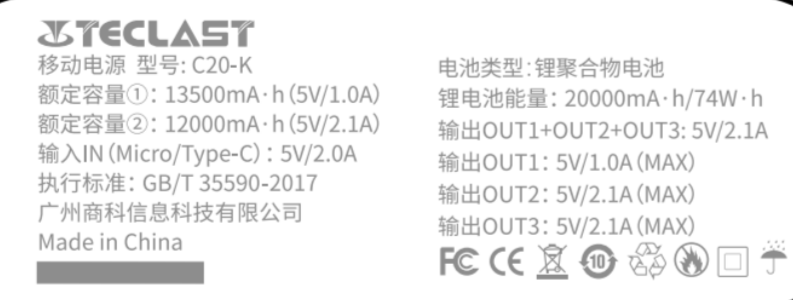

- Fail
What Is 3C Certification?
3C certification—officially 'China Compulsory Certification' (CCC, often called '3C' in Chinese: 3C认证)—is China's mandatory product safety system. It was established in 2002. Power banks were added to the mandatory list in August 2023. Strict enforcement began in June 2025 after multiple in-flight incidents.
💡 Understanding 3C vs 'Triple C'
Don't confuse '3C' with 'Triple C'—they mean the same thing. '3C' simply refers to the three Chinese characters 中国强制认证 (Zhōngguó Qiángzhì Rènzhèng).
No 3C label? Then it's not compliant. Power banks without verified marks fail mandatory standards. Forget flashy packaging. Check the label first. Match it with CNCA's official database.
What Safety Standards Power a 3C Power Bank?
The 3C mark proves safety. First, there's GB 31241-2022. This standard checks battery safety. It tests short-circuit resistance. And, it tests overcharging. It tests overheating. If a device fails, it can't pass 3C. Then there's GB 4943.1. It applies to overall structure. And, it requires flame-retardant casing. It requires reinforced USB ports. It requires internal insulation.
💡 Why 3C Is Stricter Than CE/FCC
Chinese regulators focus on real-use scenarios. Tests simulate actual conditions:
- Drops from height
- Heatwaves (40°C+)
- Faulty cables
- Prolonged use
Brands cutting corners with cheap lithium cells often fail these tests.
🔋 Challenges beyond security: Understanding specific power bank flight regulations gets you through the airport, but navigating visa-free entry, offline navigation, and verifying hotel permits are advanced skills covered in the comprehensive China Travel Survival Guide.
How Does 3C Compare to Global Safety Certifications?
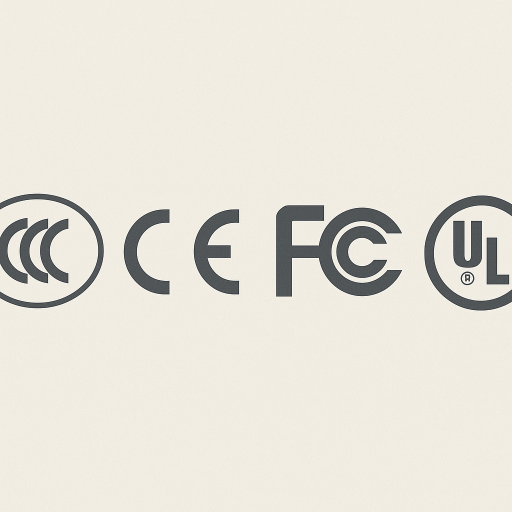
3C Vs CE, FCC, UL
Certification Comparison: 3C Vs CE, FCC, UL
| Certification | Region | Mandatory? | Key Focus Areas | Authority / Issuer | Notes |
|---|---|---|---|---|---|
| 3C | Mainland China | YES | Electrical safety, battery stability, fire resistance | CNCA | Must be 3C certified to be legally sold or used in China |
| CE | European Union | Yes | Consumer safety, electromagnetic compatibility, health | Self-declared or via Notified Body | CE alone does NOT guarantee compliance with Chinese regulations |
| FCC | United States | Yes | Radio frequency emissions, EMI/EMC | FCC (Federal Communications Commission) | Focuses on signal interference, NOT fire or battery safety |
| UL (UL 2056) | US / Canada | No (voluntary) | Flammability, circuit integrity, battery risk assessment | Underwriters Laboratories | Often used for quality branding, especially in retail markets |
⚠️ Only 3C is accepted for legal sales and transport in China. CE/FCC does NOT replace 3C certification.
What Makes 3C Power Banks Safer in Real Life?
3C power bank rules aren't just paperwork. They change real usage. In China, certified power banks must pass heat resistance tests. They must pass short-circuit tests. And, they must pass drop tests. That means they won't explode. Your bag gets bumped in subway. Summer heat hits 40°C. Many cheap brands skip tests. They rely on low-quality lithium cores. That's why 3C-certified models feel heavier. They often have better shielding. They have real capacity.
Also, 3C power banks protect devices. Ever had phone overheat when fast charging? Certified models use smart chips. They regulate output. And, they stop charging once full. They monitor port temperature real-time. These safety circuits aren't for show. They've prevented battery fires. They've prevented melting cables. When power bank costs more, you're not paying for branding. AndYou're paying for real-life durability. You're paying for internal safety. You're paying for regulatory trust.
Why Is 3C Certification Mandatory for Power Banks in China?
3c logo
What's Behind the 2025 National Policy Shift?
The crackdown came fast. On June 26, 2025, CAAC issued an emergency notice—effective just two days later on June 28. The trigger? A string of alarming incidents:
- January 2024: An Air Busan flight experienced a lithium battery fire mid-flight, prompting ICAO discussions on portable charger safety
- May 2025: SAMR ordered ROMOSS to recall 491,745 units across three models (PAC20-272, PAC20-392, PLT20A-152) due to battery defects
- Early 2025: Multiple Chinese airports reported confiscating thousands of non-compliant power banks weekly
This wasn't gradual policy—it was crisis response. The two-day notice period left millions of travelers scrambling.
To fix this, government made 3C mandatory. It's no longer quality badge. It's legal requirement. According to CAAC's 2024 aviation bulletin, power banks above 160Wh are banned. Only certified products under 100Wh can be carried onboard. A joint notice from SAMR and MIIT added requirements. Products without proper labeling must be pulled. Products without test reports must be pulled.
What Exactly Is Banned under the New Rules?
The 2025 regulation doesn't ban foreign brands. But it blacklists non-compliant 3C power banks. So what exactly is banned? First, anything without visible CCC label. If stamp is cheap sticker, it's out. If missing critical info like energy rating, it's out. And, if missing capacity, it's out. If missing manufacturer ID, it's out. Second, products on official recall list. SAMR updates monthly. These include brands with fake batteries. They include swollen units. They include false advertising.
💡 Quick Capacity Calculator: mAh to Wh Conversion
Formula: Wh = (mAh × 3.7) ÷ 1000
Examples:
- 20,000mAh @ 3.7V = 74Wh ✅ (under 100Wh limit)
- 30,000mAh @ 3.7V = 111Wh ⚠️ (needs airline approval)
- 50,000mAh @ 3.7V = 185Wh ❌ (exceeds 160Wh, banned)
Most power banks use 3.7V nominal voltage. If unsure, multiply mAh by 0.0037.
Next, let's talk capacity. Devices over 160Wh not allowed on planes. Anything between 100Wh–160Wh needs airline approval. Limited to two per person. If power bank has no energy rating label, that's no-go. Same goes for products sold without 3C documentation. Even if bought abroad. Shared power banks from unregistered providers being pulled. They're removed from metro stations. Cities like Guangzhou and Shenzhen enforce this.
If you're stressed about which 3C-certified brand and model to pick, these recommended models all meet China’s 3C travel rules.
How to Check a 3C Power Bank Before You Buy or Use It?
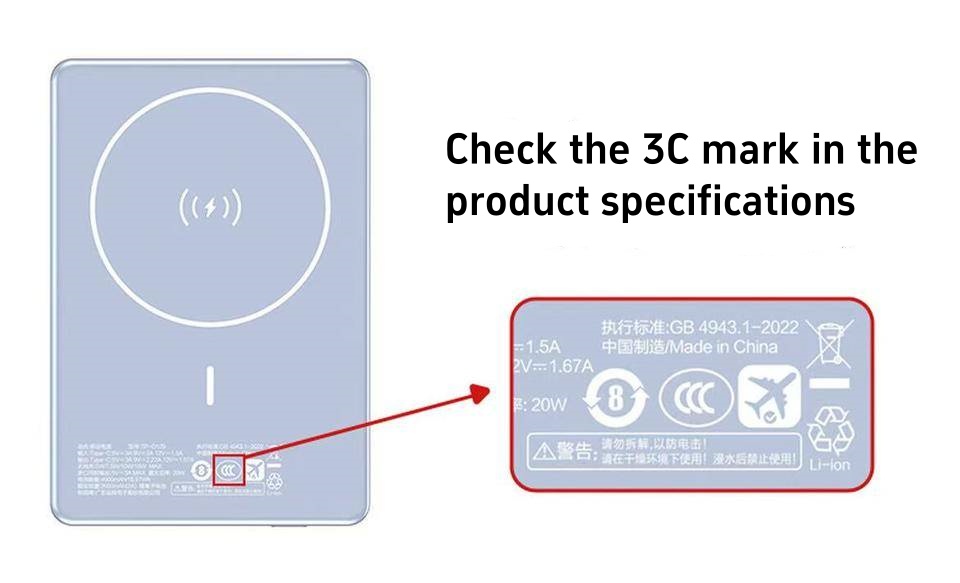
How to Check a 3C Power Bank?
What to Look for on the 3C Label?
💡 Official Verification Steps: Check Your Power Bank's Authenticity
Step 1: Visual Check Locate the CCC mark on your power bank's back or side panel. Authentic marks are laser-etched or embossed, not stuck-on labels. Red flags include: blurry printing, peeling edges, or logo placed awkwardly away from other certification marks.
Step 2: Online Verification Near the CCC logo, find certificate number (format: 2023XXXXXXX). Verify it on official CQC database:
- Website: cqc.com.cn → Click '证书查询' (Certificate Query)
- App: Download '认证认可信息查询' from app store
Step 3: Check Recall List Even certified products can be recalled. Search your model at samr.gov.cn → '产品召回' (Product Recall). The ROMOSS models PAC20-272, PAC20-392, and PLT20A-152 are currently blacklisted.
Pro tip: Take screenshot of verification results. It may help if airport staff question device.
Start with 3C label itself. Real ones are printed directly. They're embossed onto case. Not stickers. If logo peels, walk away. If it fades, walk away. Fake 3C marks are sloppy. They have misaligned fonts. They have low-res prints. This is first red flag.
Next, check label's content. Legit 3c power bank will show: Rated Capacity in mAh or Wh; Voltage level (typically 3.7V or 5V); Battery type (Li-ion or Li-polymer); Energy efficiency rating; Manufacturer details, like company name and factory code. Missing any? That's likely non-compliant. Don't just check box. Inspect power bank itself. Printed specs on packaging are easy to fake. Legit devices have permanent marks on casing. If something looks vague, skip it. If oddly worded, skip it.
What Quick Tests Can Spot Unsafe Devices?
You don't need lab tools. Use basic observation. Use touch. If 3c power bank feels unusually light, it might be hollow. It might be low-capacity. Tap it. If sounds empty, red flag. If rattles, red flag. Check USB ports. Loose sockets suggest poor quality. Tilted sockets suggest poor quality. Crooked sockets suggest poor quality.
During use, be alert. Safe 3c-certified device shouldn't overheat. Even during fast charging. If hot to touch—above 45°C—stop using it. Also, test charging speed. If drastically slow with known-good cables, internal issues may brew.
Finally, trust your gut. If product looks too cheap, don't risk it. If from unknown brand, don't risk it. Spend few extra dollars for certified products. Buy from official stores. Buy from verified platforms. Small checks now prevent serious problems later. If you're not sure how to choose a power bank—or have no idea which brands to trust—check out this guide.
Safe Usage Guidelines for Power Banks
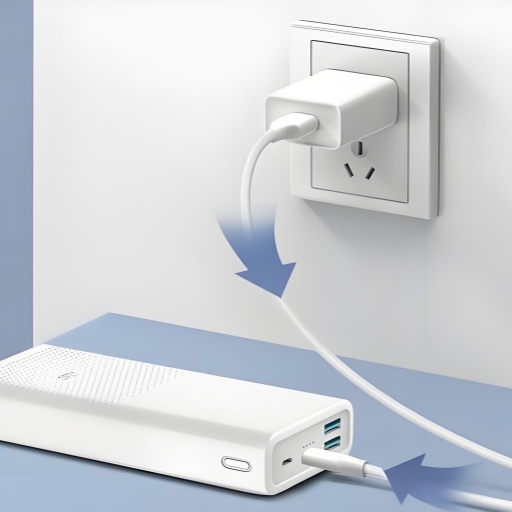
Safe Usage Guidelines for Power Banks
What Habits Keep Your 3C Power Bank Working Safely?
Owning 3c power bank is first step. Using it properly is what matters. Start with simple habits: avoid charging while using phone. This generates extra heat. Can degrade battery over time. Also, don't leave power bank plugged overnight. Overcharging—even with certified device—shortens lifespan. May trigger thermal stress.
Next, always store 3c power bank in dry, cool place. Humidity can damage internal circuits.
- Never leave in hot car.
- Never leave on windowsill.
- Never leave near stove.
If device gets abnormally hot—over 45°C—unplug immediately. Many fires start because users ignore early warnings. That's why certified power banks come with overheat protection. But it's your responsibility. Keep it in safe conditions.
Which Accessories and Environments Should You Avoid?
Even 3c power bank becomes dangerous with wrong accessories. Don't mix and match cables from unknown brands. Always use chargers with matching voltage. Use matching current ratings. Using fast-charger on incompatible power bank may cause swelling. May cause short circuits. Also, skip cheap multi-head cables. They're sold in tourist shops. They often lack shielding. They lack quality checks.
Your environment matters too.
- Avoid bathrooms.
- Avoid beaches.
- Avoid crowded backpacks.
If you carry 3c power bank with keys or coins, sharp metal can scratch casing. Can damage ports. Try keeping it in dedicated pouch or sleeve. Also, some subway and train systems screen for uncertified devices. Even though your 3C-certified model is legal, being visibly cautious helps. Avoids delays. Avoids suspicion during travel.
Flying Scenarios Explained: When and Where 3C Rules Apply
Flying INTO China (Inbound International)
Risk level: Low.
International arrivals rarely face 3C checks. Bags go through customs, not CAAC security. However, if connecting to domestic flight, you'll re-clear security. That's when checks happen. Your non-CCC power bank will pass customs. It will be confiscated on any subsequent domestic flight. Plan accordingly.
Domestic Flights Within China
Risk level: High.
This is strictest enforcement. Beijing, Shanghai, Guangzhou, Shenzhen airports actively scan. They scan for non-compliant devices. Expect power bank pulled from bag. Expect inspection. Security officers check for: visible CCC mark on surface; legible capacity markings; model numbers against recall lists; overall device condition.
Flying OUT OF China (Outbound International)
Risk level: Medium-High.
Surprisingly, outbound security is strict. Even leaving China, you pass CAAC-regulated checkpoints. Non-3C devices can still be confiscated. Multiple travelers report confiscations on direct international flights. Assume your power bank will be inspected.
Transiting THROUGH China
Risk level: Variable.
If staying airside, you may avoid checks. But many transit passengers must re-clear security. Especially at Beijing Daxing. Especially at Shanghai Pudong. Assume power bank will be inspected. Example: New York → Shanghai → Xi'an means power bank checked at Shanghai transfer.
Hong Kong & Macau Flights
Risk level: None.
Hong Kong (HKCAD) and Macau (AACM) don't follow CAAC rules. 3C certification NOT required. Flights within or departing these regions are exempt. However, if flying Hong Kong → Mainland China, clearing security on mainland side applies rule. Bottom line: If flying domestically or departing mainland airport, bring 3C-certified power bank.
What to Do If Your Power Bank Gets Confiscated
Three Options at the Airport
| Option | Description | Best For |
|---|---|---|
| Temporary Storage | Free storage for 7-10 days at major airports. Request at service counter. Receive claim receipt. Return within deadline. | Travelers returning through same airport |
| Express Mailing | SF Express counters available. Domestic: ¥20-50 ($3-7). International: higher rates. Ship to home or hotel. | One-way trips or valuable devices |
| Voluntary Surrender | Recycling bins at checkpoints. Items disposed through certified recovery. No retrieval possible. | Low-value or damaged devices |
💡 Tip: Ask about storage options before handing over device. Don't assume disposal is only choice.
Airport Storage Services (Major Cities)
| Airport | Storage Location | Duration | Special Notes |
|---|---|---|---|
| Beijing Capital (PEK) | T3 parking lot service center | 7-10 days | Strictest enforcement; detailed retrieval instructions |
| Shanghai Pudong (PVG) | Passenger service centers | 7 days | Chinese & English signage available |
| Guangzhou Baiyun (CAN) | T1 Floors 2&3; T2 Floors 3&4 | 7 days | Must call 1 day in advance for retrieval |
| Shenzhen Bao'an (SZX) | Service counters | 7 days | More foreigner-friendly handling |
Emergency Alternatives: Shared Power Banks & Where to Buy
💡 Shared Power Bank Rental Guide for Foreign Travelers
Major brands: Jiedian (街电), Energy Monster (怪兽充电), Xiaodian (小电)
How foreigners can rent:
- Open Alipay and scan QR code on rental station
- If prompted, set up Alipay Tour Pass (links to international credit card)
- Pay deposit: typically ¥99 (refundable when returning device)
- Rental fee: ¥1-4 per hour depending on location (airports charge more)
- Return power bank to any station of same brand—not just where you rented
Heads up: WeChat-only stations require Chinese phone number. Stick with stations displaying Alipay logo if you only have foreign number.
Before renting, quick-check unit: avoid cracked casings, exposed wires, or missing labels.
Purchase New 3C Power Bank:
| Capacity | Price Range (CNY) | USD Equivalent |
|---|---|---|
| 10,000mAh | ¥79-129 | $11-18 |
| 20,000mAh | ¥129-200 | $18-28 |
| Airport stores | ¥200-300 | $28-42 |
Where to buy: Xiaomi stores (every major mall); Huawei/OPPO/Vivo official stores; 7-Eleven, FamilyMart, Lawson (limited selection); Airport convenience stores (higher prices, guaranteed compliance); JD.com or Tmall (online; verify 3C certification in listing)
Frequently Asked Questions (FAQs)
Q: Can I rent shared power banks without worrying about 3C?
A: Not anymore. In 2025, all shared charging stations must use 3C-certified units. Many older ones got pulled from subway stations and malls. Before renting, look for 3C mark on side or ask staff. Brands like Jiedian and Energy Monster now update inventory regularly. Still, inspect unit before plugging in. Avoid cracked casings. Avoid exposed wires. If something looks off, skip it. Rental power banks are convenient—but only when they're safe and compliant. These shared 3c power bank units meet aviation requirements for domestic flights.
Q: Are 3C power banks allowed on China's high-speed trains?
A: Yes, 3C-certified power banks are totally fine on bullet trains. Conductors rarely check them like airports do, but rules still apply. If your power bank looks bloated or lacks labels, it might get flagged during random checks. Some stations scan bags at entry—especially in Beijing or Guangzhou. To stay chill, use compact 3C power bank under 100Wh. Avoid super high-capacity ones unless clearly labeled. Trains have outlets, but power flow can be unstable for charging devices. So having safe, certified 3c power bank is best bet for charging on the go.
Q: Can I bring more than one 3C power bank when flying in China?
A: Yes, but there's a limit. You can bring up to two power banks between 100–160Wh with airline approval. Under 100Wh? Bring several—but keep them in carry-on, not checked baggage. Each device needs visible energy info. Airlines don't care how new or branded it is—if it lacks clear label, it's no-go. Also, if one looks damaged or bloated, staff might ask you trash it. Keep all 3C power banks in original condition, and pack them neatly. Don't let them roll loose in bag for travel safety compliance.
Q: Are 3C-certified power banks more expensive than regular ones?
A: Not really. Prices have dropped lot since 2025 rules kicked in. You can find 3C power banks starting from 79 RMB (around $11) on JD.com or Pinduoduo. What you pay extra for is peace of mind—tested battery cells, fire-resistant casing, better lifespan. Cheap, uncertified models may cost less upfront, but fail fast. Plus, they might get confiscated at airports or stations. If traveling around China for even week, spending bit more for certified 3c power bank isn't just smart—it's necessary for compliance.
Q: Are cheap 3C power banks safe to use long-term?
A: Not all cheap ones are bad—but check twice. Some budget brands meet 3C certification minimum but cut corners elsewhere: thinner casing, weaker ports, no surge protection. These pass inspection but may wear out faster. To stay safe, test yours monthly: feel for heat, check if charges evenly, listen for unusual sounds. If you want long-term reliability, invest bit more in brands with both 3C and extra safety guarantees. Quality 3c power bank models with proper certification provide better value over time than cheap alternatives.
Q: Can I recycle old 3C power banks in China?
A: Yes, and you should. 3C power banks still contain lithium cells, which can't go in normal trash. Many malls, metro stations, electronics stores have battery recycling bins. In big cities, even Xiaomi and Huawei stores accept old units. Wrap your power bank in paper or padded envelope, drop it off properly. It's safer for you and environment. If battery is swollen or cracked, avoid mailing—may trigger fire sensors during transit. Proper disposal of old 3c power bank units helps environmental safety and compliance.
Q: How often should I check if my 3C power bank is still safe?
A: At least once month. Even 3C power bank can wear out with daily use. Check for swelling, strange heat, or slower charging. Loose USB ports are warning sign too. If your device feels unusually hot or takes forever to charge, stop using it. Many issues show up slowly, not all at once. Regular checks take one minute and can prevent serious damage. Just treat it like checking car tires—small habits, big safety. Maintaining your 3c power bank properly ensures continued compliance and safe operation throughout its lifespan.
Q: How do I convert mAh to Wh for my power bank?
A: Converting mAh to Wh requires simple formula that every traveler should know. Multiply your power bank's mAh rating by 3.7 (standard voltage for lithium-ion cells), then divide by 1,000. A 20,000mAh 3c power bank equals approximately 74Wh, safely under China's 100Wh carry-on limit. This calculation helps you quickly determine whether your device meets airline requirements and ensures compliance with aviation safety standards for battery-powered devices during travel.
Q: What's the difference between inbound and outbound flight rules?
A: Flying into China offers more flexibility than departing from it. International arrivals generally pass through customs without 3C certification checks on power banks. However, any subsequent domestic flight triggers strict enforcement, and your non-certified 3c power bank will be confiscated at security. When leaving China, assume CCC requirements apply—multiple airports enforce these rules on all departures from mainland Chinese terminals regardless of international destination for comprehensive safety compliance.
Q: Do Hong Kong and Macau flights follow mainland China rules?
A: Hong Kong and Macau operate under separate aviation authorities with different regulations. Neither territory requires CCC certification for power banks. However, both banned overhead compartment storage starting April 2025. If your journey includes connecting flight to mainland China, CCC rules apply for that domestic segment. Your 3c power bank only needs certification for mainland domestic legs, providing more flexibility for international travelers using Hong Kong or Macau as transit points.
Want more China travel ideas? Check out our city guides on Beijing, Shanghai, Guangzhou, and Chengdu.