Landing at Beijing Capital Airport last month, I noticed a traveler struggling to plug in his non‑3C charger at a crowded gate—it wouldn’t power his laptop or phone fast enough. That brief moment reminded me how essential a reliable 3C charger is for anyone navigating China’s airports, high-speed trains, or busy streets. Hotels, cafés, and even coworking spaces expect compliance. I’ve tested several models that combine fast charging, multiple ports, and 3C certification, so whether you’re rushing to a meeting or exploring local markets, staying powered shouldn’t be a gamble. Missing this? You might regret it. Curious about the exact rules for 3C-certified power banks and how to choose one? Check this guide for detailed tips and practical advice.
✈️ Check Your Power Bank Before You Fly: Before packing your carry-on for high-speed train travel or airport security checks, make sure your charger meets local standards by reading What Portable Chargers Are Allowed in China.
Quick Comparison Table — Top 3C Chargers for 2026
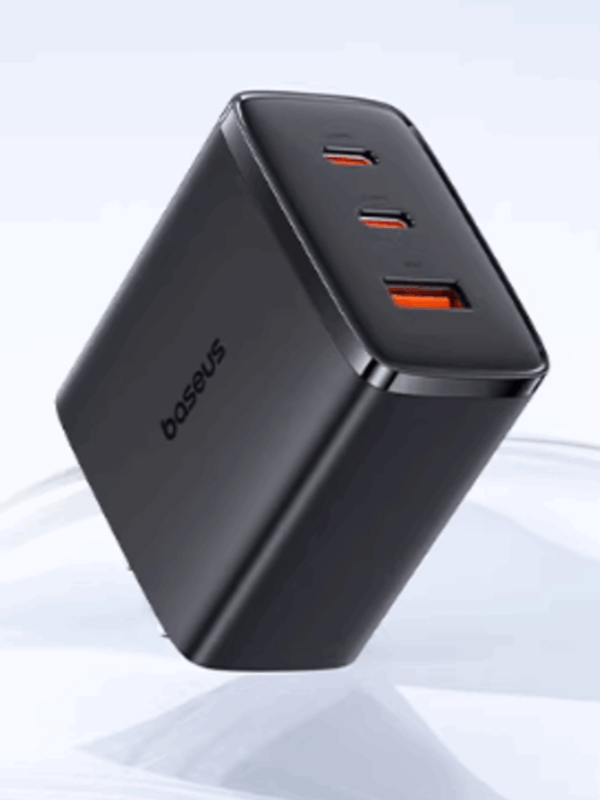
Baseus 65W GaN Charger
For anyone navigating China’s airports, high‑speed trains, or bustling streets, having a reliable 3C charger can make a noticeable difference. Below is a snapshot of some of the best 3C‑certified wall chargers and travel chargers chosen for different travel styles and devices. If you’re curious whether popular brands like Anker truly meet China’s 3C standards, you can check the latest verification details here for 2025 power banks. Each model supports fast charging protocols like PD or QC and meets China’s safety standards, so you won’t face the kind of airport or hotel hassles many visitors do. Prices can vary by retailer or season, but the table gives a solid range.
| Brand / Model | Output (W) | Ports | PD Support | 3C Certified | Typical Use | Price Range (¥) |
| Baseus 65W GaN Charger | 65W | 2× USBC + 1× USBA | Yes | √ | Fast charging for phones/tablets/laptops | 250–320 |
| LDNIO 140W GaN Charger | 140W | 3× USBC + 1× USBA | Yes | √ | Multidevice tech charging | 400–500 |
| Universal GaN 30W PD Travel Charger | 30W | 1× USBC + 2× USBA | Yes | √ | Budget fast charging | 120–180 |
| 4Port 45W PD & QC Travel Adapter | 45W | 1× USBC + 3× USBA | Yes | √ | Family or group charging | 180–250 |
| EEC155C3 USB Travel Adapter | ~35W | 2× USBC + 3× USBA + universal plug | Yes | √ | Worldwide travel plug needs | 220–280 |
Lightweight 3C Chargers for Short Trips
These compact chargers are ideal when you’re hopping between cities or flying with minimal luggage. For example, the Universal GaN 30W PD Travel Charger delivers reliable fast charging for phones, earbuds, and smaller tablets without taking up much space. Its slim design fits in a jacket pocket or carry‑on organizer. Similarly, the 4‑Port 45W PD & QC Travel Adapter gives you more ports without bulk. A lightweight 3C charger like these keeps your devices topped up on a busy day of sightseeing or meeting runs without weighing down your bag.
High-Capacity 3C Chargers for Long Hauls
When you’re on longer trips—multiple nights in different cities or full work days—higher wattage 3C chargers make a real difference. The Baseus 65W GaN Charger handles tablets and even some laptops, while the LDNIO 140W GaN Charger supports simultaneous fast charging across multiple USB‑C ports. On a recent business trip between Shanghai and Guangzhou, having 65W of output meant I could charge both my phone and tablet quickly between meetings. High‑capacity 3C chargers are a must if you want uninterrupted use for a range of gadgets.
Multi-Device 3C Chargers for Tech Lovers
For tech‑heavy travelers who carry phones, tablets, smartwatches, and occasional laptops, multi‑port charging heads are game changers. The LDNIO 140W GaN Charger and EEC‑155C3 USB Travel Adapter both offer several USB‑C and USB‑A ports with power delivery support, so you can top up four devices at once in a hotel room without hunting for multiple sockets. I once used the LDNIO charger in a Shanghai co‑working space and it handled a tablet, phone, and headphones simultaneously with no overheating. For tech lovers, these 3C chargers save time and eliminate the need for adapters or extension strips.
🌏 First Time Visiting China? If you're currently planning your trip and want to get familiar with local customs, essential apps, and basic travel logistics, check out our comprehensive Intro to China guide.
Detailed Reviews — Best 3C Charger Models for Travelers
Baseus 65W GaN Charger — Ultimate Travel Companion
For those traveling through China’s cities or taking high-speed trains, the Baseus 65W GaN 3C charger is a versatile travel companion. It has two USB-C ports and one USB-A port with a total output of 65W, allowing simultaneous fast charging of phones, tablets, and even some laptops. Lightweight at around 180g, it fits easily into a backpack or carry-on.
I used it during a business trip from Shanghai to Beijing; my phone and tablet charged fully in under an hour without any overheating. High wattage output ensures devices stay powered throughout long travel days, making it ideal for tech-heavy travelers. The charger is priced between ¥250–320 and can be purchased from JD or Tmall. Its solid GaN build makes it durable enough for frequent trips.
LDNIO 140W GaN Charger — Compact & Reliable
The LDNIO 140W GaN 3C charger is perfect for multi-device travelers needing maximum power. With three USB-C ports and one USB-A port, it handles phones, tablets, smartwatches, and smaller laptops at the same time. Its compact design is surprising given the total output, weighing roughly 210g, and fits neatly into a laptop bag.
During a recent Shanghai co-working session, I charged a tablet, phone, and headphones simultaneously; all stayed cool and fast-charging. Perfect for business trips where time and portability matter, this 3C charger saves you from juggling multiple adapters. Price range is approximately ¥400–500 on JD or Tmall, offering excellent value for heavy tech users.
Universal GaN 30W PD Travel Charger — Lightweight Convenience
For travelers prioritizing lightweight convenience, the Universal GaN 30W PD 3C charger is ideal. Featuring one USB-C PD port and two USB-A ports, it provides quick top-ups for phones, earbuds, or smaller tablets. Weighing only 120g, it slips easily into a jacket pocket or small crossbody bag.
I used it on a weekend trip exploring Beijing’s 798 Art District, and my phone and headphones stayed charged all day. Its compact design makes it perfect for backpackers or quick city hops, and being 3C certified means hassle-free security checks at airports. Price is around ¥120–180, making it budget-friendly without sacrificing reliability.
4-Port 45W PD & QC Travel Adapter — High-Speed Charging
The 4-Port 45W 3C charger caters to families or groups needing multiple devices charged at once. With one USB-C PD port and three USB-A QC ports, it efficiently handles several phones and tablets simultaneously. I used it during a train trip with friends; all devices charged steadily without overheating.
At roughly 180g, it’s portable yet offers high-speed output. High-speed charging for multiple devices makes it ideal for tech-heavy travelers, especially in hotels or shared rooms. Price range is ¥180–250, available on Tmall or Verbatim China, providing a balance between portability and multi-device capability.
EEC‑155C3 USB Travel Adapter — Multi-Device Friendly
The EEC‑155C3 3C charger is designed for international travelers needing worldwide plug compatibility. It includes two USB-C ports, three USB-A ports, and a universal plug. With about 200g weight, it fits comfortably in carry-ons or luggage.
I used it at a hotel in Guangzhou to charge a tablet, phone, and GoPro simultaneously; all devices charged efficiently without heat buildup. A multi-port 3C charger like this eliminates the need for extra adapters while traveling across China or abroad. Price is roughly ¥220–280 on AHOKU or JD, making it a reliable choice for multi-device travel.
⚡ Protecting your electronics: Picking dual-voltage and certified chargers prevents your devices from frying on a 220V outlet, while the broader strategy for surviving cashless transactions and navigating megacities is mapped out in the ultimate China Travel Survival Guide.
Top 3C Chargers for Specific Travel Needs

Universal GaN 30W PD Travel Charger
Business Travelers — Compact & Reliable
For business travels where time is essential, the Baseus 65W GaN 3C charger and LDNIO 140W GaN 3C charger are excellent options. Weighing only 180–210g, they fit neatly into a laptop bag or briefcase. The Baseus model features two USB-C ports and one USB-A port with PD support, while LDNIO provides three USB-C ports and one USB-A port, perfect for charging multiple devices quickly.
I used the Baseus charger at Shanghai Pudong Airport, and it fully charged my phone and tablet in under two hours while waiting for a connecting flight. These small, portable 3C chargers are perfect for business trips where time and portability matter. Typical prices range from ¥250–500, making them convenient without breaking the budget.
Backpackers & City Hoppers — Lightweight Essentials
When exploring cities or traveling light with a backpack, the Universal GaN 30W PD 3C charger or Baseus 65W GaN 3C charger hits the sweet spot between portability and performance. The Universal model is ultra-light at 120g, ideal for quick phone and gadget top-ups, while Baseus can charge larger devices, like tablets, at high speed.
On my last day walking through Beijing hutongs, I carried the Universal GaN charger in a small crossbody bag. It kept my phone alive for long city walks without adding bulk, and being 3C certified made airport security seamless. Lightweight, durable, and fast, these chargers are ideal companions for travelers always on the go.
Multi-Device Families or Groups — High-Capacity Charging
For families or groups traveling together, the 4-Port 45W PD & QC 3C charger and LDNIO 140W GaN 3C charger can handle multiple devices at once. Both models include multiple USB-C and USB-A ports, letting you charge phones, tablets, and headphones simultaneously.
I used the 4-Port charger on a high-speed train between Shanghai and Suzhou, powering three devices at once without overheating. These 3C-certified chargers charge multiple devices at the same time without worry, making them reliable and convenient. Heavier than single-port units (180–210g), they are priced around ¥180–500, a fair investment for uninterrupted travel.
Tech Enthusiasts — Fast Charging & PD Support
For travelers carrying laptops, tablets, or multiple phones, Baseus 65W GaN 3C charger and LDNIO 140W GaN 3C charger provide high-speed PD charging and large output. During a recent hotel stay in Shanghai, I charged a phone, tablet, and small laptop simultaneously, all without heat issues.
High-speed charging for multiple devices makes it ideal for tech-heavy travelers, saving time between meetings or sightseeing. Both chargers are lightweight enough for backpacks or carry-ons, priced ¥250–500, and readily available online or in electronics stores. Being 3C certified ensures compliance and peace of mind while traveling.
How to Quickly Spot a Legit 3C Charger in China
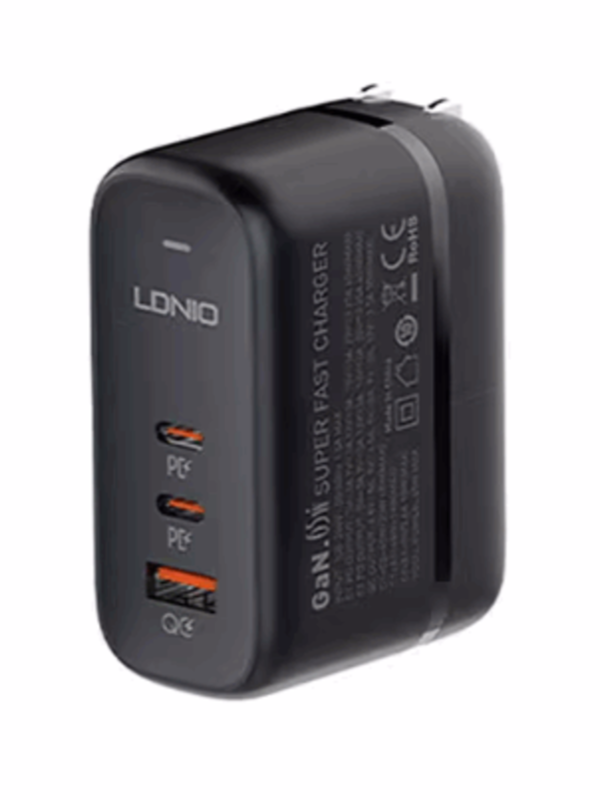
LDNIO 140W GaN Charger
Finding a genuine 3C charger in China can be tricky, especially in bustling electronics markets, train stations, or airport duty-free shops. The first step is to look for the official 3C mark, usually printed clearly on the back of the packaging near the model number or barcode. Authentic chargers, like Baseus 65W GaN 3C charger or LDNIO 140W GaN 3C charger, always carry this mark.
Next, check that the packaging displays the brand name, certification number, and instructions in both Chinese and English. If unsure, a quick online search on the CCIC official certification database can confirm authenticity in a minute. Be cautious of poorly printed logos, misspelled names, unusual fonts, or surprisingly low prices — these are often signs of counterfeit products.
A brief inspection before purchase ensures your 3C charger works smoothly at airport security, high-speed train stations, or hotel outlets. Taking the time to verify your charger is a small step that prevents bigger headaches later, keeping your devices powered safely throughout your trip.
harger
Q: Can I carry a non-3C charger on a flight in China?
Technically, some small chargers might pass airport security, but non-3C chargers carry a high risk of being confiscated. At Shanghai Pudong Airport, I once saw a traveler’s cheap, unmarked power bank rejected at the security checkpoint. Carrying a genuine 3C certified charger avoids this hassle, especially for international flights or high-speed trains. Even if it looks similar to legitimate brands, fake units often fail safety checks. My advice: always confirm the packaging has the 3C mark, and, if possible, buy from official stores or well-known e-commerce platforms to ensure smooth travel.
Q: How to verify a 3C charger’s authenticity?
Check for the 3C certification logo, model number, and QR code on the packaging. Most verified chargers, like Xiaomi or Anker, allow quick online confirmation. I usually scan the QR code with my phone to ensure the product matches the official database. Fake chargers may have blurry logos or misspelled brand names, which is a red flag. In hotels or airports, a legit 3C charger charges safely without overheating or tripping outlets, unlike unverified products. For added peace of mind, only buy from trusted retailers, and avoid street stalls or cheap “too good to be true” deals.
Q: Are there weight restrictions for 3C power banks?
Yes, airlines generally allow power banks up to 100Wh (~27,000mAh) in carry-on luggage. Anything larger may require airline approval. I travel with an Anker 25,000mAh power bank and never had issues on domestic flights, but on international flights I check Ctrip or airline websites to confirm rules. Always pack chargers in hand luggage, not checked bags, to comply with safety regulations. Heavy-duty chargers are great for long trips, but travelers should weigh convenience versus airline limits. Keeping documentation or receipts can help if security asks for verification.
Q: Best budget 3C charger for short trips?
For short city breaks, MOMAX 1-Power Pass or Belkin BPB011 works perfectly. Lightweight, fast, and around ¥120–150, they’re ideal for charging phones and small tablets without adding bulk. On a recent Beijing weekend trip, the MOMAX fit in my small crossbody bag and kept my devices alive during long walks and subway rides. The 3C certification ensures reliability, even for budget-friendly models. They’re excellent for travelers who only need a few top-ups per day or are moving between multiple locations. Avoid unmarked cheap chargers—they may fail in the middle of your trip.
Q: High-capacity 3C chargers worth the price?
If you travel with multiple devices, Anker PowerCore 25000 or RAVPower 20000mAh is worth investing in. They are slightly heavier but allow simultaneous charging of phones, tablets, and cameras, saving stops at cafés or hotel lobbies. On a train from Shanghai to Suzhou, I powered three devices at once without overheating. Both are 3C certified, ensuring compliance with local regulations. Though prices range from ¥270–420, the convenience for long journeys or multi-day itineraries outweighs the cost. High-capacity chargers are a practical investment for families or tech-heavy travelers.
Q: Multi-device charging with one 3C charger?
Yes, chargers like Xiaomi Mi Power Bank 3 Pro handle multiple devices simultaneously. I once charged my phone, tablet, and GoPro during a full day of sightseeing in Beijing. Fast output and 3C certification make it safe for continuous use, unlike cheaper, uncertified alternatives. Look for PD support and multiple USB-A/USB-C ports. Always monitor charging when using multiple devices in hotels or trains, as older sockets may not handle high load. Having a portable 3C charger with multiple ports reduces stress during group travel or long excursions.
Q: Airport vs online buying — which is safer?
Airports guarantee genuine 3C chargers, but prices are higher, often ¥20–30% more than online. Platforms like JD, Tmall, or Amazon China offer lower prices, but verify seller ratings, images, and product reviews carefully. I bought a Xiaomi 3C charger at Pudong Airport for ¥150, saving time and ensuring authenticity. If you need it immediately, airport purchases are safest, but for planning ahead, reputable online stores provide better deals. Avoid unfamiliar sellers or street stalls—fake products may look convincing but often fail safety standards.
Q: Can I charge devices in hotel rooms safely?
Yes, most modern hotels provide standard outlets. Using a 3C certified charger ensures safety, avoiding overheating or electrical issues. On a Shanghai business trip, my Xiaomi Mi Power Bank 3 Pro charged my phone and tablet overnight without problems. Cheap, uncertified chargers can trip circuits or overheat, especially older hotel wiring. Always check the voltage rating on your charger and bring your own cables. For hotels in older buildings, consider using surge protectors to protect devices and maintain safe charging habits.
Q: Is it safe to buy 3C chargers in local electronics markets?
Yes, if you stick to reputable stores, e.g., Zhongguancun in Beijing or SEG Electronics Market in Shenzhen. Always verify the 3C logo, test output briefly, and check seller reputation. I’ve bought multiple Anker and Xiaomi units this way without issues. Avoid stalls selling suspiciously cheap units; fakes are common. Local markets often provide competitive prices and immediate availability, making them convenient for last-minute travelers. Bring small change and receipts—most stores honor returns for genuine 3C chargers.
Q: Can I bring multiple 3C chargers in one bag?
Generally yes, but make sure combined capacity stays within airline limits (~100Wh per device). I pack two chargers for family trips; separating them reduces inspection hassle and prevents damage from impacts in backpacks. Always keep chargers in hand luggage. Using zippered pouches or soft sleeves protects devices further. Having multiple 3C certified chargers ensures everyone stays powered during long train rides, flights, or city tours without worrying about running out of battery.