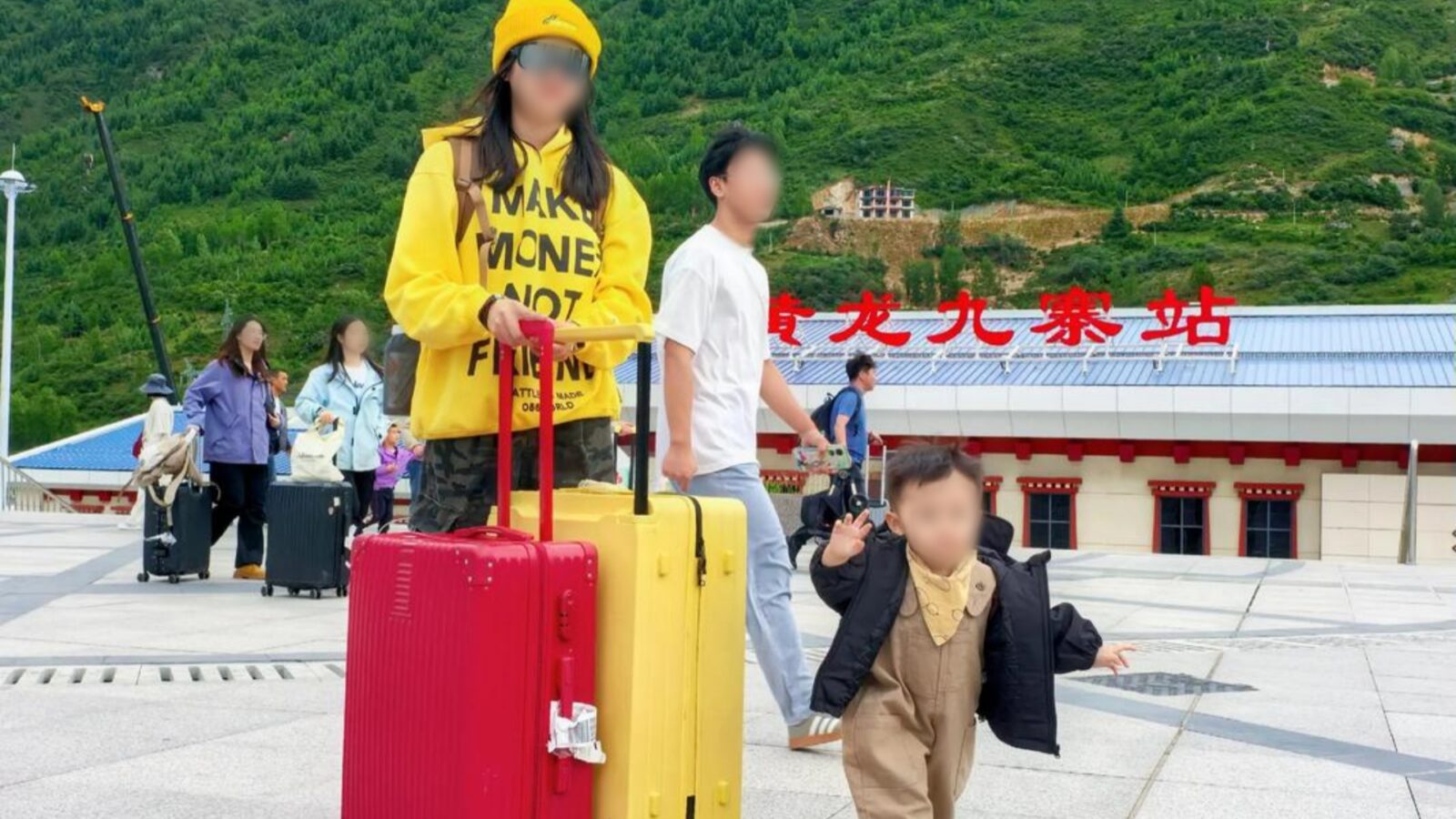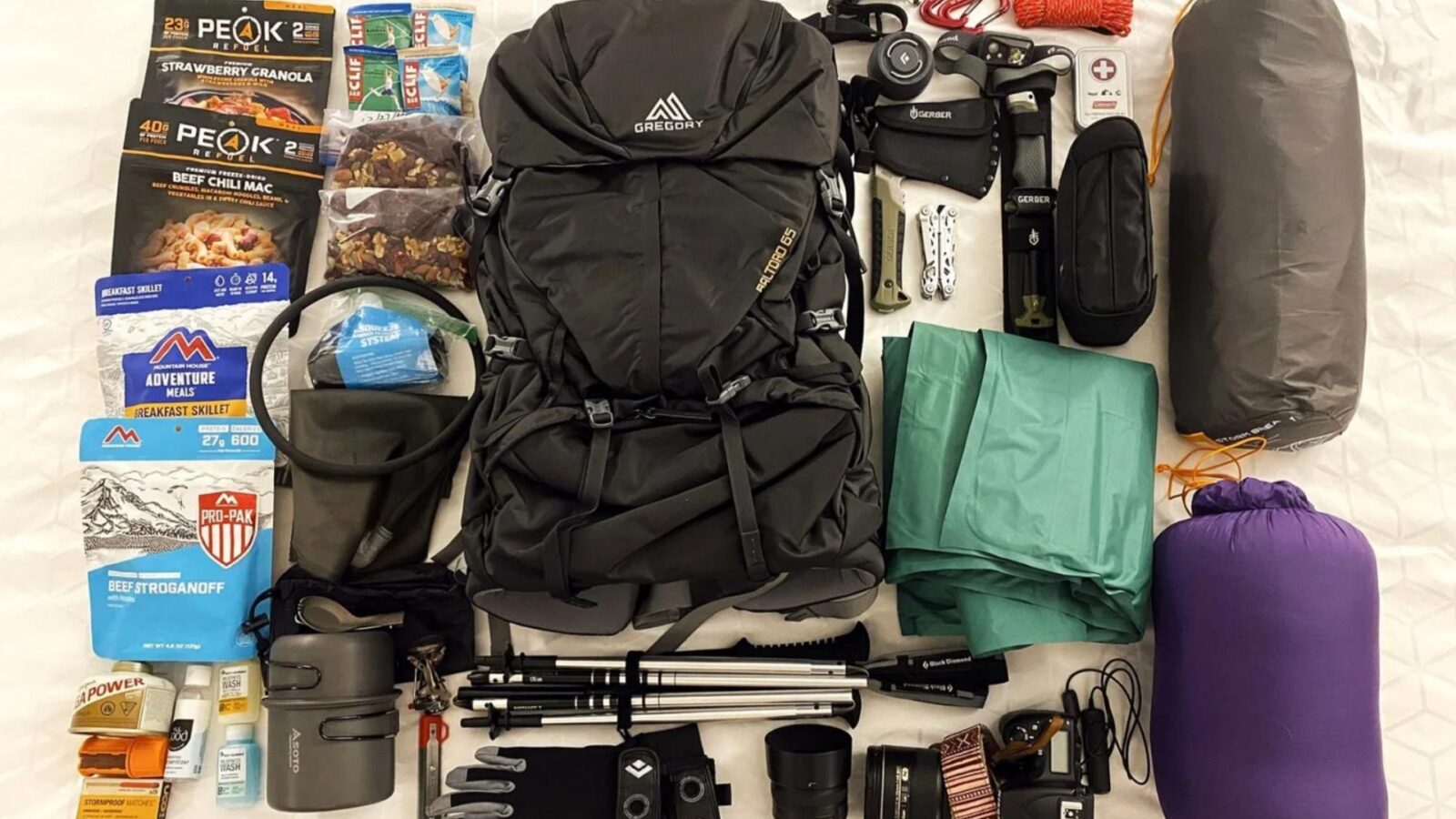
Beat the Heat, Pack Right, Stay Cool
A heatwave is gripping Europe and it’s records are still tumbling this summer of 2026. Air conditioning units are all sold out, outdoor temperatures are ruining routine and those heading to Asia this season have a rather practical packing question—HOW do you build a china summer packing list when the heat is following you around the world.
The answer starts here - with one amazing true fact about China, namely, it’s so freaking big and the climate differs so massively that there are deliciously cool places to be even in the sweltering depths of summer. The city of Harbin in the northeast is a refreshing 18-25 °C in July, Kun Ming sticks to a year-round temp of 16-24 °C in July! Use this guide to build everything on your china summer packing list, how the climate differs in China and why air conditioning in Chinese hotels is the least of your worries!
Quick Facts China Summer Travel Essentials at a Glance
China Summer Weather by Region Hot Cool Destinations
Western China: Yunnan and Guizhou (16–24°C — the "Spring City" effect)

The Green Lake Park
Yunnan and Guizhou are the natural air-conditioning in China’s southwestern corner, and in the summer it is altitude that does the heavy lifting on temperature. Dubbing Kunming the “Spring City” does not just sell pads, it is a hard fact; day or night, the air is cool here because it simply is up in the rarefied atmosphere. Anyone doing a short summer trip here will notice the difference. Even when the sun is pouring out and it seems hot, the air feels cool.
- Kunming (1,890m altitude): June–August avg 16–24°C; genuinely cool mornings require a light jacket
- Dali and Lijiang: 18–25°C; Yunnan Plateau elevation keeps temperatures moderate year-round
- Guizhou karst region: Avg 22–26°C; forest and river systems actively cool the air temperature
- UV note: High altitude = stronger UV; sunscreen still essential even when it doesn't feel hot
Northeast China: Harbin, Changbaishan (18–25°C — top summer escape)

Changbaishan Beauty Pine International Sculpture Park
The northeast is China’s most underrated summer getaway — it’s 10°C chillier than Beijing for the same period, and the high-speed rail links both. Pack short sleeves and light trousers, because even in Harbin winter gear is useless in summer.
- Changbaishan (长白山): Avg 18–22°C; forest coverage 80%+; Tianchi (Heavenly Lake) at summit noticeably cooler; the cable car through spruce forest with pine-scented wind is the experience itself
- Harbin (哈尔滨): Avg 20–25°C in summer; Zhongyang Street promenade is comfortably walkable even at midday; Songhua River at dusk is genuinely refreshing
- Getting there: Beijing–Harbin high-speed rail: 3.5–4.5h; Harbin–Changbaishan: ~4h; pair with Beijing for a full north-to-cool itinerary
North China: Beijing (24–30°C, large day-night temperature gap)

The Lakeside Scene I Found At The Imperial Garden
The average temperatures are lower than in the south, but the direct summer sun strikes upon one far more strongly than the figures would indicate — the proportion of ultra-violet rays in Peking, during the months of June and July, exceeds 8; far above what the majority of Europeans experience at home in summer. The principal advantage noted is the drop at night; from the sunset hour the temperature generally goes down to 20 to 22° C., and the nights in August are really pleasant for walking about.
- Daytime: 30°C+ in direct sun; UV index regularly 8+ in June–July; feels hotter than the number suggests
- Nighttime: Often drops to 20–22°C after sunset — evenings are genuinely comfortable even in August
- UV warning: Sunglasses + sunscreen are mandatory; pale skin is culturally valued in China — locals actively protect themselves
- The upside: Evening walks around the Forbidden City or hutong districts are pleasant; plan outdoor activity for mornings or after 5pm
East China: Shanghai, Hangzhou (26–32°C, plum rain in June)

West Lake (Hangzhou)
The actual variable in East China is not temperature, but the plum rain season. About the middle of June, heavy rains take place simultaneously with muggy airs; and these together make the ordeal more trying than the steady heat of South China. Attractions are sometimes closed temporarily through flash floods. July and August bring a settling down, but the shock of climate between indoor and outdoor is real.
- Plum rain (mid-June to late June): Heavy rain + muggy air; flash flooding can close attractions; carry a folding umbrella without exception
- July–August: Heat stabilises but stays sticky; temperatures 26–32°C; feels hotter in direct sun
- Indoor AC: High-speed rail and malls regularly run at 16–18°C — a light jacket is the single most useful item in your carry-on
- Practical tip: Schedule outdoor sightseeing for early morning (before 10am) or after 5pm; midday hours belong in air-conditioned museums
South China: Guangzhou, Shenzhen, Hong Kong (28–33°C, 80%+ humidity)

Summer Beach Views in Shenzhen
This isn’t heat heat, it’s sauna. The humidity drives the feels-like temp 3-5C beyond the number on the mercury and sweat evaporates only with great difficulty. If you’ve ever had a London or Paris August, figure something more unpleasant. Europeans grossly underestimate this. The AC’s not a convenience in South China — it’s survival gear.
- Temperature range: June–August daily highs 28–33°C; nights rarely drop below 26°C
- Humidity: 80%+ most days; clothes stay damp even after drying
- Best timing: Early June or late August to dodge peak humidity spikes
- What this means for packing: Lightweight quick-dry fabrics only; plan 2–3 changes per day
What to Pack for China Summer Complete Practical List
Clothing essentials for China summer
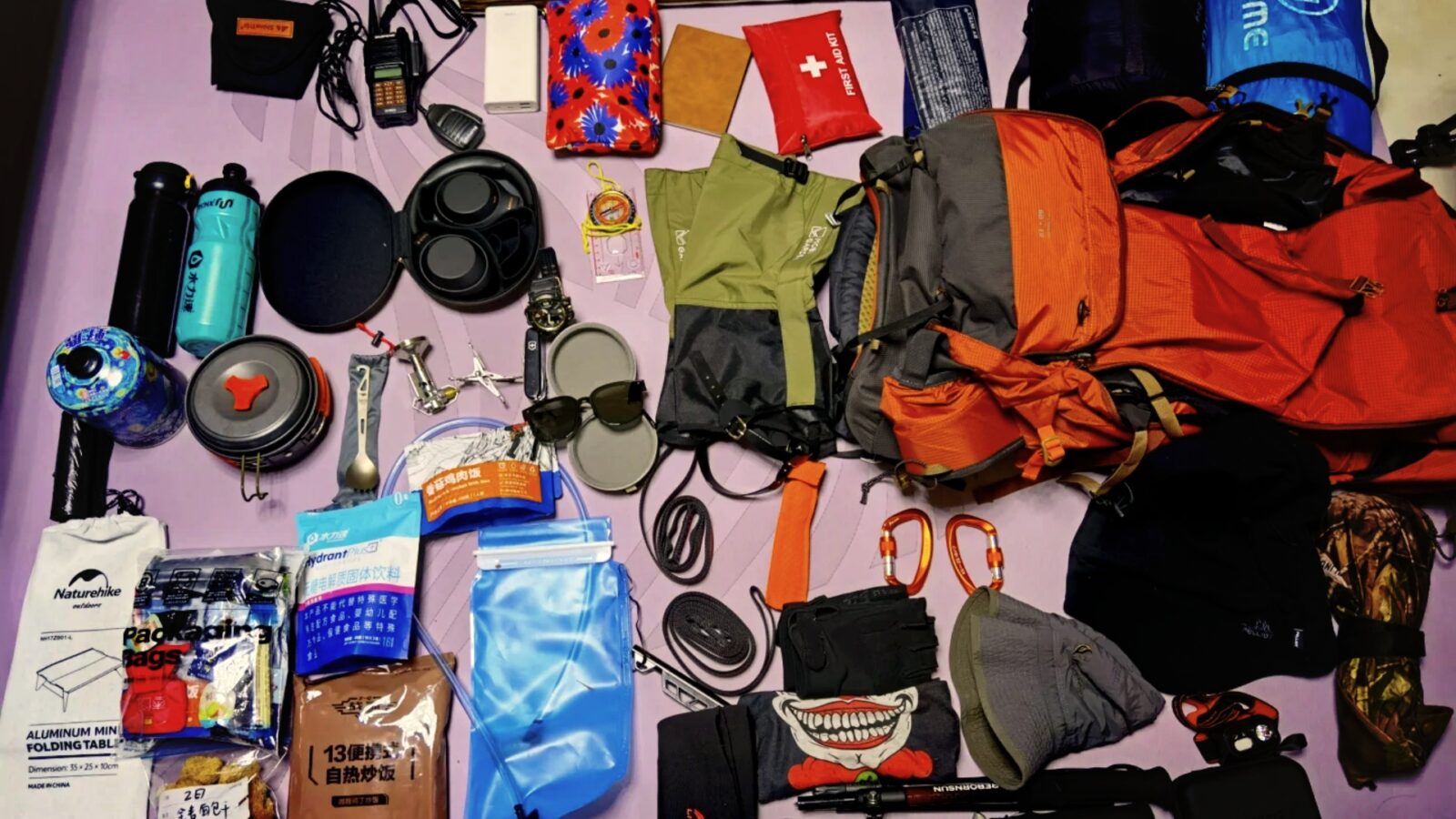
Packing List:What To Bring Depends On Where You Are Going
The real packing imperative for a China summer isn’t “how thick or thin” but “what materials” and “what situations call for counterseasonal gear”. Shanghai trains and shopping malls hum along at temperatures that will surprise most Europeans whose idea of China in summer is “hot”. We cover everything on your china summer packing list in every eventuality you may face.
- Quick-dry tops: 3–5 pieces; sweat dries overnight; high-quality options available at outdoor retailers
- Light jacket or cardigan: High-speed rail, shopping malls and museums regularly hit 16–18°C; this isn't winter gear, it's a summer indoor essential
- Long trousers: Some religious sites require knee coverage; pack 1–2 pairs as backup
- Shorts: Essential for outdoor activity; quick-dry material recommended
- Dark sneakers: Chinese city streets are dusty; white shoes look dirty within two days; comfortable walking shoes are the core investment
- Flip-flops: For hotel rooms and showers; lightweight and don't take up luggage space
- Sunhat + sunglasses: UV index is high; sun protection is a non-negotiable in summer
- Light scarf/shawl: Multi-use item — sun protection, warmth, religious site coverage; one piece, three functions
Toiletries and personal items
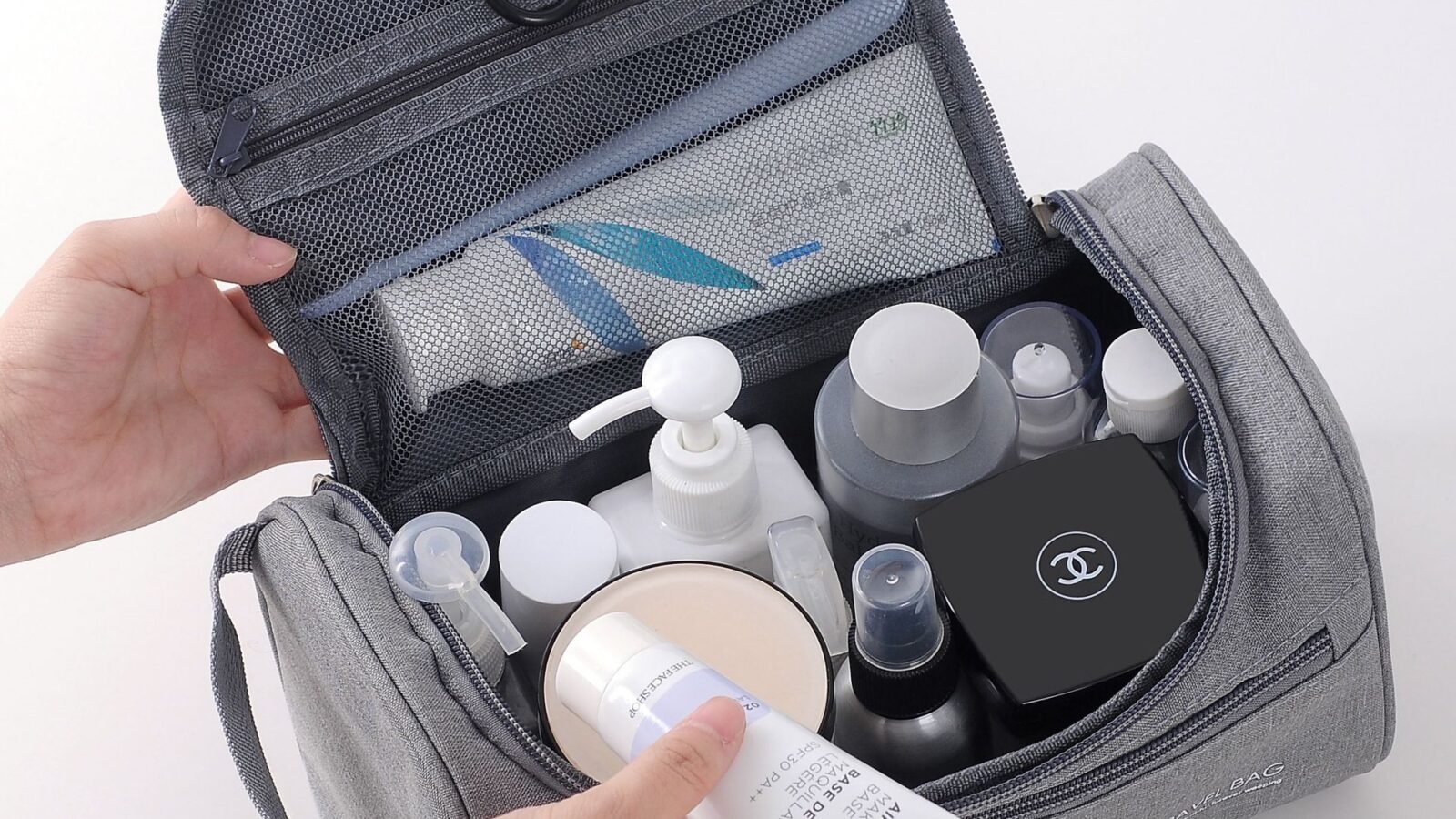
Personal Items:Bring As Needed
China's hotel toiletries setup differs from European norms — not all properties provide them, and even when they do, the brands may not match your preferences. Travel-size toiletries are the practical choice.
- Sunscreen SPF 50+: China's summer UV is intense, especially in the south and at altitude; SPF 50+ recommended; bring a backup tube
- Toilet paper: Chinese public toilets typically don't provide it; carrying a small pack isn't overcautious, it's practical
- Hand sanitizer: Many public toilets lack soap; airports and train stations included; essential supply
- Basic toiletries: Budget hotels and guesthouses may not provide shampoo or shower gel; travel-size bottles are the safe bet
- Moisturiser: Summer AC dries skin; a 100ml travel bottle takes minimal space
- Personal medication: Common items (stomach remedy, bandages, antihistamines); keep English instructions; bring sufficient supply
- Spare glasses or contacts: Optometry and fitting processes differ from Europe; bring adequate backup supply
Three things European travellers pack but don't need
Before filling your suitcase, here are three items that sound reasonable but aren't necessary for a China summer trip. The space you save can go toward more useful things.
Air conditioning accessories - portable fans, cooling towels, ice packs - all make sense until you remember that mainstream hotels in China have working AC in most cases, and they run on the cold side. You don’t need personal cooling gear. Power adaptors aren’t required because even mainstream hotels in China have USB charging ports, and the A/I sockets of China snugly fit most European plugs in many cases - a USB-C cable and charger head is usually fine. Heavy coats or layers for winter in the northeast are out too - even Harbin sees 18-25℃ during June-August, and a light jacket will deal with every situation you’ll encounter there.
🔌 Electronics & Charging Guide: Want to double-check voltage compatibility, plug types, and two-pin vs. three-pin setups before packing your electronics? Read our complete guide to Travel Adaptors for China.
Does China Have Air Conditioning Hotel Guide Summer
The short answer and why you can stop worrying
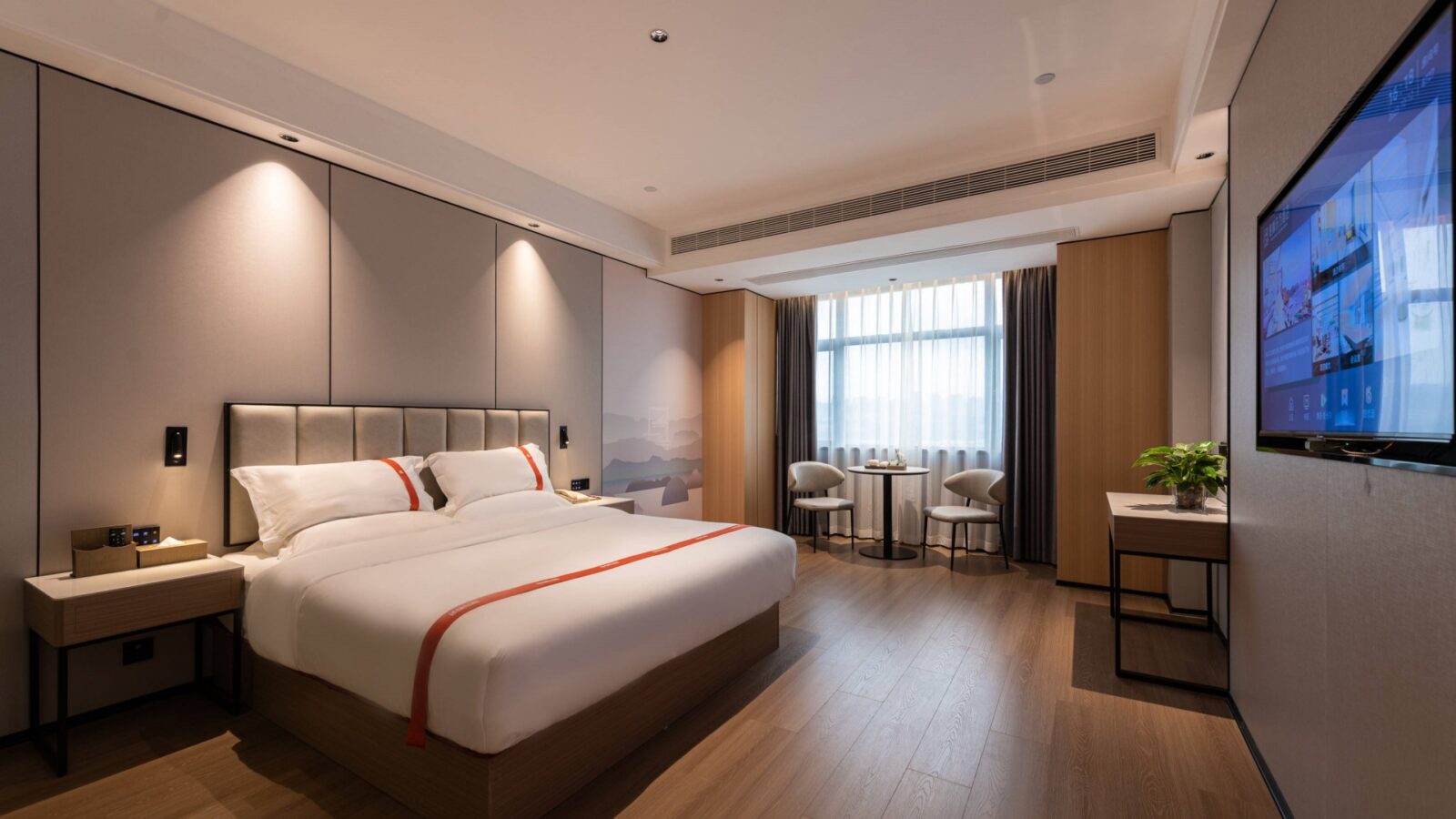
Hotel With Central AC. You Control The Temperature.
The short answer: almost all hotels in the big cities are air conditioned. It doesn’t matter whether you are in a budget hostel, middle tier hotel or five star, you won’t have to filter by “air conditioning” because it’s a given. There is only one exception to this rule that I’m aware of: some private homestays (Airbnb) and hostel dorm rooms may have sporadic or timer controlled air conditioning, so check recent guest reviews specifically on this point. Before you draw up your china summer packing list, one thing needs to be made clear. Hotels are not the problem.
AC by price tier budget hostels to five star hotels
Here's what AC looks like at each price level — so you know what to expect and where to spend smarter.
The booking mistake Europeans make on Booking and Agoda
The most common pattern among European travellers: search for hotels in China on Booking.com or Agoda, apply the "Air Conditioning" filter, get almost no results, and conclude that Chinese hotels mostly lack AC. That's the wrong conclusion drawn from the right observation.
The reality is that AC is the default state for hotels in China, so most properties on Chinese platforms don't bother tagging it as a feature. On Booking and Agoda, the same hotels often show no AC filter option — not because they lack it, but because it isn't labelled. Meanwhile, Ctrip, Trip.com and Qunar list AC as standard across nearly 100% of mainstream hotels. Filtering by "air conditioning" on European platforms for China properties is effectively looking for something that doesn't need to be looked for.
The practical move: use Ctrip or Trip.com for booking hotels in China. Air conditioning comes as standard. Confirm AC specifically only when booking private homestays.
Practical Travel Tips for China Summer Visits
Transport high speed rail taxis and payments
China's high-speed rail network is the most practical way to travel between cities in summer. The network covers most major destinations — Beijing to Shanghai in 4.5 hours, Wuhan to Xi'an in 3 hours. Trains run at consistent speeds and the AC inside is strong, which is worth noting for your packing choices. Metro systems and buses accept Alipay and WeChat Pay transit codes — tap your phone at the gate, no cash needed. Taxis and Didi (China's ride-hailing equivalent) can be paid by cash or through the Didi International app, which accepts foreign phone numbers for registration. Download offline metro maps before heading into underground stations — signal can be unreliable.
Money and payments in China
Mobile payment dominates in China. Alipay and WeChat Pay are accepted at large supermarkets, restaurants, convenience stores and for taxi fares. Foreign phone numbers can register for Alipay International — complete this before departure if possible, as the setup requires a data connection. Cash remains necessary in certain situations: small street vendors, breakfast stalls, some attraction ticket windows and some hostels. Carry ¥200–300 in cash as backup. UnionPay cards work at all ATMs for cash withdrawal. Credit cards have limited acceptance — Visa and Mastercard work at upscale hotels and large department stores, but street-level shops, markets and most restaurants don't accept them. Don't rely on credit cards as your only payment method.
Connectivity VPN SIM cards and staying online
Google, YouTube, Facebook and numerous other services are inaccessible in mainland China. If you rely on these, a VPN is essential — but it must be downloaded and registered in your home country before arrival. You cannot access VPN provider websites from within China to download the software. Short-term SIM cards (China Unicom and China Mobile) are available at airport arrival halls and support 4G/5G. eSIM plans purchasable before departure are an alternative worth considering. Hotels and shopping malls offer WiFi but it can be unreliable; don't depend on it for navigation. Download offline map packages for Gaode Maps or Baidu Maps before you go — this prevents losing your way in mountain areas or underground stations where data signal is weak.
Frequently Asked Questions About China Summer Travel
Q: Is China unbearably hot in summer?
China's summer heat varies dramatically by region. South China (Guangzhou, Hong Kong) runs 28–33°C with 80%+ humidity — genuinely steamy. But northeast cities like Harbin sit at a comfortable 18–25°C in the same months. If you're flexible on destination, the temperature gap is worth factoring in when building your china summer packing list.
Q: What to wear in China during summer?
Pack lightweight, quick-dry fabrics and leave heavy materials at home. The single most important item is a light jacket or cardigan — indoor air conditioning in high-speed rail, malls and museums runs cold enough to require it even when outside temperatures are high. Long trousers are useful for religious site visits, and knowing what goes on your china summer packing list means accounting for both outdoor heat and indoor chill.
Q: Do Chinese hostels have air conditioning?
Most do, especially in cities. Budget hostels and guesthouses typically have AC in private rooms; dormitory rooms sometimes run on timers. Private homestays (Airbnb) have inconsistent AC — always check recent guest reviews before booking if AC is important to you, as part of your research for the china summer packing list.
Q: What adapter do I need for China?
China uses Type A and Type I sockets with a standard voltage of 220V. Most European devices (phones, cameras, laptops) work with a plug adaptor but check your device's voltage compatibility before travelling. Many hotels also offer USB charging ports, reducing the need for an adaptor altogether, which simplifies the china summer packing list.
Q: Can I use my credit card in China?
Partially. Alipay and WeChat Pay are the dominant payment methods and cover most transactions. Visa and Mastercard work at upscale hotels and large department stores but are rarely accepted at street vendors, small restaurants or local shops. Carry a backup amount of cash (¥200–300) and link an international card to Alipay or WeChat if possible when building the china summer packing list.
Q: Do I need a visa for China in 2026?
Many European nationalities qualify for visa-free entry to China for stays of up to 15 days under current policy — check the latest requirements for your specific nationality before departure. Always verify current visa rules with the Chinese embassy or official immigration channels, as policies can change, which affects travel planning and the china summer packing list.
Q: What is the best month to visit China in summer?
Late June offers warm weather but risk of plum rain disruption in the east. July and August are consistently hot but without rain disruption. Early September often delivers the best balance — warm days, cooler evenings, and reduced tourist numbers at major attractions worth noting when finalising your china summer packing list.
Q: Are there mosquitoes in China in summer?
Yes, especially in southern China and areas with standing water or high humidity. Mosquito repellent is widely available in pharmacies and supermarkets. If you're sensitive to bites, pack your own repellent — brands you're familiar with are not always easy to find, which matters when completing the china summer packing list.
Q: Can I drink tap water in China?
Tap water is technically safe for drinking in major cities but most residents boil it first or drink filtered water. For visitors, bottled water or a filtered water bottle is the standard choice. Ice in drinks at reputable restaurants is generally safe — it's made from treated water, and this affects an item on the china summer packing list.
Q: Can I use my phone in China?
Yes, with preparation. Purchase a local SIM card at the airport or pre-buy an eSIM plan before departure. International roaming is an option but often expensive. WiFi is available at hotels and malls but unreliable for navigation — download offline maps before arrival, and plan the china summer packing list accordingly.