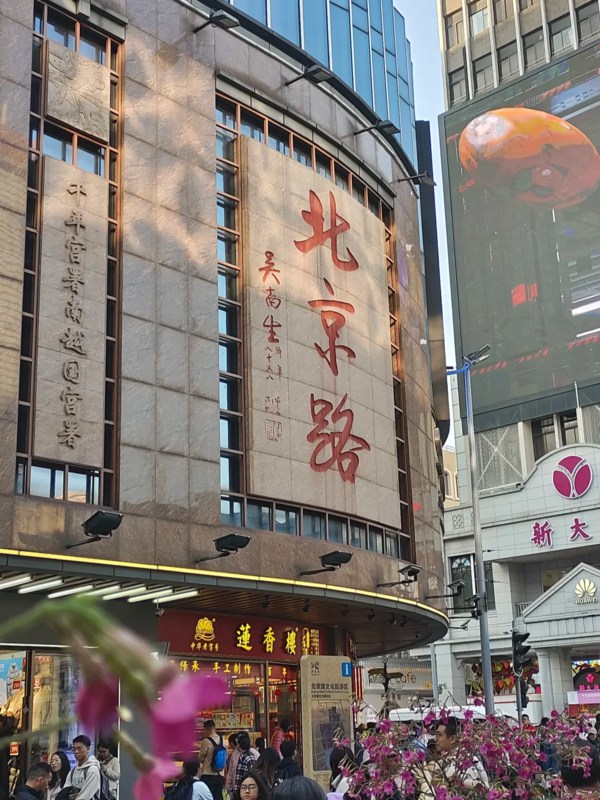
Beijing Road Pedestrian Street
Guangzhou has no shortage of shopping malls, but Beijing Road Pedestrian Street still pulls the biggest crowds. The street runs right through Yuexiu District and stretches for about 1.4 km. Shops, snack stalls, department stores, and old buildings all sit along the same walk. One minute you’re looking at modern storefronts, the next you notice glass panels in the pavement showing ancient road stones underneath.
The place never feels quiet. Street vendors call out, bubble tea cups pile up in people’s hands, and someone is always stopping to take photos of the old road ruins. Beijing Road Pedestrian Street in Guangzhou isn’t polished like a luxury mall—it’s busy, noisy, and a little messy, which honestly makes the whole walk more interesting.
Quick Facts About Beijing Road Pedestrian Street
| 📍 Location | Yuexiu District, Guangzhou |
| 🗺 Address | No.182 Beijing Road, Yuexiu District |
| 🚇 Nearest Subway | Beijing Road Station (Line 6, Exits B/C closest to pedestrian area) |
| 🚌 Other Transport | Multiple bus lines stop nearby; taxis and ride-hailing apps like Didi are convenient but expect traffic during weekends or holidays |
| ⏰ Opening Hours | Street open all day; most shops 10:00–22:00; some dessert shops until 23:00 |
| 📏 Street Length | Around 1.4 km |
| 🛕 Nearby Temple | Big Buddha Temple (~3 min walk from southern section) |
| 🍜 Known For | Cantonese street food, snack stalls, dessert shops |
| ⭐ Tripadvisor Rating | ~4.2 / 5 |
| 🌙 Best Time to Visit | Weekday mornings (10:00–11:00) for smaller crowds; evenings for lively street atmosphere, food, and illuminated ancient road displays |
A Street With More Than 2000 Years of History
-
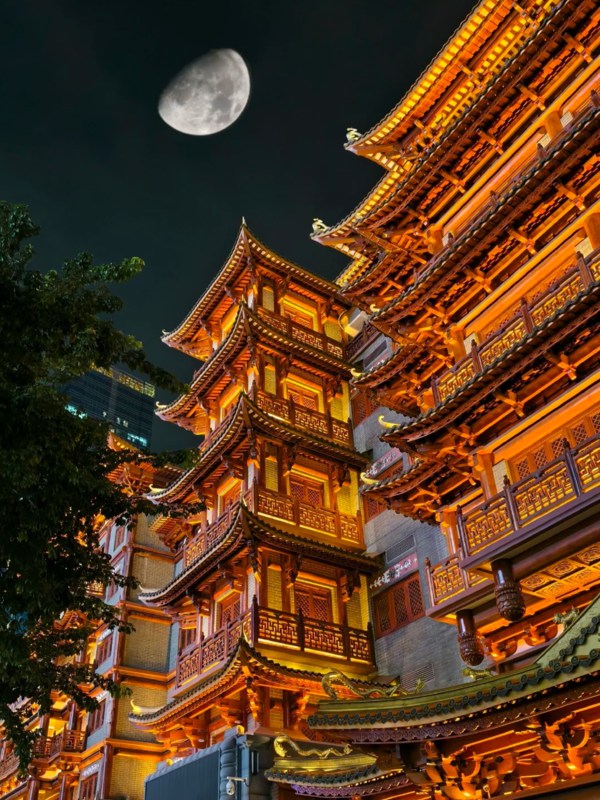

- Ancient Architecture
-
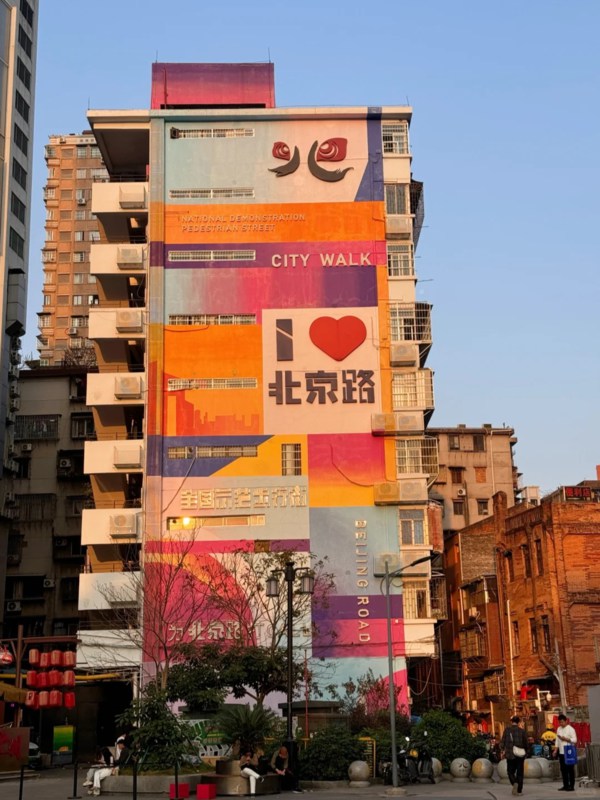
- Buildings in Beijing Road
-
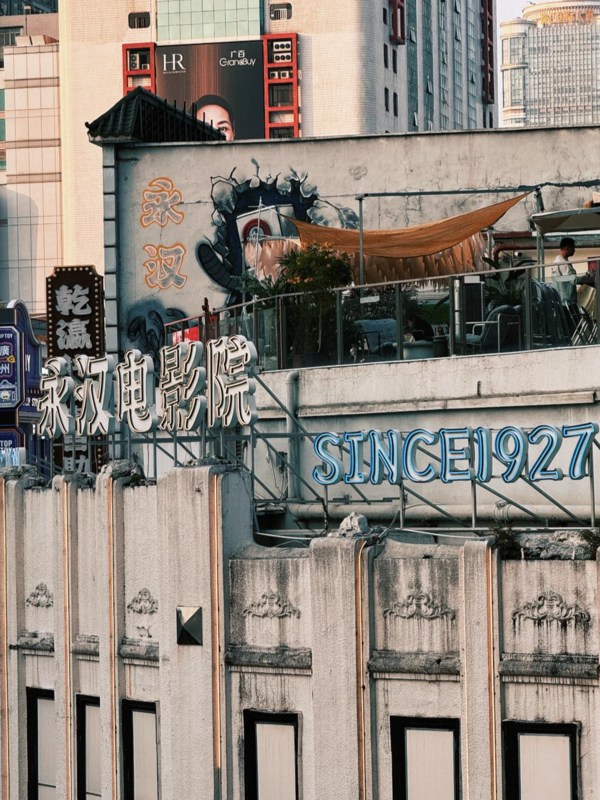
- Cinema at Beijing Road
The busy atmosphere of Beijing Road Pedestrian Street often makes people forget that this area is actually one of the oldest commercial streets in Guangzhou. Historical records suggest that trade activity existed here as early as the Nanyue Kingdom period, more than two thousand years ago. At that time, Guangzhou had already become an important port city, connecting inland markets with maritime trade routes. If you’re curious about other historical sites that reveal Guangzhou’s rich past, you can explore more here.
The most visible reminder of that history appears right in the middle of the street. Several glass-covered sections reveal layers of ancient road surfaces discovered during renovation work. Archaeologists identified stone roads from different dynasties, including Song, Yuan, Ming, and Qing periods. Some stones still show faint marks that may have come from wooden carts or heavy foot traffic.
Most visitors stop for a moment when they reach these glass panels. During the evening, nearby lights reflect on the surface and make the old stones underneath easier to see. It is a small detail, but it quietly explains why this street remained a commercial center of Guangzhou for centuries.
What to Actually See While Walking the Street
-
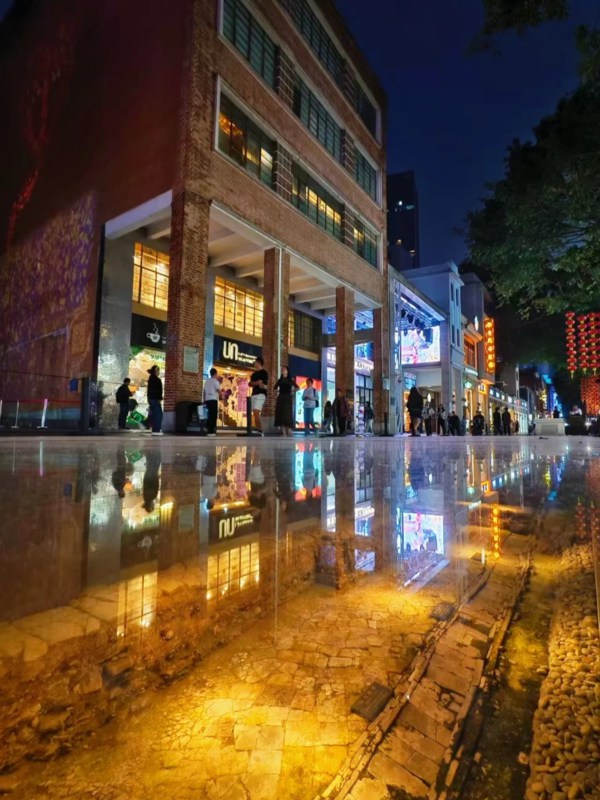
- Ancient Road Relics Under Glass
-
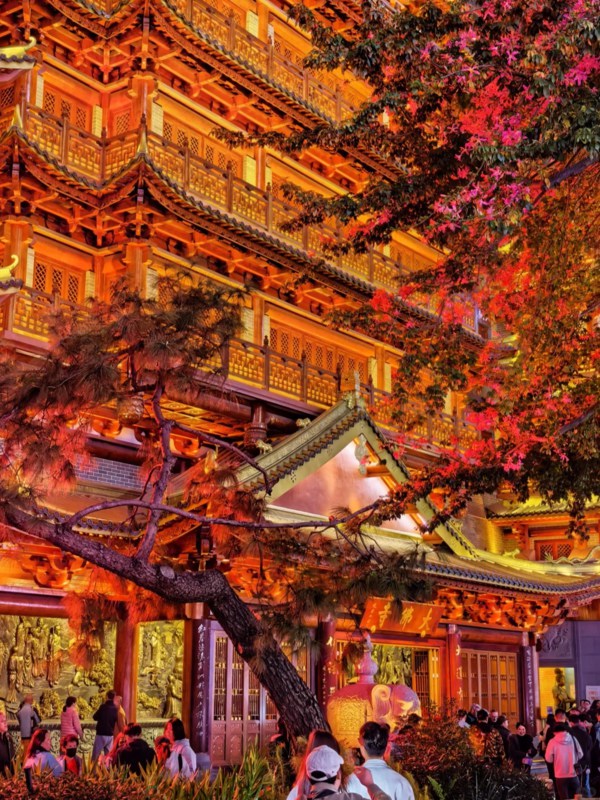
- Big Buddha Temple Near Beijing Road
-
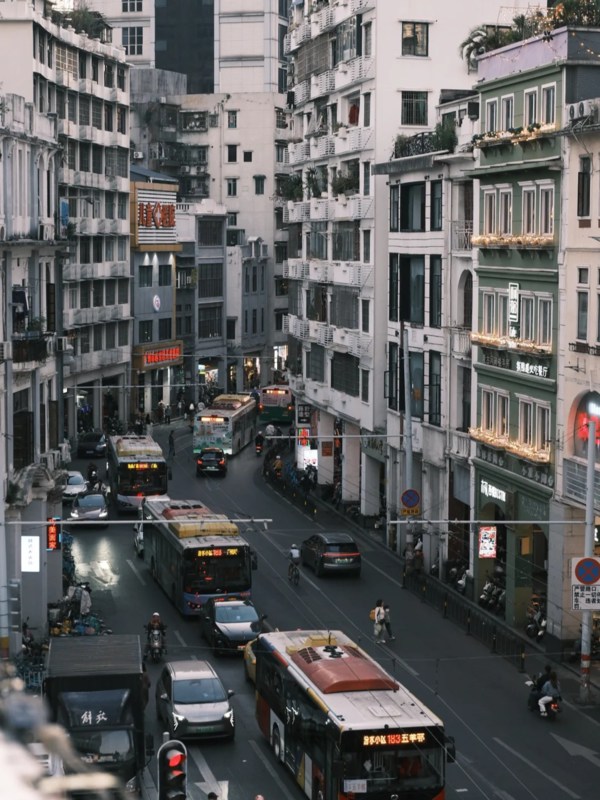
- Old Lingnan Arcade Buildings
Ancient Road Relics Everyone Stops to Photograph
There is one of the most familiar views in Beijing Road that you see right below you. The central part of the pedestrian street has several glass-coated parts of the former road that have been excavated. The majority of pedestrians passing through Beijing Road Pedestrian Street cannot help stopping by this place, which is usually due to the presence of a small crowd observing the sidewalks.
The webpage is not very complicated, still, human beings are likely to spend some few minutes learning. The fossil stones demonstrate the mode of development of the road at various phases of the history of Guangzhou.
There is some practical information to make the visitors comprehend what they are watching:
- Location: The principal relic display is located in the general mid-point of the pedestrian street, in between large shopping malls and food carts. It cannot be overlooked since a number of glass panels are placed on the path of walking.
- Levels of history:The exposed rocks belong to various dynasties. In excavations, archaeologists found out road surfaces of Song, Yuan, Ming, and Qing periods, placed on top of each other.
- Tourist activity:The majority come to see a short sight in order to look in the glass, make photos and attempt to compare the various layers of stone blocks. Other tourists kneel to have a better view of the lower areas.
- Information symptoms:There are information boards on and around the excavation process and the street timeline. At times you will find a tour guide indicating the various layers to a small group.
Even individuals who came primarily to do shopping would tend to stop here. It is slightly strange the juxtaposition of the current sneakers and shopping bags in motion with the presence of stones that served as pillars of commerce hundreds of years ago.
Big Buddha Temple Just a Few Minutes Away
A short walk from the shopping crowds leads to one of the quieter landmarks near the street. Big Buddha Temple, known locally as Dafo Si, sits just a few minutes from the main section of the pedestrian street. Many visitors stop here after exploring the shops.
Several small details make the temple easy to recognize:
- Distance: The entrance stands about 3 minutes on foot from the southern section of Beijing Road, making it a convenient detour while walking the street.
- Architecture: The temple gate features red walls and golden roof decorations, which stand out against the surrounding modern buildings.
- Atmosphere: Inside the courtyard, incense smoke drifts slowly upward while visitors move quietly between prayer halls. The noise from the shopping street fades quickly once you step through the entrance.
- Visitor pattern:Many people arrive after dinner or shopping. Some light incense, while others simply take photos of the illuminated buildings.
The contrast between the busy pedestrian street and the calm temple courtyard is noticeable. At night the lighting around the halls becomes softer, and the place feels far more relaxed than the nearby shopping blocks.
Lingnan Arcade Buildings Along the Street
Not all of the fascinating attractions surrounding the street are the work of temples or archeological exhibitions. The architecture is a source of some of the most unique scenes. There are still traditional Lingnan-style arcades buildings in some parts of areas around the Beijing Road Pedestrian Street which are locally referred to as qilou. These constructions used to shape the appearance of trading streets in southern China, particularly in the cities such as Guangzhou, Foshan and Hong Kong.
An average arcade building is built with a floor of shops and the floor above which is the living space. The floors are slightly expanded upwards forming a covered walk on the lower levels. The overhang might appear to be uncomplicated but it has a practical purpose. The weather of Guangzhou changes in a very short period of time, it may be sunny one day and then it may rain and suddenly change which is why these shaded routes enabled people who came to shop in the malls to navigate without being overheated or wet.
The nearby blocks have some of their structures refurbished, whereas others still retain some of the old features such as wooden window frame or worn ornamental tiles. When passing by them, one can have a brief idea of how this place used to be during the time when malls did not exist. The shop windows have been renovated numerous times, yet the architectural rhythm of the street reminds of the older trade areas which used to form the city.
Where Most People Actually Go Shopping
-
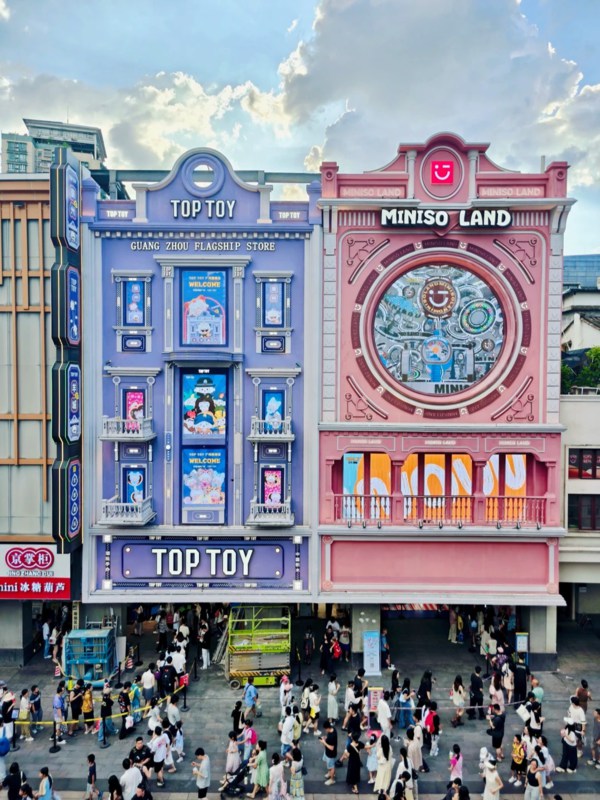
- Popular Shopping Malls
-
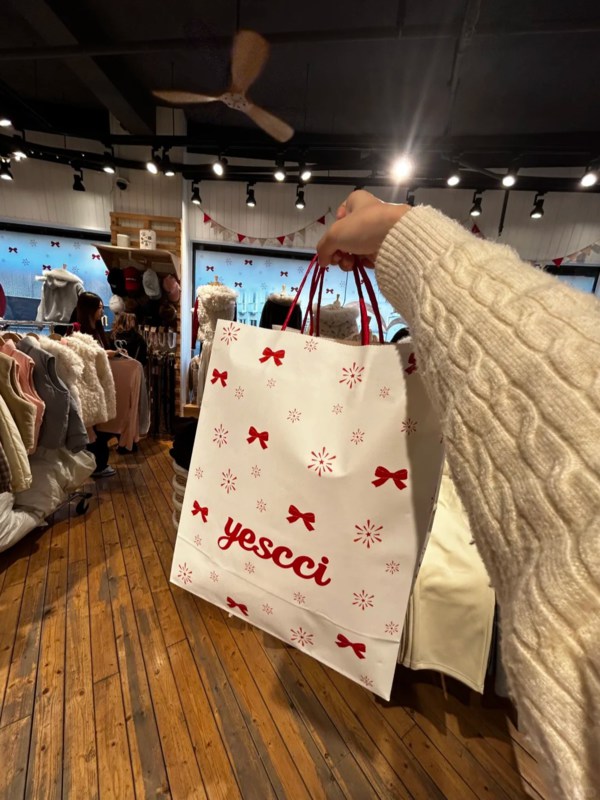
- Small Fashion Shops
-
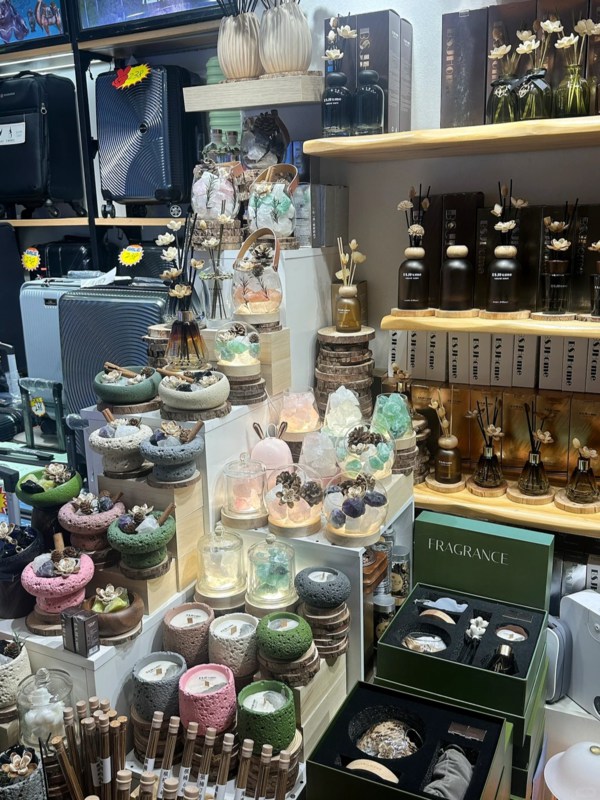
- Souvenir Shops
Large Shopping Malls Near the Street
Mayflower Plaza: One of the most recognized malls along Beijing Road Pedestrian Street, Mayflower Plaza attracts both locals and tourists. The mall features international clothing brands, cosmetics counters, and casual dining spots. Weekends get especially busy, with young shoppers filling the corridors. Most stores open around 10:00 AM and close near 10:00 PM, which aligns well with pedestrian street hours. For visitors, the mall provides air-conditioned comfort—a break from the humid Guangzhou weather outside.
Grandbuy Department Store: Located a short walk from the street center, this department store offers a mix of fashionable clothing, electronics, and beauty products. It is particularly popular among local office workers and university students looking for quick weekend shopping. Some stores carry items slightly cheaper than their international counterparts, making it a middle-ground option for travelers who want quality without overspending.
Both malls are easy to reach from Beijing Road Station (Metro Line 6), and some travelers combine a mall visit with a quick stroll along the street to explore smaller shops in between.
Small Fashion Shops and Budget Finds
Stalling along the Beijing Road Pedestrian Street, there are dozens of several little shops, which sell clothing, accessories, and casual shoes. These shops are also known to change stock faster and in many instances new styles arrive in the store every week. The prices are mostly low compared to mall brands which appeal to students and young locals.
A few tips to manoeuvre in these smaller shops:
- Compare and buy: The two shops on the opposite side of the street might be offering the same or similar products at very different prices.
- Quality is not the same:Fast fashion in this case may even be flimsy; check the seams and the fabric prior to payment.
- Haggling: There can be price negotiation occasionally and mainly when purchasing several items though not all shops permit it.
As you pass the street, you will have to notice that these shops take up rather long and narrow areas, extending on the sidewalk. They are very large, but add a lot of shopping vitality in this street.
Souvenir Stores Tourists Often Visit
There are a lot of choices that tourists can make regarding souvenirs on Beijing road Pedestrian Street. Most of the stores specialize in snacks, Chinese style decorations, and local tea leaves with Guangzhou themes. The most favored products are mini panda figurines, hand painted ornaments and jewelry made by hand. Prices are usually affordable snacks and small souvenirs can be 20-30-50 and specialty tea or crafted items can be 80-150.
It is a good idea to compare some of the shops when walking past them because the quality and price may vary greatly. A lot of stores have user-friendly packages that fit in during travelling and this is handy when one wants to carry something with them during flights or long journeys. Their shops tend to be concentrated at the major intersections along the pedestrian street and one can easily visit several of them during one visit as they go about shopping or visiting food stalls. This combination of big souvenirs, local food, and snack will contribute to the attractiveness of the street to tourists.
What to Eat Here and What Locals Recommend
-
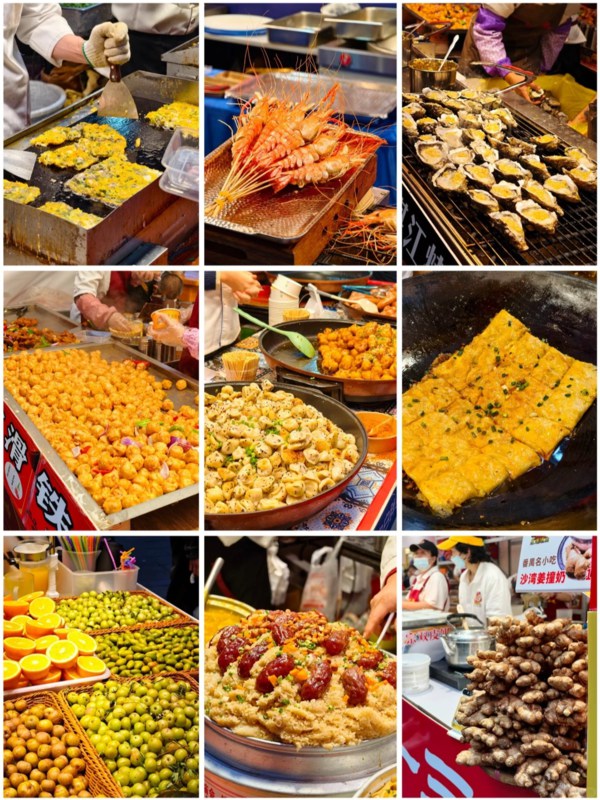
- Cantonese Street Food
-
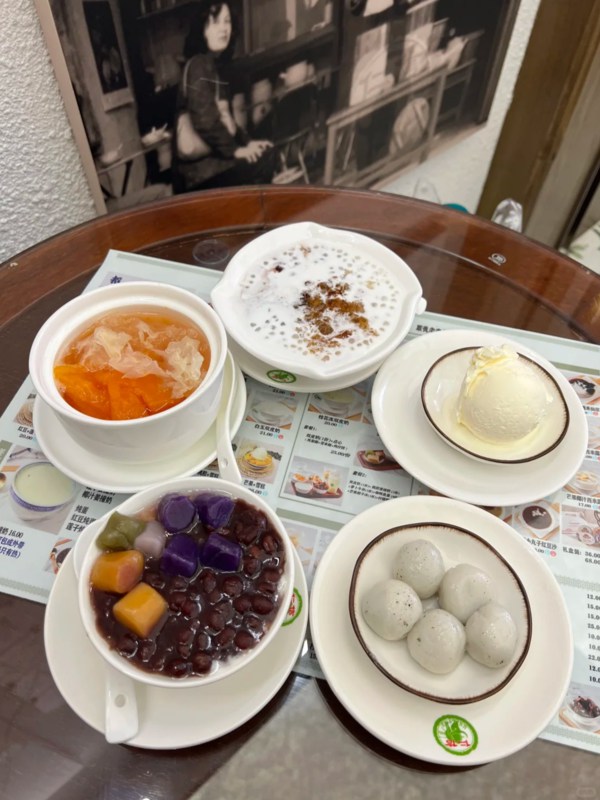
- Dessert Shops
-
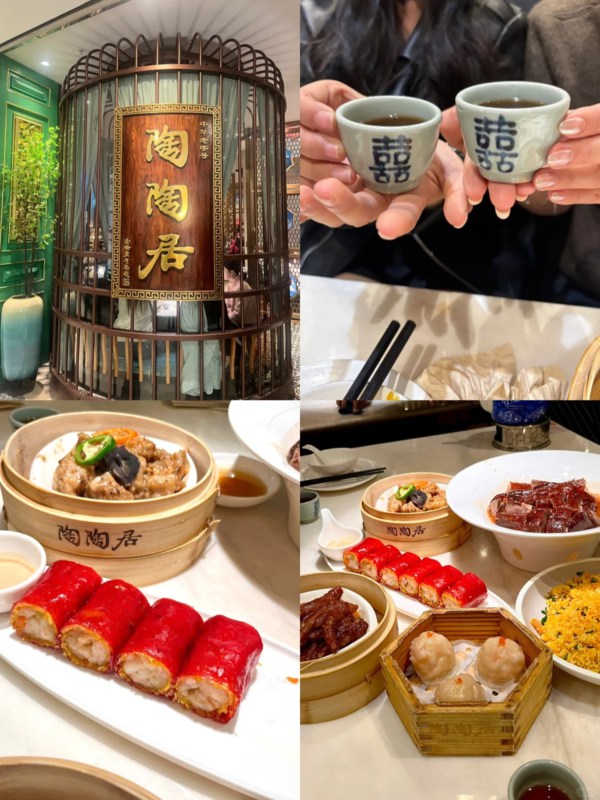
- Famous Cantonese Restaurants
Cantonese Street Snacks
Street food is one of the main reasons people linger on Beijing Road Pedestrian Street. Small stalls line both sides of the street, often drawing crowds with the smell of freshly steamed rice noodle rolls (cheung fun), sizzling beef offal (niu za), and bowls of wonton noodles. The aroma is noticeable from several meters away, and it’s common to see locals and tourists queuing patiently during lunch and dinner hours.
Here’s what you need to know about finding and enjoying these snacks:
- Location: Most snack stalls are concentrated near the central section, close to historical glass panels and small side streets.
- Price range:Items usually cost around ¥8–20, making them affordable for a quick bite while walking.
- Experience: You might notice staff preparing dishes rapidly in small spaces; eating standing on the sidewalk is normal. Some stalls even offer small benches, but space is limited.
For first-time visitors, it’s useful to observe locals ordering—they often point to items displayed in trays or indicate spice levels. Despite the crowds, the pace is quick, so waiting rarely exceeds 10 minutes unless during peak weekend hours.
Dessert Shops People Line Up For
Along the street of Beijing Road Pedestrian Street, Cantonese desserts are obligatory. Stores that sell double-skin milk (shuang pi nai), mango sago (yang zhi gan lu) and other desserts made of mango have consistent queues particularly during the evening. Most of the stores remain open until 10.30-11 PM, which makes them favorable as the late night snacks.
Smaller outlets that are located in between the bigger stores tend to have more locals than tourists and that is usually a good measure of quality. The average price of a dessert is ¥15 30, based on the size and content. There are stores where takeaway through plastic cups is available, which is convenient to drink the snack on-the-road. The observation of the staff picking fresh mangoes and drizzling syrup will provide a little insight to why these desserts continue to be popular among locals.
Cantonese Restaurants Near Beijing Road Pedestrian Street
For a more substantial meal, several traditional Cantonese restaurants are within easy walking distance. Tao Tao Ju and Guangzhou Restaurant (Guangzhou Jiujia) are notable examples, both known for dim sum and classic Cantonese dishes. If you want to discover more authentic Guangzhou flavors beyond Beijing Road, check out this guide.
Key points for dining at these traditional spots:
- Location:Both restaurants sit just off the main pedestrian path, typically a 2–5 minute walk from the central section.
- Hours: They open around 10 AM for brunch or dim sum and serve dinner until 9–10 PM, with lunch and dinner peak times often requiring a queue.
- Specialties: Steamed shrimp dumplings, roasted pork buns, and stir-fried seasonal vegetables are common highlights.
- Visitor tip:Reservations are difficult for casual travelers, but arriving slightly before peak hours can reduce wait time.
These restaurants provide a more formal dining experience compared with street stalls. The combination of beijing road pedestrian street restaurants, snack stalls, and dessert shops allows visitors to experience the full spectrum of local Cantonese flavors in one walkable area.
Special Events and Street Performances
-
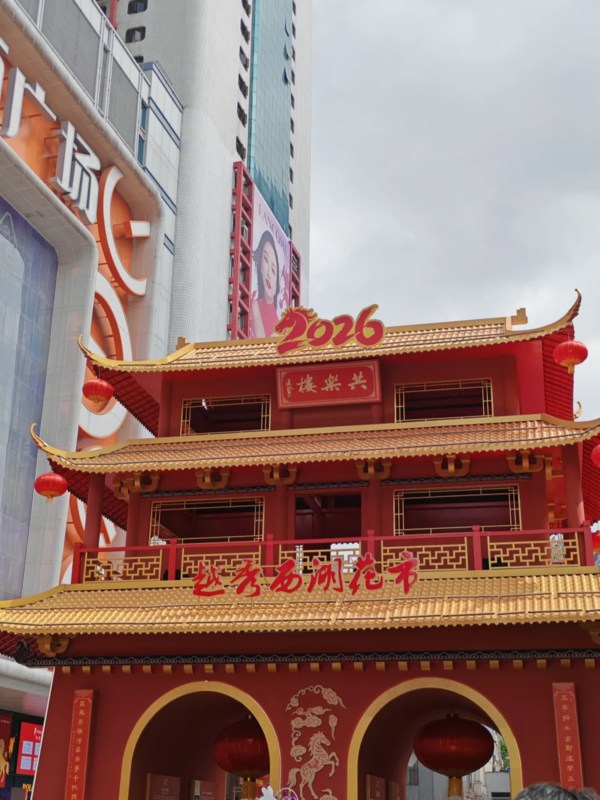
- Spring Festival
-
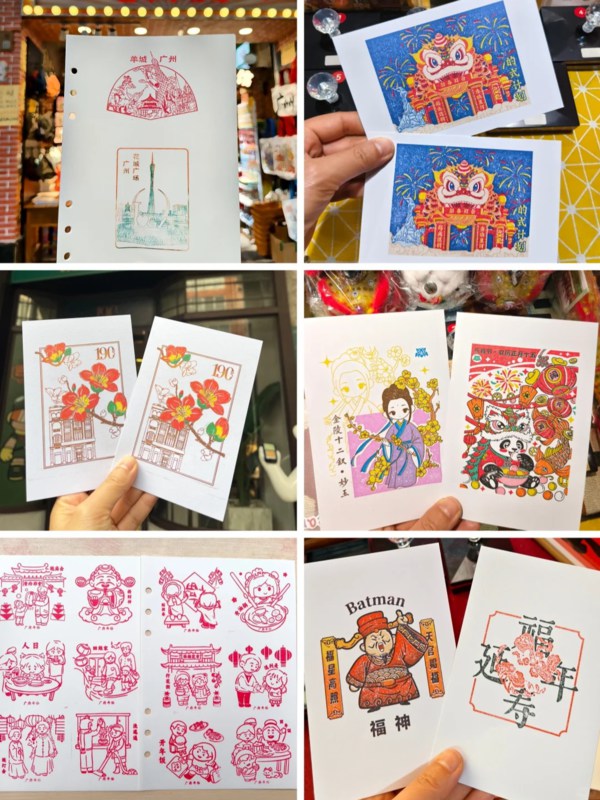
- Stamping Activity
-
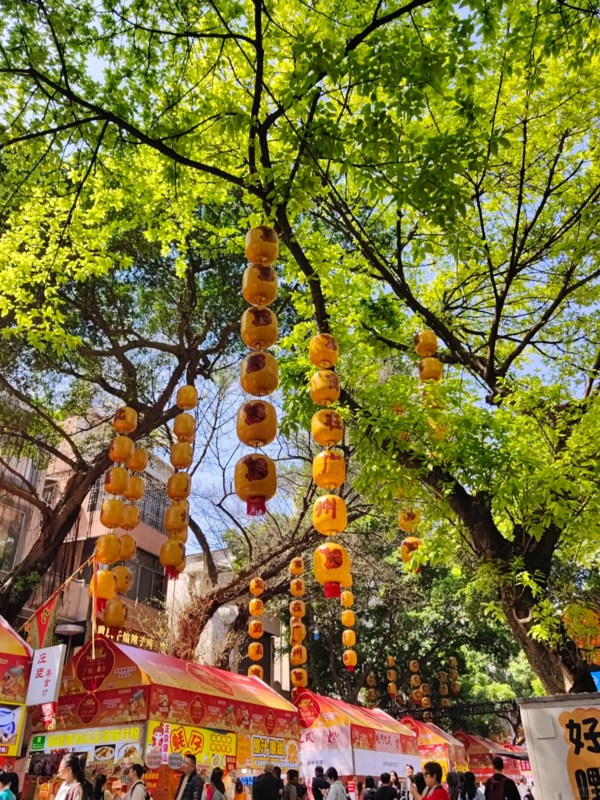
- Temple Fair
Festivals on Beijing Road
Annual and seasonal festivals bring extra energy to the street:
Timing: Many events coincide with Chinese New Year, Lantern Festival, and Mid-Autumn Festival, usually lasting 1–3 days.
Highlights: Elaborate lantern displays, traditional costumes, and cultural exhibitions are common.
Activities: Temporary street markets sell festival-themed snacks, souvenirs, and handicrafts.
Visitor Tips: Peak hours are evenings; arriving early helps avoid crowds and gives better photo opportunities.
Accessibility: Pedestrian-friendly, though some sections may have temporary barricades or special entrances for crowd management.
Cultural Insight: Festivals showcase Guangzhou’s traditions and blend modern commercial activity with historical context.
Local Performances
Street performances create a lively atmosphere throughout the day:
Types: Traditional music, lion or dragon dances, acrobatics, and small interactive shows.
Locations: Wider sections of the street and areas near historic glass panels attract larger crowds.
Timing: Most performances occur in evenings and weekends when foot traffic is high.
Duration: Shows last 5–20 minutes; multiple acts appear simultaneously along the street.
Visitor Tips: Arrive 5–10 minutes early for a clear view and bring small bills for tipping performers.
Experience: Combining live performances with food stalls and historic sights enhances the cultural feel of Beijing Road Pedestrian Street.
Hidden Gems on Beijing Road Pedestrian Street
-
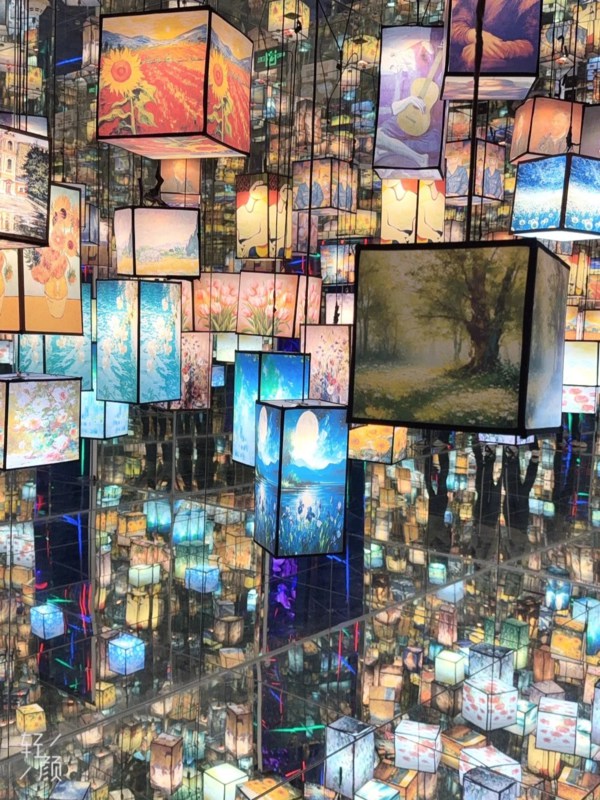
- Art Gallery
-
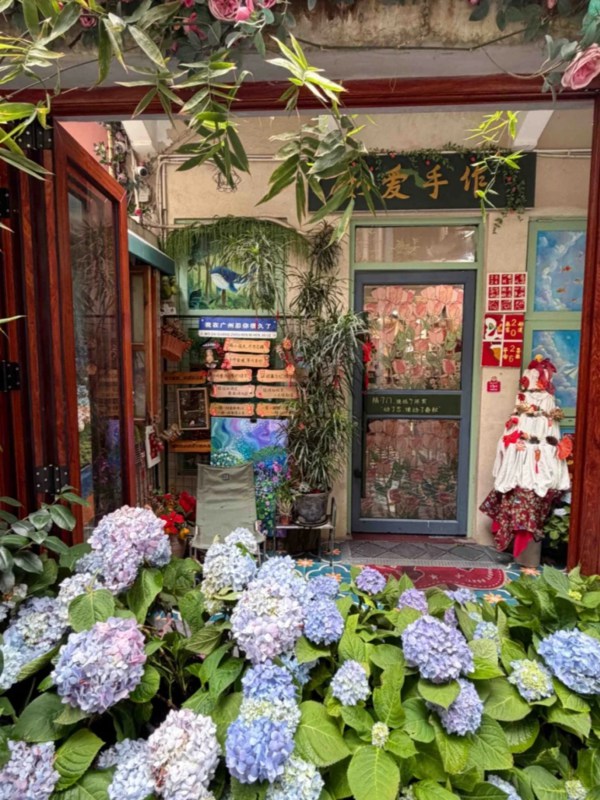
- Handicraft Store
-
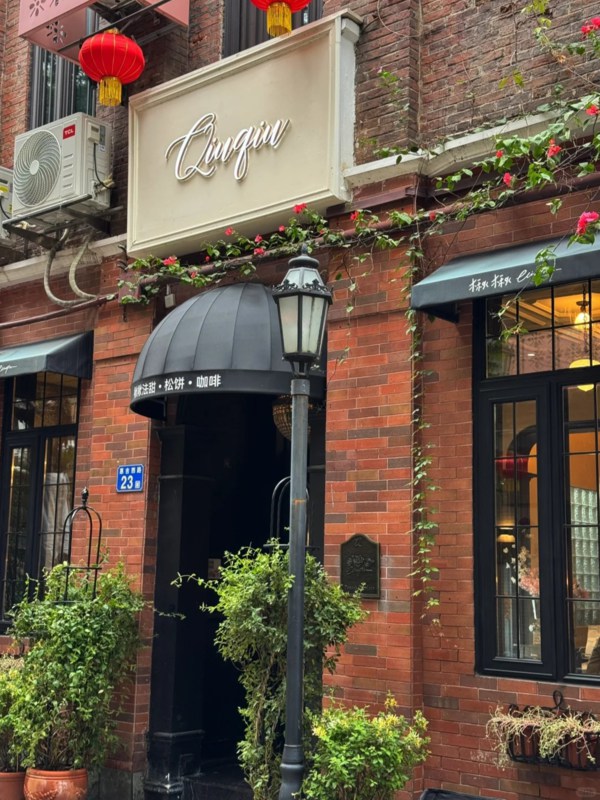
- Coffee Shop
Small Art Galleries
Tucked along the side streets of Beijing Road Pedestrian Street, a few small art galleries and craft shops offer a quieter experience compared with the main shopping crowds. These galleries often display local artists’ paintings, calligraphy, and handmade crafts, giving visitors a chance to explore Guangzhou’s contemporary art scene. Many of the spaces are intimate, allowing you to talk directly with gallery staff or the artists themselves. Some shops also sell hand-painted postcards, small sculptures, and unique souvenirs that you won’t find in the larger tourist stores. Visiting these galleries provides a break from the busy pedestrian areas and a glimpse into the city’s creative community.
Quiet Alleys and Historical Corners
While Beijing Road is lively and crowded, several alleys branching off the main street remain calm and full of character. Walking through these narrow lanes, you can spot older buildings, worn stone paths, and subtle details from past centuries. These corners often feel like a step back in time, revealing architectural elements that survived Guangzhou’s rapid modernization. Some alleys host small shops or local markets, while others simply offer a peaceful walkway away from the crowds. Observing the details—old wooden windows, faded murals, or decorative tiles—can help visitors appreciate the street’s layered history and the daily life of locals beyond the main tourist areas.
Tea Houses and Local Cafés
For a slower-paced experience, several tea houses and local cafés are tucked into side streets along Beijing Road. These venues are perfect for resting after walking, enjoying a cup of traditional jasmine or oolong tea, or sampling local pastries. Many offer seating by the windows, allowing you to observe street life while savoring a drink. Some cafés also feature light music or artwork, creating a calm environment contrasting with the bustling main street. Visiting a tea house provides insight into Guangzhou’s café culture and offers a comfortable spot for people-watching, reading, or planning your next stop along the pedestrian street.
Shopping Tips and Bargaining Advice
Choosing Quality Stores: Focus on shops near intersections or central sections of Beijing Road Pedestrian Street, as they usually have higher turnover and more reliable stock. Inspect clothing carefully—check seams, fabric strength, and zippers. Compare a few stores before buying to see price differences and style options. Observing local shoppers can be helpful; stores popular with residents rather than only tourists often offer better quality and fairer prices.
Bargaining Techniques: Start negotiations slightly below the listed price, leaving room for compromise. Always approach sellers politely and with a smile—aggressive haggling can backfire. If buying multiple items, ask for a discount on the full set. Keep in mind some stores, especially branded or imported items, have fixed prices, so focus bargaining on small shops, souvenirs, and snack items.
Combining Shopping with Sightseeing: Plan your walk from the southern end of Beijing Road to the north, alternating between stores and historical spots like the glass-covered road relics or Lingnan arcade buildings. Pause at cafés, tea houses, or benches to rest while observing street life. These breaks also give a chance to take photos of quieter corners and appreciate the heritage along the street.
Timing and Crowd Management: Weekday mornings or early afternoons are best for combining shopping with sightseeing. Streets are less crowded, making it easier to browse stores and view historical sites. Evenings are lively but congested, so plan your route to avoid peak hours if you want a more relaxed experience.
Accommodation and Nearby Hotels
-
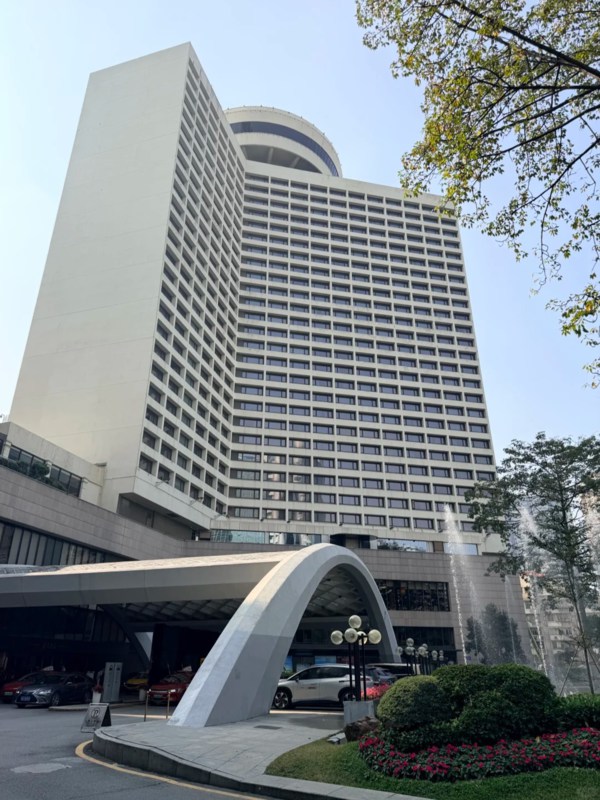
- Garden Hotel Guangzhou
-
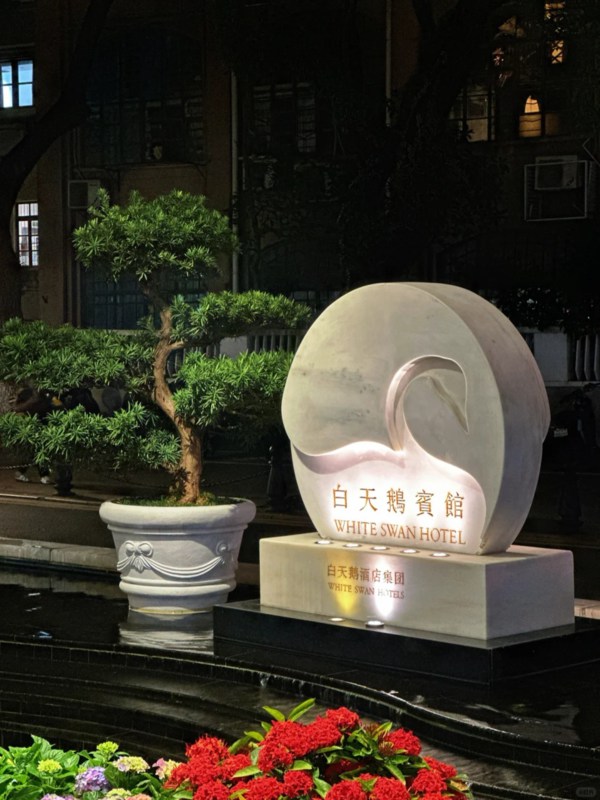
- White Swan Hotel
-
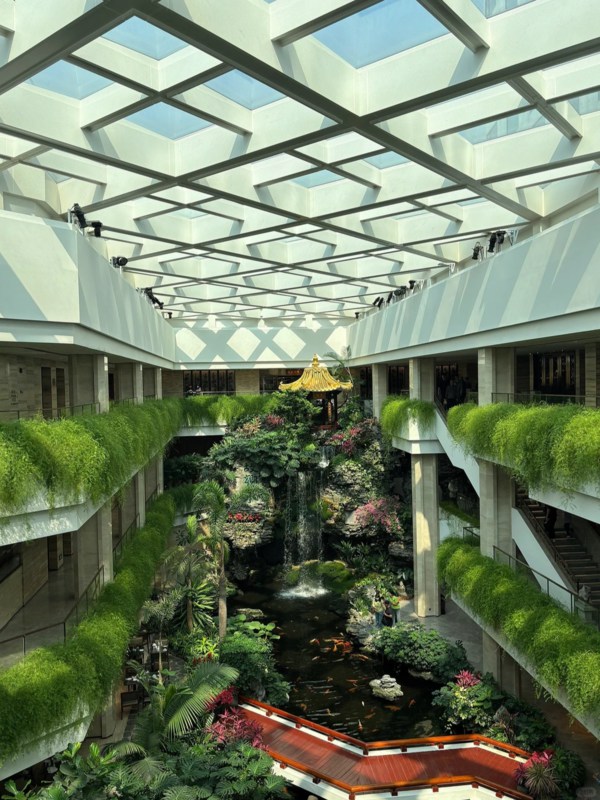
- Ramada Pearl Guangzhou
Garden Hotel Guangzhou
- Location: About a 7-minute walk from Beijing Road Pedestrian Street, situated in Yuexiu District with convenient access to subway Line 6.
- Facilities: Offers spacious rooms, free Wi-Fi, fitness center, and indoor pool.
- Services: English-speaking staff, airport shuttle, concierge, and international booking accepted.
- Guest Tips: Ideal for travelers who want a mix of comfort and proximity to shopping and historic sites. Booking in advance is recommended during weekends and holidays.
White Swan Hotel
- Location: Approximately 10–12 minutes by taxi from Beijing Road, near Pearl River views and cultural attractions.
- Facilities: Elegant rooms, multiple dining options, spa services, and conference rooms.
- Services: Multilingual reception, international payment accepted, airport transfer available.
- Guest Tips: Excellent for tourists seeking a high-end experience while staying within reach of the pedestrian street. Evening strolls to Beijing Road are easy and scenic.
Ramada Pearl Guangzhou
- Location: About a 5-minute drive from Beijing Road, accessible via taxi or short metro ride.
- Facilities: Comfortable rooms, breakfast buffet, business center, and free Wi-Fi.
- Services: English-speaking staff, luggage storage, and booking flexibility for international guests.
- Guest Tips: Good balance of price and convenience, especially suitable for short stays and business travelers.
FAQ about Beijing Road Pedestrian Street
Q: How do I get to Beijing Road Pedestrian Street?
The easiest way is by metro. Take Line 6 and get off at Beijing Road Station, then follow the signs to the street. The station has multiple exits, and Exit B or C usually leads closest to the pedestrian areas. Taxis are another option, but traffic in downtown Guangzhou can be heavy, especially during weekends or holidays. Many ride-hailing apps like Didi also work well. Walking from nearby hotels in Yuexiu or the old city center usually takes 10–15 minutes. Planning ahead can save time and reduce stress.
Q: What are the opening hours of the pedestrian street?
Answer: Most shops and stalls open around 10:00 AM and close by 10:00 PM, though some food stalls or dessert shops stay open later, until about 11 PM. Museums or small attractions along the street may have slightly different hours, typically opening around 9:00 AM. Weekends are busier, so if you want to avoid large crowds, weekday mornings are best. Keep in mind that public holidays may alter opening times, and some stores close briefly for lunch around 2:00 PM.
Q: Are there any entrance fees to see the historic road relics?
No, walking along Beijing Road Pedestrian Street is free, including viewing the glass-covered road relics showing layers of ancient streets. The exhibits are integrated into the street itself. Some nearby museums or specific exhibits might charge, but the main pedestrian sections, including the Song, Ming, and Qing dynasty road displays, are accessible without tickets. Informational plaques provide historical context, and you can take photos freely. Evening lighting enhances the visibility of the relics, making it a unique experience without spending anything.
Q: Where can I find authentic Cantonese snacks?
Snack stalls along the central sections of Beijing Road Pedestrian Street offer a variety of authentic Cantonese options like rice noodle rolls, beef offal, and wonton noodles. Most vendors operate between 10:00 AM and 10:00 PM. Stalls are usually packed, so observing local patrons can help you pick the best spots. Prices are affordable, roughly ¥8–20 per item, and some stalls provide small benches. The aromas from fresh steaming food make it easy to spot popular places, and sampling multiple stalls lets you compare flavors and textures.
Q: Which restaurants are best for a full meal nearby?
For a proper Cantonese meal, try Tao Tao Ju or Guangzhou Restaurant (Guangzhou Jiujia). Both are just a few minutes’ walk from the main pedestrian street. They specialize in dim sum and traditional Cantonese dishes like roasted pork and steamed shrimp dumplings. Opening hours start around 10:00 AM for brunch or lunch and continue until 9–10 PM. Peak dining times require a queue, so arriving early is recommended. These restaurants cater to both locals and tourists and are a convenient stop after walking the street.
Q: Are there good dessert options on the street?
Yes, dessert shops along Beijing Road Pedestrian Street are famous for double-skin milk, mango sago, and other mango-based treats. They remain popular in the evenings, often staying open until 10:30–11 PM. Smaller stores attract more locals and can be a clue to higher quality. Typical dessert prices range from ¥15–30, depending on portion and ingredients. Many shops provide takeaway cups so you can enjoy your dessert while continuing your walk. Watching the preparation—fresh mango, syrup drizzled on top—adds to the experience.
Q: Can I find souvenirs on Beijing Road Pedestrian Street?
Definitely. The street has numerous souvenir stores selling Guangzhou-themed snacks, tea leaves, panda figurines, and handmade ornaments. Prices for small souvenirs start around ¥10–50, while premium items like specialty tea or crafted jewelry may cost ¥80–150. Stores are usually near major intersections, making them easy to spot between shopping or food stops. Comparing a few shops is recommended, as quality and pricing can vary significantly. Most shops also provide simple travel packaging suitable for airline luggage.
Q: Is it suitable for families or kids?
Yes, the street is pedestrian-friendly, making it safer for children compared with regular traffic roads. Families often enjoy exploring snack stalls, small souvenir shops, and street performances. Certain areas can be crowded, especially on weekends, so keeping a close eye on kids is important. Some restaurants offer child-friendly dishes. Benches along the street allow short breaks, and many shops sell items that appeal to younger visitors, such as candies, toys, and small panda-themed trinkets. Evening lights make it visually engaging for all ages.
Q: How crowded does it get, and when is the best time to visit?
The street can become quite crowded on weekends, holidays, or during special events. Mid-mornings on weekdays are generally calmer, allowing for better exploration of historical glass panels, shops, and snack stalls. Evenings are lively but congested, especially around dessert shops and restaurants. If you prefer to avoid large crowds, aim for 10:00–11:00 AM or early afternoon during weekdays. Afternoon lighting can also enhance photography, especially on the glass-covered relics, without the heavy pedestrian traffic.