China Tours for Seniors
China rewards those who take their time. The country's vast distances and layered history unfold best at a pace that lets you absorb each stop rather than rush through it. For travelers over 60, that means selecting an itinerary built around shorter sightseeing blocks, accessible transport links, and accommodations close to the main sights. This guide covers the pacing patterns that work, the sites with elevators and flat paths, and the cost ranges you can expect when booking a senior-friendly China tour.
Quick Facts
Slow-Paced Itineraries Built for Senior Travelers

China Tours for Seniors
Pacing is the single biggest variable in a senior-friendly China tour. A well-designed itinerary structures each day around a single block of guided sightseeing in the morning, a midday rest, and an optional lighter activity in the afternoon. This rhythm lets you engage fully with each site without the fatigue that comes from bouncing between multiple attractions in a single day.
- No flights before 10 a.m.: Early departures add stress and shorten sleep; book any internal flight for mid-morning or later.
- Maximum one long transfer per three days: Long coach rides or multiple flight connections packed into consecutive days drain energy; space them out.
- Rest afternoon built into the schedule: A 2-hour break after lunch is not a luxury—it restores stamina for evening meals and short post-dinner walks.
- Hotel near sights, not airport: Staying downtown eliminates a 30–45 minute transfer each morning and evening.
- Optional activities clearly marked: Every afternoon or evening activity should be genuinely optional, not a de facto requirement.
Four Popular Itinerary Formats for Senior-Friendly China Trips
Three itinerary patterns dominate senior-friendly China tours. The 12-day "Ancient Capitals" route dedicates four nights each to Beijing, Xi'an, and Shanghai. Morning sightseeing blocks keep to one or two sites maximum, with afternoons free or allocated to a low-key optional. The 14-day "Grand Loop" adds Chengdu for the pandas and Guilin for the Li River, extending each city stay by two nights to absorb the extra travel distance. For those who prefer fewer cities with deeper exploration, a 10-day "First China" option covers Beijing, Xi'an, and Shanghai only, eliminating internal flights between Chengdu and Guilin.
The fourth pattern pairs a major city base with a Yangtze cruise extension. A 3–4 night Chongqing-to-Yichang cruise replaces a long overland transfer between cities. Larger vessels carry a ship doctor, offer English-speaking staff, and provide elevators between decks. On-board dining means no daily packing, and flat-deck sightseeing from the boat requires no walking at all.
Classic 10–14 Day Routes at a Comfortable Pace
These three city-night splits form the backbone of most senior-focused China packages. Each allocates enough time to see the main sites without back-to-back touring.
- 12-Day "Ancient Capitals": Beijing 4 nights / Xi'an 3 nights / Shanghai 5 nights — maximum 2 sights per morning, afternoon rest or optional activity daily.
- 14-Day "Grand Loop": Beijing 3 nights / Xi'an 3 nights / Chengdu 2 nights / Guilin 2 nights / Shanghai 4 nights — slower tempo across five cities, extra nights in Beijing and Shanghai for rest days.
- 10-Day "First China": Beijing 4 nights / Xi'an 2 nights / Shanghai 4 nights — compressed alternative eliminating Chengdu and Guilin, fewer internal flights.
Cruise-and-Train Combinations That Reduce Walking
Transport mode affects daily energy far more than most travelers expect. Choosing the right combination cuts transfer fatigue and preserves stamina for sightseeing.
- Yangtze cruise (Chongqing → Yichang, 3–4 nights): Replaces a 1,500 km coach route between cities. Larger vessels carry a ship doctor and have elevators between decks.
- High-speed rail (Beijing ↔ Xi'an ~4.5 hr / Xi'an ↔ Shanghai ~6 hr): Preferred over internal flights for shorter routes. First-class seats add legroom without a large price premium.
- Li River cruise (Guilin → Yangshuo, ~4 hr): Flat-deck boat with shaded seating. No walking required; you sightsee from the deck while passing karst scenery.
🗺️ Customized Itineraries: Looking to arrange tailored travel routes with dedicated guides and comfortable pacing? Explore options with China Odyssey Tours.
Accessibility at China's Major Sites
China Tours for Seniors
China's major tourist sites have invested heavily in accessibility infrastructure over the past decade. Ramps, elevators, and shuttle buses now serve most major attractions, though older heritage sites and mountain sections retain steps and uneven terrain. Knowing which sites work without assistance—and which need planning ahead—eliminates most mobility concerns before you arrive.
Beijing and Xi'an: Elevators, Shuttles, and Step Counts
Beijing and Xi'an together hold the three sites most visitors prioritize first. Each has accessibility features worth requesting when you book.
- Forbidden City: Single-level ramped one-way route covers the main halls in approximately 1.5 hours at an easy pace. No stairs on the main circuit.
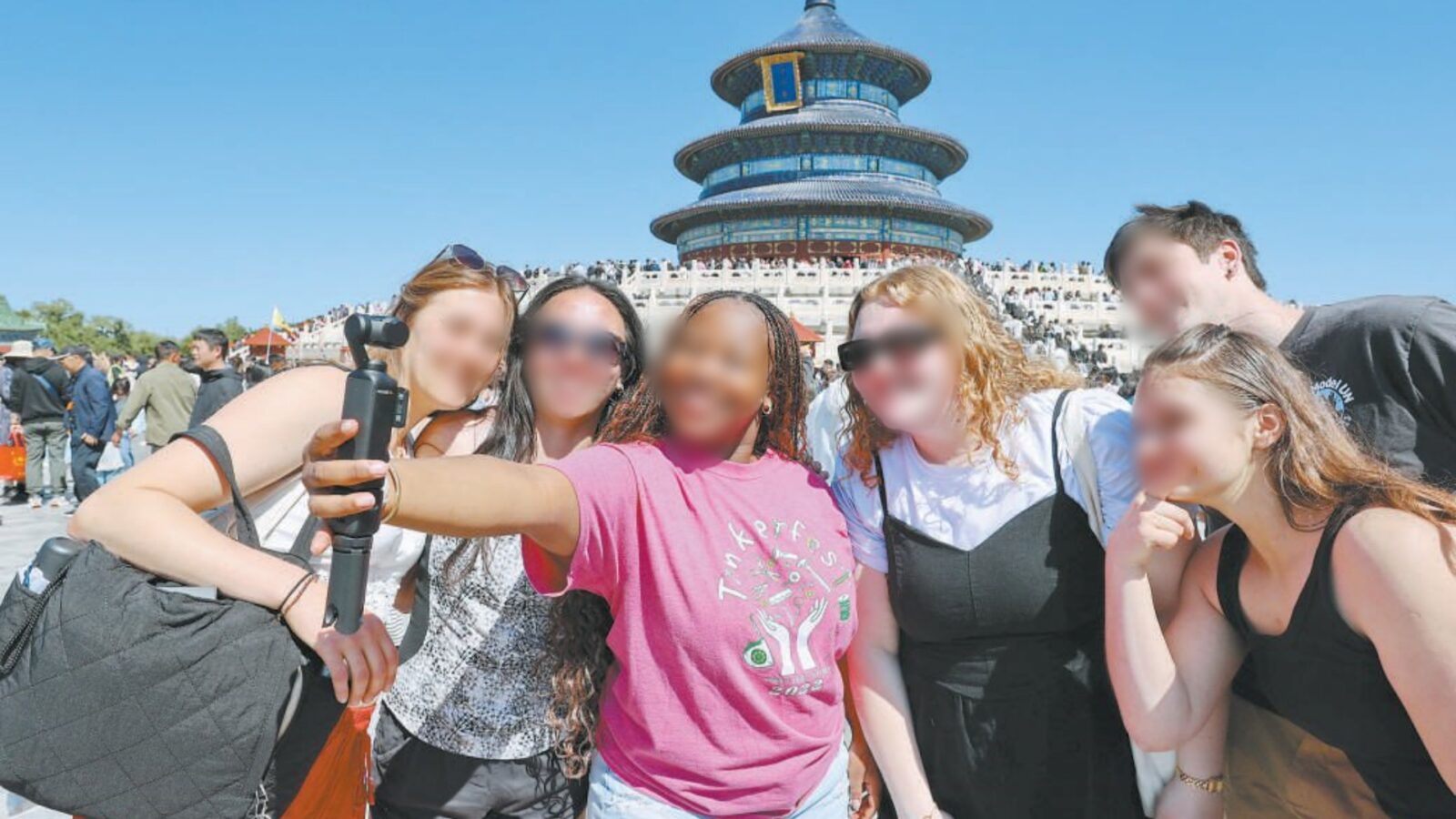
- Temple of Heaven: Mostly flat paved paths throughout the park and halls. One of Beijing's most accessible major sites.
- Summer Palace: Flat lakeside walkway runs the full perimeter. Dragon-boat service across Kunming Lake eliminates the need to walk the longer shoreline path.
- Great Wall (Mutianyu section): Cable car to the top and chair lift for the return. This is the most senior-friendly wall section—avoid Badaling (steeper) and Jinshanling (hiking only).
- Terracotta Warriors (Xi'an): Shuttle bus from the parking area. Pit walkways are flat and wheelchair-friendly. Electric golf-cart rental for the City Wall circuit costs about $15 per hour (¥100/hr).
- Big Wild Goose Pagoda: Elevator access to the upper viewing platform. Confirms specific accessibility needs with the operator before booking any Xi'an itinerary.
Lower-Walking Alternatives: River Cruises, Gardens, and Lakeside Towns
Some of China's most memorable scenery can be enjoyed from a seat or a boat. These venues are particularly well-suited to travelers who want to limit daily step counts.
- Yangtze cruise (Chongqing → Yichang, 3–4 nights): Flat-deck sightseeing from the boat. Shore excursions use coach transport; passengers choose the level of walking at each stop.
- Li River cruise (Guilin → Yangshuo, ~4 hours): Flat-deck boat with shaded seating. Karst peaks pass by without any walking effort.
- Zhujiajiao water town (near Shanghai): Flat-bottomed gondola rides through the canal network. Minimal walking needed between boat stops.
- West Lake (Hangzhou): Flat lakeside promenade circles most of the lake. Boat rides available for the full lake circuit.
- Reed Flute Cave (Guilin): Flat interior paths with handrails. Illuminated formations visible from a seated vantage point along the main walk.
Small Group Tours vs Private Tours
Two formats dominate packaged China tours. Each serves a different type of traveler, and the choice affects daily pace, cost, and social dynamic throughout the trip.
The single supplement distinguishes cost realities. Small-group tours apply a single supplement of roughly $800–1,500 (¥5,800–10,800) for solo travelers. Private tours quote per-person rates that double for single occupancy, which means solo travelers pay the same total as couples in most cases. Factor this into your comparison before evaluating headline prices.
When a Small Group Makes Sense
Small group tours work well for solo travelers who want built-in company and for those who appreciate a structured schedule. The shared meals and coach rides create natural social contact without requiring effort to arrange it. The lower per-person cost makes a 12-day itinerary accessible at a price point that private tours cannot match.
- Pros: Lower per-person cost; company at meals; English-speaking guide included; scheduled pace removes decision fatigue.
- Cons: Fixed departure dates; group waits for slower members; limited ability to customize daily itinerary.
When a Private Tour Is the Better Fit
Couples, families traveling together, and travelers with specific accessibility or dietary requirements tend to prefer private tours. The ability to set the morning start time, skip a site that feels too demanding, or extend a lunch break without consulting anyone else makes a measurable difference in daily comfort over a two-week trip.
- Pros: Fully customizable pace; driver and dedicated guide; responds to energy levels day by day; handles special requirements directly.
- Cons: Higher per-person cost; relies on guide chemistry; no built-in social group.
👥 Travel Companions: Seeking a shared journey or finding a compatible partner for your trip? Learn more about finding a China Travel Buddy.
Getting Around China by Plane, Train, and Car
China's transport network is extensive, but not all modes suit senior travelers equally. The ranking below reflects comfort, mobility accessibility, and the cognitive load of each option.
Station and airport assistance requires advance notice. Wheelchair service and porter help at major HSR stations must be requested 24–48 hours before departure. Assisted check-in at major airports is available but needs to be arranged when booking your ticket or through the tour operator. Build a 2-hour buffer before domestic flights to account for security and boarding queues.
- Book first-class HSR: Adds 30–50% more seat width and legroom for routes like Beijing–Xi'an and Xi'an–Shanghai.
- Request airport and station assistance: Arrange 24–48 hours ahead at major HSR stations and airports; specify mobility needs when booking.
- Allow 2-hour pre-flight buffer: Domestic airport security and boarding queues move slower than at international hubs.
- Keep printed addresses in Chinese characters: Show the hotel address to drivers who may not read English scripts fluently.
- Avoid peak-hour metro: Morning and evening rush hours crowd platforms and trains; schedule city transfers outside 7:30–9:00 a.m. and 5:00–7:00 p.m.
💕 Romantic Destinations: Planning a scenic, leisurely getaway for two alongside your tour? Check out our list of the Best Honeymoon Places in China.
When to Go: Best Seasons for Senior Travelers
China Tours for Seniors
Spring and autumn define the ideal windows for a China tour at any age. Temperatures across Beijing, Xi'an, and Shanghai stay in the 15–25°C range, skies tend toward clear, and the outdoor sites—Great Wall, Summer Palace, City Wall—are comfortable to walk. April brings cherry blossom around Wuhan and Yantai. October offers vivid fall foliage in Beijing's Fragrant Hills and along the Li River near Guilin.
- Spring (April–May): Mild temperatures 15–22°C across northern cities; cherry blossom in Wuhan and Yantai; ideal for walking tours and lakeside sightseeing.
- Autumn (September–October): Clear skies, 18–25°C in Beijing and Xi'an; fall foliage at its peak; the most popular window for a reason.
- Summer mountains (June–August): Avoid Beijing (35°C+) and Xi'an (38°C+); head to coastal retreats like Qingdao or mountain areas like Huangshan instead.
- Winter low-season (December–February): Fewer crowds and lower prices; Beijing averages 5°C by day in January; cold but manageable with proper layers.
Two periods merit deliberate avoidance. Chinese New Year (late January or early February) closes many sites, fills trains, and doubles hotel rates. National Day Golden Week (October 1–7) is China's largest domestic travel holiday—ticket queues and crowd density at major attractions peak sharply. A senior-friendly itinerary should steer clear of both.
Health, Medications, and On-Tour Support
A China tour for travelers over 60 benefits from a short pre-departure checklist. The items below take an hour or two to arrange and remove the most common health-related disruptions mid-tour.
- Prescription list in English and Chinese: Carry a typed list of all medications with generic names, dosages, and Chinese translations. Keep medications in original packaging in your carry-on, not checked luggage.
- Travel insurance minimum $100,000 (¥710,000) medical coverage: Confirm the policy covers pre-existing conditions and emergency medical evacuation before departure.
- Embassy verification for controlled substances: Some prescription medications require prior approval to bring into China. Verify with the Chinese embassy before packing.
- Locate clinics near your hotel: Major cities have international clinics. Ask your tour operator to confirm the nearest Western-standard medical facility to each hotel.
- Dietary requirements submitted two weeks ahead: Low-sodium, diabetic, vegetarian, gluten-free, and other common restrictions are manageable at international hotels and Western-style restaurants; submit the request to the operator in advance.
Air-conditioning in hotels and coaches runs strong year-round. Layer clothing rather than relying on a single outer layer. Larger Yangtze cruise vessels carry a ship doctor, which removes the nearest-medical-support concern on cruise days. Confirm your operator provides a 24/7 local contact reachable from a foreign SIM or hotel Wi-Fi before you depart.
Frequently Asked Questions
Q: What is the best China tour for a single senior?
Small-group tours accept solo travelers and typically add a single supplement of roughly $800–1,500 (¥5,800–10,800) for a 12-day itinerary. Some operators run women-only or 50-plus departures with no single supplement—ask when booking. Private tours cost $5,000–8,000 (¥36,000–58,000) per person for 12 days, which doubles for single occupancy and offers full flexibility over pacing and itinerary.
Q: Are there China tours that depart from Vancouver or other North American cities?
Yes. Direct flights from Vancouver to Beijing and Shanghai operate most days on Air China, with flight times around 11–12 hours. Round-trip economy fares range from $900–1,600 (¥6,400–11,500). Most tour operators bundle international flights with the domestic land program into a single package. Departures from LAX, SFO, JFK, and ORD are also available with similar fare ranges.
Q: How accessible are the Great Wall, the Forbidden City, and the Terracotta Warriors?
The Mutianyu section of the Great Wall is the most senior-friendly option—cable car ascends to the top, chair lift returns. The Forbidden City offers a single-level ramped one-way route covering the main circuit in approximately 1.5 hours at an easy pace. The Terracotta Warriors site provides a shuttle bus from the parking area and flat pit walkways that are wheelchair-accessible throughout. Confirm specific mobility requirements with the operator before booking.
Q: What should seniors look for in travel insurance for China?
A minimum medical coverage of $100,000 (¥710,000) is recommended for travelers over 65. The policy should explicitly cover pre-existing medical conditions and include emergency medical evacuation back to your home country. Check whether trip cancellation due to health reasons and family emergencies is included—these clauses protect your tour investment if circumstances change before departure.
Q: Can dietary restrictions and medication needs be accommodated on tour?
Yes. Submit dietary requirements—low-sodium, diabetic, vegetarian, gluten-free, or other—to the tour operator at least two weeks before departure. International hotels and Western-style restaurants handle most common restrictions without difficulty. For medications, keep prescriptions in original packaging, carry a typed English-and-Chinese medication list, and verify with the Chinese embassy whether any controlled substances require advance approval before bringing them into the country.
Q: Are there combined China and Southeast Asia tours for older travelers?
Yes. Popular pairings include China plus Vietnam (Hanoi, Halong Bay), China plus Thailand (Bangkok, Chiang Mai), and China plus Japan. Combined tours typically run 18–24 days in total duration. Cruise-and-stay extensions linking Hong Kong with Vietnam are also available through major operators. These longer itineraries work best with a private guide and a slower pacing structure to manage the cumulative travel distance.
Q: What does a senior-friendly China tour typically cost?
A small-group tour of 10–14 days costs approximately $2,800–4,200 (¥20,000–30,000) per person. A private tour of the same duration runs $5,000–8,000 (¥36,000–58,000) per person. Adding a Yangtze cruise extension adds $500–1,200 (¥3,600–8,600). International flights from North America run $900–1,600 (¥6,400–11,500) round-trip in economy. Solo travelers on small-group tours should budget an additional single supplement of roughly $800–1,500 (¥5,800–10,800).