Chengkan Town :Quiet Ancient Village Near Huangshan
Chengkan Town :Quiet Ancient Village Near Huangshan
Chengkan Town
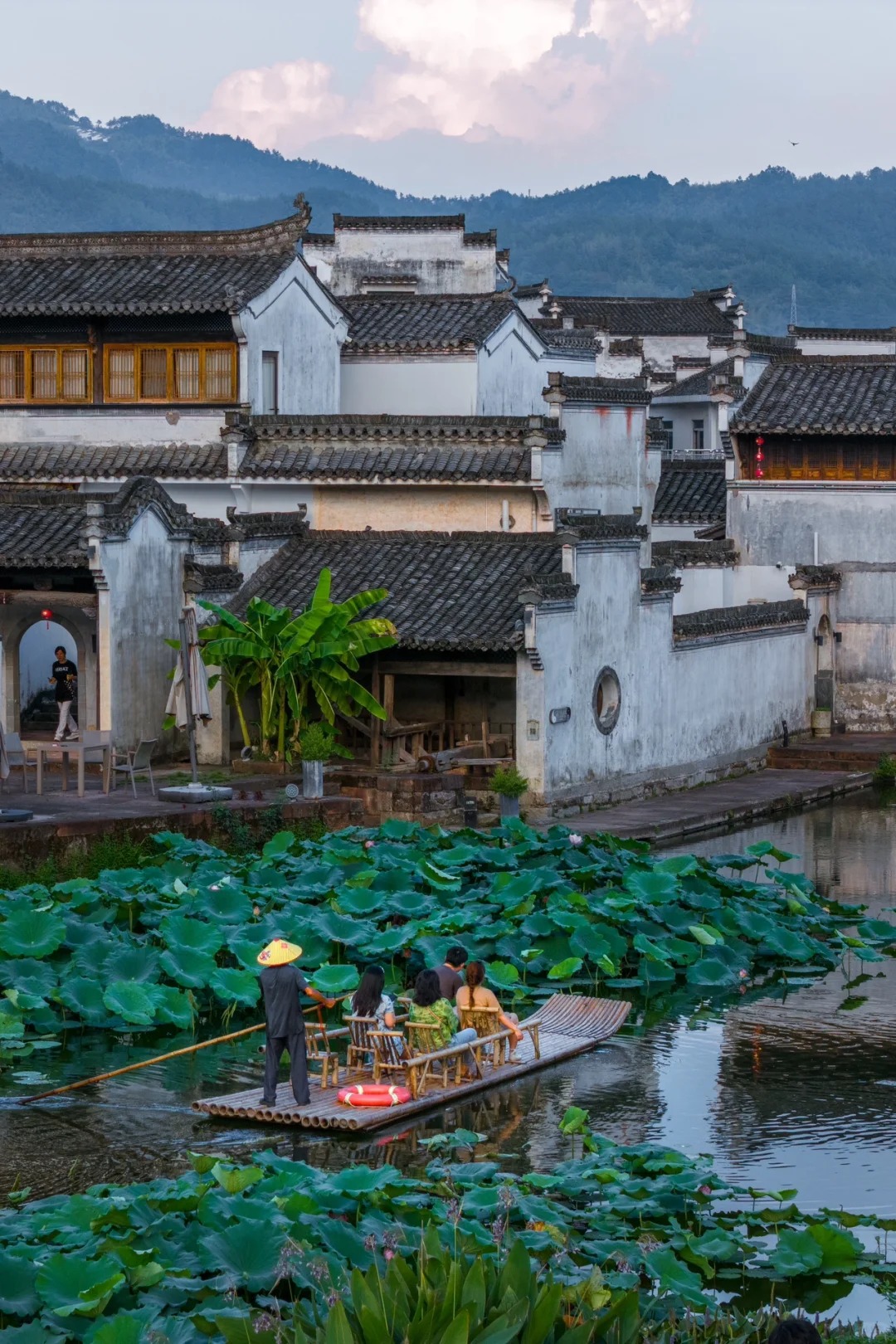
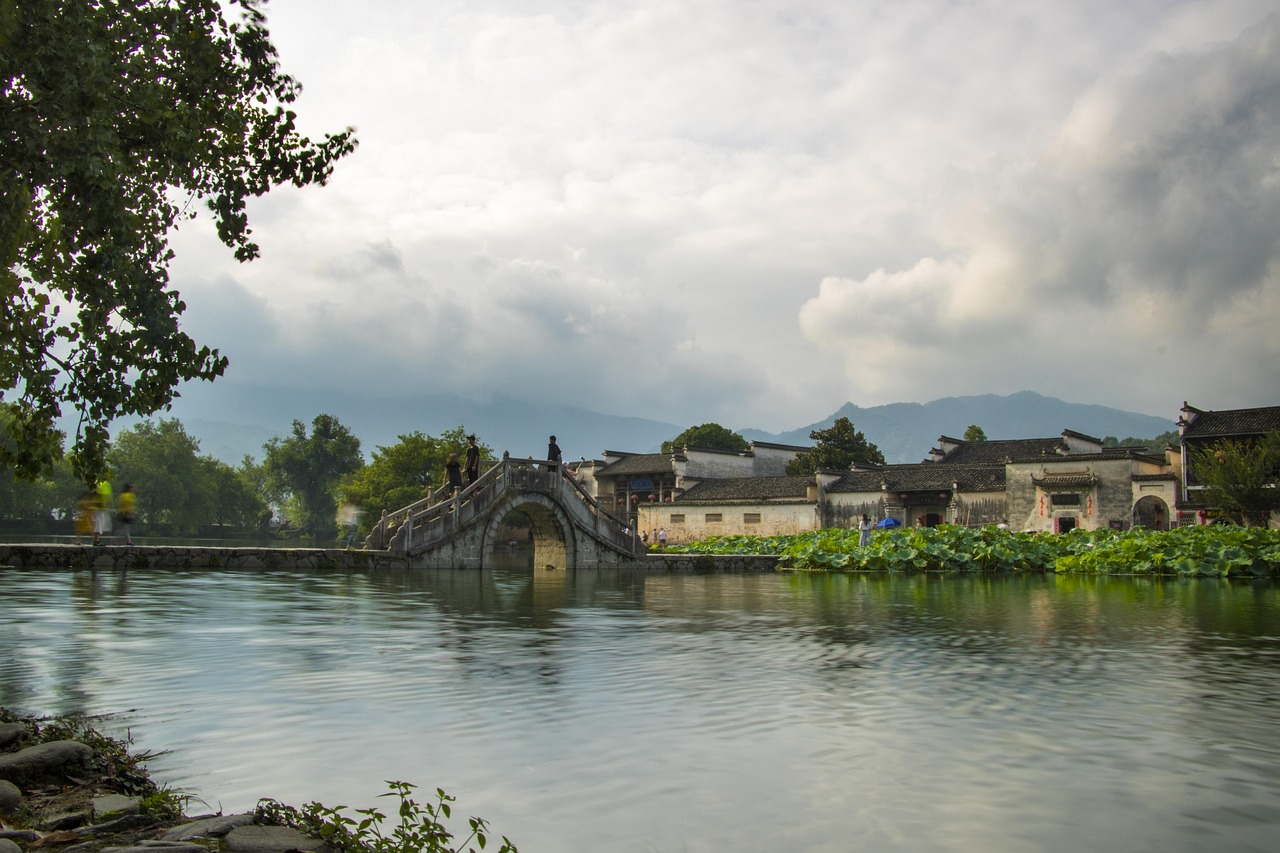
Chengkan Town sits quietly outside Huangshan, and that is part of why it stays memorable. Bigger names like Hongcun attract most first-time visitors, while Chengkan keeps a slower rhythm, with narrow stone lanes, old Huizhou houses, and ponds that reflect the white walls in the early morning light. It is not a place packed with staged performances or heavy crowds. What stands out here is how natural everything feels. If ancient villages often seem over-restored or over-touristed, Chengkan Town usually feels like the more honest version people were hoping to find.
🏯 Full Name
Chengkan Town (also called Chengkan Village / 呈坎古村)
📍 Location
Huizhou District, Huangshan City, Anhui Province, about 28 km from Tunxi Old Street
🕰️ History
More than 1,800 years old, with roots tracing back to the Three Kingdoms era
🧭 Famous For
Bagua-style village layout, Huizhou clan architecture, ancestral halls
🏛️ Architectural Style
Ming and Qing Dynasty Huizhou white-wall black-tile courtyard houses
🎫 Entrance Ticket
Usually around RMB 107 per adult (seasonal adjustments possible)
⏳ Ideal Visit Duration
2–4 hours for village only; half day if including photography stops
🚗 Best Access Option
Taxi/private car from Huangshan city is fastest and easiest
🌸 Best Visiting Seasons
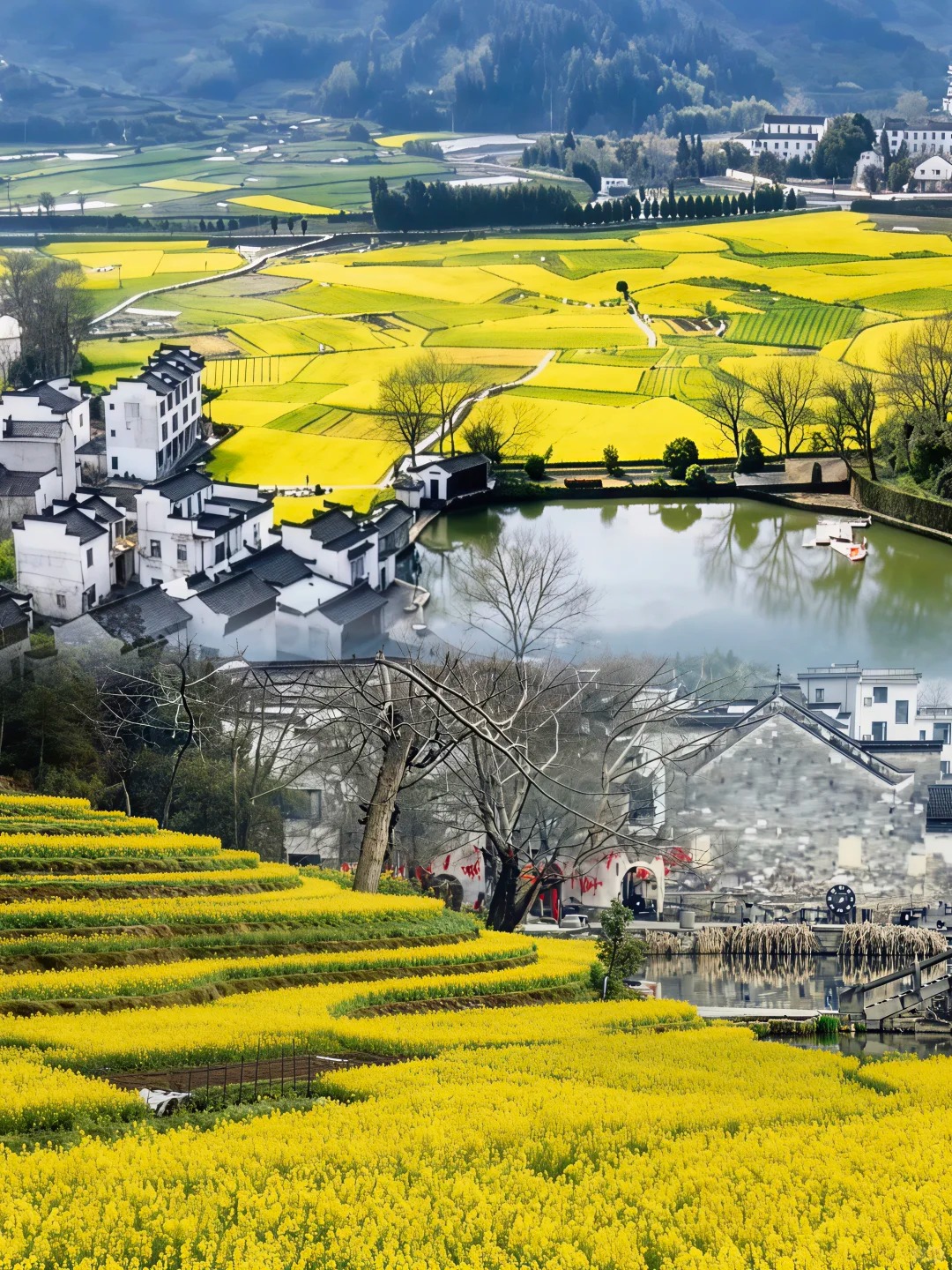
Spring for rapeseed blossoms; autumn for harvest scenery and softer light
The first thing that sets Chengkan Town apart is its Bagua layout. This is the feature almost every local guide mentions, and in this case it is not exaggerated. The village was designed around traditional feng shui principles, where waterways, houses, and lanes were arranged in a pattern linked to the eight trigrams. That planning logic still shapes how the village feels today.
Origin: Chengkan Town’s layout comes from Huizhou geomancy traditions. Older village records describe how builders used nearby streams and surrounding hills as part of the feng shui balance, not just as natural landscape.
Structure: The well-known phrase “three streets and ninety-nine lanes” refers to the dense internal network of passageways. Some alleys narrow suddenly, others bend into small residential corners, which is why many first-time visitors find themselves doubling back without meaning to.
Unlike many ancient towns that now feel simplified for tourism, Chengkan Town still keeps its original maze-like structure. You are walking through a place designed for clan living, not modern sightseeing, and that difference becomes obvious after only a few turns.
Less Touristy Atmosphere Compared to Hongcun
Natural Scenery of Chengkan
Compared with Hongcun, Chengkan Town feels noticeably quieter, and that changes the whole experience.
Fewer Crowds: Even during busy travel months, visitor numbers here are usually lower. You can still find quiet lanes in late morning, which is rare in Hongcun.
Less Commercialization: Chengkan Town has shops near the entrance, but inside the village there are fewer souvenir rows, costume photo studios, and crowded snack streets.
More Local Life: Residents still live inside the old houses. It is common to see people airing bamboo baskets, washing vegetables by the water, or chatting outside ancestral halls.
Better for Slow Travel: Foreign travelers often prefer Chengkan because it feels less staged. You are not moving through a polished attraction route; you are walking through a village that still runs on its own rhythm.
That quieter atmosphere is hard to fake, and it is one reason many people end up spending longer here than planned.
Well-Preserved Huizhou Clan Architecture
Chengkan's Architecture
Chengkan Town is also one of the better places to see authentic Huizhou clan architecture without heavy reconstruction. Many buildings here date back to the Ming and Qing periods, and the village still keeps the visual character that defines an ancient Huizhou village: whitewashed walls, black roof tiles, enclosed courtyards, and the tall horse-head gables that rise above the lanes.
What makes the architecture especially interesting is how complete it feels. In some better-known villages, restored sections can look too polished, almost like museum copies. Chengkan Town feels different. The carved wooden beams show age, brick gate frames carry uneven weather marks, and several ancestral halls still retain original structural details rather than replacement replicas. Luo clan family compounds remain one of the strongest examples of this heritage, reflecting how clan-based settlement shaped the village layout as much as feng shui did.
For architecture lovers, Chengkan Village rewards slow observation. The appeal is not in one dramatic landmark, but in the consistency of detail from one courtyard to the next.
Highlights To See Inside Chengkan Town
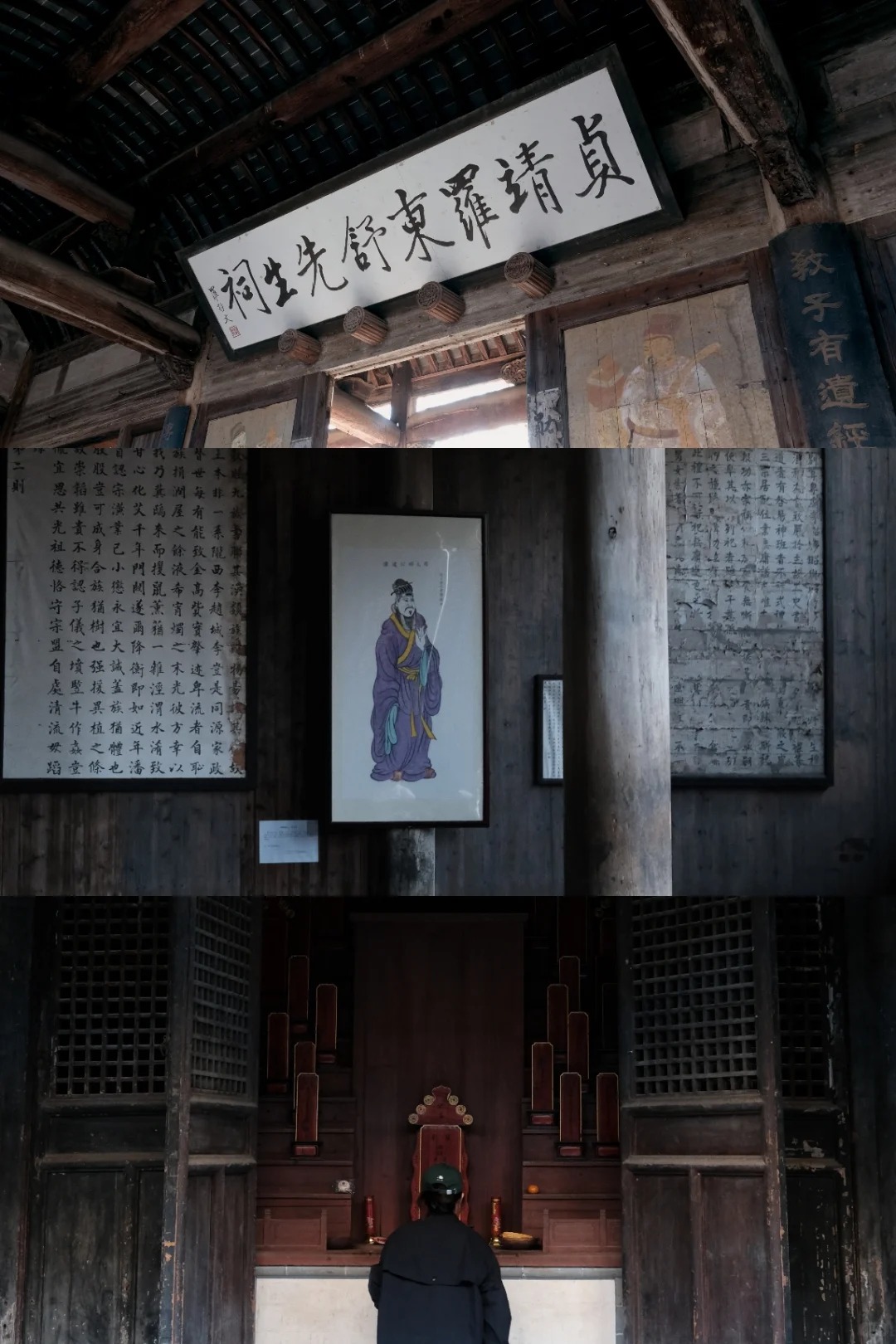
Luo Dongshu Ancestral Hall Is Chengkan Town’s Cultural Center
Luo Dongshu Ancestral Hall
Luo Dongshu Ancestral Hall is one of the most important historic buildings in Chengkan Town, and it is usually where visitors begin to understand that this village was built around clan life, not just architecture. The hall dates back to the Ming Dynasty and belonged to the influential Luo family, whose presence shaped much of Chengkan’s early development.
Inside, the craftsmanship is what holds attention the longest. The wooden beams carry detailed carvings of flowers, birds, and symbolic animals, while the brick and stone bases around the entrance still show fine hand-cut patterns. None of it feels decorative for tourists; these details were made to express family rank and ancestral respect.
What makes this hall especially valuable is the layout itself. The central courtyard, side chambers, and ancestral tablets explain how Huizhou family clans operated as social units. In many ancient villages, ancestral halls are reduced to display rooms. Here in Chengkan Town, the structure still reads like a functioning family space, which makes it one of the most meaningful things to see in Chengkan Town.
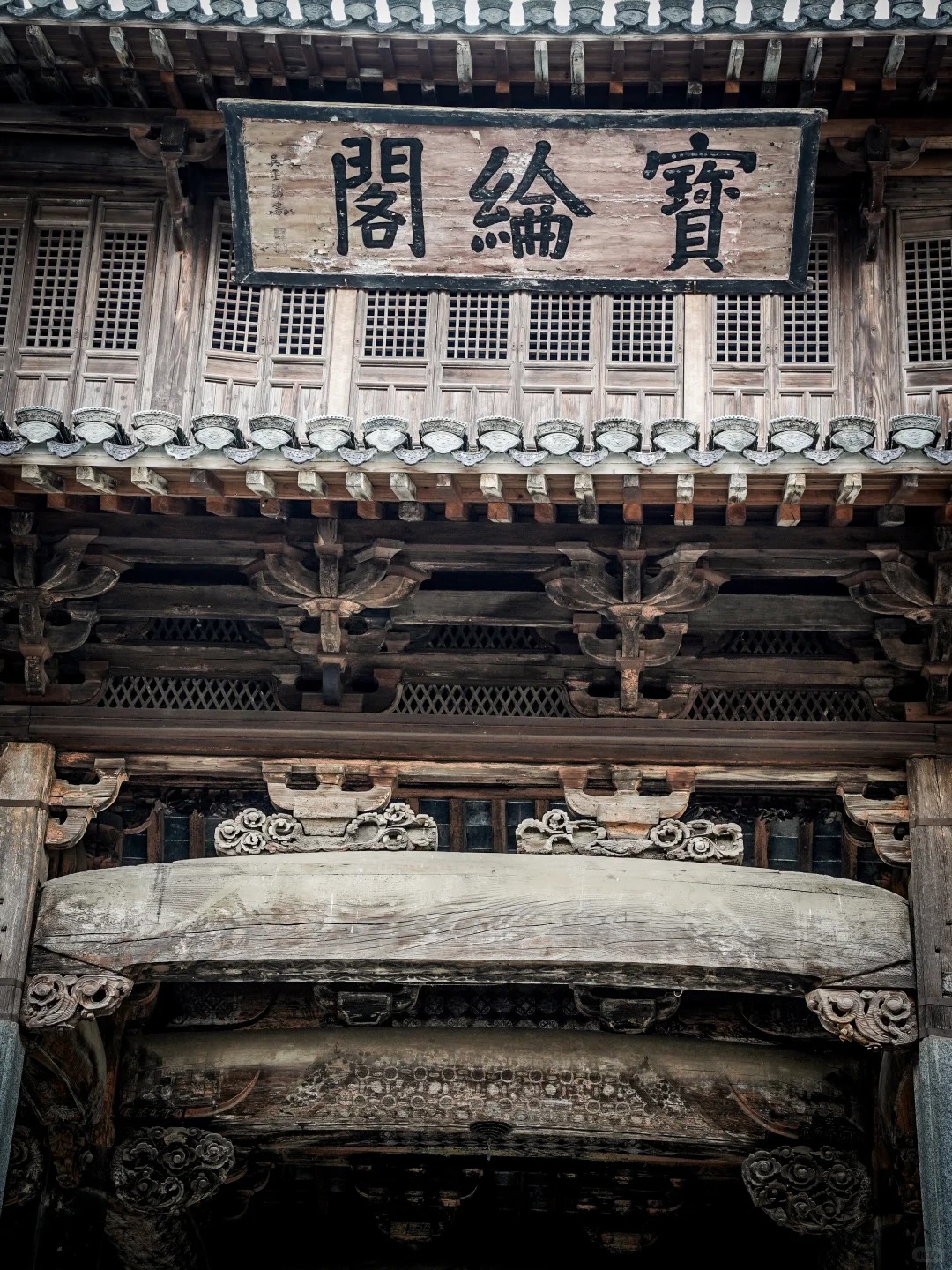
Baolun Pavilion Is The Most Photographed Spot In Chengkan Town
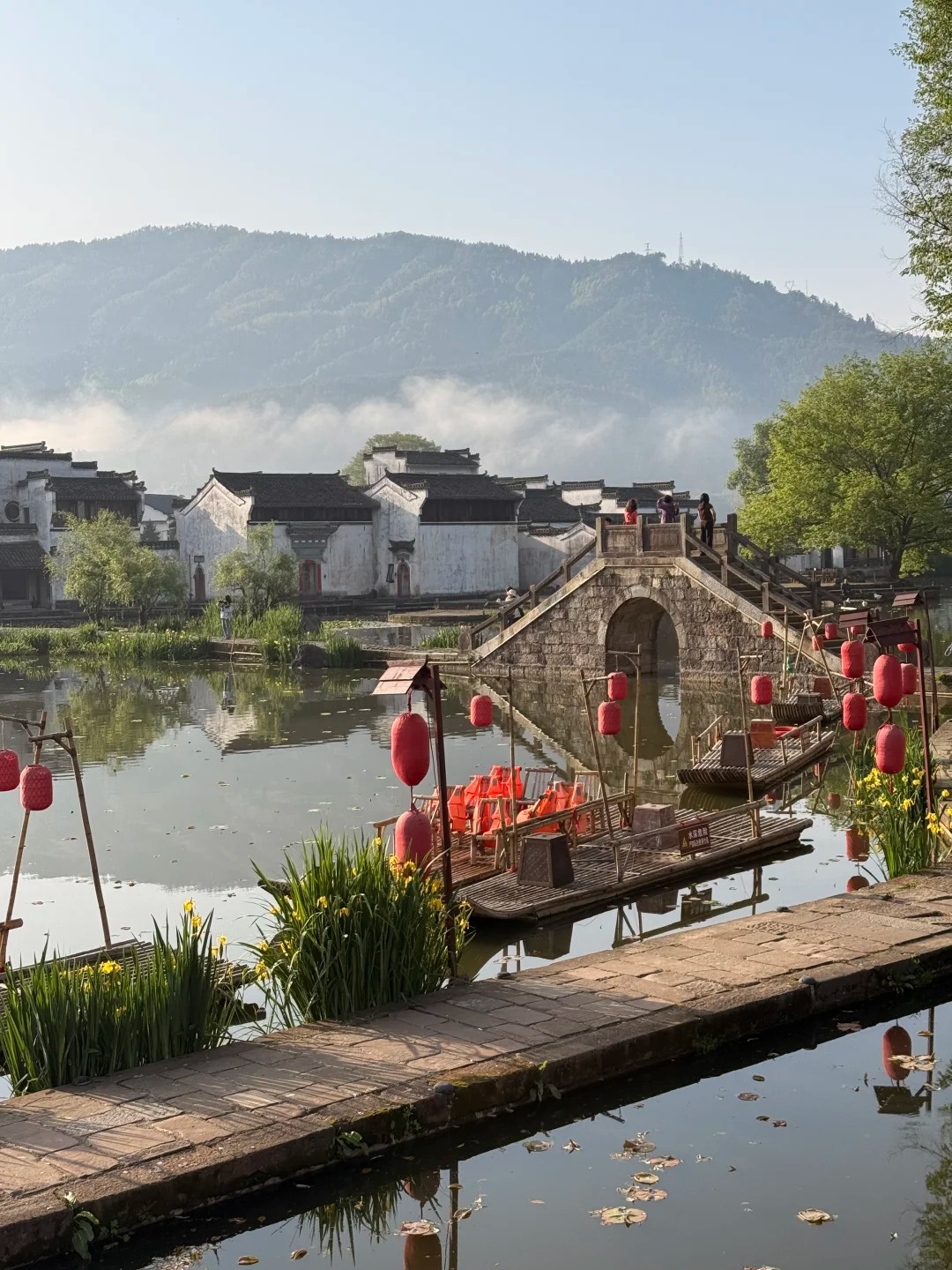
Baolun Pavilion
Baolun Pavilion sits near the water and is probably the image most people recognize before they even arrive in Chengkan Town. Its position beside the pond creates the classic reflection scene that appears in travel brochures, postcards, and almost every Xiaohongshu photo guide.
The best time to photograph it is early morning, usually before 9 a.m., when the water surface stays calmer and tour groups have not yet filled the area. On still days, the reflection of the black-tiled roof appears almost perfectly symmetrical.
The most reliable shooting angle is from the stone path across the pond, slightly off-center rather than directly in front. Many Chinese photography bloggers recommend crouching lower to bring more water into frame, and that advice actually works well here. Midday light tends to flatten the contrast, so sunrise or overcast mornings give much better depth.
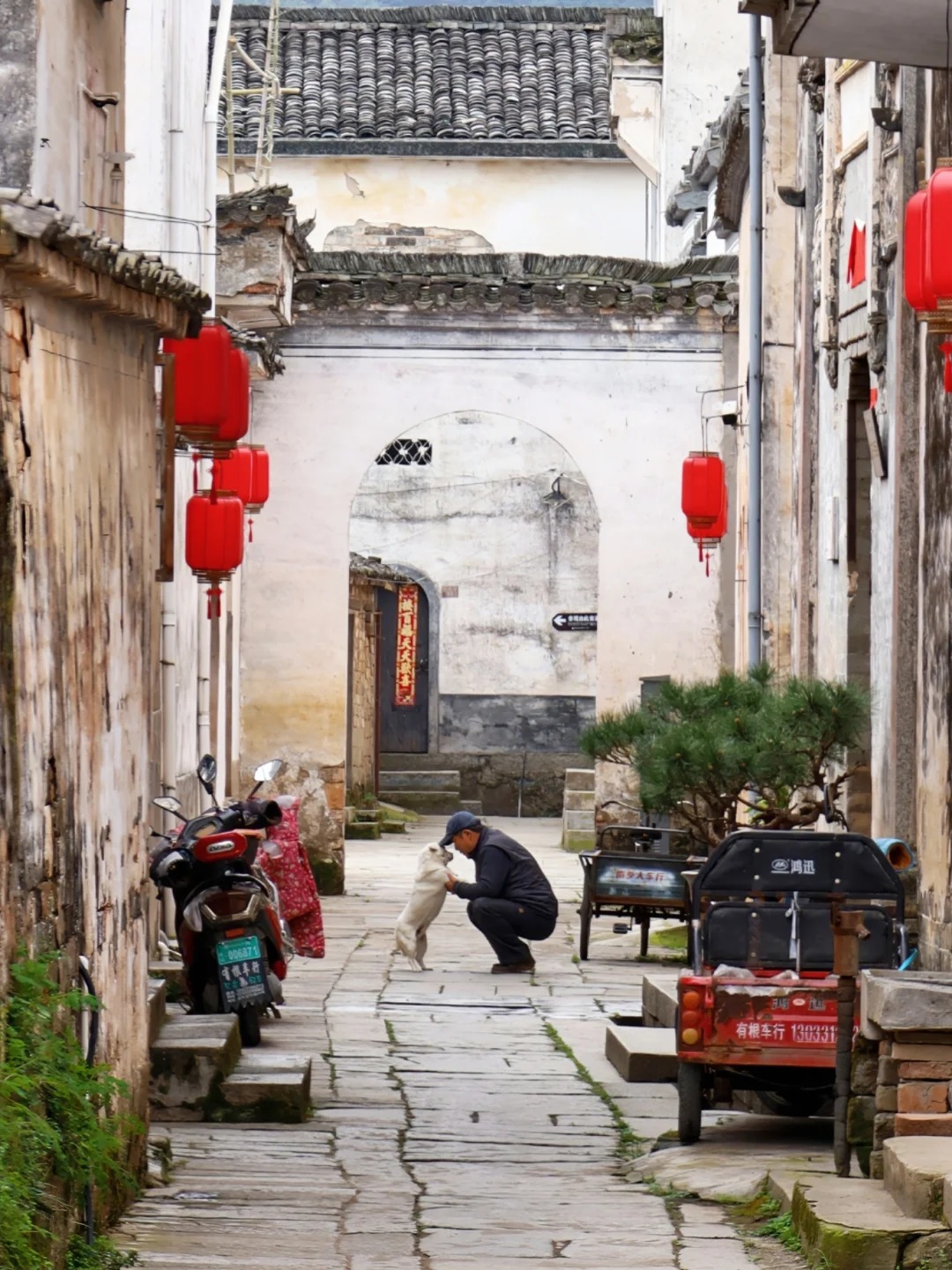
Chengkan Town’s Narrow Stone Alleys Are Worth Slowing Down For
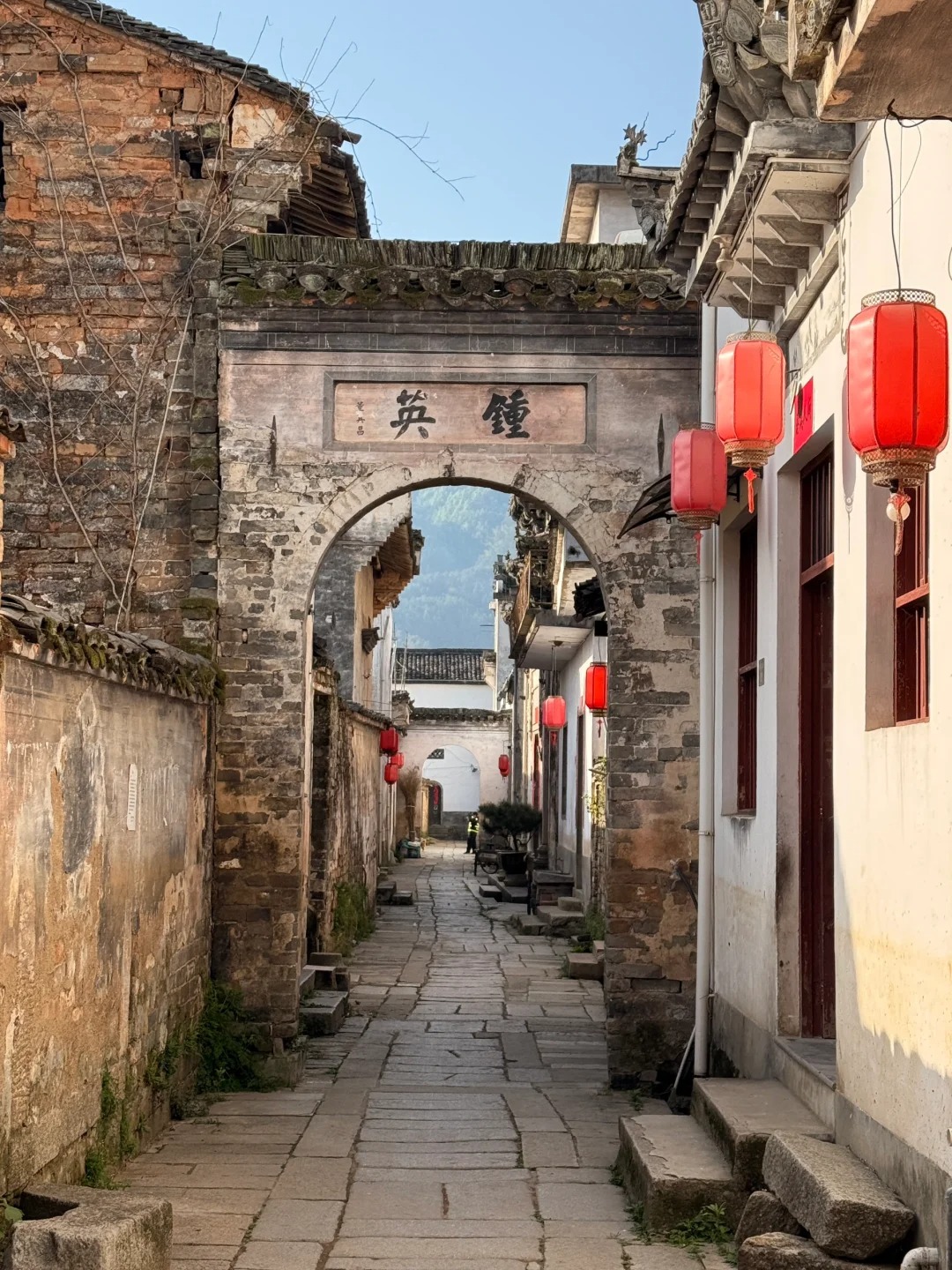
Chengkan Town’s Narrow Stone Alleys
Some of the best moments in Chengkan Town happen away from the landmark buildings. The narrow stone alleys between houses are where the village feels most natural, especially in the morning when sunlight cuts into the lanes at uneven angles.
These alleys change character through the day. Early light creates long shadows against whitewashed walls, while late afternoon softens the stone textures and brings warmer tones into photographs. This is also where daily village life becomes visible: elderly residents sitting on low stools, baskets of vegetables left outside doorways, strings of drying corn or peppers hanging under eaves.
It is tempting to stay on the main walking route, but that usually means missing the most human parts of Chengkan Town. The side lanes are where the village still feels unstaged.
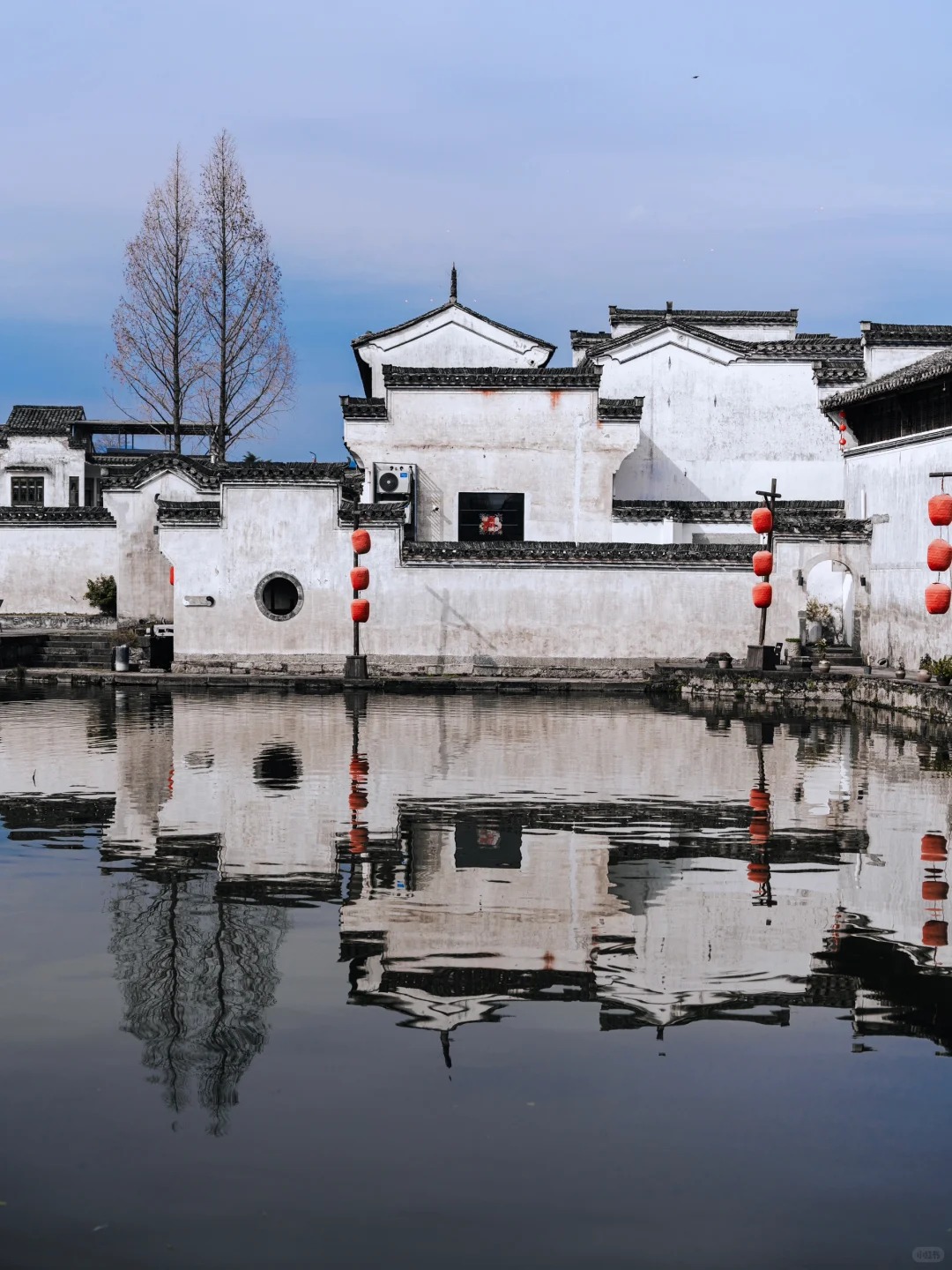
The Moon Pond Area Shows Chengkan Town At Its Quietest
The Moon Pond Area
The Moon Pond area is one of the calmest corners of Chengkan Town, and it often feels quieter than the better-known central pond near Baolun Pavilion. The water here is still enough to catch clear reflections of walls, trees, and passing clouds, especially after light rain.
Rainy mornings are often the best time to come. The stone edges darken with moisture, the air feels cooler, and the reflections become sharper. Even when the weather is gray, this part of the village photographs beautifully because the muted light reduces glare on the water.
What makes this area special is not just scenery but atmosphere. There is less movement here, fewer voices, and fewer people stopping for staged photos. If Chengkan Town has one place that captures its slower rhythm most honestly, it is this pond.
How To Walk Through Chengkan Town If You Only Have Two Hours
If time is limited, Chengkan Town works best as one continuous walking loop rather than a random walk through the lanes. Two hours is enough to cover the main highlights at a comfortable pace, but it helps to move past the entrance shops quickly and save more time for the inner village.
Route: → Entrance Gate (10 minutes) → Luo Dongshu Ancestral Hall (25 minutes) → Baolun Pavilion (20 minutes) → Narrow Stone Alleys (30 minutes) → Moon Pond Area (20 minutes) → Return Walk via Side Lanes (15 minutes)
Luo Dongshu Ancestral Hall deserves the longest stop if architecture interests you, since many of the carved wood and stone details are easy to miss at first glance. Baolun Pavilion is usually the busiest photo stop, so early arrival makes a difference.
The stone alleys between Baolun Pavilion and Moon Pond are where Chengkan Town feels most natural. This is the section worth slowing down for, even if the route looks simple on paper.
What To Eat Near Chengkan Town
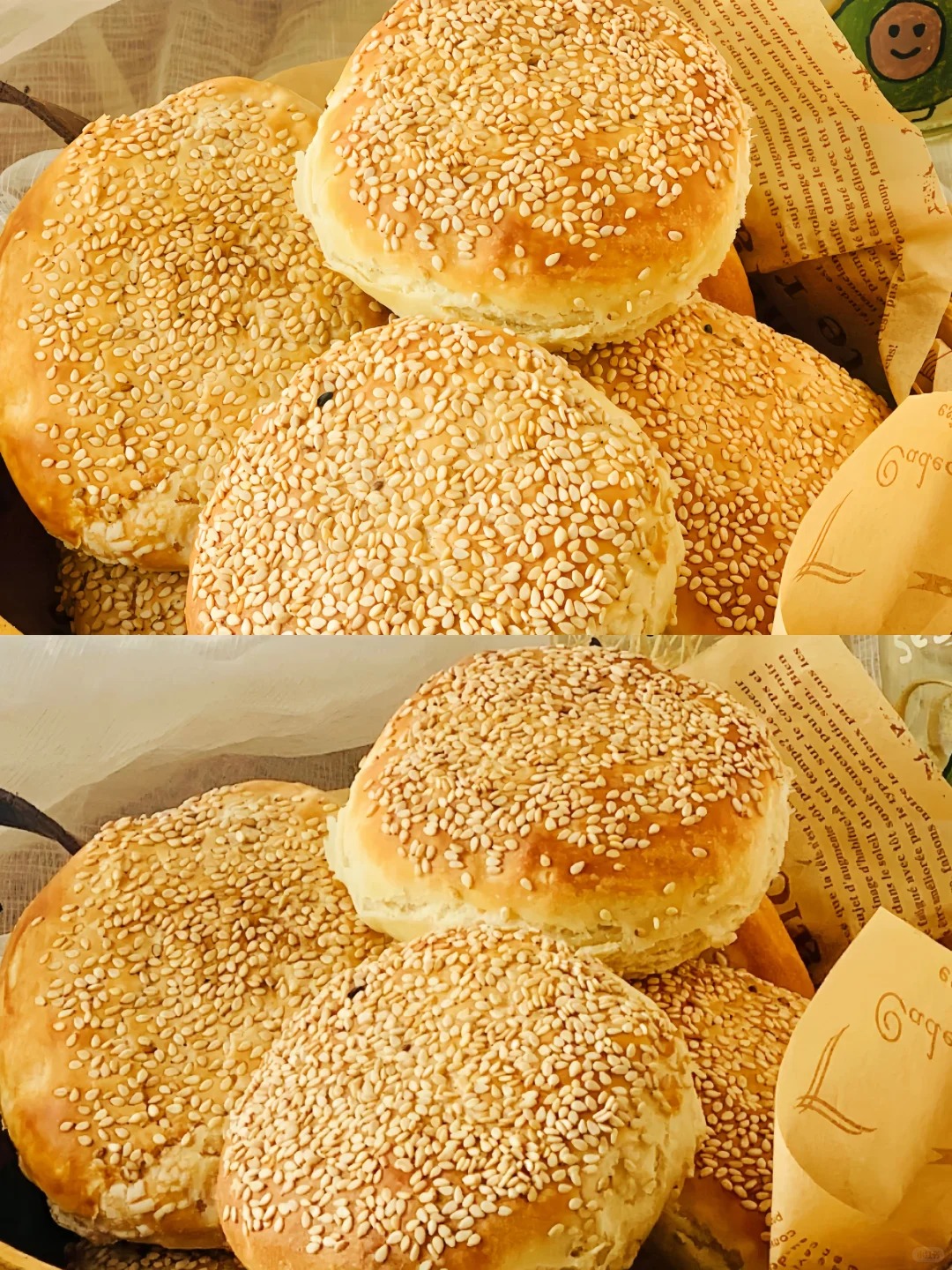
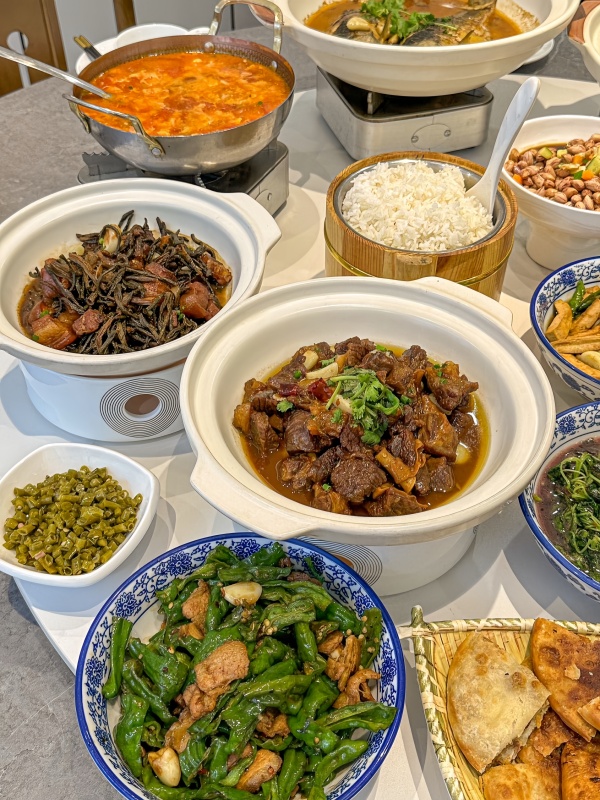
Huizhou Sesame Cakes
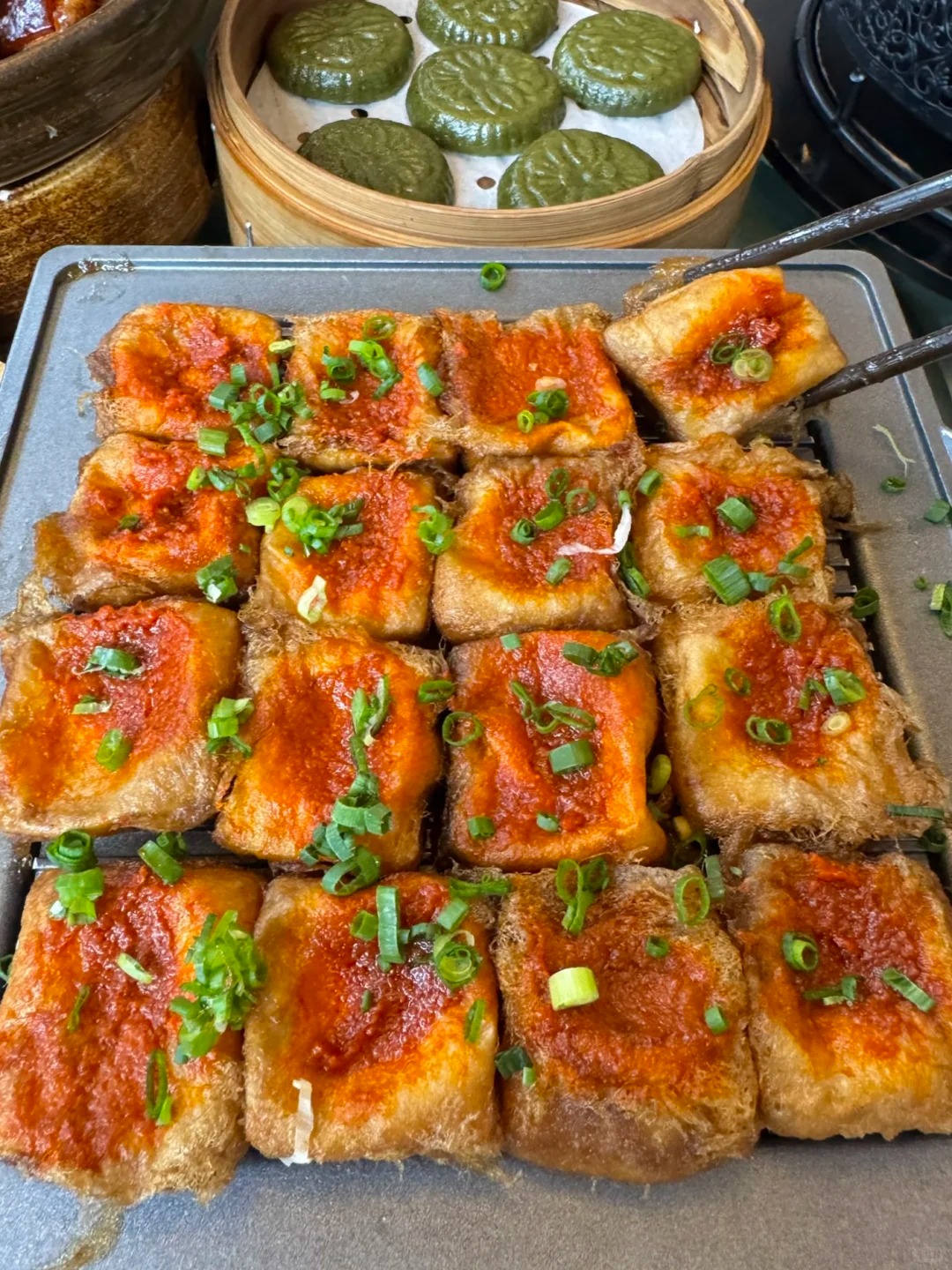
Mao Tofu
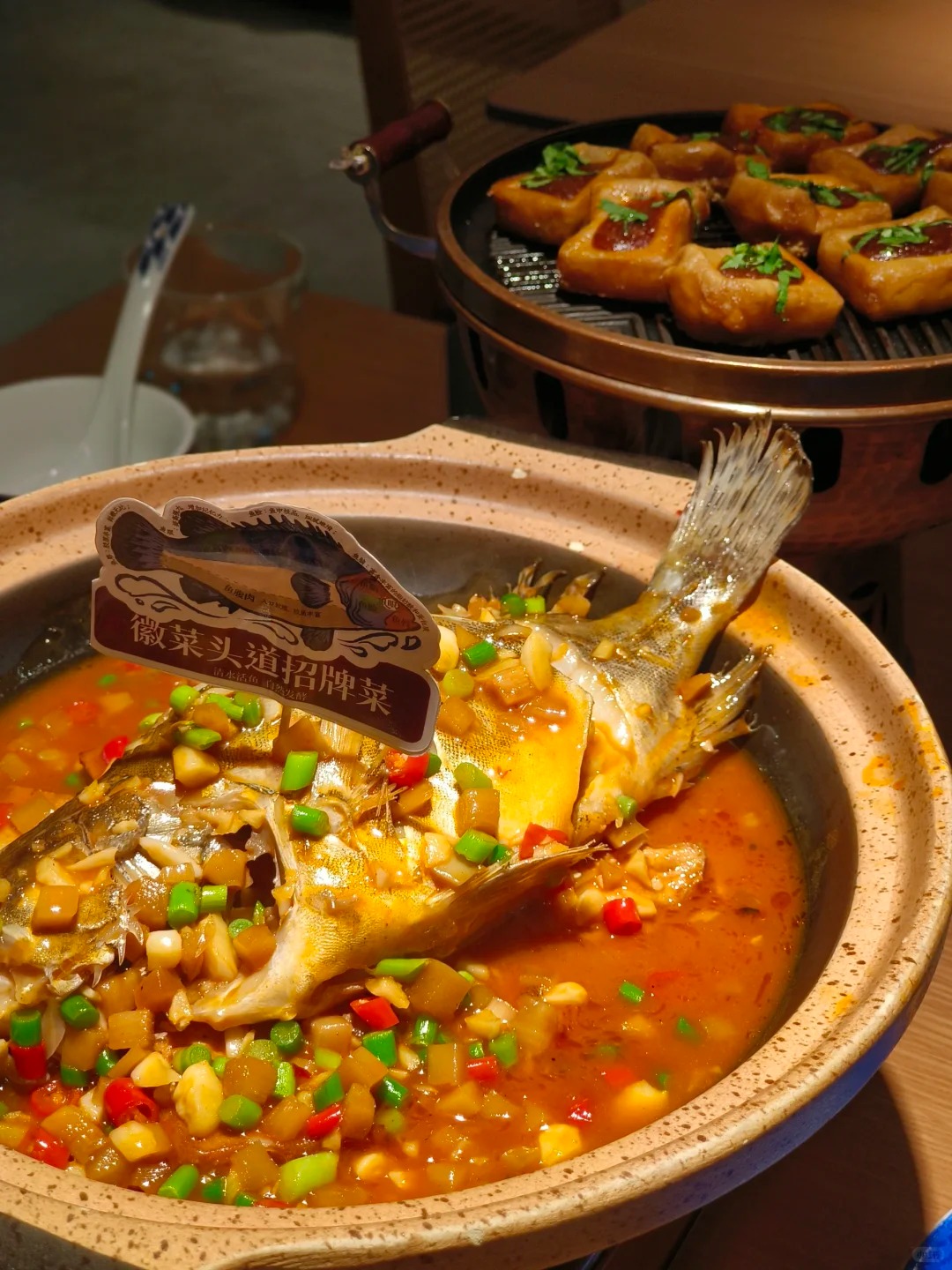
Stinky Mandarin Fish
Huizhou Sesame Cakes Near Chengkan Town
Huizhou sesame cakes are the easiest snack to find around Chengkan Town, especially near the entrance area and small roadside shops leading toward the parking zone. Most vendors sell them in simple paper bags, often freshly baked in small batches rather than mass-produced. If you want to understand how this kind of snack fits into wider Anhui food culture, you can check this quick guide before or after your visit.
Selling Location: Small stalls near Chengkan Town gate, parking area shops, and Tunxi roadside bakeries on the way in or out.
Taste & Texture: Thin, crispy outside with roasted sesame aroma; slightly sweet or lightly savory depending on the shop. The texture is dry and flaky, so it travels well.
Why People Buy It: It is usually chosen as a walking snack inside Chengkan Town because it doesn’t spill or spoil easily, and one or two pieces are enough while exploring.
This is not a complex dish, but it works well when you are moving between lanes and do not want a heavy meal.
Mao Tofu Around Chengkan Town Is A Local Specialty
Mao tofu appears in small local restaurants around Chengkan Town, especially in family-run eateries outside the main scenic gate area. It is usually served fresh from pan-frying rather than pre-prepared dishes.
Selling Location: Small Huizhou-style restaurants within 5–10 minutes of Chengkan Town entrance, often simple storefronts with handwritten menus.
Taste & Texture: Fermented tofu with a slightly “hairy” surface before cooking, then pan-fried until crispy outside and soft inside. The taste is mild fermented flavor with a nutty aftertaste, not as strong as it looks.
Visitor Expectation: First-timers sometimes hesitate because of appearance, but locals treat it as a normal daily dish rather than a challenge food.
It is more about texture contrast than strong seasoning, and usually eaten as part of a shared meal.
Stinky Mandarin Fish Is The Signature Meal Near Chengkan Town
Stinky mandarin fish is one of the most well-known Huizhou dishes served in restaurants around Chengkan Town and Huangshan city. It is usually ordered in sit-down restaurants rather than street stalls due to preparation time.
Selling Location: Mid-range local restaurants near Chengkan Town or in nearby Tunxi dining streets; commonly listed as a signature dish on printed menus.
Taste & Texture: Strong fermented smell during cooking, but the fish itself is tender, slightly sweet, and very soft once braised. The smell reduces significantly after cooking.
When to Eat: Best ordered as a shared lunch dish after visiting Chengkan Town, since it is quite filling and not ideal for quick snacks.
Despite the smell reputation, many travelers are surprised that the flavor is much milder than expected once it reaches the table.
Differences between Chengkan Town and Hongcun
Choose Chengkan Town For Quiet Streets And Fewer Crowds
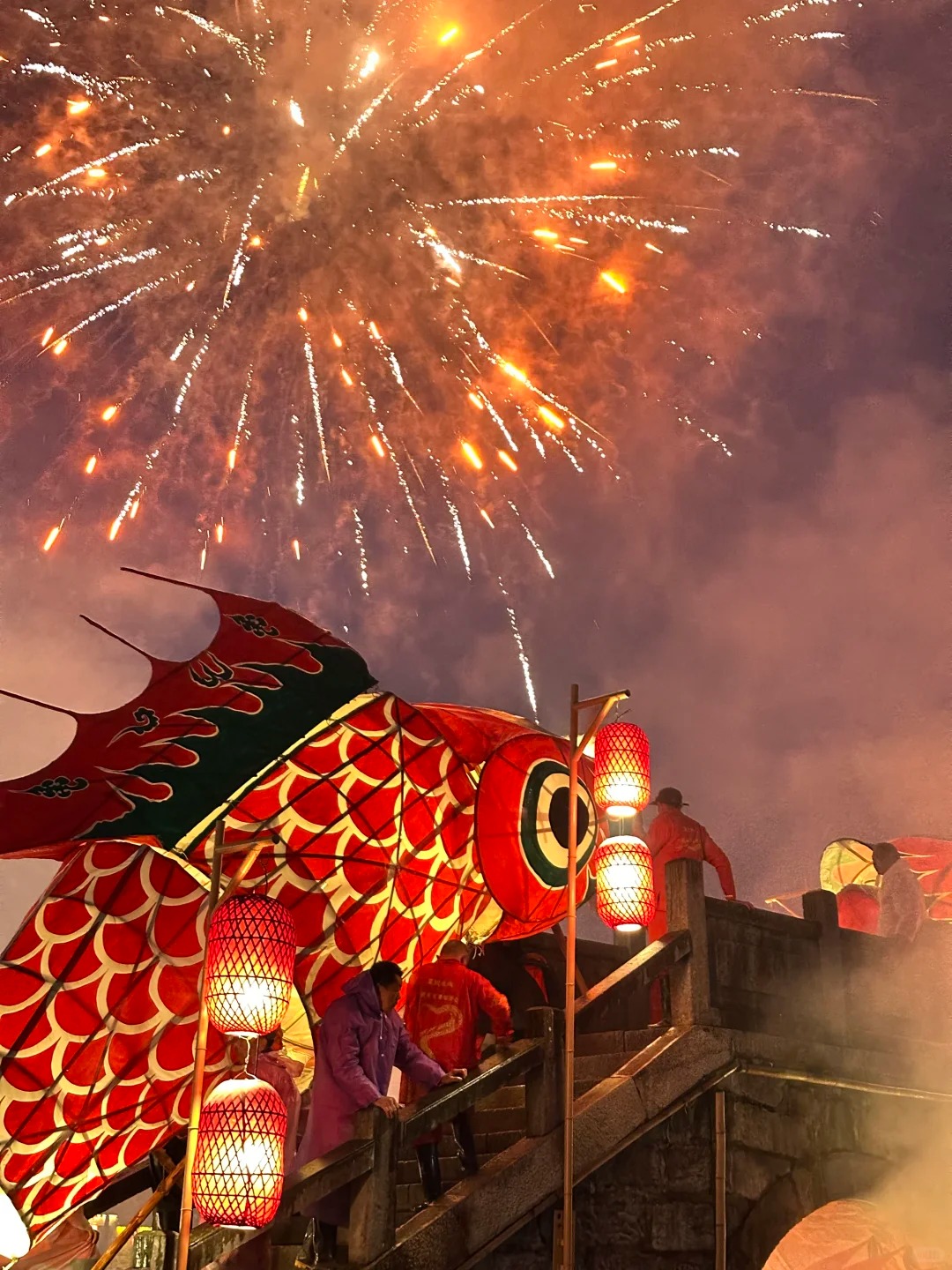
Firework in Chengkan
Chengkan Town works better for travelers who care more about space and pace than famous views. The streets are quieter, and even in busy seasons you can still find corners where no one is taking photos. That matters more than it sounds, especially if you are trying to shoot without people walking into every frame.
Photography is usually the main reason people choose Chengkan Town over Hongcun. The light behaves differently here because the lanes are narrower and more enclosed. Shadows fall across white walls in a softer way, and reflections in the ponds feel less staged because there are fewer fixed “photo spots” being crowded at the same time.
It also fits better for slow travelers. Chengkan Town does not push you along a fixed sightseeing rhythm. You can pause for a while in side lanes or sit near the water without feeling like you are blocking a queue. Some visitors mention that it feels more “normal village” than attraction, which is exactly why they remember it more later.
Choose Hongcun If You Want Famous Landmark Views
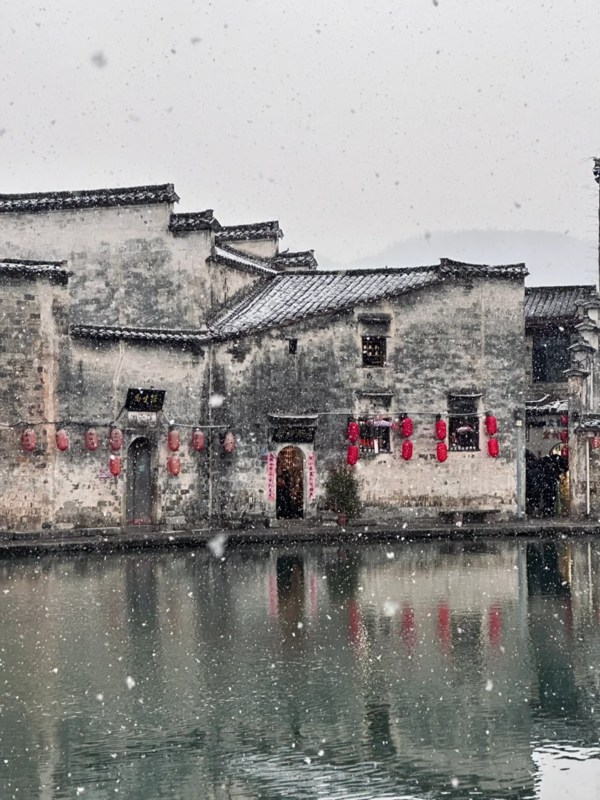
Winter of Hongcun
Hongcun is the better choice if you want instantly recognizable scenery. The village lake, the iconic reflections, and the classic Huizhou courtyard layouts are more polished and more widely photographed. It is the image most people already have in mind when they think of Anhui ancient villages.
Because of that popularity, Hongcun also feels more structured for tourism. There are clear walking routes, more signage, and a steady flow of tour groups moving between main spots. For first-time visitors to Anhui or those on a short itinerary, that can actually make planning easier.
It is also more “complete” in terms of visitor services. Cafes, ticketed exhibitions, and organized viewpoints are more developed. But that also means you share space with many more people, especially around the main pond area.
In short, Hongcun gives you the postcard version, while Chengkan Town gives you the quieter version of the same Huizhou landscape.
Cultural Activities in Chengkan Town
Chengkan Town is not only about walking through old lanes and ancestral halls. Some cultural elements are still visible in daily life, although they are not staged like performances in more commercial ancient towns. Most of them happen naturally, which means you only notice them if you slow down a bit.
Calligraphy and Ancestral Culture in Local Halls
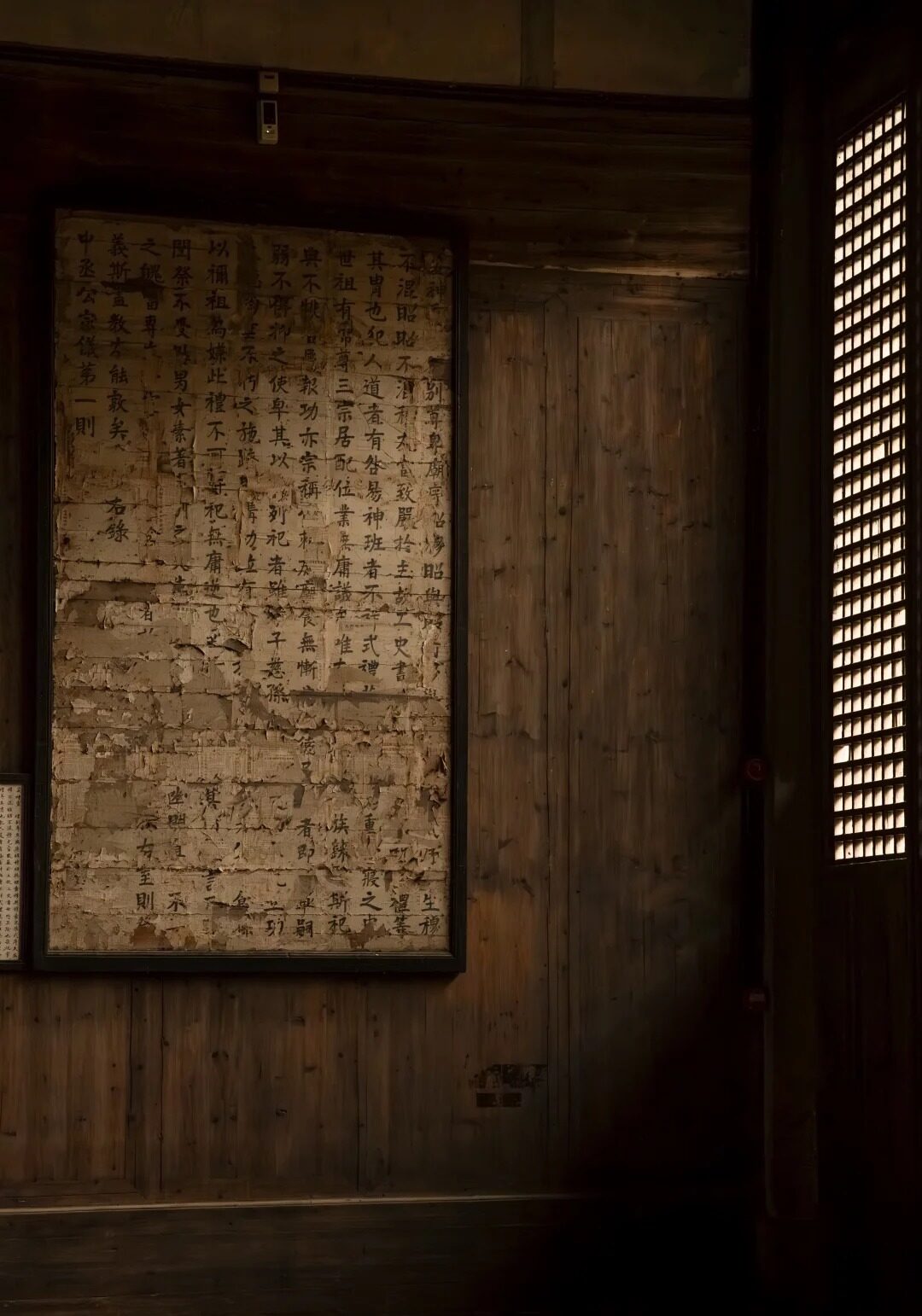
Calligraphy
Inside Luo Dongshu Ancestral Hall and a few nearby clan buildings, small cultural activities sometimes take place without fixed schedules. These are not shows for tourists, but simple community-based practices.
Location: Luo Dongshu Ancestral Hall and adjacent clan courtyards inside Chengkan Town
Activity Type: Calligraphy practice, occasional display of family genealogy records, and informal cultural explanations by local caretakers
Visitor Experience: Usually quiet and unorganized, sometimes just one person writing or reading inside the hall
Cultural Meaning: It reflects how Chengkan Town still keeps a living connection to Huizhou clan education and ancestral respect, rather than turning everything into exhibition spaces
Traditional Huizhou Handicrafts in Small Workshops
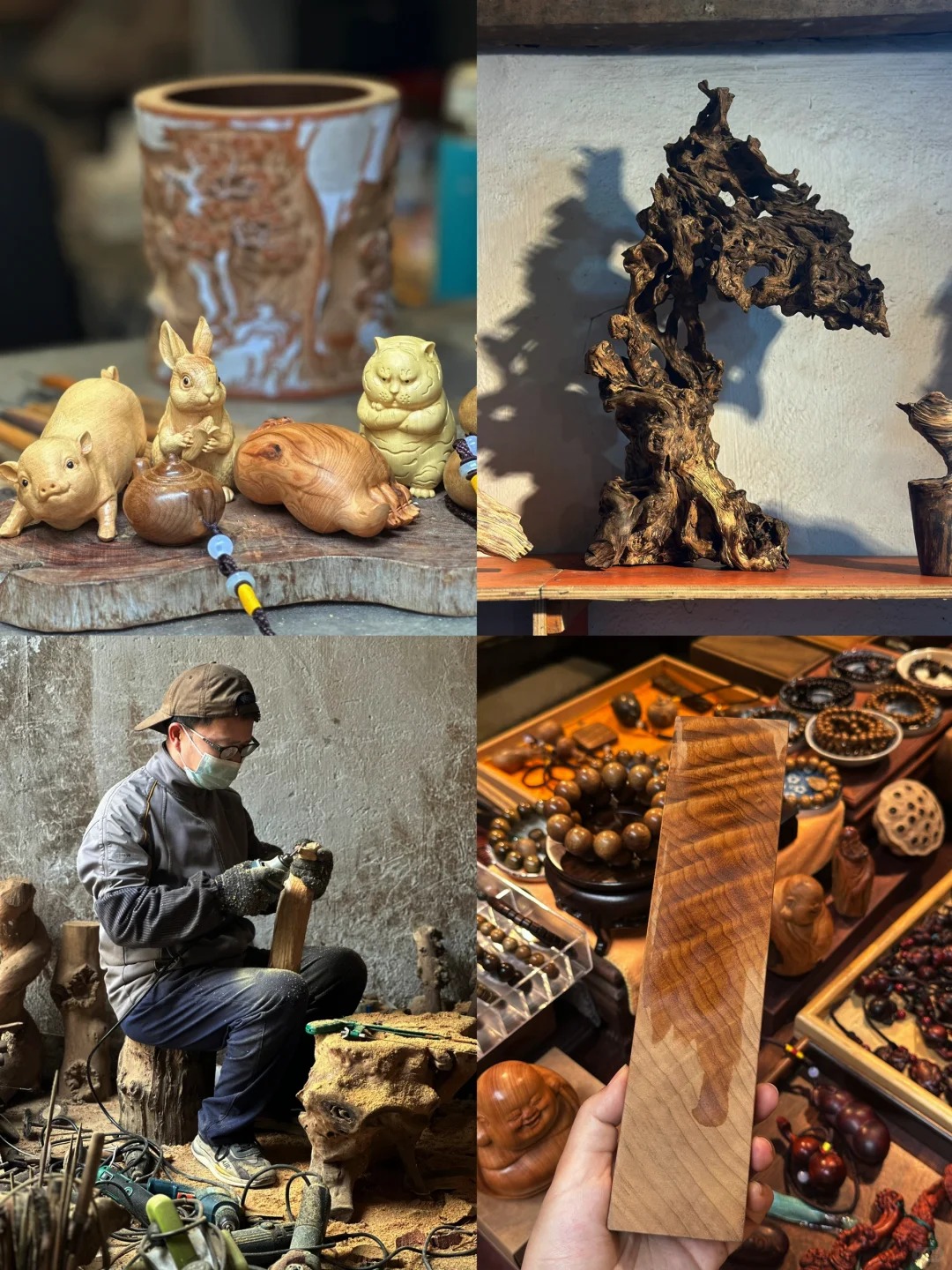
Traditional Huizhou Handicrafts
A few small workshops around Chengkan Town still continue traditional Huizhou crafts, although they are not always clearly marked or open in a structured way. You may need to step slightly away from the main sightseeing route to find them.
Location: Side streets near the village exit and small courtyard-style workshops
Activity Type: Wood carving, stone carving, and simple ink stone or craft processing
Visitor Experience: Mostly observational; sometimes you can see artisans working directly without formal explanation
Cultural Meaning: These crafts are not performed for tourism purposes, but continue as part of local livelihood and tradition
Seasonal “Shai Qiu” Harvest Drying Scenes in Chengkan Town
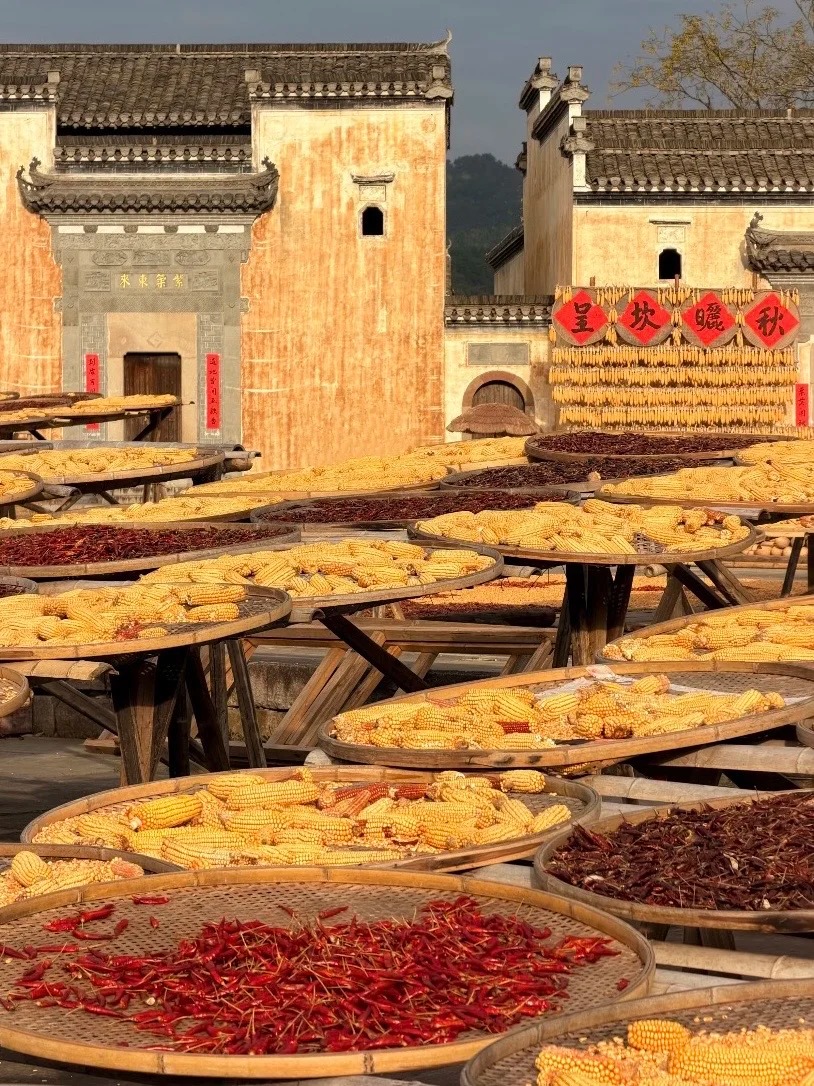
Seasonal “Shai Qiu” Harvest Drying Scenes
One of the most visually recognizable cultural scenes in Chengkan Town is the seasonal “Shai Qiu” (晒秋), a traditional agricultural practice in Huizhou villages. It appears most clearly in autumn when harvest crops are prepared for storage. If you are curious about how to behave respectfully when you come across local rural life like this in China, you can read this simple guide.
Location: Rooftops, wooden frames, and open spaces in residential parts of Chengkan Town
Activity Type: Drying of chili peppers, corn, pumpkins, and other harvested crops under natural sunlight
Visitor Experience: No interaction needed; you simply observe daily rural work continuing in public view
Cultural Meaning: It is one of the strongest visual symbols of Huizhou rural life and often becomes the most photographed seasonal scene in Chengkan Town
Unlike staged cultural shows, these activities are not scheduled or guaranteed. They appear when local life happens naturally, and that is exactly what makes them feel more authentic when you catch them.
FAQ About Chengkan Town
Q: Is Chengkan Town worth visiting compared to Hongcun?
Yes, but it depends on what you want. Chengkan Town feels quieter and less commercial, with more local life inside the lanes. Hongcun is more famous and visually polished, especially around its iconic water reflections. If this is your first trip to Anhui, Hongcun may feel more “complete,” but Chengkan Town often leaves a stronger impression for travelers who prefer fewer crowds and a slower pace.
Q: How much time do I need in Chengkan Town?
Most visitors spend around 2–4 hours in Chengkan Town. Two hours is enough for the main loop, including the ancestral hall, Baolun Pavilion, and main lanes. If you like photography or slow walking, half a day is more comfortable. The village is not large, but the experience depends on how much you stop inside the stone alleys.
Q: What is the best time to visit Chengkan Town?
Spring and autumn are usually the best seasons. Spring brings softer light and nearby flower fields, while autumn is when “Shai Qiu” drying scenes appear on rooftops. Early morning is the best time of day, especially before 9 a.m., when the village is quiet and reflections in the ponds are clearer.
Q: Do I need a guide in Chengkan Town?
Not necessarily. Chengkan Town is easy to explore on your own because most main sights are connected by one walking loop. However, a local guide can help explain the Bagua layout and clan history, which are not always clearly marked in English. For first-time visitors, self-guided walking is usually enough.
Q: Is Chengkan Town crowded?
Compared with Hongcun or Xidi, Chengkan Town is generally less crowded. Weekdays can feel quite quiet, especially in the morning. However, weekends and Chinese holidays still bring tour groups, mainly around Baolun Pavilion and the main entrance area. Inside the side alleys, it is usually much calmer.
Q: Can I combine Chengkan Town with other attractions in one day?
Yes. Many travelers combine Chengkan Town with Huangshan city area attractions or nearby rural sites like rice terraces. The visit itself is short, so it fits well into a half-day itinerary. Some people also visit Hongcun on the same day, but that can feel rushed if you want a slower experience.
Q: Are there English signs or information in Chengkan Town?
There are some basic signs in English, especially at the entrance and main attractions, but they are limited. Most detailed explanations are in Chinese. Because of this, many foreign visitors rely on maps or offline guides. The layout is simple enough that getting lost is part of the experience rather than a problem.
Q: Is Chengkan Town good for photography?
Yes, especially for quiet village photography. Baolun Pavilion, stone alleys, and pond reflections are the most popular spots. Morning light works best because it reduces crowd interference and creates softer shadows. However, midday light can be harsh in narrow lanes, so timing matters more than equipment here.
Practical China Travel Tools, Policy & App Guides
Stay updated and travel smart in China with these essential how‑to guides and policy explainers: