TCM Shanghai
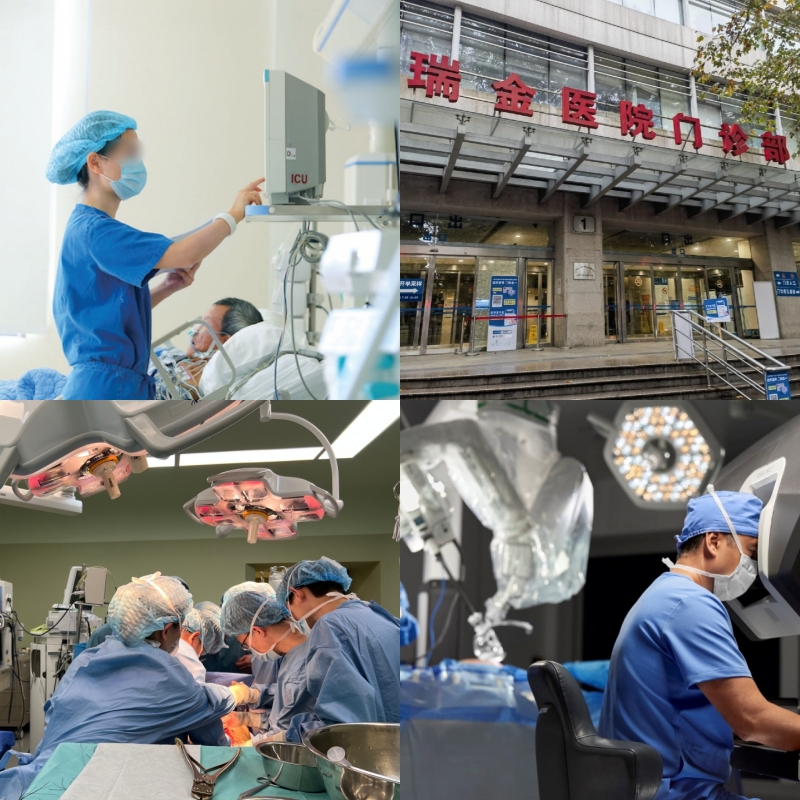
Shanghai is unique in its combination of traditional and modern medical care on the global stage. Three teaching hospitals, Longhua, Yueyang, and Shuguang, are all accredited JCI members and WHO designated facilities. Providing over four million patient visits each year, TCM truly meets international standards. For those of us foreign clients, it’s an easy experience to get to English-speaking doctors, prices are transparent, and treatment is addressed directly with our insurance—not a common plan in China.
Booking treatment is easy and inexpensive; public hospital doctor consultations start at an inexpensive low of ¥100 ($14) compared to ¥890+ at the private clinics. Lucky for us, Shanghai spoils tourists with 30-day visa free entry through to December of 2026. I provide the contact details for hospitals I have confirmed and received treatment from, a practical step-by-step guide to booking an appointment, along with a heads up on scammers and the rules on taking herbs abroad.
Quick Info: Traditional Chinese Medicine in Shanghai
1. World-Class TCM Shanghai Infrastructure
Four teaching hospitals:
- Shanghai Municipal Hospital of TCM – 70-year heritage with AI-assisted diagnosis (92.5% accuracy)
- Longhua Hospital – World's first JCI-accredited TCM facility (2018)
- Yueyang Hospital – WHO-designated International Acupuncture Training Center
- Shuguang Hospital – Century-old institution near Xintiandi district
Combined capacity: 4+ million annual outpatient visits
Cost advantage: Public hospitals cost 80-90% less than private international clinics
2. International Patient Services in TCM Shanghai
- 13 public hospitals designated "International Medical Tourism Pilots" (2024)
- Longhua Hospital: Only TCM facility among 13 public designees
- VIP departments offer English support during business hours
- Direct insurance billing available with Bupa, Allianz, Cigna, AIG
3. Transparent TCM Shanghai Pricing (2026 Verified)
- Public regular: ¥100-300 consultation, ¥180 for 10 acupuncture sessions
- Public VIP: ¥300-1,500 consultation, ¥300-500 per acupuncture session
- Private clinics: ¥890-1,500 consultation, ¥590-790 per acupuncture session
- Hotel spa TCM: ¥780-2,000 for massage/cupping treatments
4. Safety & Accessibility Features
- Tourist-targeted TCM scam prevention checklist included
- Payment guide for Alipay, WeChat Pay, credit cards
- Customs regulations for bringing herbs to USA, EU, UK, Australia
- Chinese phrase cards for hospital navigation without translators
Best TCM Shanghai Treatments for Tourists (Single-Session & Safe)
-
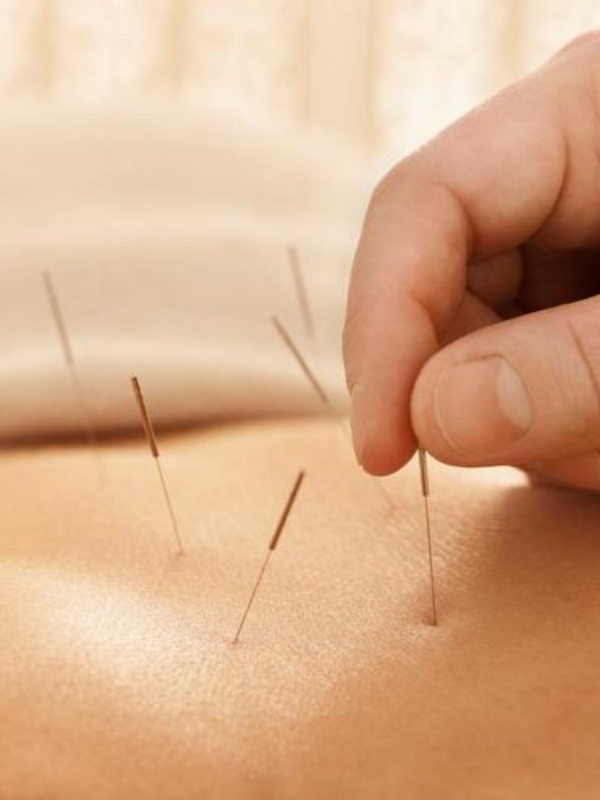

- Acupuncture
-
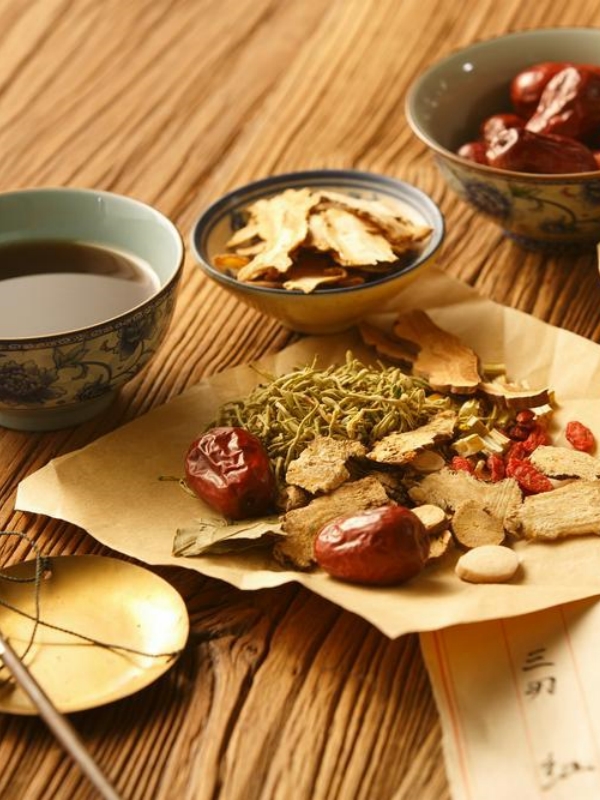
- Herbal Medicine
-
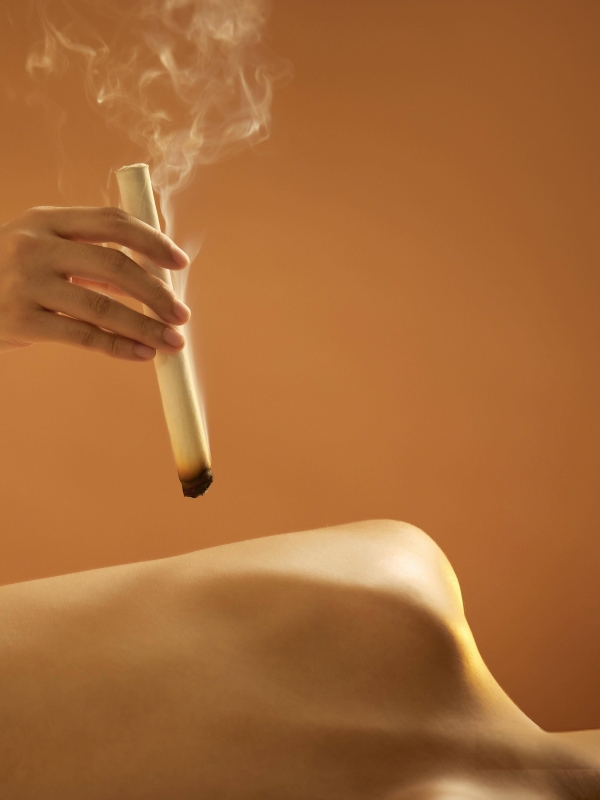
- Moxibustion
Acupuncture, Cupping & Tuina: WHO-Recognized Safe Therapy Trio
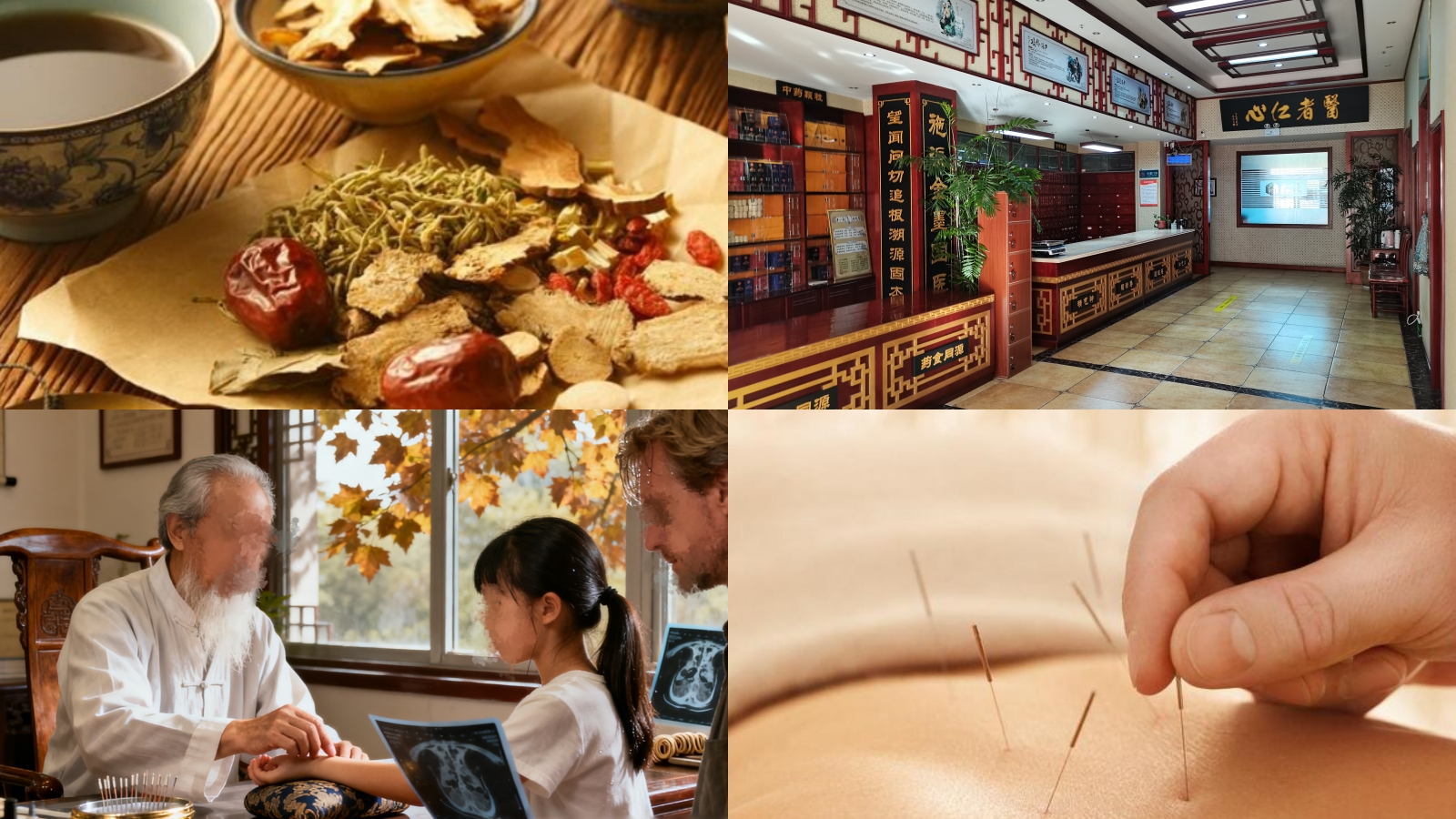
Recognized by the World Health Organization for treating over 150 health problems, and endorsed by clinical trials for reducing both chronic pain and nausea, and for treating migraines, sessions usually last between 10 and 30 minutes, using needles about the width of a human hair. Most report feathery tinglings, not pain, when needles are inserted. As such, seeking out acupuncturists whilst on first-time visits to TCM Shanghai is sure to bring authentic treatment no matter how dubious the risk of loading up on extra needles in the process.
Cupping therapy creates temporary purple circles on skin lasting 3-7 days. Specifically, glass or plastic cups generate suction drawing blood to the surface. Subsequently, the treatment releases muscle tension and improves circulation. In fact, many describe a euphoric rush when cups detach after 10-15 minutes. Consequently, these visible marks prove you experienced genuine TCM Shanghai during your visit.
Tuina massage follows meridian pathways different from Swedish or deep-tissue techniques. Additionally, practitioners use thumb pressure, palm strikes, and joint manipulation. Meanwhile, the therapeutic approach targets jet lag, back pain, and travel fatigue effectively. Furthermore, sessions range 30-60 minutes with adjustable pressure levels. Therefore, this trilogy provides maximum value for short-term TCM Shanghai tourists.
Herbal Medicine Consultations: Requires Multiple Visits for Full Benefits
Traditional TCM consultations begin with the four-step diagnostic method. First, doctors observe facial color, body movement, and tongue coating. Next, they listen to voice quality and breathing patterns. Then, detailed questioning covers symptoms, diet, sleep, and emotional state. Finally, pulse reading on both wrists completes the assessment taking 15-25 minutes.
Herbal prescriptions come in three formats for foreign patients. Specifically, raw herbs require boiling at home following specific instructions. Alternatively, vacuum-sealed pre-brewed packages offer convenience but weigh heavily in luggage. Meanwhile, patent medicine pills provide portable options with customs-friendly packaging. Typically, two-week herb supplies cost ¥200-500 at hospital pharmacies.
However, herbal medicine requires multiple follow-up visits for optimal results. Initially, prescriptions adjust after 1-2 weeks based on patient response. Consequently, this iterative approach suits residents over short-term tourists. Therefore, travelers staying under two weeks gain limited benefit from herb consultations. Instead, TCM Shanghai practitioners recommend acupuncture and massage for brief visits.
Treatments Requiring Caution: Moxibustion & Gua Sha Strong Stimulation
Moxibustion focuses mainly on burns to dried mugwort close to acupuncture points, producing a thick smoke of herbal aroma. This treatment subsequently warms up the meridians and diaphoretically expels cold from the body, but many patients complain about the strong smell of moxibustion lingering in their clothes and hair. Some sensitive skin may also develop red lines or blister on irritable skin from the hot wool, so hotels where the treatment is provided may have reason to complain about lingering odours in bedrooms.
Gua sha scraping creates intentional bruising across back, neck, or limbs. Specifically, practitioners use jade or metal tools pressed firmly against oiled skin. Meanwhile, the technique releases toxins according to TCM theory. Nevertheless, purple-red marks remain visible 5-10 days causing appearance concerns. Consequently, business travelers avoid gua sha before important meetings or beach activities.
Any practitioner promising instant "cures" violates TCM principles emphasizing balance and harmony. Furthermore, legitimate TCM Shanghai doctors acknowledge treatment limitations and realistic timelines. Therefore, always disclose Western medications before accepting herb prescriptions. In fact, certain plants interact dangerously with blood thinners, diabetes drugs, and blood pressure medications. Thus, honest communication protects your health during TCM Shanghai visits.
TCM Shanghai Real Costs: Complete 2026 Pricing Breakdown
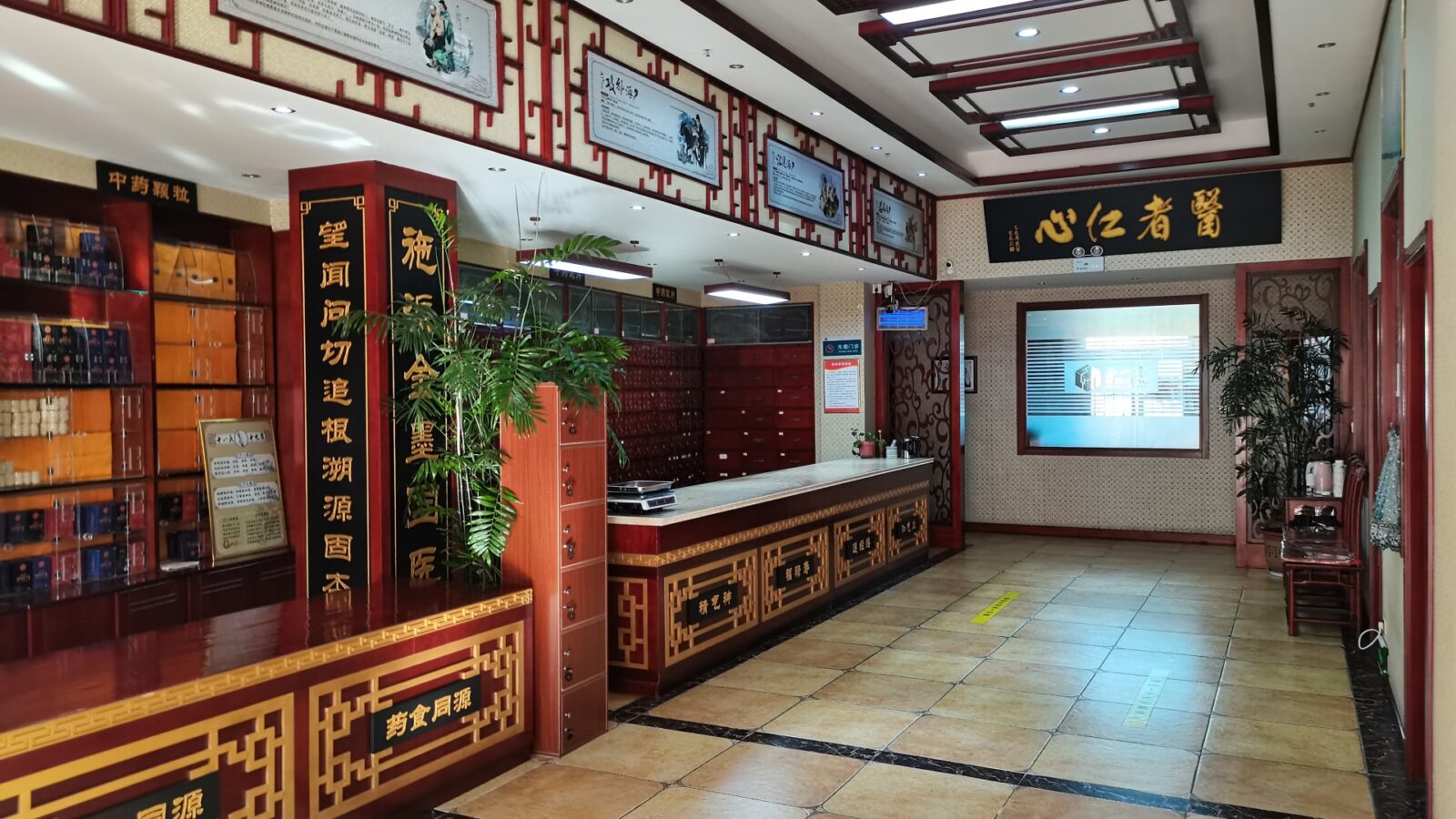
TCM Clinics in Shanghai
Public Hospital Rates: 80-90% Lower Than Expected
Public Shanghai TCM hospitals set their prices according to government regulations. They charge 50-100 for clinic registrations, which create your medical records and enter you into the system, and is taken from you before you actually see any doctor. Ordinary out-patient consultations cost 100-300 depending on the physician’s experience, and senior doctors with professor titles charge on the high end.
Acupuncture packages offer significant savings over single sessions. Specifically, ten treatments cost ¥180 total in regular departments versus ¥50-100 per individual visit. Furthermore, local Chinese patients purchase these packages routinely. Meanwhile, foreign visitors qualify for identical pricing with passport registration. However, VIP clinics charge ¥300-500 per session without package discounts.
Herbal medicine pricing remains consistent across regular and VIP departments. Typically, two-week supplies cost ¥200-500 depending on formula complexity. Additionally, raw herbs require home preparation while pre-brewed packages cost ¥50-80 more. Moreover, hospital pharmacies guarantee quality and authenticity under government supervision. In contrast, street pharmacies charge 20-40% premiums for identical products.
| Service | Public Regular | Public VIP | Notes |
|---|---|---|---|
| Registration | ¥50-100 ($7-14) | Included | Required all visits |
| Consultation | ¥100-300 ($14-42) | ¥300-1,500 ($42-210) | VIP = senior doctors |
| Acupuncture (10x) | ¥180 ($25) | ¥300-500/session | Locals use packages |
| Tuina Massage | ¥200-300 ($28-42) | ¥300-500 ($42-70) | Per session |
| Herbs (2 weeks) | ¥200-500 ($28-70) | Same price | No VIP markup |
| Hospital bed/day | ¥800-3,000 ($112-420) | Higher | Private rooms cost more |
Patients who speak basic Chinese or hire translators access these budget rates. Consequently, regular outpatient departments offer authentic TCM Shanghai experiences at 80-90% discounts. However, language barriers represent the primary challenge at this price level. Nevertheless, the savings justify translation app usage or bringing bilingual friends.
Private Clinic Rates: 4-6X Premium for Convenience
These private TCM Shanghai clinics focus on expatriates and one-off business travellers. For example, Body & Soul, like other private Tcm clinics in Shanghai, charges ¥890 for a first consultation including diagnosis and first treatment, then ¥710 for follow-ups with established patients. Acupuncture costs ¥590-790 an hour, depending on the seniority of the practitioner. That’s 100-300% above public VIP charges.
United Family Hospital represents Shanghai's premium international healthcare standard. Accordingly, first TCM consultations start at ¥1,200 with specialist physicians. Furthermore, the facility integrates Western diagnostic equipment like ultrasound and X-rays. Moreover, treatments combine traditional methods with evidence-based medicine. Additionally, direct insurance billing covers Bupa, Allianz, Cigna, AIG, and MetLife plans.
Hotel spa TCM treatments cost ¥780-2,000 for 60-90 minute sessions. For instance, Yuan Spa at Hyatt on the Bund charges ¥1,200 for cupping massage combinations. However, these services target tourists seeking luxury relaxation over medical treatment. Consequently, the experience differs significantly from hospital-based TCM Shanghai consultations. In fact, practitioners lack the clinical training of hospital-employed doctors.
| Service | Body & Soul | United Family | Hotel Spas |
|---|---|---|---|
| First Visit | ¥890 ($125) | ¥1,200+ ($168) | N/A |
| Follow-up | ¥710 ($100) | ¥800+ ($112) | N/A |
| Acupuncture | ¥590-790 ($82-110) | ¥700-1,000 ($98-140) | ¥500-800 |
| Cupping/Massage | ¥590 ($82) | ¥600-900 ($84-126) | ¥780-2,000 |
The premium purchases guaranteed English service and Western-style comfort. Additionally, private clinics eliminate wait times with strict appointment scheduling. Furthermore, staff provide detailed English medical records for insurance claims. Moreover, facilities accept international credit cards without foreign transaction issues. Therefore, business travelers prioritize these conveniences over cost savings.
Local Cost-Saving Secrets: Dianping Discounts & Package Pricing
Shanghai residents save on health care by using the Dianping app (大众点评) for deals on spa-style TCM treatments. Tourists will find it only works with WeChat accounts with Chinese payment options. You could ask your friends for advice if you aren’t comfortable navigating the pure Chinese app interface. Sometimes, the discounts can be as much 30 - 50% off listed prices!
Regular outpatient departments cost 80% less than VIP clinics for identical services. Nevertheless, the waiting time trade-off typically runs 1-3 hours versus 15-30 minutes. Therefore, patients willing to arrive at 7:00 AM access shorter queues. Additionally, bringing entertainment and snacks makes waiting tolerable. Consequently, this patience investment saves ¥500-1,200 per visit.
Acupuncture package pricing benefits frequent visitors and local residents. Specifically, ten sessions at ¥180 total versus ¥500-1,000 for single visits elsewhere. Moreover, the packages don't expire allowing flexible scheduling. Furthermore, hospital pharmacies undercut street prices by 20-40% on identical herbs. Finally, asking for generic alternatives instead of brand-name patent medicines reduces costs further.
Top TCM Shanghai Hospitals & Clinics for Foreign Patients (Ranked by Recommendation)
-
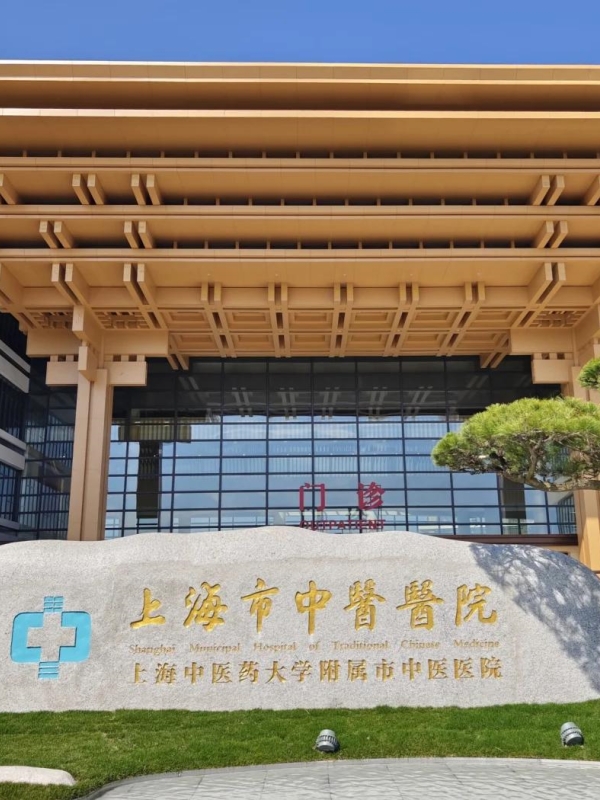
- Shanghai Municipal Hospital of TCM
-

- Longhua Hospital
-
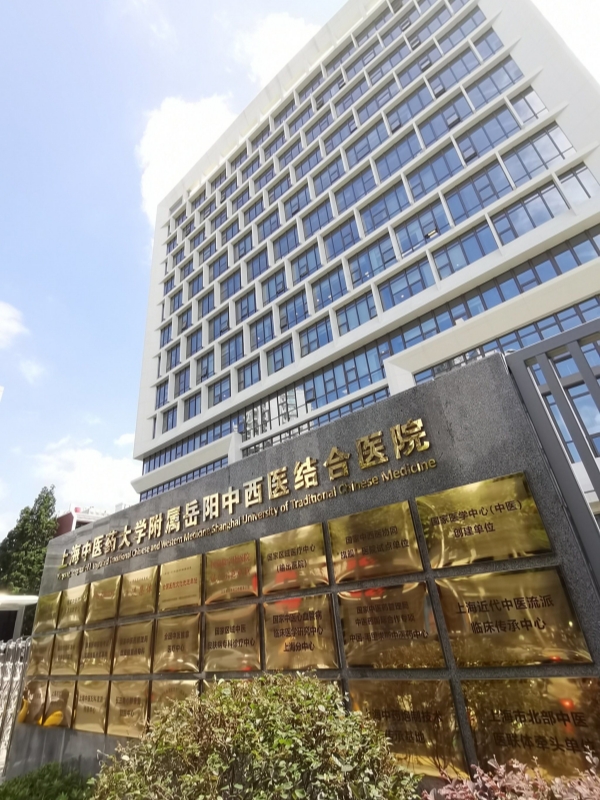
- Yueyang Hospital
Shanghai Municipal Hospital of TCM: 70 Years of Heritage with AI Innovation
Address: No. 274 Zhijiang Road, Jing'an District (芷江路274号)
Metro: Near Shanghai Railway Station, Lines 1/3/4
Contact: +86-21-5663-9828
Hours: 8:00-17:00 Daily
WeChat: 上海市中医医院互联网医院
Shanghai Municipal Hospital of TCM, founded in 1954, is another of the Grade 3, Level A public TCM hospitals to have been founded in Shanghai more than 70 years ago. Over the years, the hospital has established a number of key expert centres, including the Shanghai Famous TCM Doctors Clinic and the Shanghai TCM & Integrative Medicine Experts Clinic. More than 70 top experts in TCM, national masters as well as Shanghai masters with decades of clinical experience, are gathered in these centres.
The facility distinguishes itself through seven Heritage Studios preserving traditional treatment lineages. Specifically, Ding's Internal Medicine, Xu's Pediatrics, and Cai's Gynecology hold Intangible Cultural Heritage status. Furthermore, the hospital pioneered Smart TCM Systems featuring AI-assisted diagnosis for 22 pediatric diseases with 92.5% accuracy. Therefore, this integration of ancient wisdom with cutting-edge technology provides foreign patients with evidence-based traditional medicine.
| Service | Regular Outpatient | VIP Clinic |
|---|---|---|
| Registration | ¥50-100 | Included |
| Consultation | ¥50-500 | ¥300-1,500 |
| Key Specialties | Pediatrics, Neurology, Acupuncture, Oncology, Orthopedics | All departments with senior experts |
Longhua Hospital: JCI-Accredited Flagship Facility
Address: No. 725 South Wanping Road, Xuhui District (宛平南路725号)
Metro: Longhua Temple area, Lines 11/12
Contact: +86-21-64385700 (English support available)
Hours: VIP Clinic 9:00-17:00 Monday-Friday; Regular 8:00-16:30 Daily
Longhua Hospital achieved JCI accreditation in 2018 as the world's first certified TCM facility. Accordingly, this credential requires meeting 1,300+ quality standards for patient safety. Additionally, the hospital operates 1,700 beds across oncology, acupuncture, and orthopedic specialties. Moreover, its international department handles 20+ foreign patient groups monthly since March 2025.
The famous doctors' clinic employs 70+ senior TCM practitioners with professor titles. However, appointments require booking 14 days in advance due to high demand. Meanwhile, VIP consultations include 45-minute sessions with English-speaking staff present. Furthermore, the facility offers TCM tourism packages with Tai Chi instruction and herb identification.
Insurance partners include Bupa and Allianz for direct billing. On the other hand, self-pay patients receive detailed cost estimates before treatment. Additionally, the hospital pharmacy dispenses two-week herb supplies in vacuum-sealed packages. Therefore, Longhua represents the gold standard for TCM Shanghai international patients.
| Service | Regular Outpatient | VIP Clinic |
|---|---|---|
| Registration | ¥50-100 | Included |
| Consultation | ¥100-300 | ¥300-1,500 |
| Acupuncture (10 sessions) | ¥180 | ¥300-500/session |
| Tuina Massage | ¥200-300 | ¥300-500 |
Yueyang Hospital: TOP 1 Ranked for Acupuncture & Integrated Medicine
Address: No. 110 Ganhe Road, Hongkou District (甘河路110号)
Metro: Near Hongkou Stadium, Lines 3/8
Contact: 6516-1782-3583, [email protected]
Hours: Mon-Sat 8:00-16:30; Sun 8:00-11:00
Yueyang Hospital ranks #1 nationally for integrated TCM-Western medicine for three consecutive years. Furthermore, WHO designated the facility as Shanghai International Acupuncture Training Center. Consequently, the hospital pioneered acupuncture anesthesia surgery documented by BBC and WHO medical teams. In fact, over 100 surgical procedures yearly use acupuncture instead of general anesthesia.
The Gaofang Building offers winter tonic paste consultations from November through January. Additionally, this Shanghai intangible cultural heritage practice creates personalized herbal formulas. Meanwhile, bilingual guides conduct tours Monday-Friday 8:30-11:00 and 13:00-16:00. As a result, the facility treats 50,000+ international patients annually through its dedicated foreign visitor department.
Yueyang's acupuncture department employs doctors trained in the traditional four-step diagnosis method. Specifically, pulse reading, tongue inspection, and detailed questioning inform treatment plans. Moreover, the hospital integrates Western diagnostic tools like MRI and CT scans. Therefore, this combination approach suits foreign patients wanting evidence-based TCM Shanghai experiences.
Shuguang Hospital: Century-Old Institution Near Xintiandi
Address: No. 185 Pu'an Road, Huangpu District (普安路185号)
Metro: 15 minutes from South Huangpi Road, Lines 1/10/14
Contact: +86-21-20256638 (International, Mon-Fri 9:00-16:00)
Hours: 8:00-17:00 Daily
Shuguang Hospital opened in 1906 and is the oldest continuously operating TCM hospital in Shanghai. Its Western campus is close to the chic Xintiandi shopping district so appointments can be combined with sightseeing. Patients walk to Xintiandi’s fine restaurants and boutiques just 15 minutes after appointments. Such proximity makes Shuguang a good choice for business travelers with limited time for TCM in Shanghai.
The hospital specializes in orthopedic TCM treatments including bone-setting and joint manipulation. Additionally, its hepatology department treats liver disease using herbal formulas refined over decades. Meanwhile, diabetes patients receive integrated care combining acupuncture, herbs, and dietary guidance. Moreover, the arthropathy department offers tuina massage for chronic joint pain.
International department staff coordinate English translation services upon request. Furthermore, self-service appointment kiosks accept passport documentation. In addition, the hospital maintains partnerships with several Xintiandi hotels for patient convenience. Consequently, Shuguang represents traditional TCM Shanghai practice in a central modern location.
International Private Clinics: English Service at 4-6X Cost
Body & Soul Medical Clinics (身心医疗诊所)
German TCM specialist Dr. Doris Rathgeber founded Body & Soul in 2004. Accordingly, the clinic operates four Shanghai locations with English, German, Spanish, Japanese services. Specifically, downtown facility sits at Anji Plaza 14F, Room 05, 760 South Xizang Road. Additionally, Metro access via East Nanjing Road station on Lines 2/10.
First consultations cost ¥890 including 60-minute examination and treatment plan. Subsequently, follow-up visits drop to ¥710 with established patient rates. Meanwhile, acupuncture sessions run ¥790 per hour with single-use sterile needles. Furthermore, the clinic accepts credit cards and provides insurance claim documentation. Therefore, website tcm-shanghai.com displays full pricing and booking options.
Body & Soul guarantees zero wait times with appointment punctuality. Moreover, treatment rooms feature Western-style décor and air conditioning. Consequently, the clinic targets expatriates and business travelers prioritizing convenience over cost. In fact, no translation services needed with fully bilingual staff throughout.
Other International TCM Shanghai Options
Shanghai United Family Hospital operates a JCI-accredited TCM center. Accordingly, consultations start at ¥1,200 with direct insurance billing for major carriers. Similarly, Parkway Health runs multiple branches across Shanghai with premium English-language service. Meanwhile, hotel spas like Yuan Spa at Hyatt on the Bund offer TCM-style treatments at ¥780-2,000.
Private clinics charge 4-6 times public hospital rates for identical treatments. Nevertheless, foreign patients pay this premium for guaranteed English and Western comfort standards. On the other hand, public VIP clinics provide middle-ground pricing with bilingual support. Therefore, the choice depends on language confidence and budget priorities.
| Service | Body & Soul | United Family | Public VIP |
|---|---|---|---|
| First Visit | ¥890 | ¥1,200+ | ¥300-1,500 |
| Acupuncture | ¥590-790 | ¥700-1,000 | ¥300-500 |
| Cupping | ¥590 | ¥600-900 | ¥200-400 |
How to Book Your TCM Shanghai Appointment: Complete Process
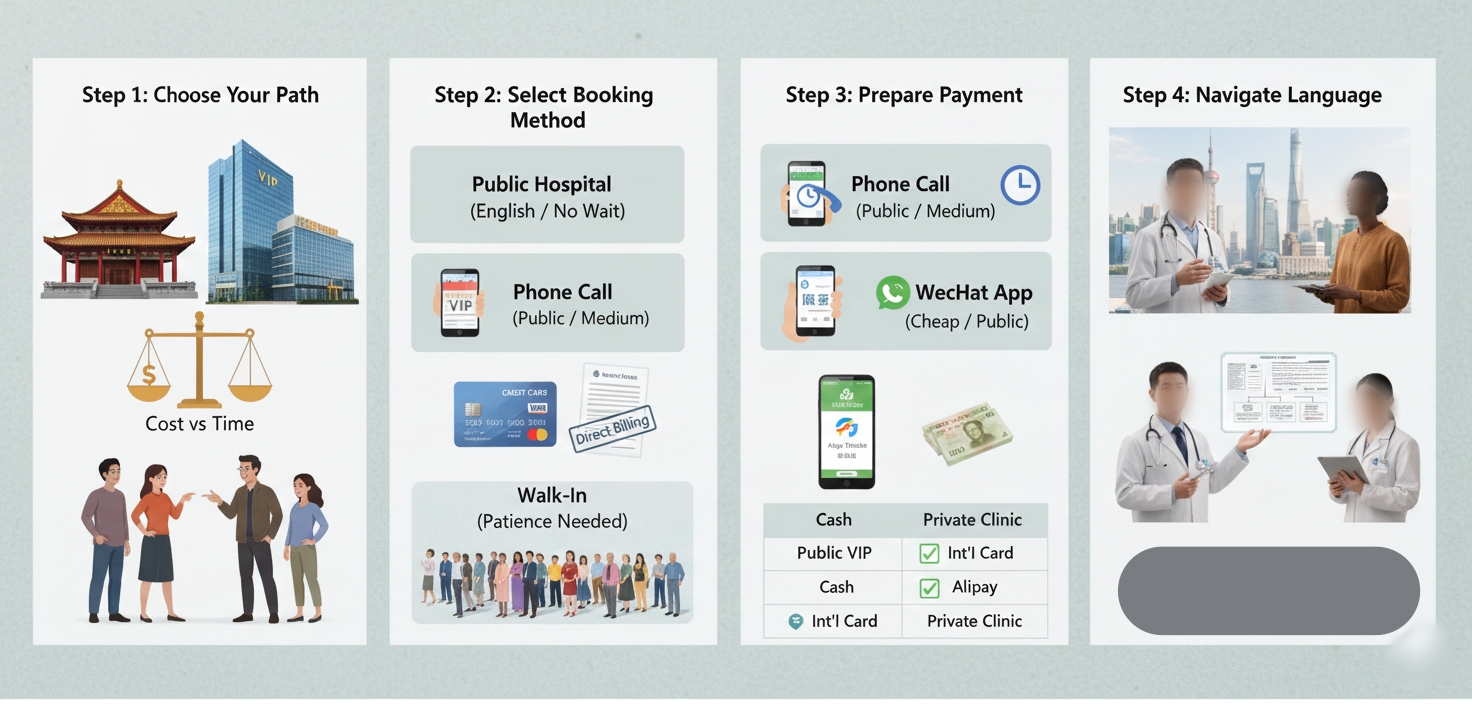
TCM Shanghai Appointment
Step 1: Decide Between Public Hospital or Private Clinic
Public hospitals = authentic experience, nothing but Chinese at roughly 80%-90% savings normal departments require language skills or an app, mostly Chinese in VIP departments but someone usually speaks English at a comfortable premium. Private clinics = nothing but superb care at zero wait time, fully multilingual.
How confident are you in your language skills? How much are you willing to spend? How rushed are you for time? Business travelers tend to opt for private clinics for efficiency’s sake. Budget focused tourists opt for public VIP departments as a happy medium.
Step 2: Select Your Preferred Booking Method
Online Booking (Easiest - Private Clinics Only)
Visit tcm-shanghai.com for Body & Soul or hospital websites. Select available appointment slots in real-time calendar. Enter passport details and contact information. Pay deposit via international credit card. Receive instant email confirmation with appointment details. This method works only for private clinics and some hospital VIP services.
Telephone Booking (Moderate - Public Hospitals)
Call hospital international departments during business hours 9:00-17:00. Longhua Hospital: +86-21-64385700 (English support available). Yueyang Hospital: 6516-1782-3583. Shuguang Hospital: +86-21-20256638. Prepare passport number and preferred dates before calling. Book appointments 14 days in advance for best availability. Lines experience heavy traffic requiring multiple call attempts.
WeChat App Registration (Cheapest - Public Hospitals)
Download WeChat and search official hospital accounts. Longhua: "龙华医院服务号" (Longhua Hospital Service). General: "上海预约挂号" (Shanghai Appointment Registration). New appointment slots release daily at 14:00 for 14 days ahead. Expert consultations book 14 days; regular clinics 84 days forward. Interface appears in Chinese requiring translation app assistance.
Walk-In Registration (Budget Backup)
Arrive 30+ minutes before 8:00 AM opening for best availability. Use self-service kiosks at hospital entrances accepting passport scans. Queue numbers distribute first-come basis with 1-3 hour waits. Bring entertainment and patience for unpredictable waiting times. This method suits travelers with flexible schedules only.
Step 3: Prepare Payment Methods Before Your Visit
Setting Up Alipay for Hospital Payments
Download Alipay app before arriving in China. Register account using passport documentation. Link Visa, Mastercard, JCB, Diners Club, or Discover cards. Single transaction limits reach $5,000 with $50,000 annual caps. TourCard mini-program offers pre-loaded RMB alternative. Test payments at convenience stores before hospital visit. Most public hospitals accept Alipay at payment counters.
Cash Preparation for Public Hospitals
Bring ¥500-1,000 in small denominations (¥50, ¥100 notes). ATM machines throughout hospital complexes dispense cash. Public hospital payment counters rarely accept credit cards. Small bills required as cashiers often lack change. Plan for registration, consultation, treatment, and medication costs. Keep emergency cash backup in hotel safe.
Credit Card Options
Private clinics accept Visa, Mastercard, American Express, UnionPay. Body & Soul processes international cards without issues. Public hospitals accept cards only at VIP department counters. WeChat Pay works at VIP clinics with Chinese bank accounts. Test all payment methods before appointment day.
| Payment Method | Public Regular | Public VIP | Private Clinic |
|---|---|---|---|
| Cash (RMB) | ✓ Required | ✓ Accepted | ✓ Accepted |
| Alipay (foreign card) | ✓ Works well | ✓ Works well | ✓ Works well |
| WeChat Pay | ✗ Rare | Sometimes | ✓ Accepted |
| International Cards | ✗ Not accepted | Sometimes | ✓ Accepted |
| Insurance Direct Billing | ✗ Not available | Select plans | ✓ Major carriers |
Step 4: Solve Language Barriers Without Hiring Translators
Using Google Translate Effectively
Download Chinese language pack for offline use before trip. Camera function photographs signs translating instantly on-screen. Point phone at hospital directories and department signs. Accuracy reaches 80-90% for basic medical terminology. Practice photographing signs at hotel before hospital visit. Keep portable battery charged as translation drains power.
WeChat Built-In Translation
Speak English into phone showing Chinese text to staff. Staff responds in Chinese translating back to English text. Conversation feature handles basic symptom discussions effectively. Complex diagnoses require professional translator assistance. Practice with hotel staff before using at hospital.
VIP Department Bilingual Coordinators
Longhua international department guarantees English 9:00-17:00 weekdays. Service fee included in ¥300-1,500 VIP consultation rates. Coordinators explain diagnoses and translate prescriptions completely. Best option for complex medical conditions requiring detailed communication. Book VIP appointments specifically requesting English coordinator.
Essential Phrases to Memorize
- 我想看中医 (Wǒ xiǎng kàn zhōngyī) = I want to see a TCM doctor
- 我预约了 (Wǒ yùyuē le) = I have an appointment
- 可以刷卡吗?(Kěyǐ shuākǎ ma?) = Can I use a card?
- 多少钱?(Duōshǎo qián?) = How much does it cost?
- 哪里付款?(Nǎlǐ fùkuǎn?) = Where do I pay?
What to Expect During Your TCM Shanghai Consultation: Step-by-Step Process
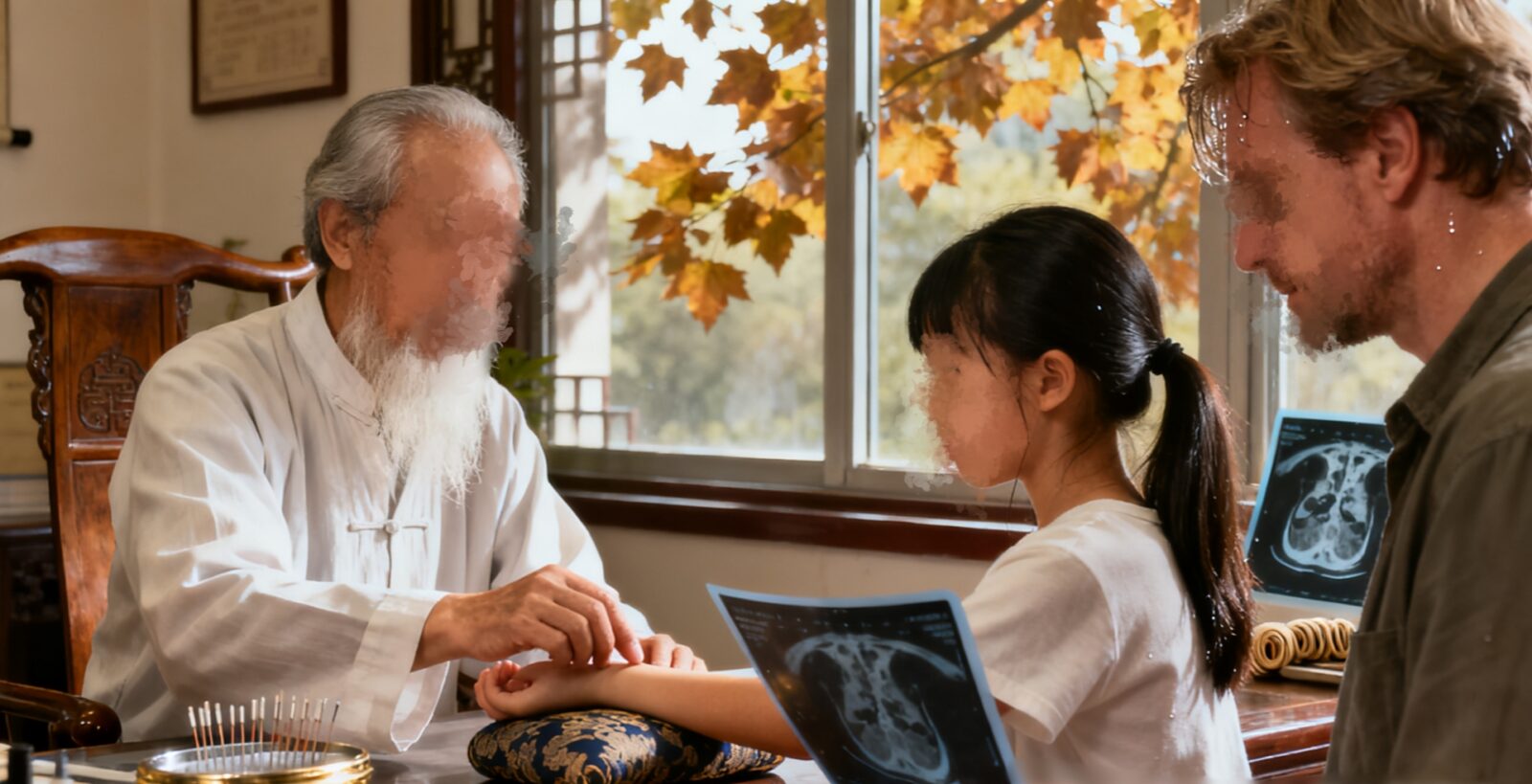
Step-by-Step TCM Process
Step 1: Registration & Initial Check-In (15-30 minutes)
Get to the hospital registration desk, either at a public hospital or a private VIP department, with your passport and appointment confirmation. At public hospitals, you’ll go to a self-service kiosk or to a registration window marked with “外籍人士” - foreign patients. The staff will create your medical file and give you a queue number. In the VIP departments, there will be a check-in counter with receptionists fluent in English who will take care of all the paperwork.
Payment for registration fee (¥50-100 public, included in VIP) occurs at this stage. Save your receipt and queue number slip carefully—you'll need both throughout your visit. Waiting times range from 15 minutes (VIP/private) to 1-3 hours (regular public departments). The registration system displays your queue number on overhead screens when the doctor is ready.
Step 2: Four-Step TCM Diagnosis (望闻问切) (20-30 minutes)
TCM Shanghai doctors conduct the traditional four-step diagnostic examination. First, visual inspection (望 wàng) observes your facial color, tongue coating, body movement, and overall appearance. The doctor examines tongue color, shape, and coating thickness indicating internal organ conditions. Next, auditory/olfactory examination (闻 wén) listens to your voice quality, breathing patterns, and body odors.
The inquiry phase (问 wèn) involves detailed questioning about symptoms, medical history, diet, sleep quality, digestion, emotional state, and lifestyle habits. Finally, pulse diagnosis (切 qiè) involves the doctor reading six pulse positions on both wrists for 3-5 minutes. This ancient technique detects subtle changes in organ function imperceptible to Western diagnostic methods. VIP consultations allow more time for questions and explanations in English.
Step 3: Treatment Plan Discussion & Consent (10-15 minutes)
The doctor explains diagnosis findings using TCM terminology like qi deficiency, blood stagnation, or dampness accumulation. VIP departments provide English translations of these concepts with Western medical equivalents where applicable. The practitioner recommends specific treatments—typically acupuncture, cupping, tuina massage, herbal medicine, or combinations thereof. Each treatment's purpose, expected sensations, and potential side effects are explained.
You'll receive a treatment plan outlining session frequency, duration, and total costs. For herbal prescriptions, the doctor specifies preparation methods (raw herbs requiring boiling, pre-brewed packets, or patent pills). This is your opportunity to ask questions about treatment alternatives, timeline to see results, and compatibility with your current Western medications. Sign consent forms before proceeding—never feel pressured to accept treatments you're uncomfortable with.
Step 4: Treatment Administration (30-60 minutes)
Acupuncture sessions take place at treatment rooms, where you’ll find several similar patients each with their own curtained section. Your acupuncturist will insert 5-20 needles into certain acupoints on the body, leaving them in for 20-30 minutes. Most report more sensations of tingling or a dull aching than a sharp stab. Cupping entails placing heated glass cups on your back making them cling via suction for 10-15 minutes. Those purple circle marks will last for 3-7 days.
Tuina massage sessions last 30-60 minutes with practitioners using thumbs, palms, and elbows along meridian pathways. Techniques differ significantly from Western massage focusing on acupressure points and joint manipulation. Herbal medicine consultations conclude with a printed prescription taken to the hospital pharmacy. Pharmacy staff dispense herbs in sealed packages with preparation instructions (usually in Chinese—request English translation if needed).
Step 5: Post-Treatment Pharmacy & Payment (15-20 minutes)
After treatment completion, take your prescription slip to the hospital pharmacy (通常在一楼 - typically first floor). Pharmacies display Chinese characters for different herb categories on wooden drawers. Modern hospitals use computerized systems printing labels with your name and prescription details. Two-week herb supplies cost ¥200-500 depending on formula complexity.
Final payment occurs at designated cashier windows. Public hospitals require separate payments for consultation, treatment, and medication—keep all receipts with red hospital stamps for insurance claims. VIP departments and private clinics consolidate charges into one bill. Request itemized English invoices if submitting insurance claims internationally. Allow extra time for pharmacy queues during peak hours (11:00 AM-1:00 PM, 4:00-5:00 PM).
Step 6: Follow-Up Care & Ongoing Treatment
Schedule follow-up appointments before leaving the hospital. Most TCM treatments require 3-10 sessions for optimal results depending on condition severity. Acupuncture courses typically run twice weekly for 2-4 weeks. The doctor reassesses progress at each visit, adjusting treatment protocols based on your body's response. Note your next appointment date, doctor's name, and department for continuity of care.
For international patients returning home, ask about telemedicine consultation options. Longhua and Yueyang hospitals offer video follow-ups for established patients. Take photos of your prescription, treatment notes, and doctor's name in Chinese characters. These help your home country doctor understand the TCM approach. Request English-language discharge summaries from VIP departments documenting diagnosis, treatments received, and recommendations for continued care.
Some patients also arrange to undertake intensive acupuncture schedules like daily treatments for 7-10 consecutive days prior to departing Shanghai.
Discuss if this is available when you’re in your initial consultation - doctors are able to alter the frequency of your visits based on your leaving date. Stock up on herbs you leave China with for continued use at home and please check the customs regulations as they apply to your home country in regard to medicine. You might want to also join an expats wechat group as many questions get answered and you can keep up to date with TCM Shanghai updates as they arise.
Tourist-Targeted TCM Scams: Red Flags & Verification Checklist
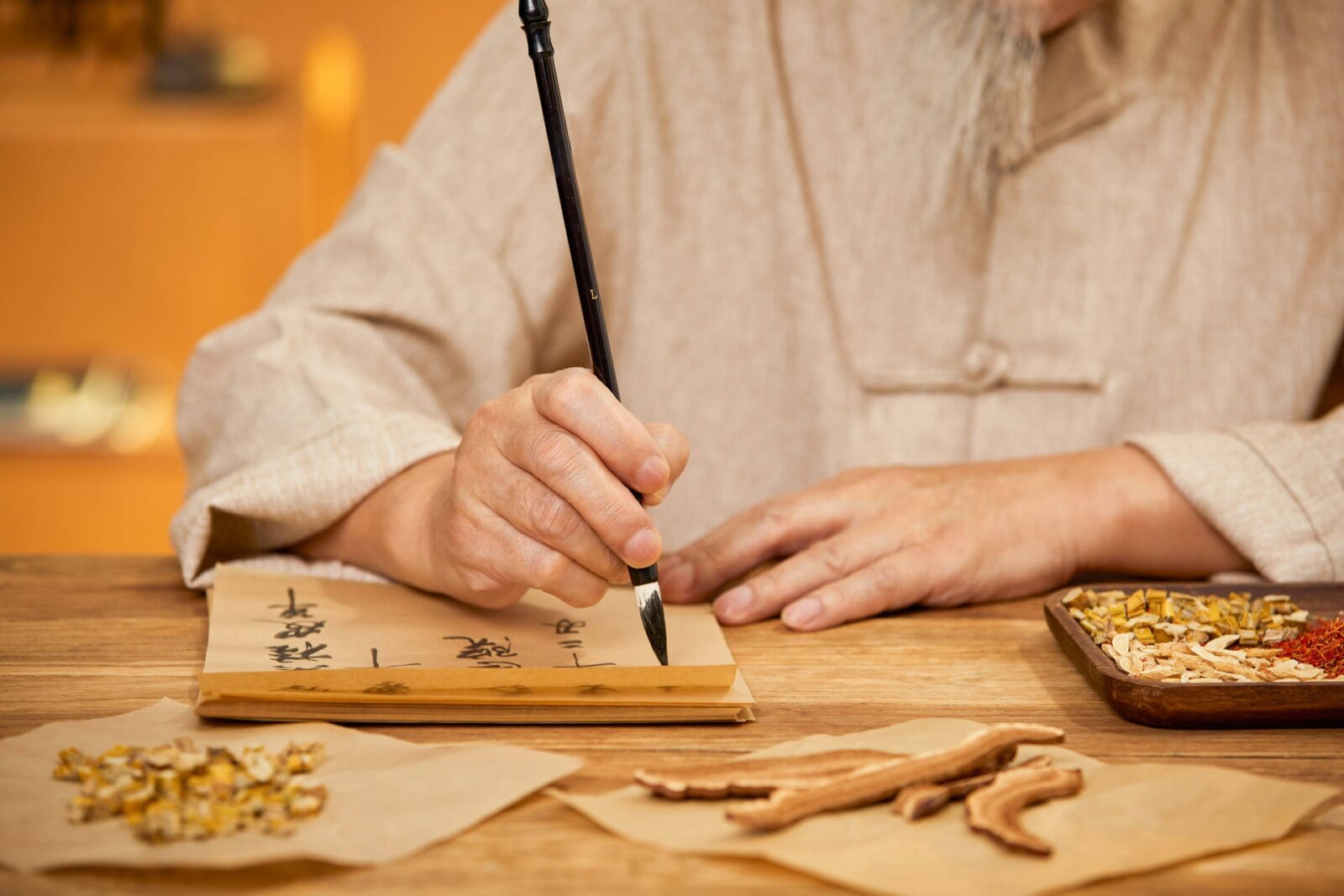
Traditional Chinese Medicine in Shanghai
"Free Diagnosis" Scam: Three Common Variations
English-speaking "students" approach foreign tourists near major attractions claiming TCM study interests. Subsequently, they invite targets to visit teacher's traditional medicine shop for free consultations. Moreover, the shop interior features Chinese décor and professional-appearing practitioners. Consequently, this setup builds false credibility before the scam unfolds.
The "doctor" performs brief pulse reading lasting 2-3 minutes. Next, he diagnoses serious health problems requiring immediate herbal treatment. Specifically, kidney deficiency, liver stagnation, or heart qi weakness create urgency. Then, prescribed herbs cost ¥3,000-10,000 with high-pressure sales tactics. Therefore, victims feel compelled to purchase after "discovering" these fabricated conditions.
TripAdvisor reviews document this TCM Shanghai scam repeatedly. For instance, one reviewer lost "several thousand dollars" after mesmerization tactics. Additionally, tour guides receive commissions directing groups to specific medicine shops. Furthermore, the products contain low-quality herbs worth fraction of charged prices. Consequently, victims receive no legitimate medical benefit from these encounters.
Scam Variations:
- Tea ceremony scams adapted with TCM consultation angle
- "University research studies" requiring expensive supplement purchases
- Street-level clinics with English signs targeting only foreign passersby
- Tour bus "cultural experience" stops at commission-paying shops
Essential Safety Verification Checklist Before Treatment
Green Flags (Safe TCM Shanghai Facilities):
✓ Hospital affiliation with Shanghai University of TCM clearly displayed
✓ JCI accreditation certificate visible in reception areas
✓ Posted pricing lists in public spaces showing standardized rates
✓ Receipts provided for all charges with official hospital stamps
✓ Sterile needles opened from sealed packages in patient view
✓ Multi-specialty hospital treating various conditions not TCM-only
✓ Busy waiting rooms with local Chinese patients present
Red Flags (Avoid These TCM Shanghai Situations):
✗ Strangers approach you first recommending specific clinics
✗ Facility appears as tour group stop or guide recommendation
✗ No visible medical licenses or government certifications displayed
✗ Cash-only policy with no receipt provision
✗ "Serious diagnosis" after 2-minute pulse reading
✗ Immediate pressure to purchase expensive herbs or supplements
✗ Shop targets only foreign tourists with no local patients
✗ Location near tourist attractions rather than medical districts
Hospital-affiliated TCM Shanghai clinics display university logos prominently. Additionally, check official Shanghai University of TCM website listing approved facilities. Moreover, legitimate practitioners never approach tourists first. Instead, they maintain professional medical practices without aggressive marketing. Therefore, trust your instincts when situations feel uncomfortable or rushed.
Tongrentang Brand Verification: Identifying Authentic Stores
Tongrentang (同仁堂) represents China's most famous traditional medicine brand. However, scammers exploit this reputation with fake shops near tourist areas. Specifically, authentic Tongrentang stores display the brand name in specific calligraphy characters. Meanwhile, fake shops use similar-sounding names or alternate characters. Consequently, tour guides receiving kickbacks recommend counterfeit locations.
Verify Tongrentang authenticity through the official website store locator. Furthermore, only shops listed officially sell genuine products with quality guarantees. Additionally, legitimate locations provide detailed receipts and return policies. Moreover, they employ professional pharmacists answering product questions thoroughly. In fact, prices match across all authentic stores following company-wide standards.
China Daily reported Beijing authorities cracking down on fake Tongrentang operations in 2011. Nevertheless, the scam persists in tourist-heavy districts despite government efforts. Therefore, purchase TCM Shanghai herbs only from hospital pharmacies or verified chain stores. Subsequently, street vendors and tour-recommended shops pose high counterfeit risks. Consequently, your health deserves authentic products from legitimate sources.
Bringing Herbs Home: Customs Regulations Summary
US & EU Import Rules
The USDA requires the declaration of all plant products on customs forms, although most commercial herbal teas and dried berries will pass customs when declared (keep the original packaging on hand so the list of ingredients is visible) even if they contain ephedra or aristolochic acid herbs, which are prohibited completely. Tiger bone and endangered species are also prohibited absolutely.
Carry enough of your personal supply for 2-4 weeks’ use and get photos of doctor’s prescriptions just in case. The EU has all the same regulations, except that CITES laws for confining trade in endangered species are stricter. Steer clear of raw herbs, which are the most likely to be confiscated (processed isn’t much of a hassle to clear customs).
UK & Australia Strict Requirements
Post-Brexit UK maintains EU-similar standards for TCM products. Declare everything honestly; most commercial packages pass inspection. Raw herbs need phytosanitary certificates rarely issued to tourists. Australia operates world's strictest biosecurity for plant materials. All agricultural products require declaration on arrival cards. Quarantine officers inspect TCM purchases thoroughly. Failure to declare results in AUD$420+ fines. Australians should buy only sealed commercial products accepting possible confiscation.
Smart Packing Tips for All Travelers
Pack herbs in original hospital packaging with Chinese labels intact. Photograph prescription slips showing doctor name and hospital stamp. Request English translations from hospital international departments (¥50-100 fee). Carry herbs in carry-on luggage for easy customs access. Place packages in clear plastic bags separate from other items. Prepare brief explanation: "Acupuncture treatment for back pain prescribed by Shanghai hospital." Limit quantities to 2-4 weeks personal supply. These steps protect purchases while respecting international regulations.
Combining TCM with Shanghai Tourism: Museums & Itineraries
-
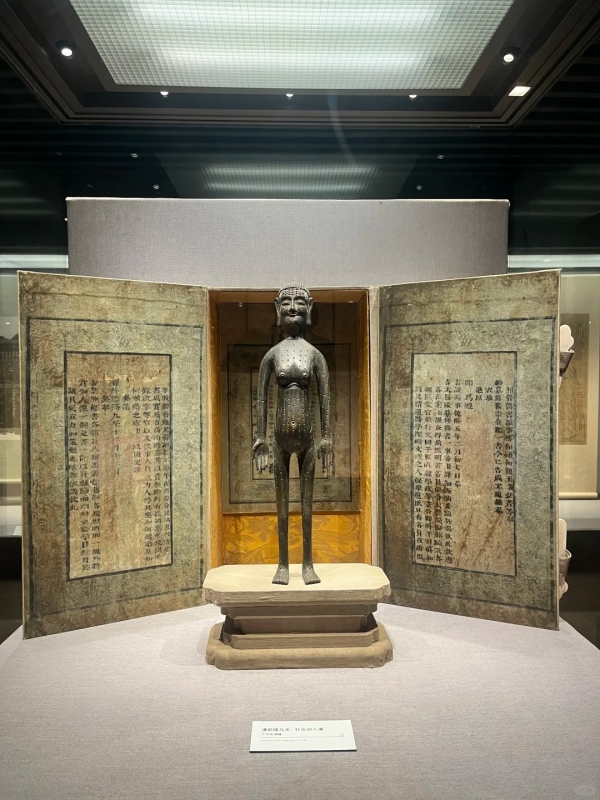
- hanghai Museum of Traditional Chinese Medicine
-
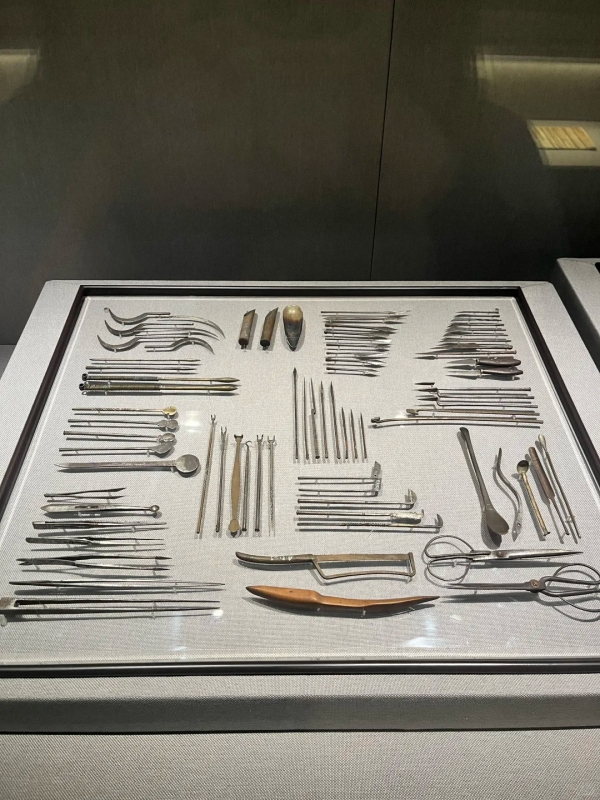
- hanghai Museum of Traditional Chinese Medicine
TCM Museums & Historic Pharmacies Worth Visiting
The Shanghai Museum of Traditional Chinese Medicine at 1200 Cailun Road (Metro Line 2, Pudong) displays 14,000+ artifacts including original manuscripts of the Yellow Emperor's Internal Classic. Operating Tuesday-Sunday 9:00-16:00 with free admission, the facility suits medical professionals and serious TCM enthusiasts. Meanwhile, Tong Han Chun Tang pharmacy at No. 33 Jiujiaochang Road (Huangpu district) combines traditional architecture with modern retail concepts including TCM-flavored ice cream in 16 varieties.
Both locations provide cultural context for your TCM Shanghai experience. The museum requires passport ID at entrance and allows photography in most areas. Tong Han Chun Tang demonstrates traditional herb weighing with brass scales, though prices run 30-50% higher than hospital pharmacies. Allow 90 minutes for the museum and 45-60 minutes for the pharmacy visit.
Sample TCM Shanghai Itineraries
A half-day experience (4-5 hours) combines the Shanghai TCM Museum visit from 9:00-10:30 AM with an 11:30 AM Longhua Hospital VIP consultation, finishing by 1:00 PM. This compact schedule suits business travelers with afternoon commitments. Alternatively, private clinic appointments at Body & Soul complete faster, allowing time for nearby Nanjing Road shopping afterward.
A full-day Longhua area trip integrates your 9:00 AM hospital appointment with Longhua Temple (Shanghai's oldest Buddhist site) and Shanghai Botanical Garden visits. The three attractions sit within walking distance along Metro Lines 11 and 12. Plan 7-8 hours total including meals at the temple's vegetarian restaurant (¥50-80 per person). Best seasons run March-May and September-November for comfortable weather and spring flowers.
Frequently Asked Questions About TCM Shanghai
Q: Is TCM safe for foreigners to try?
Yes, when using reputable hospital-affiliated facilities. Choose teaching hospitals with certified practitioners following standardized protocols. Verify sterile needles open from sealed packages before insertion. Disclose all current medications as herb-drug interactions occasionally occur. National Center for Complementary Health confirms acupuncture safety when properly administered. Longhua, Yueyang, and Shuguang hospitals maintain strict hygiene meeting international standards.
Q: Do I need to speak Chinese for TCM in Shanghai?
Chinese helps but isn't mandatory for TCM Shanghai access. Public VIP departments provide English coordinators during business hours. Private clinics like Body & Soul operate entirely in English. Regular outpatient departments require translation apps or bilingual companions. Google Translate camera photographs signs converting to English instantly. Learn key phrases: "我预约了" (I have appointment), "可以刷卡吗" (Can I use card).
Q: How much does acupuncture cost in Shanghai?
Acupuncture pricing varies dramatically across facility types. Public regular departments charge ¥180 for 10-session packages (approximately $25 total). VIP clinics cost ¥300-500 per session ($42-70). Private international clinics charge ¥590-790 per session ($82-110). Prices reflect language support and wait times rather than treatment quality. Local residents purchase public packages for best value.
Q: Can travel insurance cover TCM treatments?
Standard travel insurance rarely covers TCM as alternative medicine. Comprehensive expat policies sometimes include acupuncture under complementary medicine provisions. Coverage caps typically at HK$600 per visit or 10 visits annually. Body & Soul and United Family offer direct billing with major insurers. Bupa, Allianz, Cigna, AIG provide partial reimbursement. Review policy's alternative medicine section before traveling.
Q: What's the difference between hospital TCM and private clinics?
Public hospitals offer lower costs, authentic experiences, potential language barriers, longer waits. VIP departments provide senior doctors, English support, moderate pricing. Private clinics guarantee English service, zero waits, Western comfort, integrated diagnostics. Hospital doctors typically have more clinical experience and research backgrounds. Private clinics serve expatriates prioritizing convenience.
Q: How can I avoid TCM scams in Shanghai?
Never follow strangers recommending specific clinics. Skip all tour group traditional medicine stops. Choose only hospital-affiliated facilities with university connections. Look for posted pricing and official receipts. Immediate "serious diagnosis" after brief pulse signals danger. Use verification checklist before treatment. Legitimate practitioners display Shanghai University TCM affiliation prominently.
Q: Can I bring Chinese herbs back to my country?
Herb rules vary by destination. USA, EU, UK allow most commercial products when declared. Raw herbs face more scrutiny than patent medicines. Keep original packaging with ingredient lists. USA prohibits ephedra and aristolochic acid herbs. Australia maintains strictest regulations potentially confiscating items. Always declare agricultural products on customs forms.
Q: Which treatments work best for short-term tourists?
Single-session treatments provide immediate value without follow-up. Acupuncture sessions last 30-45 minutes delivering complete experience. Cupping creates visible marks proving authentic treatment. Tuina massage addresses jet lag and fatigue effectively. These three modalities suit short visitors. Herbal medicine requires multiple consultations unsuitable for brief trips.
Q: Do I need a special visa for TCM treatment?
Standard tourist visas suffice for typical TCM experiences. China's 30-day visa-free policy extended through December 2026 for 54 countries. 240-hour visa-free transit applies to qualified travelers. Medical M-visas only apply to extended programs exceeding tourist limits. Short-term acupuncture courses don't require special documentation. Check nationality's visa requirements before booking.
Q: Which Shanghai TCM hospital is best for foreigners?
Your priorities determine best choice. Longhua Hospital offers superior credentials with JCI accreditation and largest capacity. Yueyang Hospital provides best acupuncture expertise through WHO training designation. Shuguang Hospital delivers convenient Xintiandi location for shopping combinations. Body & Soul guarantees hassle-free English without public hospital challenges. All listed facilities maintain legitimate operations.