Shanghai Temples
Shanghai dazzles with its futuristic skyline and neon flashes, but shanghai temples amidst the glistening glass and steel have seen over 1,700 years of history. Infusing China’s most modern megacity with a time-travel experience right in the heart of the action, these are sacred getaways where the spirit and the city embrace.
There’s the golden-roofed Jing’an Temple rising above deluxe malls, the Song Dynasty pagoda at Longhua Temple. Letting you know Shanghai’s soul runs much deeper than its glittering surface.
That’s why I’ve put together some insights on these 8 sacred sites. I’ll tell you when to go at Longhua goodies, where you can get blessed amulets at Zhenru, metro exits, veg dining, and quiet corners. So even if this is your first or last trip, you will feel the real deal—culturally vibrant spaces with chanting on the air amid the sky-scraping.
Three Iconic Shanghai Temples You Absolutely Cannot Miss
These three shanghai temples top every "must-see" list for good reason. They combine accessibility, historical significance, and unforgettable experiences into packages that work for first-time visitors and repeat travelers alike.
1. Jing'an Temple: Golden Roof Glory in Shanghai's Luxury Shopping District
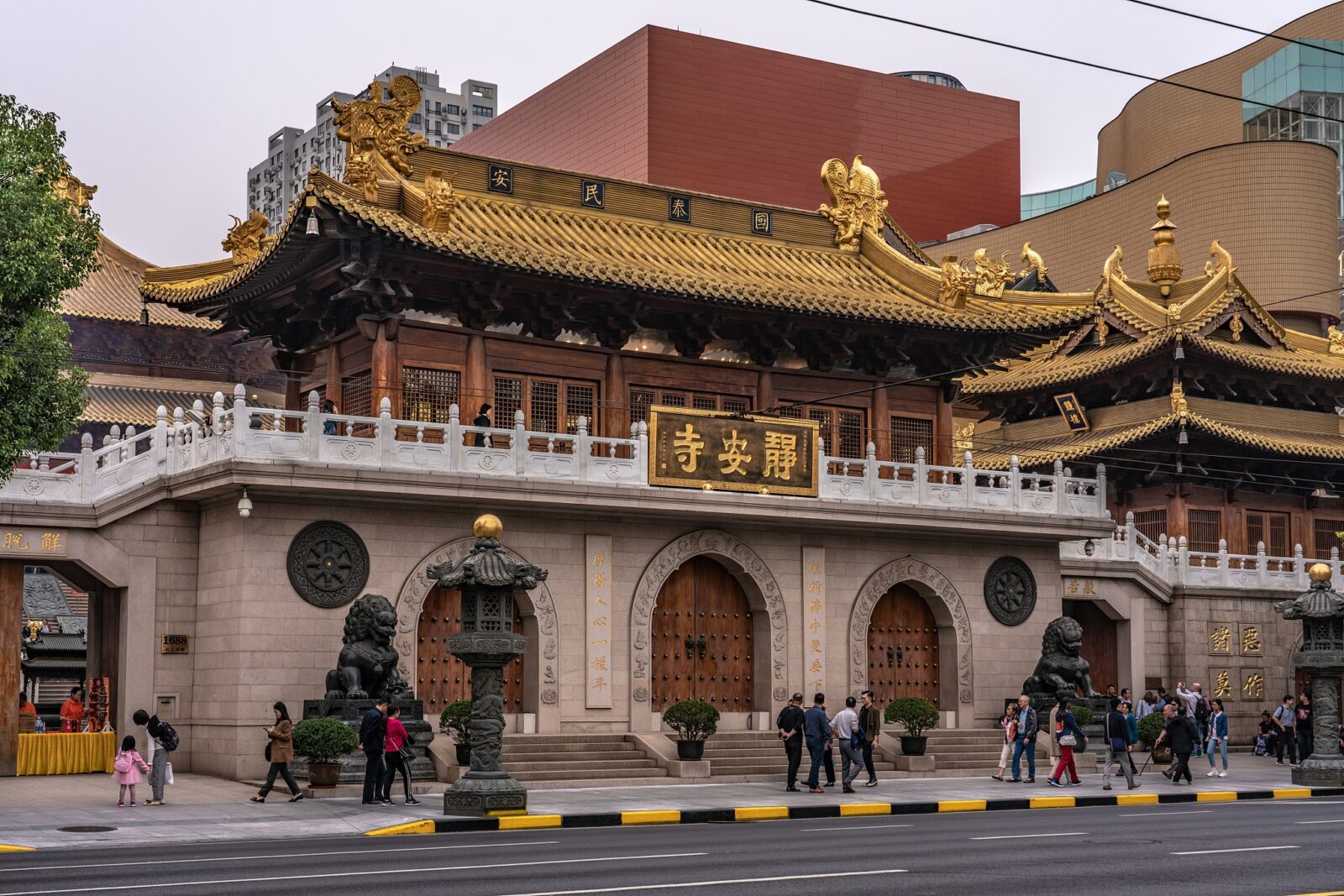
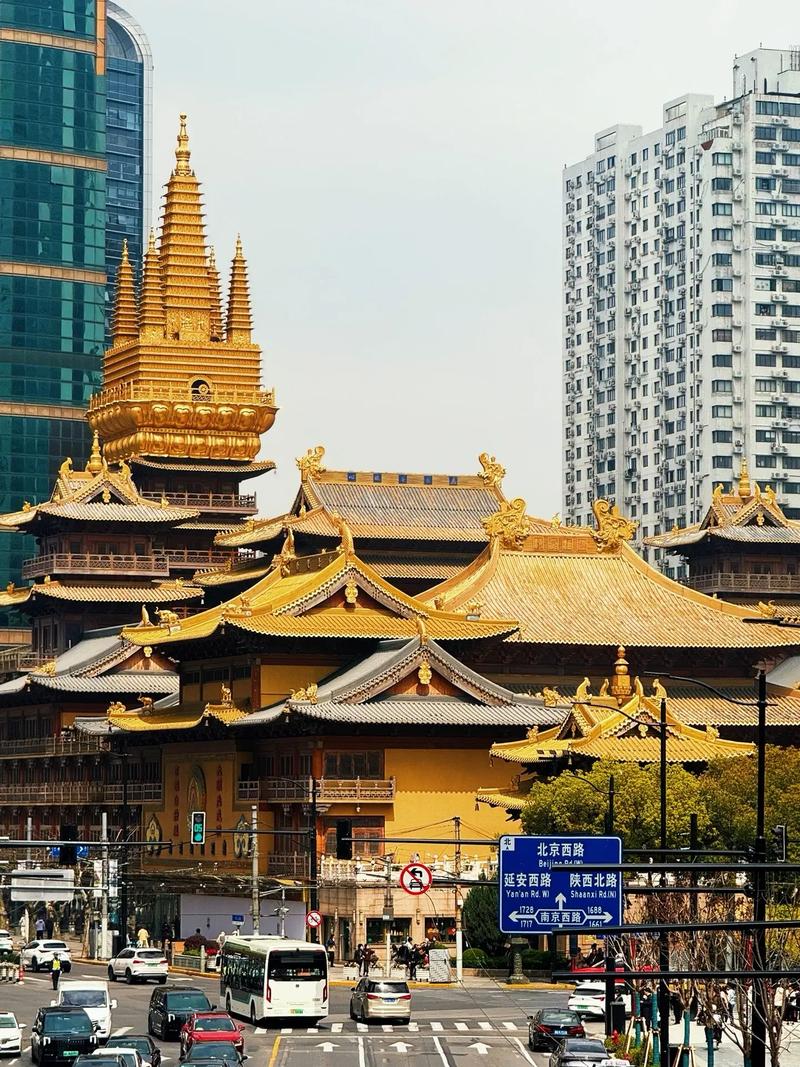
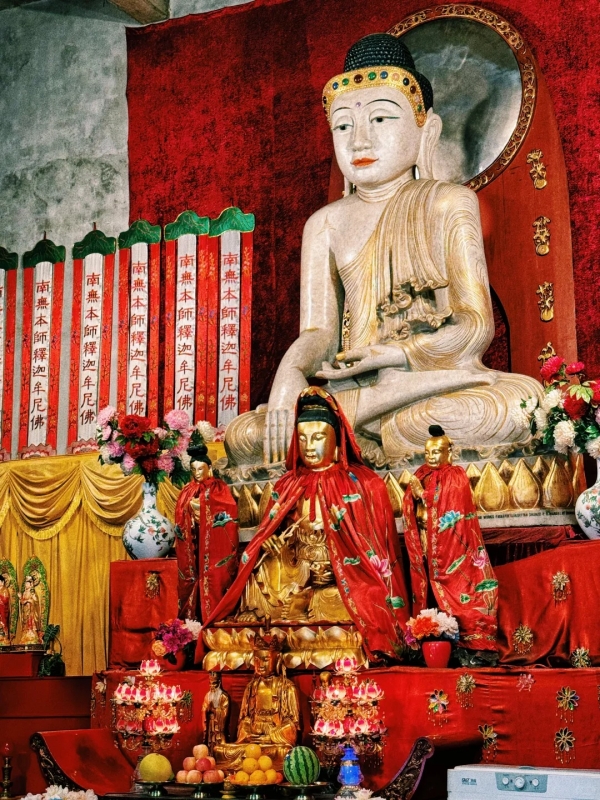
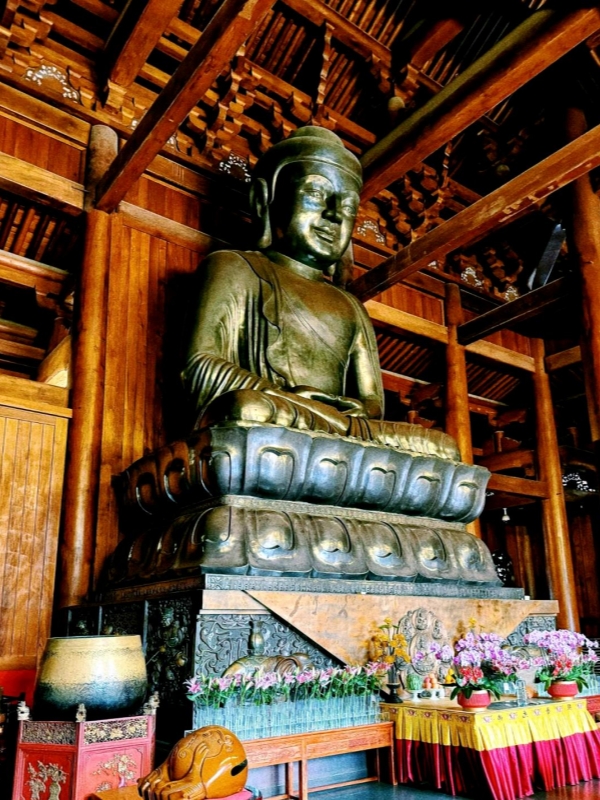
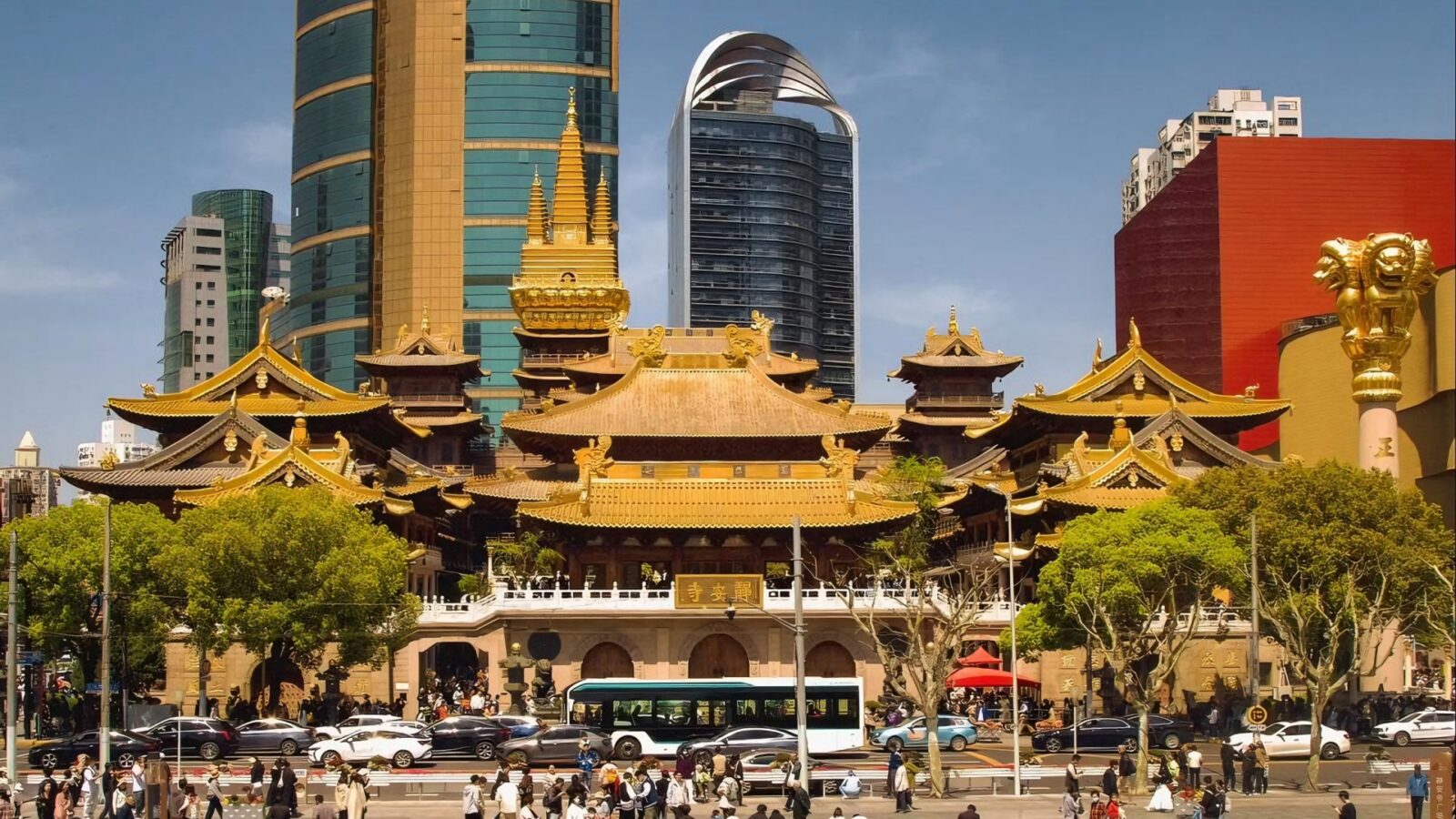
Step off the metro at Nanjing West Road, and you'll do a double-take. There, squeezed between Prada storefronts and five-star hotels, sits Jing'an Temple (👇 Click the name for details) with its distinctive golden roof catching the afternoon sun. Built in 247 AD, this 1,800-year-old Buddhist refuge is the only temple in China to have a gilded copper-covered roof. Inside, an 8.8-meter tall silver Buddha tips the scales at several tons, while an entire reclining Buddha carved from jade combines some of the finest religious artistry in China. At ceremonies, the 3-ton bronze Ming Dynasty bell—“Jing’an Brahma Sound”—is inaudible for miles.
What to expect from other shanghai temples has a unique twist at this one—head to the scripture building for a free area where you can meditate by copying sutras, a surprisingly relaxing activity to squeeze in during your day-long shopping jaunt. Try the vegetarian restaurant’s素面 (su mian) and mock duck for the best in ultra-healthy use of soy products that even meat-lovers advocate. The best time to visit the temple is late afternoon—the attraction is particularly photogenic between 5:30 and 6:30 PM when the golden roof reflects the last glow in the dappled dusky sky before the neon lights flutter on.
Essential Information:
- 📍 Location: 1686 West Nanjing Road, Jing'an District
- 🕐 Hours: 7:30 AM - 5:00 PM (extended to 5:30 PM on lunar 1st and 15th)
- 💲 Average cost: ¥50 (students ¥25 with valid ID)
- 🚇 Transport: Metro Lines 2/7/14, Jing'an Temple Station, Exit 1 (1-minute walk)
💡 Tip: Arrive early morning (8:00 AM) for fewer crowds. Best photography 5:30-6:30 PM when golden roof glows against city lights. No photography inside Buddha halls; avoid shorts, tank tops, flip-flops. Free sutra copying at scripture building.
2. Longhua Temple: Shanghai's Largest Ancient Buddhist Complex with Song Dynasty Pagoda
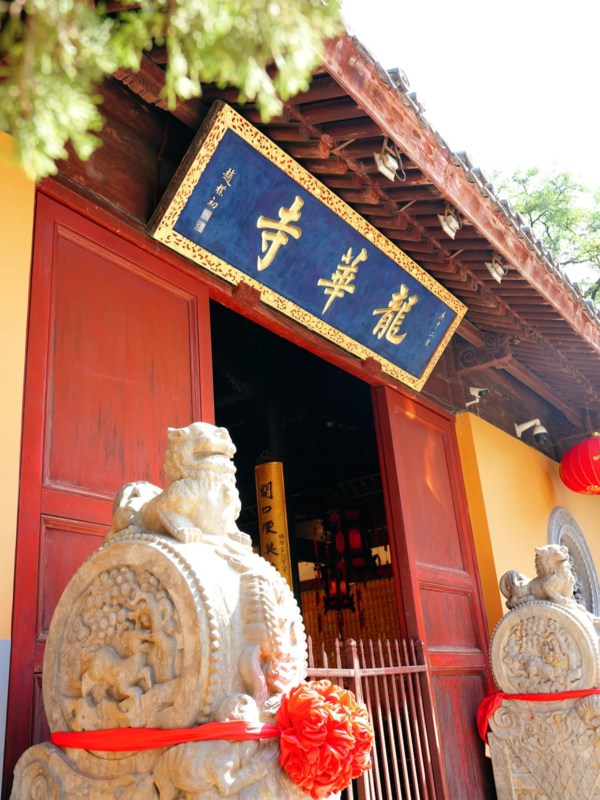
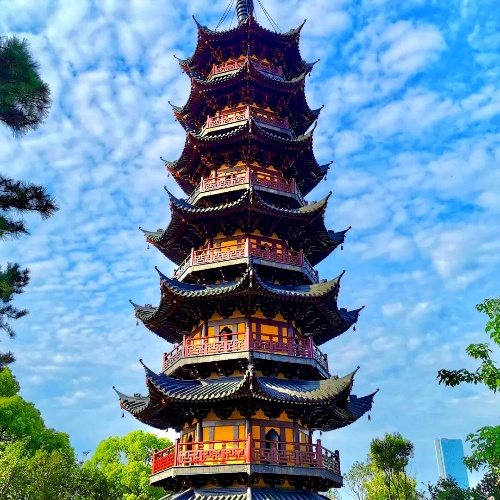
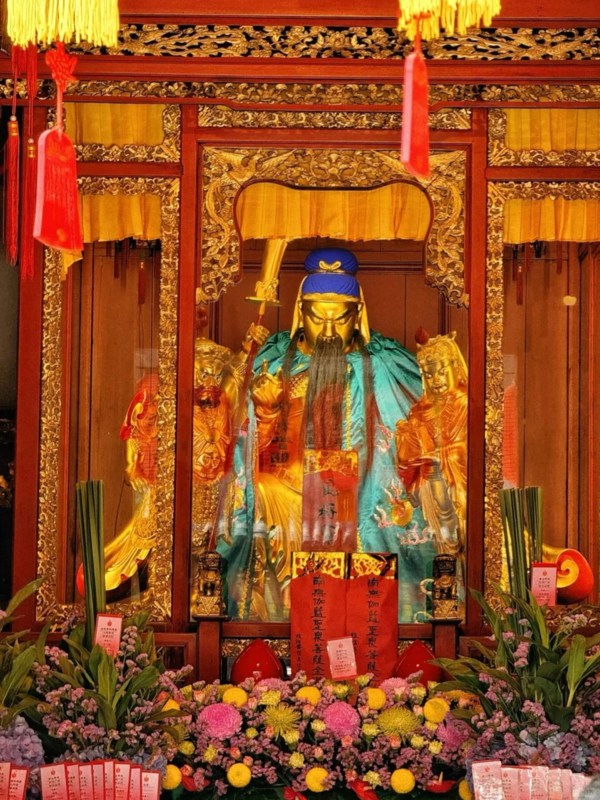
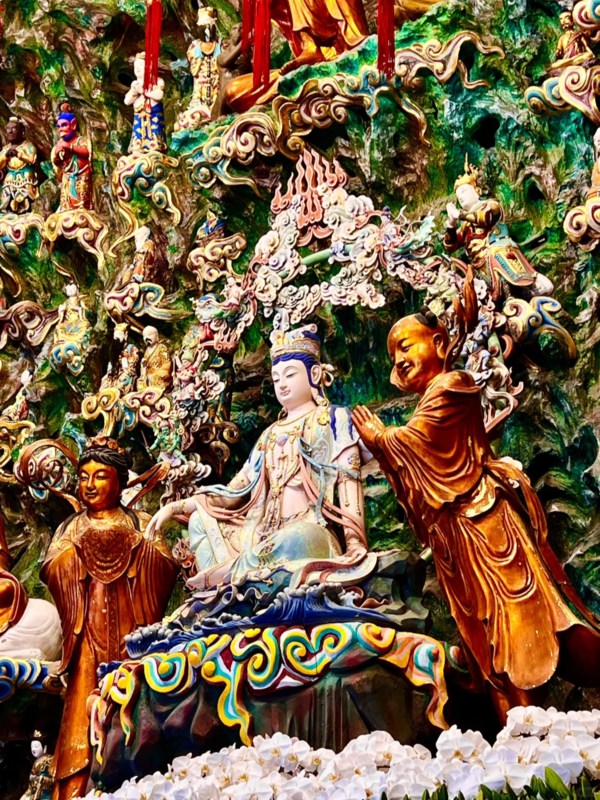
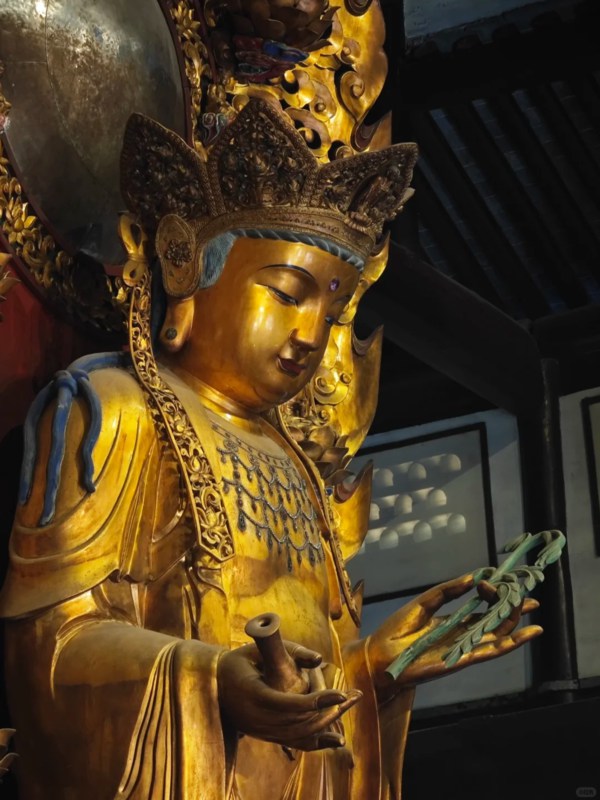
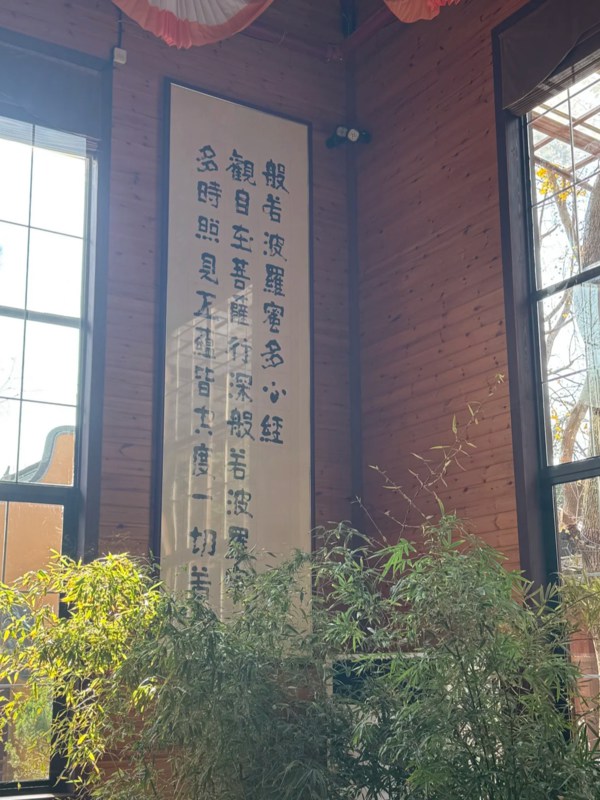
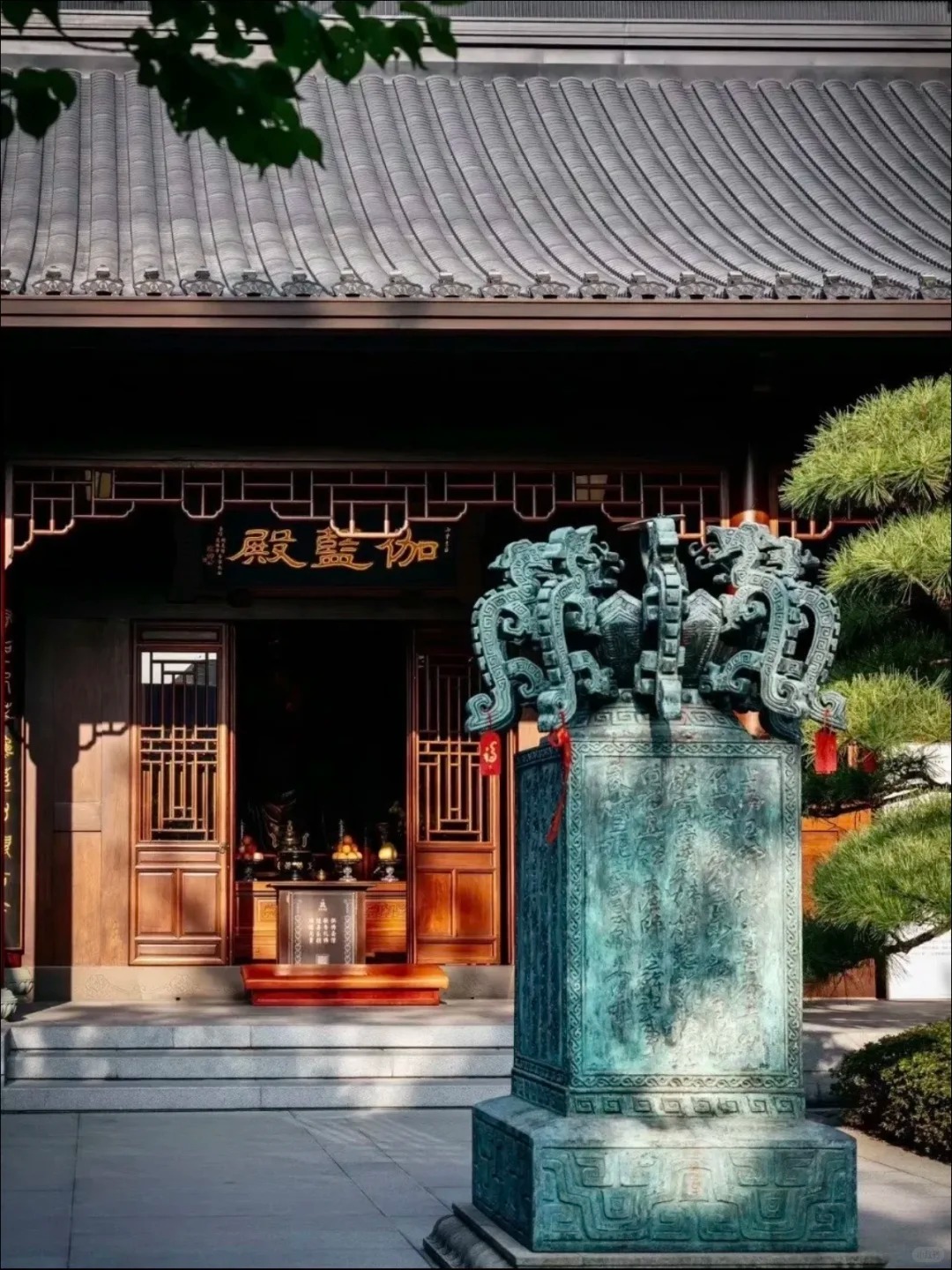
If you visit only one temple in Shanghai, make it Longhua Temple (👇 Click the name for details). Established in 247 AD, this sprawling complex is Shanghai’s largest and most important Buddhist temple. The centrepiece is Longhua Pagoda, a 40.6m-tall Song Dynasty structure (977 AD) that is the only ancient pagoda in Shanghai that has survived to this day. The temple’s “Three Treasures” has attracted pilgrims for centuries: a peony tree which is over a thousand years old, a Ming Dynasty bronze bell weighing over 1000 kg, and a golden Vairocana Buddha statue.
The secret that locals know is to get to the vegetarian hall by 7.30 am for “head soup noodles" (头汤面). Vegetarians in Shanghai have this old custom of coming in the morning to eat the first batch of noodles when the soup is the strongest. The temple’s “Three Delicacies” (素面、素鸭、素火腿)Chinese even heavenly are legendary in the Shanghai vegetarian food world. In 2023, the temple began to open “Pagoda Shadow Space”. The glass dome mirrors the pagoda in a beautiful symmetry.
Essential Information:
- 📍 Location: 2853 Longhua Road, Xuhui District
- 🕐 Hours: 7:10 AM - 4:30 PM (6:00 AM - 5:00 PM on lunar 1st, 15th, and Buddhist holidays)
- 💲 Average cost: ¥10 (includes three incense sticks)
- 🚇 Transport: Metro Lines 11/12, Longhua Station (8-minute walk)
💡 Tip: Arrive before 7:30 AM for famous "head soup noodles" (limited quantities). Pagoda not open for climbing. Don't feed liberation pond fish. New "Pagoda Shadow Space" best visited 10:00 AM-3:00 PM for optimal lighting. Temple cats roam freely—great photo ops.
3. Jade Buddha Temple: Rare Myanmar White Jade Sculptures Worth the Journey
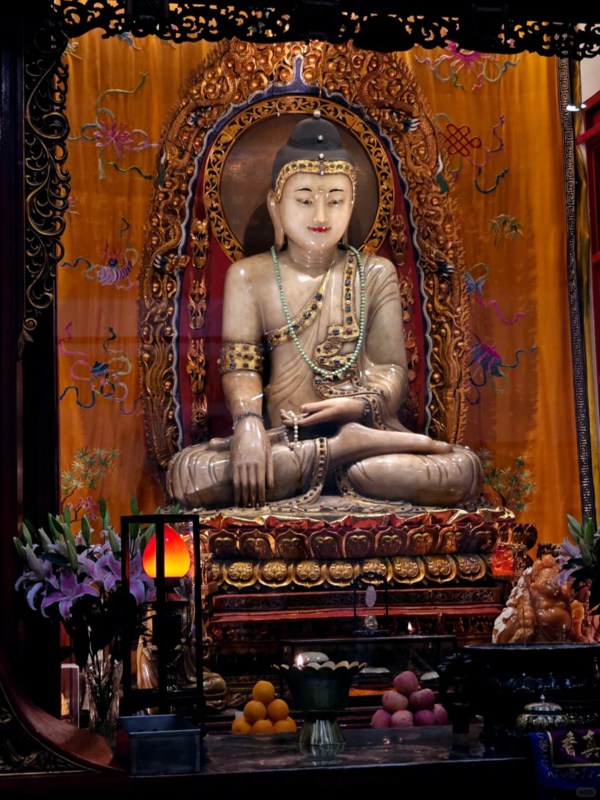
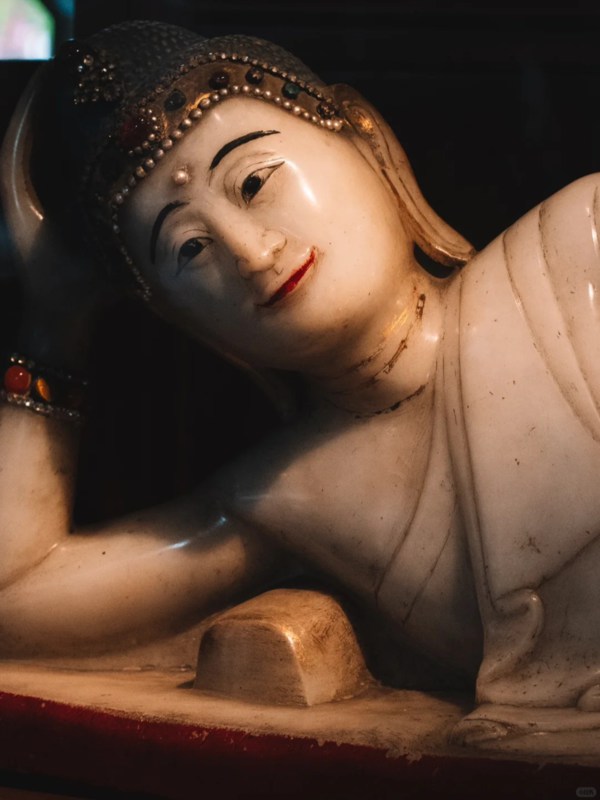
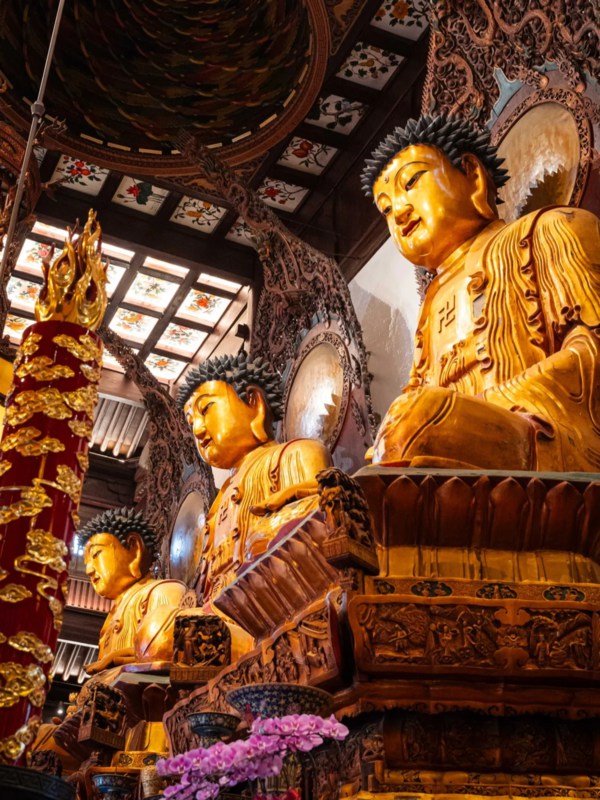
Jade Buddha Temple (👇 Click the name for details) owes its existence to two extraordinary statues. In 1882, Abbot Huigen returned from a trip to Myanmar with white jade Buddha figures, and this temple was built to house them. The most stunning example is a 1.95-meter tall seated Buddha carved from a single block of white jade whose surface is so pure it appears to glow. In another hall is the Reclining Buddha, a 96-centimeter jade statue lying on his side, recalling Buddha’s peaceful entry to nirvana. These masterpieces of the art of Qing Dynasty jade carving may be seen nowhere else.
It has gained a reputation among Shanghainese as the “go to” temple for praying for prosperity and relationships. The Lunar New Year’s fifth day (the day of the God of Wealth) attracts monstrous crowds. The vegetarian restaurant dishes up good examples of refined Buddhist cuisine, and their signature noodles have convinced many skeptics. Located in Putuo District easily reached by metro, you can make a day of visiting nearby temple complexes and then hitting nearby shopping commercial areas.
Essential Information:
- 📍 Location: 170 Anyuan Road, Putuo District
- 🕐 Hours: 8:00 AM - 4:30 PM (7:00 AM - 4:00 PM on major Buddhist holidays)
- 💲 Average cost: ¥20 base ticket + ¥10 Jade Buddha Tower + ¥25 incense (optional) = ¥55 total
- 🚇 Transport: Metro Line 13, Jiangning Road Station, Exit 4 (5-minute walk)
💡 Tip: Visit Jade Buddha Tower first before crowds arrive. Absolutely no photography inside tower—security strictly enforces this. Courtyard photos allowed. Vegetarian restaurant serves excellent noodles (¥40-50 per person). Lunar New Year 5th day extremely crowded—arrive before 8:00 AM.
Architectural Masterpieces: Shanghai Temples Preserving Centuries of Chinese Craftsmanship
For architecture enthusiasts and culture seekers, these three shanghai temples showcase China's building heritage from the Yuan Dynasty through modern interpretations of Tang aesthetics.
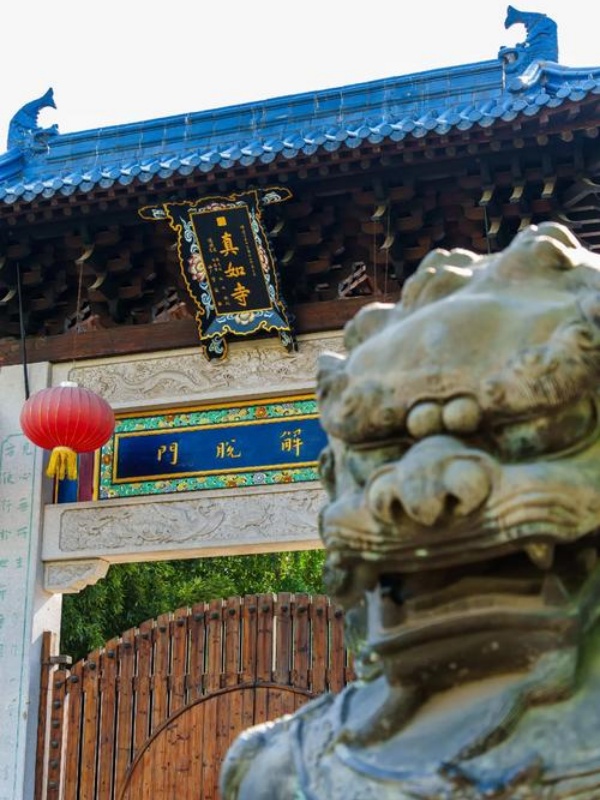
4. Zhenru Temple: Shanghai's Only Surviving Yuan Dynasty Wooden Structure from 1320 AD
-

- Zhenru Temple
-
- Zhenru Temple
-
- Zhenru Temple
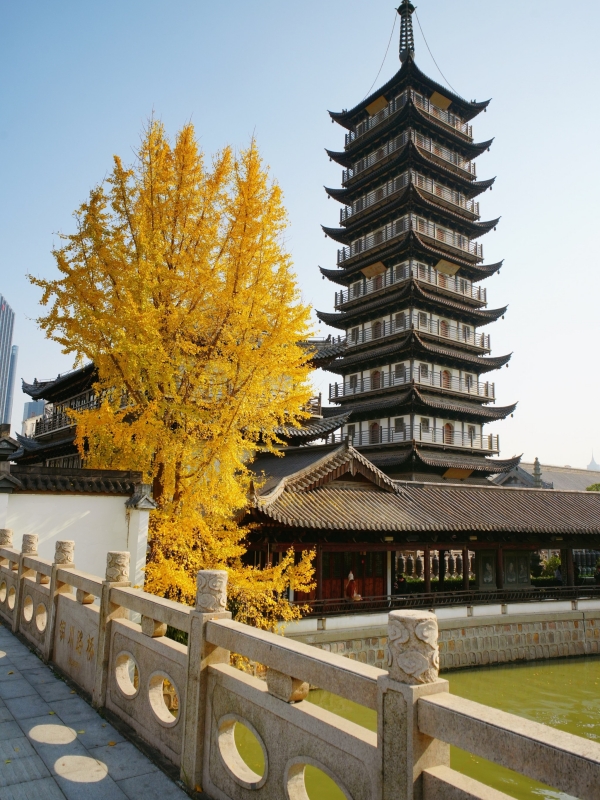
Entering Zhenru Temple, you step into a 1320 AD time capsule. Shanghai’s only surviving Yuan Dynasty wooden building, it is under national-level cultural relic protection. The main hall is an “eight-rafter house” style lifting-beam construction, techniques which can be hard to find today, with huge nanmu wood beams carried on distinctive Yuan Dynasty “sickle arch” brackets. Inspecting the beams, you can discover ink inscriptions from Yuan Dynasty craftsmen—autographs that survived seven centuries.
As a Shingon Buddhism ancestral temple, Zhenru has special prayer rituals. On the first and fifteenth days of the lunar month practitioners walk circumbulation ceremonies: walking round the pagoda three times while reciting the Great Compassion Mantra. Zhenru distributes a limited number of hand-woven five-color vajra knots blessed by monks. The vegetarian hall serves mock roast goose (素烧鹅): tofu skin wrapped around mushrooms and bamboo shoots. In November, the ginkgo tree, 620 years old, carpets the temple in golden leaves.
Essential Information:
- 📍 Location: 399 Lanxi Road, Putuo District
- 🕐 Hours: 8:00 AM - 4:00 PM
- 💲 Average cost: ¥10
- 🚇 Transport: Metro Lines 11/14, Zhenru Station (10-minute walk)
💡 Tip: Best season November for 620-year ginkgo tree golden leaves. Remove shoes before entering Yuan Dynasty hall. No tripods inside main hall; external incense not permitted. Arrive lunar 1st/15th for hand-woven vajra knots (limited quantities, first-come basis). Photography allowed but tripod restrictions apply.
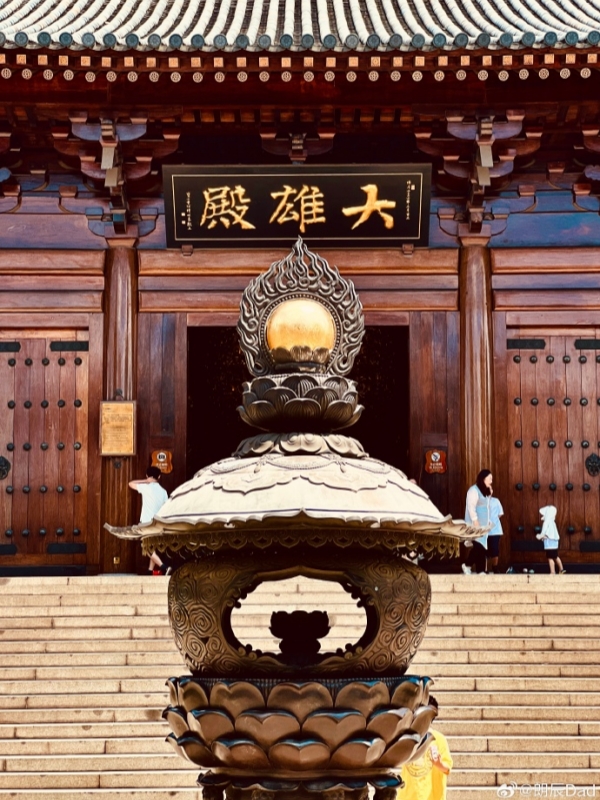
5. Baoshan Temple: Tang Dynasty Design Principles Earning China's Prestigious Luban Award
-
- Baoshan Temple
-

- Baoshan Temple
-
- Wood Construction Building
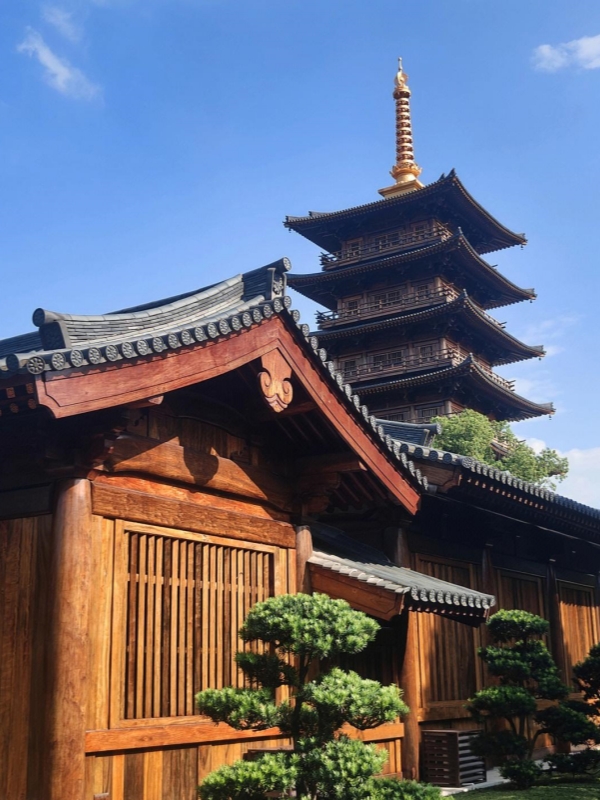
The holder of more Luban awards than any other building in China, Baoshan Temple was originally built 500 years ago, and reconstructed according to the principles of Tang architecture in pure wood construction, without using any nails! The mortise-and-tenon work showcases dougong (bracket clusters) and sweeping eaves that adhere to Tang principals of aesthetics. Every piece has been hand carved by masters trained through centuries of apprenticeship methods of traditional workmanship.
Baoshan’s grounds have acquired the unofficial title of 'Shanghai’s most beautiful temple' through the garden yards that are laid out in the courtyards of the many Tang-style buildings to make a riot of pink during the cherry blossom season (March-April).The multiple layers in the design of these courtyard spaces follow the principles of feng shui. Unlike the more popular temples in downtown shanghai, Baoshan offers a contemplative atmosphere more conducive to meditation or reflection upon Architecture than a bustling place of worship.
Essential Information:
- 📍 Location: 518 Luoxi Road, Luodian Town, Baoshan District
- 🕐 Hours: 7:00 AM - 4:00 PM (5:00 AM - 4:00 PM on lunar 1st, 15th, and major holidays)
- 💲 Average cost: ¥20 (reduced to ¥10 on lunar 1st and 15th)
- 🚇 Transport: Metro Line 7, Meilan Lake Station, then bus/taxi 15-20 minutes
💡 Tip: Public transport inconvenient—taxi recommended (30 minutes from city center, ¥80-100). Cherry blossom season (late March-early April) requires early booking. Best photography morning light 9:00-11:00 AM for architectural details. Bring professional camera for dougong bracket details. Quiet atmosphere ideal for meditation.
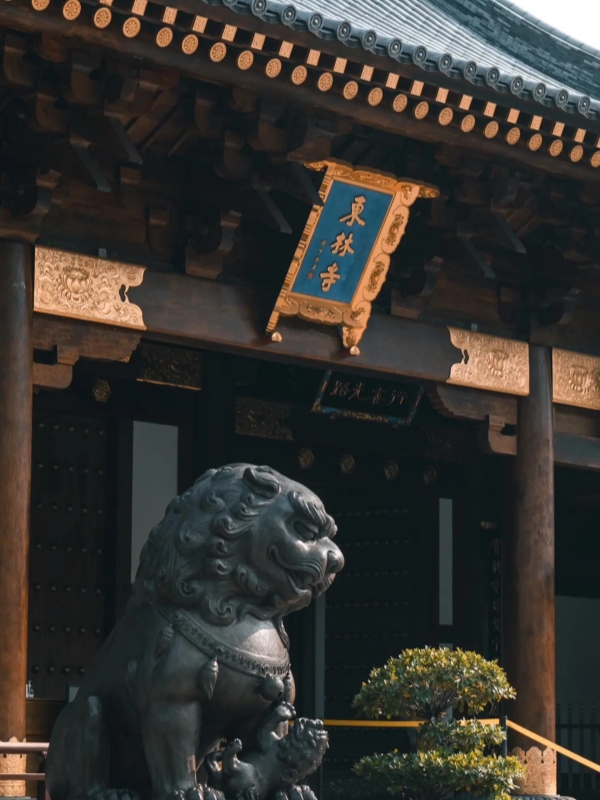
6. Donglin Temple: Modern Buddhist Architecture Breaking Three Guinness World Records
-
- Donglin Temple
-
- Donglin Buddha
-
- Donglin Temple
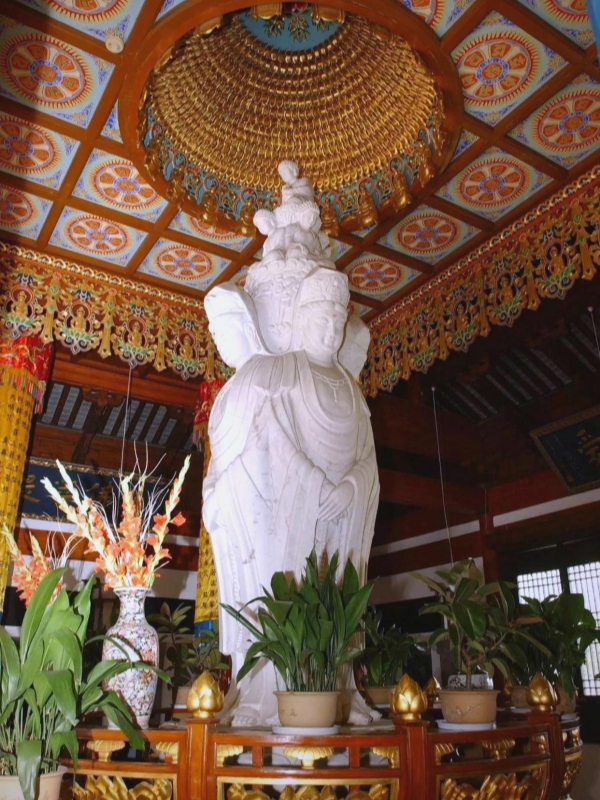
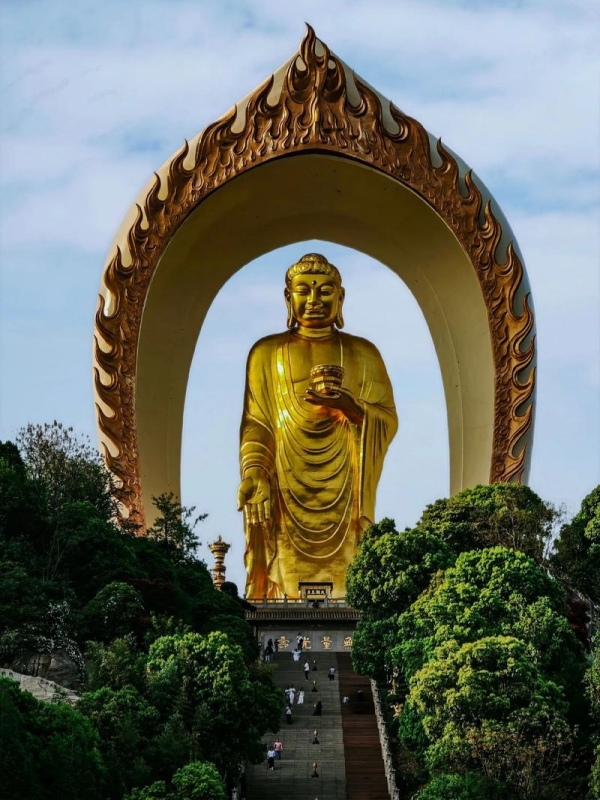
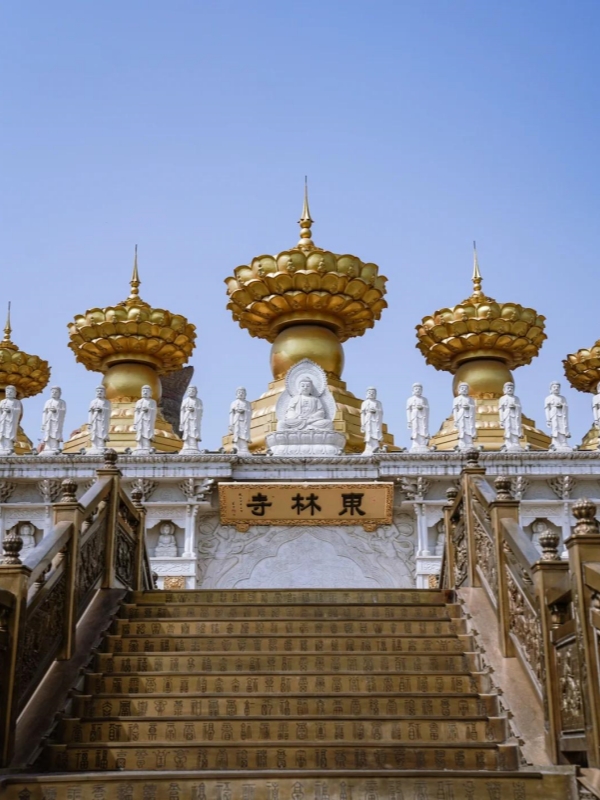
Staying on the holiness theme for one last bite, Shanghai has a mega temple, Donglin Temple, which has three Guinness World Records honors for showcasing contemporary temple architecture. The 34 meters tall Thousand-Armed Avalokitesvara is the tallest indoor Buddhist statue in the world, its daunting scale filling the hall. The 20 meter tall Thousand Buddha Gate sports 999 copper Guanyin reliefs. The 5.4 meter tall cloisonné Sudhana statue represents the climax of that traditional craft and the structure is a blend of the Tang architectural style (traditionally built for Chinese Buddhists) and Tibetan Buddhist elements.
What makes the place really enticing, however, is the AR interactive experience. Download the temple’s app, point the phone at one of the many Buddha statues, and see a holographic projection tell the myths of Buddhism through techno-animated devices – things of the ancient religion and modern technology melding in one go. Ideal for the nuclear family, the kids will stay engaged waiting for the next tech hoot, and the temple has even earned the reputation of being the most efficacious place for praying for children in Shanghai!
Essential Information:
- 📍 Location: 150 Donglin Street, Zhujing Town, Jinshan District
- 🕐 Hours: 8:00 AM - 4:30 PM (5:00 AM - 4:30 PM on lunar 1st and 15th)
- 💲 Average cost: ¥30 (combination ticket)
- 🚇 Transport: Metro Line 1, Lianhua Road Station, then bus (1.5 hours) or taxi recommended (40 minutes, ¥150-180)
💡 Tip: Download AR app "Donglin Temple Interactive" before visiting for holographic experiences. Located far from city center—plan half-day trip. Best visited 9:00 AM-2:00 PM to allow return travel time. Family-friendly with interactive tech features. Bring power bank for AR app. Combine with Jinshan Beach visit for full-day itinerary.
Taoist Heritage: Two Shanghai Temples Rooted in Indigenous Chinese Philosophy
Shanghai's Buddhist temples dominate, but these two Taoist temples offer different spiritual dimensions rooted in Chinese indigenous philosophy and local protective traditions.7. City God Temple: Shanghai's Ming Dynasty Taoist Heritage
7. City God Temple: Ming Dynasty Guardian Protecting Shanghai for 600 Years
-
- City God Temple at Night
-
- City God Temple Gate
-
- City God Temple
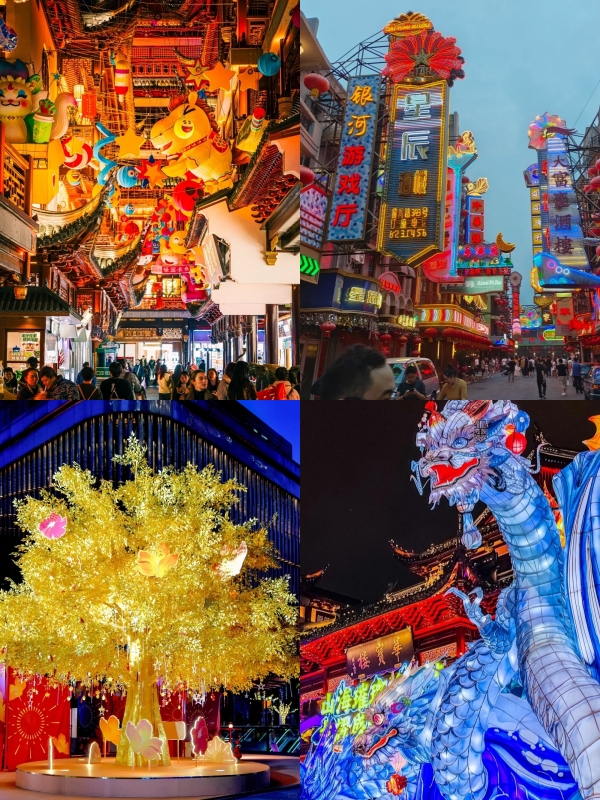
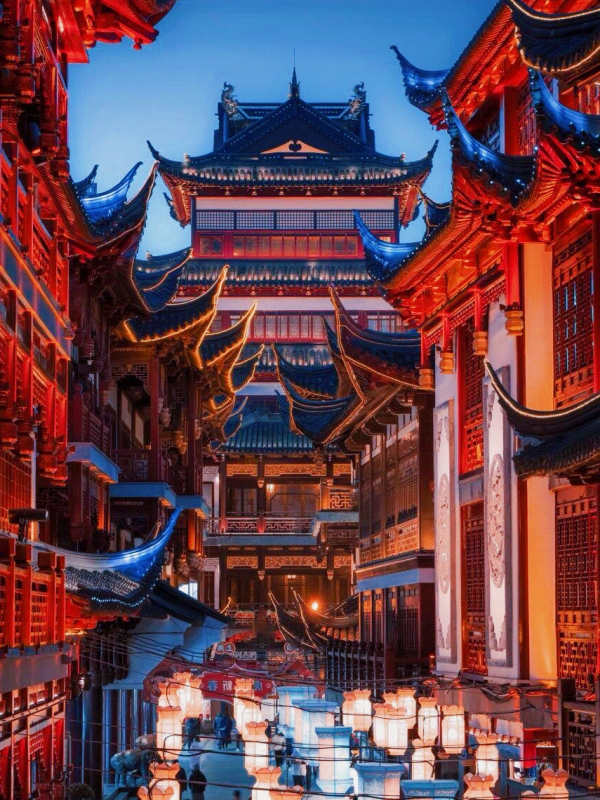
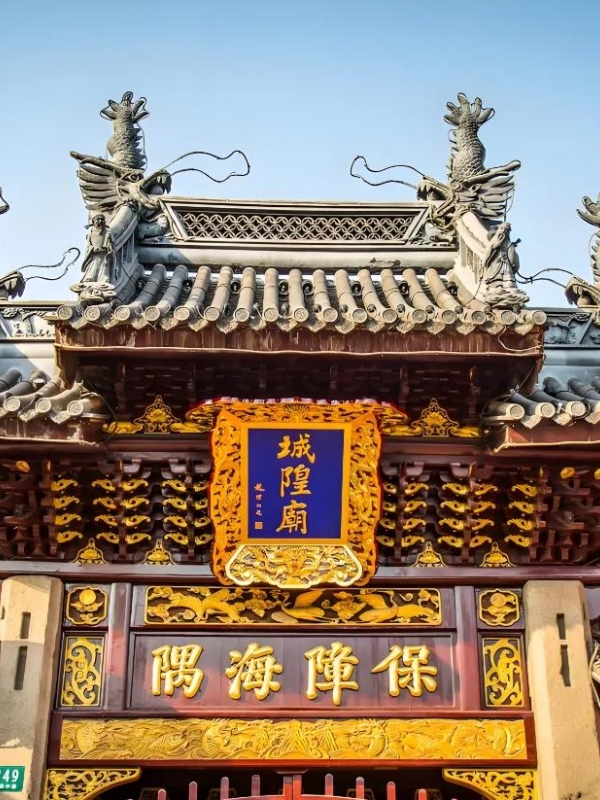
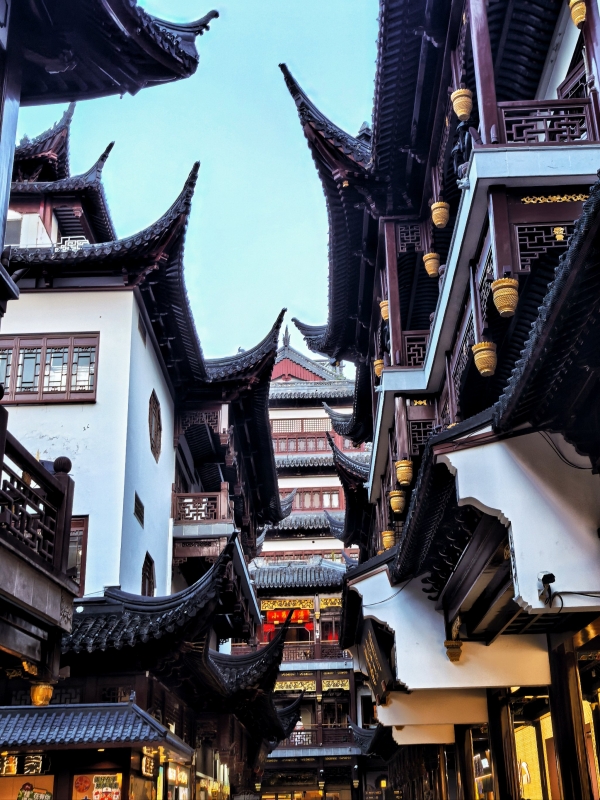
City God Temple (👇 Click the name for details) has protected Shanghai since the Yongle era (after 1403), serving as the spiritual guardian for over 600 years. The temple is a shrine to the City God Qin Yubo, the protective deity, and General Huo Guang is the other figure of deification. The design is typical of Jiangnan temples, with curved flying eaves, fine wooden carvings, and red-painted columns. With its grandeur, it is the largest Taoist temple in Shanghai, and thus it stands out from the multitude of temples of Buddhism in Shanghai.
Combined with its location, beside Yuyuan Garden, it offers a glimpse into a culture of its own. You attend the ceremony of Taoism, and outside of it, the streets are filled with shops selling xiaolongbao and silks, and tea houses that show you around “authentic” Shanghainese life. The temple fair, usually at the time of Chinese New Year, turns the place into a carnival full of traditional performances, and food stalls, and there is the Nine-Turn Bridge and the pavilion on the mid-lake for beautiful shots.
Essential Information:
- 📍 Location: 249 Middle Fangbang Road, Huangpu District
- 🕐 Hours: 8:30 AM - 5:00 PM
- 💲 Average cost: ¥10
- 🚇 Transport: Metro Line 10, Yuyuan Garden Station (3-minute walk)
💡 Tip: Combine with Yuyuan Garden visit (separate ¥40 ticket). Surrounding food street offers Nanxiang xiaolongbao, shengjian, century eggs. Taoist etiquette differs from Buddhist—observe locals before participating. Chinese New Year temple fair extremely crowded but culturally rich. Best visited 9:00-11:00 AM weekdays.
8. Baiyun Temple: Quiet Taoist Sanctuary Housing Shanghai's Taoist Association
-
- Jade Emperor Statue
-
- Baiyun Temple
-
- Zhenru Temple
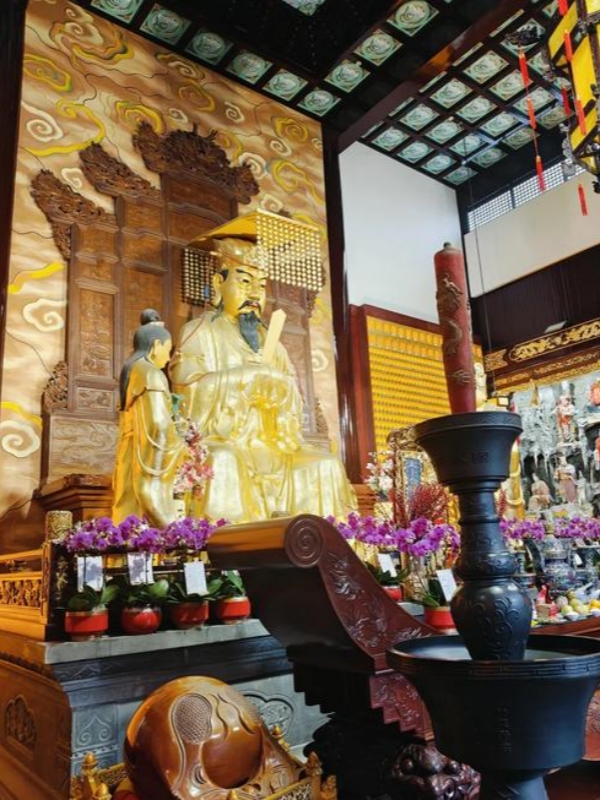
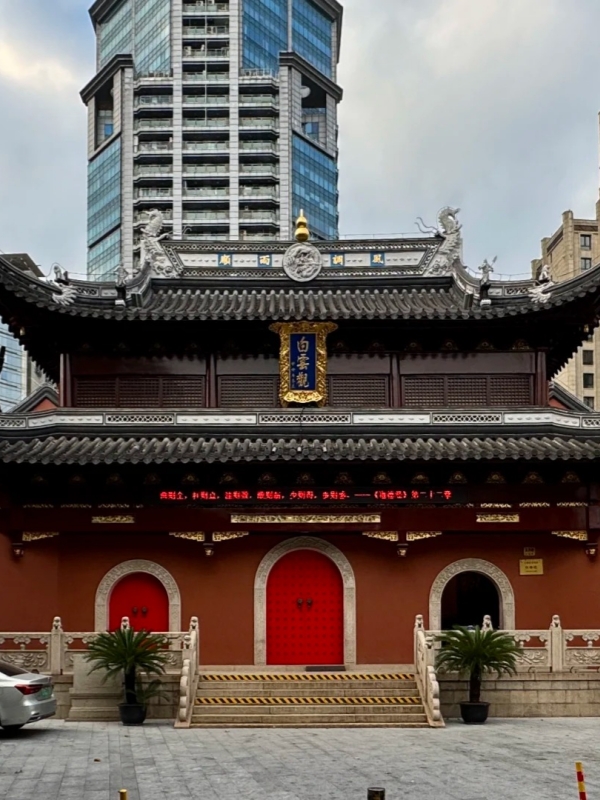
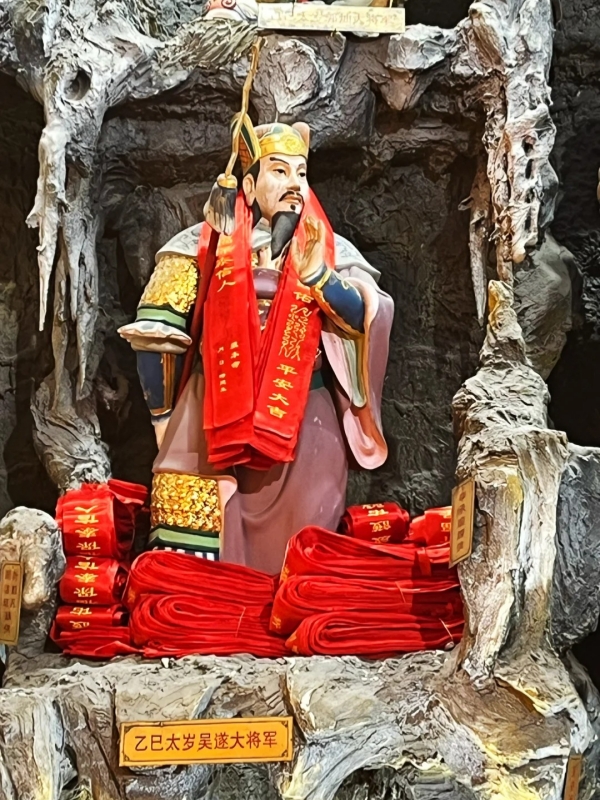
As the home of the Shanghai Taoist Association, Baiyun Temple represents Quanzhen Taoism in China’s most modern city. Baiyun was founded in the Yuan Dynasty, but has largely preserved the flavours of Ming and Qing dynasty architecture. In the centre of the temple is the five-metre tall statue of the Jade Emperor, made with the traditional method of “tire removal”, though in stainless steel. Statues of nine bronze deities from the Ming Dynasty showcase some of the few surviving pieces of religious metal work from the period.
While the City God Temple is overrun with tourists, Baiyun is accessible to quiet reflection on Taoist culture for those genuinely interested. You can observe priests at the temple in their daily routines and the various rituals that all differ from Buddhist service. Occasionally the temple will host talks on Taoist culture that explain qi, internal alchemy and the many statues of deities that show the huge Taoist pantheon of over eighty deities.
Essential Information:
- 📍 Location: 239 Dajing Road, Huangpu District
- 🕐 Hours: 8:00 AM - 4:30 PM
- 💲 Average cost: ¥5
- 🚇 Transport: Metro Lines 8/10, Laoximen Station (7-minute walk)
💡 Tip: Quietest of all shanghai temples—ideal for contemplative visits. Check temple announcements for cultural lectures (occasionally English available). Maintain silence; don't touch ritual implements. Ming Dynasty bronze statues best viewed 10:00 AM-2:00 PM when natural light enters halls. Combine with Old City walk through nearby historic lanes.
My Personal Shanghai Temples Routes: Three Itineraries I've Perfected Over Years
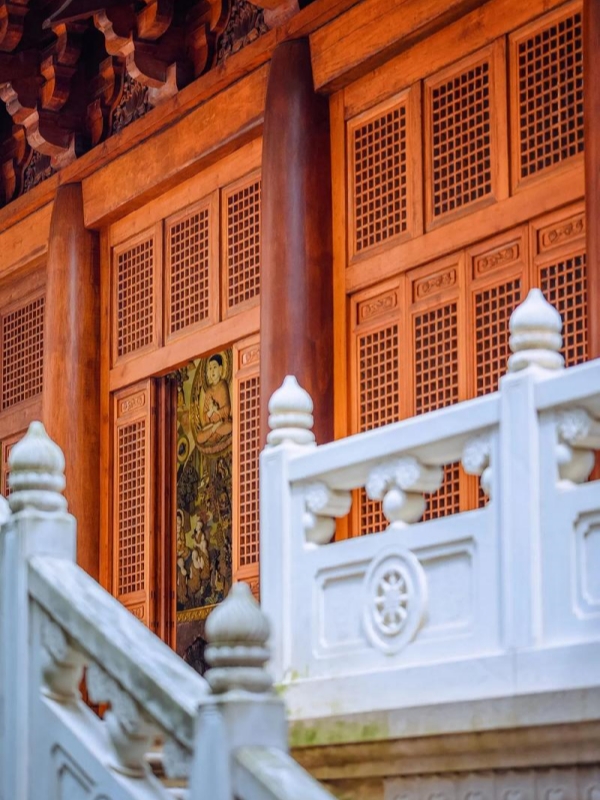
Shanghai Jing'an Temple
Traditional Culture Full-Day Tour: Three Major Buddhist Sites
Our full-day culture tour will start in the morning at Jing'an Temple (9:00-11:00 AM). The morning light hitting the golden roof at this ancient Buddhist temple is quite beautiful. You can copy sutras in the scripture hall. Vegetarian noodles are tasty lunch option.
Then take Metro Line 2 to Line 11 to Longhua Temple (12:00-2:30 PM) for a traditional vegetarian lunch and to look around the pagoda and temple complex. After that, it’s back to Line 11 and transfer to Line 13 to Jade Buddha Temple (3:30-5:00 PM), with an added bonus to our visit from the light of the setting sun on the jade statues.
The three main Buddhist temples in Shanghai all can be covered entirely by metro in a single day (less than an hour travel time). You can even do this on a tight budget using ¥18 metro day pass and then paying the entrance fees for all three temples which will total about ¥80.
Architectural Art Deep-Dive: Shanghai Temples Across Dynasties
This architectural walking tour starts at 9 AM with Zhenru Temple in Changning, a rare example of Yuan Dynasty wooden halls with morning light on its enduring wooden beams and lacquered carvings. Lunch, perhaps a dumpling feast, at Baoshan Temple (12:30-2:30 PM), which sports a Luban Award-winning Tang-style reconstruction. Finally, at Donglin Temple (3:30-5:30 PM), experience exemplary modern works of Buddhist architecture. All locations are in the suburbs, so a rental car or ride-sharing is better. Activity: an architecture lover’s dream for seven hundred years of structures; camera and a notebook for sketching.
Taoist Culture Half-Day Tour: Shanghai's Indigenous Traditions
Half-day Taoist tour. You’ll start with City God Temple from 9-11am where you can wander through the halls, admiring the architecture and seeing Taoist priests going through their daily rituals. After that, head to Yuyuan Bazaar for a quick lunch of xiaolongbao or shengjian before you continue to Baiyun Temple from 2-4pm where it’s much quieter and more conducive to a look into Taoist philosophy.
This Yang and Yin nature of Taoism is exemplified in this itinerary between the two contrasting locations. Enjoy a half-day tour which will cost approximately ¥100-150 including lunch and is the perfect first half of a day to take a trip to the Bund in the late afternoon.
Timing Your Shanghai Temples Visits: Lessons from My Experience
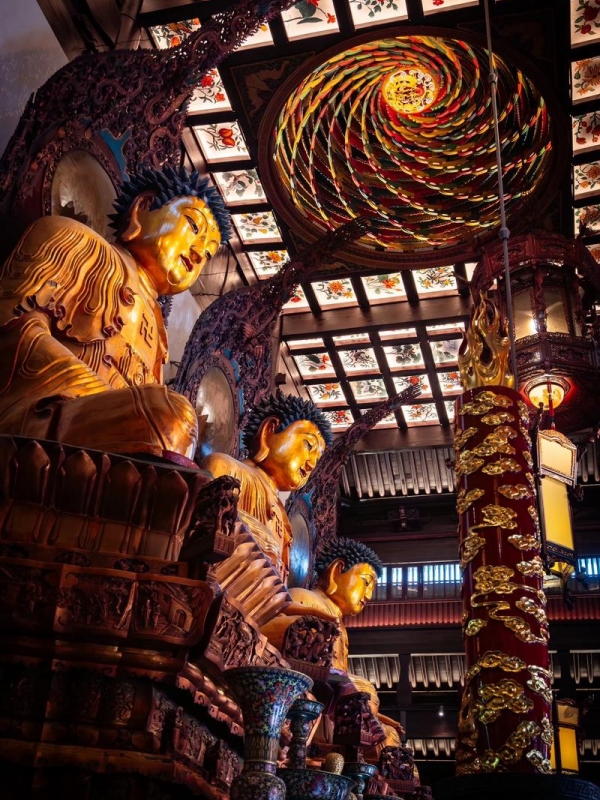
Baoshan Temple
Weekday Morning Golden Hours: 7:30-9:30 AM
Arriving when shanghai temples open is the single best decision. At 7:30 AM, Longhua Temple is nearly empty except elderly locals and monks chanting sutras. Soft morning light creates perfect photography without harsh shadows. Different temples open at different times: Longhua at 7:10 AM earliest, most others at 8:00 AM. Morning calm provides genuine meditation opportunities impossible once crowds arrive. You'll also catch "first soup noodles" at Longhua—locals swear the broth is richest in the first batch.
Lunar First and Fifteenth: Maximum Religious Atmosphere
These traditional Buddhist observance days see shanghai temples open earlier (some at 5:00 AM) and stay open later. You'll witness elaborate ceremonies with monks chanting in unison and clouds of incense creating atmospheric scenes. However, expect crowds three to five times normal levels. Arrive 30 minutes before ceremony start times. At Zhenru Temple, these days mean chances to receive hand-woven vajra knots from monks (limited quantities, first-come basis).
Buddhist Festivals and Seasonal Highlights
Buddha's Birthday (lunar fourth month, eighth day) brings elaborate ceremonies at Jing'an Temple. Laba Festival sees temples distributing free porridge. Spring (March-April): Baoshan Temple cherry blossoms create pink canopies. Autumn (November): Zhenru Temple's 620-year ginkgo drops golden leaves. Summer: Visit early morning or late afternoon due to heat. Winter: Fewer crowds, but bring warm layers as halls lack heating.
Essential Shanghai Temples Etiquette and Practical Guidelines
Dress Code Requirements for Respectful Temple Visits
Avoid shorts above knee, miniskirts, tank tops, and flip-flops. Wear long pants or below-knee skirts, sleeve-covering tops, and closed-toe shoes. Summer solution: lightweight cotton/linen long clothing plus thin shawl to drape over shoulders in halls. Zhenru Temple requires shoe removal in Yuan Dynasty hall—wear clean socks. Dark, neutral colors look more appropriate than bright patterns.
Photography Rules at Shanghai Temples
Always allowed: exterior architecture, courtyards, gardens, pagodas. Often allowed with permission: Buddha statues in halls (ask first, no flash). Strictly forbidden: Jade Buddha Temple's tower, Jing'an Temple's silver Buddha hall. Look for "禁止拍照" signs or ask "可以拍照吗?" Tripods face restrictions at heritage sites like Zhenru's Yuan hall. If people are praying, wait respectfully.
Incense Offering: Three-Stick Method
Light three incense sticks using temple lighters. Hold burning incense at eyebrow level, bow three times. Place three sticks upright in the burner. Three sticks represent the Three Jewels: Buddha, Dharma, Sangha. Never use your own lighter—it's disrespectful. More incense doesn't equal more blessings; three is proper.
Temple-Specific Rules
Zhenru: Remove shoes in Yuan hall; no external incense; no tripods. Longhua: Don't feed liberation pond fish; pagoda closed to climbing. Jing'an: Use designated incense burners; no hall photography. Jade Buddha: Tower strictly prohibits photography. Donglin: Don't touch Buddha statues.
Frequently Asked Questions About Shanghai Temples
Q: Are there really 122 temples in Shanghai?
Yes, according to Shanghai Buddhist Association's latest count, the city has 122 registered temples, though this includes Buddhist temples, Taoist temples, and smaller community sites not all open to public. The eight shanghai temples in this guide represent the most historically significant, architecturally valuable, and visitor-friendly options including Shanghai's oldest (Jing'an and Longhua from 247 AD), most architecturally unique (Zhenru's Yuan Dynasty hall), and most accessible (all reachable by metro except Baoshan and Donglin). Most travelers find visiting 3-5 major temples provides comprehensive understanding without becoming repetitive.
Q: Which temple is considered the most famous in Shanghai?
Three shanghai temples share "most famous" status. Jing'an Temple wins for location and international recognition—its golden roof above Nanjing West Road makes it Shanghai's most photographed temple. Longhua Temple claims historical supremacy as Shanghai's largest, oldest, and most complete Buddhist complex with national cultural relic status. Jade Buddha Temple achieves fame through unique white jade statues appearing in every guidebook. Choose based on interests: architecture fans pick Longhua, convenience-focused travelers choose Jing'an, those wanting unique artifacts select Jade Buddha.
Q: Is Jade Buddha Temple worth the entrance fee?
Absolutely. The ¥30 total (¥20 base + ¥10 tower access) delivers exceptional value. You're seeing 1.95-meter and 96-centimeter Buddha figures carved from single white jade pieces—irreplaceable artworks found nowhere else. The 140-year history, Song Dynasty architecture, and active monastery create complete cultural experiences exceeding most Shanghai attractions. Add sutra copying, vegetarian cuisine, and Buddhist ceremonies for 2-3 hours of genuine immersion. Compare to ¥90 Oriental Pearl Tower or ¥50 Shanghai Museum—the temple offers better value for authentic cultural experiences. Only disappointment: strict no-photography rules in Jade Buddha Tower.
Q: Can I take photos inside Shanghai temples?
Rules vary by location. Always allowed: exterior architecture, courtyards, gardens, pagodas. Interior Buddha halls split into categories: some strictly prohibit photography (Jade Buddha Tower, Jing'an silver Buddha hall), some allow photos with permission and no flash (Longhua, Baoshan, Baiyun), a few permit general photography excluding flash. Universal rules: never use flash inside any hall (damages art, disturbs worshippers), tripods face restrictions at heritage sites. Look for "禁止拍照" signs or ask "可以拍照吗?" Safest approach: shoot freely outside, ask permission inside, respect signage.
Q: When is the best time to visit Shanghai temples?
Weekday mornings 7:30-9:30 AM offer optimal experiences—nearly empty, soft lighting, audible temple bells. Longhua opens earliest at 7:10 AM, most others at 8:00 AM. Lunar 1st and 15th provide richer ceremonial experiences with elaborate chanting but triple normal crowds; temples open earlier (some at 5:00 AM). Buddhist festivals like Bathing Buddha Day and Laba Festival feature unique celebrations. Seasonally: spring brings Baoshan cherry blossoms, autumn turns Zhenru's ginkgo golden. Avoid weekends 10:00 AM-3:00 PM and Chinese New Year week. Budget 8-9 hours for three-temple tour including travel and meals.
Q: Do all Shanghai temples charge entrance fees?
Most major shanghai temples charge modest admission. Cheapest: Baiyun ¥5, City God/Longhua/Zhenru ¥10. Mid-range: Baoshan ¥20 (¥10 on lunar 1st/15th), Jade Buddha ¥20 (tower +¥10). Most expensive: Jing'an ¥50, Donglin ¥30. Student discounts available with valid ID. Vegetarian restaurants charge separately, ranging ¥25-50 per person. Budget-conscious travelers can enjoy excellent experiences under ¥100: visit Longhua (¥10), City God (¥10), Baiyun (¥5), add lunch at Longhua (¥35) for ¥60 total plus metro.
Q: What should I wear when visiting temples in Shanghai?
Dress modestly and comfortably. Avoid: shorts above knee, miniskirts, tank tops, exposed backs, flip-flops. Good choices: long pants or below-knee skirts, shoulder-covering shirts, closed-toe walking shoes. Summer: lightweight cotton/linen long clothing plus thin scarf to drape over shoulders in halls, remove outside for sun protection. Winter: Temple halls lack heating, so wear warm layers. Special cases: Zhenru requires shoe removal in Yuan hall—wear clean socks. Neutral colors feel more respectful than bright patterns. Prioritize comfort—temple visits involve 2-3 hours walking.
Q: Can tourists participate in Buddhist ceremonies?
Yes, with distinction between observing and participating. All shanghai temples welcome you to observe morning chanting (6:00-7:00 AM), ceremonies, and special rituals during lunar 1st and 15th days. Stand quietly aside, silence phones, avoid flash photography. Active participation welcomed in: incense offering (anyone can purchase and offer three sticks), sutra copying at Jing'an's free calligraphy area, circumambulation at Zhenru (walking around pagoda reciting mantras), vegetarian meals in temple halls. More committed practices like taking Five Precepts or refuge-taking require advance arrangements with abbots. Approach rituals with sincere interest rather than treating them as photo opportunities.