Beijing Winter Activities
Beijing winter activities range from skating on frozen Houhai Lake to exploring the Forbidden City under snow. Winter temperatures drop between -10°C and 5°C from December through February, transforming the city's lakes into natural ice rinks and covering imperial palaces in white. The season brings fewer tourists, lower hotel prices, and unique experiences like the Longqing Gorge Ice Festival and traditional hot pot dinners. Beijing in winter offers both outdoor adventures and indoor cultural activities, with most attractions remaining open despite the cold weather.
Skating on Houhai and Shichahai Lakes
-

- Skating on Houhai
-
- Skating Activities
-
- Winter Scene of Drum Tower
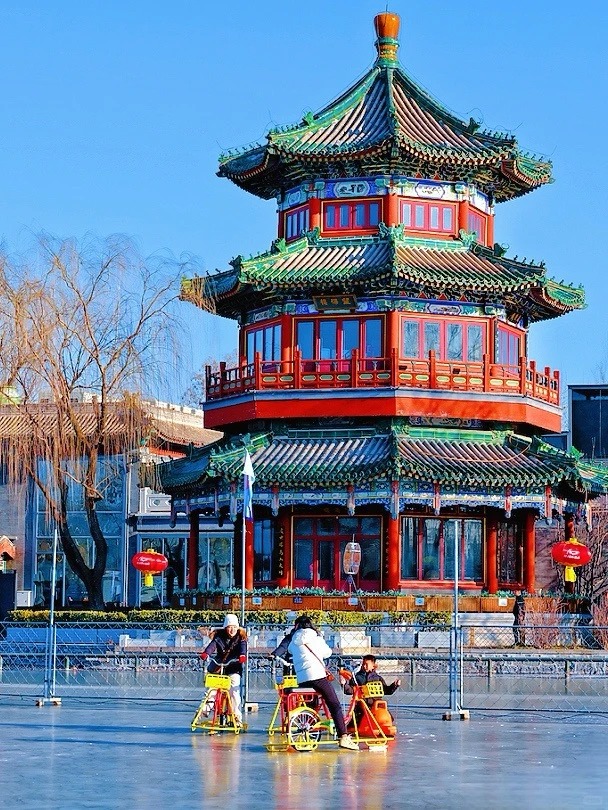
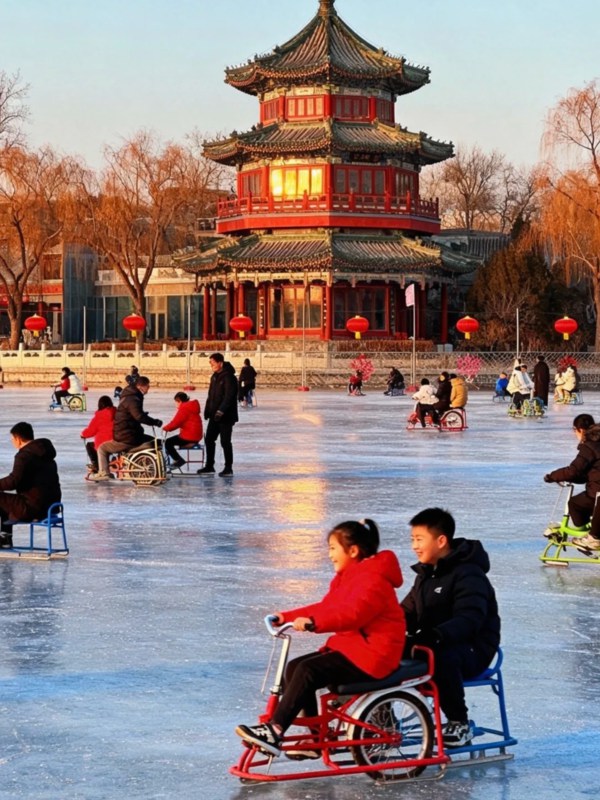
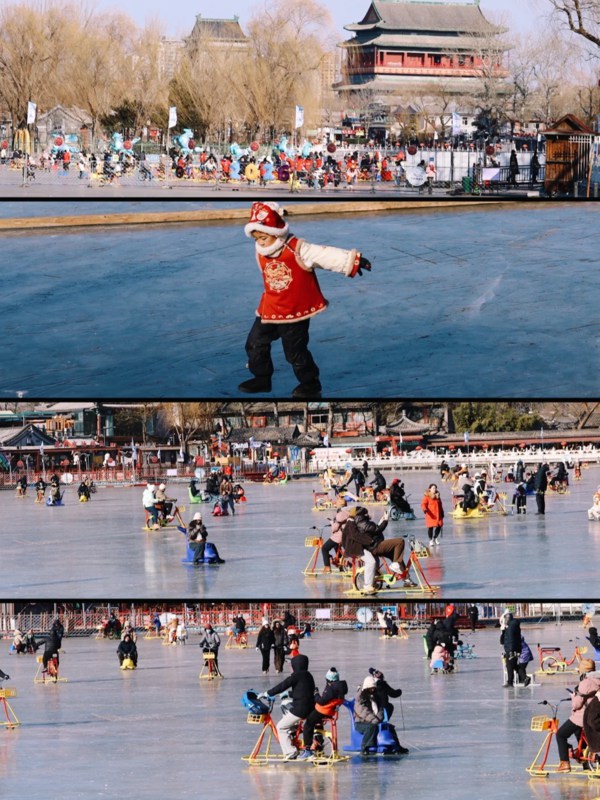
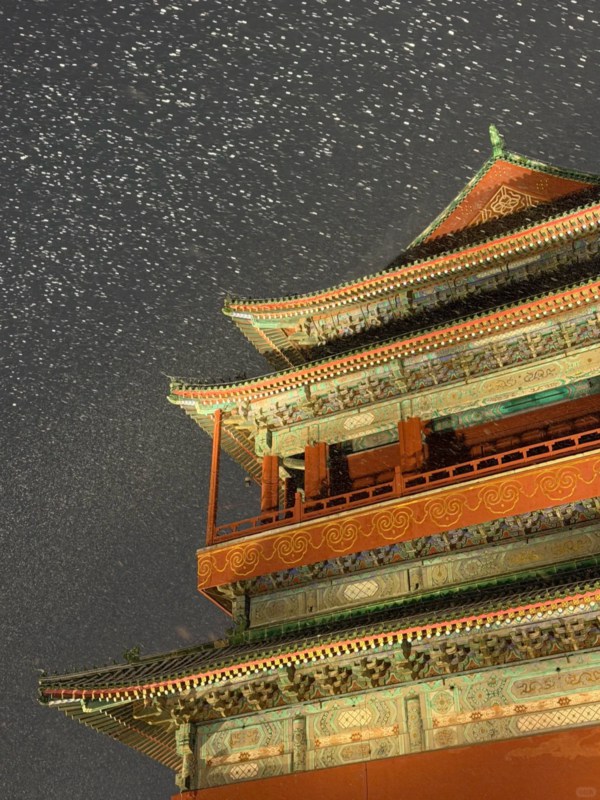
Every winter and January, February, Houhai and Shichahai Lakes are frozen up, forming one of the most typical winter activities in Beijing. The ice rinks are placed in the center of the traditional hutongs with the tower of the Drum Tower standing out of the ice-covered surface. The local families take their children during weekends and merchants place their stalls on the beach selling snacks and offering equipment rent.
The first time I visited Beijing was during my first winter in the city, and I skated here, fell in a few minutes. The ice bike was much more effective, there were four blades rather than two and I could even look at the scenery without worrying about my ankles. During weekdays, the lake is serene with sufficient room to sail around. Weekends become a structured disorder with hundreds of people fighting over ice space.
Where to Rent Skates and What It Costs
There are rental booths at the entrance of the lake that charge 30-50 RMB an hour of ice skates. Ice bikes and ice chairs are priced between 40-80 RMB in an hour depending on the size. After the morning sun has solidified any soft ice, the most consistent ice condition happens in the afternoon between 2-5 PM. The normal deposit is 200 RMB which is refunded upon returning the equipment.
Sweet potato sellers, roasting their products, place their booth close to the rental area - that is clever, as frozen fingers should be warmed. Most visitors note that the experience is a magical experience although there are tumble in some instances and this is rated 4.5/5 by TripAdvisor reviews.
Plan Your Visit: Shichahai Ice Rink Quick Facts (2025-2026)
| Item | Details |
|---|---|
| 🗓 Season | Late Dec 2025 – Mid Feb 2026 (depends on ice thickness) |
| ⏰ Opening Hours | 09:00–18:00 (day) / 18:00–21:30 (select night sessions) |
| 📍 Location | Houhai, Qianhai & Xihai areas of Shichahai Lake, near Drum & Bell Towers |
| 🎟 Rental Prices | Ice skates 30–50 RMB/hr; Ice bikes/chairs 40–80 RMB/hr |
| 💰 Deposit | 200 RMB, fully refundable |
| ⭐ Best Time | 14:00–17:00 for smoother ice; weekdays for fewer crowds |
| ⚠️ Safety Note | Ice opens only after official safety checks (min. ~15 cm thick) |
Forbidden City After Snowfall
-
- Forbidden City
-
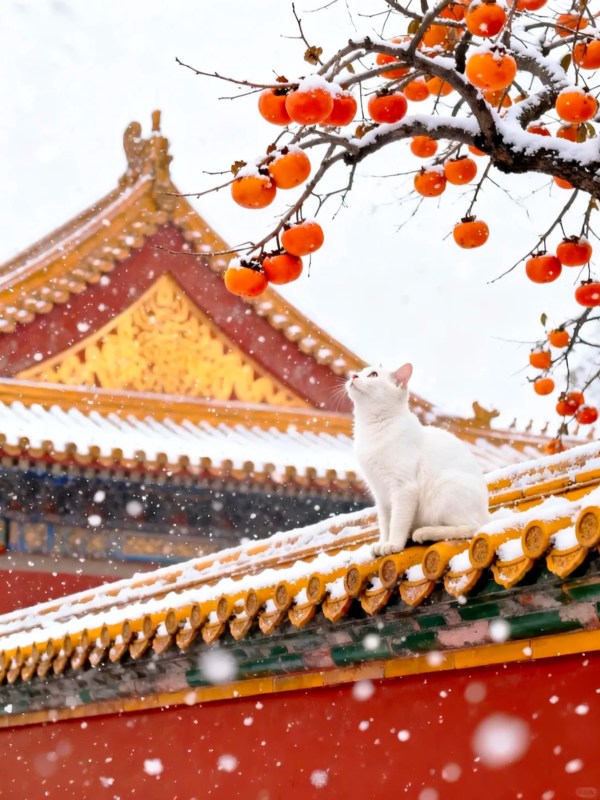
- Winter Scene of Red Wall
-
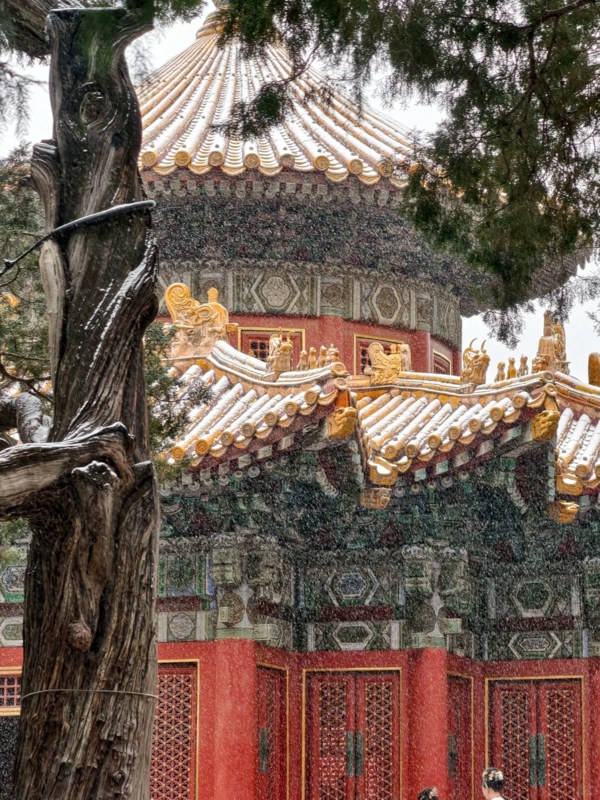
- Snow Scene in the Imperial Garden
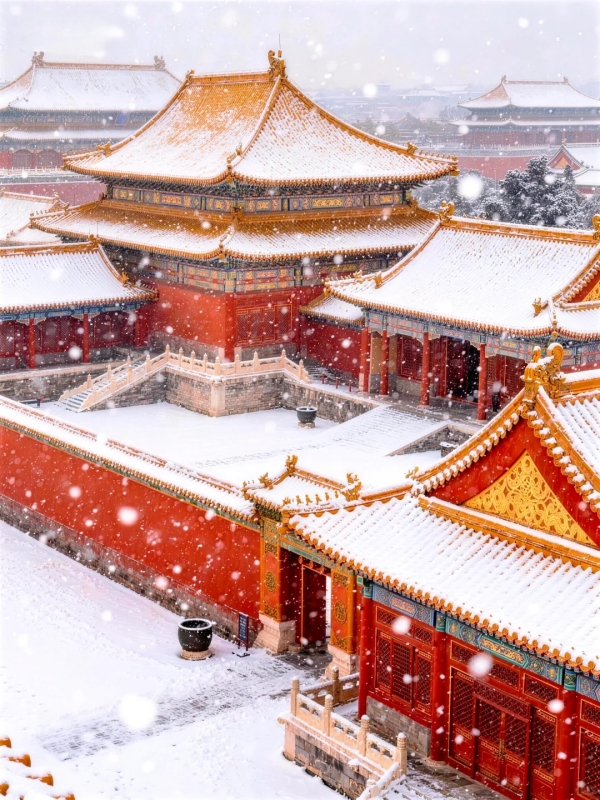
The Forbidden City is changed when there is a snow, and the palace walls are red upon white courtyards, which is the ideal beijing winter activity of the culture lovers. The winter robs the summer multitudes, and the type of solitude wed now have is such as to make you see the reasons why emperors preferred this solitude. Your steps are heard in marble couryards that are usually crowded with tour group conversations.
I was there on two days following a deep snow cover on January 2023. It was no more than 200 people on the palace grounds rather than the customary thousands. You could have sworn you were in a scroll painting, walking through the Imperial Garden, with the pines, thick with snow, hanging down and the frozen ponds with the reflections of the red columns, and not a single person screaming in megaphones. Foot impressions in the snow on the marble staircases up to the place over which rested the Hall of Supreme Harmony made a temporary route, cleared away by afternoon.
The Imperial Garden is best photographed when there is still snow on rockery and pavilions. The towers at corners of the buildings are dramatic on grey winter skies. The open court in front of Taihe Dian has clear view lines that do not have any trees to obstruct the face of the palace. Wear ribbed shoes as those marble floors become wet and become slippery. The halls in the palace are not heated--it is better to wear numerous layers than to wear one heavy coat because you will need to take off many of them in the few hot tea salons.
Best Times to Catch the Snow
Snow looks freshest within 24-48 hours after falling, before foot traffic turns it grey. Arrive between 8-9 AM when gates open but tour buses haven't arrived yet. Book tickets online in advance at 60 RMB since the palace doesn't sell same-day tickets at the entrance.
Plan Your Visit: Forbidden City Winter Quick Facts (2025-2026)
| Item | Details |
|---|---|
| 🗓 Winter Season | December – February |
| ⏰ Opening Hours | 08:30–16:30 (last entry around 15:30) |
| 📍 Location | The Palace Museum (Forbidden City), Tiananmen area |
| 🎟 Ticket Price | 60 RMB, advance online booking required |
| ⭐ Best Time | Within 24–48 hours after snowfall, early morning |
| 📸 Photo Tip | Imperial Garden & corner towers look best under fresh snow |
| 👟 Practical Tip | Marble courtyards get slippery—wear shoes with grip |
Great Wall Hikes in Winter Silence
-
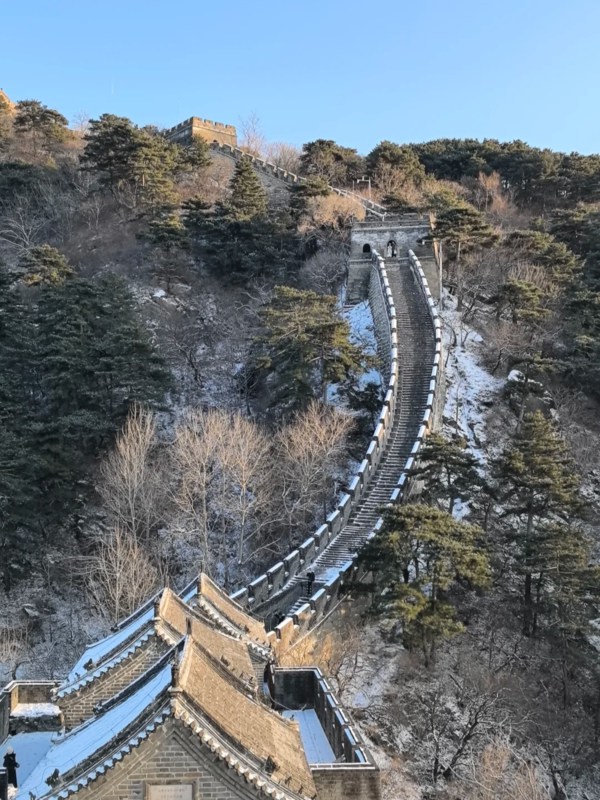
- Winter Scene of Mutianyu
-
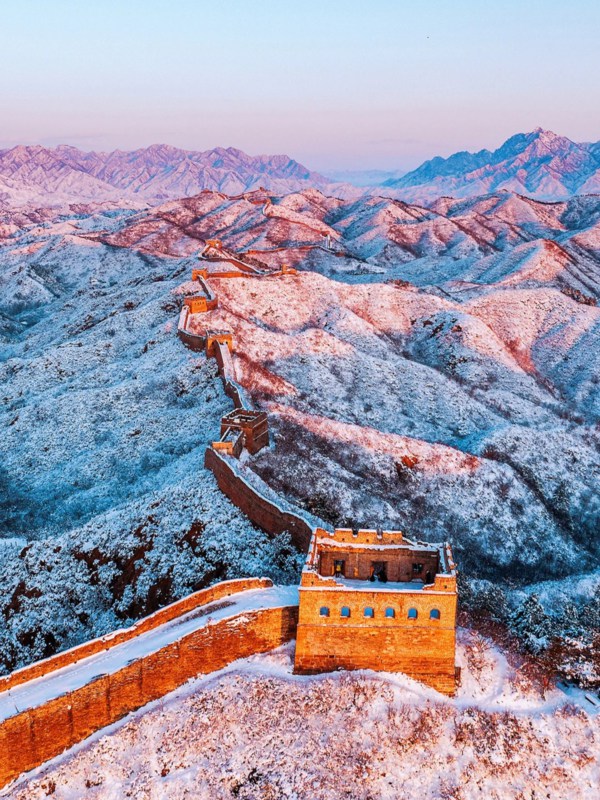
- Snow Scene of Jinshanling
Summer crowds disappear from the Great Wall in winter, and the change transforms this activity into something extraordinary. Snow-covered watchtowers stretch across empty ridgelines, creating scenes that feel more like wilderness exploration than tourist attraction. The wall gains a raw, untamed quality when ice coats the bricks and wind howls through the battlements.
I reached Jinshanling one December morning at sunrise. Frost had turned every surface silver overnight, and the first light made the rime ice glow orange. The wall curved through the mountains with maybe five other people visible in either direction. That silence—just wind and my boots crunching on frozen snow—made the hike worth the 5 AM departure from Beijing.
Mutianyu vs. Jinshanling – Which for Winter?
Mutianyu is a perfect place to visit in the family and other non-business people in the family who have cable cars that do their work. The 45 RMB admission fee and 100 RMB round trip cable car will take you to restored areas with minimum walking. Visit is comfortable in restaurants and heated waiting areas.
Jinshanling is harder to get to but much better snow scenery and fewer people. The parts that are not restored take photos of the drama when there is snowfall. Plan a good hike with 4-5 hours. It costs approximately 500 RMB to hire a driver on a day basis, or join an organized tour group, which includes transportation.
Certain parts of the wall are shut down in winter following a heavy snow fall- call up to check availability. Wear aggressive tread pack traction cleats or wear hiking boots. A thermos bottle and hand warmers will ensure the hands and water do not freeze in the process of climbing.
Plan Your Visit: Mutianyu Great Wall Winter Essentials (2025-2026)
| Item | Details |
|---|---|
| 📍 Location | Huairou District, ~1.5 hrs from Beijing |
| ⏰ Opening Hours | 08:00–17:00 |
| 🎟 Entrance Fee | 45 RMB |
| 🚠 Cable Car | 100 RMB round trip |
| ⭐ Best For | Families, first-timers, comfortable winter visits |
| ❄️ Winter Advantage | Fewer crowds, clear views, safer restored paths |
Plan Your Visit: Jinshanling Great Wall Winter Essentials (2025-2026)
| Item | Details |
|---|---|
| 📍 Location | Luanping County, Hebei Province |
| ⏰ Opening Hours | 08:00–16:30 (weather dependent) |
| 🚗 Transport Cost | Private driver ~500 RMB/day |
| ⭐ Best For | Snow scenery, photography, quiet hiking |
| 🥾 Gear Tip | Hiking boots or traction cleats strongly recommended |
| ⚠️ Note | Sections may close after heavy snowfall |
Beijing Winter Activities for Food Lovers
-
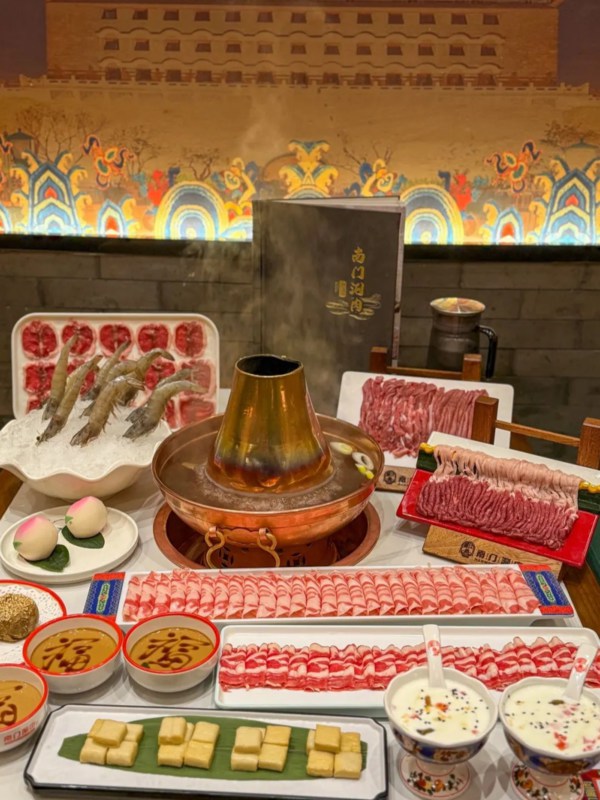
- Beijing Hotpot
-
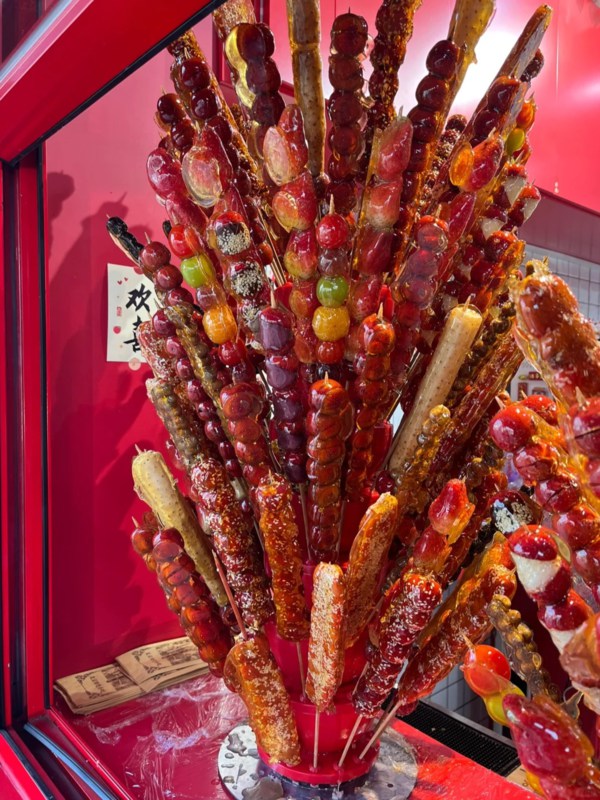
- Beijing Sugar-coated Haws
Food becomes survival strategy when temperatures drop below freezing. Beijing's winter dining scene centers around hot pot restaurants and street vendors selling snacks that double as hand warmers. Traditional Chinese medicine explains winter as the season for "warming foods" like lamb and ginger, which explains why hot pot restaurants stay packed from November through March.
Hot Pot Restaurants You Can't Miss
Haidilao is a more traditional hot pot place that offers dancing noodle performances with free noodle waiting time, but has been rated 4/5 on TripAdvisor on account of being too touristy. The restaurants remain after midnight and the waiters are able to communicate some English and this makes them favorable to first-timers. Average spending will be 120-150 RMB per person.
The actual experiences are more authentic at the old Beijing copper pot restaurants. Nanmen Sharou and Manhengji deal with the broths that are prepared using the lambs in the traditional charcoal-heated pots. Order hand-cut lamb rolls, tripe and sesame dipping sauce- the three must-have ones. The reviewer of TripAdvisor gives Nanmen Sharou a rating of 4.5/5 in terms of authentic flavors. Local budget 80-120 RMB at this local spots.
Street Snacks That Warm Your Hands
The coal-filled drums are placed by roasted sweet potato sellers at the exits of the metro and at crossroads. The smoke leads to their location, and the 5-8 RMB sweet potatoes can be used as hand warmers. I had purchased one one -15C evening, just along Gulou, and had wasted twenty minutes by turns of warming my fingers on the skin and eating the flesh.
Tanghulu (candied hawthorn skewers) are sold either 10-15 RMB at Wangfujing Snack Street or 5 RMB at hutong sellers. At 15-20 RMB a bag, roasted chestnuts are available at Qianmen and Shichahai. Candied hawthorn in itself, which is not so widespread, but to be tried, provides a more tangy alternative to typical fruit skewers.
Longqing Gorge Ice & Light Festival
-
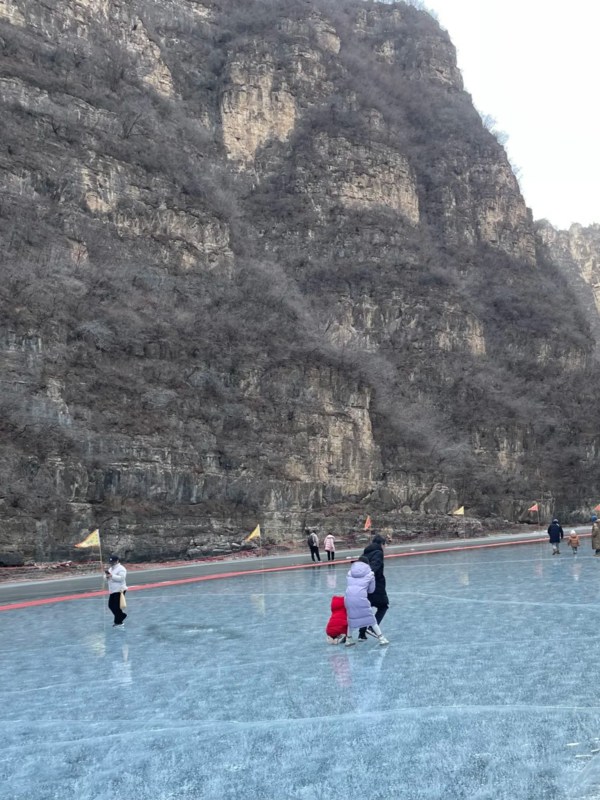
- Longqing Gorge
-
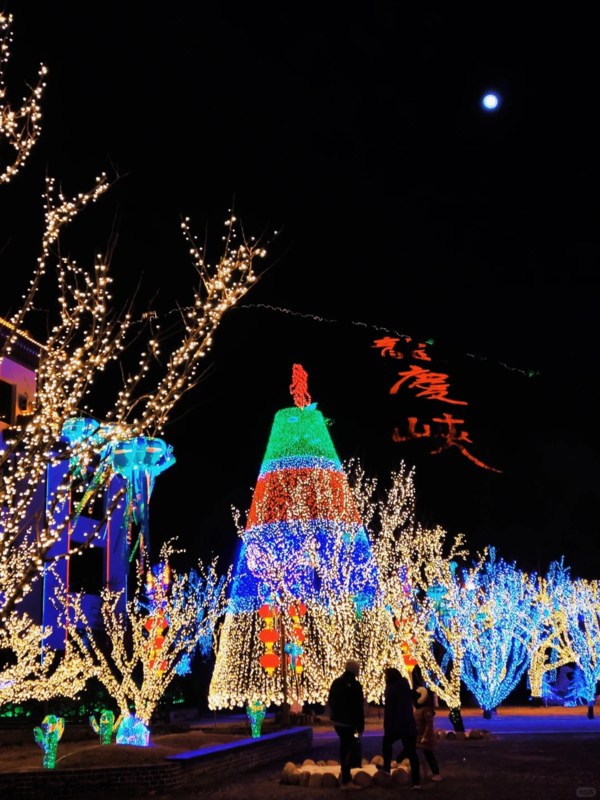
- Longqing Gorge Ice & Light Festival
Longqing Gorge is a 80 kilometers northwest of Beijing and it has one of the best winter activities that one gets near Beijing without having to fly to Harbin. Ice festival is not as large as the Ice and Snow World that Harbin is but still provides the same experience with ice castles being lit up, ice-blocked slides, and ice block mazes. The sculptures are lit up in colored lights after they get dark making the gorge look like it is a theme park or a piece of art.
The festival is family-oriented. Children are allowed to slide down ice chutes that are incorporated into bigger sculptures and the walking paths are level and open. I was there on a Friday evening and the crowd had been manageable. Weekend sightseeing is a nightmare with Beijing families filling at the ground -go midweek when possible. Visits in the evening provide the most dramatic lighting, but would need an additional piece of clothing because it becomes chilly swiftly once the sun has set. The blue hour, which occurs approximately 30 minutes after a sunset, is the photography light at the best time, when the color remains in the sky yet the lights become bright.
How to Get There and What to Expect
Buses depart from Dongzhimen Long-Distance Bus Station, or hire a driver for around 500 RMB round-trip. Entry costs approximately 120 RMB. The festival opens mid-January and runs through late February, though exact dates shift yearly based on ice conditions.
Plan Your Visit: Longqing Gorge Ice Lantern Festival Guide (2025-2026)
| Item | Details |
|---|---|
| 🗓 Festival Dates | Early Jan – Late Feb 2026 |
| ⏰ Opening Hours | Day: 09:00–16:30 / Night lights: 17:00–21:00 |
| 📍 Location | Longqing Gorge Scenic Area, Yanqing District |
| 🎟 Ticket Price | 108–156 RMB (varies by date & time slot) |
| ⭐ Best Time | 17:30–18:30 for blue hour + illuminated sculptures |
| 👨👩👧 Crowd Tip | Weekdays are calmer; weekends very family-heavy |
| 🚍 Transport | Bus from Dongzhimen or driver 400–600 RMB round trip |
Hot Springs for Winter Recovery
-
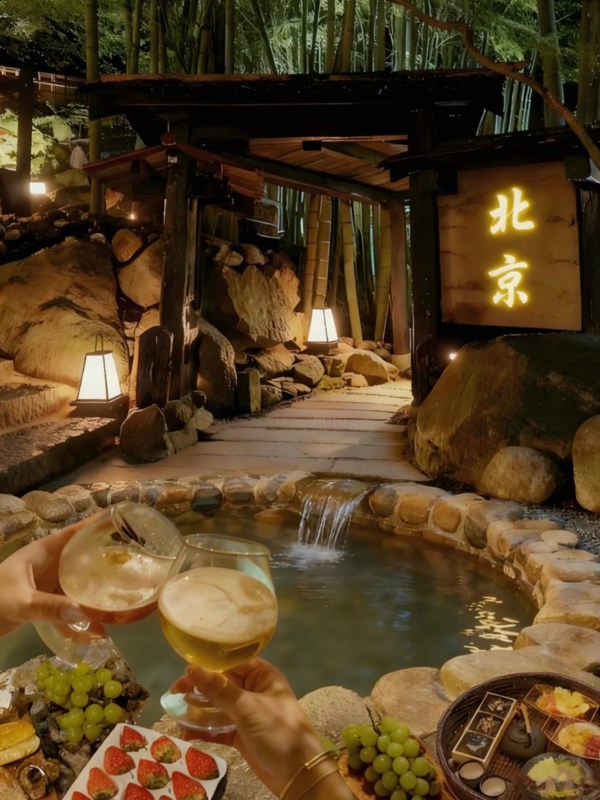
- Suburban Hot Springs
-
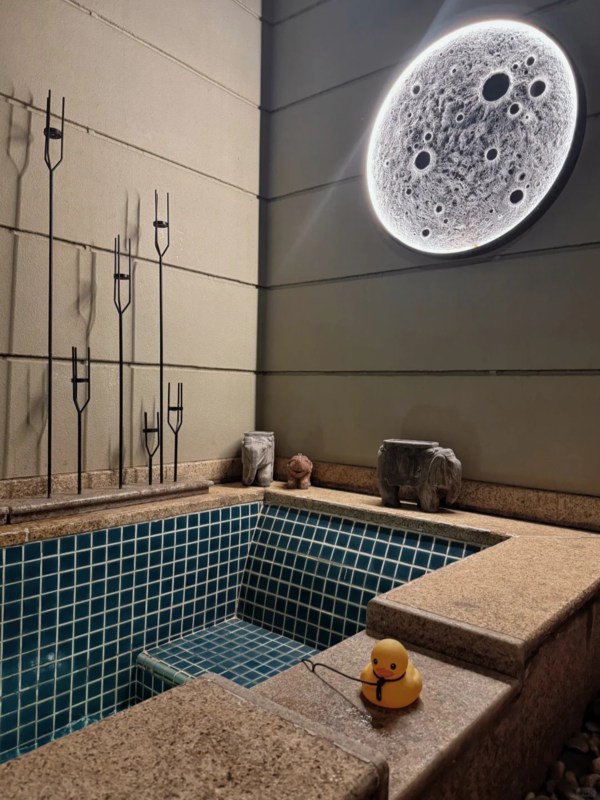
- Chunhuiyuan Hot Spring
Hot springs provide a relaxing winter activity after outdoor adventures like Great Wall hikes or ice festival visits. Beijing's surrounding areas contain dozens of geothermal facilities, from basic suburban pools to resort-style complexes with multiple temperature zones and spa services.
Top Picks by Budget
Decent access to heated pools cost around 80-150 RMB in the suburban areas such as Changping. These establishments are basic but not very luxurious.
Hot spring international hotel No.9 in the Chaoyang district is the mid-range sweet spot of 398 RMB that allow access to 18 hours. The package will consist of indoor and outdoor pools, hot stone rooms, buffet meals, lounging areas, and video game areas. The most memorable experience is made by the outdoor pools because the water turns the steam and your hair will really freeze when you lean your head back. The institution offers swim suits, towels and lockers. It is situated on Huihe South Street No.9 and it is the best place to go after a tough day at the Great Wall. Make reservations a weekend as the Beijing families come.
These luxury resorts like chunhuiyuan are priced at 500 RMB or above and include personal pools, high-quality spas, and fine cuisine.
You should carry your own flip-flops as communal shoes are never as clean. During winter weekends when everyone is seeking warmth most are required to book at the facilities. The hot stone rooms are very hot at first and are also useful in alleviating muscles soreness associated with hiking.
Plan Your Visit: Beijing Hot Springs & Winter Wellness (2025-2026)
| Item | Details |
|---|---|
| 🗓 Open Season | Year-round (winter peak) |
| 💰 Budget Range | Suburban pools: 80–150 RMB |
| 💰 Mid-Range | Chaoyang resorts: ~398 RMB / 18 hrs |
| 💰 Luxury | Chunhuiyuan & similar: 500+ RMB |
| ⭐ Best Time | Evening after outdoor activities |
| 🩴 What to Bring | Flip-flops recommended (communal shoes limited) |
Indoor Beijing Winter Activities When It's Too Cold
-
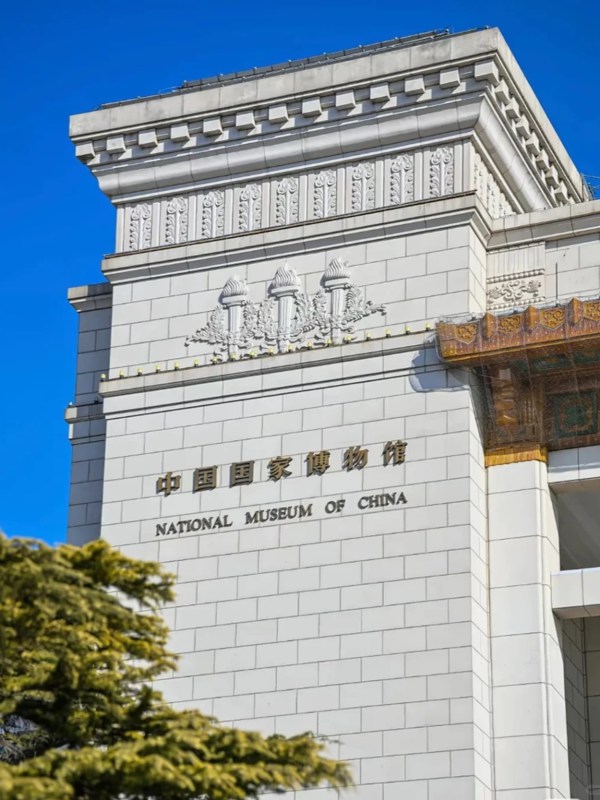
- Beijing National Museum
-
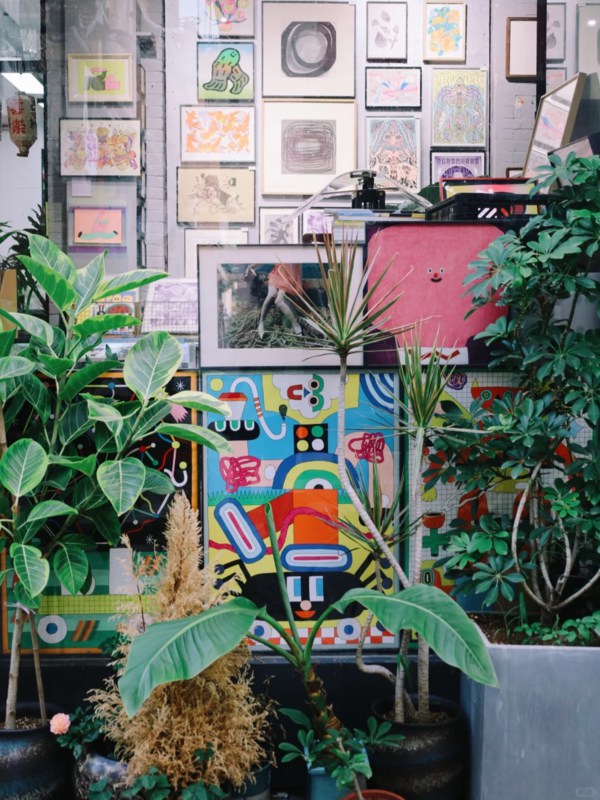
- 798 Art District
-
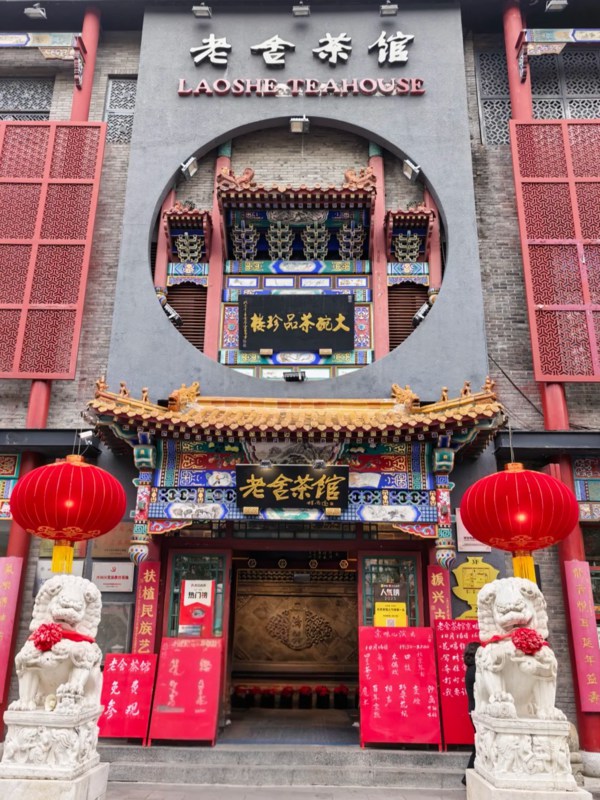
- Laoshe Tea House
Some January days bring -15°C temperatures with wind that makes outdoor sightseeing miserable. Those days demand indoor beijing winter activities instead of forcing yourself through frozen tours. Beijing offers enough museums, teahouses, and cafes to fill several cold days without repeating venues.
Museums with Soul
The National Museum of China is free in terms of admission and needs prior online reservation. One cold spell was so mean that I was there four hours and hardly managed to see half of the exhibits. The audio guide is free in the English language, and covers the Bronze Age artifacts to the modern history. Remember it closes Mondays.
Capital Museum is dedicated to the specialized history of Beijing and the recreated hutong interiors and imperial court exhibitions. It is an area filled with modern-day galleries in the 798 Art District, which takes a couple of hours to explore just in case you like modern art.
Teahouses and Bookstores for Slow Afternoons
Lao She Teahouse is a traditional tea house where they give a little performance of Beijing opera, acrobats and magic. The 100-200 RMB per head is inclusive of tea, snacks, and the show. The employees have the opportunity to instruct beginners in tea choosing and pouring rituals.
Page One bookstores in Sanlitun and further allow you to have a free browse with coffee costing around 30-50 RMB. Lost Plate is a small hutong cafe at Gulou, which is a good place to warm up in between outdoor activities and have a similar level of prices of the beverages but better neighborhood environment in comparison with the chain ones.
| Item | Details |
|---|---|
| 🏛 National Museum of China | Free entry, online reservation, closed Mondays |
| 🎨 798 Art District | Galleries open ~10:00–18:00 |
| 🍵 Lao She Teahouse | 100–200 RMB, tea + performances |
| 📚 Bookstores & Cafés | Coffee 30–50 RMB, ideal winter breaks |
| ⭐ When to Go | Days below -10°C or AQI above 150 |
Planning Your Beijing Winter Activities Schedule
Organizing beijing winter activities requires checking weather forecasts and air quality apps daily since conditions shift fast. January brings the most snow but also the coldest temperatures. February offers milder weather plus Spring Festival celebrations, though some businesses close for holidays.
3-Day Itinerary Sample
- Day 1: Forbidden City in the morning when crowds stay thin, Houhai skating in the afternoon when ice conditions improve, finish with hot pot dinner at a local restaurant.
- Day 2: Full Great Wall day trip to Mutianyu or Jinshanling, return for hot springs in the evening to recover from the hike.
- Day 3: Spend the afternoon and evening at Longqing Gorge Ice Festival when the colored lights create the best atmosphere.
Budget travelers can manage on 300-400 RMB daily covering basic meals, metro tickets, and free attractions. Mid-range spending hits 800-1000 RMB per day including nicer restaurants, taxi rides, and paid activities.
Weather & What to Pack
December through February temperatures range from -10°C to 5°C. Layer clothing starting with thermal base layers, adding fleece mid-layers, then finishing with a down jacket you can remove indoors. Pack hand warmers, a thermos bottle for hot drinks, and lip balm since Beijing's winter air runs extremely dry. Download an air quality app—when pollution exceeds 150 AQI, switch outdoor plans to indoor alternatives. Metro cards work citywide and cost less than Didi rides, though hired cars make sense for Great Wall trips.
FAQ About Beijing Winter Activities
Q: Is winter a good time to visit Beijing?
Yes, winter in Beijing works well for travelers who tolerate cold weather. Three main advantages make the season attractive: significantly fewer tourists at major sites, hotel prices dropping 30-50% compared to peak season, and unique beijing winter activities like ice skating on frozen lakes and the Longqing Gorge Ice Festival. The downsides include temperatures often below freezing and occasional air quality issues. If you don't mind bundling up in layers and checking weather apps, winter visits deliver authentic experiences without summer's overwhelming crowds and heat.
Q: What's the temperature like in Beijing during winter?
Beijing winter temperature ranges depend on the specific month. December averages -5°C to 5°C during daytime. January and February bring the coldest conditions at -10°C to 2°C. The cold feels manageable because Beijing's dry climate makes low temperatures less penetrating than humid cold. Winter months here feel warmer than Harbin but colder than Shanghai. Expect bright sunny days mixed with grey overcast periods. Wind significantly affects how cold it feels—a calm -5°C day feels comfortable with proper clothing, while windy days at the same temperature require extra layers.
Q: Does it snow in Beijing during winter?
Beijing winter snow happens sometimes but isn't guaranteed. The city typically receives 2-3 snowfalls per winter season, mostly in January and early February. Snow usually melts within a few days rather than accumulating for weeks. Don't plan a trip specifically hoping to see snow—you might arrive during a completely dry winter. That said, catching the Forbidden City or Great Wall after fresh snowfall creates amazing photo opportunities. January offers the highest probability for snow, though weather patterns vary yearly and predictions only work a few days ahead.
Q: What should I pack for Beijing winter activities?
Pack for beijing winter activities using layered clothing: thermal underwear as base layer, fleece or wool mid-layer, waterproof down jacket as outer shell. Essential accessories include a warm hat covering ears, insulated gloves, thick scarf, and shoes with slip-resistant soles since ice patches form on sidewalks. Bring hand warmers for outdoor activities and a portable charger since phone batteries drain faster in cold weather. The extremely dry air requires lip balm and face moisturizer—chapped lips happen within days without protection. Consider packing a thermos bottle to carry hot drinks throughout the day.
Q: Are Beijing's frozen lakes safe for skating?
Yes, Beijing winter skating areas maintain safe conditions. Lakes only open for skating once ice reaches at least 15cm thickness, with officials checking regularly throughout the season. Stick to marked skating zones with rental booth supervision—unauthorized areas might have thin spots. Houhai and Shichahai Lakes draw thousands of skaters each winter without major incidents. Rental stands offer helmets, though few people wear them. The ice surface stays rougher than indoor rinks, making falls more common but generally minor. Children should stay in designated family areas away from speed skaters.
Q: How much do Beijing winter activities cost?
Beijing winter activities span every budget level. Free options include watching skating at public lakes and visiting certain museums like the National Museum. Budget activities cost 30-100 RMB—think street food, basic skating rentals, and park admissions. Mid-range experiences run 100-300 RMB covering nicer restaurants, Great Wall admission with cable cars, and ice festival entry. Luxury choices like hot springs and private Great Wall drivers exceed 500 RMB. A sample day might cost 150 RMB eating street food and taking metro, or 800 RMB with restaurant meals and taxis.
Q: Can I visit the Great Wall in winter?
Absolutely—winter often provides better Great Wall experiences than summer. Fewer crowds mean you can photograph empty wall sections and hike at your own pace. Some sections may close temporarily after heavy snow, so confirm accessibility before traveling. Mutianyu works well with its cable car system and restored pathways. Jinshanling offers spectacular snow scenery on wilder sections. Wear shoes with good traction and dress in warm layers you can adjust. Visit on clear days rather than during active snowfall when steps become dangerously slippery and visibility drops.
Q: What indoor activities are available in Beijing during winter?
Beijing winter provides extensive indoor activities for extremely cold days. Museums include the National Museum of China, Capital Museum, and 798 Art District galleries. Cultural experiences range from traditional teahouses with performances to Beijing opera shows. Shopping districts like Wangfujing and Sanlitun offer heated malls with international and local brands. Urban hot springs and spas operate throughout the city, not just in suburbs. The variety means you can easily fill 2-3 days indoors without repeating venues if weather turns harsh or air quality deteriorates significantly.