Wuhou Temple
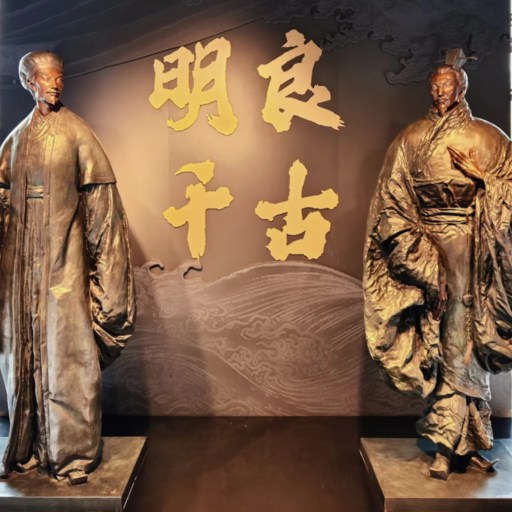
Wuhou Temple sits in the heart of Chengdu, just a short walk from the famous Jinli Ancient Street. The shrine honors Zhuge Liang, a legendary strategist from the Three Kingdoms period who served as prime minister of Shu Han. Locals call him "Wuhou"—Marquis Wu—which is where the temple gets its name.
What makes this place unusual is that it also houses the tomb of Liu Bei, the emperor Zhuge Liang served. A ruler and his minister sharing one shrine. That doesn't happen often in China. Some say Zhuge Liang's reputation simply outgrew the emperor's. Either way, both men rest here now, side by side, after nearly 1,800 years.
Quick Facts About Wuhou Temple
| 🏛️ Chinese Name | 武侯祠 (Wǔhóu Cí) |
| 📍 Location | No. 231 Wuhouci Street, Wuhou District, Chengdu |
| 🎟️ Wuhou Temple Tickets | ¥50 (~$7 USD) for adults |
| 🕒 Opening Hours | 9:00 AM–6:00 PM (last entry 5:00 PM) |
| ⏱️ Recommended Visit Time | 2–3 hours |
| ⭐ Best For | History lovers, Three Kingdoms fans, photographers |
| 🚇 Nearest Metro | Wuhou Shrine Station (Line 10, Exit A2) |
Why Was Wuhou Important? The Story Behind the Shrine
-
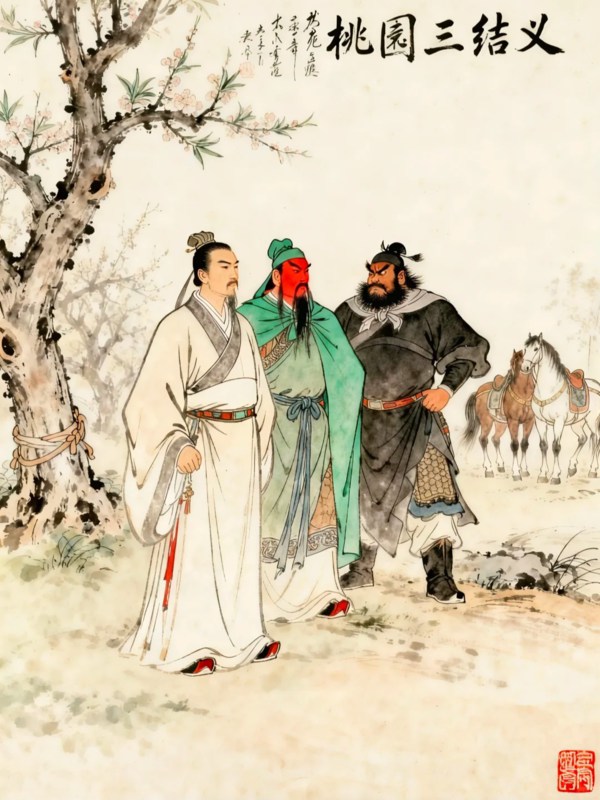

- Oath of the Peach Garden
-
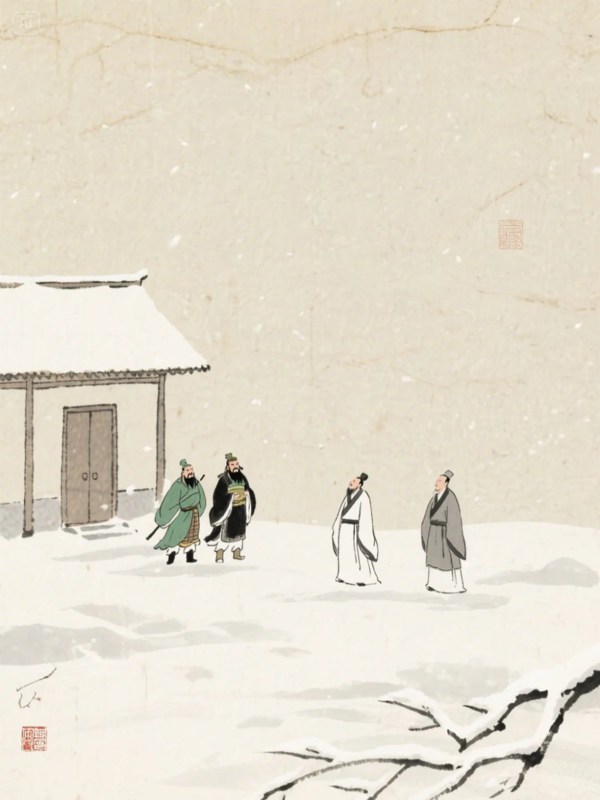
- Three Visits to the Huts
The name "Wuhou" comes from Zhuge Liang's noble title—Marquis of Wuxiang, or 武乡侯 in Chinese. People shortened it to "Wuhou" over time. So when you see "Wuhou Temple" on maps and signs, it literally means "Temple of Marquis Wu."
But who was this man? Zhuge Liang lived during the Three Kingdoms period, around 1,800 years ago. China had split into three rival states, and Liu Bei—a man of humble origins—dreamed of restoring the Han dynasty. He needed a strategist. Someone brilliant. He heard about a young scholar living in the mountains, so he visited. The scholar wasn't home. Liu Bei came back. Still not there. On the third visit, Zhuge Liang finally agreed to help. This story, "Three Visits to the Thatched Cottage," is something every Chinese kid learns in school.
Liu Bei, along with two great generals named Guan Yu and Zhang Fei, had sworn brotherhood together in a peach orchard many years prior, and then the three brothers grew to establish the Shu Han kingdom. Zhuge Liang was the intellectual force behind the kingdom of Shu Han, having created the battle formations employed by the generals, and composing many famous writings while serving Liu Bei and defending him to the day that Zhuge Liang died.
Wuhou Temple commemorates this loyalty. The shrine honors not just Zhuge Liang's intellect, but his devotion to a cause he believed in. Most Western visitors arrive knowing nothing about him. But I've watched people spend an hour reading the inscriptions, piecing together the story. By the time they leave, many seem genuinely moved.
The History of Wuhou Temple: From 223 AD to Today
-
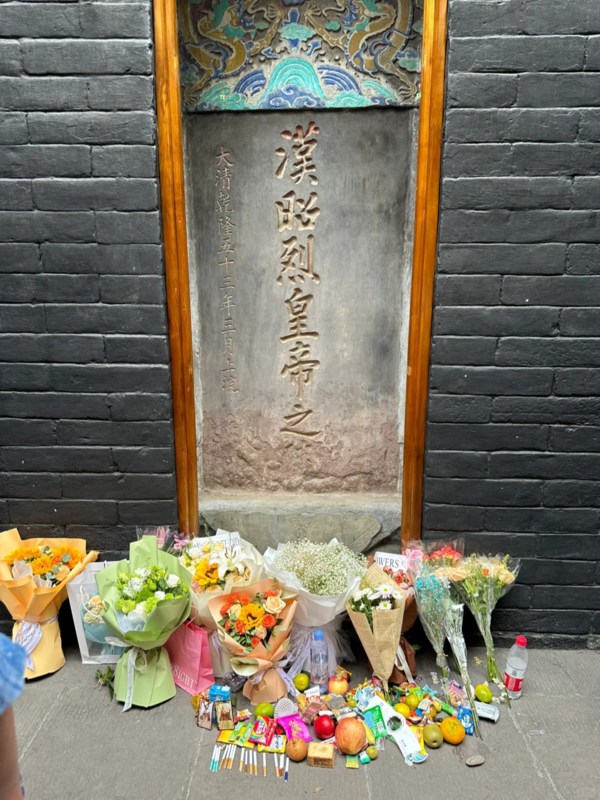
- The Tomb of Liu Bei
-
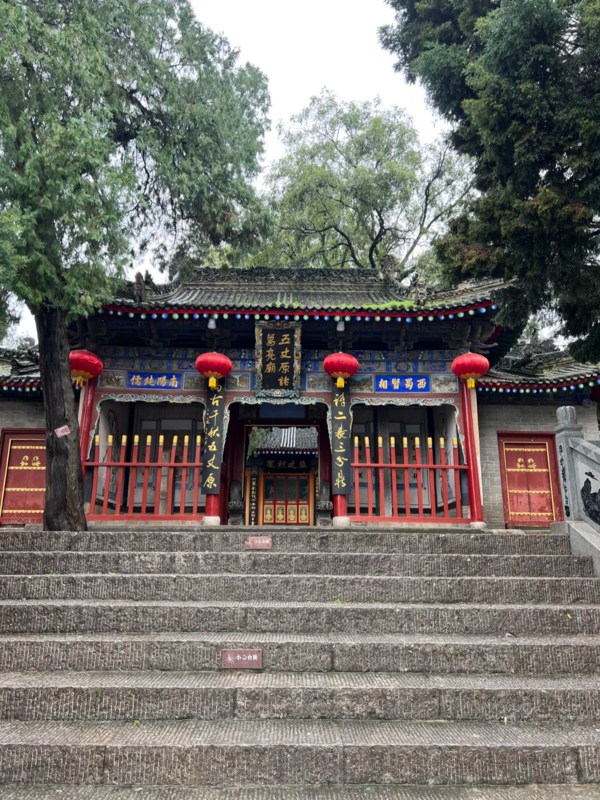
- The Temple of Zhuhe Liang
-
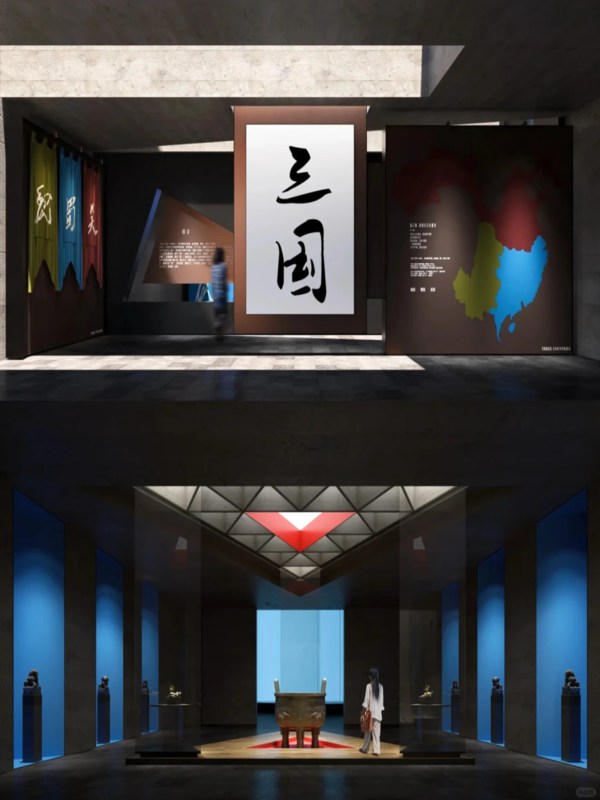
- The Three Kingdoms Culture Museum
The story begins with a death. Liu Bei, who lost a military battle, died in Baidicheng in 223 AD. His body was returned to Chengdu and was buried in what is today known as Huiling Mausoleum. There was a temple dedicated to him-Han Zhaolie Temple which was erected near the tomb.
A hundred years later locals put up another shrine of Zhuge Liang in the vicinity. The two temples had been separated over hundreds of years. Then came the Ming dynasty. One prince chose to amalgamate them. A single shrine between the emperor and his minister. It was controversial. There are officials who stated that a servant should not share with his master. Nevertheless the prince proceeded.
Most of the buildings that we now observe are of 1672. The reconstruction was overseen by a Qing dynasty official called Song Kefa, who had to have the reconstruction done after wars had destroyed much of the original complex. It is a case of walking on 1,800 years of history in these halls. China does not have many places where such continuity can be found.
Wuhou Temple is currently the most powerful Three Kingdoms museum in the country. The museum has ancient weapons, stone carvings and cultural objects of that period.
Where Was Liu Bei Buried? The Huiling Mausoleum Story
Liu Bei was buried right here, inside the Wuhou Temple complex. The tomb is called Huiling—惠陵 in Chinese—which roughly translates to "Benevolent Mausoleum." It's a circular earth mound, about 12 meters high, surrounded by a red brick wall and ancient cypress trees.
He was buried together with his two empresses. The tomb has never been dug up and hence whatever is in the tomb is a mystery. According to one of the reviewers on TripAdvisor, the mausoleum itself seemed to be the most important part of the visit. I'd agree. It is sobering to stand in front of a grave that has been in existence since 223 AD.RetryClaude is artificial intelligence and capable of error. Do check answers.
What to See Inside Wuhou Temple (Must-Visit Highlights)
-
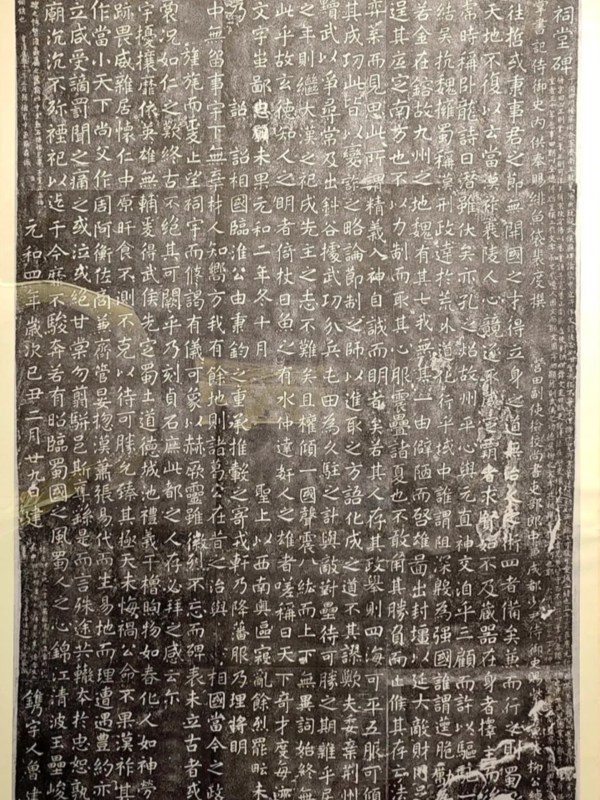
- Famous Tang Stele
-
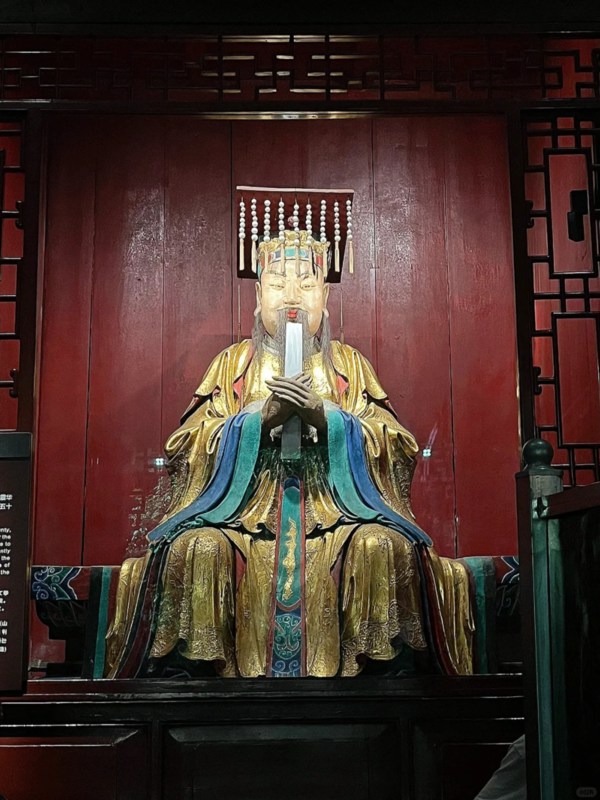
- Liu Bei Hall
-
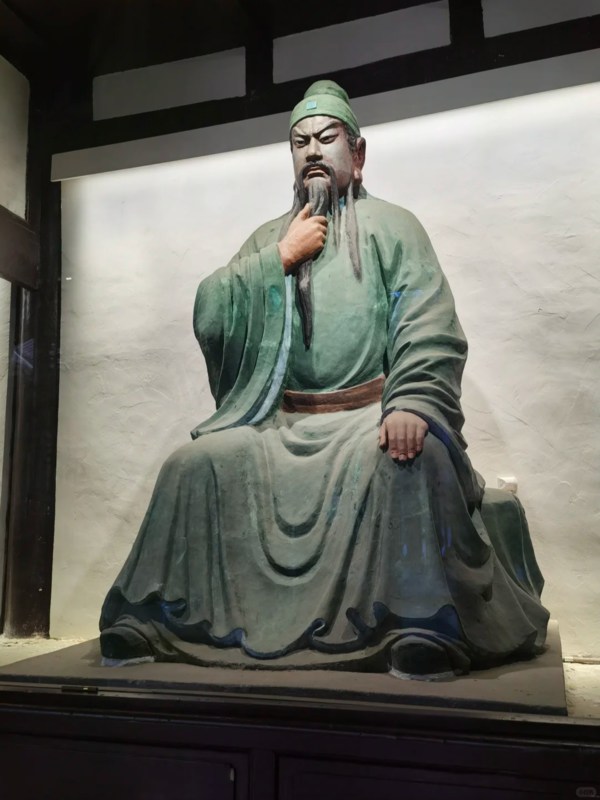
- Sanyi Temple
The layout of Wuhou Temple follows a north-south axis. Main gate first, then courtyards, then halls—one leading into the next. It's logical once you get the hang of it. Most visitors spend around two hours here, though Three Kingdoms enthusiasts could easily stay longer.
The Gate of Han Zhaolie and the Famous Tang Stele
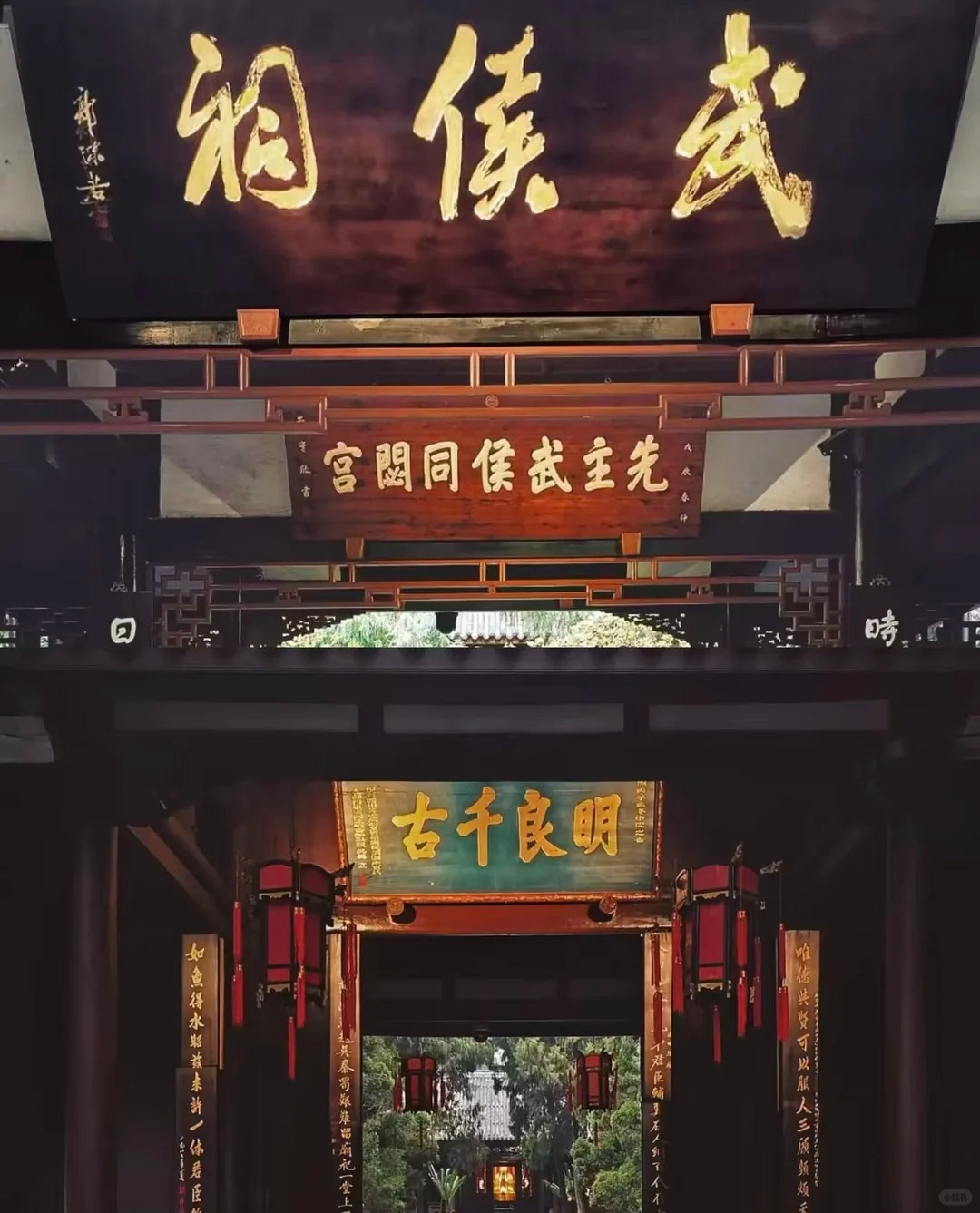
Upon entering the grand red gate with the four Chinese characters saying "Han Zhaolie Miao", you immediately feel a sense of refinement, formality and officialdom. Once inside the entrance, look to your left for the Tang Dynasty "Triple Excellence Stone Pillar" or "Three Excellence Monument". It is inscribed in writing by one single scholar, handwritten in calligraphy styles of another, and carved by the hands of a third person. All three were great masters at the time. Therefore, this is why many local people refer to it as "The Stela of the Three Excellence". The stone pillar has been around over 1000 years and is still standing.
Liu Bei Hall — Paying Respects to the Emperor
Inside this hall is located a three-metre statue of a calm and dignified Liu Bei sitting on his throne. There are several statues of his generals surrounding him, including his grandson Liu Chen. The hall itself is built upon an elevated platform that features dragon carvings -- which is a symbol of imperial authority. If you're curious about more imperial heritage in this city, check out our complete guide to Chengdu's historical sites.
One reviewer on Tripadvisor said, "The tomb of Liu Bei was an incredible spot!" While the tomb is significant, I believe that the Liu Bei Hall itself deserves recognition because the size of the statue will catch you off guard.
Zhuge Liang Hall — China's Most Beloved Strategist
As you travel further into the shrine, you'll discover Zhuge Liang Hall. Zhuge Liang's statue depicts him holding a feather fan, wearing gold robes, and is an image that can be found everywhere around Chengdu.
In front of the Zhuge Liang Statue stand three bronze drums believed to have been used by Zhuge Liang during his southern campaigns. Also, the four pillars feature lines from Zhuge Liang's "Advice to My Son," with the quote that sticks in my mind: 非淡泊无以明志. In rough translation, this means that without being detached from worldly pleasures, one cannot clarify one's ambitions.
The Gallery of Ministers and Generals
To the east and west of the main path of the shrine are two long corridors. The east corridor features civil officials, and the west corridor features military generals. There is a total of 28 statues along the two corridor walls, with plaques to identify who each statue represents. The statues are like a yearbook of the Three Kingdoms, preserved in clay and paint, and some statues convey a stern demeanor while others convey serenity.
Sanyi Temple — The Brotherhood Oath
Sanyi Temple is a smaller temple within the shrine, and it commemorates the famous "Peach Garden Oath" of Liu Bei, Guan Yu, and Zhang Fei swearing to be sworn brothers 'til death. The original Sanyi Temple existed in the past at another location in Chengdu, but in 1997, authorities reconstructed the temple and moved it to its current location for preservation. Today the clay statue of the three sworn brothers sits within the Wuhou Temple complex.
The Red Wall Corridor: Wuhou Temple's Most Instagrammed Spot
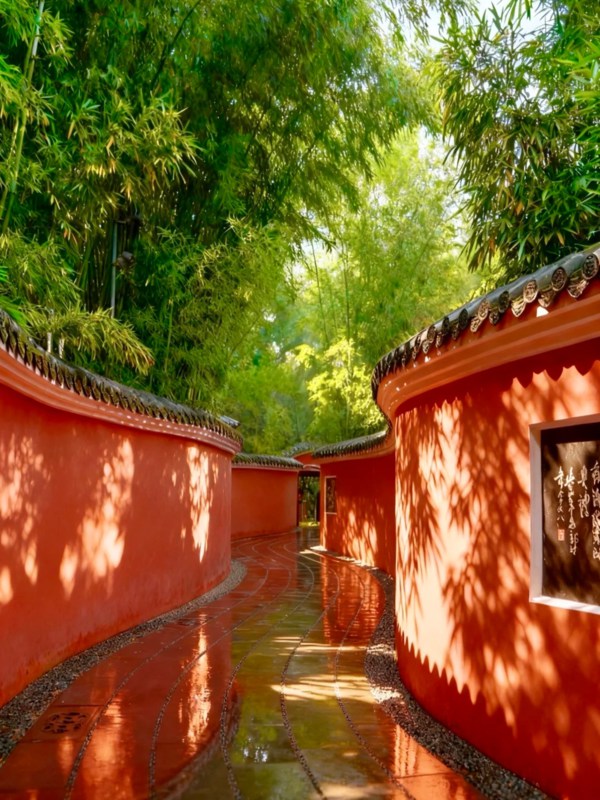
The Red Wall Corridor
Between Liu Bei’s Tomb and the Main Shrine, there is a narrow way that stops the foot traffic of everybody who comes through it; to the left and right are tall red walls that go up above their heads. The bamboo above them sways and shades the sunlight, creating soft green hues. In contrast the bright red of the bamboo has the effect of showing what contrasts in colour create photo opportunities. No wonder this is the most popular place for a picture of Wuhou Temple.
I have seen visitors spend over 30 minutes just in the narrow hallway taking photos. It’s beautiful to see young couples posing in beautiful flowing Hanfu dresses. Tour groups arrive here and take pictures in front of the red wall. A reviewer from trip advisor said it best: “The Chinese taking pictures in the red wall is the expression of living Chinese culture.”
To obtain clean shots without any one else in your photographs, it is best to arrive before nine a.m. The temple opens its doors at 9:00 a.m. and the first hour is relatively quiet. Late afternoon hours will also yield a lovely glow as the light is warm. On the weekends and national holidays there are usually large numbers of visitors so be prepared for some photo bombers.
For Wuhou Shrine photography, light-colored clothing stands out best against the red background. White, cream, or pale blue. Or go full traditional with a rented Hanfu from shops near Jinli Street. Either way, bring your phone fully charged.
Wuhou Temple and Jinli Street: The Perfect Chengdu Combo
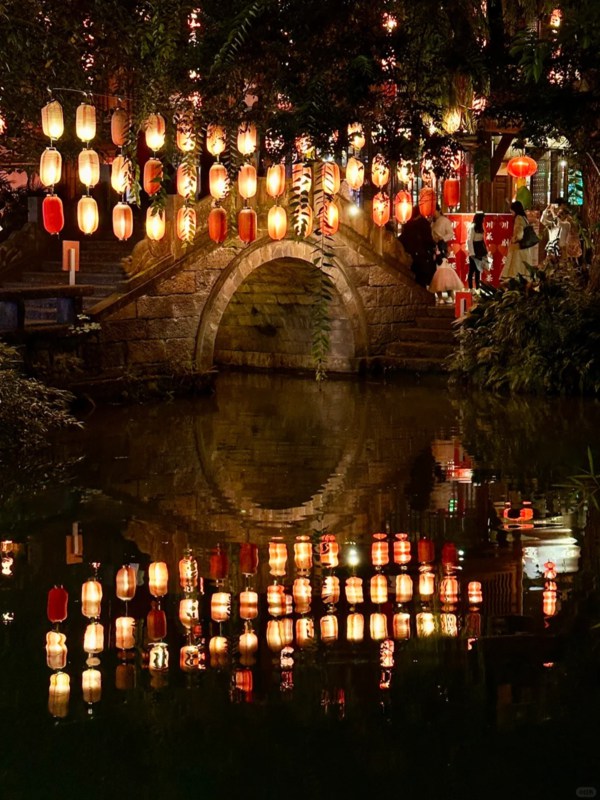
Jinli Street
Jinli old street is practically attached to Wuhou Temple; there's one wall separating the two. Most people don't know that there's a door at the back of each, allowing you to get into or out of the other without going all the way around. A TripAdvisor reviewer noted this: "You can go to or create an exit from either attraction at the back; you don't need to walk all the way around." Great tip! Save yourself about 10 minutes backtrack time.
Here's my suggestion for you: From about 8 a.m. to noon, visit Wuhou Temple while it is still quiet. Take your time in the halls and corridor with the red wall. At around noon, enter Jinli through the back gate.
After experiencing the calm and peaceful atmosphere at Wuhou Temple, you will feel like you just entered a wild moving festival when you enter Jinli. Jinli stretches 550 meters long and has numerous stalls, teahouses and souvenir stores, and when you arrive you will smell spicy rabbit heads long before you arrive. In front of the entrance to Jinli, there are street performers doing Sichuan Opera face-changing tricks. Sugar craftspersons are making sugar figures for tourists as they gather around them; it is a busy place.
The vibe is touristy, sure. Prices run a bit higher than elsewhere. But near Wuhou Temple, there's really no better place to grab lunch and wander. Budget maybe ¥50–80 for street food and snacks. The whole combo—temple plus Jinli—makes a solid half-day itinerary.
Practical Tips for Visiting Wuhou Temple
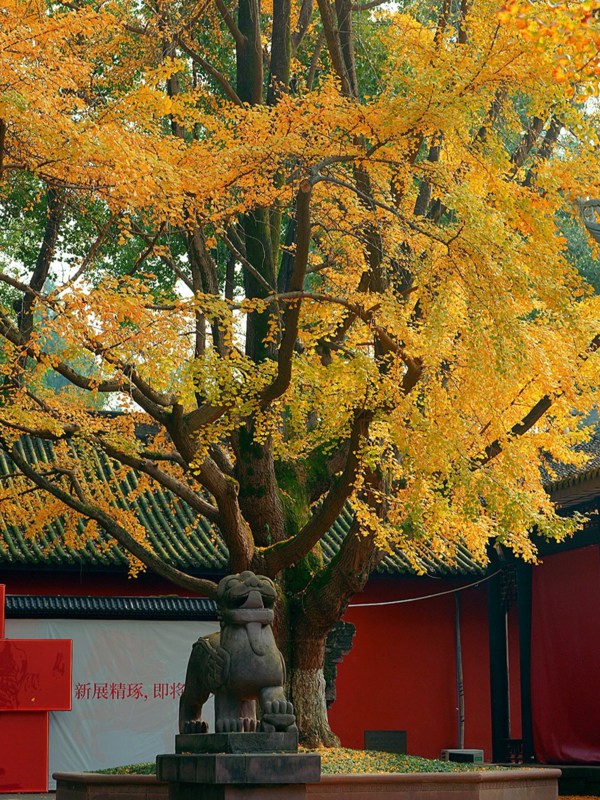
Autumn of Wuhou Temple
A few things worth knowing before you go. The Wuhou Temple museum covers a large area, so comfortable shoes help. And timing matters more than you'd think.
Best Time to Visit Wuhou Temple
Spring brings mild weather and also an annual temple fair during Chinese New Year. The fair features lanterns and street food, as well as large crowds of people. I enjoy visiting the temple in Autumn (i.e., in late November and early December) because the ginkgo trees are vibrant with golden yellow colour. The light quality is ideal for taking pictures.
Hot and humid summer weather means that the shrine can be quite warm, but shade provided by the old cypress trees keeps it cooler than other areas. Some days, the shrine has evening hours of operation, but check to see if they are available the day you want to visit. Also, be aware that the red wall area becomes very busy on national holidays, and it is usually safer to avoid places with large lines.
Is a Guide Worth It?
Opinions split on this. Guided tours run about ¥50 per person in Chinese, ¥70 for English, Japanese, or Korean. Audio guides cost ¥30 with a ¥200 deposit. One TripAdvisor reviewer insisted it's "essential to have a knowledgeable guide who can unravel the complexities." Another said the English captions were "sufficient to understand the area." I lean toward the audio guide—good enough for most visitors, and you control the pace.
Honest Traveler Reviews: Is Wuhou Temple Worth It?
Many reviews on TripAdvisor indicate that the ratings for Wuhou Temple will generally be around 4 stars. Fans of the Three Kingdoms history consider this site as a "Must-See." Many photographers enjoy the beautiful garden and the gorgeous red walls at Wuhou Temple. However, some visitors did not find the experience to be as exciting as they thought it would be. One review bluntly states, "If you are not a fan of this period, the actual temple isn't worth spending money on to go see." This statement is valid; for people who are not into ancient China, an admission price of ¥50 is probably a little high for a trip to a collection of statues and a courtyard.
FAQ About Wuhou Temple
Q: What is Wuhou Temple in Chinese?
In Chinese, it's written as 武侯祠 and pronounced "Wǔhóu Cí." The name translates roughly to "Shrine of Marquis Wu." Locals sometimes call it 武侯祠博物馆 (Wuhou Shrine Museum) since it operates as a museum now. If you need to ask for directions, just say "Wǔhóu Cí zài nǎlǐ?"—meaning "Where is Wuhou Temple?" Taxi drivers and locals will know exactly what you mean. The characters 武侯 refer to Zhuge Liang's noble title.
Q: What is the history of Wuhou Temple?
The site dates back to 223 AD when Liu Bei was buried in Huiling Mausoleum. A temple honoring him rose beside the tomb. Sometime in the 4th century, a separate shrine for Zhuge Liang appeared nearby. During the Ming dynasty, the two merged into one complex. Most structures standing today were rebuilt in 1672 under the Qing Emperor Kangxi. It remains China's only shrine where a ruler and his minister are worshipped together.
Q: How do I get to Wuhou Temple from Chengdu city center?
The easiest route is Metro Line 10 to Wuhou Shrine Station. Take Exit A2 and walk about five minutes—you'll see the entrance. Buses 1, 57, 82, 334, and 335 also stop nearby. From Chunxi Road, a taxi costs around ¥15–20. Just tell the driver "Wǔhóu Cí" and they'll get you there. I wouldn't bother with navigation apps for this one. It's a major landmark.
Q: What are the Wuhou Temple opening hours and ticket prices?
Standard hours run 9:00 AM to 6:00 PM, with last entry at 5:00 PM. During summer—July 16 through October 7, I think—they extend hours to 8:30 AM until 7:00 PM. Adult tickets cost ¥50. Children aged 6 to 18 pay ¥25. Seniors over 60 and kids under 6 get in free. I've heard December sometimes brings half-price deals, but don't count on it. Book tickets on Trip.com to skip the queue.
Q: Is Wuhou Temple the same as Wuhou Shrine?
Yes, same place. Different English translations cause the confusion. The official name is "Wuhou Memorial Temple Museum," but maps and apps use "Wuhou Shrine" or "Wuhou Temple" interchangeably. Google Maps lists it as Wuhou Shrine. The metro station uses "Wuhou Shrine Station." Honestly, any of these names will work when asking locals or searching online. Don't overthink it.
Q: Where was Liu Bei buried?
Liu Bei's tomb sits inside the Wuhou Temple complex. It's called Huiling Mausoleum—惠陵 in Chinese—which means something like "Benevolent Tomb." The burial mound is circular, roughly 12 meters tall, with a perimeter of about 180 meters. His two empresses were buried with him. The tomb has never been opened or excavated, so what's inside remains unknown. Some visitors find it the most moving part of the whole shrine.
Q: Can I visit Wuhou Temple and Jinli Street together?
Absolutely. They share a wall. Here's a trick: Wuhou Temple has a rear exit that opens directly onto Jinli Ancient Street. No need to leave through the main gate and walk around. Spend the morning at the temple—two or three hours should do it—then slip into Jinli for lunch and shopping. Street food, Sichuan Opera snippets, souvenir stalls. It's the classic Chengdu half-day combo.
Q: Is there an English audio guide at Wuhou Temple?
There is. The audio guide supports ten languages, English included. Rental costs ¥30 with a ¥200 deposit. Some signs and plaques inside have English explanations, though TripAdvisor reviewers say the translations are "limited" or "basic." If you really want the full story, consider hiring an English-speaking guide for about ¥70 per person. Otherwise, the audio guide covers the essentials well enough.
Q: What is the best time of year to visit Wuhou Temple?
Spring—March through May—offers comfortable weather. If you visit during Chinese New Year, catch the temple fair with lanterns and performances. Autumn is gorgeous, especially November when the ginkgo trees turn bright gold. Summer gets humid, but the shaded courtyards stay cool. Winter is quiet, and December sometimes has discounted tickets. Avoid national holidays like October Golden Week. The crowds get intense.