Wangxian Valley History & Local Customs
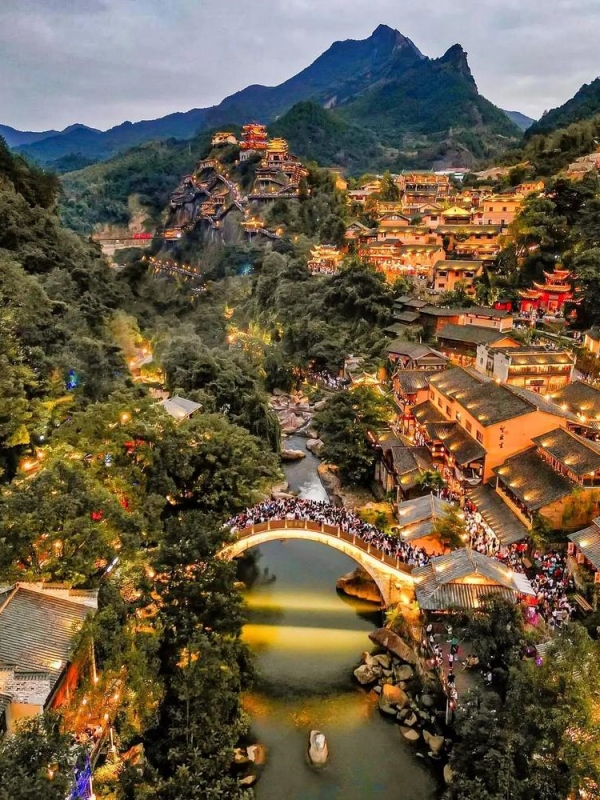
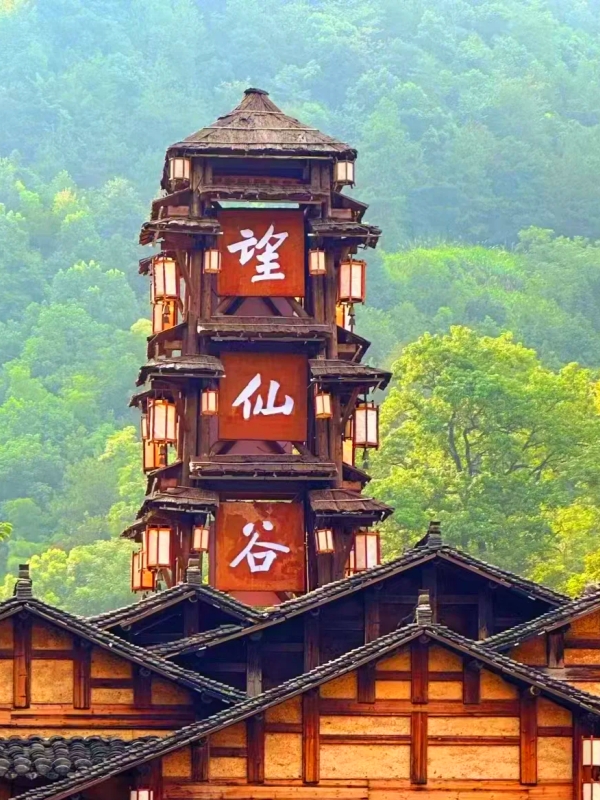
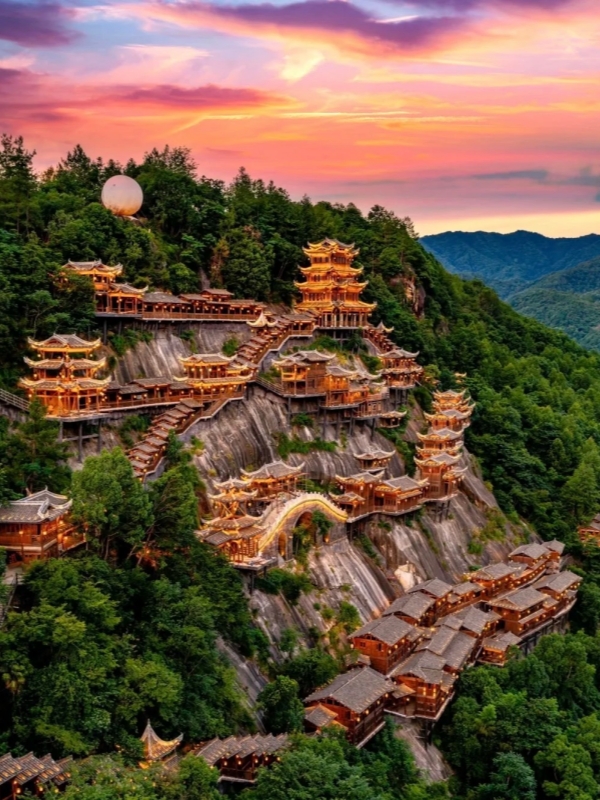
Wangxian Valley, where history starts over 2,000 years ago in the Eastern Han Dynasty of China—and frankly, upon first arriving, it almost feels like you stepped into another era. Located in Jiangxi Province, this valley is home to one of the most astonishing transformations of the Chinese cultural tourism landscape, merging Taoist legends with living folklore. Literally “Gazing at Immortals,” it was named for the hermit Hu Zhao who sought spiritual enlightenment here in 162CE. From sacred Taoist site, to mining disaster zone, to the cultural renaissance it is today, you’ll find Ming Dynasty temples next door to workshops where artisans create centuries-old crafts—the golden smell of fresh-pressed sugarcane intermingled with the incense of adjacent shrines.
The remarkable thing about Wangxian Valley is its journey from environmental catastrophe to preservation success story. In just three short years, an AAAA-rated scenic area transformed from an abandoned quarry to a cultural site celebrating Gan customs and historical heritage. Whether you’re drawn more by Eastern Han Dynasty legends, or to the experience of traditional handicrafts, you’re about to learn of one of China’s most interesting restoration projects.
How Did Wangxian Valley History Transform Over 2,000 Years?
-

- Wangxian Valley
-
- Wangxian Valley
-
- Wangxian Valley
Eastern Han Scholar Hu Zhao Founded What Became Wangxian Valley History
The Wangxian Valley we see today dates back to 162 AD, when Hu Zhao was born into a world on the edge of chaos—the Eastern Han Dynasty was in ruins, and the Three Kingdoms period approached. The warlord Cao Cao you may have heard of tried to recruit him for government service. Three times. Hu Zhao declined and went off to Lingshan Mountain and practiced Taoism.
His son, saddened by this separation, built Wangqin Tai (Platform for Gazing at Parents) at the foot of the peaks. You can almost see him waking before dawn and peering through the mists upwards. The local people, witnessing Hu Zhao’s astonishing lifespan, came to believe that he had ‘become immortal’. They renamed the valley to Wangxian and built a shrine. If he really did, or didn’t, the myth made this valley a prime example of Taoist culture for nearly 2,000 years.
Ming Dynasty Masterpieces Shaped Wangxian Valley History for Centuries
The architecture of the valley dates from the Ming Dynasty (14th to the 17th centuries). The finest building in the valley is the Yang Mansion, named after Yang Shiqiao, a Minister of Personnel of the Ming dynasty. The carpentry in the mansion is worth studying: not a nail is used. Artists made mortise-and-tenon joints, and in this way constructed a building that has somehow celebrated its 600 years of existence while surviving numerous earthquakes and storms.
Government officials and wealthy merchants soon followed suit, and large residences were built here in the best Jiangxi traditional style. You can still see Hu’s Ancestral Hall where elegant wood carvings tell the story of the Eastern Han scholar every year at the rituals.
From Mining Wasteland to Cultural Treasure: Recent Wangxian Valley History
The story of Wangxian Valley took a tragic turn in the late-20th-Century, as it was set aside for stone extraction. 200 production lines were operated by more than 5,000 workers. The cost? Streams ran so clouded with sediment you couldn’t see more than a few inches down, the forests disappeared, the roar of dynamite replaced the singing birds. By the end of 2007 authorities had shut down the mines.
The transformation that followed shows how much better China can be and become, workers removed thousands of tons of waste rock; thousands more were used to bring the land back to life, reforesting was massive, the peach tree lanes planted, and by 2011 work had begun on “cliff-side shop streets and home-stays” by a cultural tourism company. By 2020 the Festival was open, it welcomed over a million visitors last year.
Living Traditions You Must Experience: Wangxian Valley Local Customs
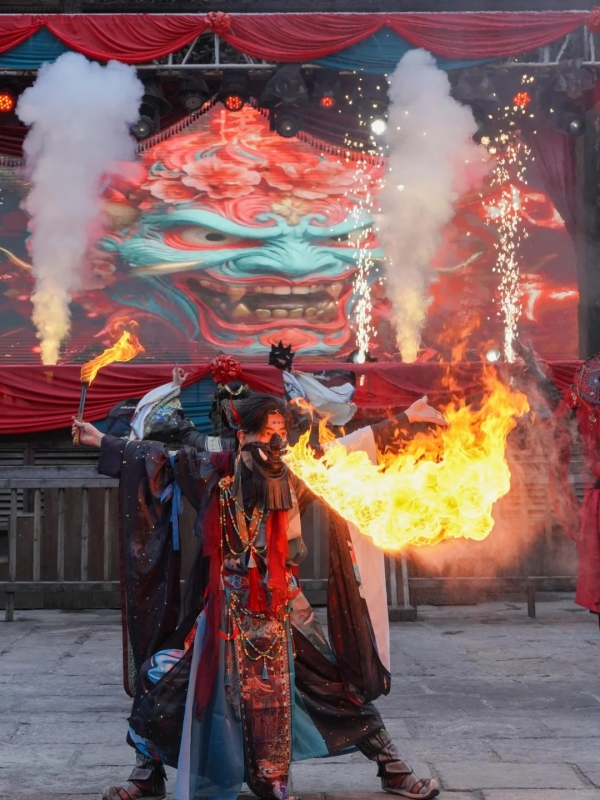
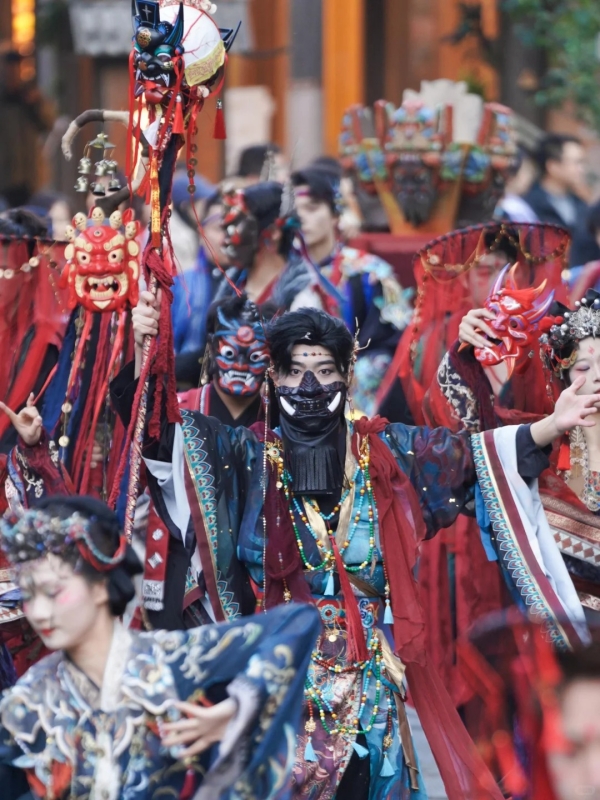
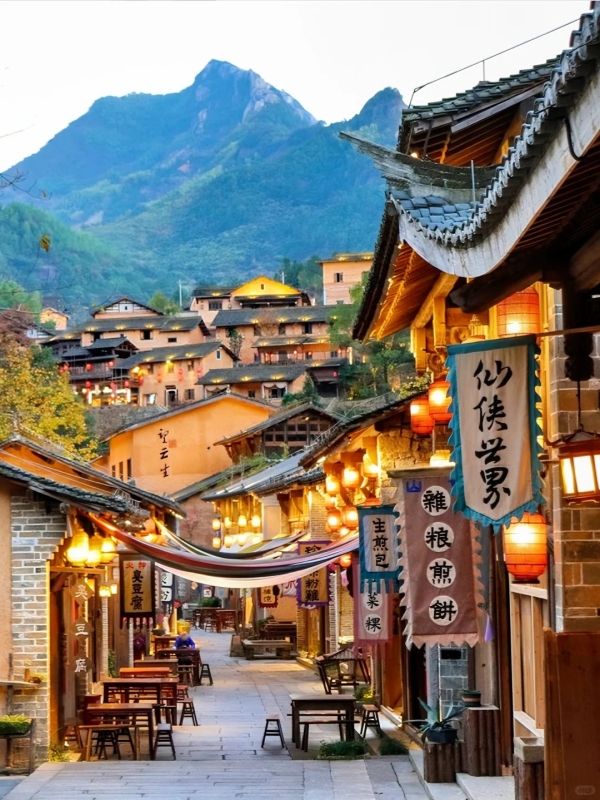
Watch Master Artisans Preserve Wangxian Valley Local Customs Daily
Stroll further down Workshop Street, and you’ll found more than ten artisan shops in operation—working studios where artisans keep alive techniques they learned from parents or grandparents. You can watch brown sugar being made by hand from the rare Maozhe sugarcane, and breathe in scents that: sweet and earthy with a slightly smoky note from the cooking.
Qianshan Liansi paper lantern workshop offers hands-on experiences for 30-50 RMB. This UNESCO Intangible Cultural Heritage papermaking method produces sheets with a texture you can’t find in machine-made paper. Next door, the tie-dye studio teaches the traditional Gan ethnic patterns using natural dyes—you’ll notice the vats of indigo have a depth to the blue that’ll almost pull you in. These workshops serve an important purpose beyond the tourist: training the next generation to ensure that these Wangxian Valley local customs don’t disappear in the drive towards modernity.
Three Daily Performances Bring Wangxian Valley Local Customs to Life
Just as the Huguang Guild Hall in Chongqing hosts 'Zui Bayu' traditional performances to showcase the regional culture—a 260-year-old migration and architectural treasure—the Hu Ancestral Hall in Wangxian Valley has similarly preserved and promoted local ethnic customs for decades.
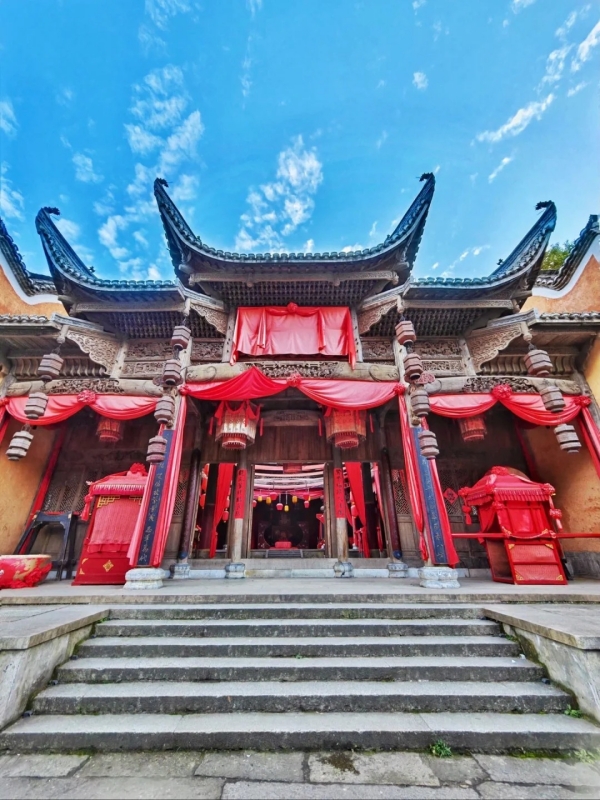
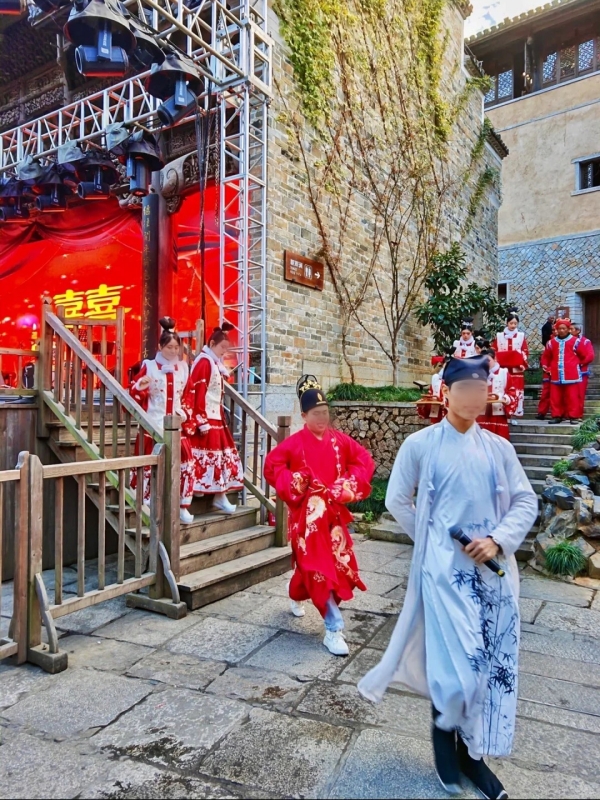
Wangxian Valley animates history for its visitors. At 3:30 PM, you can see a Han wedding ceremony in Hu’s Ancestral Hall—a pair of actors in embroidered silk robes following customs that ruled marriage for several centuries, accompanied with audible groans from the wooden sedan chair. This is no mere performance, but Chinese cultural education displaying how families were bonded through the ages.
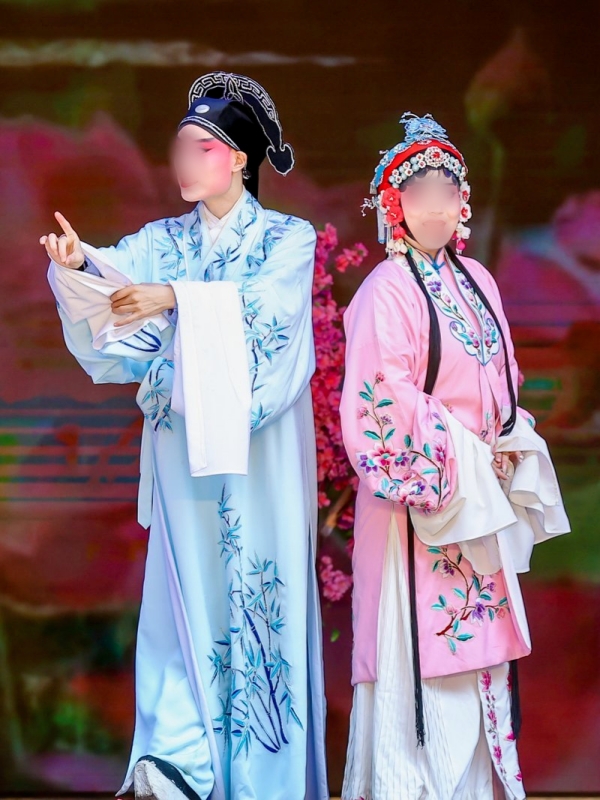
Our Saturday evening event was a performance of the Yiyang opera, a Southern Song Dynasty theatrical arcform designated as national Intangible Cultural Heritage. The high-pitched vocals and percussion-driven accompaniment (that vibrated my chest in the seats) tell a story that’s easy to follow without knowing a single word of Mandarin. What amused me most was seeing how captivated attendees were—gasping, clapping in just the right spots.
Feel the Heat: 1,600°C Iron Fire Sparks Light Up Wangxian Valley Nights
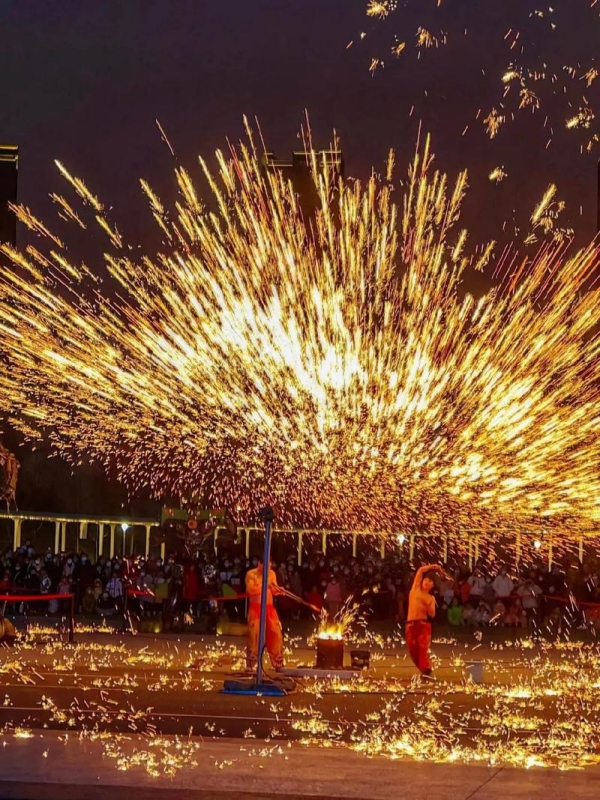
The highlight of the evening performances occurs at 8:00 PM with “Da Tie Hua” (Iron Fire Sparks). Artisans heat iron red-hot (you can feel the heat standing 20 feet away), then throw the molten metal against the cold stone walls. The impact causes magnificent golden sparks to fall like fireworks. Honestly, there are some things that neither your eyes nor camera can adequately capture and this is one of them. This ancient craftsman technique, now part of Intangible Cultural Heritage, is the most dramatic evening show of Wangxian Valley. The smell of hot metal persists long after the activity ends.
Centuries-Old Recipes Survive in Wangxian Valley's Street Food Scene
Food is living history at Wangxian Valley local customs. On Yanpu Old Street, you’ll sample the same dishes locals have enjoyed for generations. Hu’s Flatbread is charcoal-grilled per Ming Dynasty tradition, costing just 5 RMB. The charcoal infuses a smoky flavor modern stoves cannot duplicate—vendors prepare them fresh all day, and their aroma calls clients from every corner of the valley.
Dengzhan Guo is a perfect example of how food carries cultural significance beyond taste. These rice cakes, named after the traditional oil lamps (dengzhan in Chinese) for which they served as wrappers, must be so extraordinarily thin the light can be seen passing through… yet must be strong enough to not tear under pressure. Watching this expert work is rather calming—vendor hands are so swifter than the eye you can’t keep track of all the folds. For the intrepid eater, Lingguang Street offers scorpions and insects on a stick: alternate protein sources that locals have savored for centuries during the festival.
What Makes Wangxian Valley History Visible in Every Building?
Hu's Ancestral Hall: The Most Authentic Window into Wangxian Valley History
Hu's Ancestral Hall anchors Wangxian Valley's historical architecture—probably the most authentic structure you'll encounter. This traditional wooden building demonstrates carpentry mastery from centuries past. The main beam features this intricate carving called "Pantao Shengyan" (Peach Banquet), depicting an immortal gathering. Every detail carries symbolic weight: peaches represent longevity, while the gathering symbolizes family harmony across generations.
Historically, families held ancestor worship here during Qingming Festival and Chinese New Year. Weddings began in the main chamber; funerals involved complex rituals lasting days. The wooden pillars, darkened by incense smoke, stand as witnesses to countless family histories. If you look closely, you might notice slight wear patterns on the steps, polished smooth by generations of footsteps. It's almost like the building itself has stories to tell.
Why Three Gods Share One Temple in Wangxian Valley History
Three Gods Temple offers something unusual—a fusion of three deities rarely worshipped together. The central position belongs to the God of Wealth, flanked by the Earth God (left) and Dragon King (right). This combination reflects Wangxian Valley's unique cultural synthesis, actually. Agricultural communities needed favorable weather (Dragon King), blessings for health (Earth God), and prosperity (God of Wealth). Rather than building separate temples, locals created this comprehensive sacred space. Practical, you know.
The architecture deserves close attention. Red walls and dark slate tiles follow traditional Jiangxi design, but the eaves sweep upward more dramatically than typical temples—meant to lift prayers toward heaven. Inside, tapestry-like murals cover the walls, created from countless tiny colored thread pieces, a technique called "thread painting" that few artisans still practice.
Walk the Same Paths Ming Explorers Walked Through Wangxian Valley History
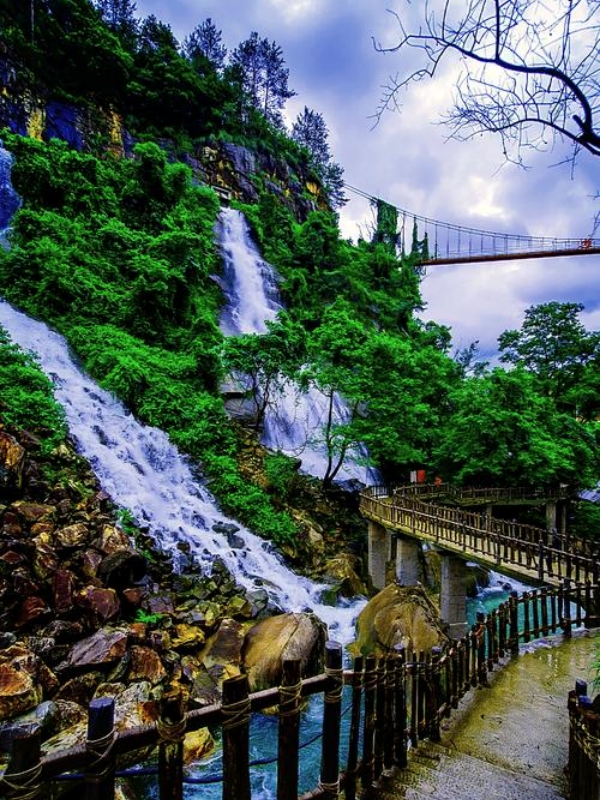
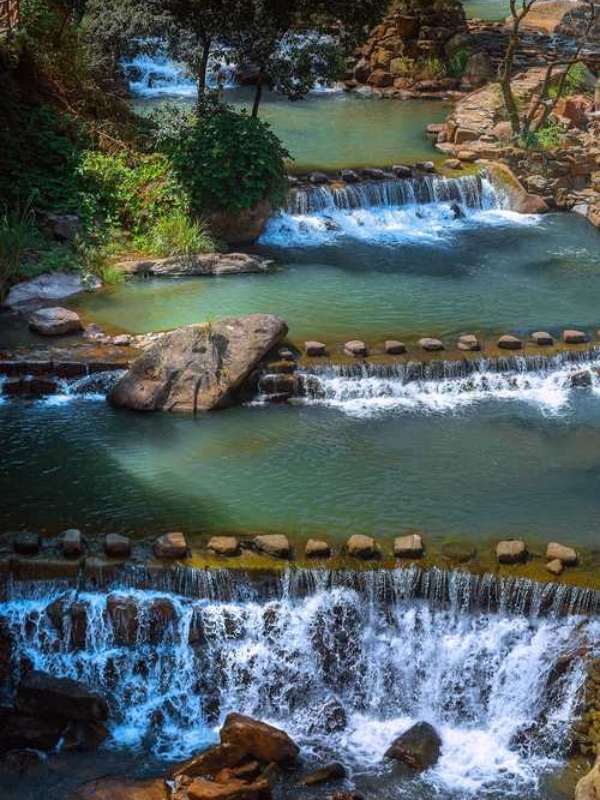
Three-Stack Waterfall tells us how nature and legend meet at Wangxian Valley history. Water flows over uneven stone and tumbles down three distinct levels. Local tradition says Ming Dynasty explorer Xu Xiake described it in his journals as “waterfall flying like snow”. You can hike the very steps he did 400 years ago; they are smooth in places from wear of feet.
In the height of the rains all three hang together in one great flood that you can hear from half a mile away, you are told. In the dry and clear months themselves divide and allow you to walk between, the cold mist striking your face even when the weather is hot.
Cliffside Rooms Built Using Ancient Techniques Honor Wangxian Valley Traditions
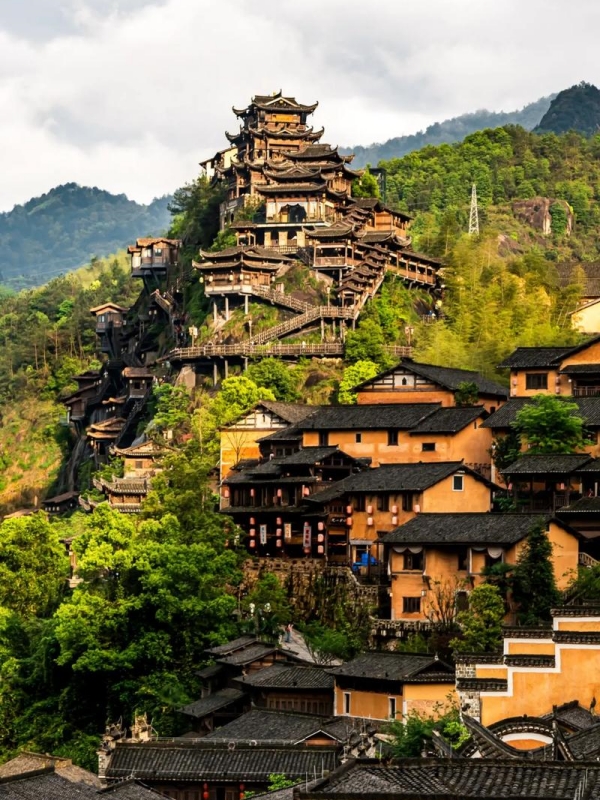
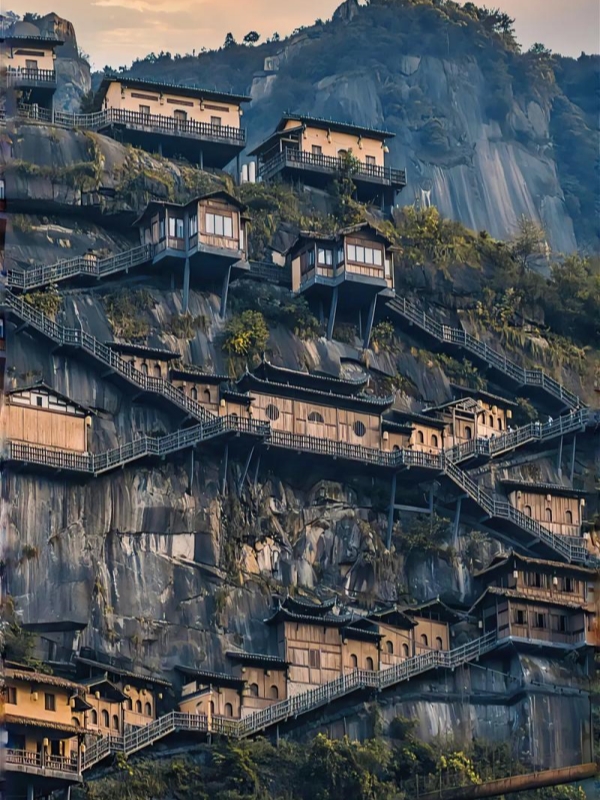
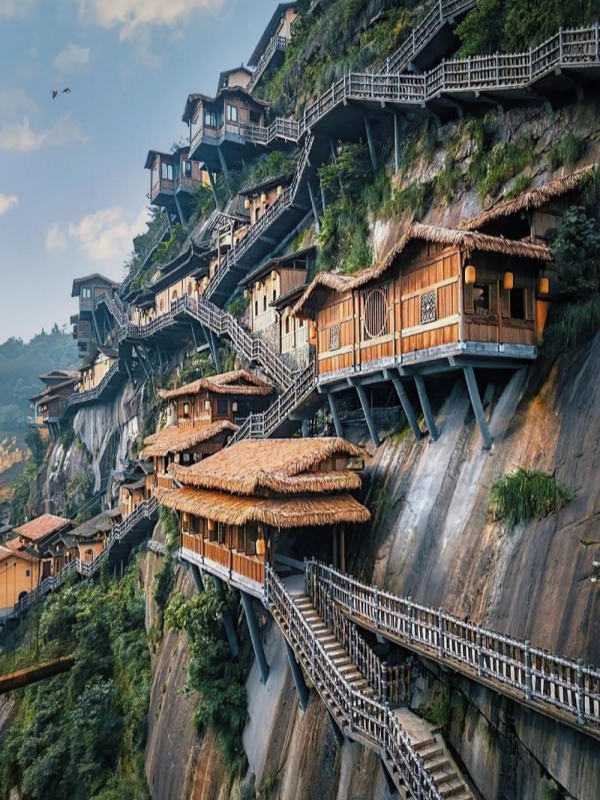
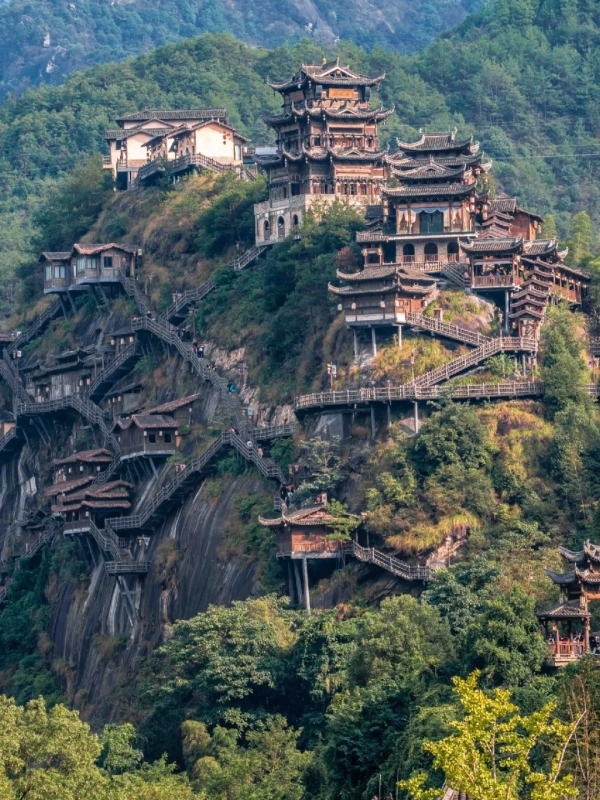
White Crane Cliff is the dramatic highpoint of Wangxian Valley’s architecture. Legend says that the cliff gifted shelter to villagers during a terrible flood, when a white crane flew over from the mountain highlands to provide them with wild fruits to eat. Today, 38 guest rooms cling to the face of the cliff using rammed earth methods combined with modern steel reinforcements.
The architecture evoked an old tradition; throughout the history of Wangxian Valley monks and hermits made their homes in the crevices of the cliffs, where isolation could facilitate meditation. Modern architects studied these sites before building the guest accommodations. You’ll wake in your room to the same view that met them: mists rising from the gorge far below and peaks lost in the clouds high above. It’s easy to see why they adopted those perches.
How Can You Best Experience Wangxian Valley's History and Local Customs?
Wangxian Valley
Best Times for Wangxian Valley History and Cultural Experiences
Understanding Wangxian Valley history means timing your visit with cultural events. Spring (March-May) brings peach blossoms along the restored "Ten-Mile Corridor"—a direct result of the 2007 environmental restoration. Summer (June-August) offers the best waterfall views, when Three-Stack Waterfall reaches its most dramatic flow, just as Xu Xiake saw it in the Ming Dynasty. Autumn (September-November) provides red foliage photography and the clearest views of White Crane Cliff's historical cliffside architecture.
Winter (December-February) sees fewer crowds, allowing intimate experiences with traditional craftsmen in workshop streets. Chinese New Year and Dragon Boat Festival feature special celebrations incorporating ancient Wangxian Valley local customs rarely seen in modern cities. These festivals offer the most authentic glimpse into how communities celebrated throughout the valley's 2,000-year history.
Accessing Historical Sites: Tickets for Wangxian Valley
Wangxian Valley operates with variable pricing that reflects its historical significance. Peak season (April-October) tickets cost 140 RMB for full access to all historical sites including Hu's Ancestral Hall, Three Gods Temple, and Ming Dynasty architecture. Off-season drops to 100 RMB. Evening tickets (60 RMB, entry after 4:00 PM) focus on cultural performances including the Iron Fire Sparks demonstration and Yiyang Opera.
The scenic area opens 8:00 AM to 9:30 PM. Morning visits (8:00-11:00 AM) offer the best light for photographing historical architecture and uninterrupted access to traditional handicraft workshops. Afternoon arrivals (2:00-4:00 PM) let you experience both daytime historical exploration and evening cultural performances that bring Wangxian Valley's past to life.
Transportation to Wangxian Valley: Reaching History and Culture
International visitors typically fly into Shanghai or Hangzhou, then take high-speed rail to Shangrao (approximately 3 hours). From Shangrao Railway Station, the direct tourist bus costs 30 RMB per person, taking about 90 minutes through countryside that has looked essentially the same since Ming Dynasty times. Buses run every 2 hours from 8:00 AM to 5:00 PM.
Self-driving offers flexibility to explore the broader historical region. From Shangrao city center, follow S213 or S318 roads eastward. The 50-kilometer drive takes approximately one hour. GPS coordinates (28.4453°N, 117.9372°E) lead directly to the visitor center. Parking costs 10-20 RMB per day. Note that nearby Jingdezhen (138 km) has produced imperial porcelain since ancient times, making an excellent historical complement to Wangxian Valley.
Essential Tips for Exploring Historical and Cultural Sites
Wear proper footwear—ancient stone pathways become slippery near waterfalls, especially along routes dating to Ming Dynasty construction. Athletic shoes with good tread are essential. I've seen tourists in heels trying to navigate 400-year-old stone steps, and it's not pretty. Bring mosquito repellent between May and September when valley vegetation is lushest.
For the most authentic experience of Wangxian Valley local customs, arrive at handicraft workshops before 3:00 PM—many elderly artisans close in late afternoon. The papermaking and bamboo weaving masters offer the best demonstrations of techniques unchanged since the Eastern Han Dynasty. Cash remains useful despite digital payment prevalence; small family-run food stalls preserving traditional recipes sometimes lack modern payment infrastructure.
Frequently Asked Questions For Exploring Wangxian Valley History and Customs
Q: What is Wangxian Valley history?
Wangxian Valley history spans over 2,000 years, beginning when Eastern Han Dynasty scholar Hu Zhao (162-250 CE) retreated here for Taoist cultivation. Locals believed he achieved immortality, naming the area "Wangxian" (Gazing at Immortals). Ming Dynasty officials built elaborate residences showcasing traditional architecture. Industrial mining severely damaged the environment in the late 20th century until government restoration began in 2007, transforming it into a cultural tourism destination that opened in 2020, now preserving ancient heritage while hosting modern attractions.
Q: What traditional customs can I experience?
You can experience authentic Wangxian Valley local customs through hands-on workshops in UNESCO-heritage papermaking, bamboo weaving, and tie-dye (30-50 RMB). Daily cultural performances include Han Dynasty wedding ceremonies (3:30 PM) and Yiyang Opera (Saturdays). The Iron Fire Sparks show (8:00 PM) demonstrates ancient blacksmith traditions recognized as Intangible Cultural Heritage. Sample traditional foods like charcoal-grilled Hu's Flatbread and Dengzhan Guo rice cakes on Baiwei Street, experiencing culinary customs passed down through generations.
Q: Is Wangxian Valley man-made or natural?
Wangxian Valley combines natural gorges formed over millions of years with human construction reflecting its rich history. The waterfalls and rock formations are natural, while most buildings are modern reconstructions (2011-2020) using authentic Ming Dynasty techniques like rammed earth walls and mortise-tenon joinery. Hu's Ancestral Hall contains original Ming Dynasty elements. Think of it as a natural valley enhanced with historically-accurate architecture, allowing ecological restoration while demonstrating traditional building methods that were disappearing from rural China.
Q: When was Wangxian Valley built?
Understanding Wangxian Valley history requires distinguishing geological age from human settlement. The valley itself is millions of years old. Human settlement began during Eastern Han Dynasty (25-220 CE) when Hu Zhao established his hermitage. Significant architectural development occurred in Ming Dynasty (1368-1644) with official residences. The modern tourism infrastructure—workshop streets, cliffside accommodations, performance venues—was built 2011-2020. While the location preserves 2,000 years of cultural heritage, tourist facilities are less than a decade old.
Q: How long should I spend experiencing the history and customs?
Most visitors need 6-8 hours to properly experience both Wangxian Valley history and local customs. Arriving at 2:00 PM allows time to explore historical sites like Hu's Ancestral Hall and Three Gods Temple (2 hours), try traditional handicraft workshops (1 hour), and stay for evening performances demonstrating ancient cultural traditions (2-3 hours). Overnight stays offer the best experience—catching sunrise mist over historical cliff dwellings and having a second day to revisit favorite cultural sites.
Q: Are the historical buildings authentic?
Most structures are modern reconstructions of traditional architecture rather than original historical buildings. Hu's Ancestral Hall contains authentic Ming Dynasty elements, particularly the carved main beam dating to the 14th-17th centuries. However, Workshop Street buildings and cliff dwellings are new constructions (2011-2020) designed by architects who studied northeastern Jiangxi vernacular architecture extensively. They used traditional materials (rammed earth, local stone) and authentic joinery methods (mortise-tenon, no nails) to demonstrate building techniques from Wangxian Valley history.
Q: Can foreigners visit independently?
Yes, though preparation enhances understanding of Wangxian Valley history and local customs. English signage is minimal—download translation apps like Google Translate or Pleco before arriving. Most vendors accept Alipay and WeChat Pay; set these up through your hotel. Handicraft workshops work well for foreign visitors because artisans demonstrate traditional techniques visually rather than through verbal instruction. According to TripAdvisor reviews, hiring a Chinese-speaking guide (300-500 RMB daily) significantly enriches understanding of the valley's historical and cultural significance.
Q: What makes Wangxian Valley different from other sites?
Wangxian Valley uniquely combines ecological restoration with cultural preservation of both ancient history and living customs. Unlike sites focusing solely on nature (Zhangjiajie) or architecture (Pingyao), this valley tells a complete transformation story—from Eastern Han legends through environmental destruction to successful revival. You're not just viewing historical artifacts but participating in living traditions through workshops and performances. The 2020 opening means it hasn't experienced overcrowding, offering authentic experiences of traditional Chinese culture.
Q: Is it suitable for elderly visitors?
Accessibility varies across Wangxian Valley's historical sites. Ancient streets (Yanpu Street, Baiwei Street) feature relatively flat bluestone pathways suitable for comfortable walking while exploring temples and traditional workshops. However, reaching the glass skywalk requires climbing stairs equivalent to 5-6 floors with no elevator. White Crane Cliff accommodations involve steep paths unsuitable for wheelchairs. Many elderly travelers focus on lower valley historical sites, cultural performances, and handicraft demonstrations, enjoying 4-5 hours experiencing the valley's heritage comfortably.
Q: What is Jiangxi Province known for historically?
Beyond Wangxian Valley history, Jiangxi Province preserves remarkable cultural heritage. Jingdezhen (138 km away) has produced imperial porcelain for 1,700+ years—virtually every Ming and Qing Dynasty ceramic treasure originated there. Mount Lu is a UNESCO World Heritage site where Taoists and Buddhists built temples dating to Jin Dynasty (265-420 CE). Nanchang witnessed the 1927 Communist uprising shaping modern China. For international visitors, Jiangxi offers authentic Chinese culture less commercialized than Beijing or Shanghai.