Wangxian Valley Jiangxi
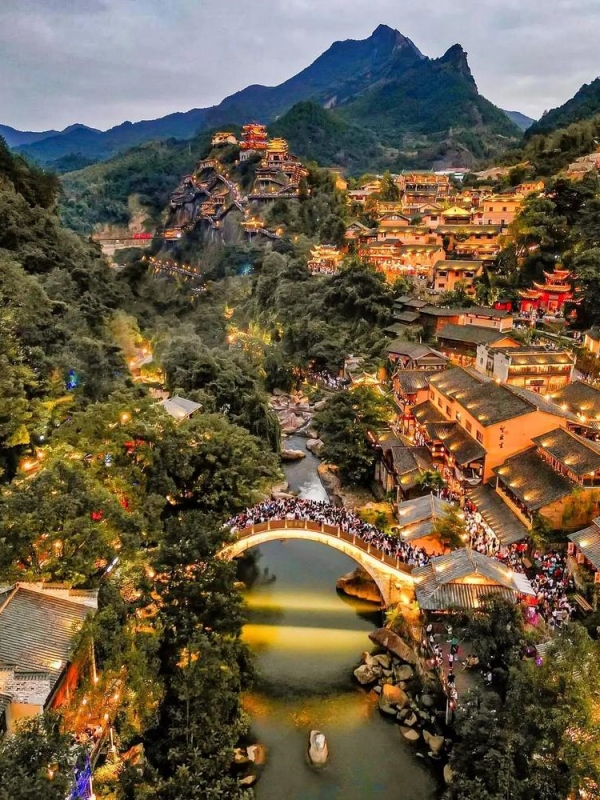
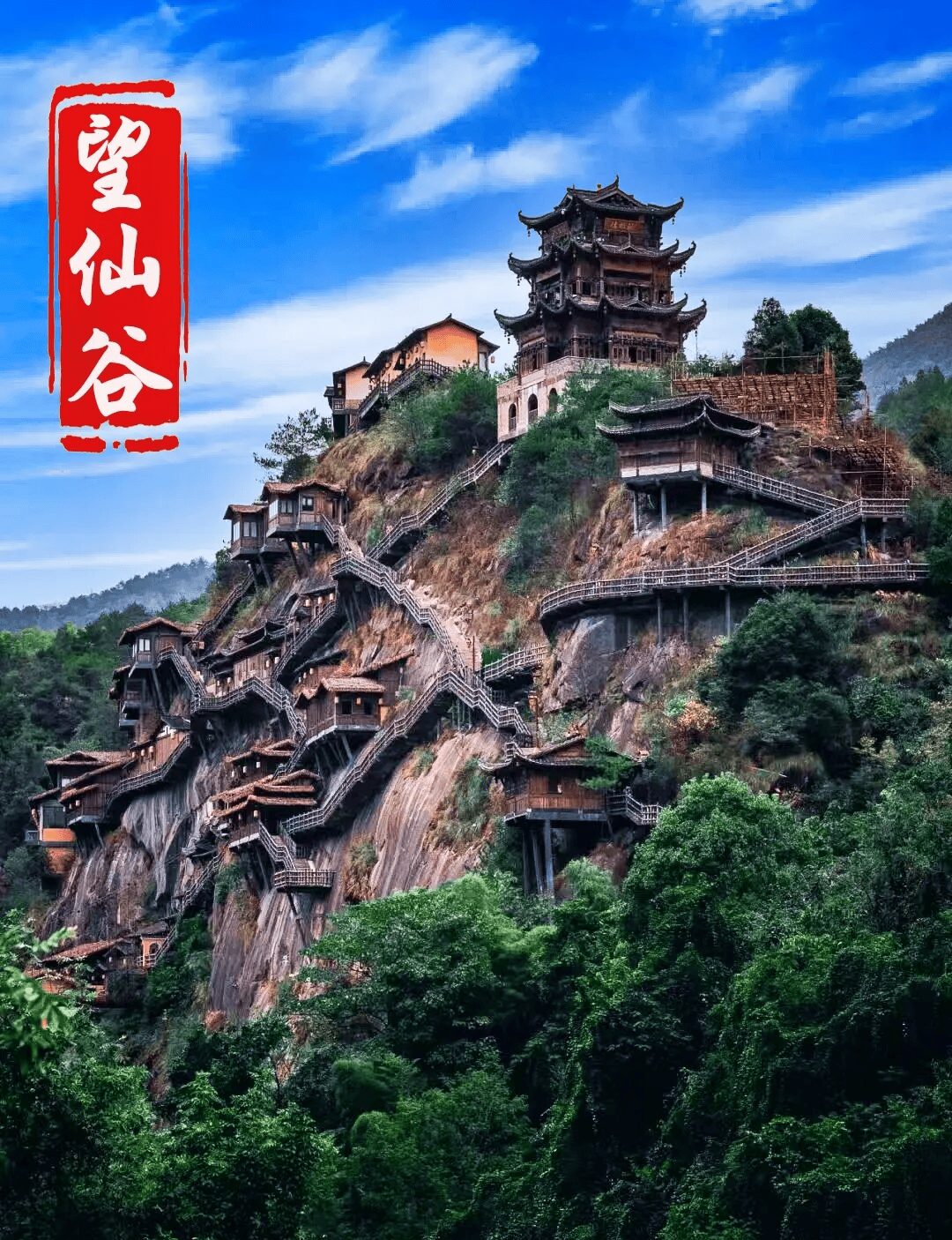
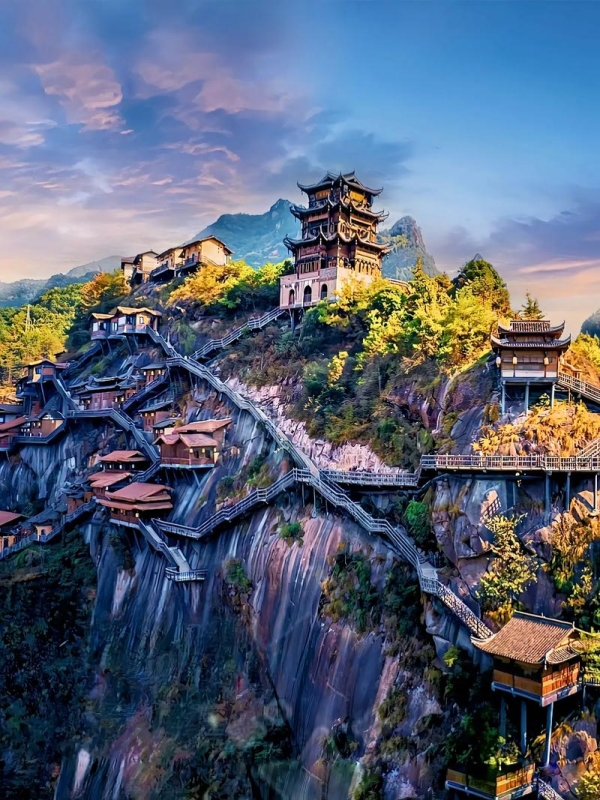
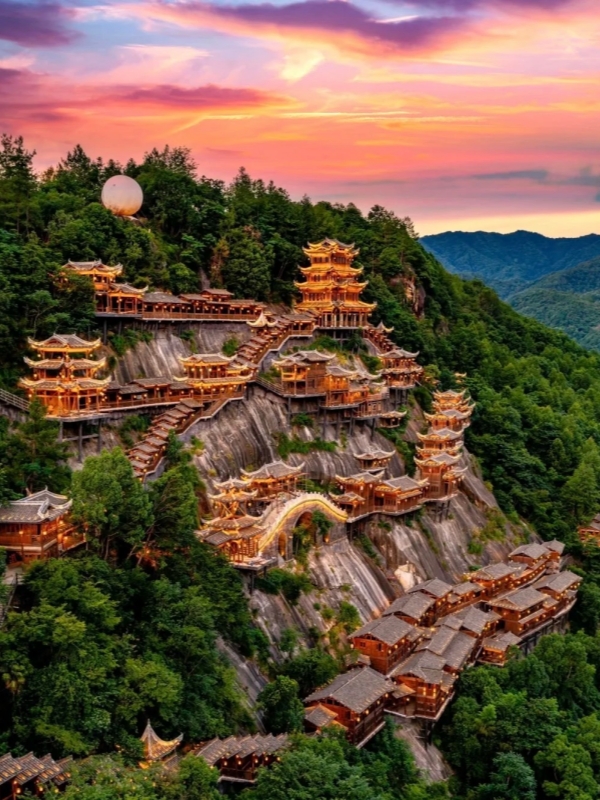
Wangxian Valley viral video. Misty-topped buildings hanging from a 110 meter cliff face - racked up 1.3 million likes in December 2025. Was it real, or CGI? China, or Japan? The truth: those fine-looking granite cliffs are real, but the village was rebuilt between 2015 and 2020 in Shangrao, Jiangxi Province, about 50 kilometers from the city centre.
Completely Chinese, not Japanese. Those Ghibli-looking vibes may look lifted from Miyazaki’s world. But the rammed earths, blue stone slabs, and mortise-tenon joinery are classic Gan (Northeast Jiangxi) architecture. These cliff dwellings were built paying homage to the hermit traditions of the Eastern Han dynasty, when some Taoist monks who sought medial-induced enlightenment built distraction-free retreats in the vertical rock faces. Here’s how I visited it - with real costs, timing strategy, logistics, and advice on whether you’ll get the same views those viral clips promised.
Quick Info: Wangxian Valley at a Glance
| Category | Essential Details |
|---|---|
| 📍 Location | Wangxian Township, Guangxin District, Shangrao City, Jiangxi Province Approximately 50km from Shangrao city center |
| 🎯 What Makes It Special | Real-life "immortal fairyland," cliffside hotels suspended 110m high, canyon rafting, traditional Gan culture experiences, viral night illumination |
| ⏰ Opening Hours | 9:30 AM - 11:00 PM daily Last entry: 8:00 PM (may extend to 9:30 PM during summer) Night illumination starts: 6:30 PM |
| 🎫 Ticket Prices | Regular: ¥120 (≈$17 USD) Peak seasons: ¥140 (Chinese New Year, May 1-5, Oct 1-7) Students: ¥70 | Seniors 65-70: ¥110 | 70+: Free Kids under 6 or 1.2m: Free |
| 🚗 How to Get There | By car: Navigate to "望仙谷游客中心" (Wangxian Valley Visitor Center) By train: High-speed rail to Shangrao Station, then scenic shuttle (¥30-35) or DiDi taxi (¥100-150) |
| 🌟 Must-See Highlights | Natural wonders: Three-Tier Waterfall, Glass Walkway, Three Pot Holes Cultural sites: White Crane Cliff (悬崖民宿), Yanpu Old Street, ancestral halls Experiences: Traditional craft workshops, bonfire party (8:30-9:30 PM), canyon rafting (summer only) |
Why These Suspended Buildings Look Like Spirited Away
This Is What You Came For: The Night View at 6:30pm
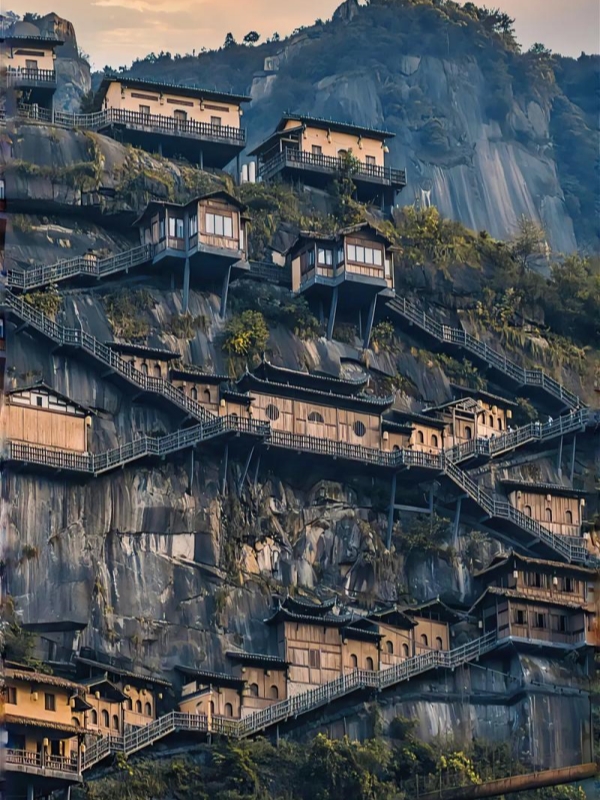
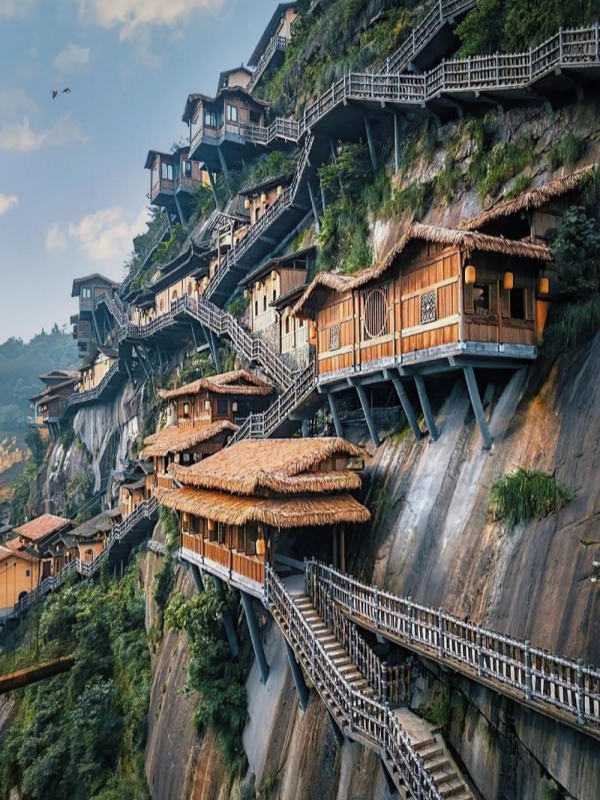
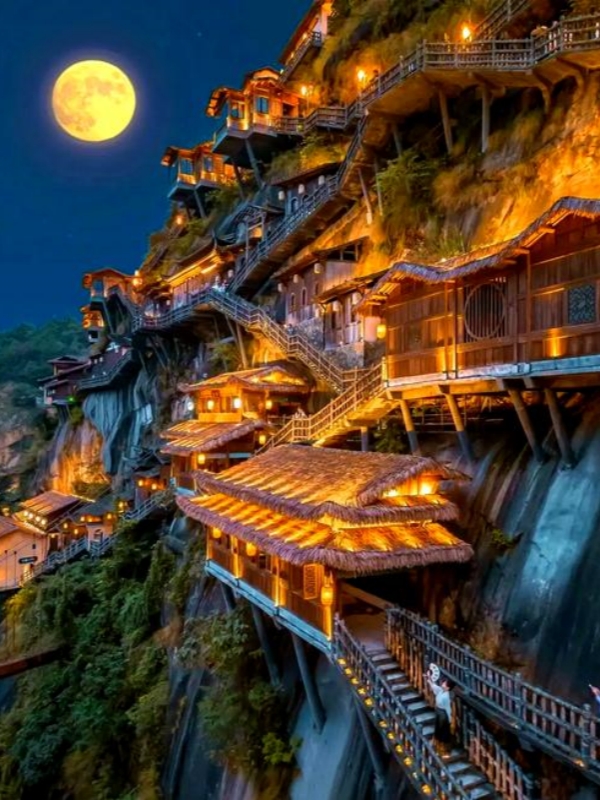
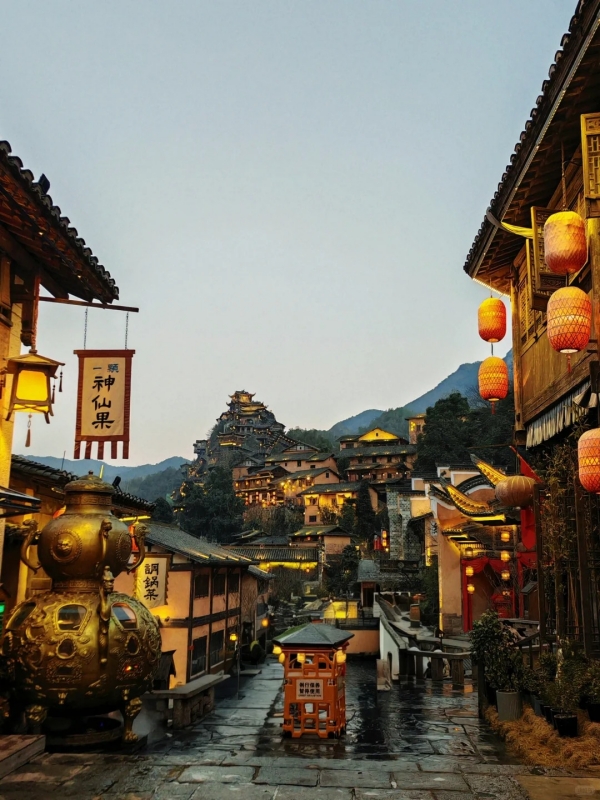
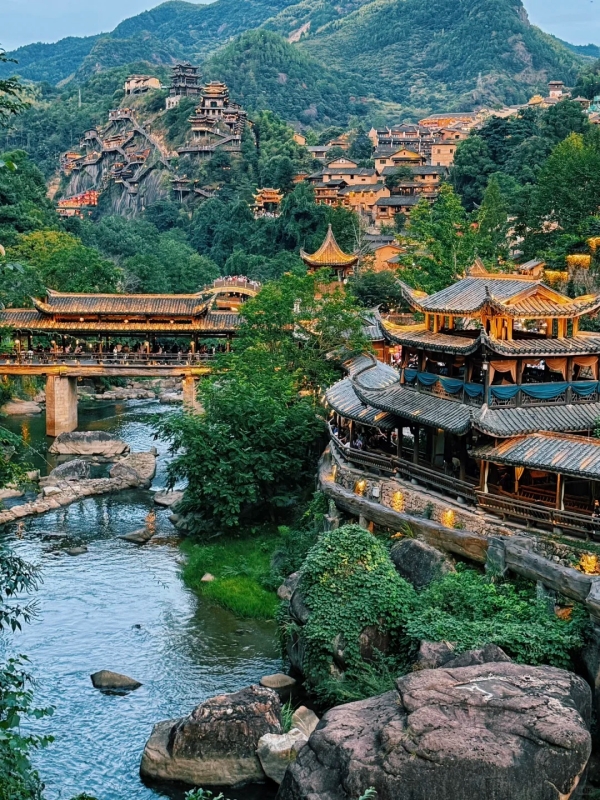
This is the one. The image that traveled the web and is most responsible for you being here. White Crane Cliff perches 110 meters up a sheer wall of rock (that’s about 36 stories). 12 guest rooms, a library, restaurant, etc., all abut that cliff. Workers drilled holes for the foundation into nearly vertical granite. Everything was hand pulled up. Construction took 2 years from 2018-2020.
The night shot is what you really came here for. Around six-thirty post sunset lights begin flicking on, and the effect is incredible. Warm yellow lights throwing off everywhere illuminating all those buildings and set against a dark background of canyon. It really looks like that bathhouse from Spirited Away. The best vantage point is Lanyue Bridge, maybe 200 meters across the gorge. Get there a half hour early because this bridge fills up.
Should you sleep in White Crane Cliff? ¥800-2,000 a night, and the experience of eye-level mist in the canyon waking up, exclusive sunrise viewing? Amazing. But there are real drawbacks too. A steep 15 minute stair climb once you make it to the cliff with luggage, hard for older travelers and families with young kids. The rooms are actually far smaller than the photos imply (say 20-30% smaller), and WiFi is weak, 4G hard to come by. But that feeling of waking up hovering above that canyon? All the way w cozy light in a comfy bed at sunrise? Surreal. I say, spring for one night if in budget, or just photograph from the bridges.
Visit at 7:30am for Empty Streets or 7pm for Red Lanterns
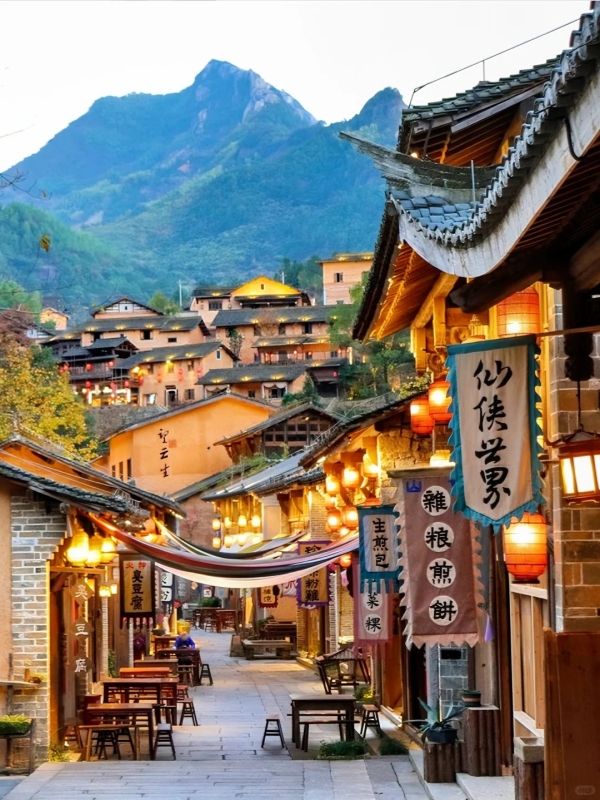
Yanpu Old Street is a throwback to the Gan-style architecture of China’s Ming Dynasty—with the rammed earth walls, black tiles and horse-head gables; but there’s the catch—the old buildings were brought down and rebuilt at this site, so think of it as a sort of outdoor architectural museum.
In all, you’ll find some 30-odd food and craft shops here, where you can watch bamboo weaving, wood-carving, make purchases at a lantern shop, pick up some herbal medicines, and even participate in a few craft workshops (make your own lantern and bring it home, ¥25-35, or bamboo-weaving, ¥30-50).
The prices for handicrafts range from ¥20-200, and you can certainly haggle—most vendors expect it. It’s best to visit in the morning if you want to soak in the authentic atmosphere, that is between 7:30-9:30am, when stallholders are setting up, the light is just right, and tourist crowds have not yet appeared. The ambience then changes dramatically when the red lanterns are lit and they by night, from 7-10pm when people throng the streets and the smell of food fills the air. Allow 1-1.5 hours to wander, shop, and try a few street snacks.
Two Halls Worth 15 Minutes Each (Free with Ticket)
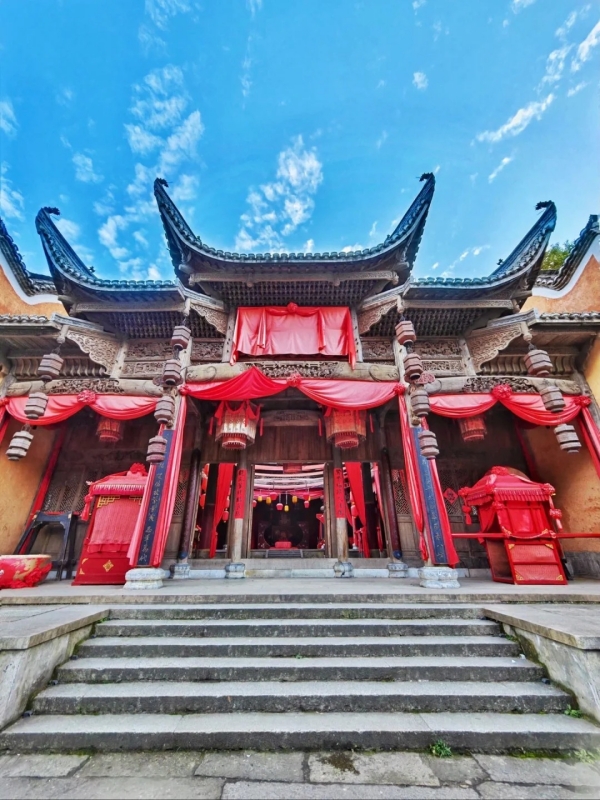
Wangxian Valley includes two reconstructed ancestral halls worth poking your head into. Hu Family Hall displays intricate wood carvings on the main beam—a "Peach Banquet" scene symbolizing longevity and prosperity. The front panel shows five lions, representing five generations living under one roof.
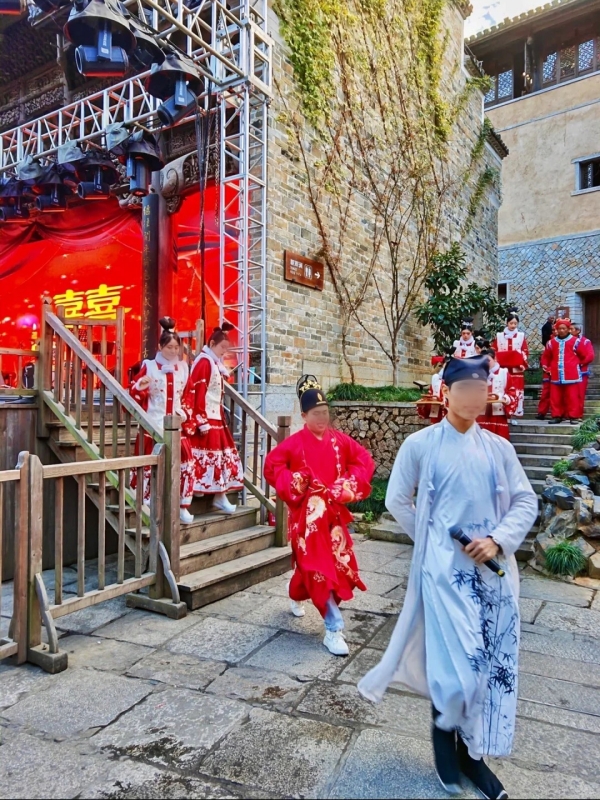
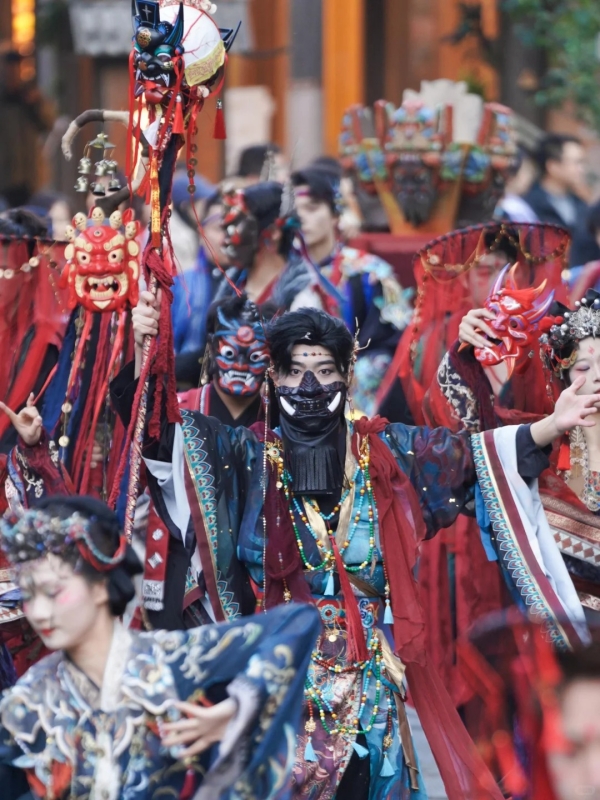
Unlike the Chen Clan Ancestral Hall in Guangzhou, which now focuses on cultural heritage and exhibitions rather than commercial performances, the hall hosts a Han-style wedding performance daily at 3:40-4:30pm. Actors dressed in Ming Dynasty costume reenact traditional wedding rituals—bowing to heaven and earth, serving tea to elders. Even if you don't understand Chinese, the ceremony is pretty self-explanatory through actions. You can take photos with the actors afterward.
Yang Mansion is named after official Yang Shiqiao from the Ming Dynasty. There are the “three carvings” to look out for – brick sculptures carved onto walls, wood carving on beams, and stone carvings on the bases of columns. Yang Mansion puts on an evening “Wangxian Romance” show from 7.30 to 7.50pm nightly, a 20-minute fantasy with lights and fog machines and actors flying on wires – it’s cool. Both halls included with your entrance ticket – you would probably spend 15-20 minutes in each just appreciating the architecture.
🏔️📜 If the scenic side of Wangxian Valley has you hooked, check out the history and local customs that turned this abandoned mine into a cultural phenomenon.
The Million-Year-Old Cliffs Everyone's Photographing
-

- Three-Tier Waterfall
-
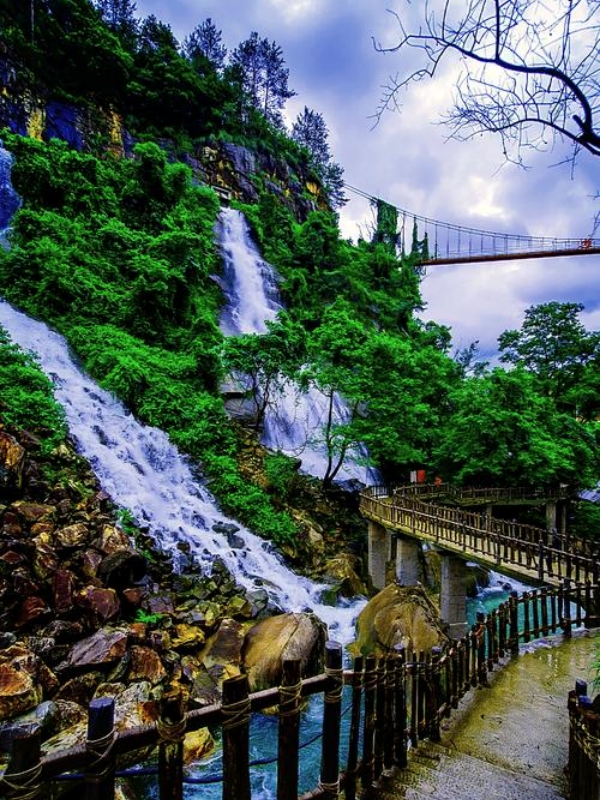
- Waterfall in Wangxian Valley
-
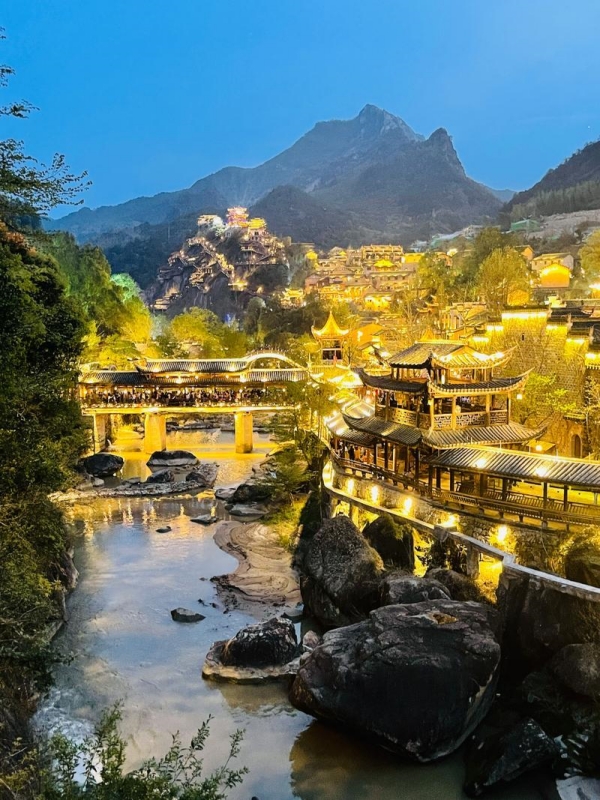
- Wangxian Valley
This Waterfall Looks Best at 9am (Not Noon)
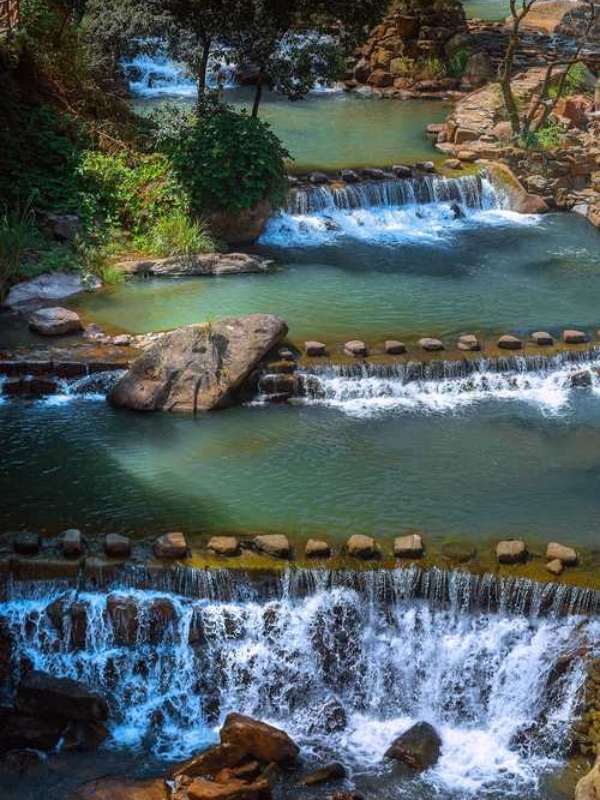
If I had to pick my favorite natural attraction in Wangxian Valley, it’s gotta be Three-Tier Waterfall. Two mountain streams come together, and the water drops in three successive stages into natural pools below. It's as if Mother Nature decided to make herself a grandwater staircase!
For good photos, go between 9am and 11am as morning sidelight picks the falls washing up beautifully without harsh noon shadows. The waterfall is only a 10 minute walk from the visitor center and on a flat path, so no worries there even if you have knee issues like my mom!
The water volume varies greatly by season too. In summer you'll have maximum flow - and rainbows in the spray if the sun is shining. Then, in spring you'd get the 'high water' effect nicely accentuated by mist rising from the pools. In autumn, you'd have the waterfall at moderate flow, but beautiful fall colors in the foliage. In winter, the fall shrinks to a trickle. 20-30 minutes is probably a good measure if you just want photos and want to sit by the water.
💧 If you’re craving more natural waterfalls and streams, Golden Whip Stream: Zhangjiajie’s 7.5km Oxygen Bar Trail & Scenic Spots Guide (2025) is exactly what you need
The Glass Walkway Won't Terrify You (Only 50m See-Through)
Let’s be real here though, if you’re walking easily across the Wangxian Valley glass walkway that’s not your deal. The whole walk is 388 meters long, but only about 50 meters is real clear glass. The rest is solid wood decking. It’s situated roughly a 100 meters…vertical…and the glass has this milky frosted effect that makes it easier to cross.
The real reason to walk it is for the views. You get 360 degrees of everything below. Directly across is White Crane Cliff hanging on the opposite gorge wall. Below you look right down into the canyon vegetation and streams below and my friend who is essentially terrified of heights staggered across without full freak out.
When shooting it, shoot straight down and straight on for the glass to show off the translucent effect. But grab some horizontal angles of the canyon as well. Your ticket entitles you to walk on the glass sections. Just be prepared to shove shoe covers on at the entry (they provide them free). You’ll only need maybe 15-20 minutes total walking and shooting.
This Is What You Came For: The Night View at 6:30pm
Three Pot Holes are these insane cylindrical potholes that have been whittled away by millions of years of water erosion. Falling torrents of turbulent water casts rocks that swirl away in perfect circles, gouging deep, informally round holes into the rock walls. They look sort of man-made until you learn the science behind it.
Visit in the mid-to-late morning, between 11am and 1pm-ish. Even though I said to avoid noon at the waterfall, you want direct sun here so that the sun fills the holes and you can really see the explosions of tumbling rocks that formed them. If it’s cloudy or you’re there in the evening, you won’t see much because everything looks like a black hole.
This is a great location for kiddos too-it’s basically a live geology lecture. It’s truly remarkable to actually see how the water erodes solid rock over an eon. You are not gonna be here long unless you are a rock-head, maybe 10-15 minutes.
Make Lanterns, Join the Bonfire, Raft the Rapids
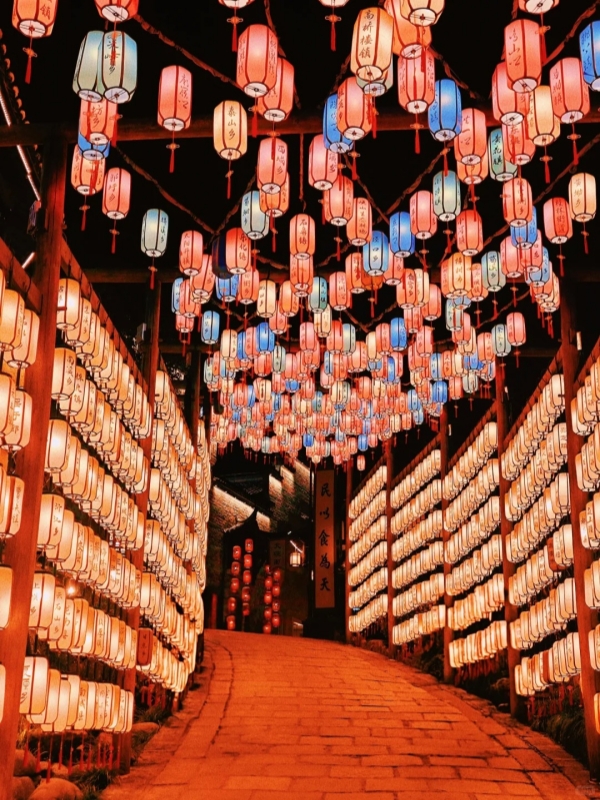
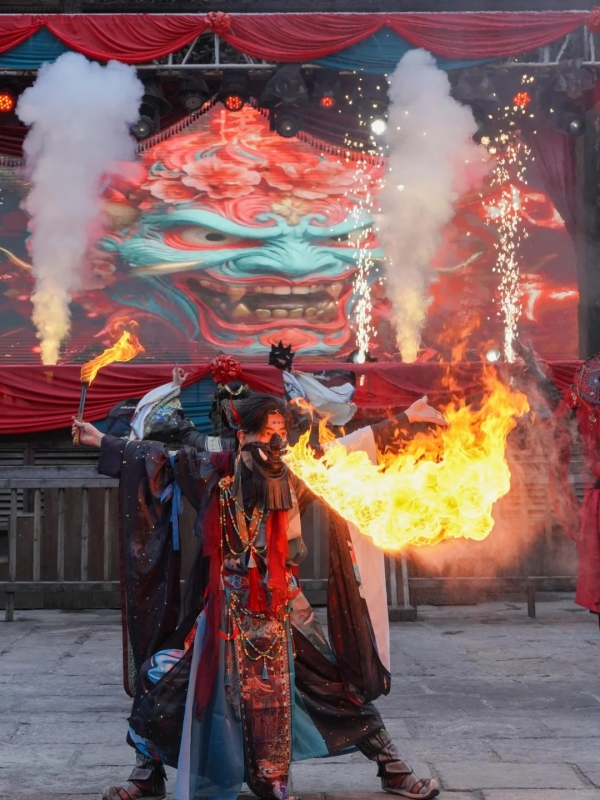
Try Lantern Making (Easy), Skip Bamboo Weaving (I Failed)
Wangxian Valley has maybe 10+ traditional craft experiences spread along Workshop Street. My favourite? Lantern making! Choose your frame, paste paper over, draw on your design, add on decorative tassels. Easy! I saw five-year-olds doing it. It takes 30-45 minutes versus ¥25-35 and I get surefire satisfaction of having made something.
Bamboo weaving is way harder—it’s a proper 4/5 on the difficulty scale. You’re trying to create a basket from strips of bamboo. It takes 1-1.5 hours and runs ¥30-50. Full disclosure: I completely failed. After 40 minutes, my basket looked like a drunken spider had tried to weave. The kindly 70 year old master “helped” me out(=basically did it whilst I held things).
Honestly, the most fun was with tofu making ¥30-40 takes around 45 minutes anyway. You bash the soybeans into a paste with this heavy stone mill, boil it all up, add in the coagulant and then press the curds together. You then eat it all fresh—delicious and totally educational. I turned up and walked in to do the workshops, they’re basically first-come first-served. Be prepared to get your clothes dirty!
The 8:30pm Bonfire Party You'll Unexpectedly Love
Wangxian Valley runs three daily performances. The 3:40-4:30pm Han wedding ceremony demonstrates traditional marriage customs. Actors bow to heaven, earth, and elders. Flash photography isn't allowed but regular photos are fine. The 7:30-7:50pm "Wangxian Romance" combines light effects, fog machines, and wire-flying stunts. I'd recommend treating it as a 20-minute light show rather than expecting deep theater.
The absolute highlight is the bonfire party at 8:30-9:30pm. This isn't passive watching. You will be physically pulled into the dance circle. Staff teach simple folk dances. Everyone links arms and bounces around the flames singing songs I couldn't understand but somehow joined in anyway. I went in deeply skeptical, thinking it would be manufactured tourist cheese. Ended up genuinely laughing and dancing with maybe 50+ strangers.
Wear comfortable shoes to the bonfire because you'll be jumping around. Stand in front rows if you want full participation. Hang back if you'd rather observe. Bring a power bank because your phone will die from filming so much video. This is what people remember most fondly later.
July-September Only: Get Completely Soaked for ¥120
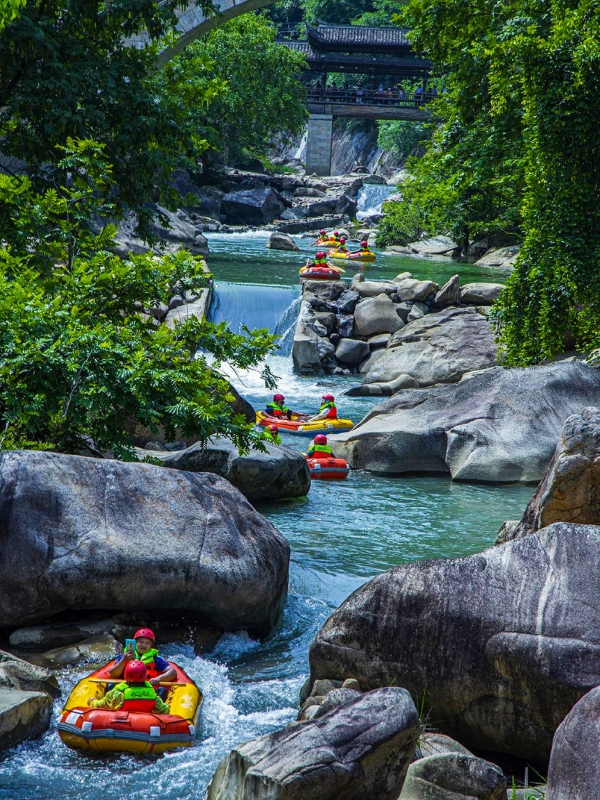
White-water rafting operates only July through September when water levels cooperate. The 2.8-kilometer route drops 185 meters through three bends, three pools, and three waterfalls. It's classified as Class II-III rapids—moderate difficulty that doesn't require rafting experience. Tickets cost ¥120-150 per person, sold separately from park admission.
You will get absolutely soaked. Not "splashed a bit" soaked—I mean fully submerged, everything wet levels of soaked. Bring a waterproof bag for phones. Wear old sneakers you don't mind trashing. The trip takes about an hour. First third is calm water where you practice paddling. Middle third hits actual rapids—this is where the screaming happens. Final third is relaxed floating where you catch your breath.
Is it worth it? If you've rafted places like Colorado, this won't blow your mind—it's comparatively tame. If this is your first time rafting, it's a solid introduction. Age restrictions apply: 8-60 years old, minimum 1.2 meters tall. Pregnant women, heart patients, and people with high blood pressure cannot participate. Weekends in July-August might have hour-long waits.
Where to Eat and What to Order (Plus Tourist Traps to Skip)
-
- Dengzhan Guo
-
- Yanshan Tang Fen
-
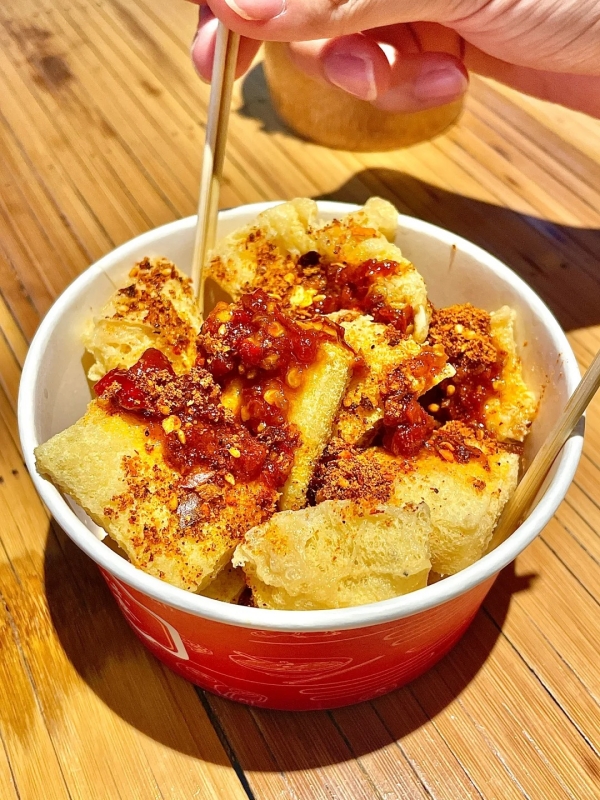
- Wangxian Tofu
Dengzhan Guo Tops My Must-Eat List (¥15 for 3)
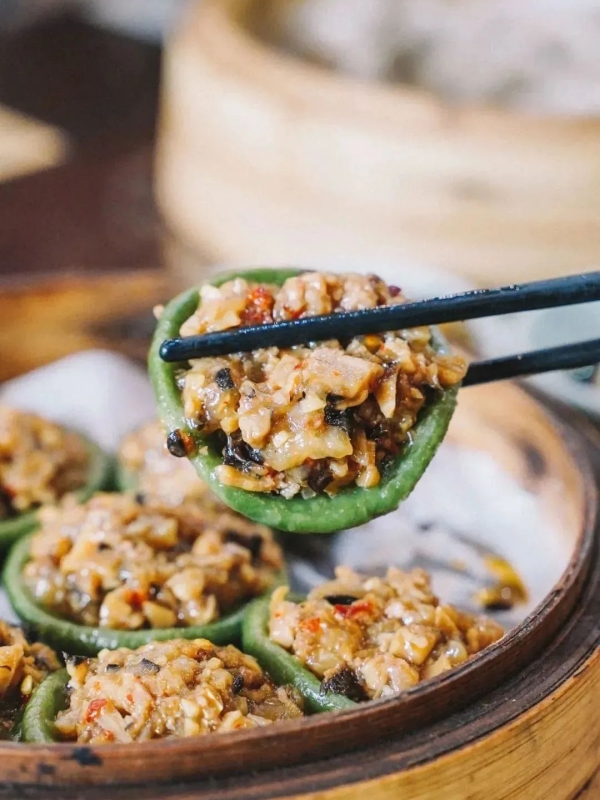
Dengzhan Guo (灯盏果) absolutely tops my must-eat list. These "lantern cakes" get their name from looking like ancient oil lamps. The exterior is rice batter pan-fried until golden and crispy. Inside you get savory filling: shredded radish, bean sprouts, pork, mushrooms. Each bite delivers umami with that textural contrast. I'd describe it as Chinese empanadas meeting spring rolls. Price runs ¥15 for three pieces. Get extra chili oil on the side if you like spice.
Wangxian Tofu (旺仙豆腐) uses high-altitude soybeans and mountain spring water, making for a distinctly silkier feel on the palate. Have it three ways - mapo tofu (spicy Sichuan style for ¥28), braised tofu (sweet-savory for ¥25), or deep-fried tofu (crispy on the outside, custard-soft inside for ¥25). Even a fiercely outspoken tofu hater told me she’d never tasted better than the fried version!
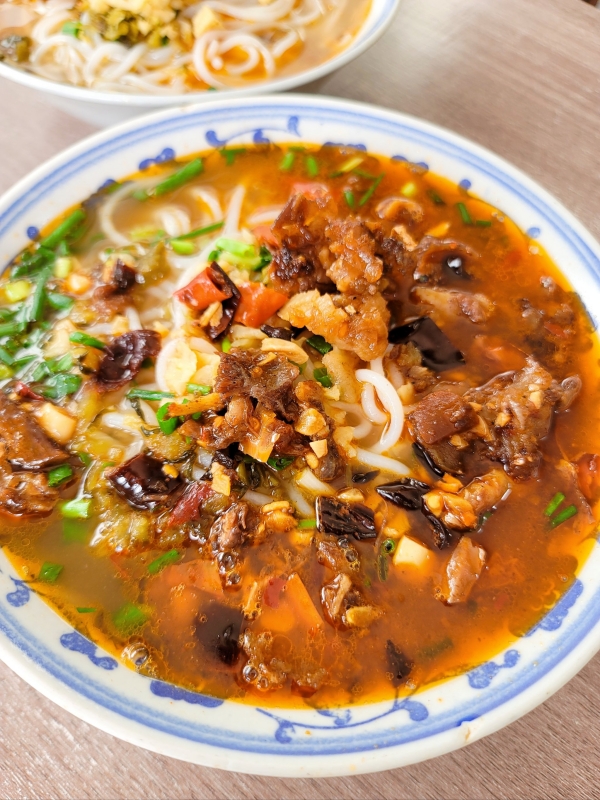
Yanshan Tang Fen (铅山烫粉) is Shangrao’s specialty rice noodle soup. The noodles swim in a bone and chicken broth that’s been simmered for hours to create a rich, complex flavor. One bowl costs ¥18-25. Perfect pick me up for breakfast or lunch if you need warming and filling options. Kudzu root products (葛根) are local health foods. Try kudzu powder cookies (¥20/box) or chilled kudzu tea (¥10/cup) which has a refreshingly herbal flavor, but no excess sweetness.
My Top 3 Stalls: Kebabs, Noodles, Rice Balls
Baiwei Street and Yanpu Old Street form the main dining zone with maybe 30+ food stalls and small restaurants. Street snacks run ¥5-15 per item. Full sit-down meals cost ¥30-50 per person. Peak hours (12-1pm lunch, 6-8pm dinner) get legitimately crowded. Arrive at 11am or 2pm for lunch to avoid the chaos.
Three top stalls I returned to repeatedly: Near Baige Bridge is the kebab vendor who roasts lamb, chicken, and even seafood balls on skewers. ¥2-5/stick. Order “medium spicy” unless you can handle the hottest of the hot! The hand-pulled noodle stall with the yellow sign sells fresh noodles in bone broth for ¥28 a bowl. Splurge and add the fried egg for ¥5!
There’s a rice dumpling/noodle ball stall served with sweet rice/personal favourite fermented rice soup for 12 yuan a bowl near the small temple — the best dessert in the whole entire park! Avoid the “beggar’s chicken” - see 60-80 yuan whole chicken wrapped in lotus leaves. Very impressive on the outside, bland, dry, meat on the inside! Avoid any stalls advertising with multilingual menus (e.g. English/Korean/Japanese) as they’re tourist traps with 30% markups and lesser taste.
The 3-4pm Entry Window That Maximizes Your Experience
Wangxian Valley
Make It a 2-Day Trip to Catch the Night View
Wangxian Valley sits in Wangxian Township, about 50 kilometers from Shangrao City in Jiangxi Province. For navigation, use Amap (高德地图) and search "望仙谷景区." Google Maps doesn't work reliably here. Download offline maps before arriving because cell signal gets spotty in the canyon. The Chinese name is 望仙谷 (Wàngxiān Gǔ)—screenshot those characters and show them to drivers.
From Shanghai, take a high-speed train from Shanghai Hongqiao Station to Shangrao Station (3-3.5 hours, ¥239-359 second-class). There are 15+ departures daily. At Shangrao Station, you have three options: scenic shuttle bus (¥30-35, departs 10am and 2pm), DiDi taxi (¥100-150 solo, ¥50-80 carpooling), or private car through your hotel (¥300-400). Can you do Shanghai to Wangxian Valley and back in one day? Technically yes, but you'd miss the night illumination, which is the whole point. Make it a 2-day trip.
Enter at 3-4pm for Golden Hour + Night Lights
Entrance tickets cost ¥120 regular, ¥140 during peak seasons (Chinese New Year, May 1-5, October 1-7). Students pay ¥70. The park opens at 9:30am and closes at 11pm, though last entry is 8pm. Night illumination starts around 6:30pm after sunset. Your ticket allows one-time entry only—you cannot leave and return the same day.
I recommend the 3-4pm entry window. That gives you golden hour light, lets you watch sunset, catch the lights turning on, enjoy dinner, see performances, and leave around 10pm feeling satisfied. Buy tickets at the entrance gate using cash/WeChat/Alipay, via the official WeChat mini-program (search "望仙谷景区"), or through Trip.com/Ctrip in English. Book 1-2 days ahead during Chinese holidays.
October 10-25 Is the Sweet Spot for Fall Colors
October 10-25 is the sweet spot—you get 90% of the fall colors with only 40% of the crowds. Temperatures sit comfortably at 15-25°C (59-77°F), sunny day probability exceeds 80%, and hotels haven't yet tripled prices. Summer (July-September) is your only rafting window, though crowds peak and UV is intense. Spring (April-May) brings full waterfalls but 60% chance of rain. Winter (December-February) means empty parks and 50% cheaper hotels, but waterfalls shrink and some food stalls close.
¥800 Cliffside Room vs ¥150 Village Homestay: My Verdict
Where to Stay: My Split Strategy
White Crane Cliff's cliffside rooms cost ¥800-2,000 per night. Book 3-6 months ahead for peak seasons. You climb steep stairs for 15 minutes carrying luggage—elderly travelers and families with small children struggle. Rooms are 20-30% smaller than photos, WiFi is weak, but waking up suspended over the canyon is unforgettable.
Alternative options inside the park run ¥400-600 per night. Outside the park, Zhangkan Village homestays average ¥150 per person including home-cooked meals. My split-strategy: stay one night outside (¥150), then one night inside (¥400). Average: ¥275 per night, beating ¥400+ for two nights inside.
Non-Slip Shoes Matter Most (Stone Steps Get Slippery)
Non-slip shoes are your most important item—stone steps get dangerously slippery after rain. You'll walk 3-5 kilometers exploring. Pack SPF 50+ sunscreen, wide-brimmed hat, 20,000mAh power bank (you'll shoot 500+ photos), and rain gear for April-September visits. The biggest safety risk is slipping on wet stairs—walk slowly after rain and use handrails religiously.
Withdraw Cash in Shangrao (ATMs Are Rare Here)
Cell signal works in main areas but gets spotty deeper in the canyon. Download offline Amap maps beforehand. Mobile payments (WeChat/Alipay) dominate—95% of vendors use them exclusively. Carry ¥200-500 cash as backup. ATMs are extremely limited, so withdraw money in Shangrao before arriving. Download these apps: Amap (navigation), DiDi (taxis), Trip.com (bookings), Pleco (translation with camera function). Learn "Wǒ yào qù Wàngxiān Gǔ" (我要去望仙谷) meaning "I want to go to Wangxian Valley."
FAQ: Your Wangxian Valley Questions Answered
Q: What is Wangxian Valley in Chinese, and how do I pronounce it?
Wangxian Valley is 望仙谷 in Chinese (Wàngxiān Gǔ in pinyin). The name means "Valley of Gazing at Immortals," referring to legends about immortals ascending from this spot. Pronunciation is tricky—"Wàng" sounds like "wong" with falling tone, "Xiān" blends "she" and "yen" into "shyen" with high flat tone, "Gǔ" sounds like "goo" with falling-rising tone. For practical purposes, screenshot those three characters (望仙谷) and show them to drivers. Visual communication beats attempting pronunciation since most locals in rural Jiangxi don't speak English.
Q: Is Wangxian Valley worth visiting, or just Instagram hype?
Wangxian Valley is worth visiting if you set the right expectations. The buildings are modern reconstructions from 2015-2020, but the 110-meter cliffs and natural canyon are millions of years old. The night illumination alone justified my ticket price—those glowing buildings are genuinely spectacular. It's worth your time if you're already in the region visiting Wuyuan or Sanqing Mountain. Making a special international trip solely for Wangxian Valley? Probably not. Photography fans and architecture enthusiasts will love it. Travelers seeking only "untouched authenticity" might feel disappointed. I give it 4 out of 5 stars.
Q: How do I get a map of Wangxian Valley?
Google Maps doesn't work well inside mainland China—I tried using it and got lost twice. Use Amap (高德地图) instead. Download the app and search for "望仙谷景区." Amap shows detailed layouts including walking paths, viewpoints, restrooms, and food stalls. The key move is downloading offline maps before entering Wangxian Valley because cell signal weakens significantly in canyon depths. They also provide free paper maps at the entrance gate in Chinese with basic English labels. The scenic area is 6.1 square kilometers total. Main paths are well-marked with signs, so getting genuinely lost is difficult.
Q: Is there a Wikipedia page for Wangxian Valley?
No, Wangxian Valley doesn't have a Wikipedia page yet as of December 2024. The scenic area opened recently (2020-2021), so it hasn't met Wikipedia's notability criteria requiring significant coverage in multiple independent reliable sources. Most information exists in Chinese on platforms like Ctrip, Mafengwo, and Xiaohongshu. English coverage is growing slowly. You'll find helpful reviews on Trip.com and TripAdvisor. For now, comprehensive guides like this provide more detailed English information than any Wikipedia entry would. Check back in 6-12 months—coverage might emerge as international awareness of Wangxian Valley continues growing through viral videos.
Q: Is Wangxian Valley "real" or "fake"?
This question deserves nuance because "fake" isn't accurate. What's real: the cliffs, canyon, waterfalls, and natural geology shaped over millions of years. The ecological restoration bringing forest coverage back to 81% is genuine environmental work. What's reconstructed: the buildings were constructed 2015-2020 using modern engineering with traditional aesthetic design. Think of Wangxian Valley like Colonial Williamsburg or restored European old towns. The natural setting is authentic. The structures are respectful reconstructions honoring traditional styles using real craftsmanship. Calling it "fake" suggests cheap imitation, which isn't accurate. "Reconstructed heritage site with modern engineering" describes it better. The craftsmanship quality is genuinely excellent.
Q: How much time do I need to visit Wangxian Valley?
The minimum viable visit to Wangxian Valley is 6-8 hours if you enter around 3pm and stay until 9pm. This covers essential attractions—Three-Tier Waterfall, White Crane Cliff, glass walkway—plus one meal and nighttime illumination. The recommended duration is one full day (9:30am-9pm) if you want to explore comfortably. This lets you wander at a relaxed pace, try a craft workshop, take photo breaks, enjoy multiple meals, catch all performances. The ideal schedule for deep immersion is 1.5 days with an overnight stay.