Things to Do in Qiqihar
Qiqihar sits in northern Heilongjiang Province, roughly 300 kilometers from Harbin near the Russian border. If you're exploring this northeastern region more broadly, see what else Heilongjiang Province offers beyond Qiqihar in our complete guide. The city serves as the gateway to Zhalong Nature Reserve, home to one of China's largest red-crowned crane populations. Beyond birdwatching, Qiqihar offers winter ice festivals running from December through February, Soviet-era architecture dating back to the early 1900s, and authentic northeastern Chinese cuisine. Most foreign travelers skip this industrial city of two million residents, which means you'll experience local culture without the usual tourist crowds found in bigger Chinese destinations.
Zhalong Wetlands: Meeting the Red-Crowned Cranes
-
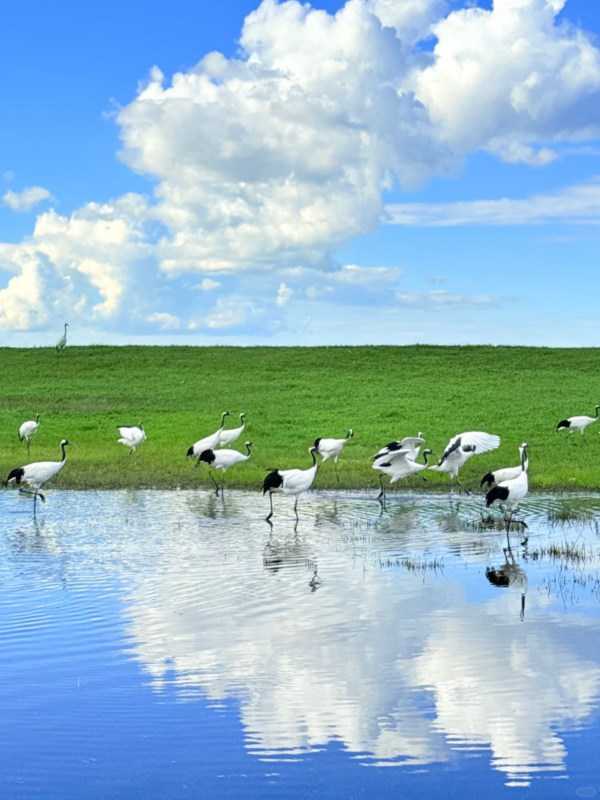

- Zhalong Nature Reserve
-
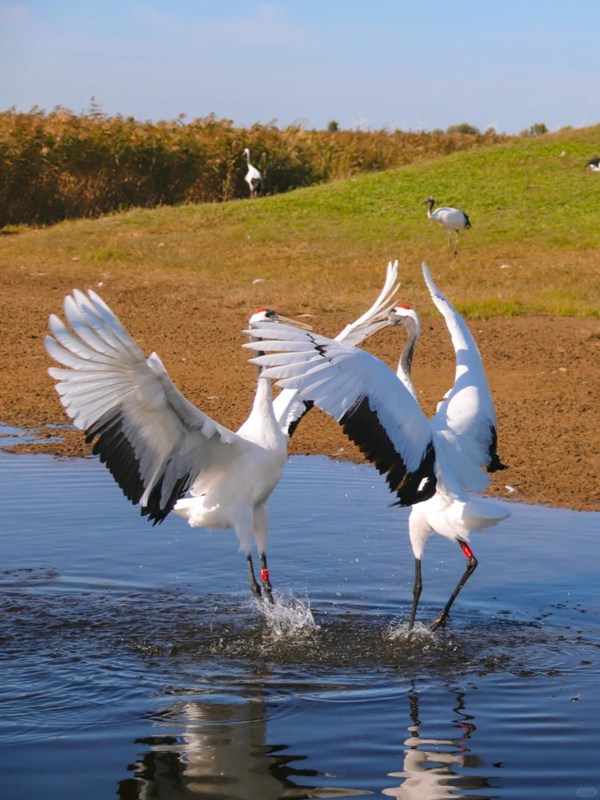
- Red-crowned Cranes in Zhalong
-
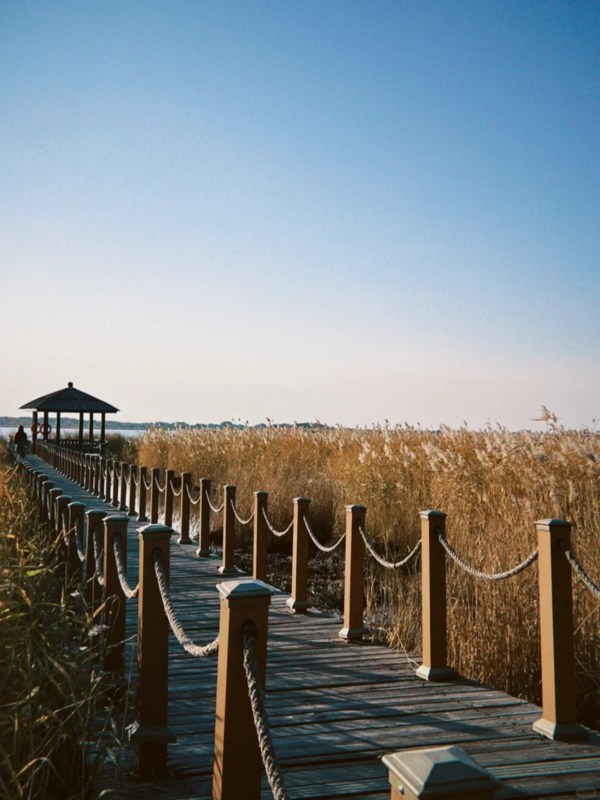
- Wooden Boardwalk
Best Times for Crane Watching
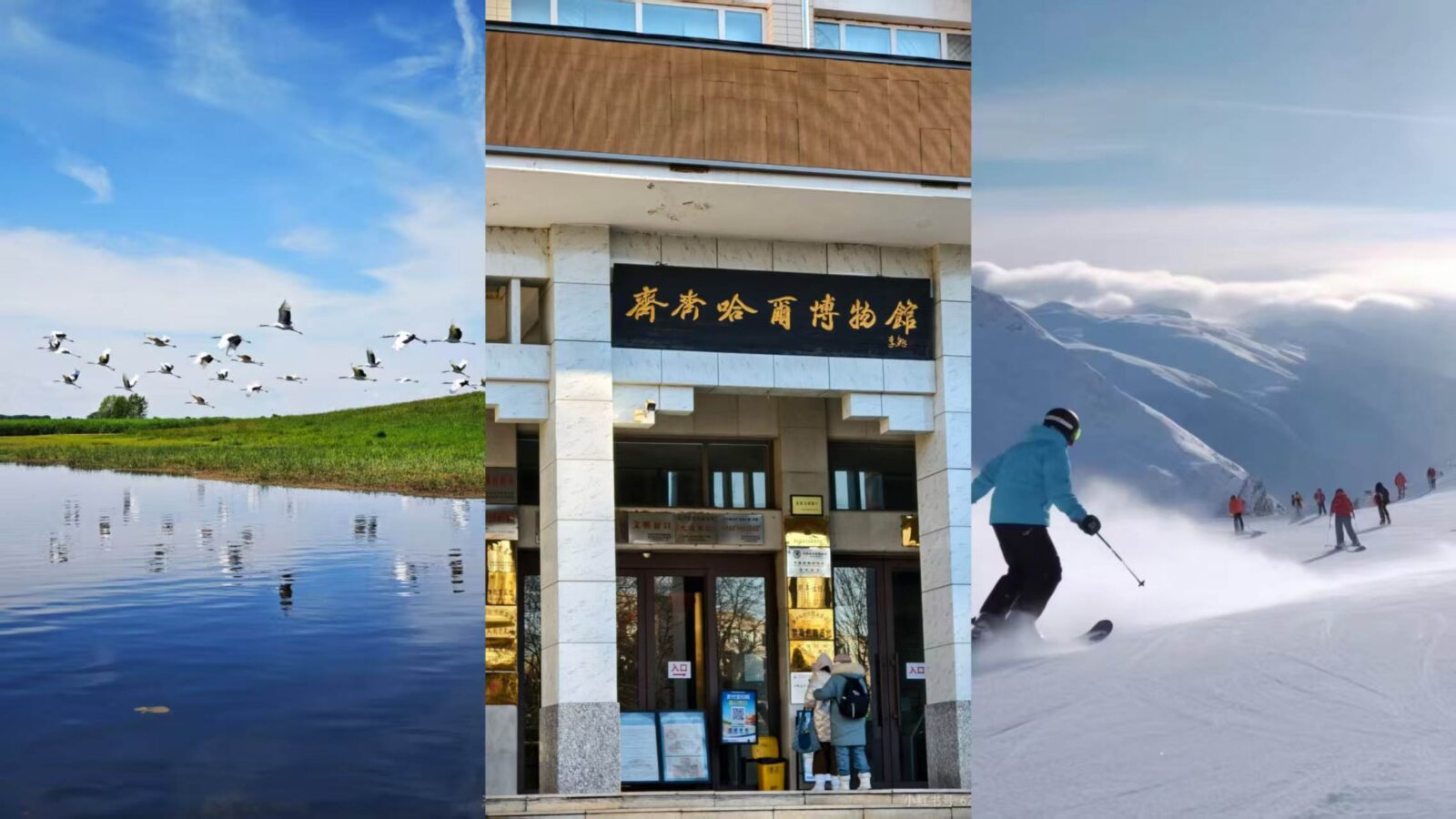
The migration season lasts during the end of March, and the beginning of April and during the months of September through mid-October, when considering what to do in Qiqihar in relation to wildlife viewing. During these times wild cranes are found in the greatest numbers, at one time there were over 600 birds. The wetlands will echo their unique trumpeting calls around dawn. May through July is the breeding season which has different rewards the adult cranes instructing the grey-colored juncos to learn to forage and fly.
Visitors who come during the winter months (December-February) still have a chance of viewing resident cranes but not in large numbers and the frozen landscape alters the viewing experience. Hot, humid summer (July- August) with biting insects is a reason why early morning visits are necessary. The local photographers whom I interviewed advised against visiting Chinese national holidays when local tour groups are crowded with the boardwalks. Mornings on weekdays are always the most desirable days to view.
Photography Tips and Viewing Spots
Carry a telephoto lens with minimum 300mm focal length to do decent crane shots. The wooden boardwalk system covers an area of about three kilometers of the best viewing spots, the best spots being the small platforms of observation. Platform Number 3 which is approximately 1.2 kilometers away the main entrance offers good results by regular visitors.
Come before the 9:30 AM crane release in order to get a place on the eastern section of the boardwalk facing the morning light to shine on the birds most favorably. During cool mornings mist rises up in the wetlands making the photo of the standard wildlife to elevate. The visitor center hires simple-looking binoculars at ¥20 in the event that you left yours at home. There is a local guide by the name Mr. Wang who works independently outside the entrance and costs 150 Yuan to tour three hours it takes him 30 minutes to show you where crane feeds depending on water levels and will save you a lot of walking time.
Getting to Zhalong from Downtown
The most renowned place in Qiqihar takes approximately 45 minutes to get there via road. Taxi costs 80-100 round trip with two hours of waiting period- negotiate the waiting time before taking off to prevent future misunderstandings. Bus 306 leaves around the railway station every 30-40 minutes, starting in the morning at 7:00 AM, and costs ¥8 one way, which works out to 370 rubles a month. They can no longer rely on bus schedule past 3:00 PM and that is why you should plan your way back.
A majority of hotels offer their own tours between 200 and 300 dollars per person which include transport and a local guide with a basic level of English understanding. Ride-hailing apps like Didi are not bad provided you have installed Chinese payment systems. The quality of roads is average all year round, but during winter, the roads may also be slowed down due to the presence of ice. Allocate no less than four hours in total to the visit including the time spent in the travel to have a good experience in the reserve.
Qiqihar's Winter Spectacle: Ice Festivals and Snow Activities
-
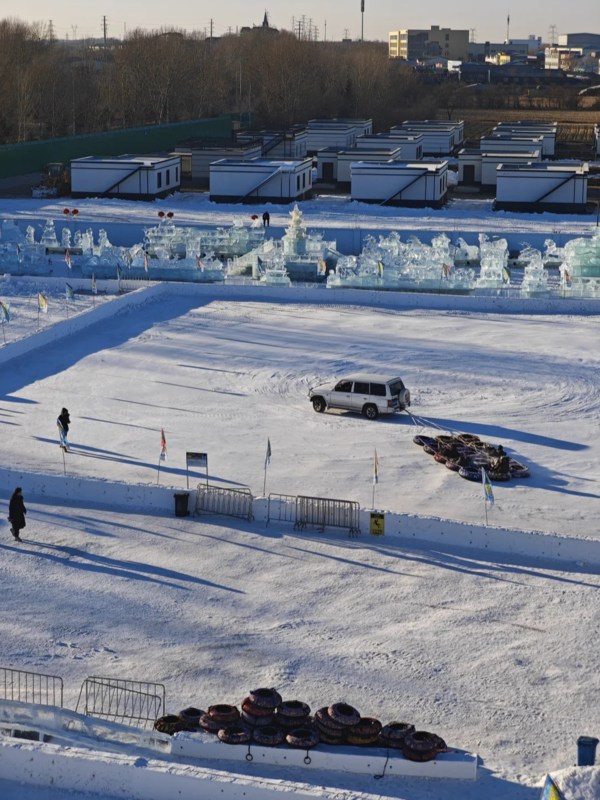
- Qiqihar Ice and Snow Festival
-
- Mingshui Ski Resort
-
- Nen River
Ice and Snow Festival Highlights
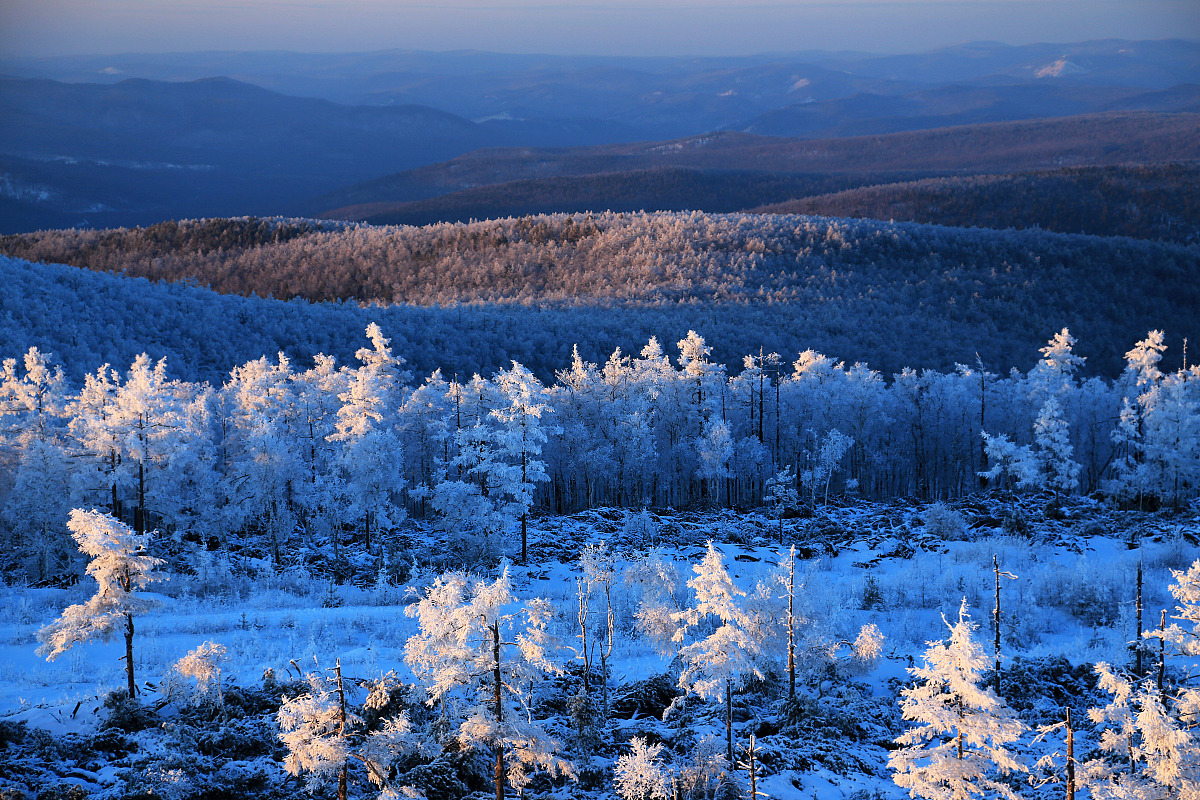
The Qiqihar Ice and Snow Festival runs from late December through February near Qingshui Lake Park. Winter activities in Qiqihar center around this annual event. It attracts far fewer tourists than Harbin's famous ice festival 300 kilometers south. Entrance costs ¥120 during Chinese New Year week and ¥80 on regular days. The festival grounds open at 2:00 PM. The ice sculptures look best after 6:00 PM when colored LED lights switch on. Local artists carve massive structures including replicas of famous buildings, mythical creatures, and abstract designs.
These reach up to 15 meters tall. Ice slides offer entertainment for families. Adults pay ¥20 per ride while kids under 12 go free. Food vendors sell roasted sweet potatoes, candied hawthorn berries, and grilled corn throughout the grounds. One vendor near the main entrance makes fresh jianbing (Chinese crepes). They actually taste decent in freezing temperatures. The festival usually closes around 9:00 PM on weekdays and 10:00 PM on weekends.
Skiing and Winter Sports Near Qiqihar
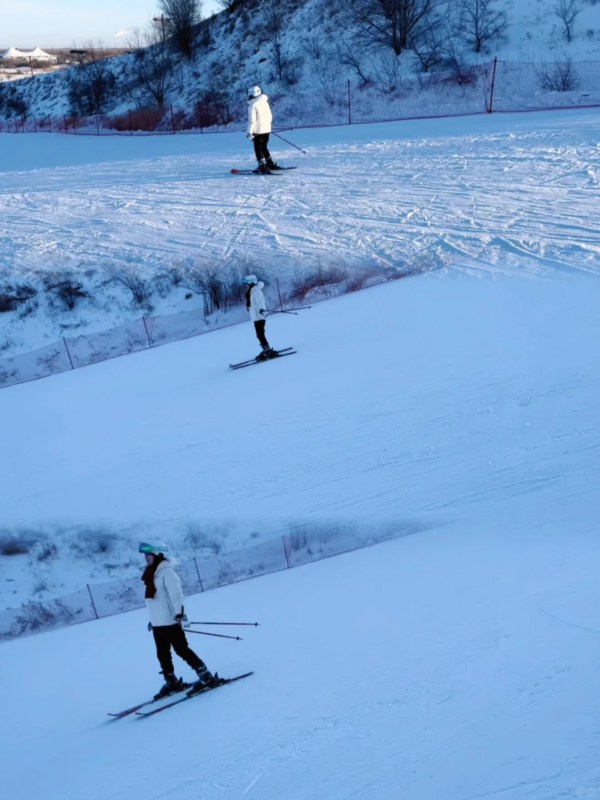
Mingshui Ski Resort is 40 kilometers north of the downtown and it works in December to mid-March as the snow conditions make it. The resort has seven runs varying between 300 and 800 meters and mainly serves beginner skiers and intermediate skiers. Lift tickets will be ¥100 on full day which is incredibly cheap in comparison with ski resorts of big cities. The cost of equipment renting (skis, boots, poles, jacket) costs 150 per day.
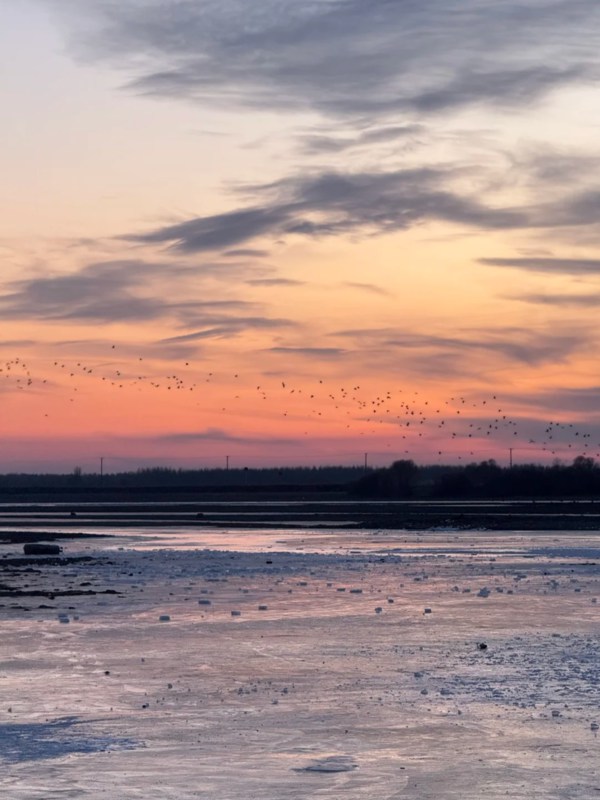
During winter, outdoor activities to do in Qiqihar include ice fishing on frozen lakes but you will have to find local guides as this activity is not well packaged to the tourists. In January the Nen River is frozen sufficiently to have the locals fishing holes through meters of ice. More adventurous travelers attempt winter swimming at some of the specific places on the riverbank, but that involves a great deal of cold tolerance and that should not be on the top of your itinerary.
Surviving the Siberian Cold
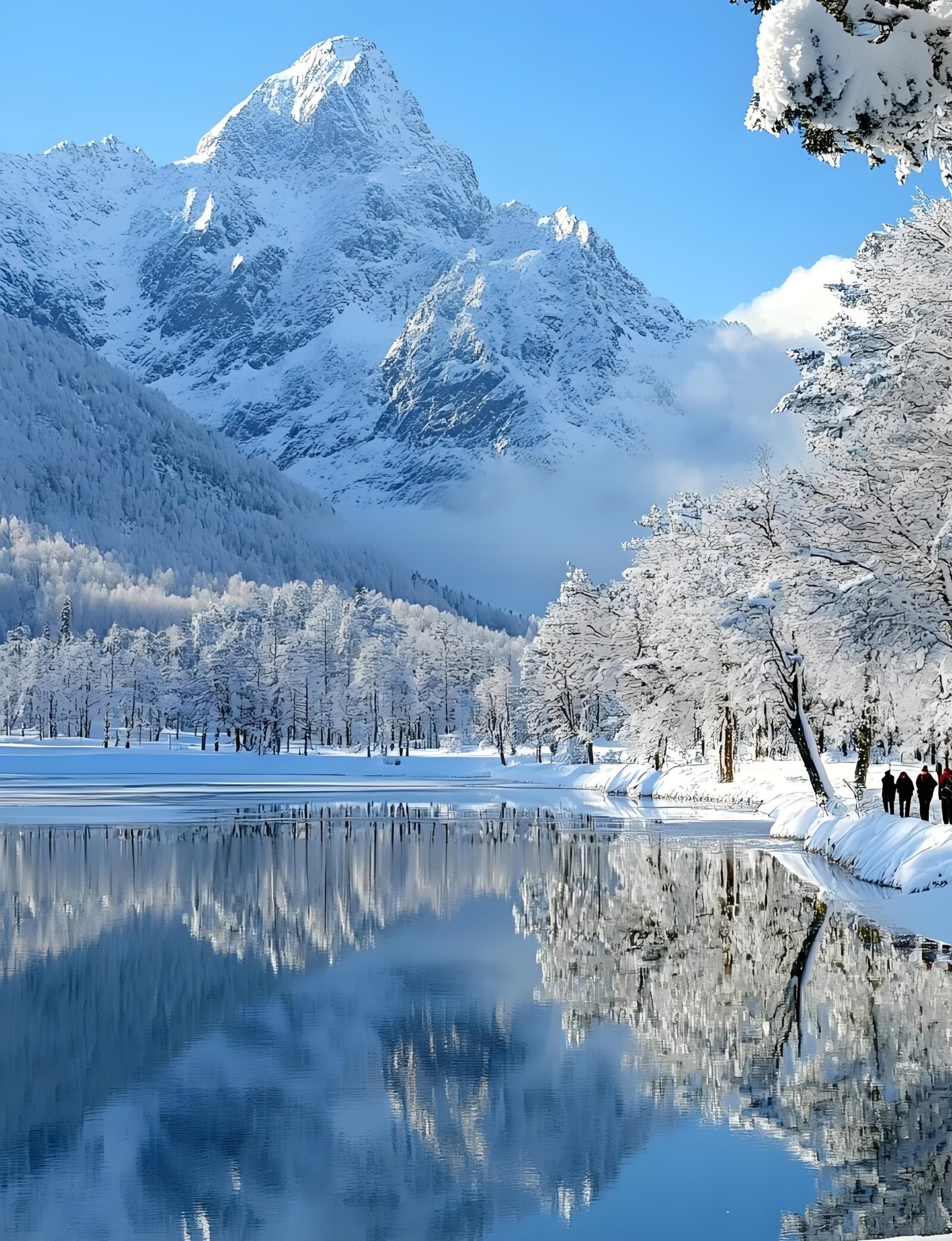
The temperature usually reaches -30°C and even -40°C during cold snaps in January. Thermal underwear, such as a heavy down jacket that is rated to withstand extreme cold, insulated boots, thick gloves, face mask (your nose and cheeks are covered). Convenience stores have hand warmers that are sold in 8-10 packs and become a necessity.
Interior environments are very hot and they generate 60 degrees of temperature difference as you journey outside and inside. Hotels maintain rooms at 24-26°C, and to me that is stuffy, and I am used to colder sleeping conditions. Even a short time in the outside air will not result in frostbite, but bare flesh will begin to hurt in the extreme cold in 5 minutes. People living in the area wear scarves and most have fur-lined hat with ear flap. In certain downtown neighborhoods, buildings are linked with underground tunnels, so that you do not have to walk outside on the most cold days.
Downtown Discoveries: Parks, Temples, and Soviet-Era Relics
-
- Longsha Park
-
- Qiqihar Museum
-
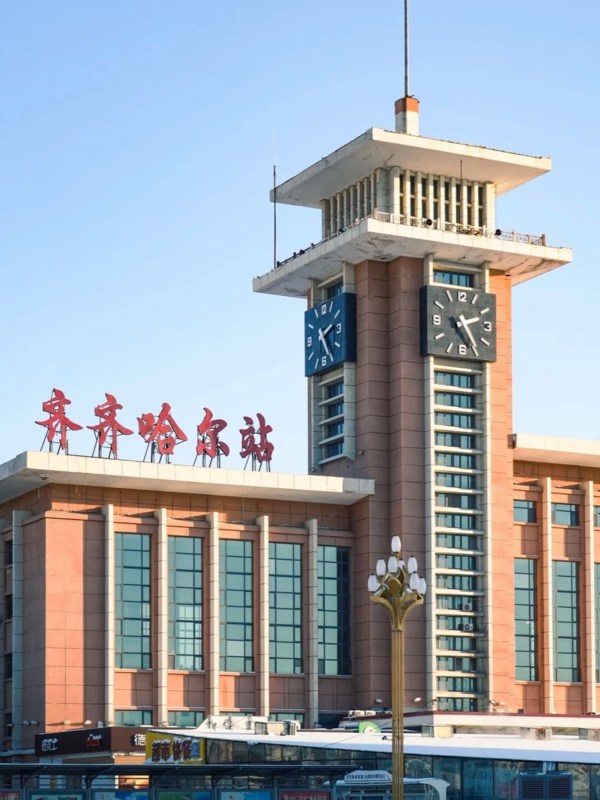
- Old railway station (1903)
Longsha Park's Century-Old Landscapes
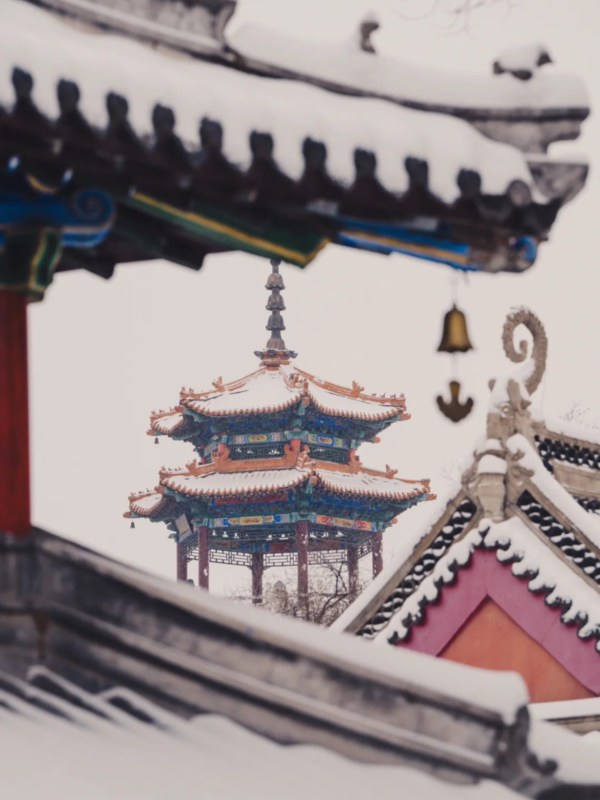
Longsha Park is the one that was created in the year 1897 by the Russian occupiers in the center of the city. A 64 hectares park combines the Chinese garden design with the European elements which one will not find in most Chinese cities. This place is usually the starting point of cultural things to do in Qiqihar because it opens at 6:00 AM everyday and is free to entry. The Wangjiang Tower is on the tallest point in the park- the steep stairs allow one to see throughout the river and downtown cityscapes.
In the early morning at around 7:00 AM, locals were doing tai chi, Chinese chess under willow trees, and group exercises to loud music. In July and August, Longsha Lake is full of lotus flowers, but they do not last long (approximately three weeks). The northeast corner is taken by Shukuteku Temple which was reconstructed in 1998 with detailed ceiling murals and Buddhist statuary. The monks occasionally talk to the visitors and some of them know simple English. Weekends are busy and the afternoons on weekdays are quite calm. Various classic tea houses are also on the eastern side of the perimeter where you can have jasmine tea and snacks.
Museums Worth Your Time
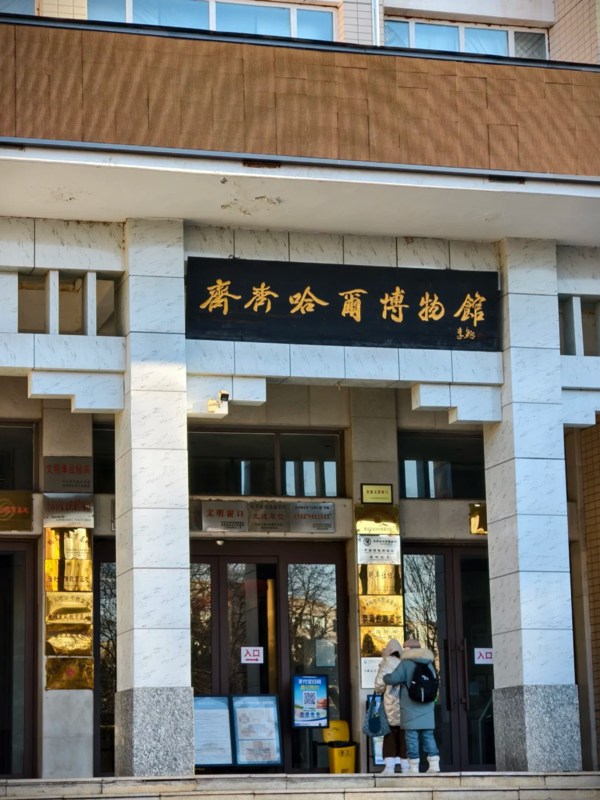
In 2020 Qiqihar Museum reopened following major renovation that in fact features English signage in all four floors of the museum, something that is unusual to a second-tier Chinese city. It is situated in Huancheng Road and is opened on Tuesday to Sunday between 9:00 AM and 4:30 PM free of charge. A ticket will be issued by giving your passport at the entrance desk. The display on Japanese occupation/puppet state of Manchukuo gives chilling historical background.
The other part is dedicated to the Daur, Evenki and Oroqen ethnic minorities who are indigenous to this area and have their traditional hunting tools and shamanic ritual items on display. These urban activities in Qiqihar would provide you with cultural background which obviously can be offered by nature reserve. On the second floor there is a coffee and pastry shop in the museum cafe in case you want to have a rest. The Japanese historical site of chemical weapons testing during the World War II is a memorial located in the Angangxi District some 15 kilometers away. This old, now defunct unit 516 has graphic displays of war atrocities. No entry fee, closed on Mondays, opens between 9:00 AM to 4:00 PM.
Architectural Walking Routes
In the old downtown areas, there are Soviet-era buildings which concentrates along the Bukui Street and Longhua Road. The old Russian consulate building still remains in the corner of Bukui Street and Zhonghua Road but it is currently occupied by government offices. You are able to shoot the outside and not to enter. The old railroad station constructed in 1903 which is still present has retained its Russian original architecture in the form of the characteristic green roofing tiles and arched windows.
The sightseeing of Qiqihar in these areas is better by foot as the buildings are close to each other. Hail a taxi to Bukui Street (¥10-15 most downtown hotels) and walk north along it towards a distance of two kilometers, where some of the earliest 20 th -century Russian and Chinese construction can be seen with a mixture of modern Chinese buildings. These streets are lined with small dumpling restaurants and bakeries and locals will recommend Lao Zhang Doufu Nao by the old post office building as a place to have breakfast.
Savoring Northeast China: A Food Lover's Guide to Qiqihar
-
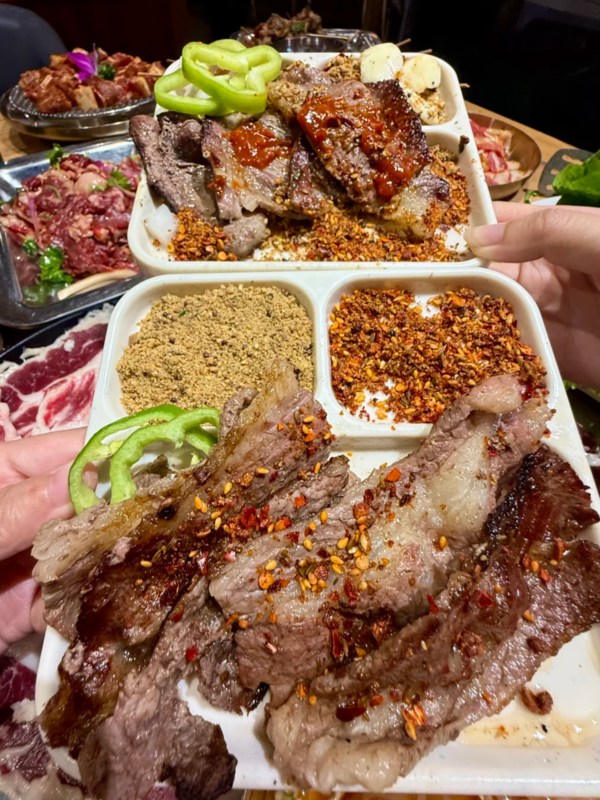
- Qiqihar Barbecue
-
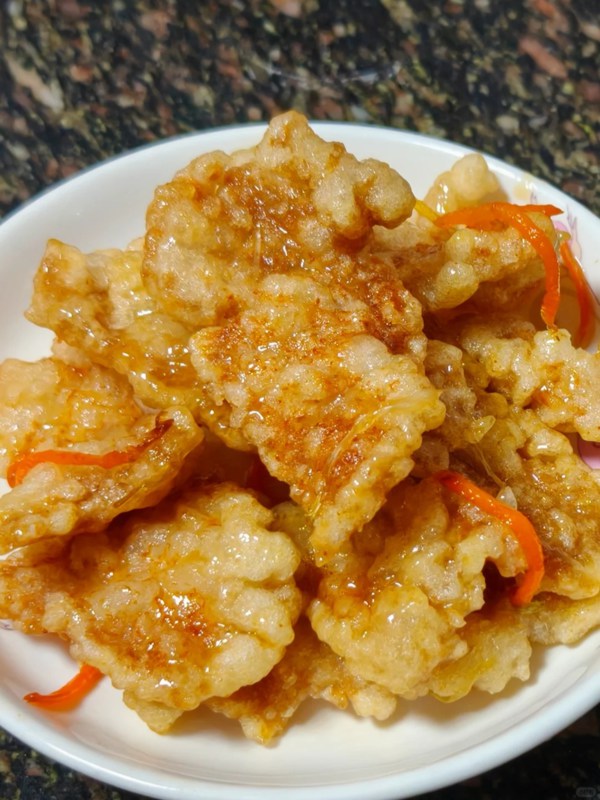
- Guobaorou
-
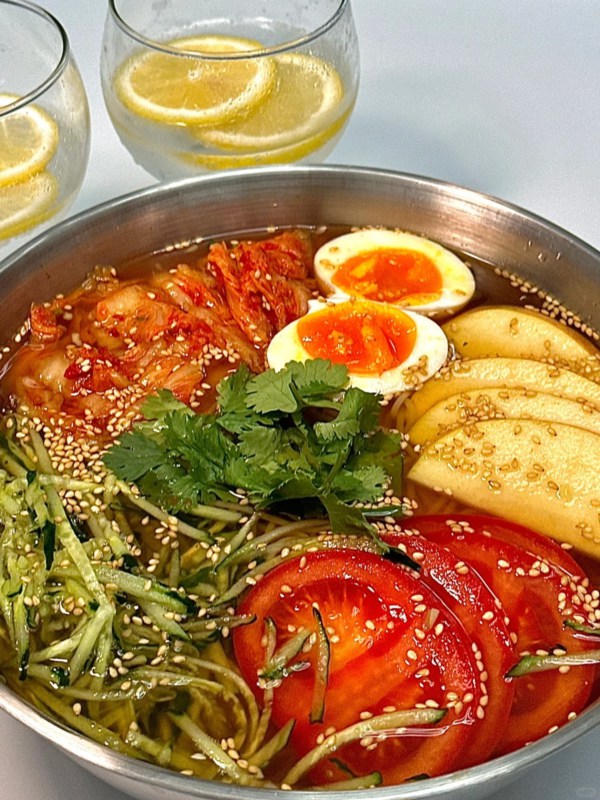
- Cold Noodle
Street Food and Night Markets
The night market close to the railway station opens at around 7:00 PM and continues till 11:00 PM. Vendors line the sidewalks selling lamb skewers (¥5 for three), grilled squid (¥15), and cumin potatoes (¥8). Culinary experiences rank among the best things to do in Qiqihar, particularly these informal street food scenes. Locals gather here after work. Candied hawthorn berries on sticks make a popular sweet snack for ¥10.
Jianbing vendors park near the entrance. These Chinese crepes filled with egg, scallions, and crispy wontons cost ¥8-12 depending on toppings. Hygiene standards vary between vendors. Watch which stalls draw the longest lines of locals. Smaller night markets operate in residential neighborhoods. The railway station area offers the most variety and stays open latest. Bring cash since most vendors don't accept mobile payments despite this being common elsewhere in China.
Signature Dishes You Can't Miss
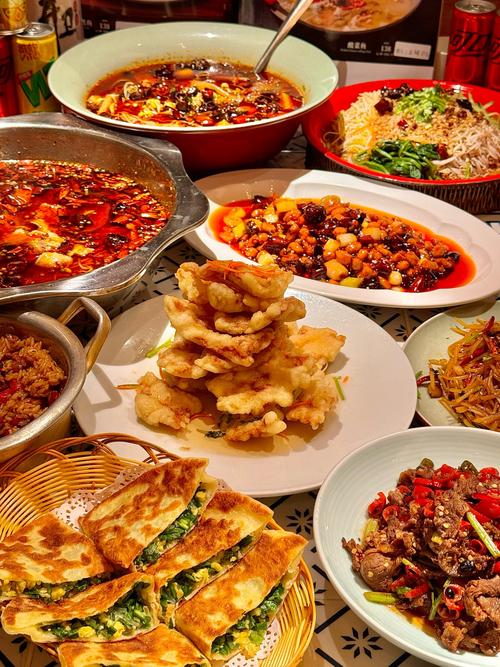
The barbecue of Qiqihar is not a similar type of barbecue found in other parts of China-slices of meats are grilled fast over charcoal and then served with heavy cumin. Since 1956, Fuyuan barbecue along Bukui street has been in operation and it becomes full after 6:00 PM. A full meal should cost between 60 and 80 yen.
Guobaorou (sweet and sour pork) was created in the neighboring city of Harbin, but local restaurants master the serving of crispy battered pork in spicy sauce. Long Sheng Yuan Restaurant on Longhua road puts it on very well. Beef broth iced noodles are bizarre to the frozen north of China but a popular dish among the locals. Noodles are served with slices of cucumber, Asian pear and soft-boiled egg on its top. The Xing long cold noodle restaurant on Tiefeng road serves this dish at 18-25 per bowl. Breakfast Tofu pudding is between ¥8-12 at small shops that are open at 6:00 AM around the city.
Where Locals Actually Eat
Lao Zhang Doufu Nao near Longsha Park serves traditional breakfast to a steady stream of regulars starting at 6:00 AM. The tofu pudding with savory toppings and fried dough sticks fuels locals before work. Food exploration is essential to any Qiqihar itinerary since restaurants in tourist areas tend toward mediocre quality and inflated prices. To understand the regional cooking styles you'll encounter, discover how Dongbei cuisine differs from other Chinese regional traditions.
Small dumpling restaurants line the streets around Bukui Street and Longhua Road—look for places packed with local families rather than empty dining rooms. Most neighborhood restaurants don't have English menus, so pointing at other tables' dishes works reasonably well. Lunch rush runs 11:30 AM to 1:00 PM when restaurants get crowded and service slows down. Dinner starts early around 5:30 PM for families. Hotel staff can write down restaurant names and addresses in Chinese characters to show taxi drivers.
FAQ About Things to Do in Qiqihar
Q: Is Qiqihar worth visiting?
Qiqihar suits travelers interested in wildlife photography, winter festivals, or authentic northeastern Chinese culture away from typical tourist routes. The red-crowned cranes at Zhalong Nature Reserve alone justify the trip for bird enthusiasts. Winter visitors get ice festival experiences without Harbin's crowds and prices. However, things to do in Qiqihar remain limited compared to major Chinese cities—this works as a 2-3 day destination rather than a week-long stay. English-speaking services are minimal, so independent travelers need patience with language barriers. Skip it if you want polished tourist infrastructure or prefer warmer climates.
Q: What is Qiqihar famous for?
Qiqihar gained recognition primarily for Zhalong Nature Reserve, which protects one of Asia's largest red-crowned crane populations. The reserve houses 300-400 breeding cranes annually. The city also earned fame as a former Russian and Japanese stronghold during the early 20th century, leaving distinctive architecture throughout downtown. Winter ice festivals draw regional visitors between December and February. Qiqihar served briefly as the capital of Japanese puppet state Manchukuo during World War II. Industrial development focused on heavy machinery manufacturing made it economically important in Heilongjiang Province, though this matters less to tourists than the crane sanctuary.
Q: What is the best time to visit Qiqihar?
May through early June and September through October offer comfortable temperatures (15-25°C) with fewer tourists. Crane migration peaks during late March to early April and September to mid-October when wild birds gather in largest numbers. December through February brings extreme cold (-30°C regularly) but enables ice festival participation and winter sports. July and August see high humidity, heat, and peak domestic tourism making hotels more expensive. Avoid Chinese national holidays (October Golden Week, Spring Festival) when attractions get overcrowded and prices spike. Weather changes rapidly—pack layers regardless of season. Winter requires serious cold-weather gear while summer needs rain protection.
Q: How many days do you need in Qiqihar?
Two full days cover the main attractions in Qiqihar adequately for most visitors. Day one focuses on Zhalong Nature Reserve (half day minimum) plus downtown museums. Day two explores Longsha Park, Soviet-era architecture, and local food markets. Photography enthusiasts often spend three to four days capturing cranes during different lighting conditions and weather. Winter visitors add another day for ice festival and skiing activities. Single-day trips from Harbin work if you only want Zhalong, though this feels rushed. Budget travelers staying longer than three days might find activities limited unless genuinely interested in bird watching or winter sports.
Q: How do I get to Zhalong Nature Reserve?
Zhalong sits 30 kilometers southeast of downtown requiring 45 minutes travel time. Taxis charge ¥80-100 round trip including two hours waiting time—negotiate this before departing. Bus 306 leaves from near the railway station every 30-40 minutes starting at 7:00 AM, costs ¥8 each way, and drops you at the reserve entrance. Return buses become unreliable after 3:00 PM. Most hotels arrange private tours for ¥200-300 per person including transportation and basic English-speaking guides. Didi ride-hailing works if you've set up Chinese payment methods. Roads stay passable year-round though winter ice slows journey times slightly.
Q: What should I pack for winter in Qiqihar?
Bring thermal underwear rated for extreme cold, a heavy down jacket (rated to -40°C if visiting January-February), insulated waterproof boots, thick gloves, wool socks, and a face mask covering nose and cheeks. Hand warmers sold locally for ¥8-10 per pack become essential accessories. Pack lip balm and moisturizer since indoor heating creates very dry air. Sunglasses help with snow glare during sunny days. Layer clothing since you'll move between intensely heated buildings (24-26°C) and arctic outdoor temperatures. Scarves wrap around faces during extreme cold. Regular winter coats from temperate climates won't suffice—locals wear full-length parkas with fur-lined hoods.
Q: Is it easy to get around Qiqihar without speaking Chinese?
English proficiency remains extremely limited outside major hotel reception desks. Download translation apps before arriving—Baidu Translate works without VPN while Google Translate requires one. Have your hotel write destination names in Chinese characters to show taxi drivers. Didi ride-hailing app requires a Chinese phone number but works better than flagging taxis. Most restaurants lack English menus so pointing at other diners' dishes helps. Learn basic phrases for numbers, thank you, and "how much" to ease transactions. Locals generally act friendly and patient despite language barriers. Expect minimal English signage except at Qiqihar Museum.
Q: What are the must-try foods in Qiqihar?
Qiqihar-style barbecue features thin-sliced meats grilled over charcoal with heavy cumin seasoning—try Fuyuan Barbecue on Bukui Street. Guobaorou (sweet and sour pork) comes with crispy battered pork in tangy sauce, best at Long Sheng Yuan Restaurant on Longhua Road. Cold noodles in icy beef broth topped with cucumber and pear seem counterintuitive in freezing weather but locals eat them year-round at Xing Long Cold Noodle Restaurant. Breakfast tofu pudding with savory toppings and fried dough sticks costs ¥8-12 at Lao Zhang Doufu Nao near Longsha Park. Street vendors sell grilled lamb skewers for ¥5 at night markets.